Master Landscaping Drawings Easy: Paper to AI Design
You’re probably staring at your yard with a loose collection of ideas. Maybe a wider front walk. Maybe foundation plants that don’t look like they were planted by guesswork. Maybe a bed along the fence, a small patio, or just something that looks finished instead of accidental.
That’s exactly where most good outdoor projects start. Not with software. Not with a contractor. Not with a cart full of nursery plants. They start with a simple drawing.
This is what many homeowners overlook: the sketch is only half the job. A drawing can help you organize space, but a workable outdoor design also has to fit the site, fit the scale, and fit the climate. That’s where many tutorials promoting simple outdoor plans fall short. They show you how to make a nice-looking plan, then leave you alone with the hard part: figuring out whether the plants, layout, and proportions will work in the practical world.
Why a Simple Drawing Is Your Most Powerful Landscaping Tool
You can spot the yards that were built one impulse purchase at a time. A handsome tree sits too close to the walk. The new bed pinches the front steps. The patio fits on paper in your head, but not once chairs are out and people need room to pass.
A simple drawing prevents that.
It turns scattered ideas into decisions you can test before you spend money. That matters because outdoor projects rarely fail from lack of inspiration. They fail from bad spacing, weak proportions, and plants that looked good at the nursery but were wrong for the site.
It saves you from expensive guessing
A drawing is not decoration. It is a working tool.
Even a rough sketch lets you check the questions that cost homeowners the most money later:
- Will it fit: Patio furniture, stepping paths, bed depth, and open lawn all shrink once real dimensions are involved.
- Will it feel balanced: One oversized planting area can pull the whole front yard off-center.
- Will someone else be able to build it: Clear plans lead to clearer bids and fewer assumptions.
- Will the plan hold up in your climate: A pretty sketch is useless if the plant mix burns, freezes, or outgrows the space in three years.
That last point gets missed in many easy drawing tutorials. They teach the sketch, then stop before the harder part. A usable garden plan has to connect layout, plant size, sun exposure, drainage, and local climate. If you want help thinking through that bigger picture, this guide on how to plan a garden layout is a good place to start.
Practical rule: If you cannot point to it on paper, do not buy it yet.
You do not need to be artistic
Many homeowners hesitate because they assume a useful plan has to look polished.
It does not.
A workable drawing behaves more like a map than an illustration. Circles for shrubs, rectangles for paving, labels, and a few honest measurements will do far more for your project than pretty shading. I have reviewed plenty of homeowner sketches over the years, and the ugly accurate ones almost always beat the attractive vague ones.
If you need help sorting your priorities before you put pencil to paper, a roundup like these 10 curb appeal landscaping suggestions can help you decide whether the yard needs stronger structure, softer planting, or a clearer entry sequence.
What works and what does not
Here is the practical version.
| Approach | What happens |
|---|---|
| Simple measured sketch | You make decisions early, compare options, and catch spacing problems before buying materials |
| Mental plan only | You forget dimensions, misjudge scale, and keep changing things mid-project |
| Pinterest-first planning | You copy style ideas without checking whether they fit your house, lot, or climate |
| Plant-shopping first | You build the whole project around whatever happened to look good that day |
The goal is not a beautiful drawing. The goal is a yard plan that can become a real, buildable, photorealistic concept, with plants that will grow well where you live. That is where a simple sketch earns its value.
The 30-Minute Survey to Accurately Measure Your Yard
Before any design begins, professionals establish existing conditions through site analysis. That means sketching the current layout and documenting unchangeable elements like the home perimeter, fences, and property lines shown on official site plans, as explained in Unilock’s guide to landscape drawing. If you skip this step, everything after it gets shakier.

The good news is you don’t need survey equipment for a simple home yard plan. You need a tape measure, a notepad, your phone, and half an hour of focused work.
Start with the things that won’t move
Don’t begin with plants. Don’t begin with beds. Begin with the fixed framework of the property.
Measure and sketch these first:
- House footprint: Record wall lengths and major offsets.
- Property edges: Use your site plan or deed documents where available.
- Driveway and existing walks: Width matters more than people expect.
- Fences and walls: Include gates and corners.
- Existing trees worth keeping: Mark trunk location, not just the canopy.
- Utilities and fixtures: Hose bibs, downspouts, meters, and AC units affect layout.
Most homeowners make the same mistake here. They sketch what they notice visually instead of what controls the design. A faded shrub can be removed. A side-yard gate clearance problem can’t be wished away later.
Use a fast field method
I teach a very simple survey method for DIY work. It’s fast and accurate enough for concept planning.
- Draw a rough rectangle or outline of the lot.
- Drop in the house shape.
- Measure from house corners outward to nearby fixed elements.
- Note widths of walks, driveways, and side yards.
- Photograph every side of the house.
- Add quick notes on sun, shade, drainage, and problem views.
Your phone matters more than people think. Photos catch details you miss while measuring, especially window heights, stoop proportions, and awkward slopes.
Walk the yard once to measure. Walk it a second time to notice.
What to record besides dimensions
A good yard survey includes more than numbers. It should also capture how the site behaves.
Use short notes like these on your sketch:
- Morning shade by entry
- Downspout drains into bed
- Strong afternoon sun at front corner
- Neighbor view to screen
- Low spot holds water
- Window view from kitchen
Those notes help you avoid common mismatches, like putting a seating area in the hottest spot or choosing a planting zone where runoff will punish roots.
If you want a deeper planning framework once you’ve gathered the site data, this guide on how to plan a garden layout is a useful next step.
Keep the survey rough but readable
This isn’t drafting class. You’re creating a clean baseline.
A few field habits make a big difference:
- Write dimensions outside the shape so the sketch stays legible.
- Circle anything uncertain and recheck it before drawing the final base plan.
- Use one page per area if the lot is complicated.
- Label existing features clearly instead of trusting memory.
If your lot is irregular, resist the urge to “straighten it out” on paper. Draw the odd angle. Draw the taper. Draw the pinch point near the side yard. Those quirks are often what determine the best design move later.
Sketching Your Base Plan Using Simple Scale
A base plan turns your field notes into a drawing you can trust. This is the sheet that keeps a bed from swallowing a walkway, a tree from ending up under the eave, or a patio from feeling cramped once furniture is in place. Homeowners who skip this step usually do not have a sketching problem. They have a proportion problem.

Graph paper makes this easier because it replaces guesswork with repeatable spacing. You are not trying to produce a presentation drawing. You are building a working map that can later support planting choices, material decisions, and even AI visualization that still respects real dimensions and site limits.
Pick one scale and stick to it
Use a simple ratio and keep it consistent across the whole page. For many home projects, one square can equal 1 foot, 2 feet, or 4 feet, depending on yard size. The exact ratio matters less than consistency.
Scale errors are one of the fastest ways to waste money. A walk that looked generous on paper can shrink to an awkward squeeze once edging, furniture, or mature plant spread are added. Bower & Branch notes that scale mistakes are a common reason people misread design plans and make poor layout decisions in the field in this guide on reading a landscape design plan.
For a DIY front-yard plan, keep the rule simple enough that you can check it at a glance. If every square equals 2 feet, stay with that. Do not switch scales halfway through because one corner feels tight on the page.
A clean transfer method
Start with the parts that cannot move. That gives you a reliable shell for everything else.
Draw the outer boundary first
Place the property line or the usable garden area on the page. Then add the house footprint using your measured offsets from each side. If the house sits off-center, draw it off-center. Good base plans show what exists, not what feels visually balanced.
Add existing hard surfaces
Next, draw the driveway, front walk, steps, porch edges, and any paved areas you plan to keep. These fixed elements shape movement, and movement shapes the rest of the yard design. If you want examples of how homeowners build from a simple measured sketch into a workable concept, this guide to do-it-yourself landscape design is a useful reference.
Mark fixed site constraints
Add the features that will affect roots, access, drainage, or views. That includes trees to keep, gates, meters, utility boxes, condensers, hose bibs, and downspouts. Small omissions cause big headaches later, especially when you move from a hand sketch to a photoreal concept and start testing plants that need the right space and exposure to thrive.
If the base plan is inaccurate, every design choice built on top of it starts drifting away from reality.
A short visual demo can help if you’ve never translated measurements onto a page before:
What the base plan should look like
Clear beats polished.
Use this checklist:
- Straight lines for built features: House walls, fences, paving edges.
- Simple labels: “Existing walk,” “gate,” “window,” “tree to remain.”
- Lighter lines for existing conditions: Save darker lines for proposed changes.
- Open space on the page: You need room to test ideas without crowding the drawing.
One practical tip from studio reviews. Draw trees and shrubs at their current trunk or canopy footprint only if they are staying, then note whether size is approximate. That keeps your sketch useful now and makes it far easier to compare with later visual mockups or creative outdoor solutions for homes when you start exploring style directions.
Paper often beats software at this stage because it keeps your attention on proportion, use, and fit. Software and AI become more helpful after the base plan is sound. Then the technology can do what many easy-sketch guides never address. It can help you test whether the concept not only looks good, but also matches the site, the climate, and the plants you can realistically grow.
Layering in Hardscape and Planting Schemes
A good base plan gives you something many DIY sketches never reach. A drawing you can build from.
Now the job is to stack decisions in the right order so the plan stays clear. That matters more than artistic skill. It is also the point where simple sketches start turning into ideas you can test for real use, realistic visuals, and plant choices that fit your climate instead of fighting it.
The easiest method is layering. Professionals use layers because they let us change one part of a plan without redrawing everything else. Homeowners can get the same benefit with tracing paper over the base plan, or with a tablet app that lets you toggle parts on and off. If you want a quick visual walkthrough, this video explanation of layered drawing methods shows the sequence clearly.

Draw hardscape before plants
Built surfaces come first because they control movement, drainage, furniture layout, and access. Plants should support those decisions, not block them.
Start with the places people will use:
- Patios and sitting areas: Draw the full footprint so you can test furniture fit.
- Walks and connectors: Put paths where people naturally need to go.
- Steps and retaining edges: Mark every grade change that affects comfort or safety.
- Bed lines: Shape planting areas after the paving and use zones make sense.
Style inspiration helps here, but study the plan logic first. If you want examples of creative outdoor solutions for homes, pay attention to circulation, screening, and how one space transitions into the next. Finishes can change later. Layout mistakes are harder to fix.
Keep the planting layer simple and legible
Planting drawings do not need to look artistic. They need to be readable at a glance.
Use a small symbol system such as:
| Symbol | Meaning |
|---|---|
| Large circle | Tree |
| Medium circle | Large shrub |
| Small circle | Perennial or small shrub |
| Stipple or hatch | Groundcover or mass planting |
Add a plant key beside the drawing with names and quantities. That one habit turns a sketch into something you can price, review, and adjust. It also makes it far easier to compare your hand drawing with AI mockups later, especially if you want to check whether the look you like can be built with plants that suit your light, soil, and climate.
A simple key might include:
- T1: Serviceberry, 2 qty
- S1: Boxwood, 5 qty
- P1: Salvia, 12 qty
- G1: Groundcover mass at front slope
Skip nursery-size details for now. Keep enough information on the page that every symbol points to a real plant and a real quantity.
Field advice: If you cannot count the plants from the drawing in under a minute, simplify the plan.
Think in masses, not specimens
Homeowners often scatter single plants across the yard because the drawing feels empty. On site, that usually reads as busy and underplanned.
Grouped planting works better. Fewer plant types in larger drifts are easier to source, easier to install, and easier to maintain. The design also looks more settled after one growing season instead of several.
There is a practical bonus. Massed planting translates well into digital visualizers and AI renders, which helps you check spacing, height, and seasonal balance before you buy anything. That is the gap many easy drawing guides miss. A simple sketch is only useful if it can become a concept that still works once real plants, real sizes, and local growing conditions enter the picture.
A practical layering order
Use this sequence when you draw:
- Base plan on the bottom sheet.
- Patios, paths, walls, and bed lines on the next layer.
- Trees next, because they claim the most space and affect shade.
- Shrub masses after that.
- Perennials and accent plants last.
- Plant key in the margin.
That order keeps the big spatial decisions clear and prevents the common mistake of squeezing hard surfaces into leftover space.
Common DIY Landscape Drawing Mistakes to Avoid
Most bad plans don’t fail because the homeowner lacked creativity. They fail because the drawing ignored a practical constraint.
That’s good news. It means you can improve fast by avoiding a short list of common mistakes instead of trying to become a designer overnight.
The usual drawing errors
Some mistakes show up constantly in DIY plans.
Plants drawn at install size instead of mature size
This is the big one. Small nursery plants look harmless on paper because they’re small in real life when you buy them. But the drawing should reflect where they’re headed, not what fits in the pot today.
When people skip this, the result is predictable. Overcrowded beds, blocked windows, and constant pruning to control a layout that was too tight from the start.
Paths and use areas are undersized
A path can look fine on paper and still feel awkward underfoot. Same with front entry landings and small patios. If circulation is an afterthought, the whole area feels cramped.
Every edge is wavy
Curves aren’t a fix for weak planning. They only work when they solve a real problem, like easing circulation or softening a hard corner. Random curves usually make maintenance harder and layouts less intentional.
Awkward lots need method, not motivational advice
A lot of guides tell homeowners with irregular yards to “embrace quirks.” That sounds nice, but it doesn’t tell anyone how to draw a usable plan. As noted in this article on landscaping ideas for awkward yard shapes, that gap leaves non-designers struggling to apply formal perspective ideas to non-rectangular spaces.
What works better is breaking the lot into manageable zones.
For odd shapes, use this approach:
- Triangular yard: Anchor the widest end with the main use area, then let planting absorb the narrow taper.
- Long narrow side yard: Turn it into a sequence. Path, destination, screen, repeat.
- L-shaped lot: Treat each leg as its own outdoor room connected by a clear transition.
- Sloped front yard: Use level changes as a design feature, not a defect. Beds, steps, and low walls can organize the grade.
Strange geometry isn’t the problem. Undefined space is.
Don’t over-design the first draft
The best first draft is usually restrained. It solves circulation, screening, planting zones, and one or two focal moments. That’s enough.
If your drawing includes too many materials, too many bed shapes, and too many plant types, simplify it. Most strong residential outdoor designs come from repetition and control, not from cramming in every idea you like.
From Sketch to Reality Instantly Visualize Your Design with AI
You finish a clean yard sketch, step back, and still hesitate. The layout works on paper, but you cannot tell whether the front walk feels too narrow, whether the shrub massing looks heavy, or whether the plants you picked will handle your climate.
A hand drawing solves organization. It gives you placement, spacing, circulation, and planting zones. What it does not always give you is confidence in the finished result.

The step many easy drawing guides skip
Plenty of DIY tutorials stop at the sketch. That is useful, but it leaves out the part that determines whether the idea will look right in real life and hold up after planting.
I see the same problem often. Homeowners draw an attractive garden plan, then choose plants by color or Pinterest appeal instead of sun exposure, hardiness zone, mature size, and water needs. The drawing may be tidy, but the result is overcrowded beds, weak growth, and expensive rework.
That gap matters. A sketch can show where a bed belongs. It cannot confirm, by itself, that the planting mix suits your site.
How AI helps after the sketch
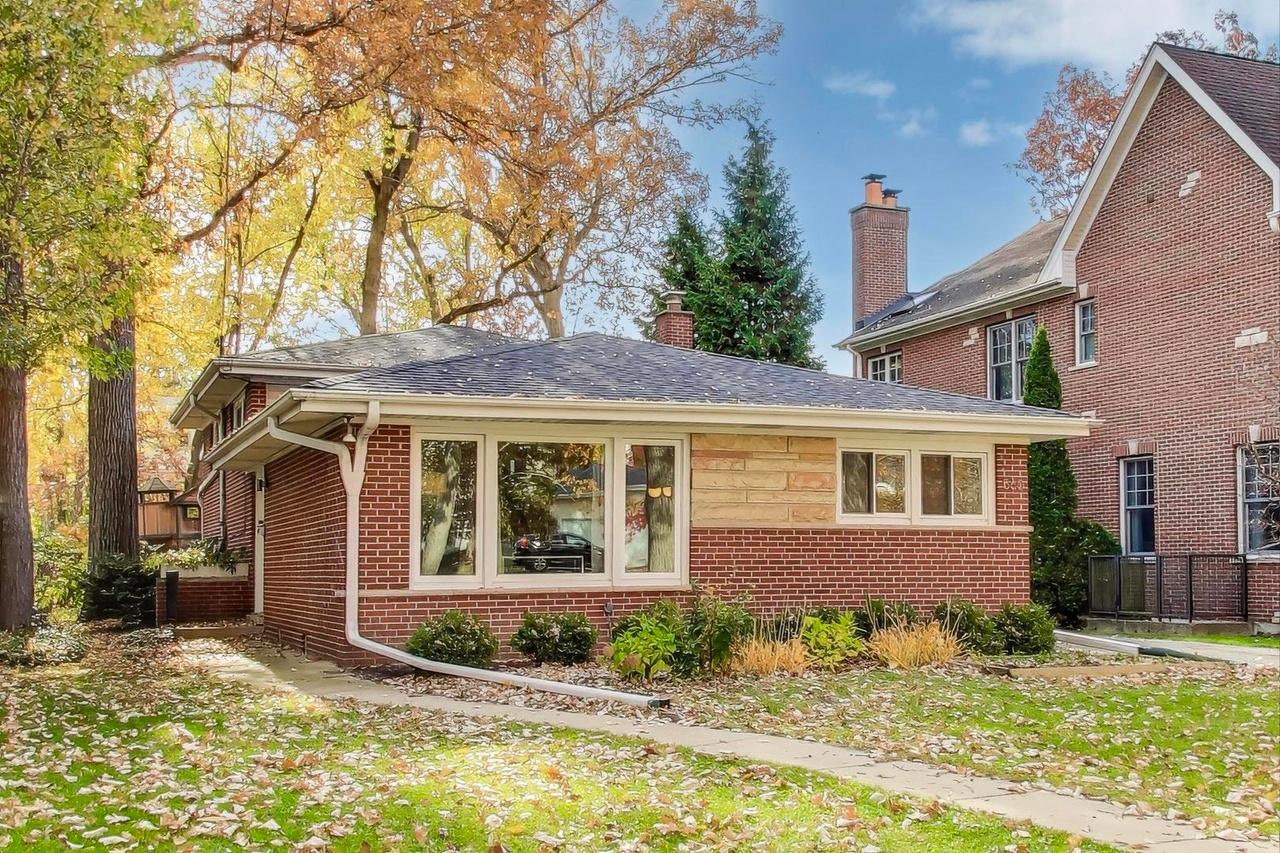
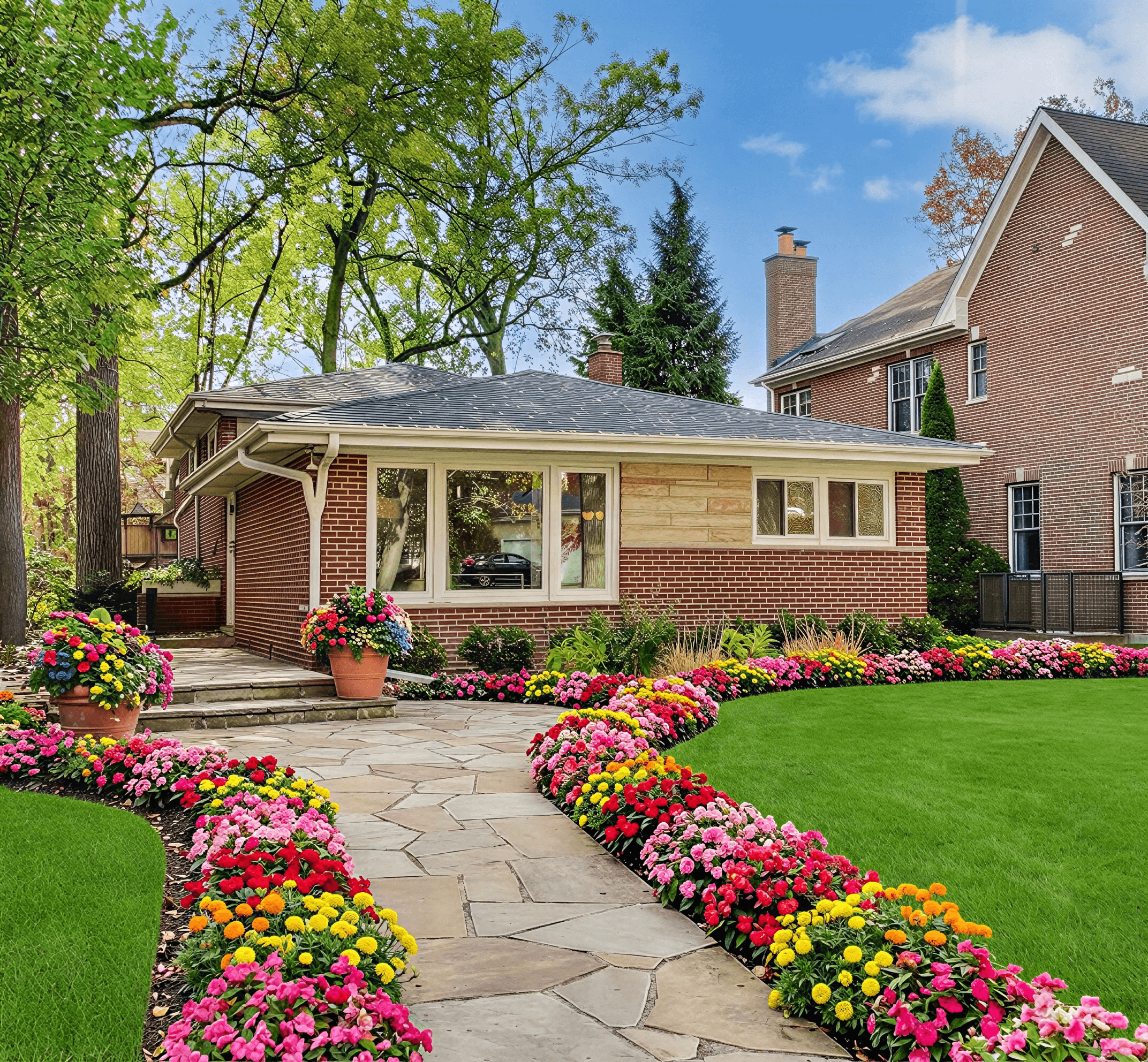
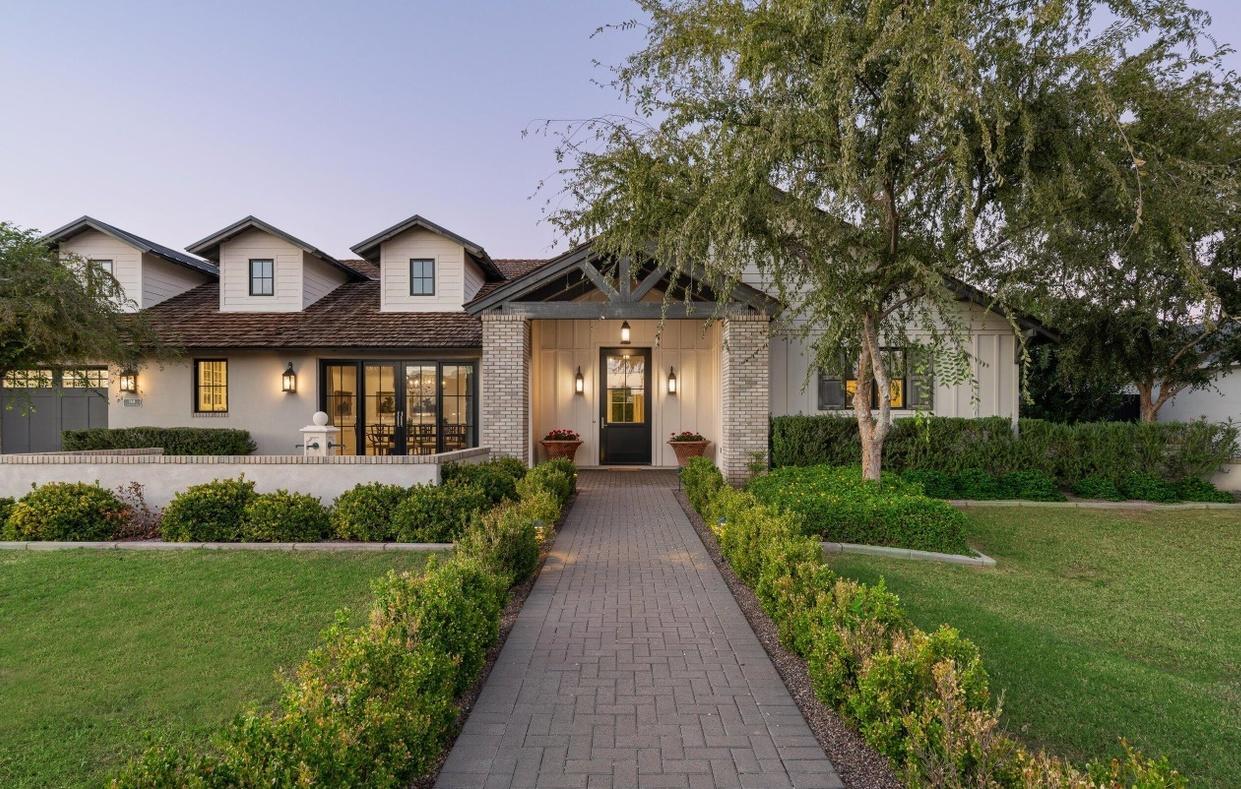
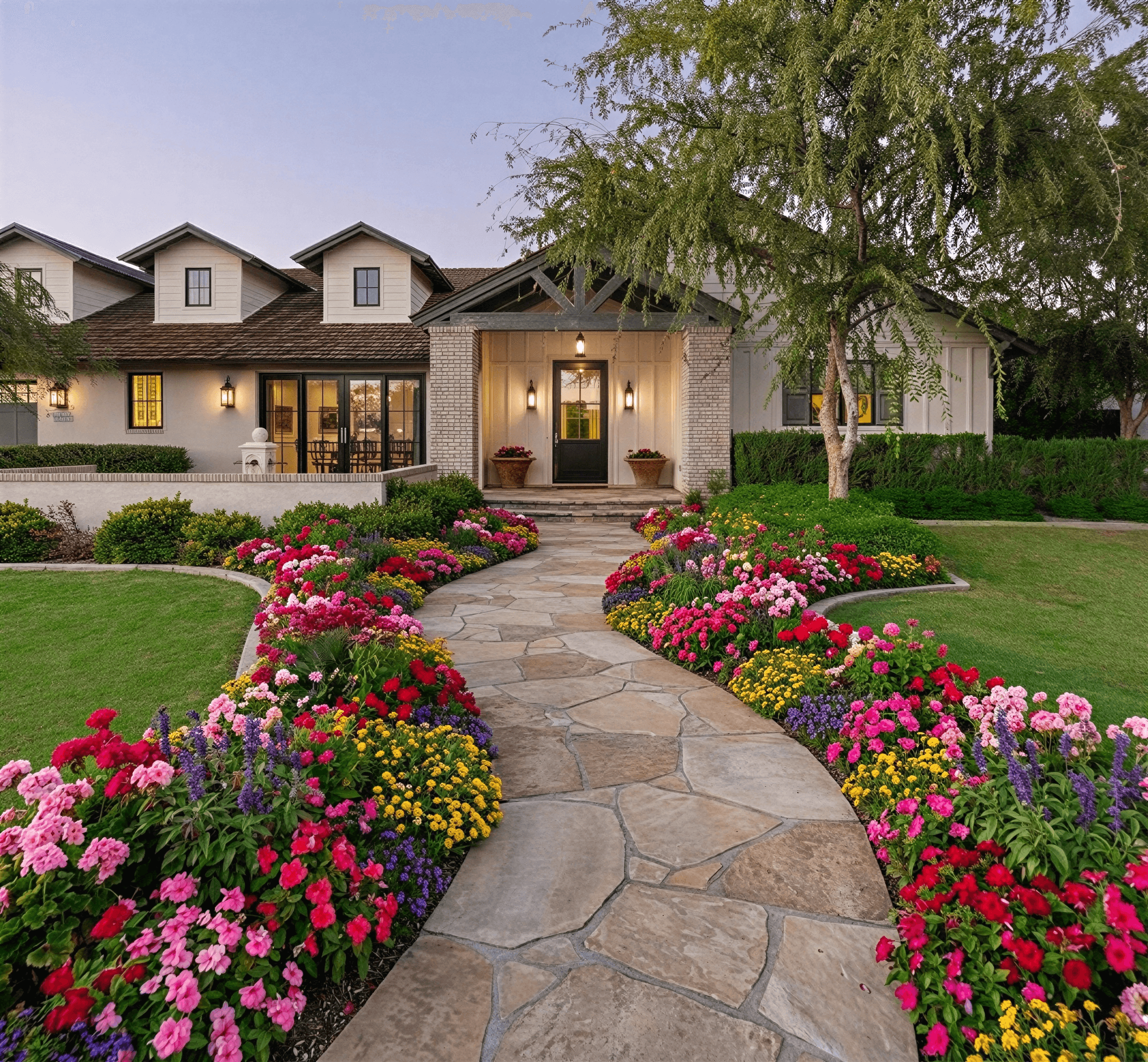
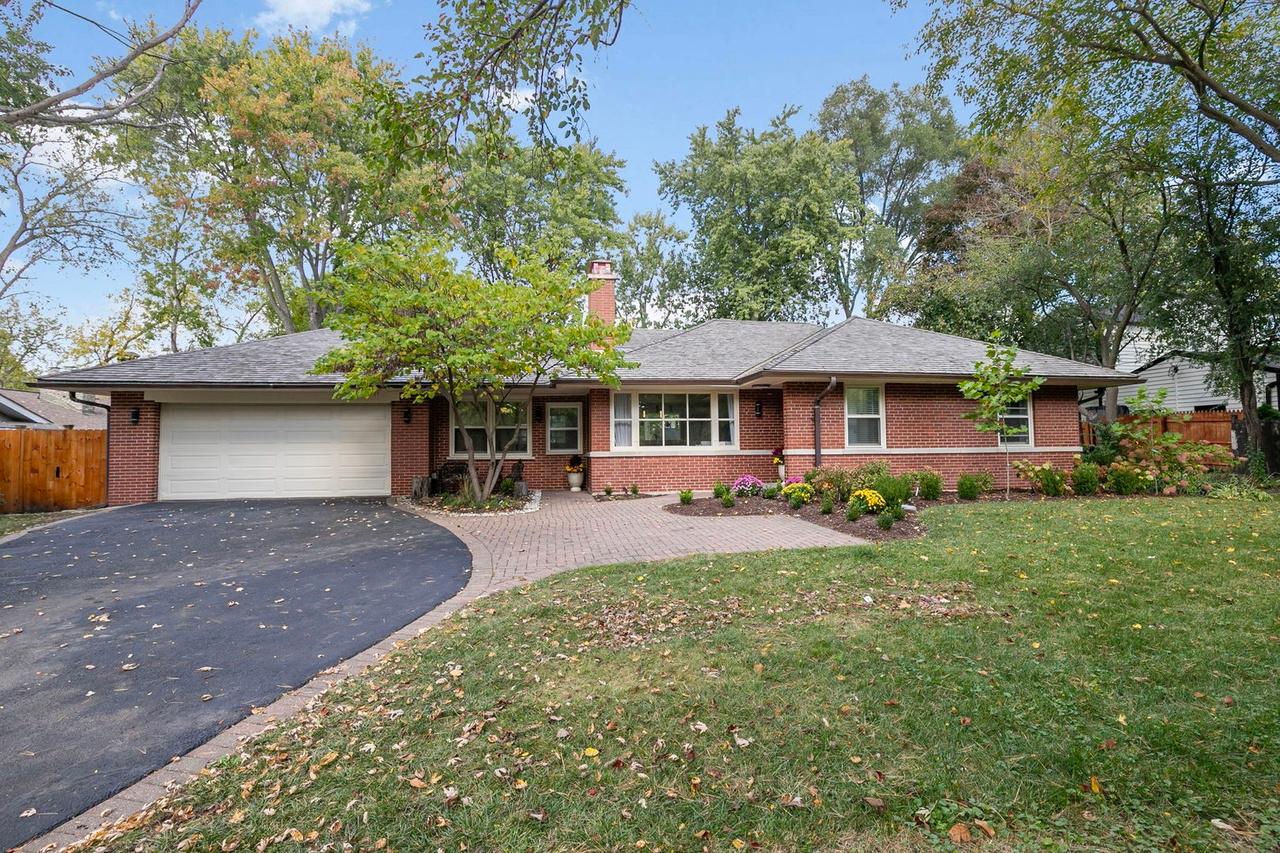
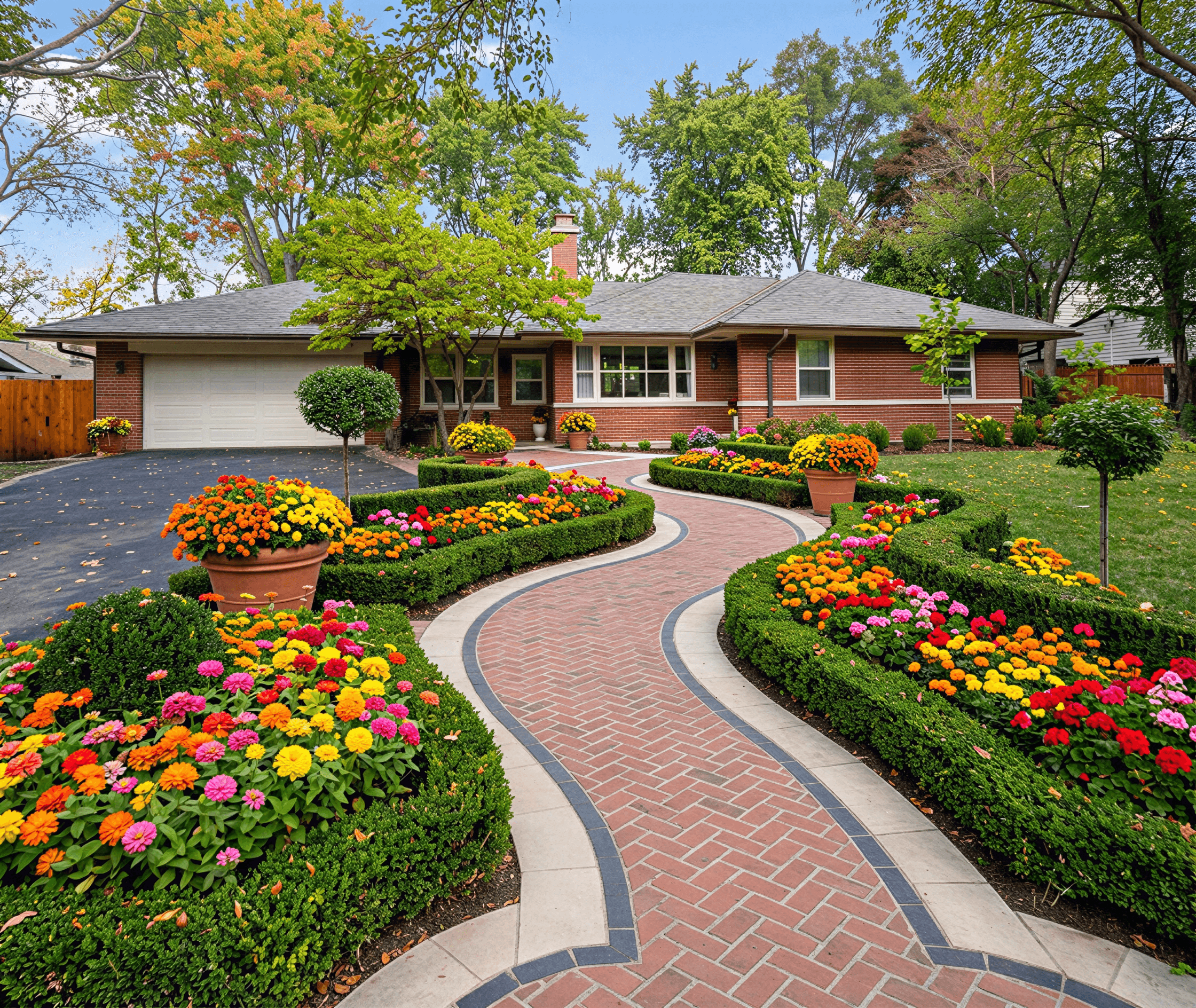
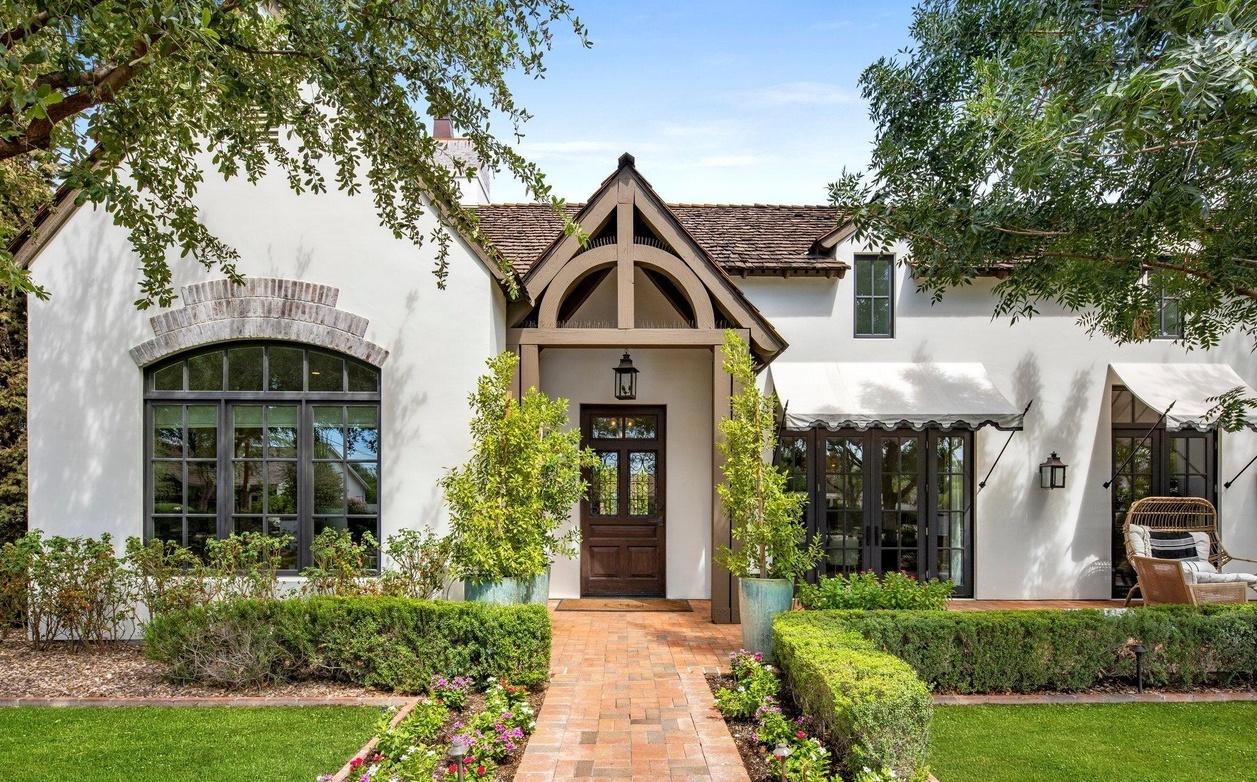
AI works best after you have the bones of the plan sorted out. It can turn a simple yard drawing and property photo into a more realistic concept, which makes proportion problems easier to catch before you buy anything.
Used well, it helps in two practical ways:
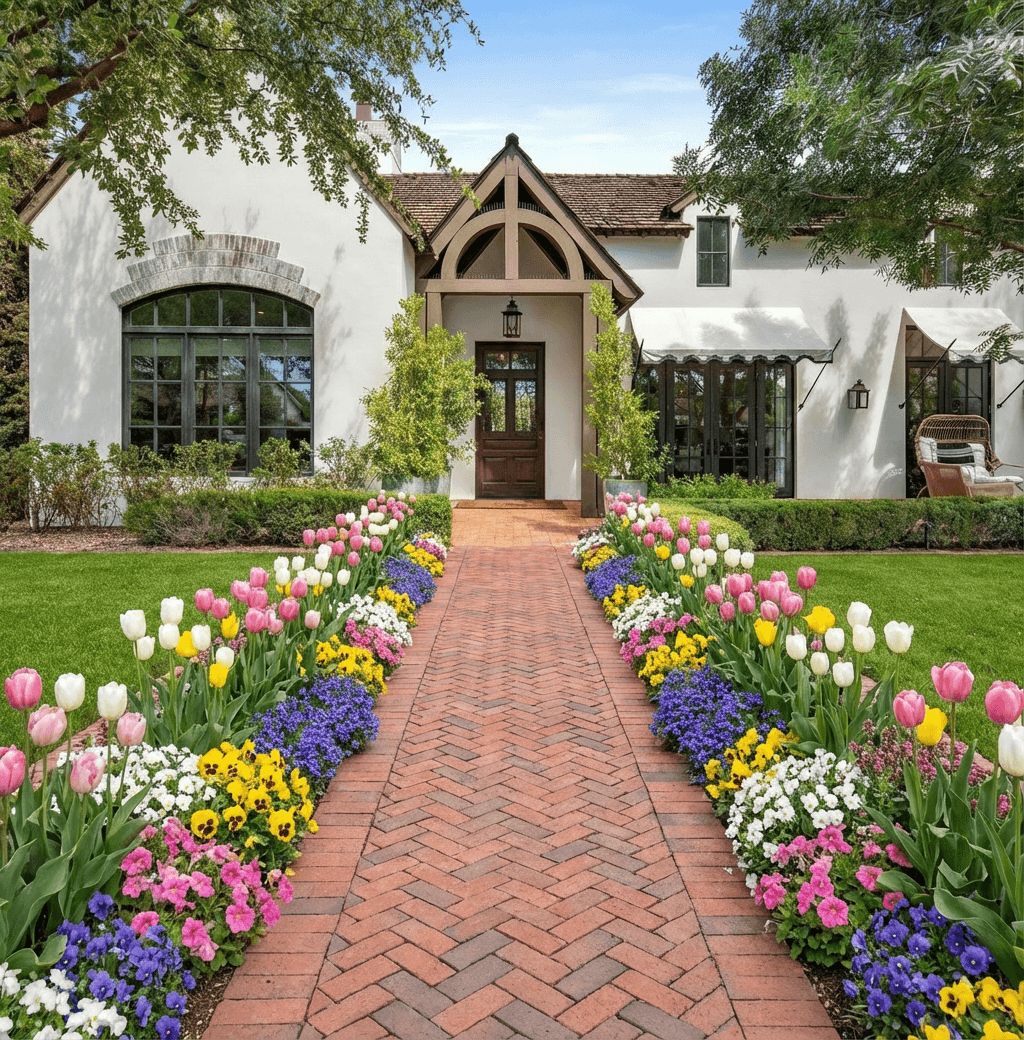
- Visual testing: You can compare styles, materials, and plant massing in a photorealistic view.
- Planting direction: Some tools can factor in climate and hardiness guidance, which helps you avoid building a concept around plants that will struggle in your region.
That combination is what many homeowners have been missing. The sketch gets the structure right. AI helps you test whether the structure will feel right and whether the planting direction is sensible for your conditions.
If you want a practical overview of how these tools fit into a real design workflow, this guide on AI for yard design and visualization is a useful place to start.
What AI does well, and where judgment still matters
AI is strong at speeding up concept work. It helps you compare options quickly, see the house and garden together, and spot ideas that looked fine in plan view but feel awkward from the curb.
It still needs a good input. If your measurements are off, your base plan is sloppy, or you ignore drainage, access, and maintenance, the rendering can look convincing while pointing you toward a bad decision. That is the trade-off.
Use AI as a test bench, not as the designer of record.
If you want to turn a rough yard idea into a photorealistic concept that also accounts for climate-appropriate planting, Curb Appeal AI is built for that step. Upload a property photo, explore design styles, and generate visuals that help refine your plan before you spend money on plants, materials, or labor.