Ai for Landscape Design: Elevate Outdoor with ai for landscape design Tools
What if you could have a world-class landscape architect on call, ready to dream up dozens of new looks for your yard in just a few minutes? That's the essence of AI for landscape design. It takes a simple photo of your home and uses it as a canvas to generate stunning, photorealistic, and climate-appropriate visuals, putting professional-grade design within everyone's reach.
What Is AI for Landscape Design
For years, giving your yard a makeover was a slow, costly, and often frustrating process. You had to track down a landscape architect, commit thousands of dollars just for a consultation, and then wait weeks—sometimes months—for a few concepts that might not even click with what you had in mind. This high barrier left many homeowners stuck with lackluster yards, simply because getting expert help felt too complicated and expensive.
The arrival of AI in landscape design is changing all of that. It offers a fast, affordable, and deeply personal alternative to the old way of doing things. Instead of waiting for a human designer to sketch out a few ideas, these AI platforms use powerful algorithms to handle the heavy lifting of visualization, giving you a flood of inspiration instantly.
This isn't just a fleeting trend; it's a fundamental shift in the market. The global landscape design software market, valued at USD 2.1 billion in 2024, is expected to nearly double to USD 3.8 billion by 2033. This incredible growth is being fueled almost entirely by the adoption of AI, signaling a massive demand for smarter, more accessible design tools. You can explore a detailed analysis of this trend in market reports from industry analysts.
The table below provides a snapshot of this growth, highlighting how different regions are contributing to the rapid expansion of the landscape design software market.
Landscape Design Software Market Growth at a Glance
| Region | Market Share (2025) | Projected 2025 Revenue | Key Growth Drivers |
|---|---|---|---|
| North America | 35% | ~$850 Million | High adoption of smart home tech, strong DIY culture, demand for water-wise landscaping. |
| Europe | 30% | ~$720 Million | Focus on sustainable and eco-friendly garden designs, urban greening initiatives. |
| Asia-Pacific | 25% | ~$600 Million | Rapid urbanization, growing middle class investing in property, increasing tech adoption. |
| Rest of World | 10% | ~$240 Million | Emerging markets in Latin America and the Middle East, rising interest in luxury properties. |
As you can see, the move toward AI-driven design is a global phenomenon, pushed by unique regional demands but united by a common desire for better, faster, and more intelligent design solutions.
The Problem It Solves
At its core, AI for landscaping closes the gap between imagination and reality. Most of us have stood in our yard, knowing it could be so much more, but we get stuck trying to picture the final result. We're left asking questions like:
- Would a modern, minimalist garden actually suit my house?
- Could I pull off a colorful cottage-style flower bed, or would it clash with the architecture?
- How do I create a beautiful, low-water xeriscape that doesn't just look like a pile of rocks?
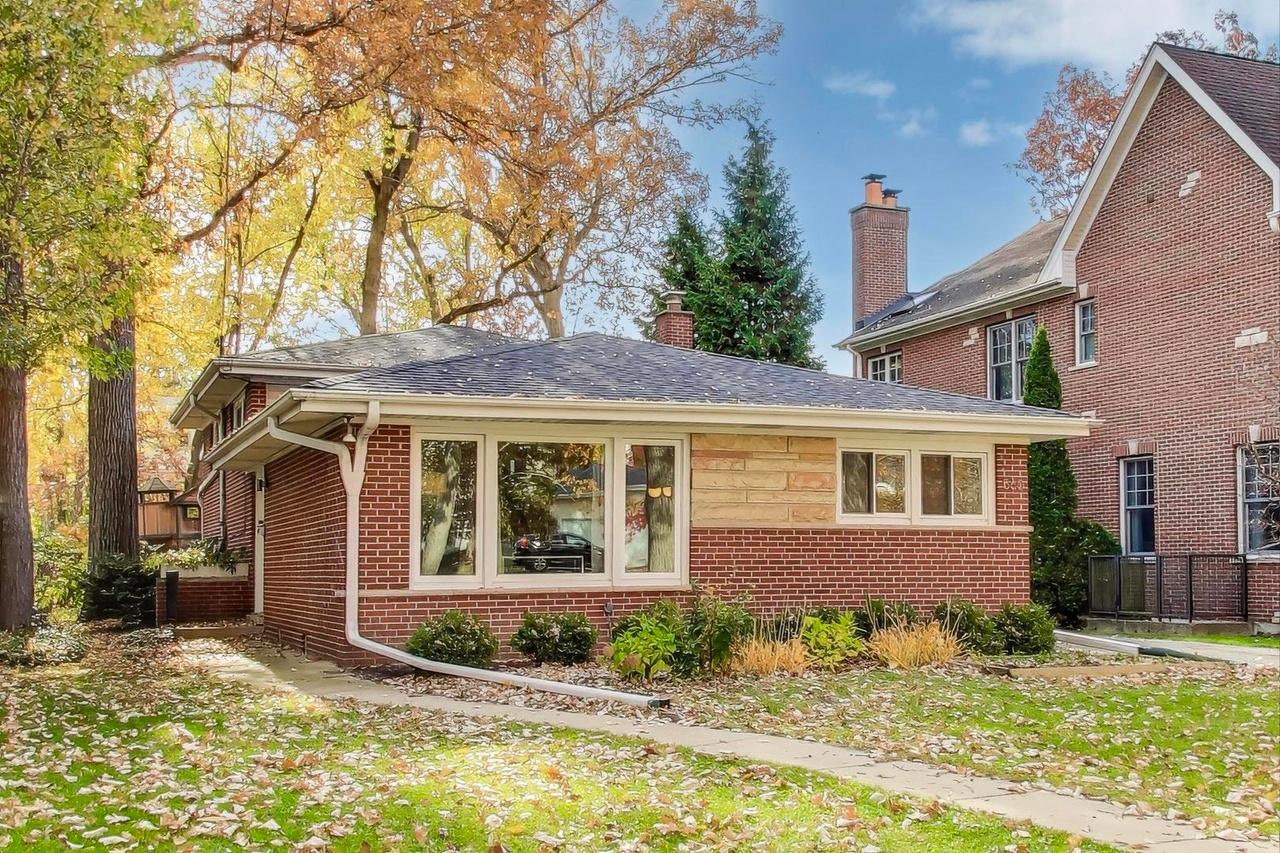
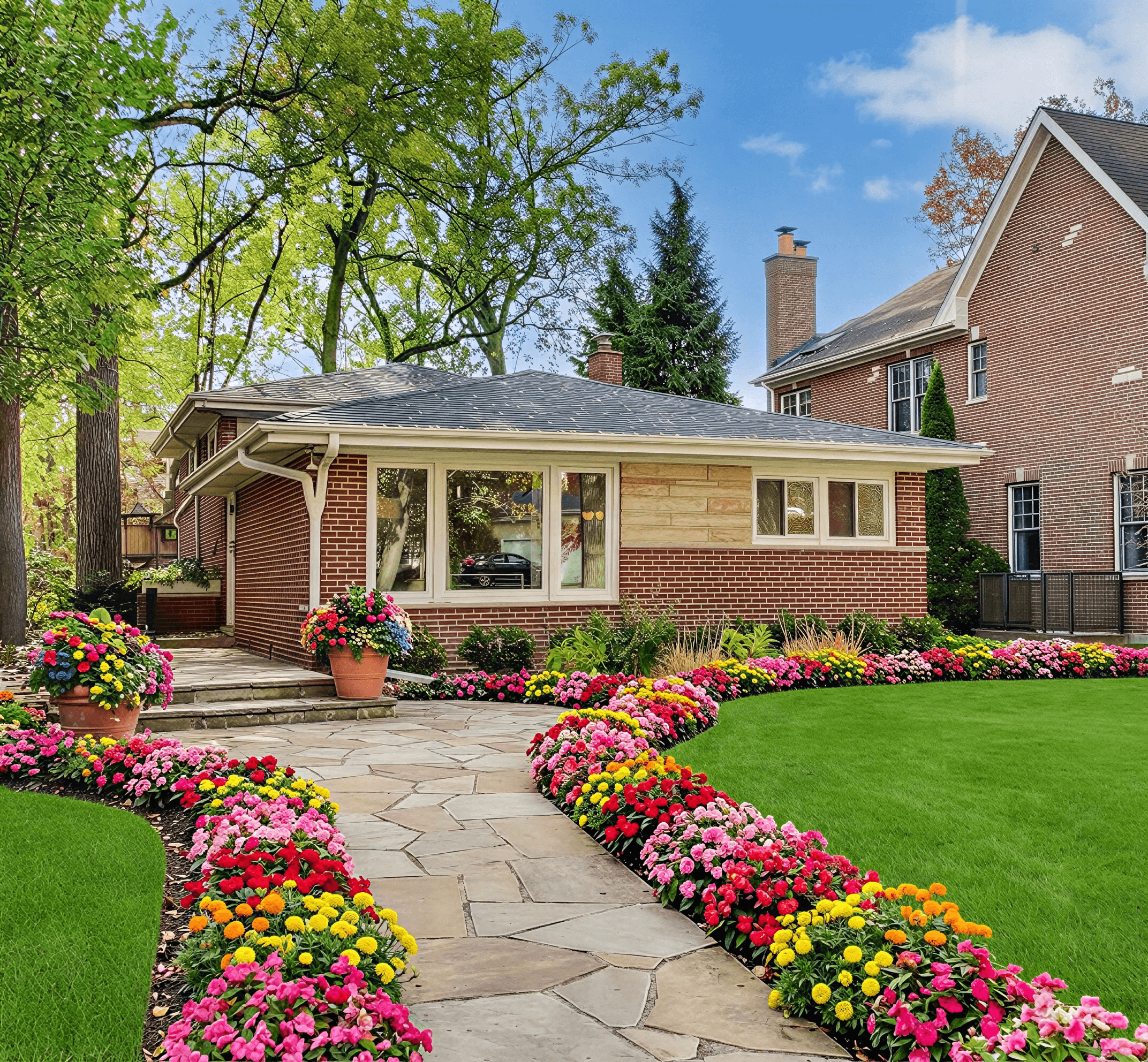
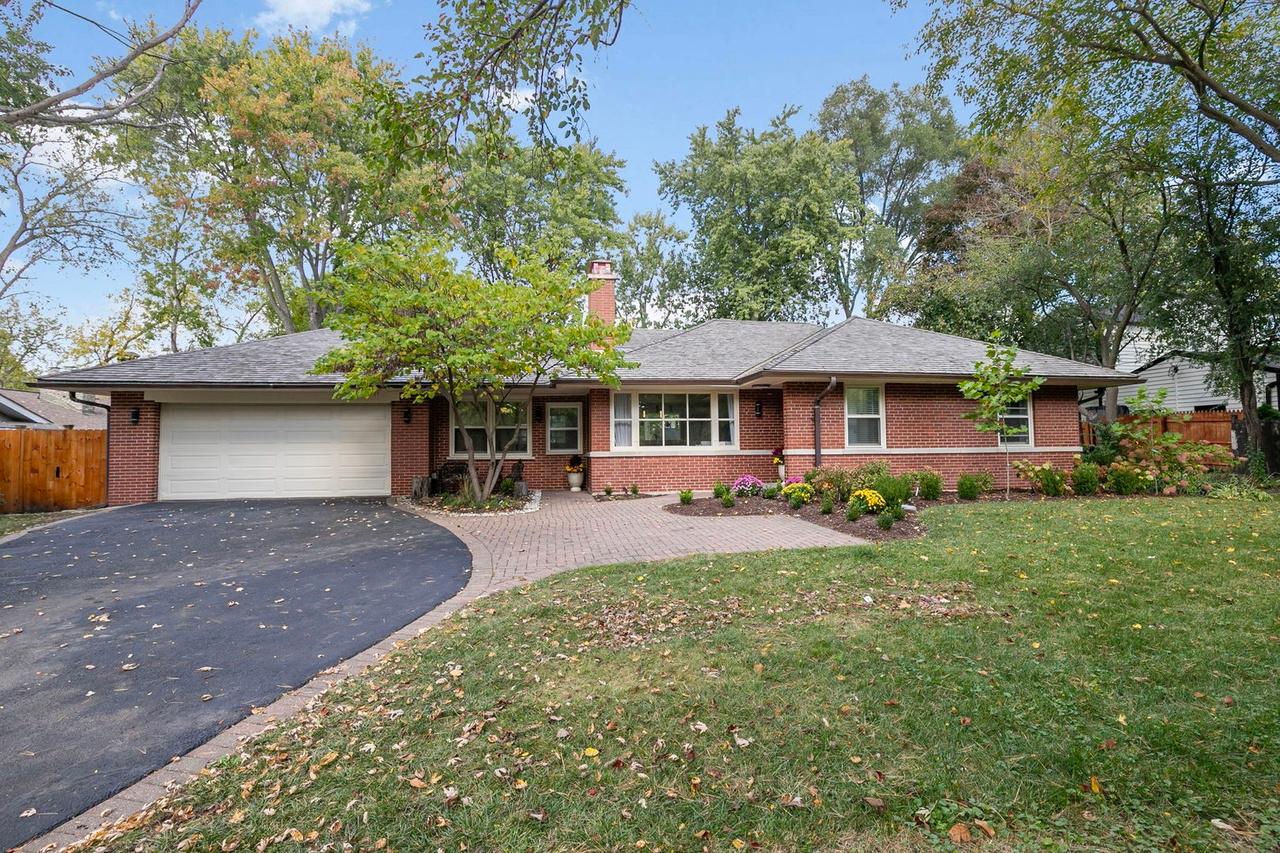
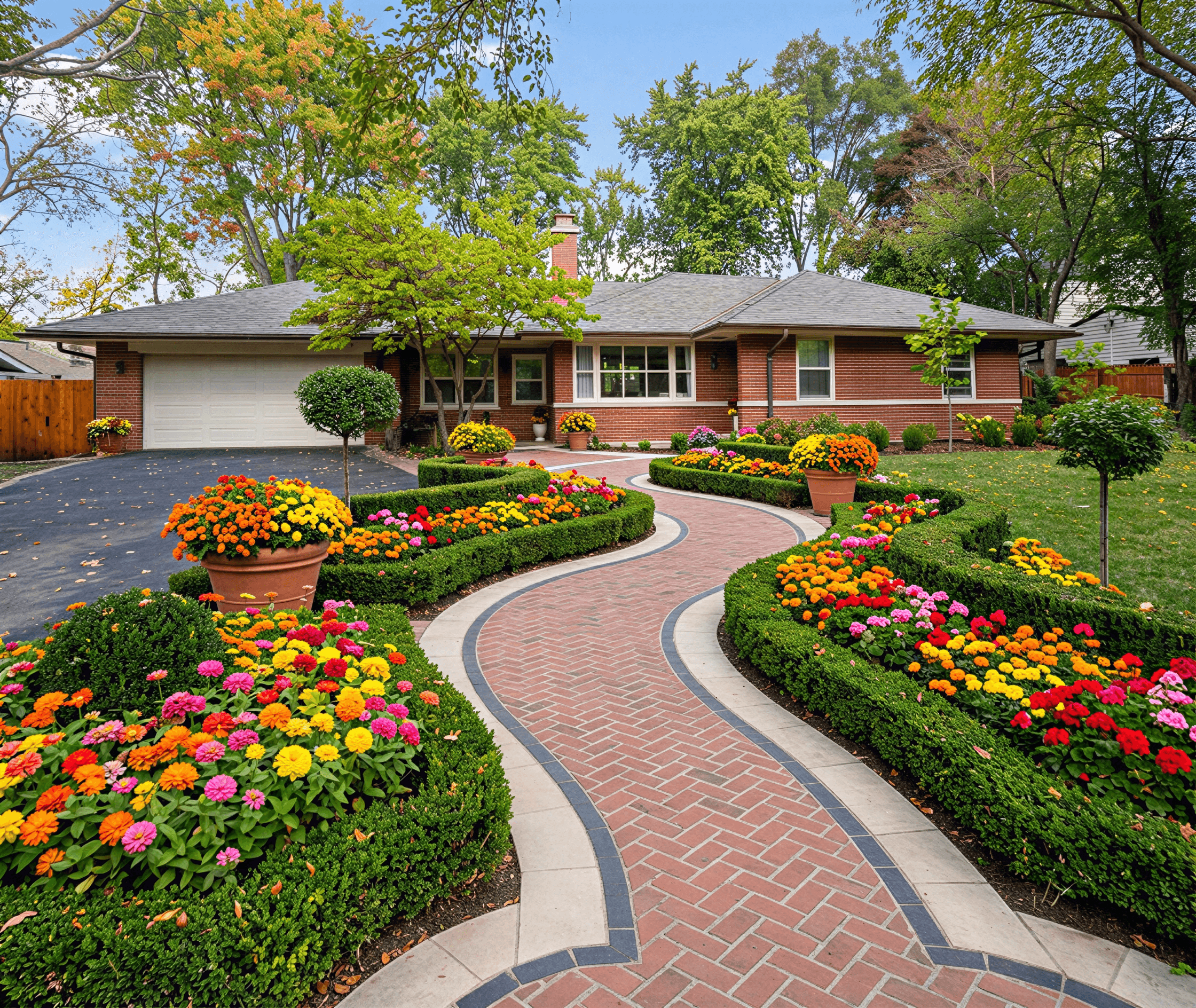
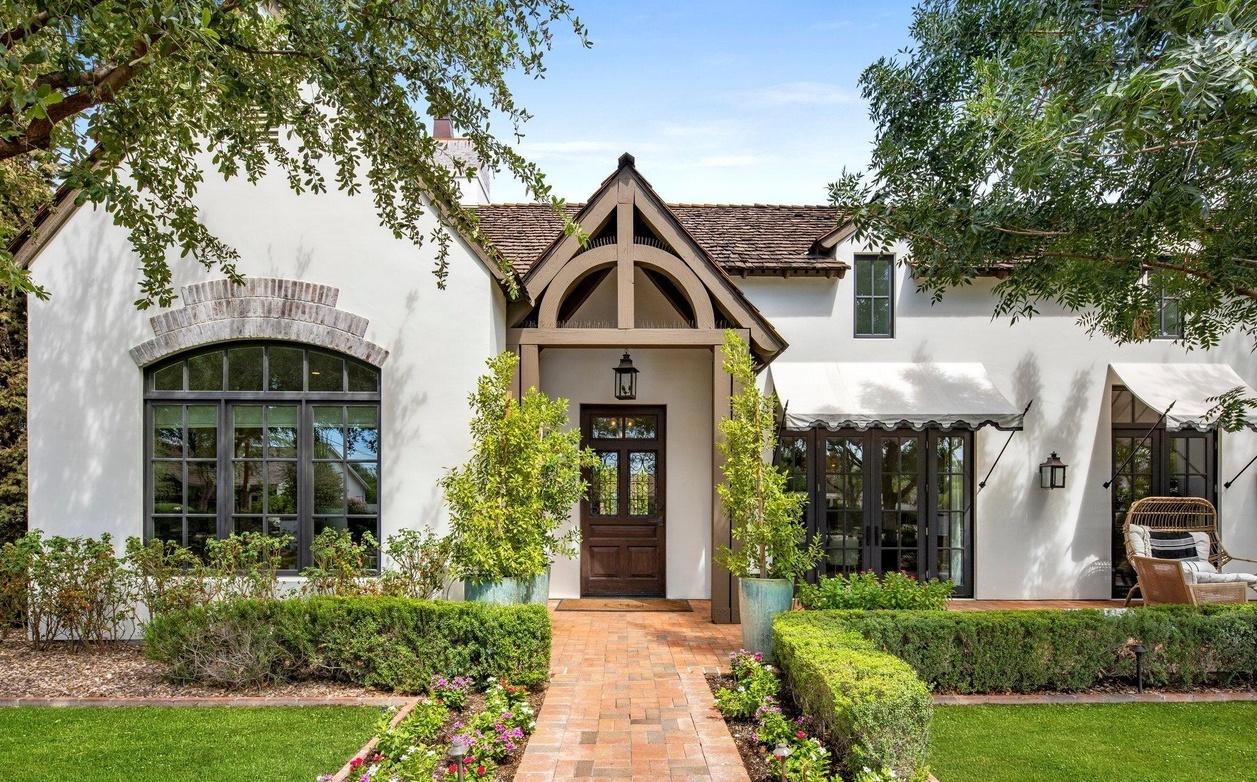
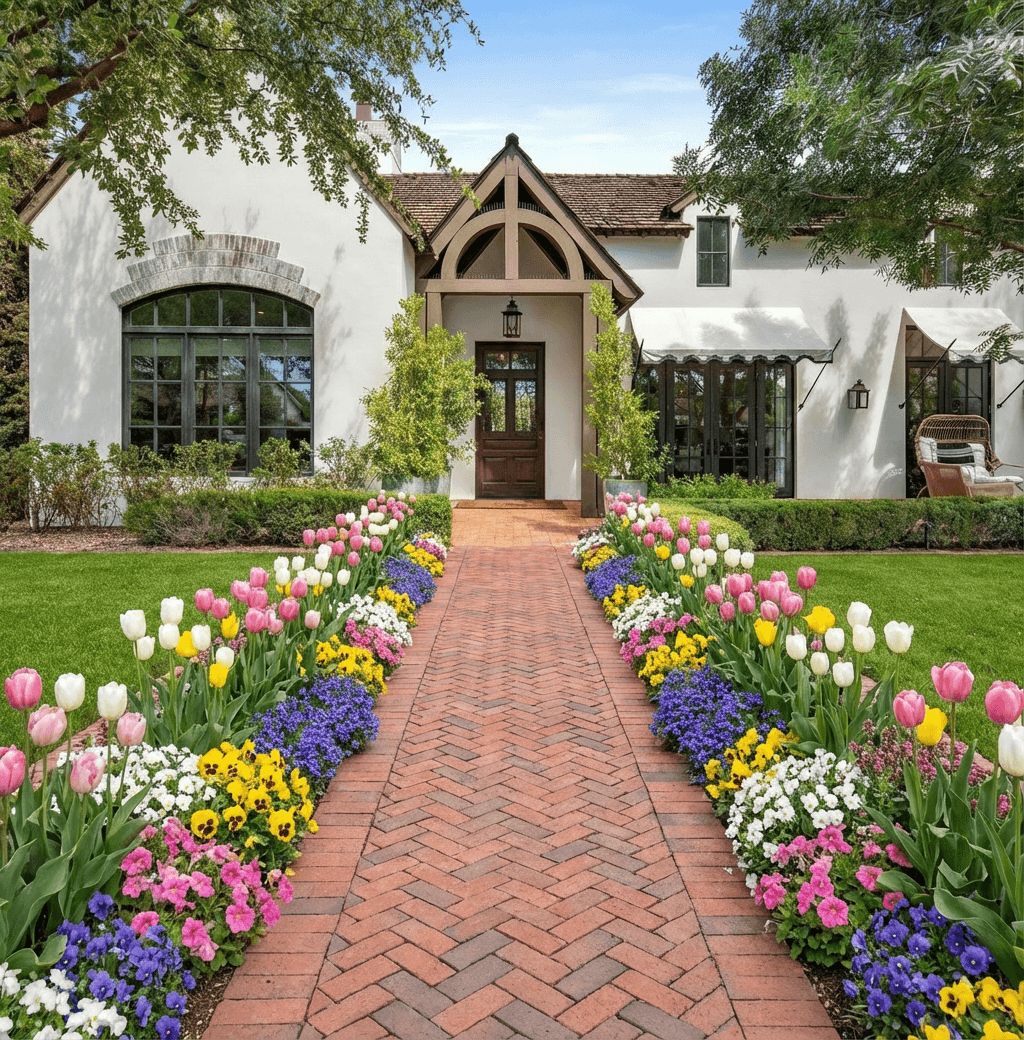
AI gives you the answers visually. For example, with a tool like Curb Appeal AI, you can upload a photo of your front yard and instantly see it transformed. One click shows you an English garden, another a sleek contemporary design, and another a vibrant tropical paradise.
This ability to rapidly test-drive different ideas is the technology's real superpower. It removes the guesswork and financial risk from the planning phase, freeing you up to explore your creativity without fear of making a costly mistake.
Beyond Just Pretty Pictures
It's easy to assume that AI is just generating generic, pretty images. But the best tools go much deeper than that. They build in a layer of intelligence that makes the designs not just beautiful, but practical and sustainable.
This is where climate-smart design comes into play. The smartest AI platforms analyze your home's location to determine its USDA Plant Hardiness Zone. This simple but critical step ensures that every plant, tree, and shrub it suggests is perfectly suited to thrive in your local environment.
This built-in intelligence saves you from the heartache and expense of investing in plants that were never meant for your climate. It’s the perfect marriage of art and science, made incredibly simple.
How AI Turns a Photo Into Your Perfect Yard
It feels like a bit of magic, doesn't it? You snap a picture of your yard, upload it, and moments later, you have a gorgeous, photorealistic landscape design. But it's not magic—it's a clever combination of three core technologies working together. Let’s pull back the curtain and see exactly how AI for landscape design translates a simple photo into a practical, beautiful plan. You don't need a computer science degree to get it.
The AI's Eyes: Computer Vision
Everything starts with a technology called Computer Vision. This is the AI's ability to "see" and understand your photo. When you upload that image, the AI meticulously scans every pixel. It identifies your house's architectural style, notes the placement of doors and windows, maps the slope of your lawn, and even registers the direction of the sun and shadows.
This first step is absolutely crucial. The AI isn't just pasting a stock garden photo over your house; it's building a detailed 3D model of your specific property. This digital blueprint gives it a true understanding of the space, ensuring that any new elements—like a winding stone path or a raised garden bed—fit naturally within your yard's unique layout.
The AI's Creative Spark: Generative Imagery
Once the AI has a solid grasp of your property, it's time for the creative part. This is where Generative Imagery comes in—think of it as the AI's imagination or its inner artist. It draws on a massive visual library of landscape designs, plant species, and hardscape materials to dream up brand-new, photorealistic concepts tailored to your home.
Whether you ask for a "Modern," "Cottage," or "Xeriscaping" style, the generative model creates a design that fits that aesthetic while respecting the real-world constraints its "eyes" have already identified. It doesn't just copy and paste. It generates a unique composition, blending textures, colors, and forms to produce a cohesive and genuinely appealing scene.
The real game-changer here is the speed. The AI can produce dozens of completely different ideas in minutes. This rapid-fire process lets you explore creative avenues you might never have thought of on your own.
This diagram helps illustrate how the core benefits—cost, speed, and creative ideas—all feed into each other to make the design process so much more efficient.

As you can see, the incredible speed directly fuels creative exploration, while the automation at its core brings down the costs associated with traditional design services.
The Horticultural Brain: Climate-Smart Design
A beautiful picture is one thing; a landscape that actually thrives is something else entirely. This is where the third, and arguably most important, technology comes into play: Hardiness Zone Intelligence. This is the AI's built-in horticultural expert.
This system automatically checks your property’s location against climate data, specifically the USDA Plant Hardiness Zone map. It ensures that every single plant, flower, and tree it suggests is genuinely suited for your local climate. This simple step prevents the all-too-common (and expensive) mistake of falling in love with a design full of plants that are doomed from the start.
This focus on Climate-Smart Design is what separates a good AI tool from a simple photo editor. It guarantees that the final plan isn't just visually stunning but also sustainable and built to last. You can see a great breakdown of how an AI landscape design from a photo works in practice to get a better feel for it.
Practical Applications for Every User
So, where does AI for landscape design actually make a difference? Its real value comes to light when you see how it solves tangible problems for different people. This isn't just abstract tech—it’s a hands-on tool that homeowners, real estate agents, and contractors are using right now to get things done. Let's look at how this technology goes from a neat idea to a genuine asset for each of them.

This kind of practical use is fueling some serious growth. The market for AI-powered design tools, including landscape visualization platforms, is expected to hit a staggering $18.16 billion by 2030. That growth isn’t just hype; it shows a fundamental shift in how we approach design. You can dig into the specifics in the latest AI-powered design tools global market report.
For the Homeowner Creating a Vision
Have you ever stared at your own patchy, tired lawn for years, knowing it could be something special but having no idea how to even start picturing it? This is exactly where AI for landscape design steps in, acting like your personal creative director.
It starts with a simple photo of your house from your phone. You upload it to an AI tool and just start playing. Maybe you’re curious about a low-water xeriscape, so you select that style. Within seconds, you're looking at a photorealistic image of your home framed by elegant ornamental grasses, smooth river rocks, and vibrant succulents.
It looks sharp, but maybe a bit too modern for your taste. With another click, you switch to "Cottage Garden." Instantly, your yard is overflowing with colorful perennials, climbing roses, and a charming flagstone path. This immediate feedback lets you test-drive completely different looks without spending a dime or lifting a shovel. To get your own creative wheels turning, you can find a lot of inspiring landscaping ideas that AI can help you visualize.
After trying a few more styles, you land on a modern design featuring native plants that just feels right. Now, instead of trying to describe a hazy concept to a contractor, you have the exact picture of what you want.
Key Takeaway for Homeowners: AI takes the guesswork out of landscaping. It gives you the power to see concrete ideas, feel confident in your choices, and show professionals the exact vision you want them to build.
For the Real Estate Agent Selling a Lifestyle
In real estate, first impressions are everything. A property with a sad-looking yard can languish on the market, attracting nothing but lowball offers. Traditional landscaping is expensive and slow, and physically staging an entire yard is often out of the question. AI provides a powerful and affordable solution: virtual curb appeal.
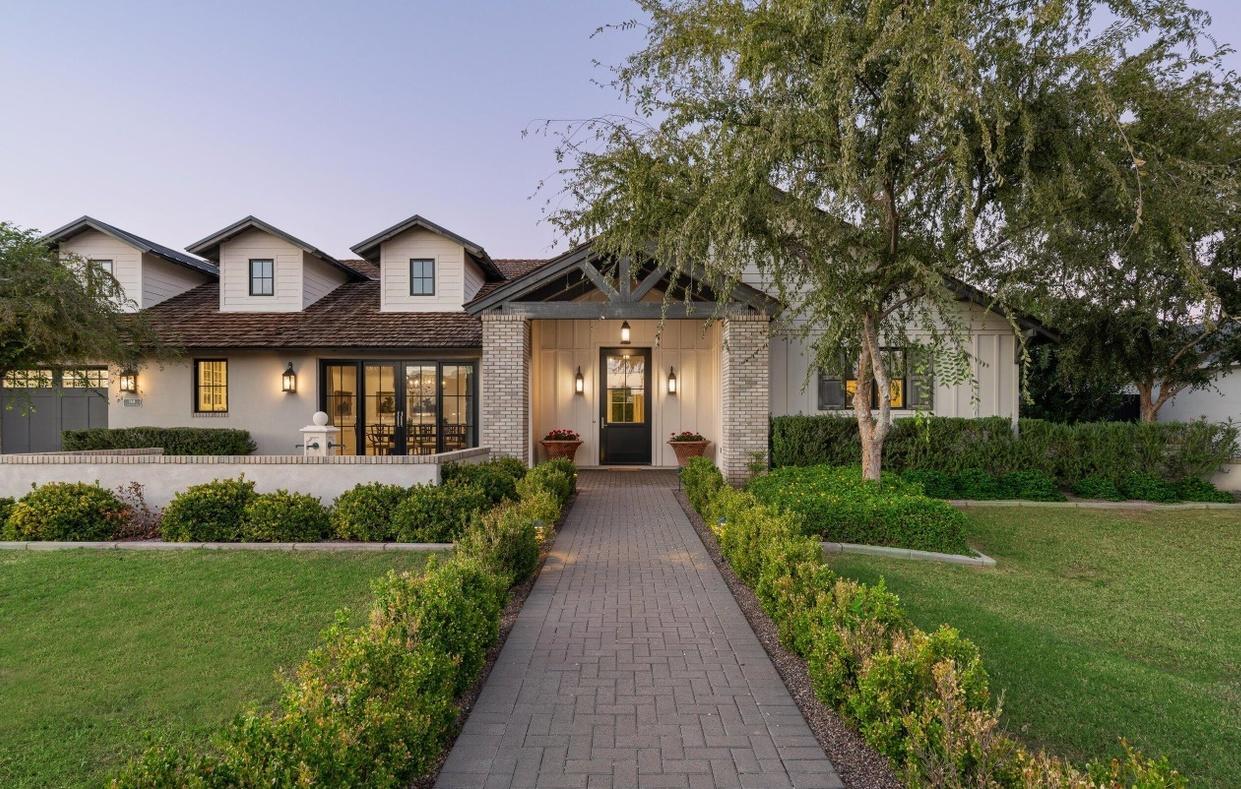
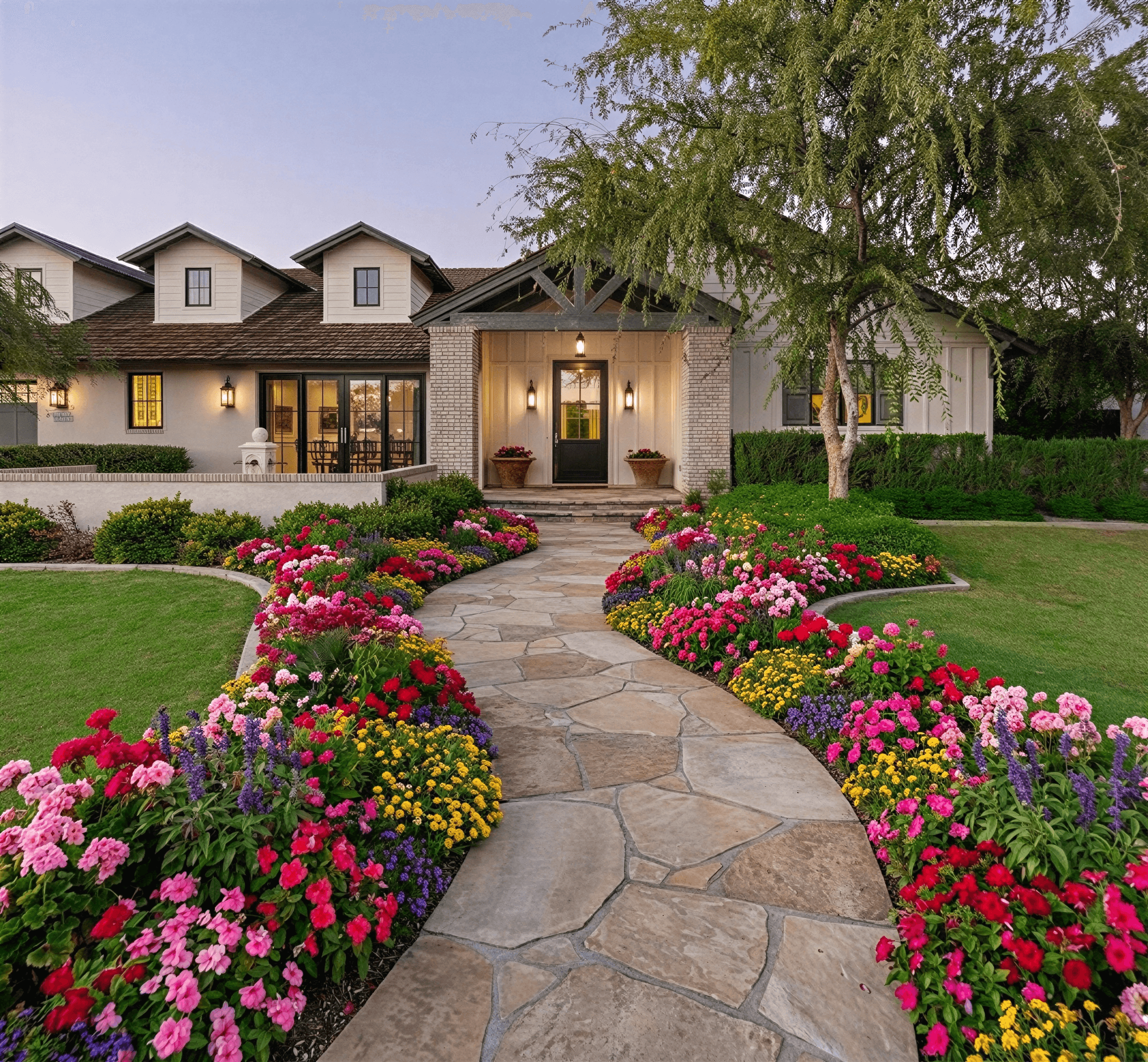
Think about a new listing with a bare, uninspired front yard. An agent can snap a photo, run it through an AI landscape tool, and generate a whole portfolio of stunning visuals. They can create a series of images showing the home in its best light:
- A lush, green lawn with perfectly shaped shrubs for that classic, manicured feel.
- A sophisticated Mediterranean garden complete with olive trees and lavender.
- A vibrant tropical oasis that makes the property look like a private retreat.
These AI-generated photos can be dropped right into the online listing, brochures, and virtual tours. Suddenly, potential buyers aren't seeing a house with a "problem yard"—they're seeing a home with incredible potential and a beautiful, ready-to-enjoy exterior. This simple visualization helps buyers connect with the property on an emotional level before they even visit.
This strategy gets more clicks and drives higher engagement online, often leading to faster sales at better prices. It's about selling the dream of a beautiful home, not just the house itself.
For the Contractor Closing a Deal
For landscape contractors, one of the biggest sales hurdles is getting a client to see the value in a proposal. A 2D sketch or a verbal description just doesn't always cut it, leaving the client hesitant to sign off on a project worth thousands of dollars. AI mockups are a total game-changer here.
A contractor can show up at a potential client’s home, take a quick photo, and generate a photorealistic render of the proposed project on the spot. Instead of just saying, "Imagine a paver patio right here with a perennial border along the edge," they can actually show the client what it will look like.
This immediate visual closes the communication gap instantly. The client sees their own home transformed, which builds both excitement and trust. It also makes for quick adjustments. If the client wants to see different plants or maybe a different type of stone for the walkway, the contractor can generate a new visual in minutes. This turns a one-sided sales pitch into a collaborative design session, which means faster approvals and fewer costly change orders down the line.
The Real-World Impact of AI-Powered Design
When you move past the technical jargon, the real advantages of using AI for landscape design are simple and direct: you save time, you save money, and you gain a whole lot of confidence. These tools aren't just a neat piece of technology; they provide tangible solutions to the biggest headaches in traditional landscape planning. For homeowners, real estate agents, and contractors, the benefits are clear and measurable.

The most immediate benefit is the dramatic cost savings. Hiring a landscape architect is a serious financial commitment, with professional design plans often running anywhere from $2,000 to over $10,000, depending on how ambitious your project is. AI tools completely flip that model on its head, giving you access to hundreds of unique concepts for a small subscription fee. Suddenly, professional-grade design is within everyone's reach.
Gaining Speed and Visual Confidence
Another massive advantage is the sheer speed. A traditional design process can easily drag on for weeks or even months—from the first meeting and site measurements to draft sketches, revisions, and final plans. An AI can compress that entire timeline into a matter of minutes. What used to take a design firm a month to create, you can now generate on your phone while standing in your own front yard.
This speed isn't just about saving time; it's about making better, more informed decisions. AI delivers photorealistic visuals that take all the guesswork out of the equation. You no longer have to squint at a 2D sketch or try to imagine what a designer’s description will actually look like in real life.
Seeing a high-fidelity render of your own home transformed builds immense confidence. This visual certainty is crucial, as it drastically reduces the risk of expensive and frustrating change orders during the construction phase.
When you can see exactly what you're getting before a single shovel hits the ground, you're far more likely to love the final result. The power of an AI yard design visualization is its ability to perfectly bridge that gap between your imagination and reality.
Boosting Property Value and Curb Appeal
At the end of the day, a beautiful landscape is an investment in your property. Great curb appeal isn't just about making your house look nice—it has a direct and proven financial impact. Homes with attractive, well-maintained landscaping consistently fetch higher prices and sell faster.
For real estate agents and property investors, this makes AI an indispensable tool for virtual staging. It allows them to showcase a property's true potential without spending a dime on physical landscaping. A property listing featuring a stunning, AI-generated exterior is guaranteed to grab a buyer's attention, leading to more showings and stronger offers.
The table below gives a stark, at-a-glance look at just how different the two approaches are.
Traditional vs. AI Landscape Design Comparison
| Metric | Traditional Design Process | AI-Powered Design (e.g., Curb Appeal AI) |
|---|---|---|
| Cost | $2,000 - $10,000+ for professional plans | Low-cost subscription model |
| Time | 4-8 weeks or more for concepts and revisions | Minutes for dozens of design options |
| Visuals | 2D sketches, mood boards, or slow 3D renders | Instant, photorealistic 4K renders |
| Revisions | Time-consuming and can incur additional fees | Unlimited and instantaneous |
| Accessibility | Limited to those with significant budgets | Available to anyone with a smartphone |
By every key metric—cost, speed, and the quality of the visuals—AI offers a clear and compelling advantage. It effectively turns what was once an exclusive luxury service into a practical and powerful tool for anyone looking to improve their property's value.
How to Choose the Right AI Landscape Design Tool
It seems like a new AI tool hits the market every week, and picking the right one for landscape design can feel like navigating a minefield. The last thing you want is software that spits out cartoonish images or suggests plants that will wither in your climate. To sidestep the novelties and find something genuinely useful, you need to know what separates a powerful design partner from a simple gimmick.
The demand for this kind of software is exploding. Market research shows just how much homeowners and pros are embracing this technology, with projections for global landscape design software revenue hitting $3,150.2 million by 2025. North America is leading the charge, with its market expected to reach $888.356 million in 2025—a staggering 74.84% growth since 2021. If you're curious about the numbers, you can read the full research on the landscape software market for a detailed breakdown.
This boom means you have more choices, but it also means you have to be a smarter shopper. Your decision should really boil down to three things: the quality of the images, the intelligence behind the designs, and how easy the tool is to actually use.
The Core Features That Matter
When you're test-driving an AI for landscape design, don't get distracted by flashy marketing. I always measure a platform by a few key fundamentals. If it can't nail these, I move on.
-
Photorealistic Render Quality: The visuals have to look real—period. If the output looks like a screenshot from a video game or a flat drawing, it’s not going to give you the confidence to start digging. You're looking for high-resolution, lifelike images that show you exactly how your property could look.
-
A Wide Variety of Design Styles: A good tool shouldn’t box you in. It needs to offer a diverse palette of styles, whether you're dreaming of a Modern desertscape, a lush Cottage garden, or a water-wise Xeriscape. This flexibility lets you explore different aesthetics and discover what truly complements your home.
-
Accurate Climate Zone Intelligence: This one is absolutely non-negotiable. The AI must use Hardiness Zone Intelligence to recommend plants that will actually survive, and hopefully thrive, in your specific area. This feature alone saves you from costly mistakes and dead plants, ensuring your new landscape is built to last.
Is It Actually Usable?
Beyond the core tech, the day-to-day experience is what truly counts. Can you get a professional-looking design from a single photo without pulling your hair out?
The Litmus Test for Ease of Use: A top-tier AI tool should feel almost effortless. The ideal workflow is simple: upload a photo, pick a style, and get a beautiful concept back in seconds. If you need to read a dense manual just to get started, the tool has already failed.
Finally, think about what you get at the end. A quality platform will let you easily export your designs in high resolution. For a homeowner, that means having a clear visual to share with a contractor. For real estate agents or landscapers, it means having stunning, professional-grade visuals ready for listings and client proposals.
If you want to dig a bit deeper into what separates the good from the great, check out our guide on finding the perfect AI landscape design tool for your specific project.
It's easy to get swept up in the excitement of what AI can do for landscape design. The visuals are stunning, and the ideas come fast. But it's crucial to have a clear-eyed view of where the technology's role ends and where a professional's hands-on expertise must begin.
Think of AI as a brilliant creative director or an architectural illustrator, not the general contractor. It’s a master of the 'what'—what your yard could look like, what plants fit your climate, and what styles match your home. It stops short of the 'how'—the messy, complex, and skilled work of actually building it. The AI provides the dream, but a human still has to pour the concrete.
Where the Human Touch Is Irreplaceable
An AI-generated render is an incredible starting point, but it's just a picture. It can't feel the slope of your yard, test the soil between its fingers, or understand the nuances of your local building codes. That’s where a seasoned professional becomes absolutely essential.
Key Insight: AI produces the visual destination, but a professional builds the road to get there. The best results always come from this partnership between smart technology and skilled human labor.
A gorgeous design is worthless if the groundwork isn't right. A contractor's on-the-ground knowledge is vital for tasks the AI simply can't touch:
- Complex Site Grading: An AI can’t see the subtle inclines of your property that dictate water flow. A pro knows how to grade the land to ensure proper drainage and prevent a flooded basement.
- Soil Testing and Amending: Your design might call for hydrangeas, but the AI has no idea you have dense, alkaline clay. A professional has to test the soil and amend it so the plants you paid for can actually survive and thrive.
- Precise Installation: Laying a paver patio so it doesn't heave after the first winter, building a retaining wall that won't fail, or installing an irrigation system requires real-world skills and specialized tools.
AI as a Partner, Not a Replacement
At the end of the day, AI for landscape design isn't here to put contractors or designers out of a job. Far from it. Its real value is in solving one of the most frustrating parts of any project: turning a client’s fuzzy idea ("I want it to feel cozy") into a concrete, visual plan everyone can agree on.
The AI closes the communication gap. It gives the homeowner a photorealistic vision to get excited about and gives the contractor a clear blueprint to bid on and build. When you see it this way, AI isn't a substitute for human skill—it's a powerful tool that makes that skill more effective than ever.
Frequently Asked Questions About AI Landscape Design
It's natural to have a few questions when you hear about using AI for landscape design. After all, it sounds pretty futuristic. You're probably wondering how practical it really is and what it can—and can't—do. Let's clear up some of the most common questions.
Can AI Design Tools Work With Any Type of House?
Yes, they absolutely can. The magic behind these tools is that they aren't just stamping a generic design onto your photo. They use computer vision to actually see your home's unique architectural style, whether you've got a classic colonial, a mid-century modern ranch, a brand-new contemporary build, or a cozy bungalow.
Instead of working from a limited set of templates, the AI generates ideas that truly fit your home's specific lines, colors, and overall feel. The goal is to make the landscaping look like it was always meant to be there, not like a random, cookie-cutter addition.
How Accurate Are the Plant Recommendations?
This is what separates a genuinely useful tool from a simple gimmick. The best AI platforms have Hardiness Zone Intelligence built right in. This is a critical feature for creating a design that will actually survive and thrive. The AI figures out your location automatically and only suggests plants, trees, and shrubs that are proven to grow well in your local climate.
This built-in horticultural knowledge is what saves you from costly mistakes and a lot of heartache. It stops you from falling for a beautiful design full of tropical flowers that would instantly die in a northern winter, making the AI’s suggestions both inspiring and incredibly practical.
Is It Difficult to Get Started With an AI Landscape Tool?
Not at all. The best tools are built to be incredibly straightforward. The whole point is to get you from a plain photo to a beautiful design without any headaches or technical know-how. The process usually looks something like this:
- Upload a Photo: Just snap a clear picture of your property from the street with your phone.
- Pick a Style: You'll see a menu of popular aesthetics to choose from, like "Modern," "Cottage," or "Xeriscaping."
- Get Your Designs: Within minutes, the AI will generate several photorealistic concepts for you to explore.
These tools are meant to empower you, not frustrate you. If you find a platform that feels complicated or requires reading a manual, it’s probably not the right one. The experience should feel effortless.
Can I Give an AI-Generated Design Directly to My Contractor?
Yes, and this is one of the biggest benefits of using AI for landscape design. Those photorealistic images you create are the perfect communication tool to hand over to a professional.
Think about it: instead of trying to describe your vision with words ("you know, more texture over here...") or a clumsy sketch, you can show them a crystal-clear picture of the exact end result you want. This helps contractors give you a much more accurate quote, gets everyone on the same page from day one, and drastically cuts down on the misunderstandings that lead to expensive changes down the road.
Ready to stop guessing and start visualizing? With Curb Appeal AI, you can transform a photo of your home into a stunning, climate-smart landscape design in seconds. See your home’s true potential and create the yard you’ve always dreamed of. Try Curb Appeal AI for free today!