Diy Landscaping Ideas
diy landscaping ideas
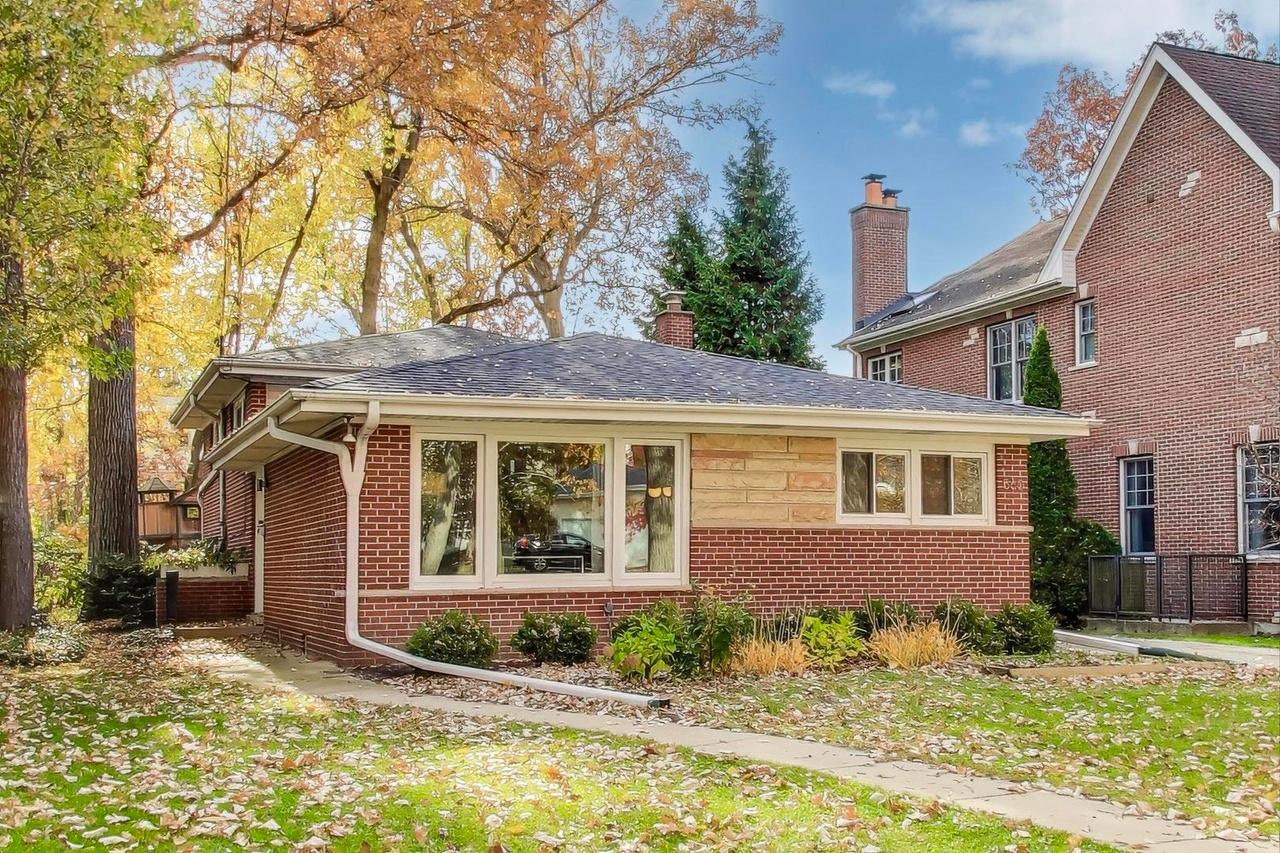
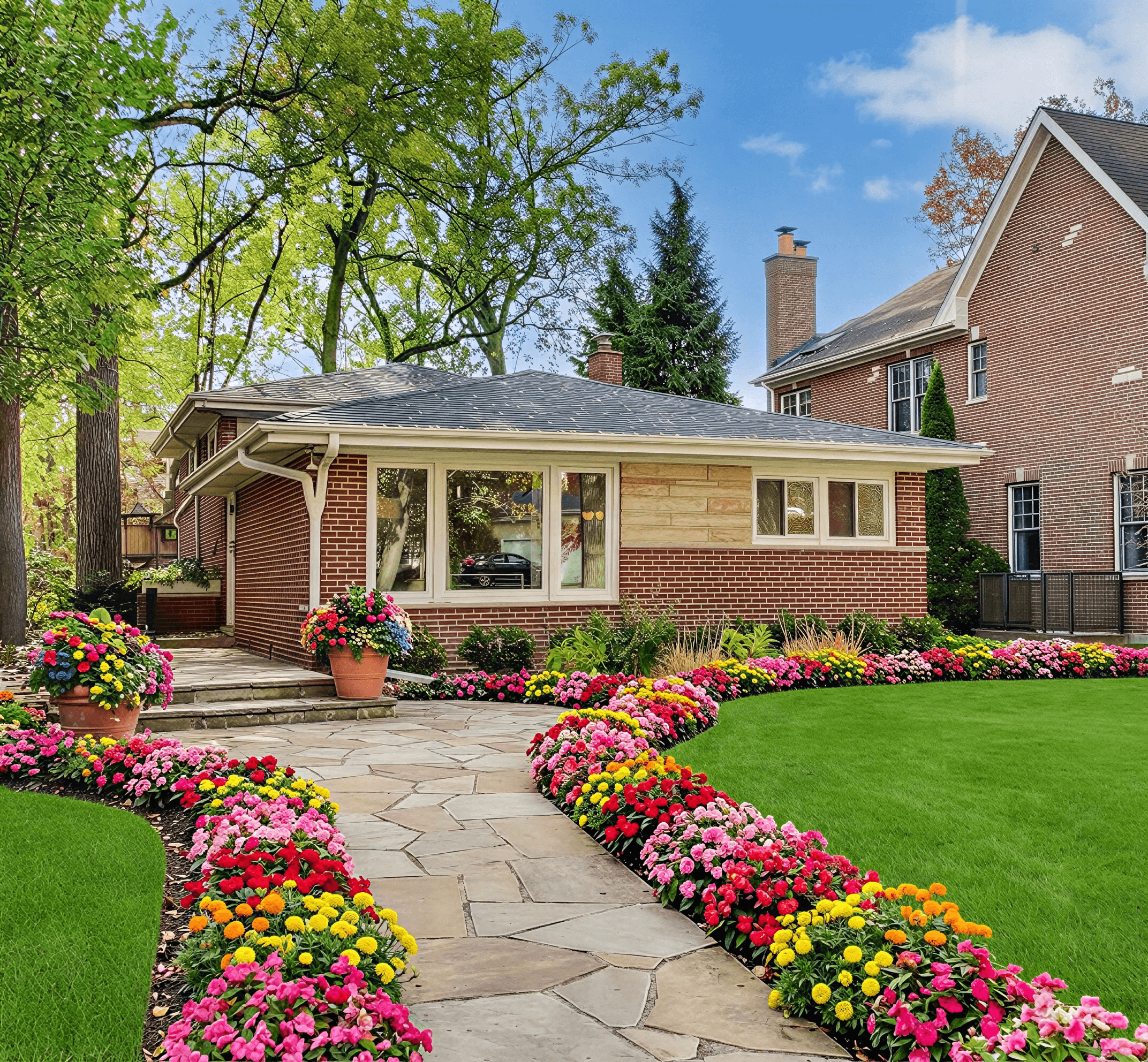
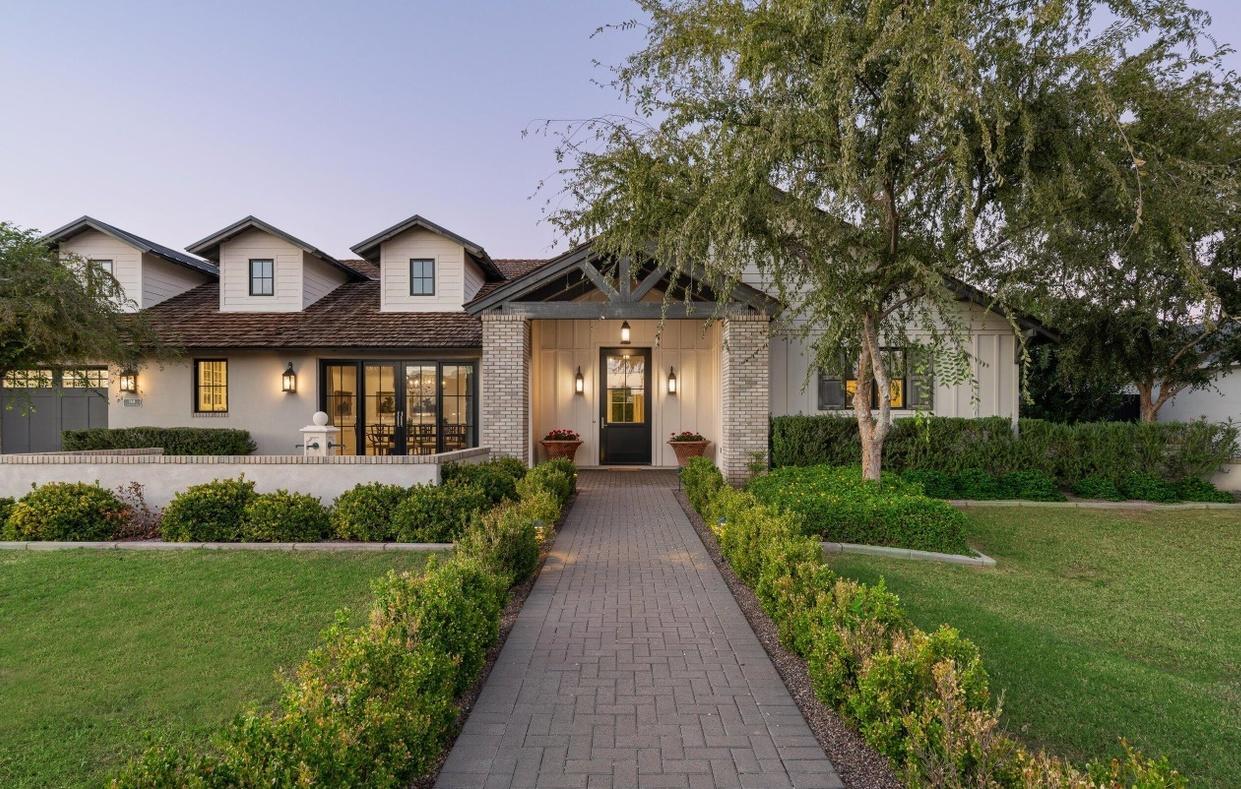
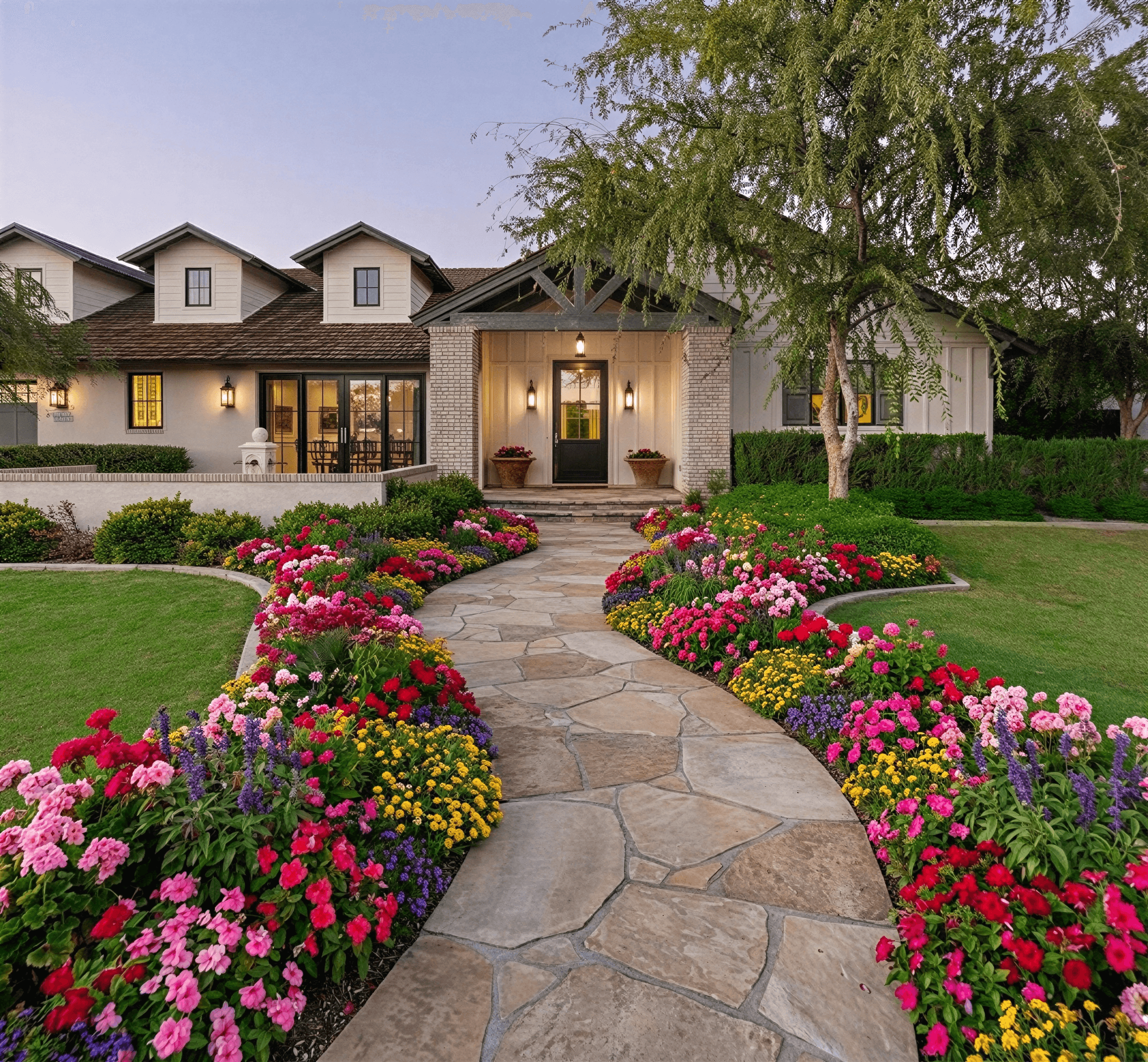
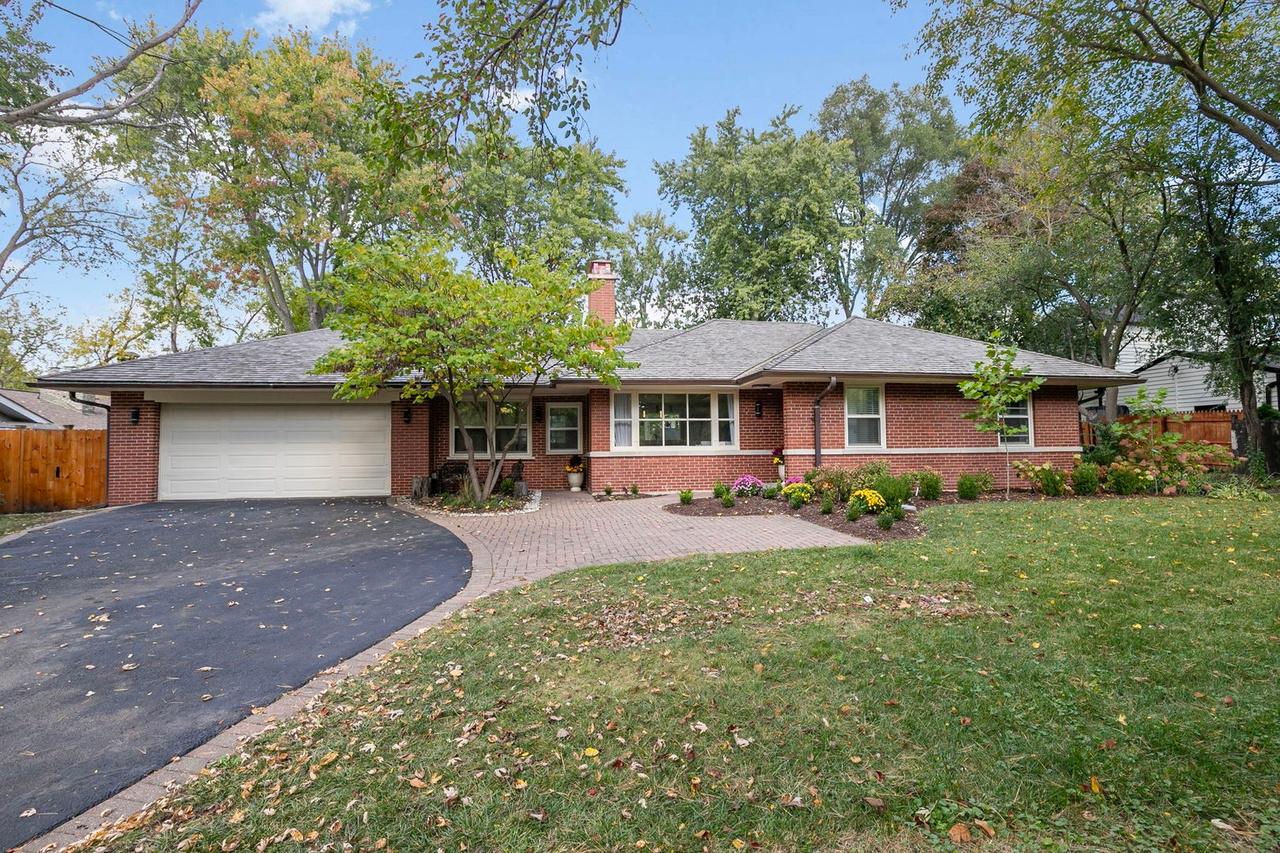
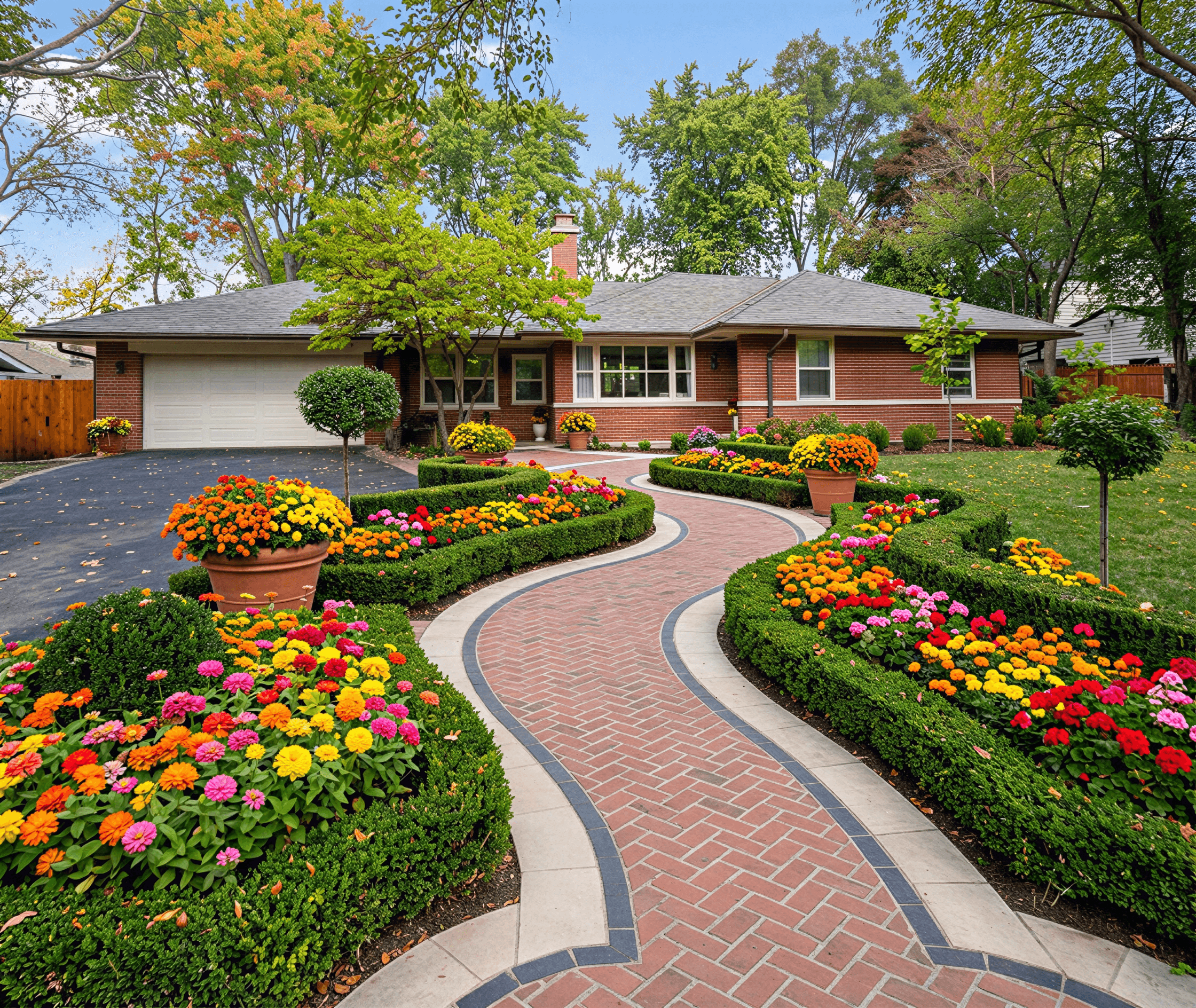
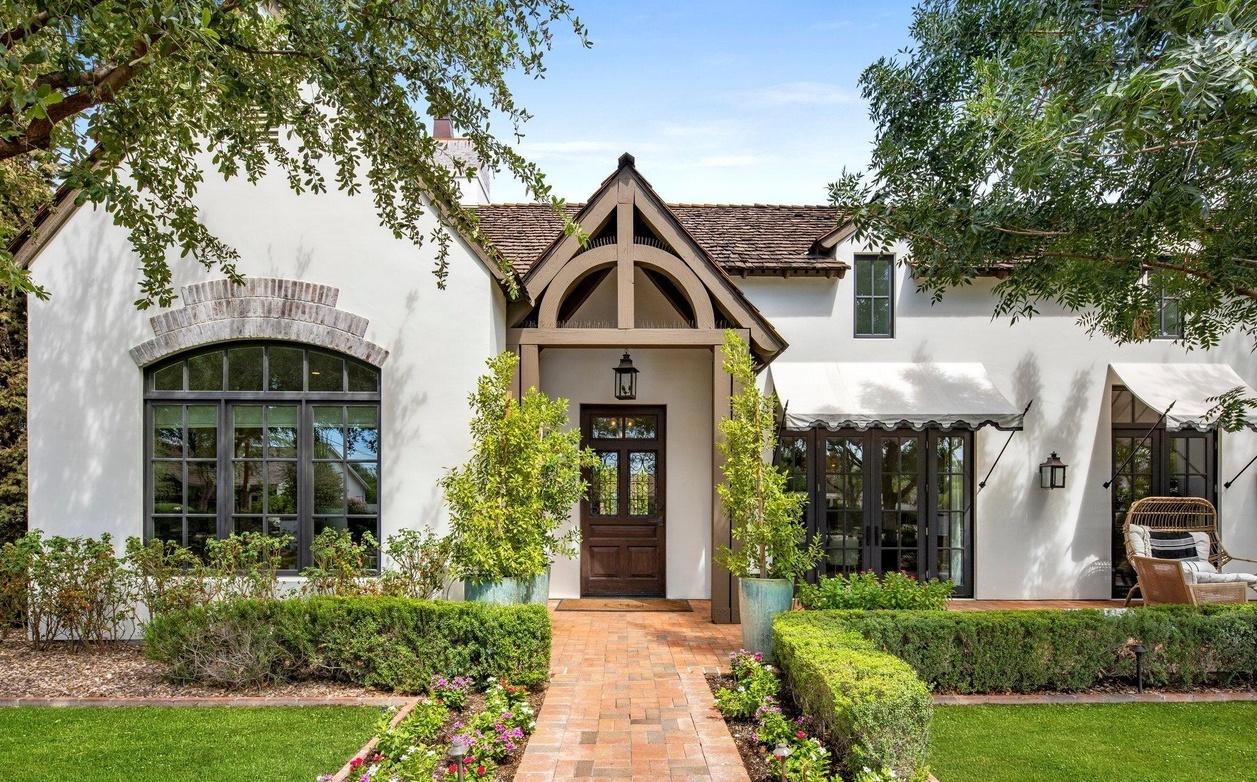
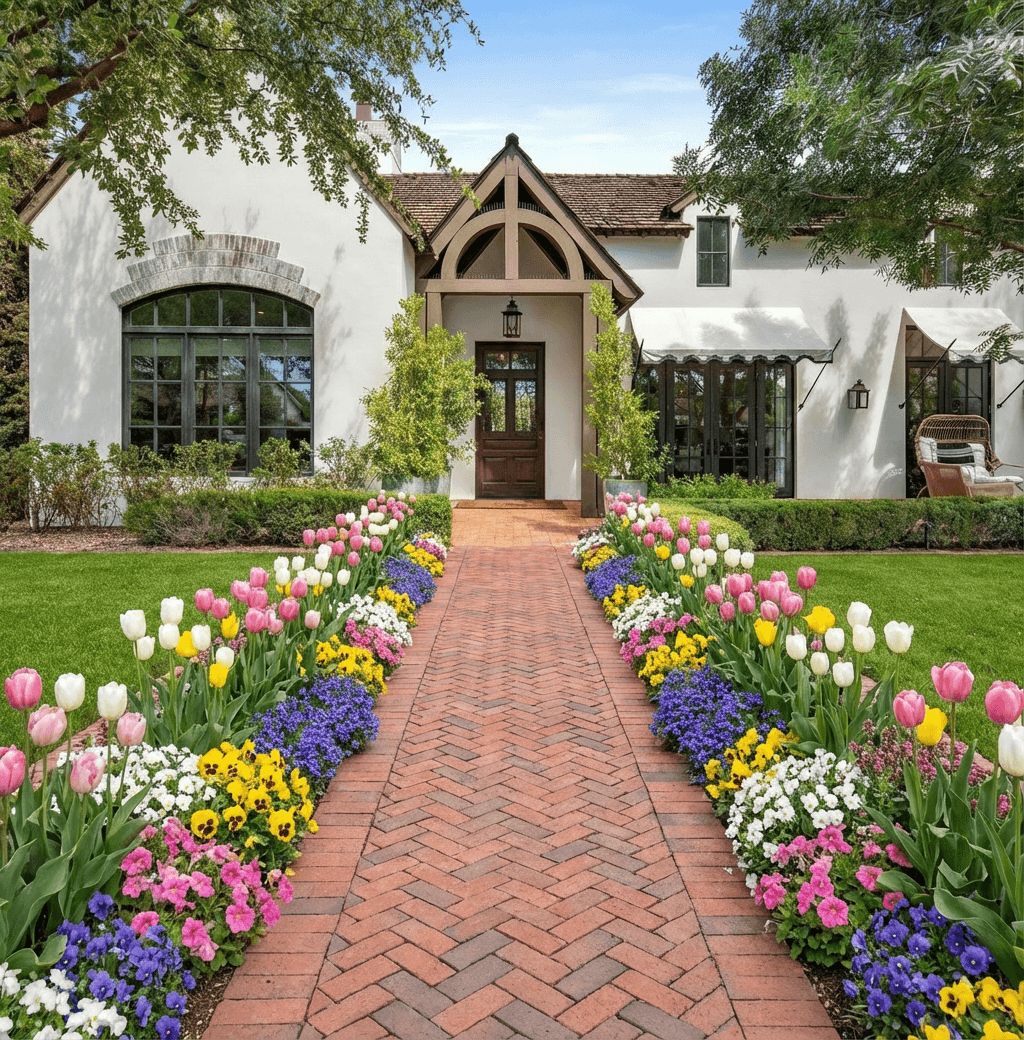
Curb Appeal AI helps homeowners explore diy landscaping ideas by letting you upload a photo of your yard and visualize practical improvements before you start. Upload a clear, well-lit image and try different plants, paths, and lighting in a realistic preview to see what fits your space and budget. Using a visual tool makes it easier to plan phased projects, avoid costly mistakes, and prioritize the improvements that deliver the most curb appeal.
Start with a simple site assessment
Before you pick plants or lay new paths, spend time assessing the site: note sun and shade patterns, soil type, drainage, and existing utilities. Measure planting beds and hardscape areas, and take several photos from different angles; these photos are what you upload to Curb Appeal AI to experiment with layouts and styles. A realistic assessment lets you choose diy landscaping ideas that match conditions—such as shade-tolerant groundcovers or drought-tolerant plants—so your project performs well and requires the right level of maintenance for your schedule.
Low-cost front and backyard design ideas
You don’t need a big budget to make a visible change. Focus on defining edges with simple edging, fresh mulch, and a gravel or mulch path to guide the eye. Container gardens, strategic planting around entries, and a small focal point like a bench or large pot create impact with limited time and money. Repeating a few plant species and colors brings cohesion, and swapping high-maintenance plants for hardy perennials reduces ongoing work. These diy landscaping ideas are especially effective when planned in phases so you can spread cost and labor over time.
Choosing materials, plants, and sustainable options
Select materials and plants that suit your climate and your desired level of upkeep. Hardscape choices—such as decomposed granite versus poured concrete—vary in cost and installation difficulty, while native and drought-tolerant plants often need less water and care than high-maintenance ornamentals. Consider mulch, permeable pavers, and slow-release fertilizer to improve soil health. Match plant height and bloom times to create layered interest through the seasons. Thoughtful selections make diy landscaping ideas more sustainable, lowering long-term costs and reducing the time you spend on maintenance.
Estimate costs and set realistic priorities
Break the yard into priority zones and estimate the cost for each: materials, plants, tools, and any necessary permits. Small projects—like planting beds or a path—can sometimes be completed for a few hundred dollars, while larger hardscape work or irrigation installation may run into the low thousands. Plan tasks you can reasonably do yourself, such as planting, edging, and simple gravel paths, and budget for the tools you’ll reuse. Staging diy landscaping ideas over a couple of weekends or seasons helps you stay on budget and test what works before committing to larger investments.
Maintenance strategies and when to hire help
Think about weekly and seasonal tasks before choosing a design: watering, weeding, pruning, and mulching are common needs that influence plant choices and layout. If you prefer low upkeep, select drought-tolerant plants, install drip irrigation, and use mulch to suppress weeds. Hire a professional for work that requires heavy equipment, grading, large tree removal, or plumbing and electrical for permanent lighting or irrigation systems. For many homeowners, combining diy landscaping ideas with selective professional help delivers better results while keeping costs manageable.
Frequently Asked Questions
How do I begin with diy landscaping ideas for my yard?
Start by assessing sun, soil, drainage, and space, then take photos and measurements. Use those photos to test layouts—either sketching on paper or uploading to a visualization tool—to narrow down practical options before buying materials.
What are the easiest DIY landscaping projects for beginners?
Begin with tasks that require minimal tools such as mulching, planting container gardens, installing edging, or laying a simple gravel path. These projects improve appearance quickly and help you build skills for more complex work.
How much should I budget for a small DIY landscaping project?
Simple projects like new planting beds or a basic path often cost a few hundred dollars for materials, while more extensive work—hardscaping or irrigation—can run into the low thousands. Break projects into phases to spread cost and adjust based on what you learn.
When is it better to hire a professional?
Hire a professional for tasks involving heavy grading, major drainage fixes, large tree work, or permanent irrigation and electrical installations. Also consider a pro if the job needs permits or specialized equipment you don’t have.
Related Landscaping Ideas
Explore Professional Services Near You
Related Articles
Top 10 Front Yard Landscaping Ideas for 2026
Explore 10 top front yard landscaping ideas for 2026. From modern to cottage, find budget-friendly, low-maintenance designs to boost your home's curb appeal.
10 Landscaping a Front Yard Ideas for 2026
Explore 10 inspiring landscaping a front yard ideas, from modern to cottage styles. Get practical tips on plants, budget, climate to boost curb appeal.
Easy Backyard Landscaping Ideas: Transform easy backyard landscaping ideas
Discover easy backyard landscaping ideas to boost curb appeal with budget-friendly, simple tips.
Real transformations
See how homeowners are using Curb Appeal AI to reimagine their properties