Backyard Privacy Landscaping Ideas
backyard privacy landscaping ideas
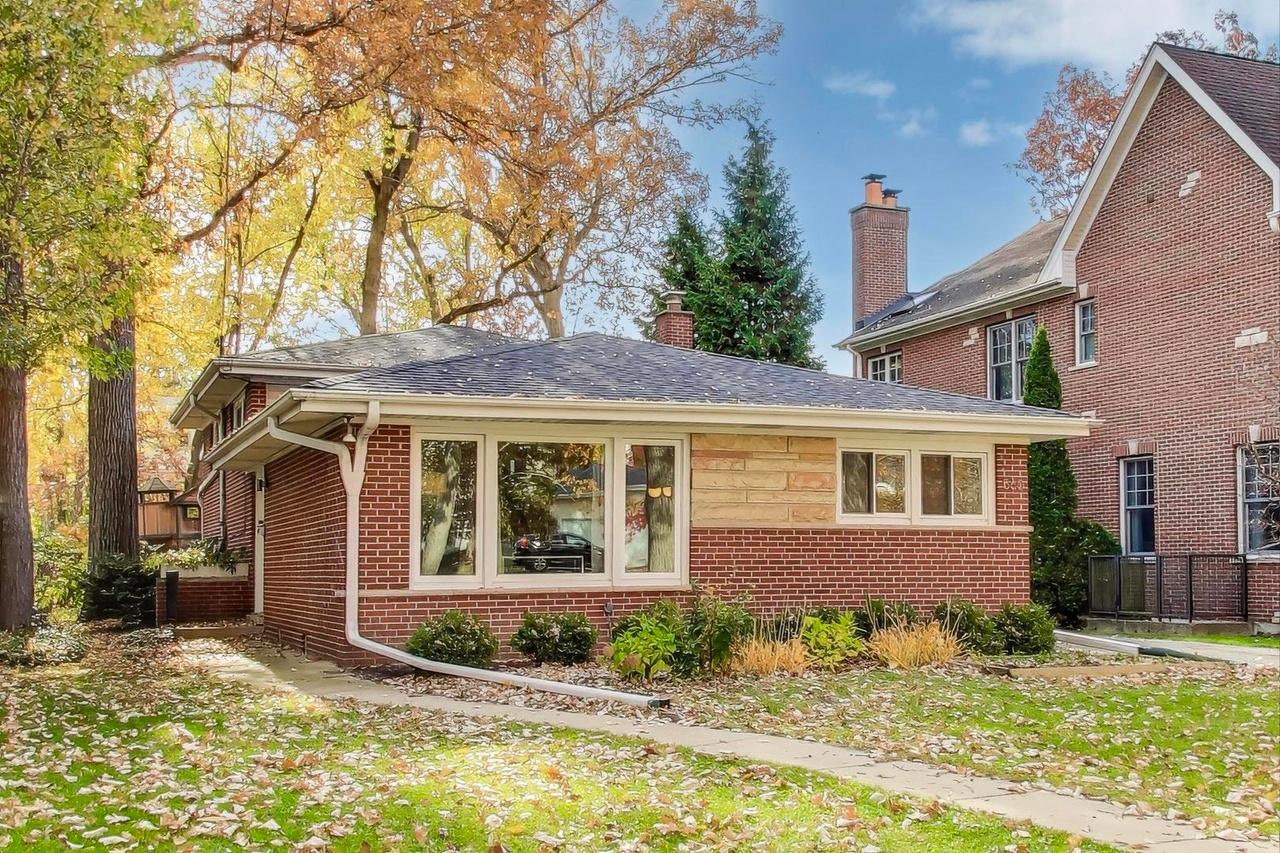
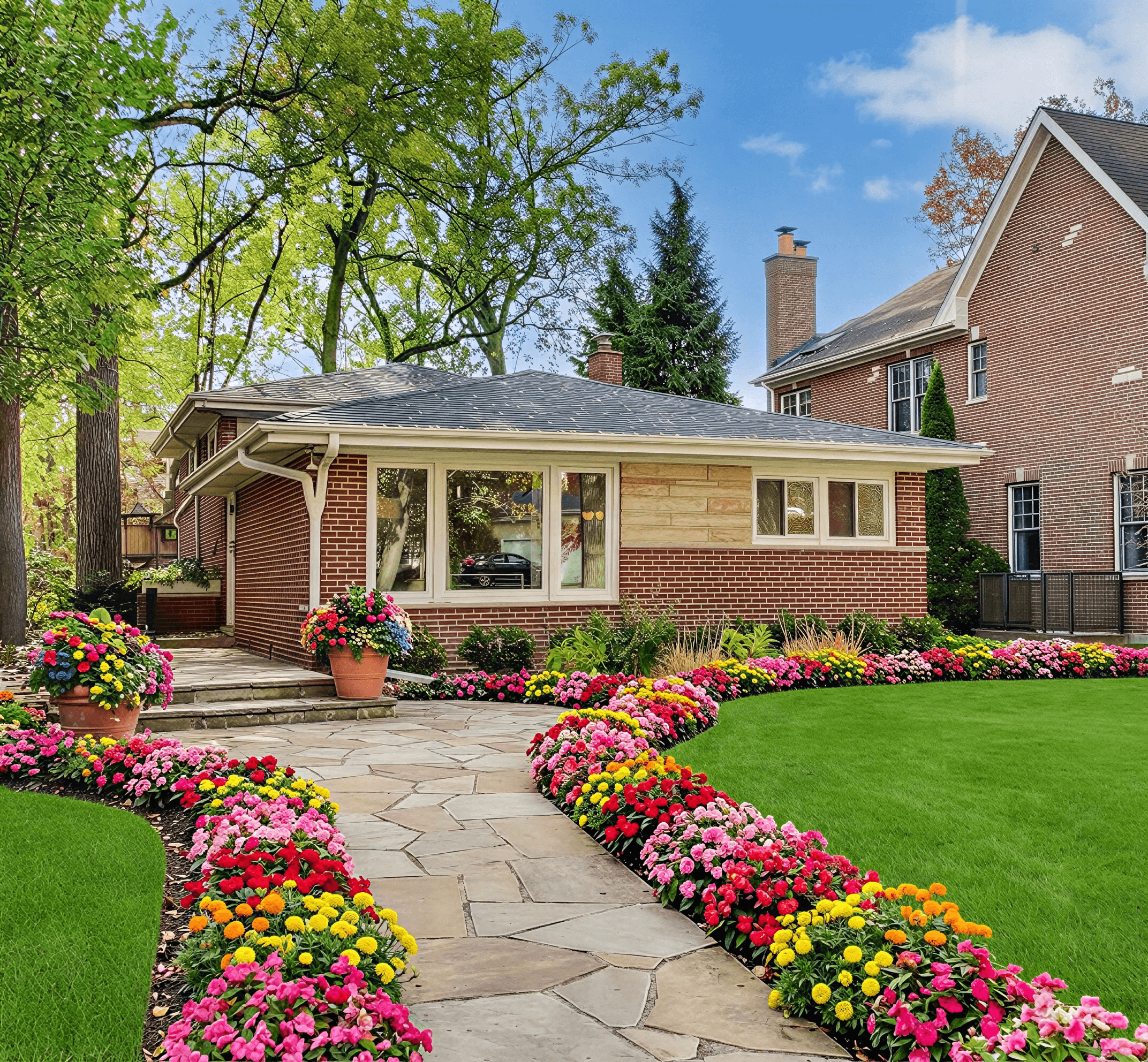
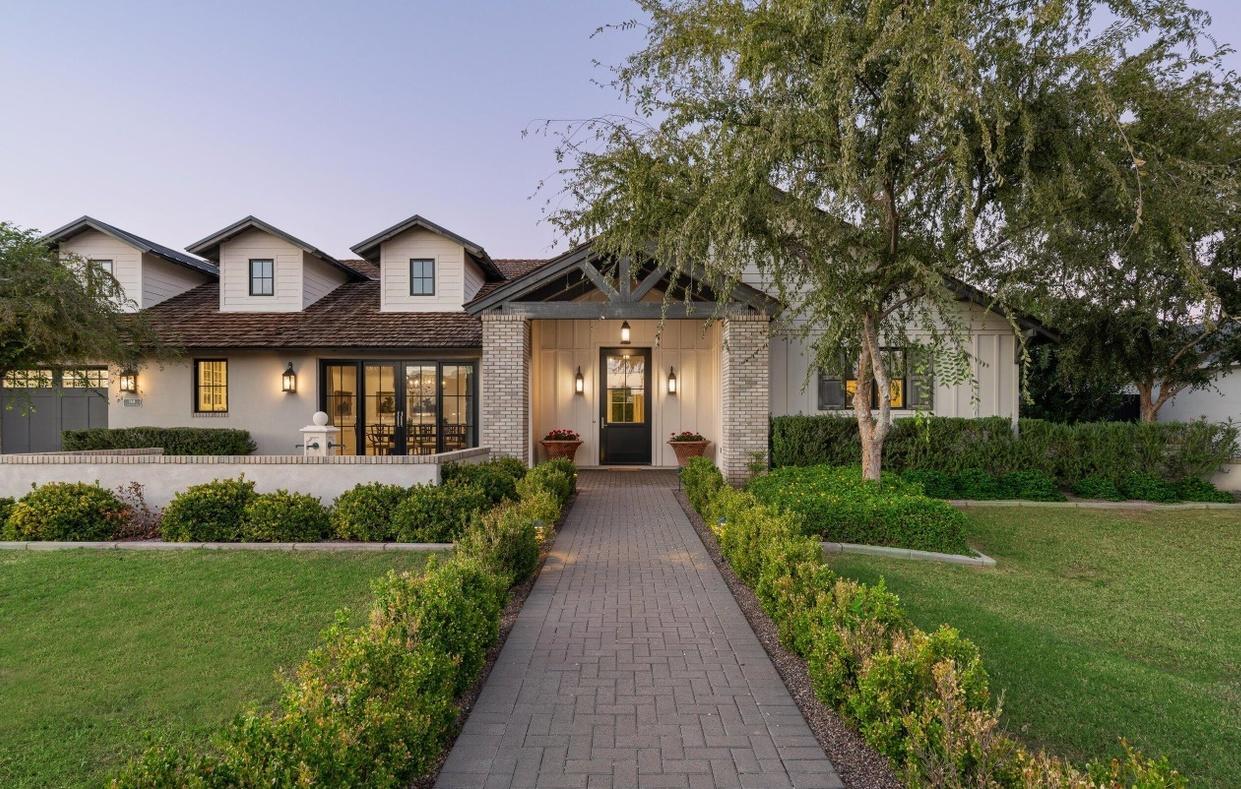
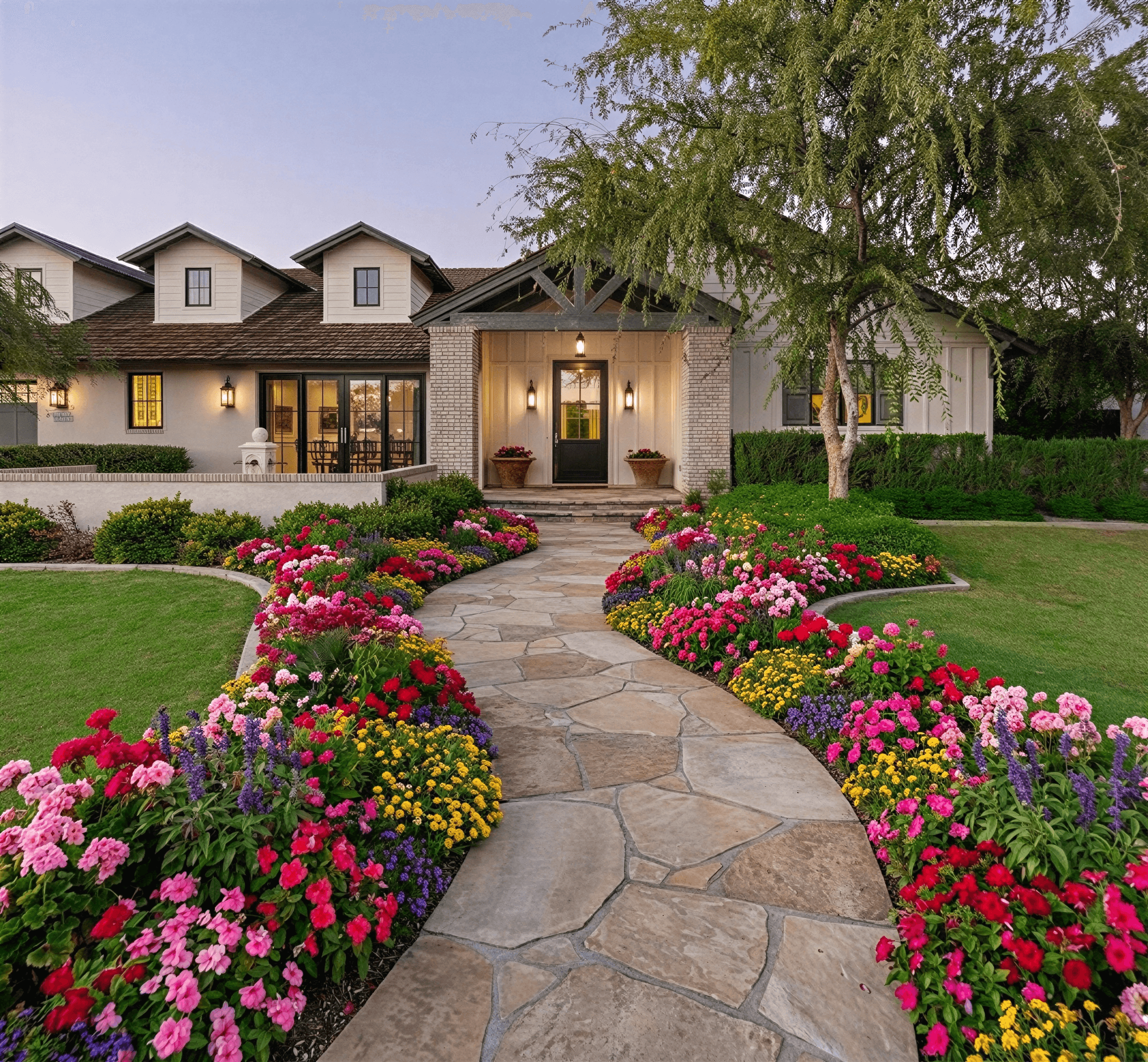
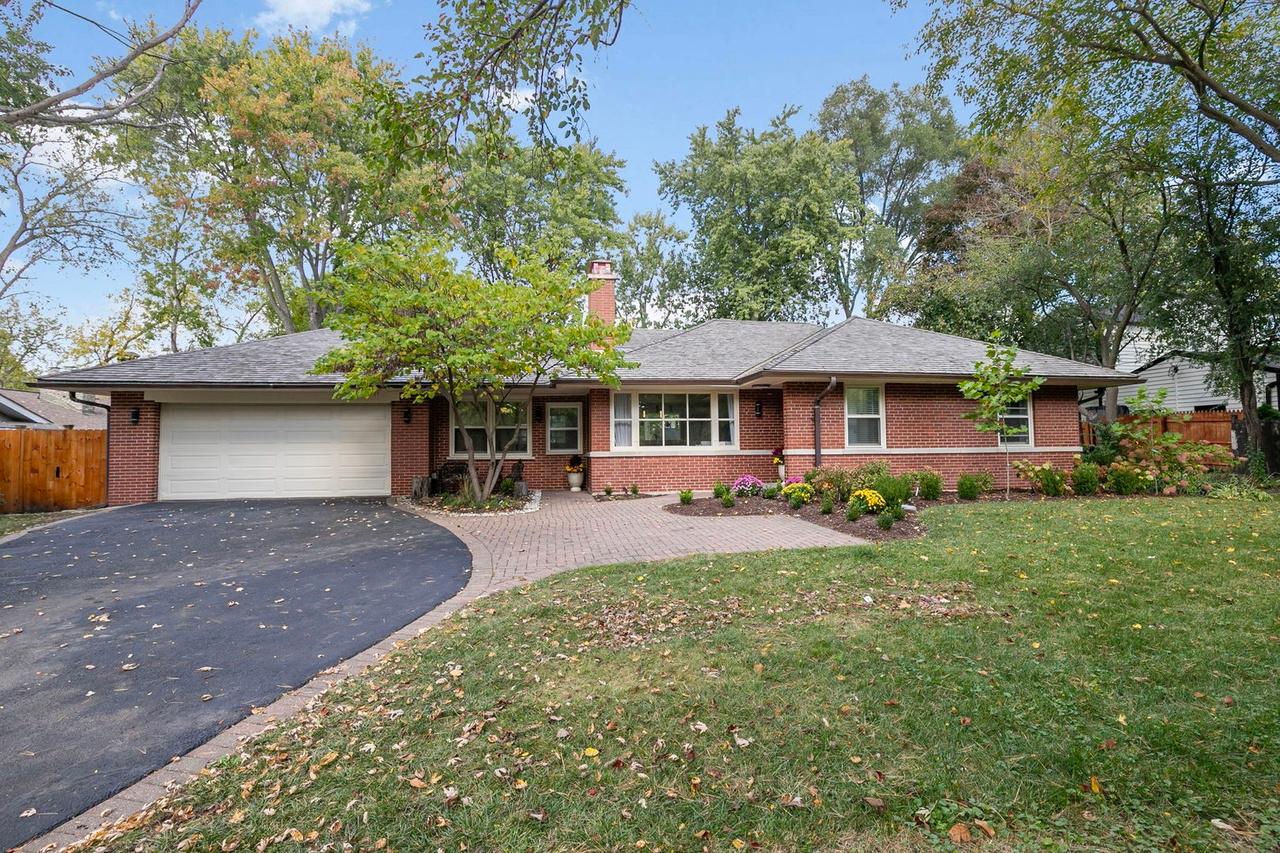
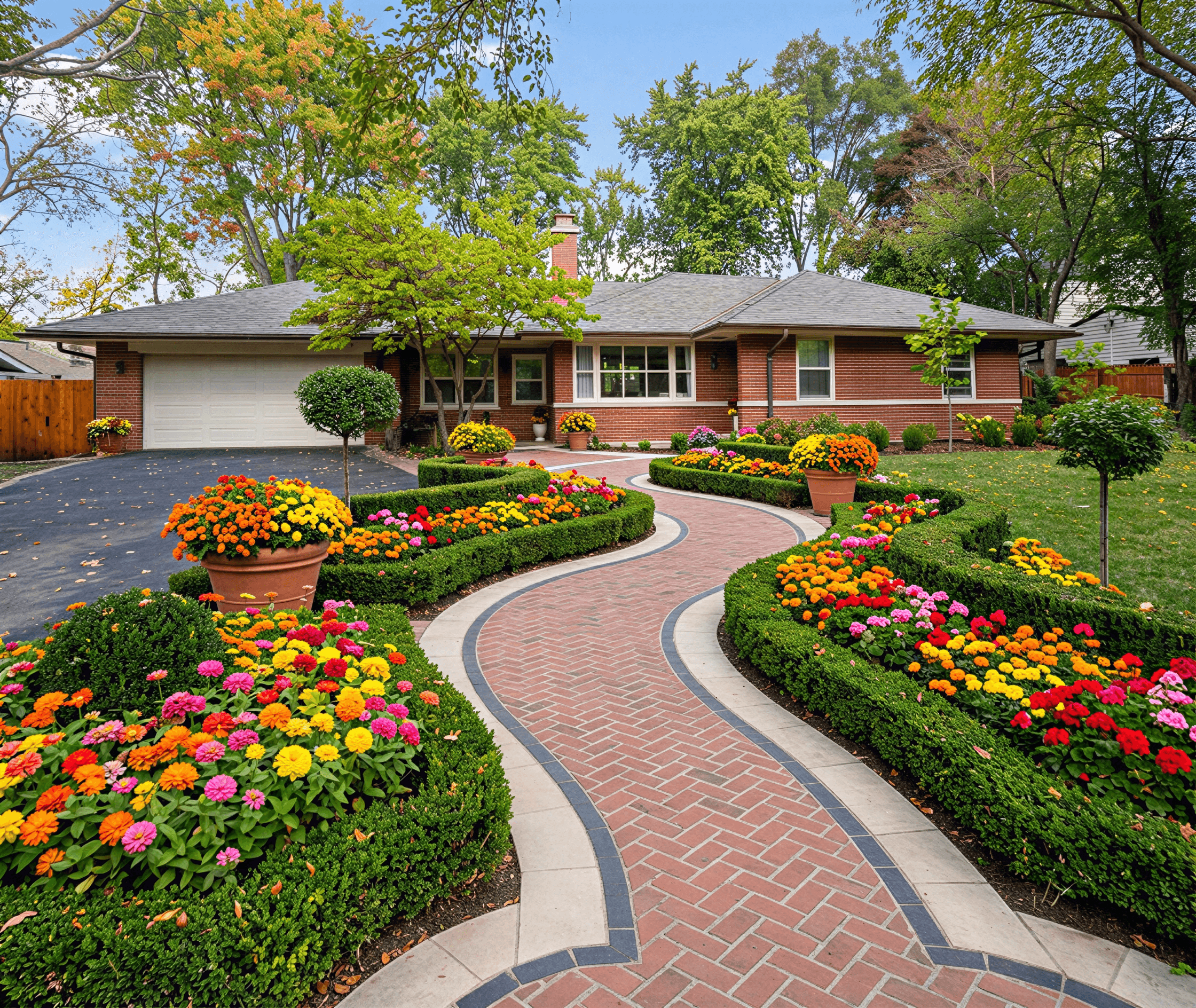
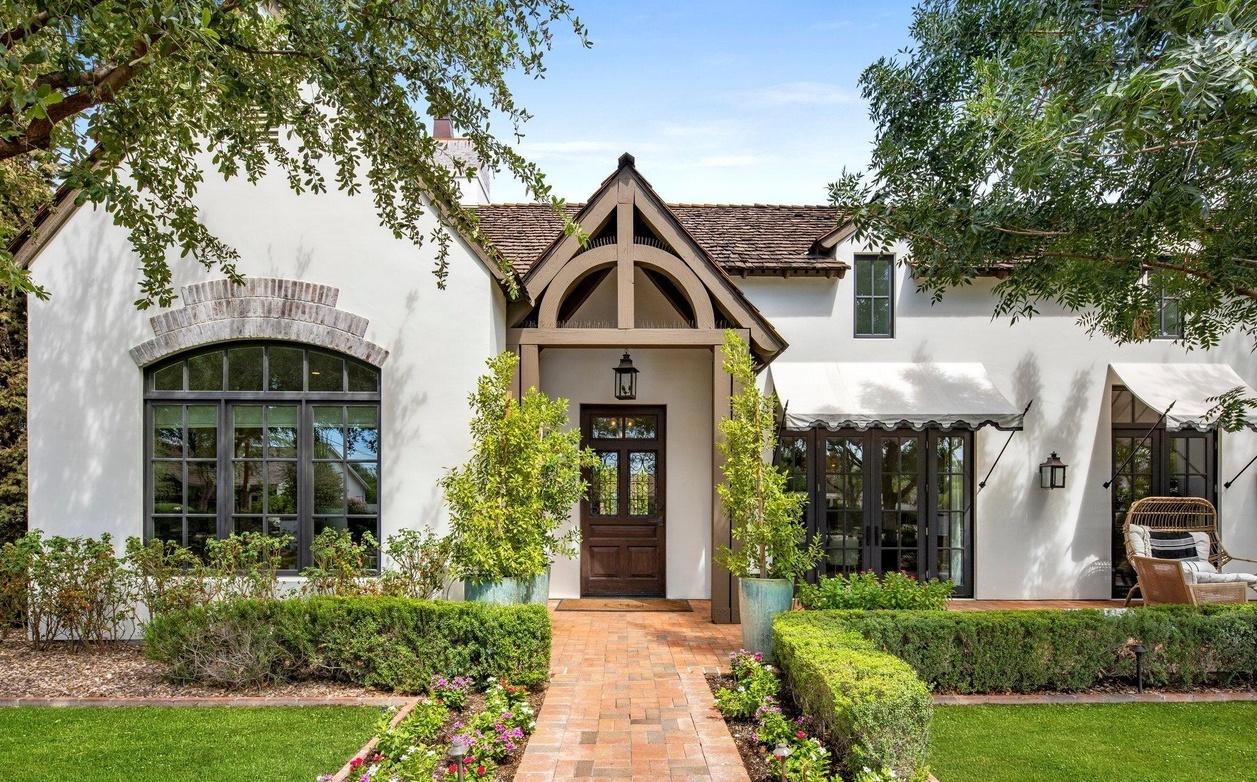
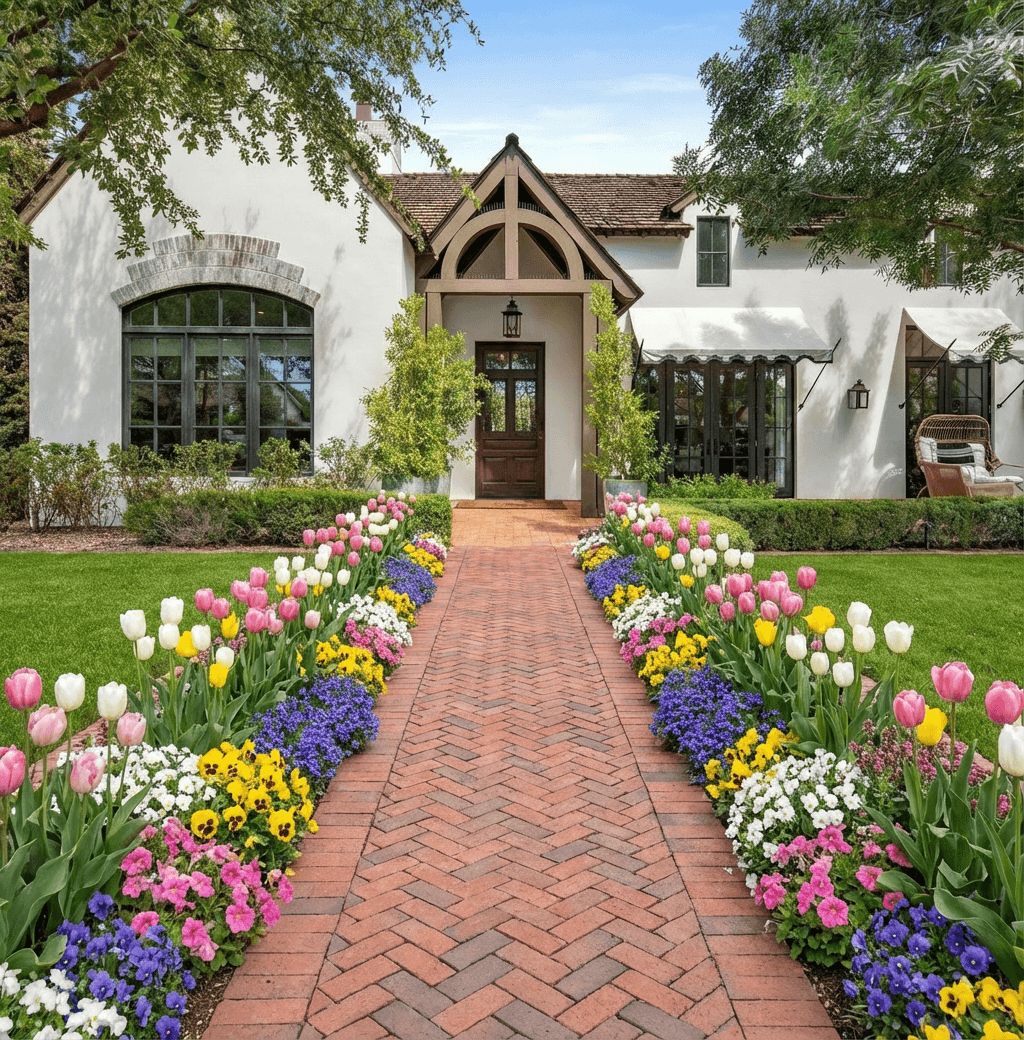
Curb Appeal AI helps homeowners try backyard privacy landscaping ideas by letting you upload a photo and visualize different solutions before you start. Use the tool to see how plants, fences, and structures will look in your actual yard so you can weigh aesthetics, budget, and maintenance. These suggestions focus on practical planning and manageable projects that improve privacy without overwhelming your outdoor space.
Start With a Practical Privacy Plan
Begin by mapping property lines, neighbor sightlines, and where privacy is most needed. Measure sun exposure so you choose plants suited to sun or shade, and check local zoning or HOA rules for maximum fence heights. Sketch several options — a planted hedge, a fence with climbing vines, or a mixed approach — and prioritize goals like noise reduction, visual screening, or wind blocking. Upload a clear photo to Curb Appeal AI to visualize combinations and compare phased plans that fit your timeline and budget before committing to construction.
Plant-Based Screens That Grow Quickly
Fast-growing plants can provide privacy within a few seasons if placed and maintained correctly. Consider columnar evergreens, dense hedging like privet or laurel, and clumping bamboo varieties with root barriers; mix heights and textures to block views while softening hard edges. For year-round coverage, combine deciduous shrubs with evergreen backers. Plant spacing matters: too close leads to crowding, too far leaves gaps. Incorporating native species reduces long-term care and supports local ecology, making these backyard privacy landscaping ideas both effective and environmentally sensible.
Structural Elements: Fences, Trellises, Walls
Solid fences and masonry walls offer immediate, reliable privacy but require permits and neighbor consideration in some areas. Trellises and pergolas paired with climbers create vertical screens that add height without the bulk of a solid wall, and they let light through while obscuring sightlines. Mix materials — wood, composite, metal — to match your home and maintenance tolerance. Combining a low fence with taller planted screens often gives better results than a single element, balancing cost, airflow, and a more natural look among backyard privacy landscaping ideas.
Materials, Costs, and Budget Considerations
Costs vary widely: a basic wood fence can be more affordable upfront, while composite materials and stone walls carry higher initial costs but less maintenance. Planting costs depend on plant size and quantity; young shrubs are cheaper but take years to fill in. Factor in irrigation, soil amendments, and labor when estimating your budget. For a staged approach, start with fast screens to gain immediate privacy and add long-term plantings or structural features later. Comparing options visually with a mock-up helps decide where to allocate budget for the best long-term value.
Keep It Low Maintenance Over Time
Choose plants and materials that match how much time you want to spend on upkeep. Drought-tolerant, native species reduce watering needs, and selecting slow-growing or columnar varieties cuts back on frequent pruning. Use drip irrigation and a layer of mulch to conserve moisture and limit weeds. If you prefer minimal trimming, opt for structural screens like horizontal slat fencing or dense evergreen walls that need only occasional shaping. Regular inspections for pests and disease let you address small problems before they grow, preserving both privacy and curb appeal.
DIY Projects Versus Hiring a Professional
Smaller privacy tasks — planting hedges, installing trellises, or building short fences — are often feasible for a confident DIYer with proper tools and local code knowledge. Larger jobs like retaining walls, tall fences, grading, or removing big trees usually need a licensed contractor for safety, permits, and drainage concerns. If you’re unsure about sightlines, root systems, or long-term maintenance, consult a pro for a site assessment. Use Curb Appeal AI to evaluate design ideas and bring visual references to a contractor to get more accurate quotes and timelines.
Frequently Asked Questions
What are inexpensive backyard privacy landscaping ideas?
Start with fast-growing shrubs, inexpensive trellises with climbers, or dense container plantings on a deck. Reusing reclaimed wood for a simple fence or staggered lattice panels can also provide screening at lower cost while you plan permanent solutions.
How tall should plants or fences be for effective privacy?
Aim for a screen that blocks the most problematic sightlines; typically 6 to 8 feet works for backyard privacy, but local codes may limit fence height. For plantings, account for mature height and spacing to avoid future crowding while reaching the needed elevation.
How long will it take for plants to create privacy?
Fast-growing options can provide noticeable screening in one to three seasons, while slower species may take several years to mature. Planting larger nursery stock speeds results but costs more upfront; combine fast growers for immediate coverage with long-lived specimens for a stable future screen.
Do I need permits for a privacy fence or wall?
Many municipalities and HOAs have rules about fence height, placement, and materials, so check local regulations before building. Even planting near a property line can affect neighbors, so verify setback requirements and consult a survey if boundaries are unclear.
Related Landscaping Ideas
Explore Professional Services Near You
Related Articles
Easy Backyard Landscaping Ideas: Transform easy backyard landscaping ideas
Discover easy backyard landscaping ideas to boost curb appeal with budget-friendly, simple tips.
7 Best Sites for Easy Backyard Landscaping Pictures
Looking for easy backyard landscaping pictures? We curated the 7 best sources, from AI design tools to pro galleries, to help you find actionable ideas.
Top 10 Front Yard Landscaping Ideas for 2026
Explore 10 top front yard landscaping ideas for 2026. From modern to cottage, find budget-friendly, low-maintenance designs to boost your home's curb appeal.
Real transformations
See how homeowners are using Curb Appeal AI to reimagine their properties