Low Water Landscape Design For Texas
low water landscape design for texas
Curb Appeal AI helps homeowners see practical, low-water updates by letting you upload a photo of your yard and visualize improvements before you start. This page focuses on straightforward planning and plant choices so you can build a resilient, attractive landscape that uses less water in Texas climates. You’ll find design ideas, material recommendations, cost considerations, and maintenance tips written for homeowners who want sensible results rather than gimmicks.
Planning a drought-tolerant yard in Texas
Start by observing your site: note sun exposure, slope, soil type, and existing trees. Group plants by water needs and create separate hydrozones so higher-needs plants are isolated from low-water areas. Consider how seasonal rain and prevailing winds affect evaporation; placing mulch and shade near vulnerable beds reduces water loss. A good plan for low water landscape design for Texas begins with a realistic list of uses—play, privacy, or curb appeal—and allocates the water budget accordingly to avoid overplanting thirsty species.
Choosing native and drought-tolerant plants
Select plants adapted to local conditions to minimize supplemental watering. In Texas, look for species such as Texas sage, red yucca, lantana, gulf muhly, and yaupon holly for sunny sites; choose shade-tolerant natives under trees. Use a mix of grasses, shrubs, and perennials to create seasonal interest and reduce pest pressure. Planting during cooler months and grouping by water needs helps establish roots efficiently. When planning low water landscape design for Texas, prioritize deep-rooting plants and avoid high-maintenance turf in areas that are rarely used.
Visualizing low-water changes before you start
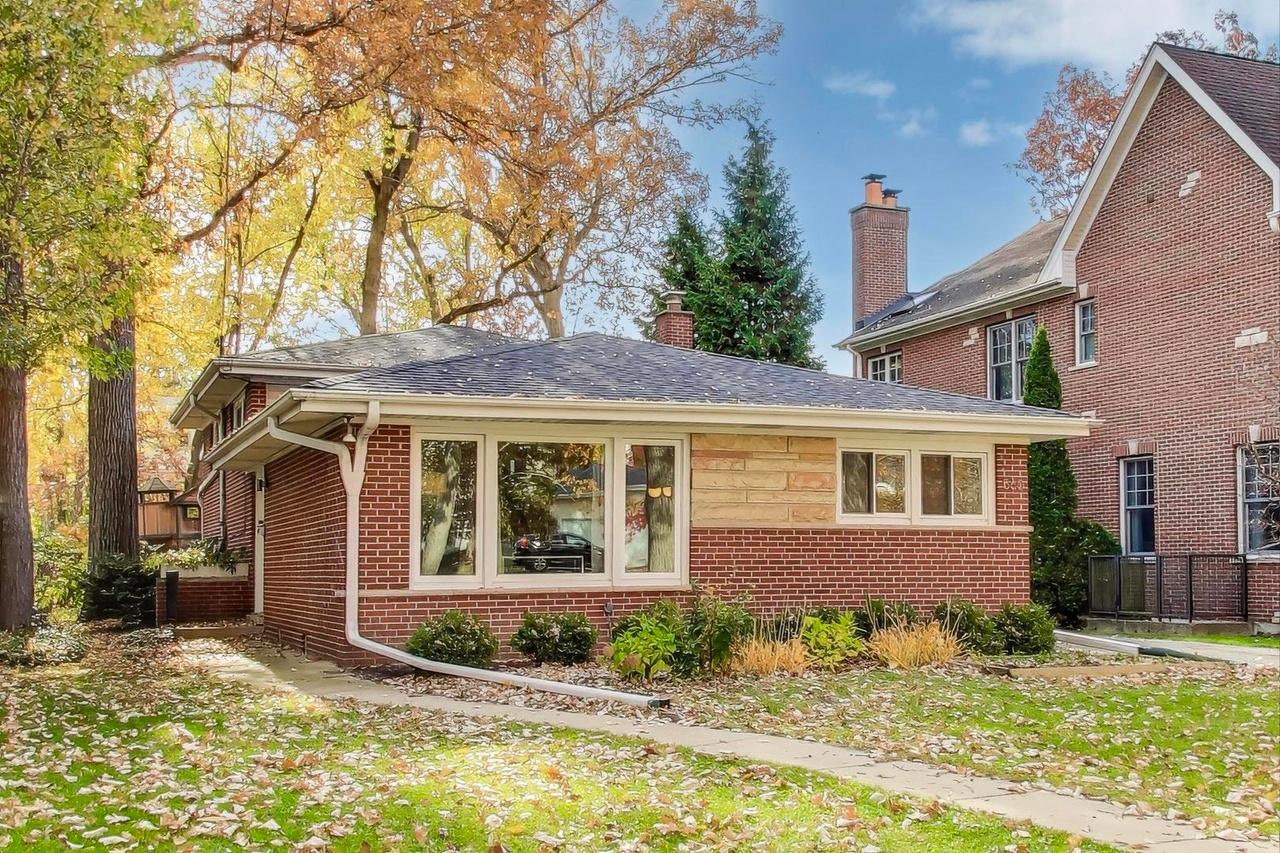
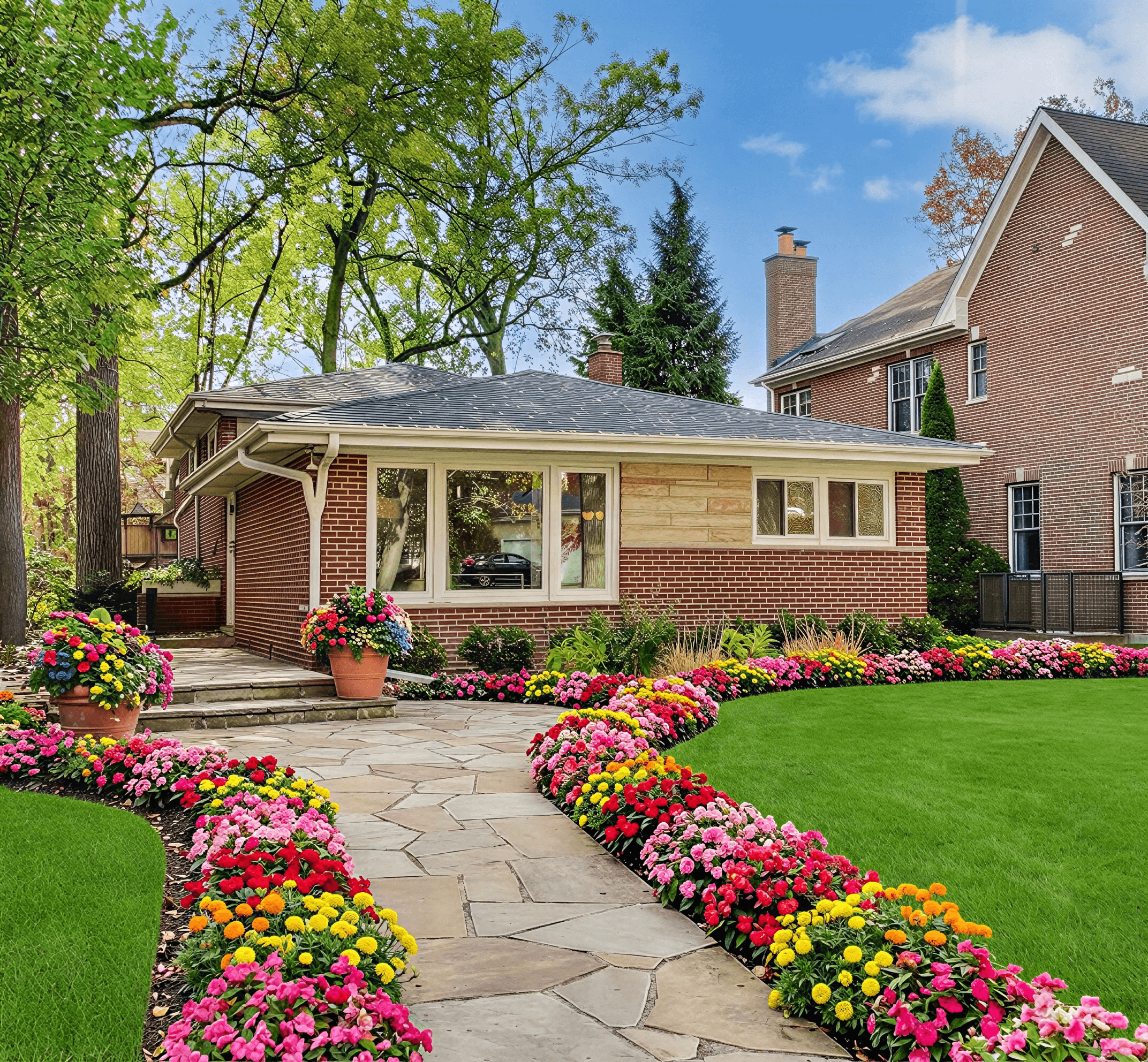
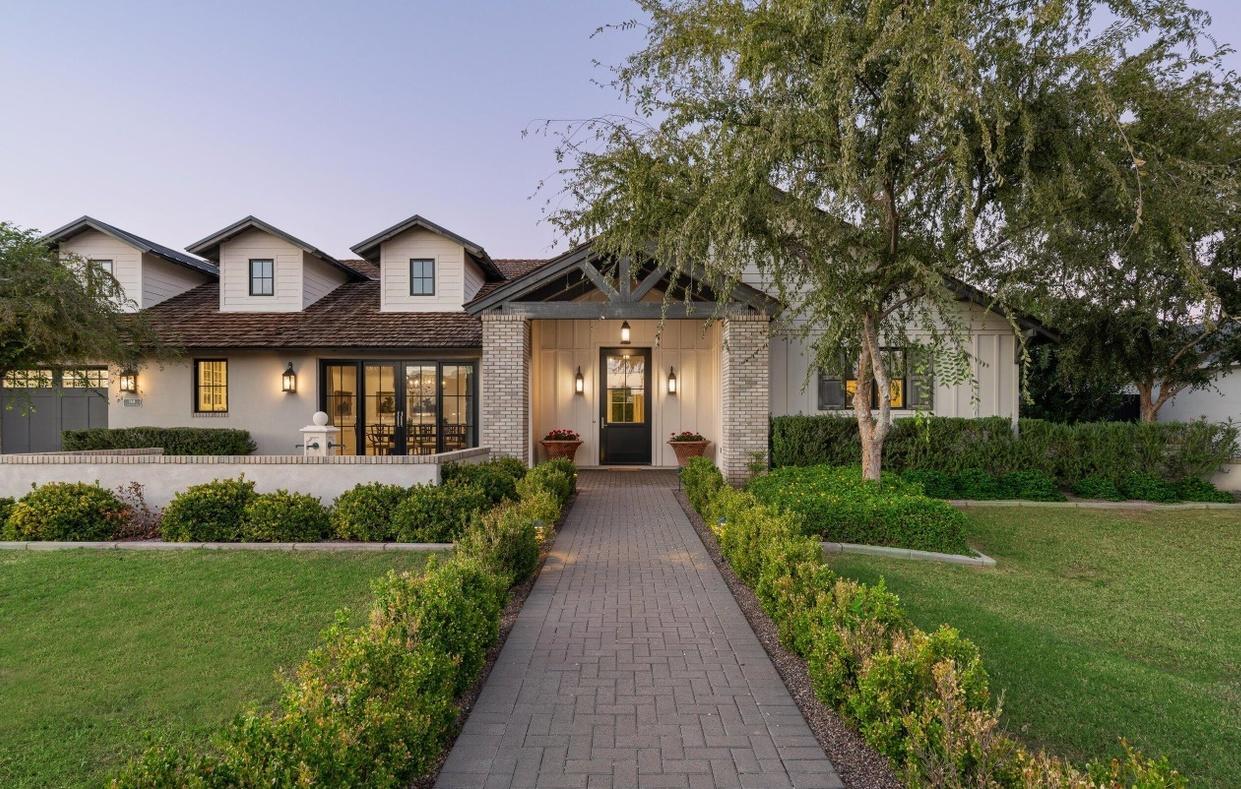
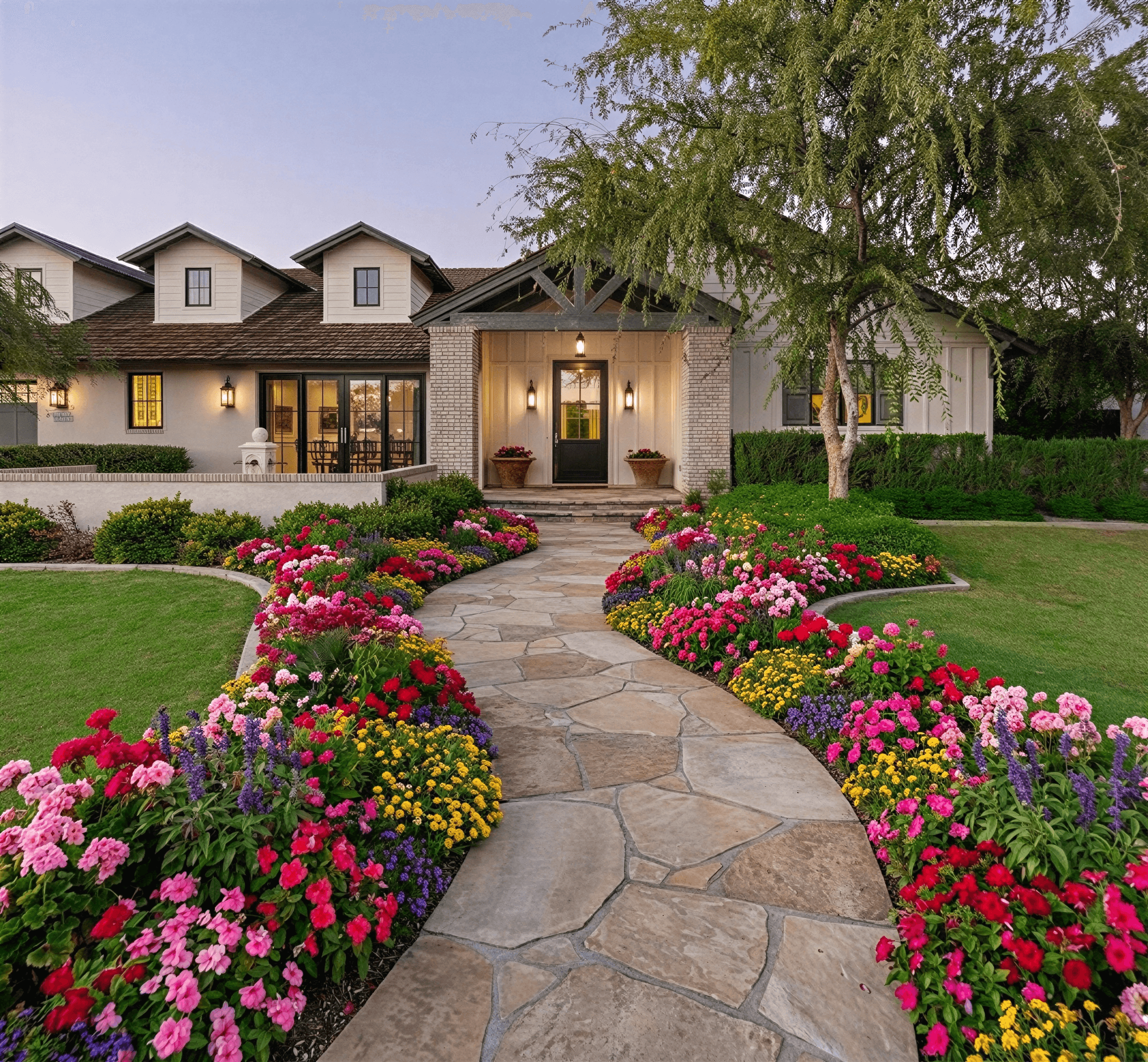
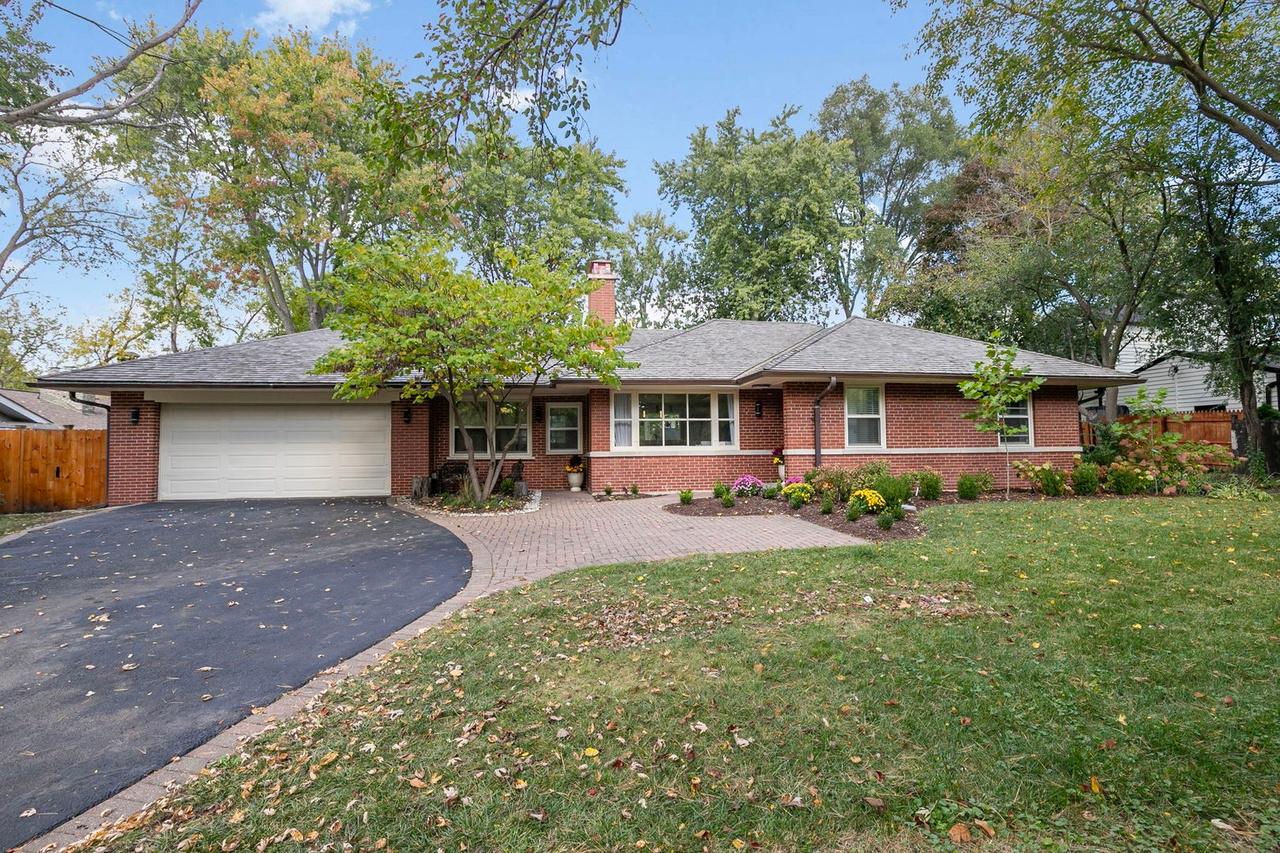
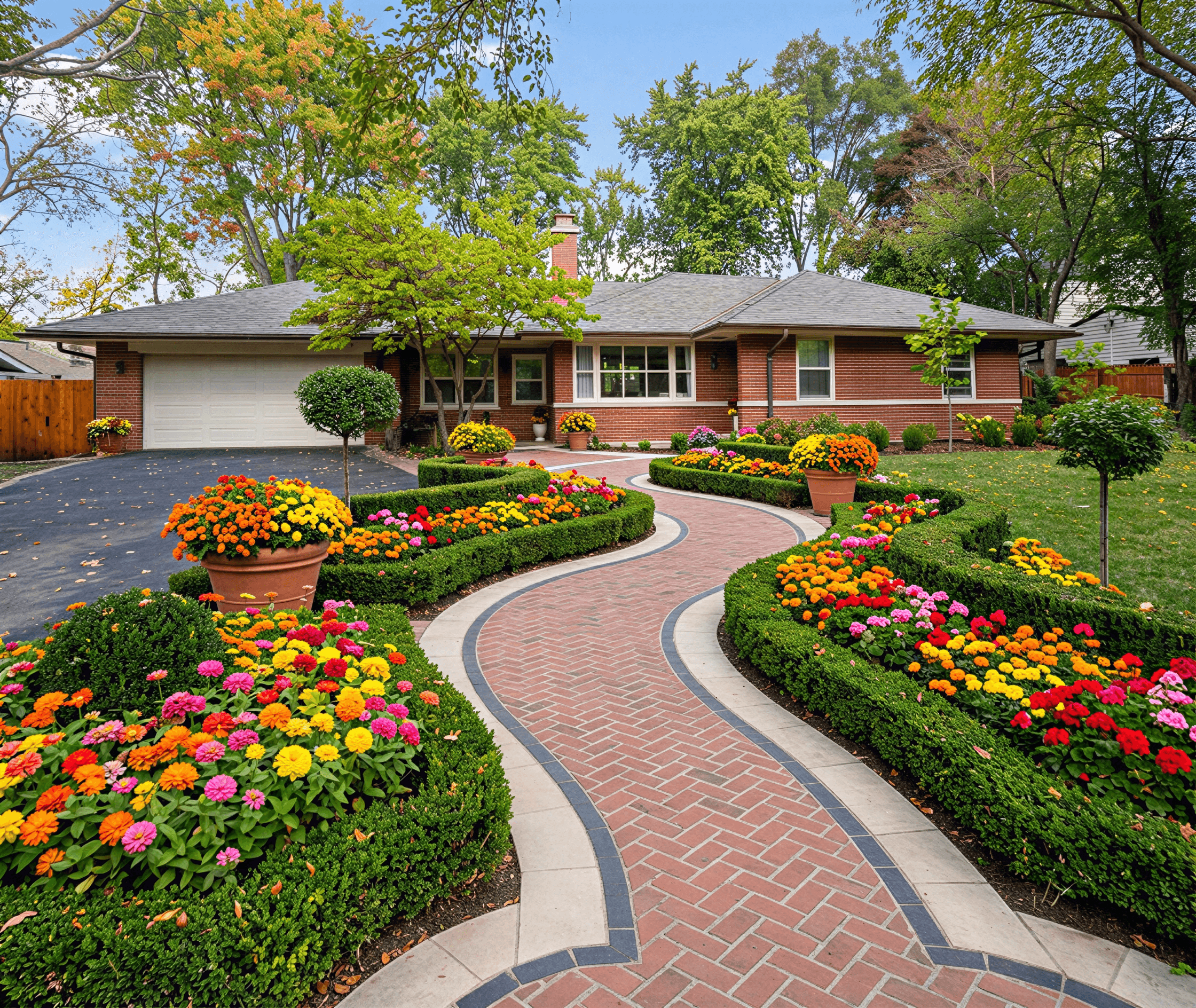
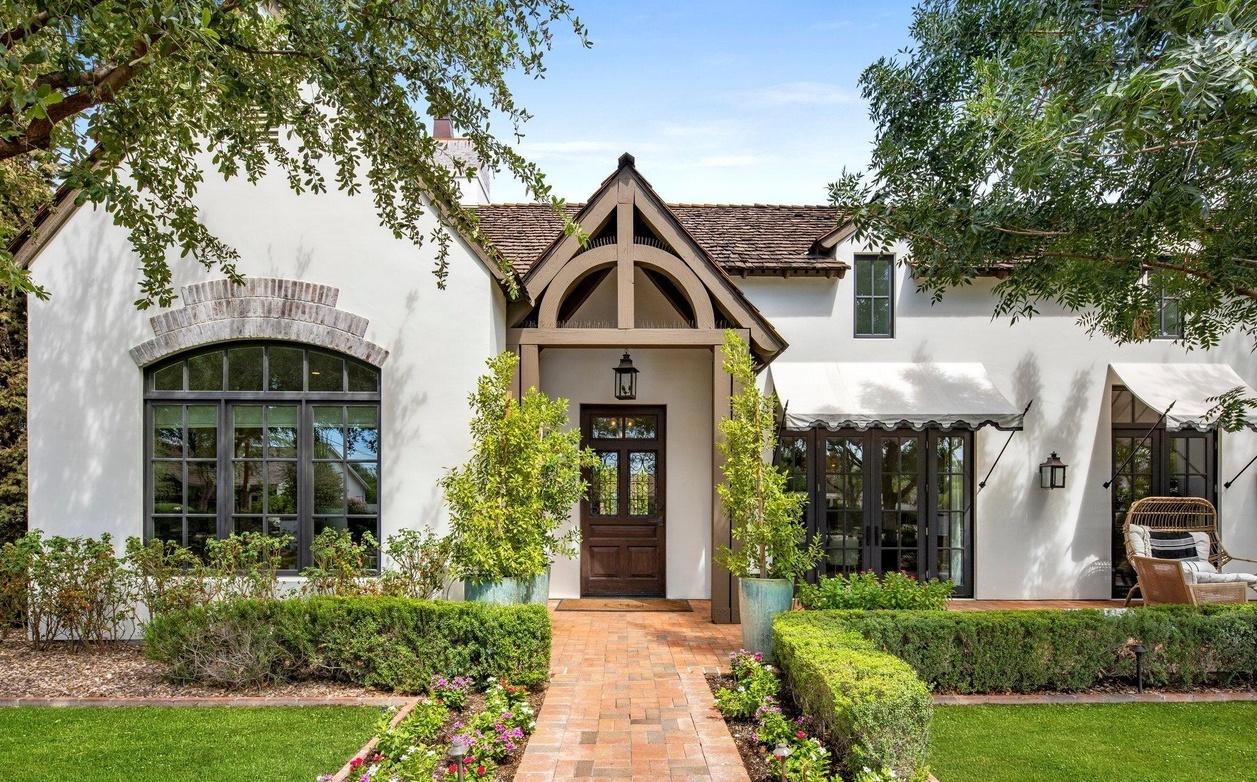
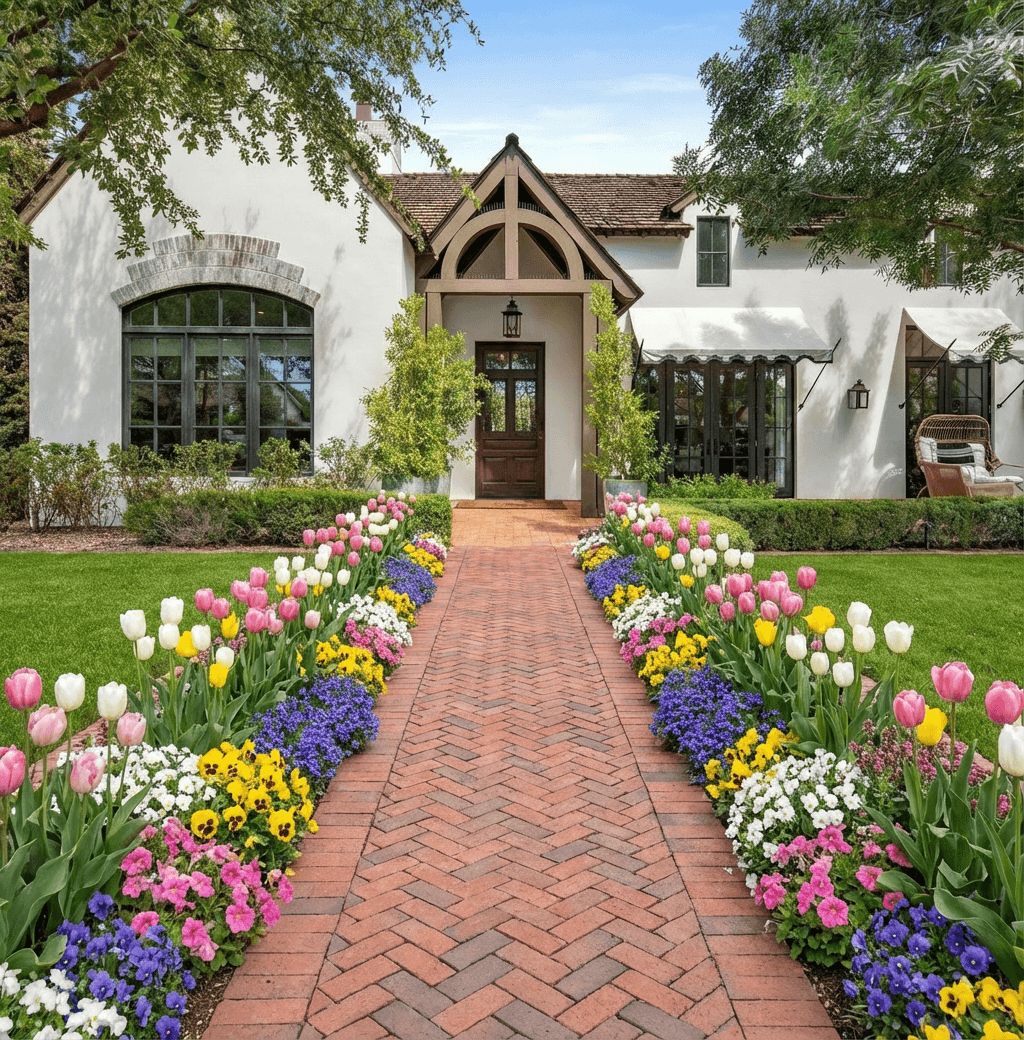
Before committing to hardscapes or large plant purchases, use photo-based visualization to test ideas on your actual yard. Uploading a photo to Curb Appeal AI lets you experiment with different gravel patterns, plant placements, and mulch colors so you can judge scale and proportion. Visual tools help you compare options like replacing turf with native beds or adding a decomposed granite path. Seeing the design reduces costly mistakes and makes it easier to communicate your plan to contractors or volunteers when you move from concept to installation.
Hardscaping materials and water-saving features
Choose permeable paving, decomposed granite, or gravel for walkways and patios to reduce runoff and improve infiltration. Mulch is one of the most effective and inexpensive water-saving materials—apply 2–4 inches to keep soil cooler and retain moisture. Install drip irrigation and a smart controller to deliver water directly to root zones and cut waste. By integrating rock mulches and shade structures, you can reduce evaporation and limit irrigation needs. Thoughtful hardscaping is central to durable low water landscape design for Texas and helps create usable outdoor rooms with minimal water demand.
Costs, maintenance, and DIY versus professionals
Budget realistically: plant-only installs can be modest, but adding irrigation or hardscape raises costs. Expect to pay more for professional grading, irrigation design, or extensive hardscape; simple DIY plantings and mulch refreshes can keep expenses low. Maintenance is mostly seasonal: replenish mulch, inspect drip lines, prune native shrubs lightly, and monitor soil moisture rather than following a fixed watering schedule. Hire a licensed irrigation professional for system design and permit-required work, and consider a landscape pro for major grading or retaining walls to ensure long-term performance.
Frequently Asked Questions
How much can I reduce water use with a low-water landscape?
Switching to native plants, mulch, and drip irrigation typically cuts outdoor water use by 30–60%, depending on your starting landscape and local climate. Savings are highest when you replace thirsty turf with well-planned beds and install efficient irrigation and a smart controller.
Which native plants work best for Texas low-water yards?
Good choices include Texas sage, red yucca, lantana, gulf muhly, yaupon holly, and various native ornamental grasses. Select plants matched to your site’s sun exposure and soil; local extension offices or native plant societies can provide region-specific lists.
Can I install a low-water landscape myself or should I hire a pro?
Many homeowners can handle planting, mulching, and simple drip irrigation installs as DIY projects, especially for small areas. Hire professionals for complex irrigation design, grading, or extensive hardscaping to avoid drainage issues and ensure code compliance.
Are there rebates or programs for water-efficient landscaping in Texas?
Some Texas municipalities and water utilities offer rebates for replacing turf with waterwise landscaping or for installing efficient irrigation controllers. Check local water utility programs or your city website for current incentives and eligibility requirements.
Related Landscaping Ideas
Explore Professional Services Near You
Related Articles
How to Design for Front Yard Landscape: A Pro's Guide
Learn the complete design for front yard landscape process. Our guide covers site analysis, style, plant selection, and using AI tools for stunning results.
Ai for Landscape Design: Elevate Outdoor with ai for landscape design Tools
ai for landscape design: Transform outdoor spaces with AI tools to craft stunning, climate-smart yard visuals.
Find the Best App for Landscape Design
Searching for the best app for landscape design? Our 2026 guide reviews top tools and features to help you visualize your dream yard in minutes.
Real transformations
See how homeowners are using Curb Appeal AI to reimagine their properties