Garden Landscaping Ideas
garden landscaping ideas
Explore practical garden landscaping ideas to make your outdoor space more inviting and functional. With Curb Appeal AI you can upload a photo of your yard and visualize improvements before you spend money. This page offers straightforward planning tips, design options, material choices, and budgeting guidance for homeowners.
How to plan your garden layout
Start planning by observing sun, shade and existing drainage patterns for at least a week to see how conditions change. Sketch a simple plan that marks lawn, planting beds, paths and seating areas, prioritizing zones you’ll use most often, like dining or a play area. When developing garden landscaping ideas, think about sight lines from inside the house so planting doesn’t block views or light. Consider mature plant size so beds won’t overcrowd paths or windows. A clear written plan helps when you estimate materials, timeline and whether you need professional help.
Choosing plants for color and texture
Select plants that provide layered interest across seasons: shrubs for structure, perennials for repeat blooms, and groundcovers to reduce weeds. Choose a limited color palette to create cohesion and use foliage texture to add depth between flowering periods. For many homeowners, garden landscaping ideas that include native or drought-tolerant species reduce watering and maintenance. Place taller plants at the back of beds and shorter varieties toward the front to keep borders tidy and visible. Grouping three to five of the same species makes a cleaner, more intentional look than scattering single specimens.
Hardscaping: paths, patios and edging materials
Hardscaping defines usable spaces and reduces maintenance by limiting lawn area and providing durable surfaces. Common materials include gravel, compacted decomposed granite, concrete pavers and natural stone; choose based on budget, style and how much DIY work you want. Edging materials like steel or brick keep beds tidy and make mowing easier. When planning hardscape, allow proper drainage so water doesn’t pool near foundations or plant roots. Integrate planting pockets or permeable materials where possible to maintain groundwater recharge while creating clean, functional outdoor rooms.
Estimate costs and set a realistic budget
Start with a simple budget breakdown: plants, soil/prep, hardscaping materials, irrigation and labor. Small projects like new planting beds and mulch can often be done for a few hundred dollars, while adding a patio, new paths or major grading can reach several thousand. Use garden landscaping ideas to prioritize what gives the most visual impact for your budget—focal trees, fresh mulch and a defined path often change perception without major expense. Get multiple quotes if hiring professionals, and allocate 10–20% extra for unexpected site conditions or delivery costs.
Maintenance tips to keep gardens looking good
Plan for routine tasks like seasonal pruning, mulching, weed control and checking irrigation to keep plantings healthy and looking intentional. Mulch suppresses weeds and reduces watering needs, and a simple drip irrigation system can save time and water compared with overhead sprinklers. Choose pest-resistant and low-maintenance varieties if you prefer less upkeep; group plants with similar water needs together to avoid over- or under-watering. A short annual maintenance checklist prevents small issues from becoming big repairs and helps your garden landscaping ideas stay attractive year after year.
DIY projects versus hiring a professional
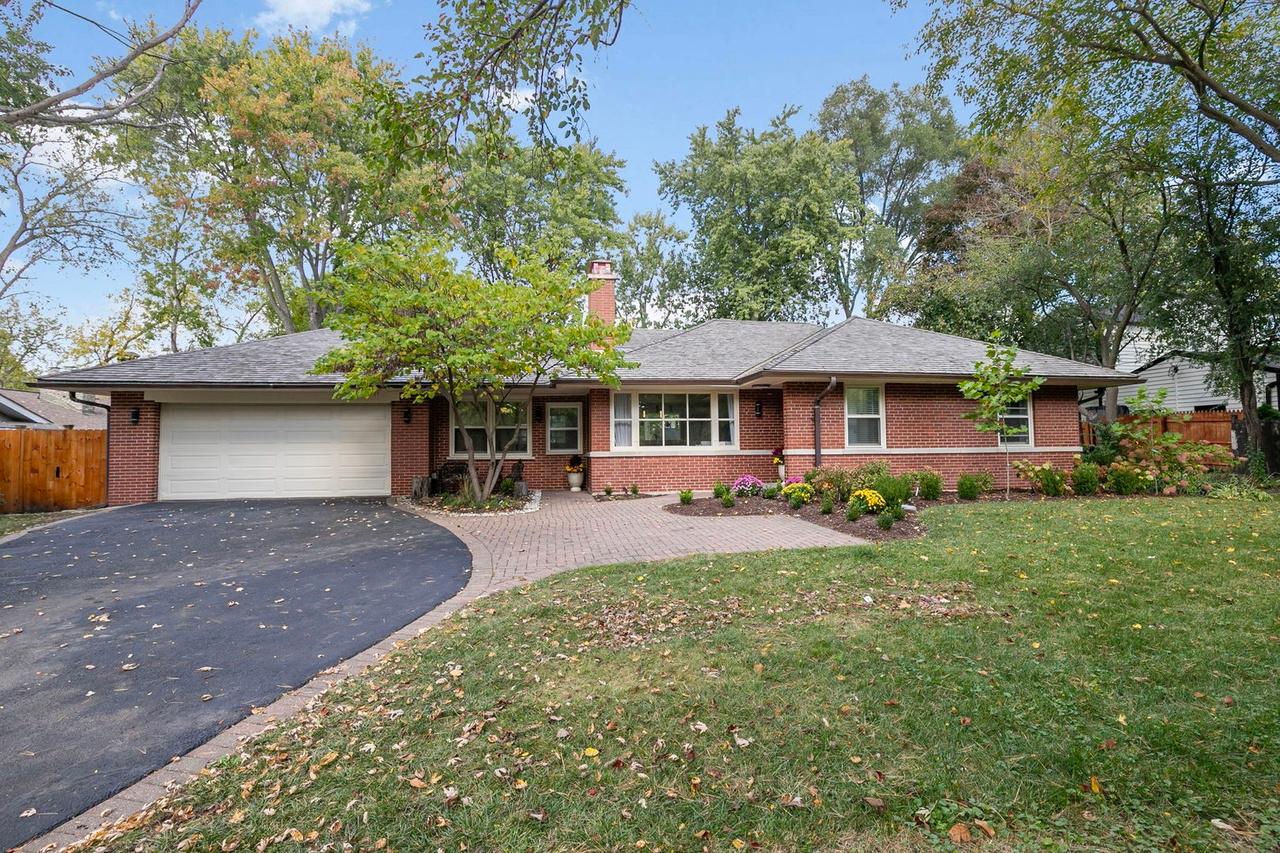
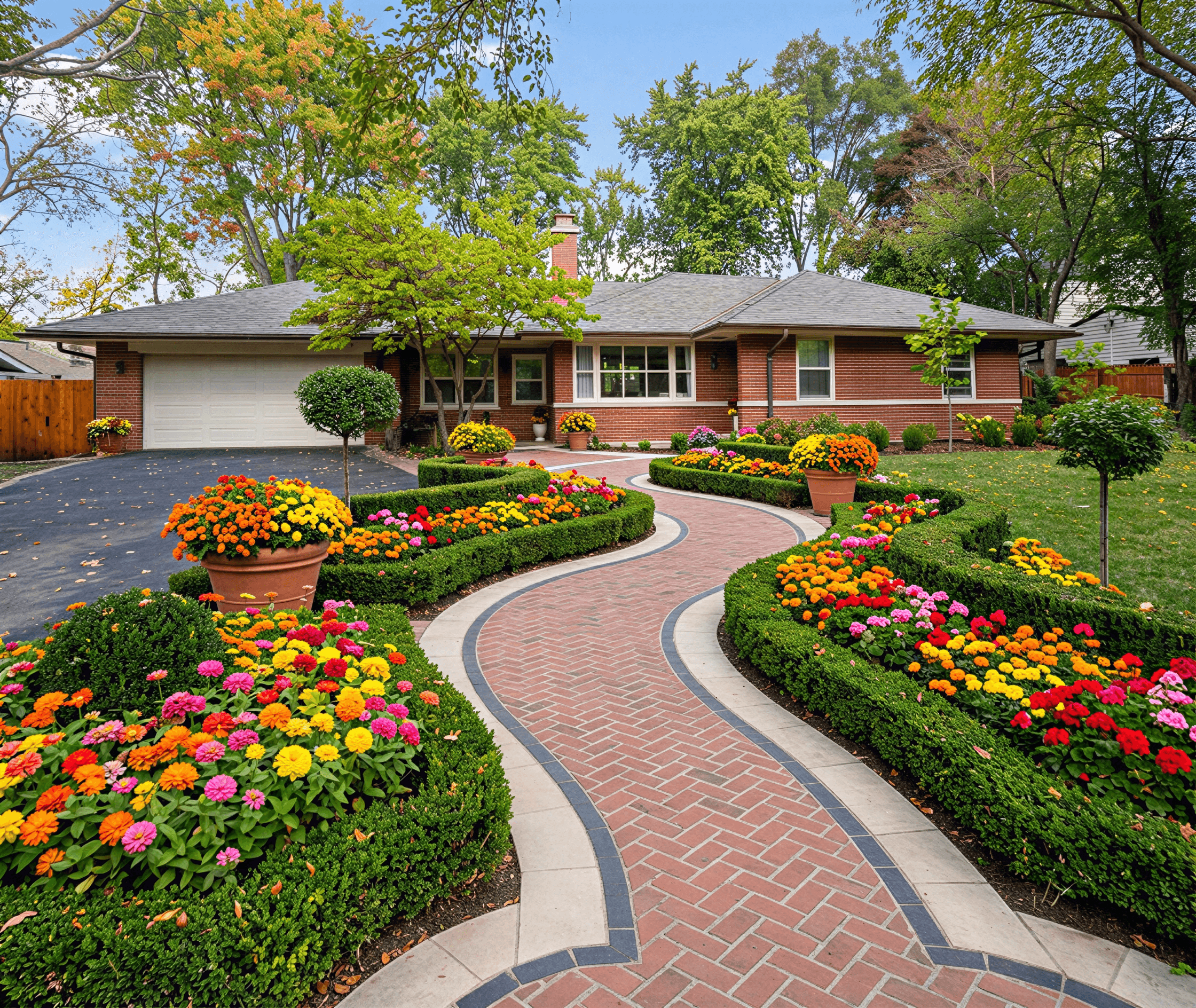
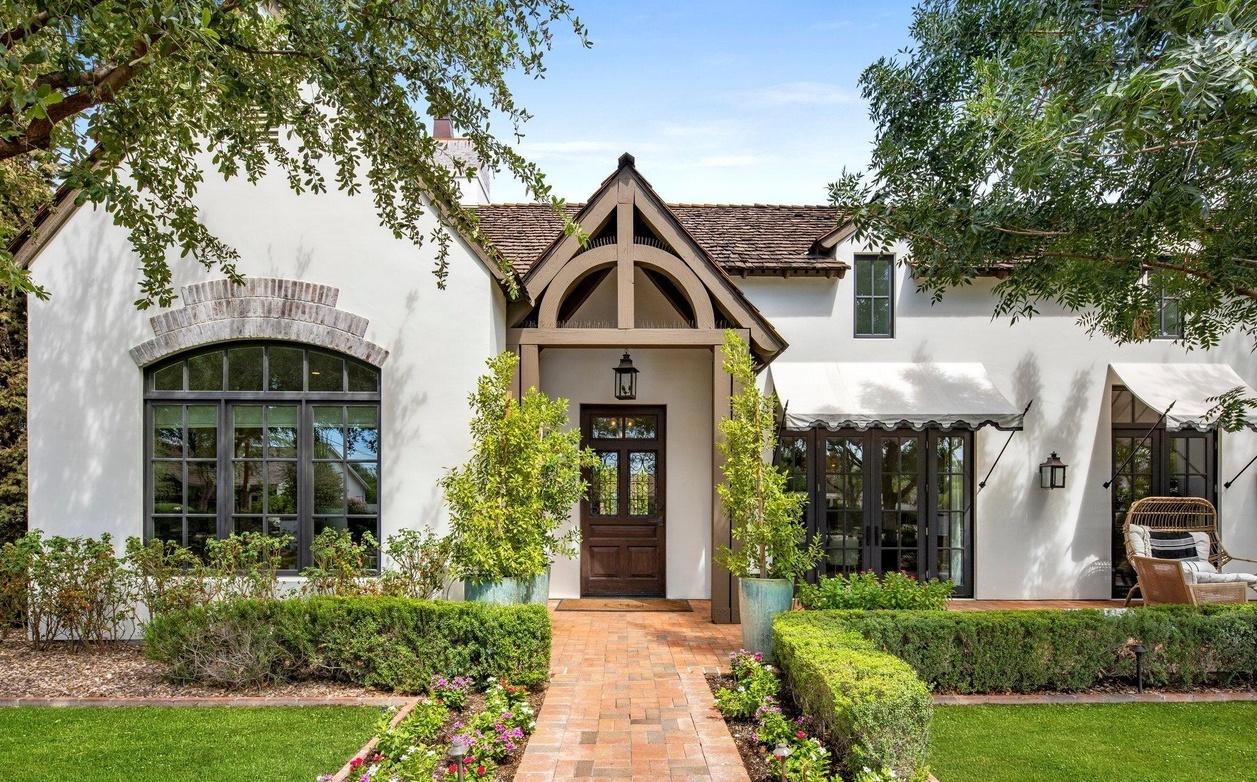
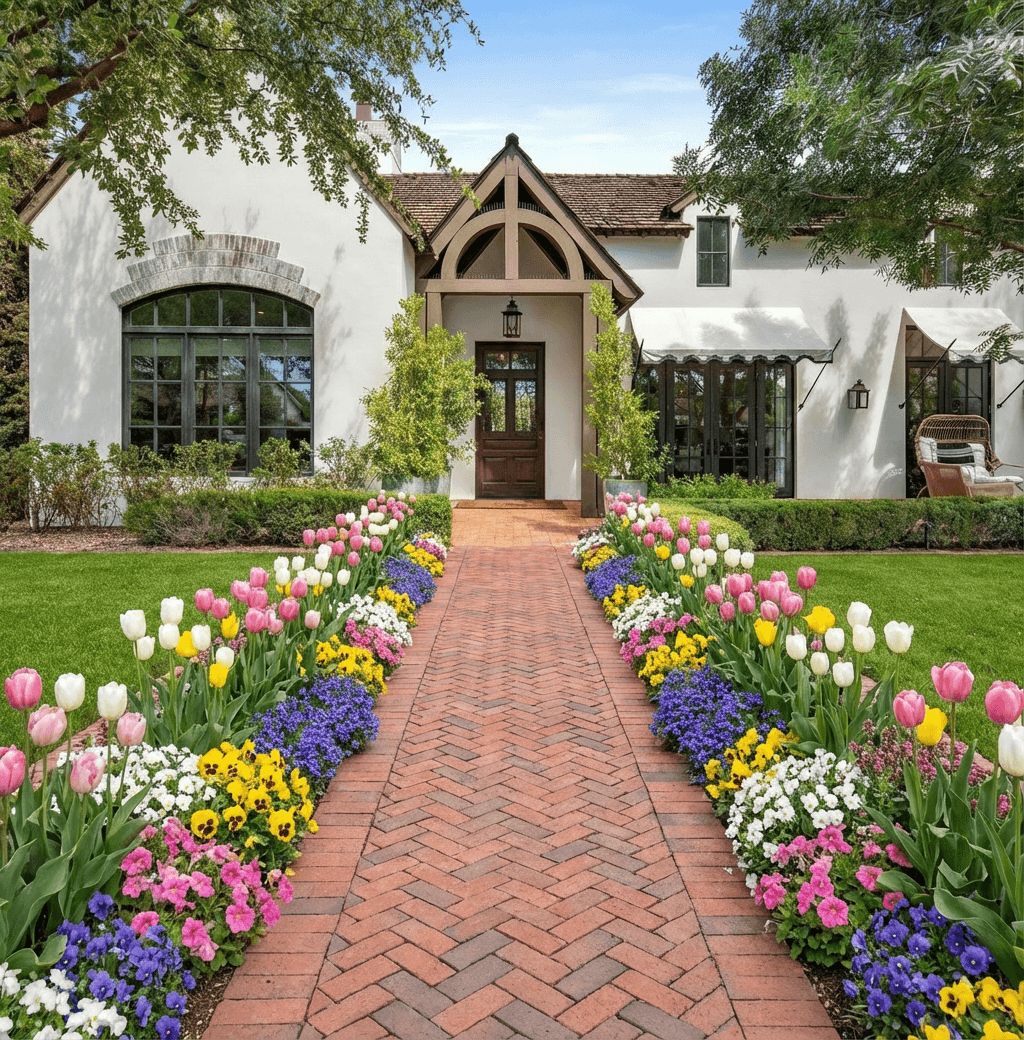
Decide what you can realistically do based on time, tools and skill. Simple garden landscaping ideas like installing raised beds, planting perennials or laying gravel paths are often suitable for DIYers, while grading, major drainage work, and complex hardscapes typically need a professional. If you’re unsure how changes will look, use Curb Appeal AI to upload a photo and visualize different options before committing. For larger projects, get written estimates, check references and ensure permits are in place; combining DIY with selective contractor work can balance cost and quality.
Frequently Asked Questions
What are low-cost garden landscaping ideas that still look good?
Focus on refreshed planting beds, a consistent mulch layer, and clearly defined edges to make the space look tidy. Add a focal feature like a container grouping or a small seating area, and choose plants that establish quickly for instant impact without large expense.
How do I choose plants for sun and shade areas?
Map out daily sun exposure and list spots as full sun, partial sun or shade before selecting plants. Choose species labeled for those conditions and group plants with similar light and water needs to reduce stress and maintenance.
When should I hire a professional landscaper?
Hire a professional for major grading, drainage, complex hardscapes or when building retaining walls that affect safety. Also consider a designer if you want a cohesive plan for long-term growth or if you prefer a turnkey solution to save time.
How can I maintain my garden affordably year-round?
Use mulch to reduce watering and weeds, choose resilient native plants, and set up a basic drip irrigation system on a timer to save water and effort. Regular small tasks—like seasonal pruning and weeding—prevent larger costly problems later.
Related Landscaping Ideas
Explore Professional Services Near You
Related Articles
Top 10 Front Yard Landscaping Ideas for 2026
Explore 10 top front yard landscaping ideas for 2026. From modern to cottage, find budget-friendly, low-maintenance designs to boost your home's curb appeal.
8 Small Front Yard Landscaping Ideas to Maximize Curb Appeal in 2026
Discover 8 inspiring small front yard landscaping ideas, from modern minimalist to charming cottage styles. Transform your space with our expert tips!
Top 10 Cottage Garden Landscaping Ideas for Timeless Charm in 2026
Discover enchanting cottage garden landscaping ideas to create a lush, romantic outdoor space. Our guide covers plants, layouts, and hardscapes.
Real transformations
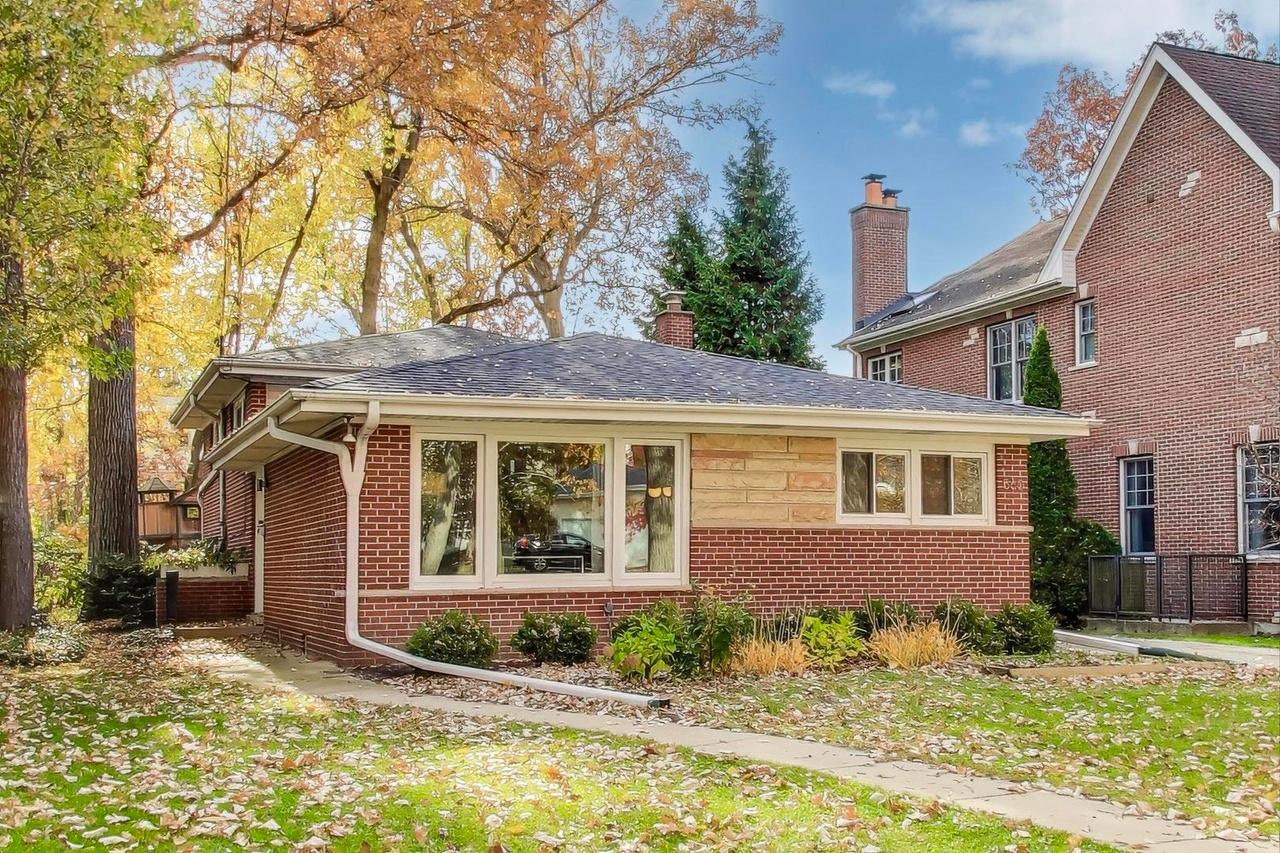
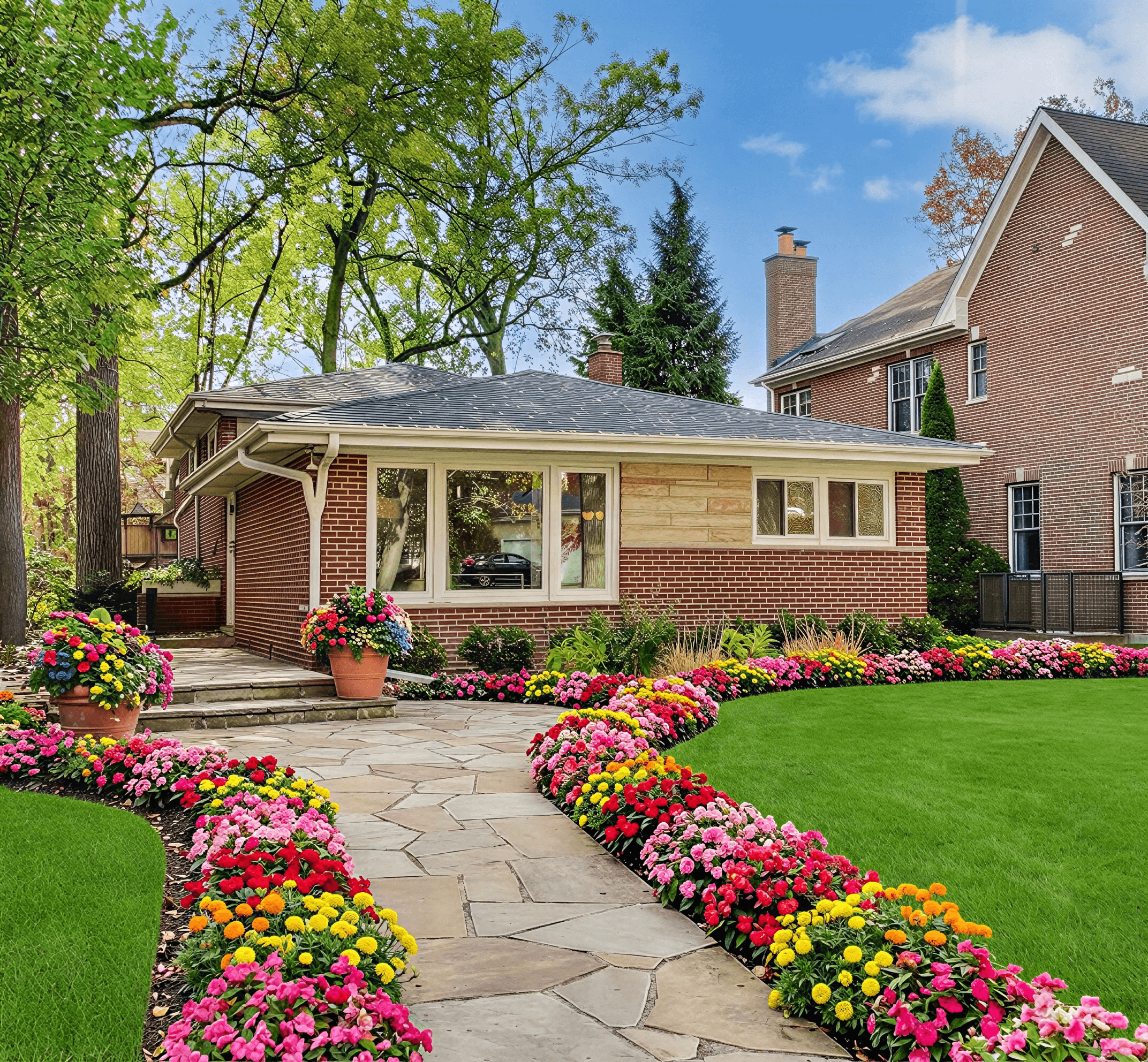
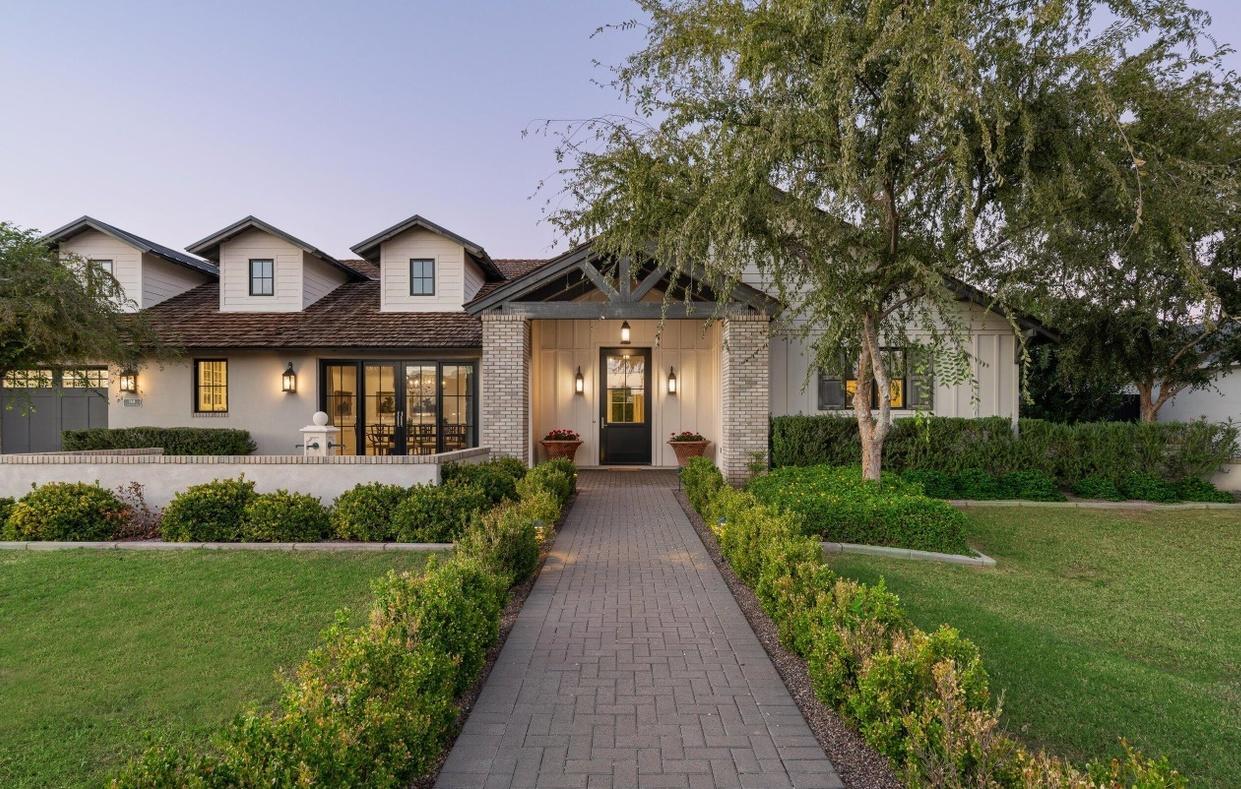
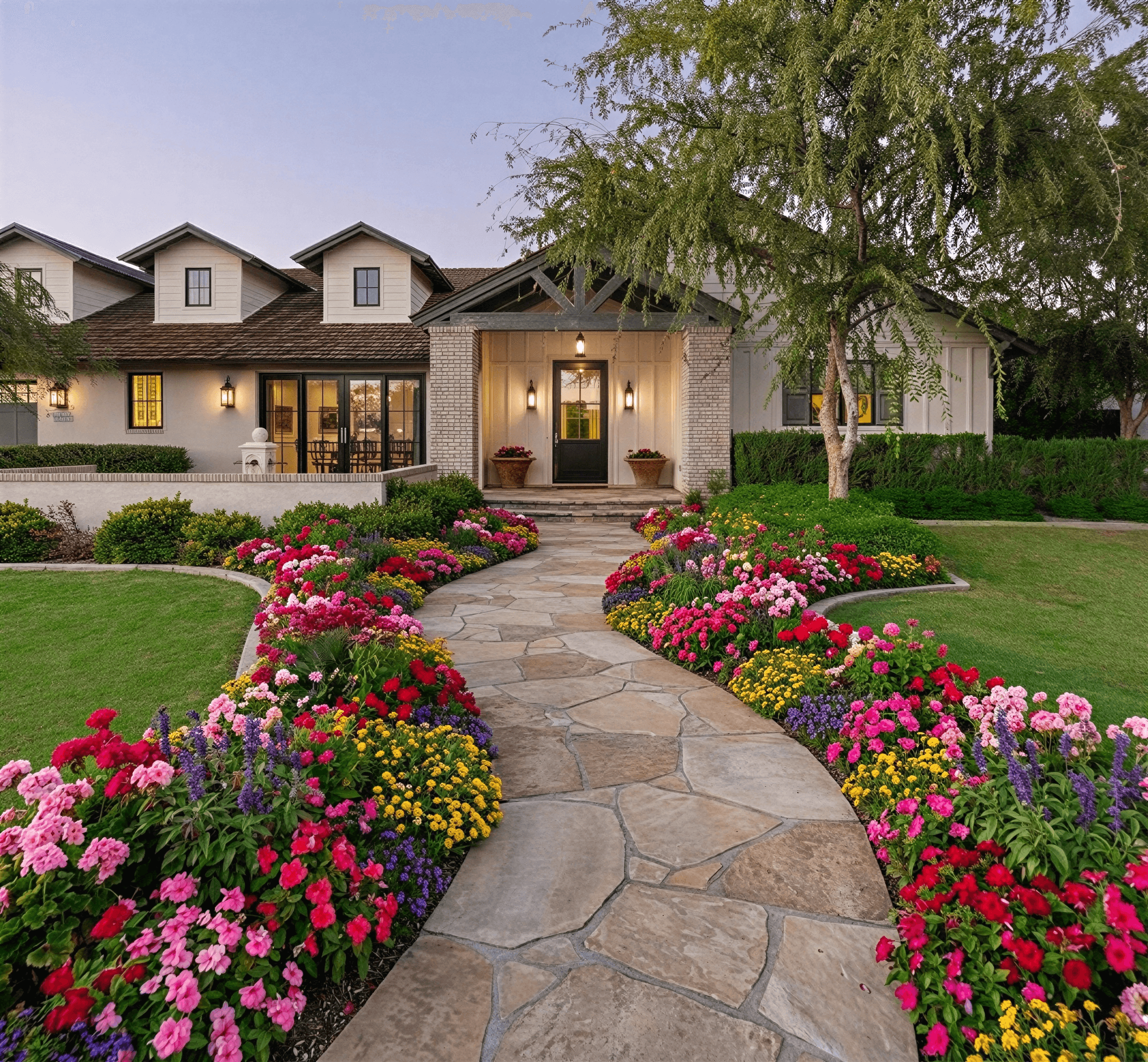
See how homeowners are using Curb Appeal AI to reimagine their properties