Landscaping Ideas Front Yard
landscaping ideas front yard
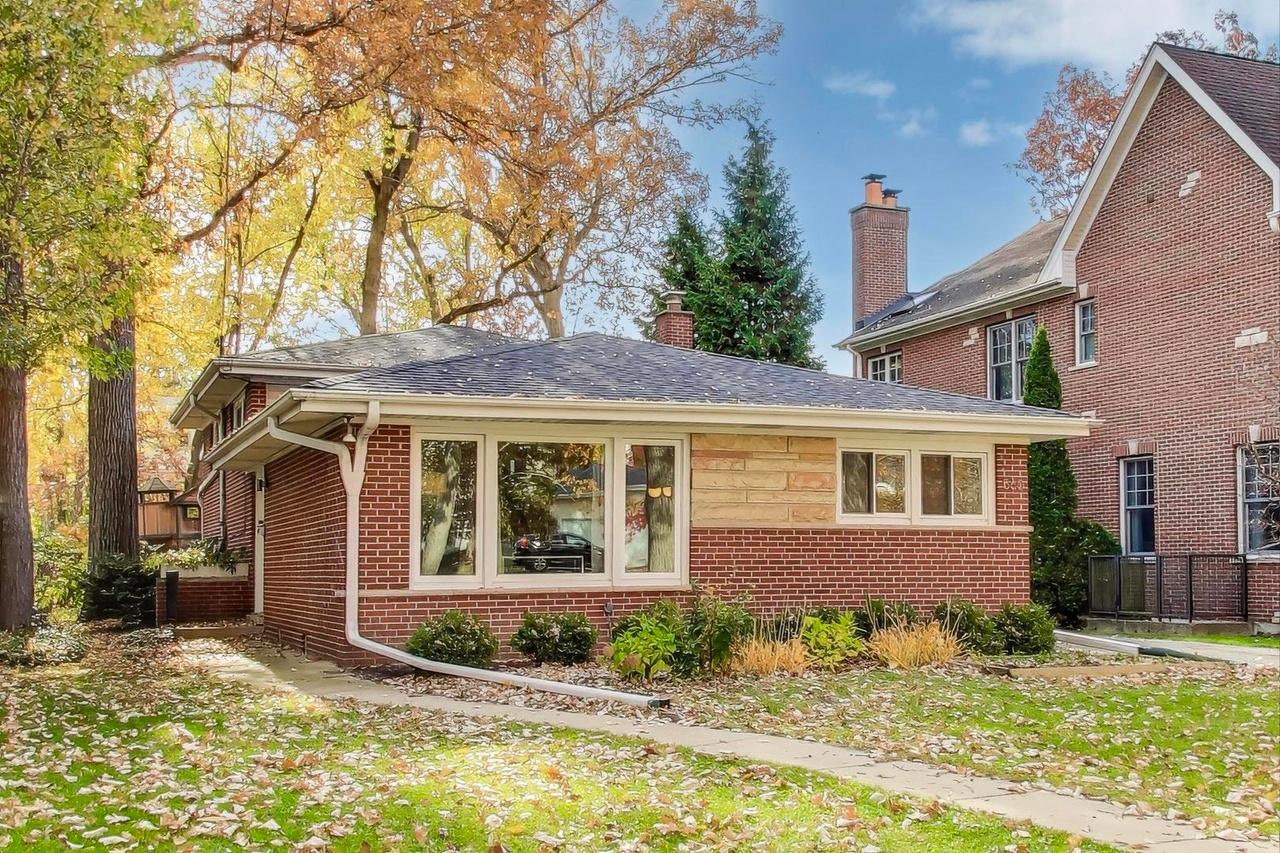
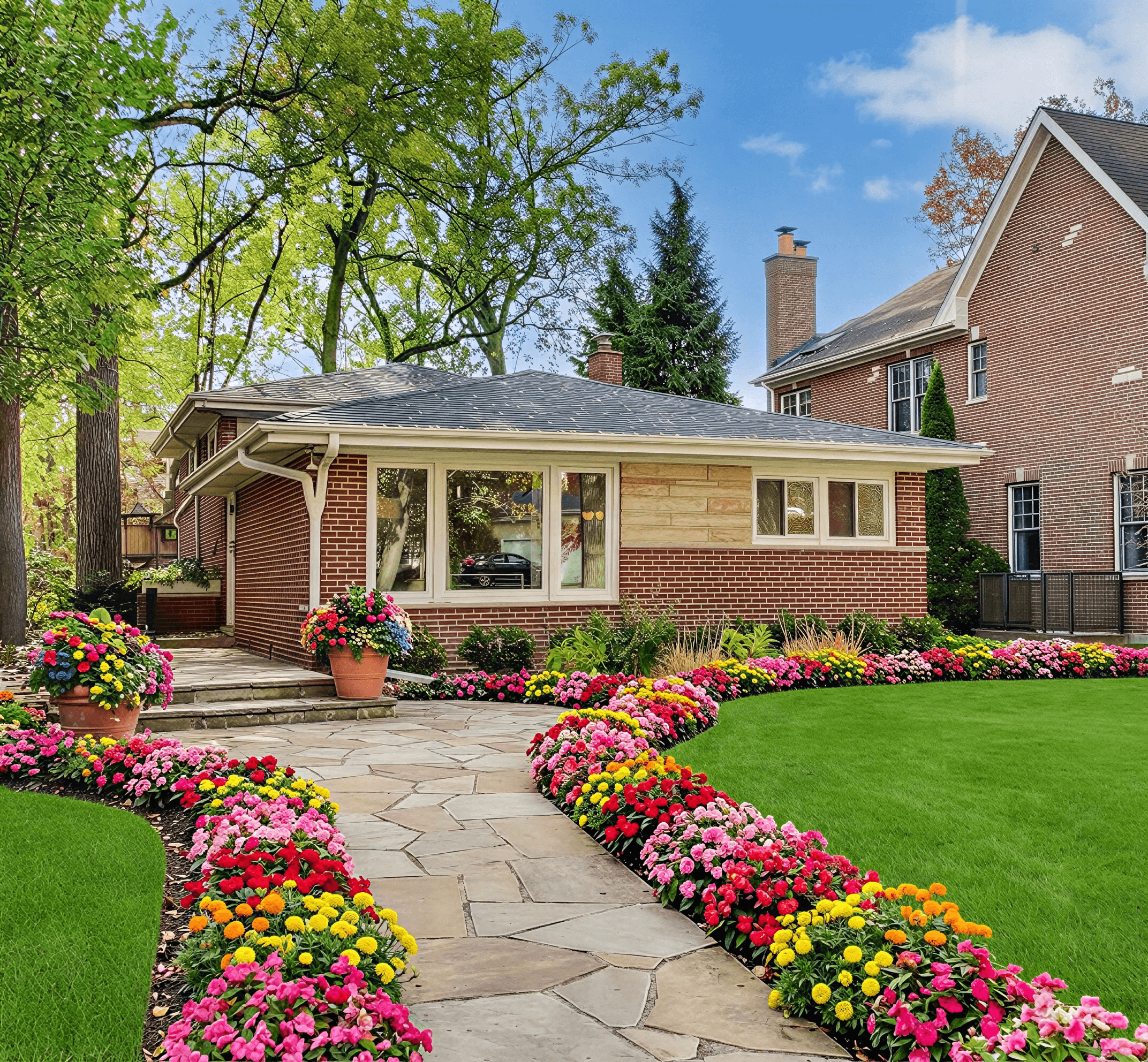
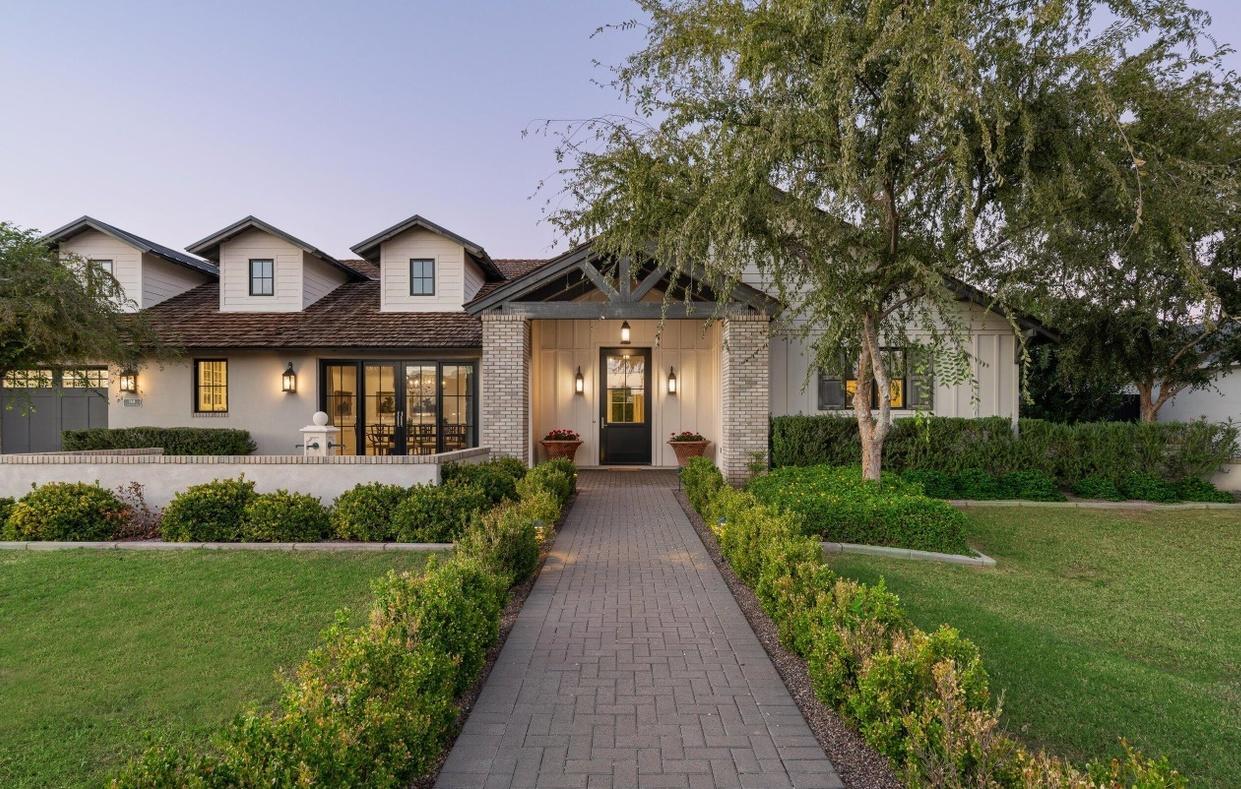
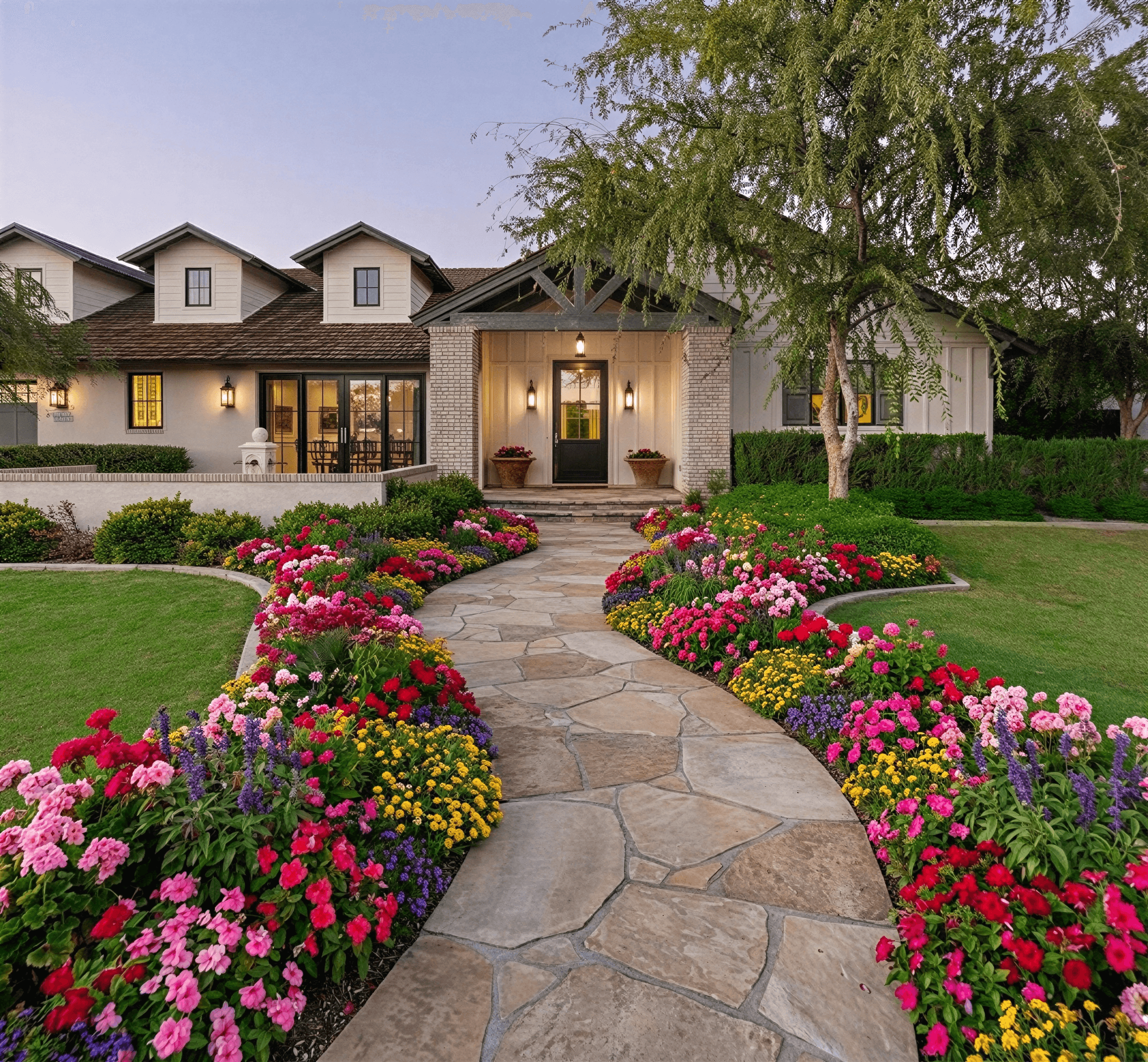
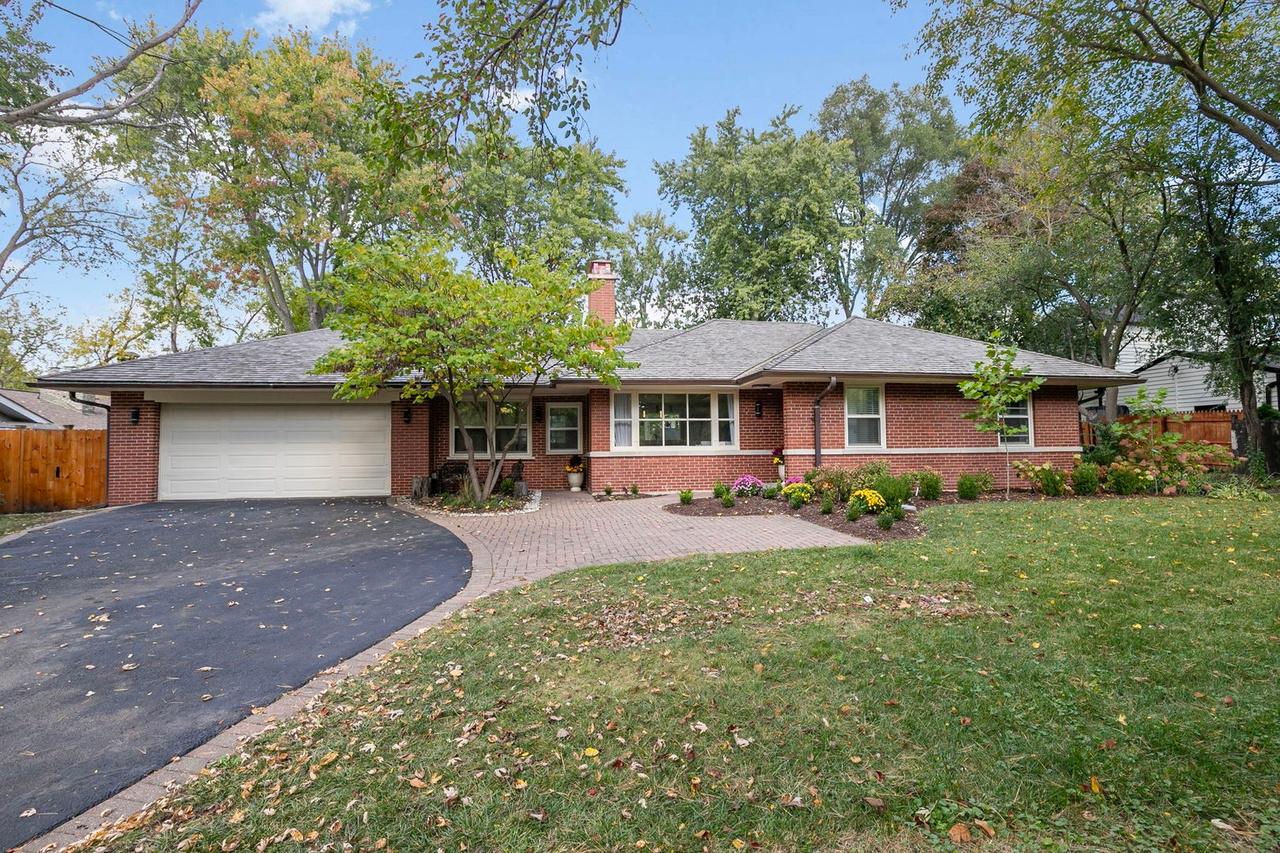
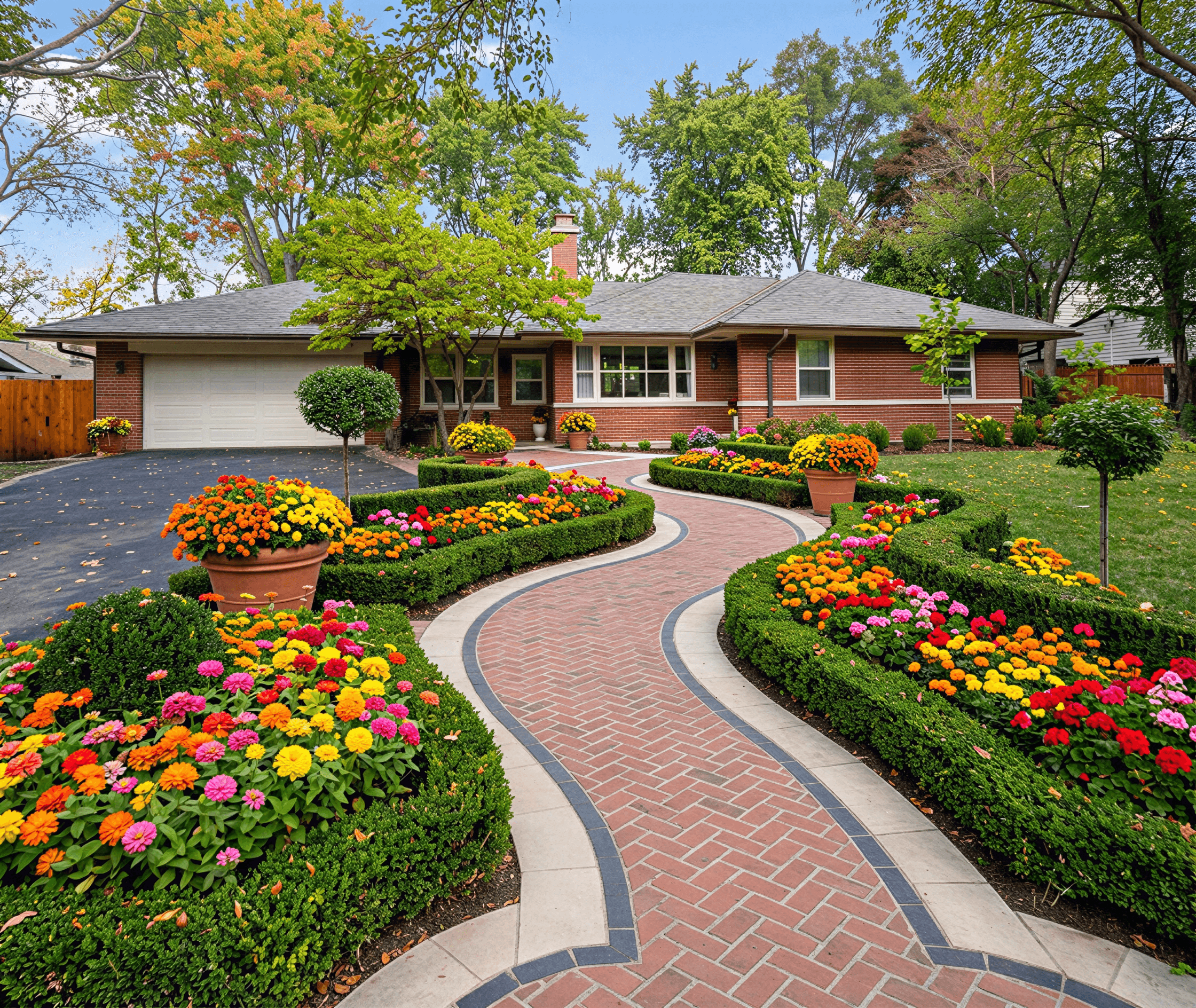
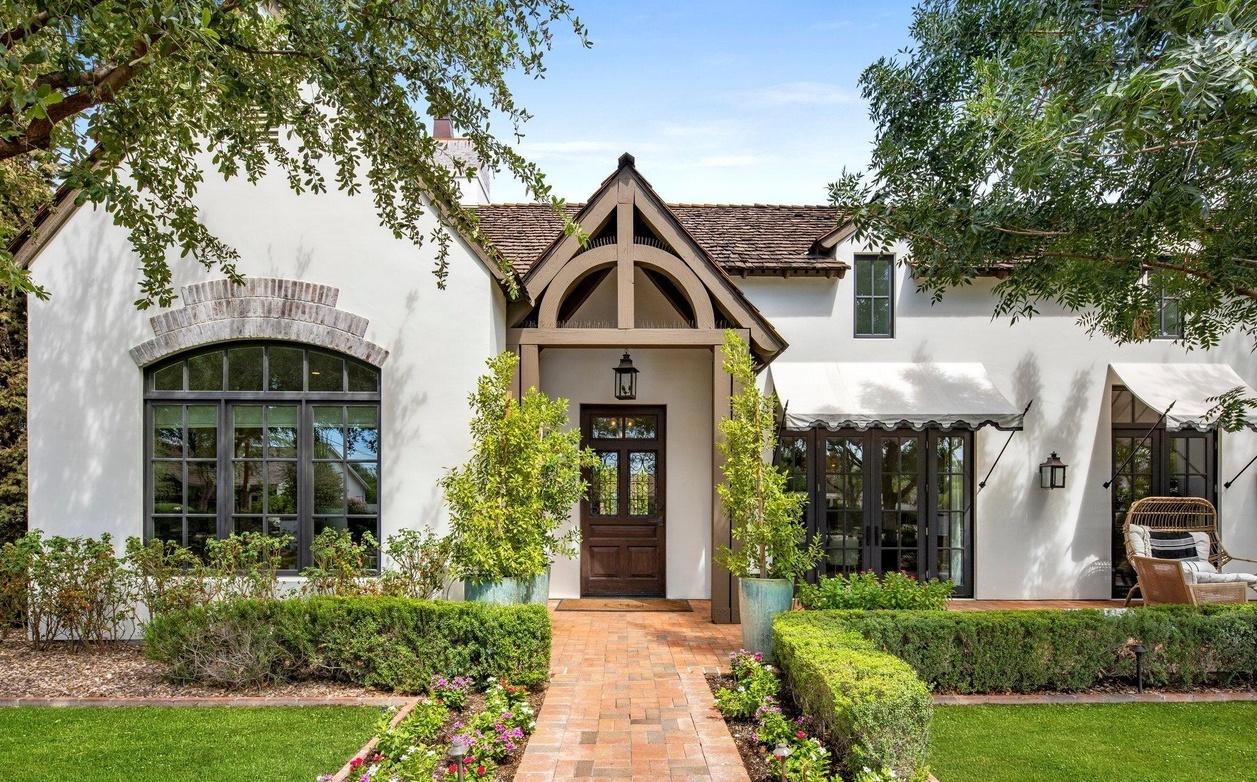
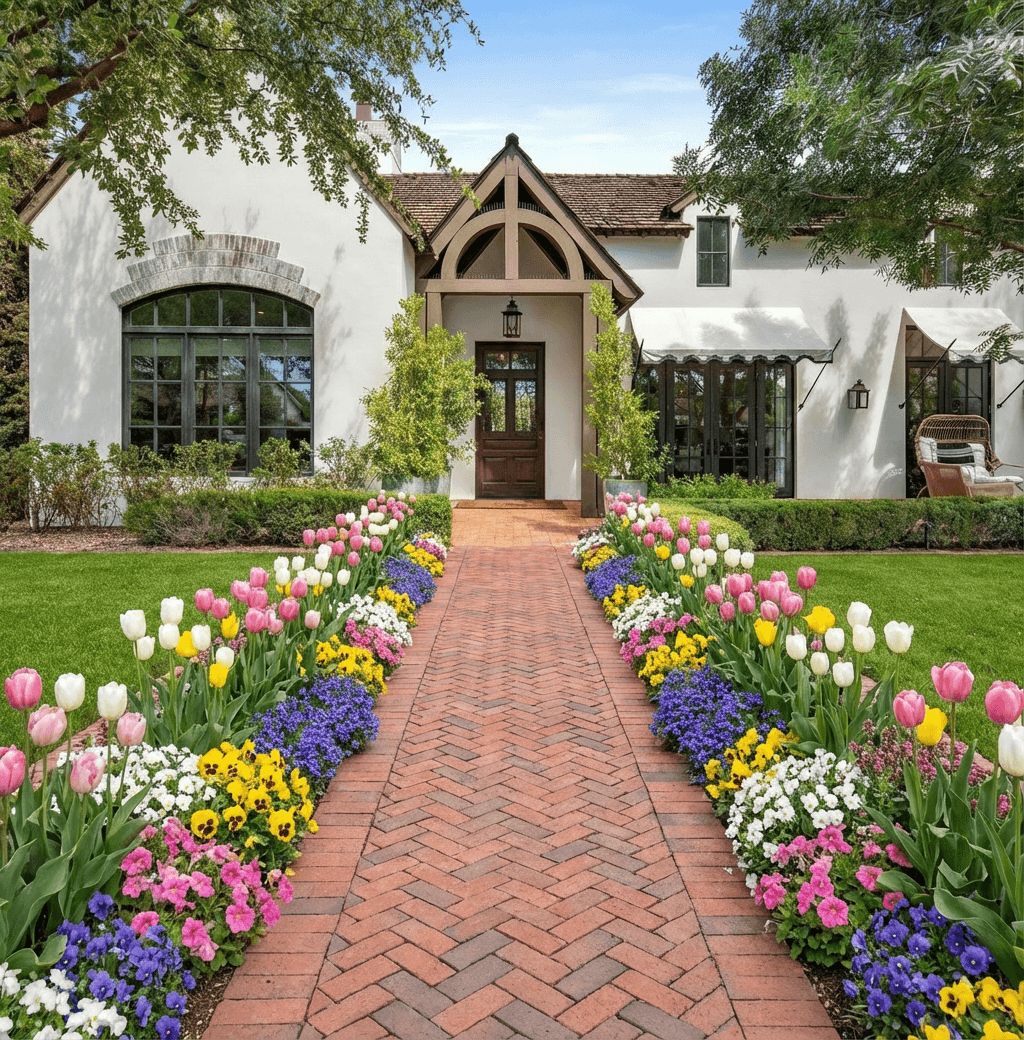
Curb Appeal AI helps homeowners see potential changes by uploading a photo of their property and visualizing improvements before work begins. Use a clear front-facing image to try different layouts, plant choices, and hardscaping so you can compare options without guessing. These practical landscaping ideas for the front yard focus on improving function, defining entry points, and choosing durable materials that fit your routine and budget.
Start with a Simple Site Assessment
Begin any project by observing sun patterns, wind exposure, soil type and drainage. Measure setbacks, walkways and utility lines so you know where planting and hardscape are feasible. Take note of existing focal points like trees, steps, or a porch and decide which elements to keep, modify or remove. Uploading a photo to Curb Appeal AI can help you visualize changes and test different layouts before committing to planting or construction. A short assessment reduces surprises, helps prioritize tasks, and makes budgeting more accurate for landscaping ideas front yard projects.
Choose a Cohesive Planting Palette
Select plants that work together in size, texture and seasonal interest to create a balanced front-yard composition. Use a mix of evergreen structure plants for year-round form and flowering or foliage accents for seasonal color. Repeat two or three plant varieties to create rhythm and simplify maintenance, and favor native or drought-tolerant species for lower water needs. Place taller shrubs toward the house foundation and smaller plants near walkways and borders to maintain sight lines and curb appeal. Thoughtful plant choices are one of the most effective landscaping ideas front yard homeowners can apply.
Materials and Hardscape Options for Front Yard
Hardscape materials set the framework for traffic flow and visual appeal—choose pavers, flagstone, gravel, or mulch depending on style and maintenance needs. Permeable pavers and gravel can improve drainage, while concrete or compacted pavers offer durable walkways that need less frequent upkeep. Use edging to keep beds tidy and consider low retaining walls to define slopes or create planting terraces. Lighting integrated with paths and steps improves safety and highlights features after dark. Match materials to your home’s architecture and the practical needs of your household when planning landscaping ideas front yard improvements.
Budgeting and Cost-effective Strategies for Your Front Yard
Set priorities by tackling the highest-impact areas first, such as the entry path, porch steps, or foundation plantings. A phased approach spreads costs—start with soil improvement and planting, then add hardscape or lighting later. Save money by doing routine tasks yourself, like planting, mulching and simple edging, but hire professionals for grading, irrigation or electrical work. Reusing materials and choosing modest-size plants that fill in over time will lower initial costs. Getting a simple mockup with a photo tool can help you estimate materials and decide which landscaping ideas front yard investments matter most to you.
Maintenance Plans and Seasonal Care Practices
Plan maintenance before you install anything: think about mowing access, irrigation needs, pruning schedules and winter cleanup. Apply 2–3 inches of mulch to conserve moisture and suppress weeds, and set irrigation timers to match seasonal demands to avoid overwatering. Prune shrubs lightly after bloom and remove debris in fall to reduce pests and disease. Choose low-maintenance plant combinations if you prefer minimal upkeep, and create a simple checklist for monthly tasks. A realistic maintenance plan keeps new landscaping ideas front yard installations looking intentional and healthy over time.
Frequently Asked Questions
How can I improve curb appeal on a tight budget?
Start with low-cost, high-impact updates like fresh mulch, trimmed shrubs, a clean walkway, and a painted front door. Add a few well-placed container plants or solar path lights to define the entrance, and focus on neat edges and clear sight lines. You can also upload a photo to a visualization tool to test inexpensive changes before buying materials.
What plants work best for a small front yard?
Choose compact trees and small-to-medium shrubs that provide structure without overwhelming the space, such as dwarf conifers, small maples, or native flowering shrubs. Use vertical accents like a single ornamental tree or columnar shrubs and layer with low perennials and groundcovers to keep the footprint neat. Prioritize plants suited to your local climate for lower maintenance.
How much should I expect to spend on a front yard makeover?
Costs vary widely: a simple refresh with plants and mulch can run from a few hundred to a few thousand dollars, while a mid-range redesign with hardscaping and irrigation often ranges from $3,000 to $15,000. Full redesigns with structural changes or significant grading can exceed that, depending on materials and labor. Get multiple estimates and consider phasing work to manage costs.
Should I tackle my front yard landscaping myself or hire a professional?
DIY is suitable for planting, mulching and small layout changes if you have time and basic skills, which can save money. Hire a pro for tasks that require specialized equipment or permits, such as grading, retaining walls, irrigation systems or major hardscaping. Consider paying for at least a design consult so you have a plan to follow; tools that visualize changes from a photo can help you decide what to do yourself.
Related Landscaping Ideas
Explore Professional Services Near You
Related Articles
10 Landscaping a Front Yard Ideas for 2026
Explore 10 inspiring landscaping a front yard ideas, from modern to cottage styles. Get practical tips on plants, budget, climate to boost curb appeal.
8 Small Front Yard Landscaping Ideas to Maximize Curb Appeal in 2026
Discover 8 inspiring small front yard landscaping ideas, from modern minimalist to charming cottage styles. Transform your space with our expert tips!
Top 10 Front Yard Landscaping Ideas for 2026
Explore 10 top front yard landscaping ideas for 2026. From modern to cottage, find budget-friendly, low-maintenance designs to boost your home's curb appeal.
Real transformations
See how homeowners are using Curb Appeal AI to reimagine their properties