Xeriscaping Ideas For Front Yard
xeriscaping ideas for front yard
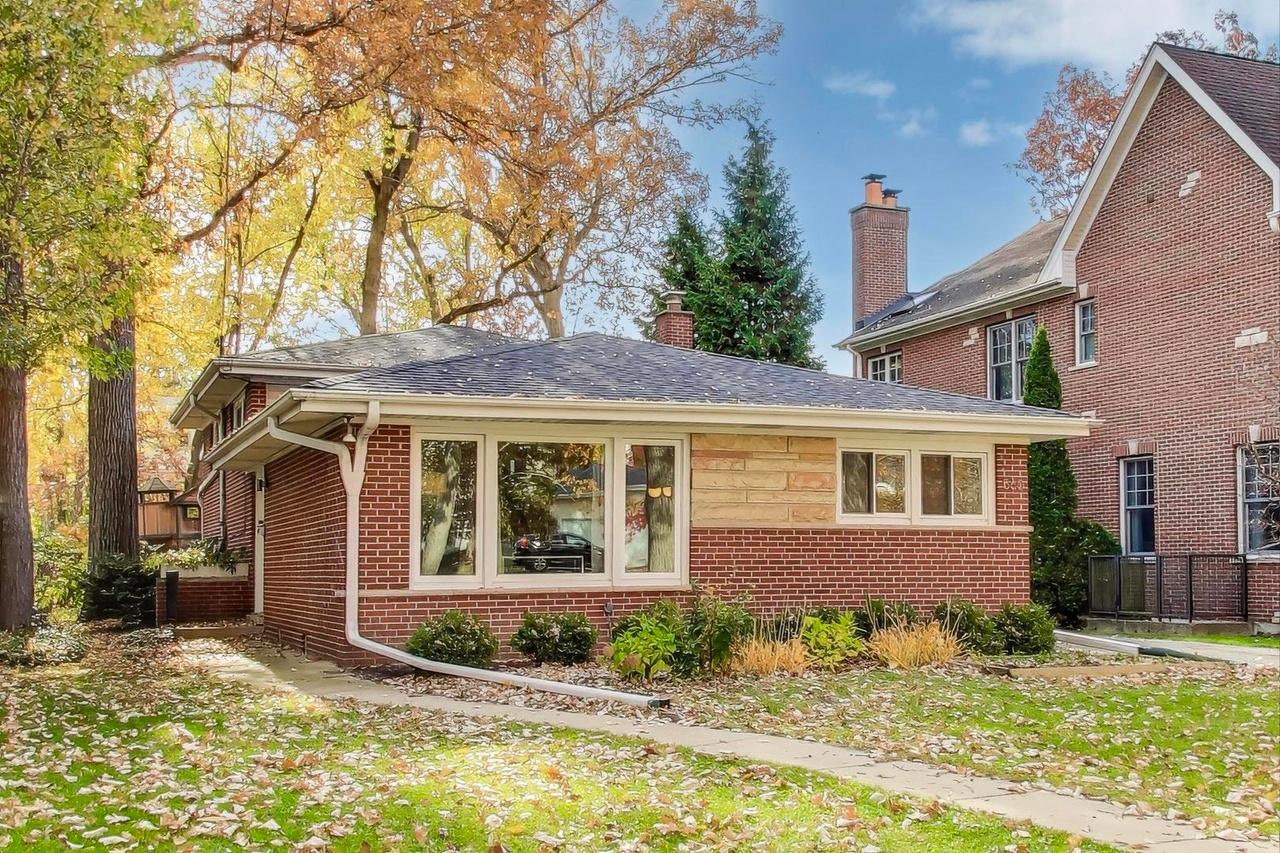
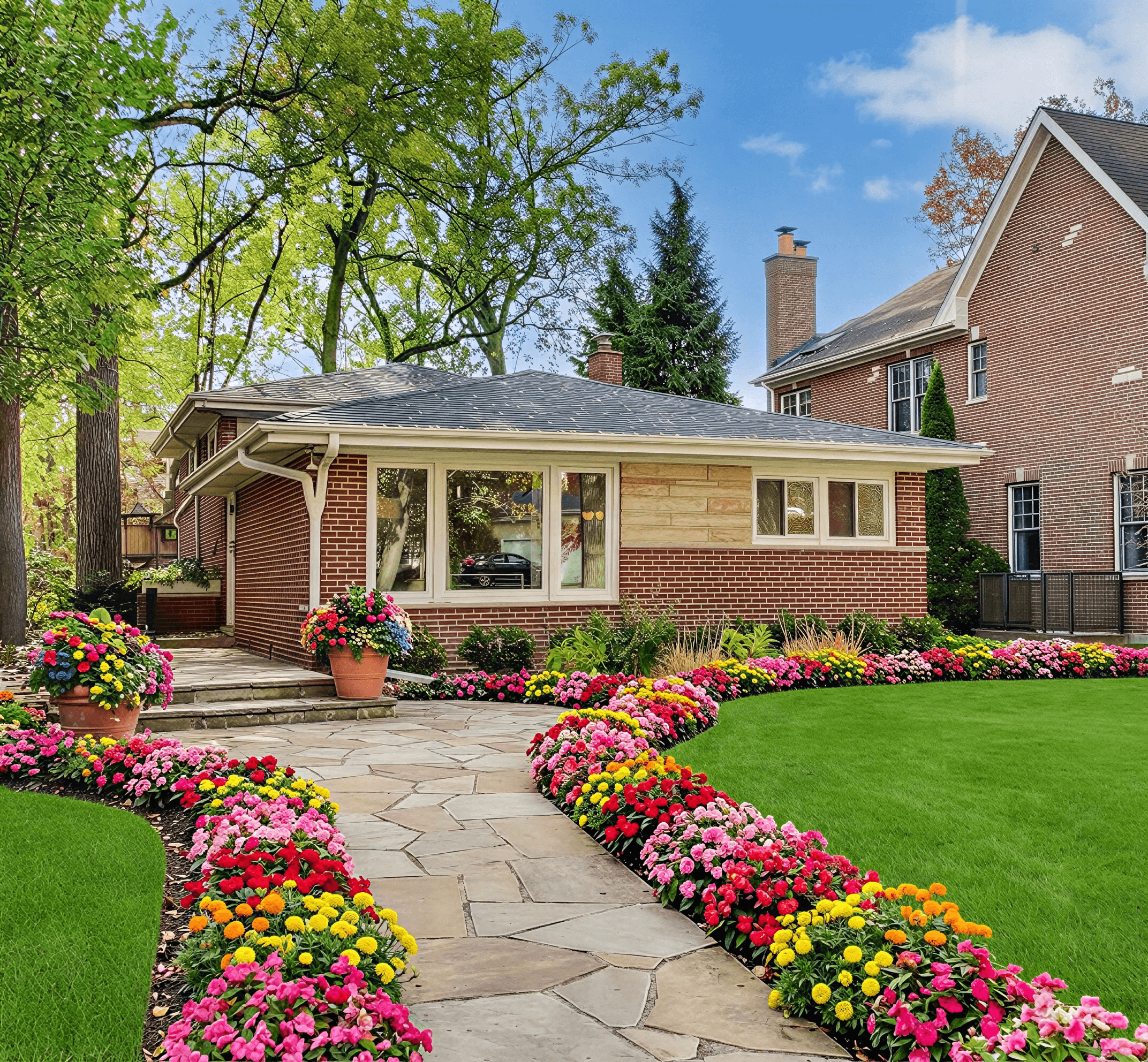
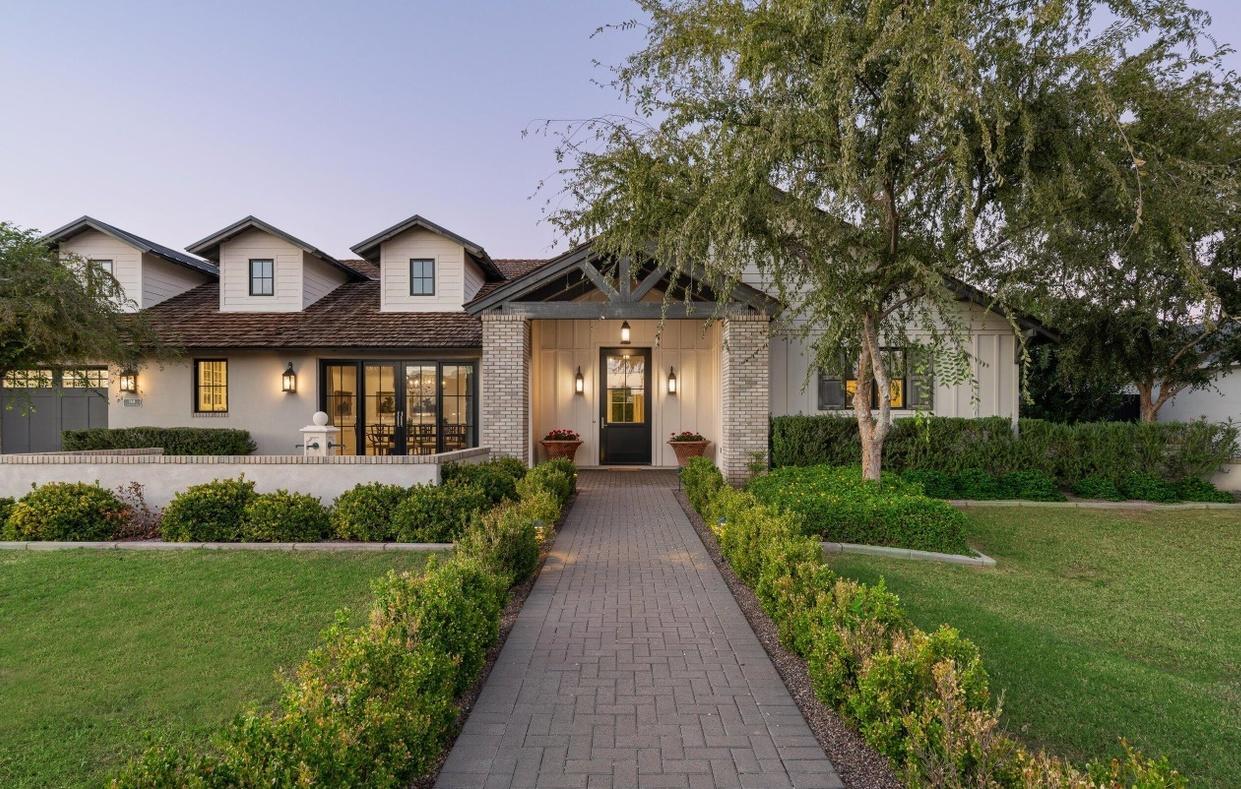
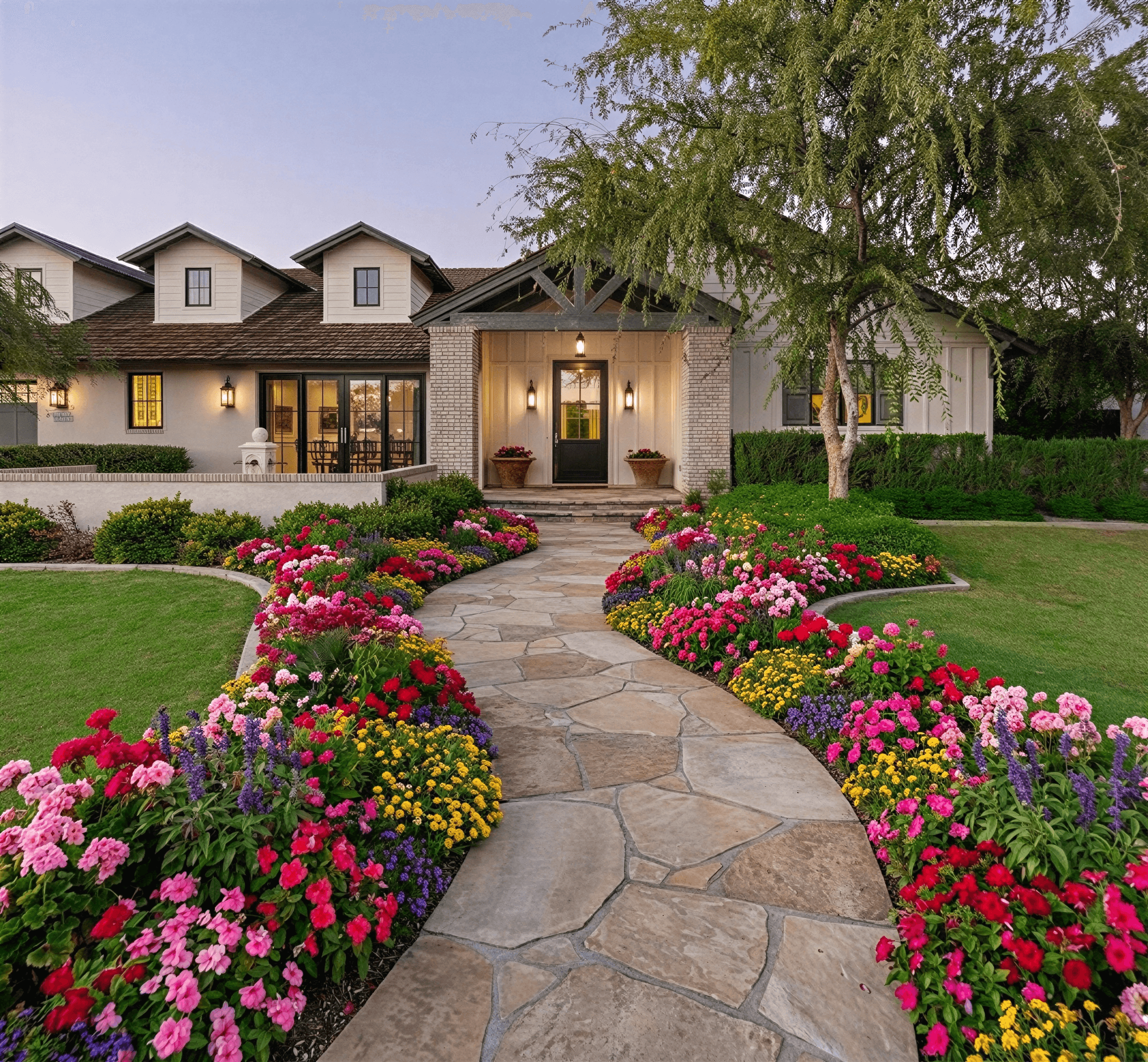
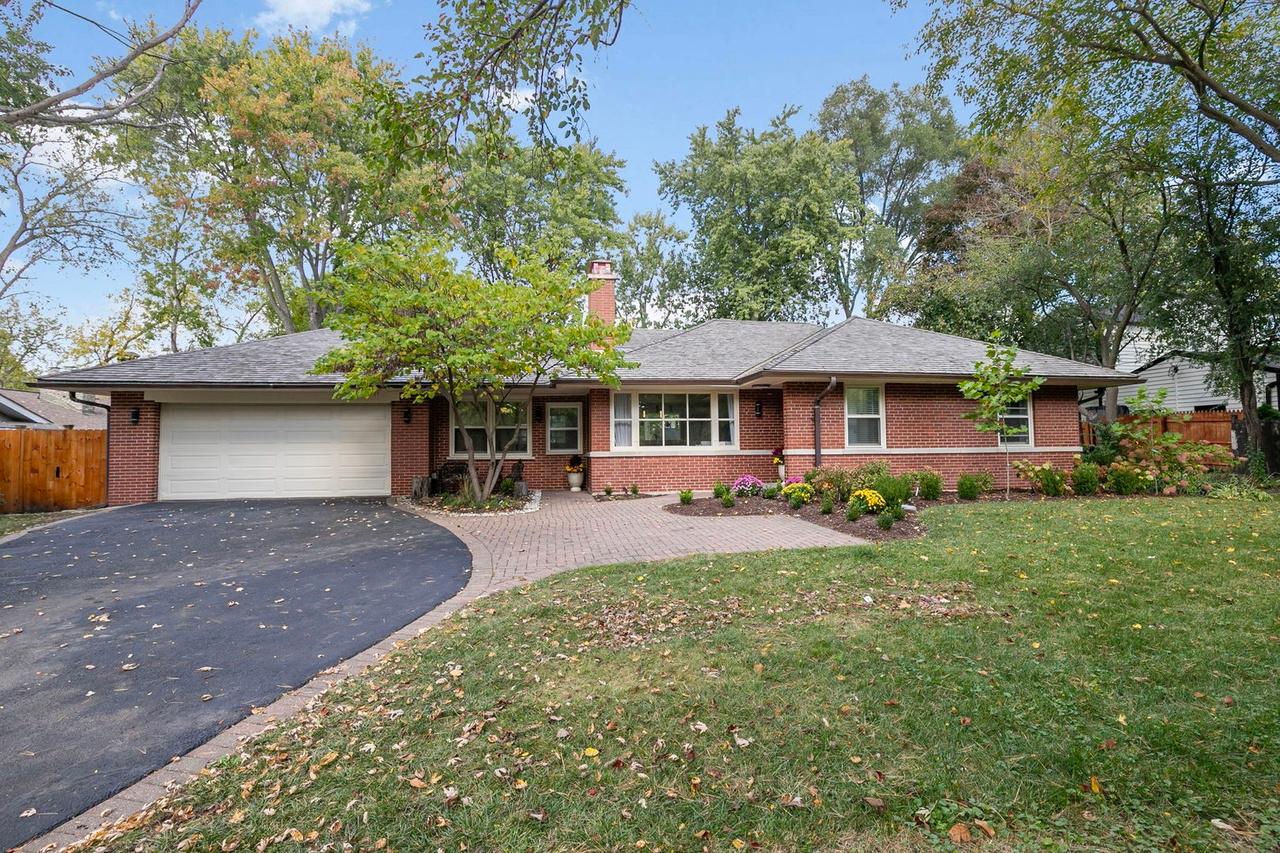
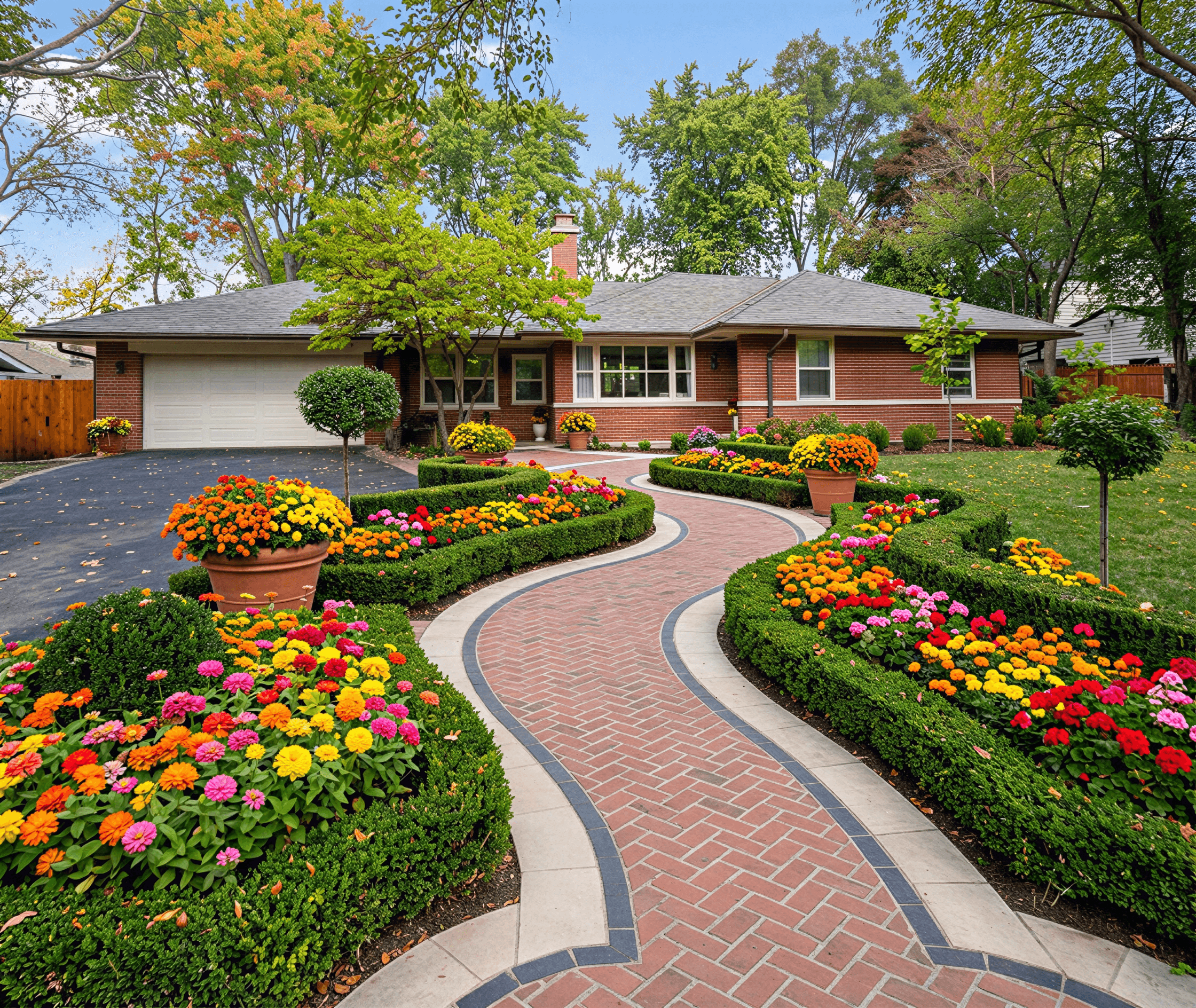
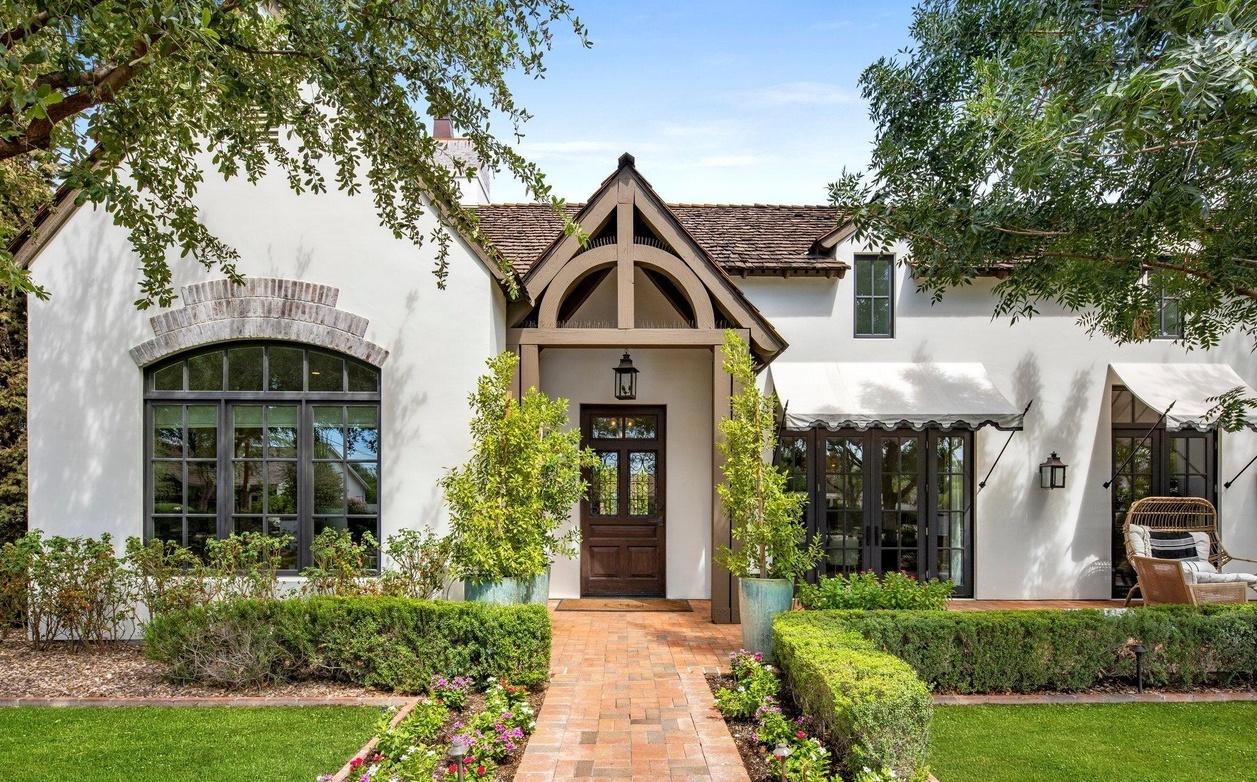
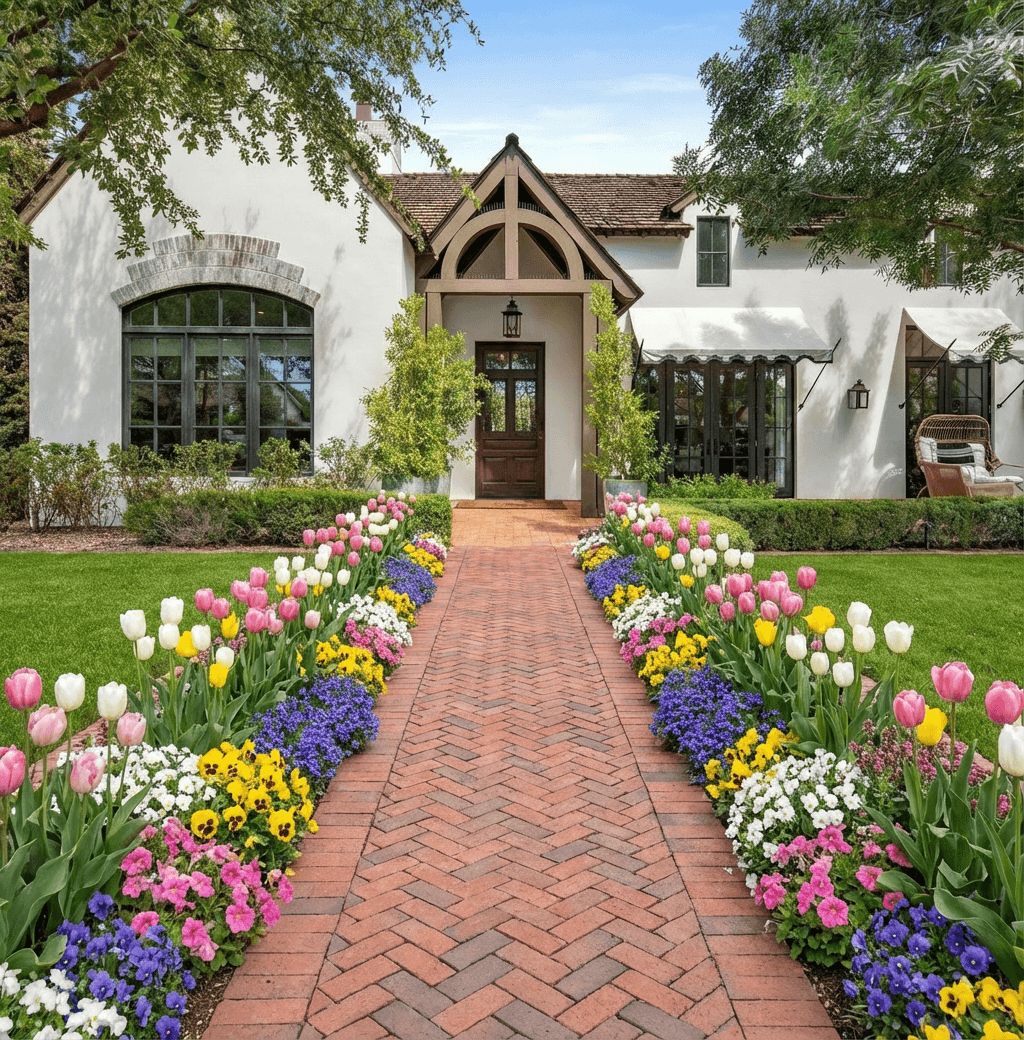
Curb Appeal AI helps homeowners picture practical changes by uploading a photo of their property and visualizing improvements for a drier, easier-care landscape. Xeriscaping ideas for front yard focus on water-wise plantings, efficient irrigation, and materials that reduce maintenance while keeping curb appeal. This page offers simple planning tips, plant suggestions, cost guidance, and maintenance considerations so you can decide whether to DIY or hire a pro.
How to plan your xeriscaping layout
Start by assessing sun, shade, slope and soil in your front yard and mark high-use areas like walkways and entry paths. Group plants by water needs — place drought-tolerant species together and locate higher-use, irrigated beds near hose or drip lines. Consider sightlines from the street and porch to maintain welcoming curb appeal while reducing turf area. Sketch a few layout options at different scales, then test them against utility locations and driveway clearance. These simple planning steps make xeriscaping ideas for front yard realistic and easier to implement whether you plan to DIY or hire help.
Choose low-water plants and native species
Pick plants adapted to your climate to reduce watering and maintenance. Look for native grasses, succulents, flowering perennials and drought-tolerant shrubs that provide seasonal interest and require minimal fertilizer. Use evergreen accents or structural plants near the entry to keep the yard looking tidy year-round, and add seasonal flowering beds for color without heavy water use. When assembling plant groups, follow sun exposure and soil preference to avoid extra irrigation and replacements. These plant choices are central to practical xeriscaping ideas for front yard plans that stay attractive with less effort.
Hardscaping, mulch and materials that save water
Select permeable hardscape like decomposed granite, porous pavers or gravel to reduce runoff and improve drainage. Use organic or inorganic mulches to retain soil moisture and suppress weeds; a 2–3 inch layer of mulch around plants is usually sufficient. Hardscape features — paths, boulders, and low retaining walls — can define planting zones and minimize turf areas that need regular watering. Choose locally available stones and materials to lower costs and climate impact. Thoughtful material choices are a core part of xeriscaping ideas for front yard designs that balance appearance, function and long-term water savings.
Budget planning and realistic cost expectations
Estimate costs by breaking the project into phases: planning, grading, irrigation, plants and hardscape. Small front-yard xeriscapes can start under a few hundred dollars using mulch, decomposed granite and a few drought-tolerant plants, while larger redesigns with pavers and irrigation typically run higher. Factor in long-term savings on water and lawn care when comparing options. Getting multiple quotes for professional work helps you compare labor and materials. Clear budgeting and phased implementation make xeriscaping ideas for front yard achievable without unexpected expenses.
Visualizing changes, maintenance and hiring pros
Before you dig, use tools to visualize alternatives and check how changes look from the street; Curb Appeal AI lets you upload a photo and try different xeriscaping ideas for front yard layouts and plantings so you can compare results. Maintenance for xeriscaped yards is generally lower but still includes seasonal pruning, occasional weeding and checking drip irrigation for clogs. Decide whether to DIY based on time, skill and tools; hire a landscape pro for grading, complex irrigation or when you want a turnkey result. Visualizing options first reduces costly changes later and helps set a practical maintenance plan.
Frequently Asked Questions
How much water can I save with xeriscaping?
Water savings vary by climate and original lawn size, but many homeowners see significant reductions in outdoor water use, often 30–60 percent. Savings come from replacing high-water turf with drought-tolerant plants, using mulch and installing efficient irrigation like drip systems.
Can I convert my whole front lawn to a xeriscape myself?
Yes, many homeowners successfully convert sections or entire lawns with DIY work, especially if the plan includes simple materials and plants. Start small, prepare the soil, install proper irrigation and plant in phases so you can learn as you go and avoid feeling overwhelmed.
What plants work best for a xeriscaped front yard?
Choose locally adapted, drought-tolerant species such as native grasses, sedums, agaves, lavender and low-water flowering perennials. Mix evergreen shrubs for year-round structure and seasonal bloomers for color while grouping plants by water needs to simplify irrigation.
When should I hire a professional for xeriscaping?
Hire a pro for major grading, drainage issues, complex irrigation design or when you want a fully installed, maintenance-free result. A landscape contractor can also help with plant selection appropriate for your microclimate and ensure permits or HOA requirements are met.
Related Landscaping Ideas
Explore Professional Services Near You
Related Articles
How to Design for Front Yard Landscape: A Pro's Guide
Learn the complete design for front yard landscape process. Our guide covers site analysis, style, plant selection, and using AI tools for stunning results.
10 Ideas for Front Garden Landscaping in 2026
Explore 10 ideas for front garden landscaping, from modern to cottage styles. Get plant palettes, cost estimates, and tips to boost your home's curb appeal.
Transform Your Home: 8 Ideas for Front of House Landscaping
Discover 8 expert ideas for front of house landscaping: modern to cottage gardens. Get actionable tips & visualize your dream yard with AI.
Real transformations
See how homeowners are using Curb Appeal AI to reimagine their properties