How To Design My Own Landscape
how to design my own landscape
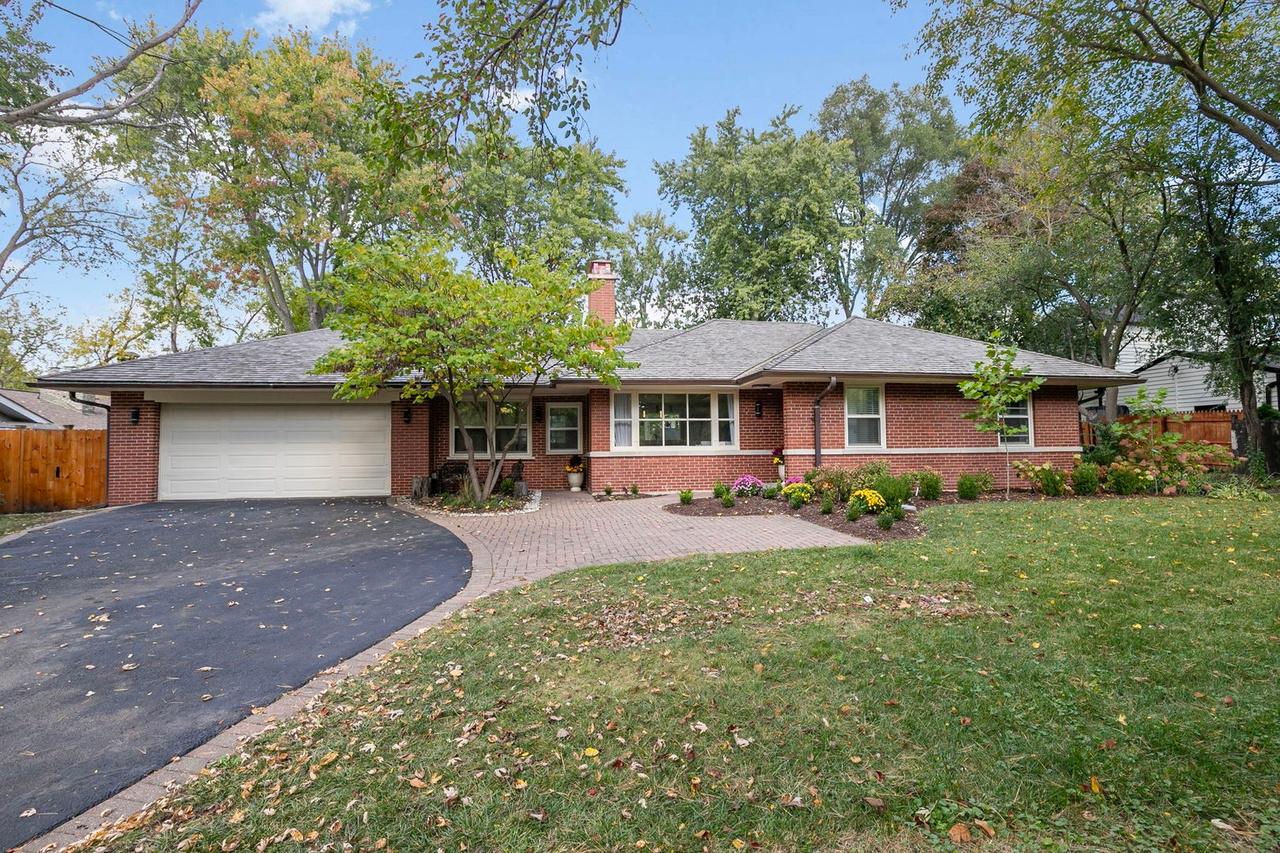
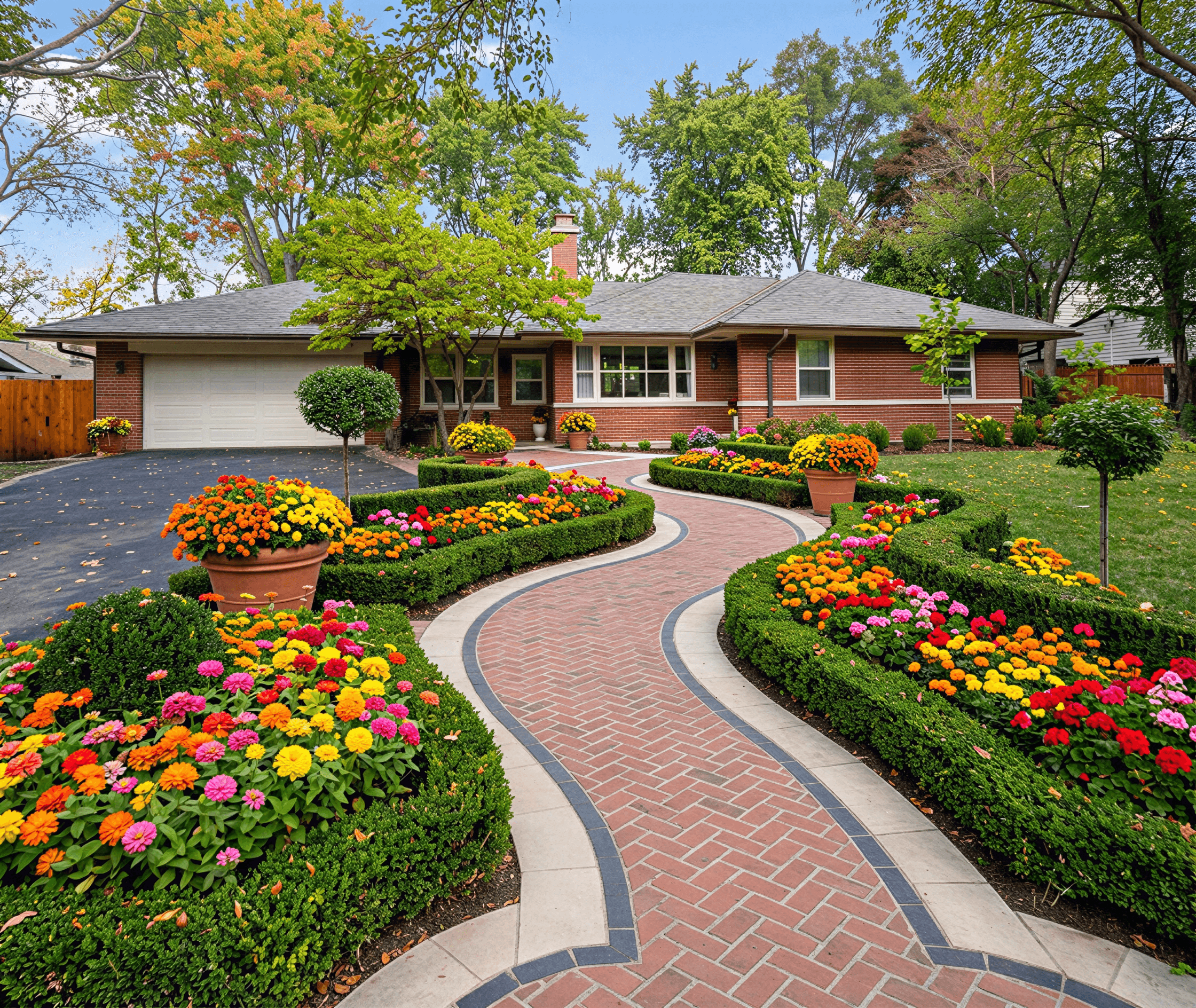
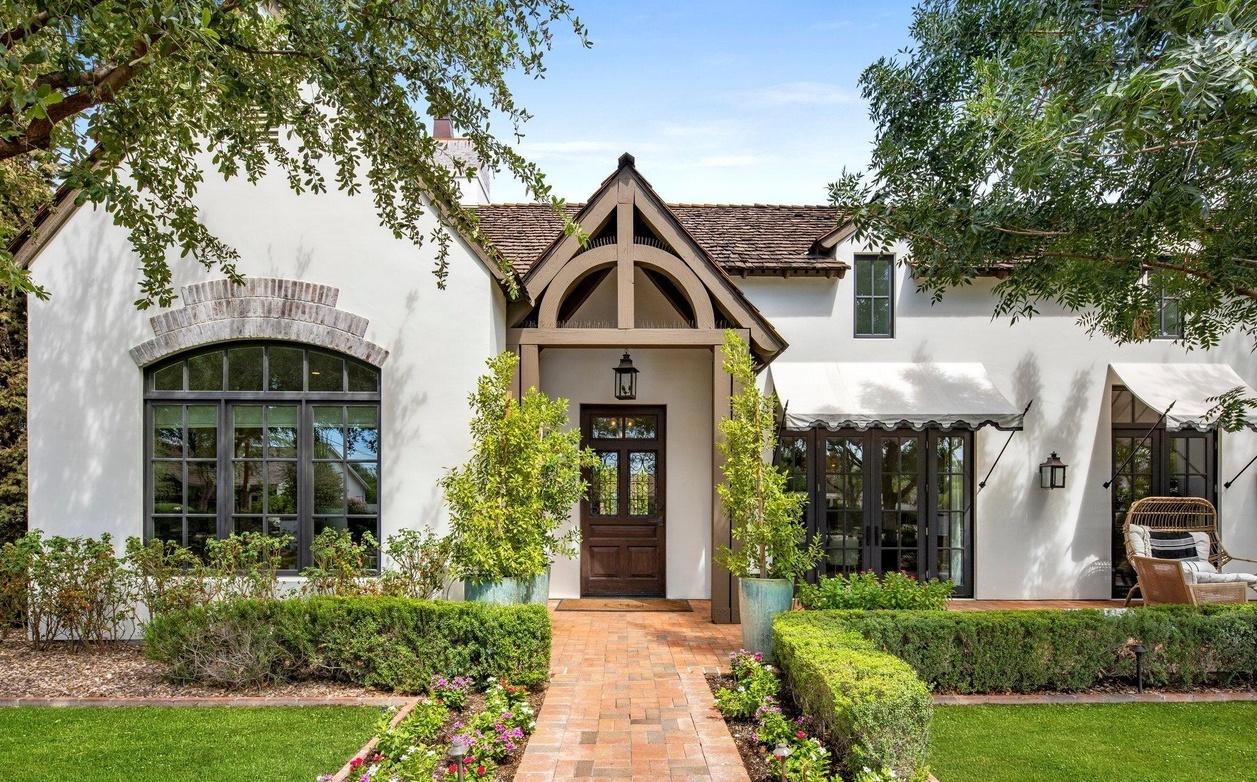
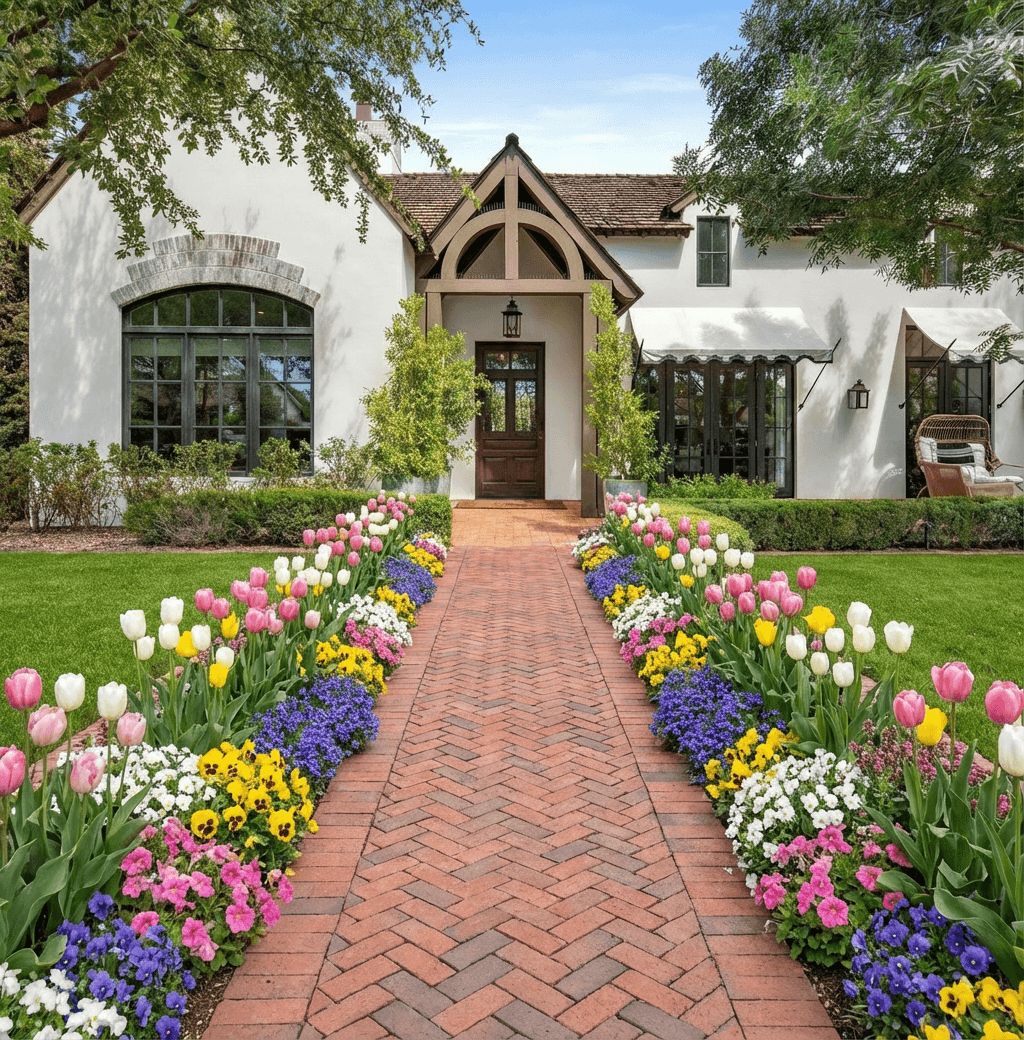
Designing your yard can feel manageable if you break it into clear steps and realistic choices; Curb Appeal AI helps you see possibilities before spending money. Start by uploading a photo of your space so you can visualize improvements, test plant and material choices, and compare layouts without lifting a trowel. This guide walks through planning, materials, costs, and maintenance in homeowner-friendly language so you can confidently decide how to design my own landscape.
Start with a simple site assessment
Begin by observing your property over a few days to note sun exposure, wind, drainage, and soil type. Measure beds, lawn areas, and hardscape so you have accurate dimensions for sketches or a simple CAD drawing. Identify permanent elements like trees, utility lines, and slopes that will affect placement of paths and plantings. Taking photos from several angles and marking problem spots makes it easier to visualize options and is the first practical step in how to design my own landscape.
Set realistic goals and a budget
Decide what matters most—entertaining, privacy, low maintenance, or curb appeal—and rank those priorities to guide choices. Create a budget that separates materials, plants, and professional labor, and consider phasing the project so you can spread costs over time. Get at least a few price estimates for major items like paving or large trees, and add a contingency for unexpected expenses. Having clear goals and numbers up front makes the process of how to design my own landscape more manageable and less likely to stall.
Choose plants, materials, and focal points
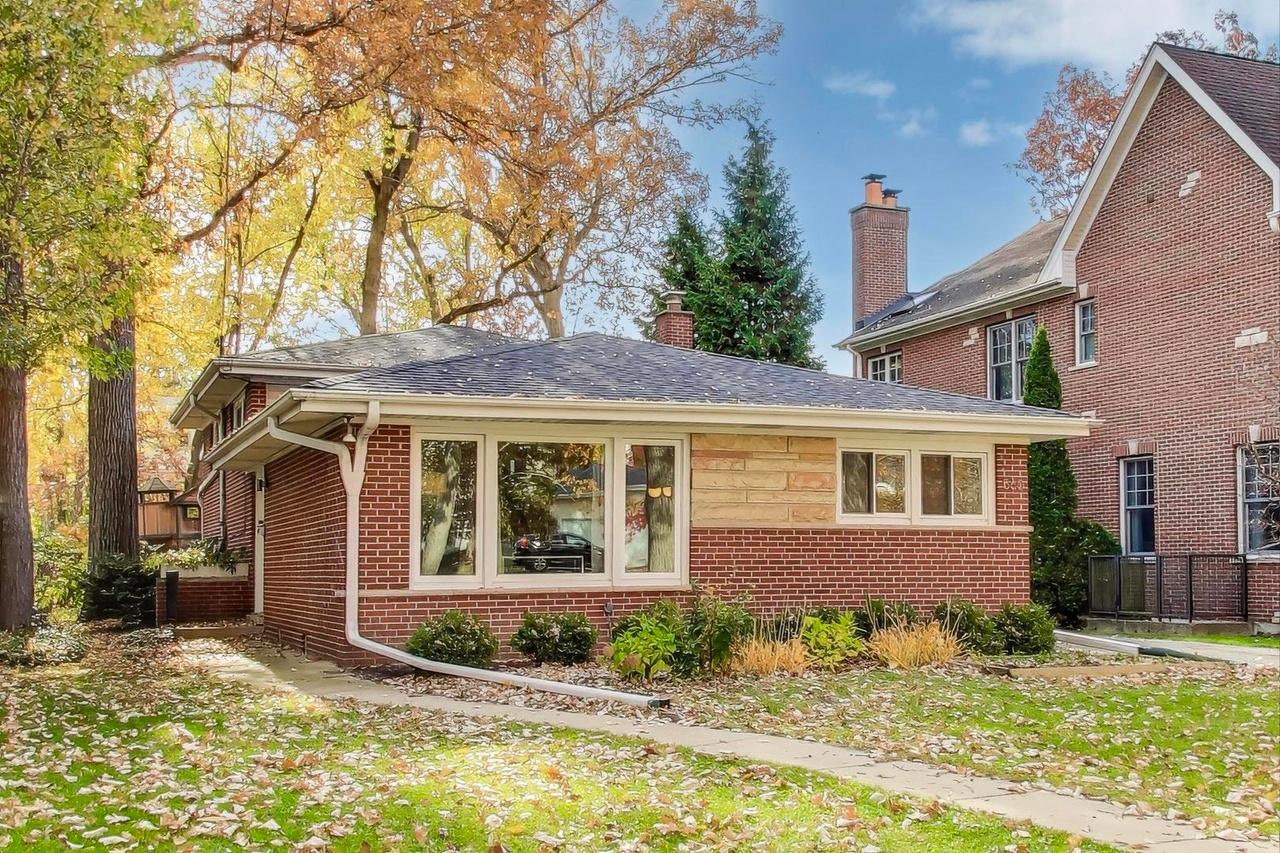
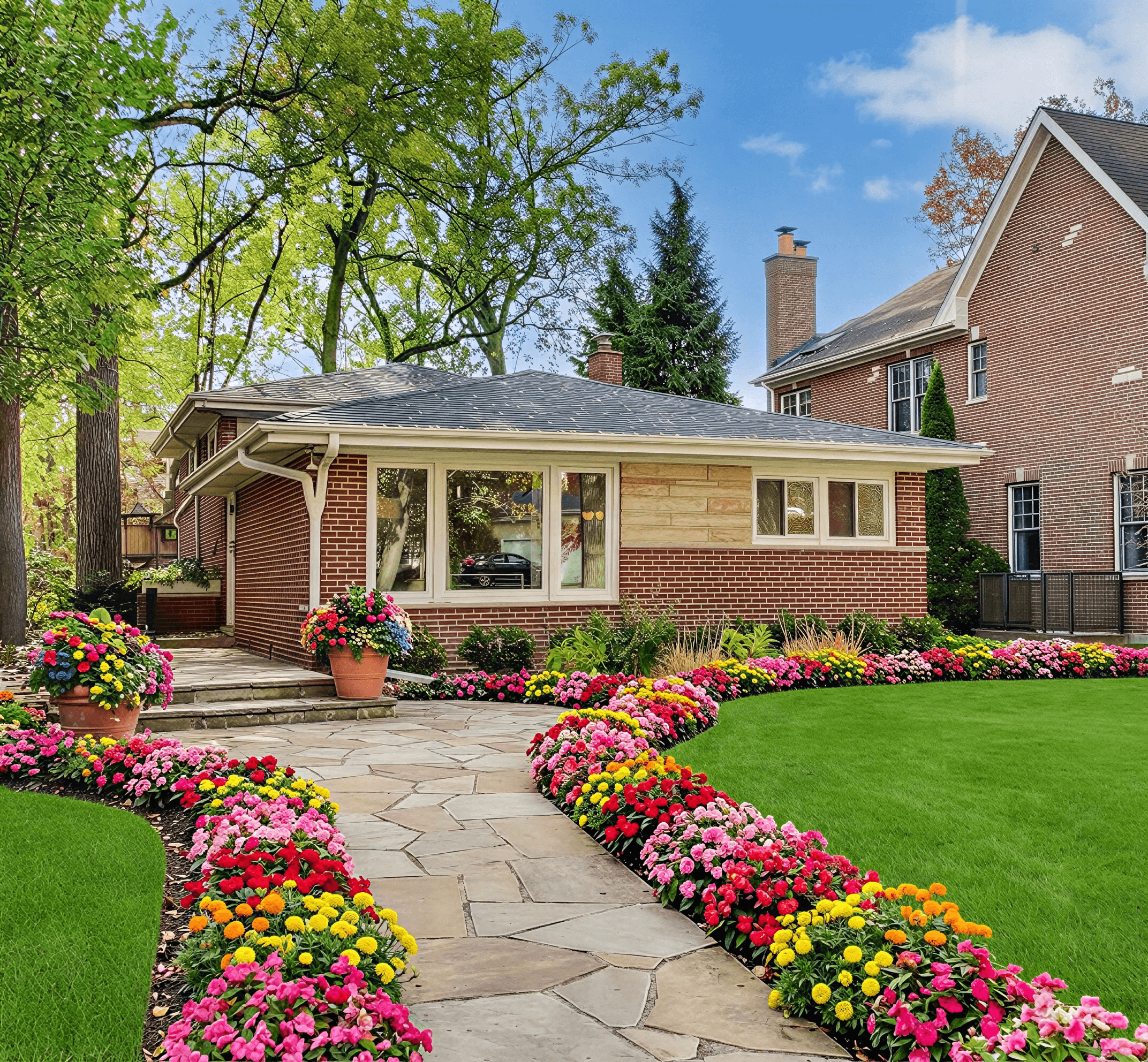
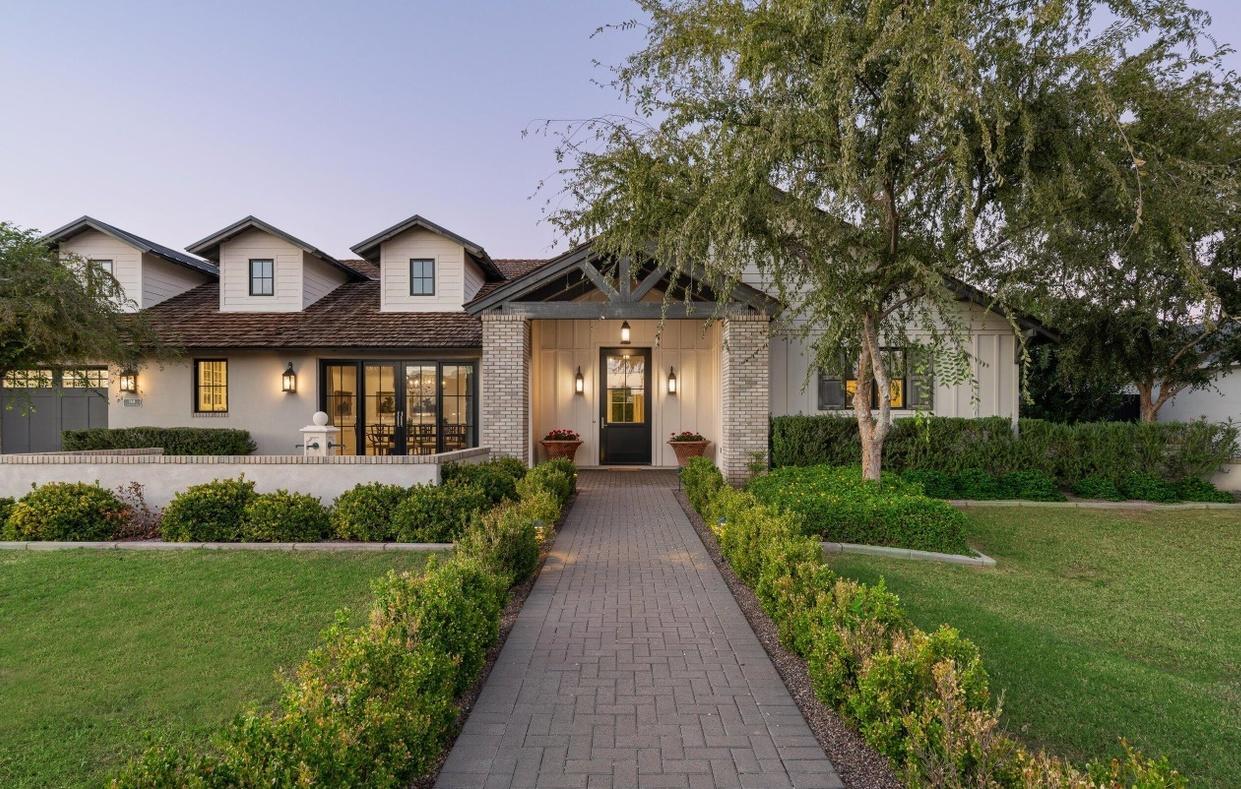
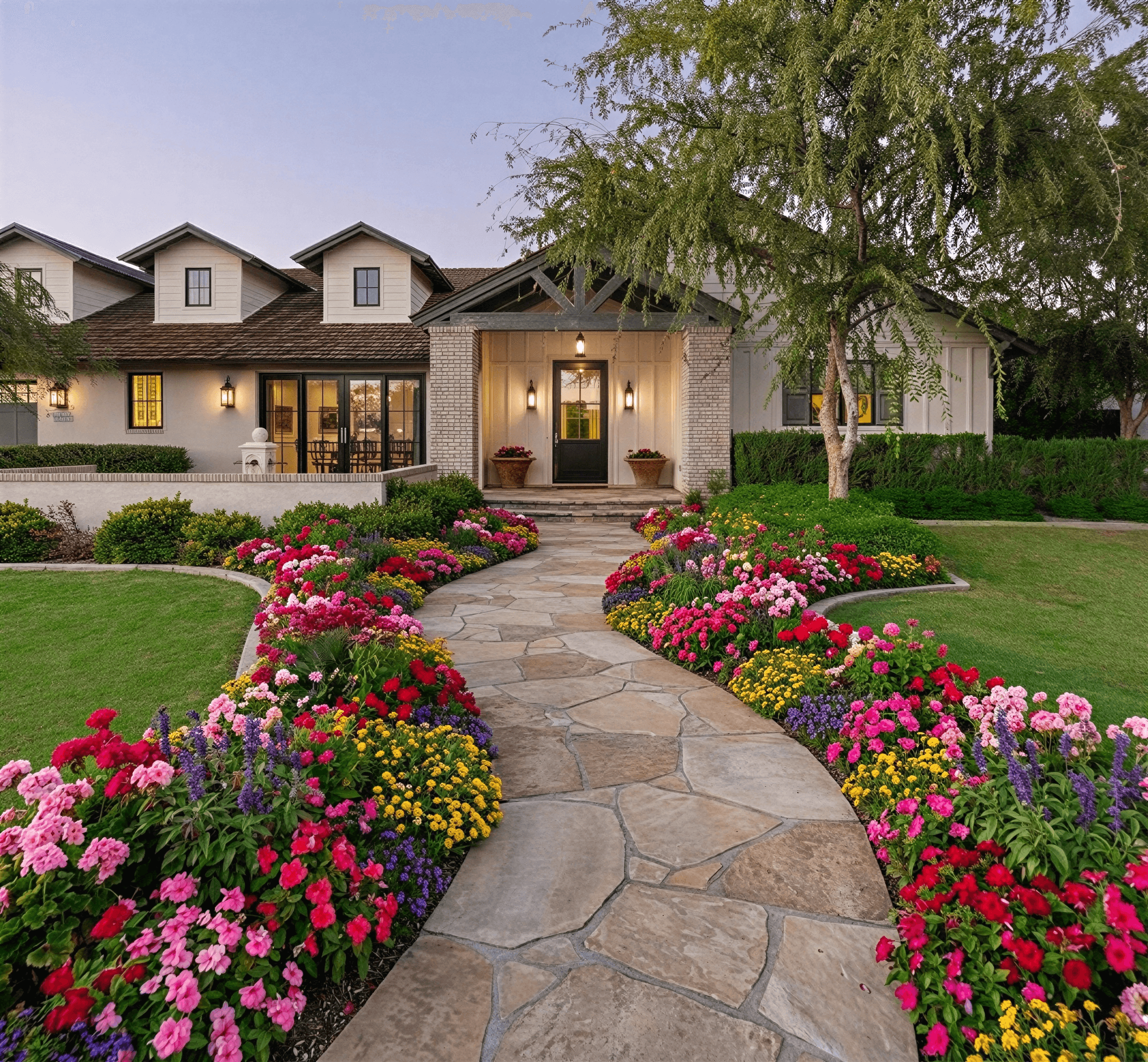
Select plants that match your climate, soil, and maintenance tolerance; group them by water needs and mature size to avoid overplanting. Pick materials—like pavers, mulch, or gravel—by durability, cost, and the look you want to achieve. Define one or two focal points such as a specimen tree, seating area, or fountain to anchor the design. Use tools like Curb Appeal AI to upload a photo and visualize how different plants and materials will look before you buy, which is a practical step when learning how to design my own landscape.
Plan paths, lighting, and irrigation
Lay out paths that follow natural circulation patterns rather than forcing straight lines; consider material choices that are safe in wet conditions. Include task and ambient lighting to extend usable hours and improve safety—LED fixtures with timers are energy efficient and low maintenance. Design irrigation by zoning plants with similar water needs and using drip or soaker systems where appropriate to save water. Attention to circulation, lighting, and irrigation early on prevents redeployment later and keeps your plan for how to design my own landscape functional as well as attractive.
Decide between DIY or hiring professionals
Assess your skills, time, and the scope of work before committing. Small planting projects, simple paths, and mulch beds are sensible DIY tasks, while major grading, structural walls, or complex irrigation often require contractors. Hiring a professional can save time and avoid costly mistakes, but you can still do much of the planting and finishing work yourself to reduce costs. Use mockups or photo visualizations to test designs and clarify instructions to a contractor when you move from figuring out how to design my own landscape to execution.
Frequently Asked Questions
How do I start if I don't have design experience?
Begin with a site assessment: take measurements, note sun and shade, and photograph the area. Use simple tools—graph paper or basic design apps—and test ideas with sketches or a photo visualization tool to build confidence.
How much should I budget for a basic landscape makeover?
Costs vary widely by size and materials, but plan for separate line items for plants, hardscape materials, and any hired labor. A modest front yard refresh can often be done in phases for a few hundred to a few thousand dollars, while a full redesign will cost more.
Which parts are worth hiring a professional for?
Hire professionals for tasks that affect structural integrity or safety, such as grading, retaining walls, complex drainage, and electrical work for lighting. You can still save money by doing planting, mulching, and routine maintenance yourself.
How can I keep maintenance low after redesigning?
Choose drought-tolerant and native plants suited to your soil, use mulch to suppress weeds, and design simple irrigation zones. Grouping plants by water needs and selecting low-prune species will reduce ongoing time and expense.
Related Landscaping Ideas
Explore Professional Services Near You
Related Articles
How to Design for Front Yard Landscape: A Pro's Guide
Learn the complete design for front yard landscape process. Our guide covers site analysis, style, plant selection, and using AI tools for stunning results.
Design of Landscape: A Modern Homeowner's Guide
Master the design of landscape for your home. This guide covers principles, styles, site analysis, plant selection, and using AI tools for stunning curb appeal.
How to Design a Front Yard Landscape for Stunning Curb Appeal
Learn how to design a front yard landscape with our guide to site analysis, budgeting, plant selection, and using modern tools for a stunning result.
Real transformations
See how homeowners are using Curb Appeal AI to reimagine their properties