Native Plant Landscaping Ideas By State
native plant landscaping ideas by state
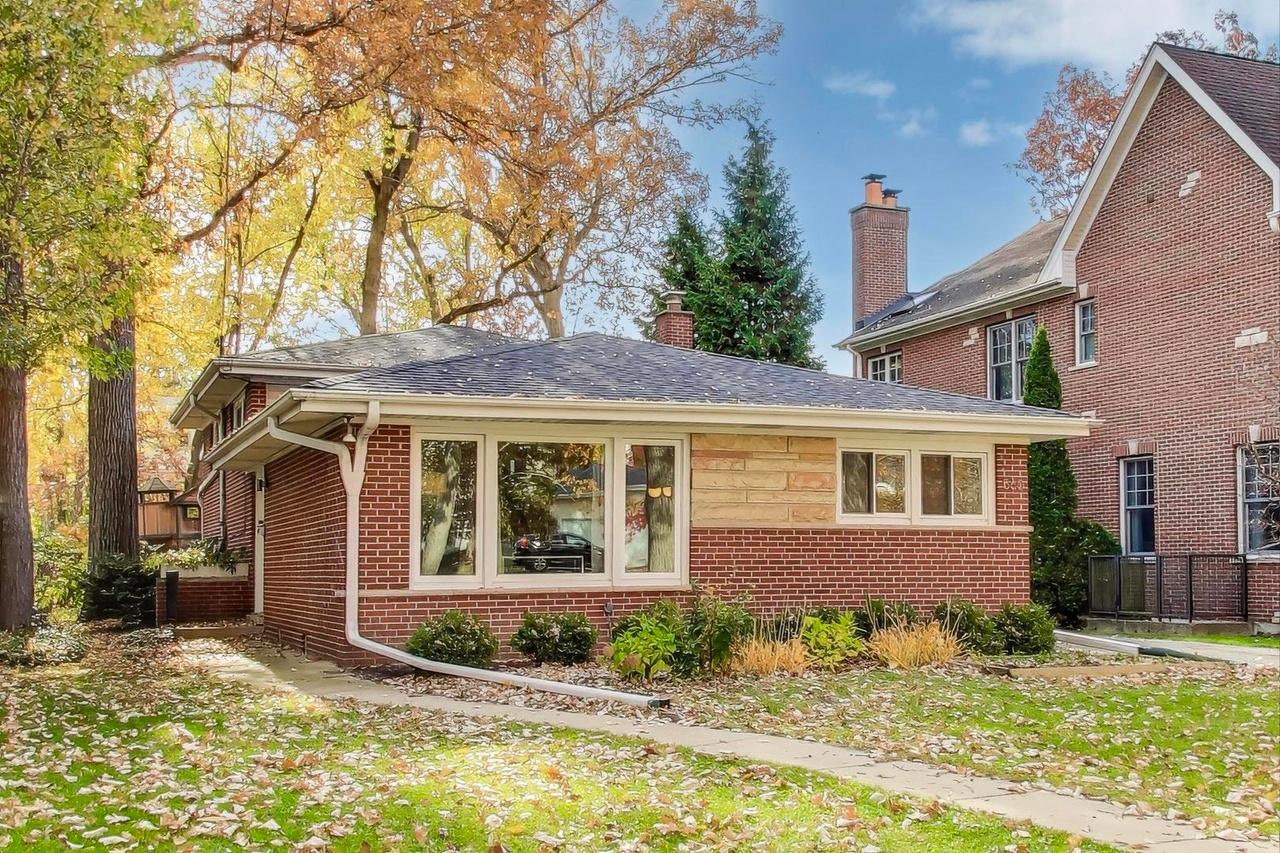
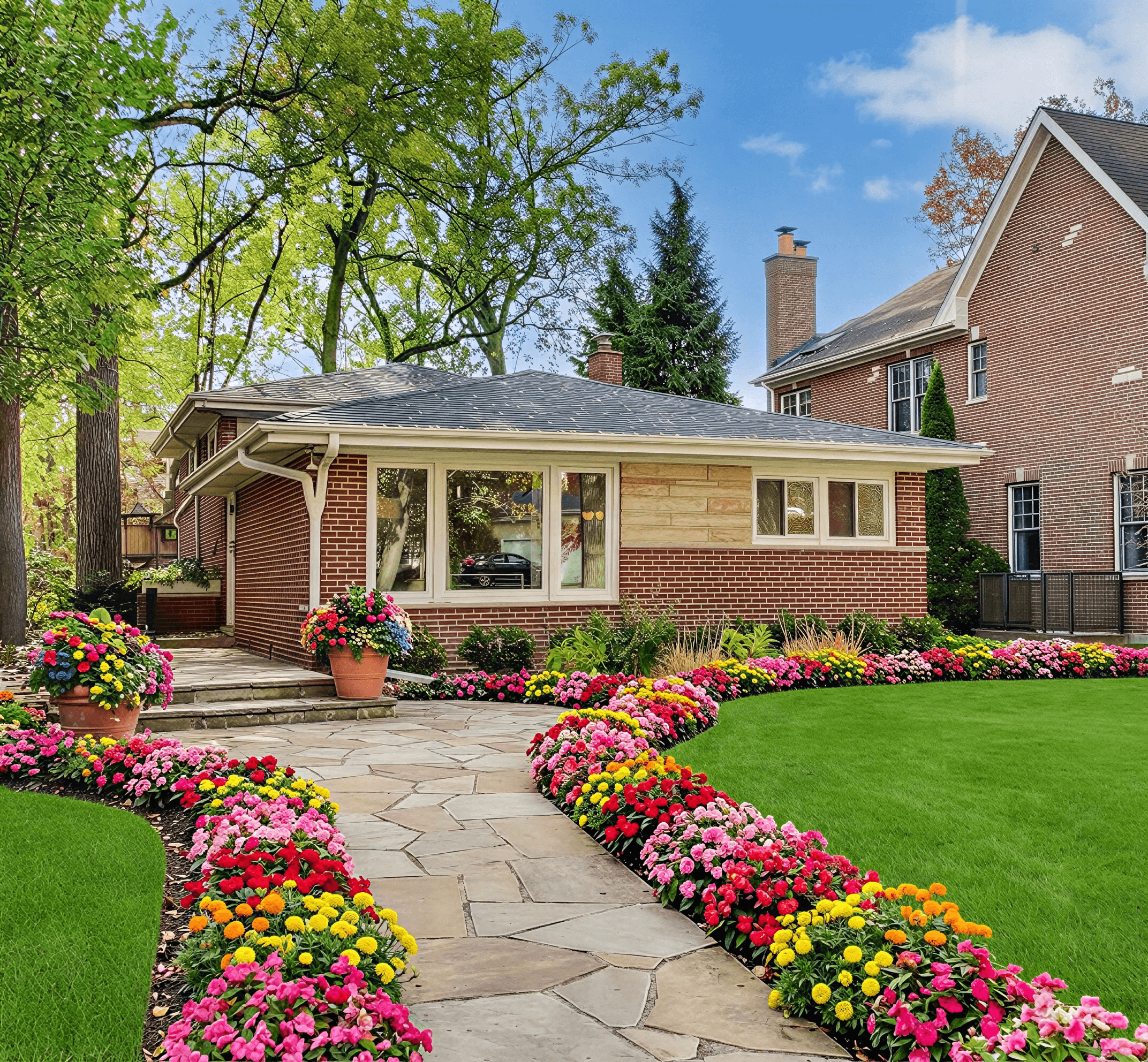
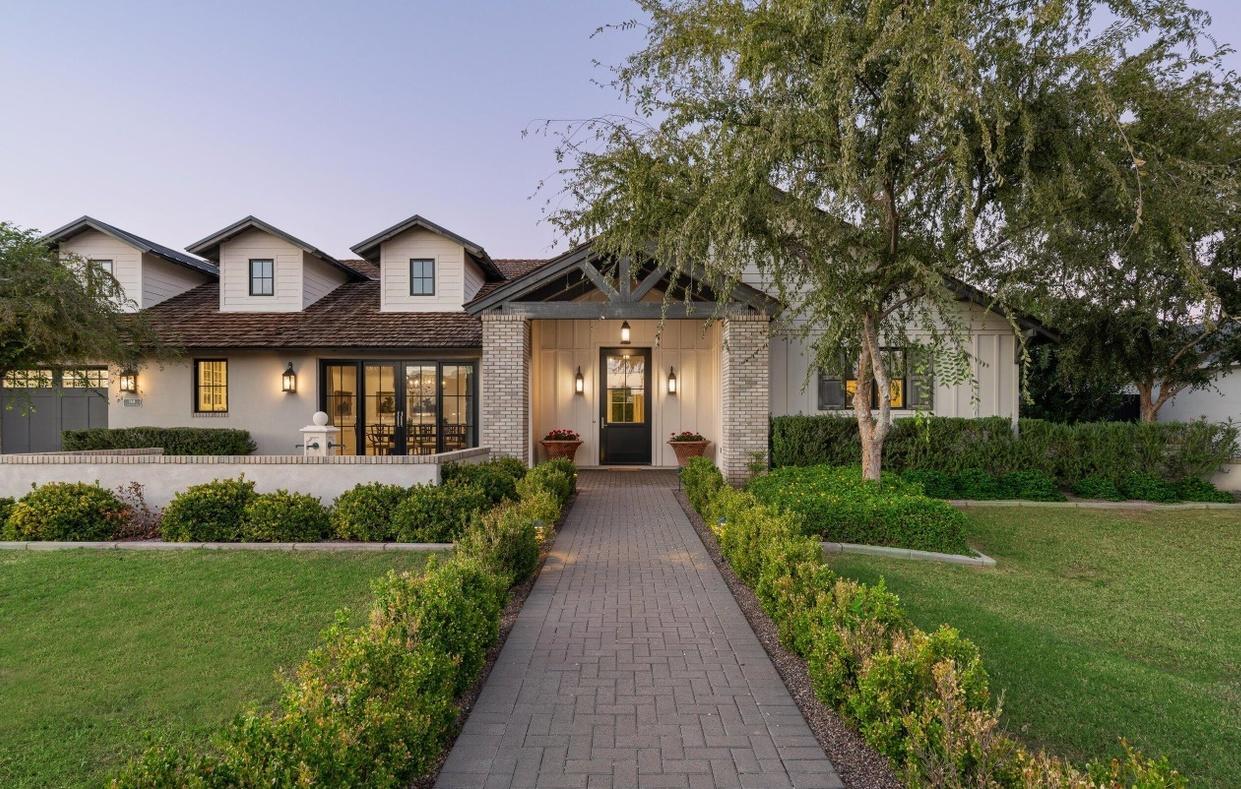
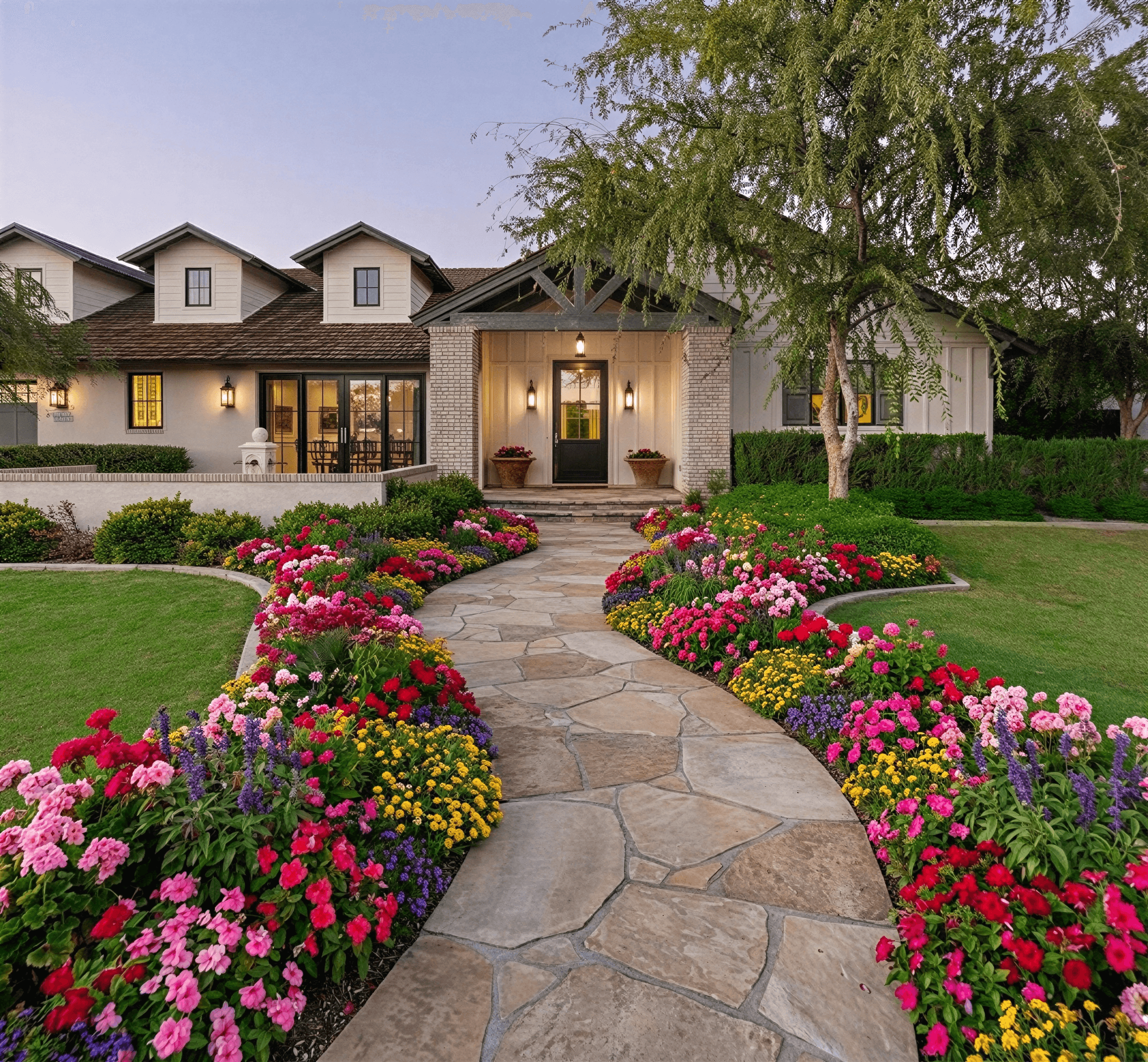
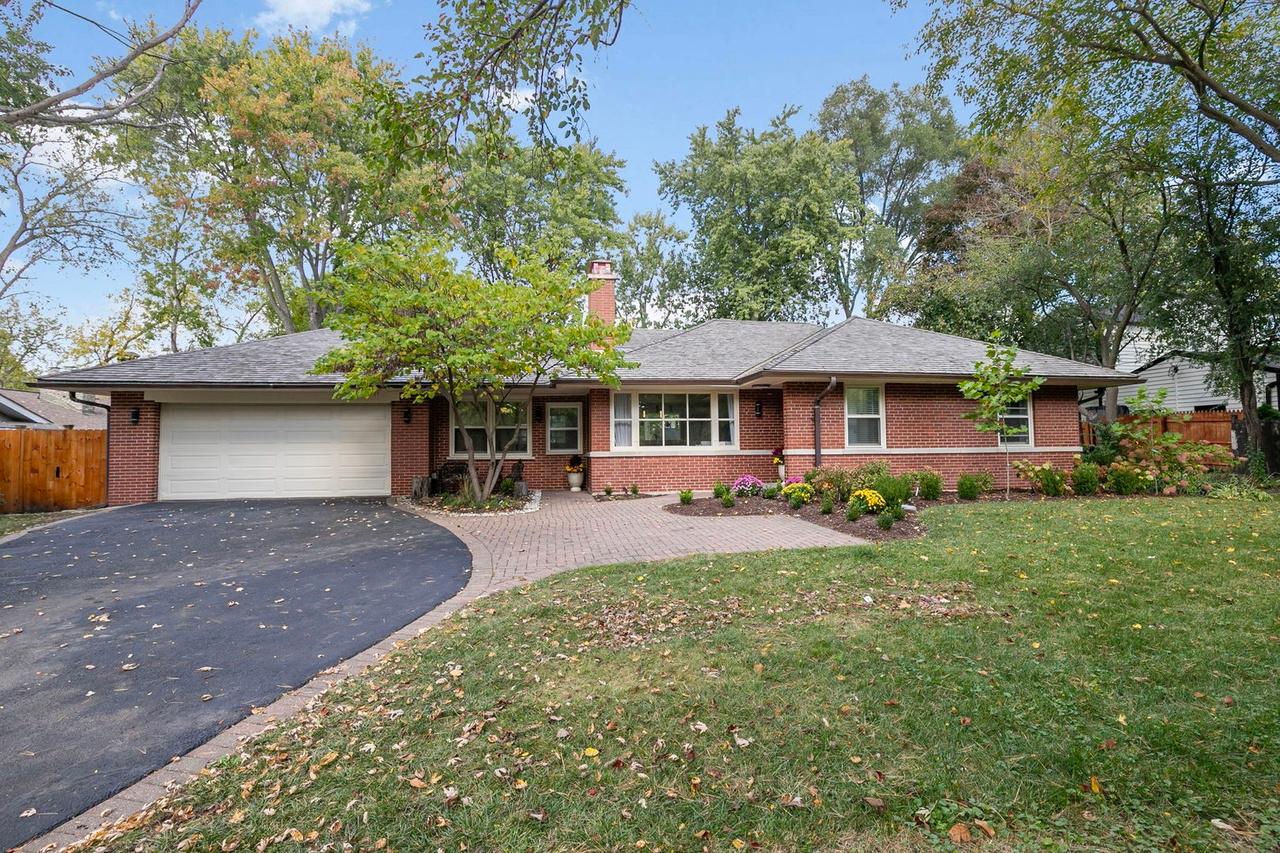
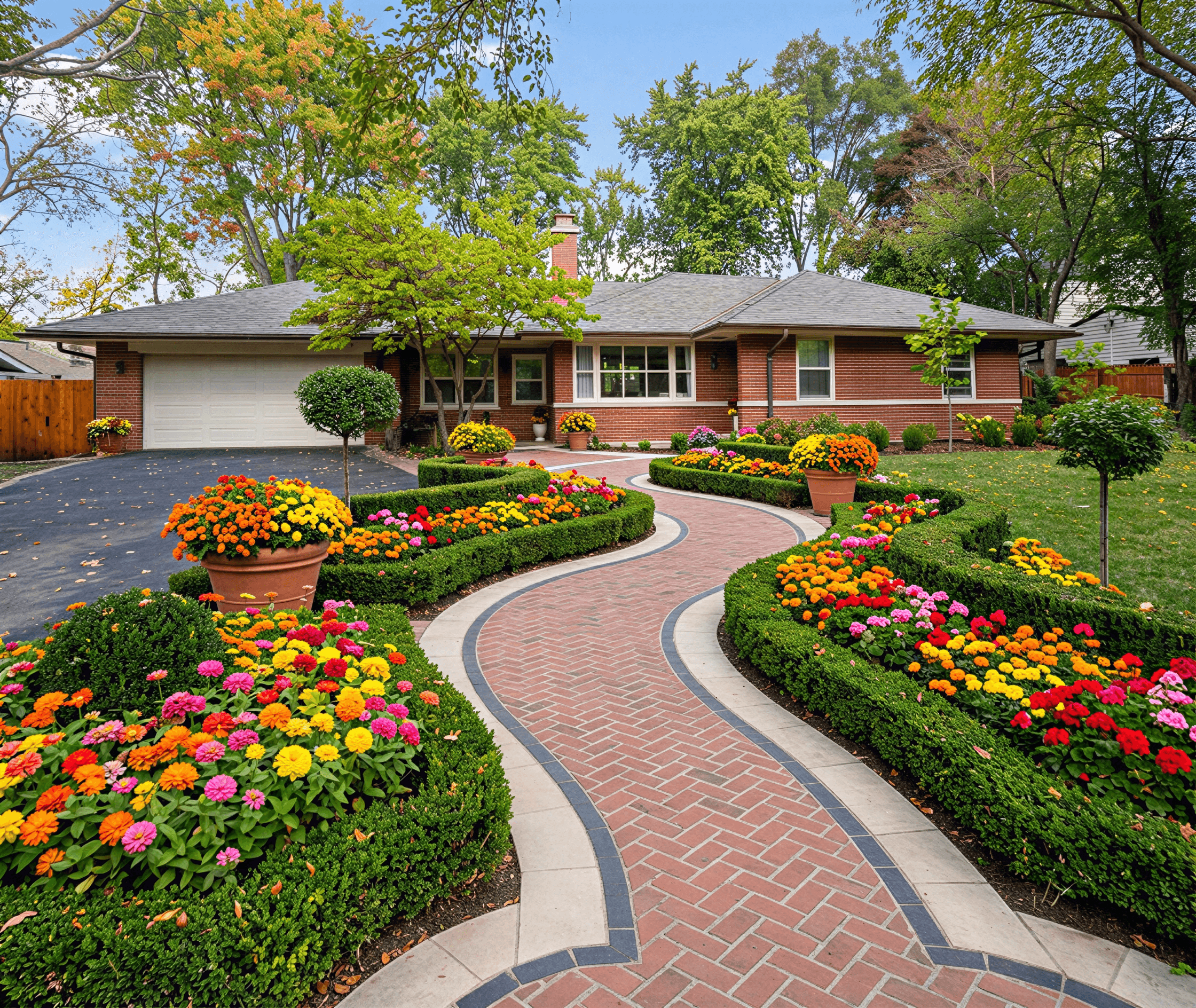
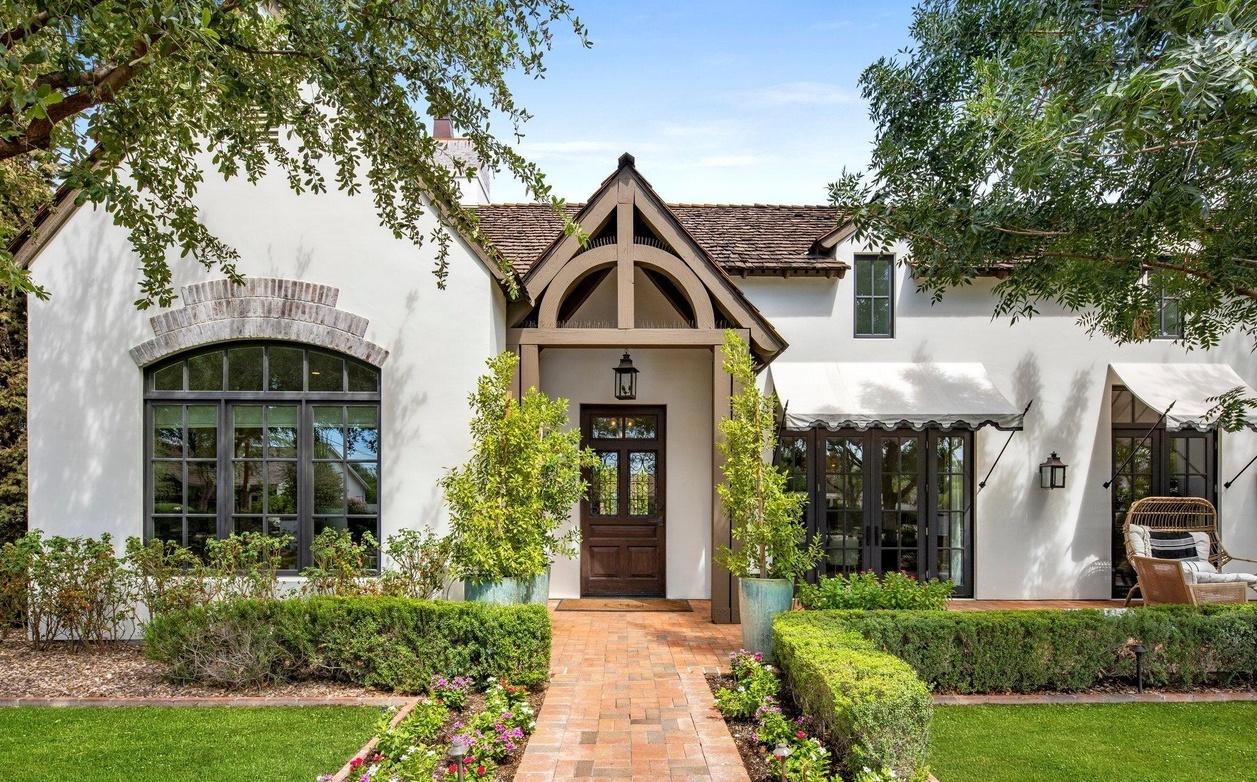
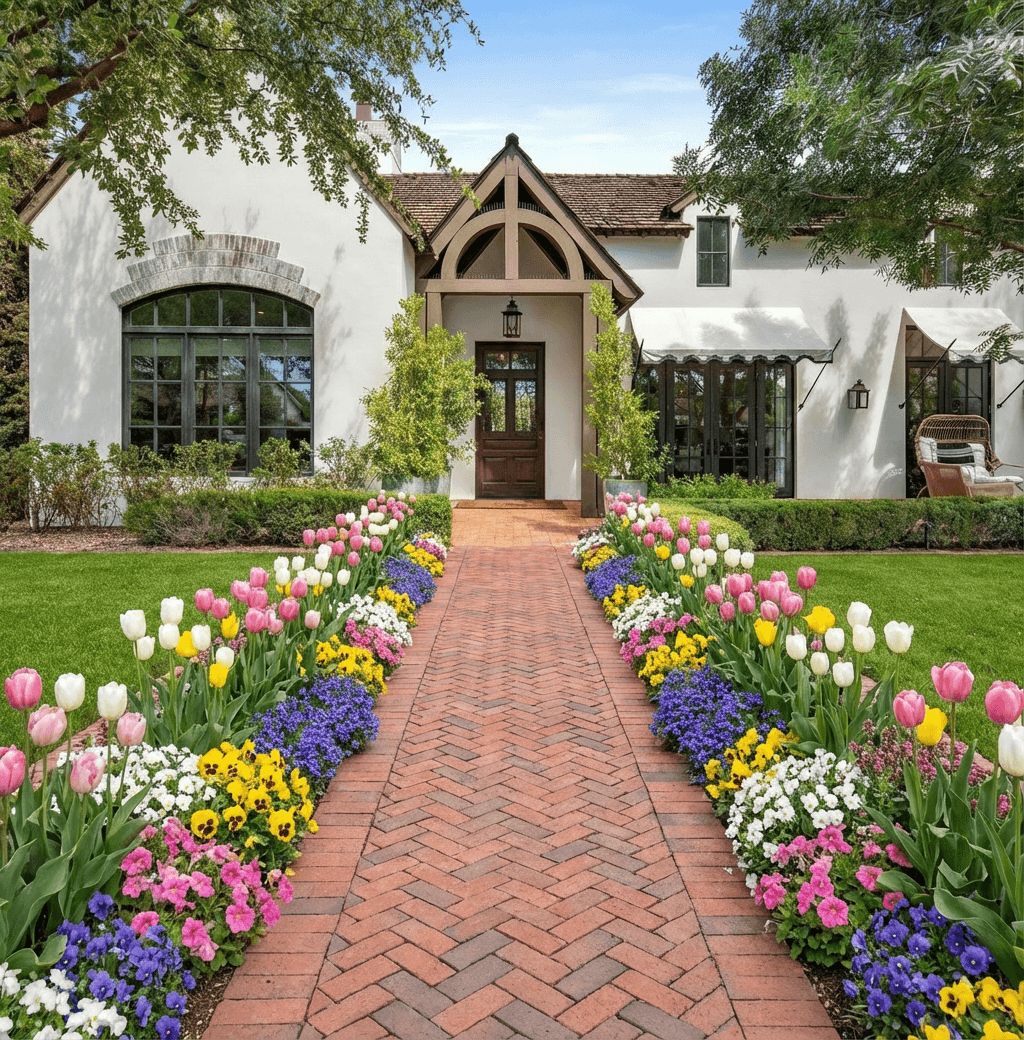
Curb Appeal AI helps homeowners explore native plant landscaping ideas by state with realistic visual previews. Upload a photo of your yard to visualize how local native plants, color palettes, and hardscaping will look before you begin. State-focused guidance makes it easier to select drought-tolerant species, support local pollinators, and design a low-maintenance layout that fits your climate.
How to Start Planning Native Landscaping
Begin by assessing your yard’s conditions: sun exposure, drainage, soil type, and microclimates. Check your USDA hardiness zone and local extension service lists to identify plants proven in your region. When collecting native plant landscaping ideas by state, group plants by their water and light needs so maintenance is simpler. Sketch rough planting zones and mark existing trees or utilities. Planning at this stage reduces waste, avoids repeated digging, and helps you select species that will thrive without constant intervention.
Choosing Native Plants for Your State
Select species that are naturally adapted to your region rather than importing popular plants that struggle locally. Use state plant lists from conservation groups and extension services to find trees, shrubs, perennials, and grasses that match soil and rainfall patterns. Curb Appeal AI can help by visualizing plant sizes and bloom timing based on state-specific selections, so you can see mature scale and seasonal interest. Prioritize a mix of structural plants and seasonal bloomers to support wildlife and keep the yard attractive year-round.
Design Ideas Tailored to Local Climates
Design choices should reflect your state’s typical weather and maintenance capacity. In dryer states, cluster waterwise natives and use mulched swales to capture runoff; in wetter climates, create raised beds or choose species that tolerate periodic saturation. Native plant landscaping ideas by state can guide choosing color palettes and texture that feel natural to your area. Aim for layered plantings—groundcover, mid-height perennials, and taller shrubs—for structure and habitat value while keeping sightlines and access points clear for everyday use.
Materials, Soil Prep, and Planting Methods
Good soil preparation improves establishment regardless of state. Test soil pH and add organic matter to improve texture and nutrient availability rather than relying on heavy fertilizers. Use appropriate mulches—wood chips, shredded bark, or gravel depending on region—to retain moisture and reduce weeds. Planting methods such as berms for drainage or pocket plantings for rock gardens work well in specific state contexts. Native plant landscaping ideas by state often include recommended soil amendments and mulch types tailored to local conditions, which will help new plants get established faster.
Estimating Costs and Budgeting Smartly
Budget considerations depend on plant size, quantities, irrigation needs, and hardscape choices. Buying smaller plants and timing planting for the dormant season saves money; expect higher initial costs for trees and shrubs but lower long-term maintenance. Include items like soil amendments, mulch, drip irrigation, and staking in your estimates. For state-specific projects, factor in availability—some natives are rarer and cost more, while others are common and affordable. Prioritize focal areas first and expand over time to spread costs and allow plants to mature before adding more.
Maintenance Tips and DIY Versus Professional Help
Native landscapes typically need less upkeep, but the first two years require watering, weed control, and some pruning to establish plants. Learn species-specific needs—some benefit from seasonal cutbacks or controlled burns in certain ecosystems—by consulting local resources. DIY planting and mulching are manageable for many homeowners, but hire a professional for large grading, irrigation system installs, or when working near utility lines. Use native plant landscaping ideas by state to decide which tasks you can handle and which are better left to licensed contractors.
Frequently Asked Questions
How do I find which native plants grow best in my state?
Start with your state extension service, native plant societies, or conservation groups that publish regional plant lists. These resources often include information about soil preferences, bloom time, and pollinator value to help you choose suitable species.
Will native plants reduce my yard maintenance and water use?
Yes—once established, most native plants need less supplemental watering and fertilizer than non-natives adapted to different climates. Expect more attention during the first one to three years for watering and weed control, then significantly reduced maintenance.
Can I design a native landscape myself or should I hire a pro?
Homeowners can successfully design and install many native plant projects, especially small beds and pollinator gardens. Hire a professional for large-scale grading, irrigation installation, or if you need a design that integrates complex hardscaping or code requirements.
How do I plan for year-round interest with native plants?
Choose a mix of evergreen shrubs, grasses, and perennials with staggered bloom times and attractive seed heads or fall color. Planning by season ensures texture and structure even when flowers are not in bloom.
Related Landscaping Ideas
Explore Professional Services Near You
Related Articles
Top 10 Front Yard Landscaping Ideas for 2026
Explore 10 top front yard landscaping ideas for 2026. From modern to cottage, find budget-friendly, low-maintenance designs to boost your home's curb appeal.
Transform Your Home: 8 Ideas for Front of House Landscaping
Discover 8 expert ideas for front of house landscaping: modern to cottage gardens. Get actionable tips & visualize your dream yard with AI.
10 Landscaping a Front Yard Ideas for 2026
Explore 10 inspiring landscaping a front yard ideas, from modern to cottage styles. Get practical tips on plants, budget, climate to boost curb appeal.
Real transformations
See how homeowners are using Curb Appeal AI to reimagine their properties