Ideas For Front Yard Landscaping
ideas for front yard landscaping
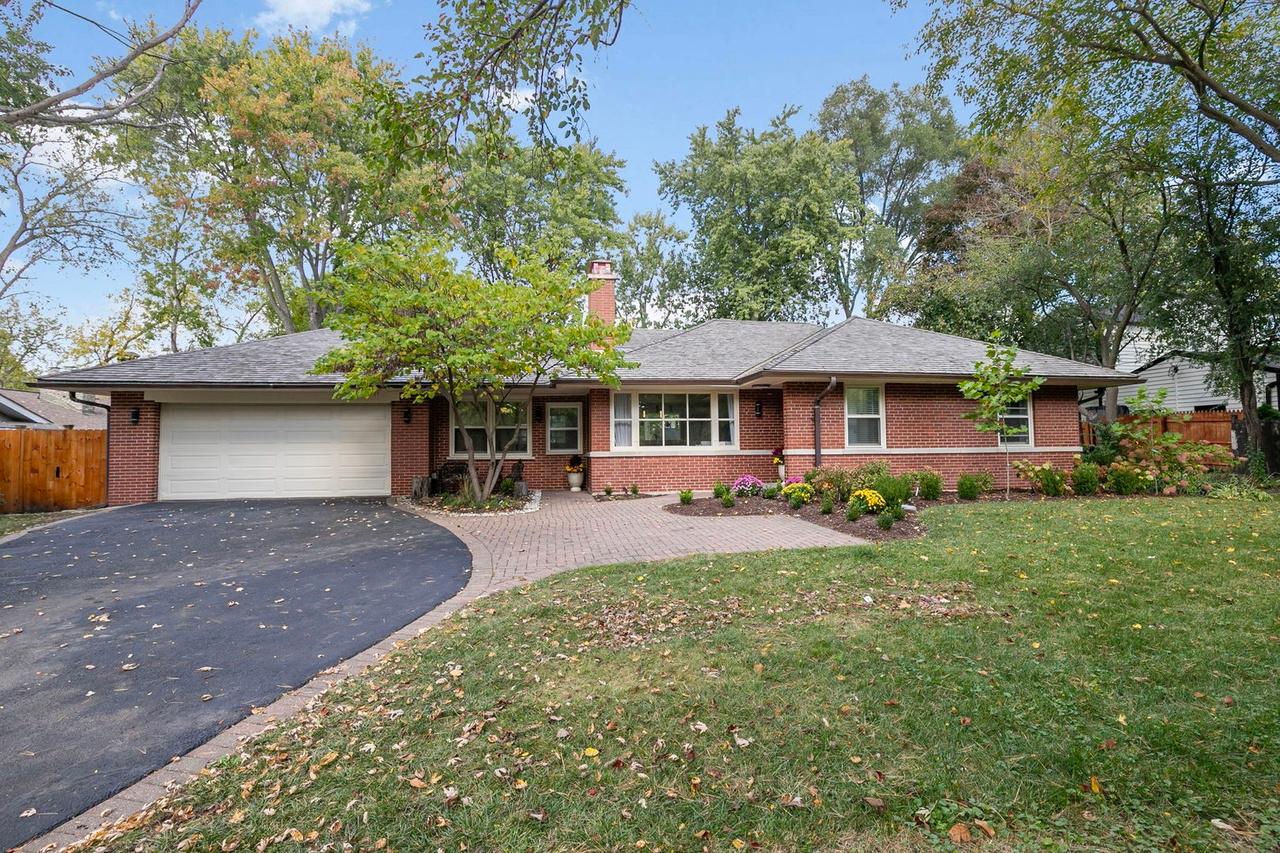
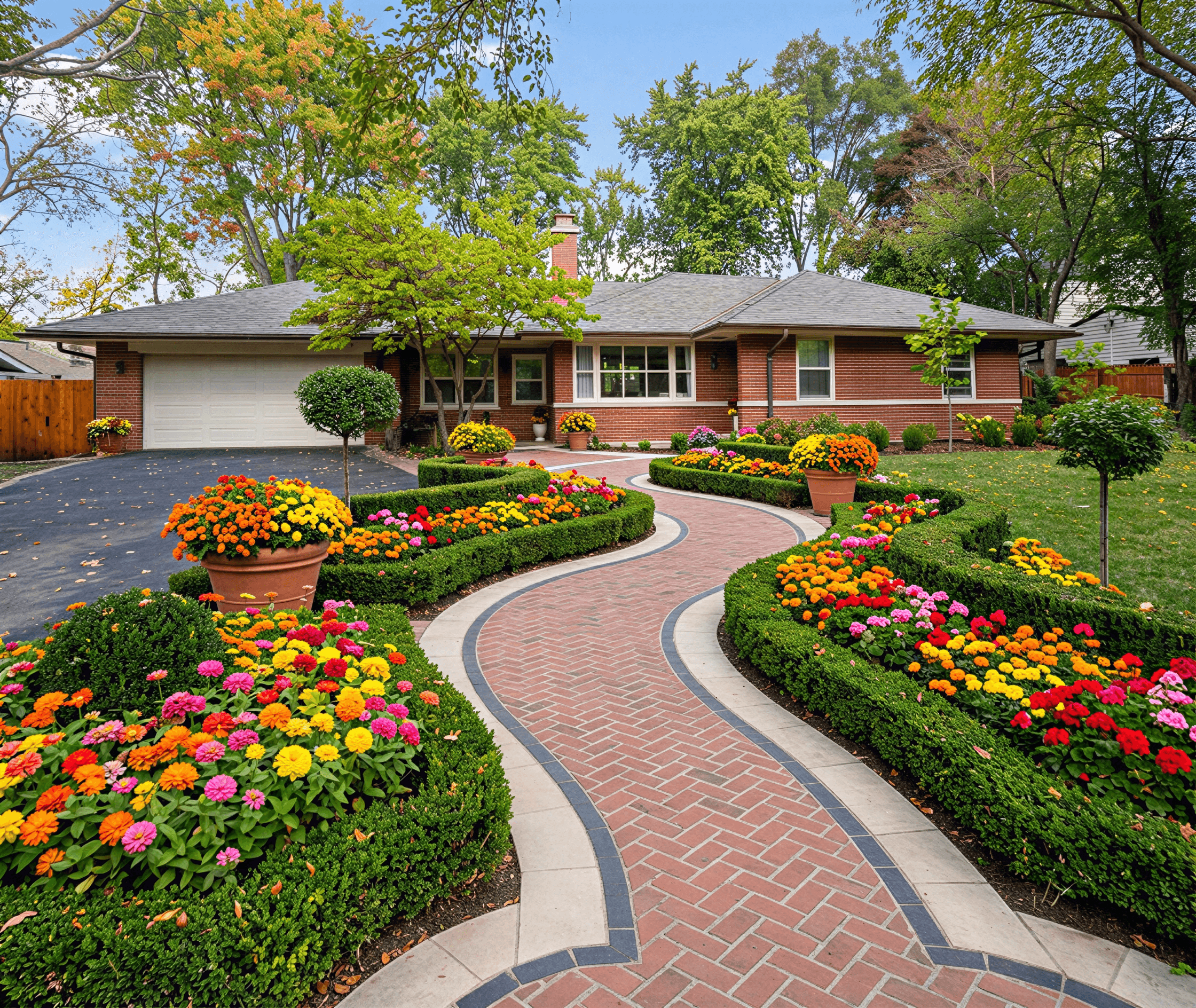
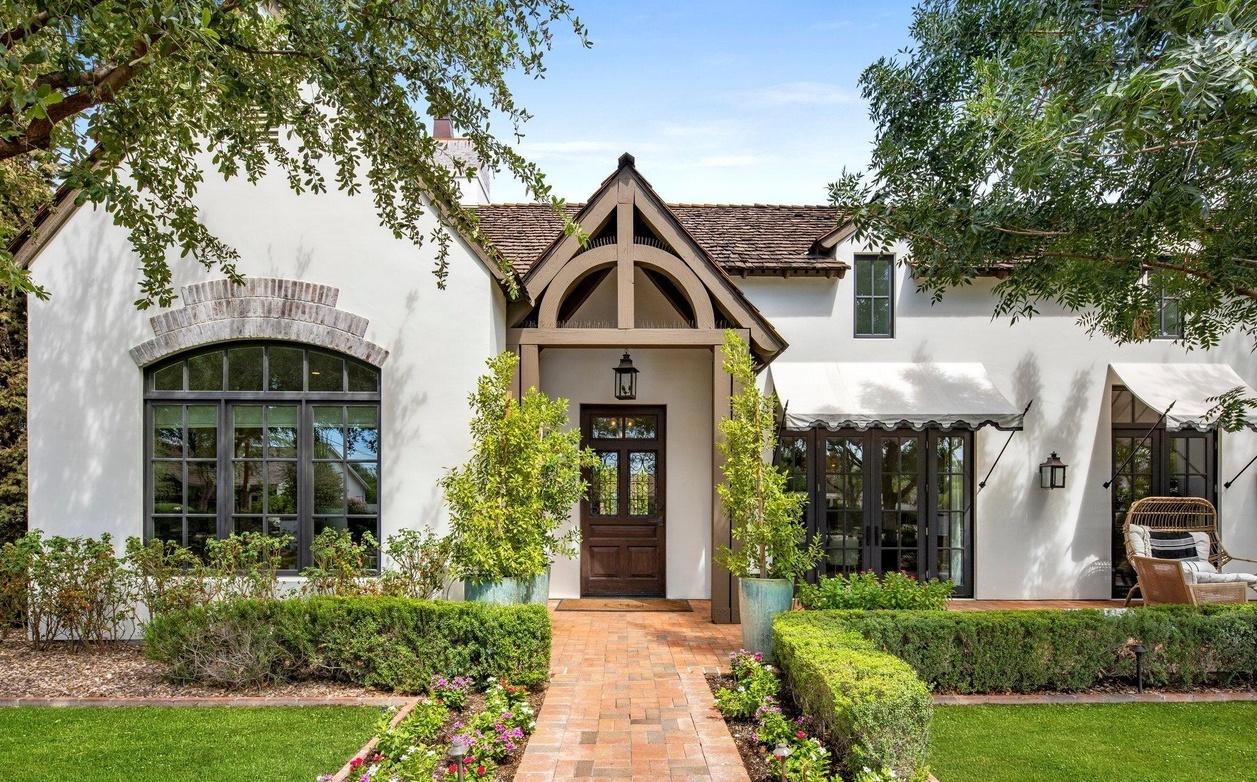
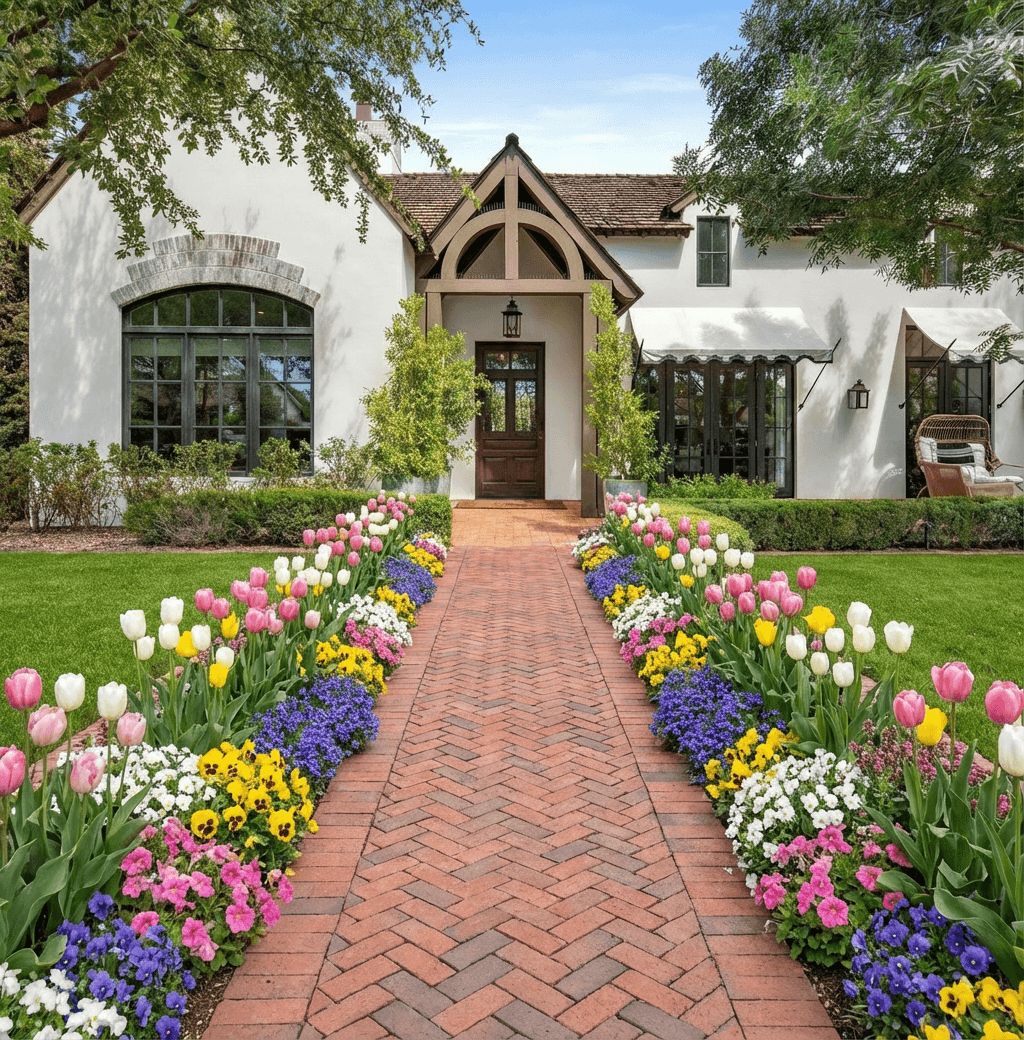
Curb Appeal AI helps homeowners try out ideas for front yard landscaping by letting you upload a photo and visualize improvements before you start. Start with a clear plan that balances curb appeal, maintenance, and budget so changes feel manageable and match your home’s style. This page offers simple, practical ideas for front yard landscaping you can adapt whether you’re doing a weekend DIY or planning work with a professional.
Start with a simple master plan
Begin by mapping your property lines, walkways, and existing features and note sun patterns and drainage. A basic plan helps you prioritize changes and avoid digging up new plants or redoing hardscape later. Consider dividing the project into zones — immediate curb appeal, functional pathways, and long-term planting beds — so you can phase work by budget and effort. Tools like Curb Appeal AI let you upload a photo and test different layouts visually, which makes it easier to choose which ideas for front yard landscaping will actually look good on your home.
Choose focal points and layered planting
Pick one or two focal points such as a specimen tree, an entry path, or an accent wall to draw the eye and organize the yard. Use layered planting by combining evergreen structure with seasonal flowering shrubs and low groundcovers to create depth and year-round interest. Repeating a limited palette of colors and plant textures ties the design together while keeping maintenance manageable. When planning beds, leave space for future growth so the design doesn’t feel overcrowded; this approach makes many ideas for front yard landscaping more sustainable and attractive over time.
Select materials for paths and beds
Choose materials that fit the style of your house and your maintenance tolerance: gravel and mulch are budget-friendly, pavers and flagstone feel more formal, and porous paving supports drainage. Pick mulch types that last in your climate; bark or wood chips are inexpensive but need replenishing, while rock stays put but can store heat. Edging materials like steel or stone reduce spread and keep beds neat with less upkeep. Consider contrast and scale — a wide walkway or a bold stone edge can be a simple, high-impact element among your ideas for front yard landscaping.
Budgeting and realistic cost expectations
Set a clear budget by breaking the project into tiers: essential fixes (grading, drainage, basics), mid-range upgrades (new plants, lighting, paths), and high-impact additions (trees, retaining walls). A modest front yard refresh might cost a few hundred to a few thousand dollars depending on materials and plant size; larger hardscape or grading projects can be considerably more. Prioritize items that add curb appeal and solve problems first, and phase other work over seasons. Getting quotes for major work and comparing DIY vs professional costs helps you plan which ideas for front yard landscaping fit your finances.
Keep maintenance low with smart choices
To reduce upkeep, choose climate-appropriate and low-water plants, group plants by water needs, and put down a sizable mulch layer to suppress weeds. Install a drip irrigation system with a timer to water efficiently and avoid over- or under-watering. Use native or regionally adapted plants for resilience and fewer pest problems, and prefer shrubs and perennials that don’t need frequent pruning. Thoughtful plant placement and durable hardscape materials mean your ideas for front yard landscaping will look good with seasonal, not constant, attention.
DIY projects versus hiring a pro
Decide based on skill, scope, and safety: planting beds, laying mulch, and building simple gravel paths are often manageable DIY weekend tasks, while grading, major drainage work, electrical for lighting, or large retaining walls usually require a professional. If you’re unsure, get an initial consultation or a small design plan from a landscape pro; a short professional visit can give price ranges and flag permits or utilities you might overlook. Use visual tools to try ideas for front yard landscaping first — they help you avoid costly changes and make quotes from contractors more specific and comparable.
Frequently Asked Questions
How do I start planning front yard landscaping on a small budget?
Begin by listing problem areas and high-impact changes like a defined walkway or fresh mulch. Prioritize low-cost, high-visibility updates and phase other items over time to spread expenses; using hardy, smaller plants and DIY labor cuts costs further.
What are low-maintenance plants for a front yard?
Choose native shrubs, ornamental grasses, and drought-tolerant perennials suited to your climate; these typically need less water and fewer pesticides. Grouping plants by water needs and using mulch reduces ongoing care and watering time.
How much does a basic front yard makeover usually cost?
A simple refresh with new plants, mulch, and modest path work can range from a few hundred to a few thousand dollars depending on plant sizes and materials. Larger projects with grading, trees, or stonework will cost more, so get multiple estimates to set realistic expectations.
Can I visualize front yard landscaping ideas before starting?
Yes — you can upload a photo into a visualization tool to try different layouts, plants, and materials before you buy anything. Visual mockups make it easier to compare ideas for front yard landscaping and avoid expensive changes later.
Related Landscaping Ideas
Explore Professional Services Near You
Related Articles
Transform Your Home: 8 Ideas for Front of House Landscaping
Discover 8 expert ideas for front of house landscaping: modern to cottage gardens. Get actionable tips & visualize your dream yard with AI.
10 Landscaping a Front Yard Ideas for 2026
Explore 10 inspiring landscaping a front yard ideas, from modern to cottage styles. Get practical tips on plants, budget, climate to boost curb appeal.
8 Small Front Yard Landscaping Ideas to Maximize Curb Appeal in 2026
Discover 8 inspiring small front yard landscaping ideas, from modern minimalist to charming cottage styles. Transform your space with our expert tips!
Real transformations
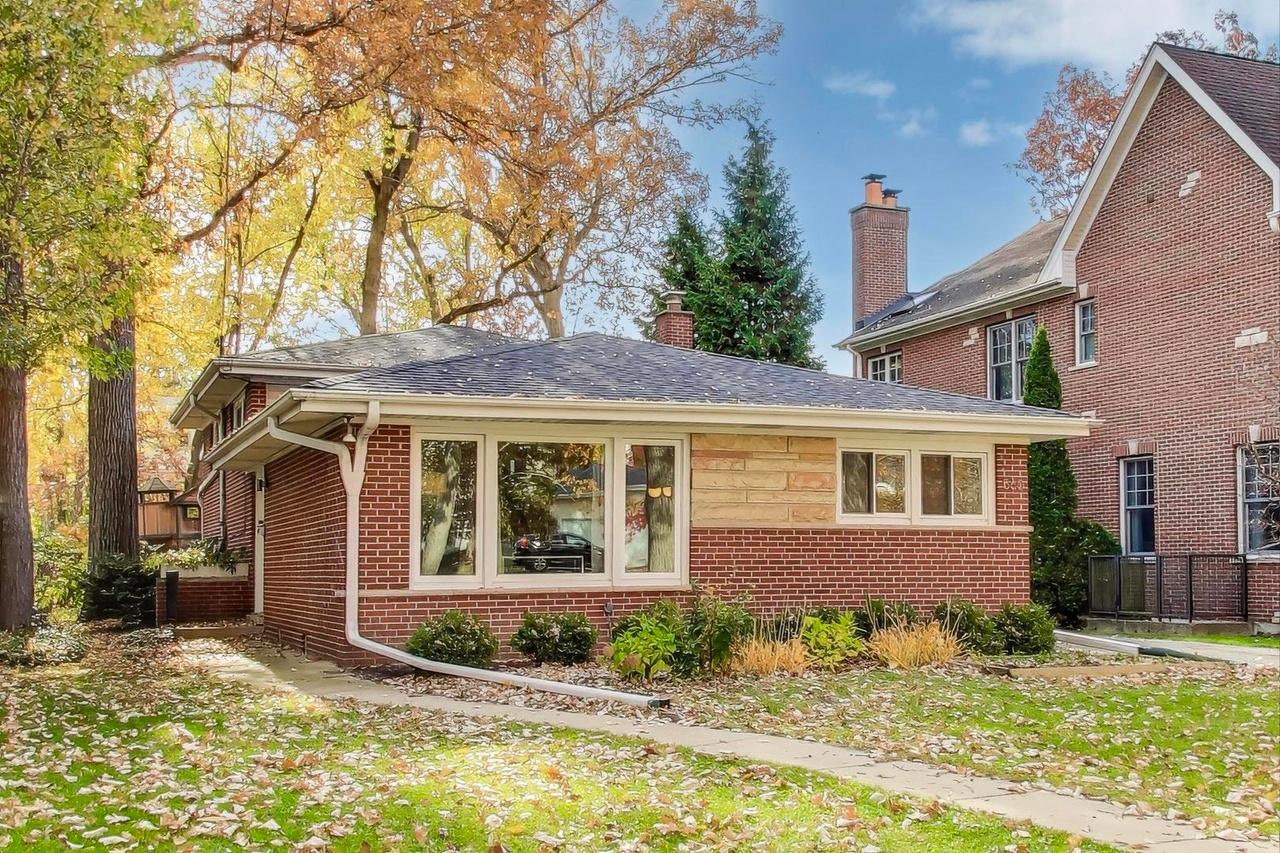
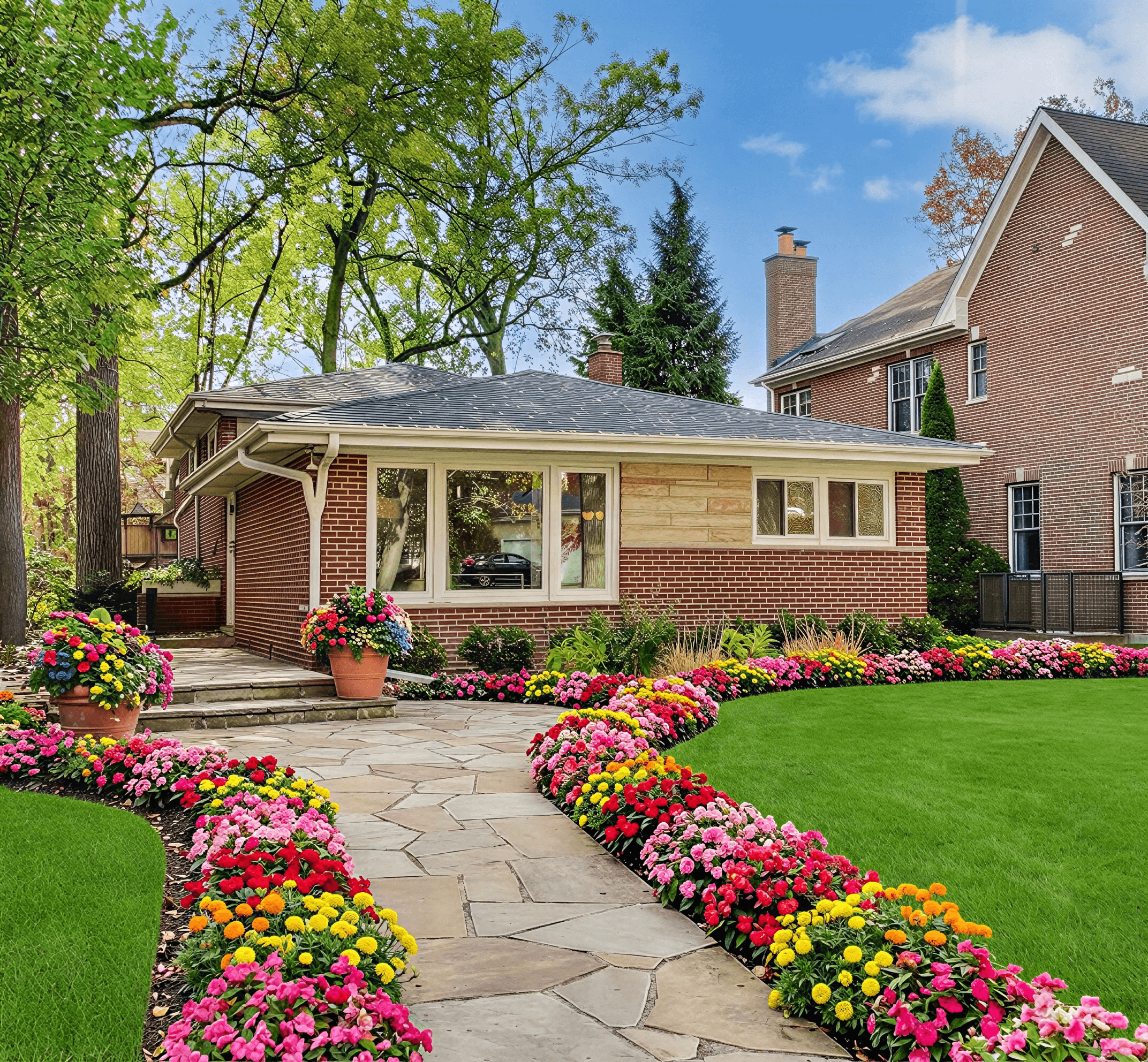
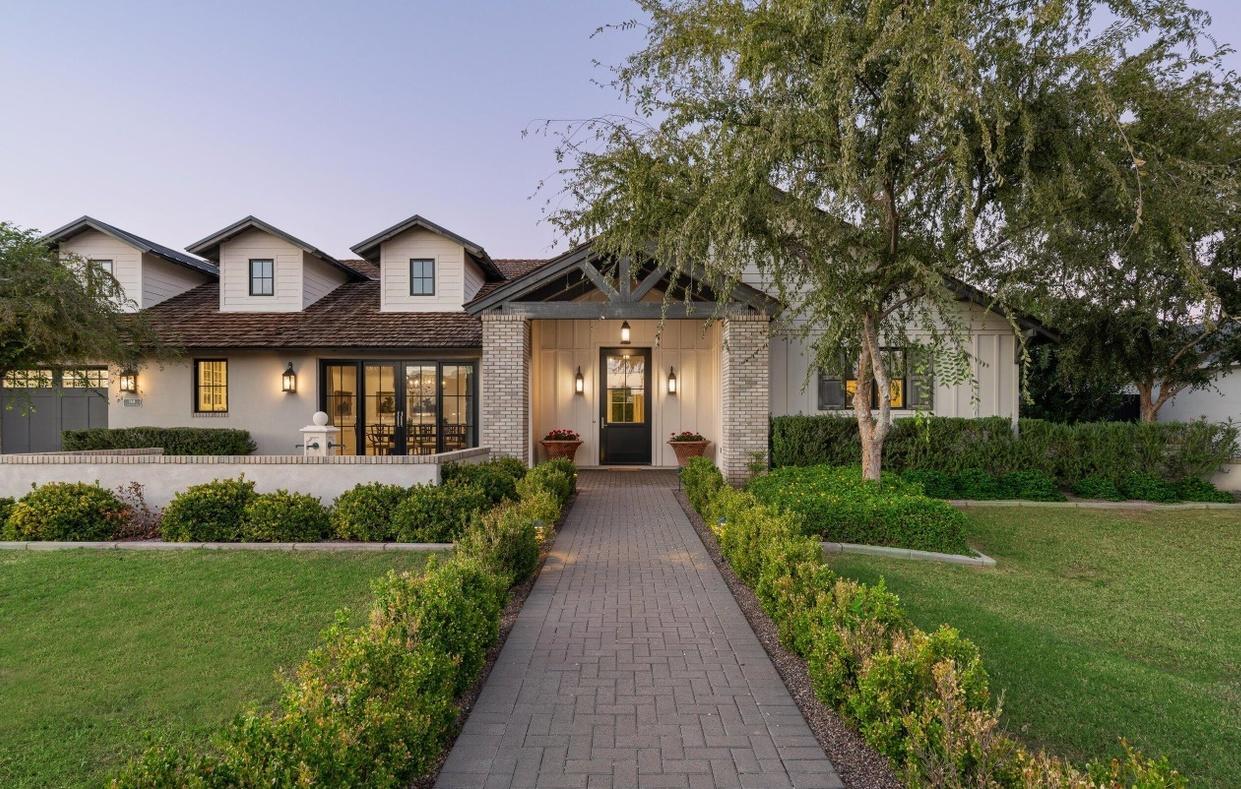
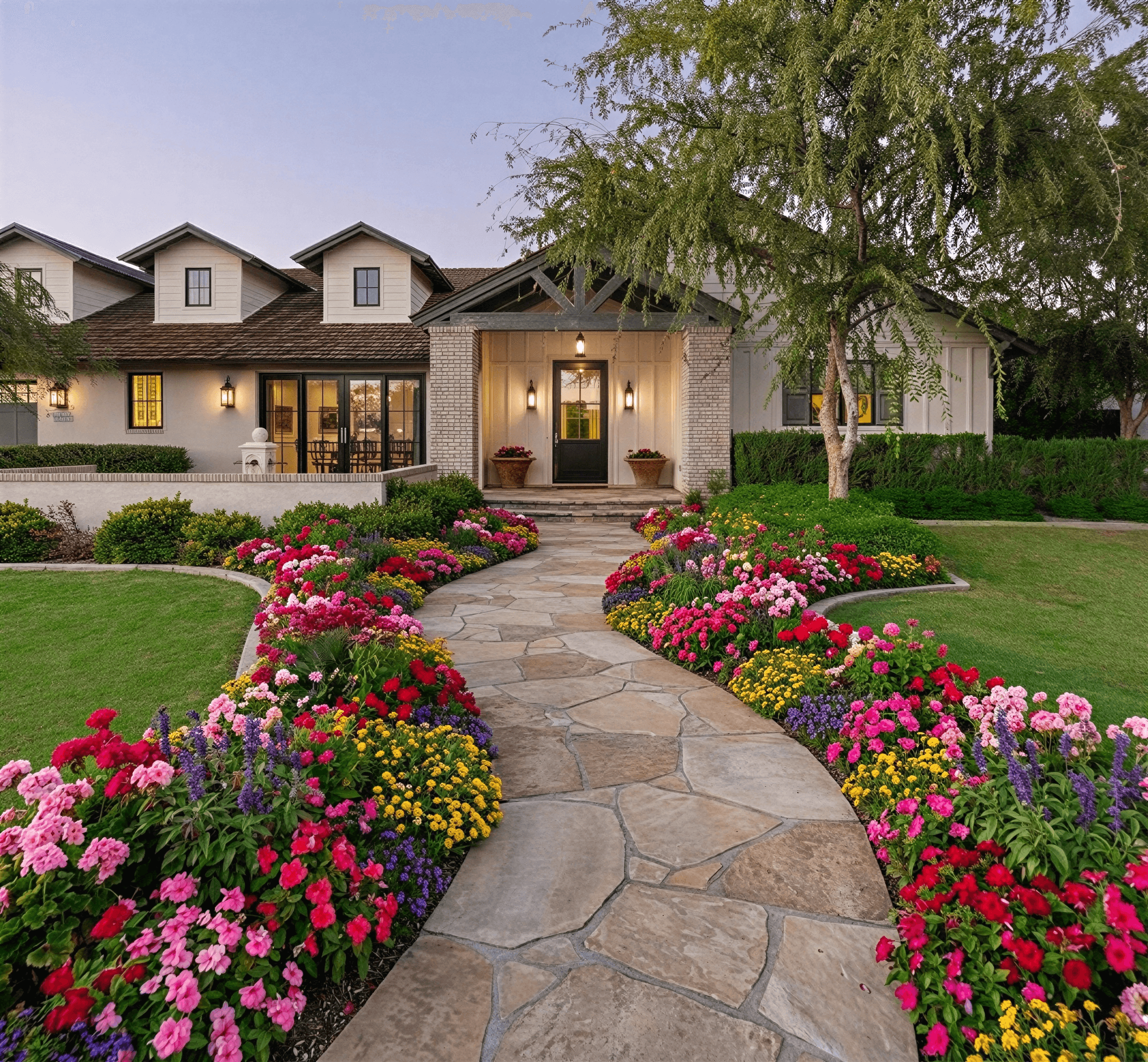
See how homeowners are using Curb Appeal AI to reimagine their properties