Backyard Landscaping Ideas
backyard landscaping ideas
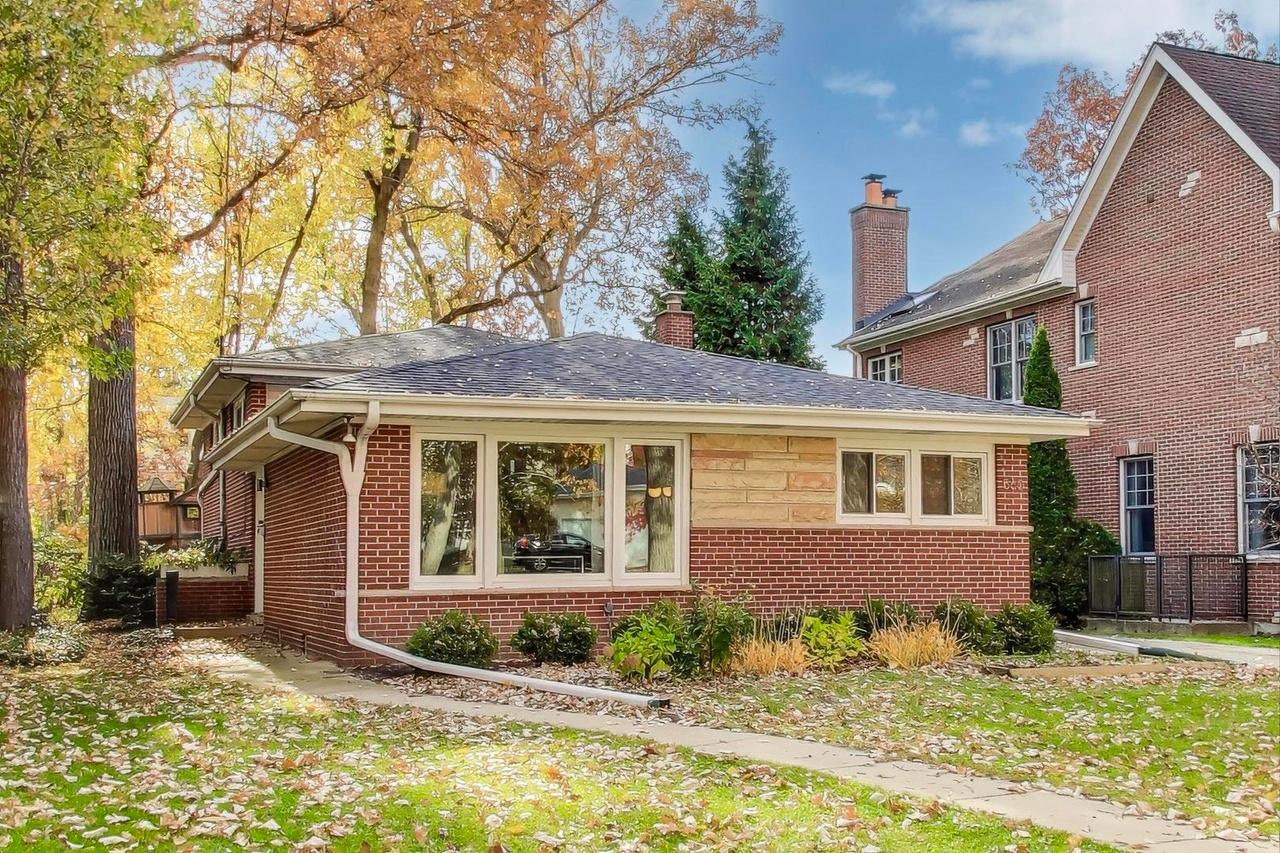
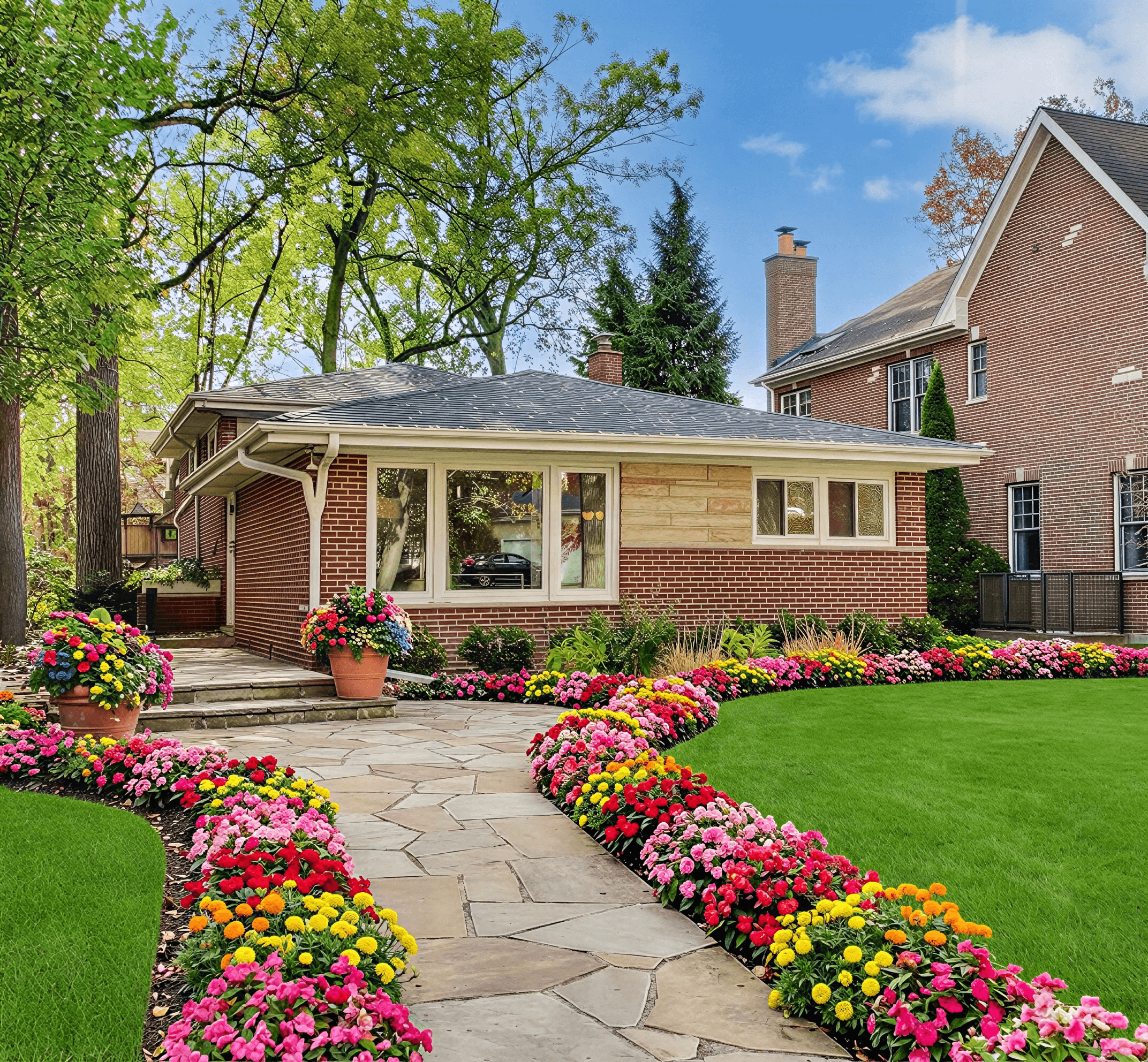
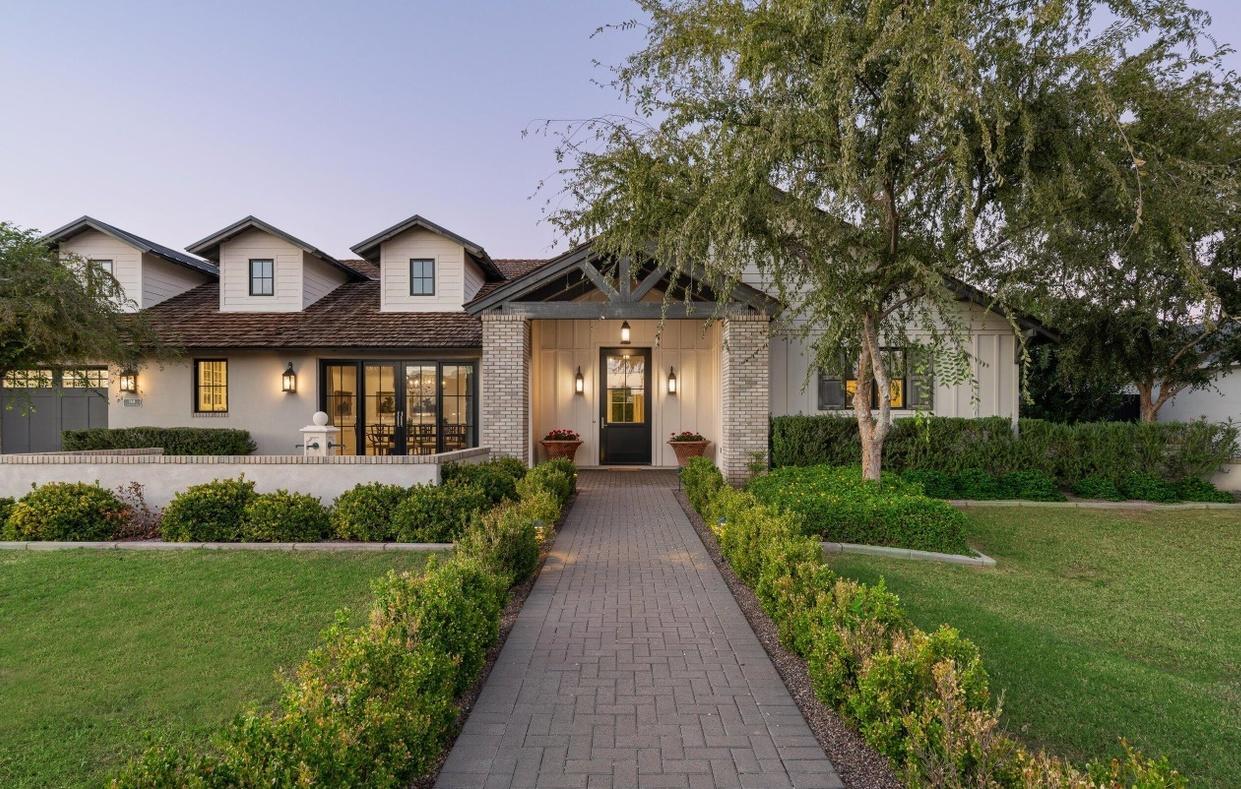
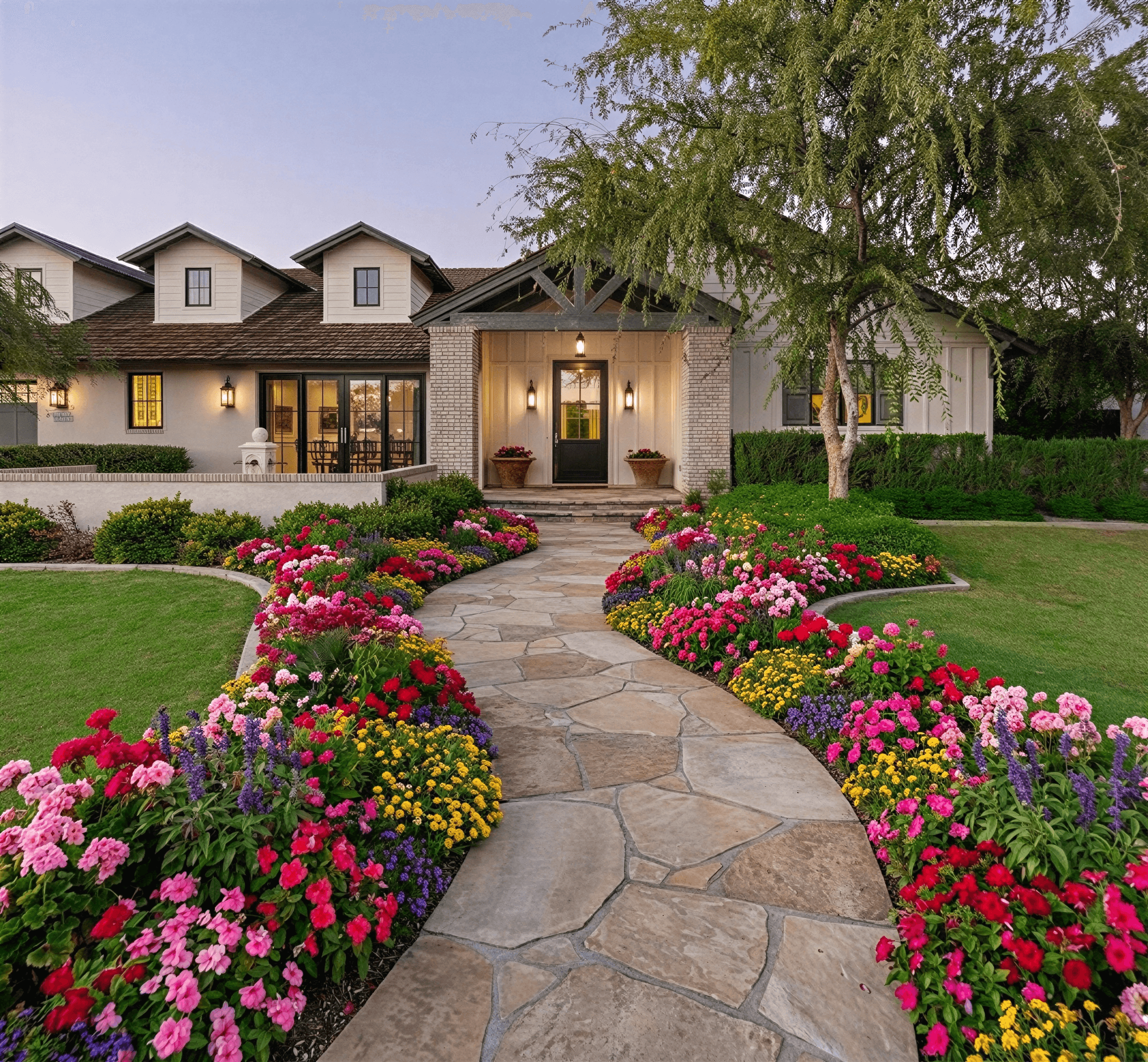
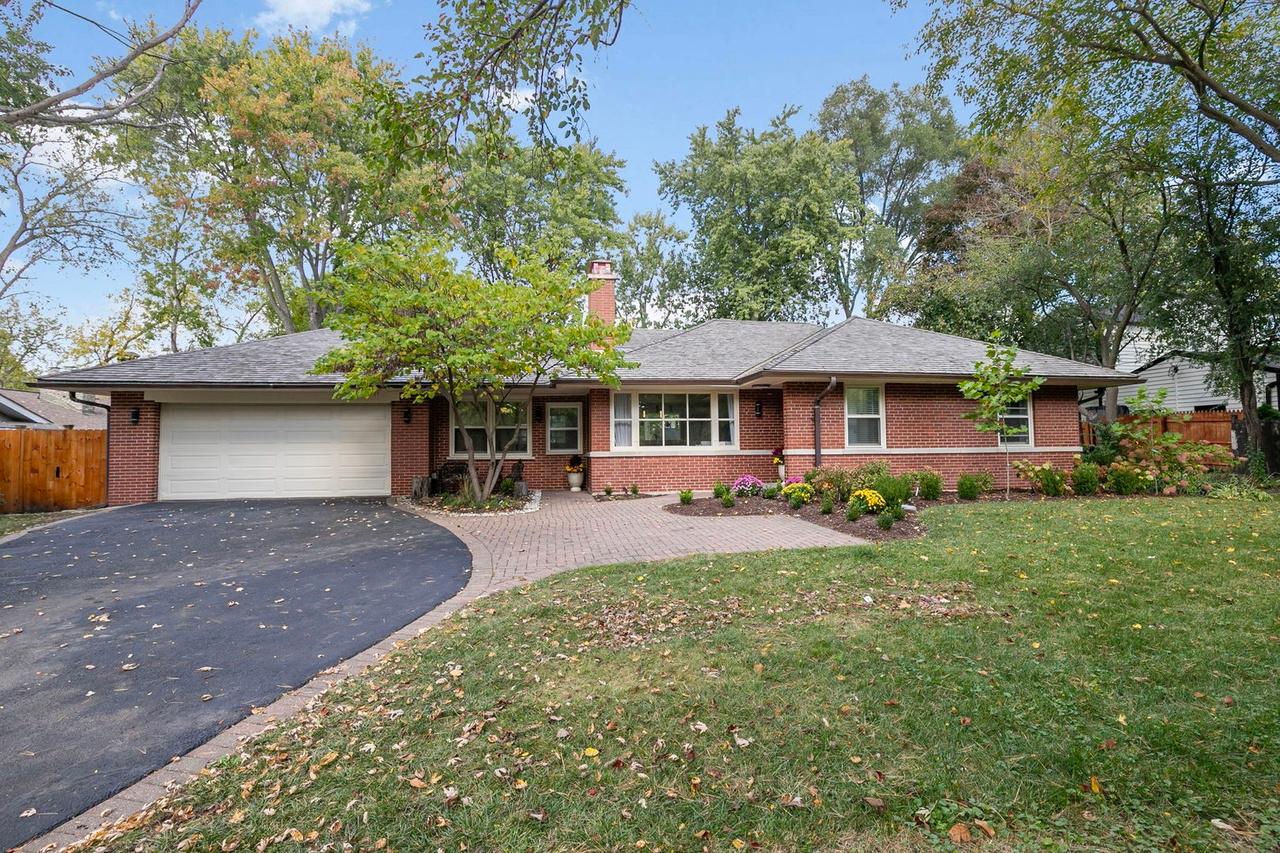
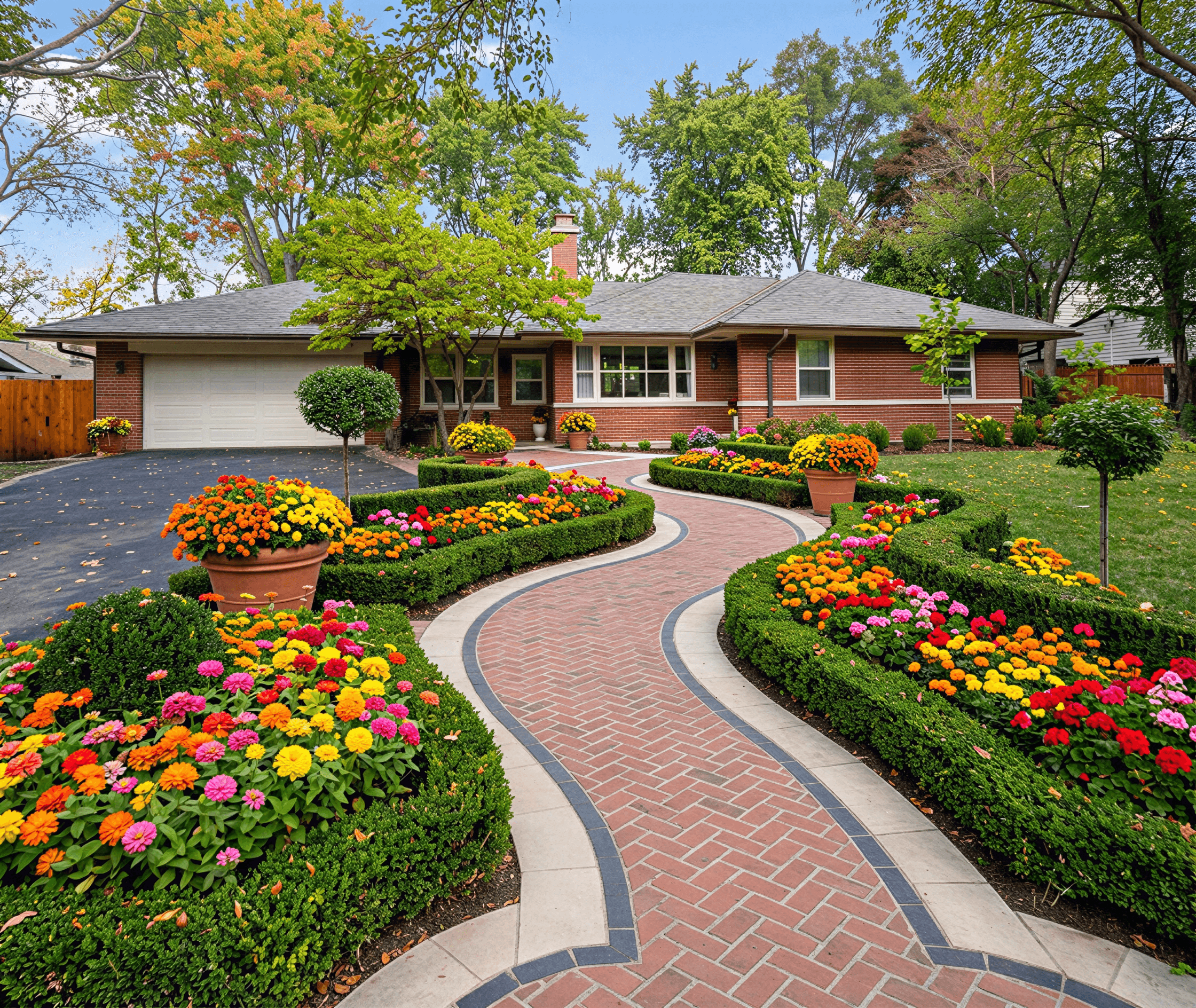
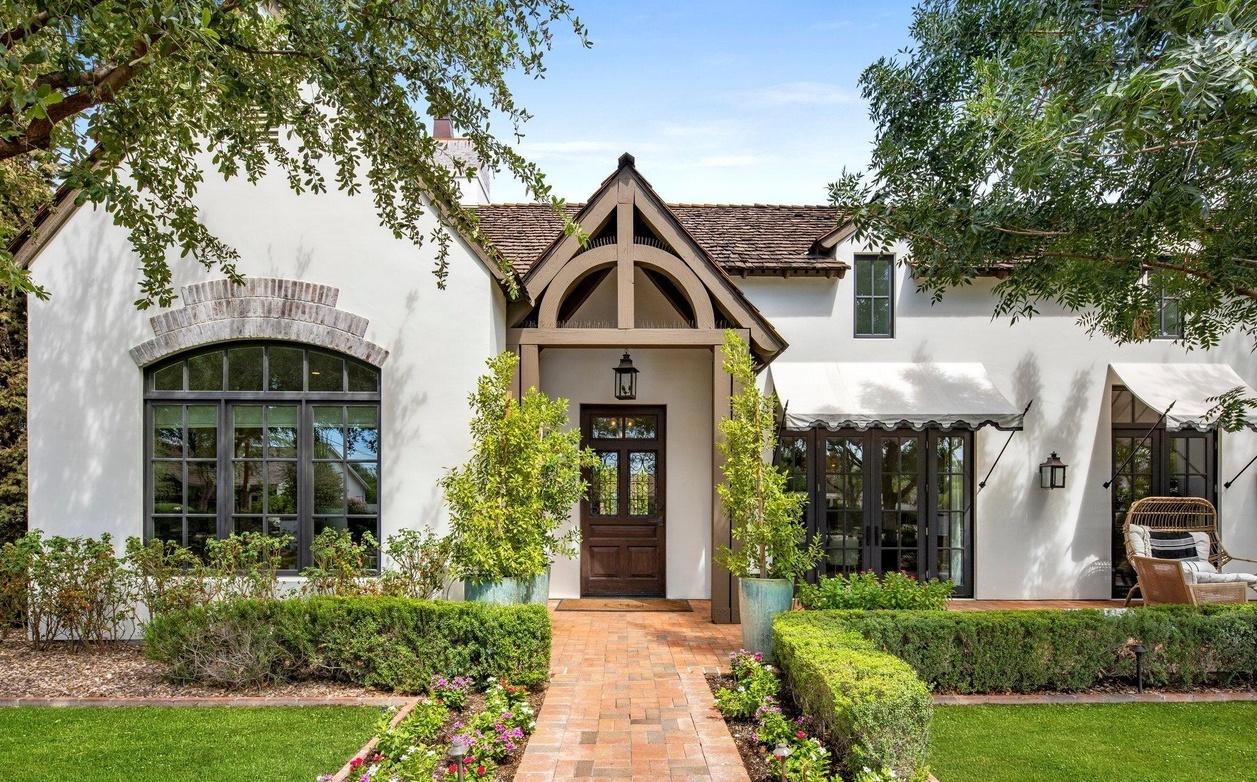
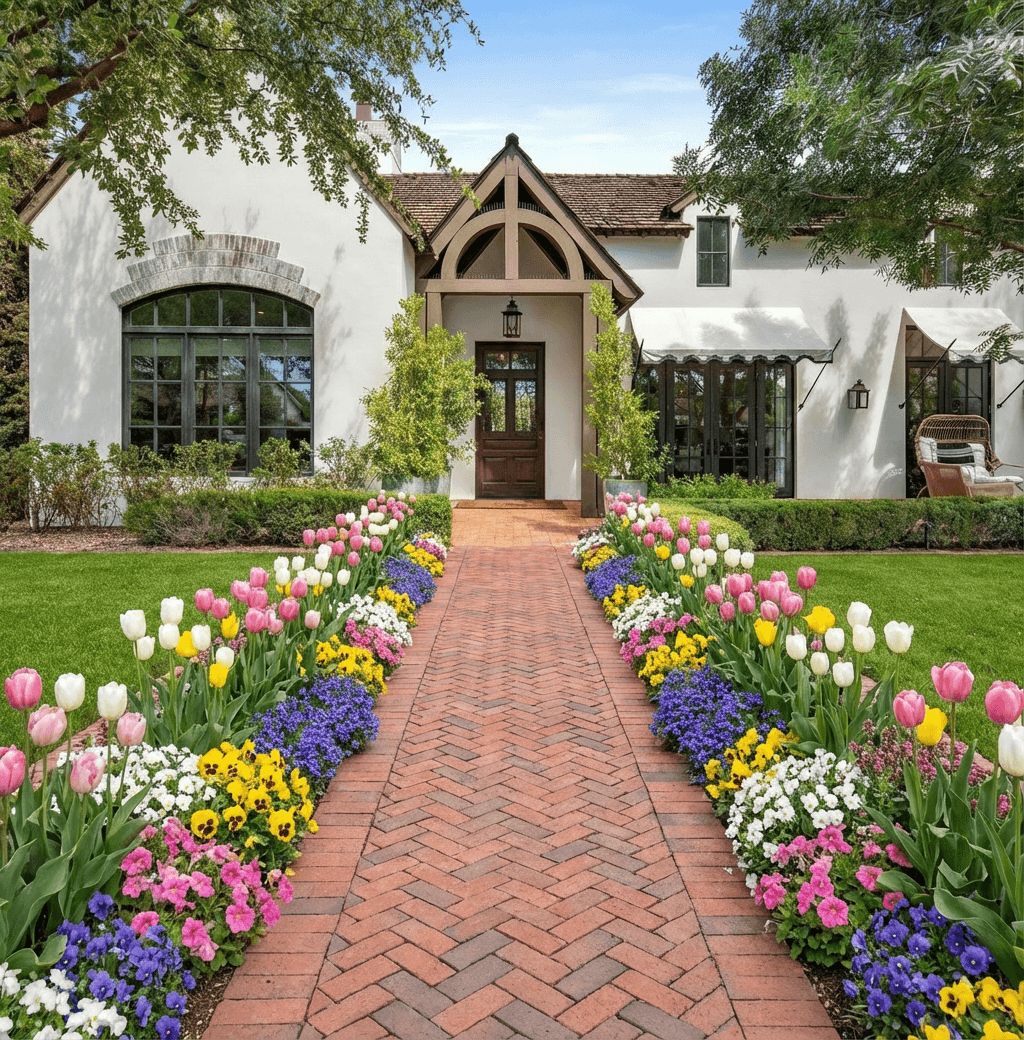
Curb Appeal AI makes it simple to explore backyard landscaping ideas by letting you upload a photo of your yard and visualize possible improvements. Upload a clear photo, try different layouts, materials, and planting schemes, and see which options fit your space before you buy materials or hire contractors. This guide focuses on practical, homeowner-friendly suggestions for planning, budgeting, maintenance, and deciding when to do the work yourself or call a professional.
Start with a simple site assessment
Begin backyard planning by observing sun patterns, slope, drainage, and existing trees or structures. Measure the space, note utility lines, and take several photos from different angles so you can compare options. Think about how you currently use the yard and what you want to change—entertaining, play space, vegetable beds, or a low-maintenance garden. A clear site assessment helps you prioritize backyard landscaping ideas that will work with the site instead of fighting it, and it reduces unexpected costs once work begins.
Choose a layout and key focal points
Decide on zones for dining, lounging, planting, and play to make your yard feel organized and functional. Use focal points—like a fire pit, specimen tree, water feature, or raised planter—to anchor views and draw the eye. For small yards, combine functions (a bench that doubles as storage) and plan clear circulation paths to avoid wasted space. Consider scale and proportion so hardscaping and plantings fit the size of your yard, and keep these layout ideas in mind when exploring backyard landscaping ideas.
Select hardscaping materials and finishes
Hardscaping sets the tone and determines durability, budget, and maintenance. Compare common options—pavers and natural stone for patios, composite or wood for decks, and gravel or decomposed granite for casual paths. Permeable materials help manage stormwater and may reduce runoff, while retaining walls and steps can address slopes. Choose materials that match your style and expected use, and account for installation complexity and long-term upkeep when thinking through backyard landscaping ideas.
Plan planting and water-wise choices
Select plants suited to your climate, soil, and the amount of sun each zone receives; grouping plants by water needs simplifies irrigation and reduces waste. Use layers—trees for structure, shrubs for form, and perennials or groundcovers for color and texture—to create interest year-round. Native and drought-tolerant plants often need less care and provide wildlife benefits. Mulch, proper spacing, and a drip irrigation system make maintenance easier and support the long-term success of your backyard landscaping ideas.
Estimate costs and set a realistic budget
Break a project into phases and get rough cost ranges for materials, labor, and permits so you can prioritize high-impact changes. Simple planting and mulch updates are typically low cost, while patios, retaining walls, and grading add more expense. Use tools like Curb Appeal AI to visualize lower-cost and higher-end options on a photo of your yard, which helps you compare outcomes before spending. Always include a contingency of 10–20% for unexpected site work and plan what you can reasonably do in one season.
Decide between DIY projects and hiring professionals
Many backyard landscaping ideas are suitable for homeowners—planting beds, laying pavers for a small path, or building raised garden boxes—if you have time and basic tools. Hire professionals for work requiring grading, drainage correction, large hardscape installation, structural retaining walls, or electrical and gas connections for features like fire pits. When hiring, get multiple quotes, check references, and confirm permits. Phasing tasks lets you tackle DIY-friendly improvements first and contract out more complex elements later.
Frequently Asked Questions
What is the best way to start a backyard landscaping project?
Begin with a site assessment: measure the area, note sun and shade patterns, slopes, and existing plants or utilities. Make a simple priority list of uses you want—entertaining, play, gardening—and sketch zones before choosing materials or plants.
How much should I budget for landscaping my backyard?
Costs vary widely based on scope; simple planting and mulch updates can be a few hundred dollars, while patios and major grading can run into the thousands. Get estimates for key items, build a phased plan, and set aside a 10–20% contingency for surprises.
Which plants are low-maintenance for a backyard landscape?
Choose native and drought-tolerant species suited to your local climate, group plants by water needs, and use mulch to retain moisture and suppress weeds. Perennials, ornamental grasses, and shrubs typically require less seasonal care than high-maintenance annuals.
When should I hire a professional instead of doing it myself?
Hire a pro for projects involving major grading, drainage fixes, large retaining walls, or electrical and gas work, and when permits are required. For smaller tasks like planting, building raised beds, or installing simple paths, DIY can save money if you have the time and tools.
Related Landscaping Ideas
Explore Professional Services Near You
Related Articles
Easy Backyard Landscaping Ideas: Transform easy backyard landscaping ideas
Discover easy backyard landscaping ideas to boost curb appeal with budget-friendly, simple tips.
7 Best Sites for Easy Backyard Landscaping Pictures
Looking for easy backyard landscaping pictures? We curated the 7 best sources, from AI design tools to pro galleries, to help you find actionable ideas.
Top 10 Front Yard Landscaping Ideas for 2026
Explore 10 top front yard landscaping ideas for 2026. From modern to cottage, find budget-friendly, low-maintenance designs to boost your home's curb appeal.
Real transformations
See how homeowners are using Curb Appeal AI to reimagine their properties