Front Yard Landscaping Ideas With Rocks No Grass
front yard landscaping ideas with rocks no grass
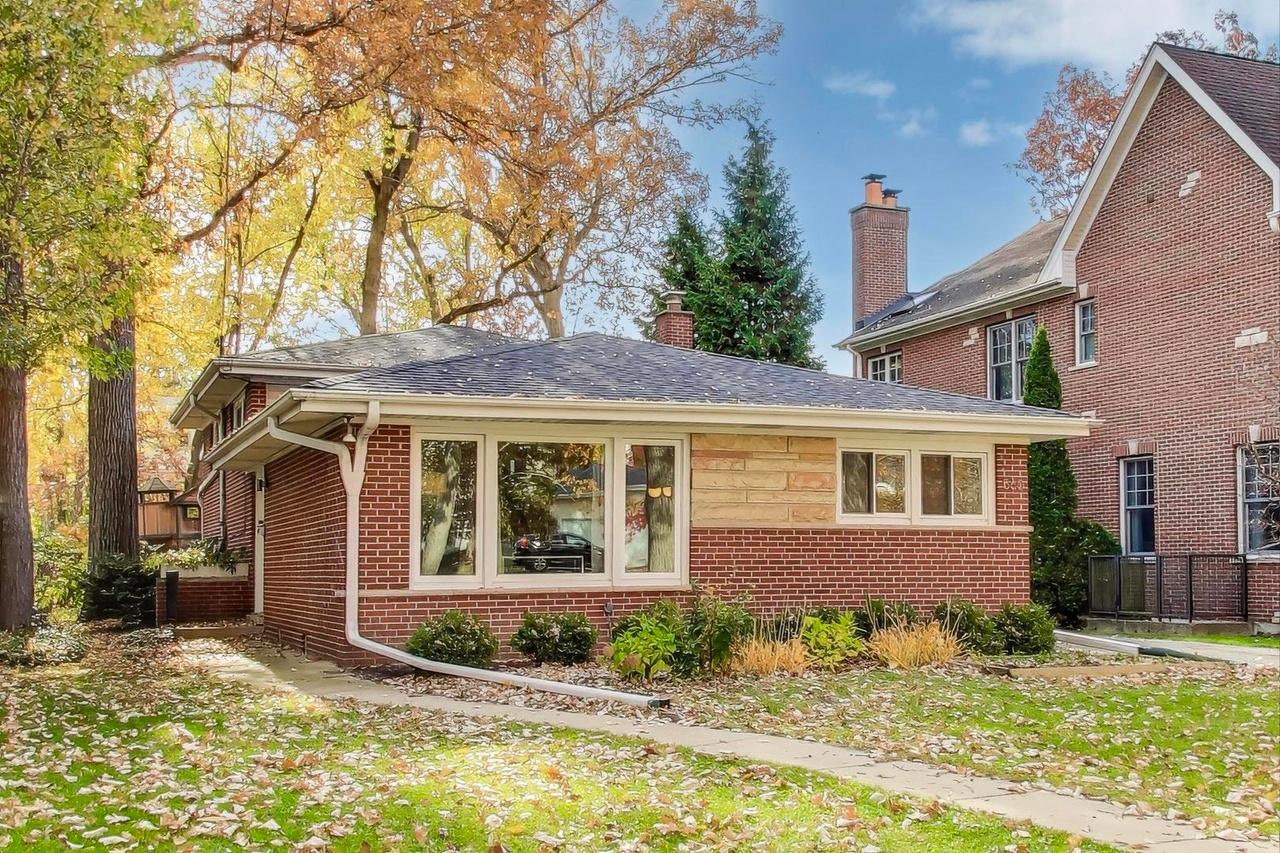
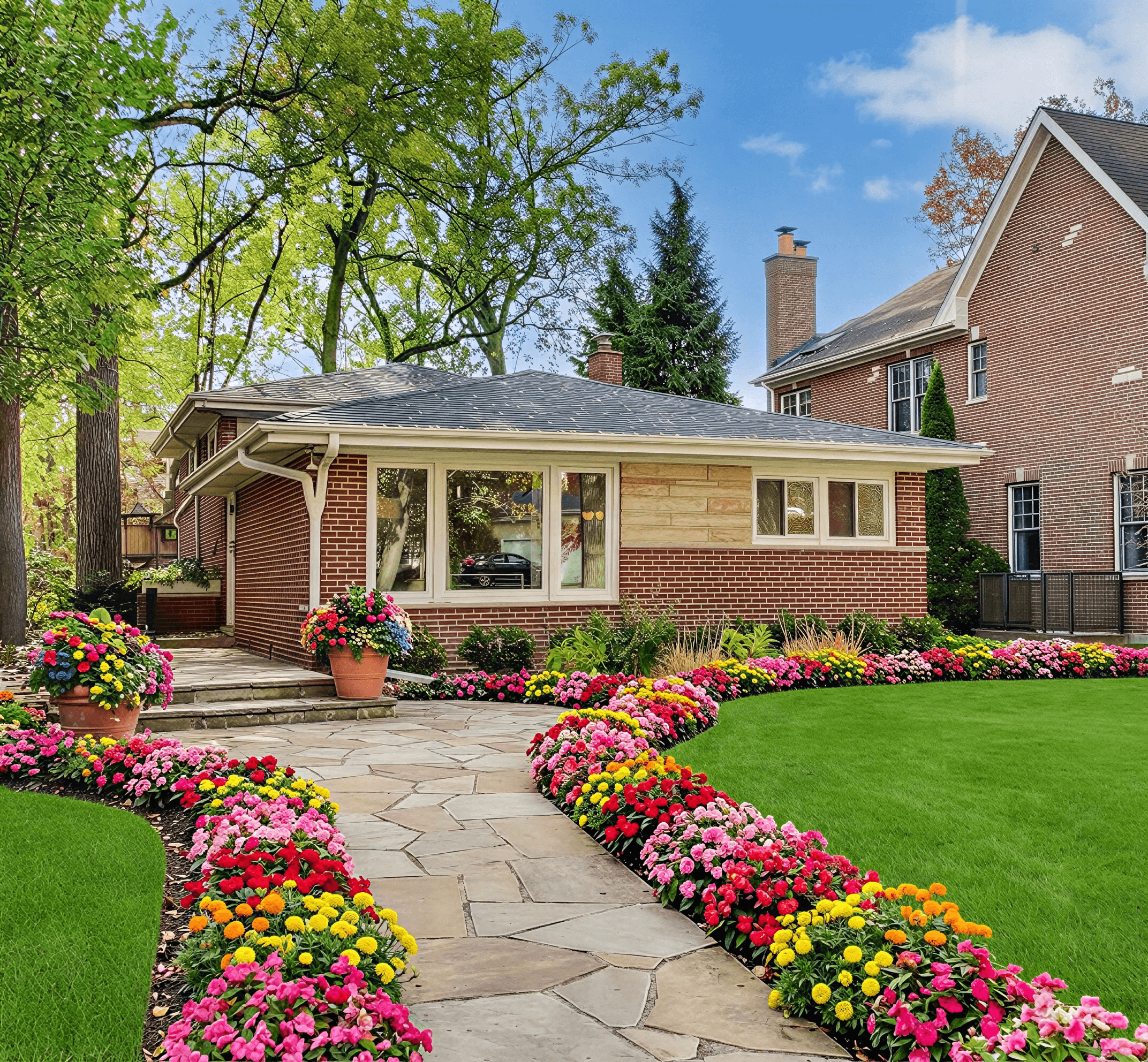
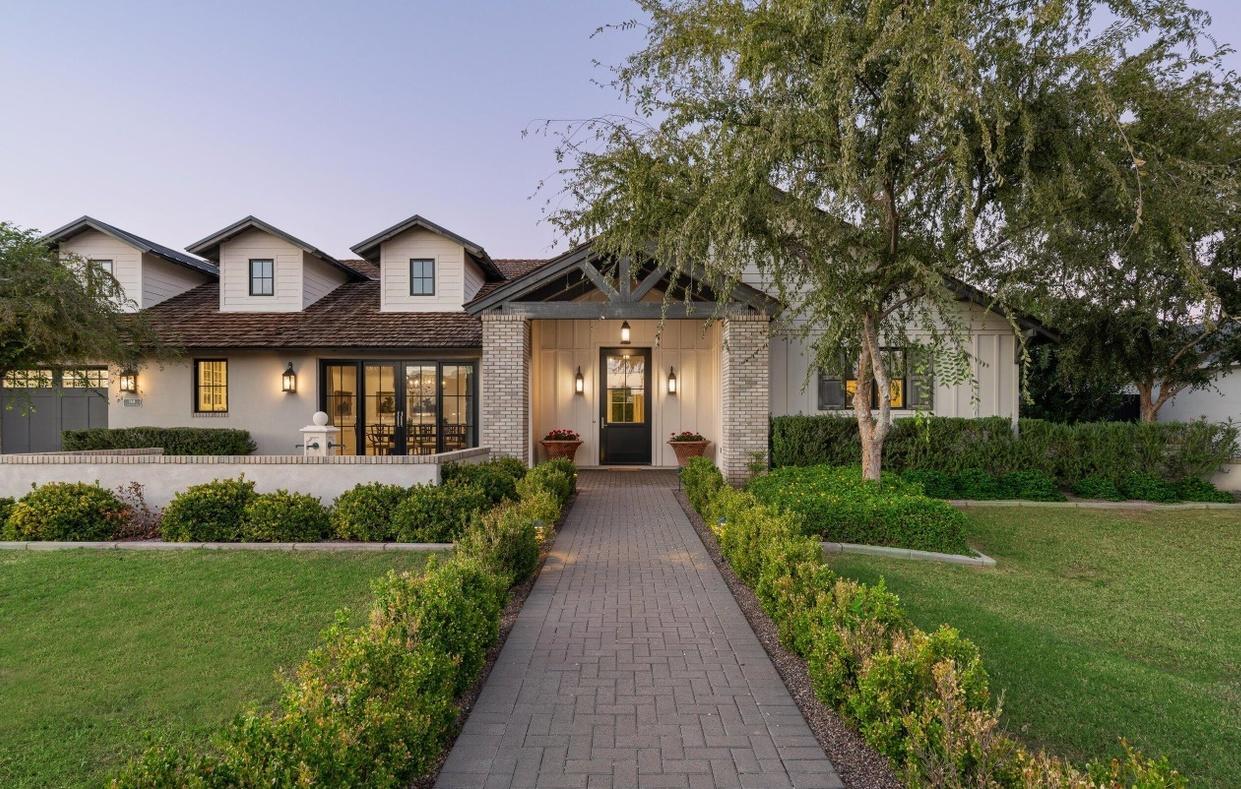
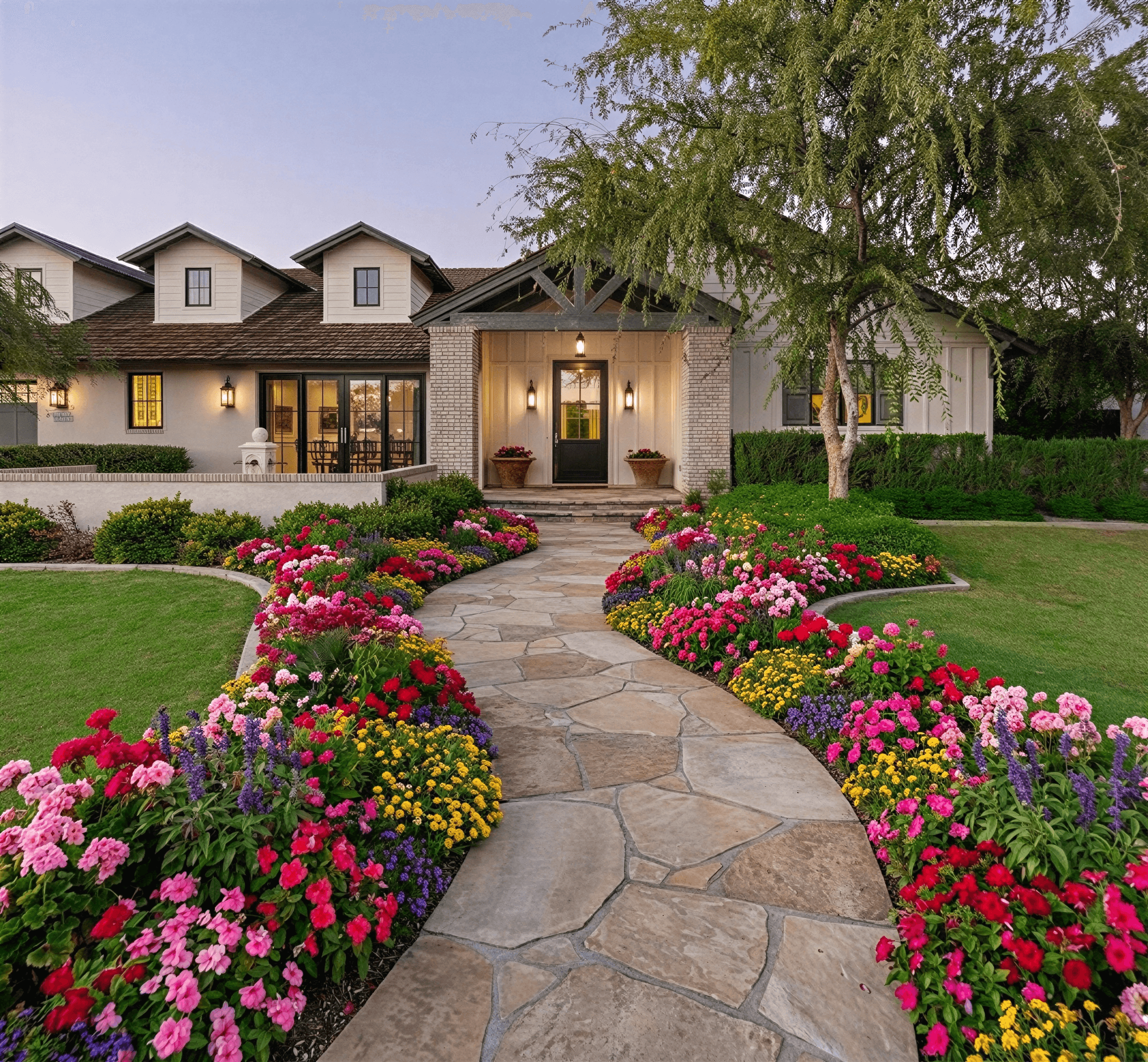
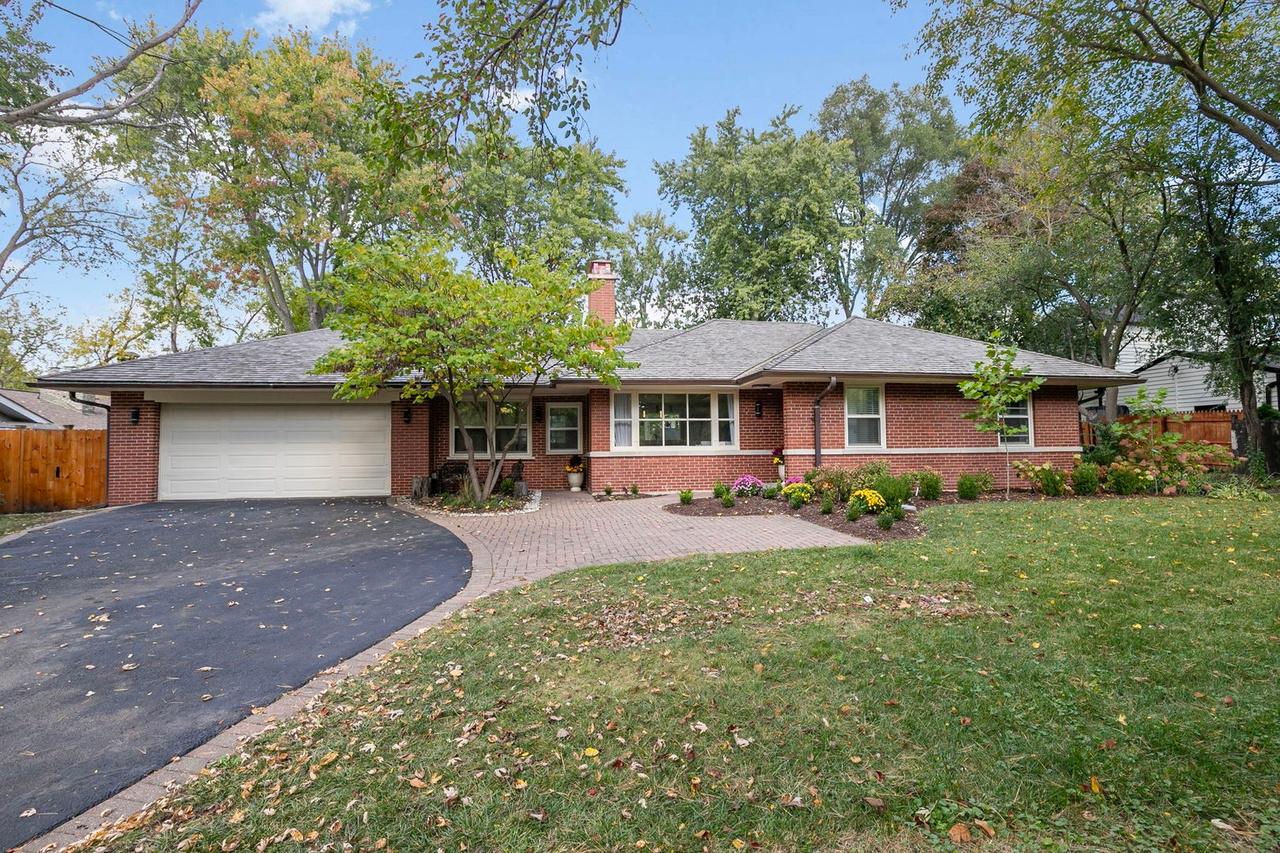
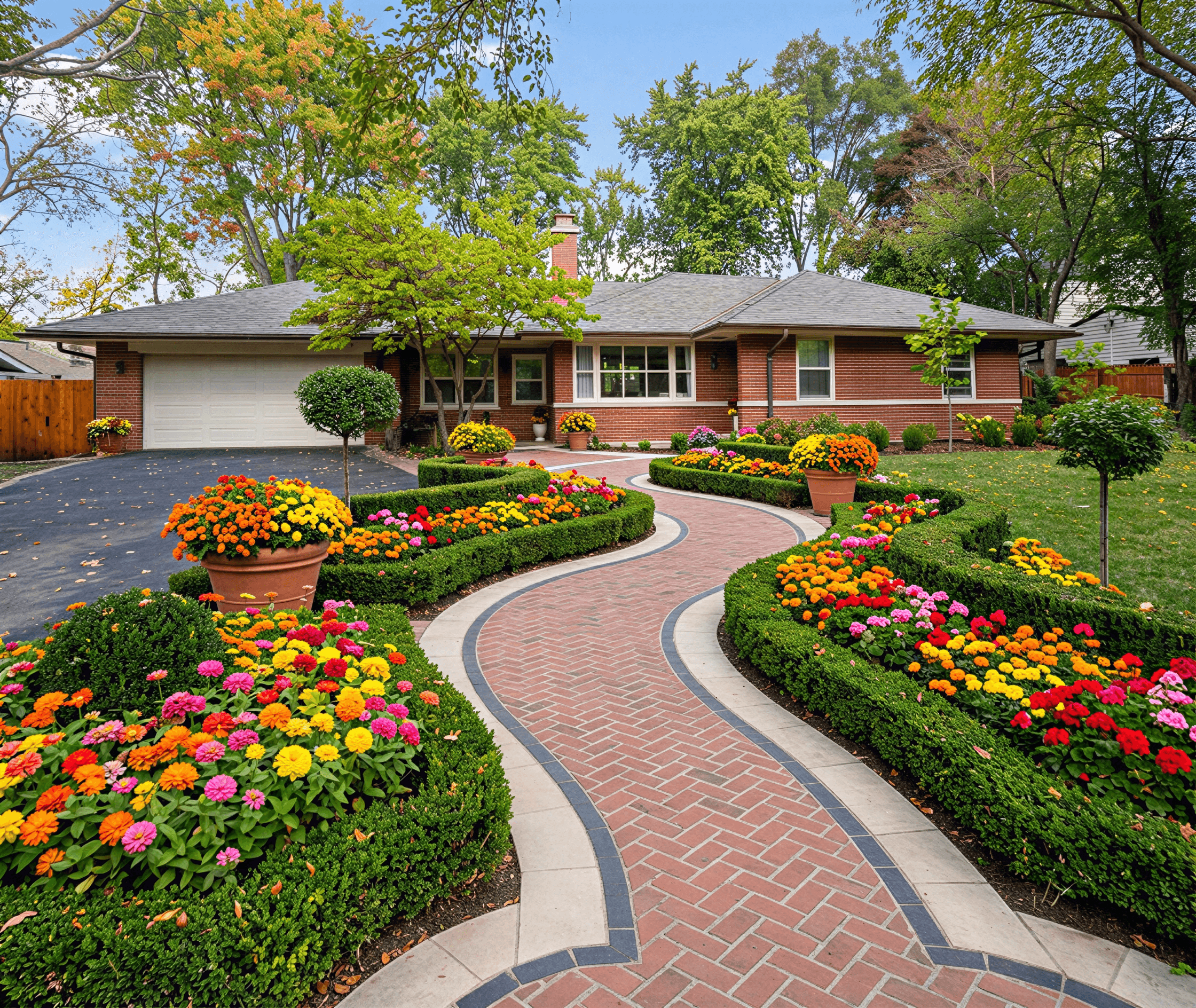
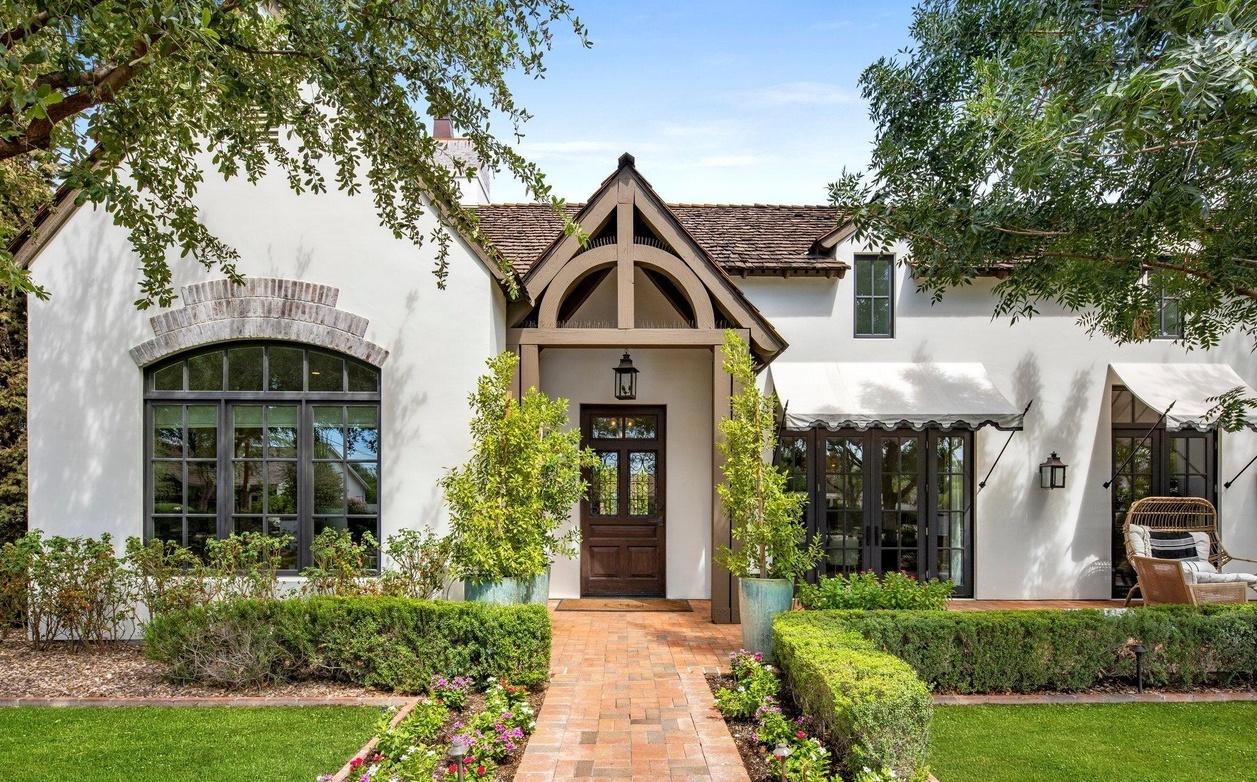
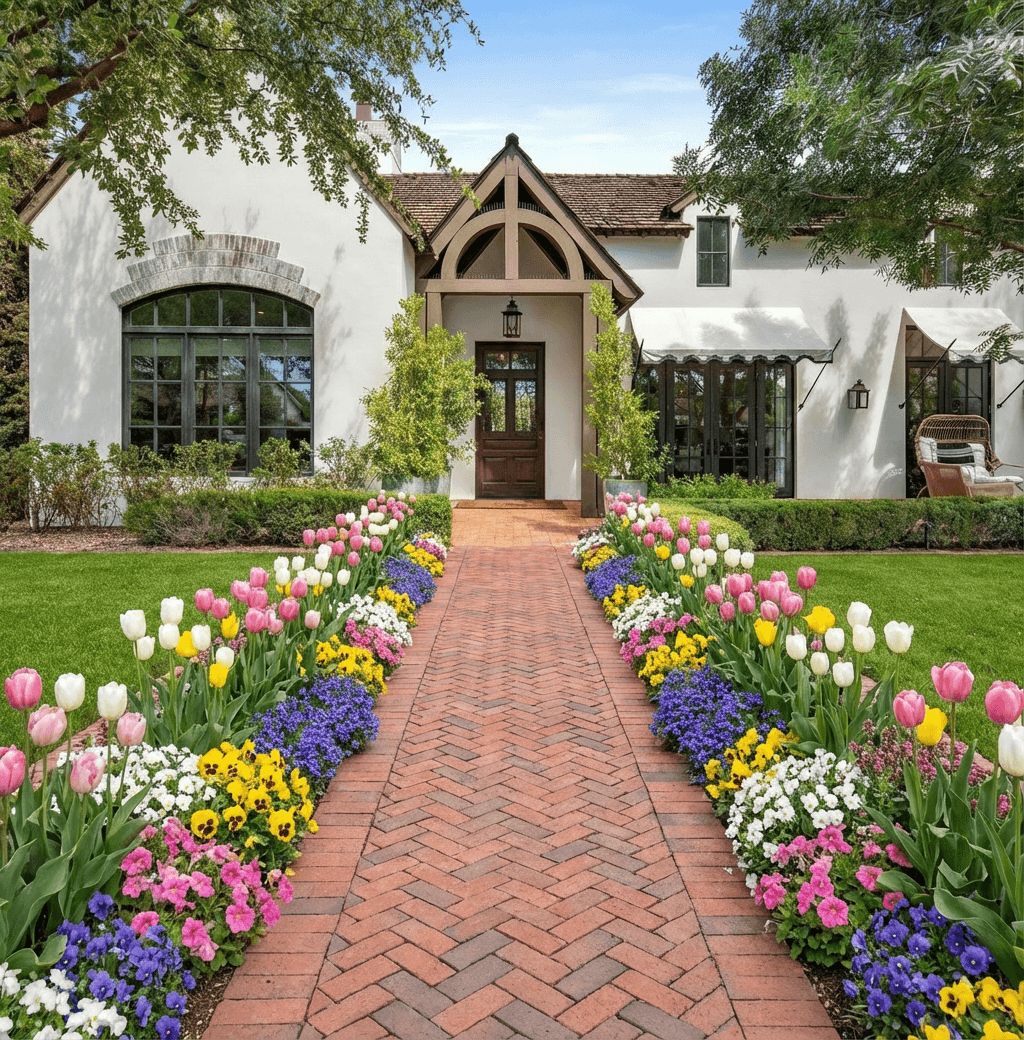
Curb Appeal AI helps homeowners picture changes before they start by letting you upload a photo and visualize improvements to your yard. If you're exploring front yard landscaping ideas with rocks no grass, this page collects practical design tips on layout, materials, and maintenance to guide your decisions. These suggestions aim to make planning and budgeting straightforward whether you do the work yourself or hire a professional.
Start with a simple site plan
Begin by mapping your front yard: measure boundaries, note existing trees, slopes, drainage lines, and utilities. Identify how you and your family use the space—walkways, a delivery zone, or sightlines from windows—and mark those on the plan. Consider sun exposure and runoff; rocks can concentrate heat and change how water moves. Use tools like Curb Appeal AI to upload a photo and experiment with different layouts before buying materials. A basic plan reduces wasted purchases and shows where larger rocks or planting pockets will make the most visual impact.
Design focal points with rocks and plants
Create a clear focal point to avoid a flat, uniform surface—examples include a boulder group, a dry creek bed, or a low stone wall. Arrange rocks in odd-number groupings and vary sizes so they look natural; place larger stones toward the back or center and smaller gravels as groundcover. Anchor plantings around rocks with drought-tolerant species to soften edges and add seasonal interest. These front yard landscaping ideas with rocks no grass rely on contrast and texture, so pick a focal style and repeat materials to pull the whole design together.
Choose rock types and mulch alternatives
Select rock materials based on scale, color, and function: decomposed granite and pea gravel work well for pathways, river rock suits dry creek features, and larger boulders provide structure. Use a permeable base and edging to keep small rock from spreading into beds or walkways. Consider organic mulch pockets under shrubs where soil health matters; rock works well in open areas but can increase surface temperature near plants. For weed control, pair a high-quality landscape fabric with a stable substrate and occasional spot weeding to keep things tidy without suffocating beneficial soil life.
Estimate costs and budget realistically
Costs vary by material, scale, and whether you hire help: expect to pay more for delivered boulders and professional grading than for bagged gravel you spread yourself. For a basic gravel-and-plant scheme, DIY material costs can be modest, but labor or heavy equipment increases total price. Get multiple quotes for excavation, hardscape installation, and irrigation work, and include delivery fees for bulk rock. Factor in long-term expenses like occasional rock replenishment and plant replacement so your budget reflects both installation and ongoing upkeep.
Maintenance tips and DIY versus pro
A rock-based front yard reduces mowing but still needs seasonal care: remove debris, pull weeds, refresh top rock every few years, and check that edging remains intact. Install drip irrigation or targeted soaker lines for planted pockets to conserve water. For small projects like pathway installation or gravel beds, a confident DIYer can save money, but tackle grading, drainage issues, or large boulder placement with a contractor for safety and longevity. These front yard landscaping ideas with rocks no grass are low maintenance when planned correctly, but thoughtful upkeep preserves the intended look.
Frequently Asked Questions
Can I replace my grass with rocks myself?
Yes, many homeowners can do a rock installation themselves if the area is small and level. Basic steps include removing sod, improving soil grade, installing edging and a weed barrier, and spreading the chosen rock; reserve heavy lifting or grading that affects drainage for professionals.
Will a rock front yard cause drainage problems?
It can if you change grade or block natural flow; plan for proper slope and use permeable bases so water can infiltrate. If you notice pooling after installation, add swales, French drains, or consult a contractor to correct grading to protect foundations and sidewalks.
How do I prevent weeds in a rock landscape?
Start with a clean base: remove existing weeds and consider a geotextile fabric under a layer of aggregate to reduce weed germination. Expect some maintenance—hand-pull or spot-treat weeds when they appear and replenish top material as needed to maintain depth.
What plants work well with rock landscaping?
Choose drought-tolerant, low-maintenance plants such as succulents, ornamental grasses, lavender, rosemary, and native shrubs that tolerate heat and reflective surfaces. Plant in grouped pockets with amended soil so roots have access to nutrients and water, then mulch those pockets to retain moisture.
Related Landscaping Ideas
Explore Professional Services Near You
Related Articles
10 Landscaping a Front Yard Ideas for 2026
Explore 10 inspiring landscaping a front yard ideas, from modern to cottage styles. Get practical tips on plants, budget, climate to boost curb appeal.
8 Small Front Yard Landscaping Ideas to Maximize Curb Appeal in 2026
Discover 8 inspiring small front yard landscaping ideas, from modern minimalist to charming cottage styles. Transform your space with our expert tips!
Top 10 Front Yard Landscaping Ideas for 2026
Explore 10 top front yard landscaping ideas for 2026. From modern to cottage, find budget-friendly, low-maintenance designs to boost your home's curb appeal.
Real transformations
See how homeowners are using Curb Appeal AI to reimagine their properties