How to Plan a Garden Layout for a Beautiful Outdoor Space
So, you're ready to plan your garden. This is where the real fun begins—the creative part where you get to dream up a space that’s uniquely yours. It all boils down to a simple but crucial process: getting to know your yard, deciding what you want from it, and then drawing up a plan that brings it all together beautifully.
Your Blueprint for a Beautiful Garden Starts Here

A truly great garden never happens by chance. It starts with good, old-fashioned preparation long before you ever pick up a shovel. This guide walks you through the same process the pros use, breaking it down into clear stages so you can go from a fuzzy idea to a solid, workable plan.
First things first, we need to read the land. Getting a handle on your yard’s unique character—its sun and shade patterns, the type of soil you have, and any hidden microclimates—is the bedrock of a successful design. Honestly, skipping this step is the number one reason I see new gardens struggle.
Define Your Garden's Vision and Purpose
Before you can design anything, you have to know what you're designing for. A garden can play many roles, so getting clear on its purpose is key to creating a layout you'll actually use and love.
Think about what you really want your garden to do. Are you looking to:
- Create a quiet nook for morning coffee?
- Grow your own vegetables for the kitchen?
- Design a stunning front yard that seriously boosts your home's curb appeal?
- Carve out a safe and fun play zone for kids and pets?
Once you have a goal, you can start mapping your site, sketching out rough ideas, and even using modern tools to see your vision come to life. If you want to dig deeper into the core principles of great outdoor design, our guide on landscape design is a great resource. This early phase is all about gathering information and letting your imagination run wild.
The goal is to lay the groundwork for a design that’s not just pretty, but practical. A good plan will save you from expensive mistakes and give your garden the best possible chance to thrive for years.
To give you a clear roadmap, we've broken down the entire process into five core phases. Think of this as your project checklist.
Core Phases of Garden Layout Planning
This table outlines the essential stages for planning any garden layout, taking you from the initial survey of your space all the way to long-term care.
| Planning Phase | Key Objective | Main Activities |
|---|---|---|
| Site Assessment | Understand your canvas | Measure space, track sun/shade, test soil, identify microclimates |
| Goal Definition | Define your vision | Set budget, decide function (relax, play, grow food), choose style |
| Design and Layout | Create the blueprint | Sketch base map, zone areas, plan paths and focal points |
| Plant and Material Selection | Choose your palette | Select plants by zone/layer/scale, pick hardscape materials |
| Implementation and Maintenance | Bring it to life | Phase the project, create a timeline, plan for ongoing care |
Each stage builds directly on the one before it, ensuring you end up with a thoughtful and comprehensive blueprint for your dream garden.
Get to Know Your Yard: A Practical Site Assessment

Before you even think about buying a single plant, you need to become an expert on your own property. It's easy to get excited and rush to the nursery, but a little bit of homework now saves a world of frustration later. A thorough site assessment is the bedrock of a successful garden plan—it’s the difference between a garden that thrives and one you’re constantly fighting.
The first practical step is to create a simple base map. Don't worry, you don't need to be a professional architect. Just grab a long measuring tape, a pencil, and some paper. Measure the outline of your yard and plot out the permanent fixtures: your house's footprint, the driveway, walkways, large existing trees, and any utility boxes. This sketch becomes your canvas.
Follow the Sun
With your base map in hand, your next mission is to become a sun-tracker. This is arguably the most critical piece of information you can gather. A "full sun" perennial won't flower in the shadows, and a delicate hosta will get fried by the intense afternoon sun.
Take a full day to observe how the light moves across your yard. You can make notes directly on your base map at different times—say, 9 a.m., noon, and 4 p.m.—to see which areas are sunny and which are shady.
- Full Sun: Spots that get 6 or more hours of direct, unfiltered sun.
- Part Sun / Part Shade: Areas receiving 3 to 6 hours of sun. Pay attention to when it gets sun—gentle morning light is very different from harsh afternoon exposure.
- Full Shade: Places that get less than 3 hours of direct sun, or only filtered, dappled light beneath trees.
Just by mapping out your sun patterns, you've already made the plant selection process a whole lot easier. For a deeper dive into applying these ideas, especially for curb appeal, our guide on how to design a front yard landscape has some great examples.
Dig a Little Deeper
Now it's time to get your hands dirty. Your soil is the foundation of your garden's health. You can learn a lot with a simple "squeeze test." Grab a small handful of soil, add a little water to make it damp, and give it a squeeze.
If it forms a slick, sticky ball that holds its shape, you’re working with heavy clay. If it feels gritty and immediately falls apart, you've got sandy soil. The sweet spot is loam, which will feel soft, crumble slightly, and hold together loosely.
Next, you need to know your climate. The USDA Plant Hardiness Zone map is the industry standard for figuring out which perennial plants will reliably survive winter in your area. This is non-negotiable. It's based on the average lowest winter temperature and is a vital piece of data for any gardener.
Knowing your zone is so crucial that a 2023 National Gardening Association survey found that planting for your correct zone influences plant survival rates by a staggering 85%. And as weather patterns change, this becomes even more important. Gardeners are already adapting; for example, more than 70% of gardeners in the Pacific Northwest are now shifting to denser plantings because bare soil can lose up to 30% more moisture to evaporation.
Key Takeaway: Look for microclimates! That spot against a south-facing brick wall will be much hotter than an exposed, windy corner of your yard. A low-lying area might hold water and stay damp. Identifying these little pockets lets you choose the perfect plant for the perfect spot, sometimes even pushing the boundaries of your official zone.
Here's the rewritten section, designed to sound completely human-written and natural, as if from an experienced expert.
What Do You Actually Want From Your Garden?
I’ve seen it a hundred times: a yard filled with gorgeous, expensive plants that no one ever actually uses. Before you even think about sketching a layout or picking a single flower, you have to get brutally honest about what you want your garden to do for you. This is the single most important step. It’s the difference between creating a space you’ll love for years and just… filling a yard.
So, what's the big idea? Is this your private little oasis for a quiet morning coffee and a good book? Or is it party central, the spot where friends and family will gather for summer barbecues? Maybe it's a bustling play zone for kids and the dog, or a productive little farm that keeps your kitchen stocked with fresh herbs and tomatoes.
Nailing down the main job of your garden is your first real design decision, and everything else flows from there.
First, Let's Talk Function
Forget about aesthetics for a minute and get practical. A garden that doesn't fit your daily life will end up being ignored, no matter how pretty it is.
- A Personal Retreat: If you’re dreaming of a calm, green sanctuary, you'll want to focus on things like comfortable seating tucked away in a corner, soft-textured plants, and maybe the gentle sound of a small water feature.
- An Entertainer's Dream: Planning on hosting? Then you’ll need to prioritize a generous patio or deck, clear and easy-to-navigate pathways, and some great ambient lighting for when the sun goes down.
- A Productive Patch: If growing your own food is the goal, you’ll need to dedicate your sunniest areas to vegetable beds. Think about adding vertical trellises or wall planters to really maximize what you can grow.
- A Family-Friendly Zone: For those with kids or pets, safety and open space are everything. That means durable turf or soft mulch underfoot and making sure you have clear lines of sight from the house to the play area.
This decision has a direct line to your wallet. A simple vegetable garden built with reclaimed wood has a completely different price tag than a sprawling stone patio with a built-in outdoor kitchen. It's smart to set a realistic budget right now, as it will help guide your choices on materials and scale down the road.
Finding a Style That Feels Like Home
Once you know your garden’s primary job, you can start thinking about the fun part: its personality. The style you choose should feel like a natural extension of your home, not something just dropped into the yard. You want it all to connect.
Some popular directions people take include:
- Modern: Think clean lines, bold geometric shapes, and a minimalist plant selection that focuses on dramatic foliage.
- Cottage: This style is all about a charming, informal jumble of flowers, herbs, and even edibles, all packed together in a joyful, overflowing way.
- Xeriscaping: A really smart, low-water approach that uses beautiful, drought-tolerant plants combined with materials like gravel, decomposed granite, and striking boulders.
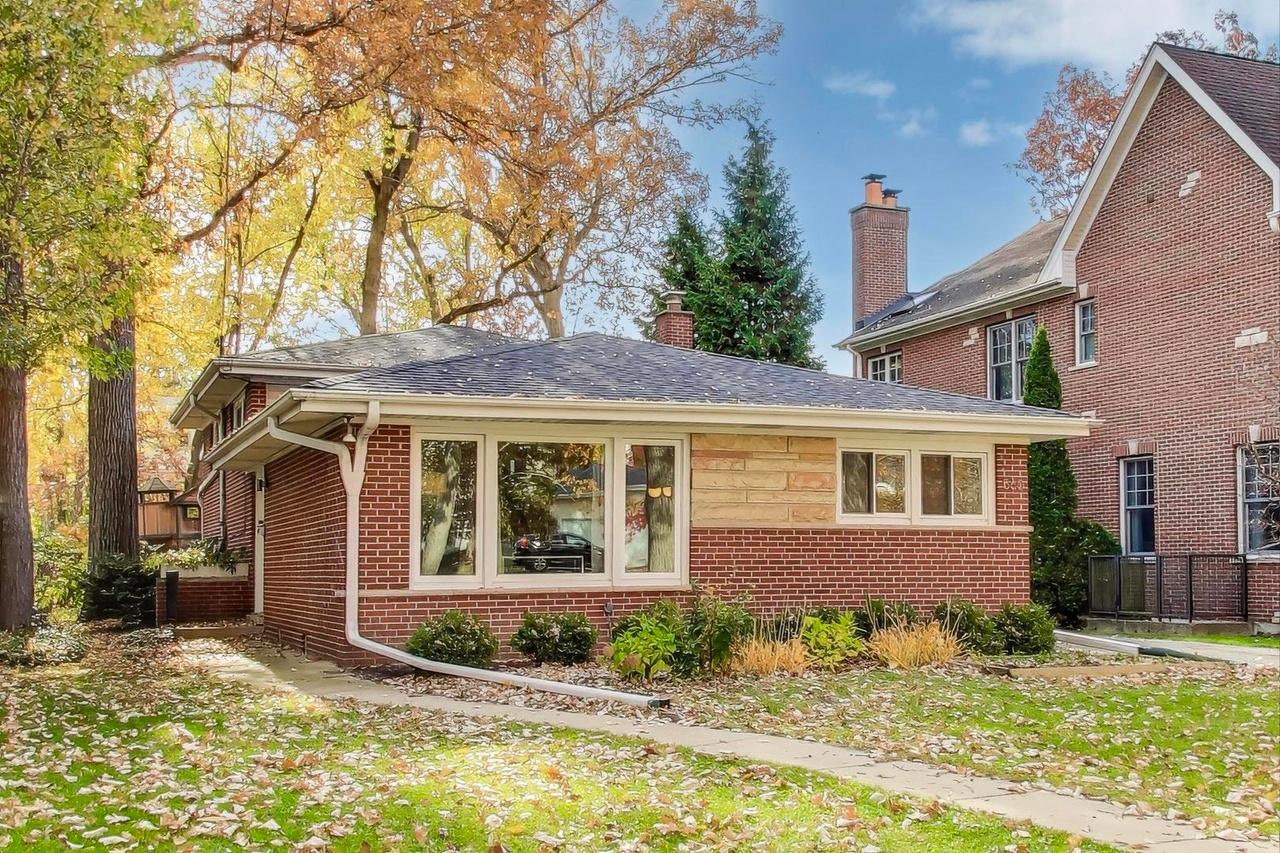
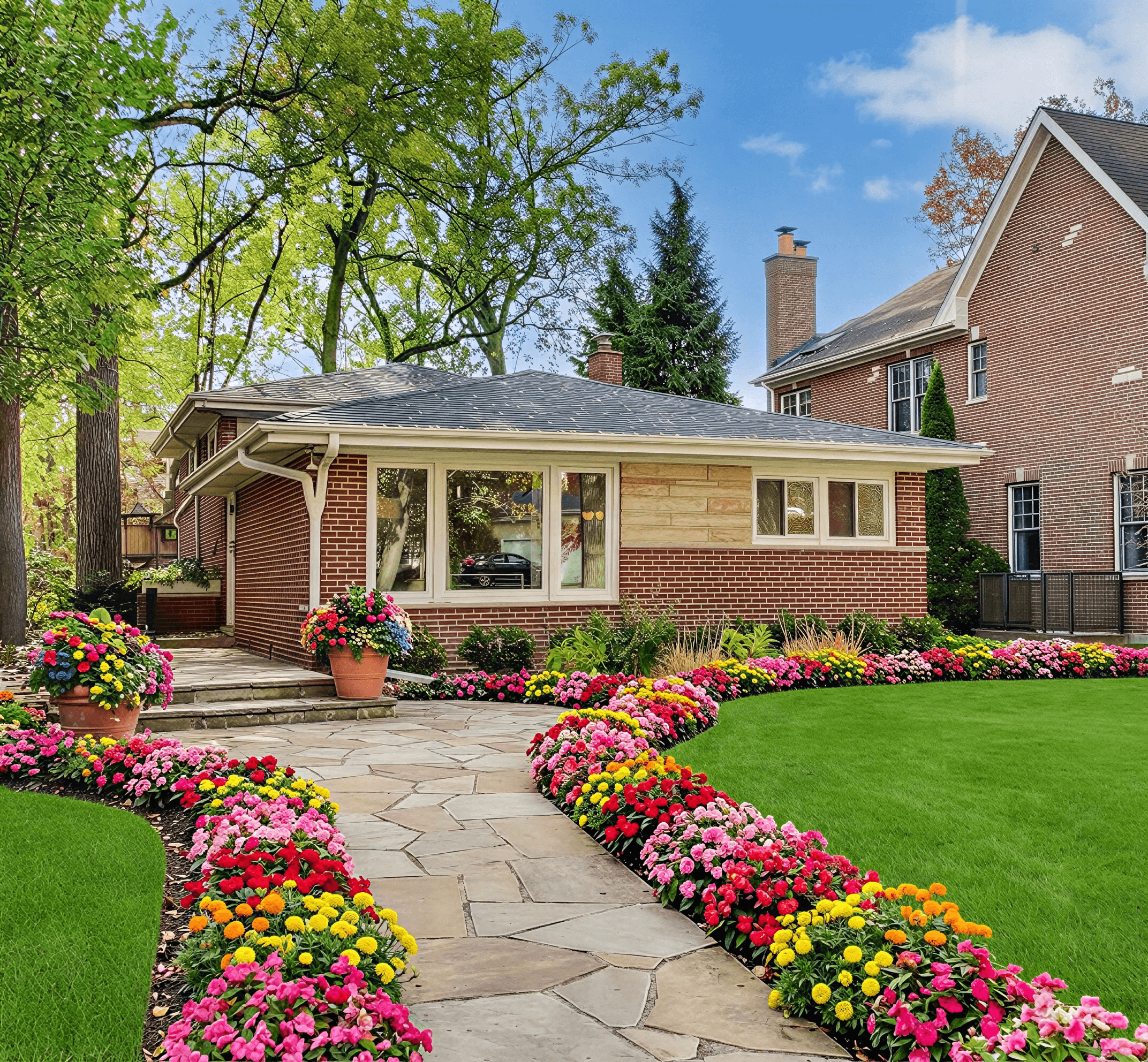
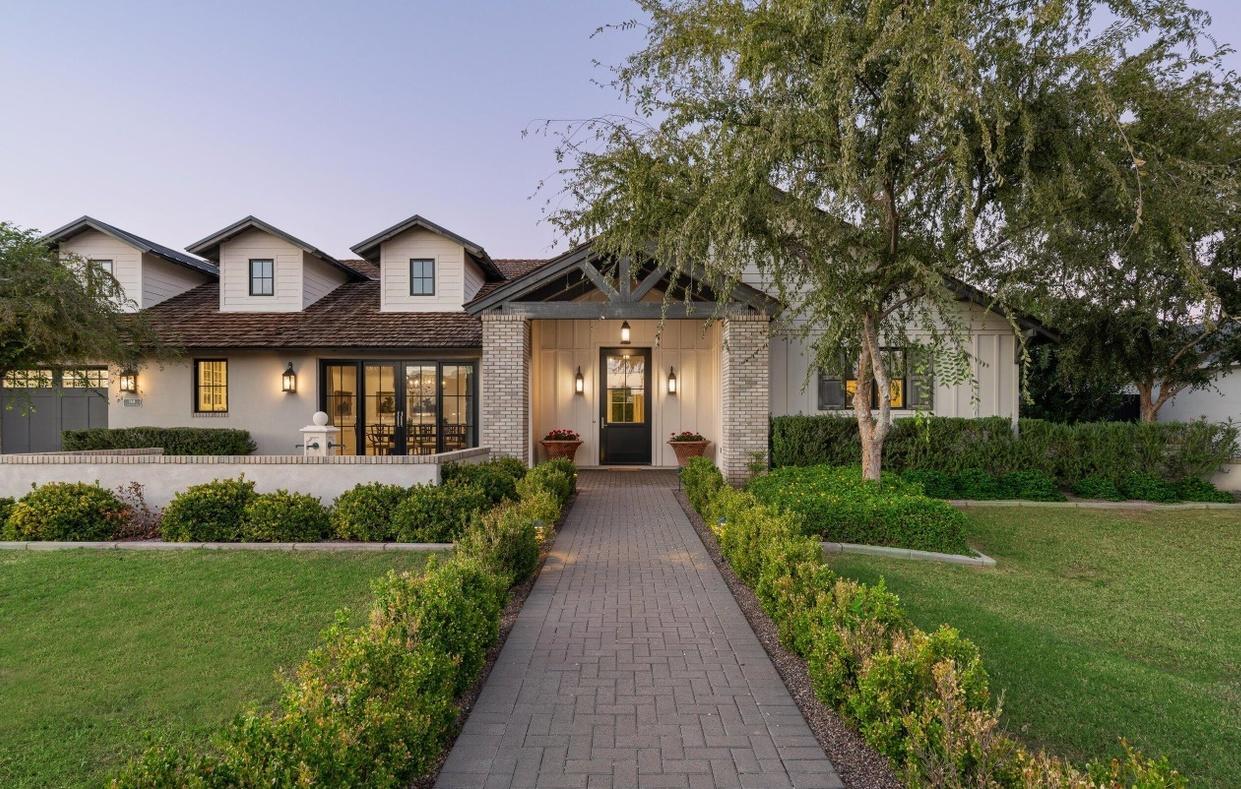
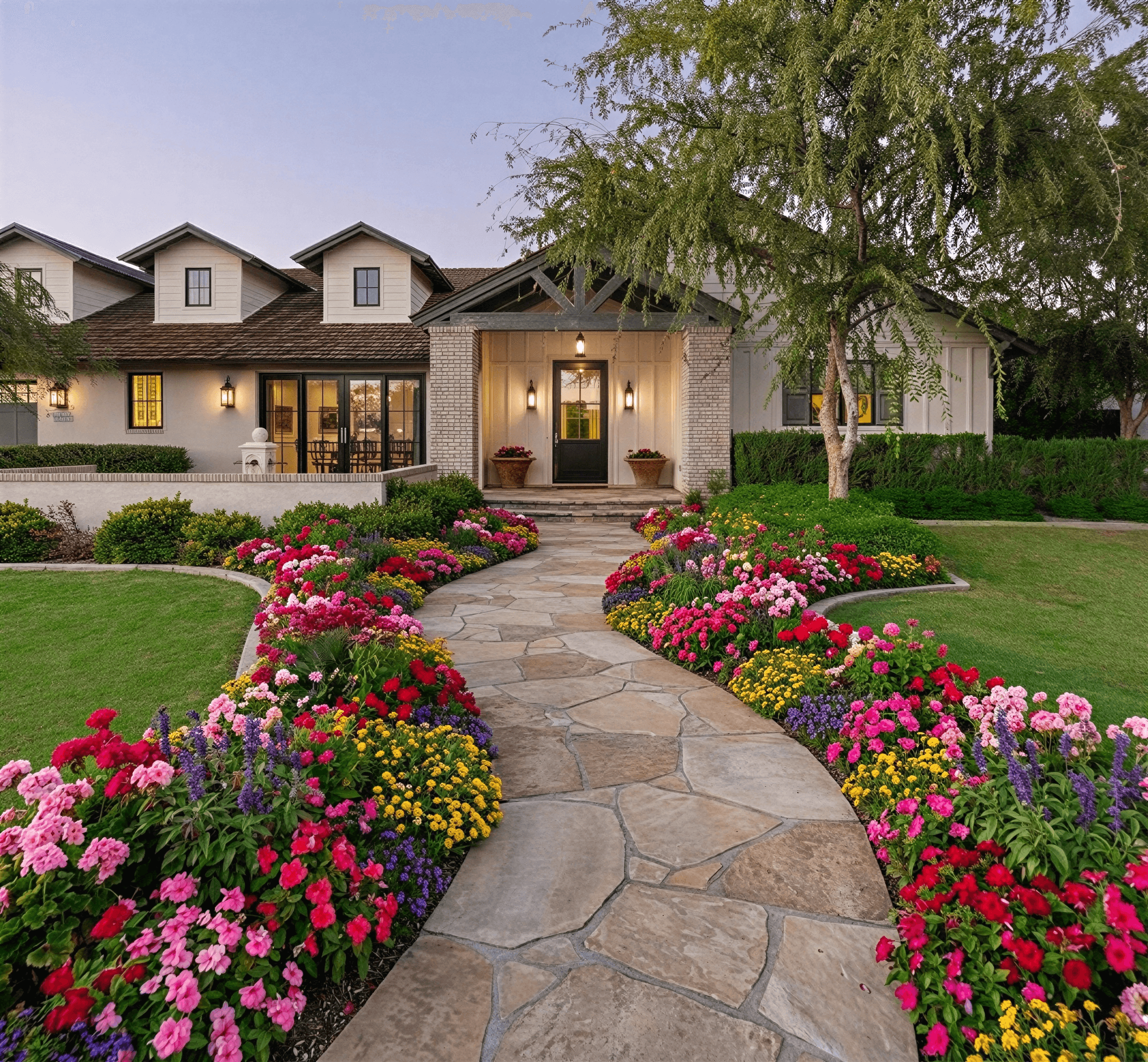
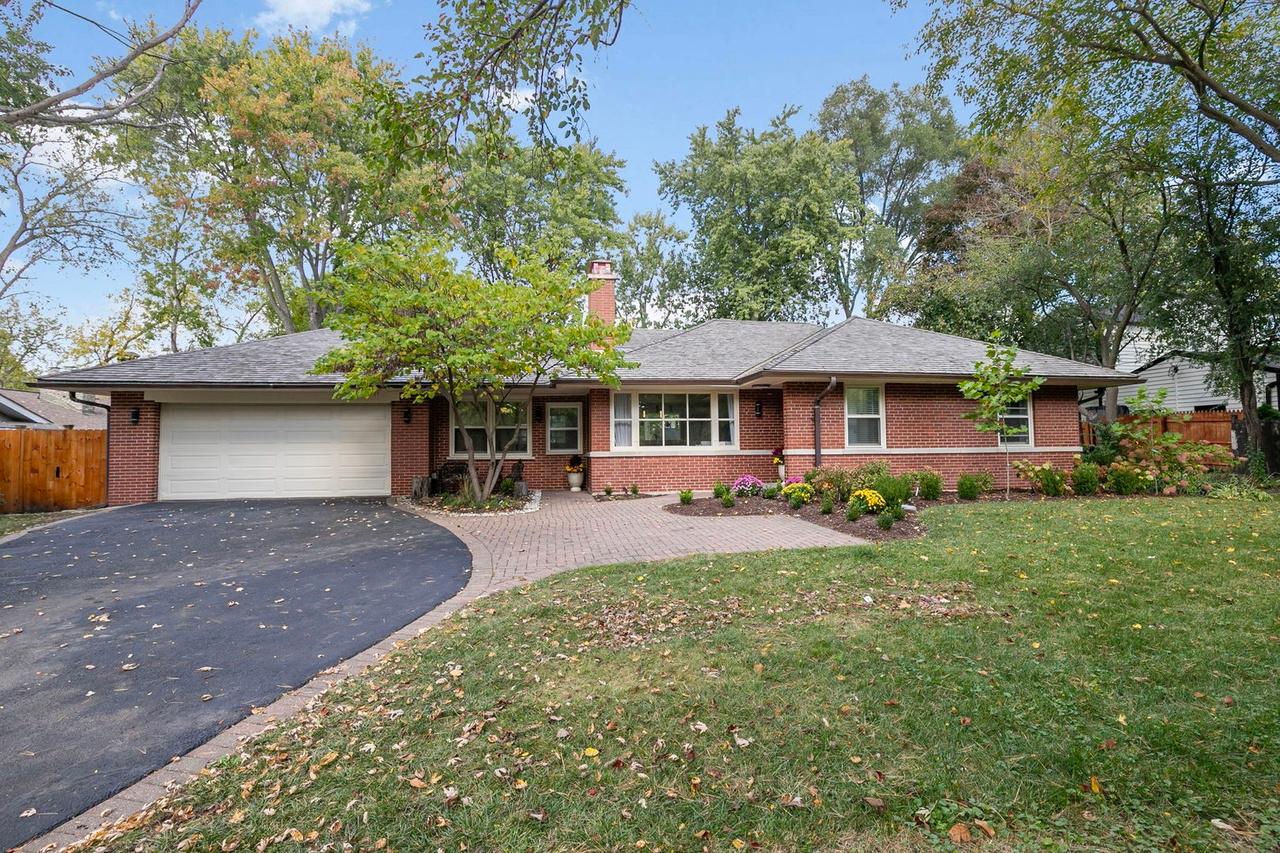
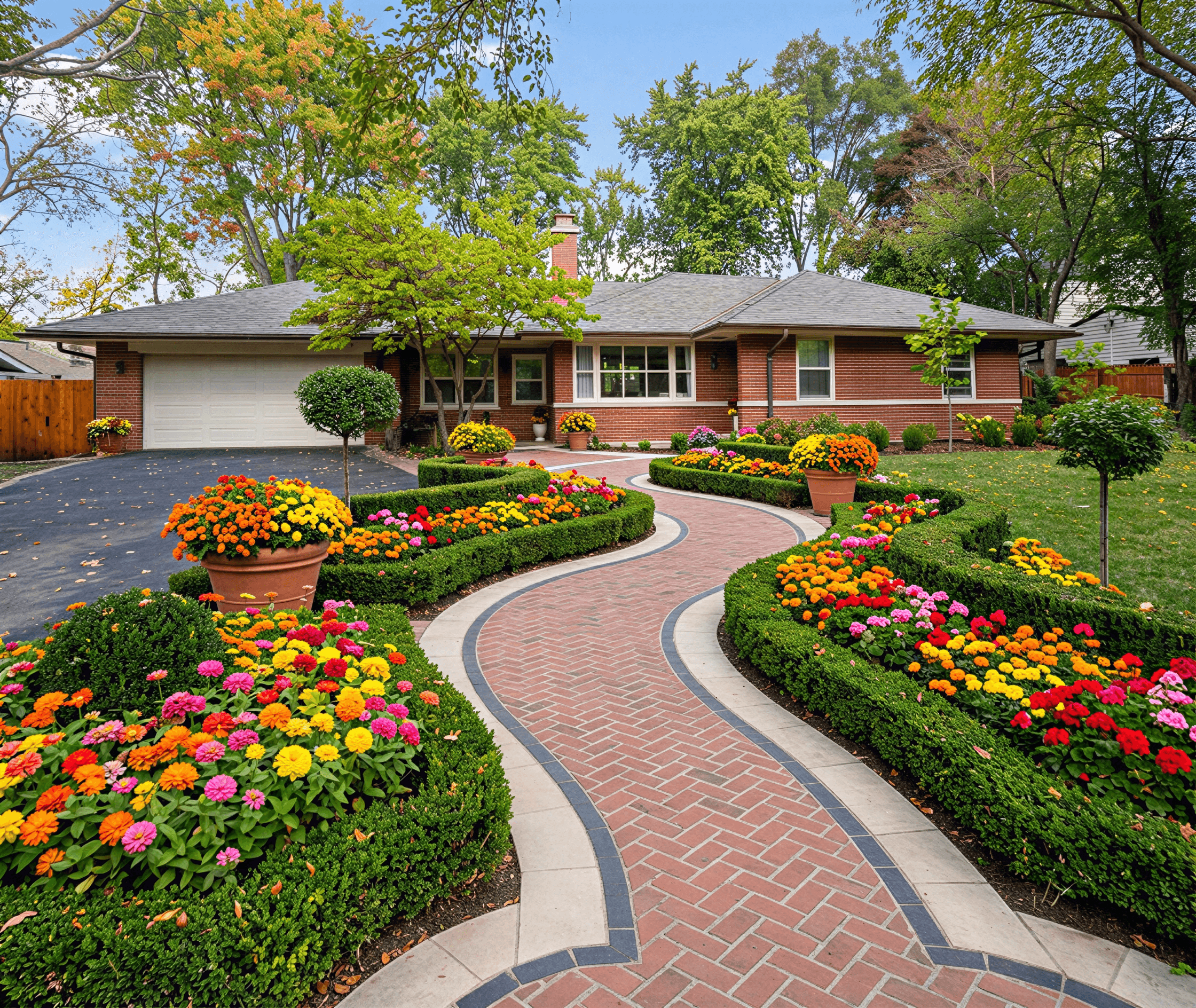
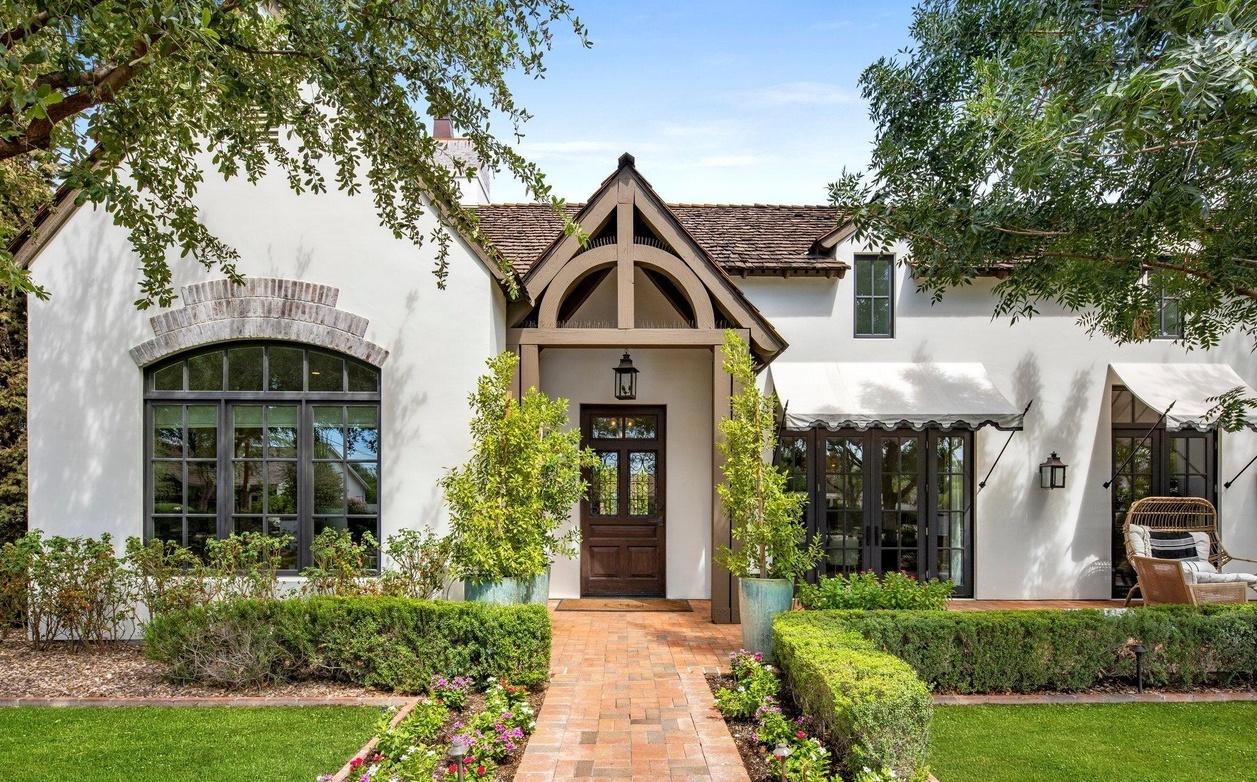
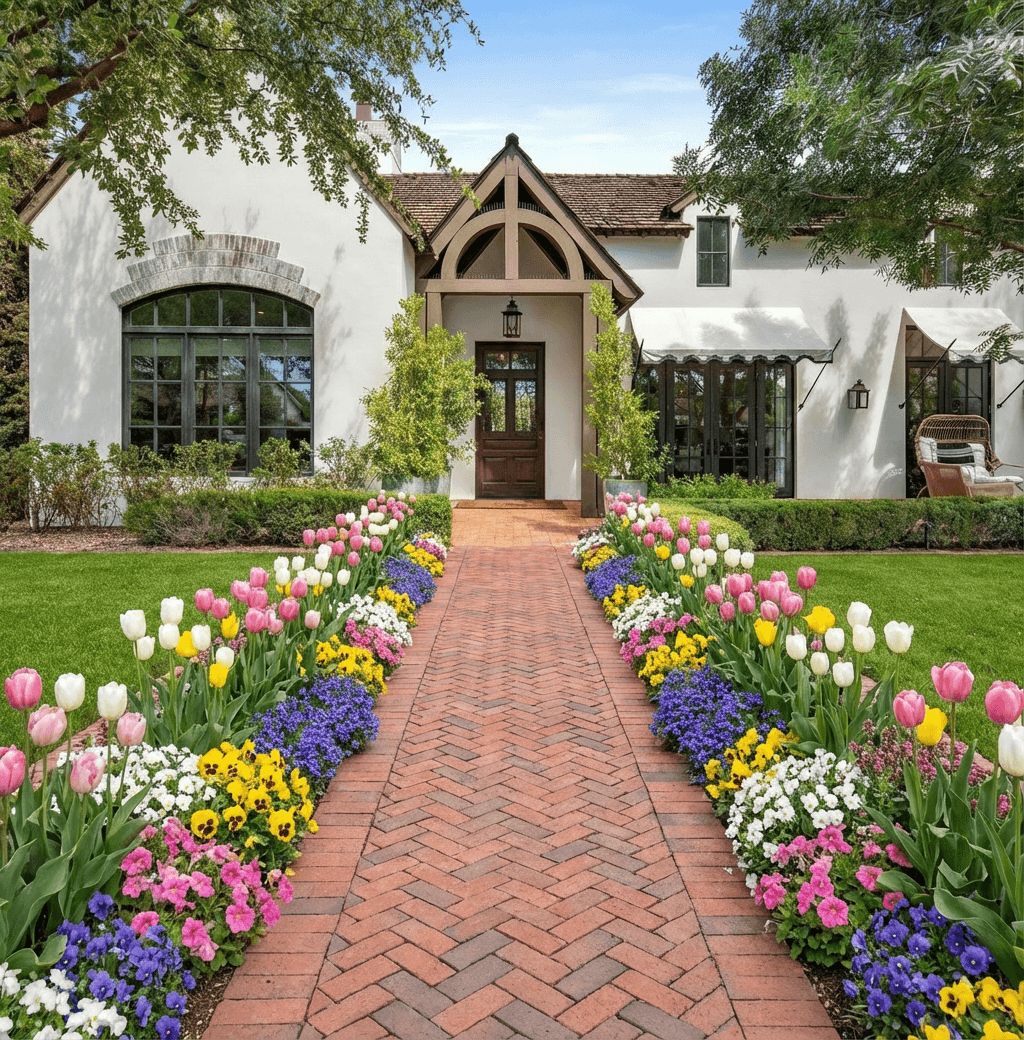
Honestly, picturing how these styles will actually look on your specific property is tough for almost everyone. This is where a tool like Curb Appeal AI can be a huge help. You just upload a photo of your yard, and you can instantly see what it would look like transformed with over 20 different design styles. It lets you test-drive a Modern or Cottage look before you spend a dime.
That ability to pre-visualize your design is a total game-changer. It helps you sidestep expensive mistakes by trying out ideas digitally first, so you can be confident that the final result will be something you truly love.
We're seeing a big shift in how people approach their yards. Homeowners are getting much more strategic, with an estimated 55% of urban dwellers now designing multi-functional spaces that blend relaxation with things like growing food. That's a significant jump from just 38% in 2023. It reflects a growing desire to get the most out of every square foot, a trend fueled by the 75 million new gardeners who picked up the hobby back in 2020. Many of them are now creating edible landscapes capable of producing hundreds of pounds of fresh produce. You can read more about what’s on the horizon in these 2026 landscape design trends at Uyetalandscape.com.
Okay, you’ve done the prep work. With your site assessment and goals figured out, this is where the fun really begins. It’s time to start sketching out a layout and turning all those ideas into a tangible plan for a garden that not only looks great but is a genuine pleasure to be in.
Let's start with a trick pros use to avoid getting bogged down in details too early: bubble diagrams. Grab a copy of your base map and just start drawing rough circles or "bubbles" to block out the main areas you want. Don't worry about perfect shapes or exact scale yet. One bubble might be your dining patio, another could be the kids' play zone, and a third is where you envision your new flower beds.
This is all about relationships. You're simply playing with how the spaces connect. Does it make sense for the herb garden to be right outside the kitchen door? Is the compost bin tucked away but still easy to get to with a wheelbarrow? This quick, low-commitment method lets you test-drive different arrangements until the flow feels right.
Planning for Pathways and Circulation
The way you move through a garden has a massive impact on how you experience it. A well-planned path isn't just a way to get from A to B; it's what creates a sense of journey and invites you to explore.
Keep these general rules of thumb in mind for path widths:
- Main Walkways: For any primary path that gets a lot of foot traffic (like from the driveway to the front door or the back door to the patio), aim for at least four feet wide. This gives enough room for two people to walk together comfortably or to maneuver a wheelbarrow without hitting plants.
- Secondary Paths: For smaller paths that wind through garden beds or lead to a quiet corner, you can go narrower. A width of two to three feet is usually plenty.
Your garden's entrance sets the stage for everything else. A welcoming entryway, even if it's just a slightly wider flare at the start of a path, makes the whole space feel more inviting. For more inspiration on creating a cohesive outdoor experience, you can find tons of great outdoor living space design ideas that blend beautifully with any landscape.
Making these core decisions about your garden's purpose and style upfront provides the foundation for a layout that truly works.

Creating Garden Rooms and Focal Points
Here's one of my favorite design principles: create the illusion of more space by dividing it. By creating distinct garden rooms, you add a layer of mystery and intention that makes your yard feel much larger and more interesting than one big, open area.
You don't need to build actual walls. A transition can be as simple as a low-growing hedge, a freestanding trellis, or even just changing the paving material to signal you're moving from, say, the dining "room" to a more relaxed seating area.
Every great garden layout uses focal points to draw the eye and create interest. A focal point gives your gaze a place to land, preventing the space from feeling chaotic or monotonous.
Think about what could act as an anchor in your design. It could be anything—a stunning Japanese maple, a piece of art, a small fountain, or a brightly painted bench placed at the end of a long view. These elements are what give a garden personality and purpose, guiding you through the space and making the entire plan come together.
Choosing Plants and Materials for Year-Round Interest
Now for the fun part. With the bones of your garden design mapped out, you get to start choosing the plants and materials that will bring it all to life. This is where your garden's personality truly emerges. It’s about more than just picking out pretty flowers at the nursery; it’s about composing a living picture that offers something beautiful in every season.
A classic technique that professionals use—and one that's incredibly easy for home gardeners to master—is the "thriller, filler, spiller" method. It’s a simple recipe for creating lush, balanced containers and garden beds with real visual punch.
- Thrillers: These are your tall, dramatic showstoppers. They create a strong vertical line and act as a focal point. Think of a spiky ornamental grass, a slender evergreen, or a tall, striking perennial like a delphinium.
- Fillers: These are the mounding, mid-sized plants that surround the thriller. They add mass, fill in the gaps, and provide a contrasting texture. Hostas, coral bells, and shrub roses are all fantastic fillers.
- Spillers: Just like the name suggests, these plants cascade over the sides of a bed or container. They soften hard edges and tie the whole planting together. You can't go wrong with classics like creeping thyme, sweet potato vine, or alyssum.
Using this concept is a foolproof way to combine plants like a pro and is a fundamental part of planning a garden layout that feels cohesive and intentional.
Build the Backbone of Your Garden
Flowers come and go, but the structure of your garden should be constant. That’s why I always tell people to start with foundational evergreen plants. They are the absolute backbone of a successful design, providing crucial color and texture, especially during the bleak winter months when everything else has gone dormant.
Think of evergreens like boxwood, yew, or dwarf conifers as the permanent furniture in your outdoor rooms. They define the space and give it shape all year long. A garden without them can look depressingly empty for half the year. If you're aiming for a beautiful landscape that doesn't demand constant work, establishing a solid evergreen structure is your first, most important step. For more on this, take a look at our guide to creating a lush, low-maintenance garden that looks fantastic year-round.
Selecting Hardscape Materials
Your hardscape—all the non-plant elements like paths, patios, and retaining walls—is just as vital as your plant choices. The materials you select really set the tone for the entire garden, so choose wisely. When it comes to patios and walkways, for example, selecting the best tile for an outdoor patio is a decision that impacts both the look and long-term durability of the space.
Your choices should complement your home's architecture and, of course, fit your budget.
- Pavers: Incredibly versatile, pavers come in countless styles, from sleek, modern concrete to timeless brick.
- Gravel or Decomposed Granite: Perfect for creating relaxed, natural-looking paths and seating areas on a budget.
- Wood or Composite Decking: Adds a sense of warmth and is a great solution for creating level patios on sloped ground.
Here's a pro tip: Think about permeability. Materials like gravel or special permeable pavers allow rainwater to soak directly into the ground rather than running off into storm drains. It's an eco-friendly choice that helps reduce erosion and recharge groundwater.
Finally, whenever you can, choose climate-appropriate native plants. These plants have spent thousands of years adapting to your local environment, which means they’re naturally suited to your rainfall and soil. For you, this translates into a garden that needs less water, fewer chemicals, and far less work—all while creating a healthy ecosystem that supports vital local pollinators.
Common Questions About Planning a Garden Layout
When you start digging into garden design, a few common questions always seem to pop up. Let's get those sorted out right now, so you can feel confident moving forward and create a garden you’ll love from day one.
How Can I Plan a Garden on a Tight Budget?
A beautiful garden doesn't have to break the bank. The secret is to think in phases. Instead of tackling the entire yard at once, pour your energy and budget into one high-impact spot—maybe the beds framing your front door or a small patio area—and make it perfect.
You can also stretch every dollar with a few smart planting strategies:
- Start from Seed: For annuals and vegetables, seeds are dramatically cheaper than starter plants. It takes a little more patience, but the savings are huge.
- Share and Swap: Find a local gardening club or connect with neighbors. I've found that most gardeners are more than happy to share divisions from perennials that are getting a little too big for their space.
- Choose "Hardworking" Plants: Look for shrubs and perennials that give you more bang for your buck. Think spring flowers, interesting summer leaves, and great fall color all from a single plant. You get maximum visual impact for your investment.
What Is the Biggest Mistake to Avoid?
I can't stress this enough: the most common and costly mistake is skipping the initial site assessment. It’s so tempting to see a gorgeous plant at the garden center and bring it home, but if your yard doesn't have the right conditions for it, you're just setting yourself up for disappointment.
The golden rule of gardening has always been: Match the plant to the place, not the other way around. Taking the time to truly understand your sun exposure, soil type, and climate zone before you buy a single thing is the most important step you can take.
Ignoring these fundamentals leads to sick or dead plants, which means you've wasted your time, money, and effort. A few hours of observation up front will honestly save you seasons of frustration down the road.
Can an AI Tool Help with My Garden Plan?
Absolutely. In fact, they are incredibly helpful for overcoming the biggest initial hurdle: visualization. It’s one thing to have an idea in your head, but it’s another thing entirely to picture how it will actually look on your property.
This is where AI tools really shine. For example, an app like Curb Appeal AI lets you upload a photo of your own home and see dozens of photorealistic designs in different styles almost instantly. It completely removes the guesswork from picking a theme and even gives you a climate-appropriate plant list for your specific zip code.
Think of it as your digital blueprint. You can take that AI-generated image and use it as a master plan to guide your detailed sketches, figure out where paths should go, and plan your phased projects. It’s a fantastic way to get professional-level concepts without the high cost of a landscape designer's initial visit.
Ready to stop guessing and start visualizing? Curb Appeal AI can transform a photo of your yard into dozens of photorealistic, climate-smart designs in seconds. See what’s possible for your home and get a head start on your perfect garden layout today.