Landscaping Ideas
landscaping ideas
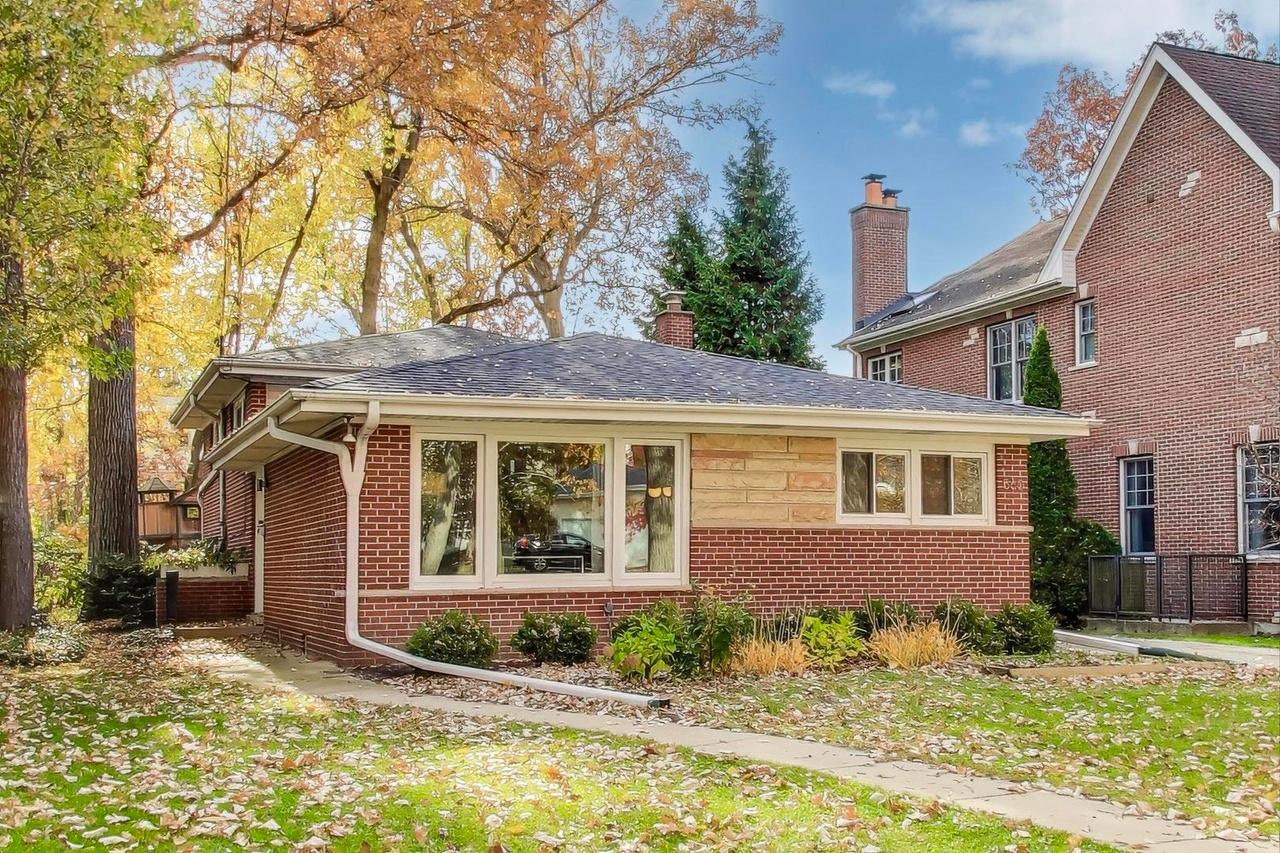
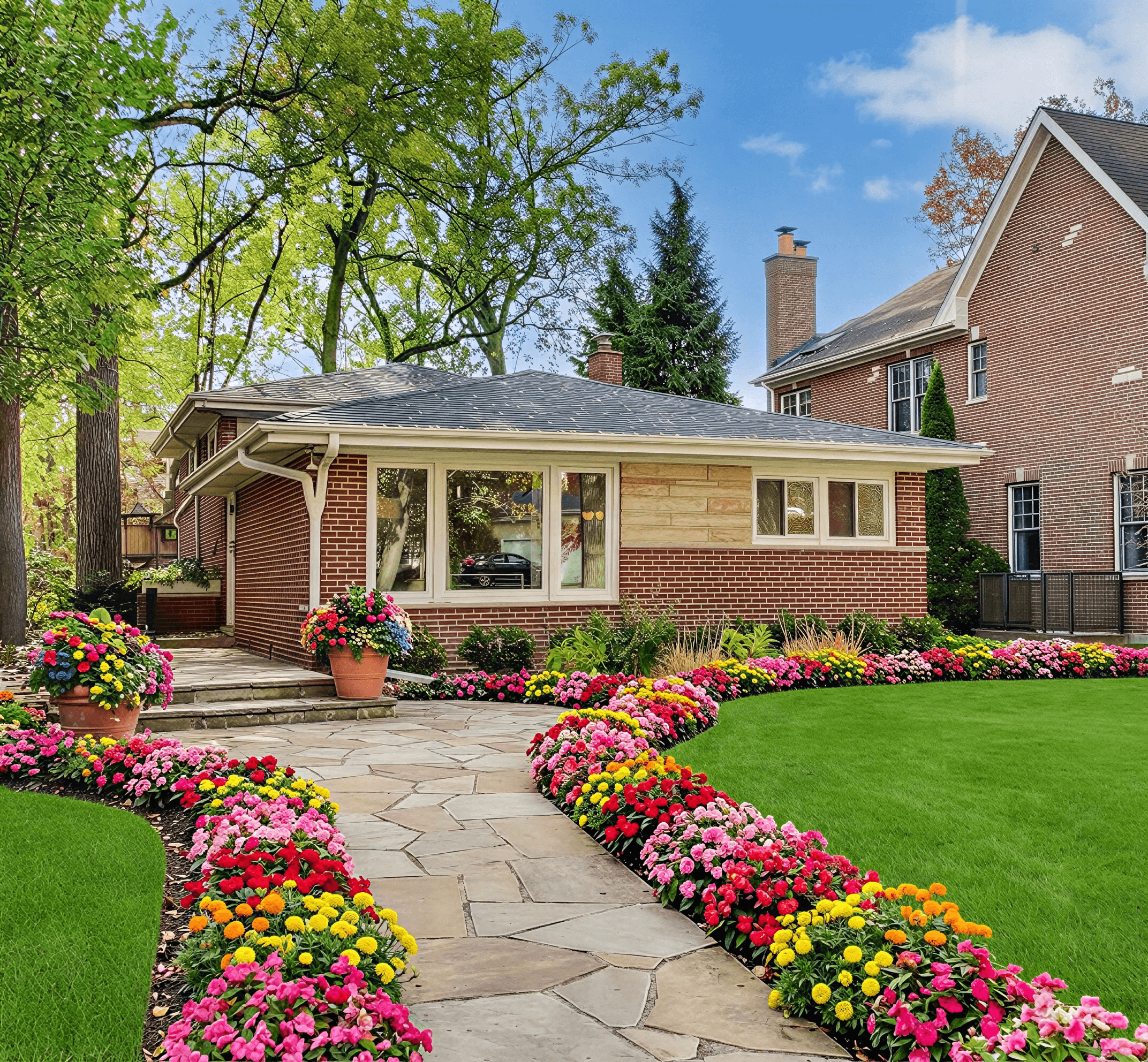
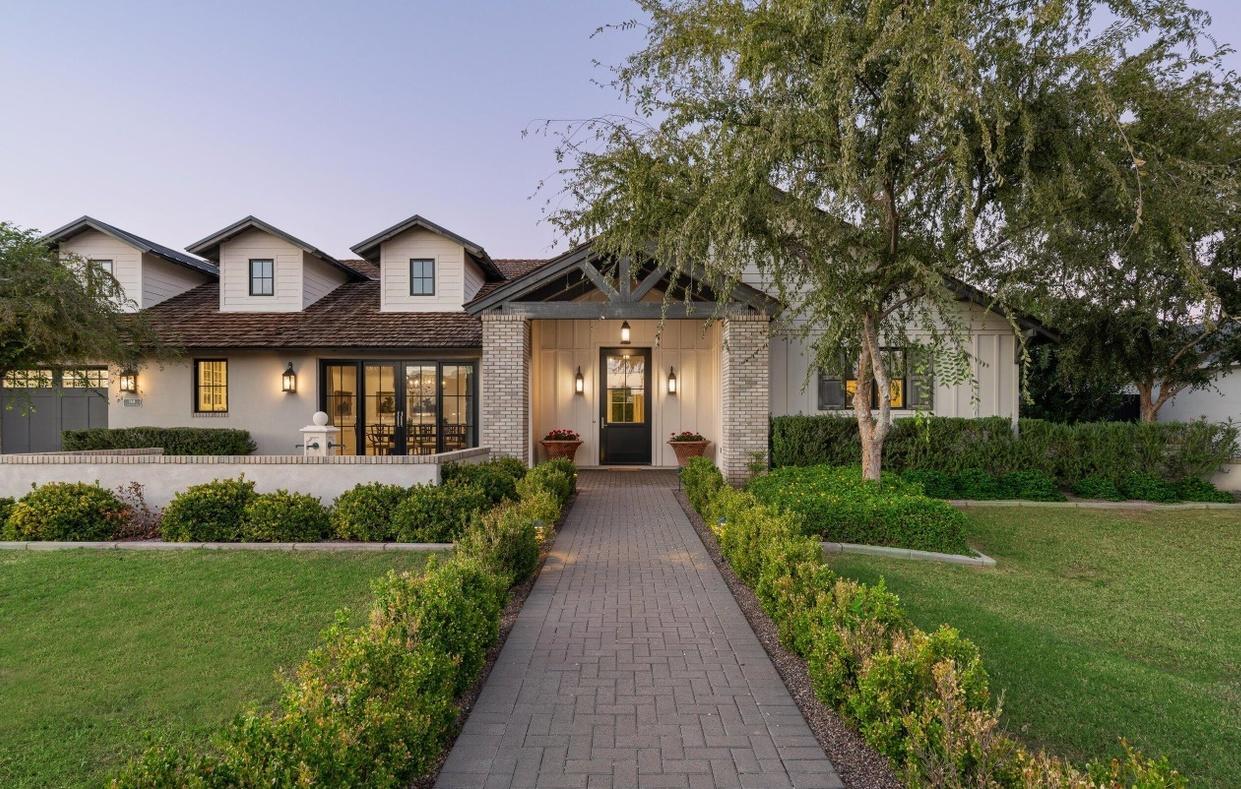
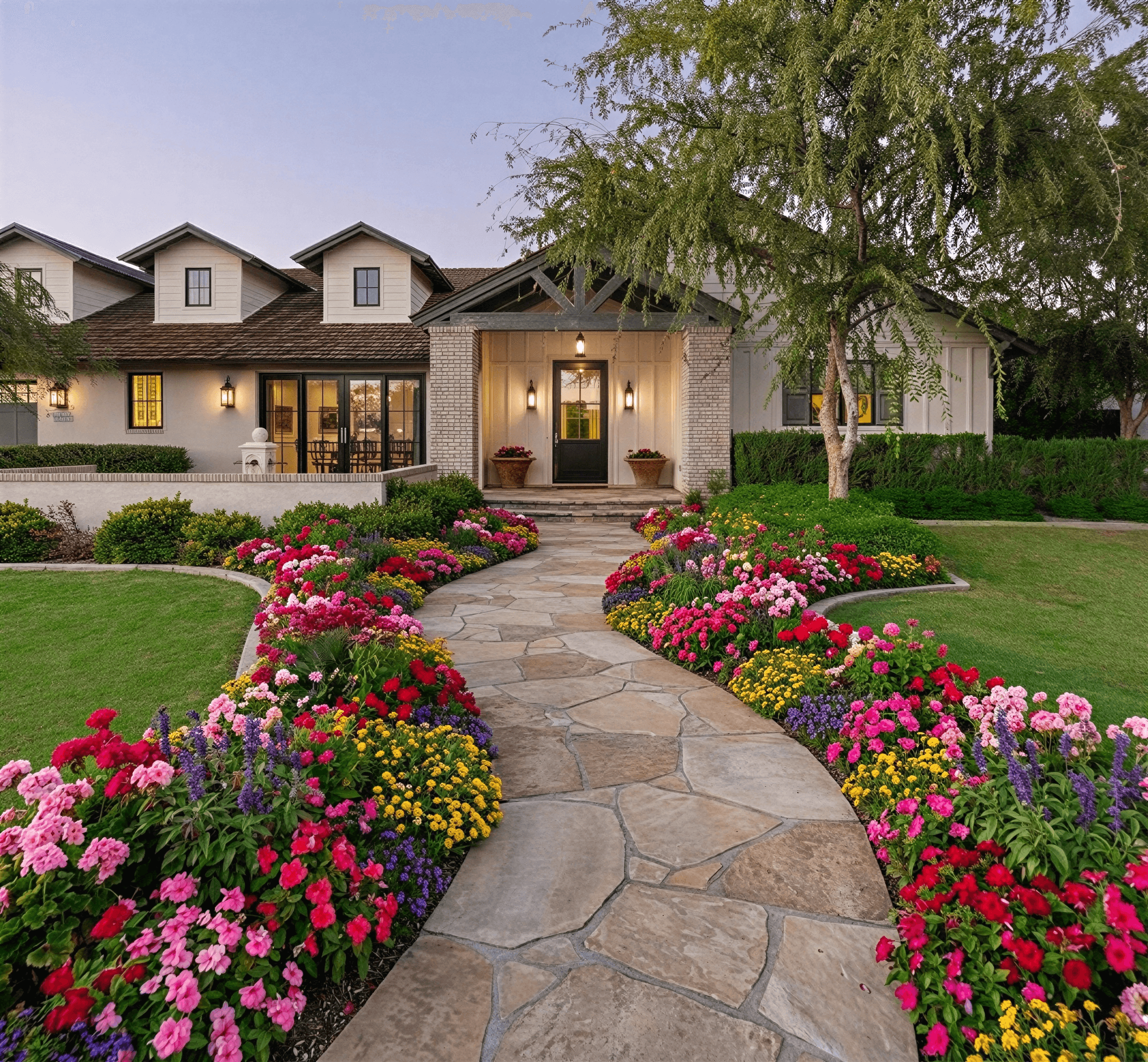
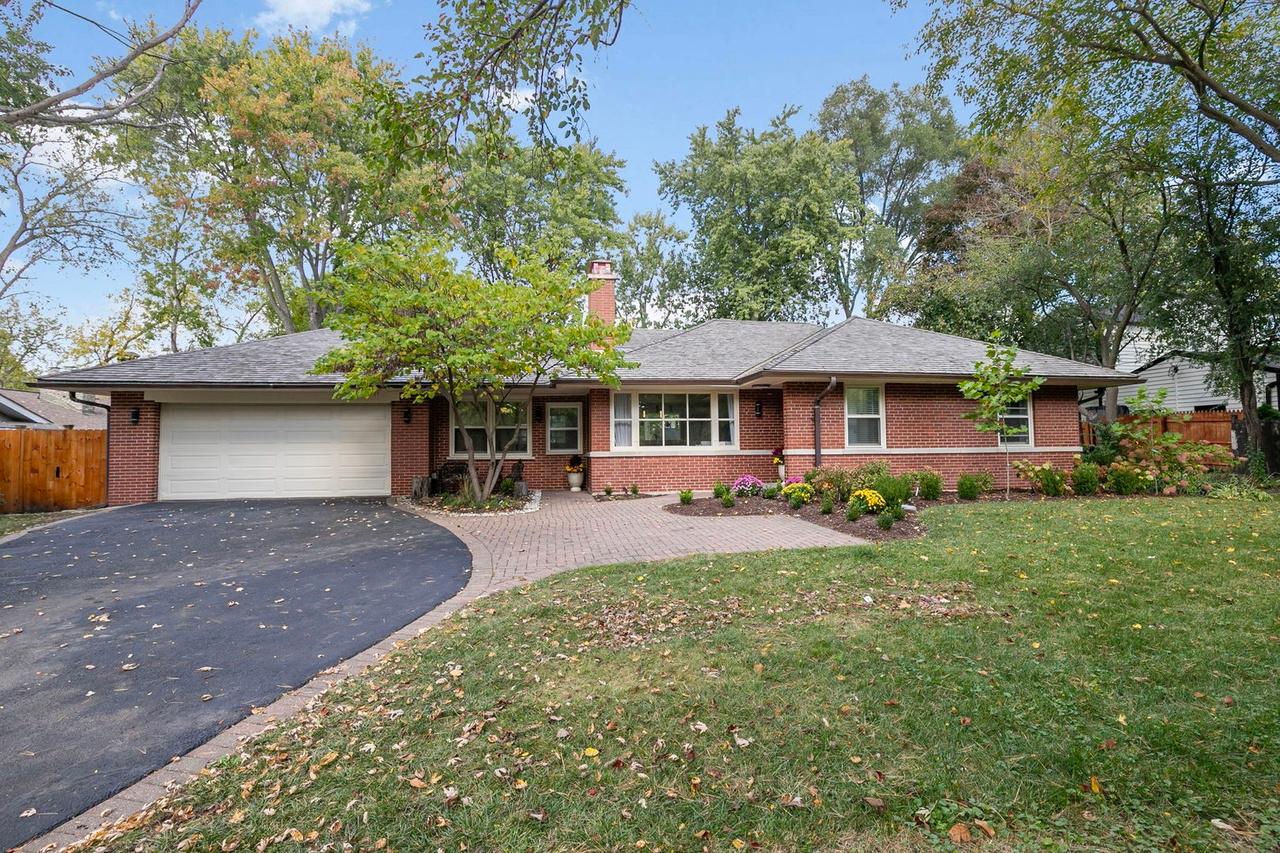
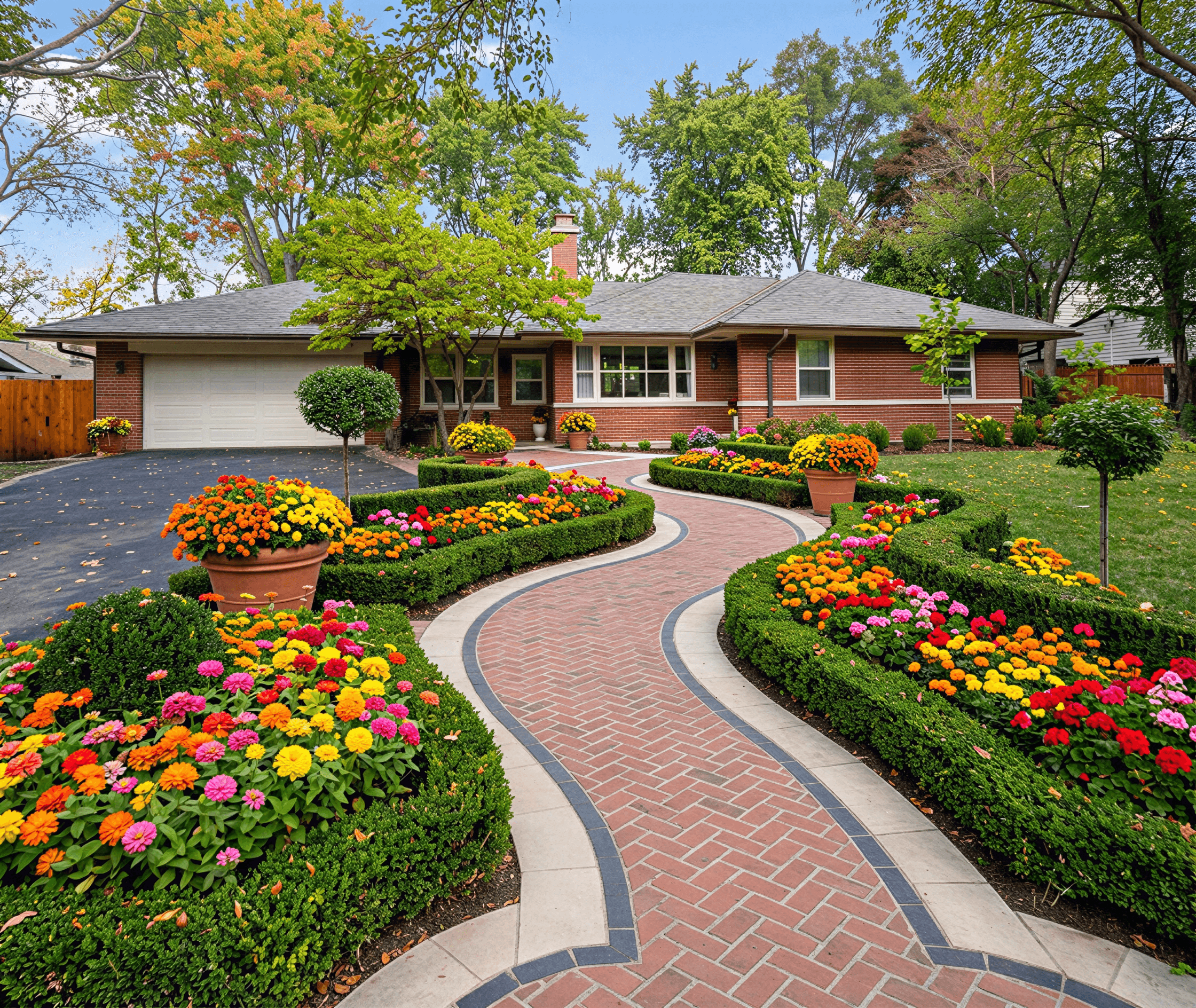
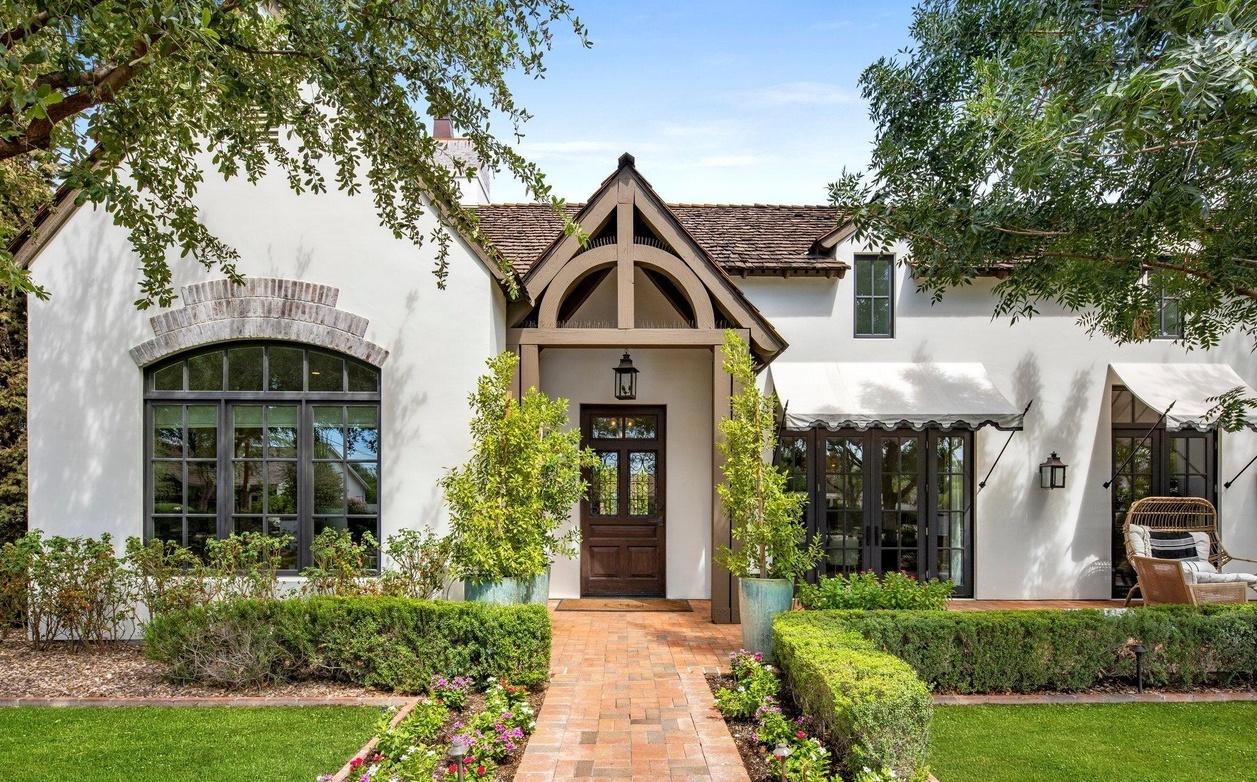
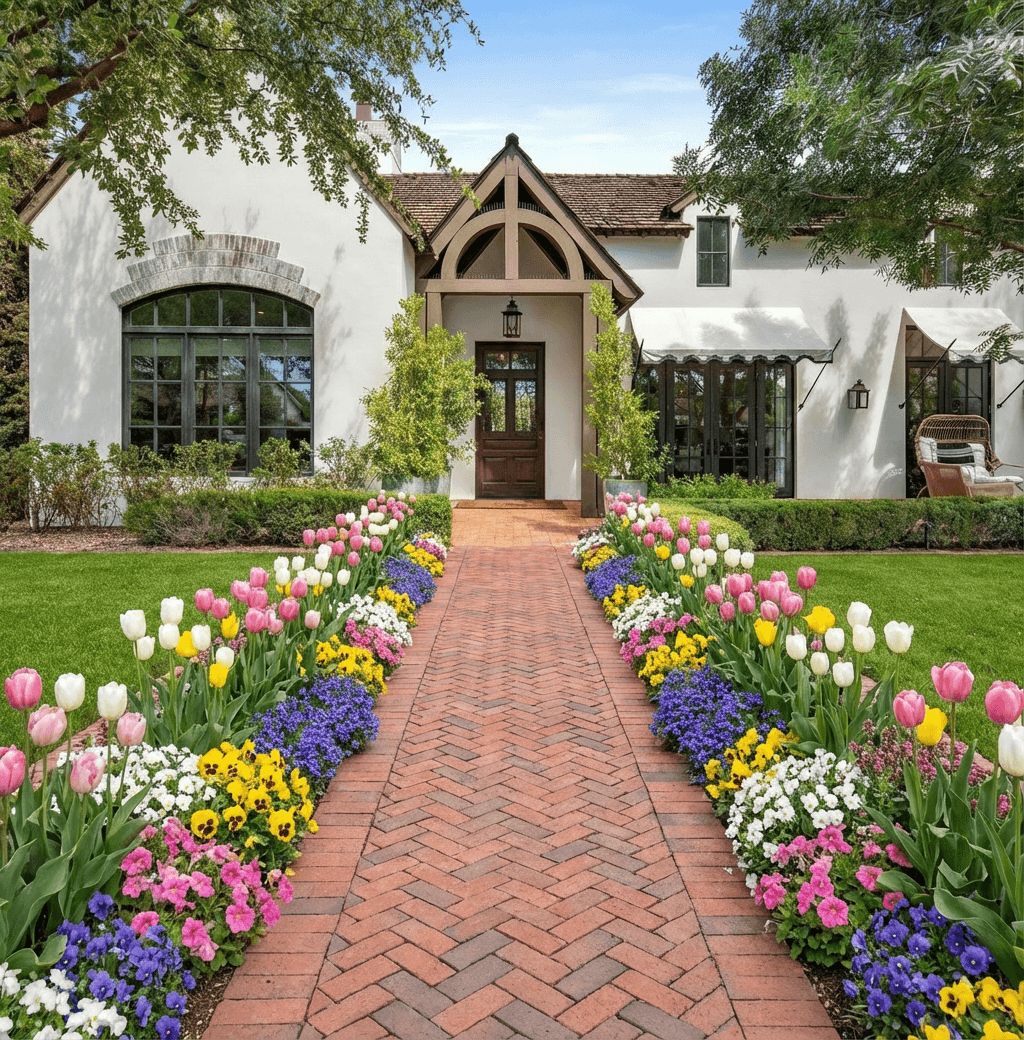
Curb Appeal AI helps homeowners explore landscaping ideas by letting you upload a photo of your yard. Upload a photo and use the tool to visualize different plantings, hardscape layouts, and color choices before you commit. These simple visuals and practical guidance make it easier to compare options and plan a project that fits your budget and maintenance preferences.
How to Start Your Landscaping Planning
Begin by assessing your site: note sun exposure, drainage, soil type, existing trees, and how you currently use the space. Make a short wish list of functions you want—play area, entertaining, vegetable bed, or low-maintenance frontage—and rank those by priority. Use tools like Curb Appeal AI to upload a photo and test design directions visually; seeing several options helps you narrow choices without committing to costly changes. Finally, set a realistic budget and consider phasing the work so you can spread costs and learn from each stage.
Design Ideas for Different Yard Sizes
Small yards benefit from a few strong elements: a focal plant, layered plantings for height, and a clear path to guide movement. Medium and large yards can support multiple rooms—seating, dining, and a garden—connected by cohesive materials and repeating plant palettes. For any size, focus on balance, scale, and proportion so elements relate to the house and each other. When testing landscaping ideas, sketch multiple layouts and consider sightlines from inside your home to make sure new features feel integrated rather than crowding the space.
Choosing Plants and Hardscape Materials
Select plants suited to your climate and soil to reduce future maintenance and replacement costs; grouping plants by water needs simplifies irrigation. For hardscapes, compare options like permeable pavers, gravel, concrete, and natural stone for durability, cost, and look. Consider material textures and colors that complement your home rather than competing with it. Use mulch and edging to keep beds tidy and reduce weeding. When planning, list specific plant species and material samples so you can see how lighting and seasons will affect your chosen palette before installation.
Estimating Costs and Budgeting Tips
Start by separating one-time costs (materials, planting, labor) from ongoing costs (water, fertilizer, pruning). Get multiple quotes for major items like excavation or hardscape work, and price plants by container size rather than one-off estimates for accuracy. A phased approach—completing paths and structure first, then planting over time—lets you spread costs and adjust choices as your landscape matures. Keep a contingency of 10–20% for unexpected site issues, and prioritize durable elements that reduce long-term replacement and maintenance expenses.
Low Maintenance and Sustainable Options
Choose native or well-adapted plants, install drip irrigation, and use generous mulch to cut down on watering and weeding. Replacing some lawn with groundcover, shrubs, or permeable hardscape reduces mowing and runoff while improving biodiversity. Consider rain gardens or bioswales in low spots to manage water naturally. These landscaping ideas lower ongoing labor and resource use while creating a resilient yard. Plan for seasonal cleanups rather than constant upkeep, and select long-lived shrubs and perennials to minimize replanting.
DIY vs Professional Landscaping Help
Simple planting, mulching, and installing preformed beds are good DIY projects if you have time and basic tools, but structural elements such as grading, retaining walls, and complex irrigation usually require professionals. Hiring a pro can save money long-term by avoiding mistakes and ensuring proper drainage and permits where needed. If you’re unsure, use visualization tools to test ideas, then get a contractor quote for the most complex items while handling smaller tasks yourself. That hybrid approach keeps costs manageable and improves final results.
Frequently Asked Questions
How do I choose landscaping ideas that fit my budget?
Prioritize structural changes first—paths, patios, and major plants—then add decorative elements over time. Use a phased plan so you can spread costs, compare material prices, and get multiple contractor estimates for larger work.
What are low-maintenance landscaping ideas for busy homeowners?
Pick native or drought-tolerant plants, use mulch and drip irrigation, and reduce turf areas to cut mowing time. Choose perennials and shrubs that need minimal pruning and fertilizing to keep seasonal chores small.
Can I implement landscaping ideas myself or should I hire a pro?
You can do small projects like planting, mulching, and installing simple paths yourself, but hire a pro for grading, complex hardscapes, or irrigation systems to avoid costly errors. A hybrid approach—professional for major work and DIY for finishing touches—often works well.
How do I maintain my landscape through seasonal changes?
Adjust watering in spring and fall, prune dead growth in late winter, and refresh mulch annually to conserve moisture and suppress weeds. Keep a simple seasonal checklist for fertilizing, pest checks, and cleanup to prevent small issues from growing.
Related Landscaping Ideas
Explore Professional Services Near You
Related Articles
Top 10 Front Yard Landscaping Ideas for 2026
Explore 10 top front yard landscaping ideas for 2026. From modern to cottage, find budget-friendly, low-maintenance designs to boost your home's curb appeal.
Transform Your Home: 8 Ideas for Front of House Landscaping
Discover 8 expert ideas for front of house landscaping: modern to cottage gardens. Get actionable tips & visualize your dream yard with AI.
10 Landscaping a Front Yard Ideas for 2026
Explore 10 inspiring landscaping a front yard ideas, from modern to cottage styles. Get practical tips on plants, budget, climate to boost curb appeal.
Real transformations
See how homeowners are using Curb Appeal AI to reimagine their properties