Curb Appeal Front Yard Landscaping Ideas
curb appeal front yard landscaping ideas
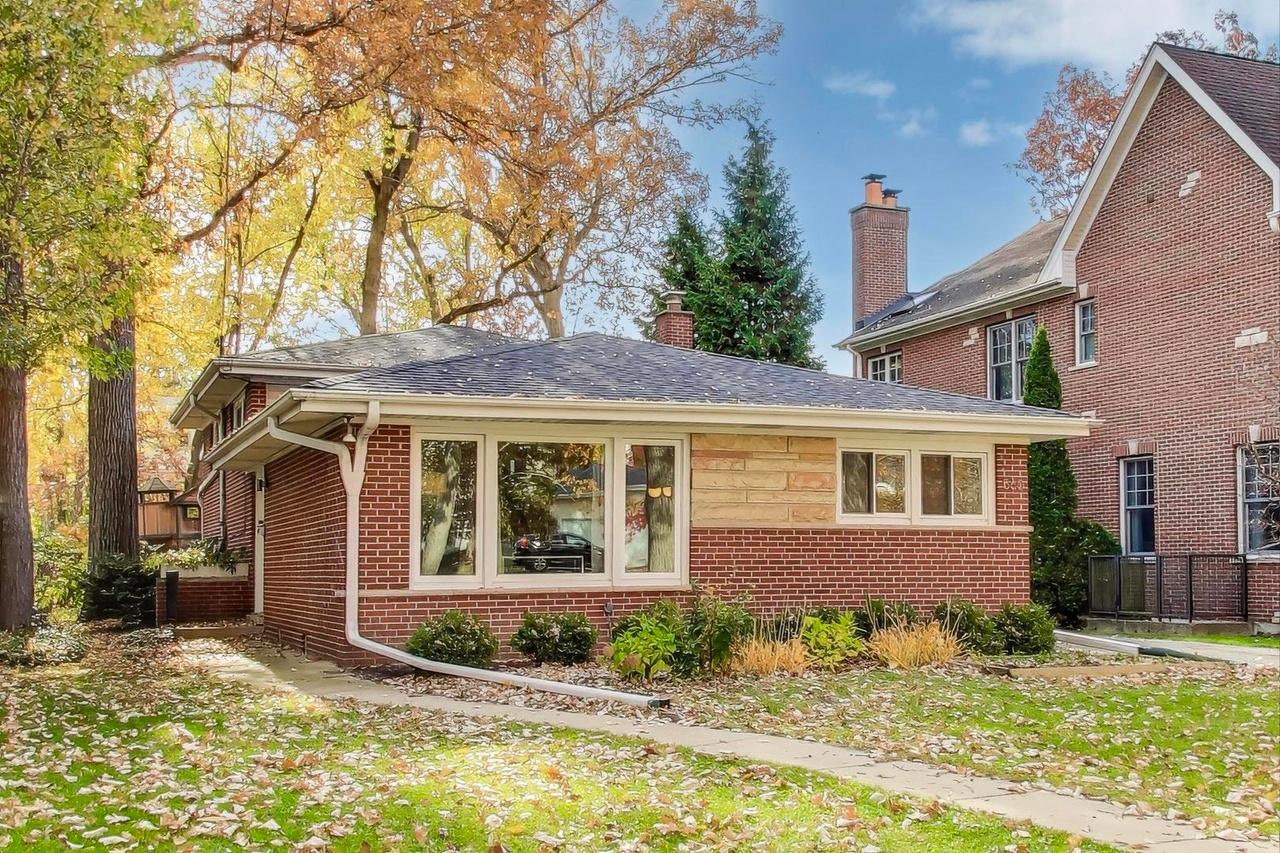
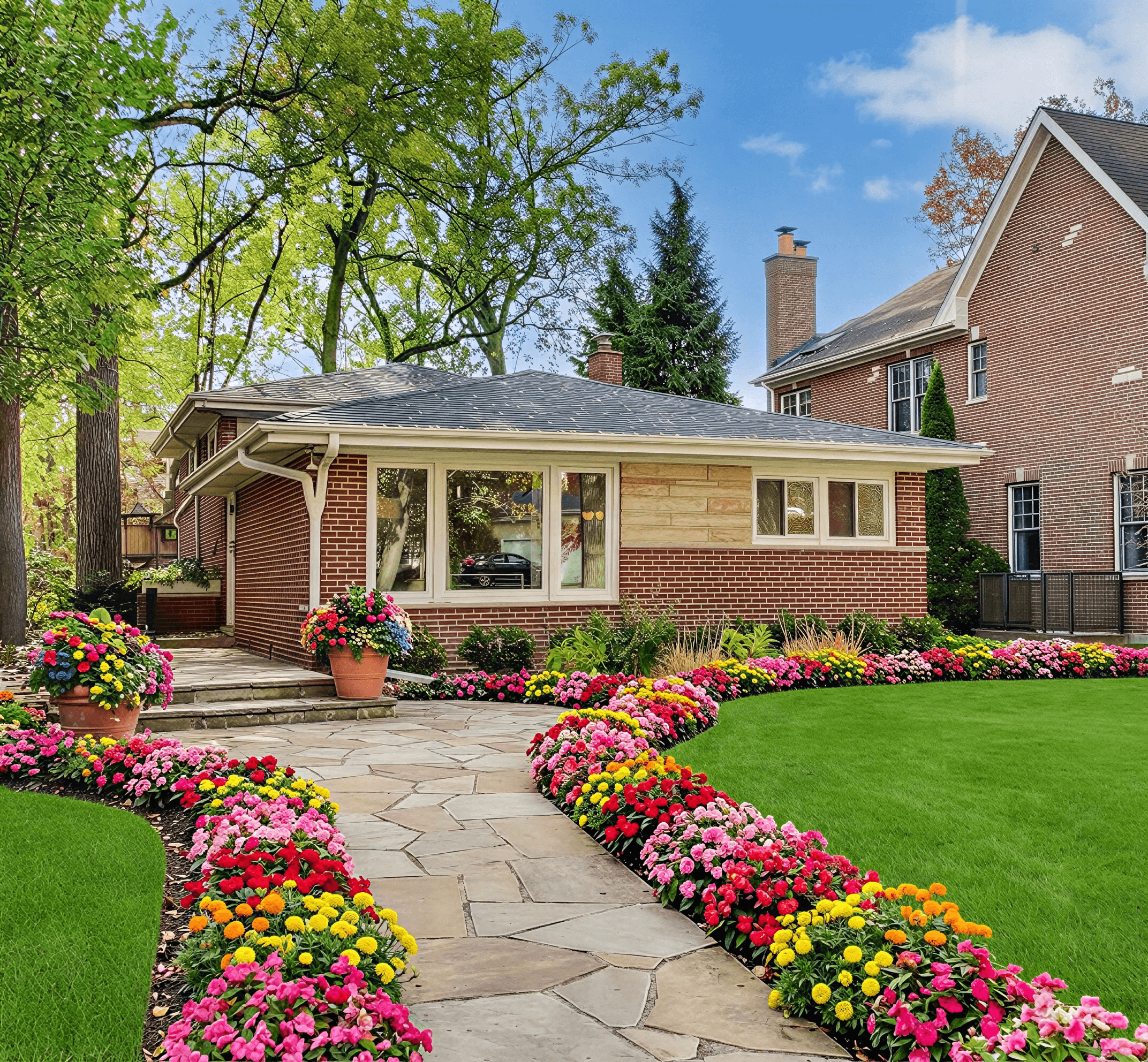
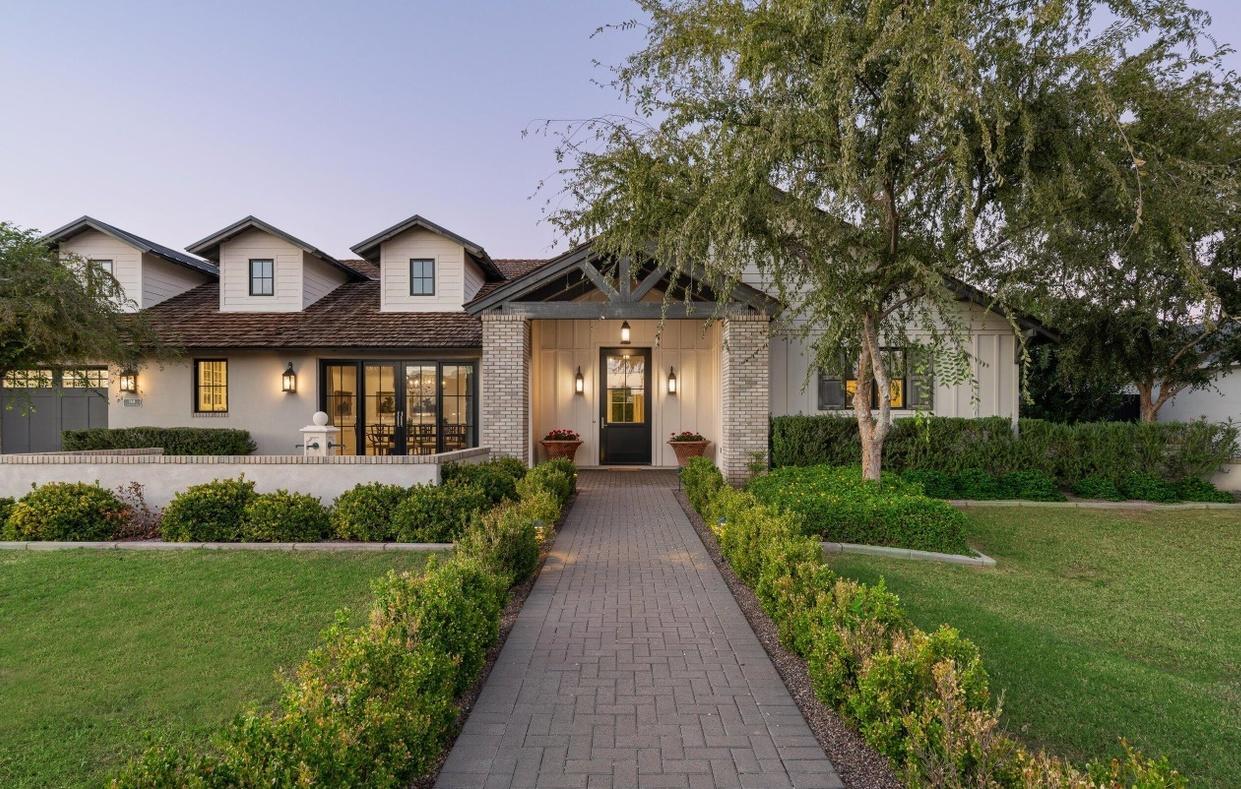
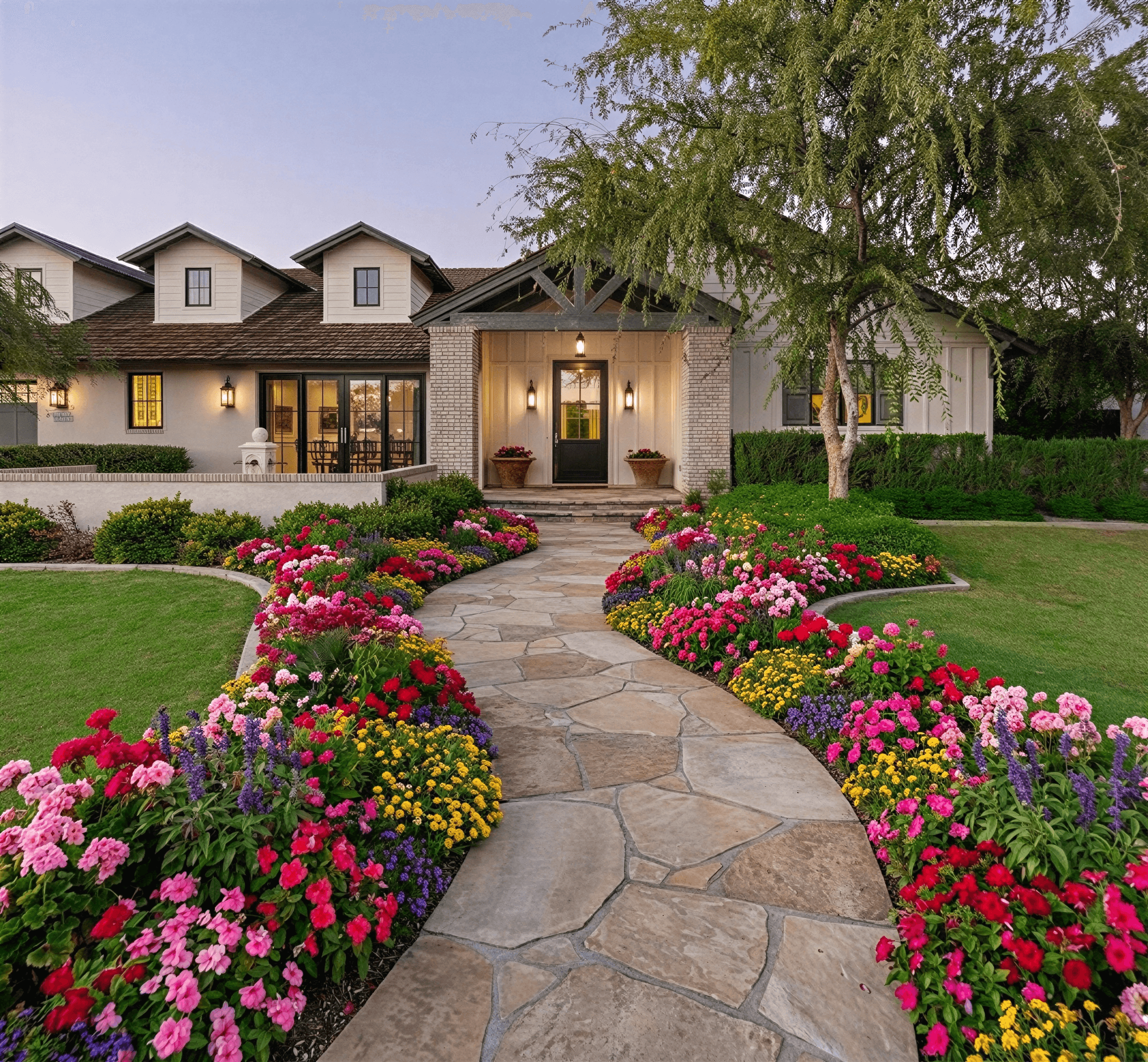
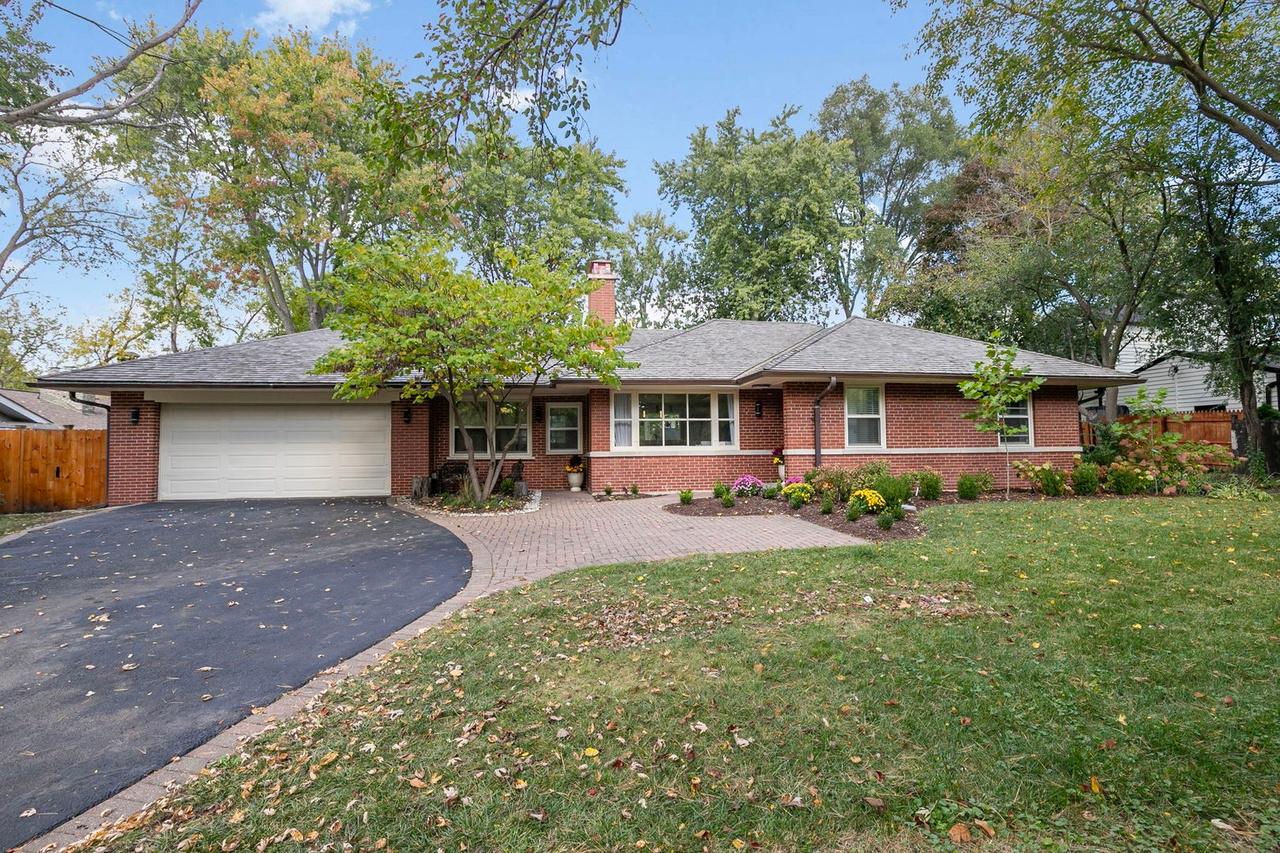
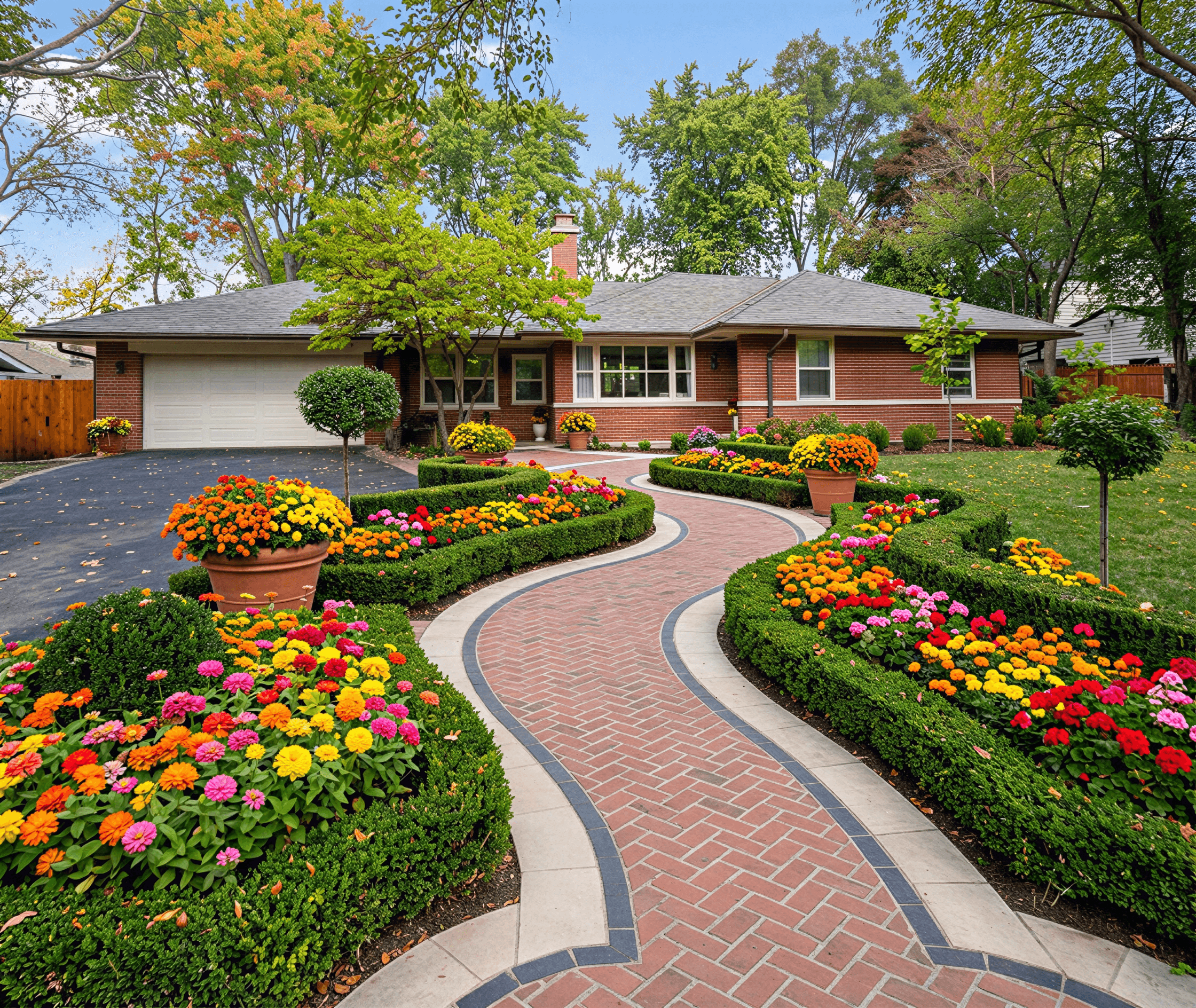
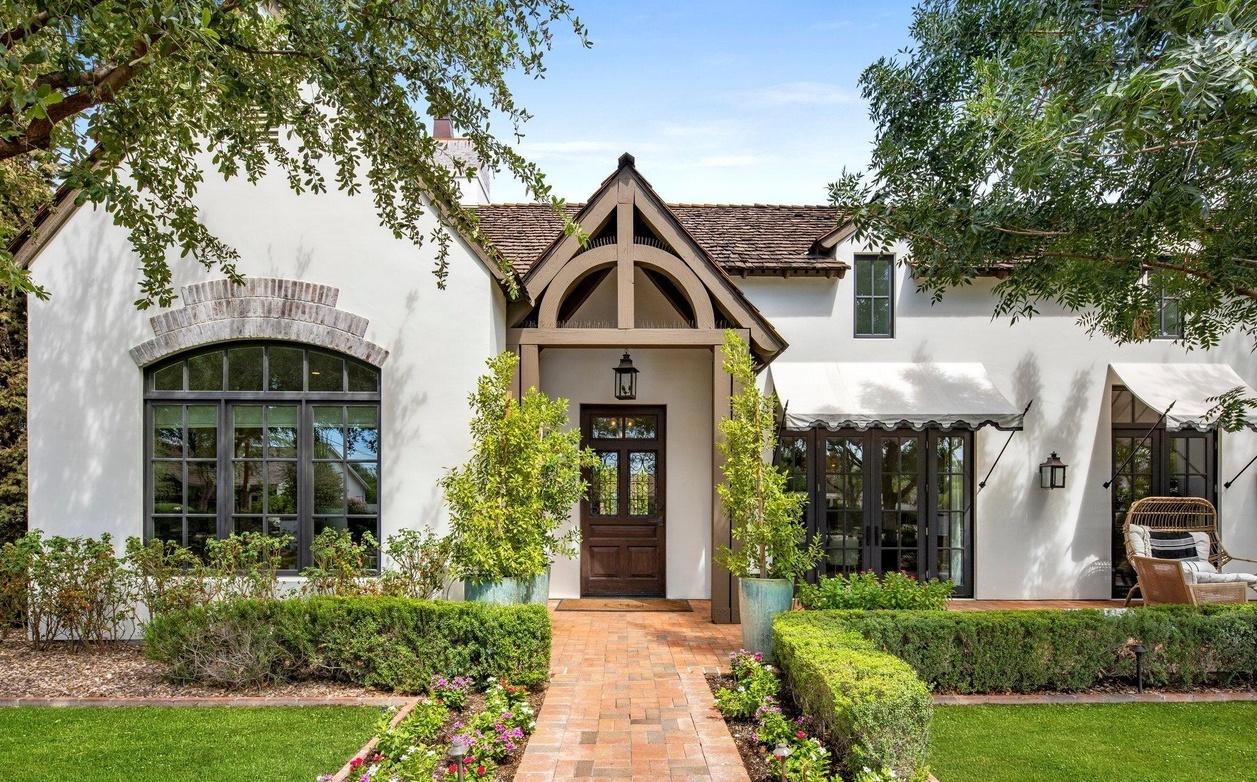
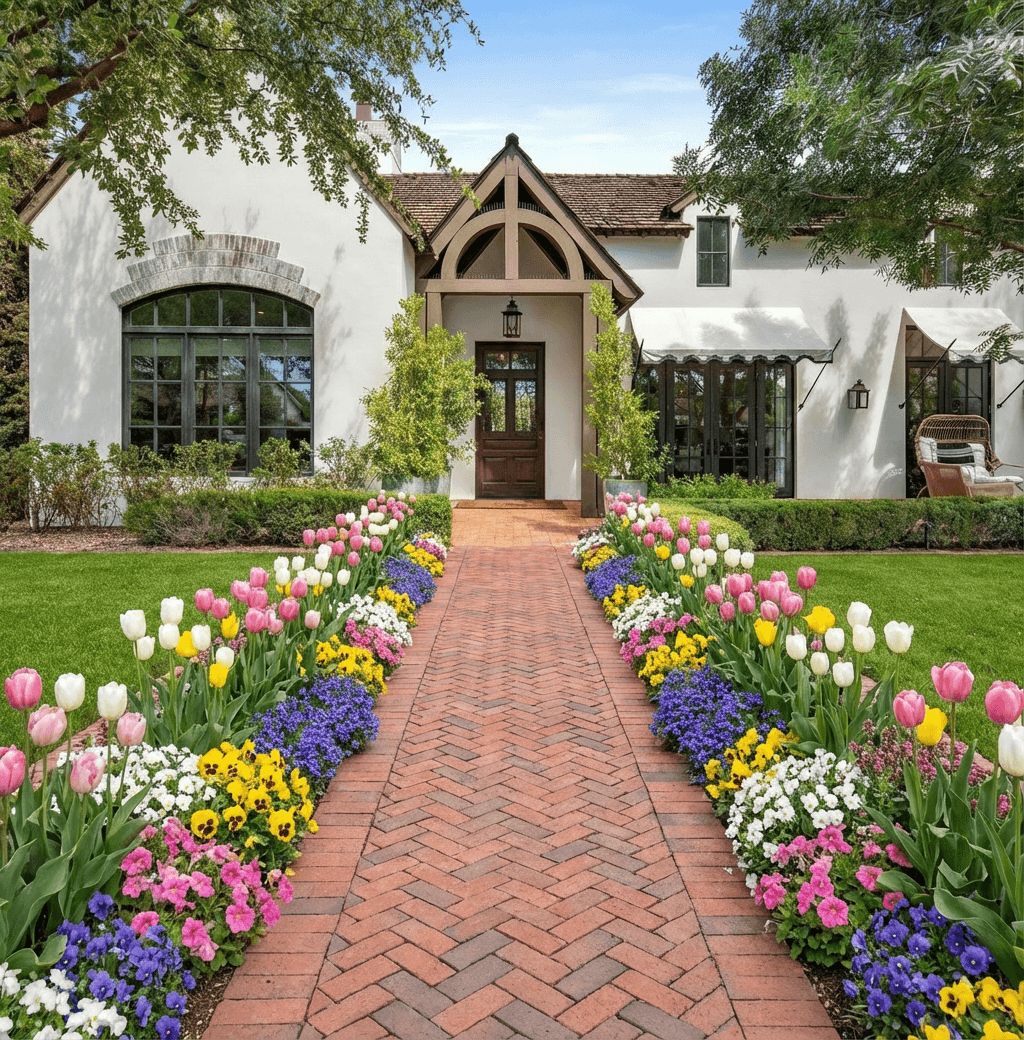
Curb Appeal AI helps homeowners explore curb appeal front yard landscaping ideas by turning a photo into realistic visual options. Upload a photo of your front yard and quickly visualize improvements like planting beds, walkways, and lighting to see how changes will look. Trying designs visually makes it easier to decide on style, scale, and budget before you start digging or hiring help.
Start with a practical site assessment
Begin by observing sun exposure, soil type, drainage, and existing sightlines from the street. Note which areas are visible from the curb and which need privacy or screening. Take measurements of the lawn, driveway, and house frontage, and photograph key angles to compare ideas. A clear assessment helps you choose curb appeal front yard landscaping ideas that suit the site rather than forcing a style that won’t thrive. Planning this way saves time and reduces surprise costs during installation.
Simple design ideas that add instant structure
Focus on a few structural elements: a defined path, a focal planting bed, and balanced accents near the entry. Use symmetry or an intentional asymmetry to guide the eye toward the front door. Small changes—like edging a gravel path, adding a low retaining wall, or placing two matching planters—can make the yard feel composed. When exploring curb appeal front yard landscaping ideas, prioritize a single strong idea rather than many competing features to keep the design cohesive and manageable.
Choosing materials for durable results
Pick materials that match your house and climate: permeable pavers or compacted gravel for driveways, natural stone for steps, and long-lasting mulch for beds. Consider maintenance needs—lighter-colored pavers stay cooler, while decomposed granite compacts well for paths. Use native or locally adapted plants to reduce watering and pruning. Thinking through material choices early helps your curb appeal front yard landscaping ideas last longer and cost less over time because durable materials and right-plant choices reduce repair and replacement needs.
Use visualization tools to preview changes
Visual tools can save time and uncertainty when testing curb appeal front yard landscaping ideas; upload a photo of your home to try different layouts, plants, and finishes. Curb Appeal AI specifically lets you compare options side-by-side so you can see scale, color, and placement before buying materials. This approach helps you refine choices—move a tree, swap a pathway material, or test lighting—without physical work or expense. Use these previews to create a shopping list and a phased plan that fits your budget.
DIY projects versus hiring a pro
Decide which tasks you can realistically handle and which need a professional touch. Planting, mulching, and installing simple paths are common DIY jobs for homeowners with basic tools and time. Larger work—grading, building retaining walls, installing irrigation, or hardscaping—often requires a contractor for proper drainage and permits. When weighing curb appeal front yard landscaping ideas, factor in your skill level, available time, and local regulations; get quotes for major items so you can compare DIY material costs against professional labor and guarantees.
Maintenance planning and seasonal care tips
Think about the long-term upkeep when choosing plants, lighting, and hardscapes. Opt for low-maintenance shrubs, drought-tolerant groundcovers, and durable mulch to reduce weekly chores. Schedule seasonal tasks like pruning, fertilizing, and checking irrigation to keep the front yard looking tidy year-round. Small investments—like drip irrigation, native plants, and quality mulch—cut maintenance time and water use. Incorporate maintenance planning into your curb appeal front yard landscaping ideas so the yard stays welcoming without overwhelming your schedule.
Frequently Asked Questions
How can I improve curb appeal on a tight budget?
Start with low-cost, high-impact updates like fresh mulch, trimmed hedges, and a defined walkway edge. Repaint the front door or update hardware and add inexpensive lighting; these changes improve perception without large investments.
What plants work best for front yard curb appeal?
Choose plants that match your climate and sun exposure: small ornamental trees or evergreen shrubs for structure, perennials for seasonal color, and groundcovers to reduce lawn area. Native species typically need less water and maintenance once established.
Do I need a permit for front yard changes?
Permits depend on the scope of work and local rules; planting and simple landscaping rarely require permits, but grading, major drainage changes, retaining walls, and some hardscaping often do. Check your city or county planning department before starting larger projects.
When should I hire a landscape professional?
Hire a pro for projects that involve structural changes, complex drainage, or electrical work for lighting. Professionals can also help with design, permitting, and managing contractors, which reduces the risk of costly mistakes for larger investments.
Related Landscaping Ideas
Explore Professional Services Near You
Related Articles
10 Landscaping a Front Yard Ideas for 2026
Explore 10 inspiring landscaping a front yard ideas, from modern to cottage styles. Get practical tips on plants, budget, climate to boost curb appeal.
8 Small Front Yard Landscaping Ideas to Maximize Curb Appeal in 2026
Discover 8 inspiring small front yard landscaping ideas, from modern minimalist to charming cottage styles. Transform your space with our expert tips!
Top 10 Front Yard Landscaping Ideas for 2026
Explore 10 top front yard landscaping ideas for 2026. From modern to cottage, find budget-friendly, low-maintenance designs to boost your home's curb appeal.
Real transformations
See how homeowners are using Curb Appeal AI to reimagine their properties