Sustainable Landscaping Ideas For Front Yard
sustainable landscaping ideas for front yard
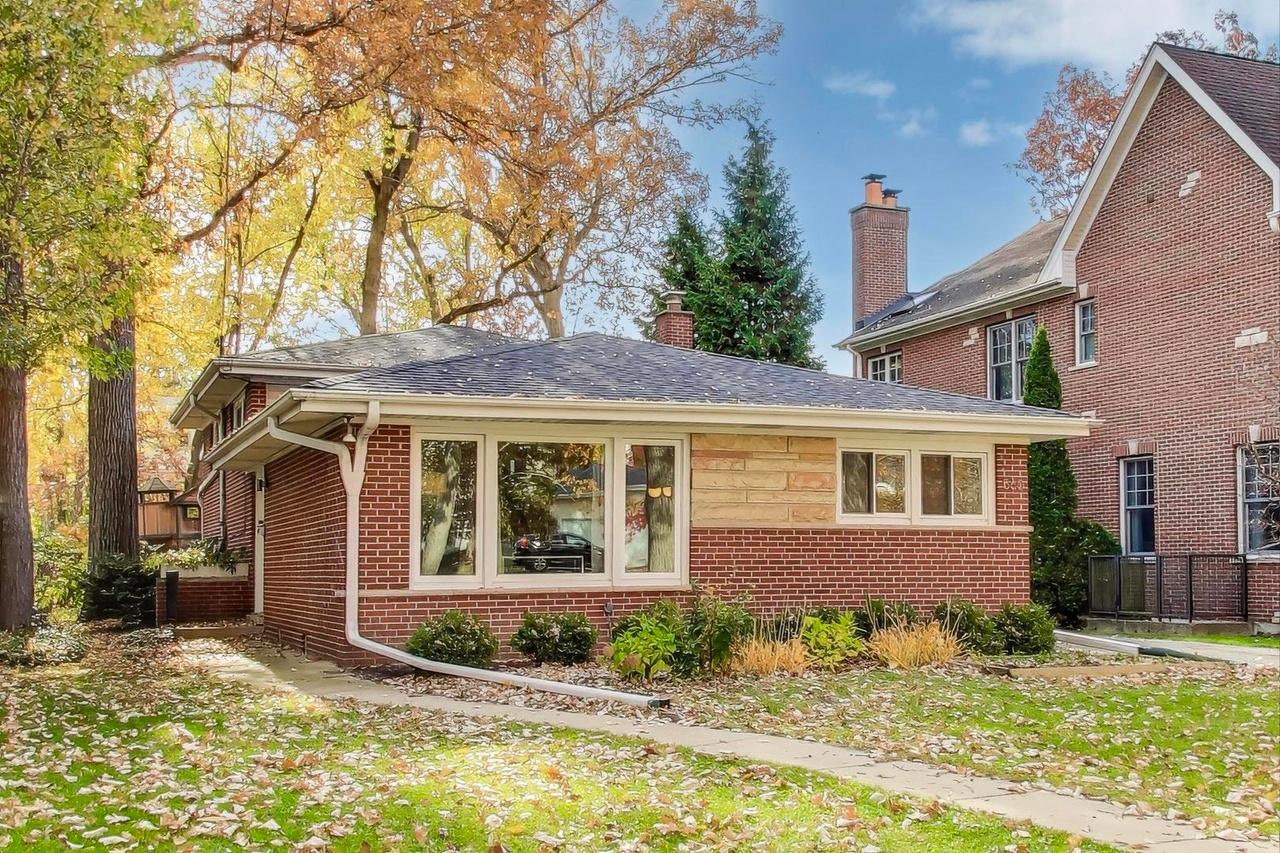
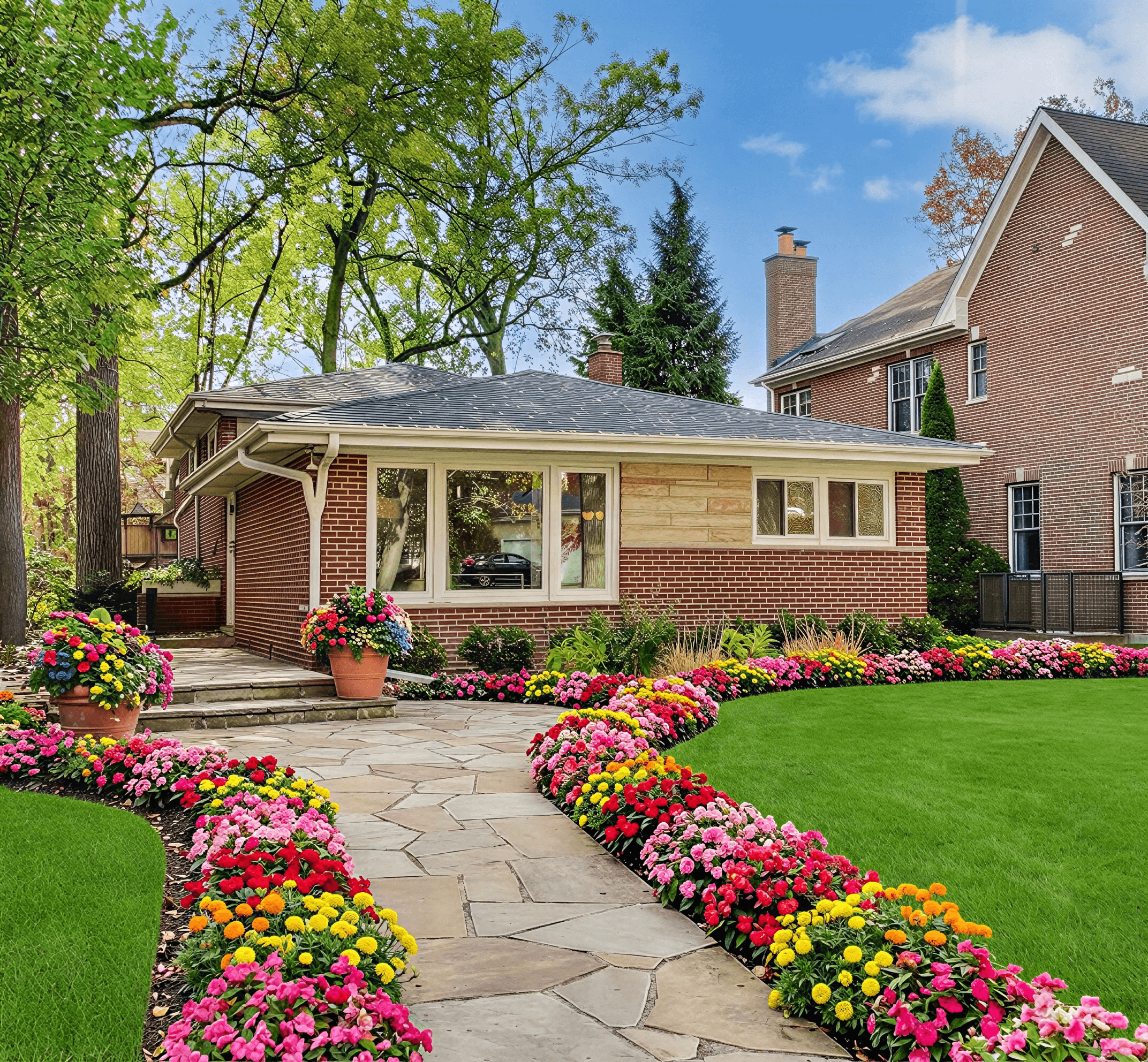
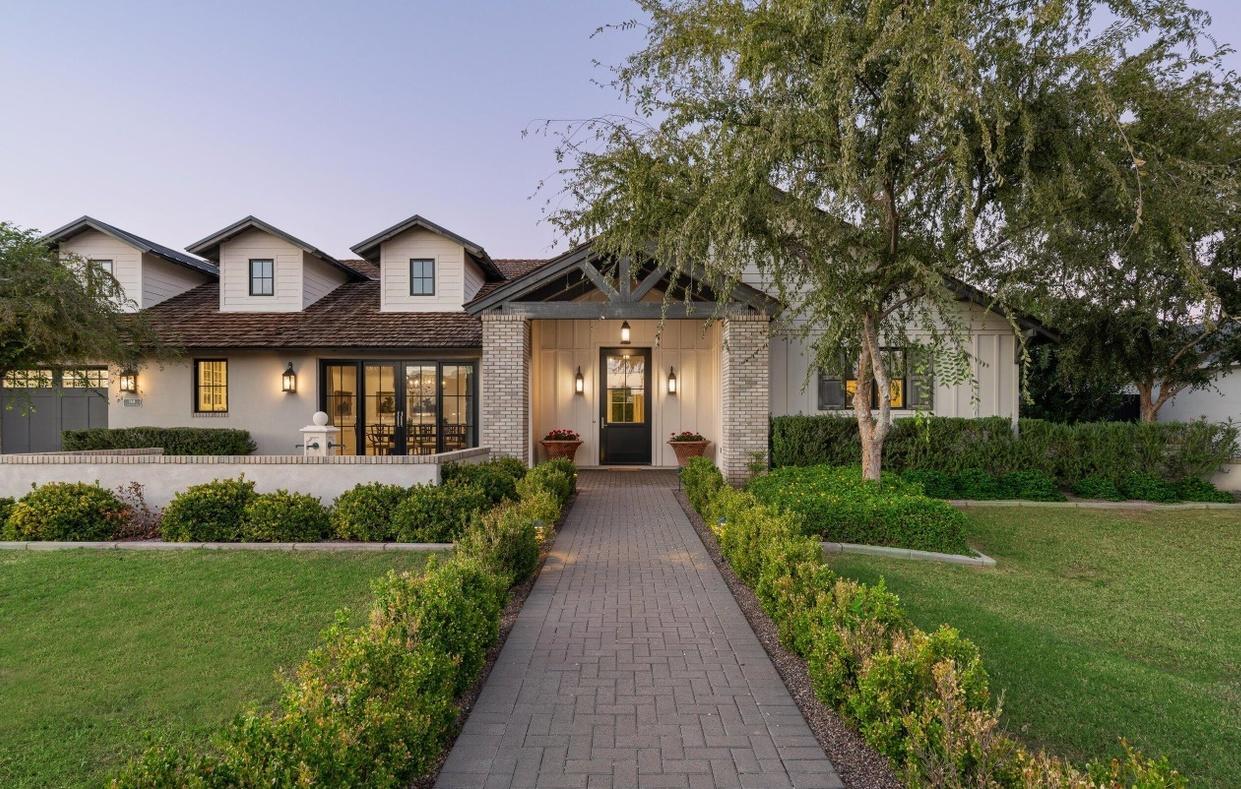
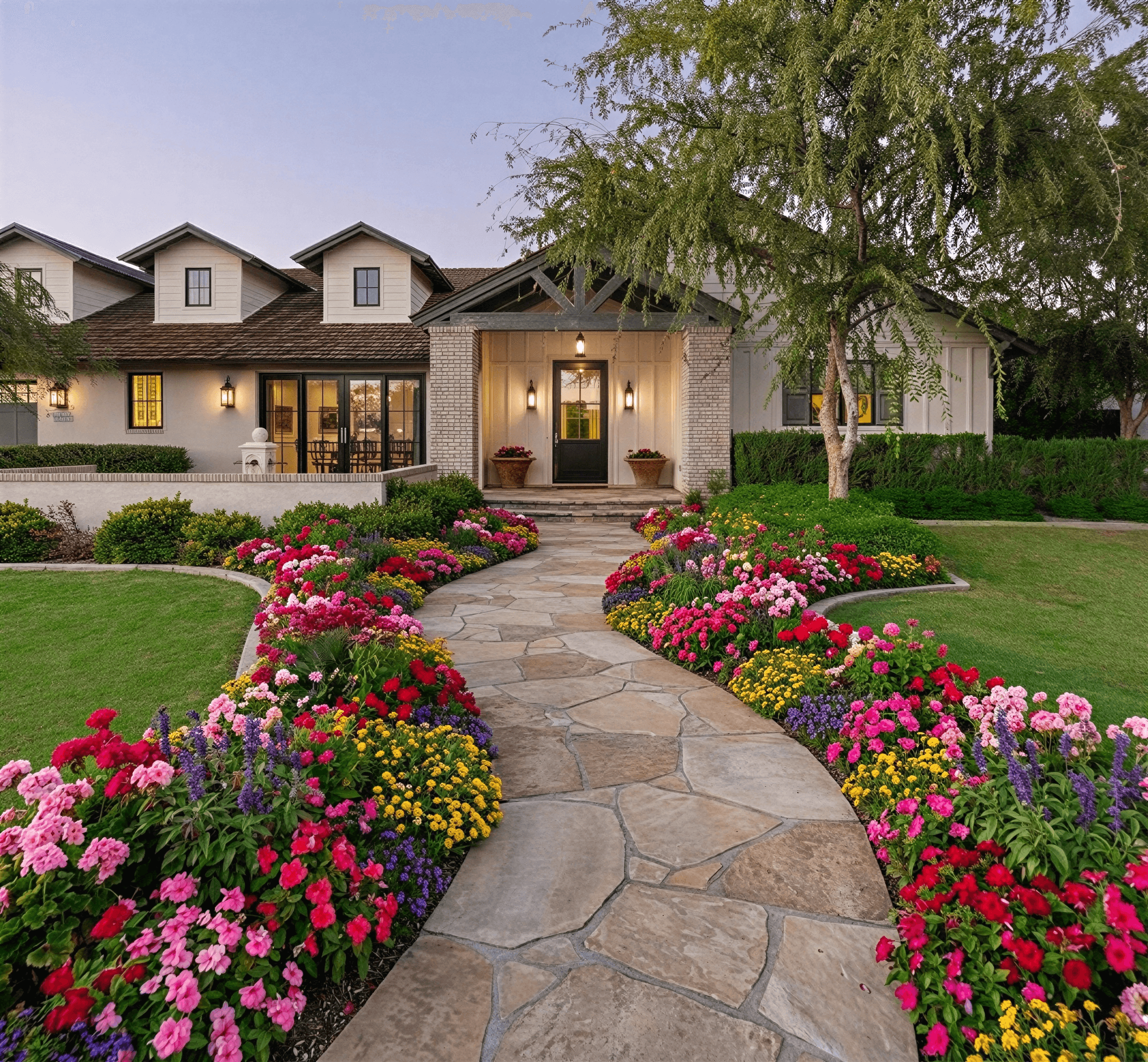
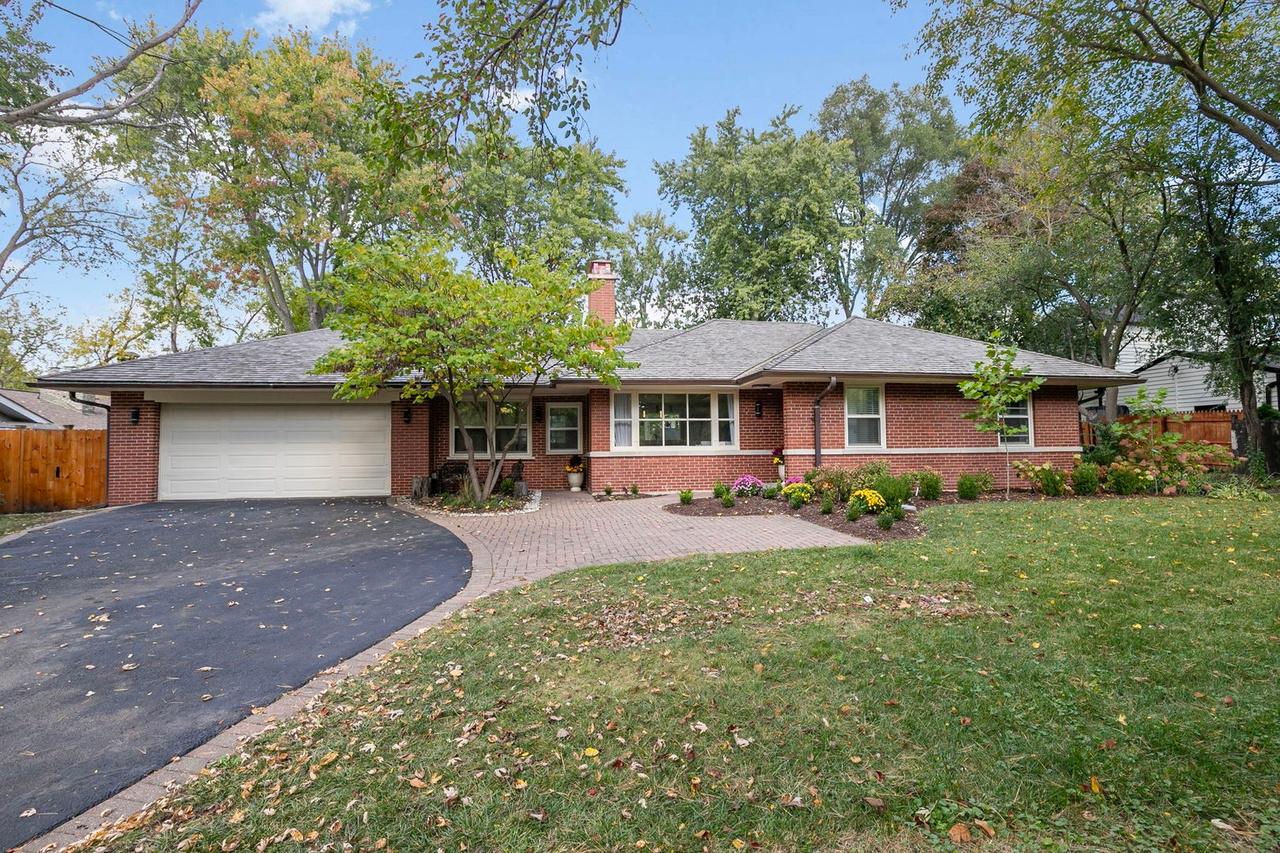
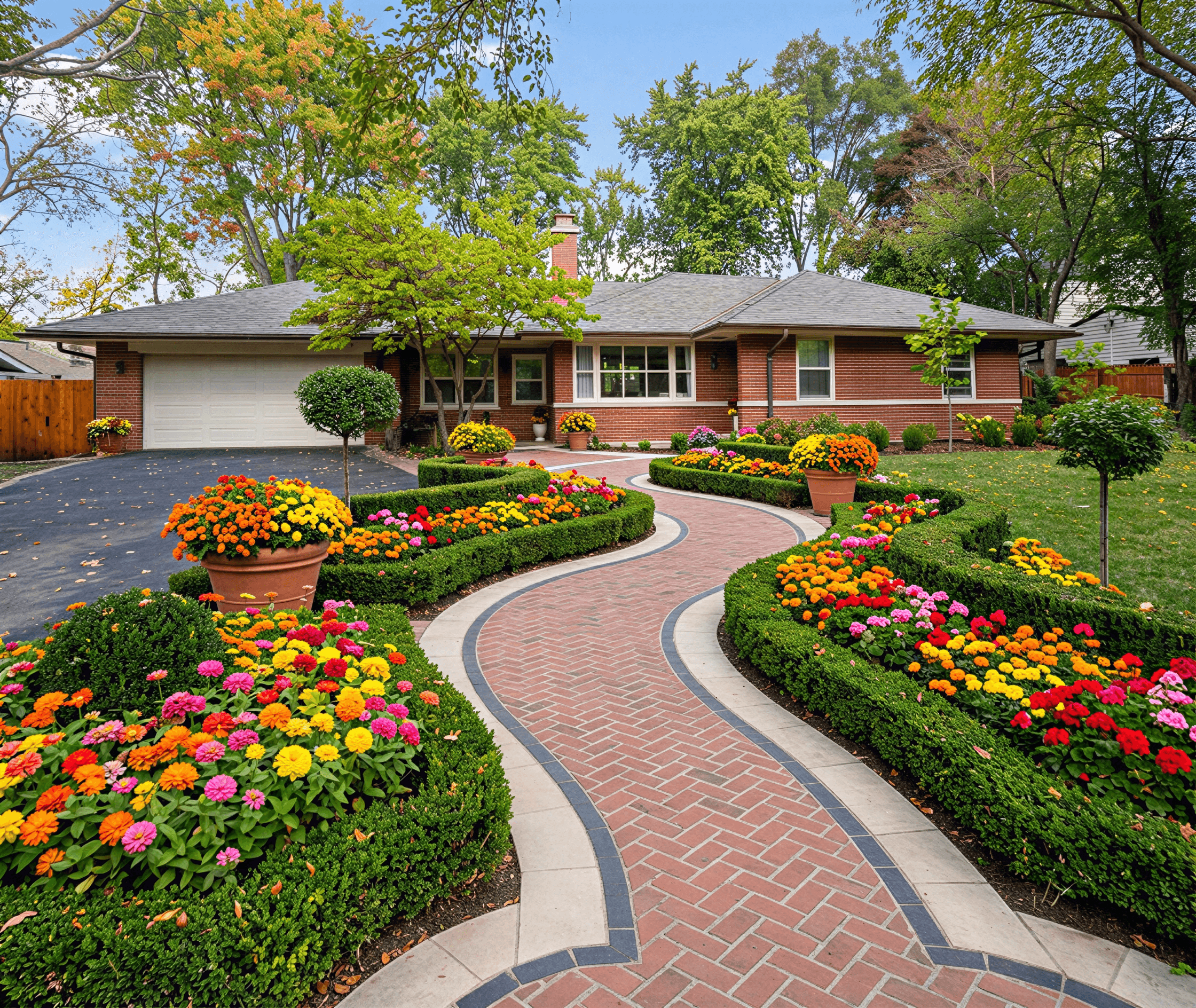
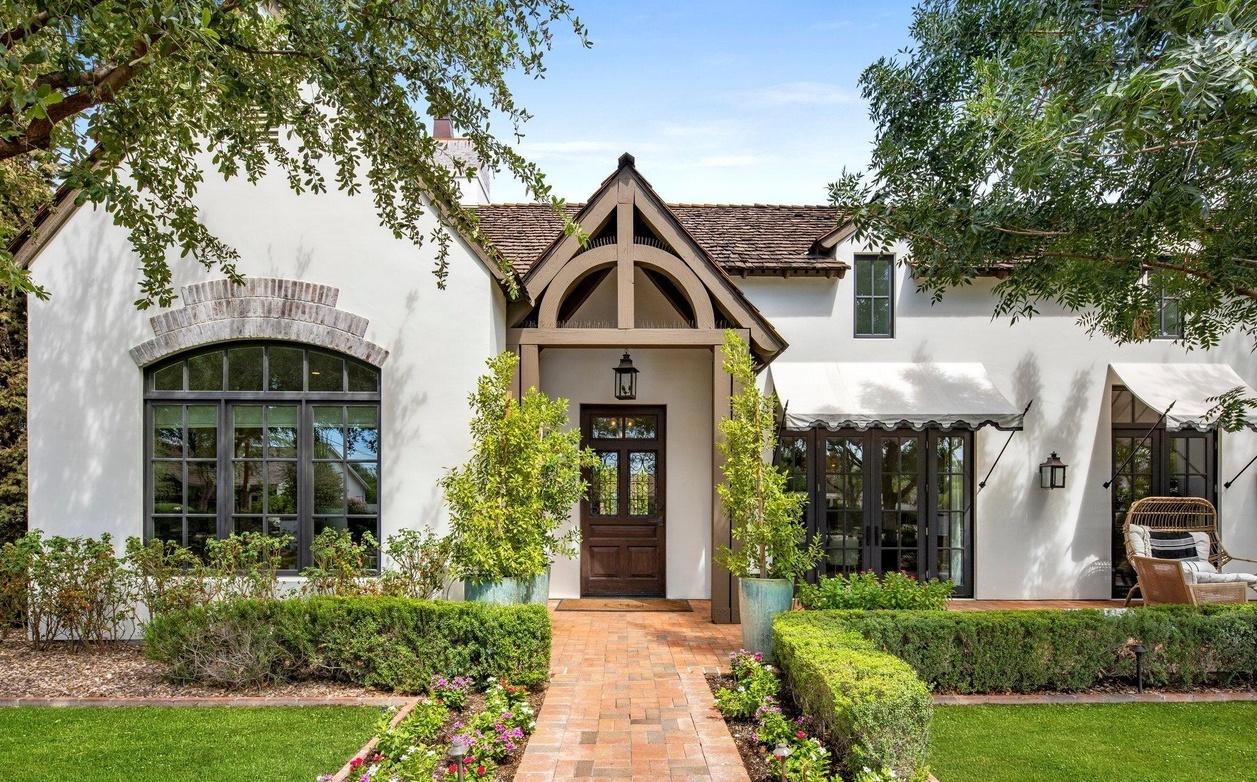
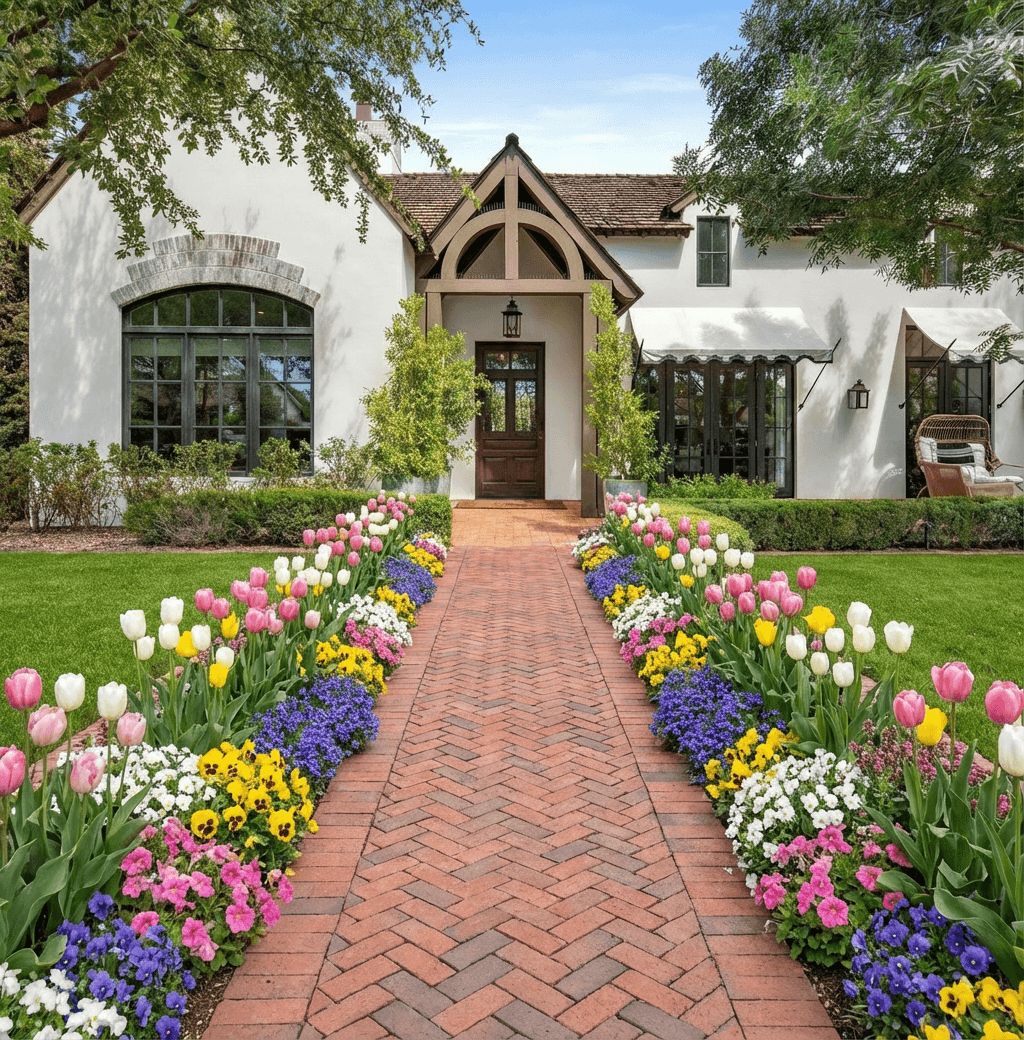
Curb Appeal AI helps homeowners explore sustainable landscaping ideas for front yard by turning a single photo into visual options to compare. Upload a clear photo of your front yard and experiment with native plants, permeable surfaces, and water-wise layouts to see how they change the look and function of your space. These visualizations make it easier to plan practical, budget-aware changes that reduce maintenance and water use while improving curb appeal.
Start with a simple site analysis
Begin by observing sun, shade, slope, soil type and existing drainage to create a practical plan. Take photos from several angles and note problem areas like compacted soil or pooling water. Use tools such as Curb Appeal AI to upload a photo and visualize how different sustainable landscaping ideas for front yard will look before you commit. A basic site map and zoning—grouping plants by water needs and sunlight—will guide plant choice and irrigation placements, and help you estimate materials and labor realistically.
Choose drought tolerant and native plants
Select plants adapted to your local climate to cut water use and maintenance. Native grasses, shrubs and perennials often need less fertilizer and are more resilient to pests, creating a habitat for pollinators while lowering long-term care. Mix evergreen structure with seasonal color to keep the front yard attractive year-round. When planning sustainable landscaping ideas for front yard, place high-water plants near irrigation sources and use drought-tolerant species on slopes and exposed areas to reduce runoff and watering frequency.
Use permeable hardscapes and recycled materials
Choose permeable pavers, gravel, or open-joint systems to let rain soak into the ground and reduce runoff. Recycled concrete, reclaimed brick and locally sourced stone lower embodied energy compared with new quarried materials. Mulch deeply around plants to conserve moisture and suppress weeds, and consider rubber or composite edging made from recycled materials. Thoughtful material choices are central to sustainable landscaping ideas for front yard because they influence water management, durability, and the overall carbon footprint of the project.
Plan for water efficiency and irrigation
Prioritize passive water management like rain gardens, swales and grading to direct runoff into planted areas. Install drip irrigation and smart controllers on zones with shrubs and perennials to reduce evaporation and overwatering. Capture roof runoff with rain barrels for nonpotable uses such as watering container plants. These approaches are core sustainable landscaping ideas for front yard because they reduce municipal water demand and lower utility bills, while protecting foundations and minimizing erosion.
Maintenance, budget, and DIY versus professional help
Estimate ongoing maintenance when budgeting: a low-maintenance native planting may cost more up front but save time and money later. Simple tasks like mulching, seasonal pruning and inspecting irrigation can be DIY for many homeowners, while grading, complex drainage or large hardscape installations often benefit from professionals. Get cost estimates for both DIY materials and contractor labor, and prioritize changes that deliver the biggest environmental and aesthetic benefits first. Use visual tools to test designs before you buy materials to avoid costly rework.
Frequently Asked Questions
How much does it cost to convert a front yard to a sustainable landscape?
Costs vary widely based on size, materials and whether you hire contractors. A modest DIY conversion using native plants and mulch can be a few hundred to a few thousand dollars, while larger projects with hardscaping or irrigation upgrades may cost several thousand; get multiple quotes and phase work to spread expenses.
Which plants are best for a water-wise front yard?
Choose species native to your region and drought-tolerant perennials and shrubs that suit your soil and sun exposure. Group plants by water need, use mulch to retain moisture, and ask a local nursery for proven picks for your climate.
Can sustainable landscaping reduce my water bills?
Yes. Replacing high-water turf with drought-tolerant plantings, using drip irrigation and capturing rainwater can lower outdoor water use significantly. Proper design that directs runoff into planted areas also reduces the need for supplemental irrigation.
Should I do a sustainable front yard project myself or hire a pro?
Smaller tasks like planting, mulching and simple drip irrigation installation are good DIY projects if you have time and basic skills. Hire a professional for grading, complex drainage, large hardscapes or when you want a design that maximizes water efficiency and long-term performance.
Related Landscaping Ideas
Explore Professional Services Near You
Related Articles
Transform Your Home: 8 Ideas for Front of House Landscaping
Discover 8 expert ideas for front of house landscaping: modern to cottage gardens. Get actionable tips & visualize your dream yard with AI.
10 Landscaping a Front Yard Ideas for 2026
Explore 10 inspiring landscaping a front yard ideas, from modern to cottage styles. Get practical tips on plants, budget, climate to boost curb appeal.
8 Small Front Yard Landscaping Ideas to Maximize Curb Appeal in 2026
Discover 8 inspiring small front yard landscaping ideas, from modern minimalist to charming cottage styles. Transform your space with our expert tips!
Real transformations
See how homeowners are using Curb Appeal AI to reimagine their properties