Design of Landscape: A Modern Homeowner's Guide
You’re probably standing at a window or scrolling through photos of your front yard thinking the same thing many homeowners do. The house is fine, but the outside feels unfinished. Maybe it’s a patchy lawn, a lonely walkway, a few shrubs planted by a previous owner, or a backyard that’s technically usable but never quite inviting.
That stuck feeling is normal. The design of outdoor space can seem vague until you realize it’s the practice of shaping exterior areas with the same care you’d give a kitchen remodel or living room layout. You’re not “planting things.” You’re deciding how people arrive, where they pause, what they see first, and how the property feels through the seasons.
Effective outdoor design isn’t new. People have been doing it for a long time. Outdoor design traces its origins to ancient Egypt, with detailed garden plans dating back millennia, then evolving through Persian gardens, Roman villas, Versailles, the English naturalistic movement, and the work of Frederick Law Olmsted that helped define modern public and private green spaces, as summarized by Britannica’s history of garden and outdoor design.
What’s changed is access. Homeowners don’t need to guess as much as they used to. You can study your site, sketch ideas, compare styles, and use visualization tools to test options before you spend money on plants, stone, or labor. That makes the process less mysterious and more practical.
From Blank Yard to Beautiful Vision
A homeowner once told me, “I don’t even know if I need plants, a patio, or a total reset.” That sentence captures the core problem. Many homeowners aren’t short on ideas. They’re short on order.
A yard becomes overwhelming when everything asks for attention at once. The lawn needs help. The front beds look sparse. The entry feels flat. The side yard is wasted space. Because all of it feels connected, it’s hard to know where to begin.
The better way to think about it is this. Your yard is a set of outdoor rooms and transitions. The front walk is your entry hall. The patio is your living room. Shade trees can become the ceiling. Planting beds act like rugs and walls, defining edges and softening hard lines.
A yard is not a checklist
Many homeowners start by shopping. They buy a few flowering shrubs, maybe some mulch, and hope it comes together. Sometimes it looks decent for a season. Often it doesn’t.
A thoughtfully designed exterior starts with a vision of how the whole space should work.
Ask yourself:
- How should guests arrive: Calmly, dramatically, directly, or through a softer winding approach?
- What do you want to do outside: Sit with coffee, garden, entertain, let kids play, reduce maintenance, or all of the above?
- What should the house feel like from the street: Crisp and modern, relaxed and lush, warm and welcoming, or simple and restrained?
Old ideas still solve modern problems
Ancient Egyptian gardens used geometric layouts, water, and shade to create a sense of order and relief. English naturalistic exterior designs later leaned into rolling forms and a more relaxed relationship with nature. Both approaches still show up today.
If your home is formal and symmetrical, strong lines may feel right. If your lot backs onto trees or open views, a looser layout may fit better.
A good exterior doesn’t copy a trend. It responds to the house, the land, and the people using it.
Today’s difference is that you can test ideas before committing. That’s especially helpful when you’re trying to balance taste, maintenance, and budget. The blank yard isn’t the problem. It’s the starting point.
The Core Principles of Great Exterior Design
An outdoor space feels “right” for reasons that are easy to miss. You may not know the design terms, but you notice when a front bed looks too small, a path feels awkward, or a giant tree crowds a modest house.
These principles are the grammar of outdoor design. Once you understand them, you’ll make better decisions even before you pick a plant.

Scale and proportion
Think about furniture in a room. A tiny coffee table disappears in a large sectional setup. An oversized recliner can swallow a small apartment living room. Outdoor areas work the same way.
Scale is the relationship between elements and the house or yard. Proportion is how elements relate to one another.
A few common mistakes:
- Too-small foundation plants: They look neat at installation, then leave the house looking top-heavy.
- Overbuilt features: A massive retaining wall or oversized pergola can dominate a compact lot.
- Narrow paths: They technically work, but feel cramped and uninviting.
A one-story cottage usually wants softer masses and lower plant layers. A tall modern home can handle stronger vertical elements and bolder geometry.
Balance without stiffness
Balance is how visual weight is distributed. It doesn’t always mean matching both sides.
In a formal entry, symmetry can be powerful. Matching planters, repeated shrubs, and a centered walk create calm and clarity. In a more natural yard, asymmetrical balance often works better. One large tree on one side might be balanced by layered shrubs, a boulder, and a wider bed on the other.
Unity and repetition
Unity is what keeps an exterior from looking like five unrelated ideas. Repetition helps create that unity.
You don’t need the same plant everywhere. You need a few recurring elements. That could be a limited material palette, repeated ornamental grasses, one edging detail, or a consistent shape language.
Practical rule: If every bed has a different stone, different mulch tone, and different planting style, the yard will feel busy even when each part is attractive on its own.
Rhythm and movement
Rhythm guides the eye across a space. It’s what makes a walkway feel inviting instead of abrupt.
You create rhythm with:
- Repeated plant masses: Such as drifts of the same grass or shrub
- Stepping elements: Pavers, lights, or low hedges that create a sequence
- Height changes: Taller plants placed at intervals to pull the eye forward
This is especially useful in long side yards or deep front yards that otherwise feel flat.
Focal points
Every outdoor area benefits from a visual anchor. That might be a specimen tree, a front door framed by planting, a water feature, a sculptural container, or a seating area at the end of a path.
The key is restraint. If everything tries to be the star, nothing stands out.
A simple test helps. Stand at the curb, the front door, and the main interior window. Ask, “What do I notice first?” If the answer is “nothing” or “too many things,” the design needs a clearer focal point.
Become an Expert on Your Own Property
Professional designers don’t start with plant lists. They start by reading the site. You can do the same, and it doesn’t require fancy equipment. It requires attention.
Homeowners get into trouble when they design for the yard they wish they had instead of the yard they have. A sunny inspiration photo won’t help if your front entry sits in afternoon shade. A lush border won’t last if the soil stays soggy after every storm.

What to observe before you design
Walk your property at different times of day and take notes. A simple sketch on paper is enough.
Focus on these basics:
- Sun and shade: Mark where the yard gets morning sun, hot afternoon sun, dappled shade, and full shade.
- Drainage: Notice where water sits after rain and where runoff moves.
- Soil feel: Rub damp soil between your fingers. Sandy soil feels gritty, clay feels sticky, and loam sits somewhere in the middle.
- Views: Note what you want to frame and what you want to hide.
- Traffic patterns: Watch where people naturally cut across the yard.
- Microclimates: South-facing walls, windy corners, and sheltered pockets behave differently.
If you want a structured way to organize those notes, this guide on how to plan a garden layout is useful because it helps translate observations into a workable plan.
Why this homework matters
Planting without site analysis is like buying shoes without knowing your size. You might get lucky, but probably not.
One of the most overlooked parts of exterior design is energy performance. Plant placement affects comfort and utility costs, not just looks. Strategic placement of evergreen trees and shrubs as windbreaks can reduce winter heating costs by 15-25%, while deciduous trees on the south-facing side can block 70-90% of direct summer sun and cut annual HVAC costs by $100-250 per household, according to the analysis summarized by Yelicca’s expert insights on the role of plants in outdoor space design.
That means a tree isn’t only a design gesture. It can be shade, shelter, privacy, and energy strategy at the same time.
A simple site-reading checklist
Use this on your next walk outside:
- Stand at the curb and photograph the house straight on.
- Walk the entry route and note where the experience feels narrow, exposed, or dull.
- Check the corners of the lot because they often reveal drainage and wind issues.
- Look from inside out through the main windows. Those views matter as much as curb appeal.
- Write down limits such as low maintenance needs, pets, kids, steep slopes, or poor drainage.
The best plant choice is not the one you admire most. It’s the one that fits the light, soil, climate, and space you have.
Once you know your property this well, style decisions become much easier.
Find a Property Exterior Style That Fits Your Home
Style is where many homeowners either get excited or get stuck. They save a modern courtyard, a cottage border, a desert garden, and a Mediterranean patio, then try to combine all four in one front yard. That usually creates visual confusion.
A better approach is to treat styles as personalities. Each one has its own mood, materials, and planting behavior. Your job is to choose the personality that fits both the house and the climate.
Match the house before the details
If you have a clean-lined contemporary home, loose cottage planting may fight the architecture unless handled carefully. If you have a traditional brick house, a severe minimalist layout can feel disconnected unless the materials tie everything together.
The most convincing outdoor spaces feel like the house and the yard were always meant to belong together.
Common Exterior Design Styles at a Glance
| Style | Key Characteristics | Common Plants | Hardscape Materials |
|---|---|---|---|
| Modern | Clean lines, restrained palette, strong geometry, open space | Ornamental grasses, clipped shrubs, structural evergreens | Concrete, steel, large-format pavers, gravel |
| English Cottage | Informal, layered, colorful, soft edges, dense planting | Roses, salvias, lavender, foxglove-style flowers, informal shrubs | Brick, gravel paths, painted or weathered wood |
| Xeriscape | Water-wise, sculptural, textural, low irrigation focus | Agave, yucca, lavender, rosemary, drought-tolerant grasses | Gravel, decomposed stone, boulders |
| Tropical | Bold foliage, lush layering, resort feel, dramatic texture | Large-leaf annuals or tropicals, palms where climate allows, colorful foliage plants | Smooth stone, wood decking, dark mulch |
| Mediterranean | Sun-loving, fragrant, relaxed elegance, strong indoor-outdoor feel | Olive-type forms where climate allows, lavender, rosemary, herbs, silvery foliage | Terracotta, gravel, stucco-adjacent materials, warm stone |
Five styles in plain language
Modern
Modern exterior designs are edited. They rely on line, spacing, and contrast more than floral abundance.
They work well when the house already has strong geometry. A modern front yard often uses fewer plant varieties, but places them in larger masses for a cleaner result.
English Cottage
This style feels generous and lived-in. Plants overlap, spill, and soften edges.
It suits traditional homes especially well, but it still needs structure underneath. Without paths, edging, and repeated forms, cottage style can become messy instead of charming.
Xeriscape
Xeriscape isn’t just rocks and cactus. At its best, it’s thoughtful water-wise design with sculptural plants, strong texture, and practical grouping based on climate.
This style makes particular sense in dry regions or for homeowners who want lower irrigation demands.
Tropical
Tropical garden design is about bold leaves, layered greenery, and a sense of escape. In warm climates it can be permanent. In cooler climates, many homeowners use seasonal containers and summer plantings to get the look.
Mediterranean
Mediterranean gardens feel relaxed but intentional. Gravel, herbs, warm-toned pots, and drought-tolerant plantings all support that mood.
If you’re thinking about enclosing a space to strengthen a modern or Mediterranean design, details matter. Fence style can change the whole reading of a yard, and this resource on building modern wood fences horizontal gives useful visual context for homeowners trying to decide whether horizontal lines suit their architecture.
Style is a filter, not a costume
Most successful yards aren’t pure examples of one style. They borrow. A house might have a modern layout with cottage softness in the planting, or a Mediterranean material palette with native regional plants.
The trick is consistency. Pick one main language, then add accents. Don’t ask the yard to tell five stories at once.
Choosing Plants and Integrating Hardscapes
Plants and hardscapes work best as one system. If you choose them separately, the yard often feels disconnected. You get a nice patio with no shade, or attractive plants crowding a path that should feel easy to walk.
A better approach is to design the room and the furnishing at the same time. In exterior design, hardscape sets the floor plan. Plants control comfort, scale, softness, privacy, and seasonal change.
Start with plant jobs, not garden-center temptation
A common homeowner mistake is buying plants the same way people buy throw pillows. The color looks good in the moment, so into the cart it goes. Then six months later, the bed feels random, one shrub has swallowed the window, and half the plants want different light or water.
Plants make more sense when you assign each one a job first.
Use three basic layers:
- Anchor plants: Small trees or strong shrubs that give the yard a framework
- Body plants: Medium shrubs, grasses, or masses of repeated plants that fill space and create rhythm
- Finish plants: Perennials, groundcovers, and seasonal color that add detail near walks, entries, and seating areas
Then check the calendar. A bed that looks great for two weeks in spring and flat for the next ten months needs better balance. Try to give each area at least one season it leads and one season it supports.
If you want help sorting options by effect, color, and planting role, these exterior plant ideas are a useful starting point.
Match plants to conditions so maintenance stays reasonable
Good planting is less about collecting favorites and more about putting the right plant in the right place. Sun, soil, drainage, wind, deer pressure, and mature size all matter.
Water use matters too. Grouping plants with similar moisture needs keeps irrigation simpler and helps beds perform more consistently. A thirsty hydrangea beside a drought-tolerant lavender usually means one plant stays stressed, no matter how often you adjust the watering schedule.
Homeowners often find this hard to picture on paper. AI visualization tools help here because you can test different plant groupings before buying anything. That makes classic exterior design principles easier to apply. You can compare a dry, gravel-based planting near the driveway with a greener, softer bed near a shaded patio and see whether the mix feels coherent before money goes into plants and irrigation.
Hardscapes should earn their place
Every hardscape element should solve a specific problem.
A walkway should make movement obvious. A patio should fit the furniture and the way you gather. A retaining wall should manage grade while improving the yard's shape, not just holding soil in place.
That sounds simple, but many outdoor projects go wrong because the hardscape is undersized or disconnected from daily use. A dining patio that barely fits a table becomes dead space. A front walk that is too narrow feels awkward every time two people approach the door together.
Here are the hardscape elements homeowners use most often:
- Patios: Outdoor rooms for dining, lounging, and entertaining
- Walkways: Clear circulation from street, drive, gate, and entry
- Retaining walls: Control slopes and create flatter, more usable areas
- Decks: Useful where the house sits above grade or quick access matters
- Edging: Defines where lawn, planting beds, gravel, and paths begin and end
Combine soft and hard materials so each improves the other
Hardscape without planting can feel stark. Planting without structure can feel loose and high-maintenance. The best exterior design combines both so each one fixes the other's weaknesses.
For example, a broad paver walk may need low grasses or mounded perennials along the edge so it feels settled into the yard. A long fence may need layered shrubs and small trees in front of it so it reads as a backdrop instead of a wall. A retaining wall often looks better with trailing plants or pockets of upright shrubs nearby to break up the mass.
This pairing mindset also helps with budget decisions. If the full stone patio is outside your range, you might reduce the paved area and use planting beds to shape the room. If a side yard feels bare, you may not need a major build at all. A simple path, repeated planting, and clean edging can make it feel intentional.
| Hardscape element | What plants should do nearby |
|---|---|
| Front walkway | Frame the route, keep views open, soften the edge |
| Patio | Add shade, privacy, fragrance, or seasonal color close to seating |
| Retaining wall | Reduce visual weight, spill over edges, connect wall to the ground plane |
| Fence | Create depth, repeat forms, and interrupt long flat runs |
A good test is this. If you remove the plants, does the yard still function? If you remove the hardscapes, does the yard still feel organized? Strong exterior design needs yes to both.
Your Step-by-Step Exterior Design Workflow
A good outdoor plan doesn’t appear all at once. It develops in layers. When homeowners feel stuck, it’s usually because they’re trying to skip from “I hate my yard” to “final plant list” in one jump.
A simple workflow makes the project manageable.

Step 1 through Step 3
Collect inspiration with a filter
Save photos, but don’t save them randomly. Notice what keeps repeating. Are you drawn to gravel courts, clipped hedges, lush borders, strong geometry, or shady woodland edges?
Write down what you like about each image. “Feels calm” is more useful than just saving the photo.
Define your real goals
A family that entertains needs different space than someone who wants low maintenance curb appeal. Someone fixing a resale property needs different priorities than someone planning a long-term garden.
List your goals in plain language. For example:
- Daily use: Morning coffee spot near the kitchen
- Visual fix: Better front entry presence
- Functional issue: Solve muddy side yard
- Maintenance target: Fewer fussy beds
Diagram before you detail
Professionals often begin with rough bubble diagrams. These are simple circles or shapes showing use zones, not finished plans.
That helps you test relationships before materials and plants distract you. You might discover the seating area belongs off to one side, not in the center. Or that the bed near the front walk should widen to make the entry feel more generous.
Step 4 and Step 5
Visualization helps at the point where ideas are still flexible but choices are becoming real. At this stage, many homeowners benefit from seeing approximate layouts and style directions before construction starts.
A short demonstration can make that workflow easier to picture:
Refine with mockups
Mockups help answer practical questions. Does a straight path feel too rigid? Does the darker mulch make the house look heavier? Do larger planting beds improve the scale?
At this stage, don’t chase perfection. Compare options.
Create a master plan
Your final plan should give you enough clarity to act. That can be a scaled drawing, a marked-up photo, or a contractor-ready concept package. What matters is that it communicates layout, key materials, plant zones, and priorities.
A workable plan beats a perfect fantasy. You can phase an outdoor project over time if the underlying structure is sound.
That’s how outdoor design becomes a process instead of a guessing game.
Visualize Success with AI and Boost Your ROI
You have a rough idea of what you want outside. A cleaner entry. Better planting. Maybe a path that feels connected to the house. Then the questions start. Will the larger bed look too heavy? Will those shrubs block the windows in three years? Will the patio feel too small once furniture goes in?
Visualization helps answer those questions before trucks arrive and checks get written.

Why seeing the design changes the decisions
A yard is harder to judge than a living room because the parts are larger, slower to mature, and more expensive to change. A sofa can be returned. A misplaced walkway usually cannot.
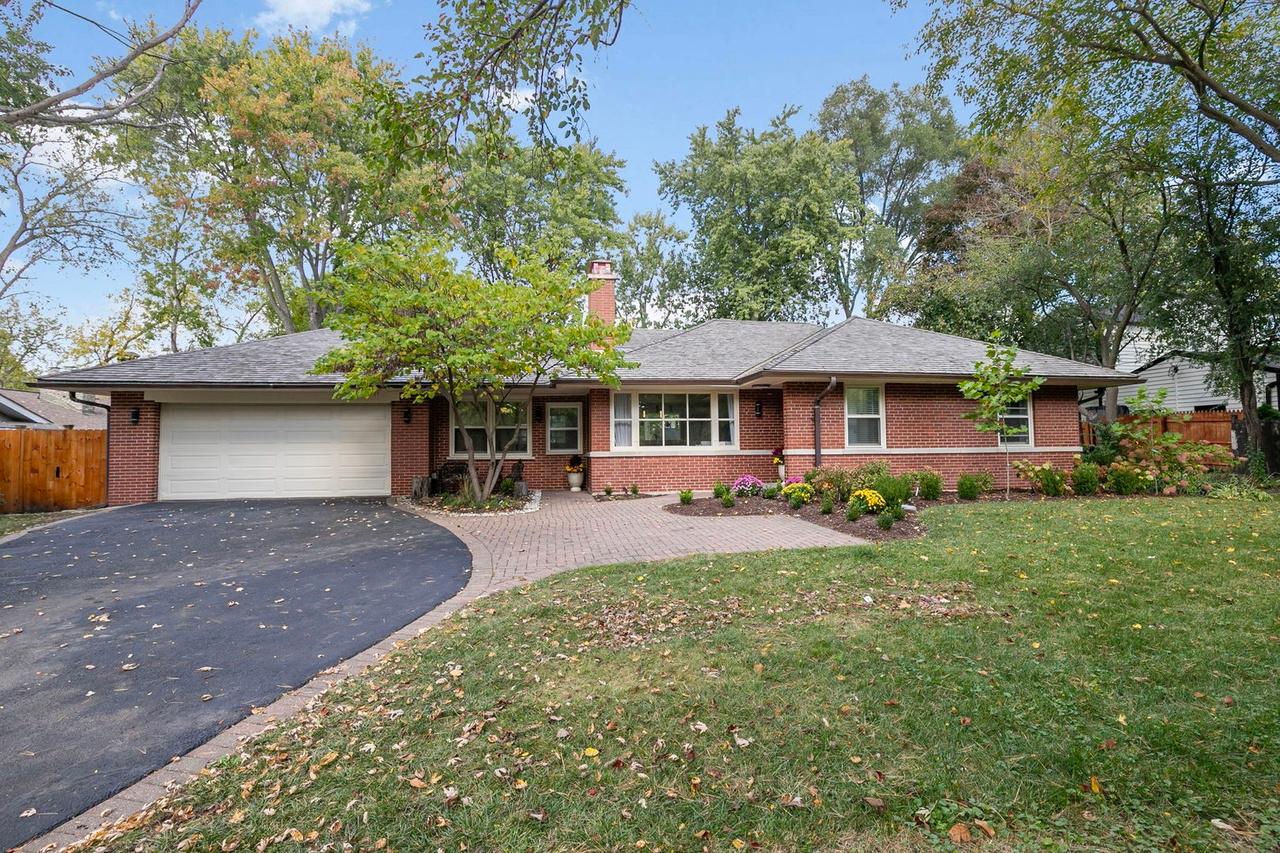
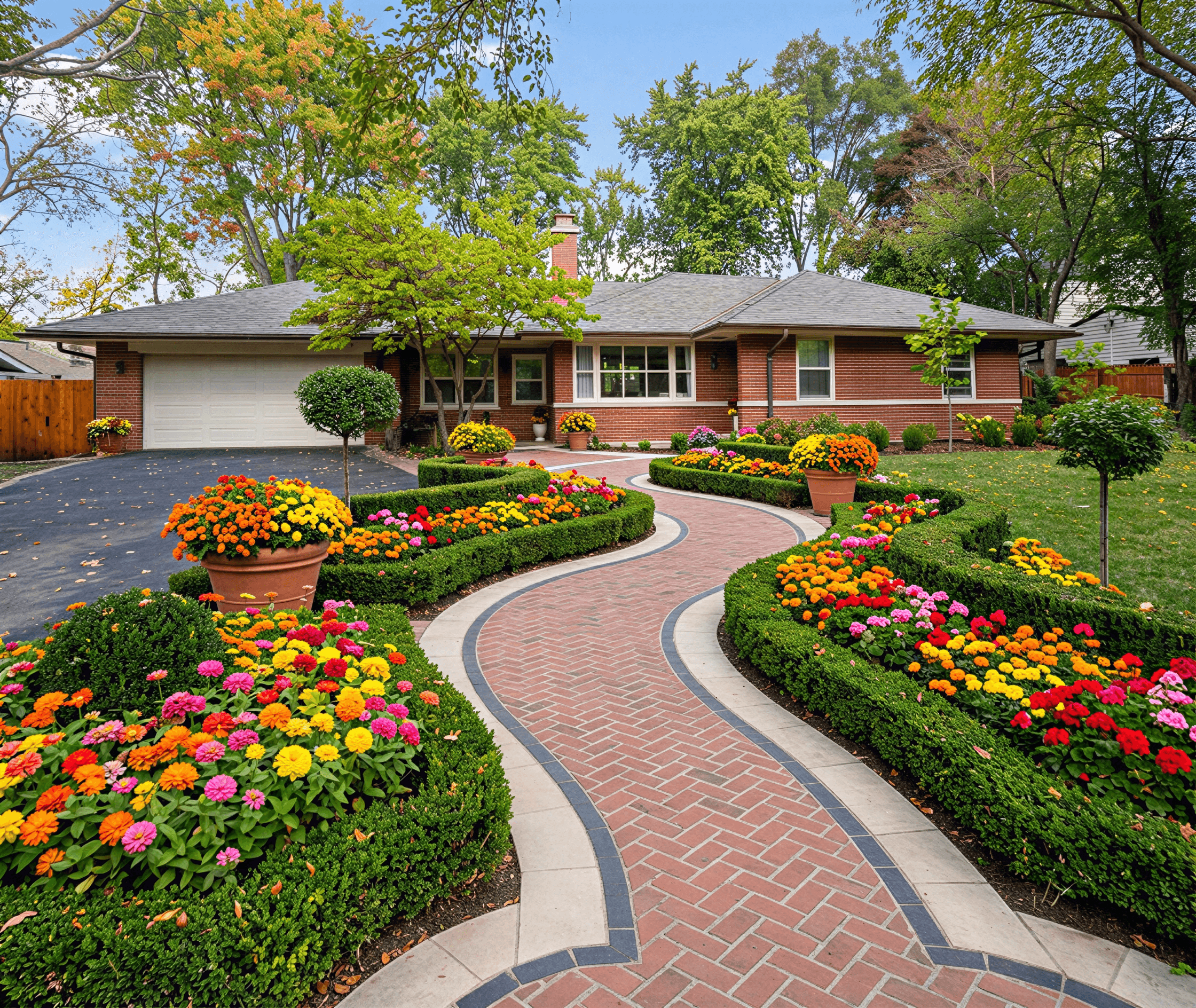
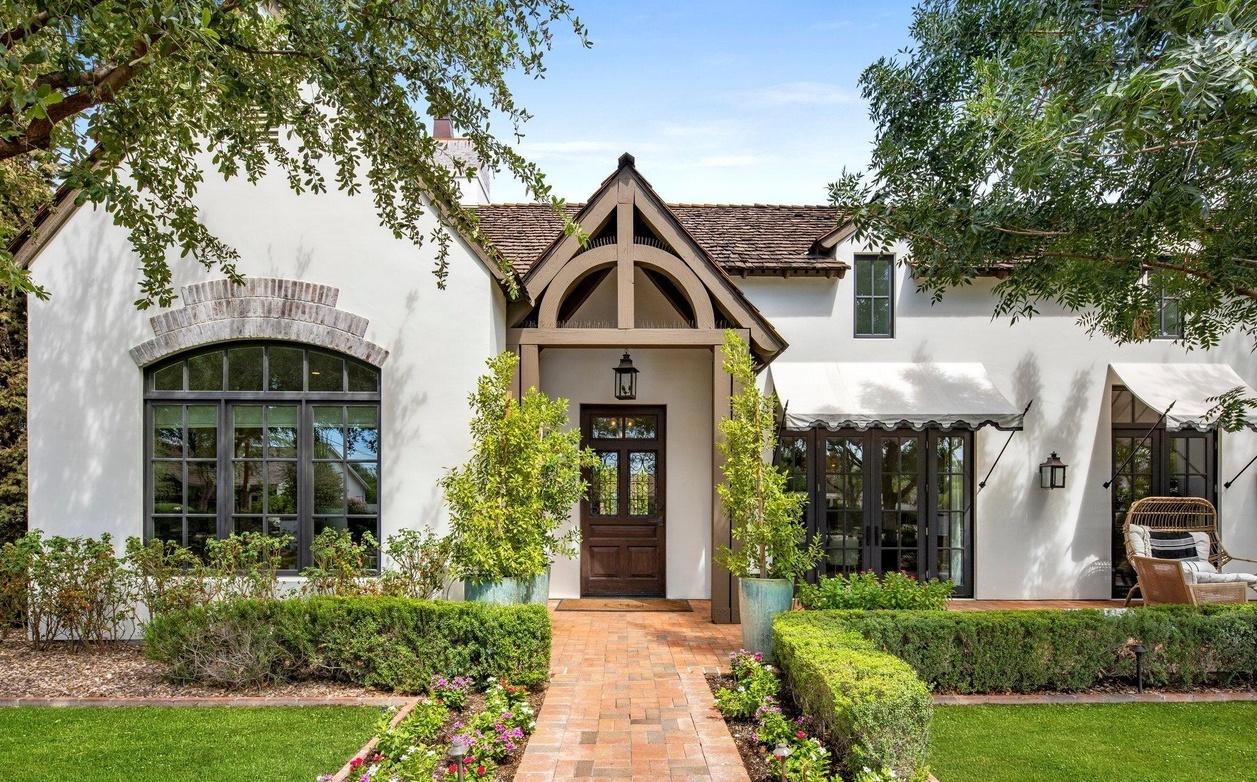
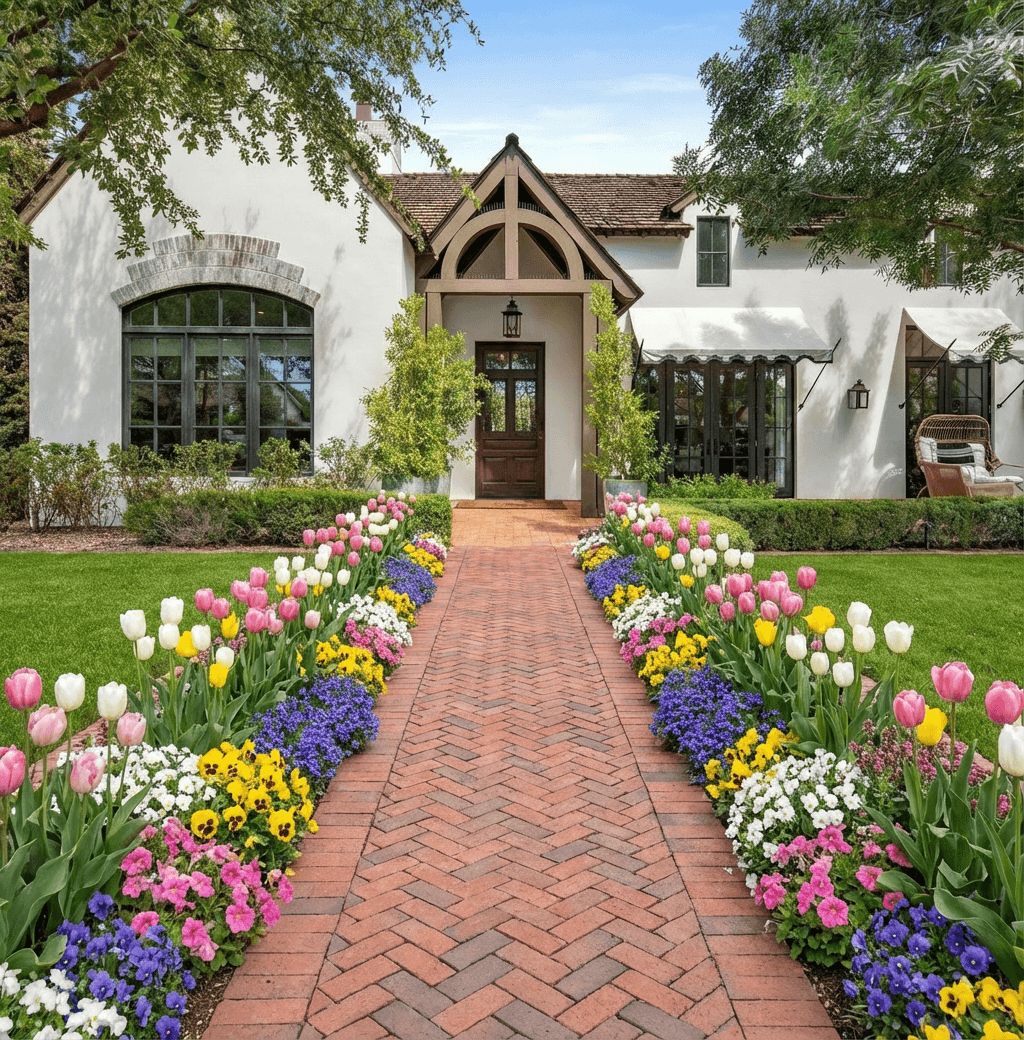
Seeing a concept on your own property turns vague preferences into usable choices. You can judge scale, balance, and style in context, which makes it easier to decide where the budget should go.
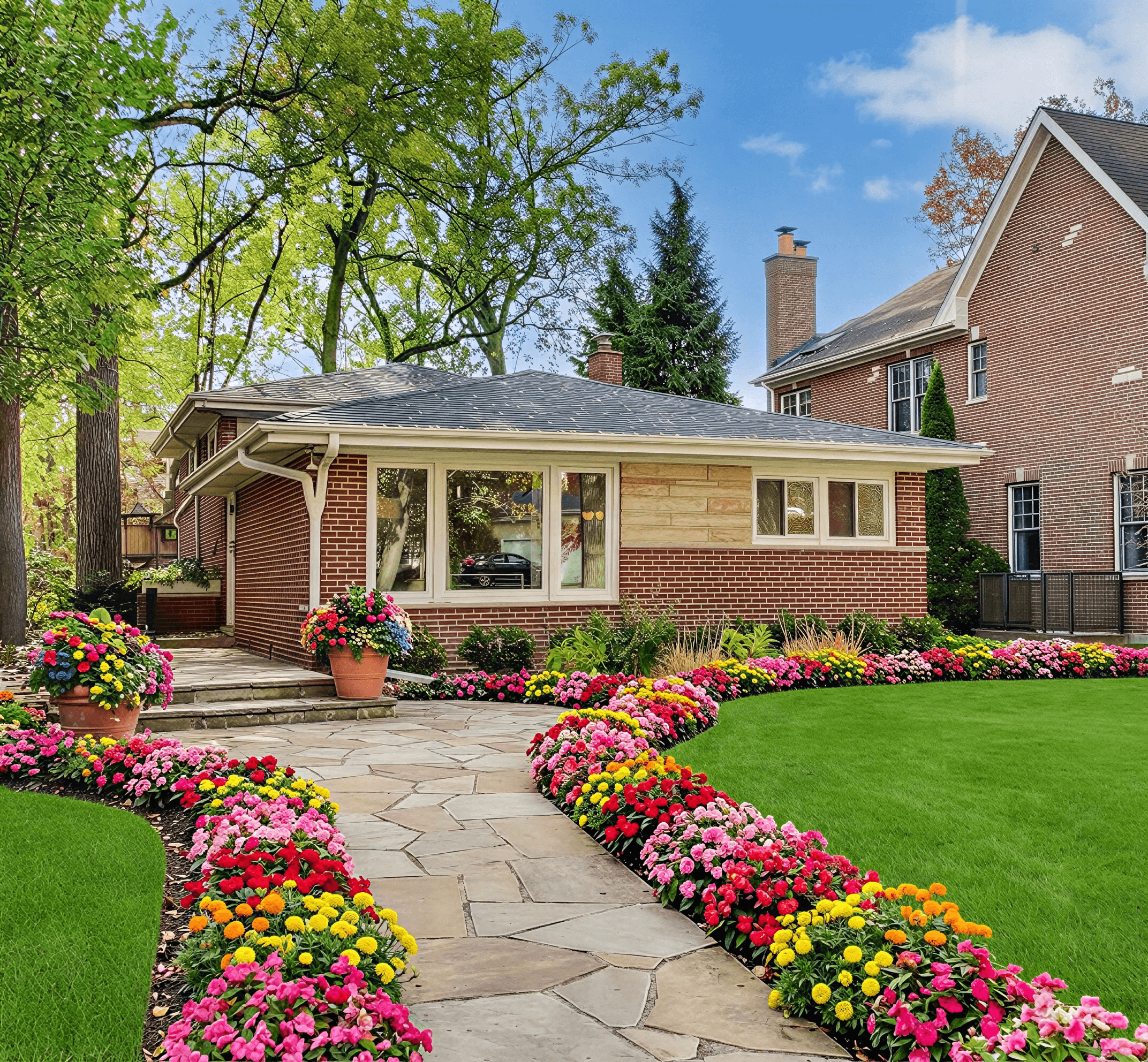
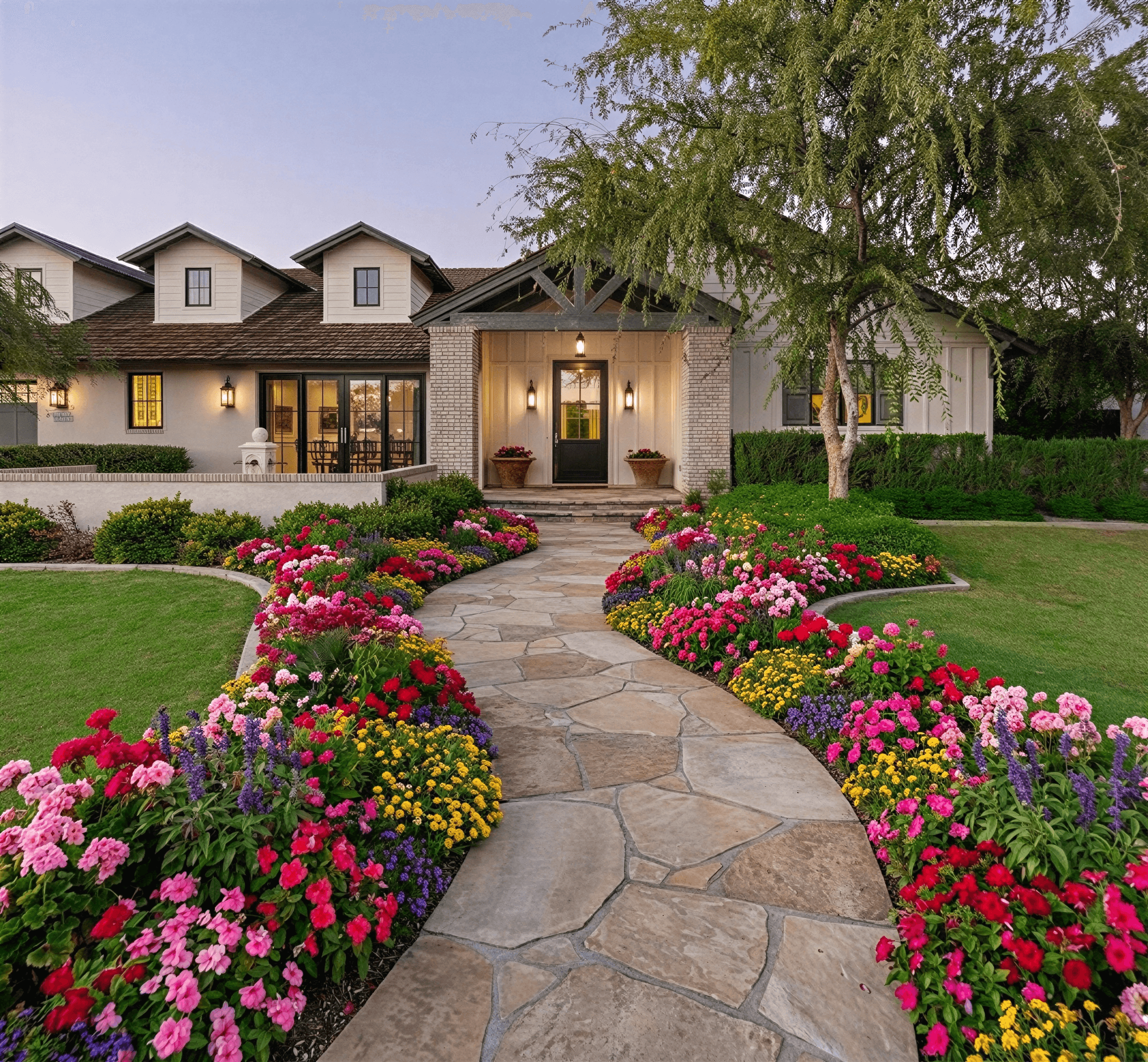
For example, a mockup may show that widening the front bed gives the house a stronger base than adding more plant varieties. Or it may reveal that a curved walk feels forced, while a straighter line suits the architecture better. Those are classic design questions. AI lets you test them faster.
Visualization also improves communication. Contractors, spouses, and designers can react to the same image instead of talking past each other with phrases like "a little fuller" or "more modern." The role is similar to virtual staging of homes, which helps buyers respond to a clear picture rather than an empty room and a lot of guesswork.
AI helps you compare options before you commit
AI works like a fast sketch assistant. It does not replace site judgment, grading knowledge, or plant expertise, but it can help you compare directions while the project is still flexible.
That matters because homeowners usually struggle with three things at once: cost uncertainty, plant selection, and explaining their vision clearly enough for someone else to build it. AI visualization tools address all three by turning ideas into images early. You can see whether a formal layout fits the house, whether a looser planting style feels more natural, and whether the hardscape is doing too much or too little.
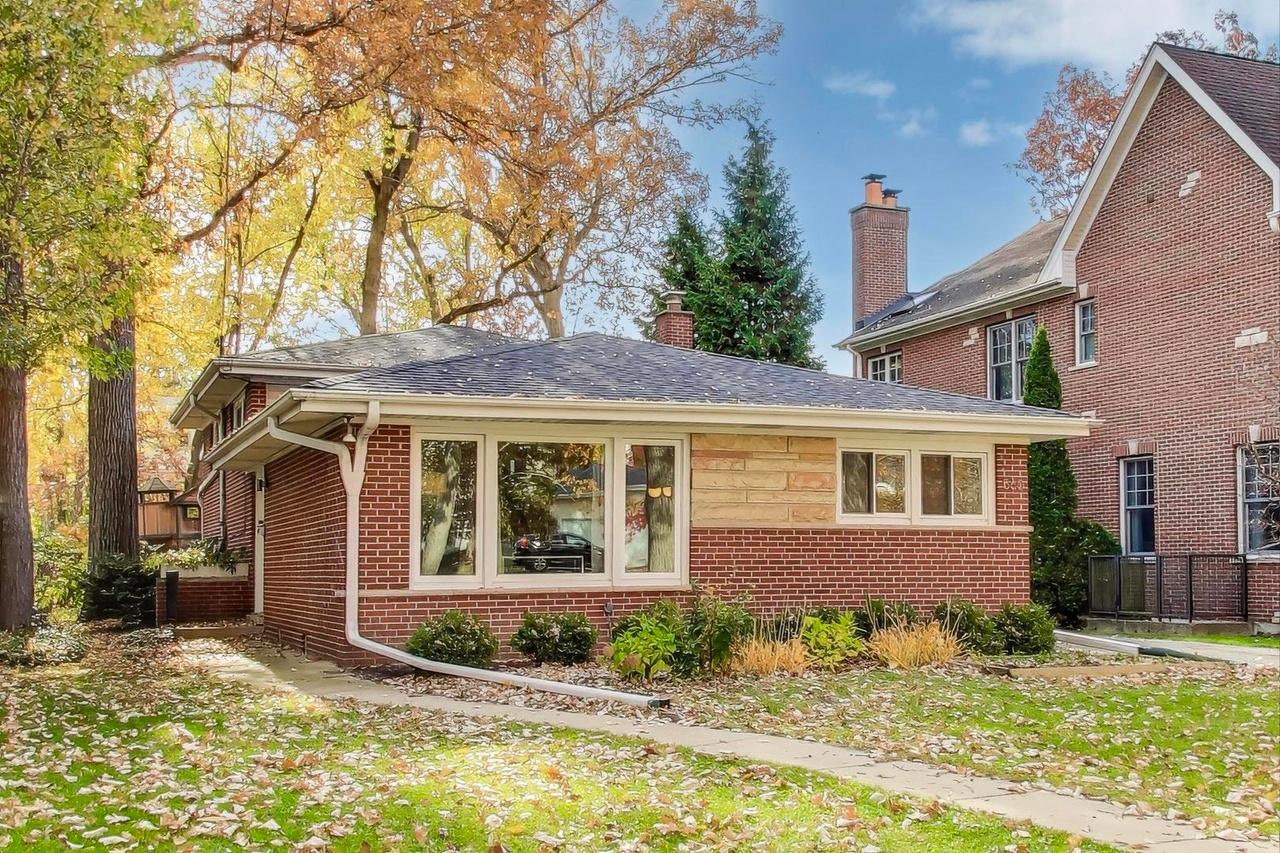
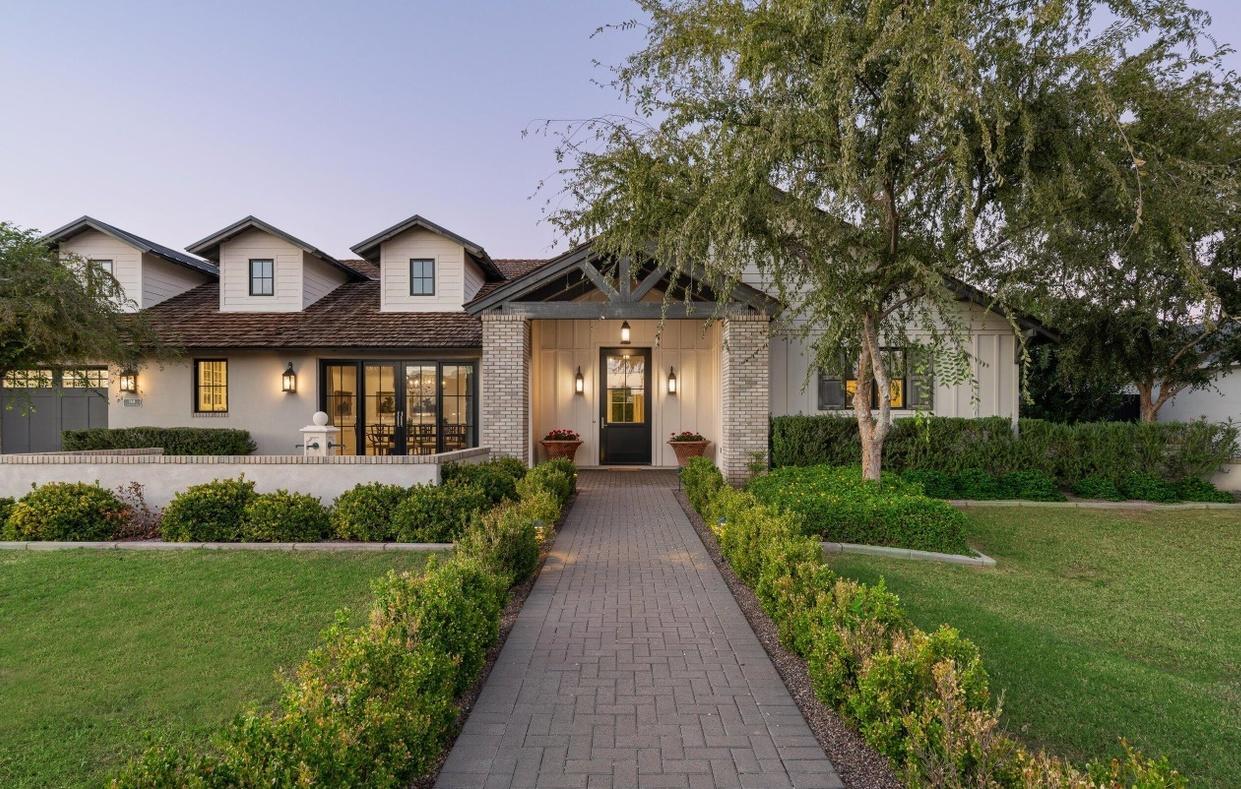
Curb Appeal AI is one example. It lets users upload a property photo, test style directions, and generate climate-aware concepts based on plant suitability and hardiness zone logic. If you want a clearer sense of how these tools fit into the design process, this guide to AI for exterior design gives a practical overview.
The key point is simple. AI shortens the distance between "I think this could work" and "Yes, this is the direction."
Better decisions usually protect your return
Good exterior design adds value because it improves how a property looks, functions, and feels to live in. Buyers notice clear entry sequences, planting that fits the house, and outdoor spaces that feel intentional rather than patched together over time.
That does not mean every pretty rendering leads to a smart investment. A convincing image still needs real design judgment behind it. Plants must fit the site. Materials must fit the budget. The layout must solve actual problems, not just photograph well.
Used that way, AI has a practical financial role. It helps you spot weak choices before installation, compare options without rebuilding twice, and put money into the changes that shape the property most clearly.
Frequently Asked Questions About Outdoor Design
How do I start if my yard is a mess?
Start with observation, not shopping. Walk the property, take photos, note sun, drainage, views, and movement. Then define two or three priorities such as entry appeal, privacy, or outdoor seating.
Should I design plants or hardscape first?
Usually, begin with layout and hardscape. Paths, patios, grade changes, and circulation shape how the space works. Plants then reinforce that structure.
How many plant types should I use?
Fewer than you think. Repeating a smaller palette usually looks more intentional than collecting many unrelated plants. Variety still matters, but repetition creates calm.
Can I phase my outdoor project over time?
Yes, and many homeowners should. Install the structural pieces first, then add planting in phases. That approach works especially well when the master plan is clear.
What’s the biggest beginner mistake?
Ignoring mature size and site conditions. A plant that looks small and manageable in a nursery pot may outgrow the space or struggle if the light and drainage are wrong.
Do I need a formal drawing?
Not always. For a simple project, a clear sketch and marked-up photos can be enough. For complex yards, slopes, walls, or contractor coordination, a more detailed plan helps avoid mistakes.
If you’re ready to turn rough ideas into something you can see and act on, Curb Appeal AI can help you visualize exterior concepts on your own home, compare styles, and move into planning with a clearer direction.