Winter Landscape Protection Tips
winter landscape protection tips
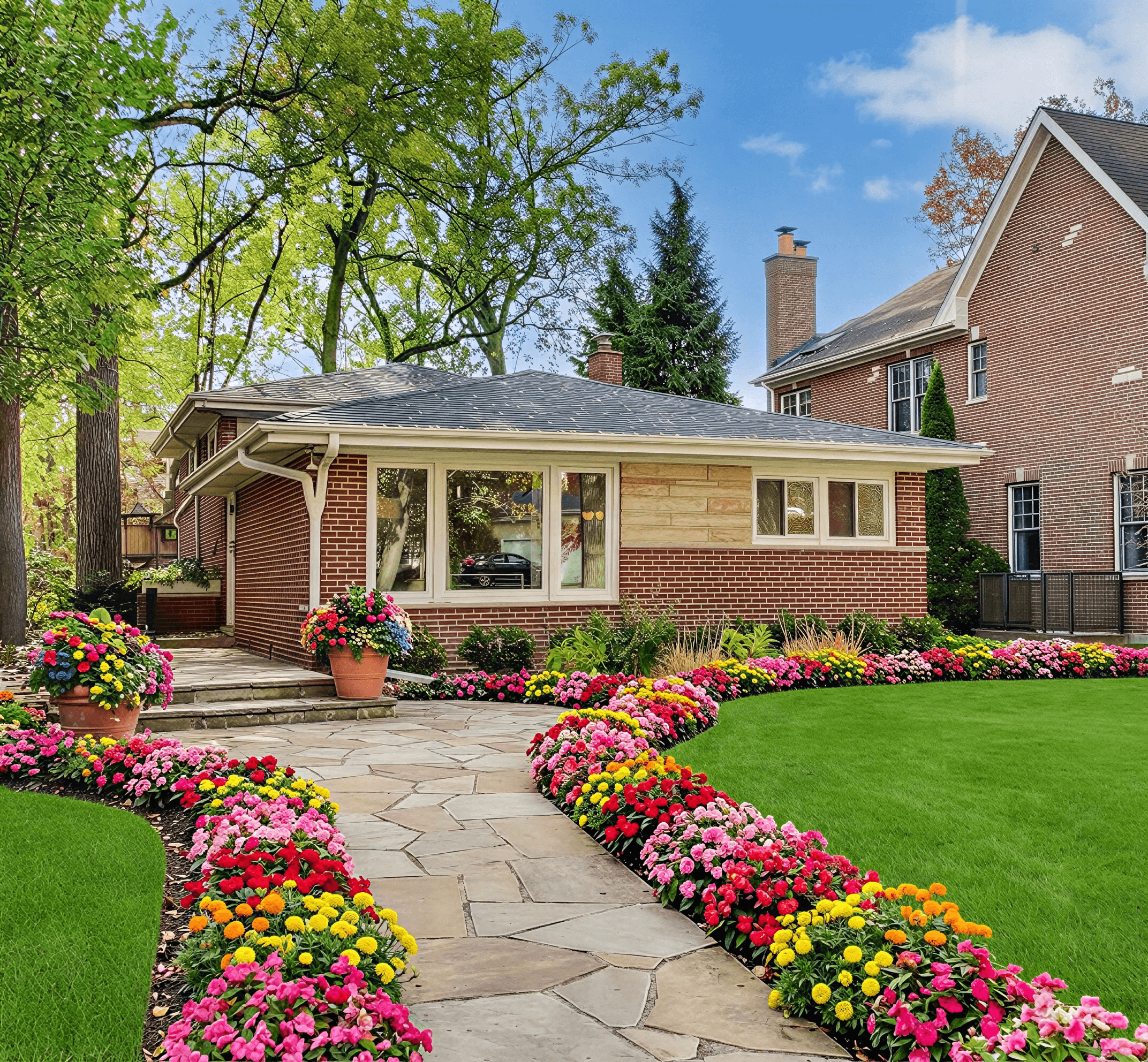
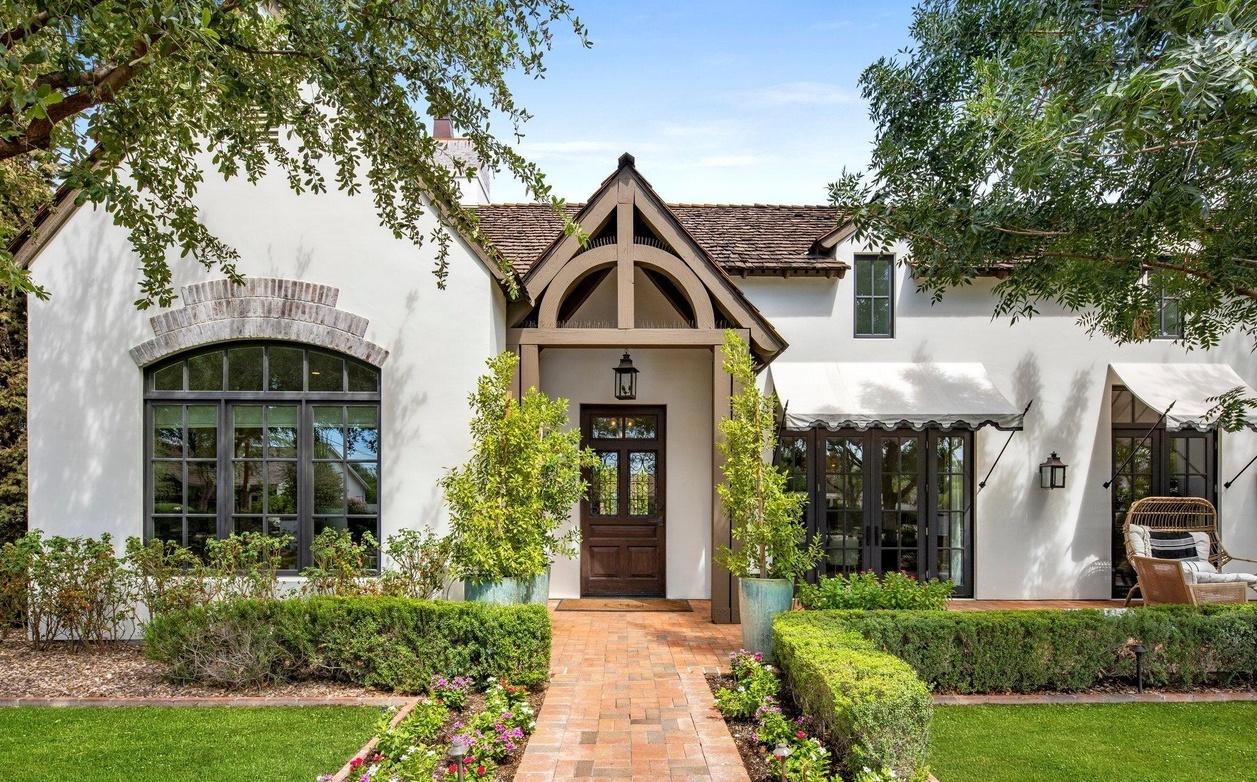
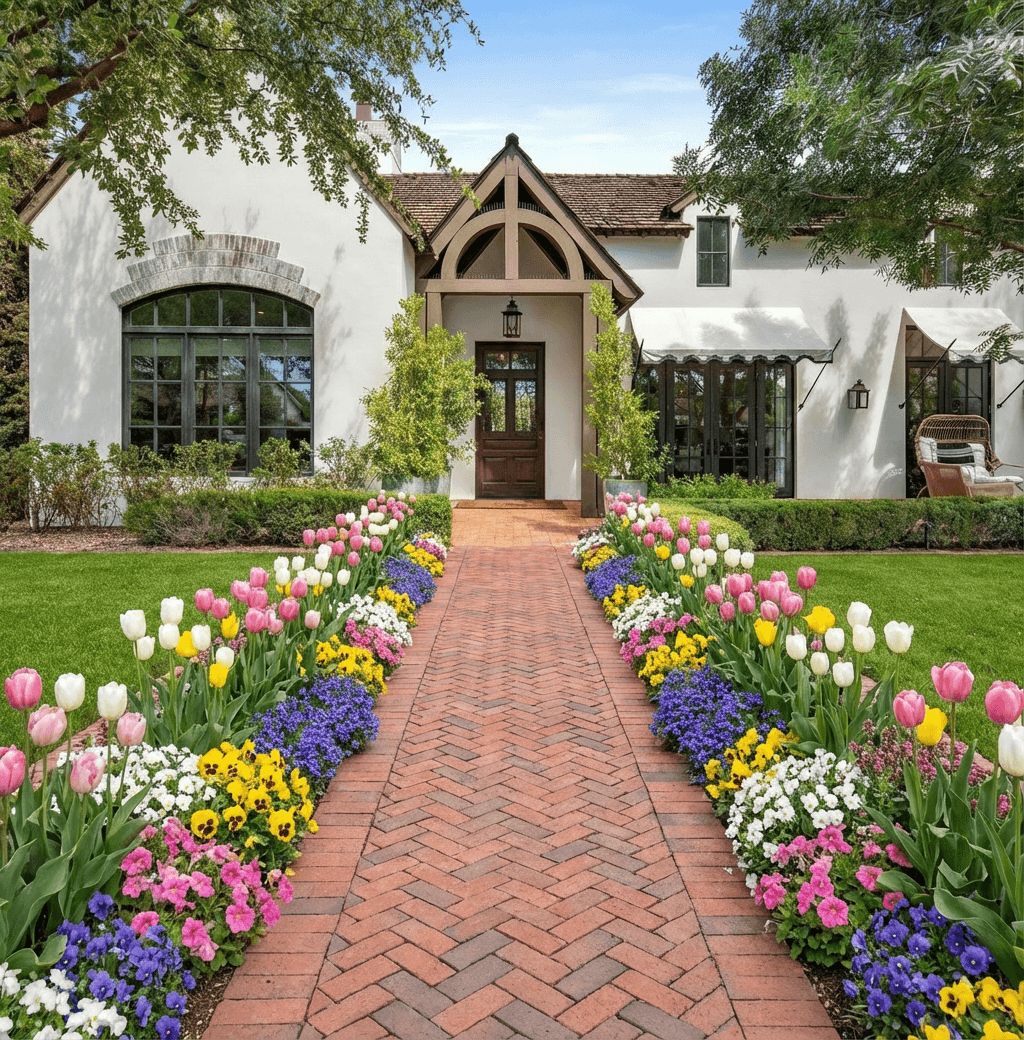
Curb Appeal AI helps homeowners preview winter-ready yards by letting you upload a photo and visualize protective improvements. These winter landscape protection tips focus on preserving plants, hardscapes, and irrigation so your yard weathers cold months with less damage and lower repair cost. Use visual mockups to compare options, prioritize actions, and plan a timeline before you start work.
Visualize protection options before you build
Start by visualizing changes so you can compare approaches without committing to work. Upload a photo to tools like Curb Appeal AI to mock up windbreaks, mulch zones, or temporary covers and see how each option might affect snow drift and sun exposure. This helps you prioritize the most effective winter landscape protection tips for your yard by showing likely outcomes and estimated changes to hardscape and plant placement. Visual planning reduces guesswork, helps set a realistic budget, and gives a clearer scope before you buy materials or hire help.
Start with a winter-focused site assessment
Walk the property in late fall and note microclimates, prevailing winds, drainage patterns, and salt exposure from roads. Identify vulnerable planting spots such as exposed slopes, low-lying frost pockets, or areas with poor drainage where freeze-thaw cycles will stress roots. Prioritize protecting specimens that are costly or hard to replace. These observations form the foundation of practical winter landscape protection tips: target interventions where they will prevent the most damage, and plan placement of burlap screens, temporary barriers, or raised beds based on real site conditions.
Choose hardy plants and smart placement
Select species rated for your USDA hardiness zone and place them where structure and soil conditions offer the most protection. Use windbreaks, hedges, and staggered plantings to reduce wind exposure to more tender specimens, and place shallow-rooted plants away from areas prone to frost heave. Grouping plants with similar water and cold tolerance simplifies care through winter. These design choices are core winter landscape protection tips because good placement and species selection reduce the need for seasonal coverings and repeated interventions, saving time and money over the long term.
Protect irrigation, pipes, and hardscapes
Before the first hard freeze, drain and blow out irrigation lines, insulate exposed valves, and wrap vulnerable above-ground pipes. Extend drip irrigation lines where possible to avoid repeated freeze-thaw cycles in shallow soil. For hardscapes, check joints on pavers and steps, and repair loose stones to prevent water infiltration and freeze expansion. Routine checks during the season can catch small problems before they worsen. Including these tasks in your winter landscape protection tips will protect expensive systems and reduce the likelihood of disruptive mid-winter repairs.
Use materials that resist freeze-thaw damage
Choose pavers, sealants, and edging materials rated for freeze-thaw conditions to limit cracking and shifting. For de-icing, prefer alternatives to rock salt—such as calcium magnesium acetate or sand—near plantings and soil, since sodium chloride damages roots and alters soil structure. Mulch beds with an appropriate layer to moderate soil temperature and reduce heaving; avoid piling mulch against trunks. Thoughtful material choices are practical winter landscape protection tips that reduce cumulative damage, keep walkways safe, and preserve the long-term look and function of your yard.
Budget considerations and DIY vs professional help
Estimate costs by prioritizing actions that prevent the most expensive failures, like insulating irrigation or protecting specimen trees. Simple tasks—clearing gutters, adding mulch, wrapping young trees—are generally DIY and reduce immediate risk at low cost. Complex work, such as installing permanent drainage, erecting professional windbreaks, or redesigning slopes, may be worth hiring a landscaper or irrigation pro to avoid costly mistakes. Balance DIY savings with the value of professional guarantees; use visualization tools and checklists to scope work so you can compare estimates and choose the most cost-effective approach.
Frequently Asked Questions
When should I start preparing my landscape for winter?
Begin preparations in early fall—after most plants have stopped their main growth but before the first hard freeze. That timing lets you mulch, prune lightly, drain irrigation, and install protections while soil is still workable and plants are entering dormancy.
How can I protect shrubs and small trees from winter damage?
Use burlap screens on windward sides to reduce desiccation and tie branches of multi-stem shrubs to prevent snow damage. Apply a 2–4 inch layer of organic mulch around the root zone (not touching trunks) to moderate soil temperature and reduce heaving.
Is rock salt safe to use near planted areas and lawns?
No—sodium chloride can harm plant roots and change soil structure, especially near sensitive beds. Use sand for traction or plant-safe de-icers like calcium magnesium acetate in areas close to vegetation.
Should I hire a professional to winterize my yard or do it myself?
For basic tasks—mulching, covering young trees, and clearing gutters—DIY is often sufficient and cost-effective. Hire a pro for complex drainage fixes, irrigation winterization with blow-outs, or major structural work to ensure the job is done correctly and to code.
Related Landscaping Ideas
Explore Professional Services Near You
Related Articles
How to Design for Front Yard Landscape: A Pro's Guide
Learn the complete design for front yard landscape process. Our guide covers site analysis, style, plant selection, and using AI tools for stunning results.
Design of Landscape: A Modern Homeowner's Guide
Master the design of landscape for your home. This guide covers principles, styles, site analysis, plant selection, and using AI tools for stunning curb appeal.
iScape Landscape Design App: A Complete 2026 Guide
Explore our complete guide to the iScape landscape design app. Learn its features, pricing, pros, cons, and see how it compares to new AI alternatives.
Real transformations
See how homeowners are using Curb Appeal AI to reimagine their properties