Front Yard Landscaping Ideas With Rocks
front yard landscaping ideas with rocks
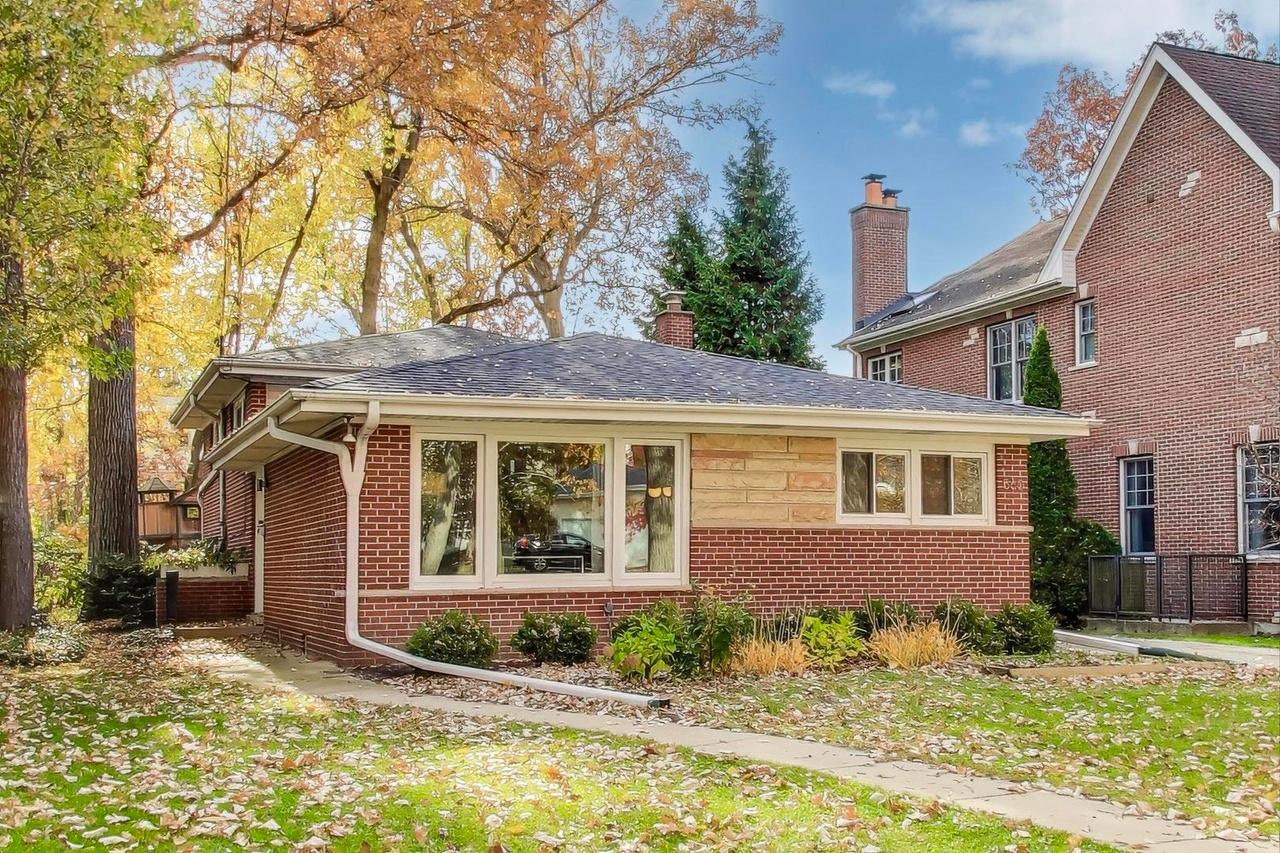
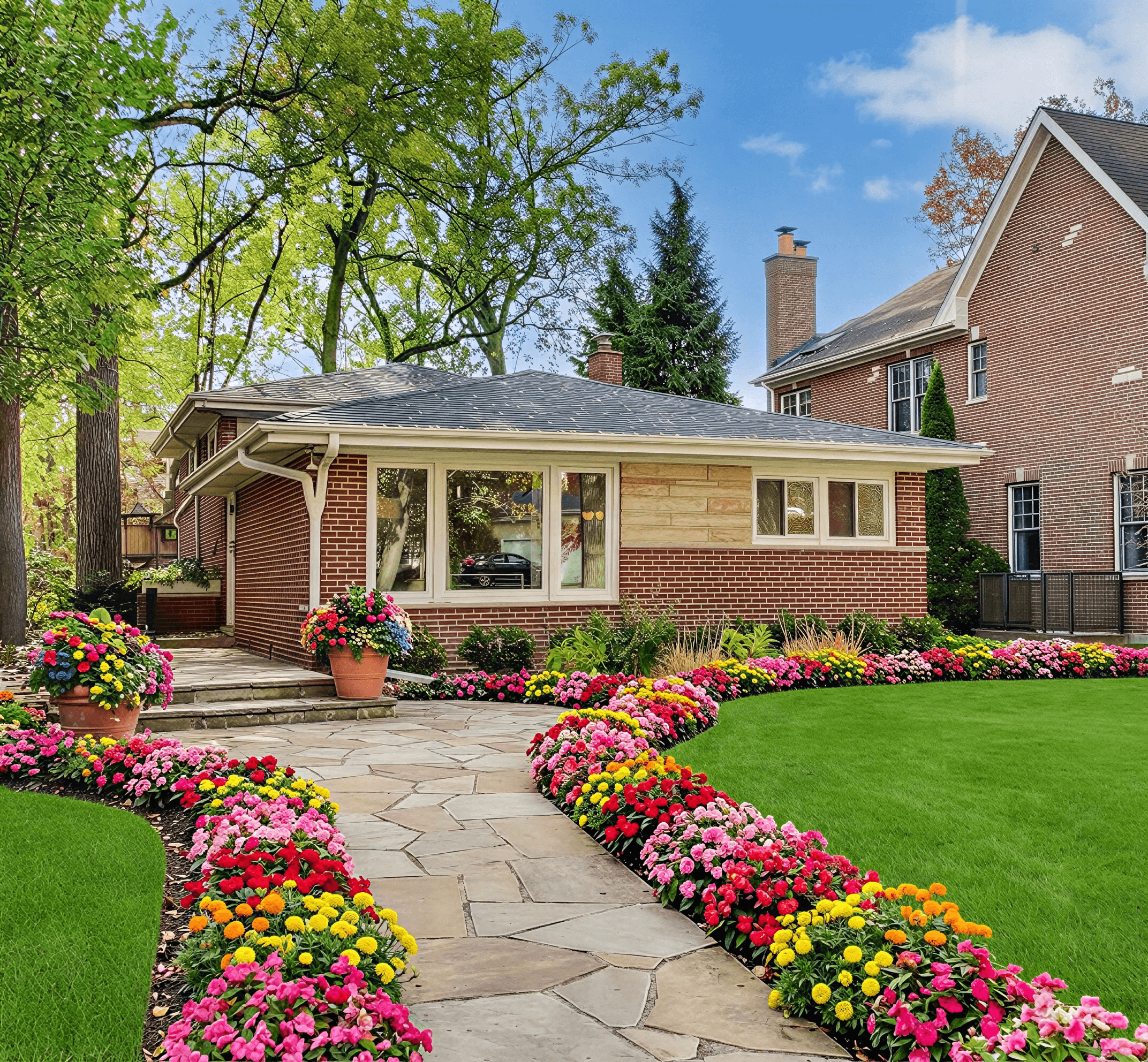
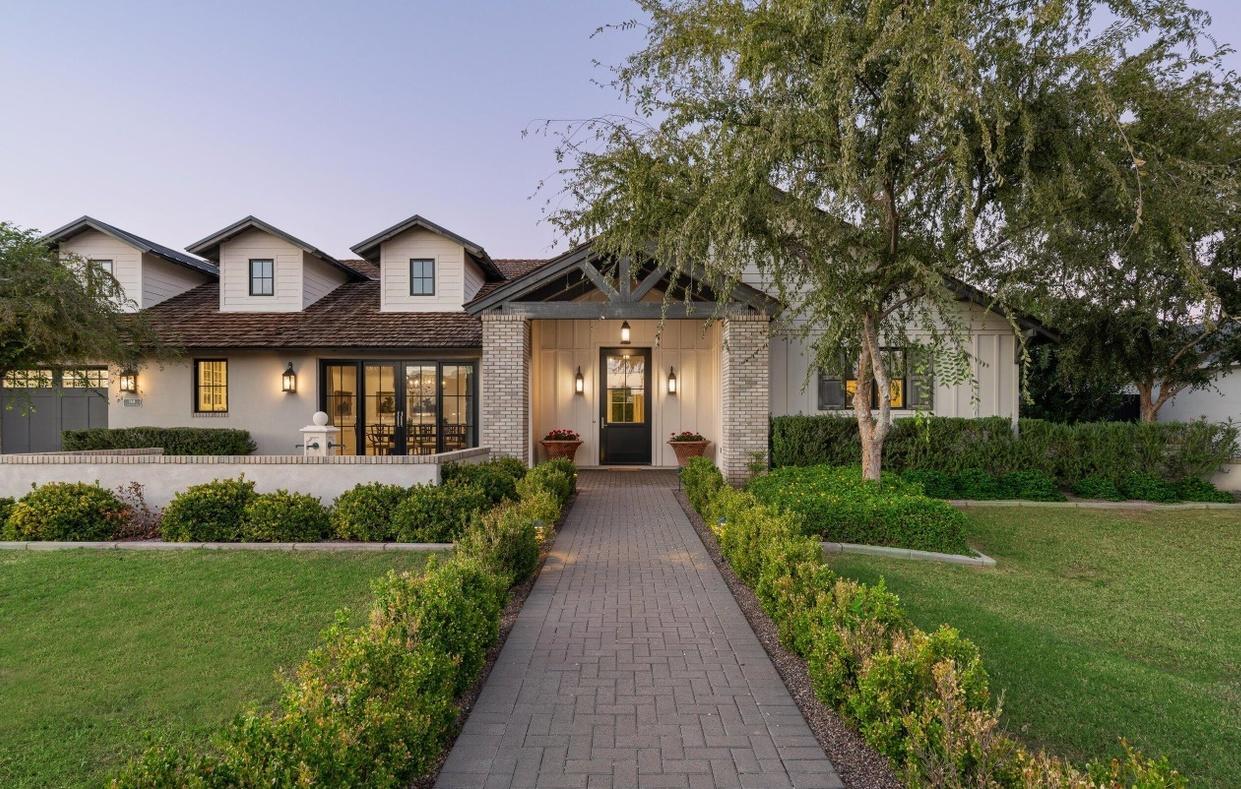
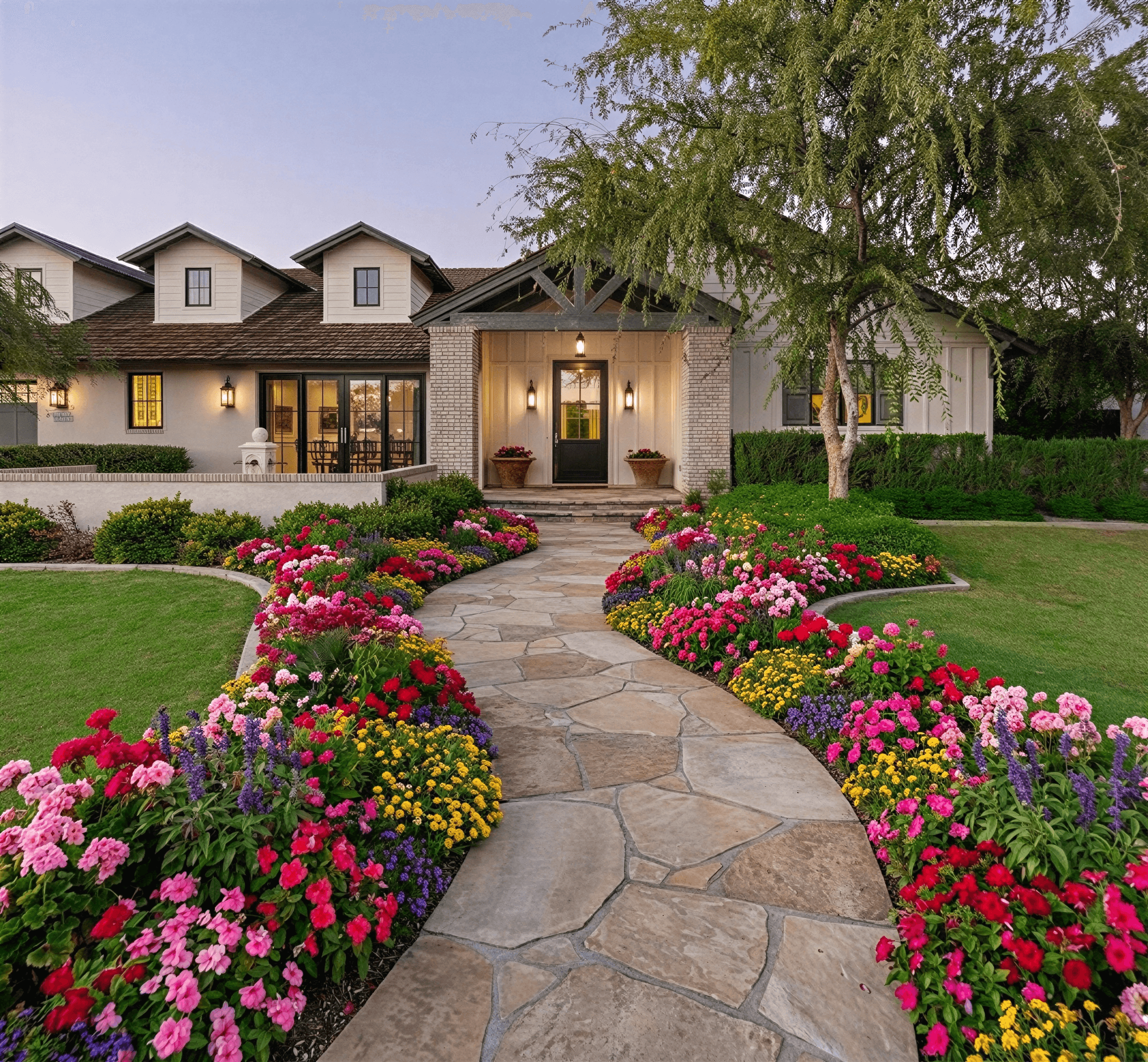
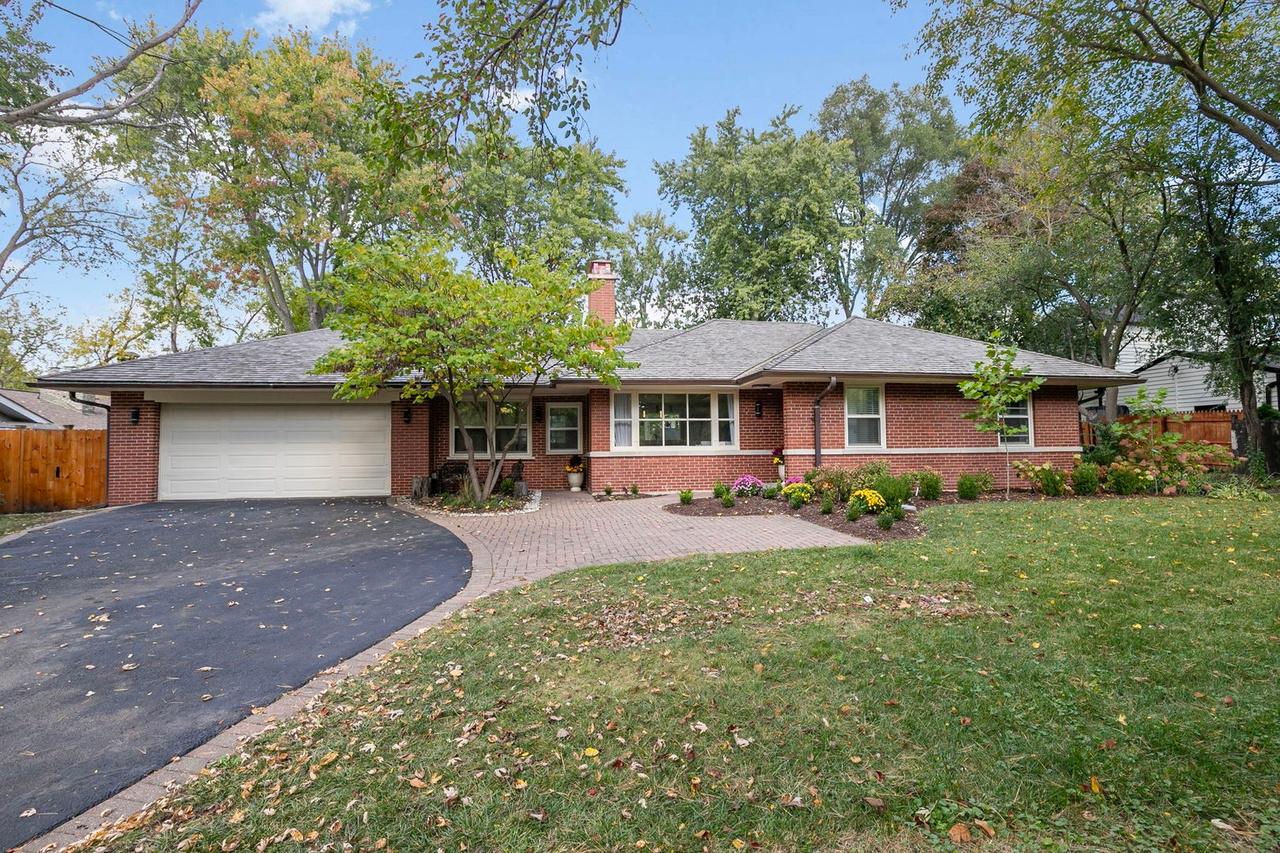
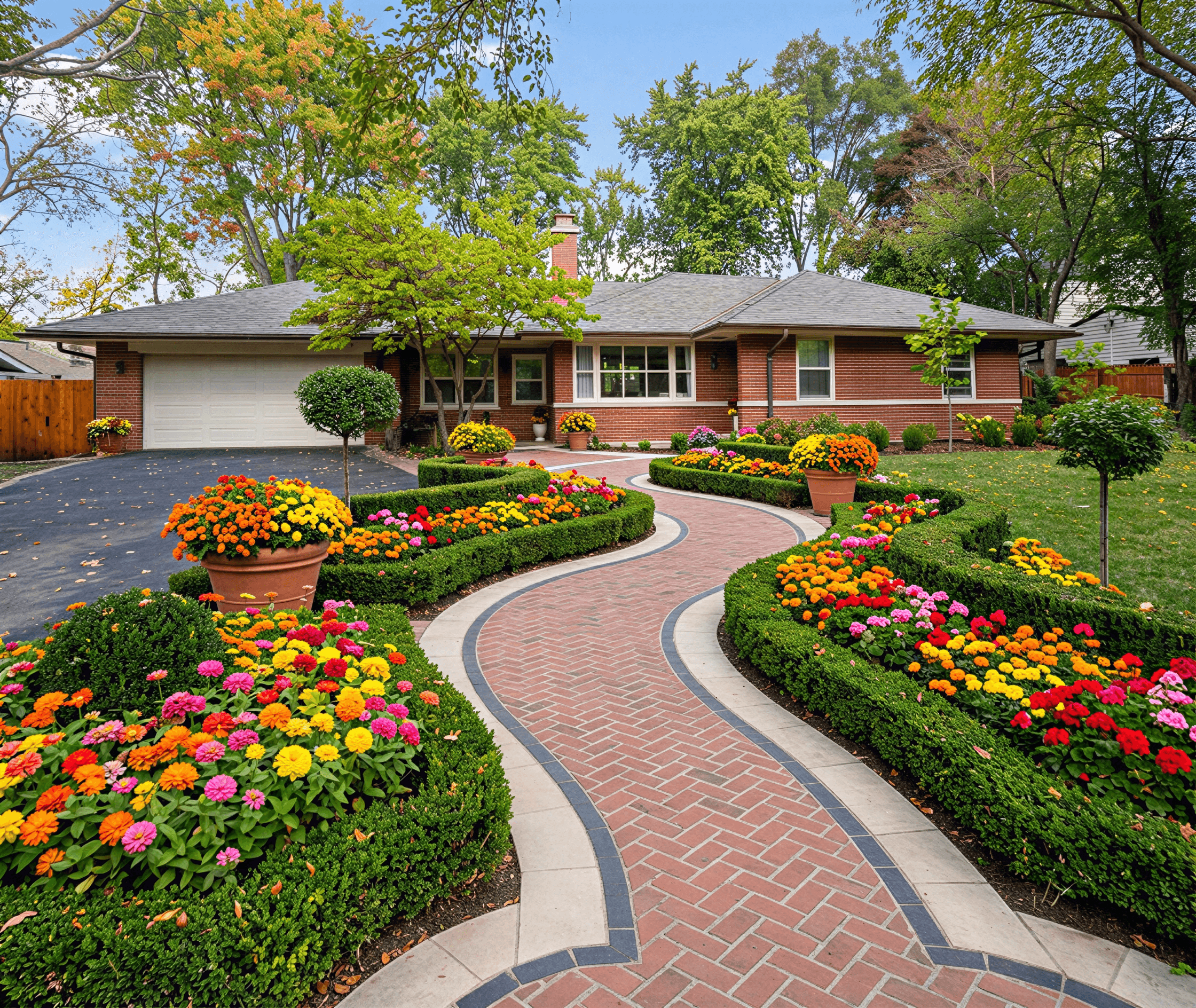
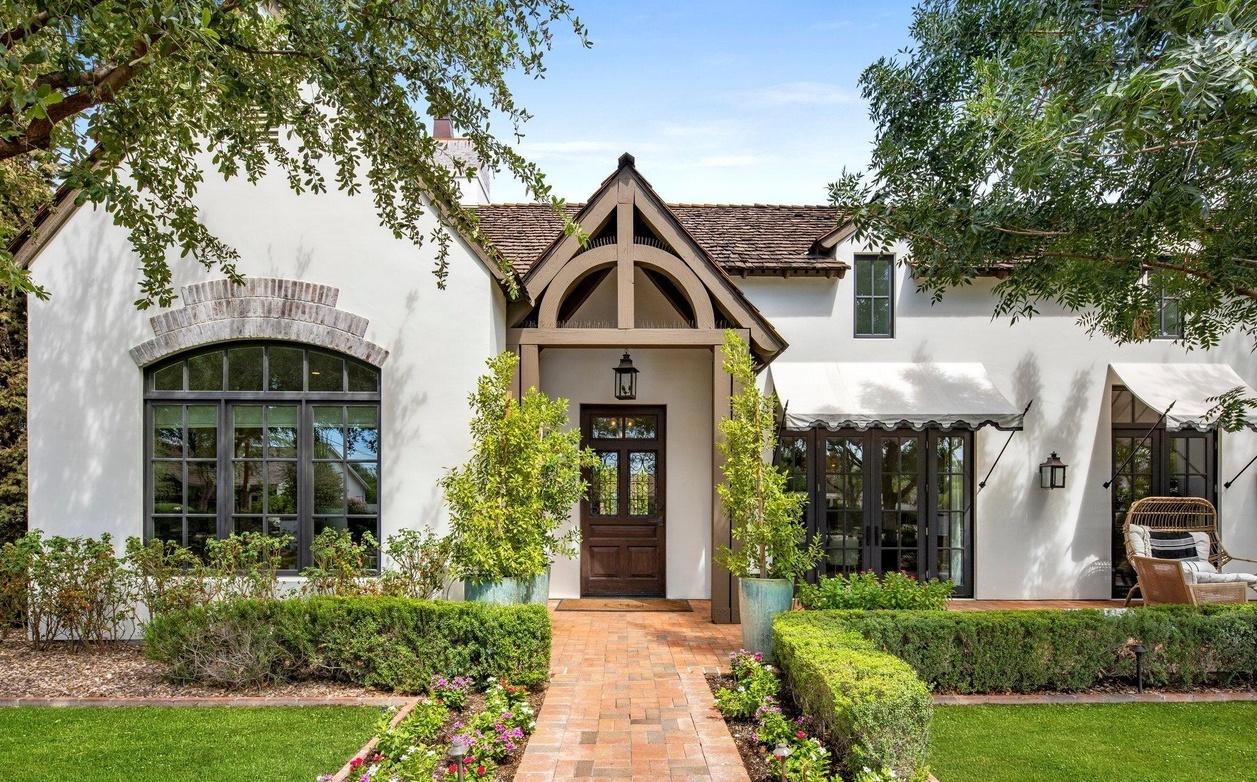
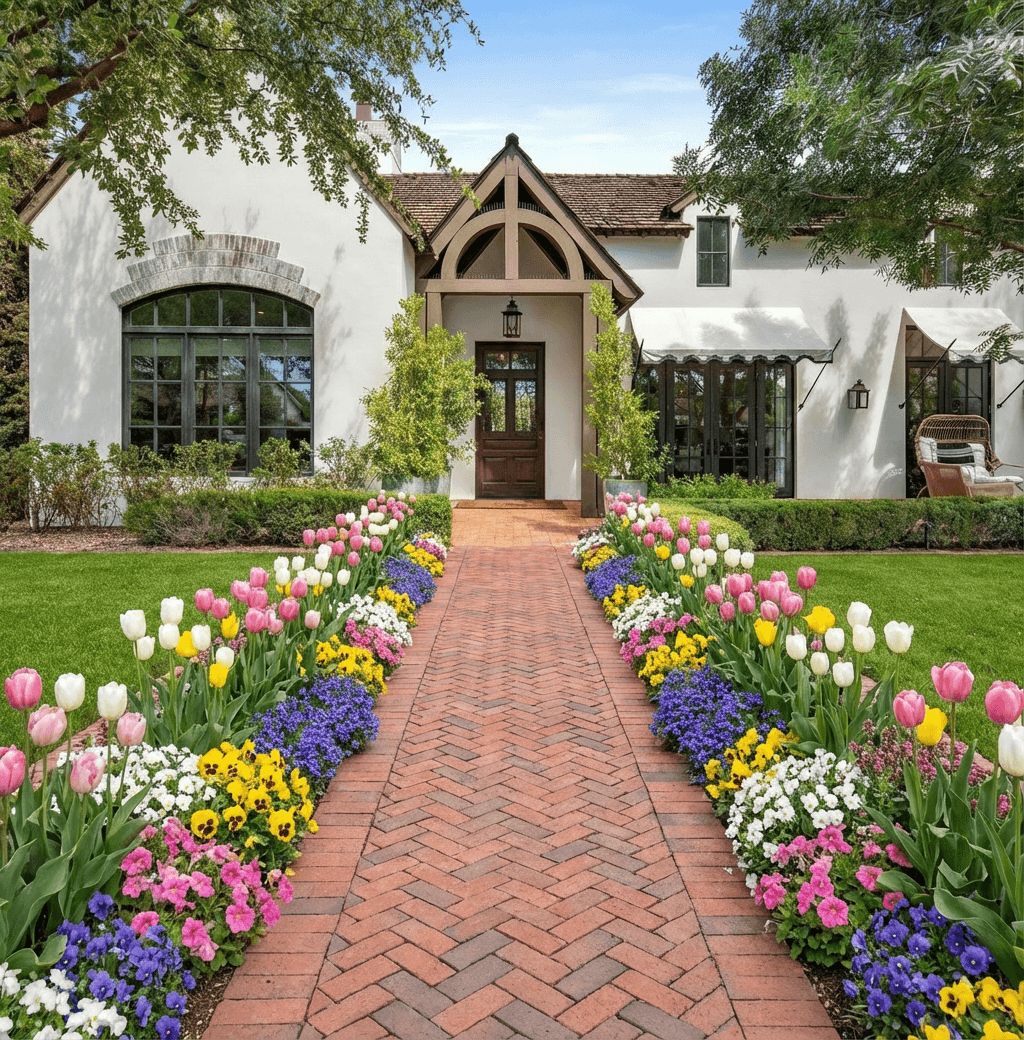
Curb Appeal AI helps homeowners visualize changes before they start by letting you upload a photo of your yard and try different looks. Using front yard landscaping ideas with rocks can simplify maintenance, define planting beds, and add year-round interest while keeping water needs low. Upload a current photo, experiment with rock layouts and plant groupings, and get a clearer idea of what will fit your home and budget.
Planning Your Front Yard Rock Layout
Start by mapping existing features: walkways, utilities, slopes and planting beds. Identify focal points like your front steps or a mailbox where rock arrangements can draw the eye. Consider scale — small yards suit pebbles, gravel and accent stones while larger properties can handle boulders. Use Curb Appeal AI to upload a photo and test different layouts so you can see how pathways, rock beds, and plants will relate to your home before buying materials. This early visual planning prevents costly mistakes and helps you prioritize where to invest.
Design Ideas Using Rocks and Plants
Mix textures by combining rocks, gravel, and low-water plants for a balanced look. Create defined beds edged with medium-sized stones, and plant drifts of drought-tolerant perennials or ornamental grasses to soften hard edges. For a modern approach, use clean lines and uniform gravel with a few larger boulders as anchors. For a cottage or natural style, scatter varied stones and add native groundcovers. Many homeowners use the phrase front yard landscaping ideas with rocks to search for examples; look for photos that match your home’s scale and color palette.
Choosing Materials: Rocks, Gravel, and Boulders
Select rock types that match your house and climate. River rock offers rounded shapes and works well near plants, crushed gravel is good for paths and drainage, and larger boulders create durable focal points. Consider color — warm-toned stone complements brick, while gray tones suit modern stucco. Factor in durability and local availability because shipping heavy stone raises costs. Use a mix of sizes to keep the design natural: base layers of crushed stone for drainage, medium cobbles for borders, and one or two larger rocks to anchor the composition.
Estimating Costs and Budgeting for Rocks
Costs vary by material, quantity, and delivery distance; crushed gravel and pea gravel are generally inexpensive, while large boulders and specialty stone cost more. Measure the area and calculate cubic yards needed — suppliers often sell by the cubic yard for rock and by ton for boulders. Don’t forget base materials like landscape fabric, edging, and delivery fees. If you use Curb Appeal AI to visualize a design, you can create a materials list and get more accurate supplier quotes, which helps keep the project within budget and avoid surprises.
Maintenance Tips for Rock Landscapes
Rock landscapes are lower maintenance than turf but still need seasonal care. Remove weeds and debris, refresh gravel levels every few years, and check that edging and fabric are intact to prevent migration. For planted areas, monitor soil moisture and add mulch around root zones to reduce evaporation; rocks can intensify heat around shallow-rooted plants, so choose species accordingly. Regularly inspect drainage around foundations and paths to ensure rock placements aren’t directing water toward the house. A small annual tidy-up keeps the design neat and functional.
DIY Versus Hiring a Professional Installer
Decide based on scale, skill, and local conditions. Small projects like a gravel path, rock-bordered bed, or accent boulder are manageable for a confident DIYer with the right tools. Larger jobs involving heavy boulders, grading, or changes to drainage are better handled by professionals who can ensure proper base materials and compaction. If you’re unsure, use Curb Appeal AI to test designs and then get estimates from two or three contractors; comparing a visual mockup to bids helps you weigh cost against the quality and warranties a pro might provide.
Frequently Asked Questions
Will using rocks in my front yard reduce water needs?
Yes. Replacing turf with rock beds and drought-tolerant plants typically lowers irrigation needs significantly. Choose native or low-water plants and use mulch or gravel to retain moisture around roots for the best results.
How do I prevent weeds in a rock landscape?
Lay landscape fabric or a heavy-duty weed barrier under the rock, and edge beds to prevent soil migration. Hand-pull or spot-treat weeds when they appear, and refresh the top layer of gravel every few years to reduce weed establishment.
Can I mix rocks and lawn in the front yard?
Yes. Mixing rock elements with measured lawn patches provides visual contrast and retains some turf function. Use rocks to define borders or create pathways that reduce the overall lawn area while keeping a green focal point near the house.
Are large boulders difficult to install?
Large boulders require proper equipment and placement planning; they can be heavy and may need a small excavator or lift. Hire a contractor for safe installation and to ensure good contact with the ground for stability and drainage.
Related Landscaping Ideas
Explore Professional Services Near You
Related Articles
10 Landscaping a Front Yard Ideas for 2026
Explore 10 inspiring landscaping a front yard ideas, from modern to cottage styles. Get practical tips on plants, budget, climate to boost curb appeal.
8 Small Front Yard Landscaping Ideas to Maximize Curb Appeal in 2026
Discover 8 inspiring small front yard landscaping ideas, from modern minimalist to charming cottage styles. Transform your space with our expert tips!
Top 10 Front Yard Landscaping Ideas for 2026
Explore 10 top front yard landscaping ideas for 2026. From modern to cottage, find budget-friendly, low-maintenance designs to boost your home's curb appeal.
Real transformations
See how homeowners are using Curb Appeal AI to reimagine their properties