Front Yard Tree Landscaping Ideas
front yard tree landscaping ideas
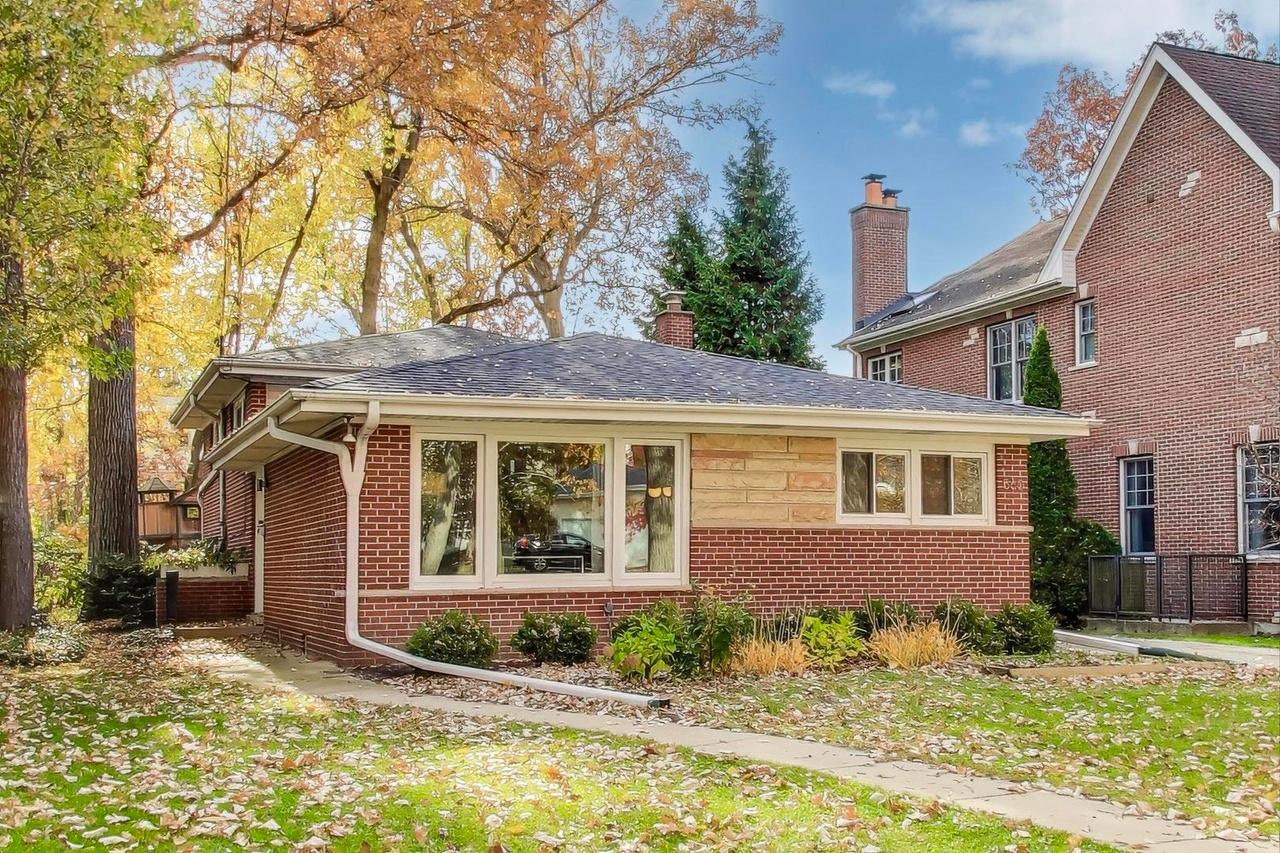
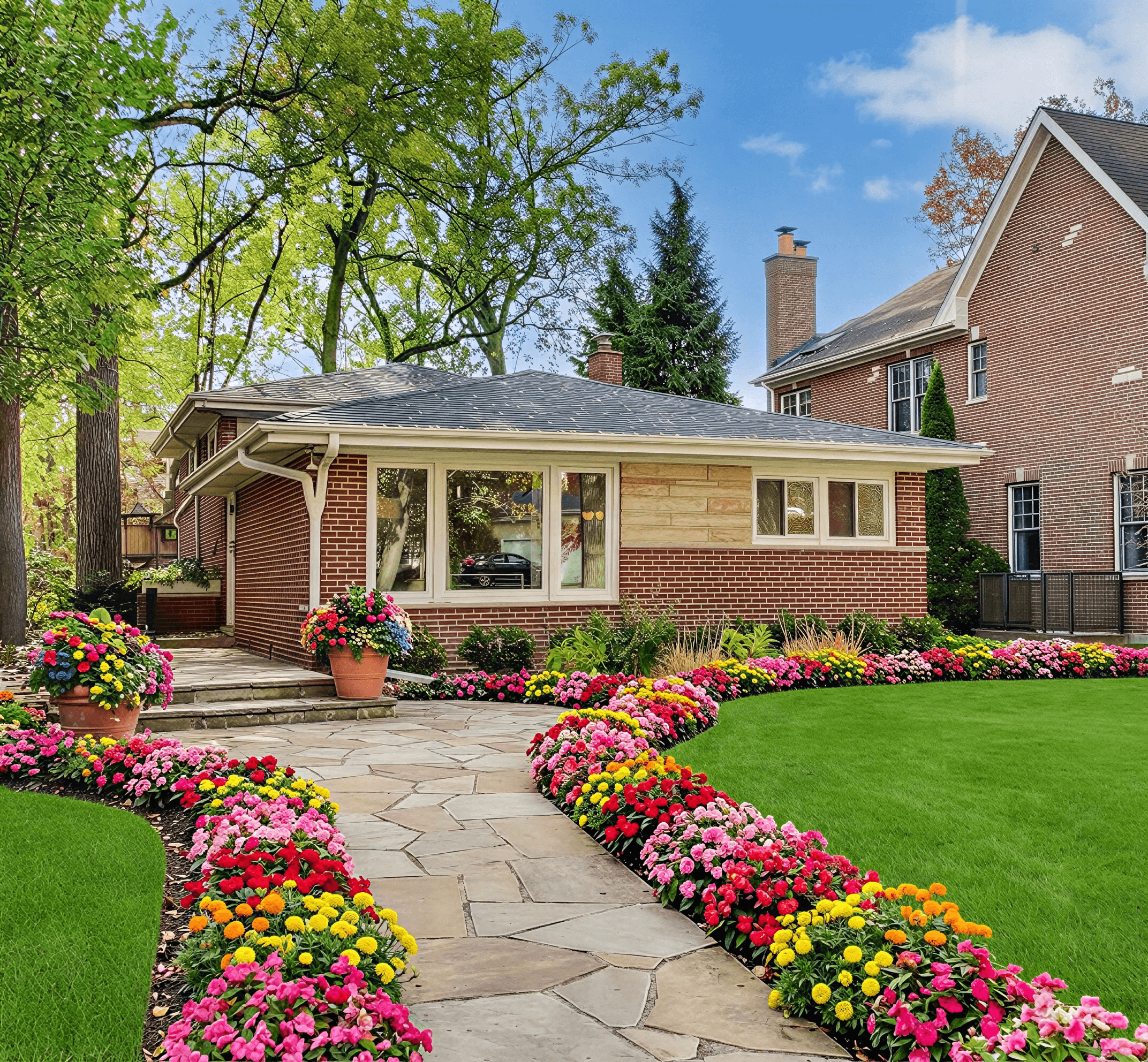
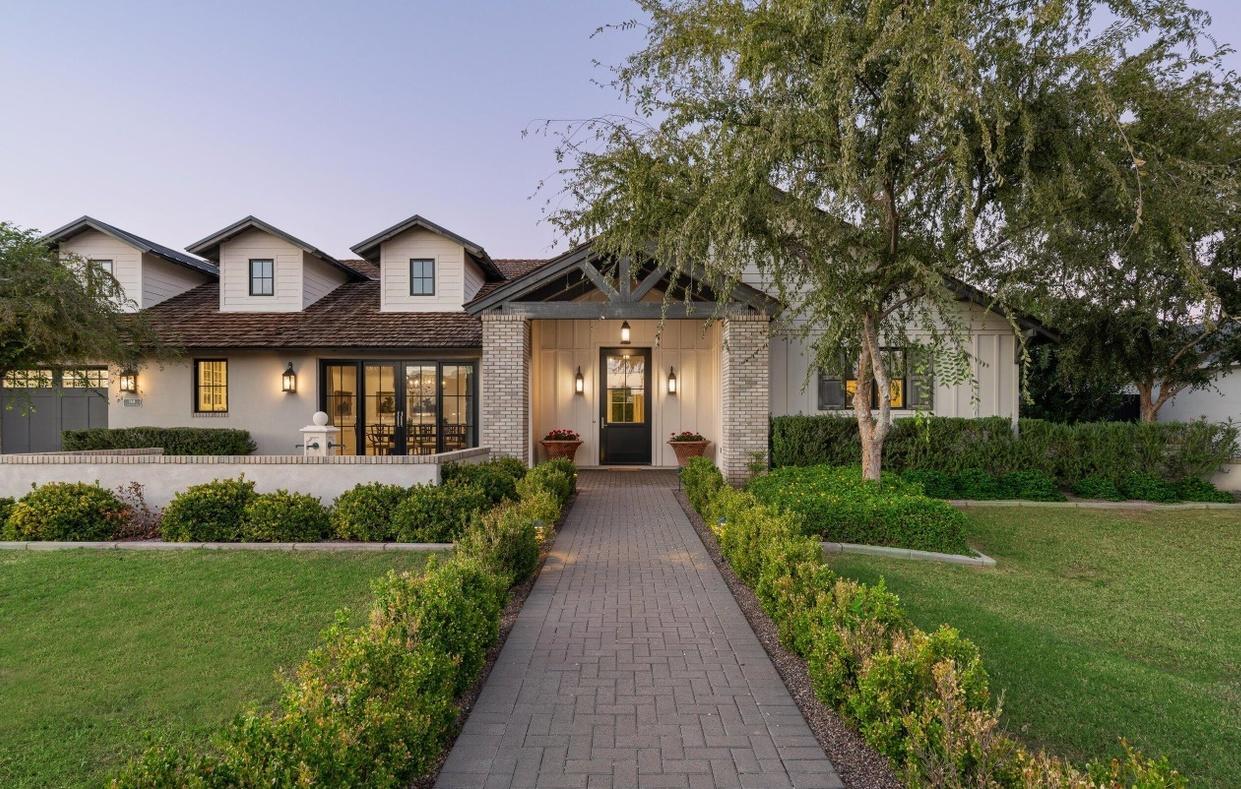
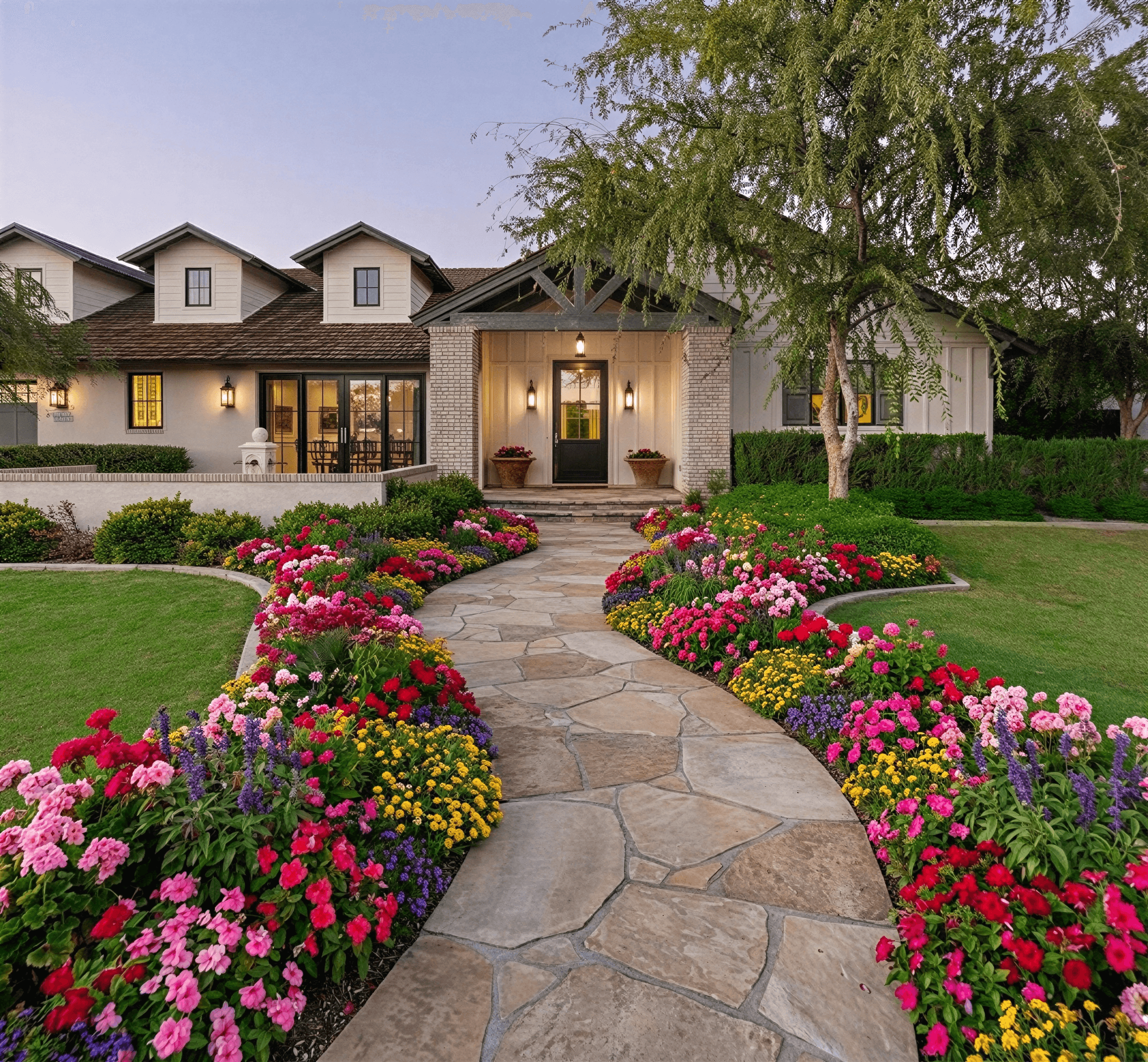
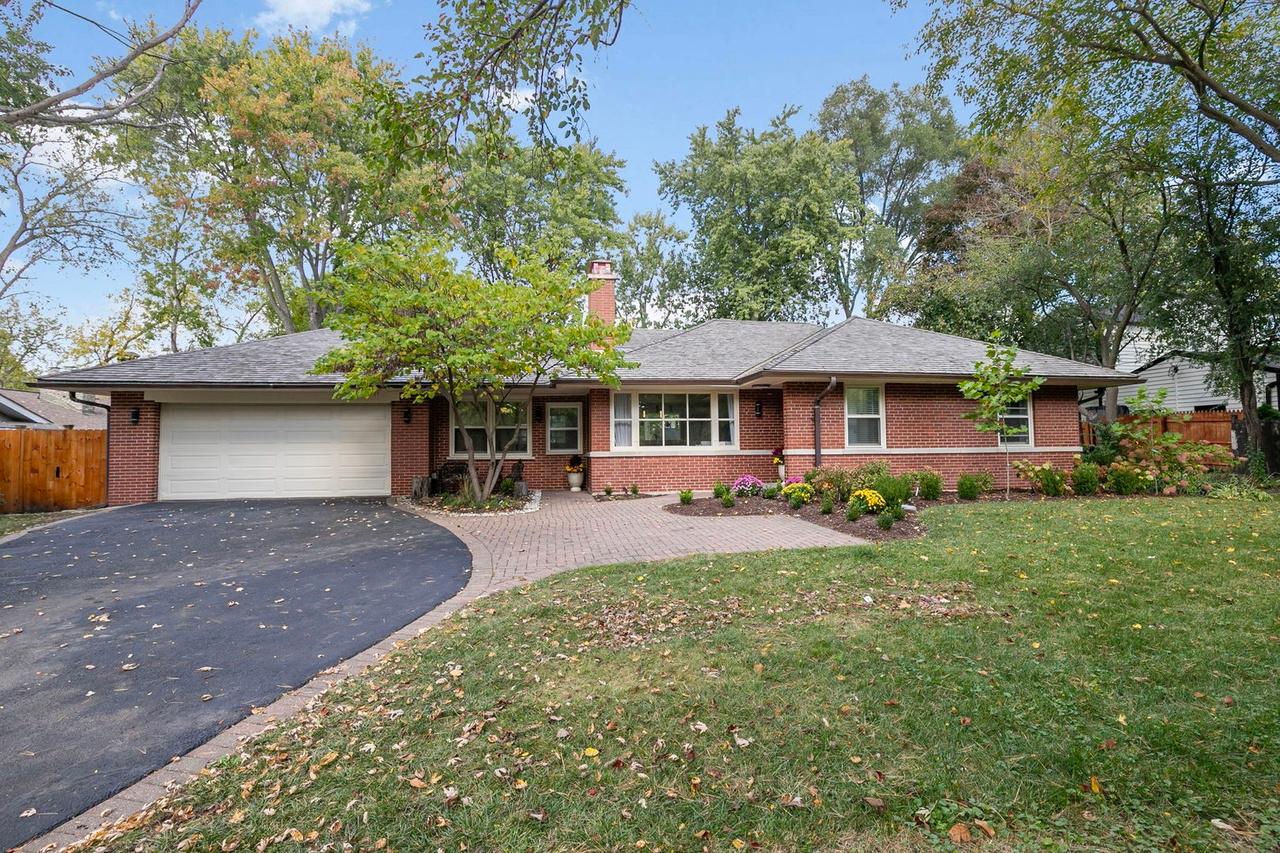
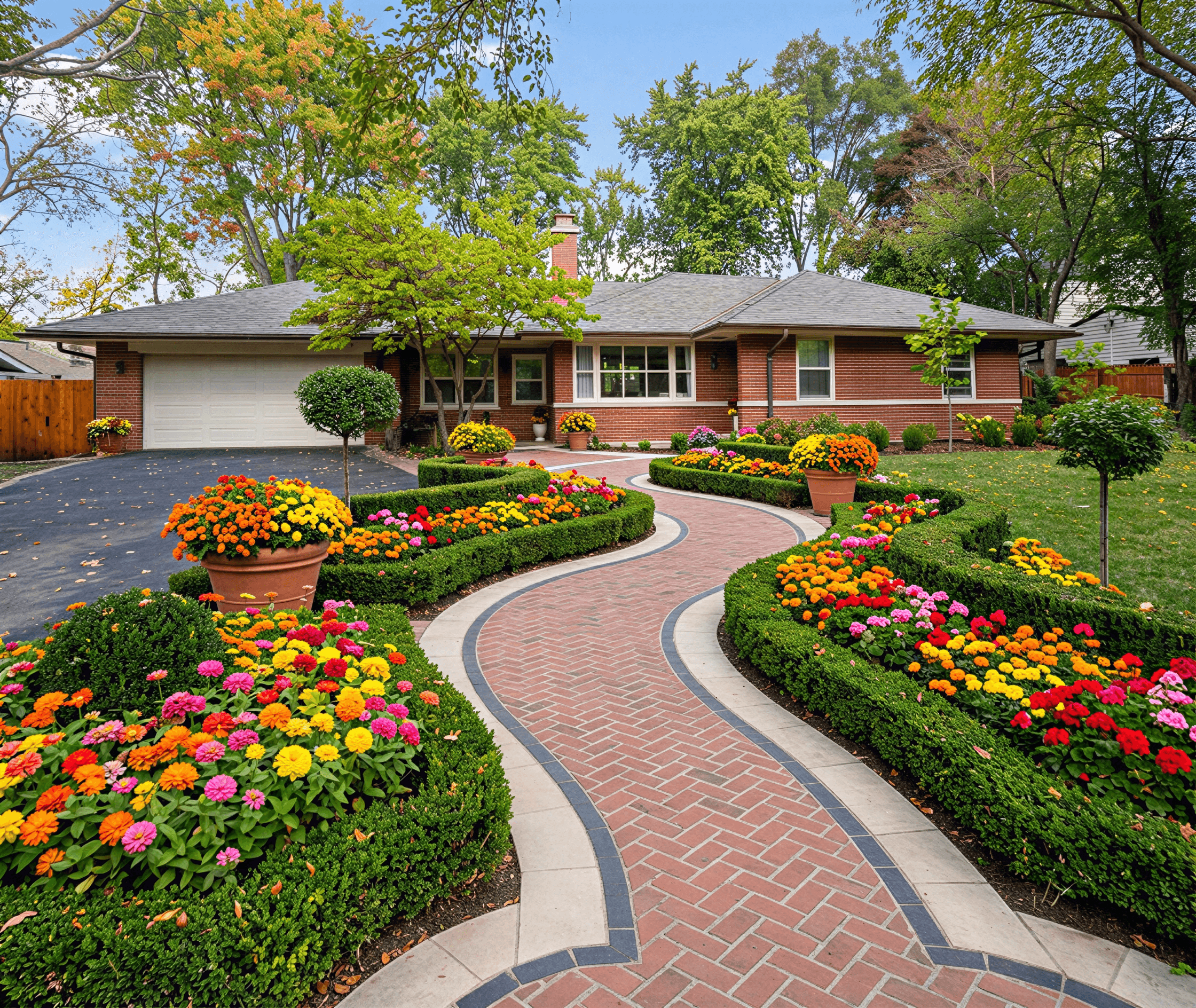
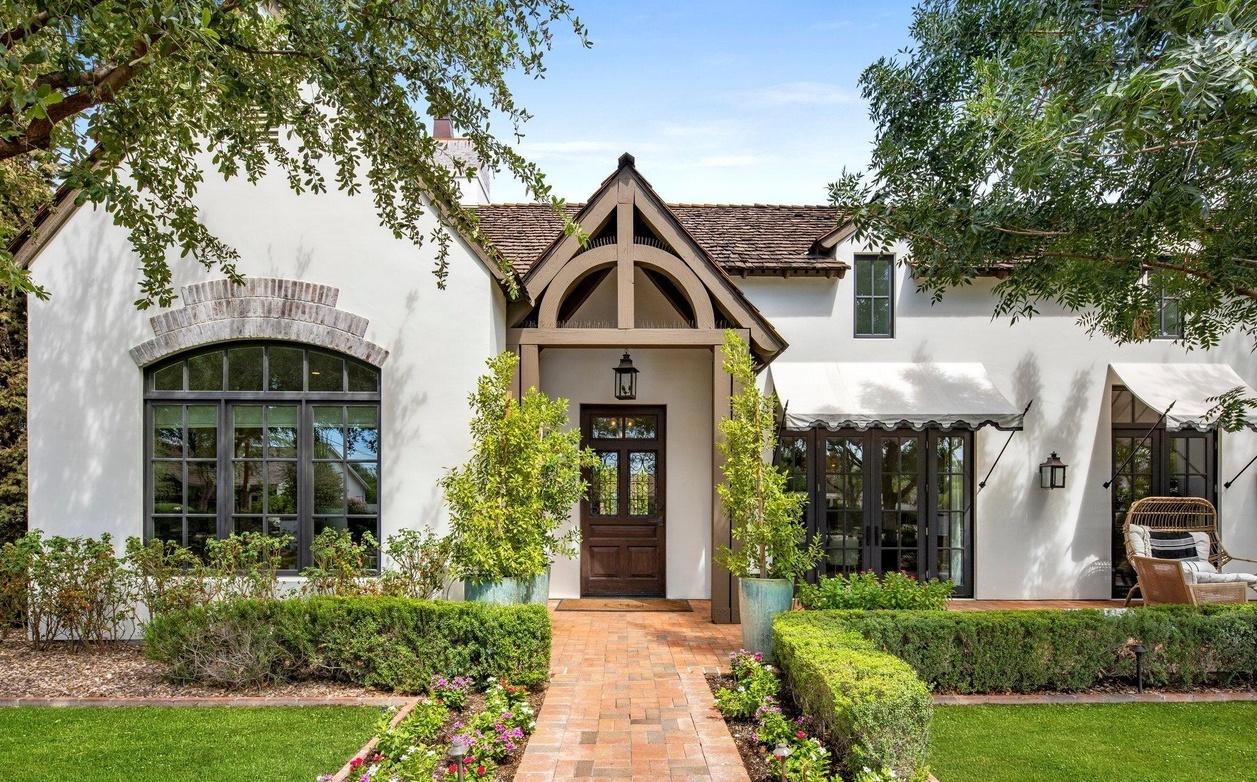
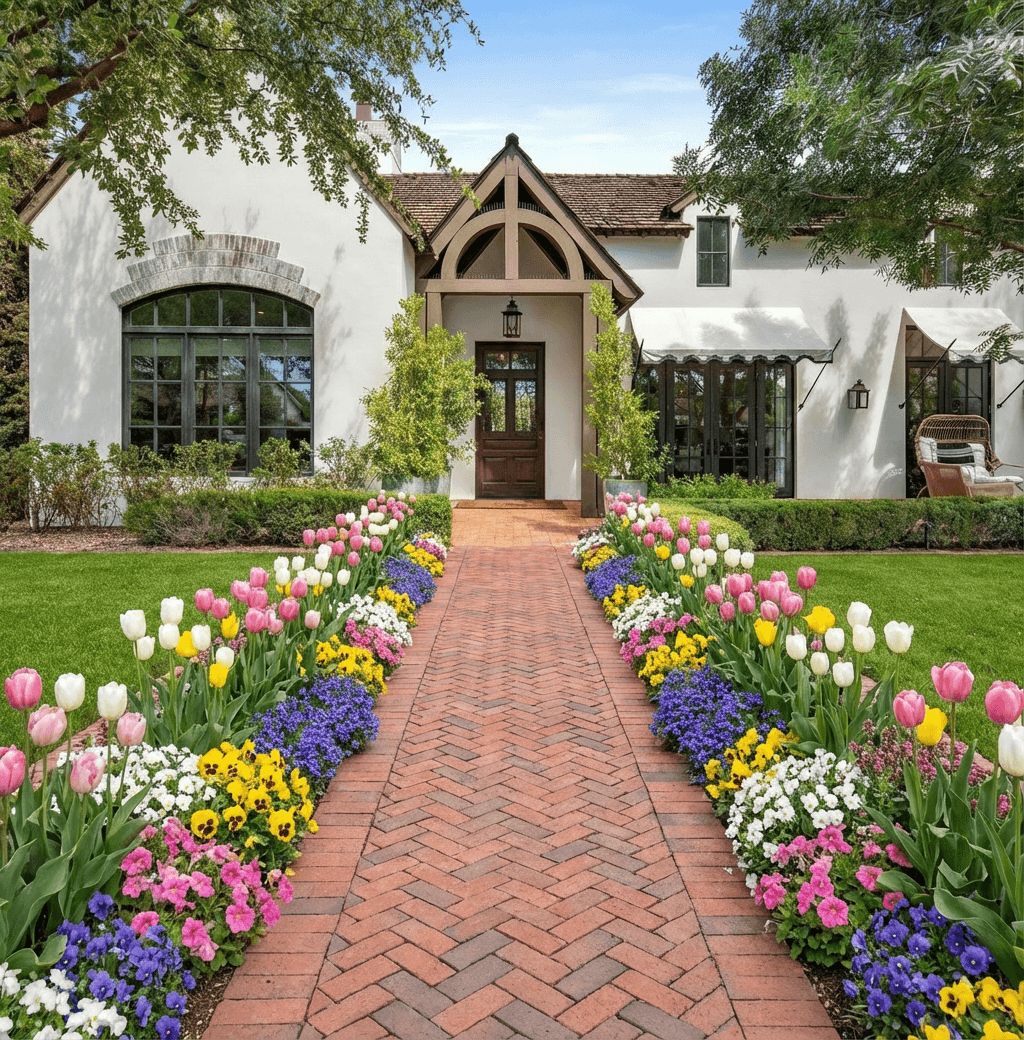
Curb Appeal AI helps homeowners explore front yard tree landscaping ideas by letting you upload a photo of your yard and see potential changes before you commit. Upload a clear photo, choose different tree placements and styles, and visualize how shade, structure, or seasonal color will look from the street. These visual previews make it easier to plan practical layouts that fit your property, budget, and maintenance preferences.
Start With a Practical Site Assessment
Before planting, walk your property and note utilities, sightlines, and how sunlight moves through the day. Consider driveway and sidewalk clearances, distance from the house, and nearby power lines; most municipalities recommend at least a 10- to 20-foot clearance from structures for medium trees, but check local codes. Good site assessment prevents future pruning problems and root damage. When planning front yard tree landscaping ideas, think about mature tree size rather than sapling size and mark proposed planting spots on a photo or site map to test placement before digging.
Choose Trees Based on Function And Scale
Decide whether your primary goal is shade, privacy, seasonal interest, or architectural framing of the home. For small front yards, narrow or columnar varieties provide vertical structure without taking over the lawn; for larger lots, consider canopy trees that create summer shade and visual maturity. Match tree root habits and canopy spread to planting locations to avoid sidewalks or foundations. These practical choices make front yard tree landscaping ideas more successful long term by balancing appearance with safe clearance and maintenance needs.
Create Balanced Composition With Layering
Think of the front yard in layers: foundation planting, mid-height shrubs, and trees as the tallest layer. Use one or two feature trees to anchor the design and repeat smaller shrubs and perennials to create rhythm. Pay attention to symmetry with the entry path and driveway, but don’t force exact mirrors—informal groupings feel more natural. Incorporating seasonal bloomers, evergreen accents, and textural groundcovers improves curb appeal year-round and makes your front yard tree landscaping ideas readable from the street without overwhelming the house.
Select Materials And Groundcovers Thoughtfully
Mulch, edging, and low groundcovers keep tree beds tidy and reduce mower damage. Use 2–4 inches of organic mulch, keeping it pulled away from trunks to prevent rot. Choose stone or steel edging to define beds and limit grass encroachment; porous pavers or mulch paths provide low-impact access for maintenance. For dryer sites, drought-tolerant groundcovers and drip irrigation reduce water needs. Thoughtful materials and planting under trees support your front yard tree landscaping ideas by improving health and lowering long-term upkeep.
Budget Considerations And Long Term Costs
Tree costs vary widely depending on size, species, and planting complexity; small container trees are less expensive upfront, while large balled-and-burlapped specimens cost more but provide instant impact. Factor in delivery, planting labor, staking, irrigation, and future pruning when estimating a realistic budget. Native or site-adapted species often reduce long-term care costs because they need less water and pest control. Use tools like Curb Appeal AI to visualize lower-cost layouts versus premium plantings so you can compare aesthetic outcomes within your budget.
Maintenance, Pruning, And DIY Versus Professional Help
Regular maintenance includes seasonal watering, mulching, and annual inspections for structure and pests. Prune young trees to establish a strong central leader and remove crossing branches; major structural pruning or large tree work should be done by a certified arborist. For homeowners comfortable with basic tools, planting and light pruning are often DIY-friendly, but complex root systems, large specimens, or trees near utilities are best handled by pros. Thoughtful planning of front yard tree landscaping ideas lowers maintenance needs and keeps trees healthy and safe.
Frequently Asked Questions
How far should I plant a tree from my house?
Plant trees at least as far away from the house as their expected mature canopy radius; for many medium trees that means 15–25 feet. This reduces risk of root conflict with foundations and keeps branches from interfering with roofs and gutters.
What are low-maintenance tree choices for front yards?
Choose site-adapted or native species known for pest resistance and drought tolerance, such as certain maples, oaks, or serviceberries depending on your region. Smaller ornamental varieties like crabapple or Japanese tree lilac can offer seasonal interest with relatively low care.
Can I plant trees myself or should I hire a professional?
You can plant small trees yourself if you follow proper planting depth, root spread, and mulching guidelines, but hire a professional for large specimens, difficult sites, or trees near utilities. Professionals can properly handle root balls, staking, and initial pruning to reduce future problems.
How do I budget for long-term tree care?
Include initial plant and installation costs, plus ongoing items like watering, occasional pruning, and pest management. Estimate a yearly maintenance amount and set aside funds for larger services such as structural pruning or pest treatments every few years.
Related Landscaping Ideas
Explore Professional Services Near You
Related Articles
10 Landscaping a Front Yard Ideas for 2026
Explore 10 inspiring landscaping a front yard ideas, from modern to cottage styles. Get practical tips on plants, budget, climate to boost curb appeal.
8 Small Front Yard Landscaping Ideas to Maximize Curb Appeal in 2026
Discover 8 inspiring small front yard landscaping ideas, from modern minimalist to charming cottage styles. Transform your space with our expert tips!
Top 10 Front Yard Landscaping Ideas for 2026
Explore 10 top front yard landscaping ideas for 2026. From modern to cottage, find budget-friendly, low-maintenance designs to boost your home's curb appeal.
Real transformations
See how homeowners are using Curb Appeal AI to reimagine their properties