Outdoor Landscaping Ideas
outdoor landscaping ideas
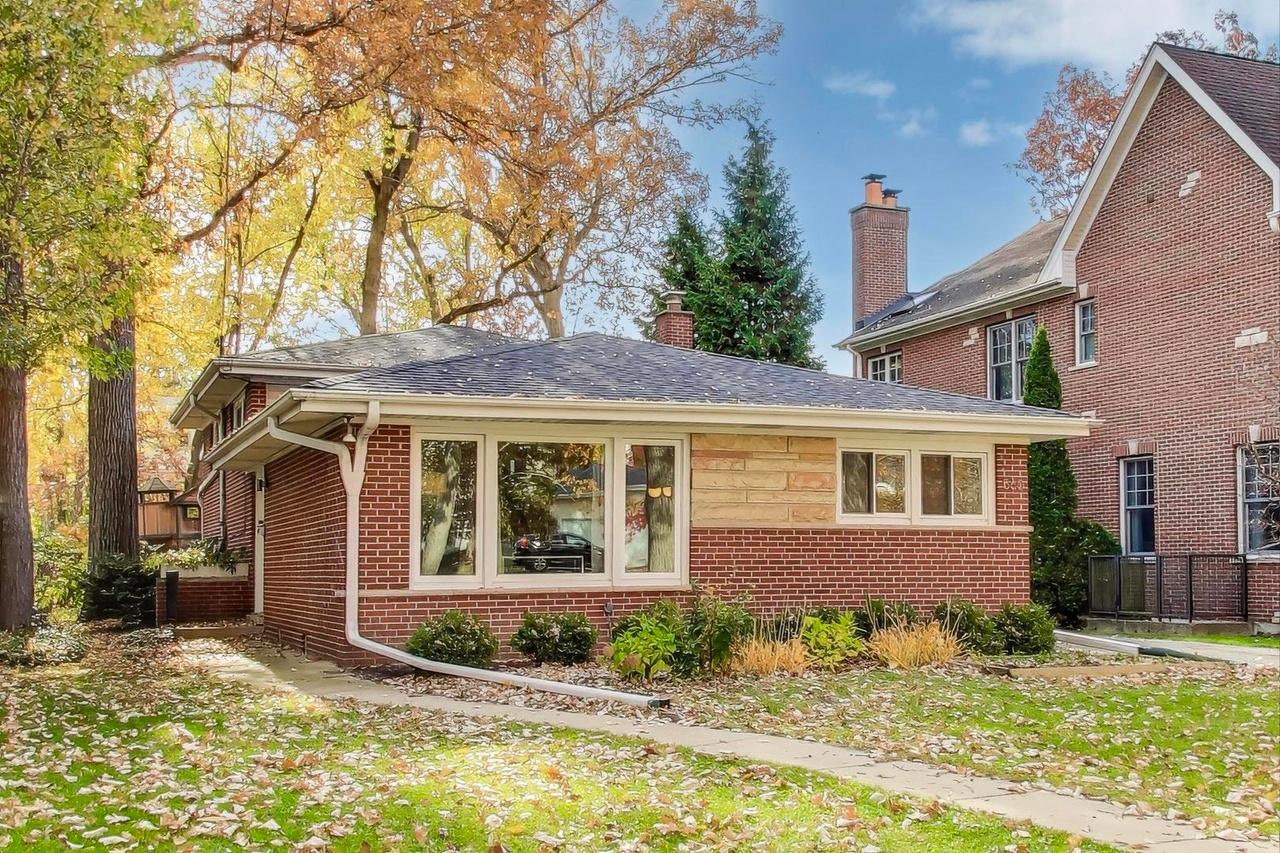
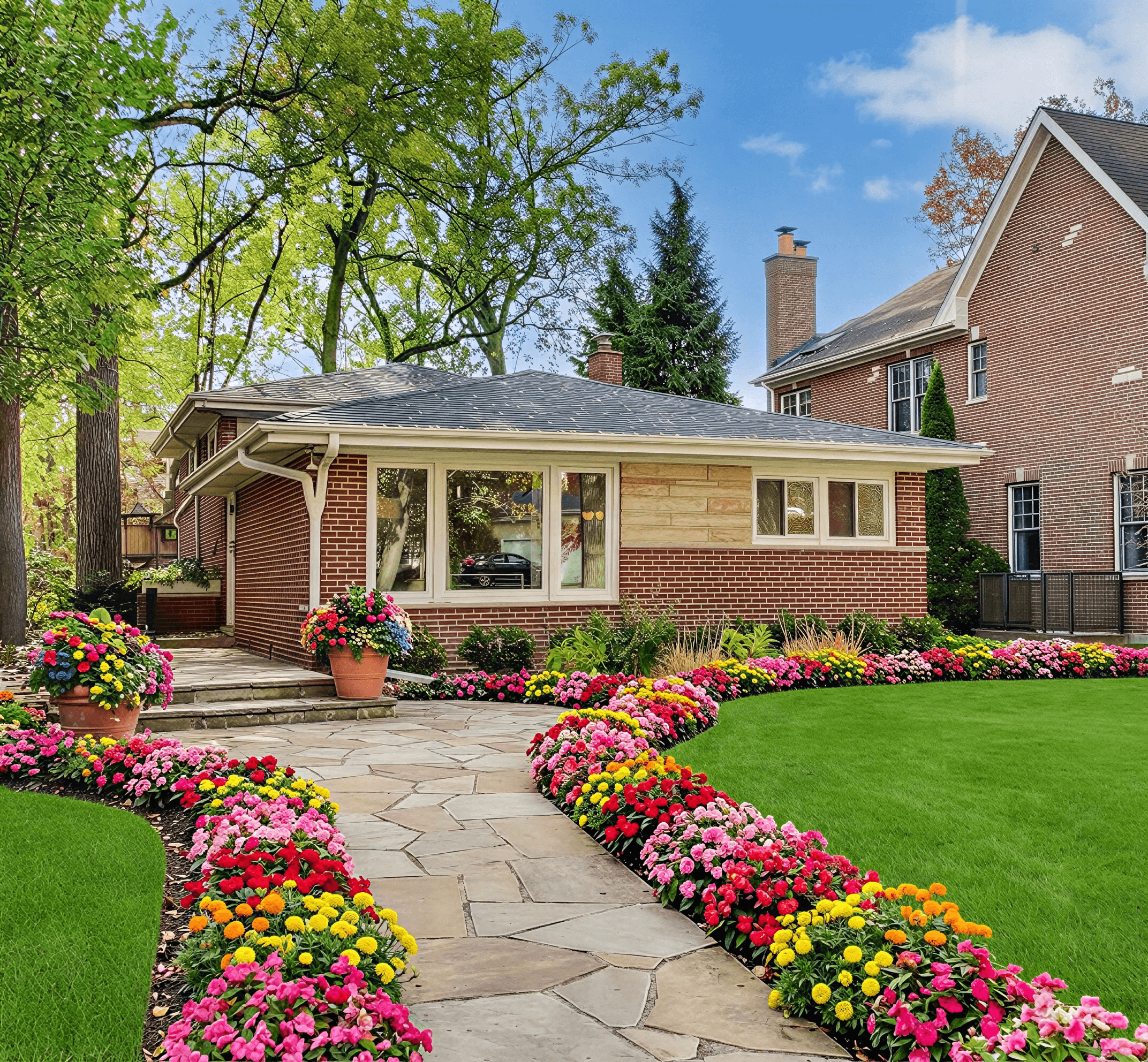
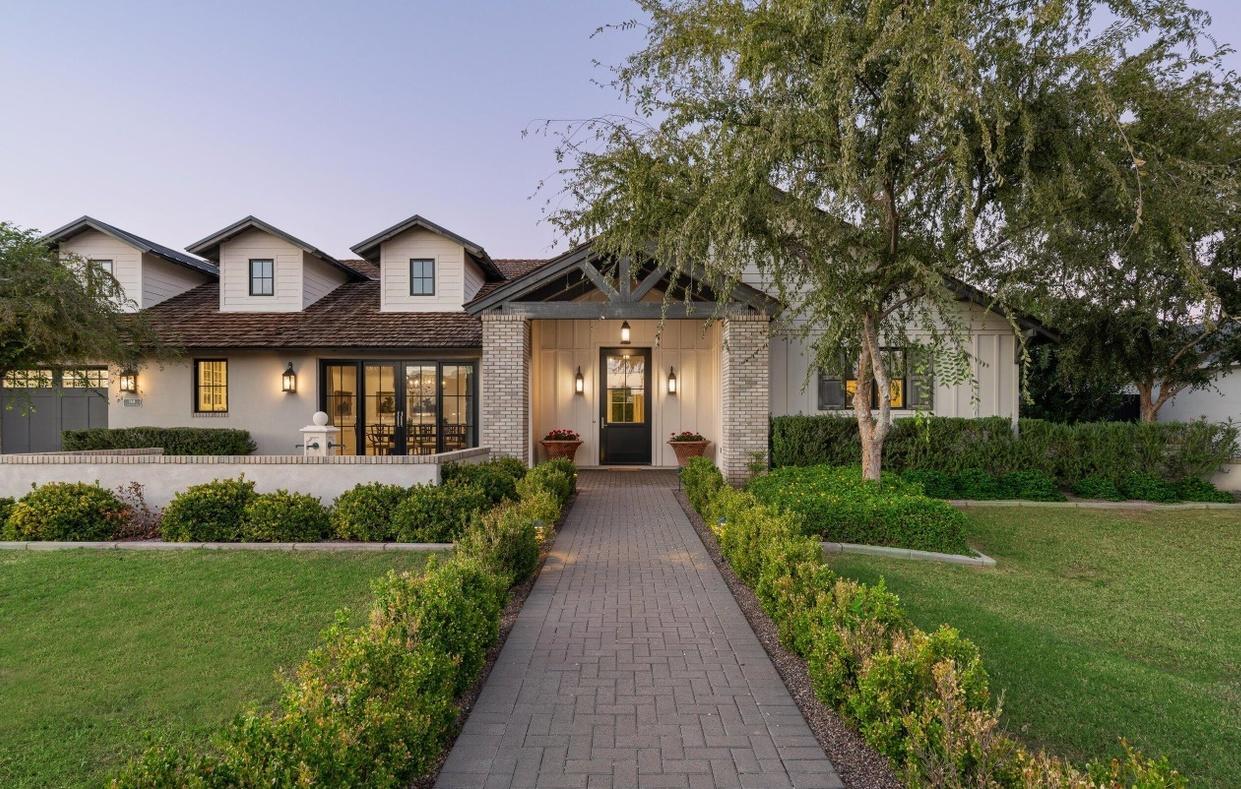
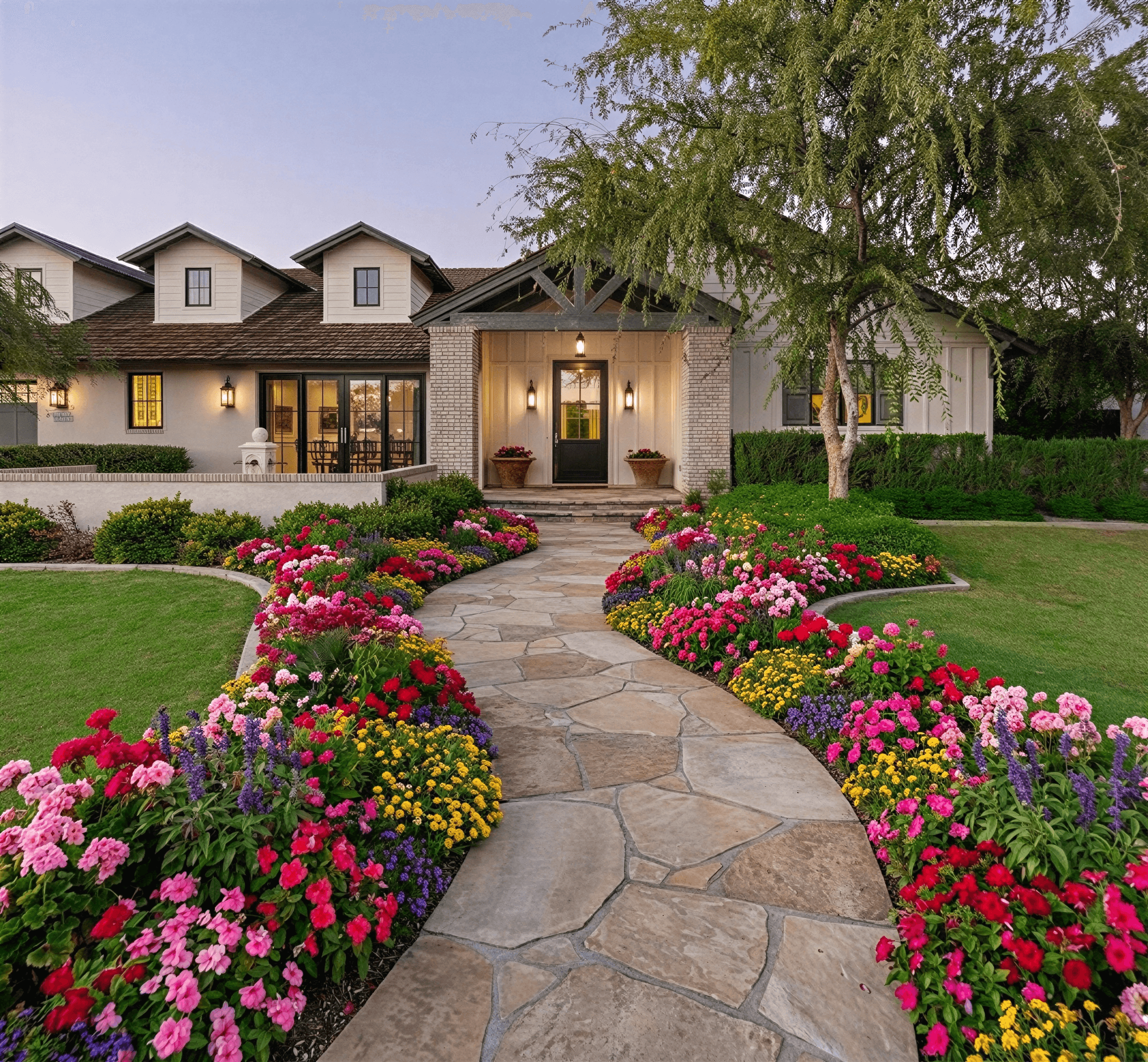
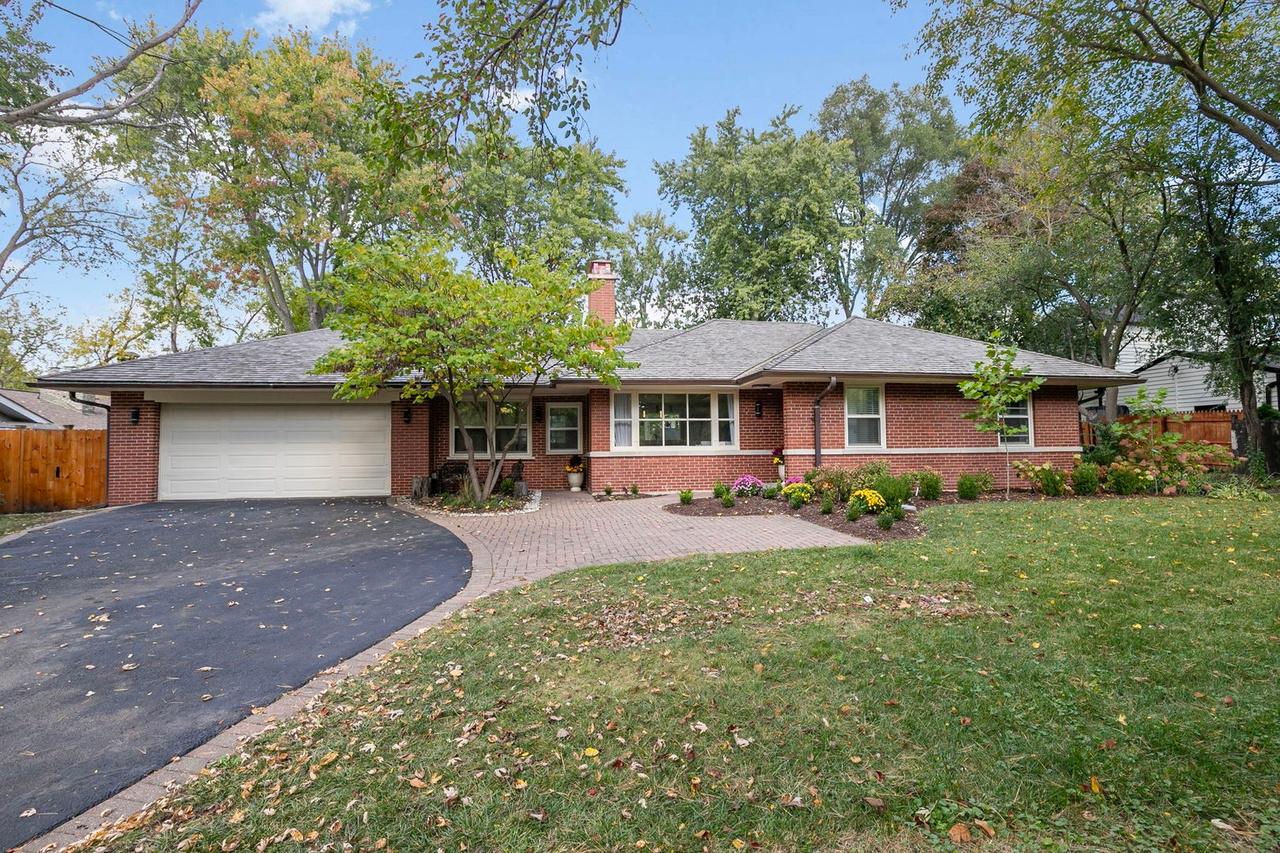
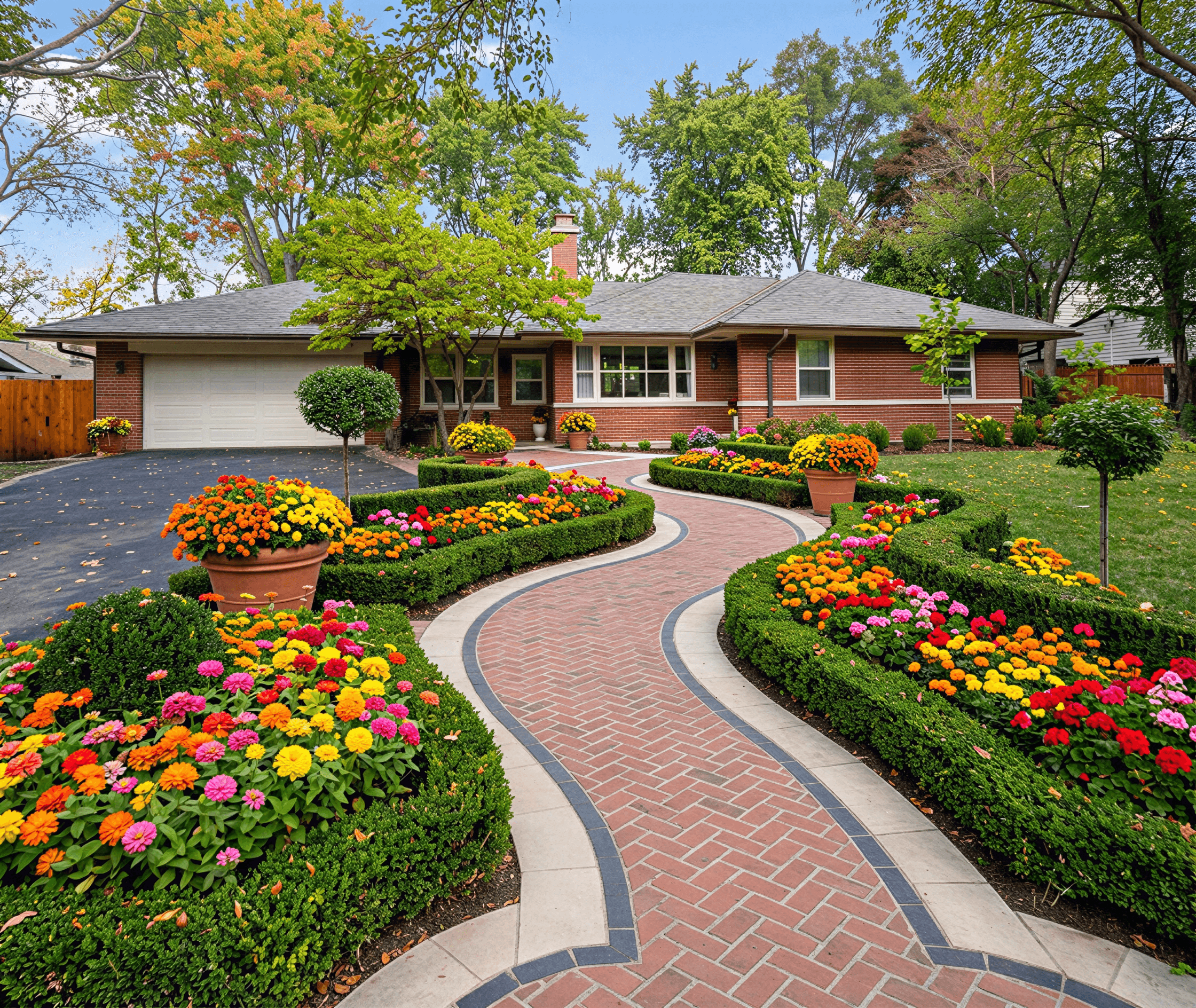
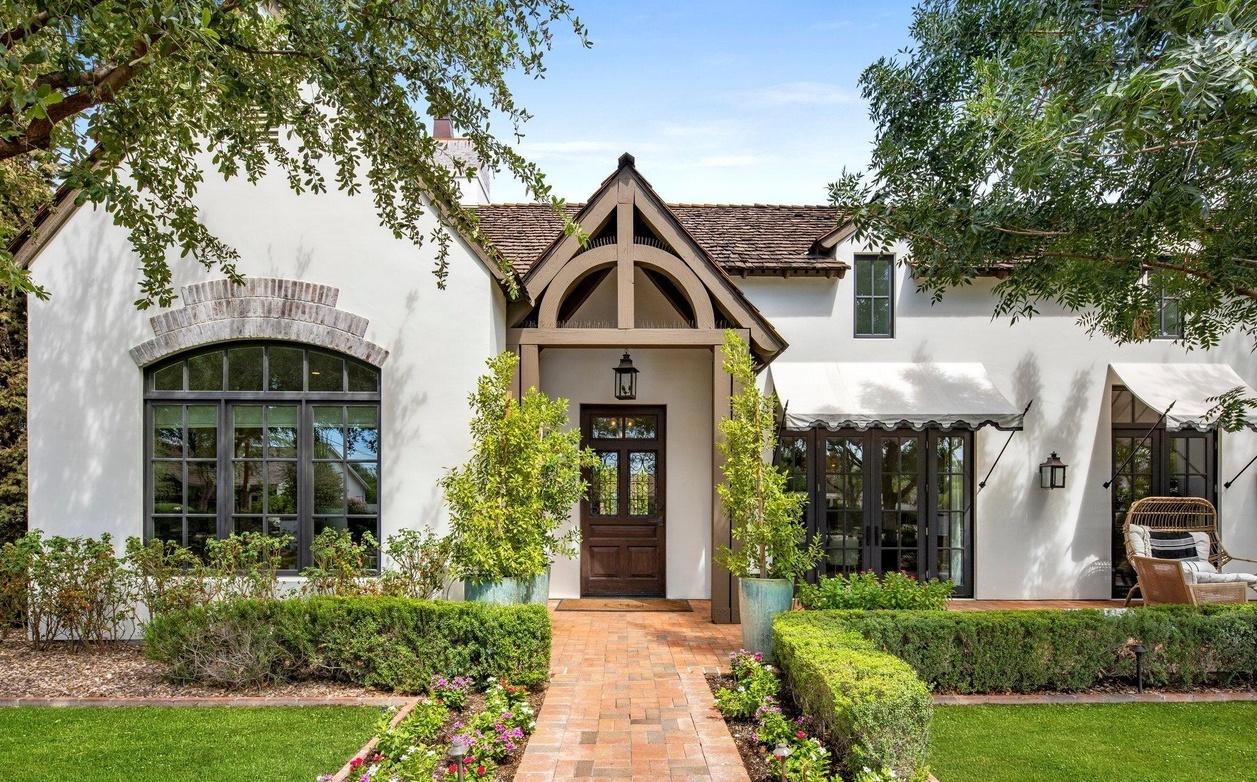
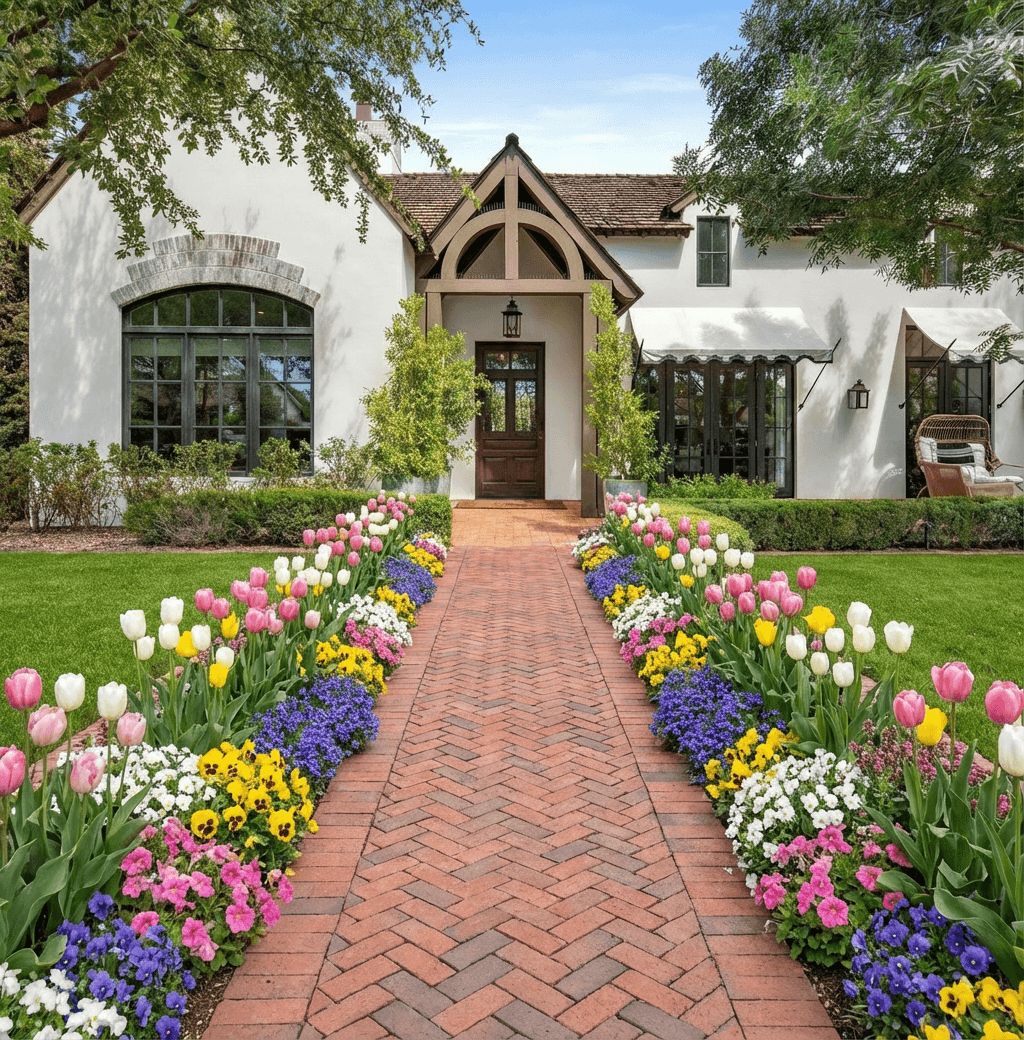
Curb Appeal AI helps homeowners explore outdoor landscaping ideas by letting you upload a photo and try different designs on your existing yard. Upload a picture of your property, experiment with plantings, paths, and hardscape layouts, and visualize improvements before you commit to changes. Seeing options side by side makes it easier to plan practical steps that match your budget, timeline, and maintenance preferences.
How to Start Planning Your Landscape
Begin by assessing how you use your outdoor space and what activities matter most—entertaining, play areas, gardening, or quiet seating. Sketch a simple site map showing existing trees, utilities, and where shade falls throughout the day. Prioritize needs over wants so the first projects deliver function as well as style. When exploring outdoor landscaping ideas, think about sightlines from inside the house, privacy, and drainage. A clear plan reduces costly changes later and helps you choose materials and plants that fit your yard’s microclimate and your household’s maintenance capacity.
Visualizing Design Changes with Curb Appeal AI
Using tools like Curb Appeal AI makes testing outdoor landscaping ideas faster and less risky because you can upload a photo and see realistic previews. Try several plant palettes, different hardscape patterns, or a range of paver and mulch colors to compare how each choice affects curb appeal and scale. This visual feedback helps you refine choices before buying materials or hiring contractors, and it’s useful for communicating your vision to landscapers. Keep your tests focused—compare one variable at a time, such as plant massing or path placement, to learn what truly changes the look.
Choosing Plants for Your Climate and Soil
Selecting the right plants starts with knowing your climate zone and soil type; native and adapted species often require less water and maintenance. Group plants by similar water and light needs to simplify irrigation and pruning, and use layers—trees, shrubs, perennials, and groundcovers—to create depth and year-round interest. When exploring outdoor landscaping ideas, favor species that provide seasonal texture and color without demanding constant care. Check mature sizes so you avoid overcrowding, and plan for biodiversity by including pollinator-friendly plants where possible to support local wildlife.
Hardscaping Materials and Practical Options
Hardscape elements like paths, patios, and retaining walls anchor your design and define outdoor rooms. Choose materials that suit your budget and local climate—concrete pavers are durable and cost-effective, natural stone offers long-term character, and decomposed granite provides a softer, permeable surface for paths. Consider how materials age and what maintenance they need; some pavers settle or stain while others may require resealing. Incorporate permeable surfaces where possible to reduce runoff. Thoughtful hardscaping lets you implement many outdoor landscaping ideas while improving usability and drainage.
Budgeting and Cost Estimates for Projects
Set a realistic budget by breaking the project into phases: hardscaping, plants, irrigation, and labor. Hardscape and grading typically account for the largest share, while plants and soil amendments are often less expensive but still essential for long-term success. Get multiple estimates from contractors and compare materials line by line; small choices like gravel versus pavers can change costs significantly. For homeowners working from photos in Curb Appeal AI, use the visualizations to prioritize which changes will deliver the most impact within your budget, then phase less critical items over time.
Maintenance, DIY Tasks, and Hiring Pros
Consider long-term maintenance when selecting outdoor landscaping ideas—low-maintenance designs save time and ongoing costs. Many homeowners can handle planting, mulching, and basic edging as DIY tasks, while grading, complex drainage, irrigation systems, and large retaining walls are better left to professionals. If hiring a pro, ask for a maintenance plan and clear warranty terms. Balance your willingness to maintain beds and lawns with the design you choose: simpler plant palettes and effective irrigation reduce upkeep and help the landscape look intentional year after year.
Frequently Asked Questions
How do I choose the right outdoor landscaping ideas for my small yard?
Focus on multi-use elements and vertical interest, such as narrow garden beds, container plantings, and climbing plants on trellises. Use clear sightlines and scale—choose smaller or fewer large plants and define spaces with hardscape to make the area feel larger and more functional.
What are some low-cost outdoor landscaping ideas that still look good?
Rearrange existing plants, add mulch for a fresh look, and create simple gravel or stepping-stone paths to improve flow without a large expense. Planting fill-in shrubs and perennials during the right season is affordable and offers quick visual improvement.
How long does a typical landscaping project take from planning to completion?
Small projects like planting beds or a new path can take a weekend to a few weeks depending on material delivery and weather, while larger projects with grading, irrigation, and hardscape may take several weeks to a few months. Proper planning and phased work help avoid costly delays.
Should I hire a professional or try a DIY landscaping project?
Hire a professional for projects involving major grading, drainage, or structural elements; DIY is a good fit for planting, mulching, and simple hardscapes. If unsure, use visual tools to experiment with ideas and then consult a contractor for a site-specific estimate.
Related Landscaping Ideas
Explore Professional Services Near You
Related Articles
Top 10 Front Yard Landscaping Ideas for 2026
Explore 10 top front yard landscaping ideas for 2026. From modern to cottage, find budget-friendly, low-maintenance designs to boost your home's curb appeal.
Transform Your Home: 8 Ideas for Front of House Landscaping
Discover 8 expert ideas for front of house landscaping: modern to cottage gardens. Get actionable tips & visualize your dream yard with AI.
10 Landscaping a Front Yard Ideas for 2026
Explore 10 inspiring landscaping a front yard ideas, from modern to cottage styles. Get practical tips on plants, budget, climate to boost curb appeal.
Real transformations
See how homeowners are using Curb Appeal AI to reimagine their properties