Sloped Front Yard Landscaping Ideas
sloped front yard landscaping ideas
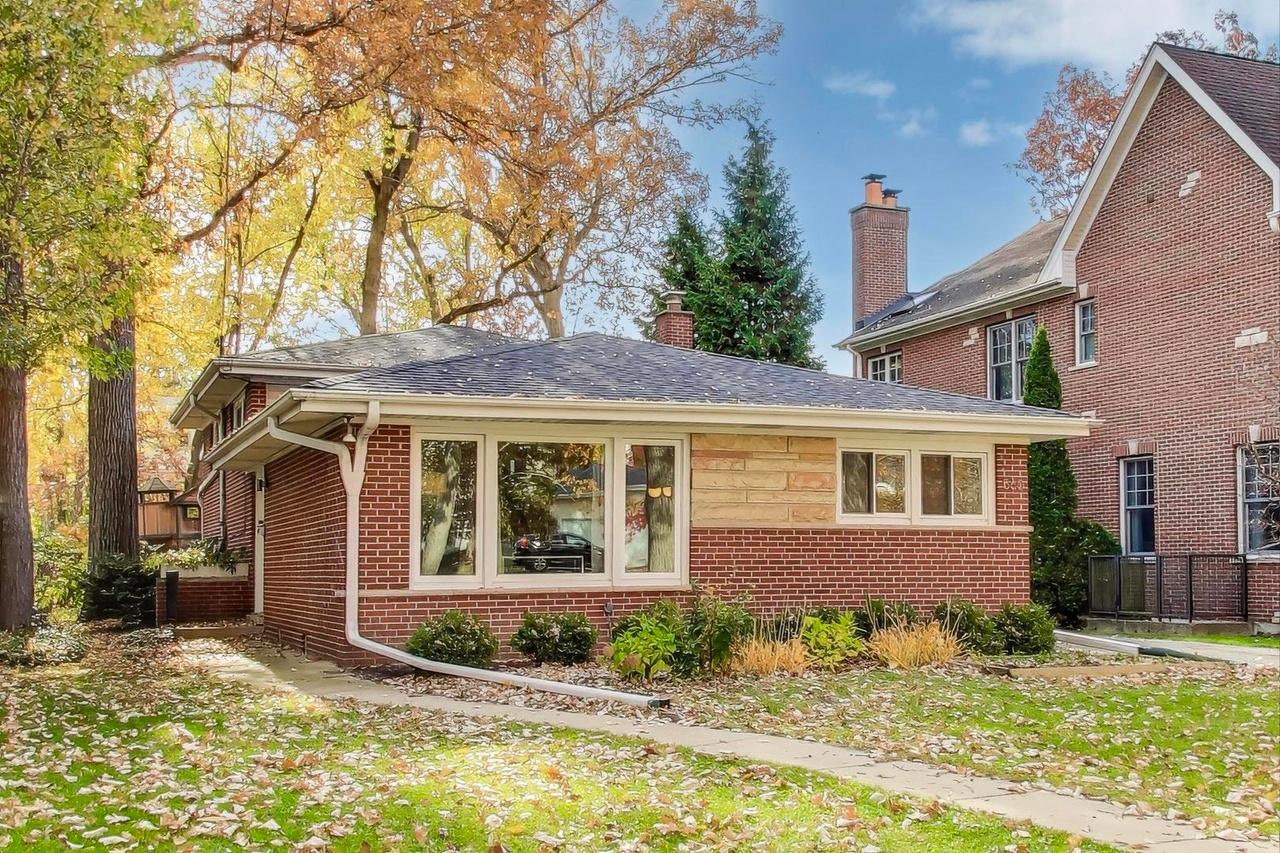
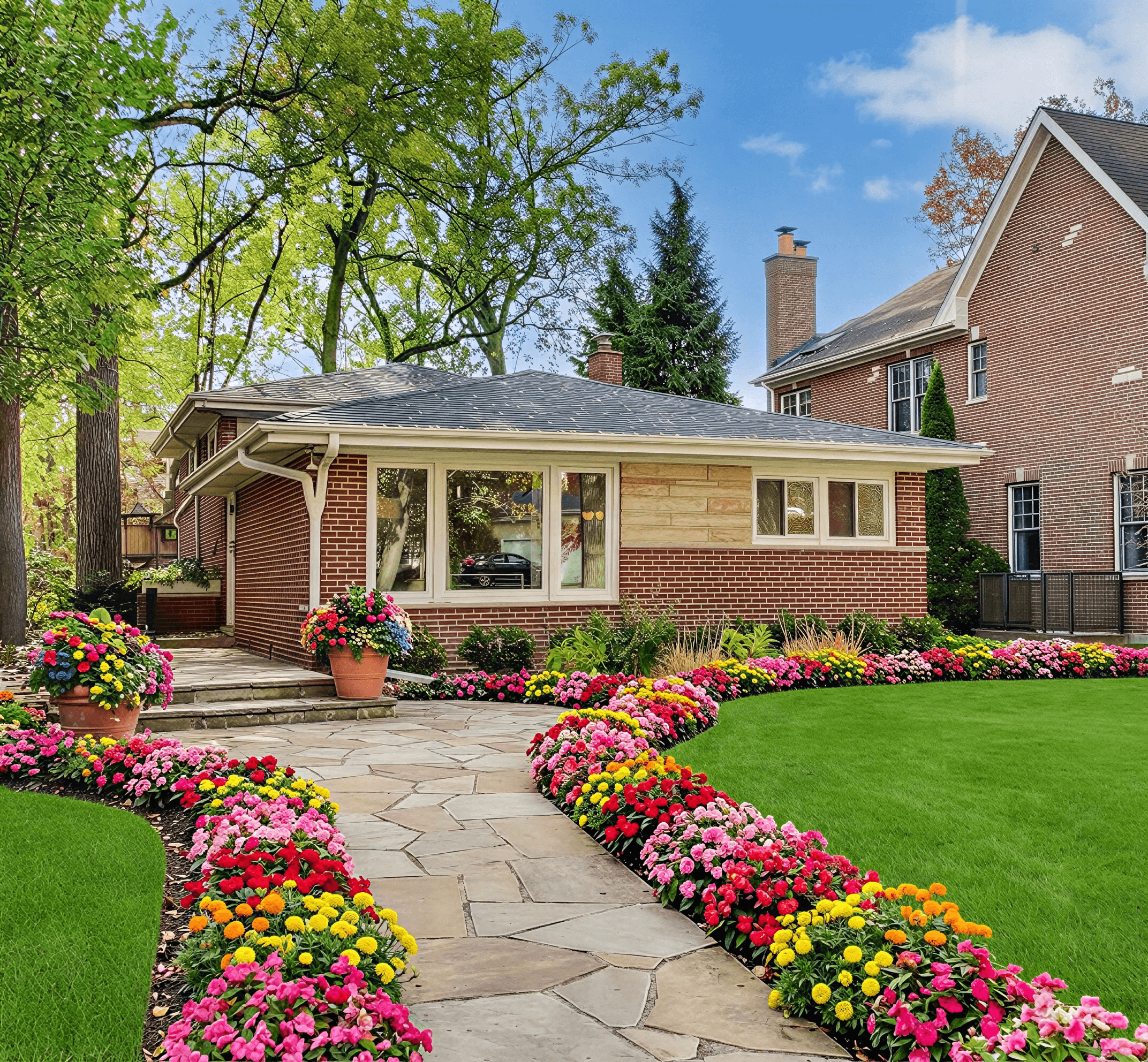
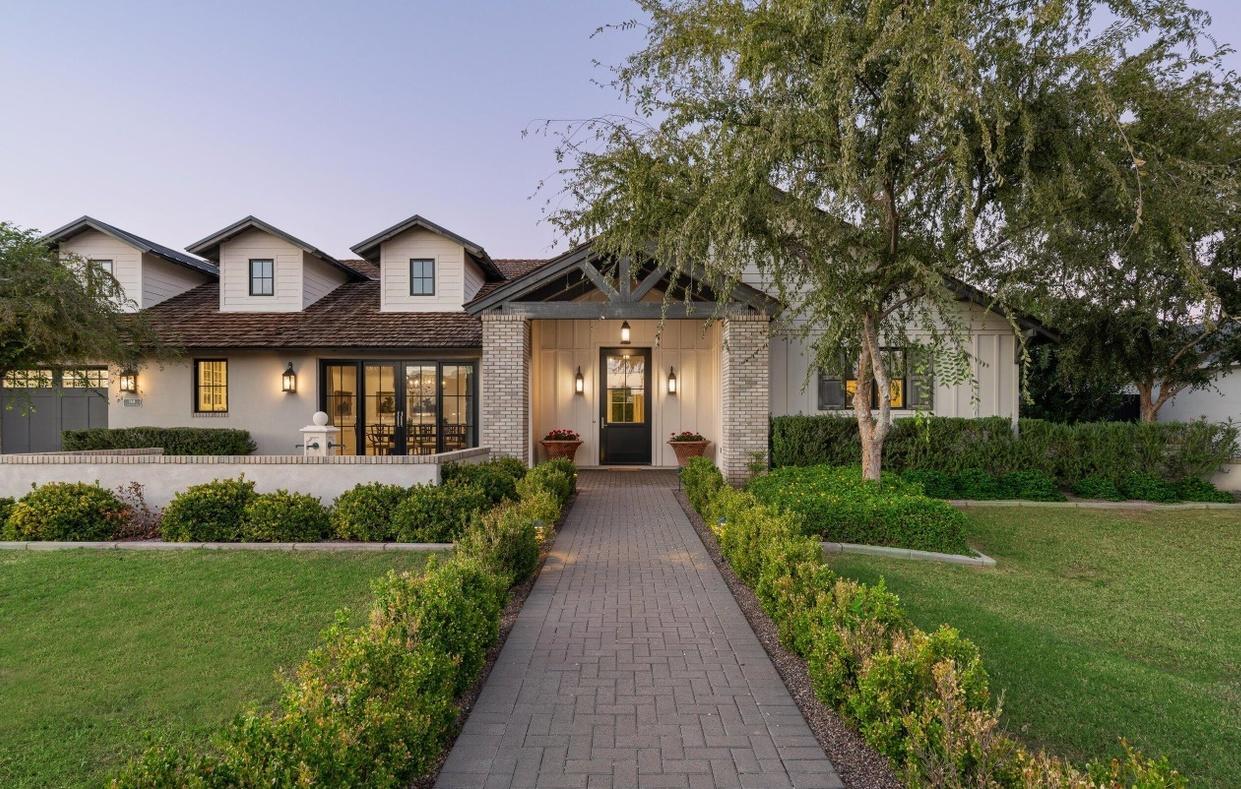
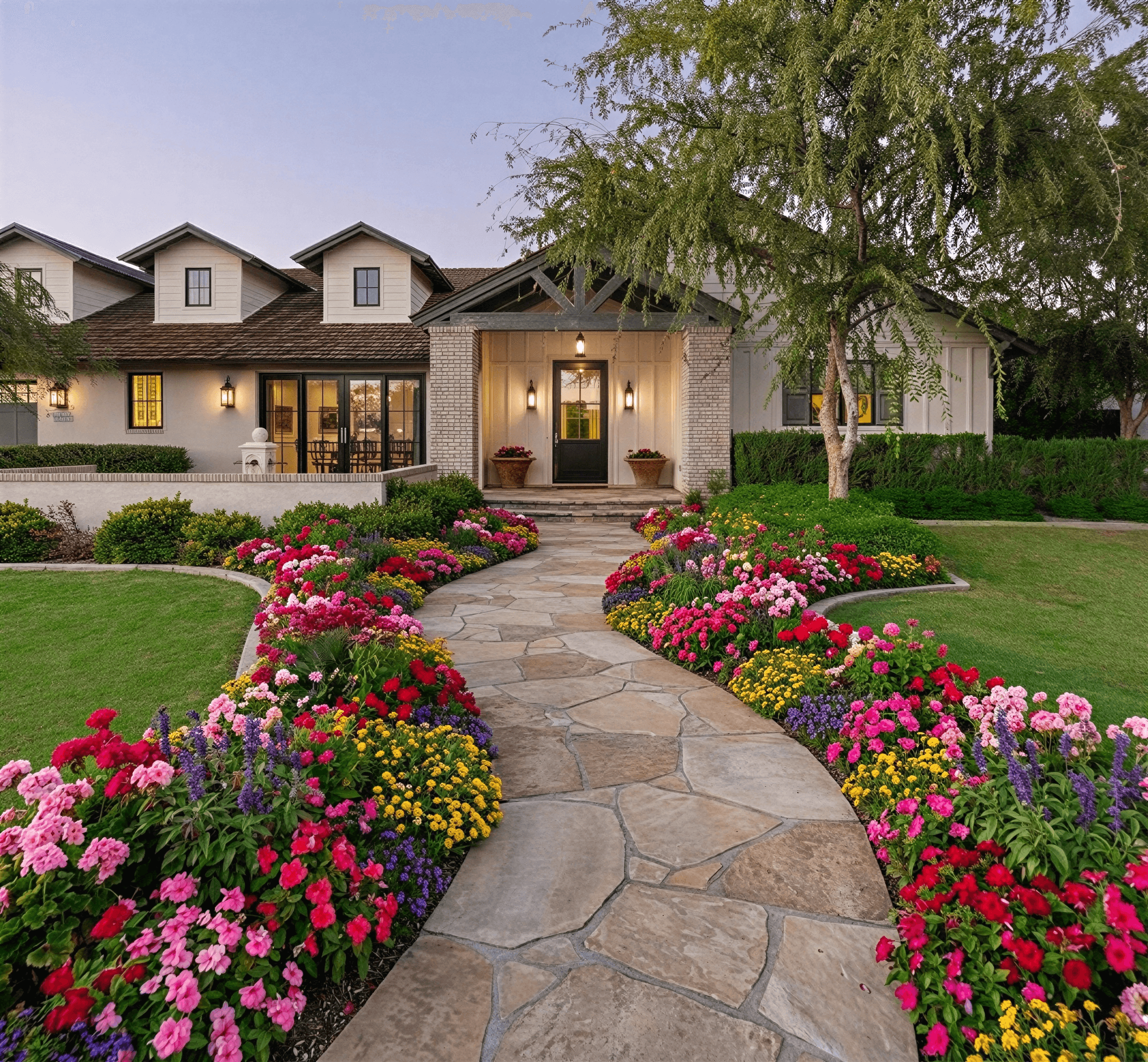
Sloped front yards can be challenging, but thoughtful planning makes them attractive and functional. With Curb Appeal AI you can upload a photo of your slope and visualize improvements before you commit to materials or contractors. These sloped front yard landscaping ideas focus on erosion control, usable spaces, and realistic budgeting for homeowners.
Assess slope and drainage before designing
Start by mapping existing contours, measuring slope percent, and observing water flow during a rain event. Good sloped front yard landscaping ideas begin with assessing where water concentrates and whether erosion is active; this determines whether you need swales, drains, or retaining features. Take photos from several angles and note sun exposure and existing plants. If stormwater from your roof or neighboring lots affects the slope, plan for redirecting runoff to a safe outlet. Early assessment reduces surprises and helps you choose plantings and structures that will last.
Terracing and retaining walls for usable space
Creating terraces turns a steep slope into a series of level beds that are easier to plant and maintain. Choose materials such as natural stone, concrete block, or timber and design terraces with proper drainage and a slight batter to prevent bulging. Small stacked stone walls can be DIY on gentle slopes, but higher walls often require engineered footings and permits. These sloped front yard landscaping ideas can increase planting area and create visual interest while helping control erosion and surface runoff when built with drains and backfill.
Plant choices for slope stability and appeal
Select plants with deep, fibrous root systems to anchor soil—native grasses, sedges, woody groundcovers, and low shrubs are reliable choices. Combine perennials and shrubs in staggered rows so roots interlock and slow surface flow. Mulch and use biodegradable erosion-control blankets on newly planted steeper sections until vegetation establishes. When considering sloped front yard landscaping ideas, opt for drought-tolerant species on well-drained slopes and moisture-loving plants near the base where water collects. Regularly replace washouts and reinforce with stones or burlap where needed.
Paths, steps and safe access solutions
Designing safe, attractive access is central to sloped front yard landscaping ideas—consider switchback paths, shallow steps, and landings to reduce steep sections. Use permeable materials like gravel, decomposed granite, or porous pavers to limit runoff, and add risers or handrails where slope and local codes require. Position paths to follow the natural contour when possible to minimize cut and fill. Adequate drainage alongside walkways prevents undermining; small gravel drains or perforated pipe behind retaining features extend the lifespan of paths and steps.
Estimate costs and budget planning tips
Costs vary widely depending on slope severity, materials, and whether professionals are needed—expect DIY plantings and simple terracing to be low-to-moderate cost, while engineered retaining walls and full drainage systems increase budgets substantially. Get multiple quotes for excavation and wall construction, and factor in permit fees, soil import, and irrigation. For many homeowners, phased work—addressing critical erosion first and adding decorative elements later—spreads expense. Use photo visualization tools to try layouts and avoid costly changes once construction begins.
DIY versus hiring professionals for steep slopes
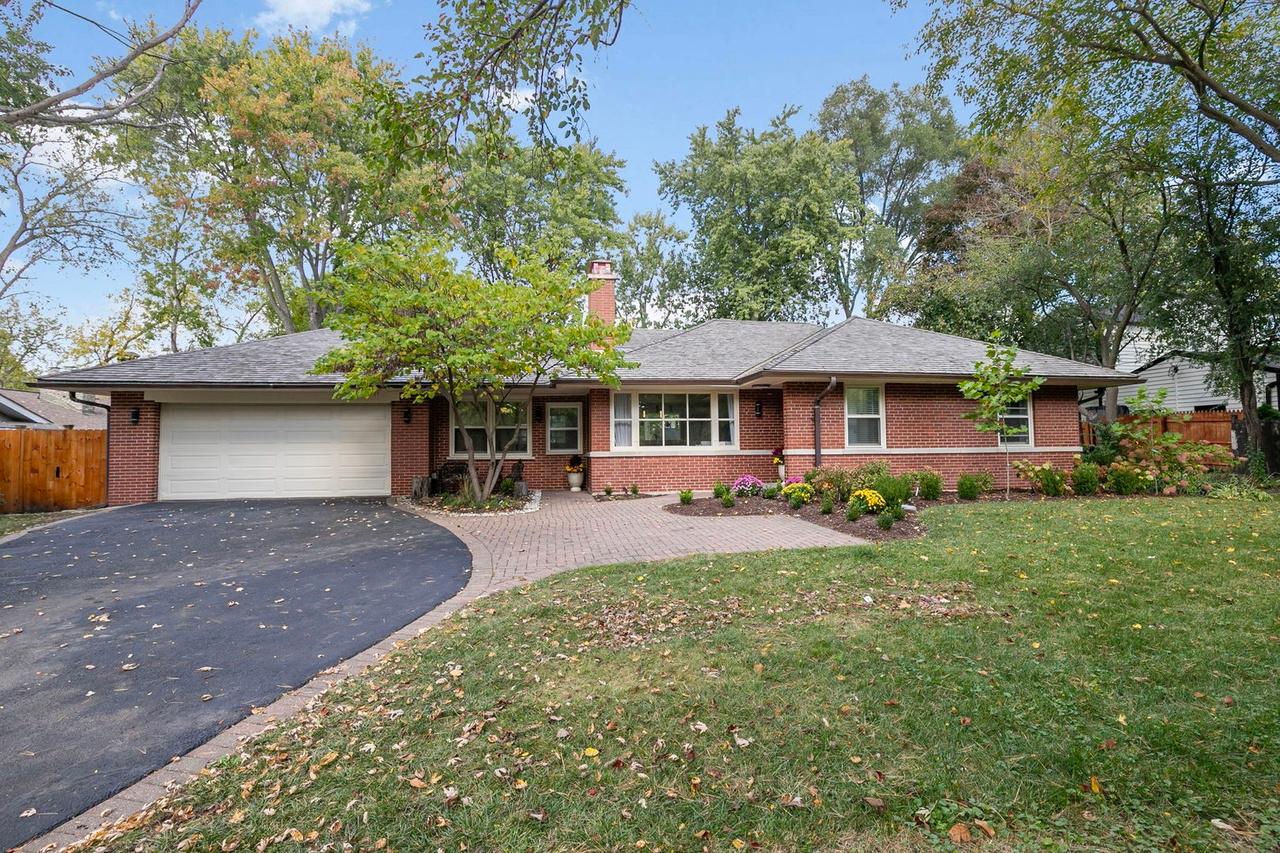
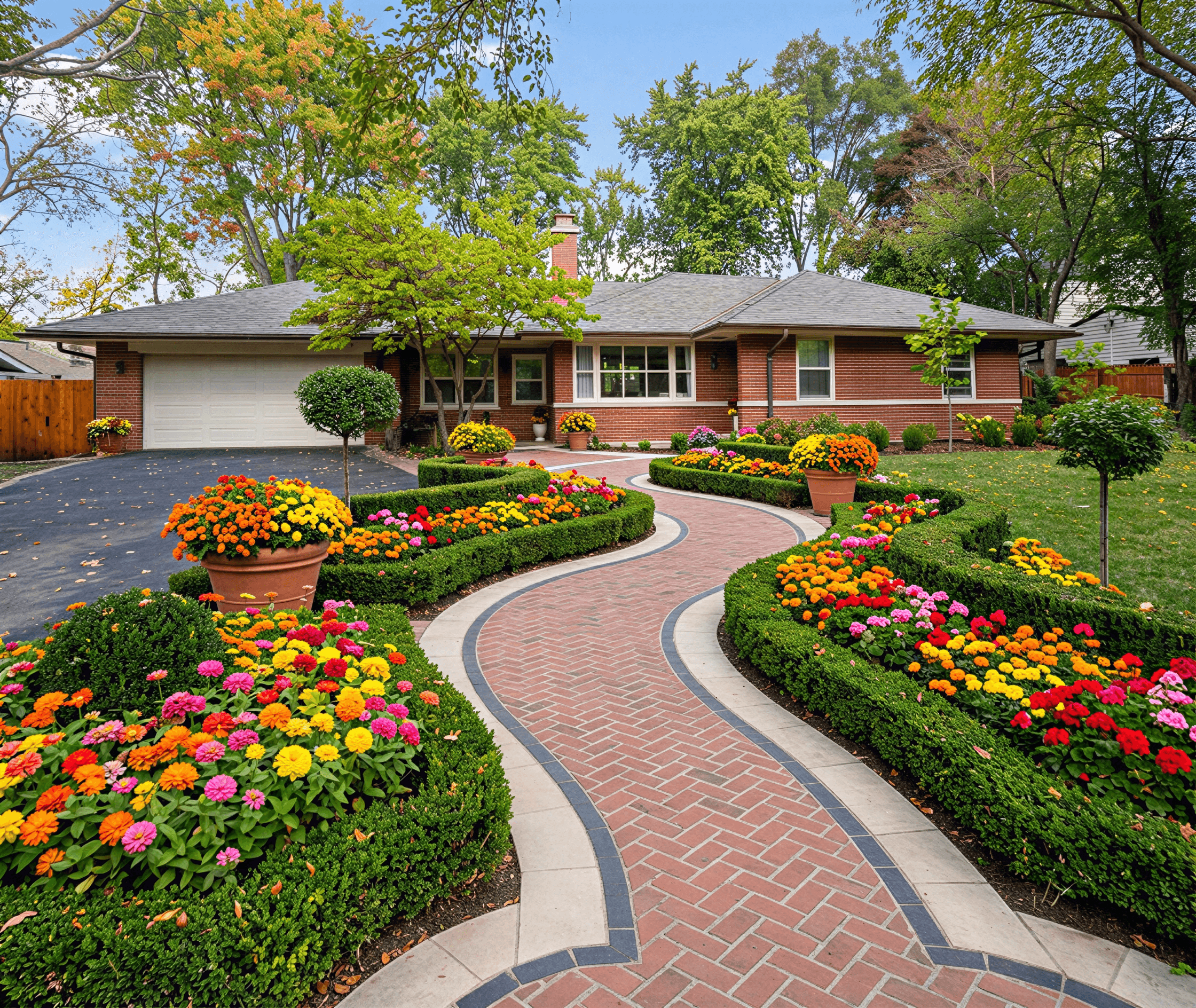
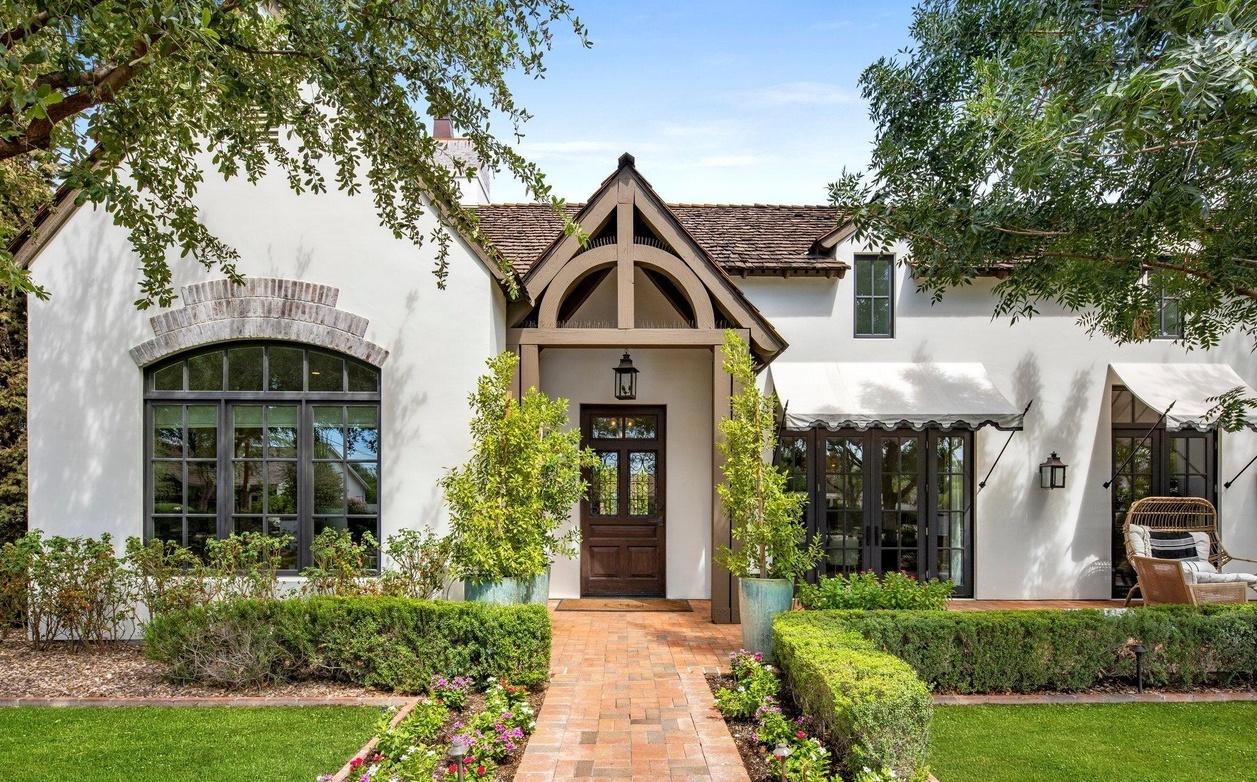
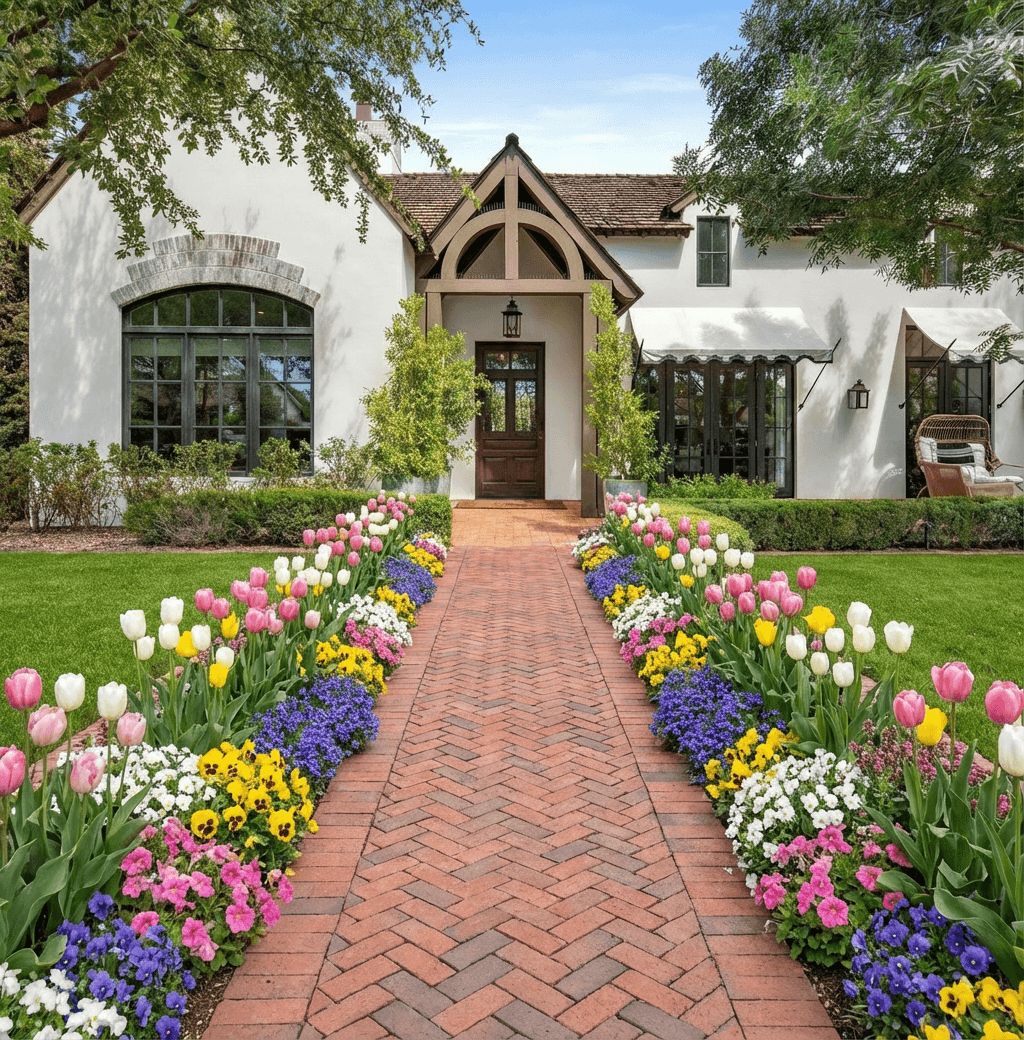
Deciding between DIY and pro help depends on slope angle, complexity, and local code requirements. Gentle slopes with planting and small terraces are often manageable for confident homeowners, but steep grades, tall retaining walls, or major regrading typically need an engineer, landscape contractor, or structural permit. Before hiring, upload a photo to Curb Appeal AI or a similar tool to visualize options and create a clear scope to share with contractors. This can reduce misunderstandings and help you compare bids more effectively.
Frequently Asked Questions
How do I stop erosion on a sloped front yard?
Control erosion by slowing and dispersing water with terraces, swales, and groundcover plantings. Use mulch, erosion-control blankets, and temporary silt fences while plants establish, and consider adding stone check dams or small retaining walls where runoff concentrates.
Can I plant a lawn on a steep slope?
Lawns are difficult to maintain on steep slopes because mowing and erosion are challenges; shallow-rooted turf can wash away. Instead, use deep-rooted groundcovers, native grasses, or terraced plantings to provide stability and lower maintenance.
Do I need a permit for a retaining wall?
Many municipalities require permits for retaining walls over a certain height or those that affect drainage and neighboring properties. Check local building codes and consult a contractor or engineer if the wall will be structurally significant.
What is the cheapest way to landscape a slope?
The most budget-friendly approach is to stabilize the slope with inexpensive groundcovers, native seedlings, mulch, and small rock placements while avoiding heavy excavation. Phasing the project, doing planting yourself, and choosing low-cost materials like gravel paths can keep costs down.
Related Landscaping Ideas
Explore Professional Services Near You
Related Articles
10 Landscaping a Front Yard Ideas for 2026
Explore 10 inspiring landscaping a front yard ideas, from modern to cottage styles. Get practical tips on plants, budget, climate to boost curb appeal.
8 Small Front Yard Landscaping Ideas to Maximize Curb Appeal in 2026
Discover 8 inspiring small front yard landscaping ideas, from modern minimalist to charming cottage styles. Transform your space with our expert tips!
Top 10 Front Yard Landscaping Ideas for 2026
Explore 10 top front yard landscaping ideas for 2026. From modern to cottage, find budget-friendly, low-maintenance designs to boost your home's curb appeal.
Real transformations
See how homeowners are using Curb Appeal AI to reimagine their properties