Small Front Yard Landscaping Ideas With Rocks And Mulch
small front yard landscaping ideas with rocks and mulch
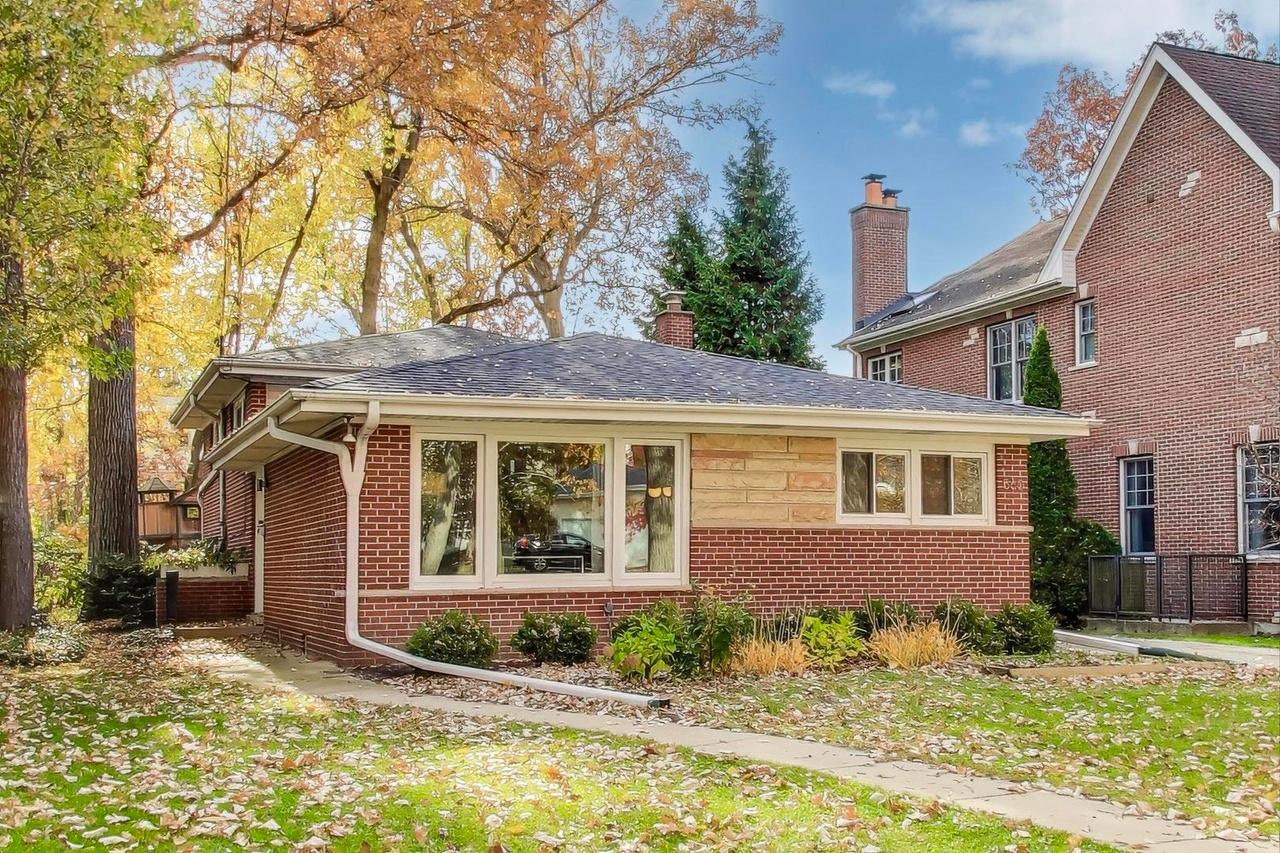
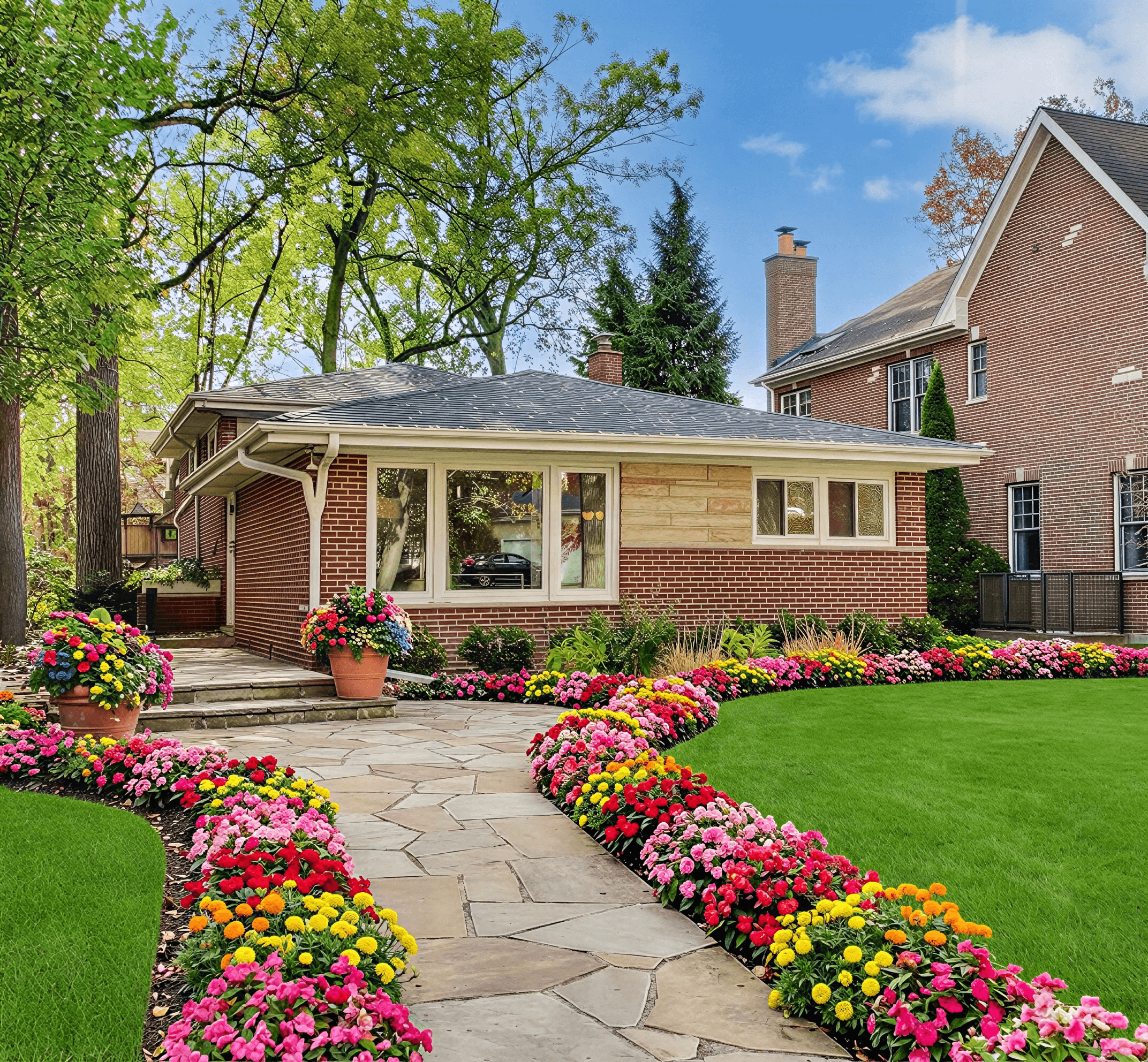
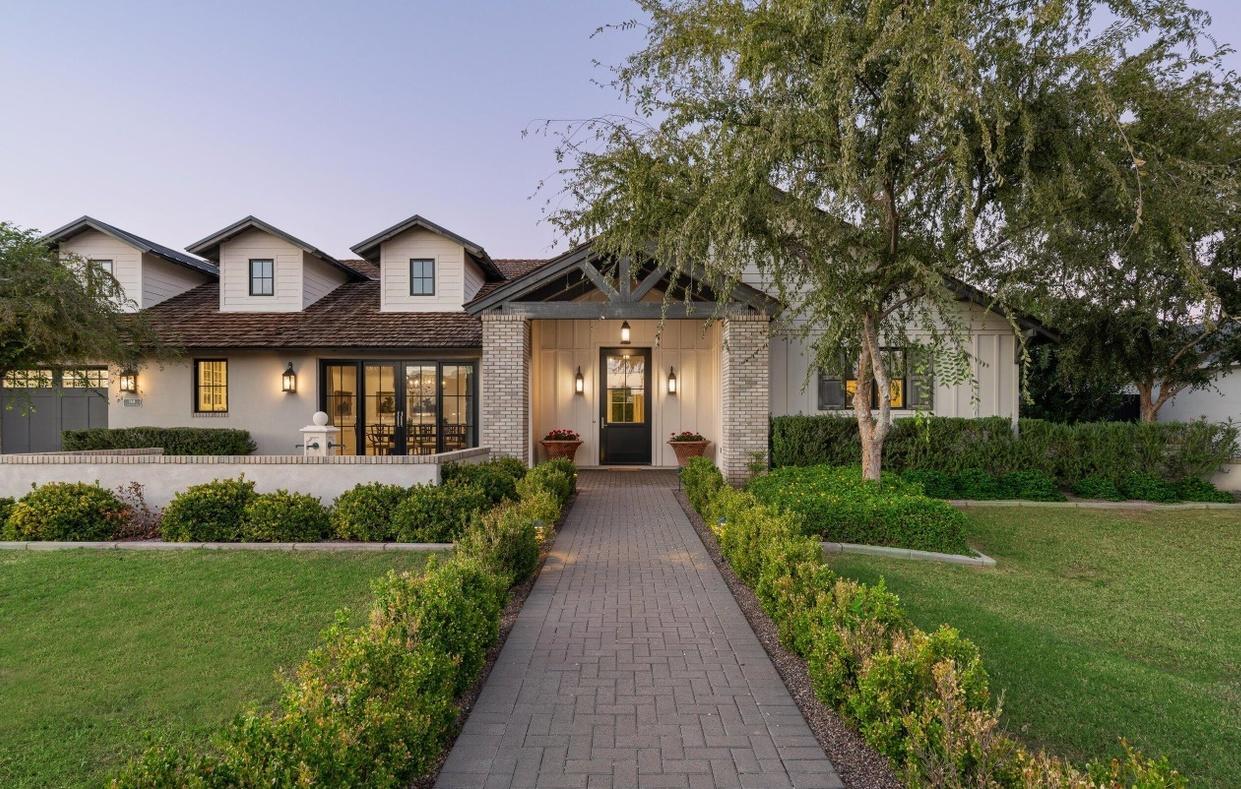
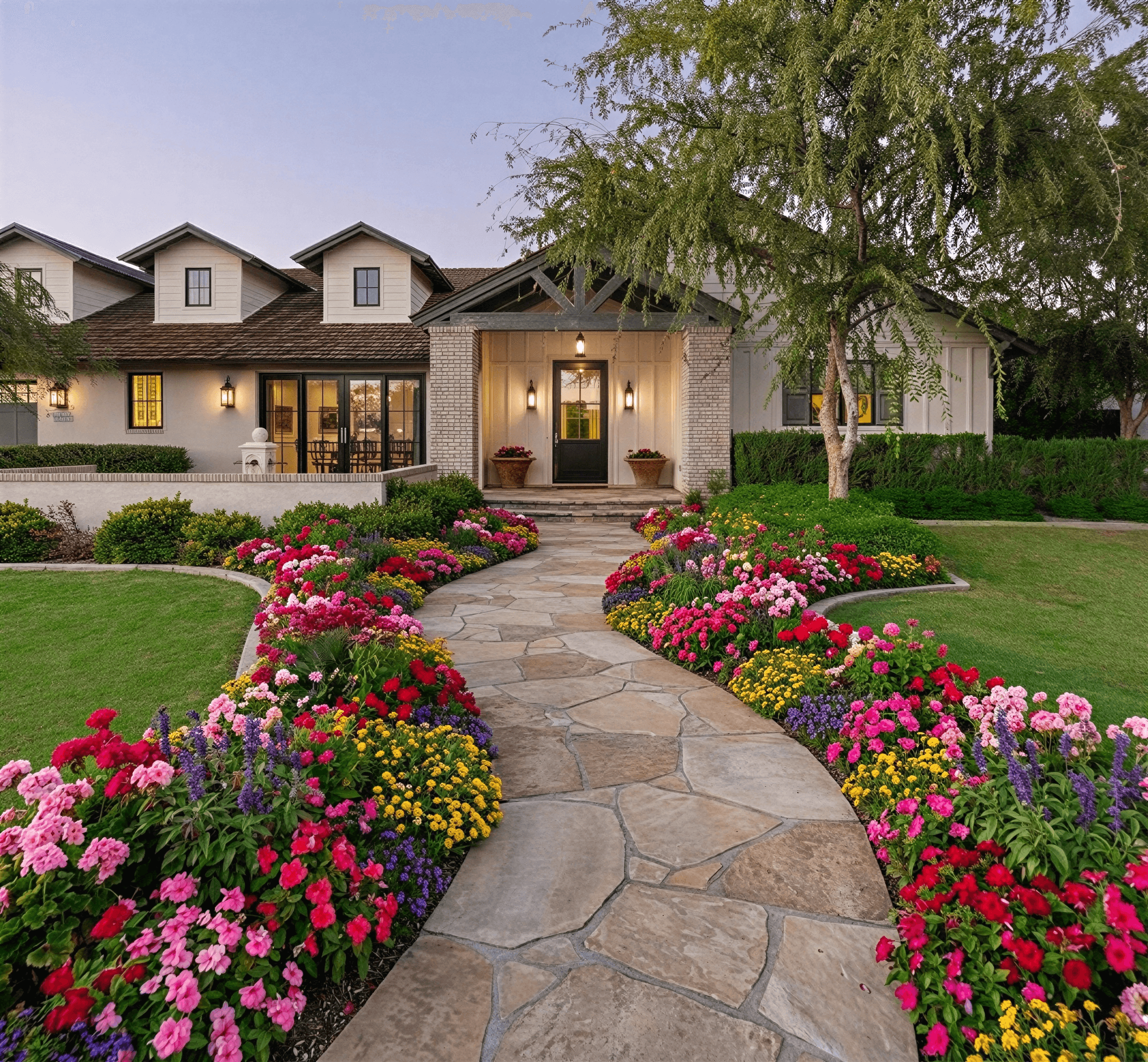
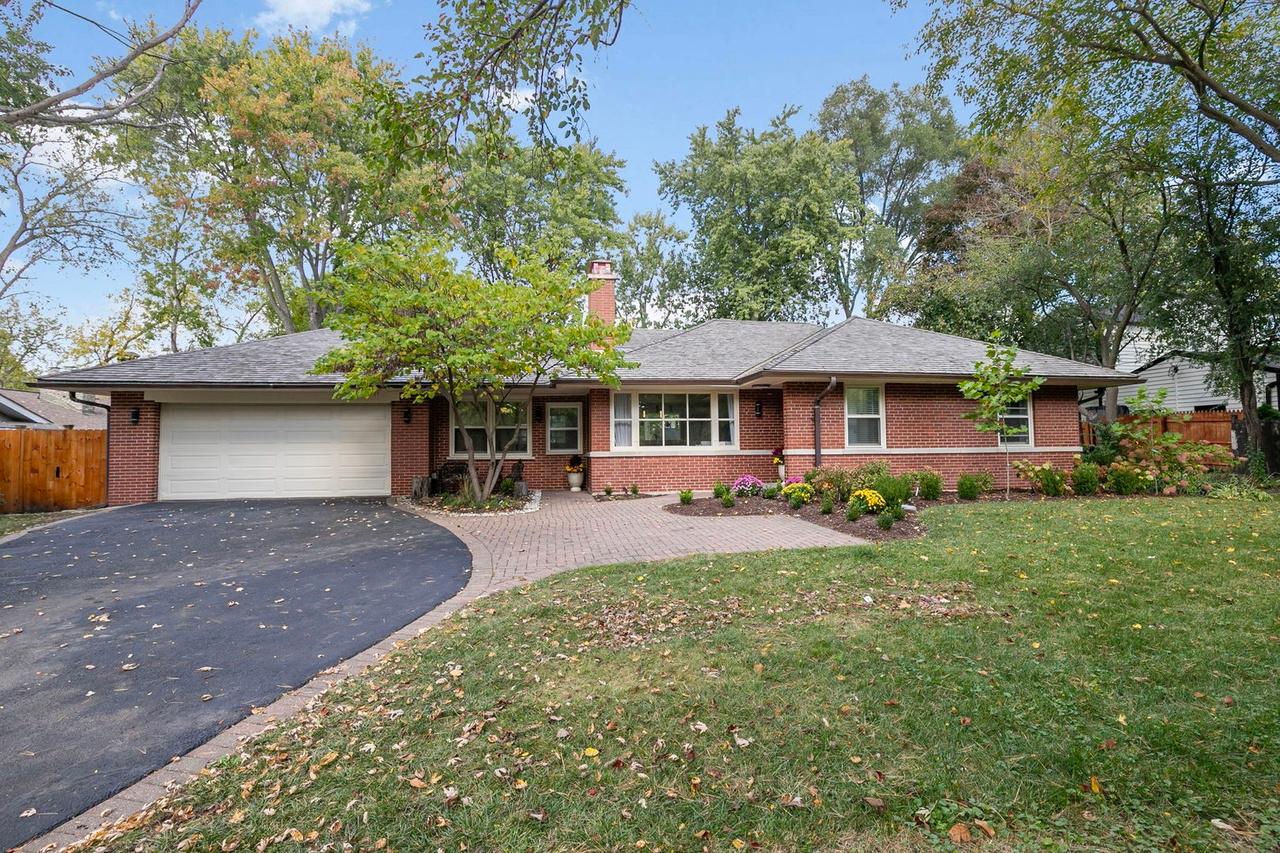
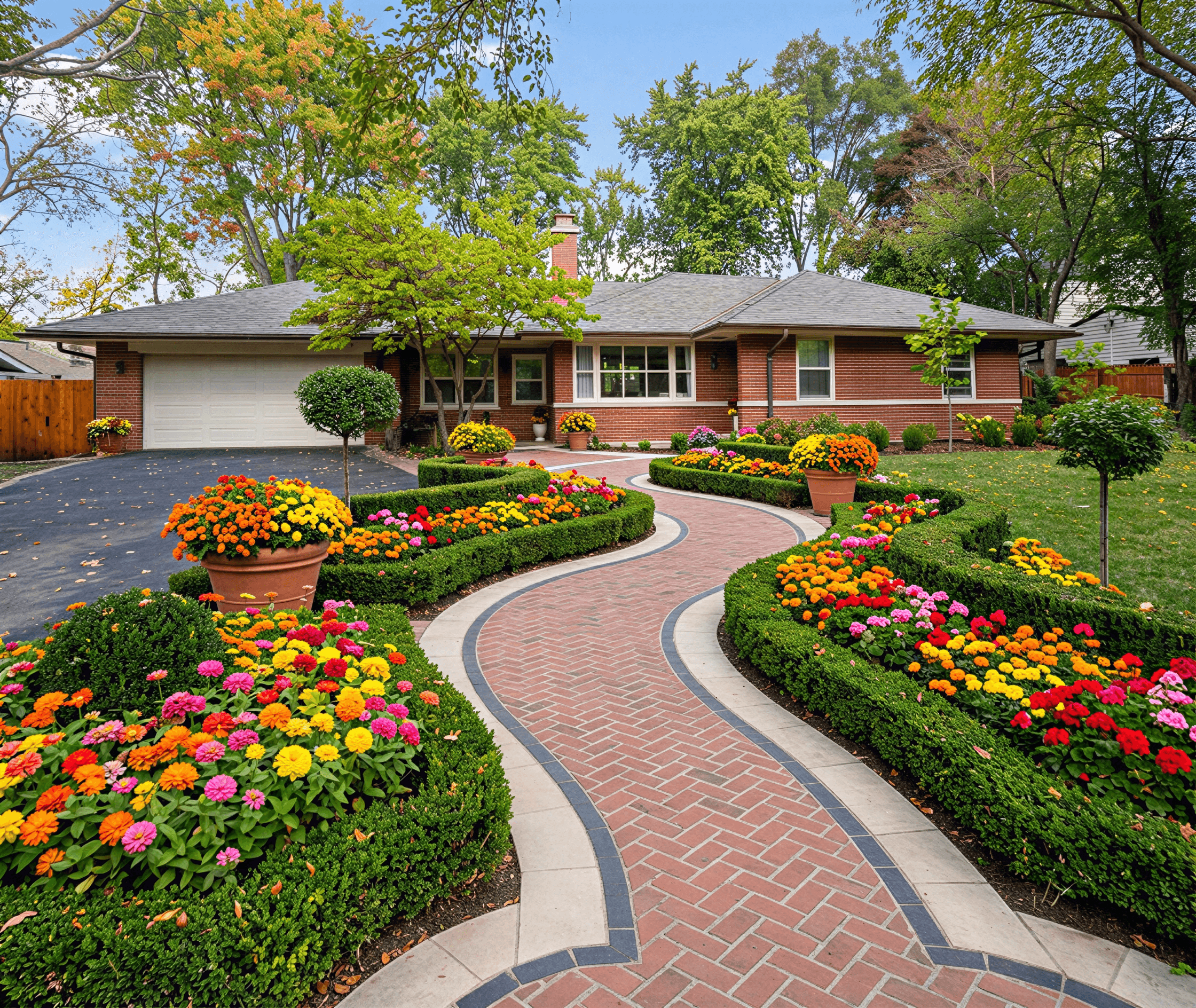
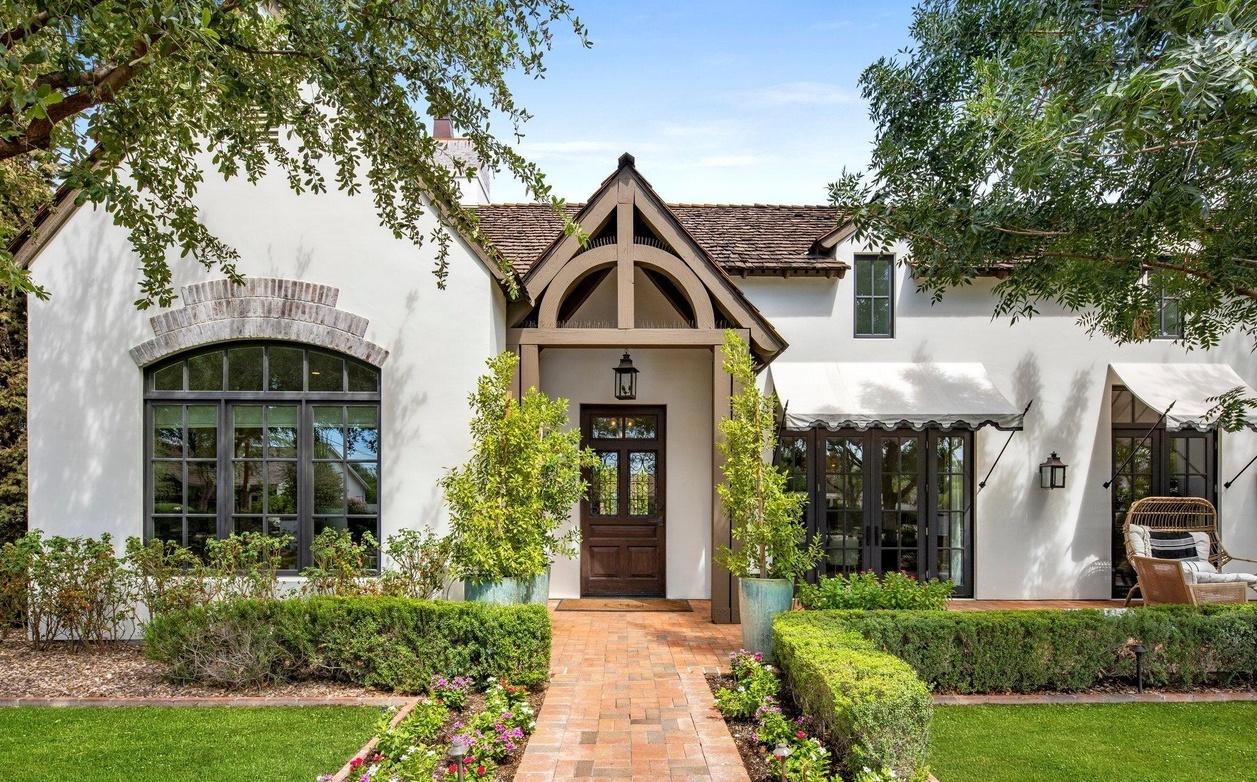
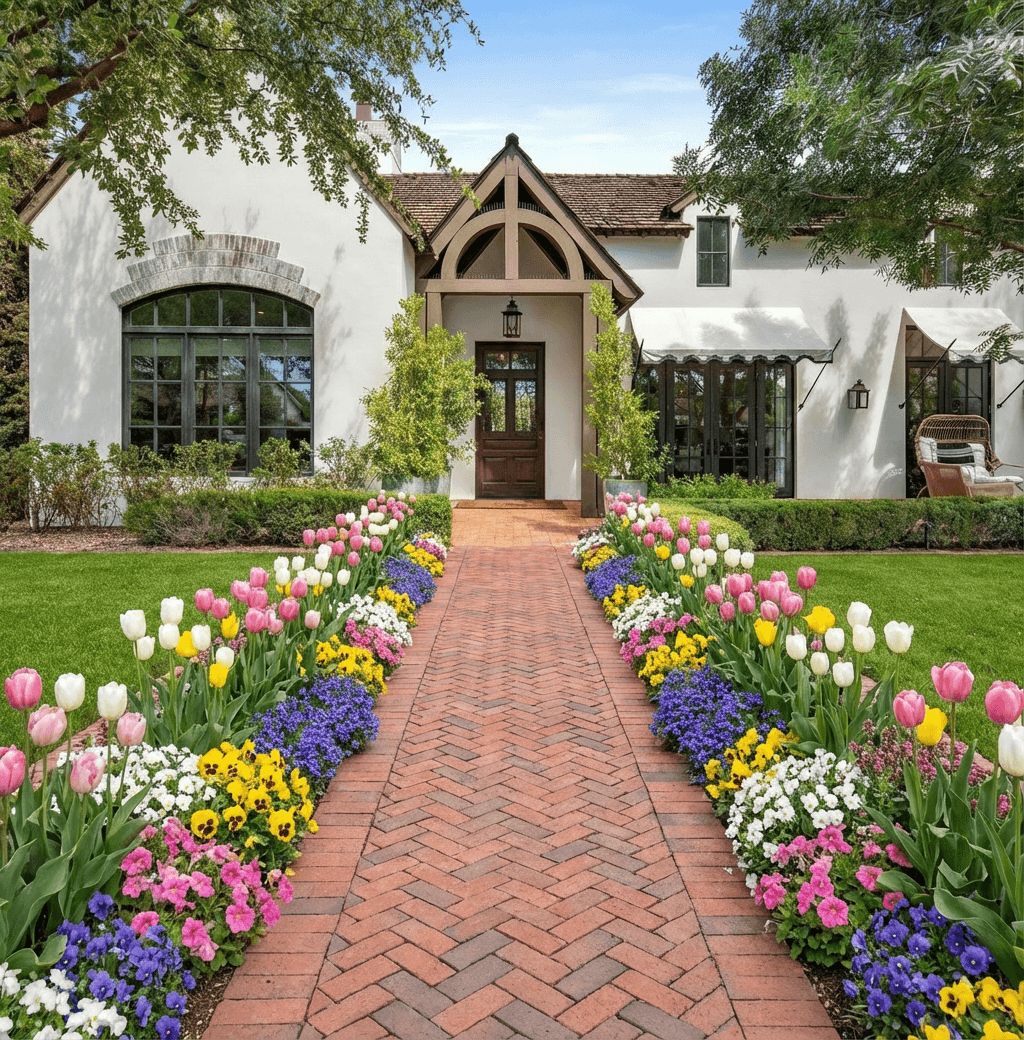
Curb Appeal AI helps homeowners explore small front yard landscaping ideas with rocks and mulch by turning a photo of your space into visual options you can compare. Upload a clear front-facing photo and the tool will show different rock layouts, mulch patterns, and plant placements so you can see how changes will look before you commit. These practical ideas focus on scale, low maintenance materials, and clean lines so small yards look purposeful and inviting without a big budget.
Start with a simple front yard plan
Begin by measuring your space, noting existing trees, utility lines, slopes, and sun exposure. For small front yard landscaping ideas with rocks and mulch, sketch a basic layout that defines a focal point—such as a path, planter, or specimen plant—and clear circulation routes so you don’t overcrowd the area. Use Curb Appeal AI to upload a photo of your yard and experiment with scale and placement; seeing options side-by-side helps you pick a layout that balances hardscape and plantings without guessing. A clear plan also makes estimating materials and labor much easier.
Design durable rock and mulch beds
Decide where rocks will act as dominant groundcover and where mulch will provide softer planting beds. For rock areas, choose an appropriate stone size—pea gravel and crushed rock are easier to walk on, while larger river rock creates a bolder look. Install edging and a permeable weed barrier to keep materials contained and reduce maintenance. For mulch, use a bark or shredded hardwood that breaks down slowly but still suppresses weeds; replenish annually. These small front yard landscaping ideas with rocks and mulch work best when you plan layers and transitions so the materials feel intentional rather than haphazard.
Choose plants that fit limited space
Select low-growing, slow-spreading plants to avoid crowding your small front yard. Consider dwarf shrubs, compact ornamental grasses, native perennials, and evergreen accents that provide year-round structure without heavy pruning. Plant in groups or drifts next to mulch beds to soften rock edges and create visual flow. Use rocks as anchored accents around plants to highlight shape and reduce the amount of planting needed. When planning plant placement for small front yard landscaping ideas with rocks and mulch, match plant size to the bed and allow mature spacing so the layout remains tidy over time.
Budgeting and expected project costs
Costs vary depending on rock type, mulch volume, and whether you hire labor. Expect bulk mulch to be one of the least expensive materials, while decorative boulders, flagstones, or premium gravel raise costs. For a small yard, basic materials for a low-maintenance redesign can run from a few hundred dollars for DIY mulch-and-plant updates to several thousand if you add professional rockwork or irrigation. Save money by doing prep work yourself—measuring, removing sod, or laying weed barrier—and focus professional help on tasks that require heavy equipment or specialized installation.
Maintenance tips and seasonal care
Routine maintenance keeps rocks and mulch looking intentional: pull weeds early, replenish mulch once a year, and rake or reposition rocks that shift. Check edging and weed barriers periodically to prevent material migration. Trim plants minimally to preserve their shape and replace any that don’t thrive rather than over-planting. In winter, avoid salt near decorative stone and clear heavy debris that can compress mulch. These small front yard landscaping ideas with rocks and mulch are most successful when maintenance is simple and scheduled, so set a two- or three-times-a-year care checklist.
Frequently Asked Questions
Will rocks make my small front yard too hot or hard to water?
Rocks can increase surface temperature but using a mix of rocks, mulch, and planted areas reduces heat buildup. Place rocks in sunnier spots and keep mulch and planted beds where you need moisture retention; drip irrigation under mulch targets roots without wasting water.
How much rock and mulch will I need for a small front yard?
Measure the square footage of each area and calculate volume: for mulch, depth of 2–3 inches is typical; for decorative rock, 2–3 inches for pea gravel or 3–4 inches for larger stone. Suppliers can convert cubic feet to bags or cubic yards so you order the right quantity.
Can I install rock and mulch beds myself, or should I hire a professional?
Many homeowners can handle basic rock and mulch installation—removing grass, installing edging, laying a weed barrier, and spreading materials. Hire a pro for grading, drainage fixes, large boulder placement, or if you need irrigation and plant selection expertise to ensure long-term success.
What plants work best with rocks and mulch in small yards?
Choose compact, low-maintenance plants like dwarf evergreen shrubs, sedums, ornamental grasses, and native perennials that suit your climate. Group plants by water needs near drip irrigation lines and use rocks to create focal points while mulch conserves moisture around root zones.
Related Landscaping Ideas
Explore Professional Services Near You
Related Articles
8 Small Front Yard Landscaping Ideas to Maximize Curb Appeal in 2026
Discover 8 inspiring small front yard landscaping ideas, from modern minimalist to charming cottage styles. Transform your space with our expert tips!
10 Landscaping a Front Yard Ideas for 2026
Explore 10 inspiring landscaping a front yard ideas, from modern to cottage styles. Get practical tips on plants, budget, climate to boost curb appeal.
Top 10 Front Yard Landscaping Ideas for 2026
Explore 10 top front yard landscaping ideas for 2026. From modern to cottage, find budget-friendly, low-maintenance designs to boost your home's curb appeal.
Real transformations
See how homeowners are using Curb Appeal AI to reimagine their properties