Curb Appeal Front Yard Landscaping Ideas On A Budget
curb appeal front yard landscaping ideas on a budget
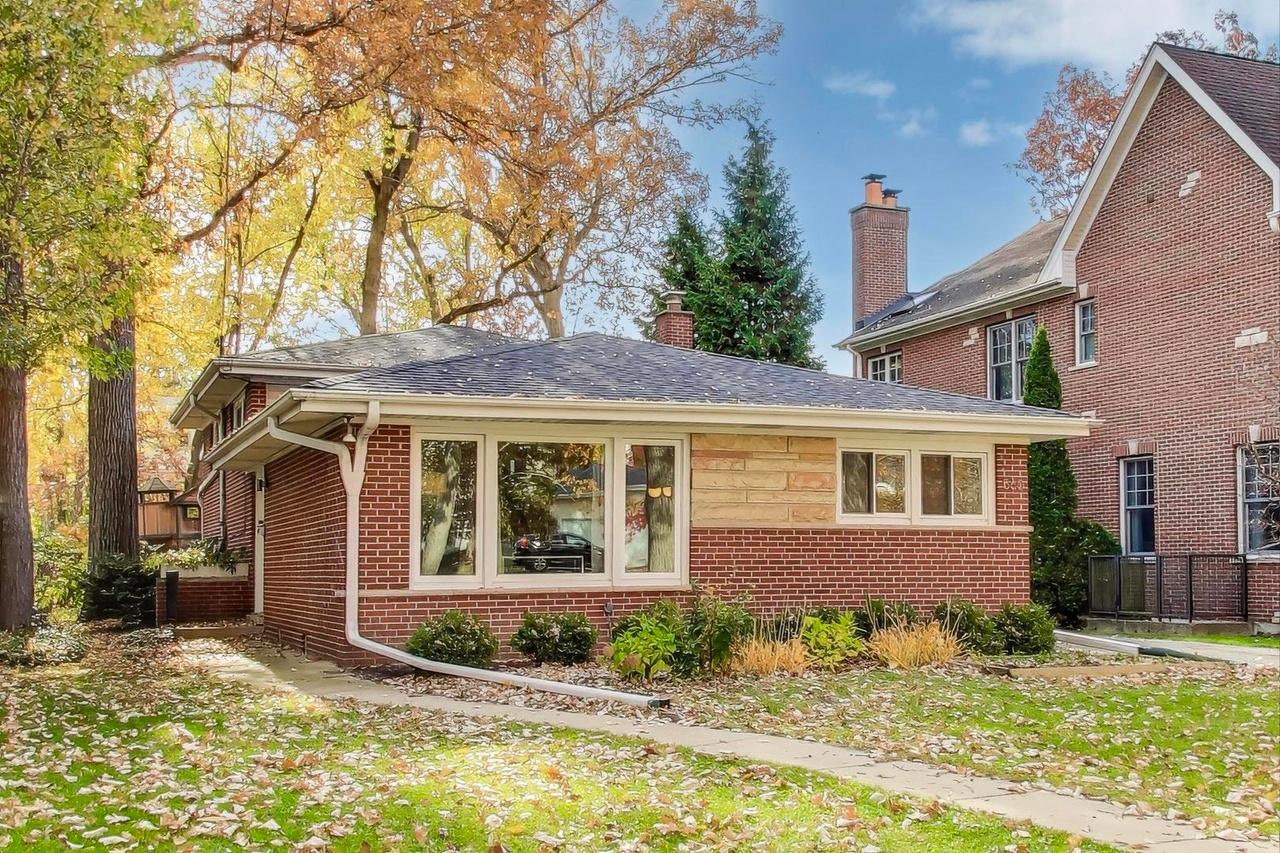
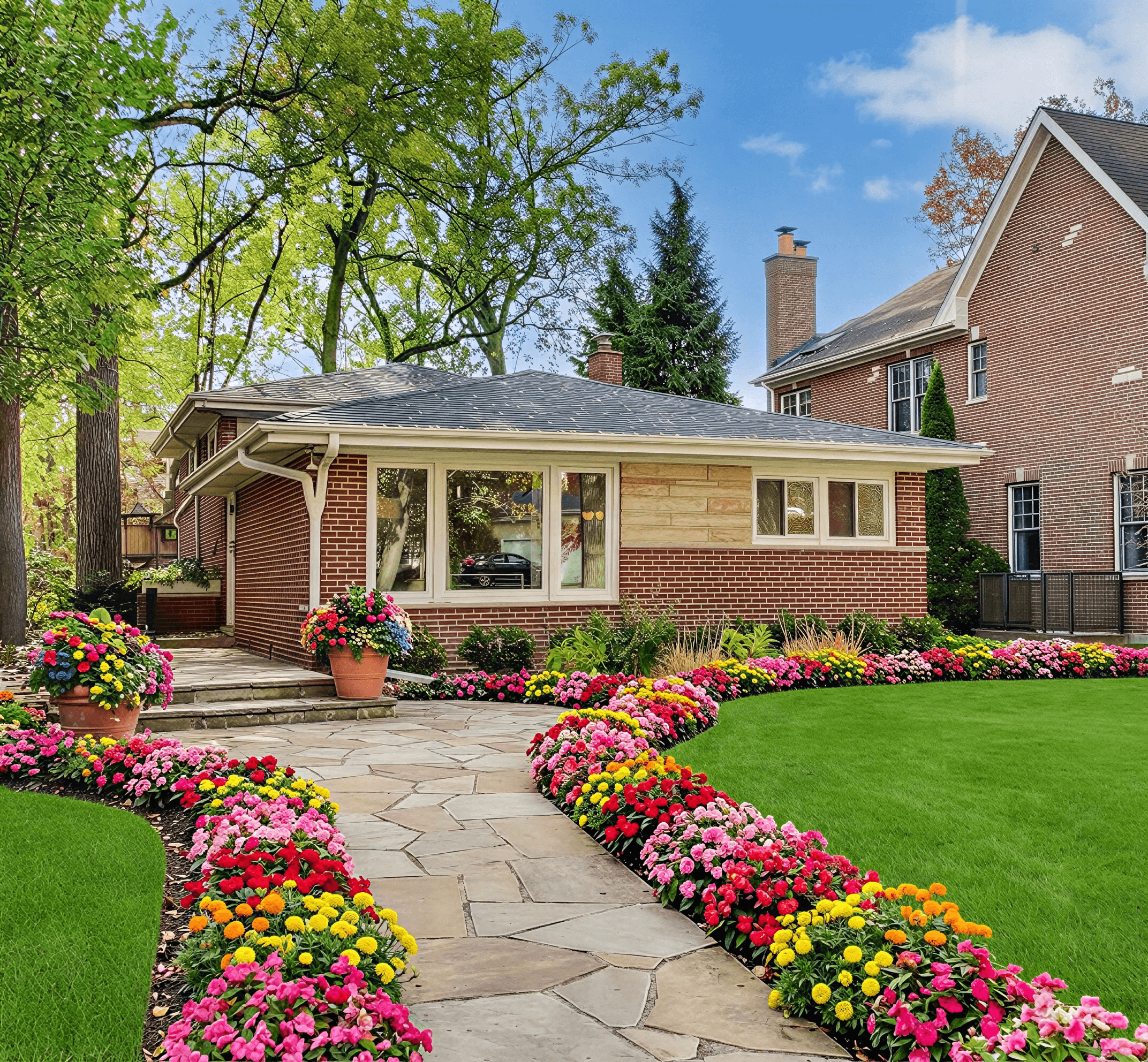
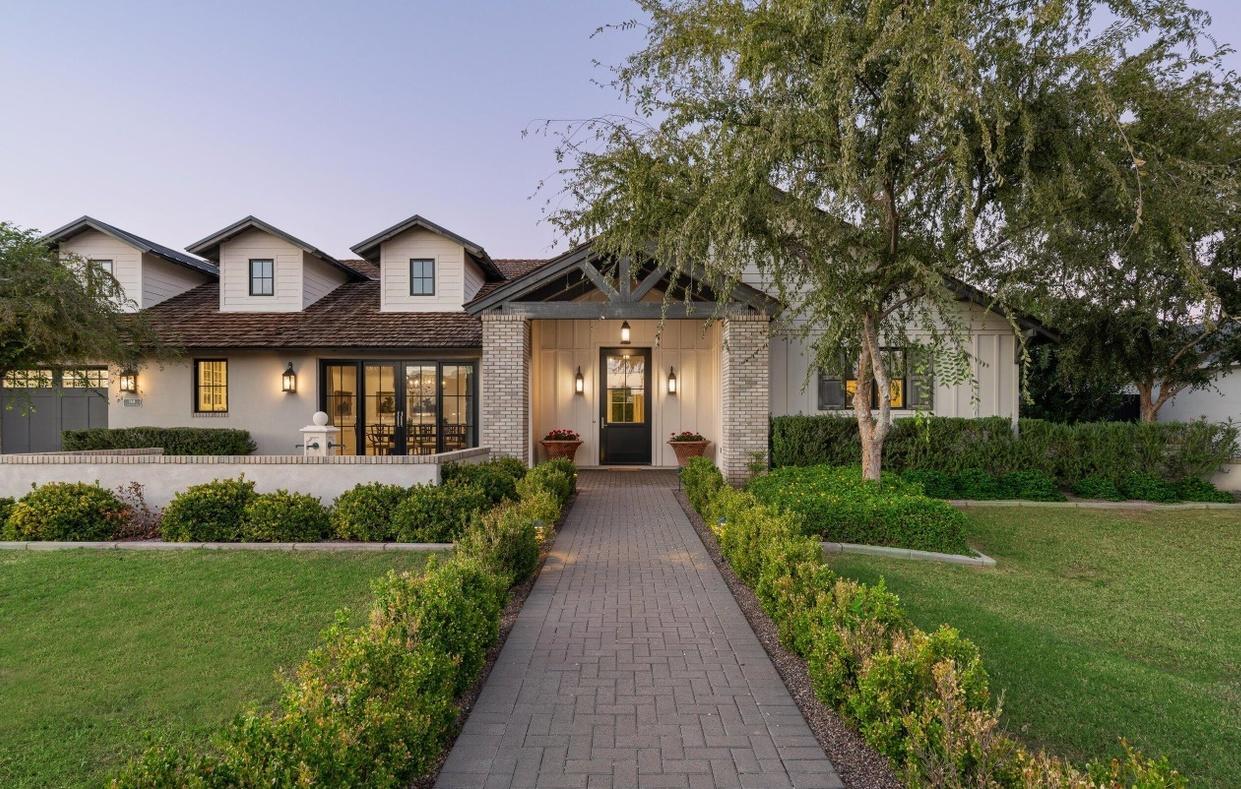
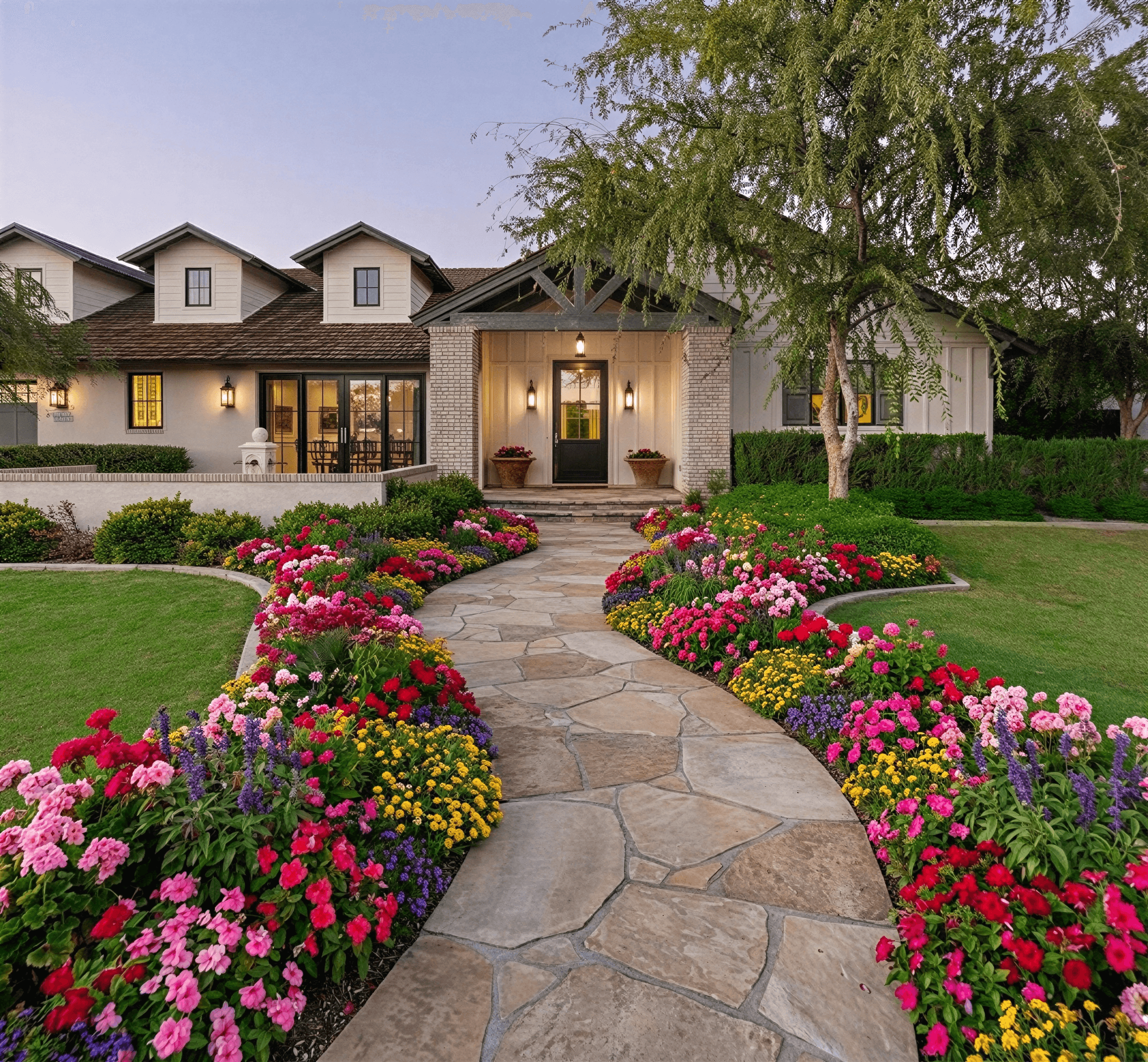
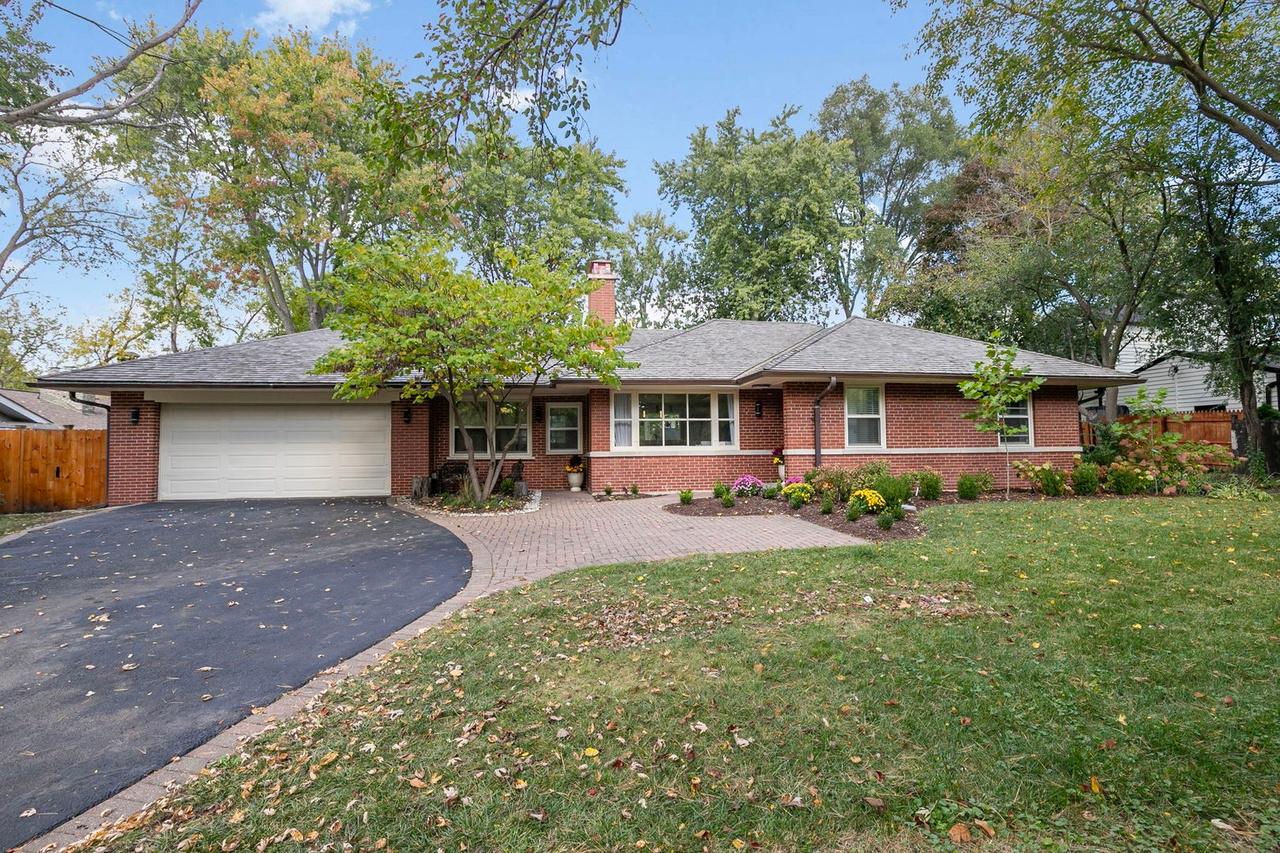
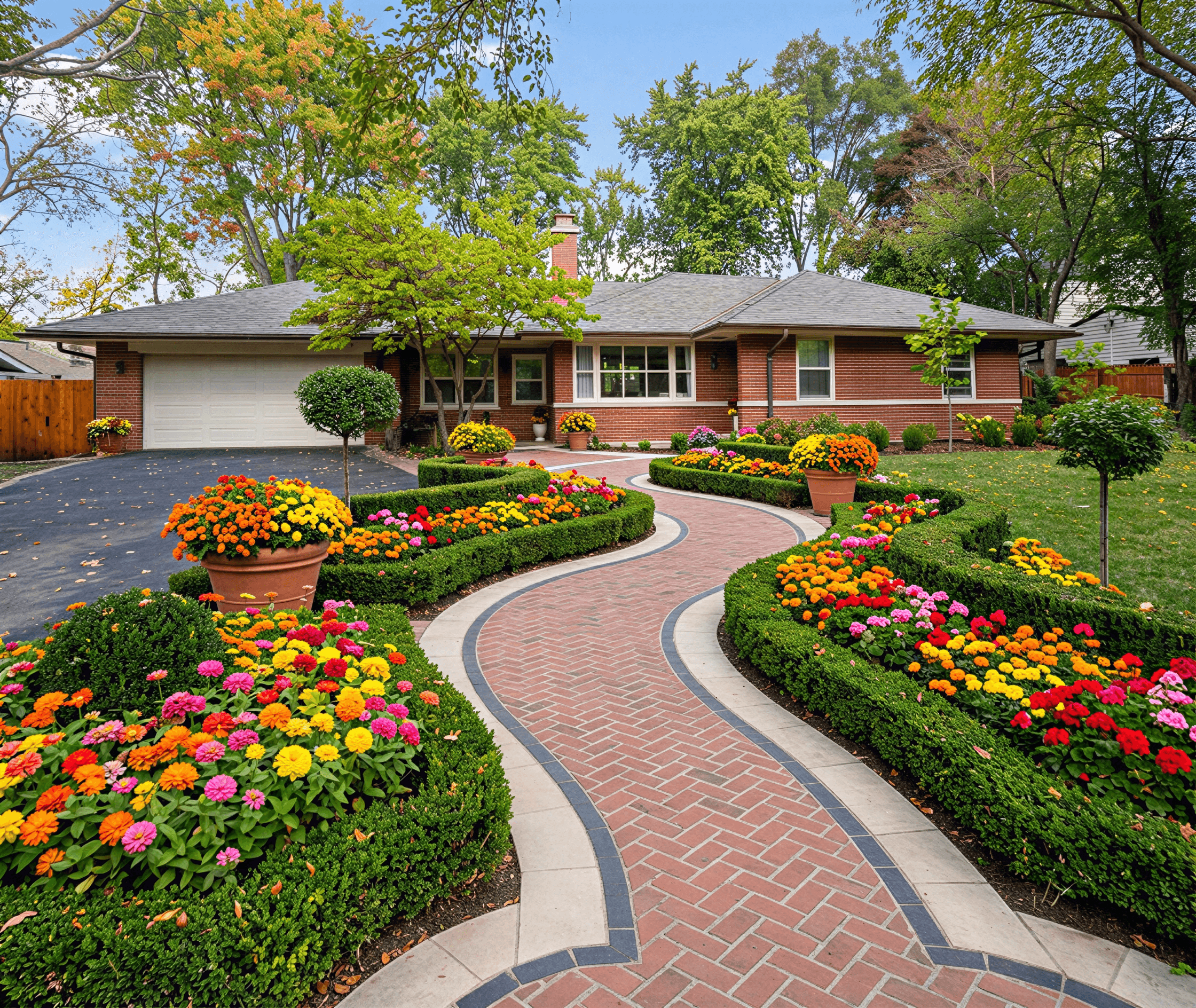
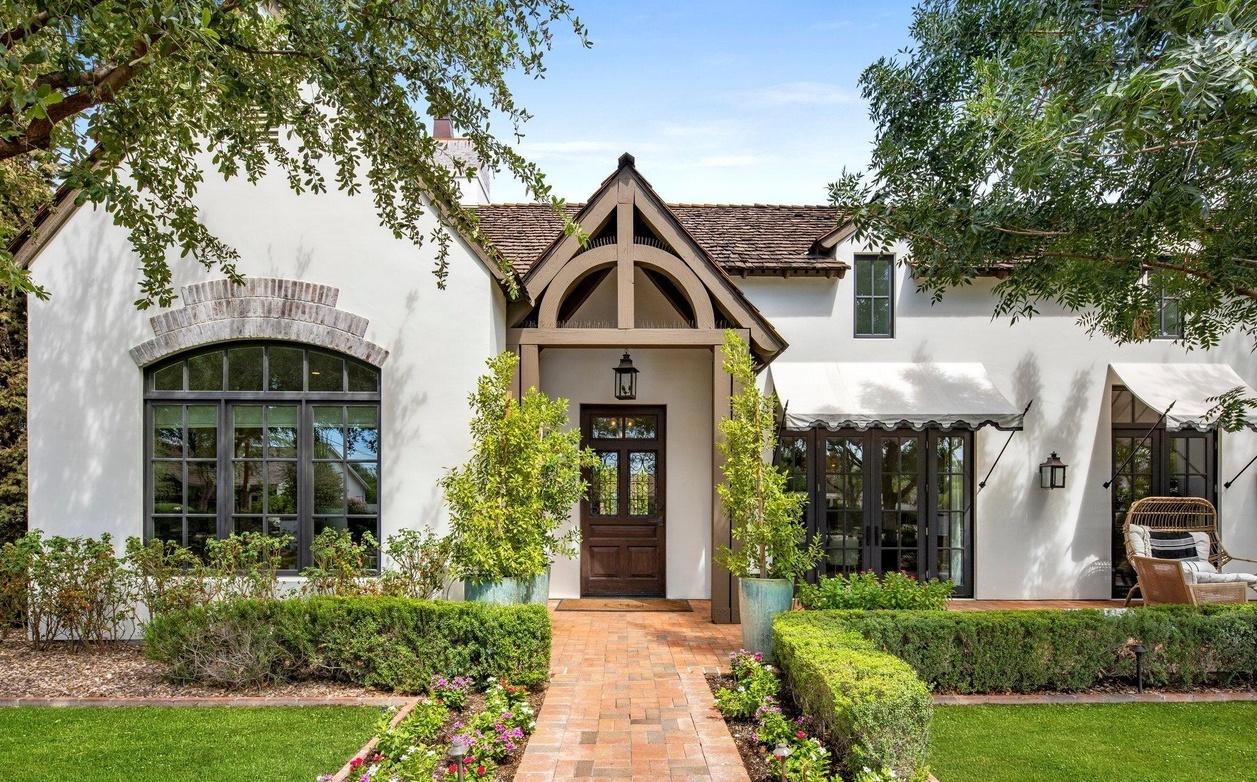
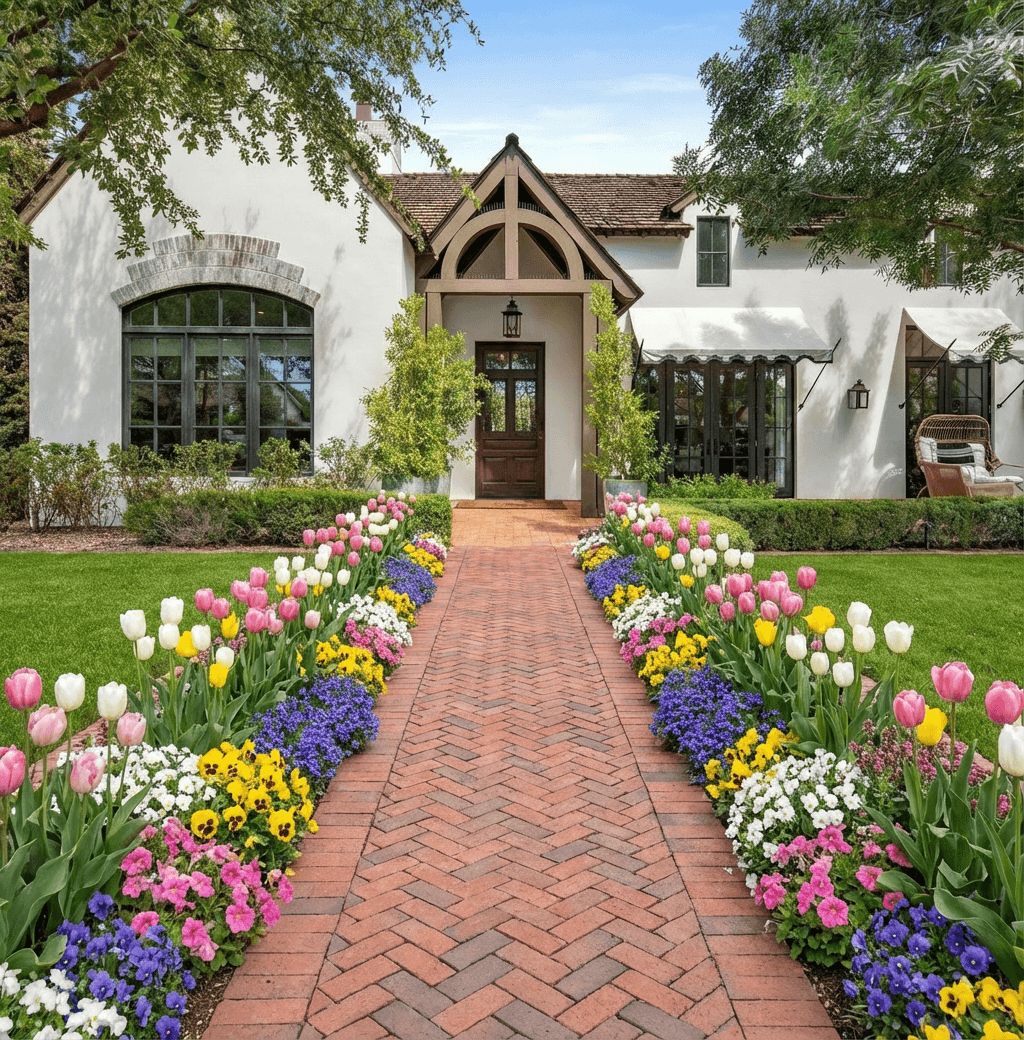
Curb Appeal AI helps homeowners conceptualize changes before they invest, using your uploaded photo to create realistic visualizations. Upload a photo of your front yard and try different layouts, plantings, and hardscape options to see how each change looks. These curb appeal front yard landscaping ideas on a budget focus on practical, affordable steps you can implement gradually.
How to plan a low-cost front yard
Start with a simple site assessment: note where sunlight, shade, and drainage occur, and identify existing plants or features to keep. Set realistic priorities—walkway repair, a focal planting bed, and improved edging are common starter projects. Use Curb Appeal AI to upload a photo and test several arrangements before buying materials; seeing a design on your actual house reduces waste and impulsive purchases. Allocate a small contingency in your budget and schedule projects by season, tackling irrigation and hardscaping before planting so each step feels manageable and cost-effective.
Small design ideas that boost curb appeal
Focus on a clear focal point: a tidy pathway, a single well-placed tree, or a grouping of attractive shrubs can make a small yard feel intentional. Replace worn edging, add mulch to beds, and define borders with inexpensive pavers or reclaimed bricks to create a polished look. Use repetition of two or three plant types for a cohesive palette. These curb appeal front yard landscaping ideas on a budget emphasize visible change with limited spend—small investments in scale and structure often read as higher value than many scattered, expensive plants.
Choose budget plants and low-cost materials
Select hardy, low-maintenance plants that establish quickly and require minimal fertilizer or pruning; native perennials, ornamental grasses, and small shrubs often fit well. Buy smaller sizes and let them fill in over a couple of seasons to save money. Use mulch, gravel, or crushed stone as groundcover alternatives to expensive paving, and consider recycled or secondhand materials for edging and planters. For cost control, prioritize long-lived elements such as good soil and quality mulch—these reduce future replacement costs and support plant health for less overall expense.
Estimate costs and set a simple budget
Break the project into categories—materials, plants, tools, and optional labor—and assign a rough cost to each before you shop. A modest front yard refresh can often be done for a few hundred dollars if you reuse materials and do the labor yourself; expect higher costs for new hardscaping or professional installation. Track receipts and delay nonessential purchases until you confirm the core improvements. Using visual tools or a mockup created from your uploaded photo helps avoid buying mismatched plants or unnecessary quantities, keeping your curb appeal front yard landscaping ideas on a budget realistic and affordable.
DIY projects versus hiring a landscaping pro
Decide which tasks match your skills and time—edging, planting, and mulching are easy DIY wins, while grading, drainage fixes, or complex stonework may need a pro. For larger jobs, get two or three estimates and ask for references and photos of similar projects. Even when hiring help, you can reduce costs by doing prep work yourself, such as clearing plants or buying materials. Use visualization from tools like Curb Appeal AI to communicate your ideas clearly to a contractor, which can prevent misunderstandings and change orders that increase project costs.
Frequently Asked Questions
What are the most cost-effective changes for quick curb appeal?
Start with cleaning and small repairs—power wash walkways, trim overgrown shrubs, and replace broken or faded house numbers and mailbox. Adding fresh mulch and a few well-placed, inexpensive plants delivers noticeable impact for relatively low cost.
How can I plan landscaping without overspending on plants?
Buy smaller plants and group them so they form a stronger visual impact as they grow, choose low-maintenance, native species, and propagate from existing plants when possible. Plan beds and order plants in stages to spread costs across seasons.
When should I hire a professional instead of DIY?
Hire a pro for projects involving grading, drainage, complex hardscaping, or when local codes and permits are required. If a task feels beyond your skill level or would risk expensive mistakes, a contractor can be more cost-effective in the long run.
Can I preview ideas before buying materials?
Yes. Upload a photo to visualization tools to test different layouts, plant choices, and hardscape options on your actual house. Seeing designs in context helps you choose the most effective, budget-friendly options and avoid unnecessary purchases.
Related Landscaping Ideas
Explore Professional Services Near You
Related Articles
10 Landscaping a Front Yard Ideas for 2026
Explore 10 inspiring landscaping a front yard ideas, from modern to cottage styles. Get practical tips on plants, budget, climate to boost curb appeal.
8 Small Front Yard Landscaping Ideas to Maximize Curb Appeal in 2026
Discover 8 inspiring small front yard landscaping ideas, from modern minimalist to charming cottage styles. Transform your space with our expert tips!
Budget landscaping ideas: Transform your yard with DIY, low-cost upgrades
Discover budget landscaping ideas to refresh your yard with 10 easy, low-cost tips - from native plants to DIY features - without overspending.
Real transformations
See how homeowners are using Curb Appeal AI to reimagine their properties