Best Plants For Spring Landscaping
best plants for spring landscaping
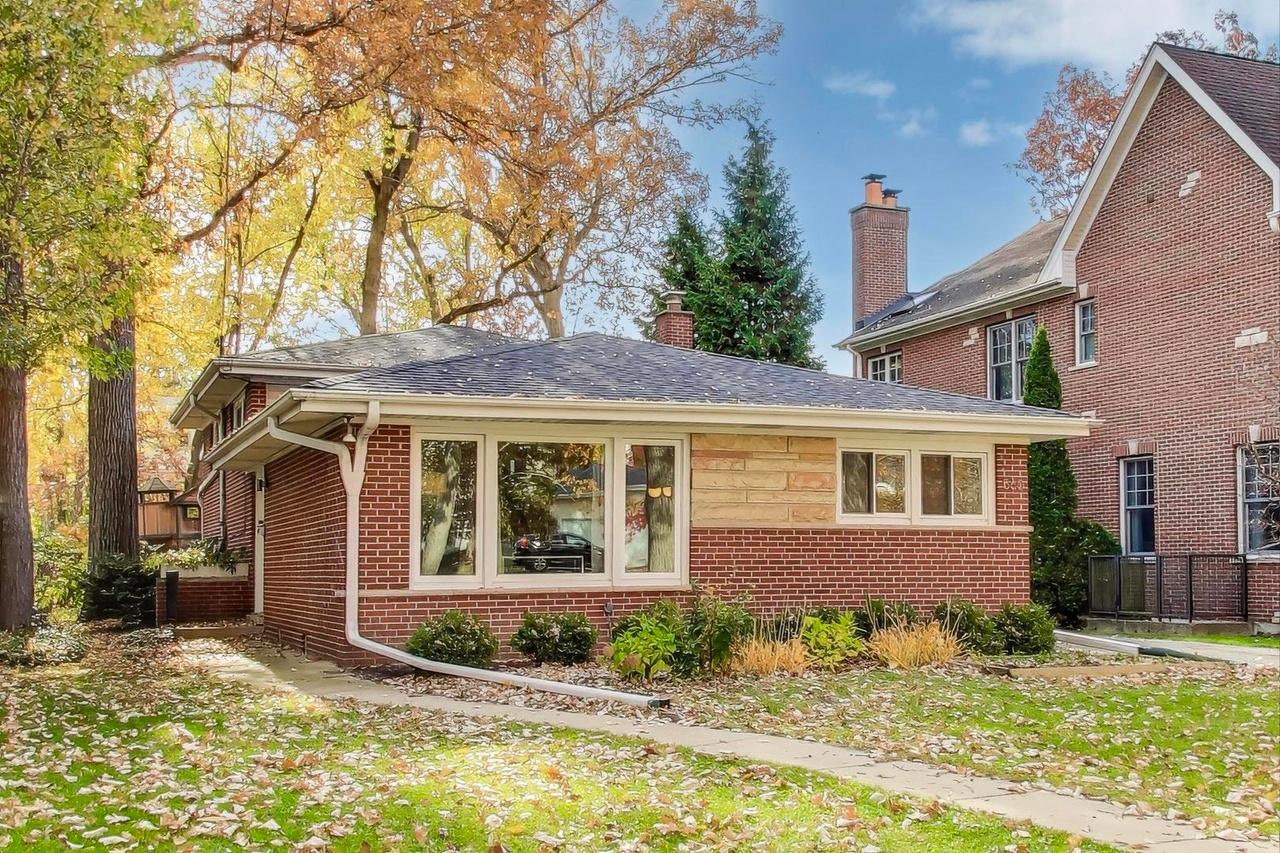
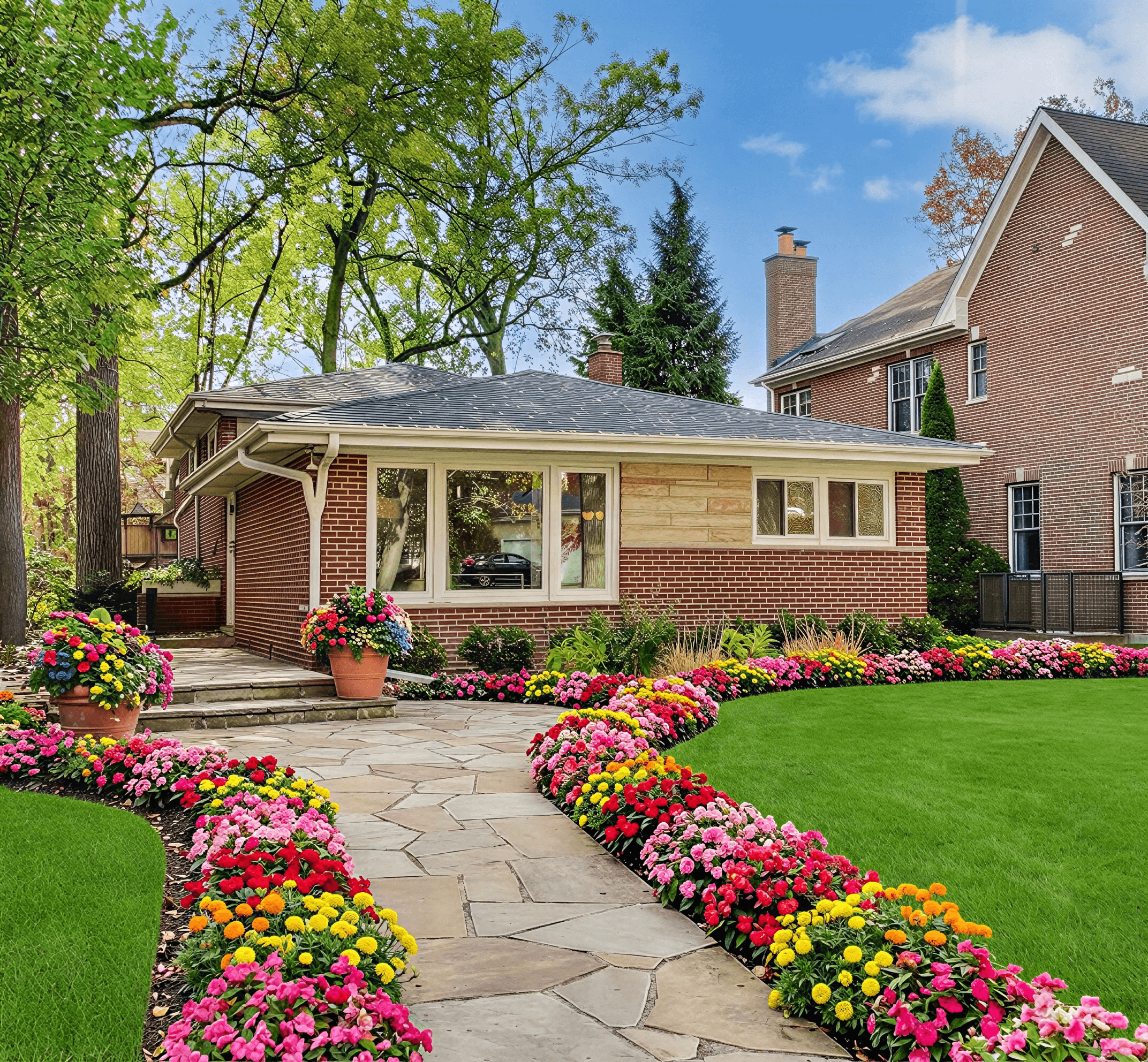
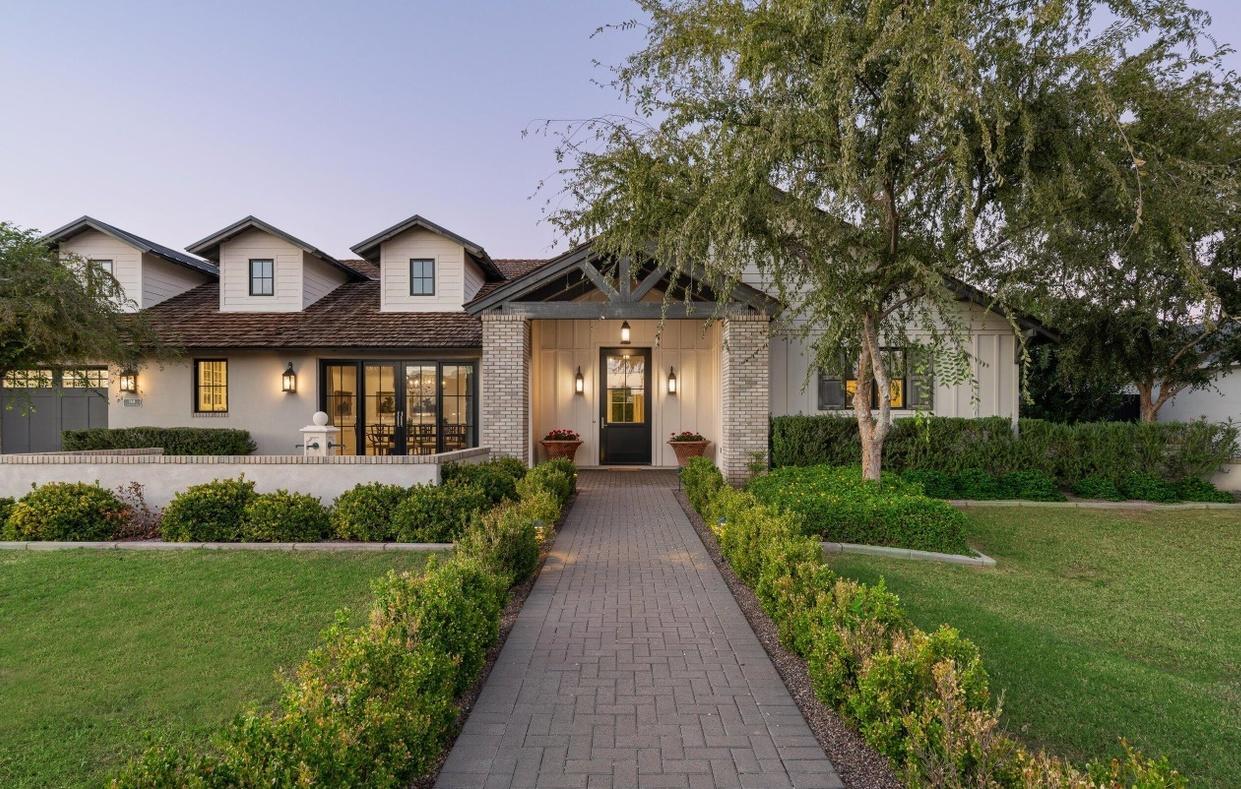
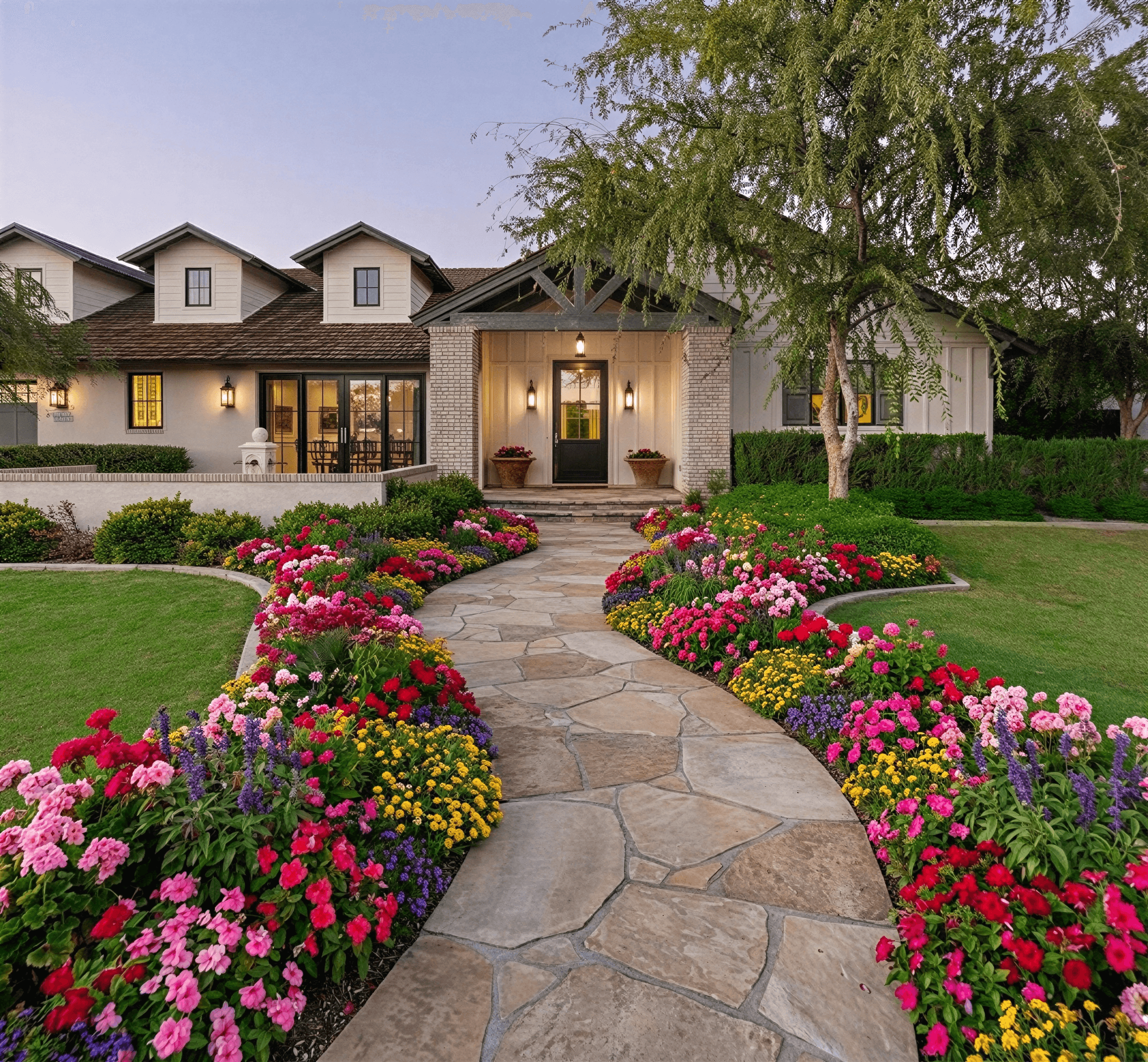
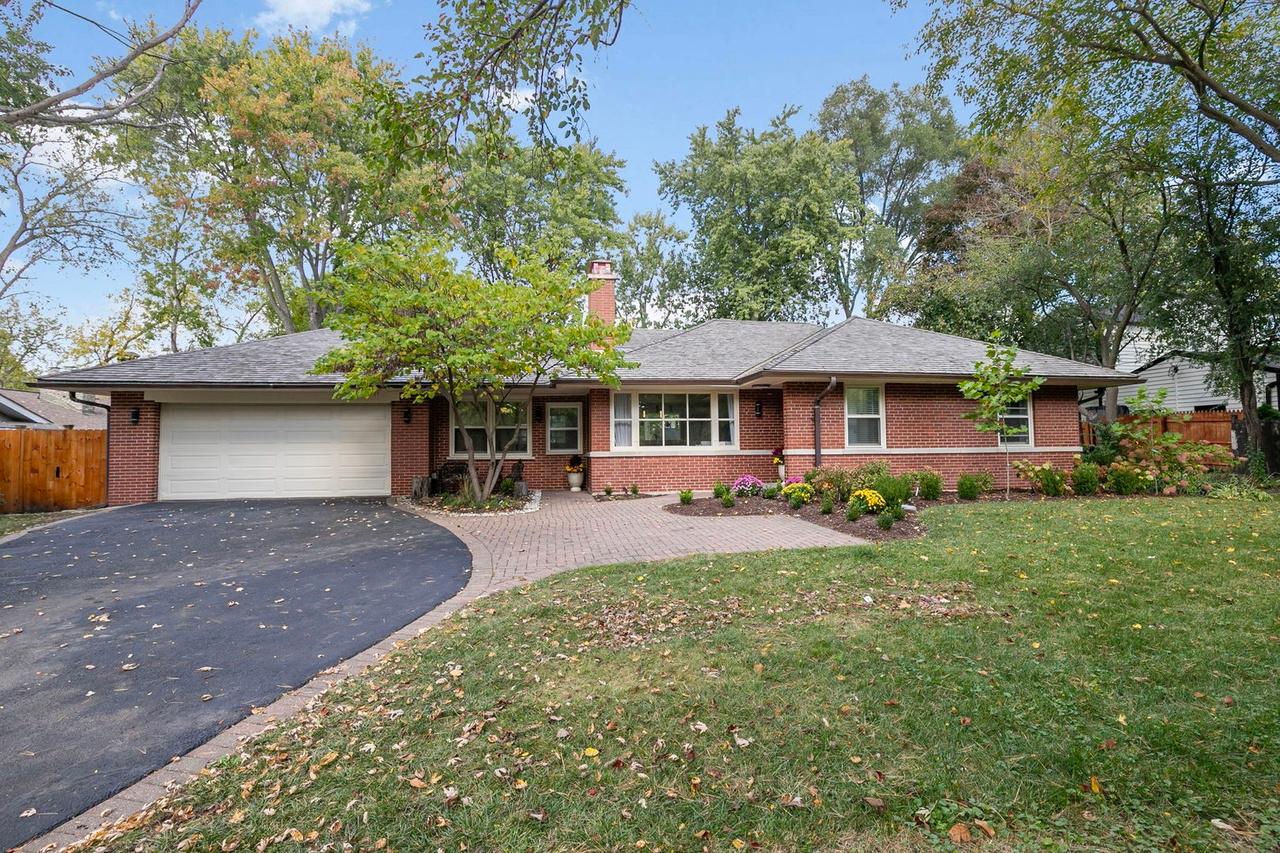
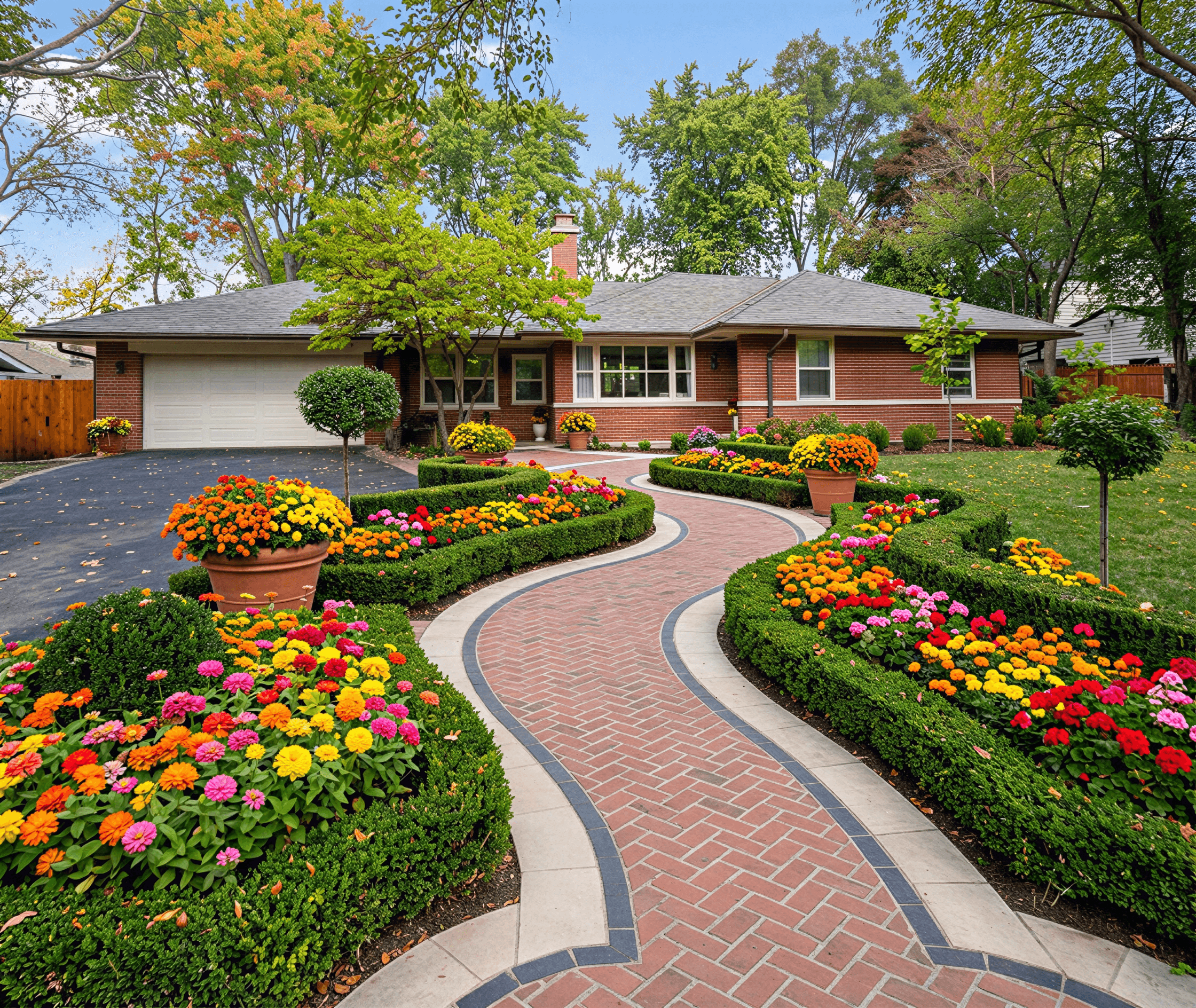
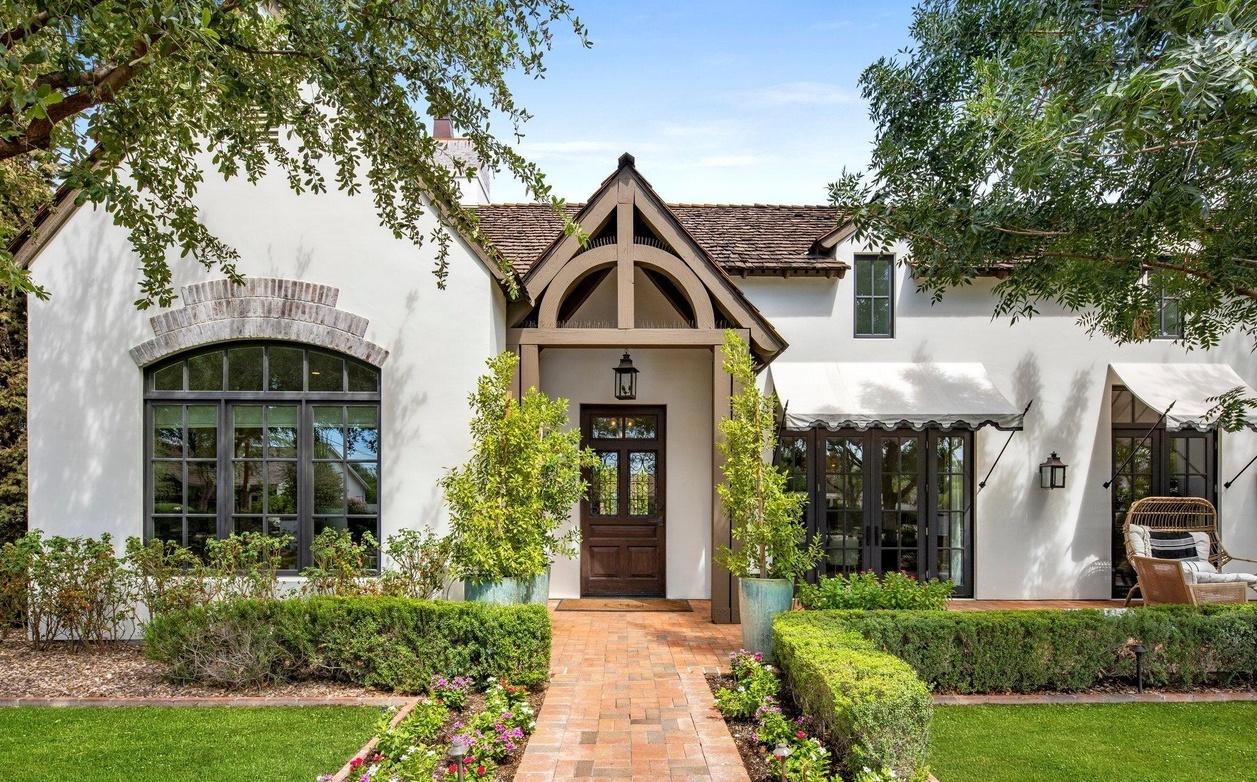
Curb Appeal AI helps homeowners explore the best plants for spring landscaping by letting you upload a photo of your yard and visualize design changes in place. Upload a picture, try different plant combinations, and see how color, scale, and placement affect your home's curb appeal before you buy anything. This approach saves time and reduces guesswork so you can choose spring plants that fit your soil, sun, and maintenance needs.
Start with a simple spring plan
Begin your spring landscaping by assessing sun exposure, soil type, and existing plants. Sketch a rough layout or use a photo of your yard to mark sunny and shady areas, then group plants by their light and water needs. Choosing the best plants for spring landscaping starts with this practical inventory: bulbs and early perennials for color, shrubs for structure, and groundcovers to reduce weeds. A clear plan helps prevent overcrowding and makes maintenance easier as plants mature over the next few seasons.
Select reliable spring-blooming perennials and bulbs
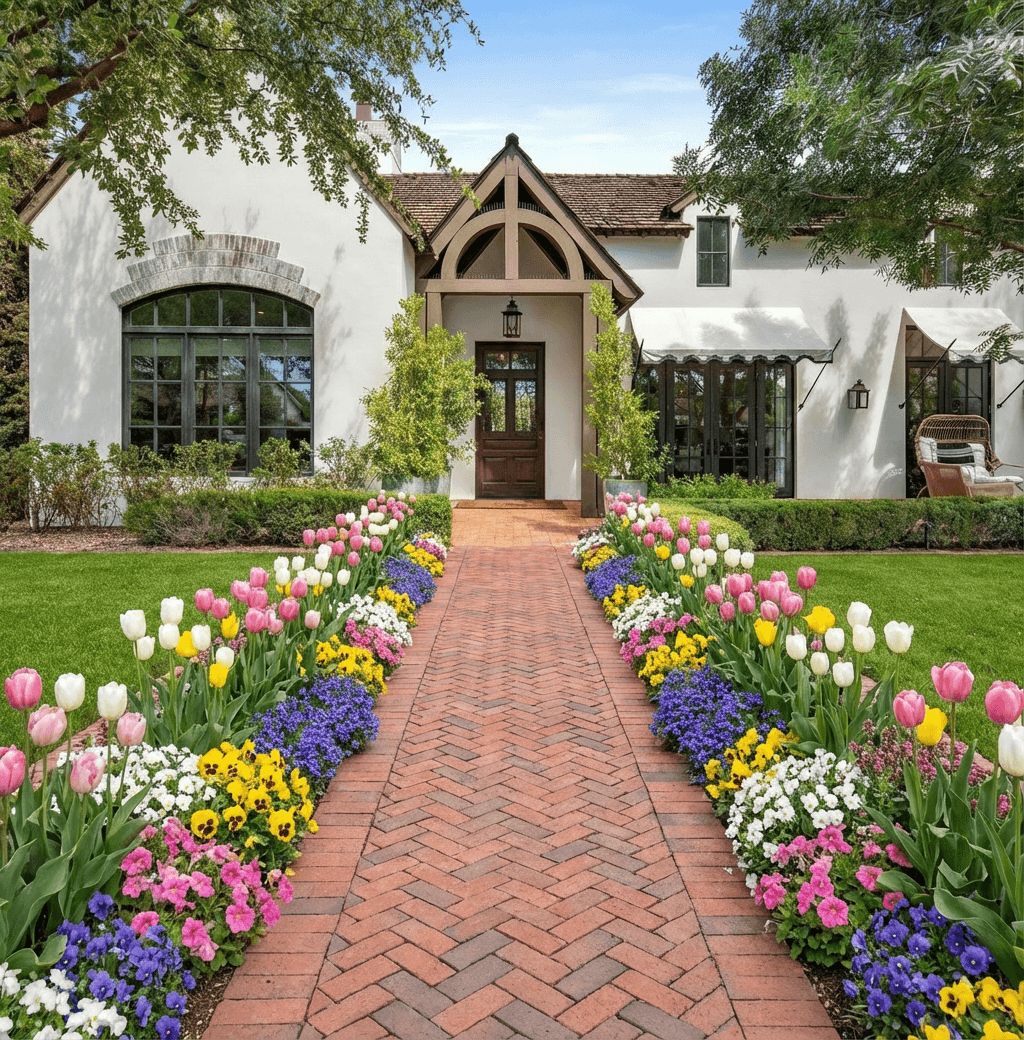
For predictable spring color, combine bulbs like tulips, daffodils, and crocus with perennials such as primroses, bergenia, and pulmonaria. These choices are among the best plants for spring landscaping because bulbs give early bursts of color while perennials return each year and build structure. You can preview bulb and perennial placement using Curb Appeal AI to test color balance and bloom sequence before planting. Stagger bloom times by selecting early, mid, and late spring varieties for a longer showing.
Use layers for color and seasonal interest
Design in layers: low groundcovers, mid-height perennials, and taller shrubs or small trees in the back. Layering ensures you have color from early spring bulbs up through later perennials and shrubs, creating a continuous display rather than one short-lived peak. Include different textures and foliage colors to keep interest when flowers fade. When choosing the best plants for spring landscaping, think about how each layer will look together once mature and leave enough space for growth to avoid constant pruning.
Soil, mulch, and planting materials
Good soil and the right materials make spring plantings thrive. Test your soil pH and adjust with compost or amendments as needed; most spring bulbs and perennials prefer well-draining soil enriched with organic matter. Use a 2–3 inch layer of mulch to conserve moisture and suppress weeds, keeping mulch a few inches from plant crowns. Proper planting depth and spacing are important—follow package directions for bulbs and nursery tags for perennials to ensure healthy roots and avoid overcrowding over time.
Maintenance, costs, and DIY versus pro
Estimate costs by listing plants, soil amendments, mulch, and basic tools; bulbs and perennials are often budget-friendly because they return yearly. Routine maintenance includes watering during dry spells, deadheading spent blooms for appearance, and dividing crowded perennials every few years. Many homeowners can handle planting and basic upkeep themselves, but consider hiring a pro for large beds, grading, or complicated irrigation. Using Curb Appeal AI to visualize a plan can help you decide whether a DIY approach or professional help makes more sense for your budget and timeline.
Frequently Asked Questions
When should I plant spring bulbs and perennials?
Plant spring bulbs like tulips and daffodils in the fall before the ground freezes so they can establish roots. Most spring perennials are planted in early spring or fall; choose timing based on local frost dates and whether the plant prefers cooler or warmer establishment conditions.
Which low-maintenance plants are good for spring color?
Daffodils, crocus, and some varieties of primrose and pulmonaria are low-maintenance and provide reliable early color. These are among the best plants for spring landscaping when you want seasonal impact with minimal care.
How much will a spring planting project typically cost?
Costs vary by size and plant choices: a small bed of bulbs and a few perennials can be under a couple hundred dollars, while a larger, planted bed with shrubs and soil improvement can run into the low thousands. Budget for plants, soil amendments, mulch, and any tools or hired labor you might need.
Can I use Curb Appeal AI to plan plant placement before buying plants?
Yes, upload a photo of your yard to Curb Appeal AI to try different plant layouts and color schemes. Visualizing placements helps you judge scale and spacing so you purchase the right quantities and avoid overcrowding.
Related Landscaping Ideas
Explore Professional Services Near You
Related Articles
10 Best Plants for Front Yard Curb Appeal in 2026
Discover the 10 best plants for front yard landscaping. Our guide covers evergreens, shrubs, and flowers to boost your home's curb appeal instantly.
A Homeowner's Guide to Landscaping for Florida
Discover the secrets to successful landscaping for Florida. Learn to use native plants and create hurricane-ready designs for a beautiful, resilient yard.
Top 10 Front Yard Landscaping Ideas for 2026
Explore 10 top front yard landscaping ideas for 2026. From modern to cottage, find budget-friendly, low-maintenance designs to boost your home's curb appeal.
Real transformations
See how homeowners are using Curb Appeal AI to reimagine their properties