Landscaping Ideas For Front Of House
landscaping ideas for front of house
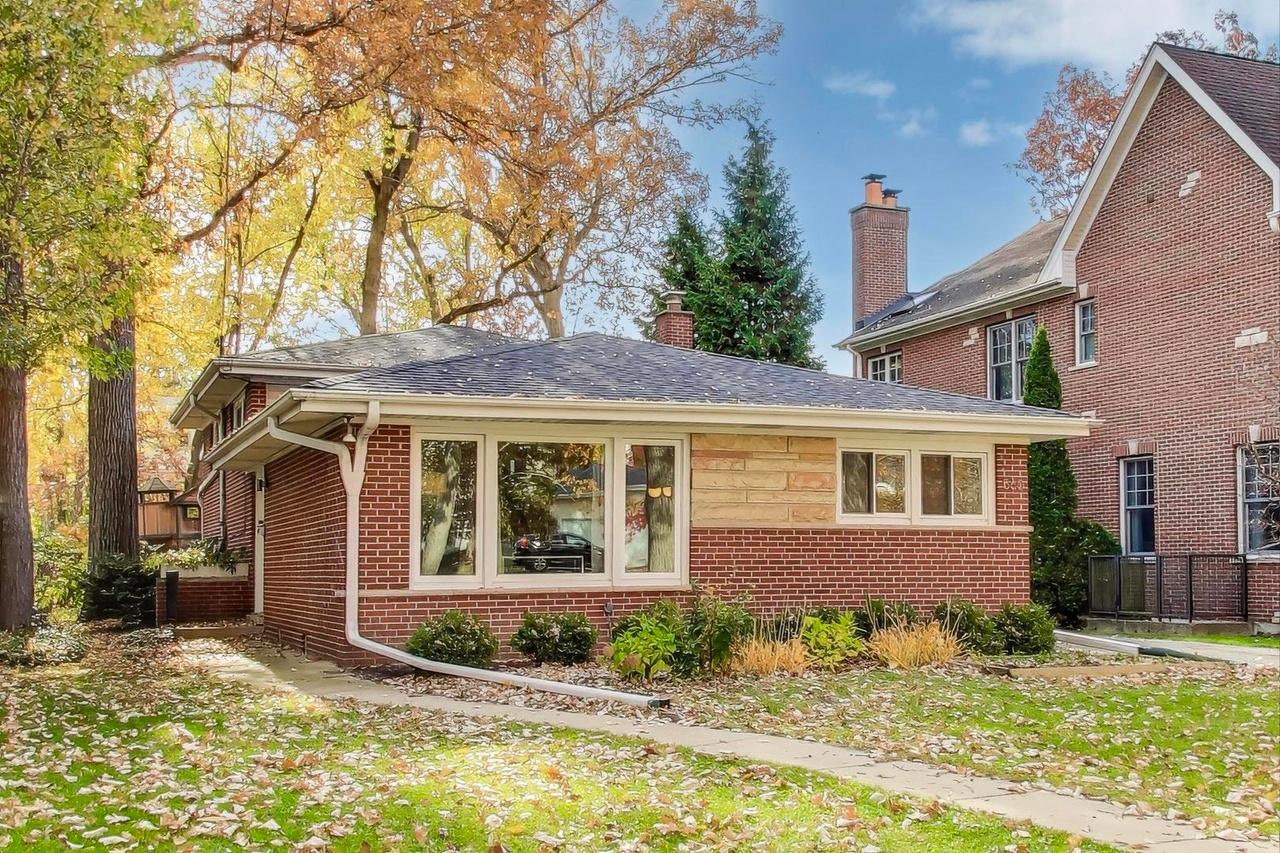
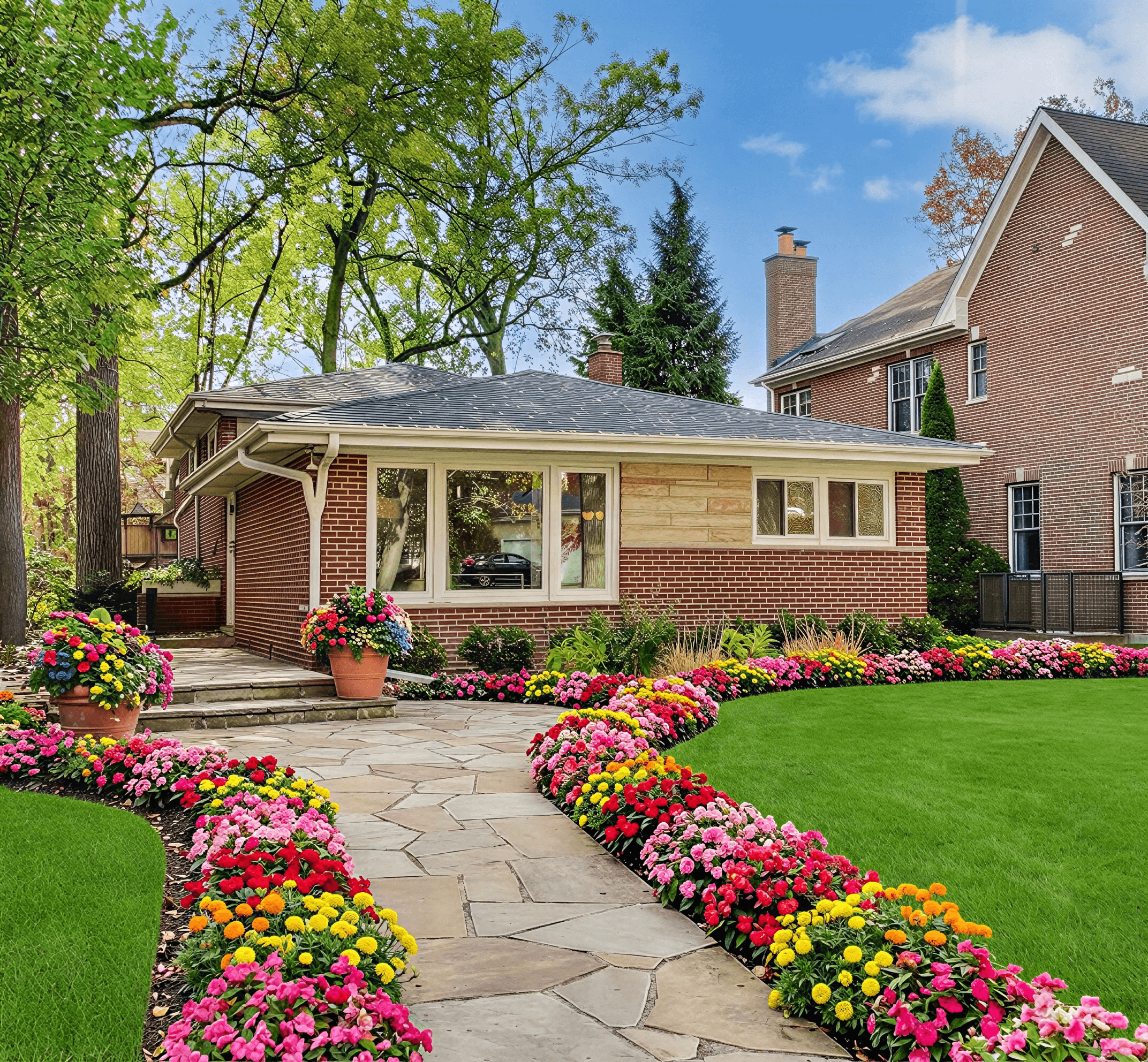
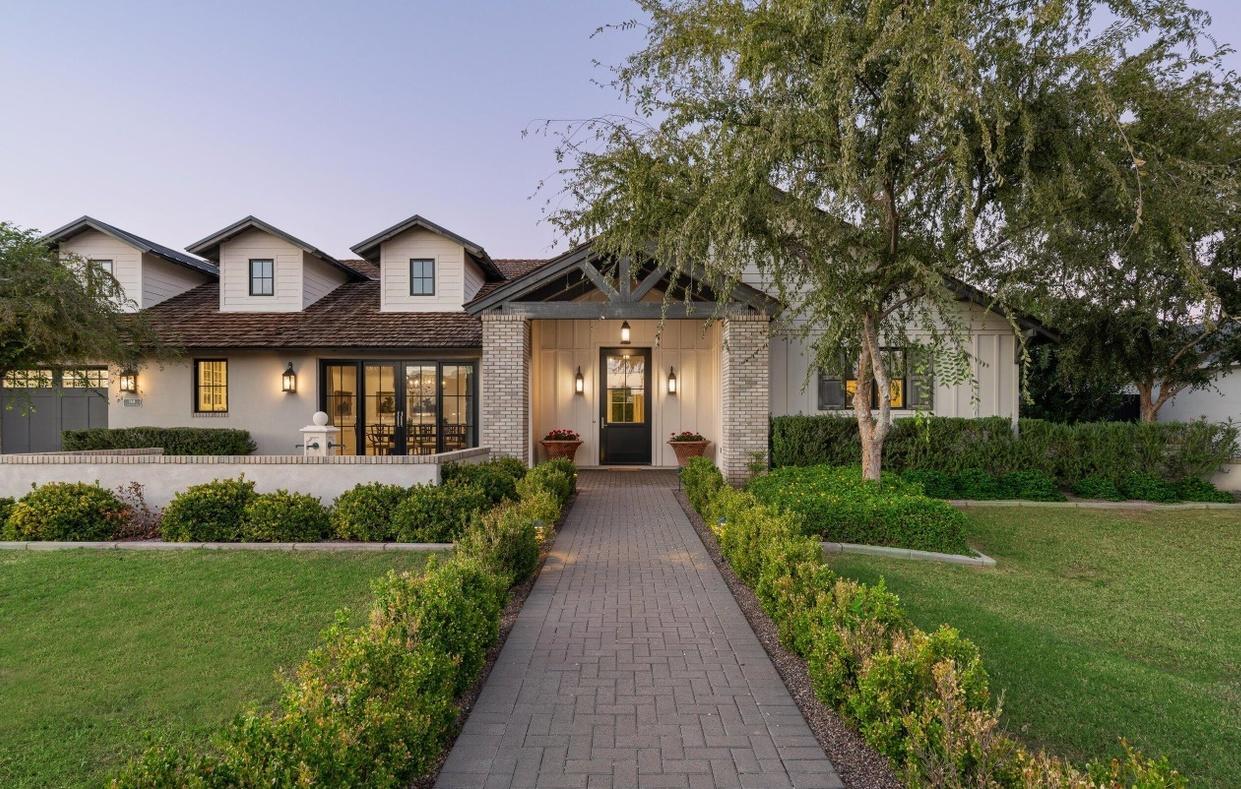
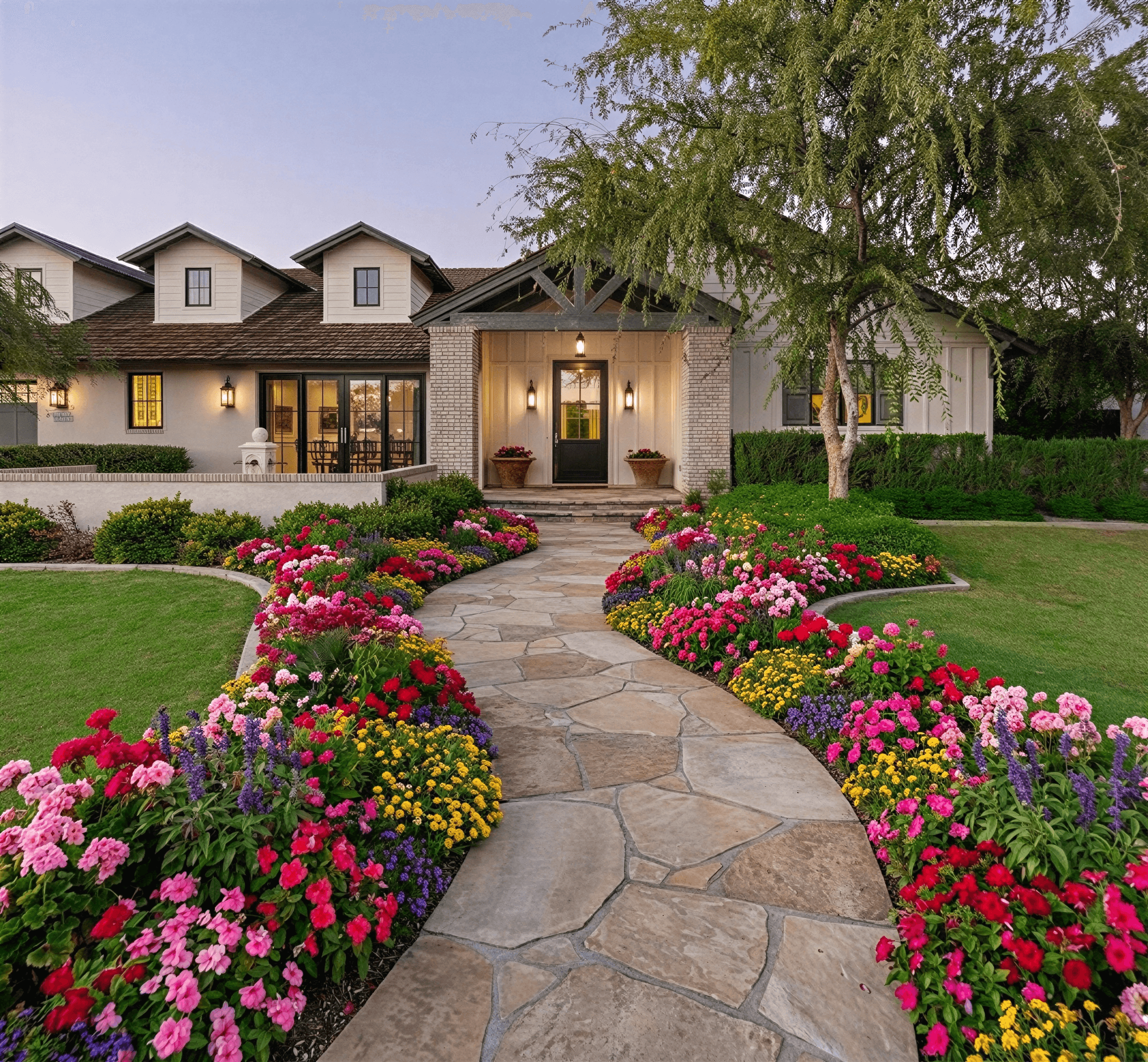
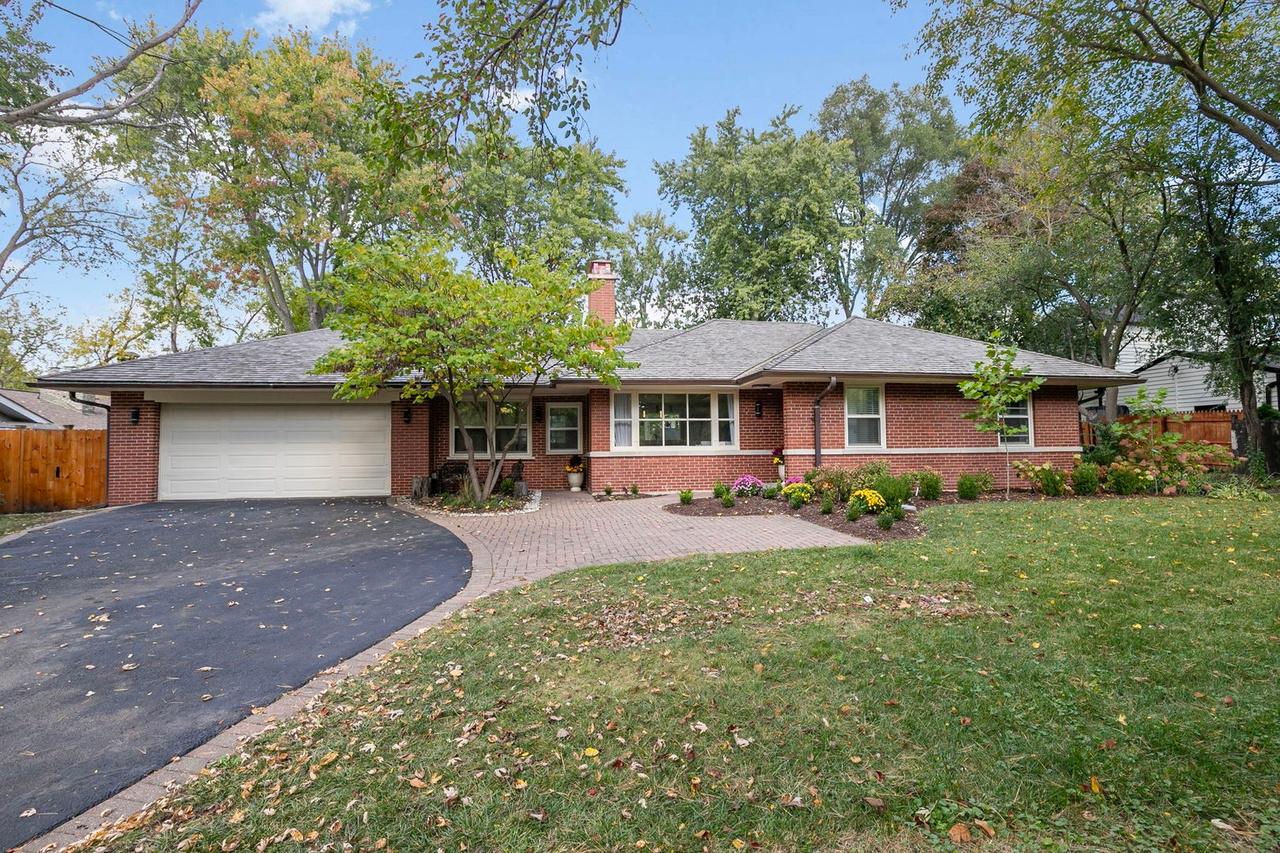
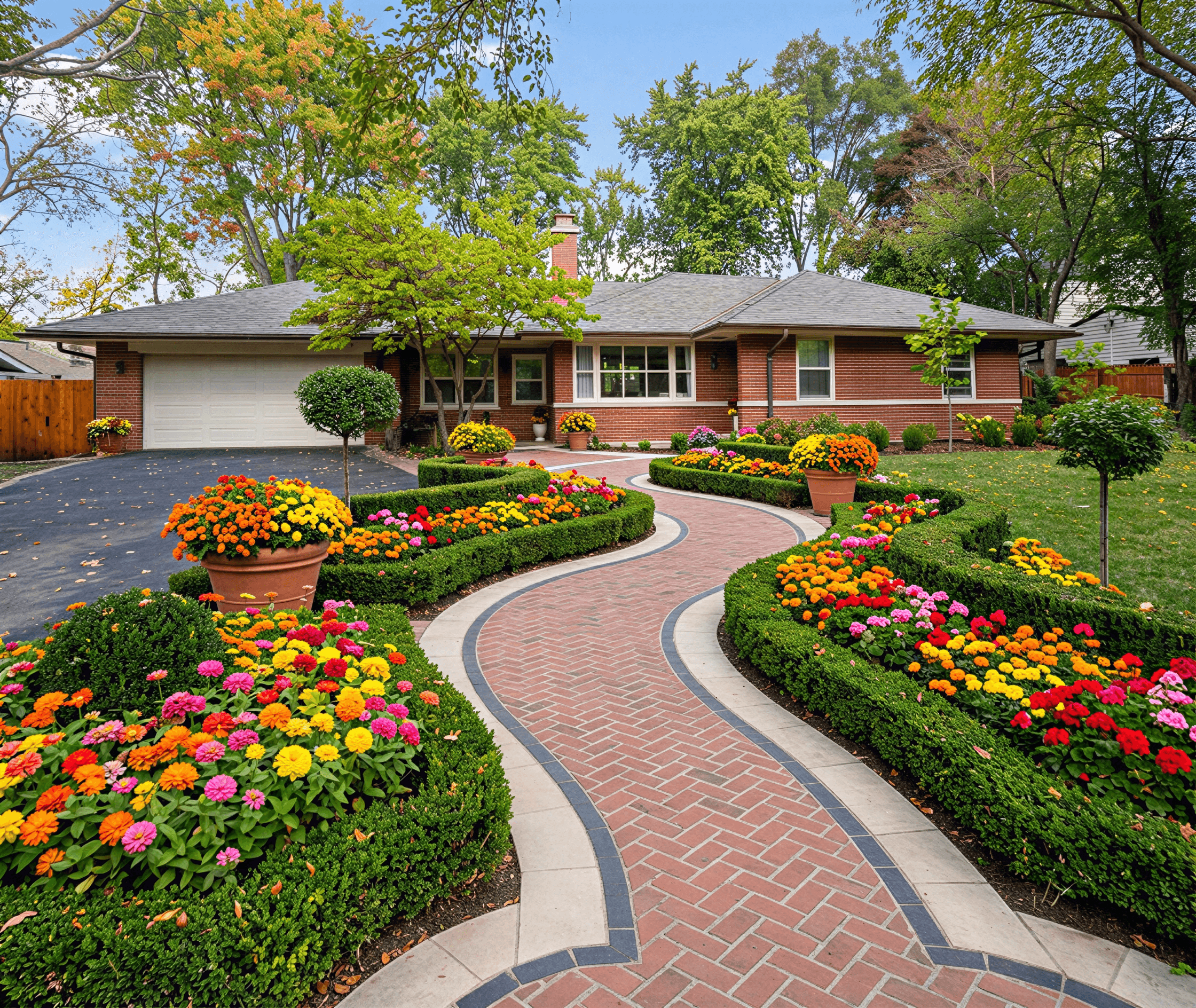
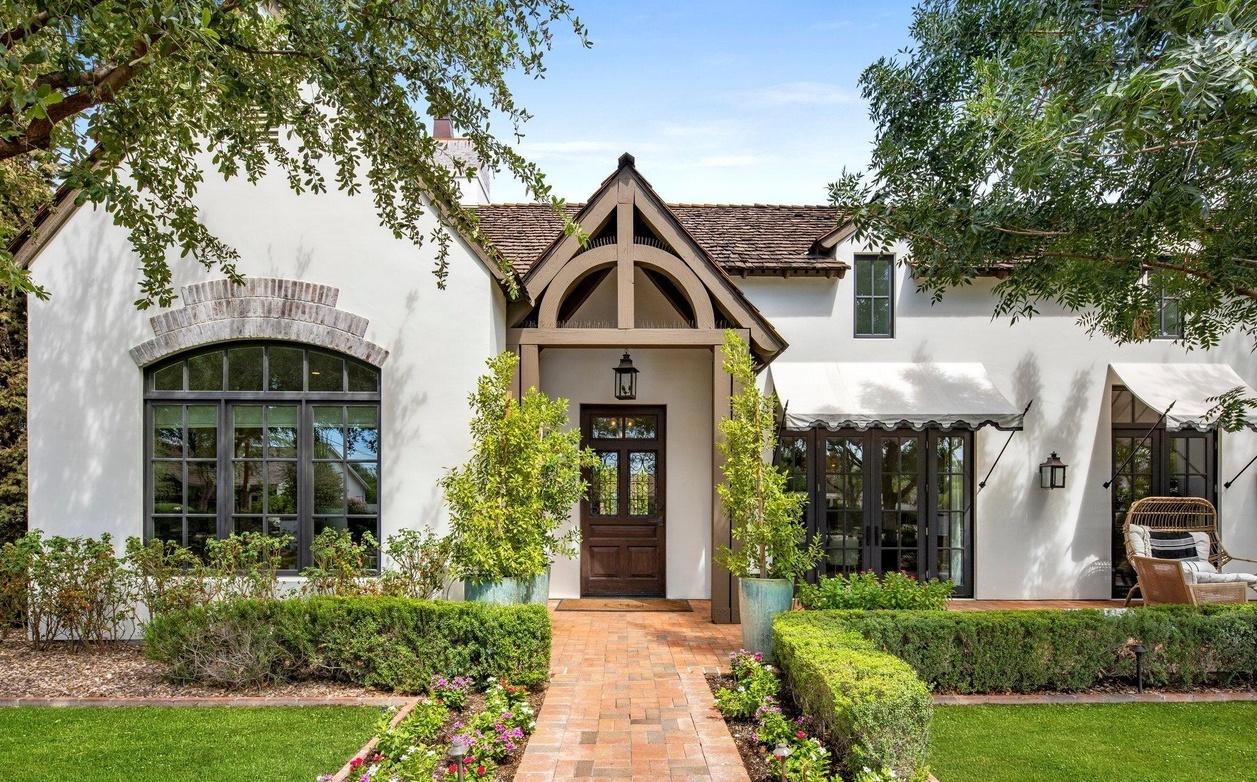
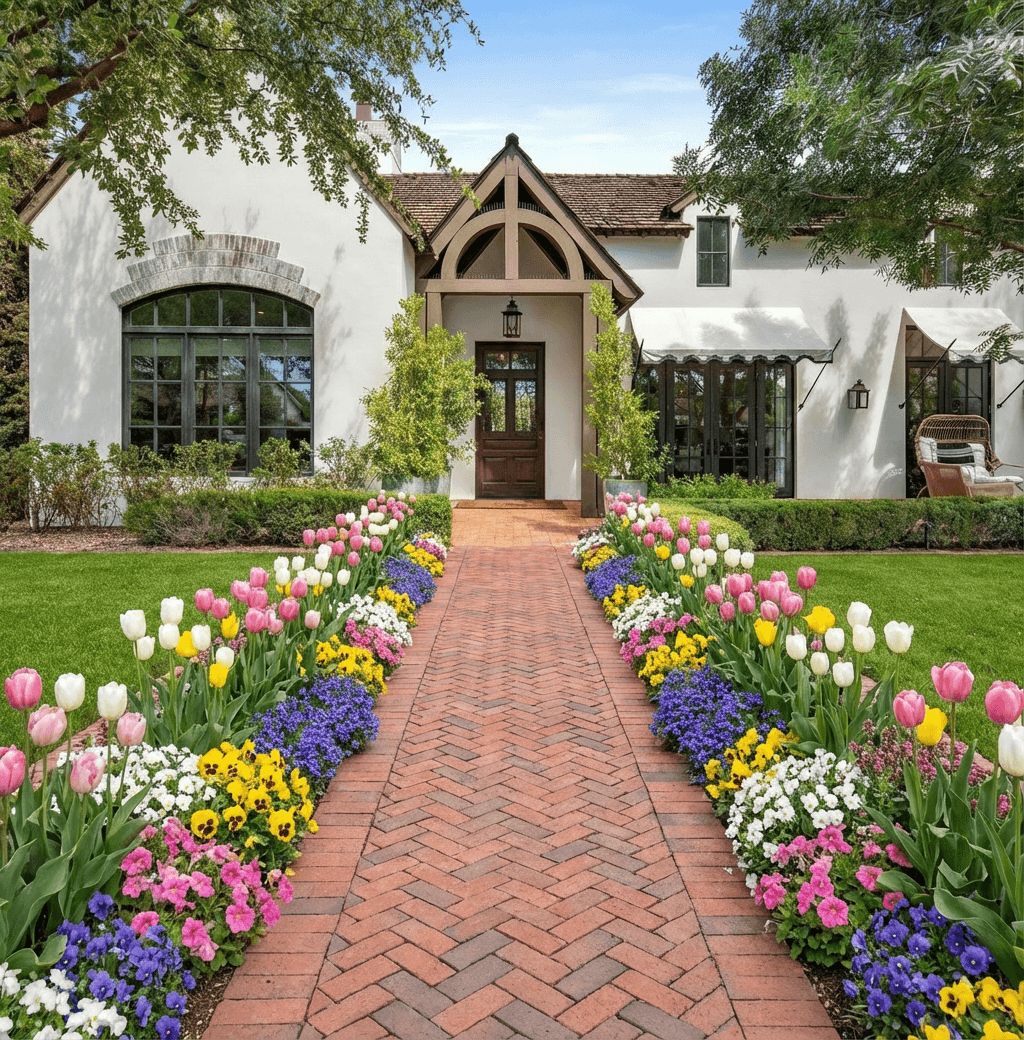
Curb Appeal AI helps homeowners explore landscaping ideas for the front of house by letting you upload a photo and preview changes before you start. Upload a picture of your home to visualize new plantings, walkways, lighting, or paint choices and see how small adjustments affect the whole look. These photo-based previews make it easier to compare options, set a realistic budget, and choose the projects that fit your time and maintenance needs.
Start with a clear site plan
Begin any front-yard project by mapping sunlight, slopes, and sightlines so your choices suit the conditions. Take a photo from the street, note where water drains, and mark utilities before moving soil or planting. Using a tool like Curb Appeal AI to upload your photo can help you test layout options — from where to place a path to how tall foundation shrubs should be — without committing. A site plan that considers scale and maintenance will guide your selections and prevent common mistakes such as overcrowding or blocking desirable views.
Choose plants that suit your microclimate
Pick plants that match the amount of sun, soil type, and moisture in your front yard to reduce long-term maintenance. Combine a mix of evergreen anchors, seasonal flowering perennials, and low shrubs for year-round structure; group plants with similar water needs into the same beds. When exploring landscaping ideas for front of house spaces, consider mature plant size so you don’t outgrow beds. Native species are often a reliable choice because they’re adapted to local conditions and typically need less fertilizer, water, and pest control than exotic options.
Use hardscaping to define spaces
Hardscape elements like walkways, low retaining walls, and stepping stones shape circulation and reduce lawn area that needs mowing. Choose materials that fit your home’s style — brick or pavers for a traditional look, clean-cut concrete for modern homes, or gravel for a casual cottage feel — and think about texture and color with nearby plantings. Proper edging and a well-placed path can make a small yard feel larger and more intentional, and integrating permeable materials helps manage runoff while keeping the design functional and attractive.
Budget planning and realistic cost expectations
Estimate costs by breaking projects into phases: hardscaping and grading typically use the biggest share, followed by irrigation, plant materials, and final details like lighting. Simple plant-and-mulch makeovers can cost a few hundred to a few thousand dollars, while adding stone steps, retaining walls, or mature trees raises the price substantially. Prioritize changes that improve function and curb appeal first, such as a safe path to the door or improved lighting. Use photo tools to test lower-cost alternatives so you can compare looks before spending, and get multiple quotes for larger jobs.
Maintenance tips for a tidy front yard
Design with maintenance in mind by choosing lower-care plants, installing mulch, and grouping irrigation zones so you water efficiently. Mulch reduces weeds, stabilizes soil temperatures, and limits evaporation; refreshing a thin layer each year keeps beds looking neat. Prune shrubs to maintain sightlines to the street and pathways, and schedule seasonal tasks like fertilizing foundations in spring and clearing debris in fall. Many landscaping ideas for front of house projects fail over time because homeowners underestimate maintenance, so choose elements that match the time you can realistically spend each month.
When to DIY and when to hire
Decide between DIY and hiring pros based on complexity, safety, and your time. Planting, basic mulching, and installing simple paths are good DIY projects for most homeowners, while grading, major drainage work, electrical lighting, or building retaining walls are often best left to licensed contractors to avoid mistakes and potential hazards. If you’re unsure, use visualization tools to try concepts and then get professional estimates for the preferred option; that helps you compare the cost of doing it yourself versus paying a pro and reduces costly changes after work begins.
Frequently Asked Questions
How can I update my front yard on a small budget?
Prioritize high-impact, low-cost changes like refreshing mulch, trimming overgrown shrubs, and adding a few accent plants near the entry. Repainting the front door or replacing hardware and adding inexpensive solar pathway lights can also improve curb appeal without large expenses.
What plants work well for foundation plantings?
Choose a mix of low-to-medium height evergreens for year-round structure and seasonal perennials or shrubs for color. Consider mature size, disease resistance, and local hardiness; natives or regionally adapted shrubs usually require less care and perform consistently.
How much does a basic front yard landscaping project cost?
A simple refresh with new plants and mulch can range from a few hundred to a few thousand dollars depending on plant quality and labor. Adding hardscape elements like a small path or edging typically raises costs into the mid-thousands, while major regrading or installed irrigation moves the project higher.
Do I need a permit to change my front yard landscaping?
Permitting depends on local rules and the scope of work; simple planting usually doesn’t need a permit, but adding structures, hardscape over a certain size, or altering drainage may require approvals. Check your city or county regulations and consult a professional for projects that affect grading, utilities, or public sidewalks.
Related Landscaping Ideas
Explore Professional Services Near You
Related Articles
Transform Your Home: 8 Ideas for Front of House Landscaping
Discover 8 expert ideas for front of house landscaping: modern to cottage gardens. Get actionable tips & visualize your dream yard with AI.
Foundation Plants Front of House: A Homeowner's Guide to Curb Appeal
Discover foundation plants front of house ideas to boost curb appeal. Our homeowner's guide covers selection, design, and care for a stunning entry.
Top 10 Front Yard Landscaping Ideas for 2026
Explore 10 top front yard landscaping ideas for 2026. From modern to cottage, find budget-friendly, low-maintenance designs to boost your home's curb appeal.
Real transformations
See how homeowners are using Curb Appeal AI to reimagine their properties