Stone Walkway Design Ideas Front Yard
stone walkway design ideas front yard
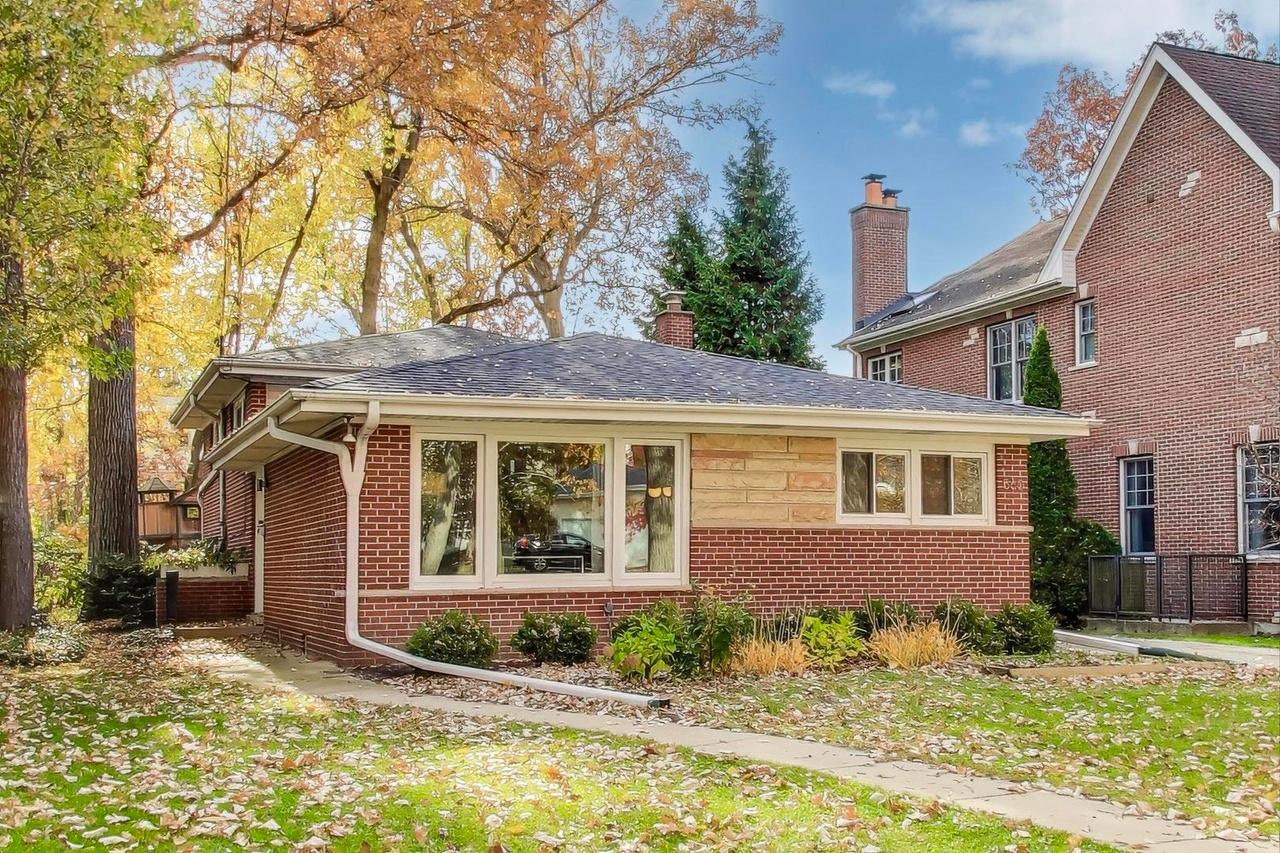
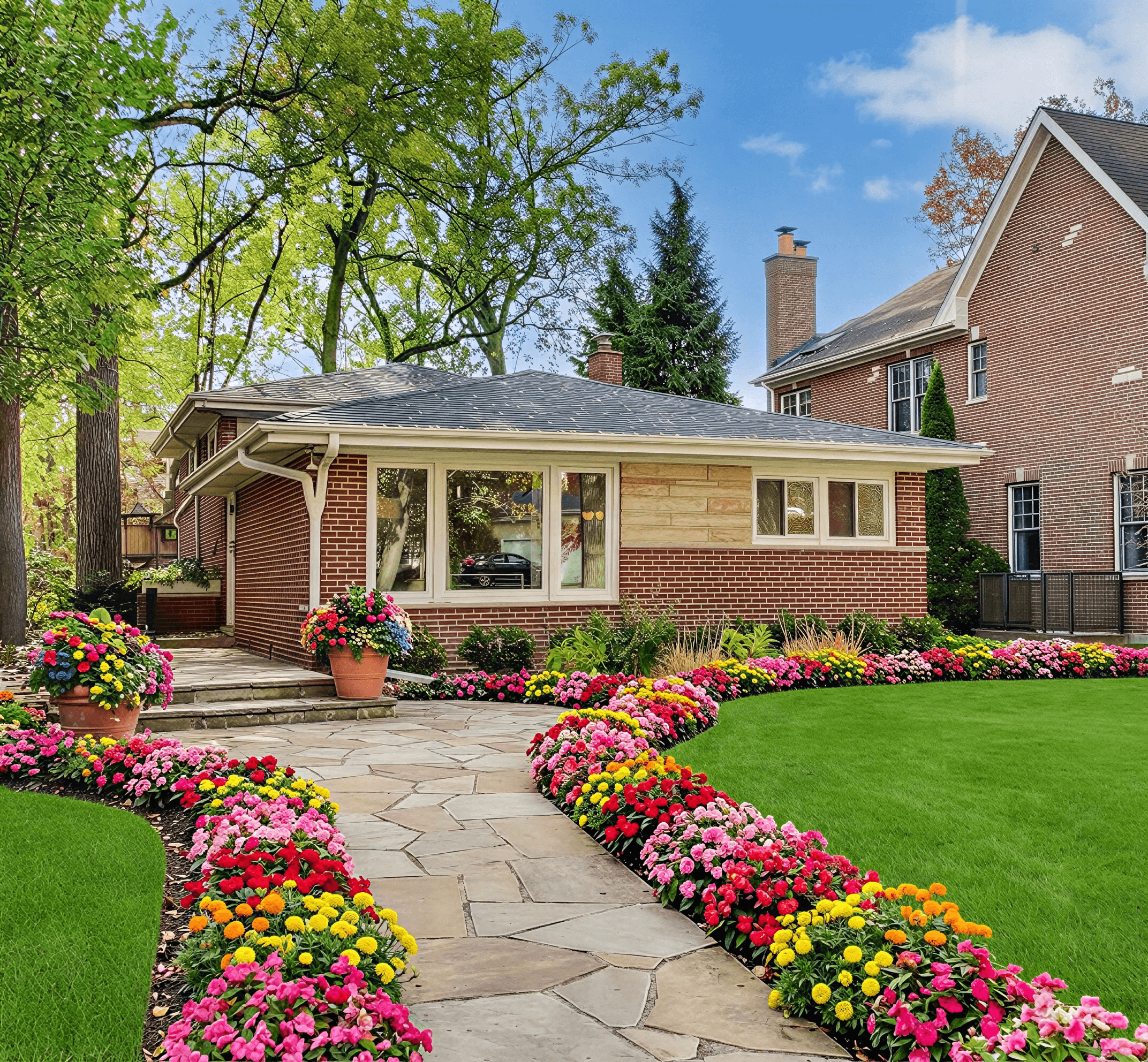
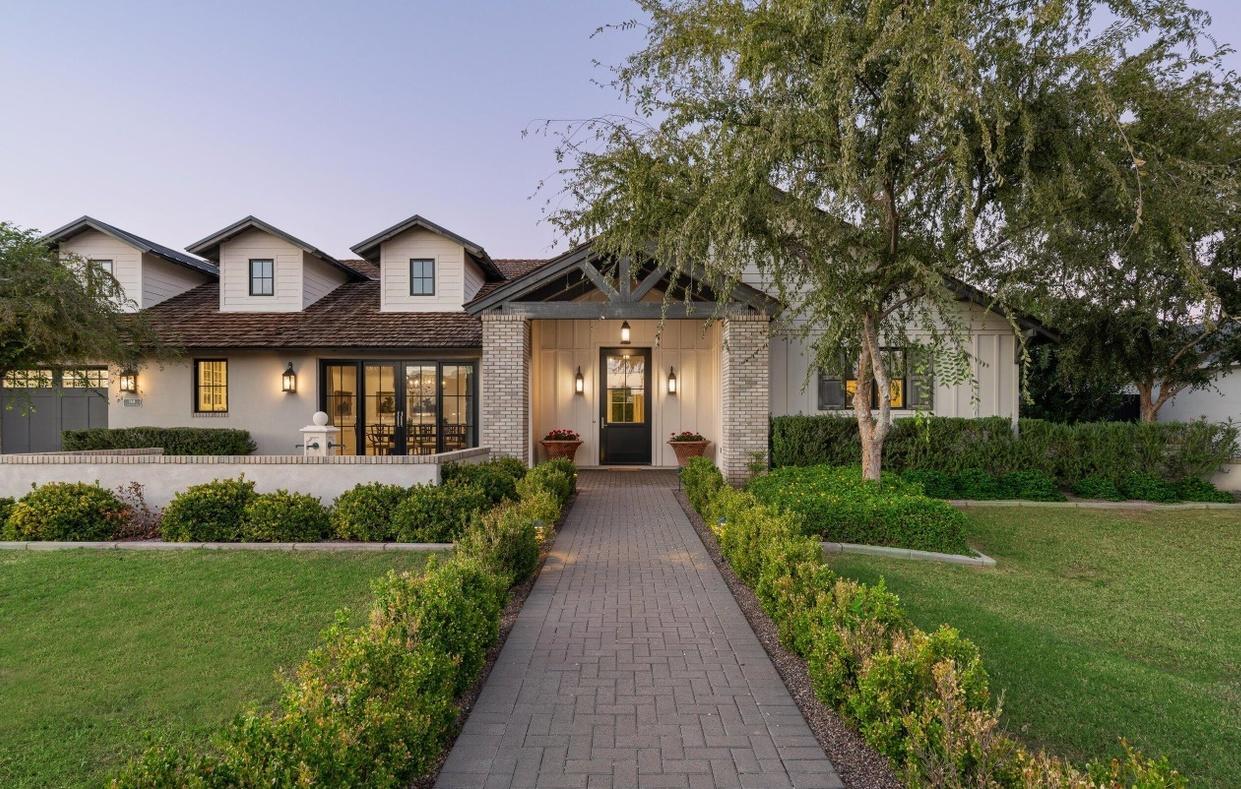
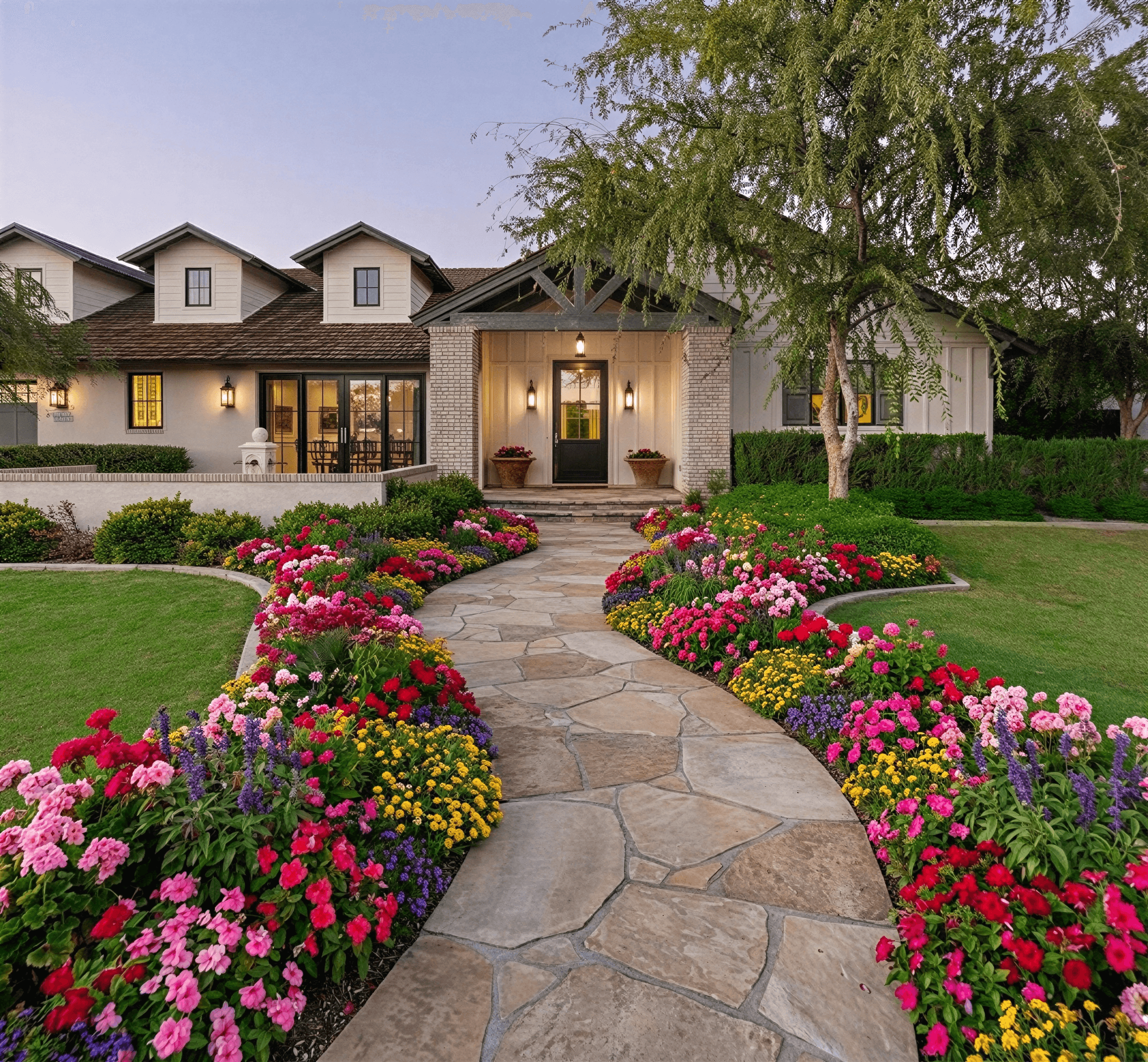
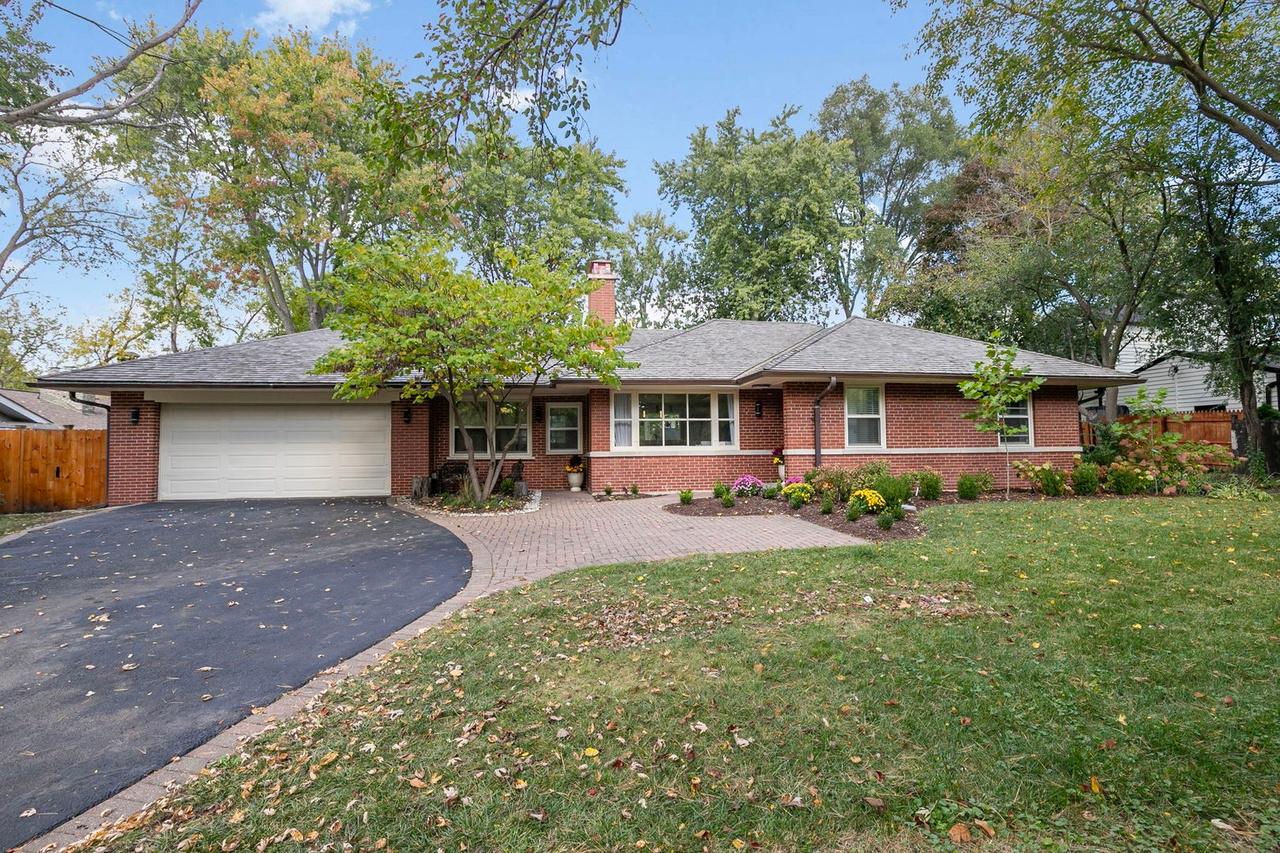
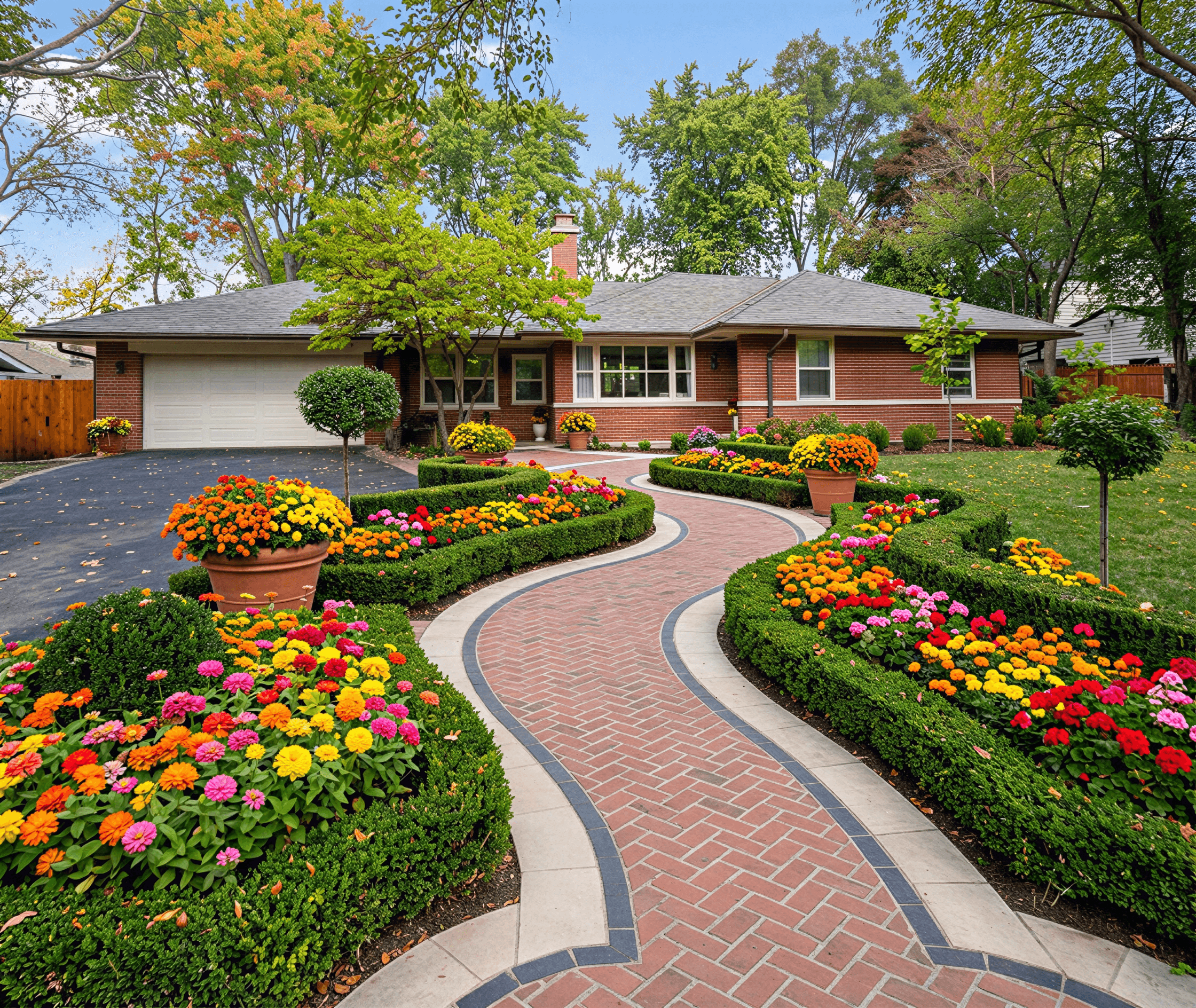
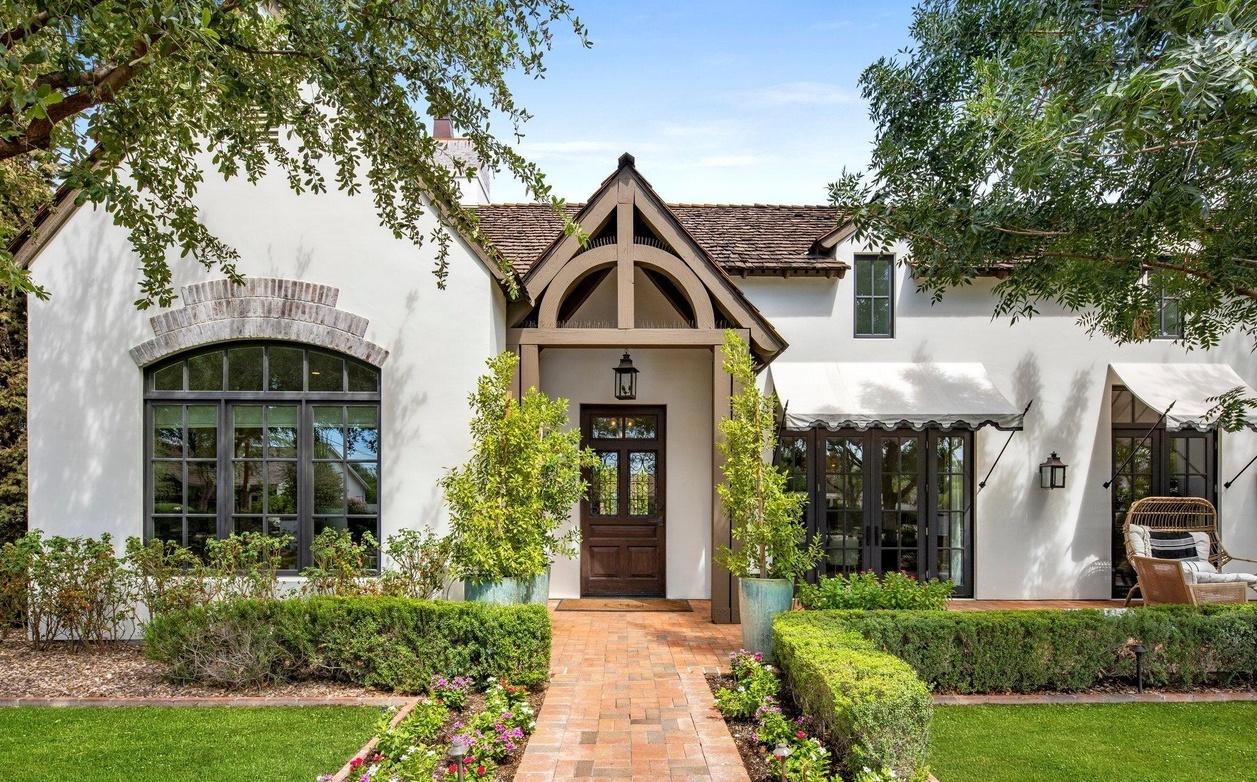
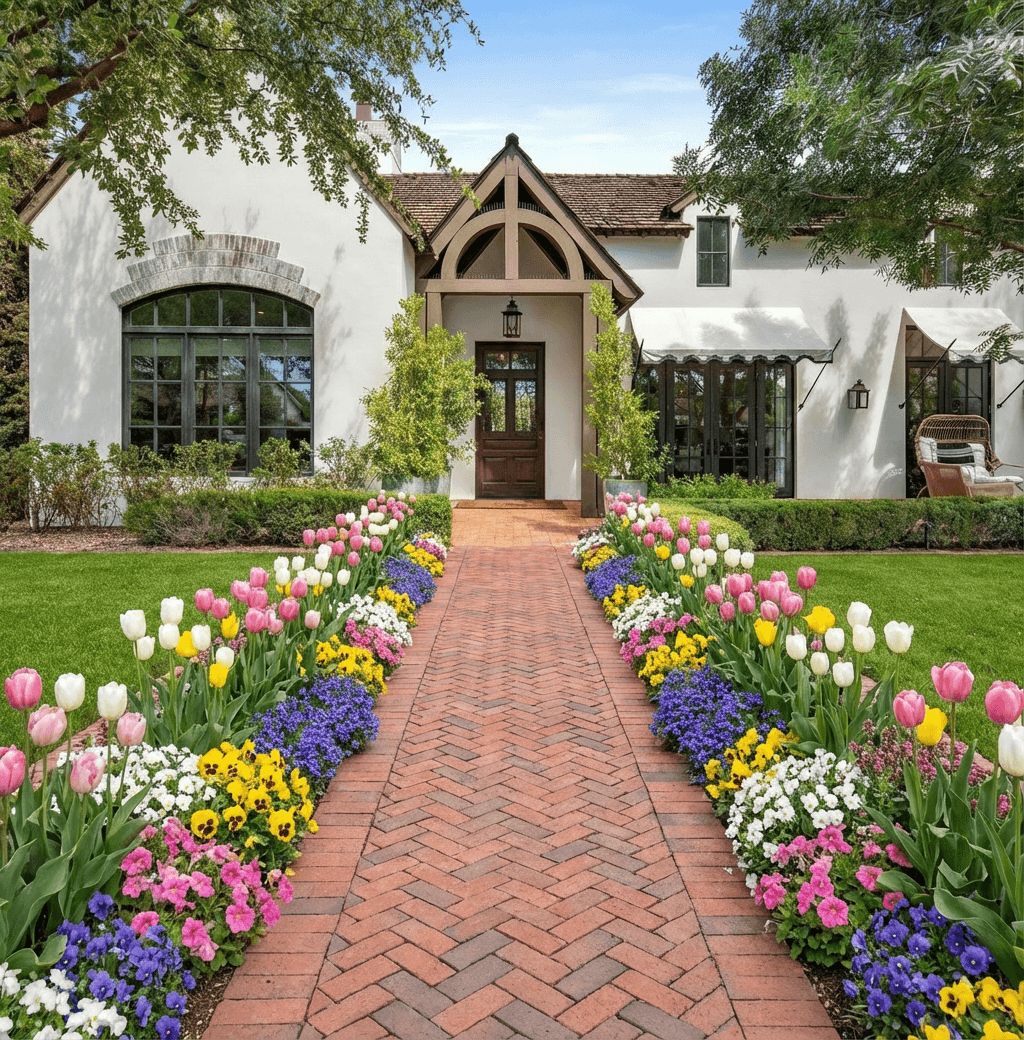
Curb Appeal AI helps you visualize stone walkway design ideas for your front yard by letting you upload a photo of your home. Upload a clear photo and try different pavers, patterns, and edging to see how small changes affect curb appeal. These simple previews make it easier to choose materials, layout, and budget before you start construction.
Planning your front yard walkway layout
Start by mapping the primary route from the sidewalk or driveway to your front door. Consider the natural desire lines people take rather than forcing a straight line; gentle curves can feel more welcoming and allow you to work around trees or utility lines. Measure width for two people to pass comfortably if you expect frequent visitors, or a narrower path for minimal use. Use Curb Appeal AI to upload a photo and test different alignments and widths visually before you commit to digging, which helps avoid costly changes.
Stone walkway design styles to consider
There are several styles that work well for a front yard: formal straight paths with rectangular pavers, informal cobble or flagstone with irregular shapes, and stepping-stone paths set in gravel or grass. Mixing textures—such as combining a central stone lane with gravel shoulders—adds interest and improves drainage. Keep scale in mind: large, flat stones suit wide driveways or grand entrances, while smaller pavers fit cottage or narrow urban lots. Browse example layouts to match your home’s architecture when exploring stone walkway design ideas front yard.
Choosing materials for a lasting walkway
Select stone based on look, durability, and how much maintenance you want to do. Natural flagstone and bluestone offer a classic, durable surface with irregular edges; cut pavers and granite offer tighter joints and a cleaner look. Consider slip resistance, thickness (usually 1 to 2 inches for pavers and thicker for heavy traffic), and local climate—freeze-thaw cycles favor denser stones. Also factor in edge materials like metal or bluestone curbs to keep stones from shifting. Sample a few materials in your yard or use visualization tools to compare finishes and colors.
Estimating costs and budget ranges
Costs vary widely depending on stone type, labor, and site prep. Basic gravel-and-stepping-stone paths can be the most budget friendly, while hand-laid flagstone or cut stone set on compacted base with sand joints will raise the price. Get quotes that break out excavation, base material, edge restraint, and delivery so you can compare line by line. For a typical modest front walkway expect a range from budget DIY materials up to several thousand dollars for premium stone and professional installation; local suppliers and contractors provide the best estimates.
Routine maintenance and seasonal care
Routine care keeps a stone path looking good and performing safely. Sweep or blow away debris, pull weeds from joints, and reapply joint sand or gravel as it settles. In winter, use a plastic shovel and avoid harsh rock salt on softer stones; use calcium magnesium acetate or sand for traction. For moss or stains, a gentle pressure wash or mild detergent solution usually works; test in a small area first. Regular inspection for shifting stones or settling will let you address small repairs before they become larger problems.
DIY tips versus hiring a professional
Deciding between DIY and pro depends on skill, time, and site complexity. A simple stepping-stone path or loose gravel with pavers is doable for many homeowners with basic tools and proper preparation. More complex work—grading, drainage, compacted base layers, cut stone fitting, or retaining edges—often benefits from professional experience to ensure longevity and proper water management. If you’re unsure, use Curb Appeal AI to visualize options and then get at least two contractor estimates that reference the same design to compare price and approach.
Frequently Asked Questions
What width should a front yard stone walkway be?
A comfortable single-person path is usually 3 to 3.5 feet wide, while a two-person walkway should be 4 to 5 feet. Narrower paths can work for limited space, but consider usability and wheelbarrow access during maintenance.
Which stone is best for slippery conditions?
Choose stones with natural texture and cleft surfaces like flagstone or textured granite, which provide better grip when wet. Avoid highly polished finishes and consider adding a rough sand joint or narrow gravel shoulder for extra traction.
How do I control weeds between stone joints?
Use a compacted base and polymeric sand or a jointing compound to reduce weed growth, and install a good weed barrier beneath the base if appropriate. Regularly pulling small weeds and refilling joints as needed prevents larger problems later.
Can I add lighting along a stone walkway?
Yes, low-voltage LED path lights or solar fixtures are common and improve safety and curb appeal. Plan lighting placement to highlight changes in grade and entry points, and consider wiring or solar performance when budgeting for installation.
Related Landscaping Ideas
Explore Professional Services Near You
Related Articles
How to Design for Front Yard Landscape: A Pro's Guide
Learn the complete design for front yard landscape process. Our guide covers site analysis, style, plant selection, and using AI tools for stunning results.
Transform Your Home: 8 Ideas for Front of House Landscaping
Discover 8 expert ideas for front of house landscaping: modern to cottage gardens. Get actionable tips & visualize your dream yard with AI.
Landscape Design for Front Yards: A Modern Guide
Elevate your home's curb appeal with expert landscape design for front yards. Discover fresh ideas and practical tips to create an inviting outdoor space.
Real transformations
See how homeowners are using Curb Appeal AI to reimagine their properties