How To Landscape A Sloped Backyard
how to landscape a sloped backyard
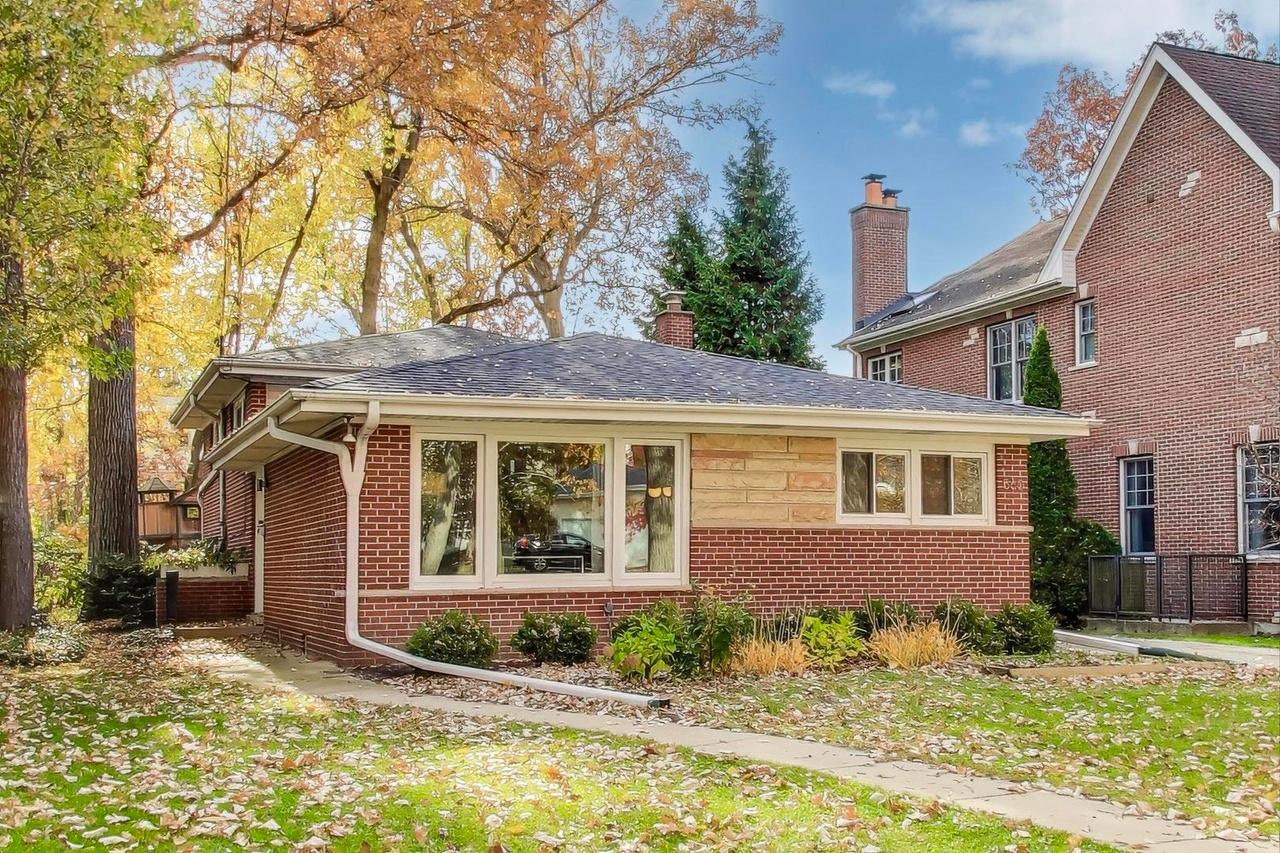
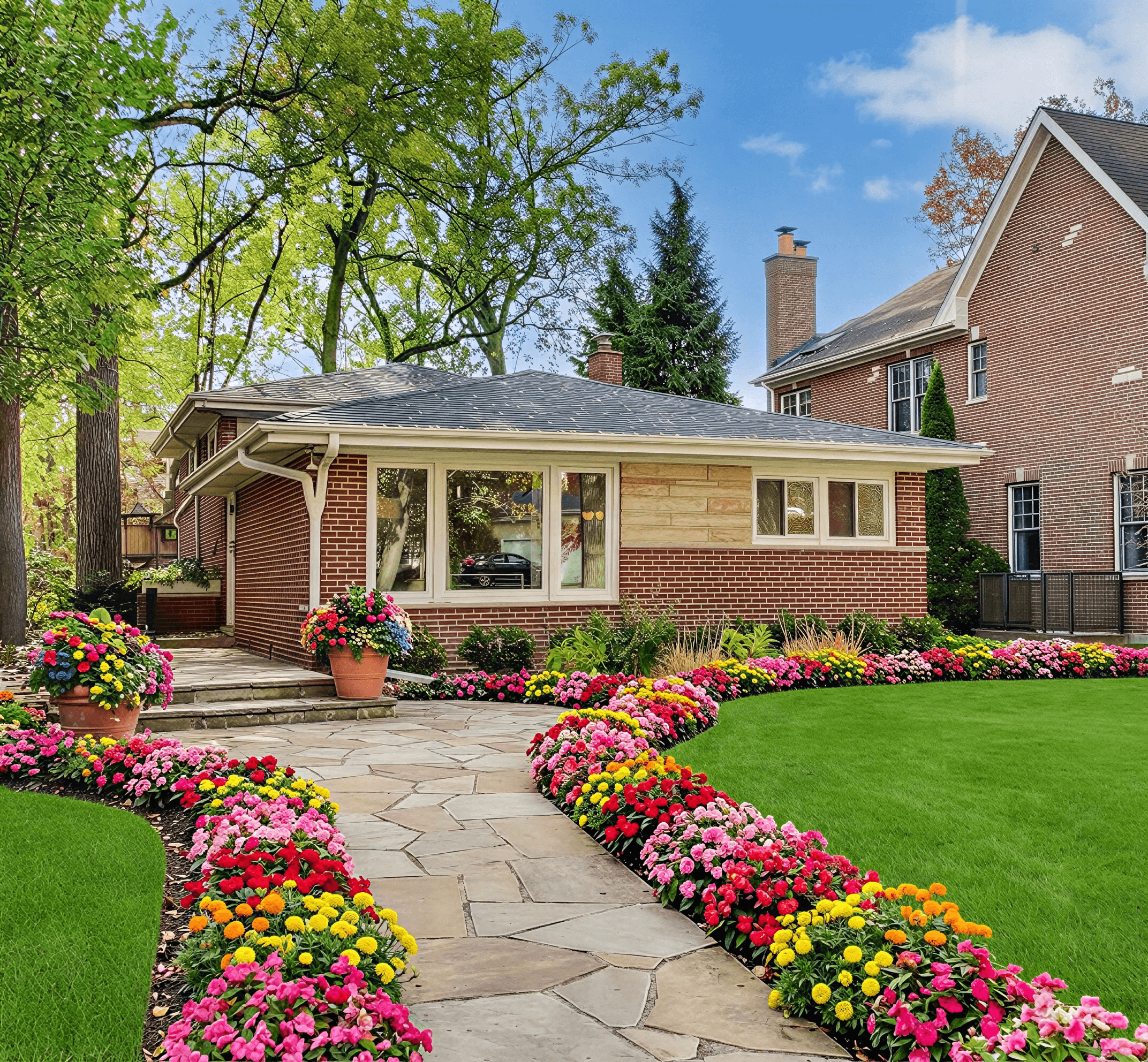
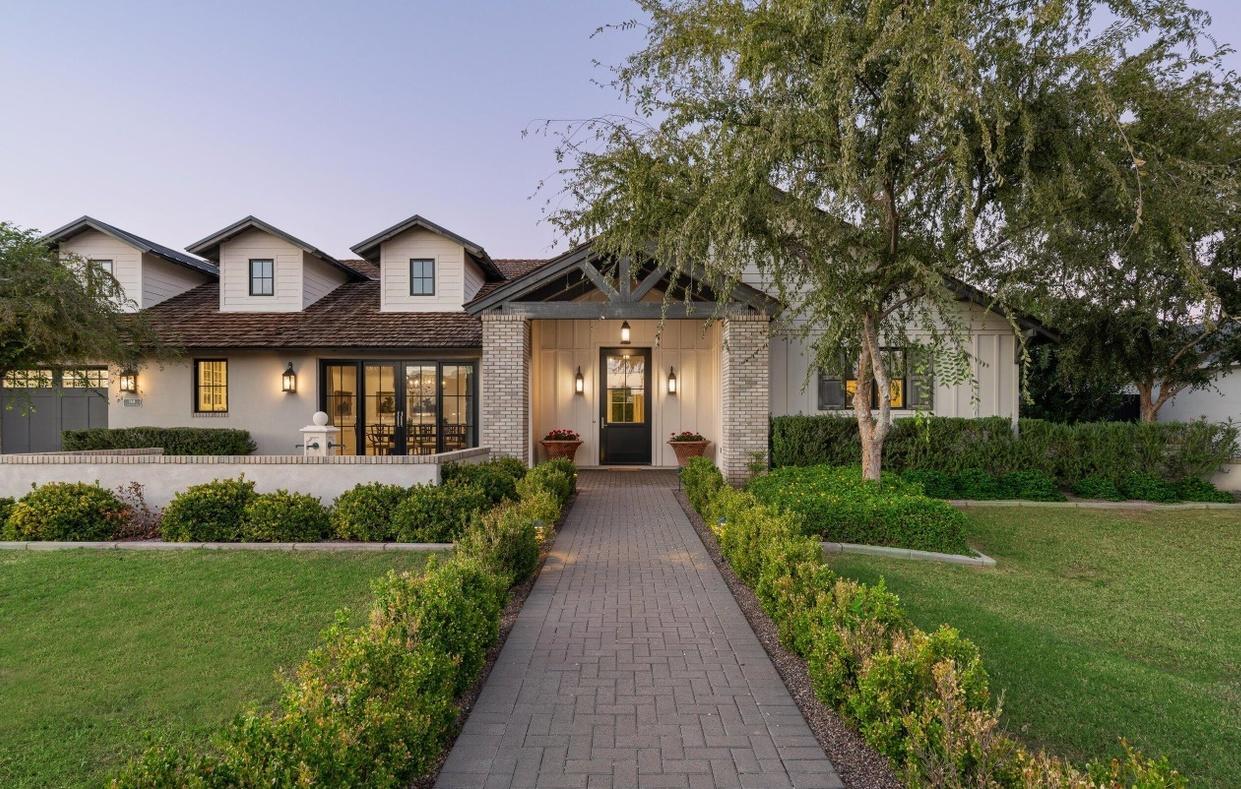
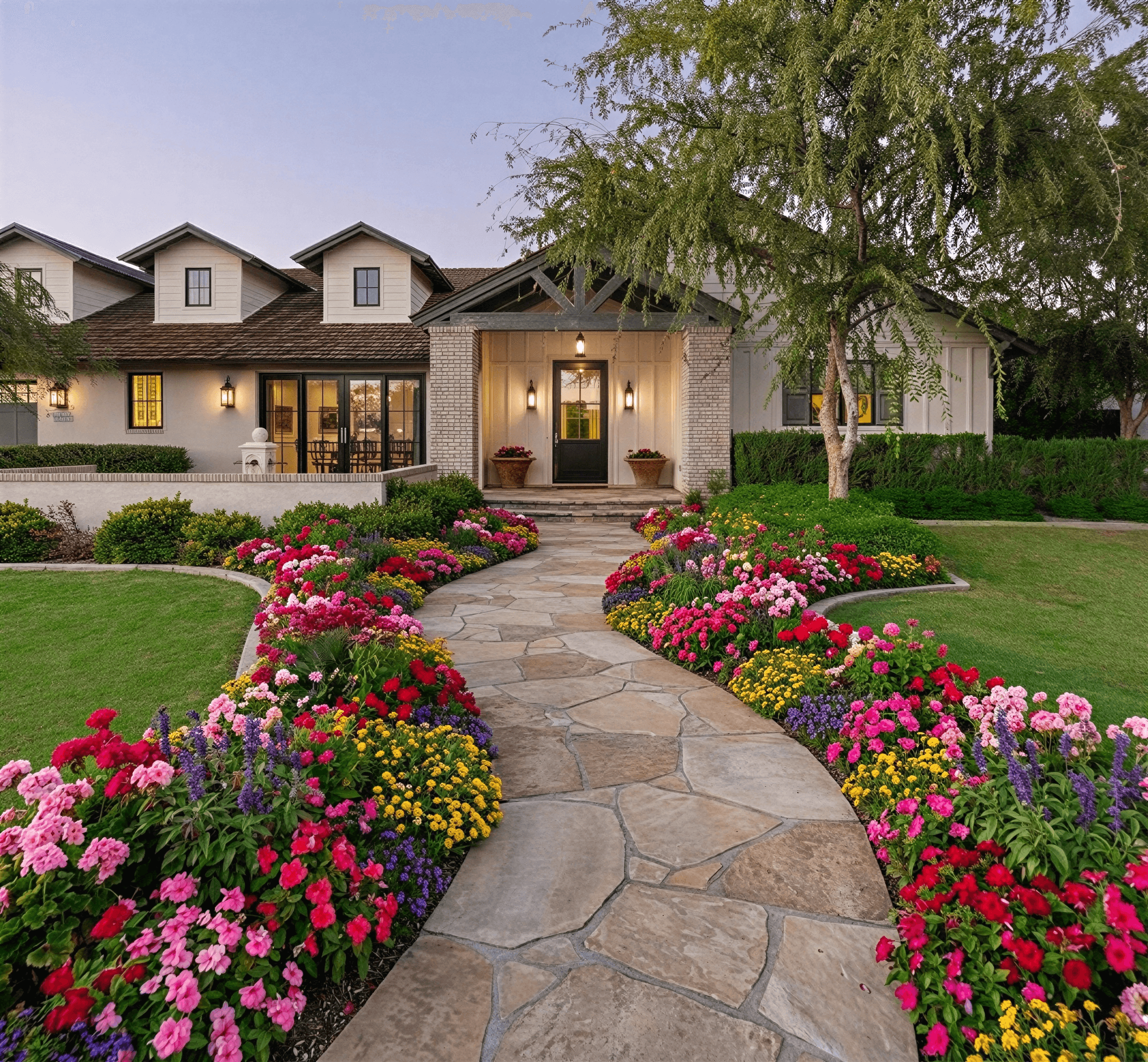
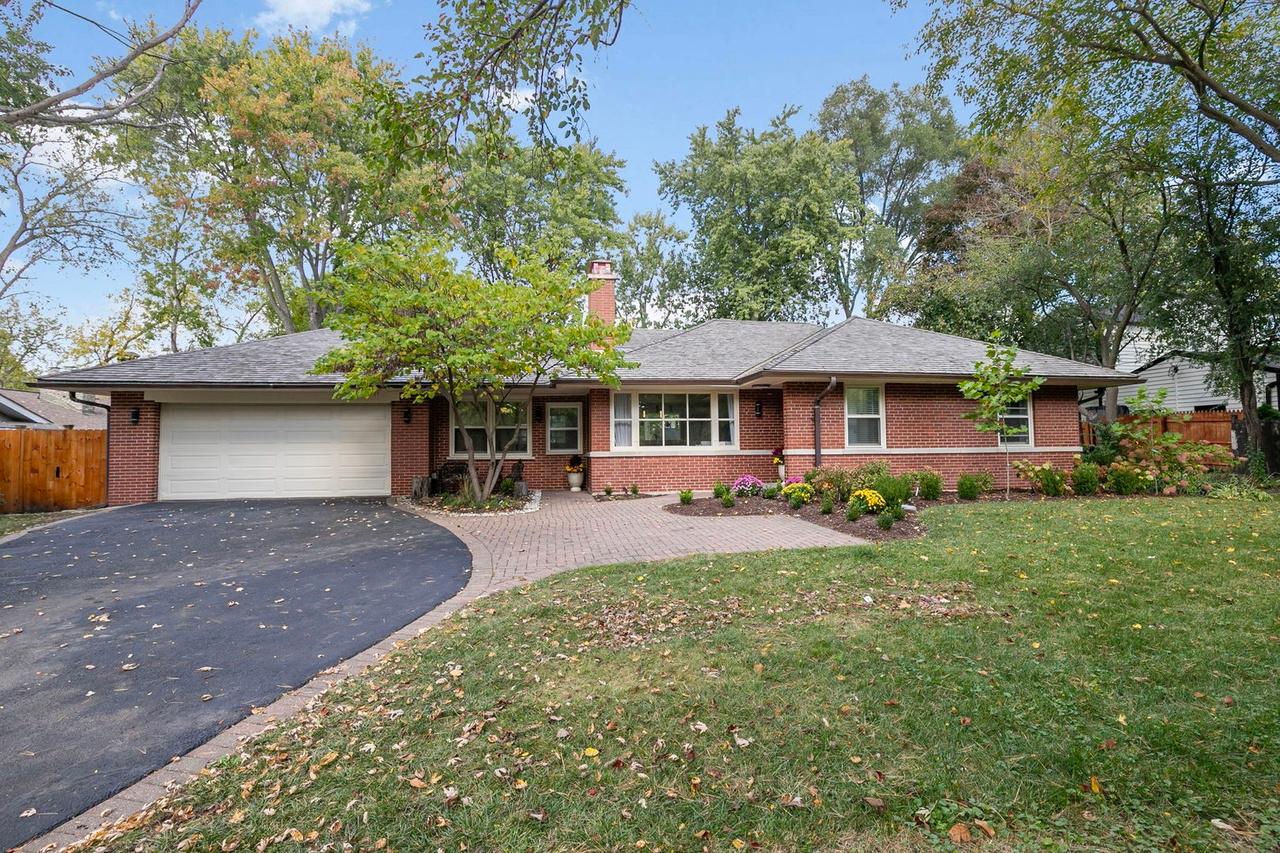
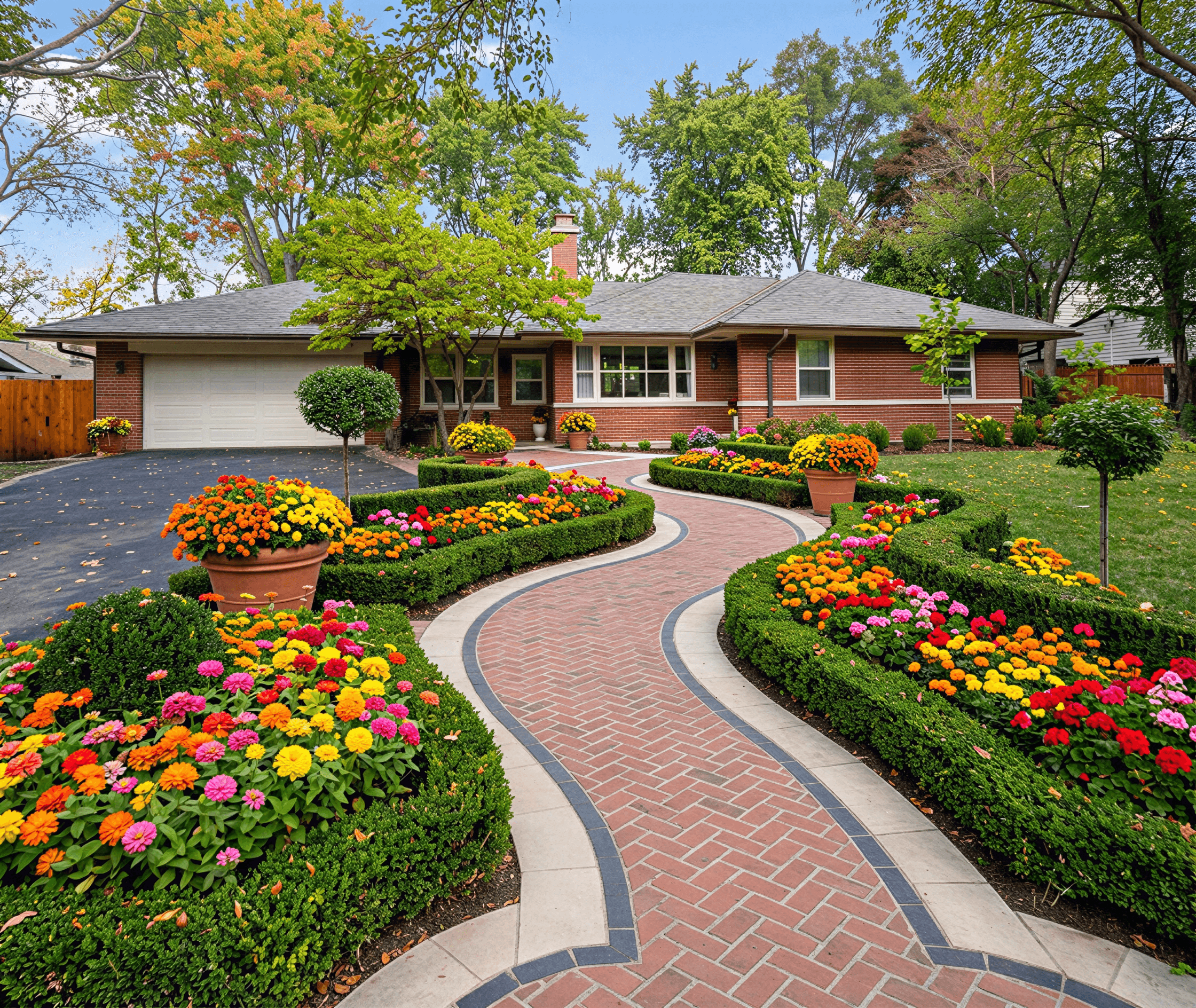
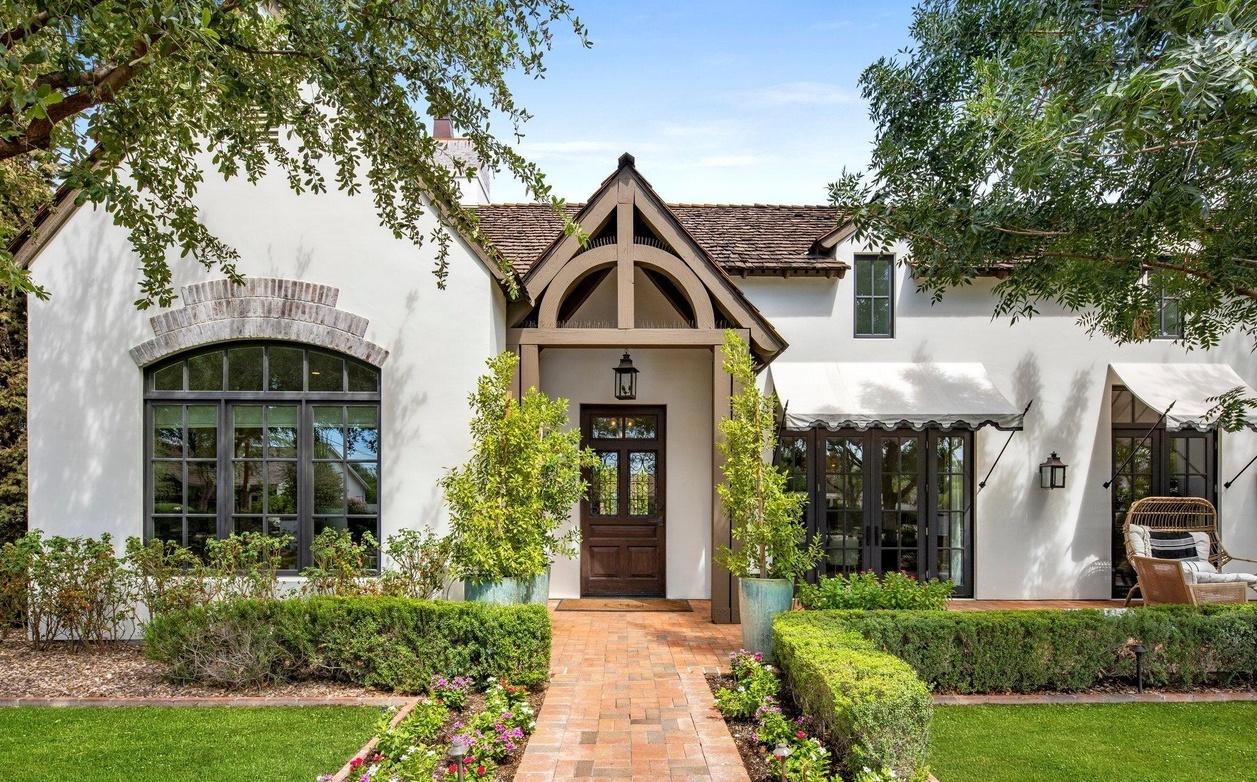
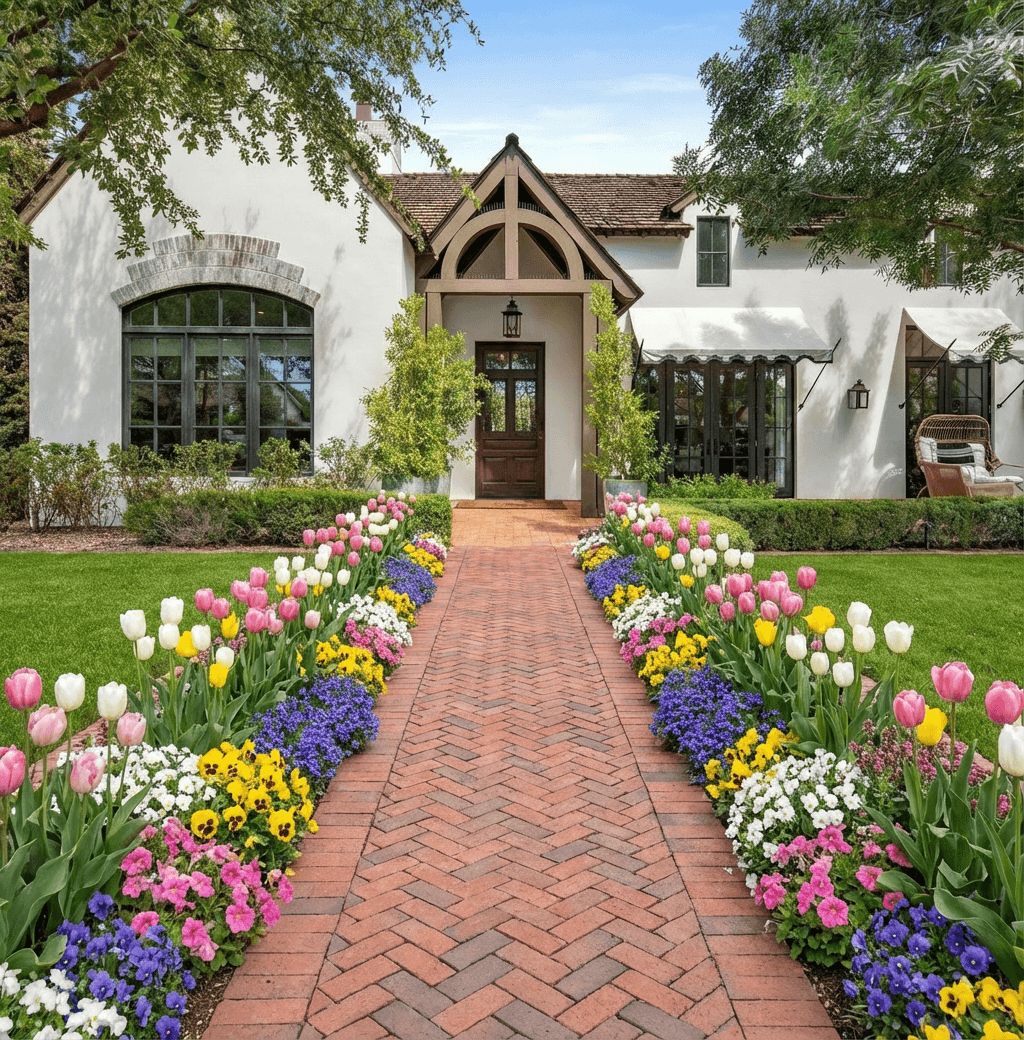
Curb Appeal AI helps homeowners visualize landscape changes so you can see options before you start. Upload a photo of your sloped backyard and use the tool to test terraces, plantings, and hardscapes to find the best fit. This guide walks through practical steps for how to landscape a sloped backyard with manageable projects and realistic expectations.
Start with a site assessment and plan
Begin by assessing slope angle, soil type, drainage patterns and sunlight. Sketch a simple site plan showing high and low points, existing trees, utilities, and access routes. Use a level, a line level, or smartphone apps to estimate steepness; gentler slopes (under 15 degrees) are easier to terrace or plant, while steeper slopes may need retaining structures. Try visualizing options with Curb Appeal AI by uploading a photo of your yard to experiment with terraces, plants, and paths before you commit to materials or grading work.
Use terraces and retaining walls effectively
Terracing breaks a long slope into flatter planting and seating areas, reducing erosion and making the space usable. Small timber or stone retaining walls can create level beds and step-down zones; ensure each wall has proper drainage with gravel backfill and weep holes. For a natural look, stagger terrace heights and integrate plantings at each level. If you plan how to landscape a sloped backyard with multiple terraces, allow room for steps or ramps between levels and consider local codes for wall height and engineering needs.
Choose plants for erosion control and structure
Select groundcovers, ornamental grasses, and shrubs with deep or fibrous root systems to hold soil on slopes. Native plants often offer better drought tolerance and root structure; combine low-growing groundcovers at the front, mid-height shrubs in the middle, and deeper-rooted anchors higher up. Use mulch and biodegradable erosion-control fabrics while plants establish. When planning how to landscape a sloped backyard, stagger plant spacing to slow water flow and avoid straight planting lines that channel runoff.
Incorporate practical hardscaping and steps
Design paths and steps that follow the natural contour to reduce erosion and improve safety. Use switchback paths or tiered steps with landings on steeper slopes to make the ascent comfortable. Permeable materials like gravel, dry-laid stone, or permeable pavers allow water to soak through and reduce runoff compared with solid concrete. Place drains at low points and slope path edges slightly away from structures. Thoughtful hardscaping not only stabilizes a slope but creates functional outdoor rooms and clearer maintenance access.
Budgeting and estimating realistic project costs
Costs vary widely depending on slope severity, soil work, materials, and whether you hire subcontractors or do the work yourself. Expect basic terracing with timber to be less expensive than engineered stone walls, and factor in drainage work, plants, and irrigation. Get multiple estimates and prioritize expenses that address stabilization first, then aesthetics. When exploring how to landscape a sloped backyard, use simple mockups or Curb Appeal AI previews to compare lower-cost and higher-cost options before spending on construction.
Maintenance, DIY choices, or hire professionals
Decide which tasks you can realistically maintain: planting and mulching are homeowner-friendly, while heavy grading, deep retaining walls, and major drainage changes often require pros. Regular maintenance includes checking wall integrity, reapplying mulch, pruning, and monitoring erosion after heavy rain. If permits or engineered walls are involved, hire a landscape contractor or civil engineer to ensure safety and code compliance. Consider a phased approach: start with plant-based erosion control and small terraces, then upgrade to larger hardscape elements as budget and need grow.
Frequently Asked Questions
How do I stop soil erosion on a slope?
Use a combination of terraces, deep-rooted plants, and mulch to slow water and bind soil. Adding permeable hardscaping and installing proper drainage or swales will direct runoff away from vulnerable areas.
Can I landscape a steep slope myself?
You can handle planting, mulching, and small terrace projects if you have basic tools and take safety precautions, but steep slopes or work involving major grading and retaining walls should be done by professionals for safety and code compliance. Always call utility locators before digging.
What plants work best on sloped yards?
Choose native groundcovers, ornamental grasses, and shrubs with fibrous or deep roots, such as native sedges, junipers, and certain ornamental grasses. Mix plants of different heights to slow runoff and provide year-round coverage.
How much do retaining walls typically cost?
Costs depend on materials, height, and required engineering: small timber or modular block walls are relatively affordable, while poured concrete or stone walls can be several times more expensive. Get multiple quotes and factor in drainage, excavation, and permits when budgeting.
Related Landscaping Ideas
Explore Professional Services Near You
Related Articles
How to Design a Front Yard Landscape for Stunning Curb Appeal
Learn how to design a front yard landscape with our guide to site analysis, budgeting, plant selection, and using modern tools for a stunning result.
How to Plan a Garden Layout for a Beautiful Outdoor Space
Learn how to plan a garden layout with our expert guide. We cover site analysis, design, plant selection, and using AI tools to create your dream garden.
Your Guide to Flawless Backyard Landscape Design Plans
Transform your outdoor space with our expert guide to backyard landscape design plans. Learn how to create a stunning, functional, and beautiful retreat.
Real transformations
See how homeowners are using Curb Appeal AI to reimagine their properties