Fire Pit Installation Ideas For Backyard
fire pit installation ideas for backyard
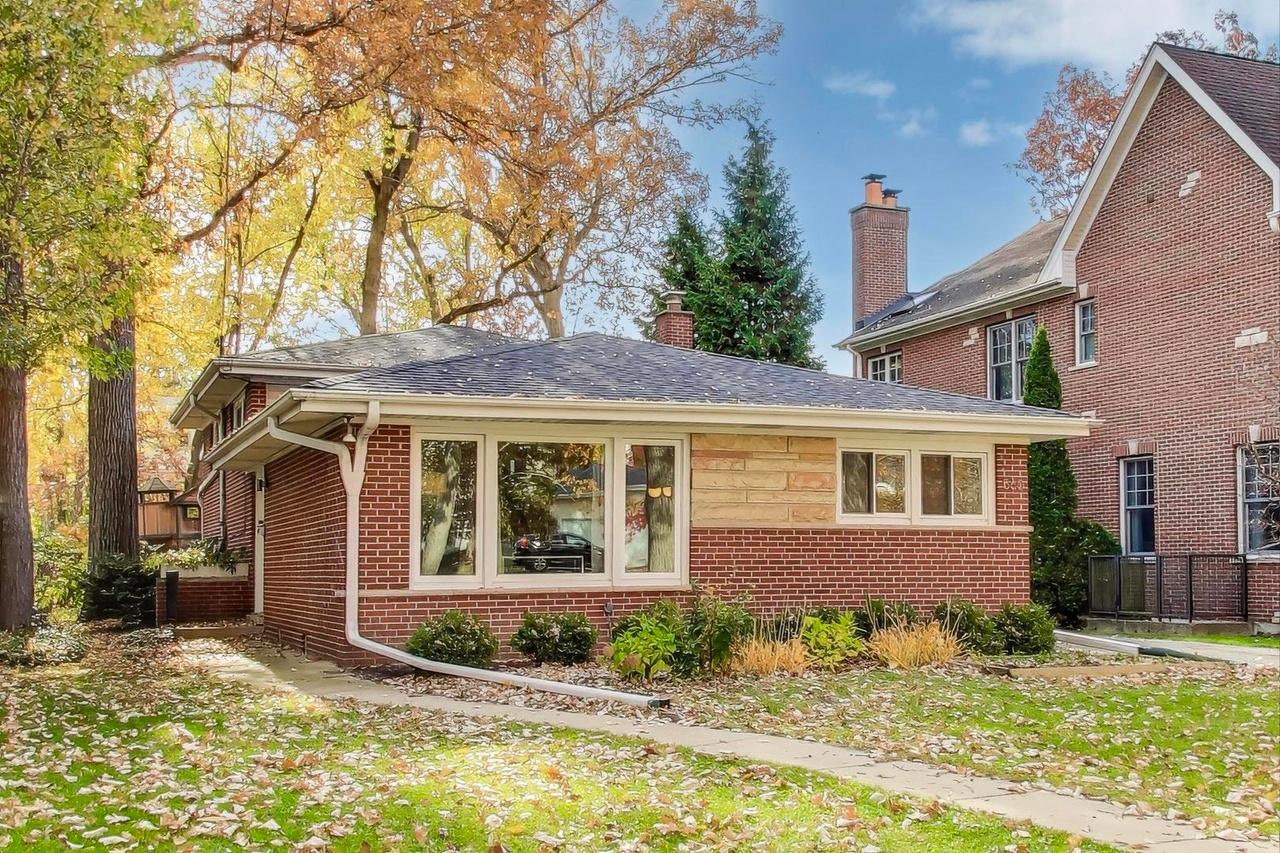
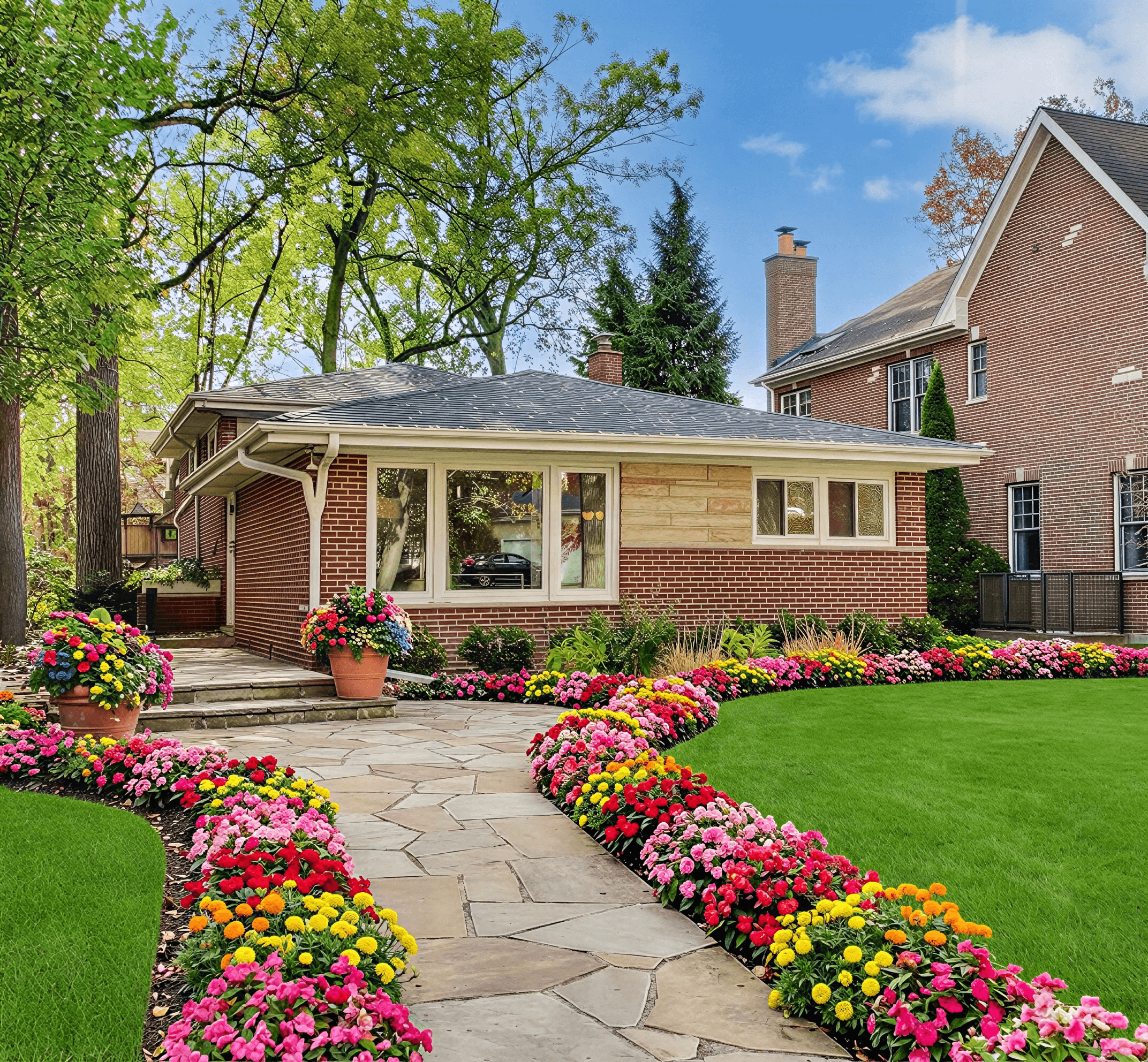
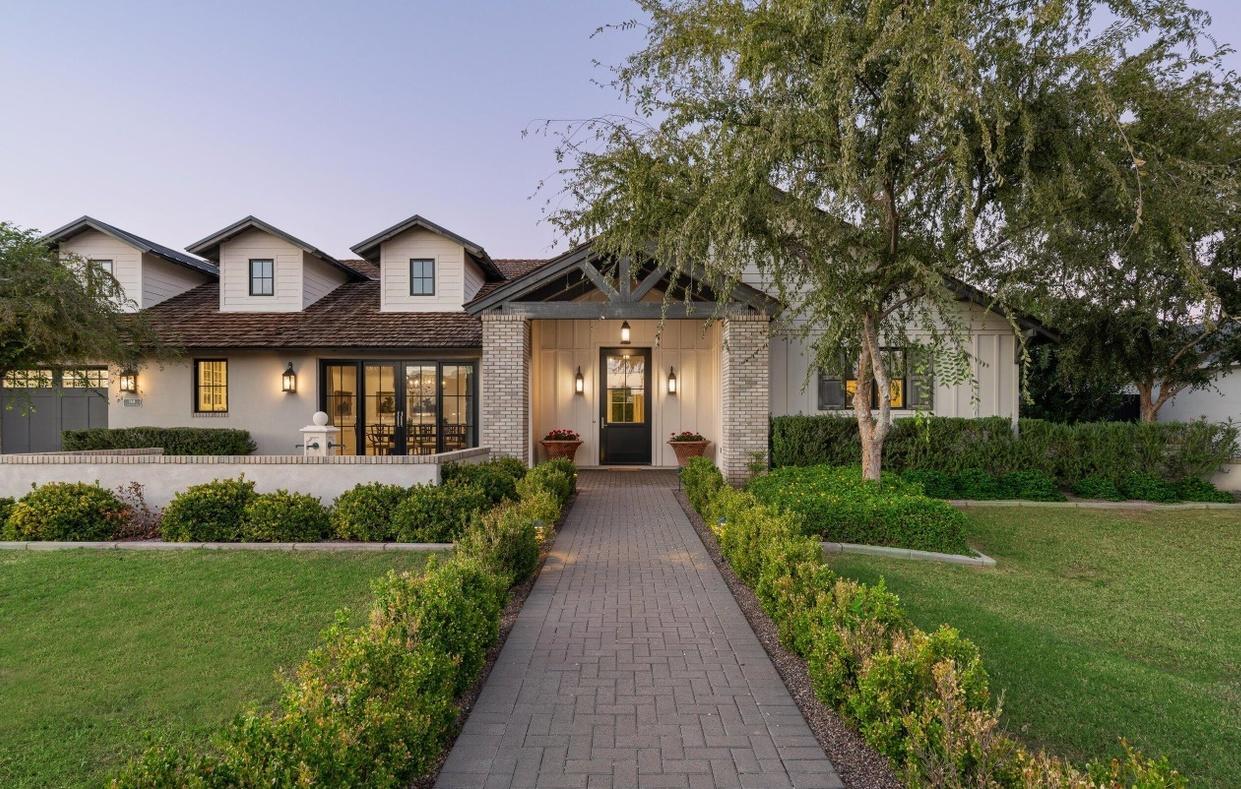
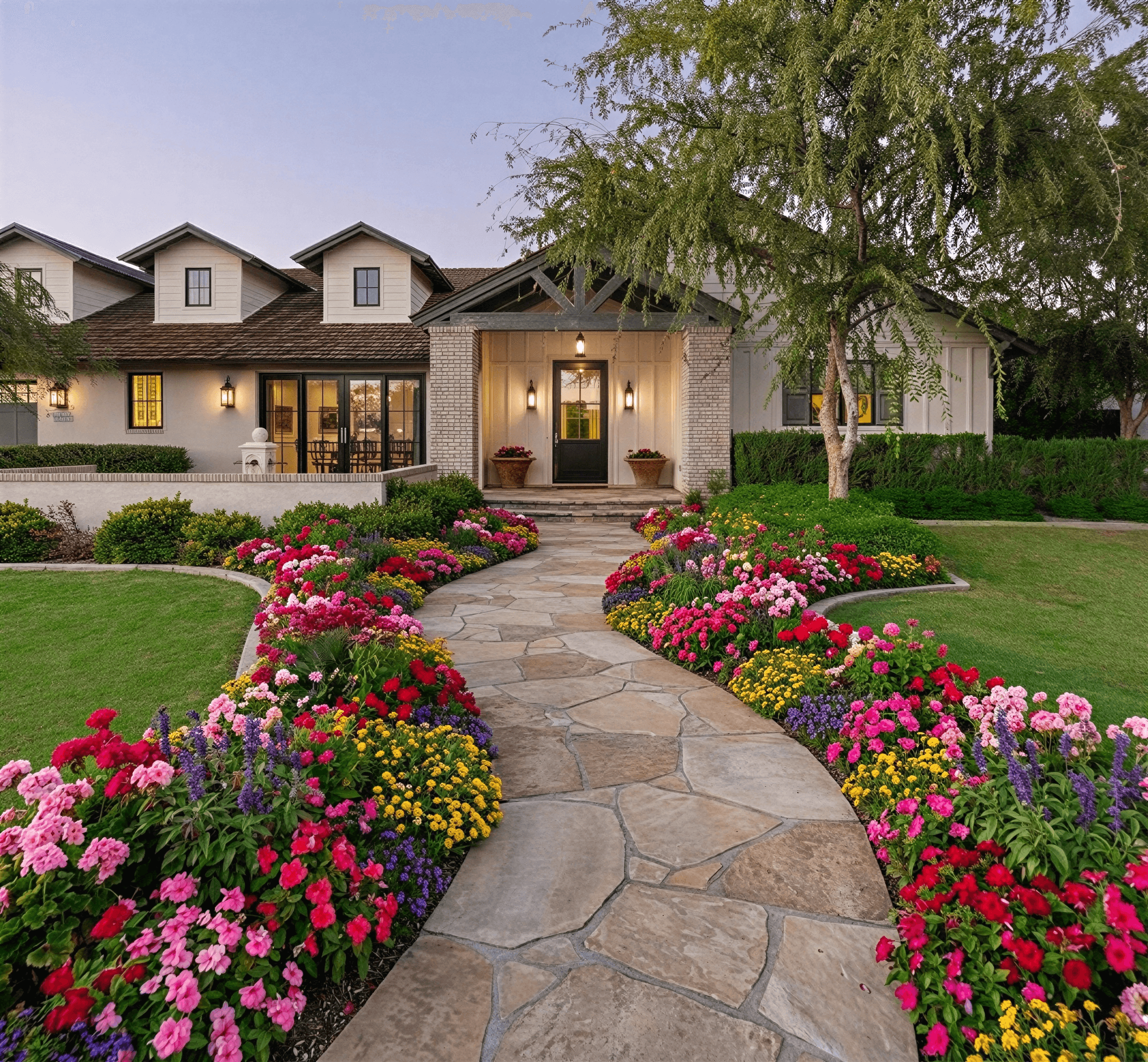
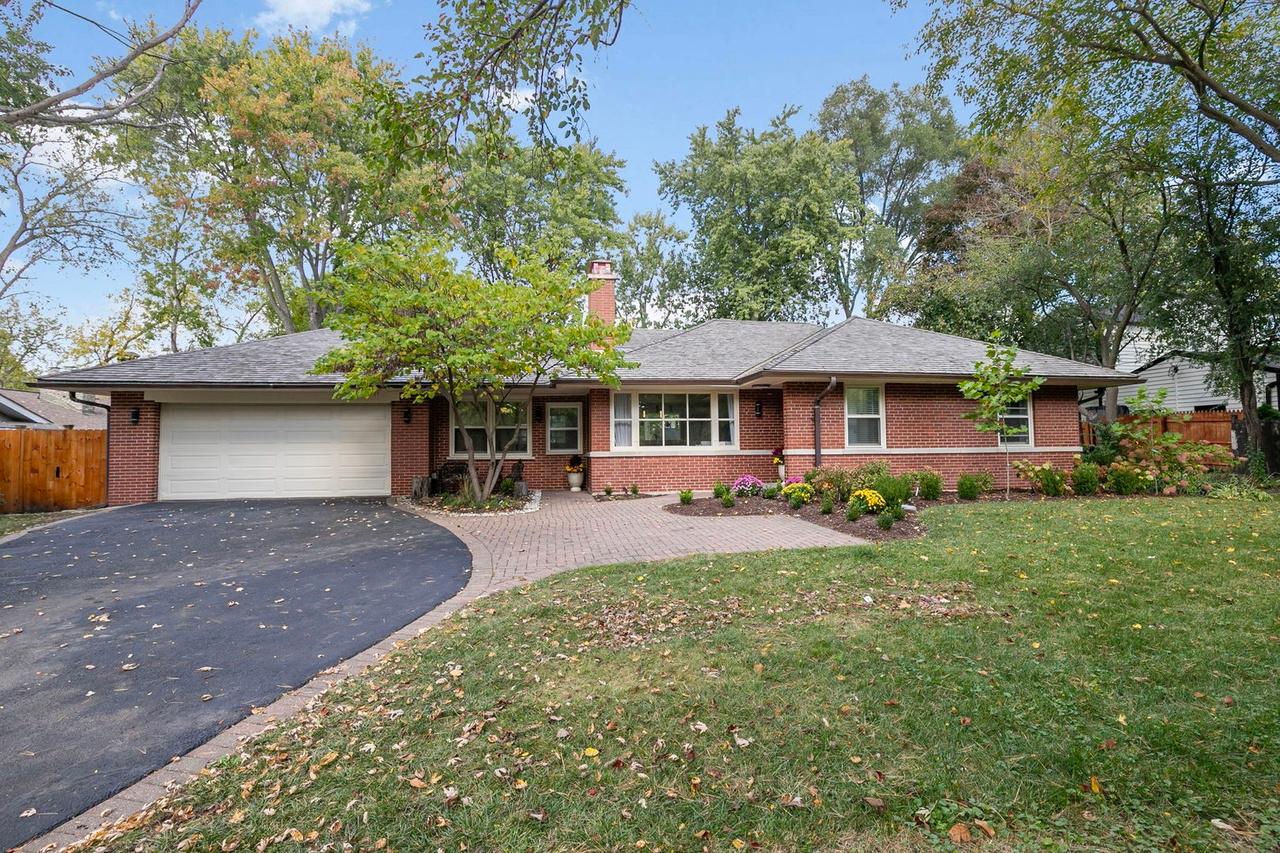
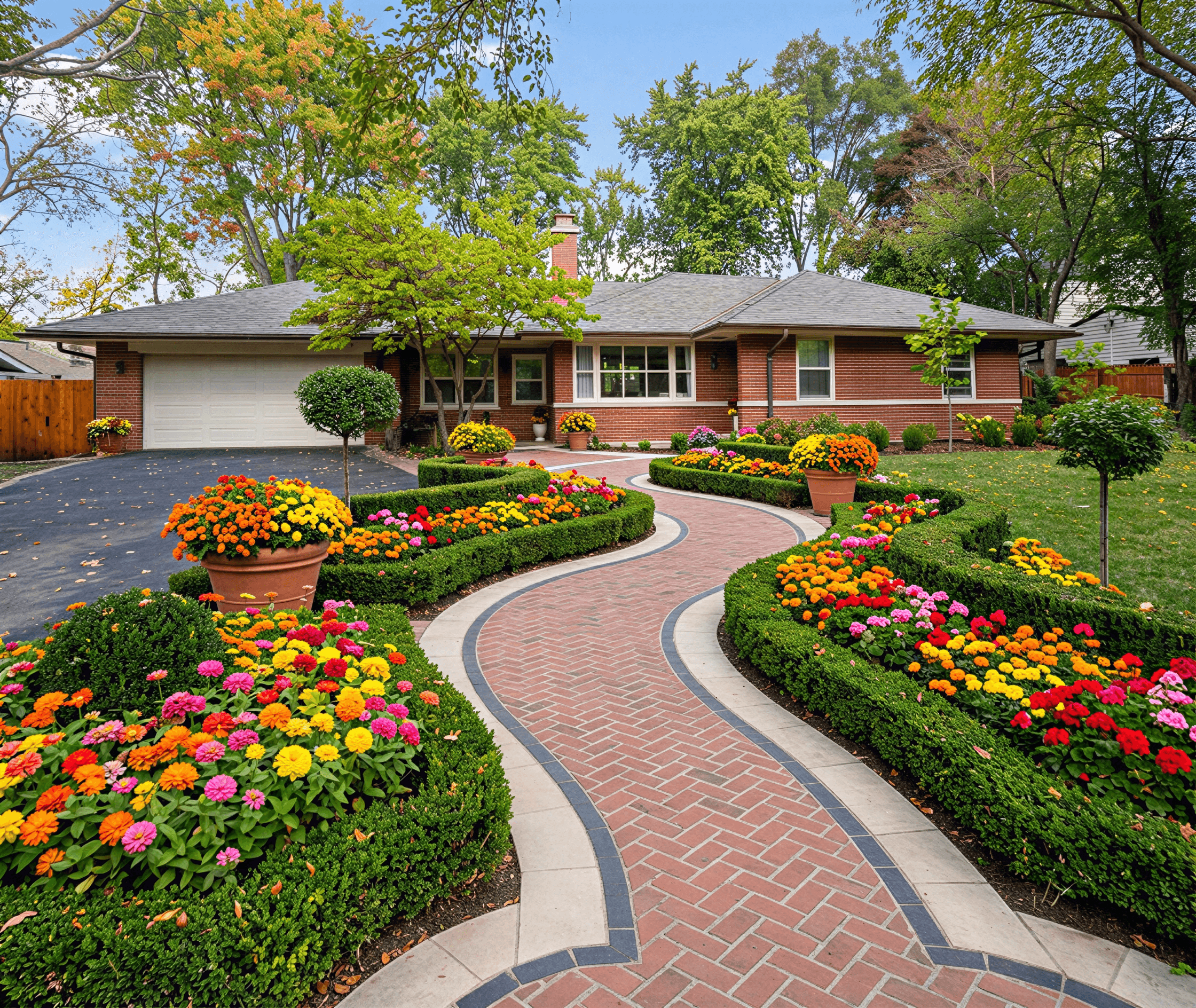
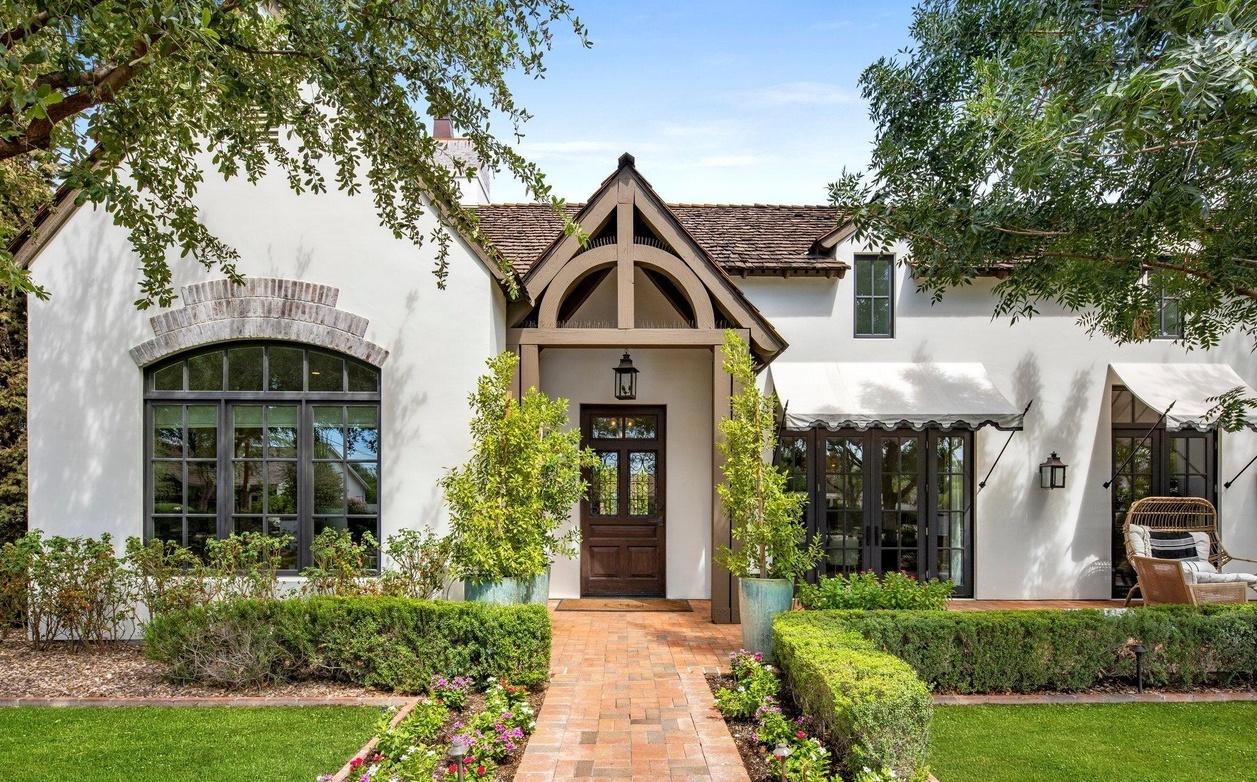
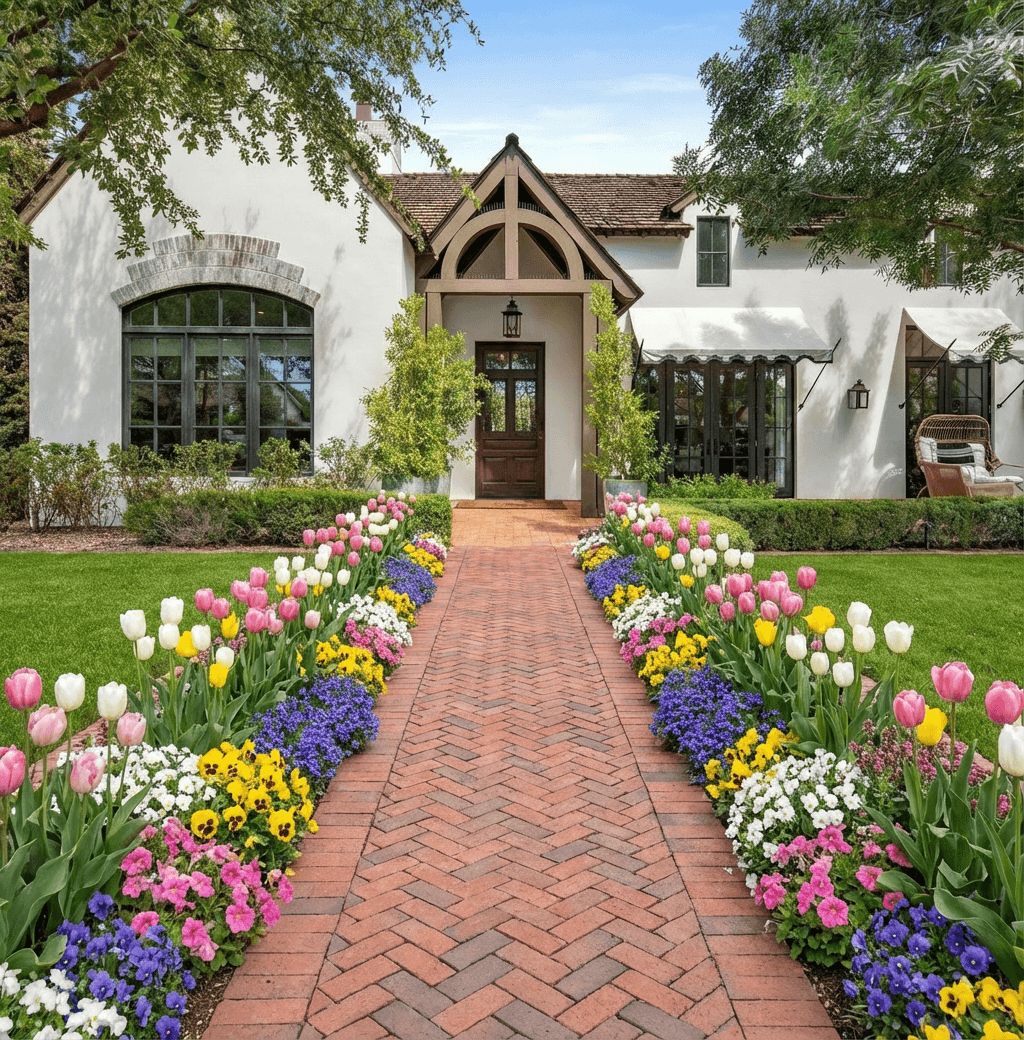
Curb Appeal AI helps homeowners visualize outdoor changes before any work begins. Upload a clear photo of your yard and try different fire pit installation ideas for backyard to see how size, style, and materials will look in place. Using a visual mockup makes it easier to balance safety, budget, and design while deciding what fits your space and lifestyle.
Planning layout and location for fire pit
Start by mapping how you use your backyard and pick a location that fits traffic flow, sight lines, and safety. Keep a minimum clear radius from structures and vegetation, and check local setback rules and permit requirements. Consider wind direction, access to seating, and how the fire pit will integrate with landscape features like patios, walkways, or garden beds. Visualizing different arrangements before digging reduces rework; try photos or a digital mockup to compare options and make sure your chosen placement supports the intended use for evenings, cooking, or social gatherings.
Design styles and seating arrangements
Decide on an overall style that complements your home—rustic stone, sleek concrete, metal bowl, or a built-in modern hearth all create different moods. Think about seating: built-in benches save space and look cohesive, while movable chairs allow flexibility for gatherings. Layer lighting, planters, and low walls to create a defined conversation area. You can upload your yard photo to Curb Appeal AI to test several fire pit installation ideas for backyard and see how seating and style choices change the feel of the space before you commit to materials or layout.
Choosing materials and finish options wisely
Material choice affects appearance, durability, and maintenance. Natural stone and concrete pavers give a long-lasting built-in look but require proper base and drainage; metal bowls and cast iron are budget-friendly and portable. For a permanent feature, use fire-rated brick, stone, or manufactured fire pit kits designed for masonry work. Consider finish colors that complement your home and textures that hide soot and wear. If you plan to add a gas line, choose materials rated for direct-flame heat and consult product specifications so your selected materials meet safety standards and aesthetic goals.
Estimated costs and practical budgeting tips
Costs vary widely: a simple portable pit can be $100–$400, a prefabricated stone kit typically runs $500–$2,500, and custom masonry installations with gas lines often start around $2,000 to $6,000 or more. Include site prep, base materials, labor, permits, and lighting or seating when budgeting. Get multiple quotes and factor a small contingency for surprises like poor soil or utility relocation. Prioritize what matters most—durability, appearance, or flexibility—so you can allocate funds efficiently for your preferred fire pit installation ideas for backyard without unexpected cost overruns.
Maintenance safety and local code considerations
Routine care keeps a fire pit safe and attractive: remove ash after it cools, inspect for cracks or rust, and cover portable units when not in use. Follow safe fuel practices—use seasoned hardwood for wood pits and have a licensed professional install gas lines for propane or natural gas. Check local fire codes, homeowner association rules, and required clearances before installation; these regulations can affect placement and allowable fuel types. Always call utility locate services before digging, and keep a fire extinguisher or water source nearby whenever you use the pit.
DIY projects versus hiring a professional
Simple, portable fire pit projects can be satisfying DIY jobs if you stick to manufacturer instructions and basic safety practices. For built-in masonry pits, integrated seating, gas hookups, or complex grading, hiring a professional ensures correct foundations, code compliance, and safe fuel connections. Evaluate your skill level, available tools, and local permit requirements. Using photo-visualization tools helps clarify the finished look so you can compare a DIY approach to a professional bid and decide which route fits your timeline, budget, and long-term maintenance expectations.
Frequently Asked Questions
Do I need a permit for a backyard fire pit?
Permit requirements vary by city and county. Contact your local building department or check municipal websites; many areas require permits for permanent or gas-burning installations but not for small portable units.
What is the safest distance from my house for a fire pit?
A common guideline is at least 10 to 20 feet from structures, but exact distances depend on local codes and the size of the fire pit. Confirm local setback requirements and consider wind patterns and overhangs when choosing a location.
Which materials need the least maintenance for a fire pit?
Concrete pavers and natural stone are relatively low maintenance and withstand high heat when installed properly, though they may need occasional cleaning and sealing. Metal fire bowls require rust prevention and more frequent care, especially in wet climates.
Can I convert a wood-burning pit to gas later?
Yes, conversions are possible but should be done by a licensed professional to install gas lines and ensure safe venting and clearances. Plan the location and base to accommodate future gas hookups if you think you might convert later.
Related Landscaping Ideas
Explore Professional Services Near You
Related Articles
10 Inspiring Landscaping Design Ideas for Backyard Transformations in 2026
Explore 10 stunning landscaping design ideas for backyard makeovers, from Zen gardens to outdoor kitchens. Get tips to transform your space with Curb Appeal AI.
Easy Backyard Landscaping Ideas: Transform easy backyard landscaping ideas
Discover easy backyard landscaping ideas to boost curb appeal with budget-friendly, simple tips.
7 Best Sites for Easy Backyard Landscaping Pictures
Looking for easy backyard landscaping pictures? We curated the 7 best sources, from AI design tools to pro galleries, to help you find actionable ideas.
Real transformations
See how homeowners are using Curb Appeal AI to reimagine their properties