Front Landscaping Ideas
front landscaping ideas
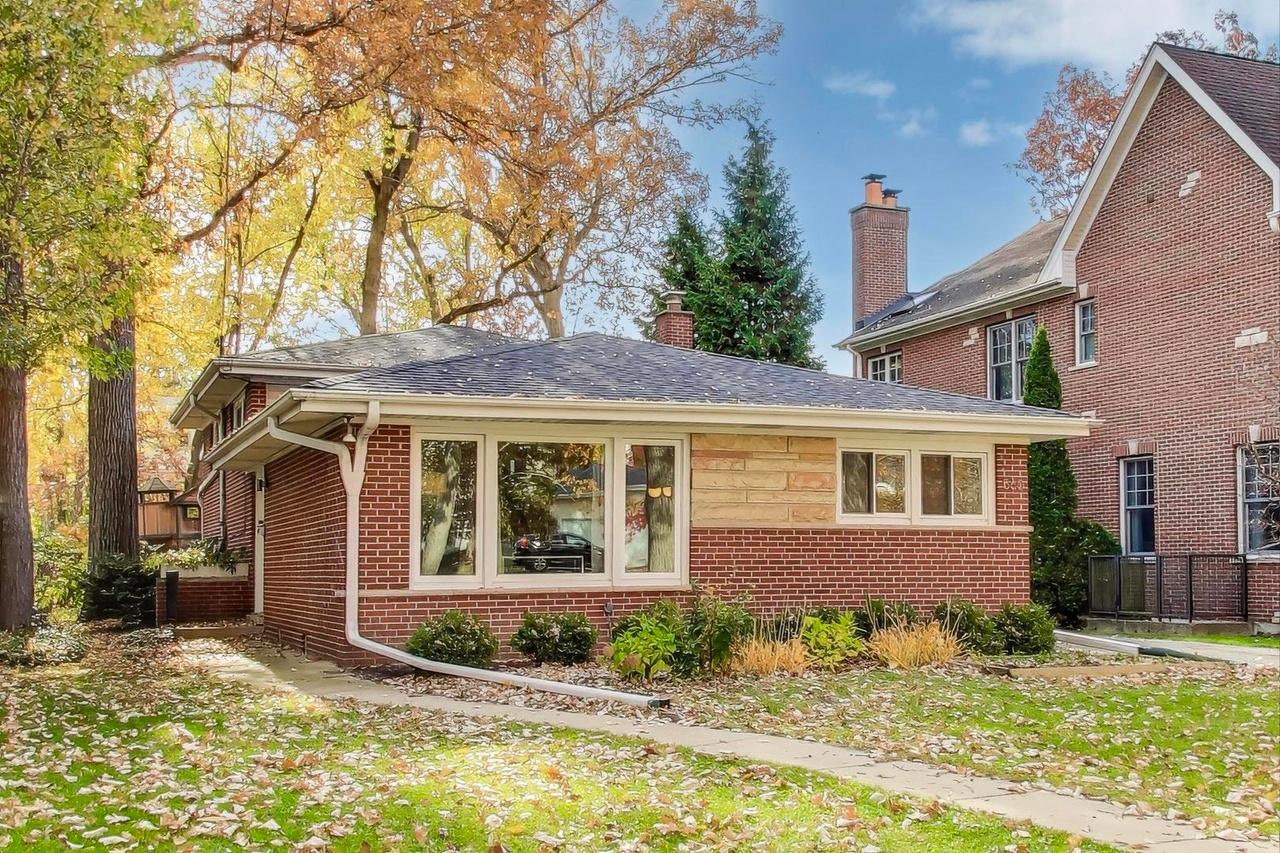
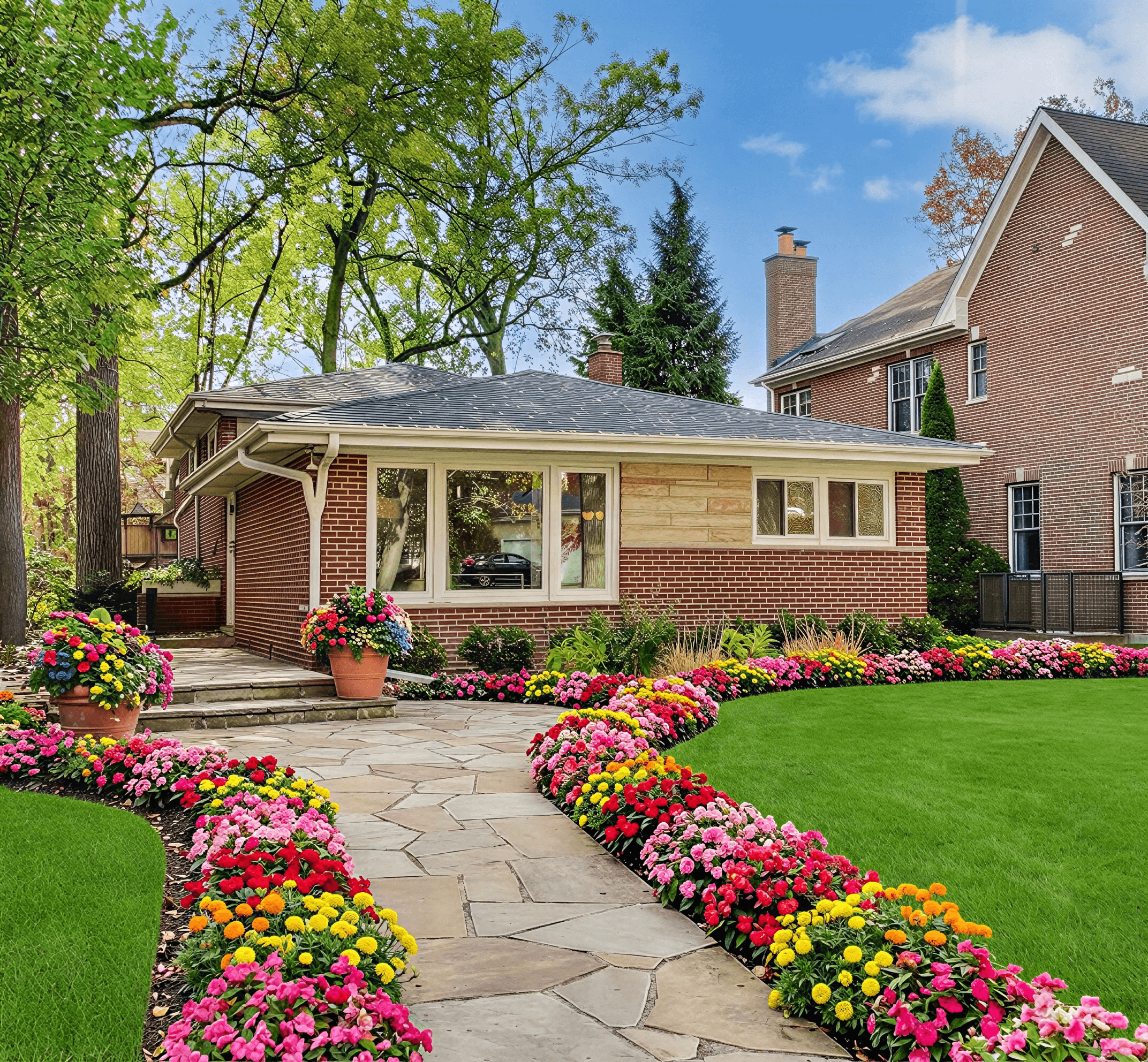
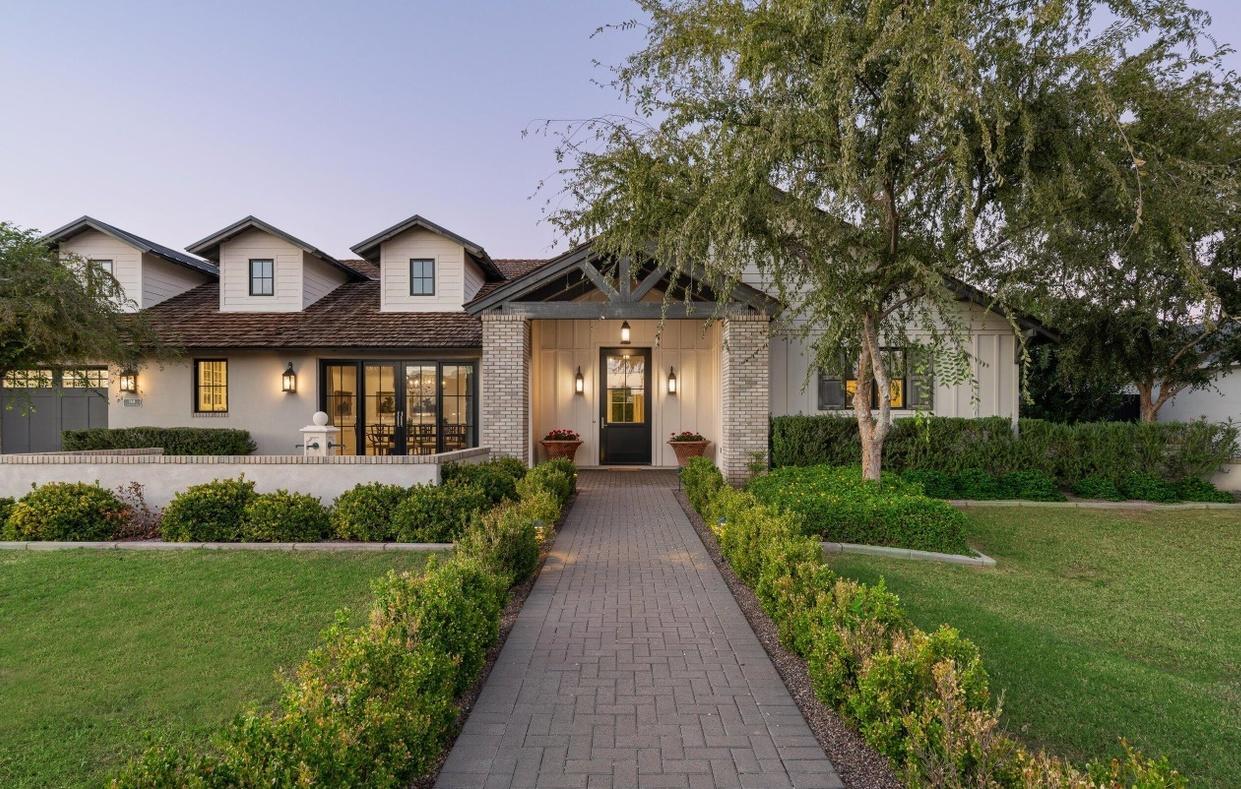
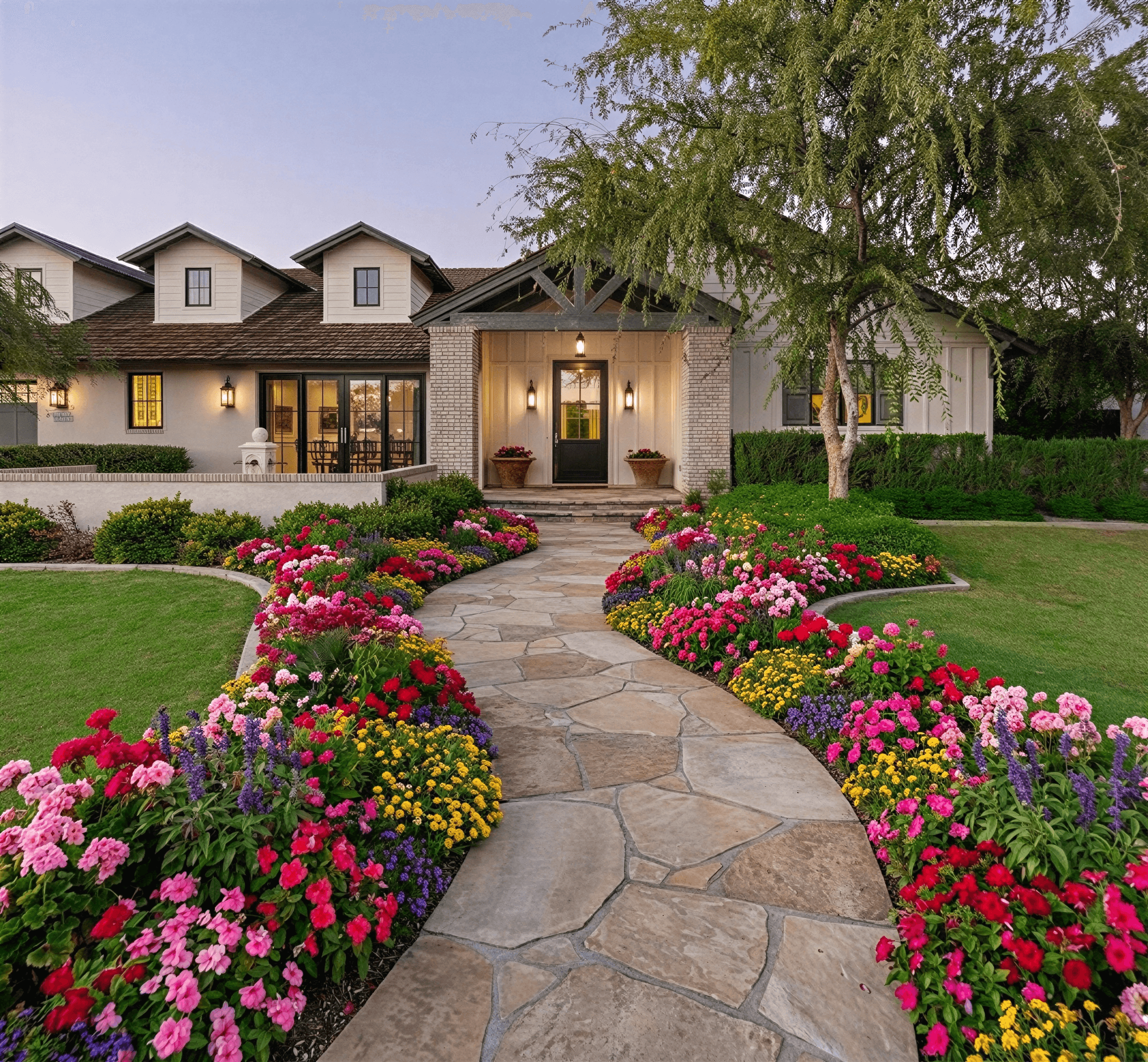
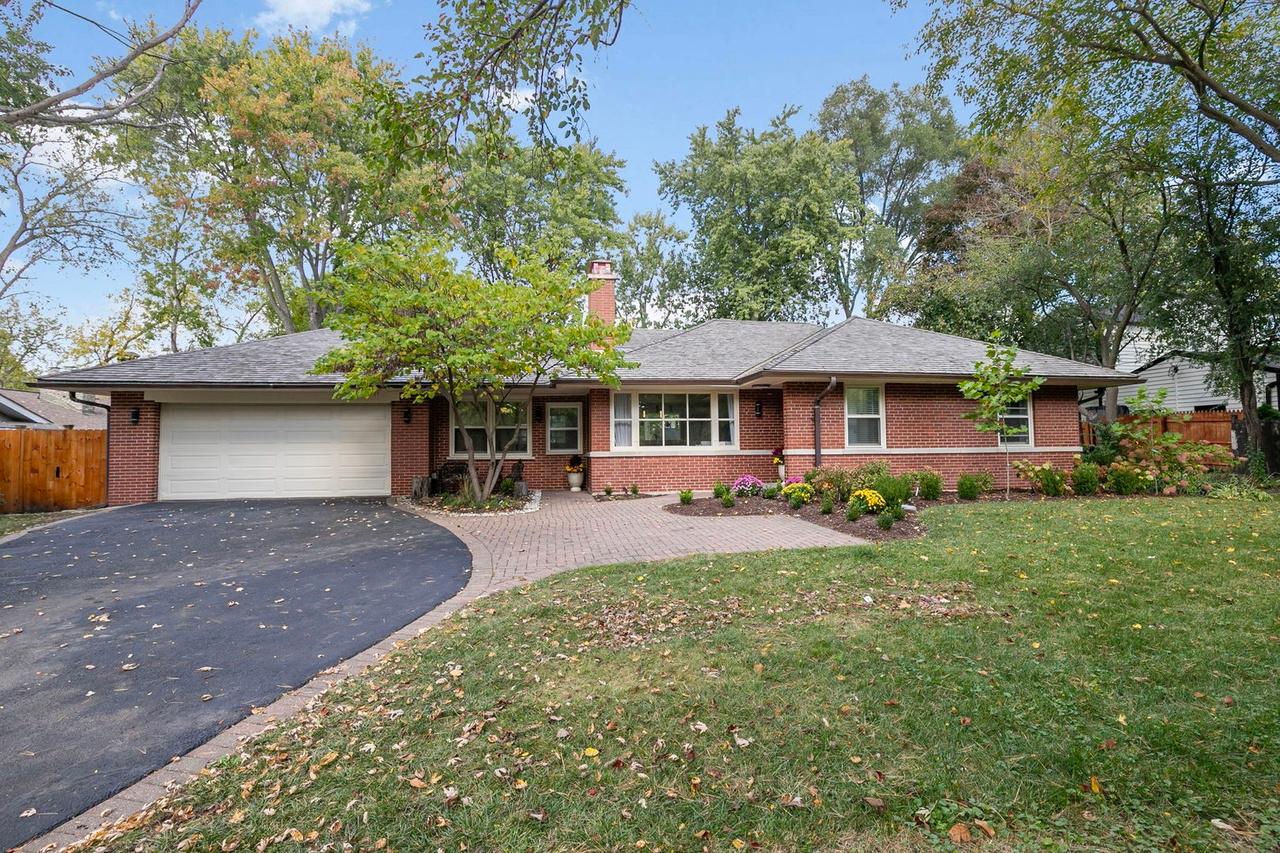
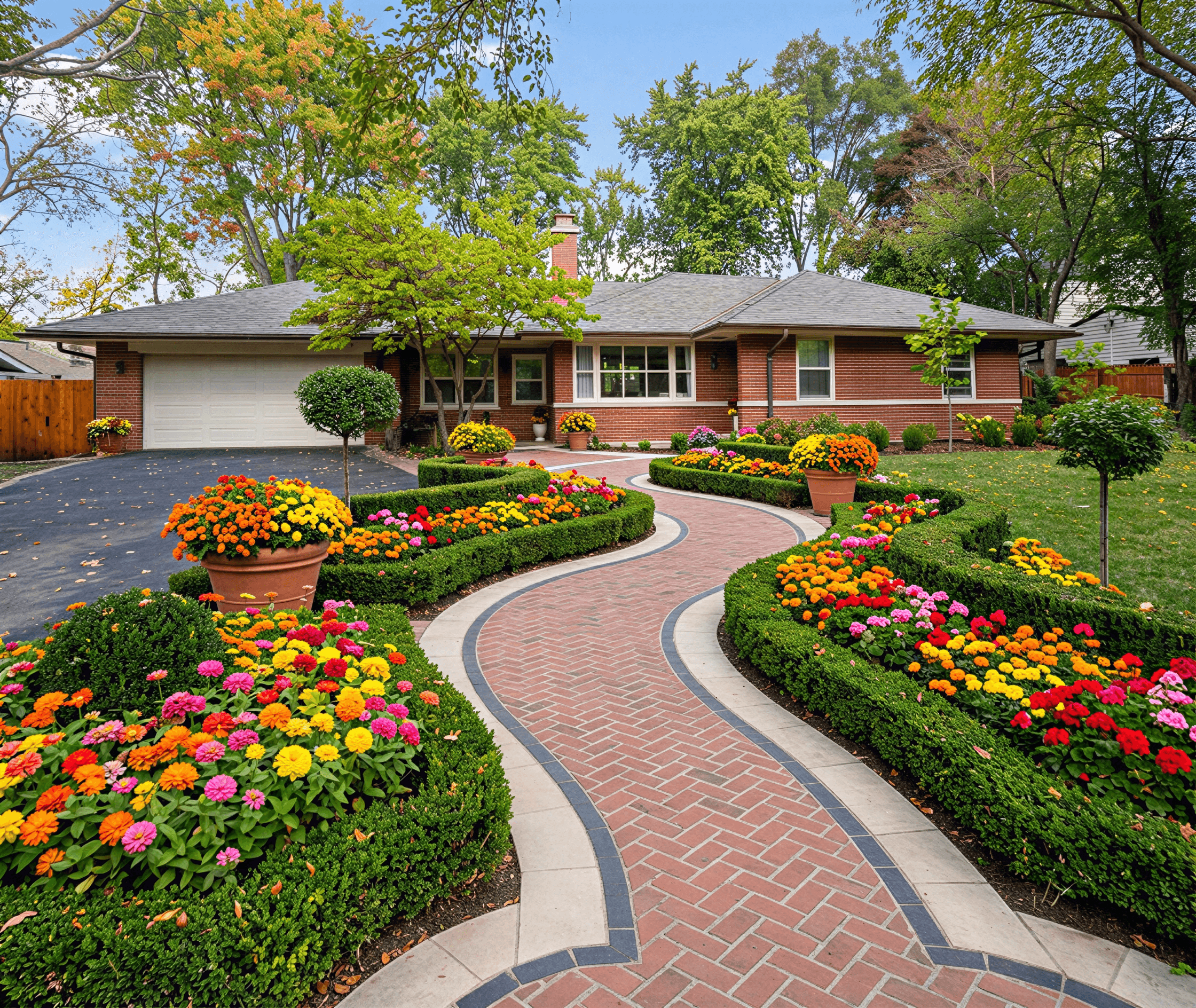
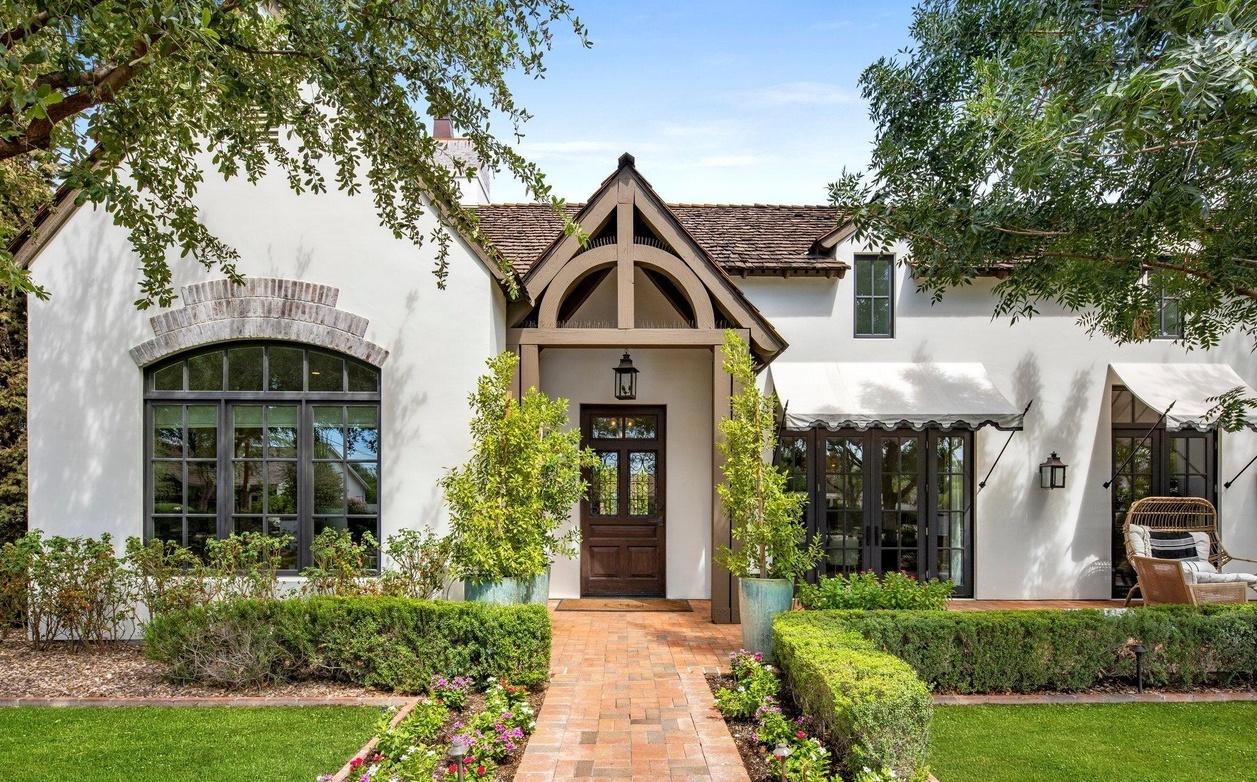
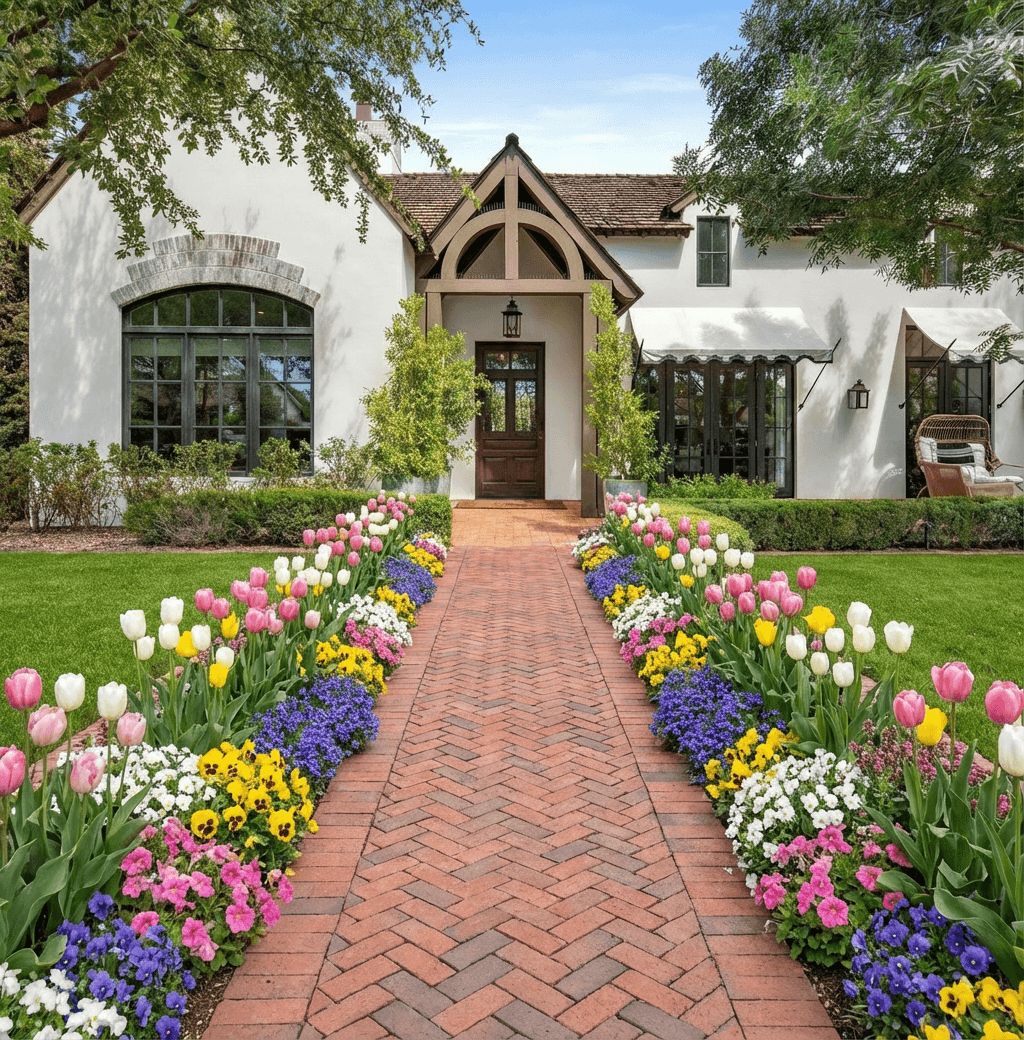
Curb Appeal AI helps homeowners visualize front landscaping ideas by letting you upload a photo and try different looks before you commit. Start by assessing your site—sun, sightlines, walkways and existing plants—so changes solve real problems instead of adding clutter. Whether you plan a small update or a full redesign, seeing options on your own photo makes it easier to choose the right plants, materials and layout.
How to plan your front landscaping
Start planning by measuring your space and noting sun exposure, slopes and utility locations. Sketch a simple plan that shows existing features like sidewalks, trees and the house facade, then mark problem spots such as poor drainage or bare soil. Prioritize changes that address safety and access—clear sightlines to the street, firm walkways and low plantings near doors. Use Curb Appeal AI to upload a current photo and test several front landscaping ideas visually; seeing alternatives helps you balance style, cost and maintenance before buying anything.
Stylistic front landscaping ideas and themes
Pick a consistent theme—cottage, modern minimalist, native meadow or formal symmetry—to guide plant and material choices. Use repetition of color, texture and plant form to create a unified look, and choose a focal point such as a path, planter or specimen tree. For small yards, emphasize vertical accents like narrow trees or trellises instead of wide beds. Consider how the style complements your house and neighborhood; matching scale and materials keeps the design feeling intentional rather than tacked on. These front landscaping ideas help make the house read as a cohesive whole.
Choosing plants and low maintenance materials
Select plants suited to your local climate and soil—native and drought-tolerant species usually need less water and care. Combine evergreen structure for year-round form, shrubs for mid-height, and perennials or bulbs for seasonal color. For materials, favor durable options like crushed stone, permeable pavers and quality mulch to reduce weeds and erosion. Install drip irrigation or soaker hoses to make watering efficient. Layer plantings by height and overlapping bloom times to keep interest throughout the year while minimizing replacement and intensive upkeep.
Estimate costs and budget for projects
Costs for front landscaping ideas vary widely: simple planting updates can run a few hundred dollars, while hardscaping or major grading may cost several thousand. Break the project into phases—entry, planting beds, walkways, lighting—so you can prioritize high-impact improvements. Get multiple quotes for labor and compare material choices; reclaimed or local materials can reduce cost. Include a contingency of 10–20 percent for surprises like poor soil or drainage fixes. Small, well-chosen investments often improve curb appeal more effectively than one large, mismatched upgrade.
Maintenance routines to keep curb appeal
Create a seasonal maintenance calendar: spring pruning and planting, summer watering and mulching, fall tidy-up and winter protection for vulnerable plants. Mulch beds annually to suppress weeds and retain moisture, and check irrigation for leaks or uneven coverage. Prune shrubs to maintain shape and sightlines, and replace a small number of annuals each season instead of redoing entire beds. Choosing low-maintenance plants and materials reduces ongoing time and cost while keeping your front landscaping ideas looking intentional year-round.
DIY front landscaping vs hiring professionals
Decide based on complexity, time and your comfort with tools: planting and simple paths are DIY-friendly, while retaining walls, major drainage work and electrical lighting often require pros. Hiring a landscape designer or contractor gives access to permitting help, proper grading, and built-in warranties; it can also save money by avoiding rework. If you’re unsure, use tools like Curb Appeal AI to mock up options and share ideas with a professional—visuals help contractors give accurate quotes and reduce misunderstandings. For many homeowners a hybrid approach—professional hardscape, DIY planting—balances cost and quality.
Frequently Asked Questions
How do I start choosing front landscaping ideas for my home?
Begin by assessing sun exposure, sightlines, and any drainage or access issues. Choose a simple style that complements your house, set a realistic budget, and test looks by uploading a photo to a visualization tool before buying materials.
What are low maintenance plant options for the front yard?
Pick native shrubs, ornamental grasses, and drought-tolerant perennials suited to your climate; they generally need less water and fertilizer. Use mulch and drip irrigation to reduce weeds and simplify care.
How much should I budget for a front landscaping update?
Simple planting and mulch refreshes can cost a few hundred dollars, while adding paths, lighting or grading can run into the thousands. Get multiple quotes and phase the work to match your budget.
Do I need a permit for front landscaping changes?
Permits are usually not required for planting, but fences, major grading, retaining walls and electrical work often need permits and inspections. Check local regulations and call utility services before digging.
Related Landscaping Ideas
Explore Professional Services Near You
Related Articles
Top 10 Front Yard Landscaping Ideas for 2026
Explore 10 top front yard landscaping ideas for 2026. From modern to cottage, find budget-friendly, low-maintenance designs to boost your home's curb appeal.
Transform Your Home: 8 Ideas for Front of House Landscaping
Discover 8 expert ideas for front of house landscaping: modern to cottage gardens. Get actionable tips & visualize your dream yard with AI.
10 Landscaping a Front Yard Ideas for 2026
Explore 10 inspiring landscaping a front yard ideas, from modern to cottage styles. Get practical tips on plants, budget, climate to boost curb appeal.
Real transformations
See how homeowners are using Curb Appeal AI to reimagine their properties