Landscape Design for Front Yards: A Modern Guide
A great landscape design for your front yard is more than just a few flowers and shrubs. It's the first impression your home makes, a living welcome mat that can be beautiful, functional, and surprisingly sustainable. When done right, it's also a smart financial move, often boosting property value by a solid 5-15%.
The Front Yard Is Changing—And It's About Time
For decades, the default American front yard was a perfectly manicured, resource-hungry lawn. This tradition wasn't born out of practicality; it was a status symbol imported from 18th-century English aristocracy, where vast green carpets of turf were a way to show off wealth. Designers like Frederick Law Olmsted helped cement this ideal in the American mindset.
But that classic lawn is starting to feel outdated. Faced with water shortages, a growing desire for low-maintenance living, and a need for personal expression, homeowners are finally questioning the green desert.
It’s like trading in an old, gas-guzzling sedan for a modern EV. The old car worked for its time, but the new one is smarter, more efficient, and simply a better fit for the world we live in today.
Moving Beyond the Monoculture Lawn
Modern landscape design for front yards is all about embracing resilient, intelligent alternatives that are as gorgeous as they are practical. This means stepping away from the thirsty, one-size-fits-all lawn and exploring more diverse palettes.
- Xeriscaping: This isn't about covering your yard in rocks and cacti (unless you want to!). Xeriscaping is a water-wise strategy that uses beautiful, drought-tolerant plants, smart irrigation, and moisture-retaining mulch to create lush landscapes that sip, rather than guzzle, water. It’s a game-changer in dry climates and a smart move everywhere else.
- Native Plantings: Choosing plants that are native to your region is like putting together a dream team. They're already adapted to your soil and weather, which means they thrive with less water, less fertilizer, and less fuss. Plus, you’ll be creating a vital habitat for local birds and pollinators.

Why a Thoughtful Design Matters More Than Ever
The scale of the traditional lawn is staggering. Across the U.S., lawns cover over 40 million acres and consume an estimated 9 billion gallons of water every single day in the summer. That's before you even factor in the pollution from gas-powered mowers and blowers. If you want to dig deeper, exploring the history and environmental impact of the American lawn is a real eye-opener.
Today's homeowner wants their yard to be an asset, not a chore. They're looking for a space that saves water, cuts down on weekend work, and reflects a more modern, eco-aware lifestyle. This is where thoughtful design makes all the difference.
By embracing these contemporary ideas, you're not just getting a prettier yard. You're creating a space that is more resilient and perfectly suited to today's world. This is exactly why a little planning goes a long way. Using a tool like Curb Appeal AI to visualize climate-friendly options from the get-go is the crucial first step toward a front yard you'll love for years to come.
How to Analyze Your Front Yard Before You Start
A great landscape design doesn't begin at the garden center with a cart full of plants. It starts right where you are, with a good, honest look at your own front yard. Think of it as a detective's initial survey of a crime scene—you need to gather all the clues before you can solve the case.
This initial analysis is, without a doubt, the most important step you'll take. It's what separates a yard that thrives from one that constantly struggles. Jumping straight to planting is a recipe for frustration, like trying to build a house without a blueprint. You’ll end up with sun-loving flowers wilting in the shade or plants rotting in soil that holds too much water.
A few hours of simple observation now will save you seasons of headaches and wasted money later. By understanding your yard’s unique personality, you can create a design that works with nature, not against it.
Front Yard Site Analysis Checklist
Before you get overwhelmed, let's break it down. This simple checklist will walk you through exactly what to look for and, more importantly, why it matters for your future design.
| Analysis Area | What to Look For | Why It Matters |
|---|---|---|
| Sunlight & Shade | Track the sun's path for a full day. Note areas getting 6+ hours (full sun), 3-6 hours (part-shade), and under 3 hours (full shade). | This is the #1 factor for plant survival. It dictates your entire plant list and where each plant should go. |
| Climate & Hardiness | Find your USDA Plant Hardiness Zone using your zip code online. | This tells you which perennial plants, shrubs, and trees can survive your coldest winter temperatures. Non-negotiable for long-term success. |
| Soil Texture | Grab a handful of moist soil. Does it feel sticky (clay), gritty (sand), or dark and crumbly (loam)? | Soil type determines drainage and nutrient availability. It tells you if you need to amend the soil or choose plants adapted to your native conditions. |
| Water & Drainage | After it rains, watch where water puddles and where it drains away quickly. | Puddles signal poor drainage, which can cause root rot. Fast-draining areas may need more frequent watering or drought-tolerant plants. |
| Existing Features | Map out trees, buildings, sidewalks, utility boxes, and underground lines (call 811 to be safe!). | You need to design around what you can't move. These features create microclimates (shade, wind blocks) and define your usable space. |
| Measurements & Scale | Take accurate measurements of the entire space, including the house facade. | This is essential for creating a proportional design, calculating material needs (mulch, stone), and ensuring everything fits perfectly. |
Going through these steps methodically gives you a complete picture to build from, turning a generic yard into a solid foundation for your design.
Map Your Sun and Shade Patterns
Of all the clues you'll gather, sunlight is the big one. It's the engine that powers your garden. You need to become a sun-mapper for a day.
- Full Sun: These are the hotspots, getting 6 or more hours of direct, blazing sun. Think lavender, sedum, and coneflowers.
- Partial Shade: These spots get a nice mix, about 3 to 6 hours of sun. They might get gentle morning sun or dappled light through a tree. Hydrangeas and coral bells love these conditions.
- Full Shade: If an area gets less than 3 hours of direct sun, it's considered full shade. This is where you can lean into lush textures with hostas, ferns, and astilbe.
Grab a notepad and sketch a rough map of your yard. Use different colors to block out these sun zones. This simple visual will be your best friend when you’re trying to decide where that beautiful new shrub should go. And don't forget the seasons! An area shaded by a big maple in July might be completely sunny in February after the leaves have dropped.
Understand Your Climate and Soil
Once you've got a handle on your light, it's time to look down at the ground itself and then zoom out to your regional climate. These two factors are fundamental to a healthy, sustainable garden.
First, pinpoint your USDA Plant Hardiness Zone. This is a national standard that tells you the average coldest winter temperature for your specific area. Knowing your zone is critical for choosing trees, shrubs, and perennials that will come back year after year. Just search online for your zip code and "hardiness zone"—it takes ten seconds.
Next, it's time to get your hands dirty. What kind of soil are you working with? A simple "squeeze test" tells you a lot. Dig down a few inches, grab a handful of moist soil, and squeeze it in your fist. If it forms a slick, dense ball, you've got heavy clay. If it just crumbles and falls apart, it's sandy. If it holds together but crumbles easily, you've hit the jackpot: rich, loamy soil.
Drainage and soil type go hand-in-hand. After a good rain, do you see puddles that stick around for hours? That’s a clear sign of poor drainage, common with clay soils. On the flip side, sandy soil drains so fast you might need to water more often.
Tools today can make this process even easier. For example, our AI platform at Curb Appeal AI automatically filters plant recommendations based on your hardiness zone, so you know anything it suggests is a safe bet for your climate. It's a great way to explore options when you're ready to design a landscape with confidence. The final piece of this puzzle will be taking careful measurements of your entire front yard, which allows you to plan your layout and budget for materials with real precision.
Choosing a Design Style That Matches Your Home
With a clear picture of your site's conditions, you can finally dive into the creative side of things: choosing a visual style. A truly great front yard landscape doesn't just sit in front of your house; it feels like a natural extension of it. The goal is to create a unified look, where your home and garden are telling the same story, not competing for attention.
Think about it—you wouldn’t pair hiking boots with a formal suit. The same principle applies here. A wild, free-flowing cottage garden can look jarring next to a sleek, modern home. By selecting a style that complements your home’s architecture, you create a powerful, intentional first impression that just feels right.
Aligning Landscape Style with Architecture
Creating that seamless connection between your house and your yard is the secret sauce to incredible curb appeal. A minimalist design with strong geometric shapes and a tight plant palette, for instance, is the perfect partner for a modern or mid-century home. On the other hand, a historic Victorian or a cozy bungalow seems to practically call out for lush, overflowing flower beds and charming, informal pathways.
Here are a few popular styles and the homes they pair with beautifully:
- Modern/Minimalist: This style is all about clean lines, bold geometric shapes, and a restrained plant and color palette. Think architectural grasses, striking agaves, and hardscaping made of smooth concrete or dark steel. It’s a perfect match for contemporary, mid-century modern, and even brutalist architecture.
- Cottage/English Garden: Romantic, informal, and absolutely bursting with life. This look features dense plantings, a lively mix of perennials and annuals, climbing roses, and often includes whimsical paths or quaint fences. It's the ideal choice for bungalows, Tudors, and historic cottages.
- Xeriscape/Desert: A smart, water-wise approach that is both stunning and sustainable. Using drought-tolerant plants, succulents, ornamental grasses, and natural materials like gravel and stone, this style creates incredible texture and color while conserving water. It works wonderfully with Southwestern, Mediterranean, and modern homes.
- Formal/Traditional: Drawing inspiration from classic European gardens, this style is built on symmetry, order, and evergreen structure. Imagine perfectly clipped hedges, clearly defined pathways, and geometric planting beds. It’s a timeless look for Colonial, Georgian, and French-inspired architecture.
No matter which style you gravitate toward, your site analysis is the foundation that ensures your vision is grounded in reality.

The Role of Hardscaping in Your Design Style
Your chosen style isn't just about the plants; it’s also about the "hardscape"—the non-living elements like paths, walls, and fences. When choosing a design, understanding the role of front yard fences is critical, as they form a major part of your home’s first impression. A classic white picket fence instantly reinforces a cottage vibe, while a sleek horizontal slat fence screams modern.
Walkways also play a defining role. A straight, formal path made of brick or bluestone leads the eye directly to the front door, perfectly suiting a traditional home. In contrast, a meandering flagstone or gravel path creates a more relaxed, exploratory feeling that’s right at home in a cottage or woodland garden. Your material choices are powerful tools for bringing your design vision to life.
The most compelling landscapes feel cohesive. They tell a single, clear story from the curb to the front door, with every element—plant, path, and patio—working together to support the overall theme.
Visualize Styles with AI Before You Commit
It's one thing to look at pictures, but it can be tough to commit to a single style for your own home. What if you spend all that time and money on a modern landscape only to realize a softer, more natural look would have felt better? This is where a little bit of tech can make a huge difference.
Tools like Curb Appeal AI let you "try on" different styles virtually. Just upload a photo of your house, and you can instantly see it transformed with a xeriscape design, a lush cottage garden, or a sleek modern landscape. This ability to explore options without any risk is a massive help for homeowners. You can compare dozens of concepts, see how different plants work with your home’s exterior color, and find the perfect look before a single shovel ever hits the dirt. Seeing the final result ahead of time gives you the confidence to move forward on a big, important project.
Finding the Sweet Spot: Plants vs. Hardscapes
Every truly great front yard design is a conversation between the living and the built. I like to think of your plants—what we call the softscape—as the art. They bring the color, the texture, and the life. The hardscape, on the other hand, is the architecture: the paths, walls, and patios that provide the structure and make the space work.
Get the balance right, and you create something special. A yard full of only concrete and stone feels cold and sterile. A yard with only plants can feel overgrown and messy. It’s the thoughtful interplay between the two that turns a patch of grass into a welcoming landscape.

Working with Your Softscape: Layering for a Lush Look
The golden rule for planting is simple: “Right Plant, Right Place.” This isn't just a catchy phrase; it's the secret to a garden that thrives instead of just survives. It all comes back to your site analysis—picking plants that are naturally suited to your sunlight, soil, and climate means less work for you and happier, healthier plants.
To get that full, professionally designed look, you need to think in layers.
- Trees (The Canopy): These are the ceiling of your outdoor room. A single, well-chosen ornamental tree can frame your house, provide welcoming shade, and steal the show with spring blossoms or brilliant fall color.
- Shrubs (The "Bones"): Think of shrubs as the foundational furniture of your garden beds. Evergreens provide crucial year-round structure, while flowering shrubs add bursts of seasonal excitement.
- Perennials & Groundcover (The "Art"): This is where you get to play. Perennials pop up year after year, offering a revolving display of color, while groundcovers act as a living mulch, suppressing weeds and tying everything together.
A truly dynamic garden has something interesting going on in every season. Mix spring-blooming bulbs, summer flowers, shrubs with fiery autumn leaves, and evergreens or trees with beautiful bark to carry you through the winter. For more ideas, our guide on the best plants for your front yard is a great place to start.
Laying the Foundation with Hardscapes
While plants are the soul of the garden, hardscapes provide the bones. These structural features are what give your yard order, guide you through the space, and add lasting character. A good hardscape design feels right from day one, even before a single plant is in the ground.
Some of the most common hardscape features include:
- Walkways and Paths: These are your garden's hallways, leading guests to the front door. The material you choose—whether it’s classic brick, rustic flagstone, or sleek concrete—is a huge opportunity to reinforce your home's style.
- Retaining Walls: If you're on a slope, retaining walls are your best friend. They turn tricky inclines into usable, terraced planting areas and are fantastic for creating raised garden beds.
- Patios and Seating Areas: Even the smallest front yard can often fit a cozy bench or a small bistro set. It creates an instant destination and a sign of welcome.
- Decks and Edging: Materials like timber decking can define a seating area, while clean edging along garden beds provides a crisp, finished look that makes maintenance easier.
This blend of manicured nature and practical structure is a hallmark of the American front yard, a concept that really took off in the 19th century. By the 1820s, homeowners began moving beyond simple vegetable patches, adding lawns and flower borders to create an inviting scene. Today, it’s a massive industry, with U.S. households spending $60 billion annually on landscaping.
As a general guideline, I often start with a ratio of about 60% softscape to 40% hardscape. This isn't a rigid rule, of course. A minimalist, modern design might lean more heavily on hardscape, while a lush cottage garden will be almost all plants.
Figuring out this balance is often the hardest part, and it's where a tool like Curb Appeal AI can be incredibly helpful. It takes the guesswork out of the equation, generating designs that already have that plant-to-hardscape ratio baked in. Because its algorithms know your specific hardiness zone, they pair climate-appropriate plants with hardscape materials that fit your style. This simple step helps you avoid the all-too-common problem where up to 50% of new plants die simply because they weren't right for the location in the first place.
Using AI Tools to Visualize Your Perfect Front Yard
So, you've done your homework. You've analyzed your site, picked a style that speaks to you, and thought about how all the pieces—the plants, the paths, the textures—should come together. Now what? This is often the point where a project stalls. The gap between a great idea and a finished landscape can feel huge, and frankly, a little intimidating.
For decades, the only options were to hire a landscape designer, which can be expensive, or spend weeks sketching out ideas that are hard to truly picture in real life. But what if you could see dozens of professional-quality designs for your actual home, almost instantly? That's exactly where new design tools like Curb Appeal AI are changing the game for homeowners.
The process couldn't be more straightforward. You just snap a picture of your house, upload it, and select a style you're curious about—maybe "Cottage" or "Modern." In minutes, the tool generates multiple, incredibly realistic visions of what your front yard could become.
This isn't about guesswork anymore. It’s about seeing the final result before you spend a dime or lift a shovel, which takes away the biggest fear in any renovation: making a costly mistake.
From Ideas to Photorealistic Concepts in Seconds
What’s happening behind the scenes is pretty clever. When you upload your photo, the AI isn't just crudely pasting plants onto the image. It's actually analyzing your home's architecture and your property's specific layout to create a design that feels cohesive and intentional.
Even more importantly, it cross-references this with your local climate data. The result? Designs that aren't just beautiful, but are genuinely buildable and sustainable for where you live.
This is a massive help for anyone involved in a property:
- For homeowners, it’s like having a creative sandbox. You can try out a minimalist xeriscape on Monday and a lush, English-inspired garden on Tuesday, seeing which one truly feels like home.
- For real estate agents, it’s a secret weapon for marketing. You can generate stunning “after” images to show a property’s full potential, helping it stand out and sell faster.
- For landscape contractors, it’s a way to build immediate trust. Instead of vague sketches, you can present clients with jaw-dropping visuals that show exactly what they'll get.
With more than 10,000 users giving it a 4.9/5 rating, it's clear this approach is solving a very real problem for people. It gives you a clear vision and the confidence to move forward.
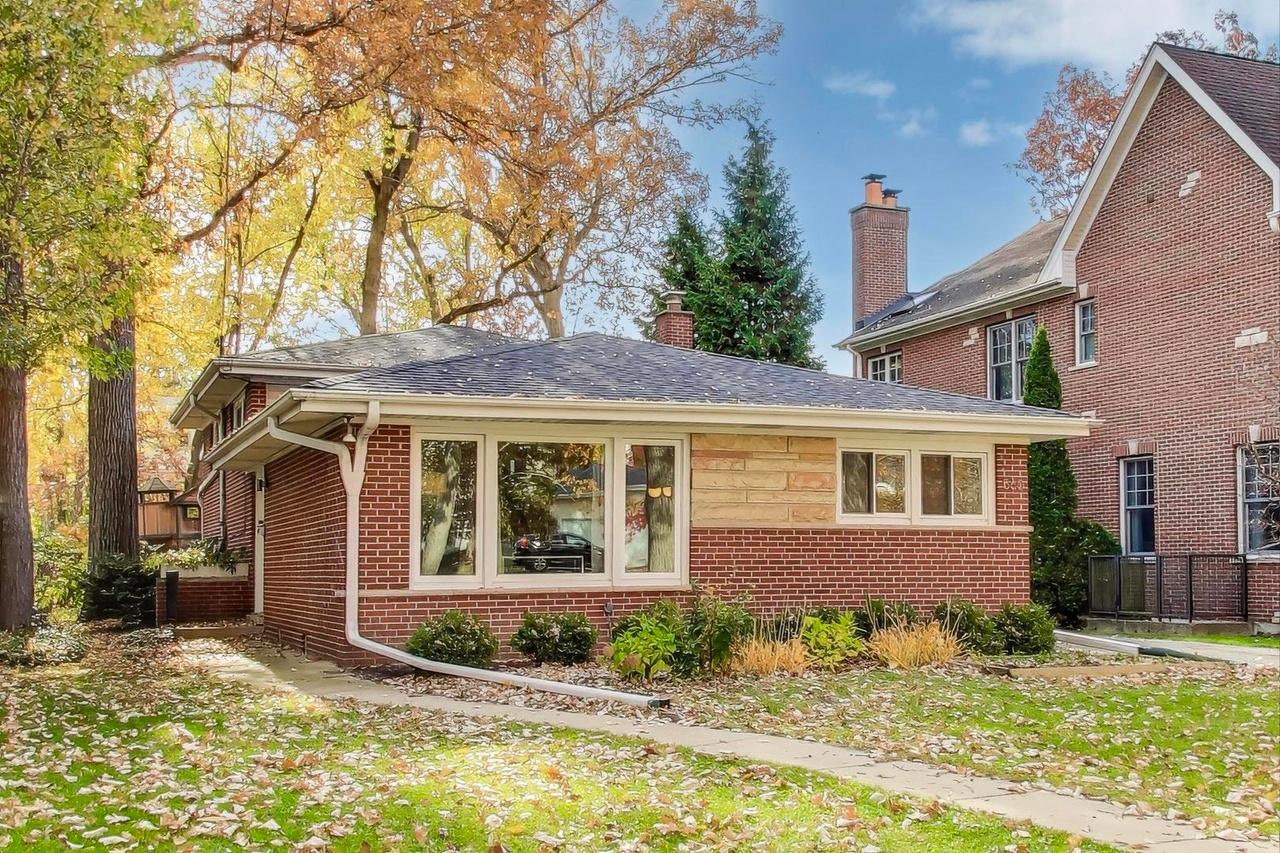
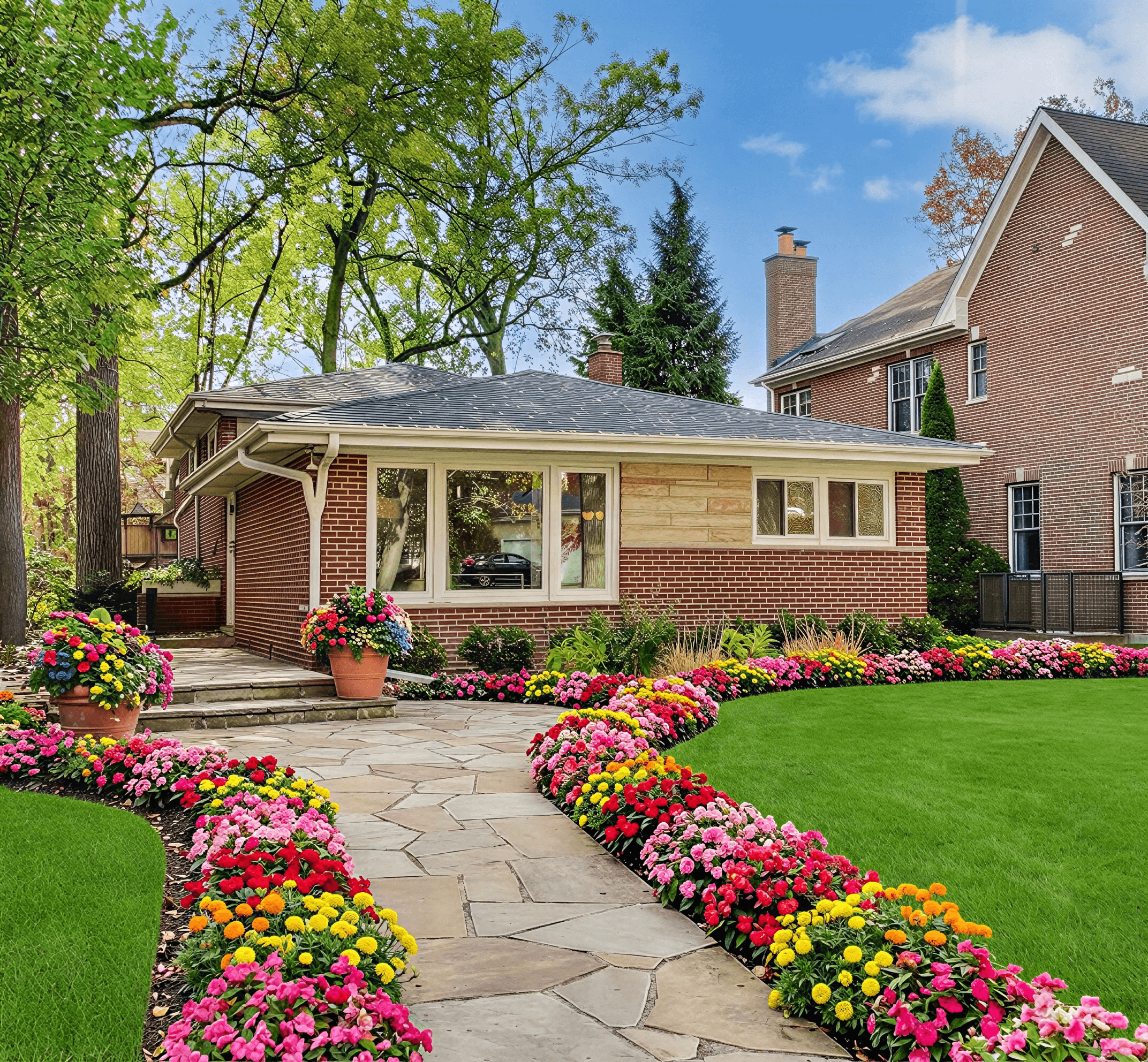
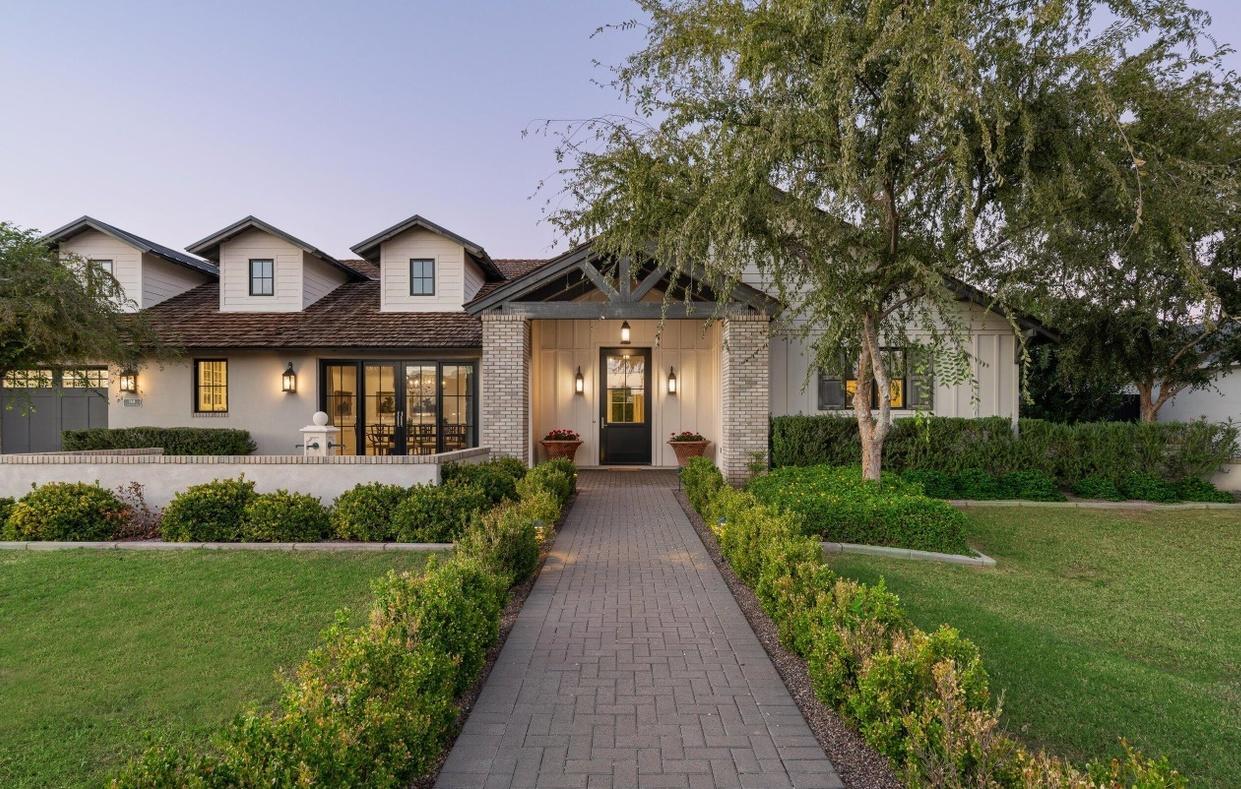
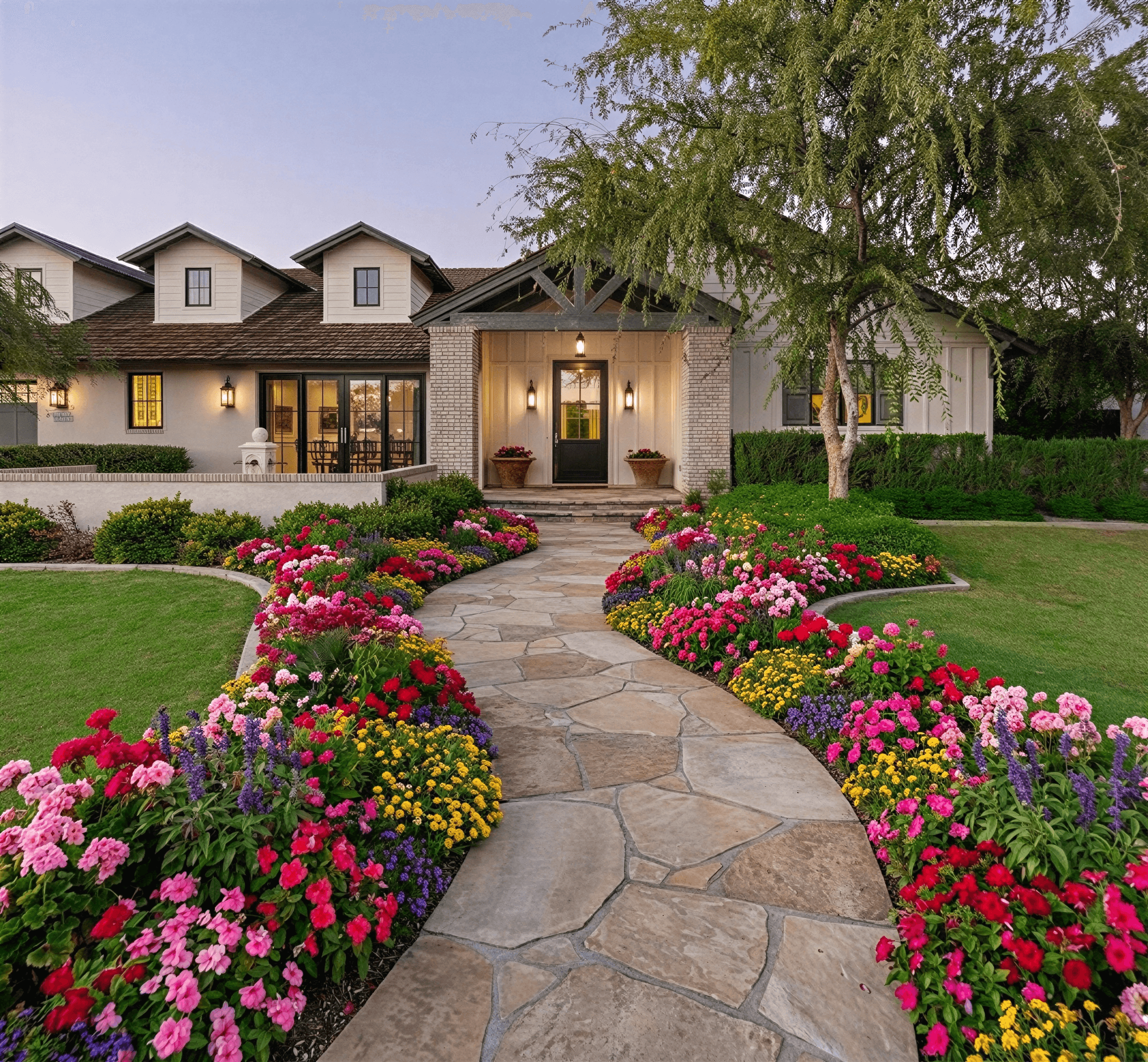
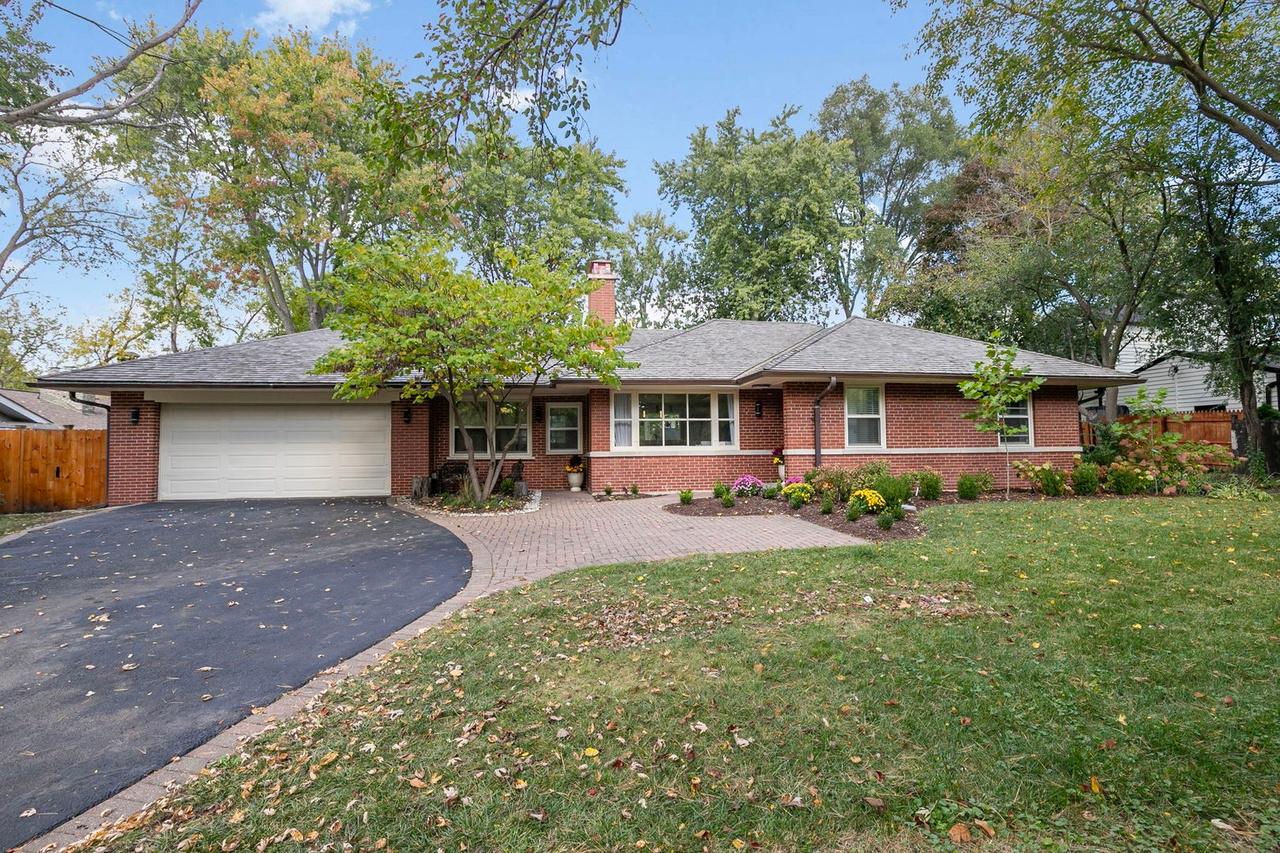
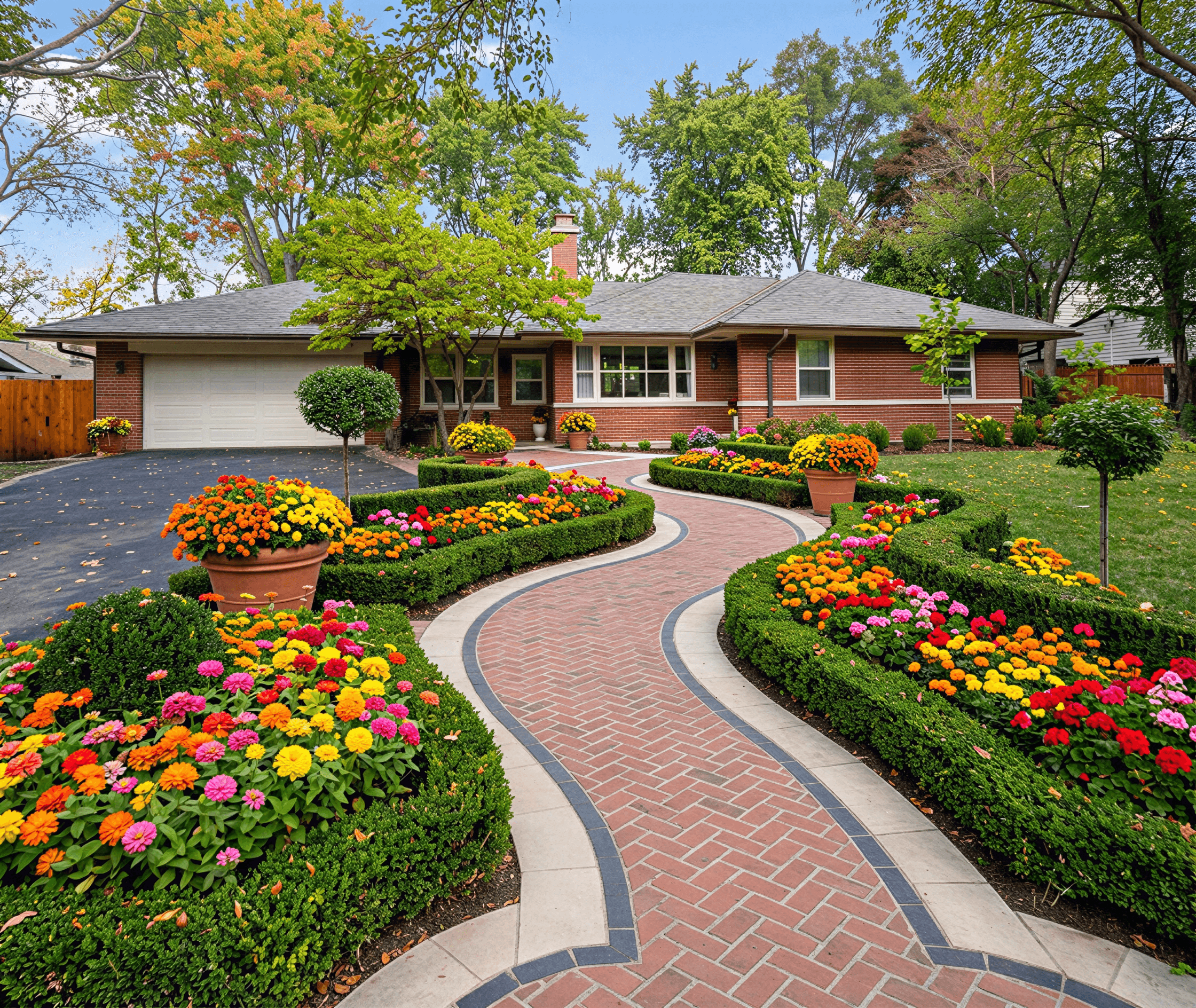
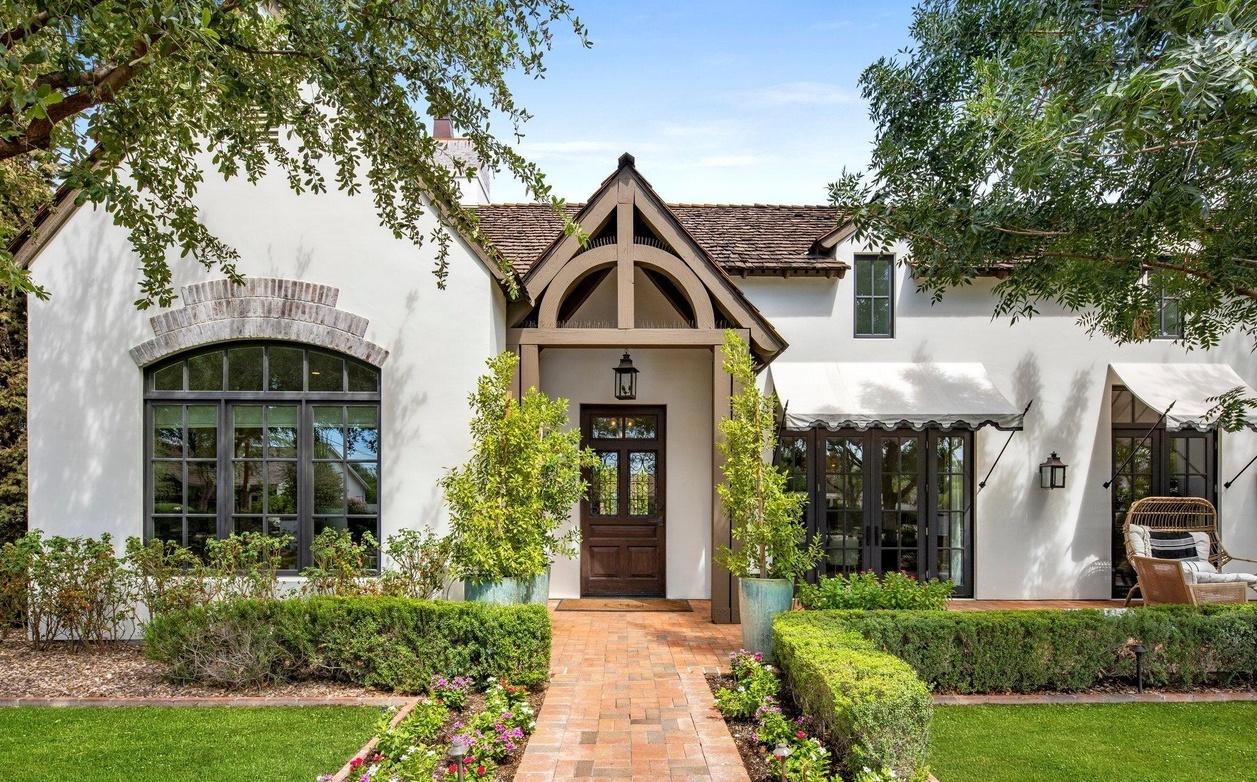
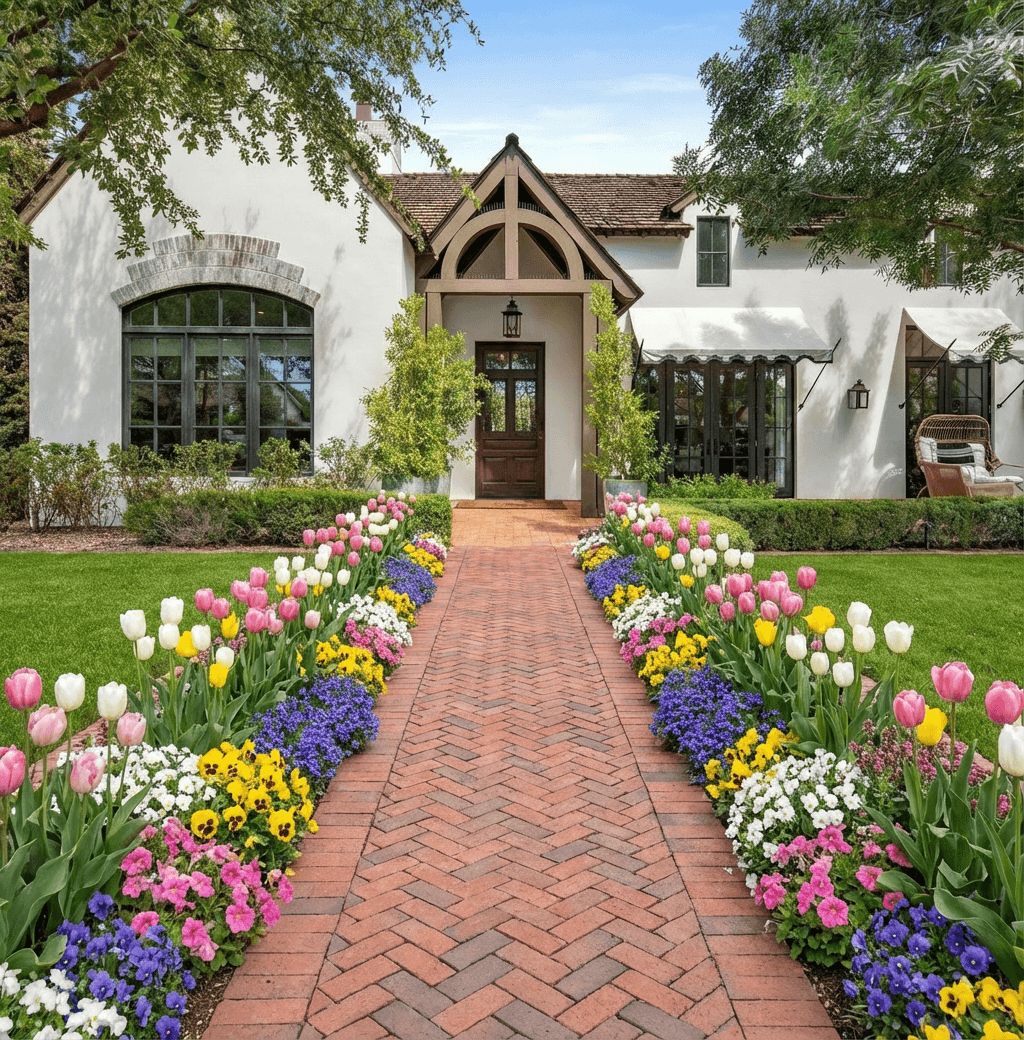
Just look at how it can take a standard suburban home and show you exactly what it would look like with a professionally designed landscape. The before-and-after comparison makes the potential crystal clear.

Seeing a project like this, with fully mature plants and finished hardscaping, bridges that gap between imagination and reality.
Smarter Designs That Thrive in Your Climate
The built-in climate intelligence is perhaps the most valuable part of this new technology. The classic 20th-century suburban lawn became the default for decades, often without any thought for local ecosystems. As a result, 80% of American homes now have lawns, which together cover 50 million acres and drink up to 3 trillion gallons of water each year—a model that's simply not sustainable. You can read more about this in the history of modern landscaping trends.
AI tools tackle this problem by recommending plants specifically suited for your USDA Hardiness Zone. This one simple step radically increases your project's chance of success and saves you from the heartbreak and expense of planting species that can't survive your local climate.
By filtering for climate-friendly options, these tools naturally guide you toward smarter, more resilient designs. You might explore a xeriscape that can cut your water use by 50-75% or a garden filled with native plants that supports local birds and pollinators. You can learn even more about how to leverage AI for landscape design in our detailed guide.
Ultimately, these tools are making good design accessible to everyone. They give homeowners, agents, and contractors the power to create landscapes that are more beautiful, more sustainable, and better suited to their environment. You get to skip the expensive trial-and-error and jump straight to a buildable plan you know you'll love for years to come.
An Action Plan for Bringing Your Design to Life
You’ve got the perfect design. Whether you dreamed it up on a napkin or used a design tool to nail the vision, that concept is your north star. Now for the exciting part: making it real. This is where your landscape design for front yards moves from a picture on a screen to a living, breathing part of your home.
Before you grab a shovel, let's talk strategy. A successful project hinges on a realistic budget, a smart timeline, and a clear decision on who will do the heavy lifting. Getting this right is the key to ensuring the final result is every bit as good as the dream you started with.
Mapping Out Your Budget and Timeline
Let's be honest: a full front-yard makeover can be a big investment. But it doesn't have to be an all-or-nothing shock to your wallet. The secret is to phase the project.
Instead of tackling everything at once, you can break the installation into manageable chunks over a few seasons.
- Phase 1 (The Foundation): Start with the hardscaping. Get your pathways, patios, and any retaining walls installed first. This is often the most disruptive work involving heavy equipment and digging, so it’s great to get it done and out of the way.
- Phase 2 (The Structure): Now it's time for your "backbone" plants. These are the trees and larger shrubs that will define the space for years to come, giving your garden its core structure.
- Phase 3 (The Details): This is the final layer. You'll fill in the gaps with perennials, groundcovers, and finishing touches like mulch and landscape lighting. This phase is all about adding color, texture, and personality.
This phased approach not only spreads out the cost but also lets you live with the evolving design. You might find you want to make small adjustments along the way, and this gives you the flexibility to do just that.
DIY vs. Hiring a Pro
The next big question is who’s going to do the work. Your answer will come down to a trade-off between your budget, your skills, and how much free time you have.
| Approach | Pros | Cons |
|---|---|---|
| DIY (Do-It-Yourself) | - Lower overall cost - Complete control over the process - Huge sense of accomplishment |
- Can be physically exhausting and slow - Requires specialized tools and knowledge - Mistakes can be expensive to fix |
| Hiring Professionals | - Expert knowledge and efficiency - Access to proper equipment - A polished, professional finish |
- Significantly higher cost - Less hands-on personal involvement - You need to find a reliable contractor |
Here’s where a tool like Curb Appeal AI becomes incredibly valuable. It acts as a bridge between you and a contractor. You can hand them a photorealistic render and say, "I want this." It eliminates guesswork, helps you get accurate quotes, and makes sure your vision is executed perfectly.
Smart Maintenance for a Lasting Landscape
Your job isn't quite finished when the last plant goes in the ground. A truly successful landscape is one that thrives for years without demanding all your free time. That means planning for maintenance from the very start.
When selecting plants, stick to species that are well-suited to your climate; they’ll require far less water and fuss. A good-quality landscape fabric under mulch or gravel will save you countless hours of weeding. And by grouping plants with similar water needs, you can make your irrigation far more efficient.
A beautiful, low-maintenance front yard isn't an accident—it's the direct result of smart choices made at every step of the journey.
Answering Your Front Yard Design Questions
Whenever you start a big new project, a lot of practical questions pop up. Let's tackle some of the most common ones I hear from homeowners planning their front yard landscape.
How Much Should I Budget for Landscaping?
This is the big one, isn't it? A popular guideline is to set aside 5% to 15% of your home's total value for a complete landscape overhaul. But honestly, that number can swing wildly depending on what you're planning.
If you're rolling up your sleeves for a DIY weekend of new plants and fresh mulch, you might only spend a few hundred dollars. On the other hand, a full professional installation involving patios, walkways, mature trees, and an irrigation system can easily run $15,000 or more. Breaking a larger vision into phases is a great way to make the cost more manageable over time.
How Do I Create a Low-Maintenance Yard?
The real secret to a low-maintenance yard is making smart choices right from the very beginning. It's all about working with your environment, not against it.
- Pick the Right Plants: Always start with native or climate-adapted plants that are already happy in your local soil and sun conditions. This simple step dramatically cuts down on watering, fertilizing, and fighting off pests.
- Use Good Mulch (and Lots of It): A thick, 2- to 3-inch layer of quality mulch is your best friend. It smothers weeds, helps the soil hold onto moisture, and keeps root temperatures stable.
- Rethink Your Lawn: This can be a tough one for people, but shrinking or even eliminating your lawn is the single most effective way to reduce time spent mowing, watering, and fertilizing.
A truly great landscape feels right from day one, even before the plants fill in. The "bones" of the design—your paths, patios, and other hardscape elements—should have a natural flow and solid structure. Get that part right, and the rest will follow.
Do I Need a Designer for a Small Yard?
While a good designer can work magic in any size space, a small front yard is often the perfect project for a motivated DIYer. The trick is to plan meticulously before you dig a single hole.
With a smaller canvas, your goal is to create impact without clutter. Focus on establishing one clear focal point, use vertical elements like a trellis or a tall planter to draw the eye up, and stick to a simple, unified plant palette. This creates a feeling of intention and polish, not chaos.
Ready to stop imagining and start seeing what's possible? With a tool like Curb Appeal AI, you can generate dozens of professionally designed, climate-appropriate concepts for your actual home in minutes. Give it a try for free and find the perfect look for your front yard today.