10 Ideas for Front Garden Landscaping in 2026
You pull into the drive after work and the front of the house still feels off. The lawn may be thin, the beds may drift without a clear shape, or the entry may disappear behind overgrown shrubs. That first view sets the tone for the whole property, and it affects how the house feels every time you come home.
Front gardens are often hardest to plan because the decisions are tied together. Planting style affects maintenance. Paving choices affect drainage and cost. A design that looks right in a photo can feel awkward against the wrong architecture, or ask for more upkeep than the household will realistically give.
This guide is built to close that gap between inspiration and execution. Each front garden style is broken down into the parts homeowners need to choose: suitable plants, material palettes, where the look works best, common mistakes, and the rough cost and time commitment involved. If you want to test options before making changes, this AI front yard landscape design guide can help you compare layouts and visualize how a style might fit your house.
Good front garden design also has practical resale value, but the payoff depends on the choices. Clean edges, clear paths, healthy planting, and a front entry that reads well from the street usually do more than expensive features used in the wrong place. I tell clients to treat the front yard as a working composition, not a collection of upgrades.
If you're also rethinking how the whole exterior functions, not just the planting beds, these outdoor living space design ideas can help connect the garden to paths, seating, and entry features.
1. Modern Minimalist Front Gardens

A modern minimalist front garden works when the house already has strong lines. Think flat planes, simple rooflines, black window frames, crisp paving, and a restrained palette. If the architecture is busy or highly traditional, this style can still work, but only if you soften it enough that the yard doesn't look like it belongs to a different property.
The biggest mistake is going too hard on hardscape. A front yard that is all gravel, concrete, and three lonely plants rarely feels refined. It usually feels unfinished.
What to use
Keep the palette tight. Two or three materials are enough.
- Plants: Columnar evergreens, clipped shrubs, ornamental grasses, agave or hardy succulent types in suitable climates, sculptural shrubs with clear form
- Materials: Poured concrete, large-format pavers, steel edging, black mulch, pale gravel, simple composite steps or platforms
- Color direction: Green, gray, charcoal, white, and one accent if needed
I usually aim for a visible contrast between hard and soft elements, but not a sterile one. Some softness is what stops minimalist design from looking commercial.
Practical rule: If every surface is hard and every plant is isolated, the yard won't feel calm. It will feel cold.
Cost, time, and where it works
This is often a mid-range to higher-range project because clean geometry requires careful layout. Budget less for plant quantity, more for precision. Small front yards can often be completed faster than cottage or pollinator styles because there are fewer species and cleaner bed lines.
It fits urban lots, desert-edge properties, contemporary new builds, and homes where the owner wants low visual noise. For layout inspiration before any demolition, test a few concepts with design for front yard landscape.
What works:
- Repeating shapes: Rectangles, long bands, or offset squares create order.
- One strong focal point: A specimen plant, a raised planter, or a clean stair run does more than ten small features.
- Intentional empty space: Negative space gives architectural planting room to breathe.
What doesn't:
- Mixing too many finishes: Concrete, river rock, brick, bark, and tile together create clutter fast.
- Random plant spacing: Minimalist gardens depend on placement. Sloppy spacing ruins the effect.
2. Cottage Garden Landscapes

Cottage planting looks effortless only after a lot of thought. That's the truth people don't mention. The charm comes from density, overlap, and seasonal change, but if you skip structure, it turns messy in one growing season.
This style suits older homes, porches, picket fences, and any facade that benefits from softness. It can also rescue plain suburban architecture by adding depth and personality near the entry.
Build the abundance carefully
Start with a backbone. Roses, hydrangea, small shrubs, or evergreen anchors keep the garden readable when the perennials are cut back or between bloom cycles. Then layer in the billowy plants. Lavender, salvia, nepeta, foxglove, monarda, yarrow, and self-seeding annuals all create that loose, romantic look.
Near the door, fragrance matters more than people think. Lavender, thyme, and old-fashioned roses make an entry feel lived-in rather than staged.
A curved path helps this style. So do arches, trellises, and simple gates. Straight lines can work, but they need softer planting edges.
A good cottage garden isn't random. It repeats colors, leaf shapes, and flowering windows so the abundance still feels composed.
Cost, maintenance, and trade-offs
This is usually plant-heavy rather than hardscape-heavy. Initial installation can be moderate, but maintenance is ongoing. Cottage gardens need editing. Plants flop, self-seed, lean into paths, and compete.
Best uses:
- Traditional homes: Especially with porches, shutters, or painted trim
- Smaller front yards: Dense planting can make a compact space feel generous
- Gardeners who enjoy seasonal work: Deadheading, dividing, and reshaping are part of the look
Less ideal:
- Very dry sites without irrigation
- Homes where you want a highly controlled, geometric appearance
- Owners who want a near-zero-maintenance front yard
For rough planning, think in phases. Hardscape and structure first. Major shrubs next. Then fill with perennials over time. That's often the smartest way to build the look without buying everything at once.
3. Xeriscaping And Desert Landscapes
A front yard that gets full sun all afternoon and bakes through summer needs a different strategy than a cottage border. Xeriscaping is one of the most misunderstood ideas for front garden design, yet it often solves the exact problem many homeowners are dealing with: high water use, struggling turf, and planting that never quite settles in.
Done well, this style feels deliberate and architectural. It uses drought-tolerant plants, controlled spacing, and mineral ground covers to create contrast instead of relying on constant bloom. In dry regions, that usually means lower water demand and fewer replacement plants over time. In my experience, the strongest versions avoid the all-rock look and give each plant enough room to read clearly from the street.
What actually makes xeriscaping work
Start with hydrozoning. Group plants by water need, sun exposure, and soil conditions so irrigation can be set accurately. An agave bed, a low-water native border, and a slightly thirstier entry container area should not all be on the same schedule.
The planting mix matters just as much as the irrigation plan:
- Structural plants: Agave, yucca, sotol, aloe in mild climates, cactus where winter conditions allow
- Softening plants: Deer grass, muhly grass, blue fescue, damianita, trailing lantana in suitable regions
- Flowering color: Penstemon, salvia, gaura, desert marigold, blackfoot daisy, regional natives
- Ground materials: Decomposed granite, gravel mulch, stone fines, boulder accents, dry creek swales where drainage needs help
Drip irrigation is usually the right choice here. Deep, infrequent watering builds stronger root systems than overhead spray, and it keeps pathways and walls cleaner.
For homeowners who need help picturing a water-wise front yard before they commit, this guide to drought-resistant landscaping is a practical place to start. It helps translate the style into actual layout ideas rather than mood-board inspiration alone.
Cost, effort, and trade-offs
Xeriscaping is rarely the cheapest option on day one. Good grading, weed control, boulders, edging, and quality specimen plants can push the initial cost into the moderate or high range. The payoff usually comes later through lower water use, less mowing, and fewer seasonal resets.
A rough planning approach:
- Lower budget: Reduce lawn, add gravel mulch, install a small drip zone, and plant younger drought-tolerant shrubs and grasses
- Mid-range: Rework bed shapes, improve irrigation, add specimen plants, and use better stone or decomposed granite
- Higher budget: Regrade for drainage, add boulders or retaining elements, install full hardscape updates, and use larger feature plants for immediate impact
Common mistakes show up fast:
- Too much exposed rock: It raises surface heat, looks flat, and still does not stop weeds
- Planting for a desert look instead of the local climate: A Sonoran-style palette will not perform the same way in humid or cold regions
- Ignoring shade near the entrance: Stone and gravel can reflect heat back toward the house and make the entry uncomfortable
- Using scattered single plants: The result feels random. Repetition creates order
This style works best on hot, bright sites, contemporary or ranch homes, and front yards where water savings matter more than dense floral display. It is less convincing where the architecture wants lushness or where homeowners expect a green, shaded look year-round.
If you want the result to feel finished, use a limited palette and repeat it. One gravel tone, two or three key plant forms, and a clear path material will carry the design much farther than a long shopping list.
4. Mediterranean-Style Front Gardens

A Mediterranean front garden suits the homeowner who wants a softer, more romantic look than xeriscaping, but still needs planting that can handle heat and lean soil. It reads best with architecture that already has some warmth in it. Stucco, stone, clay roof tones, arched details, timber doors, and ironwork all help the style feel believable.
The mistake I see most often is treating this as a plant list instead of a design language. The look comes from the combination of clipped structure, sun-baked materials, restrained color, and pockets of fragrance near the path and entry.
The palette that carries the look
A strong Mediterranean scheme usually relies on a short, repeated palette rather than lots of variety.
- Plants: Lavender, rosemary, santolina, thyme, sage, bay laurel, Italian cypress or other upright evergreens, olives where winters allow
- Materials: Gravel, limestone or travertine, warm-toned pavers, terracotta pots, stone walls, simple water bowls or wall fountains
- Color direction: Silver, gray-green, cream, sand, ochre, muted rust
Use the plants in groups. One clipped evergreen at the door, a drift of lavender along the walk, and a pair of terracotta pots will usually carry the theme better than ten different shrubs. The entry should feel settled and sun-washed.
Climate fit matters more than style accuracy
Classic Mediterranean plants are not universally reliable. Olive trees struggle in colder regions. Lavender can fail in humid climates with heavy soil. Citrus often needs winter protection outside mild zones. Good design work adapts the character of the style to local conditions instead of forcing an exact copy.
That trade-off usually looks like this:
- Authentic plant palette vs regional substitutes: Use local plants with the same texture, color, and habit if the classic species will decline
- Real terracotta vs frost-safe alternatives: Real clay develops beautiful patina, but freezing weather can crack it
- More gravel vs more planting: Gravel keeps the look clean and reduces irrigation demand, but too much can make the front yard feel sparse and hot
- Formal geometry vs relaxed softness: Mediterranean gardens usually work best with both, a clear path layout and looser planting at the edges
Budget, effort, and how to plan it
This style can be done at several price points. A modest version might include reshaped front beds, gravel mulch, a few structural shrubs, and two large containers by the entrance. A mid-range project often adds stone edging, upgraded paving, drip irrigation, and larger specimen plants. Higher-end installs usually include masonry, mature olives or cypress, custom pots, and a water feature.
Maintenance is moderate. Lower than a flower-heavy cottage front, higher than a simple gravel and shrub scheme. Expect seasonal pruning, some deadheading, and occasional plant replacement if the site stays too wet in winter.
If you are trying to picture the balance before buying materials, mock up two or three versions in Curb Appeal AI. Test how much gravel the yard can handle, whether cypress forms help the house look taller, and how terracotta reads against the facade color. That step saves money because Mediterranean gardens depend heavily on proportion. Too many features and the whole front starts to feel staged.
This style works especially well for sunny entries, warm-colored homes, and homeowners who want fragrance, structure, and lower water demand without giving up character.
5. Tropical And Lush Landscape Gardens
A tropical front garden makes the strongest impression of any style on this list. It announces itself. Large leaves, saturated greens, layered canopies, and bold flowers create a resort feel that can completely change how a standard house reads from the street.
It also asks more from the site. Tropical planting needs enough warmth, moisture, and shelter to look full instead of stressed.
Layering matters more than species count
The most successful tropical-style fronts are built in tiers. You want overhead shape, a middle layer with broad foliage, and a lower layer that softens edges near paths and foundations.
Think in vertical zones:
- Top layer: Palms or small canopy trees suited to the climate
- Middle layer: Bird of paradise, gingers, philodendron-type foliage, crotons, cordylines, or hardy tropical-look substitutes
- Lower layer: Liriope, ferns, spreading groundcovers, colorful annual fillers
In cooler regions, you can still borrow the style. Cannas, elephant ears, bananas, and dramatic annuals can create the look seasonally. Just be honest about the upkeep. If you're replanting every year, it isn't low maintenance.
Bold foliage does the heavy lifting. Without it, a so-called tropical garden often becomes just a mixed shrub bed with bright flowers.
Cost and practicality
Tropical gardens can move quickly from moderate to expensive because larger foliage plants are often sold at premium sizes. Irrigation and drainage also matter. Wet-loving plants in poorly drained soil don't create lushness. They create rot.
This style works well for:
- Warm, humid climates
- Pool-adjacent front courtyards
- Homes where privacy screening is needed near the street
It works less well for:
- Exposed windy sites
- Cold entry zones with repeated frost
- Owners who dislike pruning and cleanup after rapid growth
One practical tip. Keep the path to the front door wider than you think you need. Lush planting loves to spill. That's part of the beauty, but only if guests aren't brushing through wet leaves to reach the porch.
6. Native Plant And Pollinator Gardens
A well-designed native front garden changes the feel of an entry in a different way than a flower-heavy border or a clipped foundation bed. It gives the house a stronger sense of place. Birds, bees, and butterflies use it. The maintenance profile often drops over time. The catch is that it still has to read clearly from the street.
That is the part homeowners often underestimate.
A native planting can be formal, meadow-inspired, or somewhere in between, which makes it one of the more adaptable front garden design directions. As noted earlier, interest in native and habitat-focused yards has grown. The better projects balance ecology with visual order instead of treating the front yard like a restoration site.
How to make it look intentional
The front yard is viewed fast. Neighbors and guests notice shape before they notice plant names, so structure carries the design.
Group plants in broad drifts instead of scattering one of everything. Repeat the same few species so the bed reads as a composition, not a collection. Use a strong edge at the sidewalk, driveway, or lawn line. Stone, steel edging, a clipped strip of turf, or a low fence all work.
A dependable native palette usually includes:
- Spring bloomers: Regional columbine, penstemon, baptisia, or other early native perennials suited to your area
- Summer structure: Coneflower, bee balm, mountain mint, native grasses, coreopsis
- Fall interest: Asters, goldenrod, late-season grasses, seed heads
- Winter presence: Upright grasses, shrubs with strong branching, and regional evergreens where they make sense
If you want to test the look before planting, use Curb Appeal AI to compare two or three versions of the same front yard. Try one with tighter edging and fewer species, then another with a looser meadow look. That usually makes the trade-off visible very quickly.
Cost, timing, and the real trade-off
Native gardens are lower input once established, but the first two growing seasons usually require the most discipline. Weed pressure is highest early, especially if the soil seed bank is active or spacing is too wide. I usually tell homeowners to budget more attention up front and less later.
For a small to متوسط front bed, costs often stay in the moderate range if you start with quart and one-gallon plants rather than buying everything at mature size. A simple pollinator-focused refresh can often be installed over a weekend. A larger conversion with bed prep, edging, and new paths takes longer and benefits from phased planting.
What works well:
- Mass planting: Repetition reads clearly from the curb
- Local sourcing: Regionally grown plants usually establish faster
- Visible structure: Paths, edging, boulders, or a simple focal shrub keep the design grounded
- Four-season planning: Native grasses and seed heads carry the garden after bloom season
What causes problems:
- Meadow species stuffed into narrow foundation beds
- Ignoring mature width near walks and windows
- Too many short-lived bloomers without backbone plants
- Soft, undefined front edges that make the yard look unkempt
One practical rule helps in tidy neighborhoods. Keep the outer edge crisp and let the habitat value happen inside that frame. That gives pollinators what they need without making the front of the house look accidental.
7. Sustainability-Focused Green Infrastructure
A front yard with runoff problems usually gives itself away fast. Water sheets across the walk, mulch washes into the driveway, and the same corner stays soggy for days after rain. Green infrastructure addresses those issues while still reading as a designed front garden.
This style suits homes where drainage is already affecting plants, paving, or daily use. It also fits homeowners who want lower water waste and a yard that works with local rainfall instead of fighting it.
Functional features that still look residential
The best projects start with water flow, not plant shopping. Track where downspouts discharge, where the grade falls, and where water exits the site during a storm. Once that pattern is clear, the design choices get much easier.
A few elements do most of the work:
- Rain gardens: Good near downspouts or low spots that already collect water
- Permeable paving: Useful for front walks, parking strips, and small hardstand areas where standard paving traps runoff
- Moisture-tolerant planting: Choose species that can handle wet spells and then dry down without collapsing
- Mulched basins and swales: Slow water, reduce erosion, and make the system easier to maintain
I usually recommend giving these gardens a strong frame. Stone edging, a defined basin shape, and a clear path keep the yard looking intentional while plants establish. Without that structure, a new installation can read like a drainage fix instead of a front garden.
Water needs a visible destination. If you cannot point to where runoff goes after a storm, the design is unfinished.
Plant and material palette
Plant selection matters here because these beds cycle between extremes. In many regions, that means using tough grasses, sedges, iris, joe-pye weed, switchgrass, soft rush, inkberry, red twig dogwood, or other plants matched to local rainfall and soil. Gravel, river stone, shredded hardwood mulch, and permeable jointing materials also need to fit the job, not just the look.
If you want a more natural, productive edge in the planting, seed-grown annuals and self-sowers can fill gaps in year one. This guide on where to buy heirloom seeds can help with sourcing, but keep edible or delicate plants out of the wettest collection zones unless the site supports them.
Cost, timing, and the real trade-off
Costs swing more here than in most front garden styles because site conditions drive the work. A simple retrofit, such as redirecting one downspout into a planted basin, can be done in a weekend. Regrading, permeable paving, or correcting runoff near the foundation usually pushes the project into professional-install territory.
The trade-off is straightforward. Upfront work is higher, but repeated patching usually costs more over time. If a front yard already loses mulch, drowns plants, or undermines paving, I would fix water movement before spending money on decorative planting.
Curb Appeal AI is useful at the concept stage because this style can be hard to picture from a sketch alone. Use it to test basin shapes, path materials, stone placement, and planting density before you commit to excavation.
8. Edible And Productive Landscape Gardens
A productive front yard can be beautiful, but it has to look intentional. That's the dividing line between an edible garden design and a row of vegetables dropped into the front lawn.
This style fits homeowners who want to harvest. If you don't enjoy picking herbs, checking irrigation, or refreshing seasonal crops, don't force an edible front garden just because you like the idea of it.
Make food crops behave like design elements
Raised beds help immediately because they create edges and proportion. So do espaliered fruit trees, clipped berry hedges, and repeated herb plantings near the walk.
Try combinations that earn their space visually:
- Herbs at the entry: Rosemary, thyme, sage, chives, parsley
- Structured edibles: Blueberries, dwarf fruit trees, artichokes, rainbow chard
- Vertical pieces: Trellised beans, cucumbers, espalier apples or pears where suitable
- Seasonal fillers: Lettuce, kale, calendula, nasturtium, basil in warm months
If you like old varieties and stronger flavor, this guide on where to buy heirloom seeds is a practical starting point for sourcing.
Where edible fronts succeed and fail
They succeed when access is easy. If the kitchen is close to the front garden, herbs and salad crops make sense. If the front yard faces a busy road, I prefer keeping edible production a little farther from traffic and focusing on ornamental edibles rather than heavy harvest crops.
They fail when homeowners forget the off-season look. Productive gardens can become empty, tired, and ragged between plantings.
Use these guardrails:
- Keep permanent structure visible: Evergreen herbs, fruiting shrubs, or raised beds should hold the design.
- Group annual crops tightly: Don't scatter vegetables everywhere.
- Respect local codes: Some neighborhoods welcome front-yard food production. Others regulate bed height, fencing, or visibility.
A good edible front garden looks like a designed setting first and a harvest space second. That's why it wins from the street.
9. Japanese Zen And Contemplative Gardens
Zen-inspired front gardens are about restraint. Not emptiness. Restraint. Every stone, plant, and line should look placed on purpose.
This style works best in front yards where noise reduction matters visually. If the house facade is already busy with mixed materials, ornate trim, and multiple levels, a contemplative garden can calm it down. If the property is tiny and cluttered, this style can also create much-needed order.
Fewer elements, better chosen
The palette is usually small. Gravel, stone, moss in suitable climates, pruned evergreens, cloud-like forms, bamboo accents where appropriate, and carefully spaced stepping stones do most of the work.
A few principles matter more than any specific plant list:
- Asymmetrical balance: Equal visual weight, not mirrored layout
- Ground plane clarity: Raked gravel, moss, or a simplified planting carpet
- Meaningful stone placement: Stones should feel anchored, not decorative leftovers
- Controlled views: The eye should move calmly toward the entry, gate, or focal stone grouping
Water can be literal or symbolic. A basin, a quiet rill, or a dry stream bed all fit the language if handled appropriately.
The common misread
Many homeowners reduce this style to "rock garden plus one Japanese maple." That usually misses the point. Authentic Zen influence depends on composition, scale, and spacing more than imported ornaments.
What works:
- A limited plant palette
- One focal move, such as a stone basin or specimen tree
- Careful pruning and immaculate edges
What doesn't:
- Crowding every corner
- Buying decorative lanterns without a coherent layout
- Mixing Zen motifs with unrelated cottage or tropical planting
Maintenance is lighter in some ways and stricter in others. You're not deadheading masses of flowers, but every weed, stray leaf, and displaced stone becomes obvious fast.
10. Colorful Perennial And Cutting Garden Borders
A good cutting border changes the feel of the house before anyone reaches the front door. In May it might read soft and fresh. By high summer, the same bed can carry bold color, seedheads, and armfuls of stems for the kitchen table. That seasonal shift is the appeal, but it only looks generous rather than chaotic when the planting has structure.
The mistake I see most often is treating this style like a shopping list of favorite flowers. Front borders need repetition, clear height planning, and enough foliage to hold the design together between bloom cycles.
Build the border around bloom sequence and stem quality
Start with three questions. How much sun does the bed get, how tall can plants grow without blocking windows, and do you want flowers mainly for display, cutting, or both?
A reliable front border usually works in layers, with plants repeated in groups instead of scattered as singles:
- Front edge: Catmint, hardy geraniums, low salvias, lady's mantle, compact edging plants that soften the path without flopping over it
- Middle layer: Coneflowers, yarrow, phlox, shasta daisies, smaller shrub roses, and other strong repeat performers with usable stems
- Back layer: Asters, ornamental grasses, taller salvias, delphiniums, verbena bonariensis, or hollyhocks where the house style can carry that height
Foliage carries as much weight as flowers. Heuchera, grasses, nepeta, and healthy rose foliage keep the border from looking thin once an early flush passes.
For palette ideas matched to sun, style, and front-yard conditions, this guide to best plants for front yard is a useful starting point. If you want to test combinations before buying, Curb Appeal AI can also help you visualize how larger drifts, color blocks, and plant heights will read from the street.
Cost, labor, and the real trade-off
This style can be phased in without the budget shock of a stone-heavy redesign. Small perennials are cheaper to buy, and many fill out well by the second or third season. A modest front border can often be installed over a few weekends. A larger, layered version takes more editing than many homeowners expect.
Maintenance is steady. Deadheading extends bloom. Dividing keeps vigorous plants from swallowing their neighbors. Taller stems may need staking, especially in exposed front gardens where wind hits hard. If you travel a lot in summer, the border can slide from lush to tired quickly.
A practical range for many homes is:
- Starter border: Lower upfront plant cost, lighter first-year impact, more patience required
- Filled-out border: Higher initial spend, faster visual payoff, less room for design mistakes because crowding shows up early
This style suits:
- Sunny front yards with at least 6 hours of direct light
- Homeowners who enjoy cutting flowers and regular garden tasks
- Traditional, transitional, and many craftsman-style homes
Less suitable for:
- Deep shade or dry root-filled sites under mature trees
- Owners who want a set-and-forget front yard
- Very strict formal facades that need tight geometry more than seasonal abundance
Front Garden Landscaping: 10-Style Comparison
| Style | 🔄 Implementation Complexity | ⚡ Resources & Maintenance | ⭐📊 Expected Outcomes | Ideal Use Cases | 💡 Key Advantages / Tips |
|---|---|---|---|---|---|
| Modern Minimalist Front Gardens | Moderate, precision design and plant selection required | Moderate upfront hardscape cost; low ongoing watering and upkeep | ⭐ High curb appeal; 📊 Low-maintenance, sculptural look | Contemporary/mid-century homes; small urban lots; busy owners | Use architectural plants; balance hardscape with 30–40% softscape |
| Cottage Garden Landscapes | Low formality but high ongoing maintenance (deadheading, pruning) | Moderate plant and water needs; affordable establishment | ⭐ Warm, abundant color; 📊 Fast visual fill-in over seasons | Farmhouse/traditional homes; temperate zones; gardening enthusiasts | Plan sequential blooms; place fragrant plants near entry |
| Xeriscaping & Desert Landscapes | Moderate, requires plant research and hydrozoning | Low water use and long-term maintenance; some initial design effort | ⭐ Major water savings; 📊 Durable, low-cost upkeep long-term | Arid/semi-arid climates; water-restricted areas; eco-conscious owners | Group by water needs; install drip irrigation and native succulents |
| Mediterranean-Style Front Gardens | Moderate, climate-appropriate plant and hardscape selection | Moderate water needs; potentially high hardscape/material costs | ⭐ Timeless, elegant curb appeal; 📊 Aromatic and edible plantings | Coastal/warm climates and Mediterranean Revival homes | Use specimen trees and terracotta; select plants suited to your zone |
| Tropical & Lush Landscape Gardens | Moderate–High, complex layering and moisture management | High water and pruning needs; frost protection in cooler zones | ⭐ Dramatic, resort-like impact; 📊 Rapid transformation in warm climates | Tropical/subtropical properties; resort-style and luxury homes | Plan canopy/understory/ground layers; ensure good drainage |
| Native Plant & Pollinator Gardens | Moderate, research regional species and bloom sequencing | Low long-term inputs and water; sourcing native stock needed | ⭐ High ecological benefit; 📊 Low-maintenance and resilient | Eco-conscious homeowners; restoration areas; any climate with local species | Prioritize local natives and sequential bloom times; avoid pesticides |
| Sustainability-Focused Green Infrastructure | High, requires site hydrology analysis and design expertise | Higher upfront costs; specialized installation; ongoing maintenance | ⭐ Reduces runoff/flooding; 📊 Improves resilience and may qualify for rebates | Properties with drainage issues; urban/suburban sites; municipalities | Integrate rain gardens/permeable paving; consult local standards |
| Edible & Productive Landscape Gardens | Moderate, requires crop planning and aesthetic integration | Moderate maintenance and harvesting; needs good sun exposure | ⭐ Provides food and educational value; 📊 Unique, usable curb appeal | Sunlit properties; families; locavore and sustainability-minded owners | Use raised beds and vertical systems; design edible elements as features |
| Japanese Zen & Contemplative Gardens | High, needs philosophical design intent and precise composition | Low plant diversity but possible specialty material costs | ⭐ Serene, contemplative atmosphere; 📊 Low maintenance once established | Small properties, townhouses, design-focused homeowners | Limit plant palette; use negative space and meaningful stone placement |
| Colorful Perennial & Cutting Garden Borders | High, careful succession and plant habit planning required | Moderate initial watering and staking; periodic division every few years | ⭐ Continuous seasonal interest; 📊 Provides cut flowers and habitat | Sunny properties; engaged gardeners; properties valuing mature gardens | Plan sequential bloom times; layer heights and schedule divisions |
From Vision to Reality: Your Next Steps
You step out to the street, look back at your house, and realize the front garden still is not doing its job. The entry feels vague. The planting does not relate to the architecture. Water may be pooling near the walk, or the whole space may read flat from the curb.
A good front garden fixes those problems at once. It changes arrival, frames the house properly, and makes maintenance more predictable if the design matches the site.
That match matters more than style preference alone. Climate, sun exposure, drainage, soil, lot width, parking needs, neighborhood character, and your tolerance for upkeep should drive the decision. I see the same mistake on real projects all the time. Homeowners choose the look first, then try to force the site to support it. A lush cottage scheme struggles in hot, exposed conditions. A stripped-back minimalist plan can feel cold against a traditional facade if the proportions and materials are wrong.
The stronger approach is to choose a direction that fits the property, then refine the details. Hot, dry sites usually perform better with xeriscape or Mediterranean planting than with thirsty mixed borders. Small shaded front yards often suit woodland-native or contemplative compositions better than flower-heavy cutting beds. If resale is part of the brief, focus on the elements buyers read fastest: a clear path to the door, healthy planting, defined edges, and a front yard that looks cared for in every season.
That practical filter saves money. It also keeps the project from becoming a cycle of replacements, patch repairs, and plants that never quite settle in.
Before buying plants or tearing out lawn, test the layout on paper or on a photo of the house. Check bed depth. Check whether the path should move. Check how much paving you want once cars, bins, steps, and door swing are considered. Many front gardens fail because the bones were never resolved before the planting started.
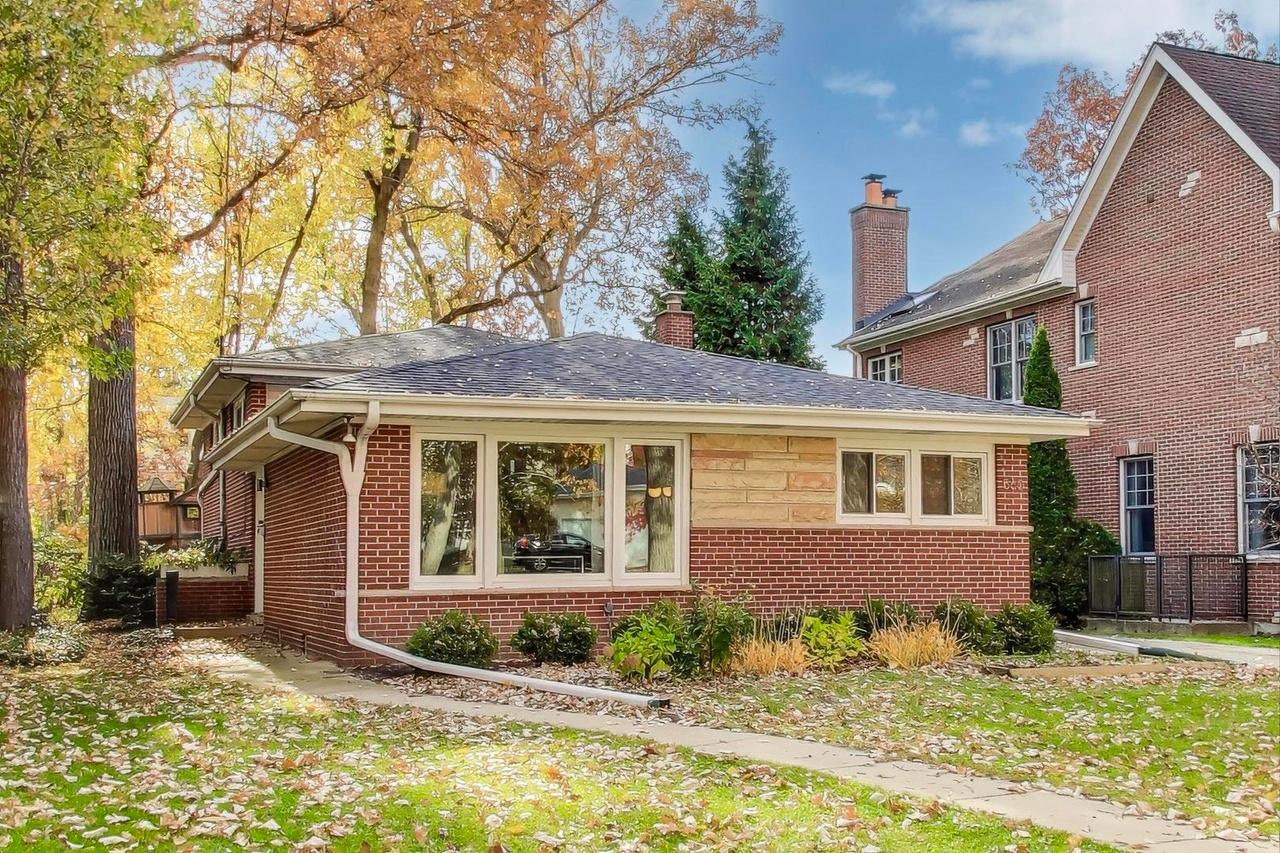
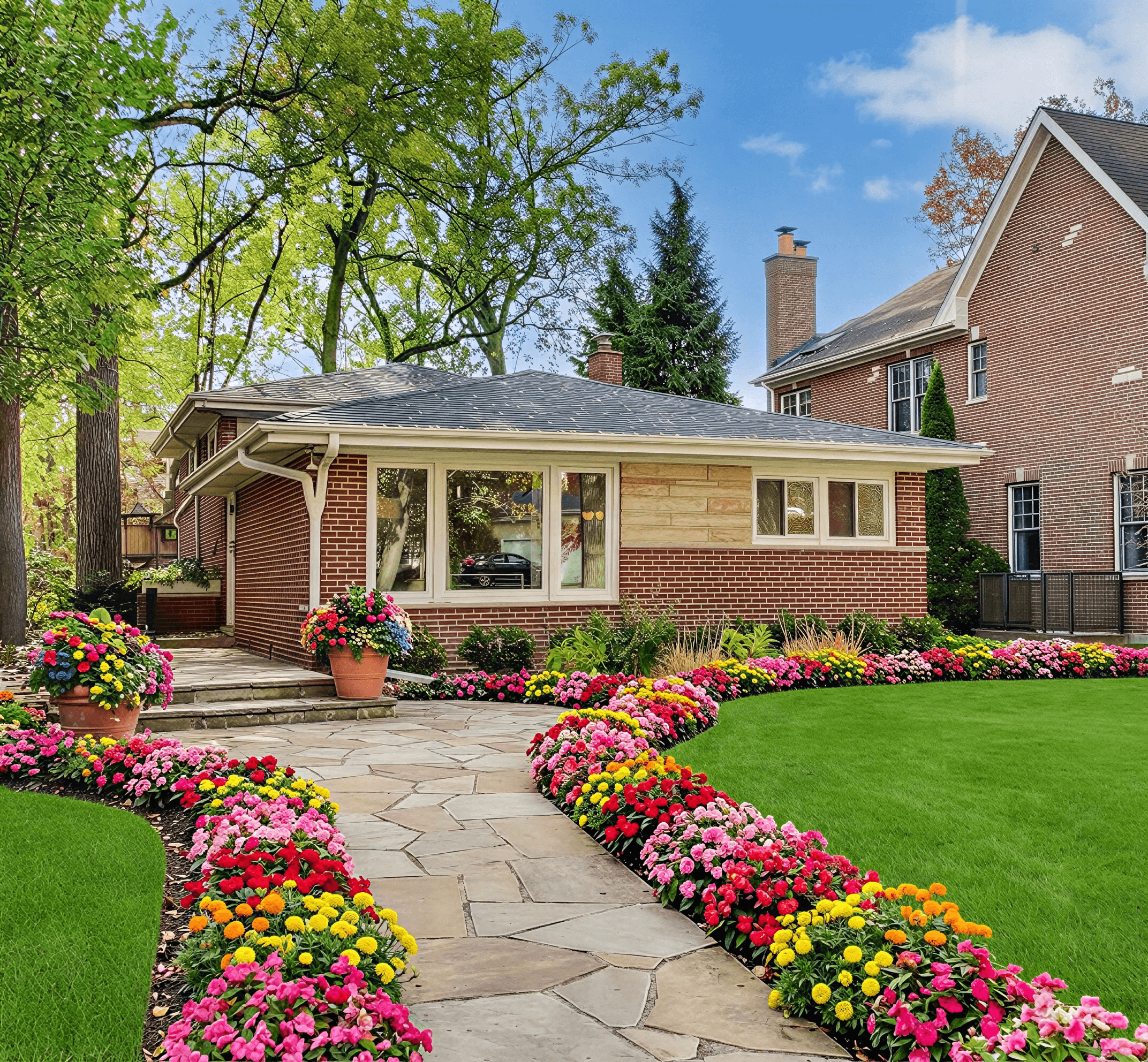
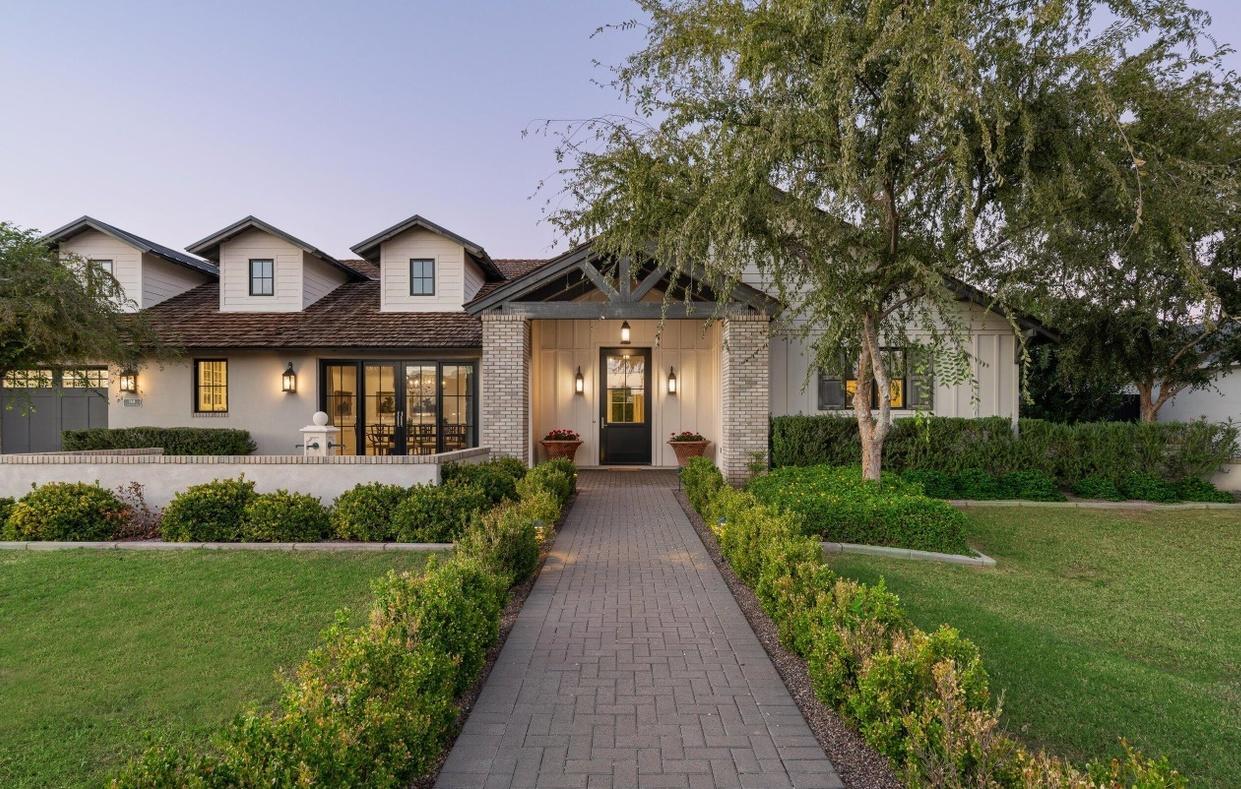
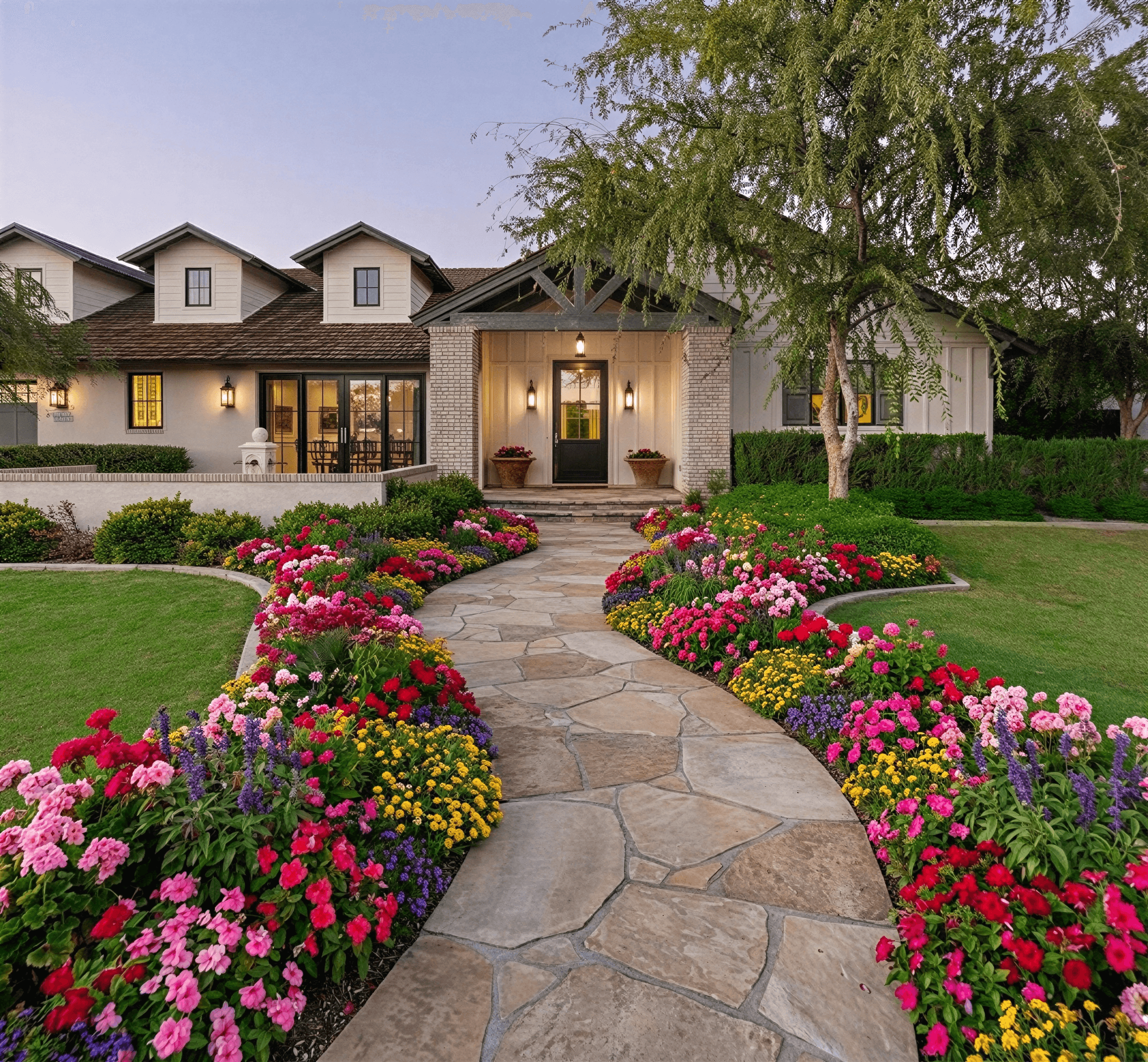
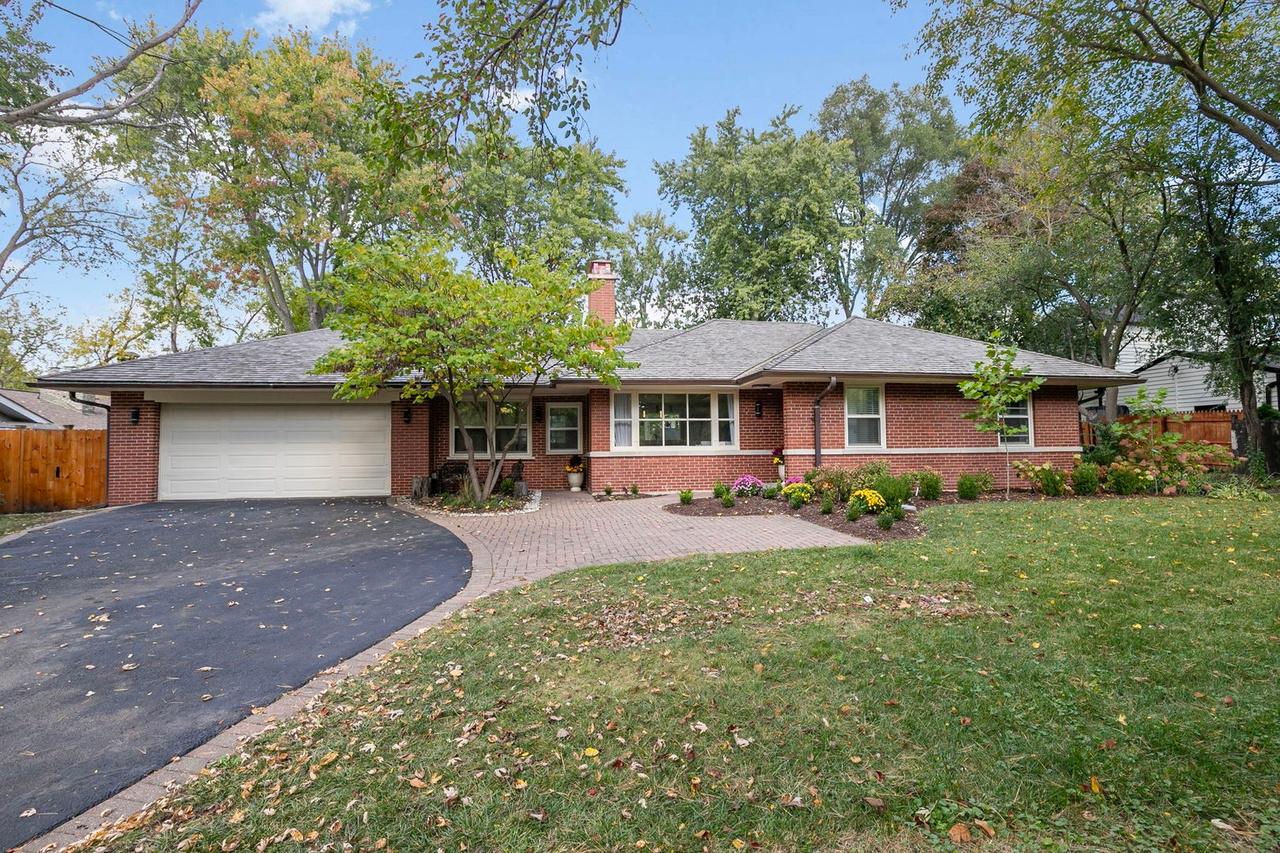
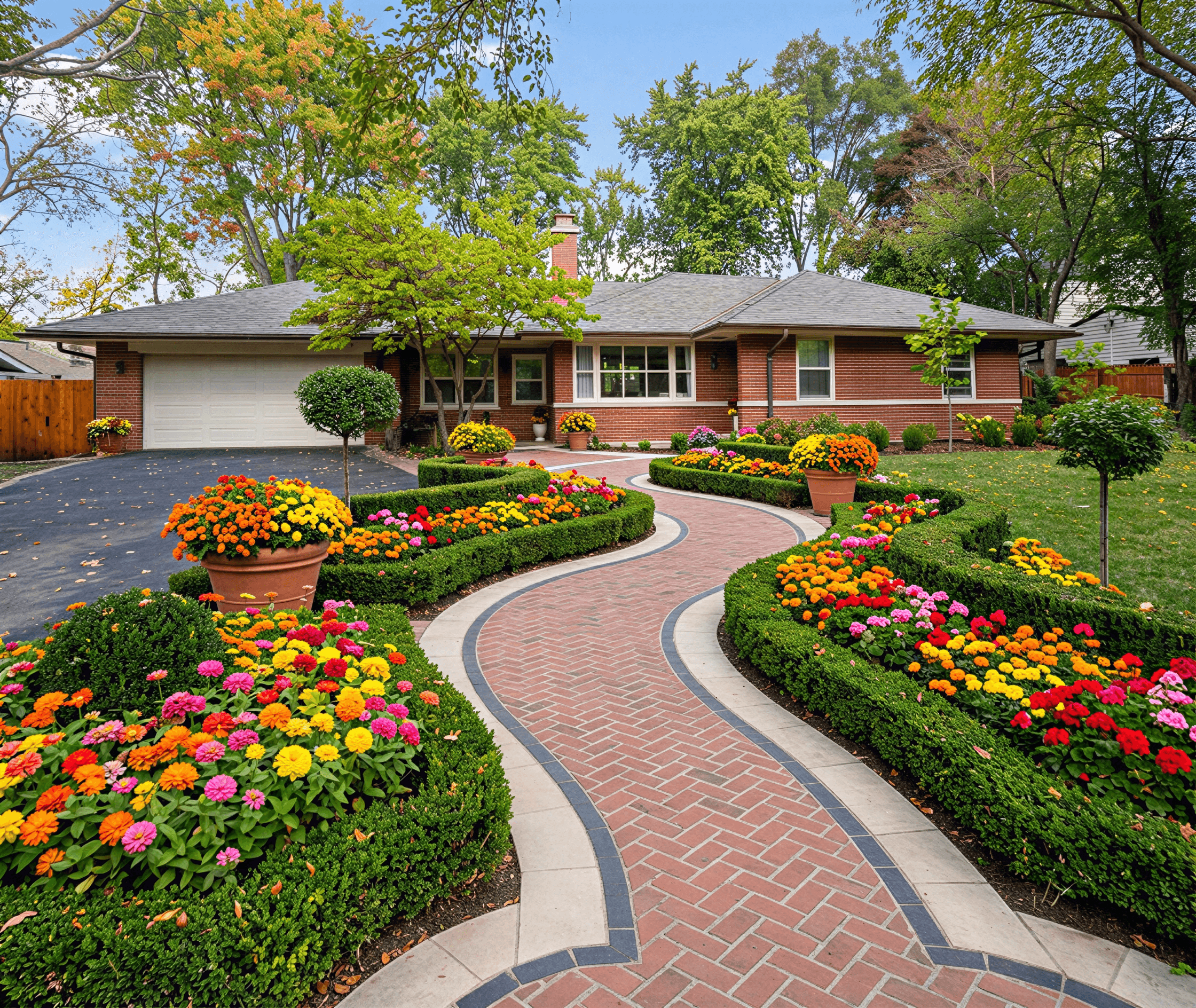
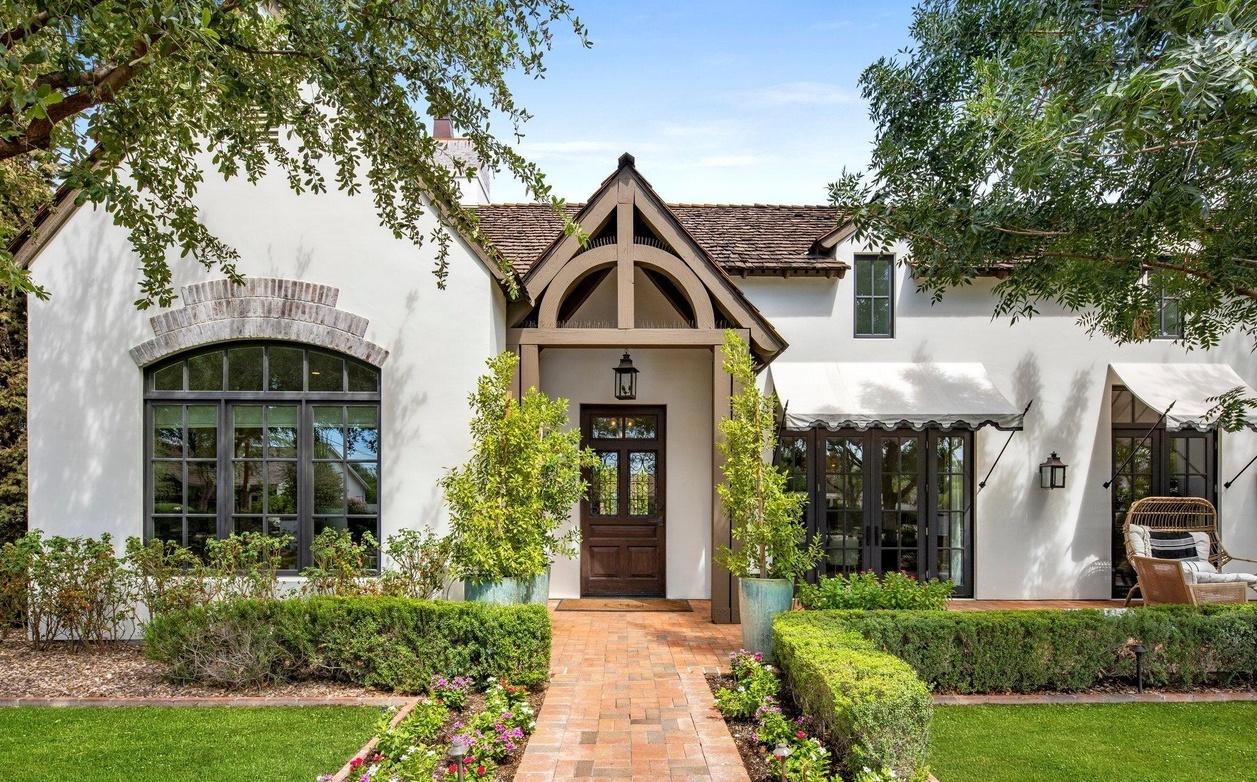
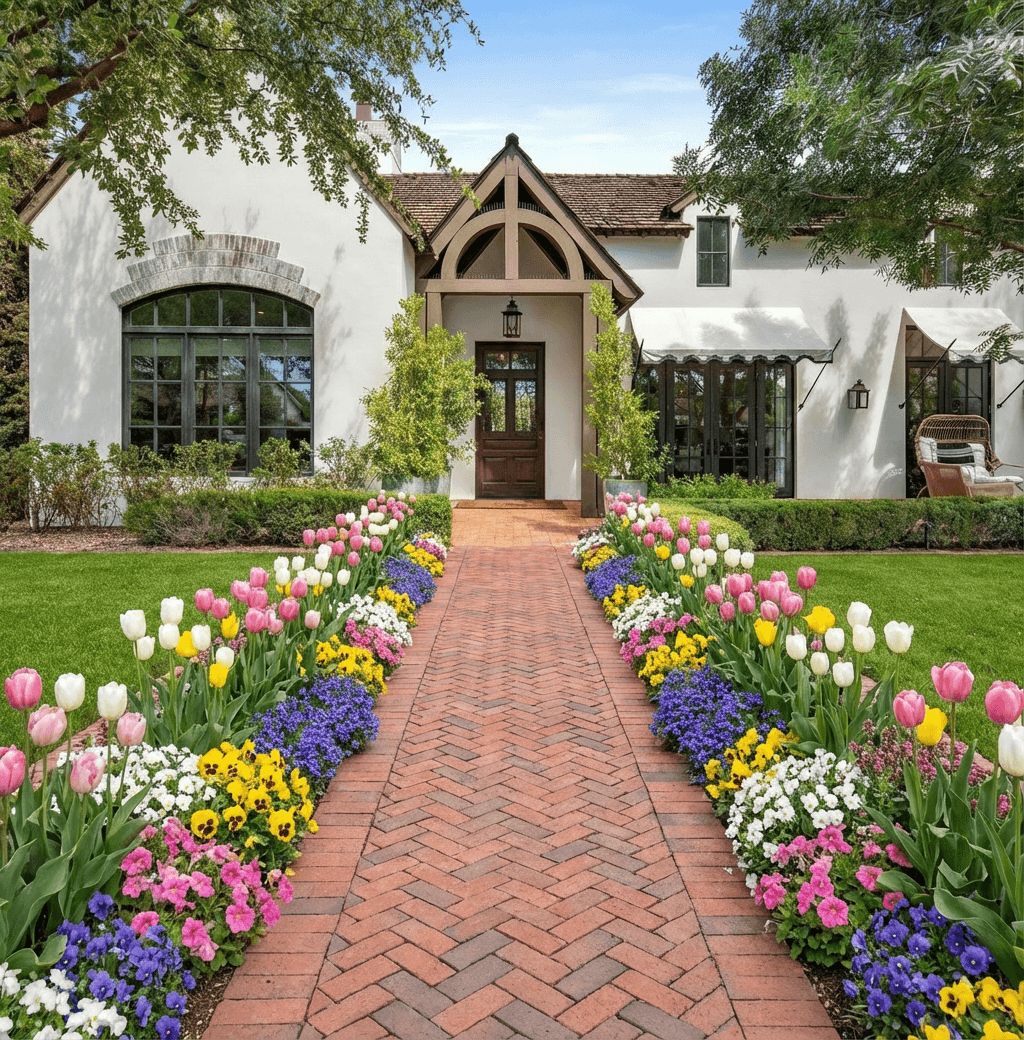
A tool like Curb Appeal AI is useful here. You can upload a photo of your home and compare different front garden directions, including Modern, Cottage, Desert/Xeriscaping, Tropical, Mediterranean, and others. That helps turn inspiration into decisions you can price and phase. You can see whether a gravel-forward plan feels too stark, whether a layered border hides the facade, or whether a broader entry path would improve the whole composition before you pay for materials or labor.
Use that test phase to narrow three things: plant palette, material palette, and scope. Plant palette means choosing what suits your light, soil, and watering reality. Material palette means limiting yourself to a few finishes that fit the house, such as gravel, brick, corten steel, limestone, decomposed granite, or timber edging. Scope means deciding whether this is a weekend refresh, a contractor-led rebuild, or a phased project completed over a season or two.
Then put rough numbers beside the idea. A simple tidy-up with edging, mulch, and a few structural plants may be manageable in a few days. A full front garden rebuild with drainage work, paving, lighting, and mature planting takes longer, costs more, and usually benefits from a contractor or designer. That is the gap many photo galleries ignore. Inspiration is easy. Choosing a scheme you can build, maintain, and afford takes a bit more discipline.
Start with one clear brief: what should the front yard do better than it does now? Guide guests to the door. Reduce water use. Improve year-round structure. Support pollinators. Grow herbs and fruit. Handle runoff. Once that answer is clear, the right style becomes much easier to identify.
Choose one direction, sketch the bones, test it on your house, and build in phases if needed. Good front gardens come from clear decisions, site-fit planting, and restraint.
If you're ready to test these ideas on your own house, try Curb Appeal AI. Upload a photo, explore different front garden styles, and compare climate-appropriate options before you hire a contractor or start planting.