Landscaping Drought Tolerant: Design Your Low-Water Yard
When most people hear “drought-tolerant landscaping,” they picture a barren wasteland of gravel and a few sad-looking cacti. Let's get that idea out of your head right now. A truly landscaping drought tolerant design isn't about what you give up; it's about what you gain: a gorgeous, vibrant outdoor space that saves you money and boosts your home’s value.
It's a smarter, more resilient way to think about your yard—one that creates a beautiful setting for your life, not a weekend chore.
Rethinking Your Yard with Drought Tolerant Landscaping
I've seen it time and time again: homeowners are shocked to discover that a water-wise landscape can be lush, colorful, and full of life. This isn't about sacrificing beauty for sustainability. It’s about making smart design choices that give you a resilient, stunning yard that works with our climate, not against it.
This shift in thinking goes way beyond just surviving the next dry spell. It's a holistic upgrade that benefits your wallet, your free time, and your property’s bottom line.
The Real-World Benefits of a Water-Wise Yard
So, why are so many homeowners, real estate agents, and contractors getting on board? The numbers and the results speak for themselves.
- Drastic Water Savings: A thoughtfully designed, water-wise garden can slash your outdoor water consumption. Homeowners in the American West have seen reductions of 50-80% compared to a traditional lawn-heavy yard. The data on this is compelling, as shown in these drought-tolerant landscaping findings.
- Less Work, More Life: Once your new landscape is established, you can say goodbye to endless mowing, fertilizing, and weeding. You get to spend your weekends actually enjoying your yard instead of just working on it.
- Boosted Curb Appeal and Home Value: A professionally designed, low-water garden is a major selling point. In fact, studies from markets like Australia show a potential value increase of 5-7% for homes featuring attractive, established xeriscaped yards.
- Built-in Climate Resilience: These landscapes are tough. They're designed to handle everything from intense summer heat to surprise watering restrictions, looking fantastic no matter what the weather throws at them.

From Concept to Reality
I get it—one of the biggest hurdles is just trying to picture it. It’s hard to imagine how a mix of native grasses, flowering perennials, and clean gravel pathways will all come together around your own home.
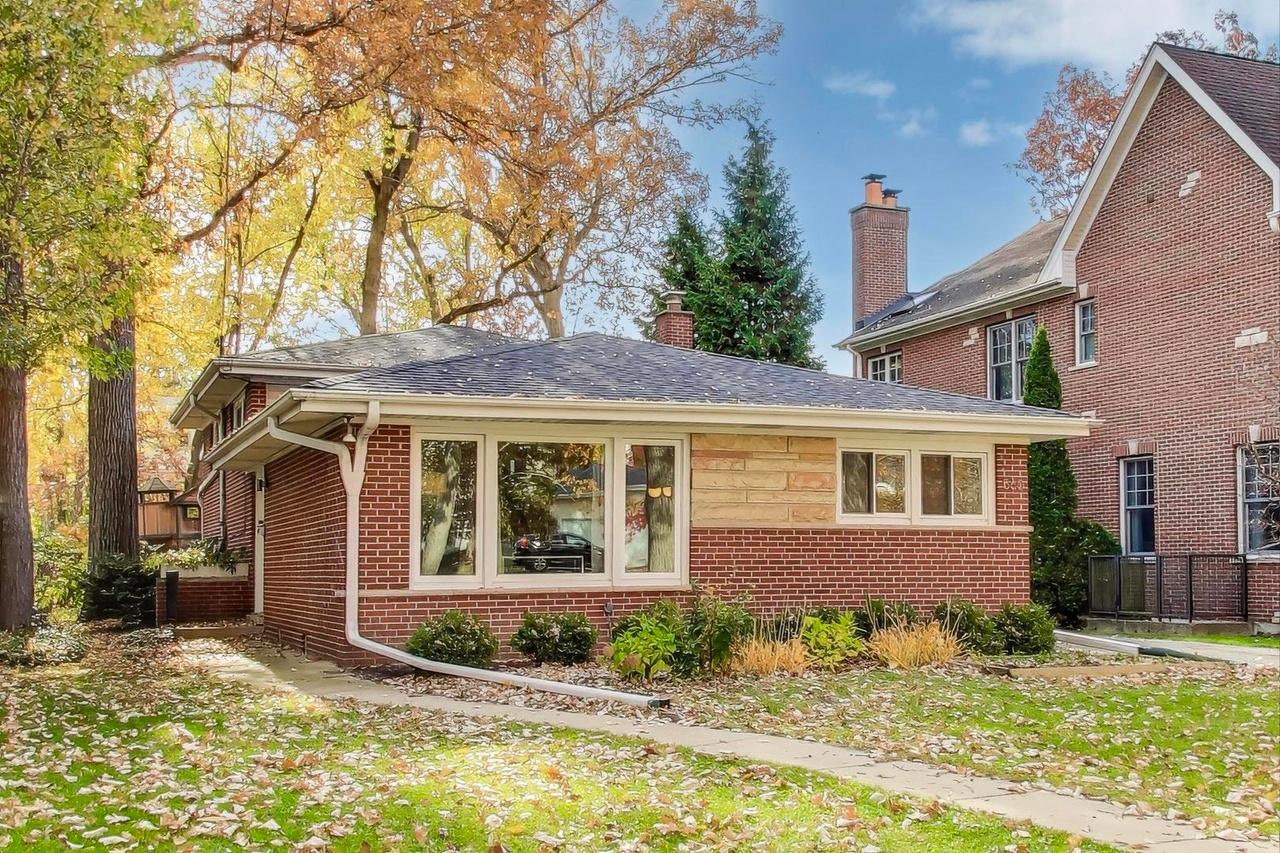
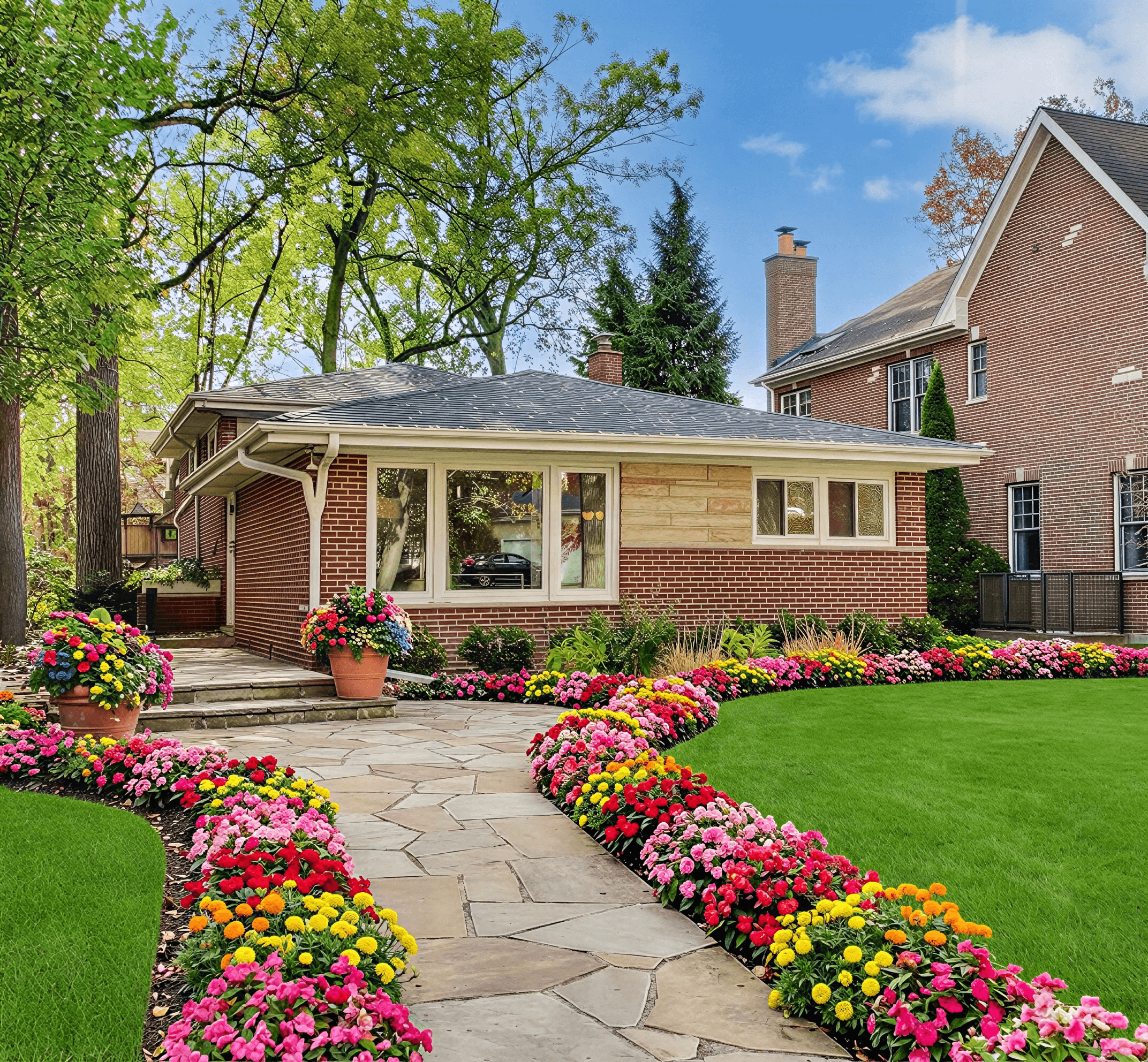
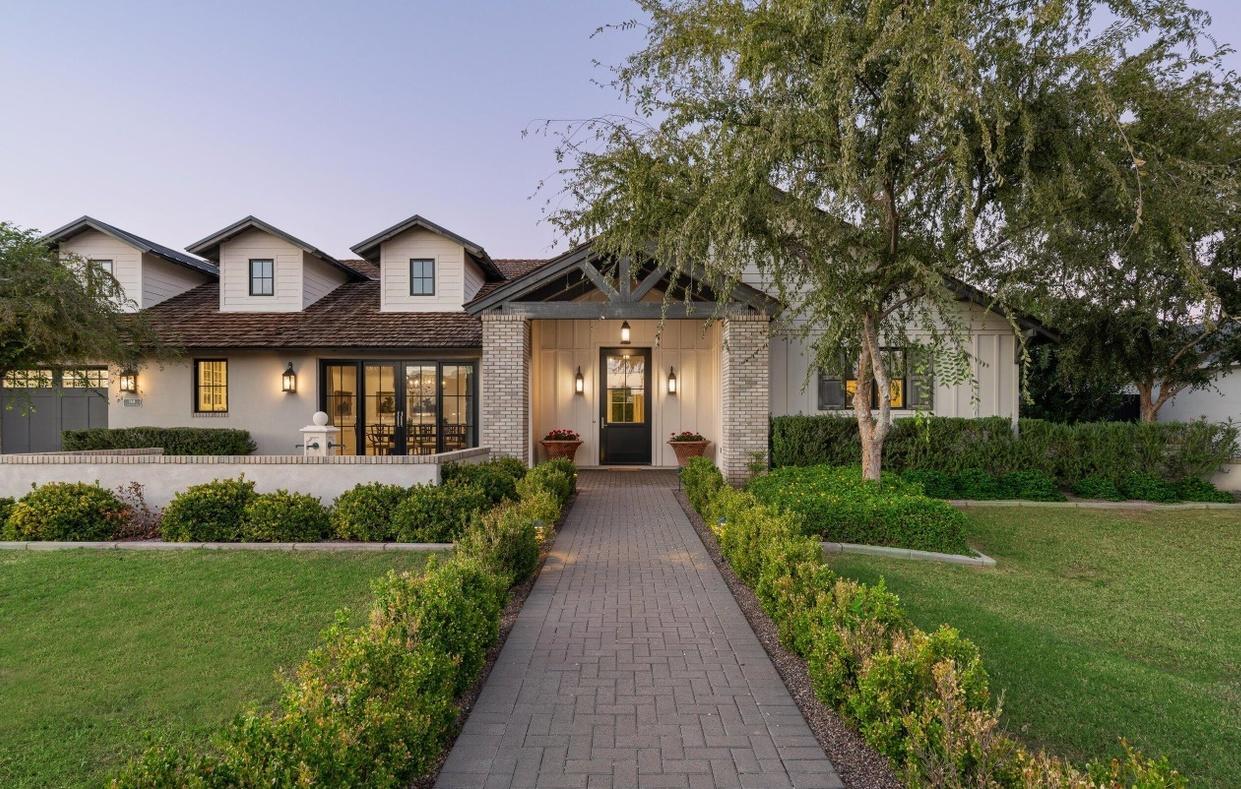
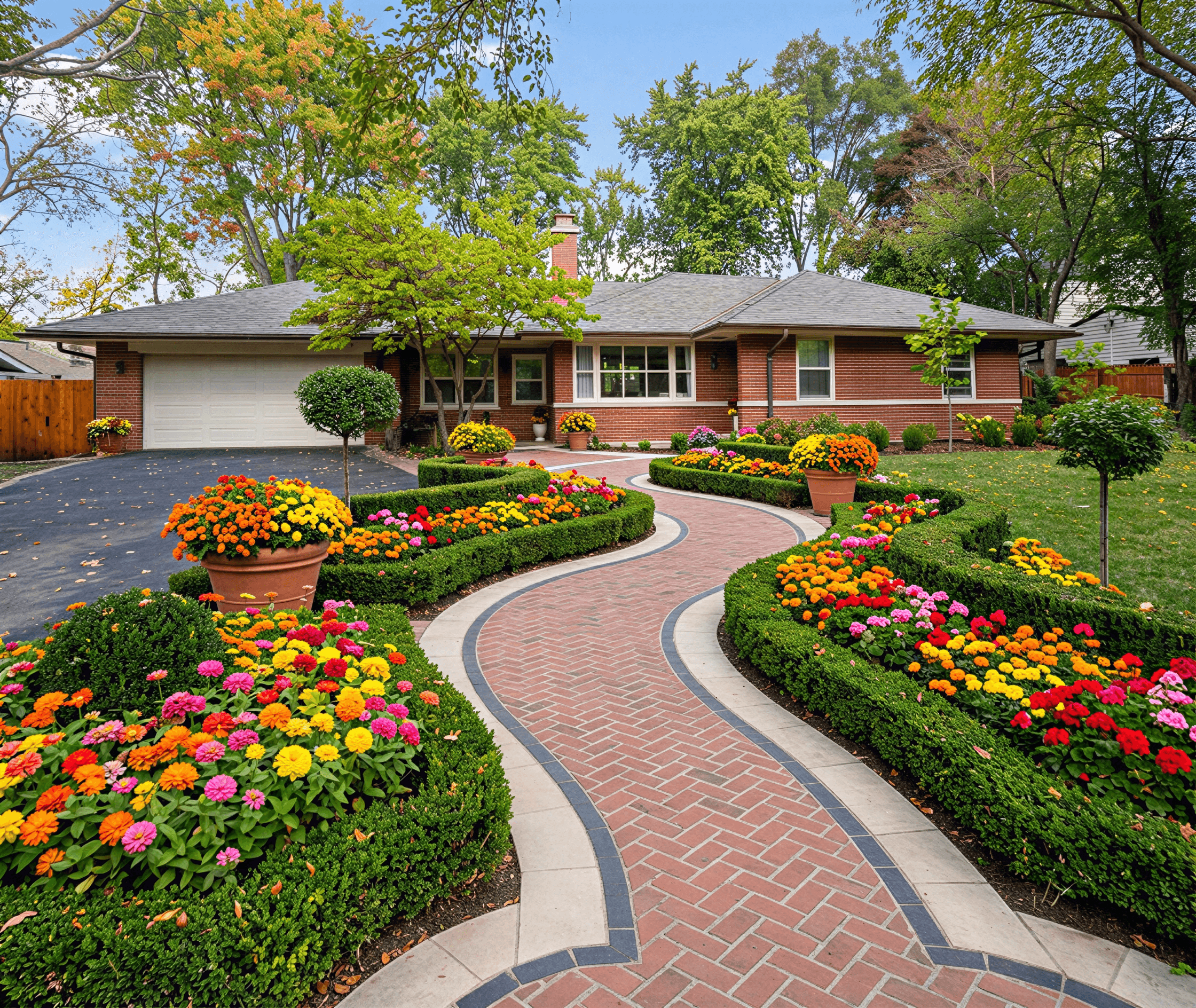
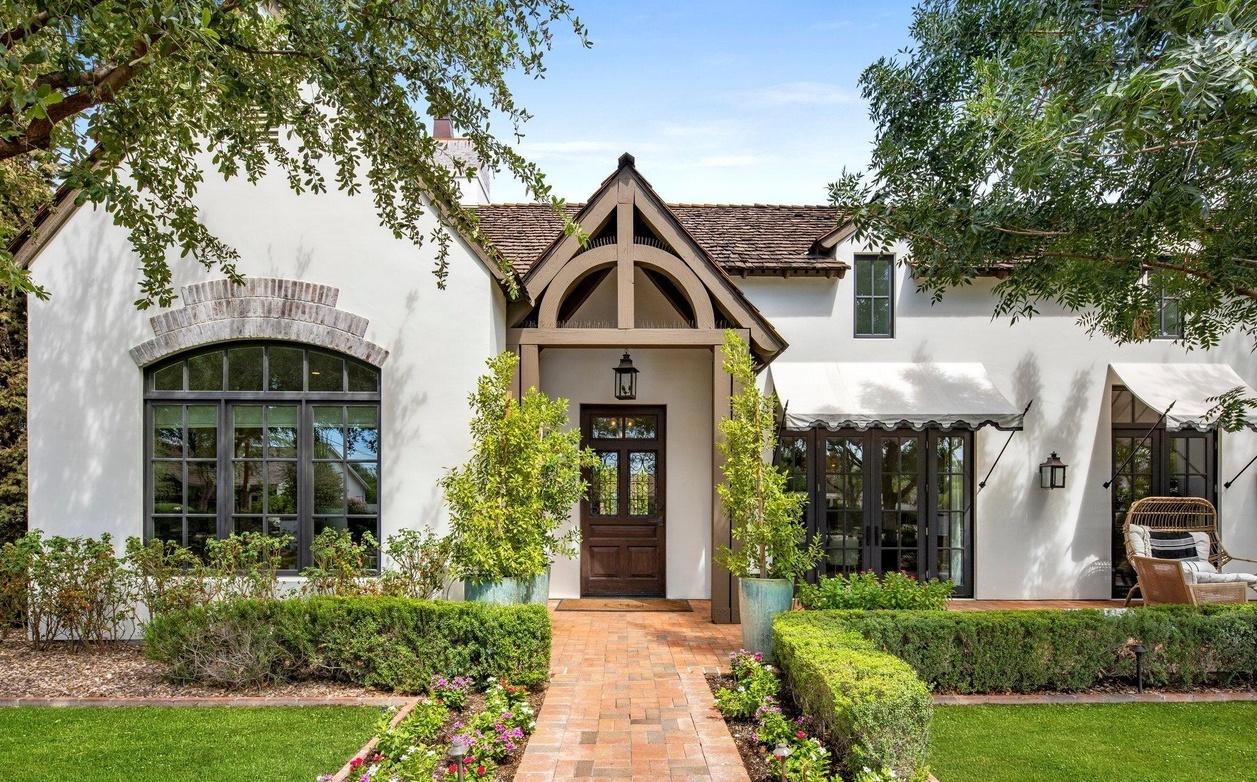
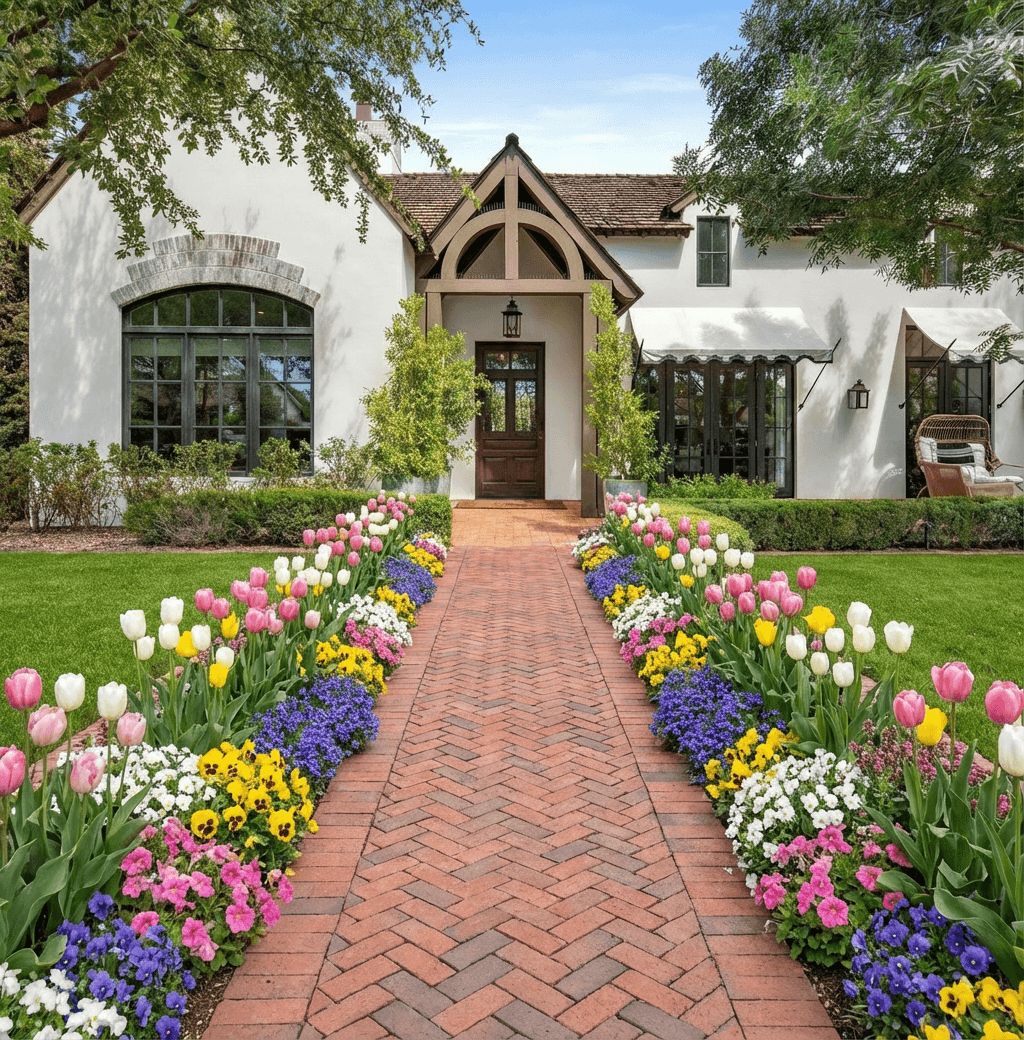
The key is moving from abstract ideas to a concrete visual plan. Seeing a photorealistic render of your own home with a beautiful drought-tolerant design makes the entire concept feel achievable and exciting.
As you start brainstorming, think beyond just the plants. Consider how hardscaping features like a new patio, a winding path, or even a fire pit can anchor your design and create functional outdoor rooms. If you're looking for ways to blend these elements, you can find some inspiring backyard fire pit design ideas that pair perfectly with water-wise gardens.
This guide will walk you through the core principles of landscaping drought tolerant design, from assessing your property to choosing the right plants. Many of these ideas come from the practice of xeriscaping, which is a specific methodology for creating water-efficient landscapes. To get a better handle on the terminology, feel free to explore our detailed guide on what xeriscaping landscaping really means.
Laying the Groundwork: Your Smart Site Assessment
A beautiful, drought-tolerant landscape starts long before you ever pick up a shovel. Honestly, the most expensive and heartbreaking mistakes I see happen right at the beginning. People fall for a gorgeous plant at the garden center without a clue if their yard can actually support it. A thorough site assessment is your roadmap—it ensures every dollar you spend and every plant you choose is set up for success from day one.
Think of this as playing detective on your own property. Your mission is to uncover the unique conditions that make your yard what it is. This isn't just about keeping plants alive; it's about creating a garden that works with nature, not against it, meaning less work for you and a better-looking yard all year. Taking the time to observe and map your site is the single best thing you can do to guarantee a stunning, low-maintenance result.
Mapping Your Sun and Shade
Sunlight is the boss. It dictates everything. That "full sun" lavender you've been eyeing will sulk and refuse to bloom if it’s stuck in the shadow of your house for half the day. The only way to know for sure is to watch.
Grab a notepad and sketch a rough map of your property. Over the course of a full day—or even better, a few days during different seasons—track how the light moves.
- Morning Sun (The Gentle Hours): Mark the spots that get that soft, early light. These areas are great for plants that need a break from intense heat.
- Afternoon Sun (The Hot Zone): This is crucial. Pinpoint the areas that get blasted by the hot, direct sun, usually from noon until about 4 PM. This is where your toughest, most heat-loving plants will thrive.
- Full Shade: Don't forget the spots that get almost no direct sun, like the north side of your home or under a dense oak tree.
This simple sun map is the first, most critical layer of your design. It immediately tells you where to put the delicate ferns versus the bulletproof agaves.
Getting to Know Your Soil and Microclimates
Next up, it’s time to get your hands dirty. Your soil type dictates how it holds—or doesn’t hold—water and nutrients. Most of us are dealing with some version of clay, loam, or sand. A quick "jar test" is an easy way to see what you have. Just fill a mason jar about halfway with soil, top it off with water, shake it vigorously, and let it settle for 24 hours. The way the layers of sand, silt, and clay settle will tell you everything.
I can't stress this enough: understanding your soil is non-negotiable for a drought-tolerant garden. Sandy soil drains in a flash, while heavy clay can become a waterlogged mess that rots roots. Your goal is to amend whatever you've got to create a healthy, well-draining foundation.
Look closer and you'll also find microclimates all over your yard. These are small pockets where conditions are just a bit different. A low spot might collect rainwater, creating a surprisingly moist zone. The patch of ground next to a south-facing brick wall will be an oven compared to the rest of the yard. By identifying these spots, you can place plants with incredible precision, turning problem areas into standout features.
A Framework for Water-Wise Design
All this intel you've gathered feeds directly into the principles of xeriscaping—a smart, proven approach for creating gorgeous, water-efficient landscapes. This isn't about rocks and cactus everywhere; it's about smart, intentional design.
Here’s how to bring it all together in your plan:
- Group Plants by Need: Use your sun and water observations to group plants with similar needs. This is called hydrozoning, and it's the key to efficient watering.
- Improve Your Soil: Plan from the start to work in compost or other organic matter. This will dramatically improve your soil's structure and its ability to retain moisture.
- Use Turf Wisely: Think of grass as a "throw rug," not "wall-to-wall carpet." Keep it for functional areas where you actually need it for play or pets, but don't let it be your default groundcover.
- Water Efficiently: Plan for a drip irrigation system or soaker hoses. These deliver water right to the roots where it's needed, cutting down on wasteful evaporation.
This planning phase can feel a bit abstract, which is where modern tools come in handy. A platform like Curb Appeal AI can help you visualize these concepts right on a photo of your own home. You can experiment with different xeriscape designs and see how plant groupings will actually look. It turns your hand-drawn site map into a realistic vision, making the whole process more intuitive and a lot more fun.
Choosing Plants That Thrive in Dry Conditions
Alright, now for the fun part—choosing the plants. This is where your vision for a water-wise yard really starts to come alive. But creating a landscape that truly thrives with less water goes beyond just picking pretty flowers at the nursery. It’s about learning to see plants the way a seasoned landscape designer does.
The real secret is knowing how to spot the built-in survival tricks that drought-tolerant plants have perfected over centuries. Once you can recognize these features, you’ll be able to confidently select plants that are not only beautiful but are genetically wired for a low-water life.
Decoding the Language of Water-Wise Plants
The next time you’re at a garden center, start looking for clues. Drought-tolerant plants often advertise their toughness right on their leaves and stems.
Here’s what to look for:
- Silvery or Gray Foliage: Think of plants like Lamb’s Ear or Russian Sage. Their light-colored, often fuzzy leaves reflect intense sun and heat, which dramatically reduces water loss. It's like having built-in sunblock.
- Waxy or Leathery Leaves: Succulents like Sedum and Echeveria are the classic examples here. That thick, waxy coating acts as a waterproof seal, locking moisture inside the leaves and preventing it from evaporating on hot, windy days.
- Small, Needle-Like, or Hairy Leaves: Plants such as Rosemary and many ornamental grasses have less leaf surface area. This simple but brilliant adaptation means fewer pores for water to escape, giving them a huge advantage in dry climates.
When you learn to spot these traits, you stop guessing and start strategizing. You're no longer just a shopper; you're curating a team of resilient plants built to win in your specific yard.
Matching Plants to Your Landscape Style
One of the biggest myths I hear is that a drought-tolerant garden has to look like a barren desert. While a modern desert vibe is a fantastic option, the truth is you can achieve almost any garden aesthetic with water-wise plants. The trick is to group plants that create a certain look and share the same needs for sun and water.
Here are a couple of popular styles to get your mind turning:
A Lush Mediterranean Vibe This style feels full, fragrant, and romantic without being a water hog. It’s all about mixing silvery foliage, aromatic herbs, and pops of vibrant, sun-loving color.
- Trees: Olive, Italian Cypress
- Shrubs: Lavender, Rosemary, Westringia (Coast Rosemary)
- Perennials: Nepeta (Catmint), Salvia, Santolina (Cotton Lavender)
A Modern Architectural Desertscape This look is defined by clean lines, bold shapes, and striking textures. Here, plants become living sculptures set against a canvas of gravel, decomposed granite, or sleek concrete pavers.
- Statement Plants: Agave, Yucca, Prickly Pear Cactus
- Grasses: Blue Fescue, Mexican Feather Grass
- Groundcovers: Dymondia, Creening Thyme
Choosing the right plants is a blend of art and science. It’s about creating visual harmony while respecting the practical needs of each plant. The most successful designs do both, resulting in a landscape that looks intentional and feels effortless.
Drought-tolerant plants are essentially nature's smart adapters. Experts define them as plants that can survive on average local rainfall once established, thanks to features like deep root systems or specialized leaves that can cut water loss through transpiration by up to 50%. With the updated USDA Plant Hardiness Zone Map showing warmer average temperatures and extreme droughts recently impacting 26% of the U.S., these plants are more critical than ever.
The table below breaks down some of these amazing adaptations and gives you examples you can look for.
Drought Tolerant Plant Characteristics and Examples
| Adaptation Trait | How It Saves Water | Plant Examples |
|---|---|---|
| Small or Hairy Leaves | Reduces surface area and traps moist air, slowing evaporation. | Rosemary, Lavender, Santolina |
| Silver or Gray Foliage | Reflects sunlight, keeping the plant cooler and reducing water loss. | Lamb's Ear, Russian Sage, Artemisia |
| Succulent Leaves/Stems | Stores water in thick, fleshy tissue for use during dry periods. | Sedum, Agave, Echeveria, Aloe |
| Waxy Leaf Coating | Creates a barrier that seals in moisture. | Yucca, Manzanita, many succulents |
| Deep Taproots | Accesses water stored deep in the soil, far below the dry surface. | Oaks, Coneflowers, Baptisia |
Seeing these traits in action really helps you appreciate the brilliant engineering behind these plants. To dig even deeper, you can explore the adaptations of drought-resistant gardens and learn more about the science.
The Power of Native Plants
Whenever you have the choice, go native. Plants that are indigenous to your region are the undisputed champions of low-maintenance gardening. They are genetically programmed to thrive in your local soil, rainfall patterns, and climate—from scorching summers to frosty winters.
Using native plants gives you a huge leg up:
- They provide essential food and shelter for local pollinators like bees, butterflies, and birds.
- They are naturally resilient to local pests and diseases, meaning less trouble for you.
- They create a garden that feels authentic and deeply connected to the surrounding landscape.
Making smart, informed choices at the planning stage is what separates a garden that struggles from one that flourishes.

As the graphic shows, a data-driven approach saves time, money, and heartache. Guesswork is expensive. For homeowners and contractors, planning with the right information is everything. A renovator can easily save over $1,000 in "trial-and-error" plant replacement costs by using a tool that generates designs synced to a property's specific climate and hardiness zone.
For more visual inspiration on what's possible, check out this gallery of drought-tolerant landscaping ideas to see these principles in action.
Bringing Your Design to Life: Soil, Mulch, and Water
With your plant list and layout in hand, it's time to get dirty. This is where all that planning pays off, as we build your water-wise garden from the ground up. The long-term success of your plants hinges on what you do now—preparing the soil, applying the right mulch, and setting up an efficient watering system.
Get these three fundamentals right, and you're not just planting a garden; you're creating a resilient ecosystem that will thrive for years with minimal fuss.
Create a Foundation of Healthy Soil
Think of your existing soil as a starting point. To truly support drought-tolerant plants, it needs to hold water without becoming a swamp. The secret? Organic matter.
Compost is your most valuable tool here. I always recommend working a generous 2-4 inch layer of good-quality compost into the top 6-8 inches of your planting beds. It works wonders on any soil type.
- Got dense clay? The compost will break up those heavy particles, improving aeration and drainage so roots don't rot.
- Working with sand? Compost acts like a binder, helping the loose soil retain both moisture and essential nutrients.
Aim for a soil composition with 4-6% organic matter and a pH between 6.0-7.5. This isn't just about helping your new plants get established; it’s a strategy for long-term resilience. And it's an investment that pays off—some studies even suggest that well-executed, water-wise yards can increase a home's value by 3-5% in dry climates. If you're curious about the broader environmental benefits, research from the American Geophysical Union highlights the significant climatic impacts of landscaping choices.
Lock in Moisture with a Layer of Mulch
If soil is the foundation, mulch is the roof. It’s an absolute game-changer for water conservation. A simple 2-3 inch layer of mulch can cut water evaporation from the soil surface by an incredible 70%. It also keeps weeds down and helps regulate soil temperature.
You've got a couple of great options, and the best one really depends on the look you're going for and the plants you've chosen.
Organic Mulches Think shredded bark, wood chips, or pine straw. These materials break down slowly over time, continuously adding nutrients to your soil. They look fantastic in gardens with a more natural, Mediterranean, or cottage feel.
Inorganic Mulches This category includes gravel, pea stone, and decomposed granite. They’re a one-and-done application, offering excellent drainage and a clean, modern look. They are the perfect choice for desert-inspired landscapes and are a must for plants like succulents and cacti that absolutely hate having "wet feet."

As you lay out your garden beds, don't forget your hardscaped areas. Well-planned patios and walkways are key to a functional, low-water yard. Getting some professional tips on materials like outdoor pavers can help you create beautiful, permeable surfaces that tie the whole design together.
Water Smarter, Not Harder
The whole point of a drought-tolerant garden is to water deeply but infrequently. This simple shift in habit encourages your plants to develop deep, strong root systems that can find moisture on their own, making them far more resilient.
It's time to say goodbye to conventional spray sprinklers. They throw a ton of water into the air where it evaporates, or onto pathways where it runs off. Drip irrigation and soaker hoses are the way to go.
These systems deliver water slowly and directly to the base of each plant, right where it’s needed most. You lose very little to evaporation, and the slow delivery gives the water time to soak deep into the soil.
Your new plants will need more frequent watering at first to get settled. But over the first season, you can gradually cut back. Developing smart watering schedules for your plants is a skill that will pay dividends. You’re essentially training your garden to be the tough, self-sufficient landscape you designed it to be.
Maintaining Your Low-Water Landscape for Long-Term Success
You’ve built your beautiful, water-wise garden. Now comes the best part: watching it grow into a mature, thriving landscape. The common misconception is that a landscaping drought tolerant garden is a "no-maintenance" garden. In reality, it's "low-maintenance"—a huge difference that means less work for you, not zero work.
The good news is that the upkeep is simple and intuitive. It’s more about occasional, smart interventions than constant labor. This final stage is all about protecting your investment with a manageable plan, understanding the seasonal rhythms of your new yard, and seeing the real financial payoff.
Breaking It Down with Phased Implementation
Staring at a full-yard renovation can feel overwhelming, both physically and financially. From my experience, the most successful projects are almost always done in phases. You don’t have to do it all at once.
Think of it as tackling a series of smaller, more satisfying weekend projects. This approach lets you spread out the cost and labor over a year or two, making the entire transformation feel achievable.
- Start with Curb Appeal. Most people begin with the front entryway or the "hell strip" between the sidewalk and the street. This gives you the biggest and most immediate visual reward for your effort. Focus on that one area: amend the soil, place your key plants, and get the mulch down.
- Build the Bones. The following season, you might tackle a bigger structural element. This could be laying the drip irrigation lines for the entire property, installing a new gravel path, or building that small flagstone patio you’ve been dreaming of.
- Fill in the Gaps. In the final stage, you can finish the remaining planting areas. This is the fun part where you add smaller perennials, grasses, and groundcovers to complete the picture.
This method lets you learn as you go. You’ll see what thrives in one area before you commit to planting it everywhere. Plus, you get to enjoy the improvements right away without breaking the bank.
Your Seasonal Maintenance Checklist
Keeping a drought-tolerant yard looking its best is less about a rigid schedule and more about observing and responding to the seasons.
Spring Awakening
- Prune with Purpose: As new leaves emerge, you can see any branches that died back over the winter. Trim them off to make way for healthy new growth. This is also the perfect time to lightly shape shrubs to encourage a fuller form.
- Weed Watch: Get ahead of weeds now, while they’re small and before they go to seed. A few minutes of weeding in spring can save you hours of work in summer.
- Irrigation Check-Up: This is crucial. Turn on your drip system and walk the entire line. Look for clogged emitters, leaks from winter damage, or lines that critters might have displaced.
Summer Resilience
- Water Deeply, Not Daily: Even established plants can get stressed during a major heatwave. The key is to give them a deep, thorough soaking and then let the soil dry out. Always water in the cool of the early morning to reduce evaporation.
- Deadhead for More Blooms: For flowering perennials like Salvia or Lavender, snipping off the spent flower stalks will often encourage a whole new wave of color.
Fall Tidy-Up
- Top Off the Mulch: After a season of sun and decomposition, your mulch layer will be thinner. Add a fresh inch or two to protect plant roots from the coming cold and suppress winter weeds.
- Cut Back... or Don't. You can cut back perennials like coneflowers after a hard frost. However, I often leave the seed heads and ornamental grasses standing. They provide incredible winter texture and a vital food source for birds.
Winter Rest
- Protect the Youngsters: New plants haven't had a full year to establish deep roots. If you're in a colder climate, an extra scoop of mulch around their base or a burlap wrap can help them through their first winter.
- Dream and Plan: Winter is the perfect time to grab a cup of coffee, look out the window, and assess. What worked? What didn't? Start sketching out ideas for next year’s project.
Remember, the single most important maintenance task is observation. Spend a few minutes in your garden each week. You'll quickly learn to spot what your plants need, whether it's a bit of water, a quick trim, or just being left alone to do their thing.
Understanding Costs and Long-Term ROI
So, what does all this actually cost? The initial investment for a water-wise landscape can be similar to a traditional one, sometimes slightly more if you’re doing significant soil work and installing a quality drip system.
Here's a realistic look at what to expect:
- DIY Installation: If you're doing the work yourself, you can plan on spending anywhere from $5 to $20 per square foot. The final cost depends heavily on your plant choices and materials—gravel mulch is more expensive upfront than bark, for example.
- Professional Installation: Hiring a landscape contractor will typically run from $15 to $35+ per square foot. This price usually covers the design, all materials, labor, and often a warranty on the plants.
The real story, however, is the long-term return on that investment. The savings are dramatic. Most homeowners see their outdoor water use drop by 50% or more. When you stop spending money on lawn fertilizer, weekly mowing services, and sprinkler head repairs, the landscape often pays for itself in just a few years.
This is why agents and contractors are seeing such high demand for these projects—it’s an upgrade that boosts curb appeal while actively saving the homeowner money. For homeowners and agents, visualizing this value upfront is a game-changer. Tools like Curb Appeal AI can generate a photorealistic image of the finished project, which is invaluable. Handing that visual to a contractor ensures everyone is on the same page, turning your plan into a stunning, sustainable reality.
Of course. Here is the rewritten section, designed to sound completely human-written and natural.
Common Questions About Drought-Tolerant Yards
Making the move to a low-water landscape is a big shift, especially from the traditional lawns many of us grew up with. It’s a whole different way of thinking about your yard, so it's only natural that a few questions pop up.
We get these all the time from homeowners and contractors alike. Let's clear up some of the most common myths and concerns.
Does "Drought Tolerant" Mean I Never Have to Water?
This is probably the number one misconception out there. A drought-tolerant plant isn't a no-water plant. The key is understanding what "drought tolerant" really means: once a plant is fully established, it can survive—and often look great—on natural rainfall alone, needing just a little extra water during a really bad heatwave.
But that "established" part is everything. For most perennials and shrubs, this takes one to two full years. For trees, it can be even longer, sometimes up to three years. During that initial period, you absolutely must provide regular, deep watering. This is what encourages the plants to grow the deep, resilient root systems they need to thrive on their own later.
Think of it like this: you're training your plants to be self-sufficient. That consistent watering in the beginning is the investment that pays you back with years of low-maintenance beauty.
So, no, it's not a "set it and forget it" garden from day one. It’s a "less-water" garden that becomes incredibly efficient over time.
Will My Yard Look Boring and Be All Rocks and Cactus?
Absolutely not! That’s a very outdated picture of what a water-wise yard can be. Honestly, a well-designed landscaping drought tolerant garden can be an explosion of color, texture, and life that looks amazing all year round. The plant choices available today are incredible, and you can create almost any look you want.
You're not stuck with a desert-only aesthetic (unless you want one!). You can have:
- A Lush Cottage Feel: Think drifts of fragrant lavender, soft Russian sage, and vibrant coneflowers buzzing with pollinators.
- A Clean, Modern Vibe: Picture bold, architectural agaves set against flowing ornamental grasses and crisp lines of dark gravel.
- A Classic, Formal Look: You can use clipped, low-water alternatives to boxwood, like Westringia, alongside elegant cypress trees and neat groundcovers.
If anything, a water-wise garden pushes you to be more creative. Instead of a flat, uniform sea of green grass, you get to play with form, texture, and composition to create a landscape with real personality and depth.
Is Installing a Drought-Tolerant Landscape Expensive?
Let's talk numbers. The upfront cost can be similar to, and sometimes a bit more than, installing a traditional landscape. The extra initial investment usually comes from a few key areas you really shouldn't skimp on.
These often include:
- Soil Amendment: Bringing in high-quality compost to give your soil a healthy foundation is money well spent.
- A Thick Layer of Mulch: Whether you go with organic bark or inorganic gravel, a good 3-4 inch layer is critical and a major material cost.
- Efficient Irrigation: A properly installed drip system might cost more upfront than old-school spray heads, but its efficiency is unmatched.
- Plant Size: Opting for larger, more mature plants gives you an instant "wow" factor, but they do come with a higher price tag.
But here’s the crucial part: you have to look at the long-term return on investment. The savings start the moment the project is done. Your water bill will drop dramatically. You'll also save on fertilizer, lawn mowing services, aeration, and re-seeding year after year.
Plus, don't forget to check for rebates! Many local water districts offer big incentives for removing turf, which can cover a huge chunk of your initial installation costs. When you add it all up, a drought-tolerant landscape is one of the smartest financial decisions you can make for your property.
Ready to see how these principles could transform your own home? With Curb Appeal AI, you can stop guessing and start visualizing. Upload a photo of your property and instantly generate stunning, realistic designs in a variety of drought-tolerant styles. See what’s possible before you ever break ground by visiting https://www.curbappealai.co.