How to Design a Landscape From Vision to Reality
A stunning landscape doesn't happen by accident. Before you move a single stone or buy a single plant, it all begins with a smart, thoughtful plan. This guide is here to walk you through that entire journey, helping you turn those vague ideas for your yard into a clear blueprint you can actually build from.
We'll show you how to design a landscape that feels like it was always meant to be there—a perfect, climate-smart extension of your home.
Your Blueprint for a Beautiful Landscape Starts Here

Taking on a landscape design project can feel like a huge undertaking, but it doesn't have to be. The path from a bare patch of dirt to a lush, welcoming outdoor space starts with a pencil and paper—not a shovel. Think of this guide as your roadmap, breaking down the entire process into manageable phases so the final result is both beautiful and built to last.
You don't need to be a professional designer to get this right. With a good approach and some handy modern tools, any homeowner can craft a plan that captures their personal style and seriously boosts their property's value. We’ll walk through the essentials, starting with how to truly understand your yard before bringing your vision to life.
The Foundation of Great Design
The most successful landscape projects I've ever seen all start with a deep understanding of the site itself. Before you even start dreaming about plant combinations or patio furniture, you have to learn to "read" your property. This means getting to know its fundamental qualities:
- Sun and Shade: Spend a day watching how sunlight moves across your yard. Knowing where you have full sun, partial shade, and deep shade is critical for placing everything from sun-loving flowers to a cool, shady spot to relax.
- Soil and Slopes: Get your hands dirty. Figure out your soil type and pay close attention to how water moves across the land, especially when it rains. This helps you avoid drainage nightmares and choose plants that will actually thrive, not just survive.
- Defining Your Goals: Ask yourself: how do I want to use this space? Is it a quiet retreat for morning coffee? A durable play area for kids and pets? Or an outdoor living room for entertaining friends and family?
A great design isn't just about making things look pretty; it's about solving a problem. Whether that problem is a lack of privacy from neighbors, bland curb appeal, or just an unusable, weedy backyard, your design should have a clear purpose.
Bridging Vision and Reality
Once you know your land and your goals, the creative work can begin. This is where you translate all those ideas into a visual concept. It’s a mix of timeless design principles and, thankfully, some really helpful modern technology that lets you see the possibilities like never before.
This is where planning gets exciting. A well-structured design process ensures that every decision, from the big picture down to the smallest detail, is intentional and contributes to the final vision.
Here’s a quick look at how the different phases of a landscape design project typically flow.
Landscape Design Phases At a Glance
| Phase | Objective | Key Activities |
|---|---|---|
| Site Analysis & Goals | Understand the property and define what you want to achieve. | Measure the site, test soil, track sun/shade, list needs and wants. |
| Conceptual Design | Explore broad ideas and styles for the space. | Create bubble diagrams, gather inspiration, test different layouts. |
| Detailed Design | Refine the concept with specific plants and materials. | Create a final planting plan, select hardscape materials, finalize layout. |
| Budgeting & Phasing | Create a realistic budget and implementation timeline. | Get cost estimates for materials and labor, decide if work will be phased. |
| Implementation | Bring the design to life. | Hire contractors or perform the work yourself, from ground prep to planting. |
Each phase builds on the last, creating a clear path from your initial idea to a finished, beautiful landscape.
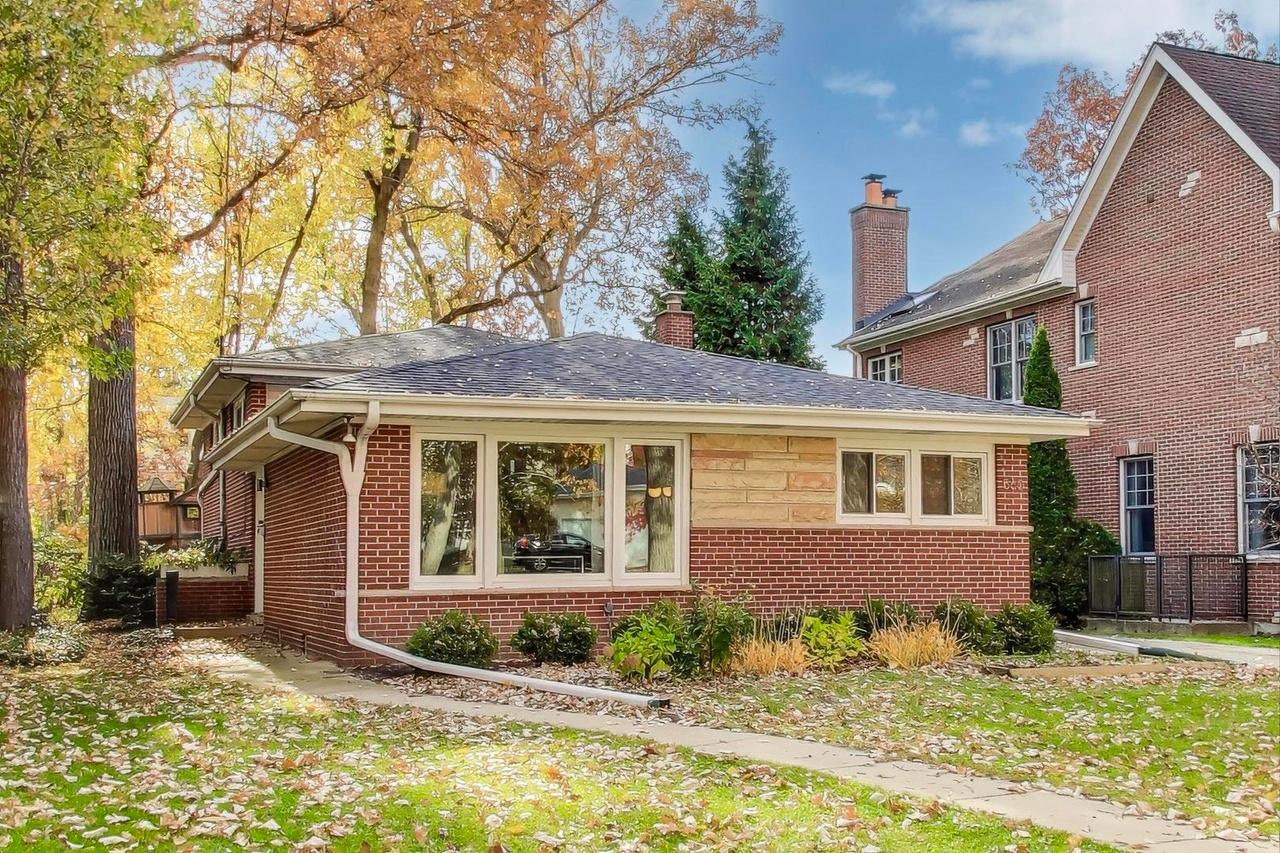
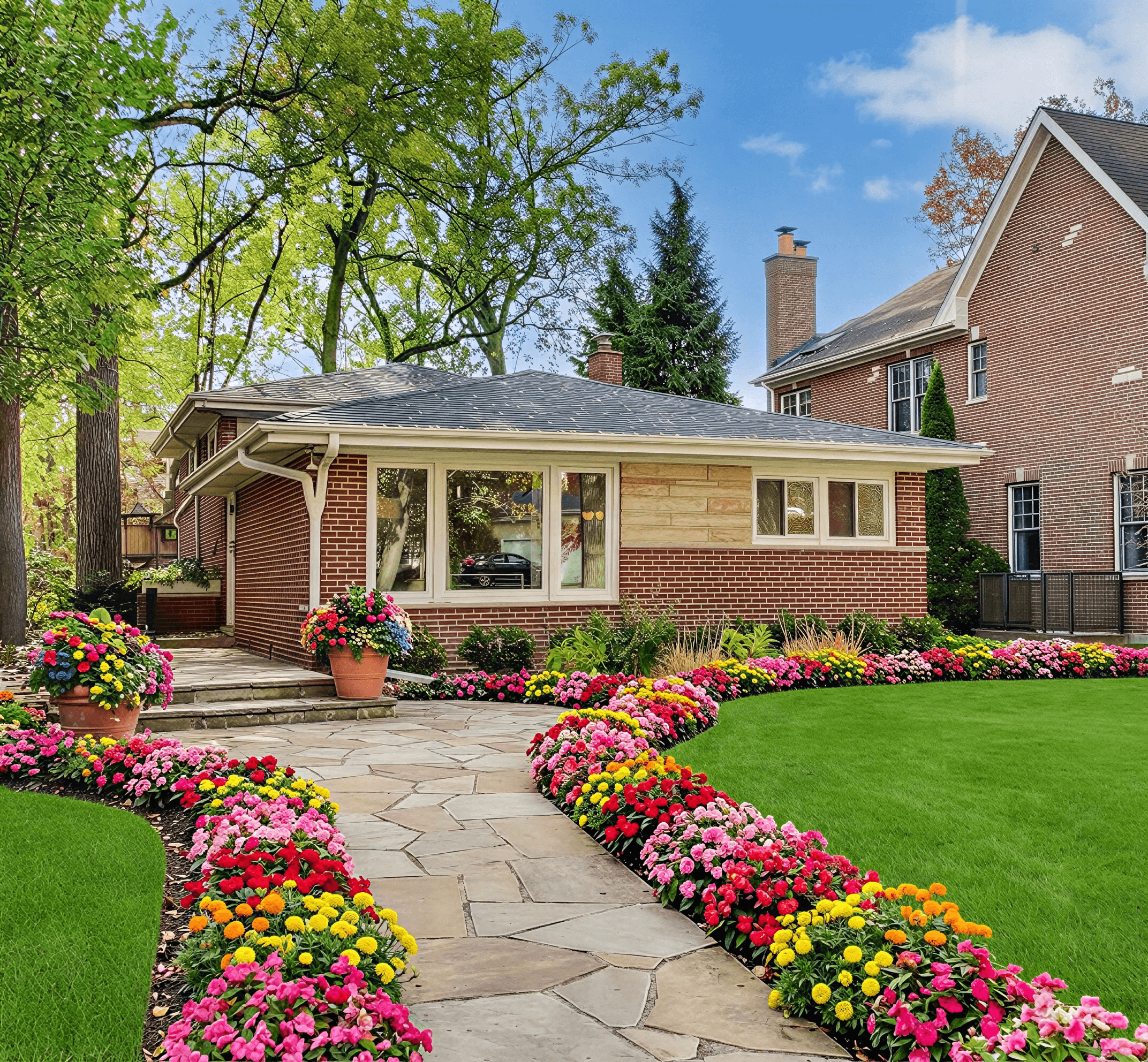
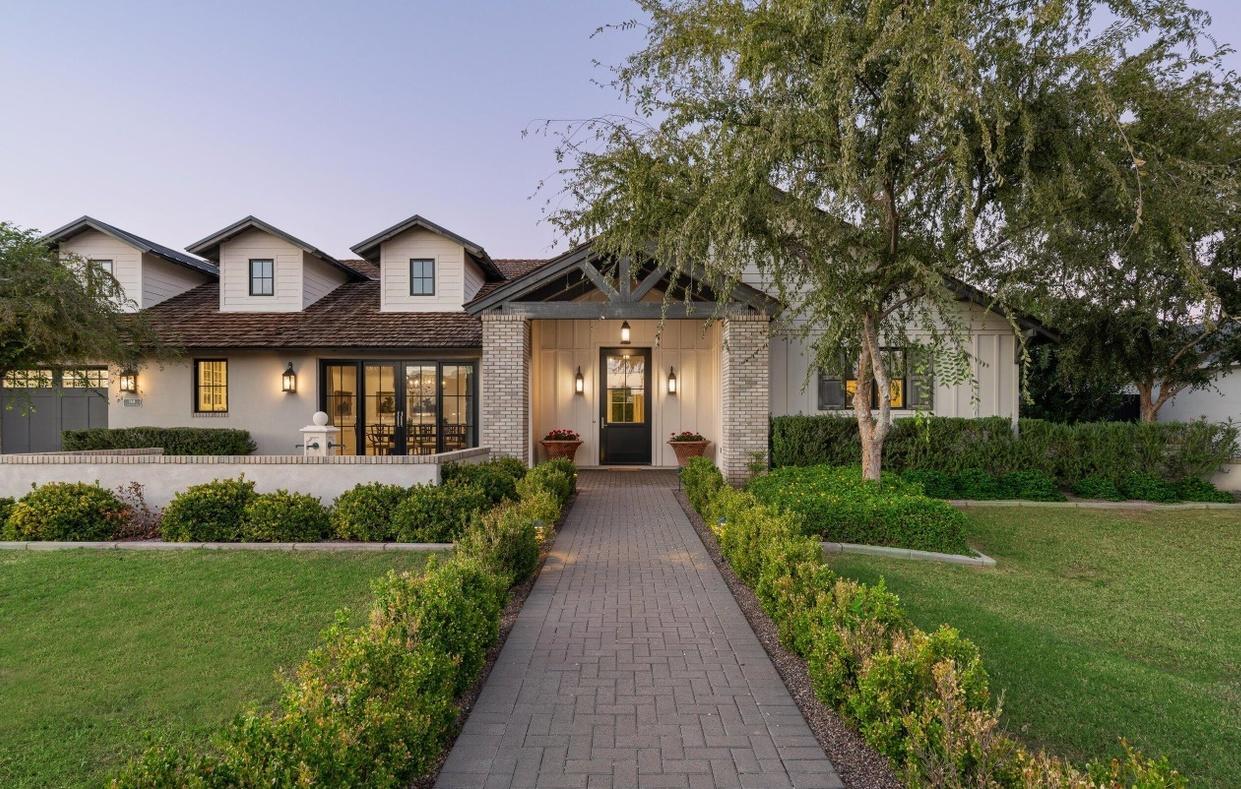
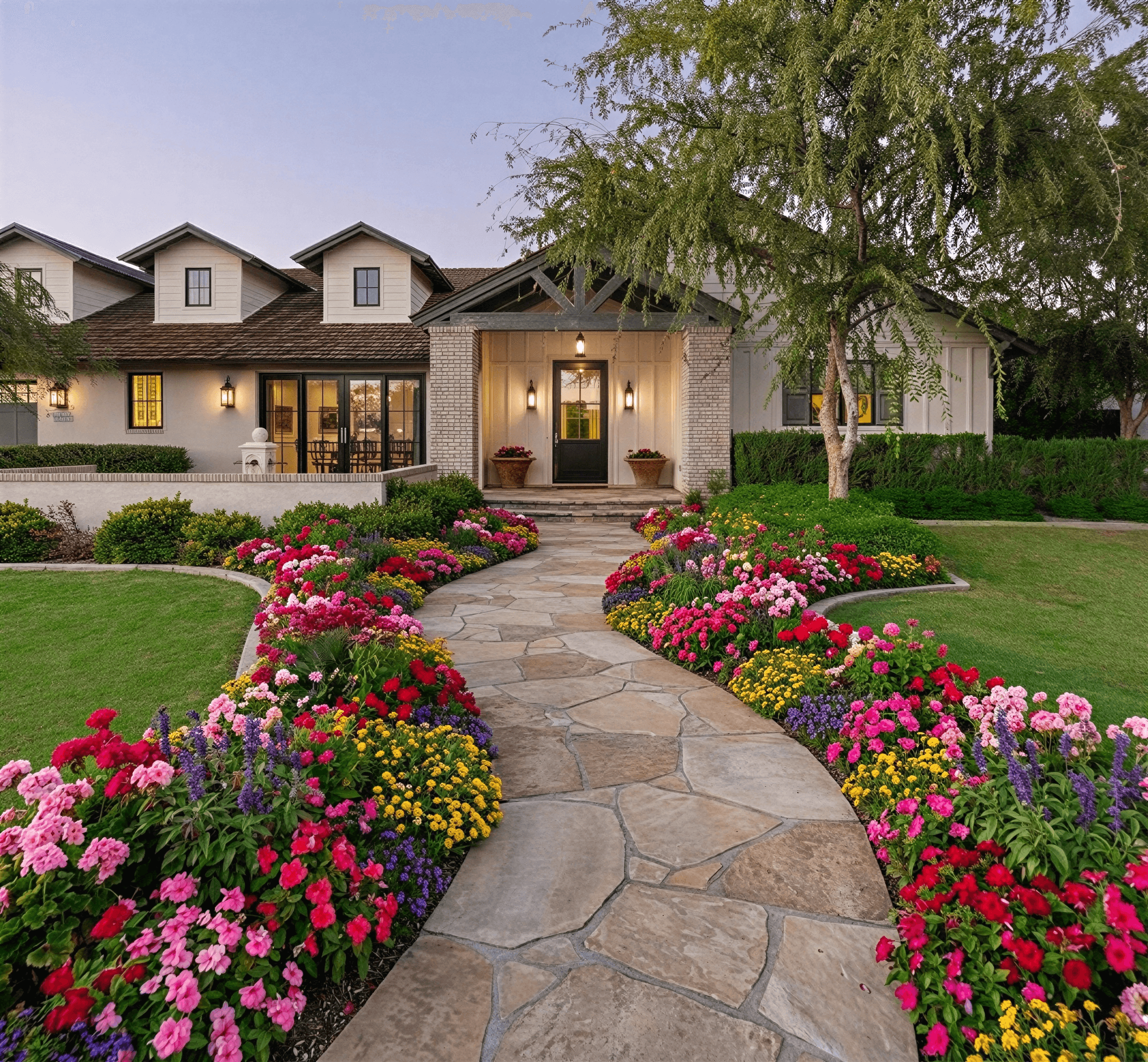
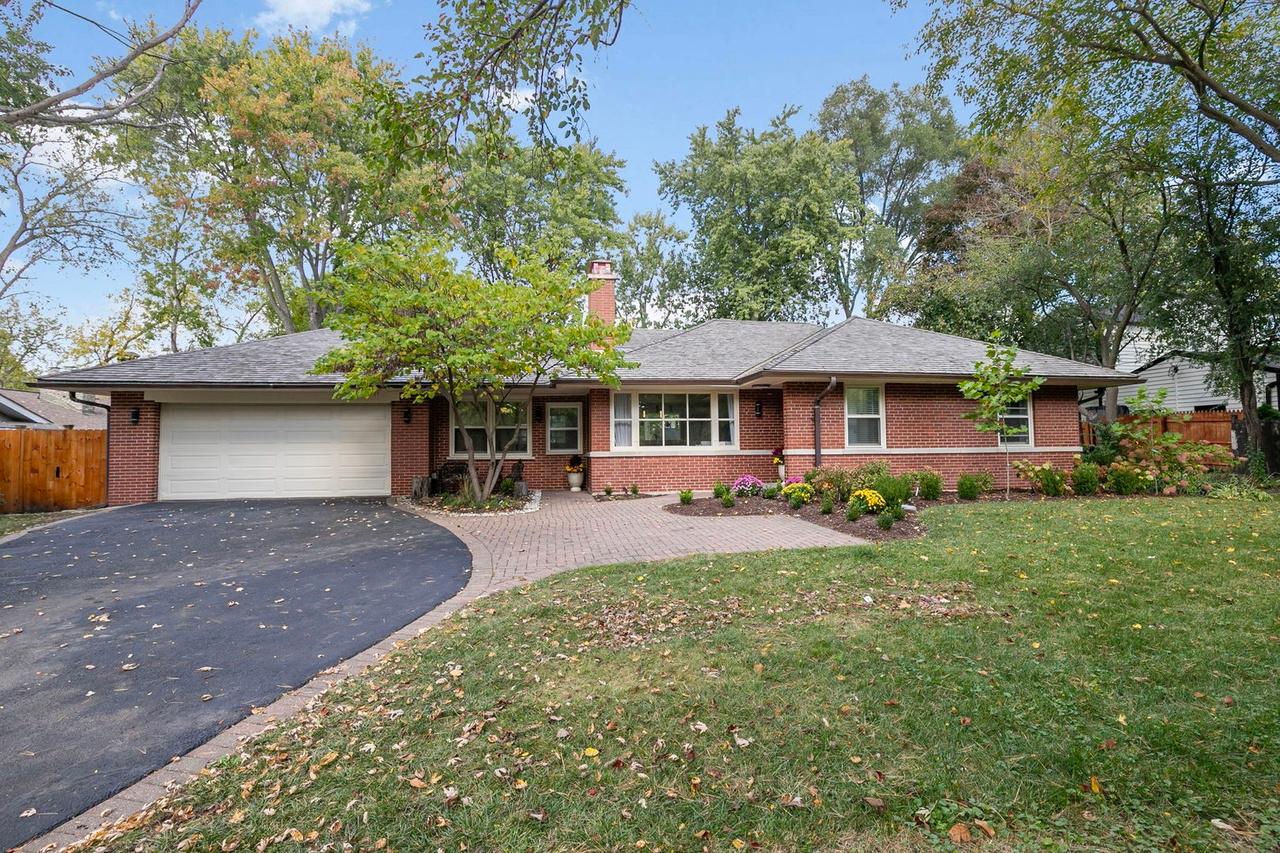
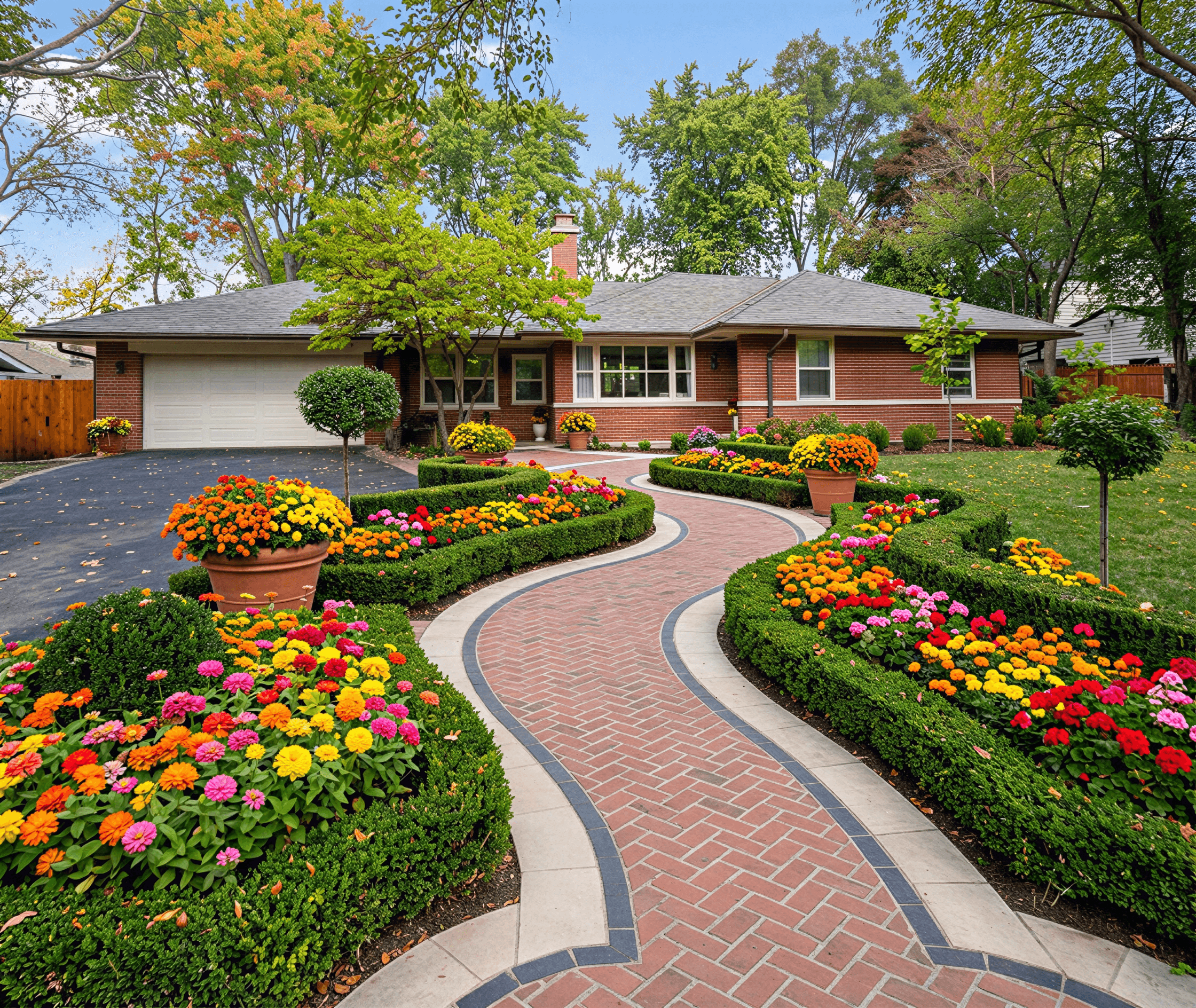
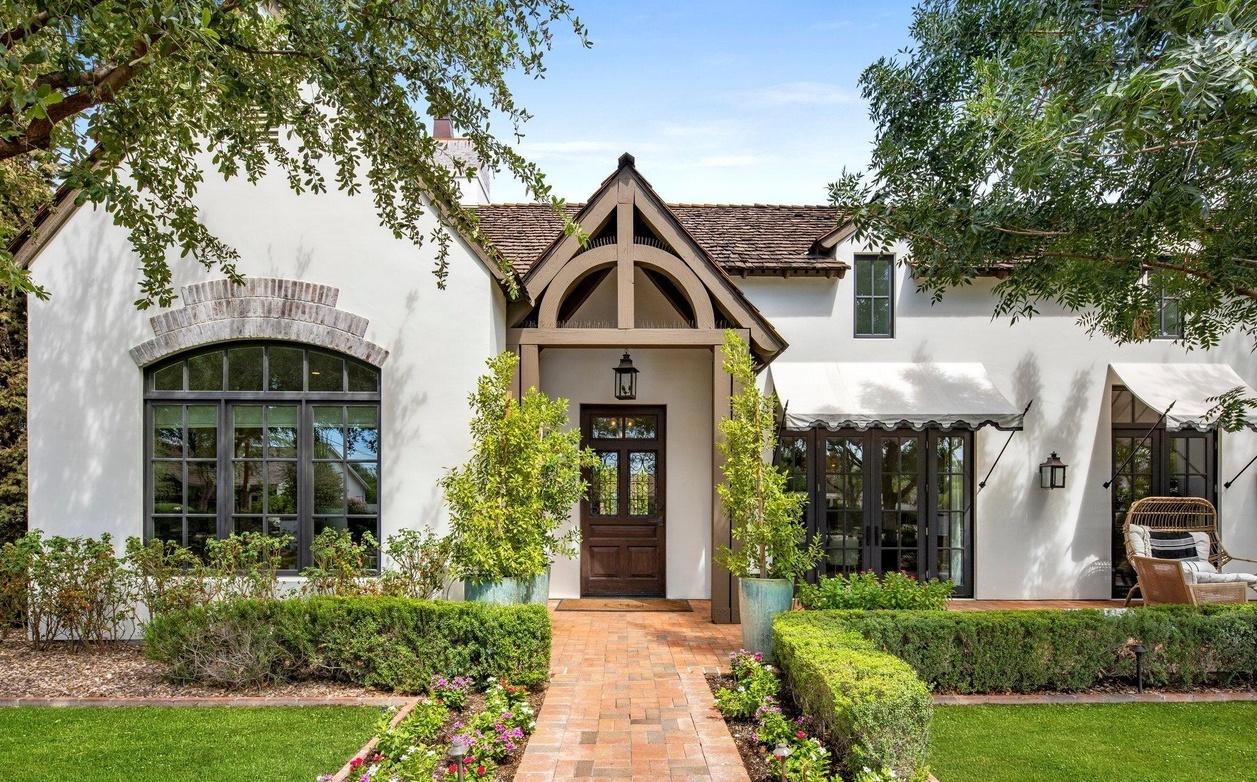
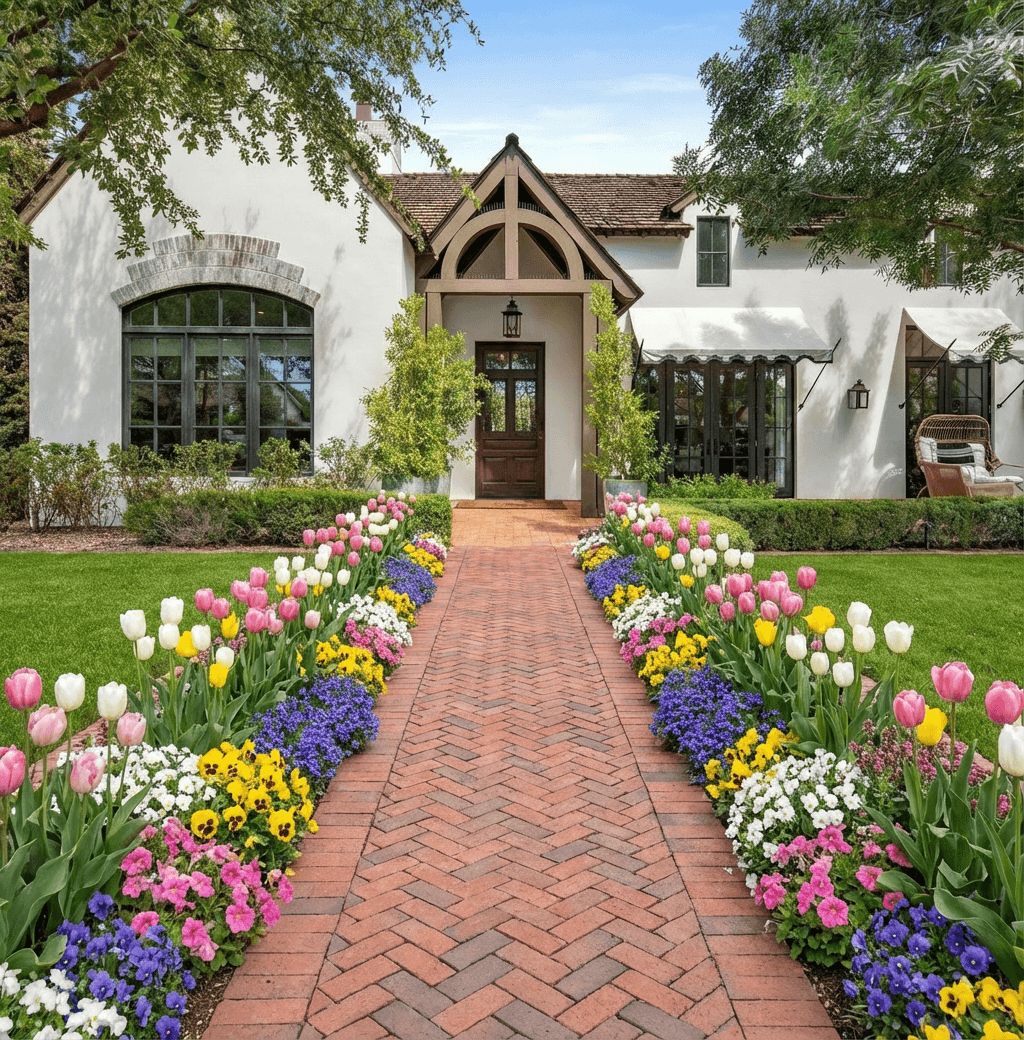
Tools like AI landscape visualizers have been a game-changer here, allowing you to upload a photo of your own home and see photorealistic mockups. Want to know what a Modern, Cottage, or even a water-wise Xeriscape design would look like on your property? Now you can test it out visually. This ability to experiment without risk is a huge advantage, helping you sidestep costly mistakes and land on a plan that truly complements your home's architecture.
Investing in good planning is more than just a passing trend. The global landscaping services market is seeing massive growth, projected to climb from $668.97 billion in 2025 to an incredible $741.53 billion in 2026. That’s a staggering 10.8% annual growth rate. This boom shows just how much homeowners are prioritizing their outdoor spaces to boost property value and create amazing curb appeal. You can explore more about these market trends and see how they are shaping landscaping practices worldwide.
Reading Your Land Through Site Analysis and Goal Setting
Before you can even think about picking out plants or sketching a patio, you have to get to know your property. I always tell my clients to think of themselves as detectives for a few days. Every great landscape design starts with a deep understanding of the land itself—listening to what it's telling you.
This isn't some complex professional-only task. It's a hands-on assessment that reveals the unique character, challenges, and hidden opportunities of your own backyard. Without this groundwork, even the most beautiful ideas can wither when they meet the reality of your specific environment.
Understanding Your Property's Personality
Every yard has its own quirks, shaped by forces like sun, soil, and water. Your first job is to document them. You don't need fancy tools—a simple notebook and a few days of paying attention will do the trick.
-
Map Your Sun and Shade: This is non-negotiable. Sketch a rough outline of your property and check in every few hours over a full day—morning, noon, and late afternoon. Mark the spots that get blasted with sun all day, the corners that stay in deep shade, and the areas that get a mix of both. This sun map will be your bible for choosing plants.
-
Decode Your Soil: You can get a pretty good read on your soil without a lab test. Just grab a handful of moist soil (not soaking wet) and give it a squeeze. If it forms a sticky, solid ball, you've got clay. If it feels gritty and crumbles immediately, you're working with sand. A silky feel that holds a loose shape points to silt. The dream is a dark, crumbly mix that holds together but isn't sticky—that's loam.
-
Track Water and Drainage: The next time you get a good rain, go outside and watch where the water goes. Does it form a puddle in one spot? Does it rush away from a high point? Knowing this will stop you from, say, building a new patio in a low spot that turns into a small pond every spring.
It's also smart to consider things just outside your immediate yard. For instance, understanding how gutter debris impacts drainage and landscaping can help you head off water issues before they even start.
Defining Your Landscape Goals and Budget
Once you have a feel for the land, it's time to get clear on what you want from it. A landscape has to do more than just look pretty; it needs to work for your lifestyle.
Your landscape goals are the "why" behind your design. A space without a purpose is just a collection of plants. A space with a clear purpose—whether for relaxation, play, or entertaining—becomes a true extension of your home.
Start by brainstorming all the ways you'd love to use the space. Do you picture a big patio for summer barbecues? Or is a quiet, secluded nook with a bench for reading more your speed? Maybe the number one priority is a tough, durable lawn where the kids and dog can run wild. If you love to cook, a kitchen garden with herbs and vegetables might be at the top of your list. We dive deeper into creating these zones in our guide on how to plan a garden layout.
With a vision in place, the budget conversation grounds everything in reality. It can feel daunting, but breaking it down makes the project much more approachable. Think about:
- Hardscaping: This is usually the biggest ticket item—patios, decks, walkways, and retaining walls.
- Plants: Costs here can range from a few dollars for small perennials to thousands for mature trees.
- Labor: Are you going DIY, or will you need to hire a professional crew?
- Tools & Amendments: Don't forget the "hidden" costs like soil, mulch, irrigation, and lighting.
This financial planning isn't just about limiting spending; it’s a key part of smart design. In 2025, North America makes up 36% of the global landscaping market, a share valued at a staggering $129.70 billion. Homeowners are spending more than ever on premium outdoor upgrades because a well-designed space can boost property values by up to 20%. This proves that a well-planned landscape isn't just an expense—it's a serious investment. You can discover more insights about the global landscaping market on Precedence Research.
Bringing Your Vision to Life with AI Conceptual Design
You’ve done the hard work of analyzing your site and outlining your goals. Now comes the fun part: turning those notes and ideas into something you can actually see. This is where you shift from scientist to artist, bridging the gap between knowing your yard’s quirks and imagining its potential.
But for most people, this is also where things get fuzzy. It’s one thing to say you want a "Modern" garden, but it's a whole other challenge to picture what that really looks like against your own house. How do you know if it will truly fit?
This is where technology can step in as an incredible creative partner. Forget trying to guess based on rough sketches or inspiration photos that look nothing like your home. Today's tools let you visually experiment with concepts, taking the guesswork out of the process and giving you the confidence to move forward.
The Power of Photorealistic Visualization
Imagine test-driving a dozen different futures for your front yard in just a few minutes. That’s the real advantage of using an AI design tool like Curb Appeal AI. Instead of trying to mentally paste a picture from a magazine onto your property, you get instant, photorealistic renderings that are tailor-made for your home.
This completely changes the brainstorming game. You can explore wildly different aesthetics—from a lush, overflowing English garden to a sleek, water-wise Xeriscape—with zero risk. Seeing these styles rendered directly on your house gives you immediate, honest feedback on what actually works with your architecture.
The real value of AI in landscape design is that it makes professional-grade concepts accessible to everyone. It levels the playing field, allowing you to test, refine, and perfect your vision before you spend a single dollar on plants or pavers.
All of this creative exploration is still grounded in the practical data you gathered during your site analysis. This workflow—sun, soil, goals—is what feeds the design phase, ensuring the end result is as smart as it is beautiful.

By translating your analysis into visual concepts, you make sure your dream landscape can actually thrive in the real world.
How It Works in Practice
Getting started with an AI visualizer is surprisingly straightforward. The whole point is to be intuitive, even if you have zero design experience.
All you have to do is:
- Snap a Photo: Take a clear, straight-on picture of your home’s exterior. This becomes your digital canvas.
- Pick Your Styles: Browse a library of design styles. This is your chance to play. Have you always been curious about a Mediterranean look with gravel and terracotta, or a more traditional style with manicured boxwoods? Select any that catch your eye.
- Generate Ideas: With a click, the AI gets to work, generating multiple photorealistic concepts that show you exactly what each style could look like on your property.
This simple starting point opens the door to exploring countless design possibilities that are customized for your home.
From Brainstorming to a Cohesive Plan
These images are more than just pretty pictures—they’re powerful decision-making tools. As you flip through the different options, you’ll start to notice things you couldn’t have seen in your mind's eye. Maybe the clean lines of a modern hardscape are the perfect complement to your roofline, or the soft textures of ornamental grasses are exactly what your entryway was missing.
This visual feedback loop helps you avoid the most common DIY mistake: a lack of cohesion. So many projects fail because plants and materials are chosen one-by-one, without a unifying vision. By seeing the complete picture upfront, you can make smarter choices about:
- Plant Combinations: See how different colors, textures, and forms actually play together in a realistic setting.
- Material Palettes: Instantly compare the feel of dark mulch versus light gravel, or flagstone versus brick pavers.
- Scale and Proportion: Judge whether a proposed tree will overwhelm your house or if a new pathway feels too narrow.
This ability to iterate is priceless. Perhaps you love the plants from the "Tropical" style but prefer the walkway from the "Modern" concept. You can start mixing and matching these ideas to create a hybrid design that is uniquely yours.
To dive deeper into the technology, you can learn more about how AI is being used for landscape design in our detailed guide. Ultimately, this approach transforms landscape design from an abstract, often stressful exercise into a concrete, visual journey, arming you with a clear and compelling plan to bring your project to life.
Bringing Your Design to Life: Selecting Plants and Materials That Thrive

This is where the magic really happens—moving from a beautiful concept on your screen to the soil, stone, and living plants in your yard. Getting your hands on the right materials is what turns a great idea into a breathtaking, living landscape that will last for years.
A gorgeous design is, first and foremost, a healthy one. That health starts with picking plants that will flourish and materials that will stand up to the elements in your specific corner of the world. This is the step that separates a landscape that matures beautifully from one that becomes a constant, costly struggle.
The Golden Rule: Know Your Hardiness Zone
Before you let yourself get attached to a specific flower or shrub, you have to ask one simple question: "Will it actually survive here?" The answer is found in your USDA Plant Hardiness Zone. This map divides the country into zones based on the average coldest winter temperatures, and it’s the single most important piece of information for any gardener.
Trust me, planting outside your zone is a recipe for heartbreak. A plant that’s happy in a mild Zone 8 climate simply won't make it through a frigid Zone 5 winter, no matter how much you baby it. Getting this right isn't just about saving a few plants; it's about protecting your entire investment of time and money.
Fortunately, smart tools like Curb Appeal AI build this logic right in. When you generate ideas, the platform automatically suggests plants that are appropriate for your location’s hardiness zone, taking the high-stakes guesswork out of the equation.
Master the "Right Plant, Right Place" Philosophy
Just because a plant can survive your winter doesn't mean it will thrive. This is where the landscape designer’s mantra, "right plant, right place," comes into play. It’s all about matching a plant’s needs to the specific microclimates you discovered during your site analysis.
For every single plant you consider, think about:
- Sunlight: Does it crave 6+ hours of direct sun ("full sun"), or does it need protection from the harsh afternoon heat in a "partial shade" spot?
- Water: Is it a drought-tolerant native that’s perfect for a hot, dry patch, or does it need consistently moist soil to look its best?
- Mature Size: This is the one that gets everyone. That tiny, adorable shrub you bought at the nursery might grow to be 10 feet tall and just as wide, completely swallowing its neighbors and blocking a window. Always plan for its future size, not its cute, small stage.
A landscape filled with stressed plants will never look its best. When a plant is in the wrong spot, it’s weaker and more likely to attract pests and diseases. The secret to a beautiful, low-maintenance garden is to choose plants that are naturally happy where you put them.
To help you get started, here's a quick look at how different plant types stack up based on climate and care needs.
Climate-Appropriate Plant Selection Guide
| Plant Type | Best For (Climate) | Water Needs | Sun Exposure | Maintenance Level |
|---|---|---|---|---|
| Native Perennials | Adapted to local conditions; wide variety for all climates | Low to Medium | Varies by species | Low to Medium |
| Drought-Tolerant | Hot, dry, arid, or water-wise gardens (e.g., succulents, lavender) | Very Low | Full Sun | Low |
| Shade-Loving | Woodlands, north-facing yards, under tree canopies (e.g., hostas) | Medium to High | Partial to Full Shade | Medium |
| Ornamental Grasses | Most climates; provides year-round interest | Low to Medium | Full to Partial Sun | Low |
| Evergreens | Colder climates needing winter structure (e.g., conifers, boxwoods) | Medium | Full to Partial Sun | Low to Medium |
Ultimately, choosing plants that are naturally suited to your environment is the smartest move you can make for a resilient and beautiful landscape.
Choosing Your Hardscape: The Bones of the Garden
Plants are often the main event, but it's the hardscaping—the patios, walkways, retaining walls, and decks—that provides the essential structure. Your choice of materials here really defines the garden's style and has a huge impact on both your budget and how much work is involved down the line.
For example, deciding between a concrete patio or a deck is a fundamental choice with big implications for your outdoor living space. Each material brings its own personality and practical trade-offs.
- Pavers: Incredibly versatile, concrete or stone pavers are a go-to for patios and paths. They come in endless styles and are durable, and if one ever cracks, it's easy to replace just that single piece.
- Flagstone: If you're aiming for a more natural, organic feel, you can't beat irregular flagstone. It creates stunning, rustic patios and pathways, though it's often pricier and requires a bit more skill to install well.
- Gravel: For a modern or budget-friendly design, gravel is a fantastic option. Pea gravel and crushed stone are permeable, affordable, and easy for a DIYer to install, but they do need good edging to keep them tidy.
The demand for these kinds of functional, beautiful outdoor spaces is exploding. The U.S. landscaping market, valued at $182.76 billion in 2024, is expected to surge past $200 billion by 2030. This boom is fueled by homeowners wanting climate-smart gardens and has led to amazing product innovations in native plants and water-wise materials. You can find more on these landscaping statistics to see just how quickly the industry is evolving.
Creating Your Final Plan and Working With Contractors
You've got the vision. Now it's time to turn those beautiful concepts into an actual, buildable landscape. This is where your ideas meet the dirt, moving from a dream to a clear, actionable plan.
Think of this next phase as building the bridge between your design and the finished project. A solid plan is what prevents confusion, avoids expensive do-overs, and guarantees that the final result looks just as good as the visuals you worked so hard to create.
From Visuals to Blueprints
Those photorealistic images from a tool like Curb Appeal AI are incredibly powerful for showing what you want, but you also need a simple drawing to show how to build it. Don't worry, you don't need to be an architect. A basic, to-scale drawing on graph paper works perfectly.
This drawing is your master plan—a bird's-eye view of your property that maps out every single detail. It’s the instruction manual for your project, ensuring there are no misunderstandings that can blow up your budget or timeline.
Here’s what your plan needs to show:
- Hardscape Dimensions: Note the exact length, width, and shape for every patio, walkway, and retaining wall.
- Plant Placement: Mark the spot for each tree, shrub, and perennial. You can create a simple key or legend to identify the different plants.
- Material Specifications: Get specific. Instead of just "gravel," write "Arizona River Rock, 1.5 inch." This level of detail is critical.
- Utility Markings: Always mark the known locations of sprinkler heads, underground utility lines, or septic tanks. Hitting one of these can be a disastrous and costly mistake.
This master plan becomes the one source of truth for your entire project. It's what you'll use to calculate how much stone or mulch to order and, most importantly, what you’ll hand a contractor to get a realistic quote.
A visual concept shows the what and why of your design. A master plan shows the how and where. Having both is the secret to a smooth, successful project execution, leaving no room for interpretation or costly errors.
Communicating Your Vision to a Contractor
Hiring a professional is often the best way to get a complex job done right and done quickly. The prep work you've done will make a world of difference in the bids you receive and the quality of the final work.
When you walk into a meeting armed with your photorealistic visuals and your master plan, you change the entire conversation. Instead of vaguely saying, "I want a modern garden with some ornamental grasses," you can point to the exact image and hand them a drawing with all the specs. This ensures every contractor is bidding on the exact same project, making your quotes truly comparable.
When vetting pros, make sure you see:
- A portfolio of similar work: Does their past work reflect the style and quality you’re after?
- Proof of license and insurance: This is absolutely non-negotiable. It protects you and your home.
- Detailed, itemized proposals: A good contractor will break down the costs for labor, materials, and anything else. Be wary of a single, lump-sum number with no details.
Finding the right person for the job can feel like a project in itself. If you're struggling, our guide on finding a great landscape designer near you has some great tips for sourcing and interviewing qualified experts.
Phasing the Project for DIY Implementation
For the ambitious DIYer, that master plan is your weekend-by-weekend roadmap. Trying to tackle a full landscape renovation all at once is a recipe for burnout. Breaking it into smaller, more manageable chunks makes it achievable.
The key is to start with the "bones" of the landscape—the foundational elements that everything else gets built on or around.
A logical order of operations usually looks something like this:
- Hardscaping First: Get the heavy, messy work out of the way. Build your patios, walkways, and retaining walls before any delicate plants are in the ground.
- Large Plantings Next: Put in your trees and any large shrubs. These are the anchors of your design and need time to get their roots established.
- Beds and Borders: Now you can dig and prepare your garden beds, amend the soil with compost, and install any edging.
- Final Plantings: The fun part! Fill in the beds with all your perennials, groundcovers, and annual flowers.
- Finishing Touches: Spread your mulch, arrange your container pots, and install any landscape lighting.
Tackling the project this way lets you work at your own pace and budget, allowing you to enjoy the process and see your new landscape come to life one piece at a time.
Got Questions About Designing Your Landscape? Let’s Clear Things Up.
Thinking about redesigning your yard often brings up more questions than answers. It’s completely normal. From figuring out the budget to worrying about common mistakes, getting a handle on these concerns is the first step toward creating a space you’ll love. Let's walk through some of the questions I hear most often from homeowners just like you.
One of the first, and biggest, hurdles is always the cost. So, what’s the damage? A professional landscape design plan can swing wildly depending on how big the project is and where you live. You might pay a few hundred dollars for a simple consultation, but a full-blown master plan for your property can easily run from $2,000 to over $10,000.
This is exactly why AI-powered design tools have become such a game-changer. They let you explore countless professional-grade concepts for a tiny fraction of that cost. By playing around with an AI tool first, you can get a really solid idea of what you want—and maybe even discover a style you hadn't considered—potentially saving thousands on those initial design and revision fees.
What Are the Biggest Design Blunders to Avoid?
When you’re just starting out, it’s easy to fall into a few classic traps. Trust me, I've seen them all. Knowing what they are ahead of time can save you years of headaches and wasted money.
Here are the most common missteps I see people make:
- The Unplanned Nursery Trip: This is the #1 mistake. You head to the garden center without a plan, fall in love with a bunch of pretty plants, and come home with a random collection that doesn't work together. The result is chaos, not a cohesive design.
- Forgetting Plants Grow: That cute little spruce looks perfect now, but in ten years, it could be a monster blocking your windows or cracking your foundation. You always have to design for the plant's mature size.
- Getting the Scale Wrong: This is when landscape elements look comically small or ridiculously large next to the house. A tiny, postage-stamp patio next to a grand two-story home just feels awkward and out of place.
- Ignoring the Upkeep: It's easy to get swept away by photos of elaborate English gardens, but you have to be honest with yourself. If you don't have the time or budget for that level of maintenance, you'll just end up with a yard that feels like a full-time job.
The single biggest mistake is not having a unified plan. A truly great design is a complete vision where every single piece—from the curve of a garden bed to the texture of a stone path—works together in harmony.
Using a tool that helps you visualize the final result, including plant sizes and your specific climate, helps you sidestep almost all of these issues. It forces you to think about the big picture right from the start.
Can I Really Design My Landscape Myself?
Absolutely. You don't need a "green thumb" or a degree in horticulture to create a beautiful landscape. The real key to success is simply following a logical process. If you can follow a recipe to bake a cake, you can do this.
The step-by-step approach we’ve covered in this guide is your roadmap. Starting with a good look at your site, figuring out your goals, and then using technology to visualize your ideas takes the guesswork out of it. It breaks a huge, intimidating project into small, manageable pieces.
Think of modern tools as your digital design partner. Platforms like Curb Appeal AI can spin up dozens of style concepts and even recommend plants that are scientifically proven to thrive where you live. This gives you the power to create a solid, well-researched plan that you can either build yourself over a few seasons or hand off to a contractor with total confidence.
How Is AI Better Than Just Sketching on Paper?
Sketching is a fantastic way to get initial ideas down, and I still use it myself. But AI brings three powerful advantages to the table that a pencil and paper just can’t compete with.
First is photorealism. AI doesn't just give you a drawing; it shows you exactly what a design will look like on a photo of your actual home. You can see how the morning sun will filter through a new maple tree or how a particular paver color looks against your brick. It removes all the ambiguity.
Second is intelligence. This is a big one. The best platforms use real climate data to suggest plants that will genuinely flourish in your hardiness zone. This practical advice helps you avoid the cost and disappointment of watching your new plants die.
And third is speed. An AI can generate dozens of unique, fully-fleshed-out designs in seconds. This allows for incredible creative exploration that would take a human designer weeks to replicate, helping you find the perfect look much, much faster.
Ready to stop guessing and start seeing what your home’s exterior is truly capable of? With Curb Appeal AI, you can turn a simple photo of your house into dozens of stunning, photorealistic landscape designs in seconds. See how different styles, plants, and materials will look on your property before you commit a single dollar.