10 Best Plants for Front Yard Curb Appeal in 2026
A stunning front yard does more than just welcome you home; it sets the tone for your entire property, boosts its value, and creates a lasting first impression. The right combination of plants can transform a generic entryway into a memorable and inviting statement. But choosing the right plants can feel overwhelming. With countless options varying by climate, sunlight, and maintenance needs, where do you even begin? The fear of selecting a plant that fails to thrive or quickly outgrows its space can lead to inaction, leaving your home's potential unrealized.
This comprehensive guide eliminates the guesswork. We have curated the definitive list of the best plants for front yard landscapes, focusing on proven performers that deliver maximum visual impact with practical, real-world maintenance requirements. Whether you're a DIY gardener planning a weekend project or a property investor optimizing for a quick sale, this list provides the specific, actionable insights needed to make confident decisions.
From foundational evergreens like Boxwood and Dwarf Alberta Spruce that provide year-round structure to vibrant, show-stopping blooms like Knock Out Roses and Hydrangeas that command attention, these selections are the building blocks of a truly exceptional landscape. We will break down each plant's ideal use, mature size, sun exposure, and care requirements, providing the detailed information you need to ensure your success. We will also explore how to use these plants strategically as focal points, borders, or groundcover to create a cohesive and polished design. Let’s dig in and cultivate the curb appeal you’ve always dreamed of.
1. Dwarf Alberta Spruce (Picea glauca 'Conica')
For homeowners seeking timeless structure and year-round curb appeal, the Dwarf Alberta Spruce is an unparalleled choice. This compact, cone-shaped evergreen delivers a classic, manicured look without demanding constant pruning. Its dense, bright green needles provide a rich texture that remains vibrant through every season, making it one of the best plants for a front yard that needs a reliable anchor. It slowly grows to a mature height of around 13 feet over many decades, but typically stays a manageable 3-4 feet tall in the first 10 years, making it perfect for framing entryways or accenting foundation plantings.

Why It Works for Curb Appeal
The Dwarf Alberta Spruce’s formal, symmetrical shape offers an immediate sense of order and sophistication. Its versatility is its greatest strength. A pair of these spruce trees in decorative urns can create a grand, welcoming entrance for a traditional Colonial home. A single specimen can act as a living sculpture in a minimalist, contemporary landscape design. Their compact size makes them ideal for smaller yards or townhouses where space is at a premium.
Actionable Planting and Care Tips
Proper placement and care ensure this evergreen thrives and maintains its iconic form. Follow these specific steps for lasting success:
- Optimal Planting Time: Plant in the cooler temperatures of spring or fall to help the root system establish without heat stress.
- Soil and Location: It requires well-draining soil. Amend heavy clay soils with compost or peat moss to improve drainage. While it loves full sun, provide some afternoon shade in hotter climates (USDA zones 7-8) to prevent needle scorch.
- Watering and Mulching: Water deeply and regularly during its first year and throughout any dry spells. Apply a 2-3 inch layer of mulch around the base to retain moisture and regulate soil temperature, but keep it away from the trunk.
- Spacing for Impact: When planting multiple spruce trees for a balanced foundation, space them at least 4-5 feet apart to allow for mature growth and prevent overcrowding.
2. Knock Out Rose (Rosa 'Radrazz' and cultivars)
For homeowners desiring vibrant, season-long color with minimal fuss, the Knock Out Rose is a game-changer. This hardy shrub rose was specifically bred for outstanding disease resistance and continuous blooming from spring until the first frost, making it one of the best plants for a front yard that needs reliable, high-impact appeal. Unlike traditional roses that require constant attention, Knock Outs deliver stunning clusters of flowers in red, pink, yellow, and coral with very little maintenance, transforming residential landscapes with their prolific performance.
Why It Works for Curb Appeal
The Knock Out Rose provides an explosion of cheerful color that instantly brightens any facade. Its greatest asset is its relentless bloom cycle, ensuring your front yard looks lively and inviting for months. A row of pink Knock Outs can create a charming, informal hedge for a Cottage-style home, while a single, bold red specimen can serve as a striking focal point in a ranch-style entry bed. Their medium size and mounded shape make them perfect for layering in foundation plantings or adding a splash of color to mixed borders.
Actionable Planting and Care Tips
Ensuring your Knock Out Roses thrive is straightforward with the right approach. Follow these specific steps for a stunning floral display:
- Optimal Planting Time: Plant in the spring after the last frost or in the fall at least six weeks before the ground freezes. This gives the roots time to establish.
- Soil and Location: Choose a spot that receives at least six hours of direct sunlight per day. They adapt to most soil types but perform best in well-draining soil.
- Watering and Mulching: Water deeply at the base once or twice a week during the first growing season. Once established, they are quite drought-tolerant. Apply a 2-3 inch layer of organic mulch to conserve moisture and suppress weeds.
- Pruning for Vigor: In late winter or early spring, prune the entire plant back to about 12-18 inches high to encourage vigorous, bushy new growth and maximize flower production.
- Spacing for Impact: For a full, continuous hedge, space plants 3-4 feet apart. This allows them to grow into each other without becoming overcrowded and ensures good air circulation. For more information on easy-care options, explore our guide to plants for a low-maintenance garden.
3. Hydrangea (Hydrangea paniculata and macrophylla cultivars)
For a dramatic, show-stopping display of summer and fall color, few shrubs can compete with the hydrangea. These versatile deciduous plants produce enormous flower clusters in shades of blue, pink, white, and even lime green, offering unmatched architectural presence. Whether you’re aiming for the classic charm of a coastal New England garden or a clean, contemporary look, there is a hydrangea variety to fit your vision, making it one of the best plants for a front yard that needs a powerful seasonal impact. They typically grow 3-8 feet tall, creating a substantial, lush feel in foundation plantings or as a standalone focal point.

Why It Works for Curb Appeal
The immense size and profusion of hydrangea blooms create an immediate sense of abundance and established elegance. For a Contemporary Farmhouse, a row of white panicle hydrangeas like 'Limelight' provides a crisp, sophisticated hedge. For traditional homes, the classic mophead varieties create a soft, romantic look that complements stone or clapboard siding. Their long blooming season ensures your front yard looks vibrant from mid-summer until the first frost, and the spent flower heads can even provide textural interest through the winter.
Actionable Planting and Care Tips
Success with hydrangeas comes down to choosing the right type for your climate and providing consistent moisture. Follow these steps for breathtaking blooms:
- Choose Wisely: For colder climates (zones 3-6), choose reliable panicle hydrangeas (Hydrangea paniculata) that bloom on new wood. Mophead varieties (Hydrangea macrophylla) are best for zones 5-9 and require winter protection in colder areas.
- Soil and Location: Plant in well-draining soil with plenty of organic matter. They thrive in morning sun with afternoon shade, which protects their large leaves and flowers from scorching.
- Watering and Mulching: Hydrangeas are thirsty plants. Provide at least 1 inch of water per week during the growing season. A 2-3 inch layer of mulch is crucial for retaining soil moisture and keeping roots cool.
- Color Control (for macrophylla types): For blue flowers, add aluminum sulfate to acidify the soil (lower pH). For pink or red flowers, add garden lime to make the soil more alkaline (higher pH).
- Pruning for Performance: Prune panicle types in late winter or early spring, cutting them back by about one-third. Only prune mophead types right after they finish flowering, as they bloom on old wood.
4. Boxwood (Buxus sempervirens and microphylla)
For homeowners desiring structure, elegance, and historical gravitas, the Boxwood is an essential evergreen shrub. Revered for centuries in landscapes from Colonial Williamsburg to modern minimalist gardens, its dense, fine-textured foliage creates a lush, deep-green presence. Boxwoods are prized for their slow growth and amenability to shearing, allowing them to be shaped into crisp hedges, formal spheres, or natural mounds. This versatility makes them one of the best plants for a front yard, capable of defining spaces and adding a touch of sophisticated, year-round color.
Why It Works for Curb Appeal
The Boxwood’s strength lies in its ability to create clean lines and a sense of permanence. Its architectural form can outline flower beds, create a low formal border along a walkway, or serve as a steadfast green backdrop for seasonal flowers. In traditional designs, boxwood hedges provide a classic, upscale feel. In contemporary landscapes, neatly clipped boxwood spheres or cubes offer a living, geometric element that complements modern architecture. Their adaptability makes them a go-to choice for foundational plantings that anchor the house to the landscape.
Actionable Planting and Care Tips
Ensuring your Boxwoods remain healthy and vibrant requires specific care, particularly regarding soil and disease prevention. Follow these steps for robust, long-lasting shrubs:
- Choose Resistant Cultivars: Select modern, disease-resistant varieties like 'Green Velvet,' 'Winter Gem,' or 'NewGen Independence' to minimize issues with boxwood blight.
- Soil and Location: Plant in spring in well-draining soil. Boxwoods detest "wet feet," so amend heavy clay with compost to improve drainage. They perform well in full sun to partial shade.
- Spacing for Impact: For a dense hedge, space smaller cultivars 2-3 feet apart. For individual specimens or foundation accents, allow at least 4 feet between plants to accommodate their mature form. For more guidance, explore these foundation planting ideas for spacing and design.
- Pruning and Maintenance: Prune lightly in late spring after the first flush of new growth has hardened. Avoid heavy cutting into old, bare wood, as regeneration is very slow. Monitor for signs of boxwood blight, such as leaf spots and rapid defoliation.
5. Serviceberry (Amelanchier arborescens and A. x grandiflora)
For homeowners desiring a beautiful and ecologically valuable plant, the Serviceberry stands out as a four-season champion. This versatile native can be grown as a multi-stemmed shrub or a graceful small tree, offering something stunning in every season: delicate white spring flowers, edible summer berries, brilliant orange-red fall foliage, and attractive gray bark in winter. Growing between 8 and 25 feet tall depending on the cultivar, it is one of the best plants for a front yard that aims to be both sophisticated and wildlife-friendly. Its value to native pollinators and birds makes it a truly rewarding addition.
Why It Works for Curb Appeal
Serviceberry offers a natural, elegant structure that complements many architectural styles, from Contemporary Farmhouse to traditional suburban homes. Its multi-season interest ensures your front yard never has a dull moment. The cloud of white flowers in early spring is a breathtaking sight, while its vibrant fall color creates a spectacular focal point. As a native plant, it signals a thoughtful, sustainable approach to landscaping that is increasingly desirable to modern homebuyers and adds a dynamic, living element by attracting songbirds.
Actionable Planting and Care Tips
Proper selection and care will help your Serviceberry thrive and become a landscape star. Follow these specific steps for lasting success:
- Choose the Right Cultivar: Select a variety based on your space. 'Autumn Brilliance' is an excellent upright tree form reaching 25 feet, while 'Regent' is a compact shrub perfect for smaller yards, growing to just 6 feet.
- Optimal Planting Time: Plant in the cooler months of spring or fall to allow roots to establish before summer heat or winter cold. It thrives in well-draining soil but is notably tolerant of clay.
- Watering and Mulching: Water weekly during its first growing season. Once established, Serviceberry is quite drought-tolerant. Apply a 2-3 inch layer of organic mulch to retain moisture.
- Pruning for Form: Prune lightly in late winter to remove any dead or crossing branches. If training it as a small tree, select 3-5 of the strongest stems and remove the rest at the base. Its graceful, natural form requires minimal intervention, a key element when you learn how to design a front yard landscape.
6. Burning Bush (Euonymus alata 'Compacta')
For a show-stopping autumn display that delivers unrivaled seasonal drama, the Burning Bush is a classic choice. This deciduous shrub is prized almost exclusively for its spectacular, fiery red foliage that transforms landscapes seemingly overnight. Its dense, mounded form provides solid structure during the growing season, while the distinctive corky, winged branches add textural interest to the winter garden. The 'Compacta' cultivar is one of the best plants for a front yard where homeowners want an intense burst of fall color, reaching a manageable mature size of 4 to 6 feet tall and wide.

Why It Works for Curb Appeal
The Burning Bush creates an unforgettable focal point that grabs attention from the street, making it a powerful tool for fall curb appeal. Its vibrant color can make a home feel warm and inviting, perfectly complementing autumn decorations. It is especially effective in Midwestern and Northeastern suburban landscapes, where it adds a brilliant pop against the more muted tones of late fall. For those selling a home, its peak color in October can create a memorable first impression during viewings. However, it's crucial to note this plant is considered invasive in many parts of North America, and planting may be discouraged or regulated.
Actionable Planting and Care Tips
To achieve the most brilliant fall color and maintain a healthy shrub, follow these specific guidelines.
- Optimal Planting Time: Plant in spring or early fall. A spring planting gives it ample time to establish its root system before the first winter.
- Soil and Location: This shrub is adaptable but performs best in well-draining soil. The most critical factor for vibrant color is full sun; at least six hours of direct sunlight is necessary for the foliage to turn its signature fiery red.
- Watering and Pruning: Water regularly during its first year. Once established, it is quite drought-tolerant. Prune lightly in late winter or early spring to shape the plant and maintain its compact form.
- Invasiveness Consideration: If you live in an area where it is considered invasive, check with your local extension office before planting. Consider native alternatives like Highbush Blueberry or Virginia Sweetspire which also offer excellent fall color.
7. Laceleaf Japanese Maple (Acer palmatum 'Dissectum' and cultivars)
For homeowners desiring a focal point that exudes artistic elegance and four-season interest, the Laceleaf Japanese Maple is a premier choice. This small deciduous tree or multi-stemmed shrub is prized for its delicate, deeply dissected, fern-like foliage and a graceful, weeping branching structure. Available in a stunning array of colors from deep burgundy to vibrant green, it offers a refined silhouette that elevates any landscape design, making it one of the best plants for a front yard that needs a touch of sophisticated drama. Typically reaching 6-10 feet tall, its sculptural form provides architectural beauty even after its leaves have dropped in winter.
Why It Works for Curb Appeal
The Laceleaf Japanese Maple serves as a living sculpture, commanding attention with its unique texture and cascading form. Its fine foliage creates a soft, gentle appearance that contrasts beautifully with hardscape elements like stone walls or modern home exteriors. This plant is a cornerstone of Asian-inspired and Zen garden designs but is equally at home adding an element of grace to a cottage or contemporary front yard. A single specimen can anchor a foundation bed, while its brilliant fall color provides a spectacular seasonal show.
Actionable Planting and Care Tips
Proper siting and consistent care are key to helping this magnificent tree thrive and develop its signature graceful habit. Follow these steps for a healthy, vibrant specimen:
- Optimal Planting Time: Plant in the cool, moist conditions of early spring or fall to allow roots to establish before the stress of summer heat or winter cold.
- Soil and Location: It demands well-draining, slightly acidic soil. Amend heavy or sandy soils with rich compost or peat moss. Protect it from harsh afternoon sun and strong winds by planting it in a location with partial shade, especially morning sun and afternoon shade.
- Watering and Mulching: Water deeply 2-3 times per week during its first growing season and during extended dry periods. Apply a 2-3 inch layer of organic mulch around the base to conserve moisture and protect the shallow roots, but keep the mulch from touching the trunk.
- Choosing a Cultivar: Select a variety based on your color preference and space. 'Tamukeyama' is a classic weeping red-leaf variety, while 'Viridis' offers a brilliant weeping green form that turns golden-orange in fall.
8. Dwarf Alberta Spruce Alternatives: Emerald Green Arborvitae (Thuja occidentalis 'Emerald Green')
For a taller, more slender vertical statement, Emerald Green Arborvitae is a superb alternative to shorter evergreens. This popular conifer maintains a narrow, columnar shape that provides significant height without demanding a wide footprint. Its vibrant, emerald-green foliage is soft to the touch and holds its brilliant color even through the harshest winter months, making it one of the best plants for a front yard that requires a strong vertical element or a "living wall" for privacy. Growing to a mature height of 10-15 feet but staying only 3-4 feet wide, it’s a perfect architectural accent for modern and traditional homes alike.
Why It Works for Curb Appeal
Emerald Green Arborvitae delivers a sleek, formal look with minimal effort. Its uniform, upright growth habit is ideal for creating elegant symmetry and structure. Use a pair to frame a garage door or create a formal allee along a long driveway. Planted in a row, they form a dense, lush privacy screen that can effectively block undesirable views or define property lines in suburban neighborhoods. Their slender profile makes them invaluable for narrow side yards or tight foundation spots where you need height without the sprawl of a traditional spruce or pine.
Actionable Planting and Care Tips
Ensure your Arborvitae grows tall, straight, and healthy with these specific care guidelines. Proper installation is key to its long-term success.
- Optimal Planting Time: Plant in the cooler months of spring or early fall. This allows the root system to establish before the stress of summer heat or winter cold.
- Soil and Location: This plant thrives in well-draining soil and full sun. In hotter climates (USDA zones 7-8), provide some afternoon shade to prevent winter desiccation or "winter burn."
- Watering and Mulching: Water deeply and consistently for the first two seasons to establish a strong root system. Apply a 2-3 inch layer of mulch to conserve moisture and suppress weeds, but ensure it does not touch the trunk.
- Spacing for Impact: For a dense privacy screen, space plants 3 feet apart. For individual specimens that stand out, space them 5-6 feet apart. Stake young, tall plants for the first year to encourage straight vertical growth.
9. Panicle Hydrangea 'Limelight' (Hydrangea paniculata 'Limelight')
For homeowners desiring a dramatic, season-long floral display with minimal fuss, the 'Limelight' Panicle Hydrangea is a standout performer. This robust, award-winning shrub produces enormous, football-shaped flower panicles that undergo a stunning color transformation. They emerge in a refreshing lime-green in mid-summer, transition to a brilliant creamy white, and finally deepen to a rich pink and rose as autumn approaches. Growing to a substantial 6-8 feet tall and wide, 'Limelight' is one of the best plants for a front yard that needs a major focal point, thriving reliably in a wide range of climates from zone 3 to 8.
Why It Works for Curb Appeal
'Limelight' Hydrangea delivers a high-impact, low-maintenance show that elevates any landscape. Its large size and prolific blooms make it an ideal anchor for foundation plantings or a breathtaking standalone specimen in a modern farmhouse design. Unlike more delicate hydrangeas, 'Limelight' is exceptionally hardy and blooms on new wood, guaranteeing flowers even after a harsh winter. This reliability makes it a go-to for real estate staging, where its vibrant summer and fall color creates an unforgettable first impression.
Actionable Planting and Care Tips
Ensuring your 'Limelight' thrives and produces its signature massive blooms comes down to a few key practices. Follow these steps for a spectacular seasonal display:
- Optimal Planting Time: Plant in the cooler, moist conditions of spring or fall to allow the root system to establish before the stress of summer heat.
- Soil and Location: Choose a spot with well-draining soil that receives at least 5-6 hours of direct sun daily. More sun enhances the bloom color intensity, especially the final pink and red tones.
- Pruning for Vigor: In late winter or early spring (before new growth appears), prune the entire plant back, leaving a framework of branches about 18-24 inches high. This hard pruning encourages strong new stems that can support the large flower heads.
- Watering and Mulching: Water deeply with 1-2 inches per week during the growing season, especially in its first year. Apply a 2-3 inch layer of mulch to conserve soil moisture and suppress weeds.
10. Dwarf Hinoki Cypress (Chamaecyparis obtusa 'Boulevard' and compact cultivars)
For homeowners desiring textural sophistication and year-round architectural interest, the Dwarf Hinoki Cypress is a superb choice. This slow-growing, fine-textured evergreen conifer is prized for its soft, feathery foliage and unique sculptural form. It offers a refined, elegant presence that elevates landscape design from ordinary to exceptional, making it one of the best plants for a front yard that aims for a premium, artistic aesthetic. Cultivars range from 3-10 feet tall, providing versatile options for everything from foundation plantings to container gardens.
Why It Works for Curb Appeal
The Dwarf Hinoki Cypress adds a layer of depth and texture that few other evergreens can match. Its irregular, often slightly weeping habit provides a natural, organic feel that contrasts beautifully with the hard lines of a home's architecture. It is a cornerstone of Japanese-inspired and contemporary garden designs, where its form is celebrated as a living sculpture. Cultivars like the silvery-blue 'Boulevard' create a striking color statement, while the rich green of 'Gracilis' offers a classic, graceful look for a refined entryway.
Actionable Planting and Care Tips
Proper selection and care are key to showcasing the unique beauty of this conifer. Follow these specific steps for a healthy, stunning specimen:
- Optimal Planting Time: Plant in early spring or fall to allow the root system to establish in mild temperatures, avoiding the stress of summer heat.
- Soil and Location: It demands well-draining, consistently moist, slightly acidic soil. Amend heavy clay or sandy soils with compost or peat moss. Plant in a location that receives full sun to partial shade; afternoon shade is crucial in hotter climates (USDA zones 7-8) to prevent foliage burn.
- Watering and Mulching: Water deeply 2-3 times per week during the first growing season. Once established, it requires less frequent but consistent moisture. Apply a 3-4 inch layer of organic mulch to conserve moisture and protect the shallow roots, but keep it clear of the trunk.
- Pruning and Maintenance: This plant requires minimal pruning. If needed, perform light trimming in late spring after new growth has hardened. Avoid cutting back into old, bare wood, as it regenerates very slowly, if at all.
Top 10 Front Yard Plants Comparison
| Plant | 🔄 Implementation Complexity | ⚡ Resource Requirements | ⭐ Expected Outcomes | 📊 Ideal Use Cases | 💡 Key Advantages |
|---|---|---|---|---|---|
| Dwarf Alberta Spruce (Picea glauca 'Conica') | Low (slow growth, minimal pruning; monitor mites) | Moderate: consistent moisture, well‑draining soil, afternoon shade in hot zones | Polished year‑round evergreen accent; ⭐⭐⭐⭐ | Narrow entryways, foundation accents, formal beds | Compact form, low maintenance, year‑round color |
| Knock Out Rose (Rosa 'Radrazz' & cultivars) | Moderate (annual pruning, pest scouting) | Moderate–High: full sun (6+ hrs), regular water, monthly feed | Continuous showy blooms spring→frost; high curb impact; ⭐⭐⭐⭐⭐ | Mass color beds, foundation plantings, staging, retail entrances | Disease‑resistant, long bloom season, low deadheading |
| Hydrangea (paniculata & macrophylla) | Moderate (pruning varies by type; 2–3 yrs to mature) | Moderate: steady moisture; soil pH affects macrophylla color | Large summer→fall blooms and strong architectural weight; ⭐⭐⭐⭐ | Specimen plants, hedges, massings in cool climates | Showy blooms, pollinator‑friendly, multiple forms |
| Boxwood (Buxus spp.) | Moderate (skillful shearing/pruning for form) | Low–Moderate: drought tolerant once established; excellent drainage needed | Year‑round structure and formal hedging; long‑lived; ⭐⭐⭐⭐⭐ | Formal hedges, parterres, clean‑lined foundation edges | Exceptional shapeability, longevity, consistent evergreen form |
| Serviceberry (Amelanchier spp.) | Low (easy establishment; light pruning) | Low: adaptable soils; moderate water while establishing | Four‑season interest (flowers, berries, fall color); wildlife value; ⭐⭐⭐⭐ | Specimen tree, wildlife/naturalistic gardens, rain gardens | Native, multi‑season interest, supports pollinators/birds |
| Burning Bush (Euonymus alata 'Compacta') | Low (easy care; requires invasive management) | Low: tolerates poor soils; full sun for peak color | Spectacular short‑term fall color (~4–6 weeks); limited other seasons; ⭐⭐⭐ | Autumn‑focused staging, small foundations (where not invasive) | Unmatched fall spectacle, low maintenance |
| Laceleaf Japanese Maple (Acer palmatum 'Dissectum') | High (siting, frost/shade protection, careful watering) | Moderate–High: partial shade, well‑drained moist soil, frost protection | Refined, year‑round focal with delicate texture and fall color; ⭐⭐⭐⭐⭐ | Specimen focal points, Asian‑inspired or shaded entries | Exquisite texture, elevates landscape quality, multi‑season interest |
| Emerald Green Arborvitae (Thuja 'Emerald Green') | Low (straightforward planting; stake when young) | Moderate: sun to part shade, consistent moisture early; winter care in exposed sites | Fast vertical screening/privacy; strong architectural line; ⭐⭐⭐⭐ | Privacy screens, narrow foundation accents, urban yards | Rapid growth, narrow footprint, affordable and widely available |
| Panicle Hydrangea 'Limelight' (Hydrangea paniculata 'Limelight') | Moderate (annual winter pruning recommended) | Moderate: full sun (6+ hrs) for best color; steady moisture | Reliable large panicles with season‑long color progression; ⭐⭐⭐⭐ | Northern gardens, specimen focal, foundation plantings | Hardy to cold, blooms on new wood, dramatic seasonal color |
| Dwarf Hinoki Cypress (Chamaecyparis obtusa cultivars) | Moderate (siting for shade in hot zones; slow to establish) | Moderate: partial shade, moist well‑drained soil; sensitive to heat | Fine‑textured evergreen focal; sculptural, refined appearance; ⭐⭐⭐⭐ | Japanese/contemporary gardens, specimen accents, collectors | Delicate foliage, sculptural forms, topiary potential |
From Inspiration to Installation: Designing Your Perfect Front Yard
You have journeyed through a curated selection of the best plants for the front yard, from the steadfast structure of Boxwoods to the dramatic flair of a Laceleaf Japanese Maple. We've explored options that provide four-season interest, solve specific design challenges, and suit a variety of climates and maintenance preferences. The potential to elevate your home's exterior is immense, but the path from a list of great plants to a stunning, cohesive landscape requires one final, crucial step: visualization.
A successful front yard is more than a collection of individual specimens; it is a carefully orchestrated composition. The true magic happens when the deep, year-round green of an Emerald Green Arborvitae provides the perfect backdrop for the vibrant, continuous blooms of a Knock Out Rose, or when the elegant, weeping form of a Japanese Maple is perfectly balanced by the clean, mounded shapes of Dwarf Hinoki Cypress. Choosing plants is the science; arranging them is the art.
From Blueprint to Reality: Bridging the Gap
The most significant challenge for any homeowner is translating the ideas in your head into a tangible, real-world plan. It is easy to fall in love with a 'Limelight' Hydrangea at the nursery, but harder to know if its mature size will overwhelm your walkway or if its creamy white summer blooms will clash with your home’s trim color. This uncertainty can lead to hesitation, costly planting mistakes, and a final result that falls short of your vision.
To move forward with confidence, consider these key takeaways from our plant exploration:
- Function First: Before selecting a single plant, define its role. Are you creating a foundation planting to anchor the house, a focal point to draw the eye, a border to define space, or a groundcover to suppress weeds? A Serviceberry can be a stunning focal point, while a row of Boxwoods excels as a formal border.
- Layering and Scale: The most appealing landscapes use layers of varying heights, textures, and forms. Combine taller evergreen structures like Dwarf Alberta Spruce with mid-layer flowering shrubs such as Hydrangeas, and finish with low-growing perennials or groundcovers. Pay close attention to the mature size of each plant to avoid future overcrowding.
- Four-Season Strategy: Your front yard is on display 365 days a year. A truly effective design incorporates plants that offer visual interest beyond a single season. Think of the sculptural winter form of a Japanese Maple, the persistent red berries of a Serviceberry, or the evergreen foliage of a Boxwood hedge.
The Power of a Visual Plan
Mastering these concepts transforms your approach from simply buying plants to designing an experience. A well-designed front yard does more than just enhance curb appeal; it creates a welcoming transition from the public world to your private sanctuary. It is the first impression your home makes and the last thing you see when you leave. This investment in planning pays dividends not only in property value but in the daily enjoyment and pride you take in your home.
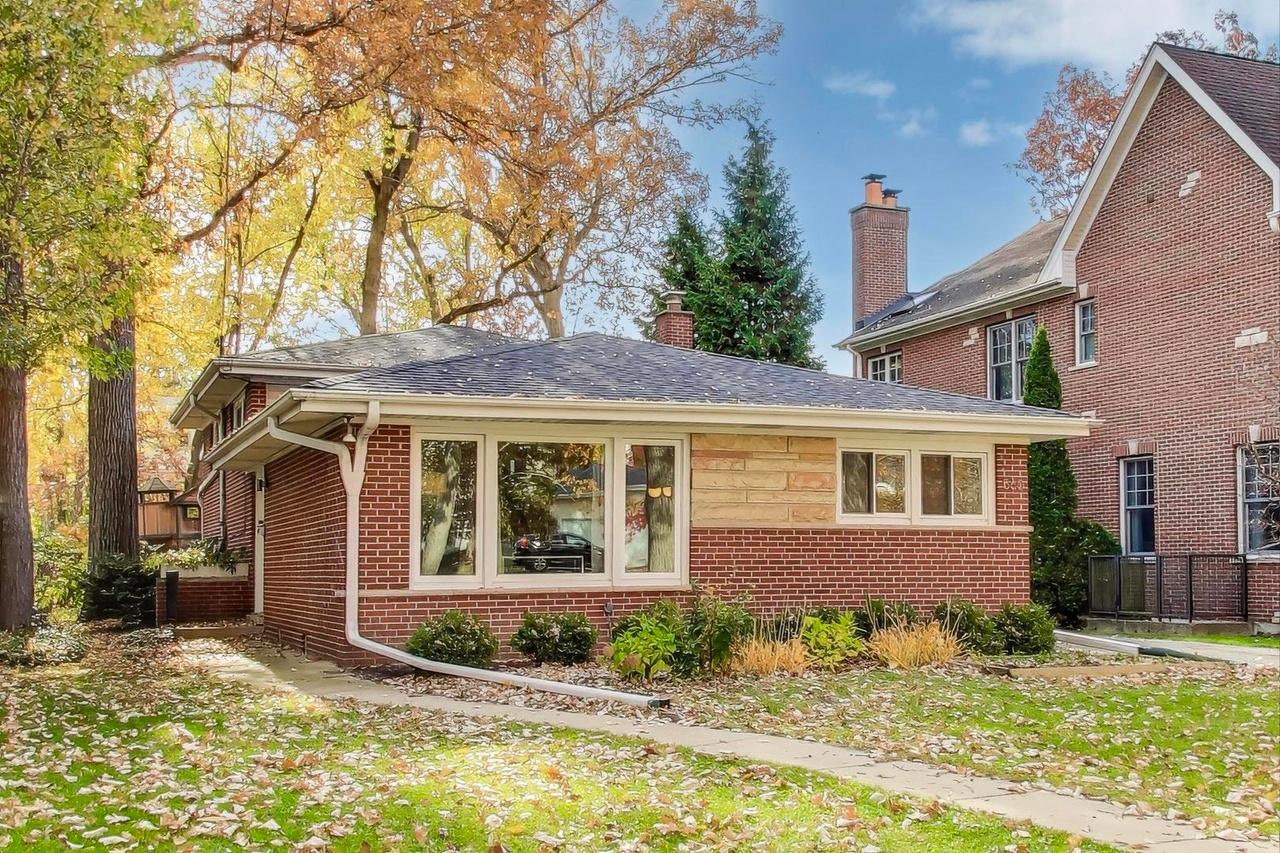
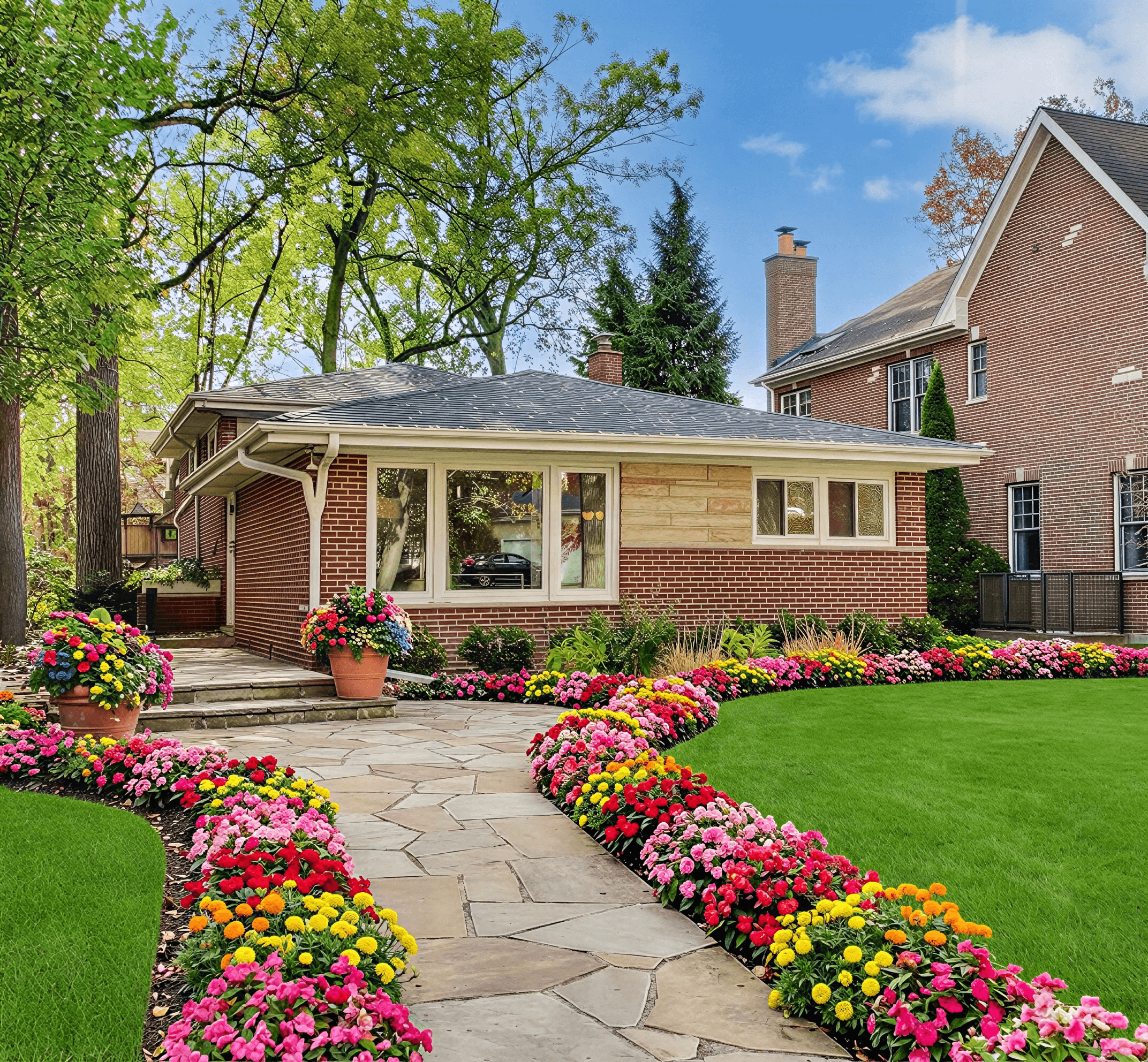
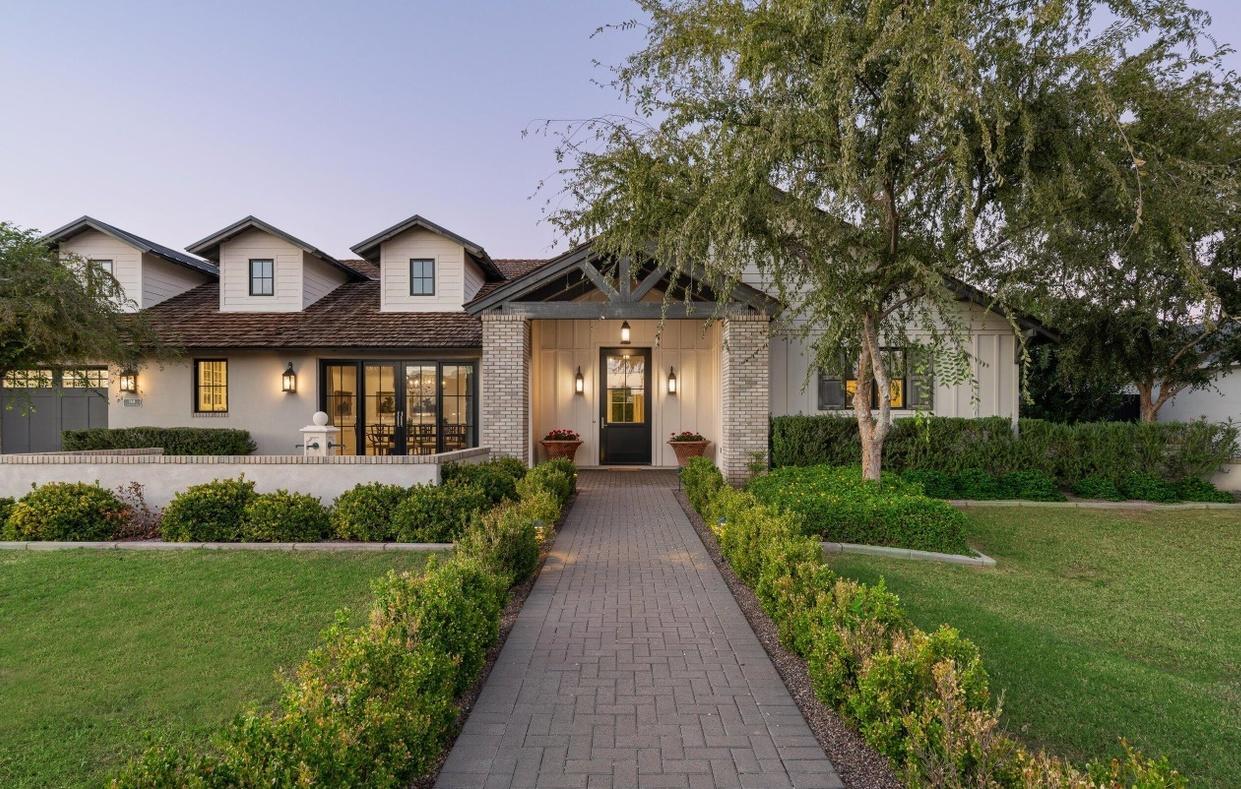
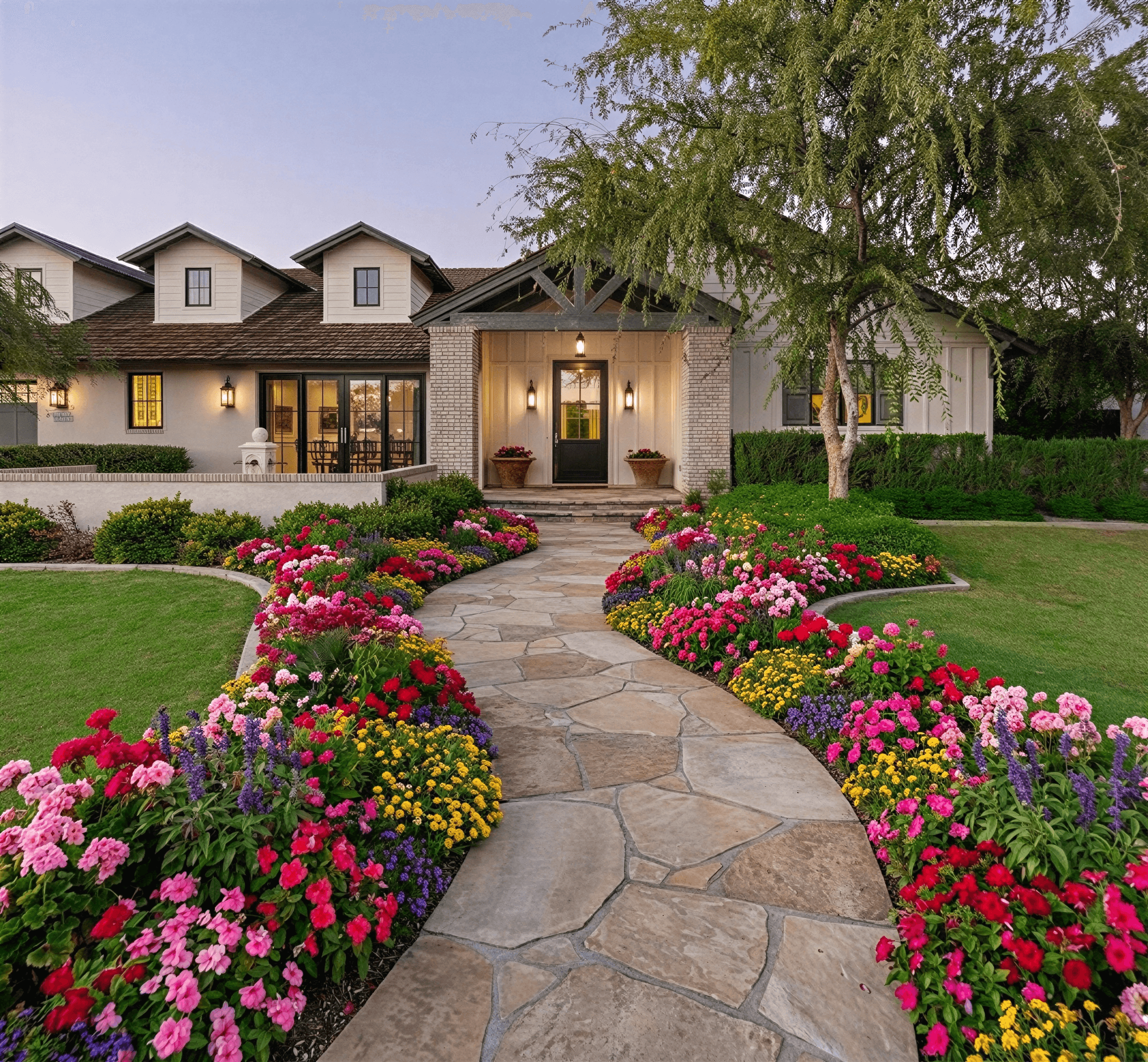
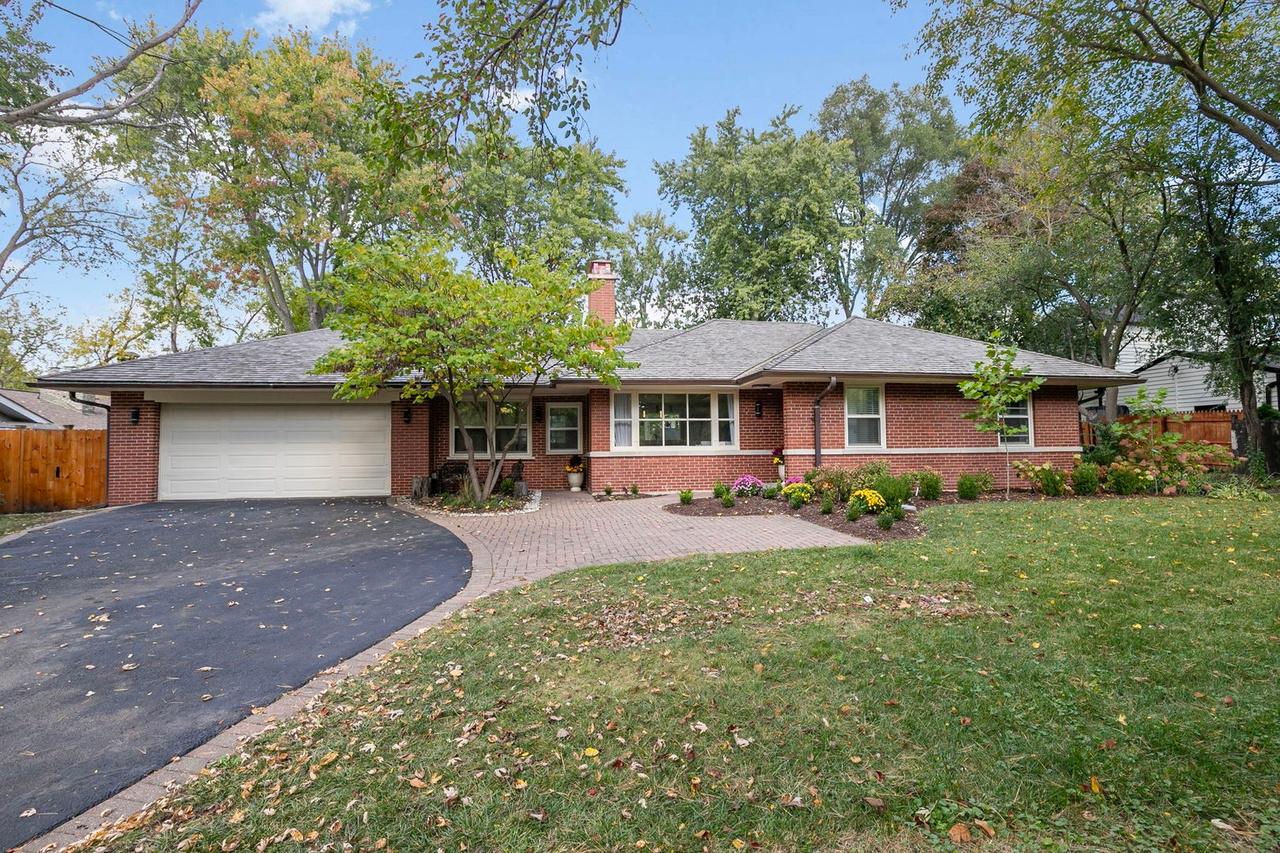
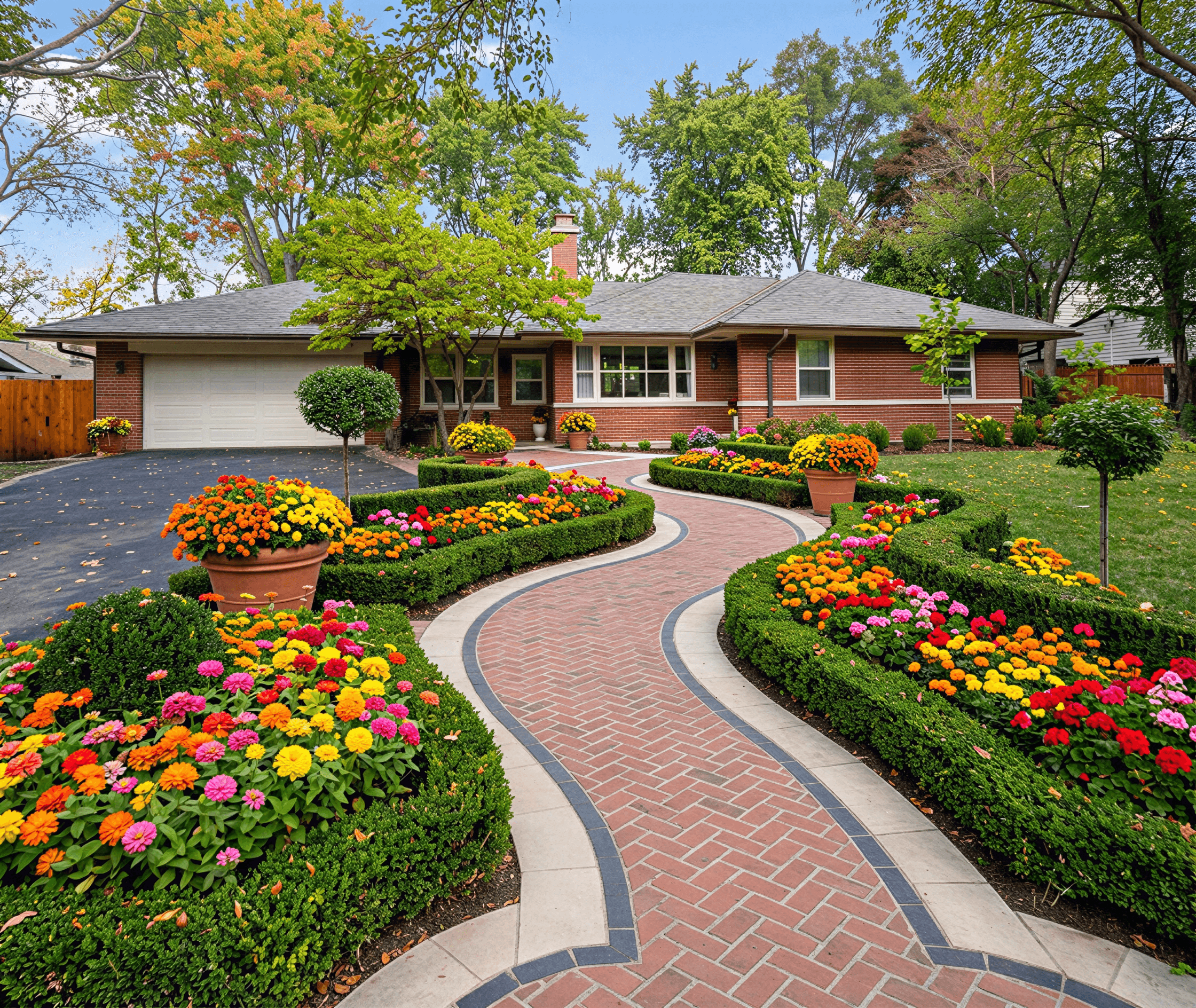
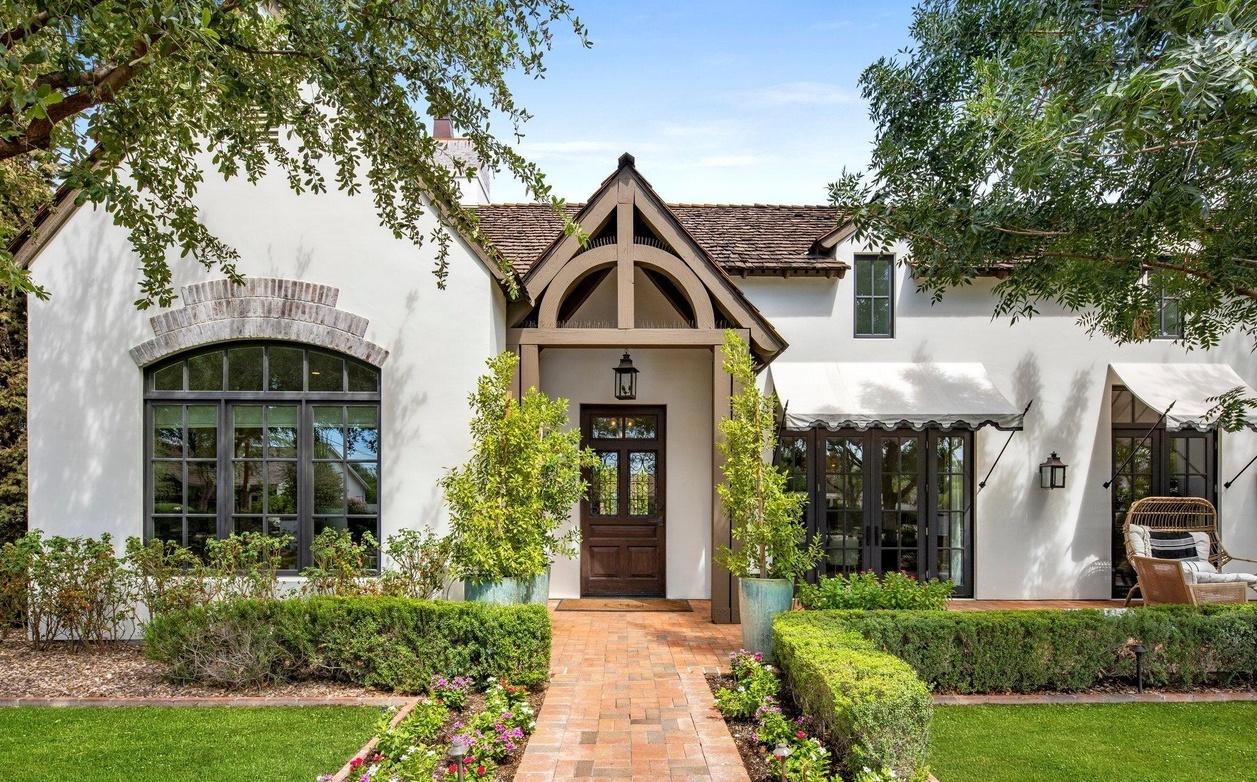
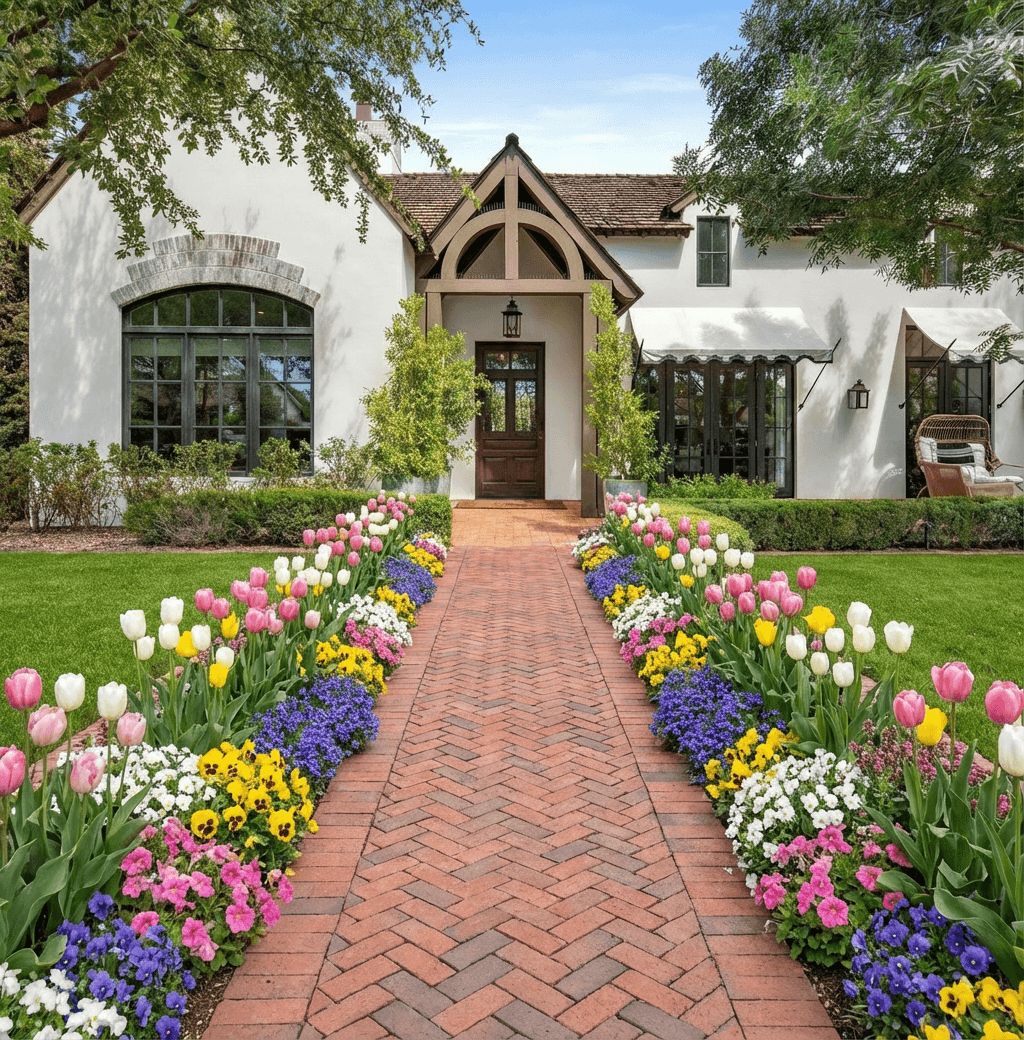
The journey to your ideal front yard doesn't have to be a game of guesswork. Instead of hoping your selections will work together, you can see them in place before breaking ground. Technology now allows you to experiment with the very plants on this list, arranging and rearranging them against a photo of your own home until the composition is perfect. This powerful visual confirmation is the bridge between inspiration and successful installation, ensuring the front yard you create is the one you’ve always dreamed of.
Ready to see how these top-rated plants will look in your yard? Stop guessing and start designing with Curb Appeal AI. Upload a photo of your home and instantly generate photorealistic designs using the plants from this guide, helping you visualize your perfect front yard in minutes. Curb Appeal AI