A Guide to Your Best Landscape Design App

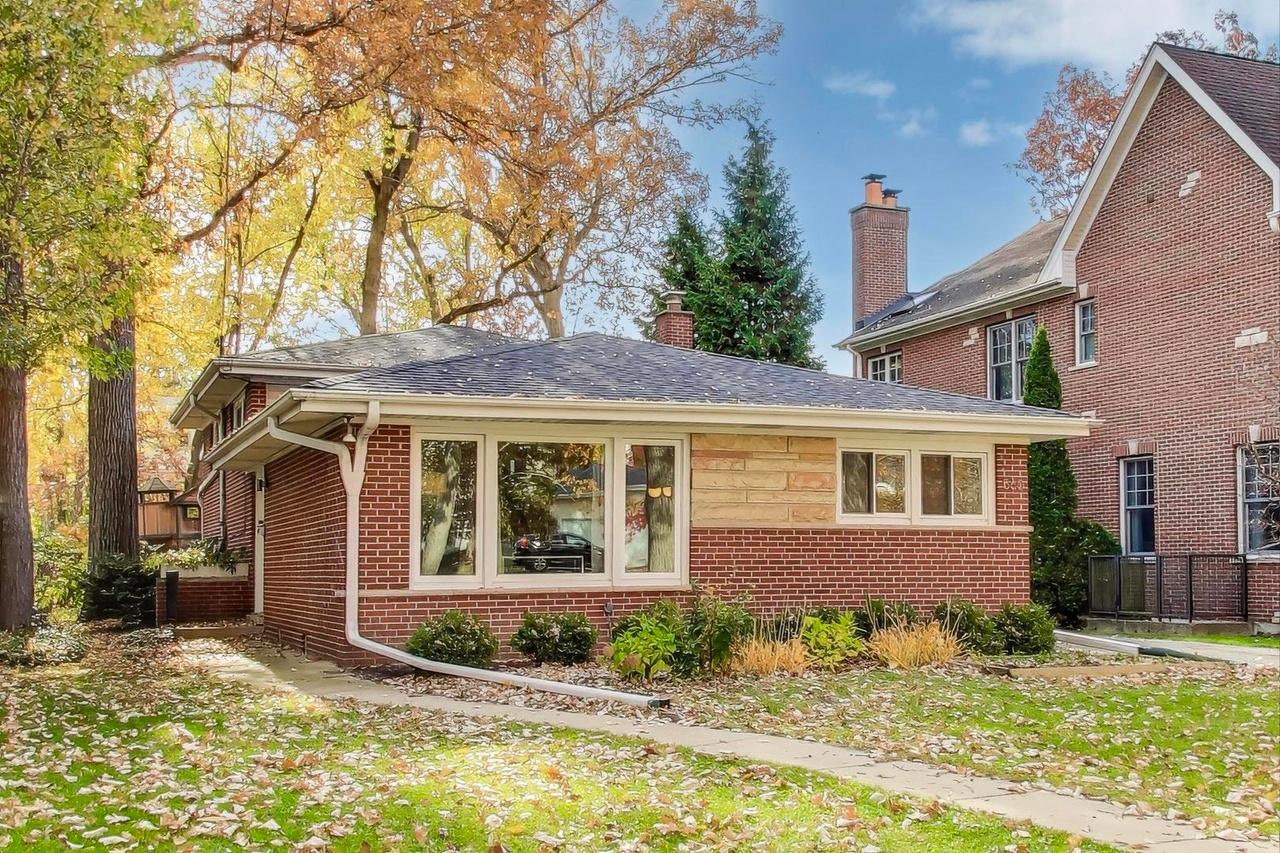
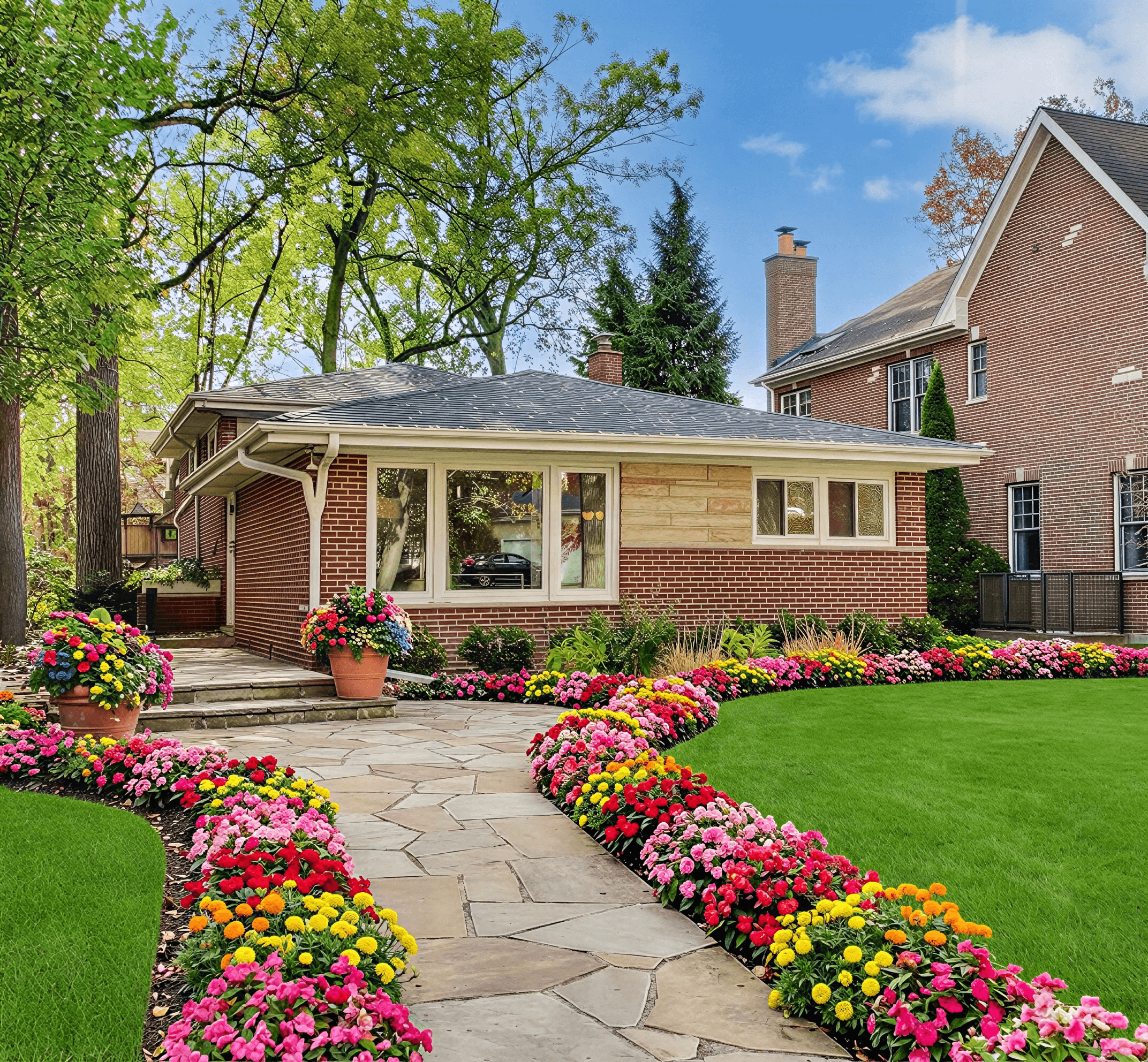
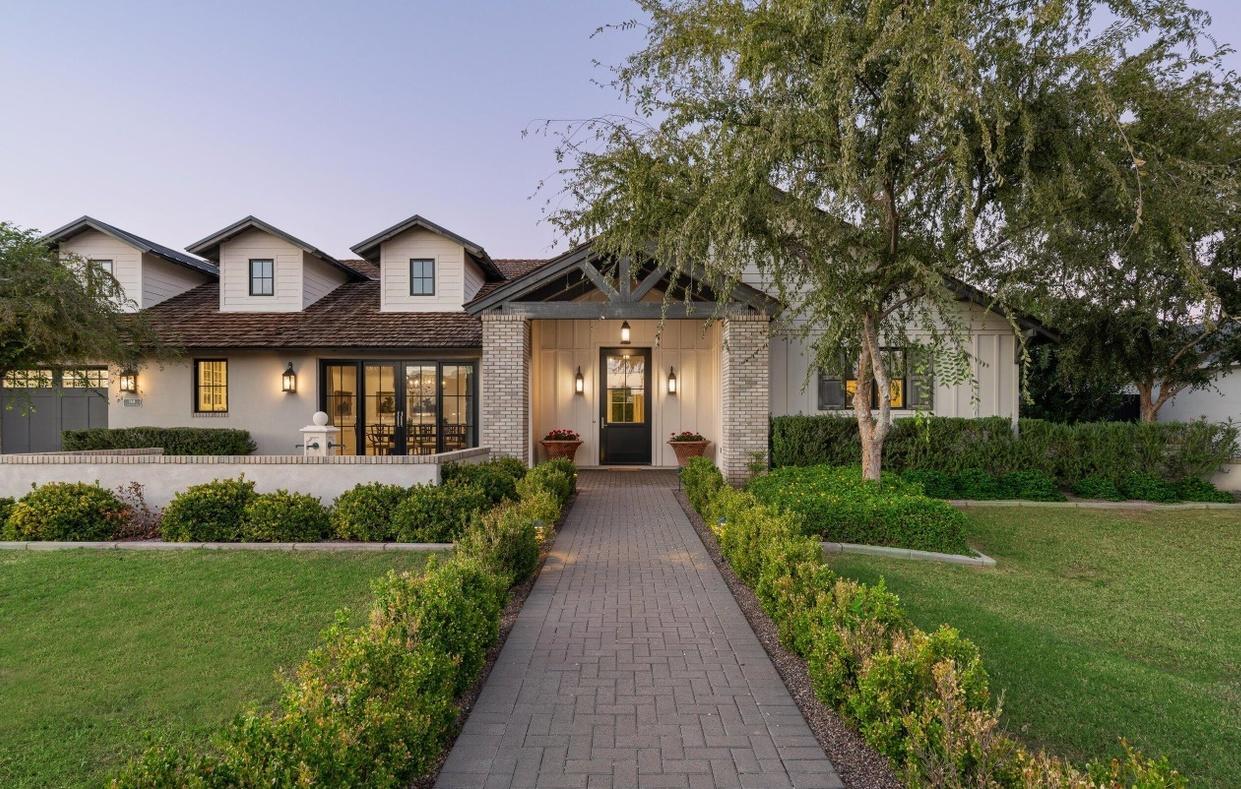
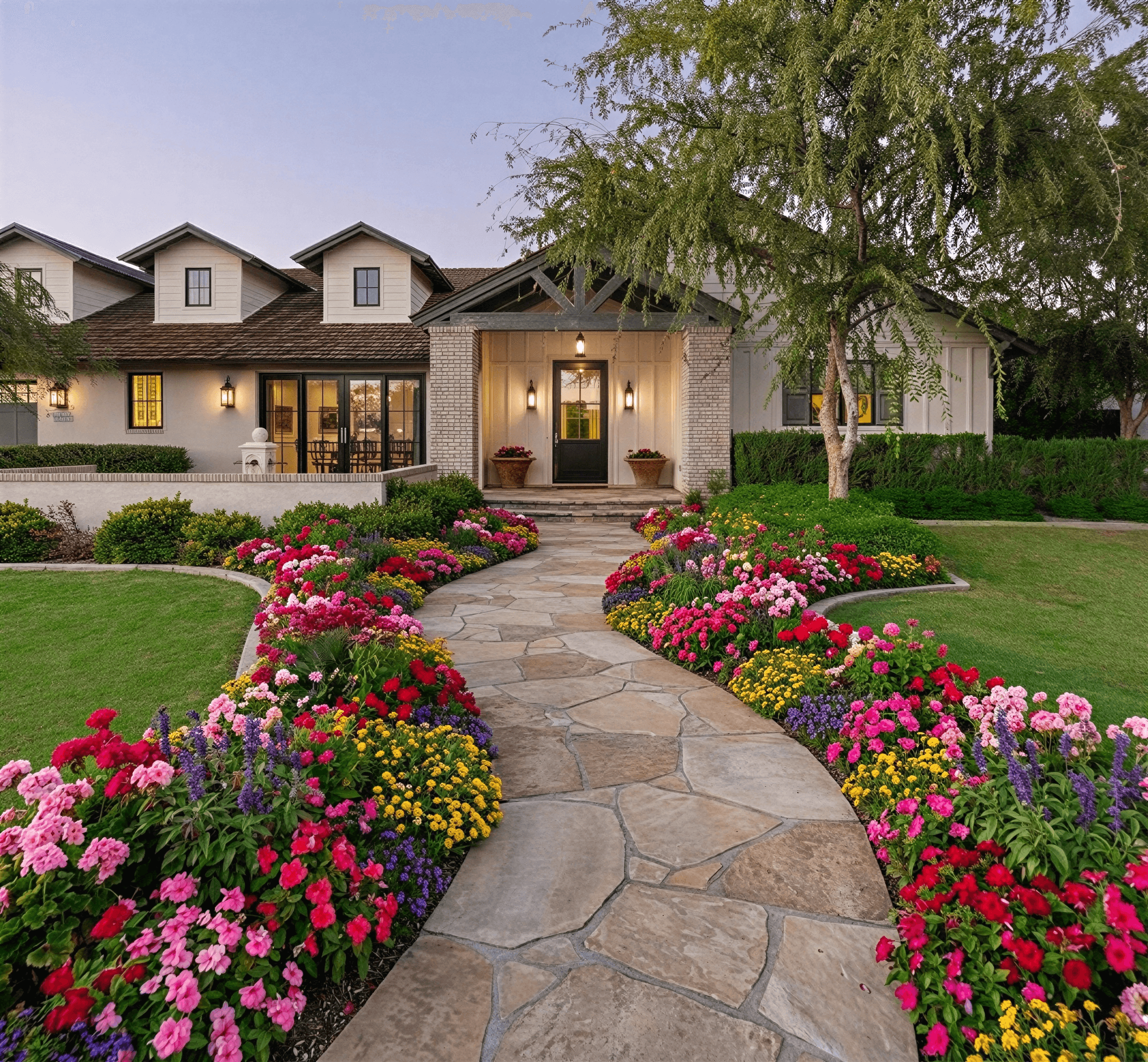
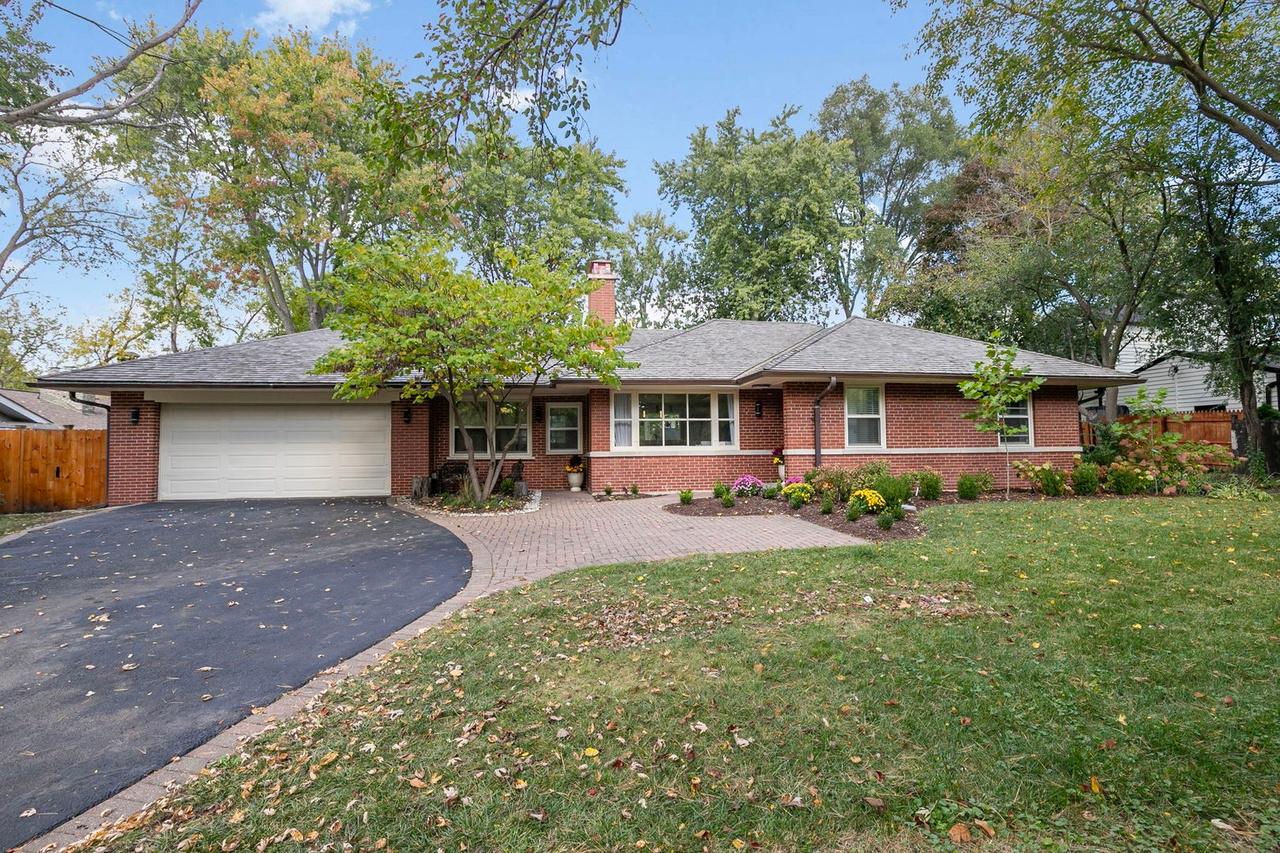
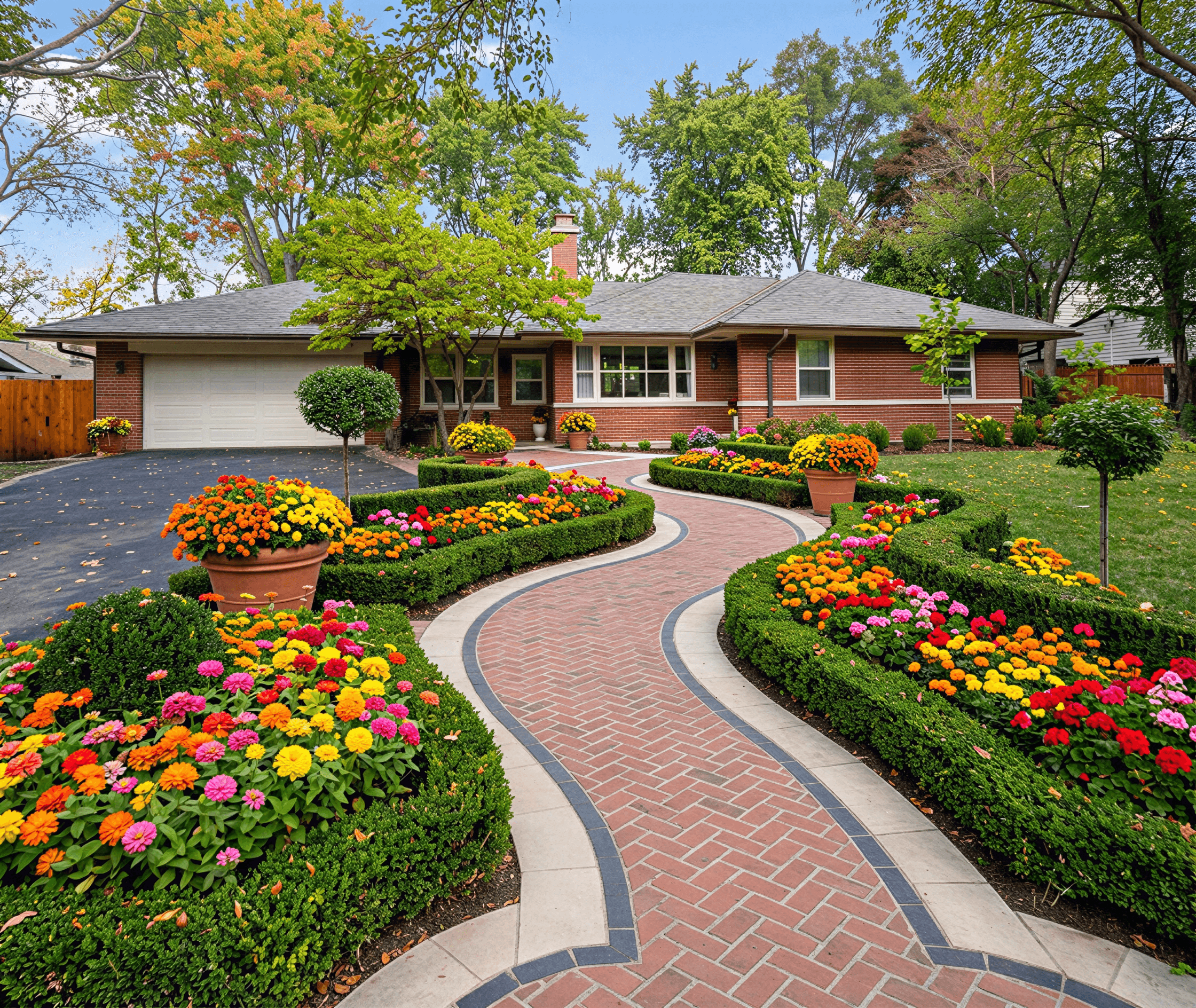
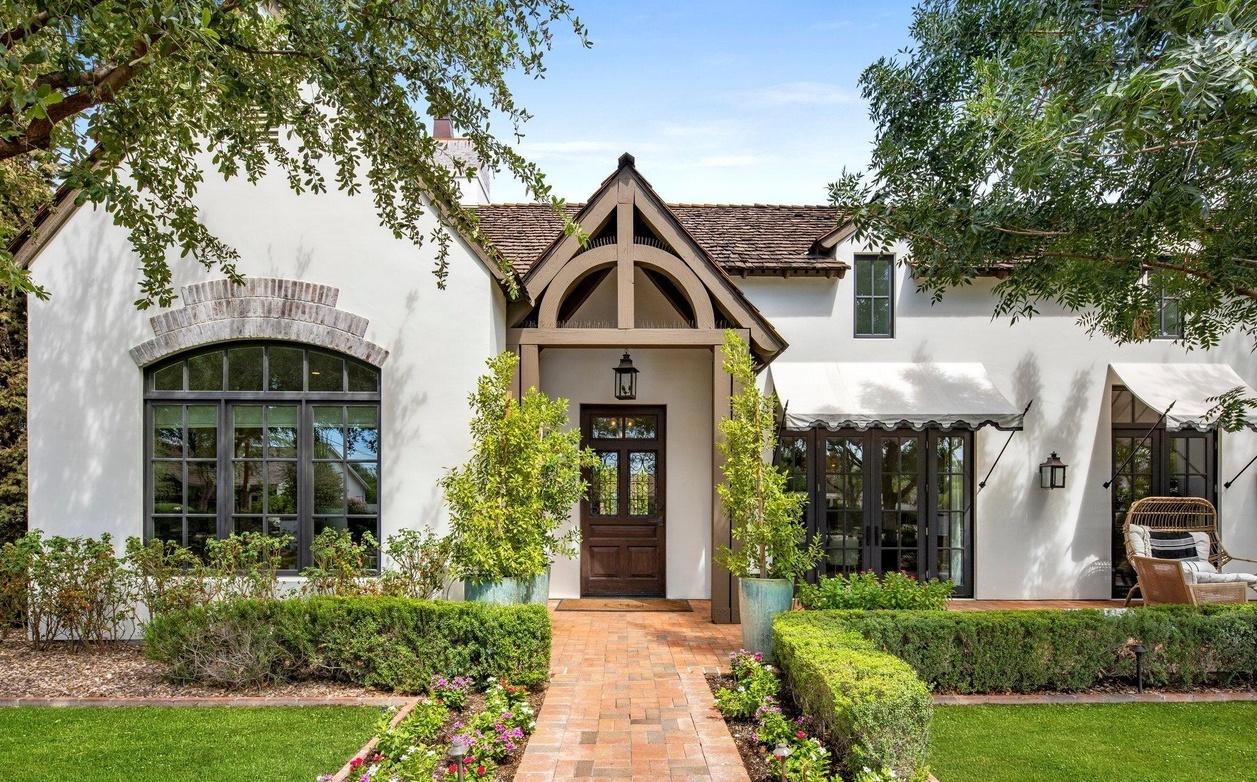
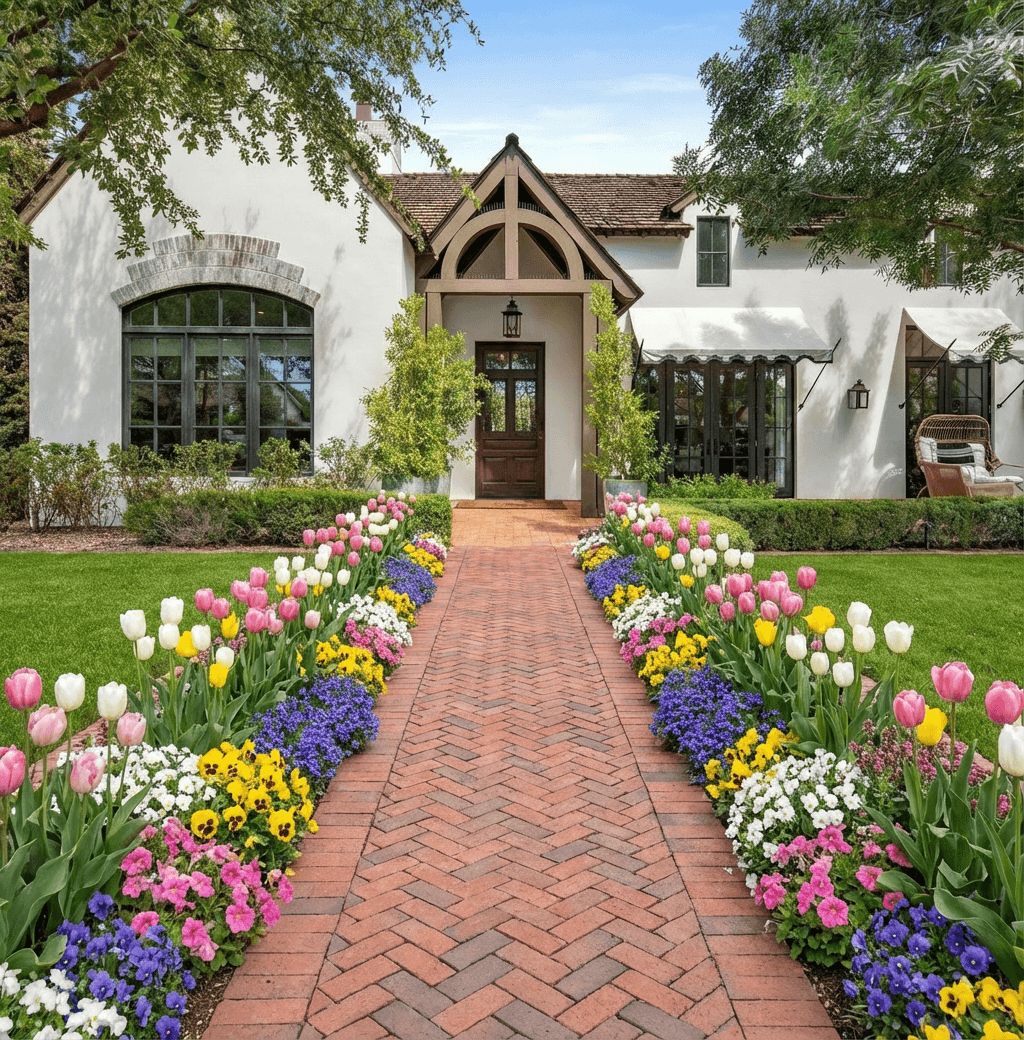
Ever wondered what your house would look like with a completely new yard, but felt overwhelmed by the thought of hiring a designer or trying to sketch it out yourself? That’s where landscape design apps come in. Think of them as a virtual dressing room for your home's exterior.
You just snap a picture of your house, and these tools let you try on different gardens, pathways, and plants—all without getting your hands dirty.
What Is a Landscape Design App?

At its heart, a landscape design app is a digital sandbox for your property. It’s a tool that lets you experiment with your home’s curb appeal, visualizing changes in minutes instead of weeks, and all before you spend a dime on materials or labor.
The core idea is simple: you upload a photo of your property, and the app uses technology—often a mix of AI and augmented reality (AR)—to overlay new landscape designs onto your existing space. It's all about making landscape design simple, even if you have zero design experience.
From Guesswork to Seeing is Believing
In the past, redesigning your yard involved a whole lot of imagination. You'd either rely on a designer's 2D sketches, try to decipher complex software, or just cross your fingers and hope for the best. Landscape design apps completely change that dynamic.
Instead of trying to describe your vision, you can see it. This move from abstract ideas to a concrete, visual plan is what makes these tools so incredibly useful for a few key groups:
- Homeowners can finally experiment with bold ideas without the fear of making a costly mistake.
- Real estate agents can instantly show a property's hidden potential to prospective buyers.
- Landscaping contractors can create stunning, persuasive proposals that help clients see the value right away.
At its core, a landscape design app takes the guesswork out of the equation. It's about seeing the final result before you even break ground, making sure the vision in your head matches the one that actually comes to life.
Traditional Design Versus a Landscape Design App
So, how does using an app stack up against the old-school approach? Here's a quick look at the differences in time, cost, and overall process.
| Factor | Traditional Landscape Design | Landscape Design App |
|---|---|---|
| Time | Weeks to months for consultations, sketches, and revisions. | Minutes to hours for instant visualizations and quick edits. |
| Cost | Hundreds to thousands of dollars for professional plans. | A small fraction of the cost, often a one-time fee or subscription. |
| Process | Multiple meetings, 2D blueprints, and lots of imagination required. | Simple photo upload, visual drag-and-drop or AI generation. |
While a traditional designer offers deep, hands-on expertise, an app gives you speed, affordability, and the power to explore on your own terms. For many projects, it's the perfect starting point.
A Market Driven by Home Investment
The rising popularity of these apps isn’t surprising when you look at the bigger picture. People are investing more in their homes. With the U.S. landscaping market projected to hit an incredible $347.21 billion by 2025, it's clear that outdoor spaces have become a huge priority.
These tools put professional-grade visualization into everyone's hands, fundamentally changing how we approach curb appeal. They offer a practical, affordable, and honestly, fun way to start creating the outdoor space you’ve always wanted.
If you're a homeowner looking to dive deeper, our guide on landscape design software for homeowners has a ton of extra tips and insights.
Key Features Every Great Design App Needs

When you're searching for a landscape design app, it's easy to get lost in a sea of promises. But what separates a genuinely useful tool from a frustrating gimmick? Think about it this way: all cars have wheels and an engine, but the one you choose depends on what you actually need—good gas mileage for a long commute, or extra seats for a growing family.
The same logic applies here. A great app experience starts with the very first step: getting a photo of your yard into the system. If that initial upload is a clunky, confusing mess, you can bet the rest of the design process will be, too.
The Core Creative Toolkit
Once your photo is uploaded, the fun should start immediately. The best apps don't just give you a single, generic "landscaped" look. Instead, they hand you a whole palette of design styles to play with, letting you try on completely different personalities for your home’s exterior.
Look for a rich library of aesthetics, including:
- Modern: Think clean lines, structured hardscaping, and minimalist plantings.
- Cottage: A charming, informal style with lush flower beds and a cozy feel.
- Xeriscape: A smart, water-wise approach using drought-tolerant plants and materials.
- Tropical: Creates a vibrant, exotic escape with bold, leafy plants and bright flowers.
Beyond just offering styles, a powerful app lets you generate variations in a snap. This is where the real value lies. Being able to compare a Mediterranean-inspired courtyard against a serene Japanese garden in seconds is what makes these tools so incredibly effective. This rapid iteration lets you explore ideas you never would have considered otherwise. To see what’s out there, you can explore our dedicated guide to find the perfect app for garden design that suits your vision.
Beyond Cartoons: The Power of Photorealism
Here's where many apps completely miss the mark: the quality of the final image. You don't want a cartoonish sketch that feels disconnected from your actual home. The goal is photorealism—a rendered image so believable it looks like a photo taken after the work is already done.
High-quality rendering is the bridge between your imagination and reality. It’s what helps you, your partner, or your client confidently say, "Yes, that's exactly what I want."
This focus on creating a convincing preview of a property's potential is something landscape apps share with virtual staging software used in real estate. Both technologies aim to help people see what's possible.
Finally, the most sophisticated platforms are built with real-world intelligence. They incorporate climate data to give you smart plant recommendations based on your specific location. By understanding your USDA Hardiness Zone, these apps suggest trees, shrubs, and flowers that will actually thrive where you live. This one feature alone can save you hundreds—or even thousands—of dollars by preventing costly planting mistakes and ensuring your beautiful new landscape is built to last.
You might think landscape design apps are just for professionals, but you’d be surprised. Their real power lies in how they translate that fuzzy idea in your head—that "what if?" moment you have while staring at your yard—into a picture you can actually see and share.
These tools have become a common language for anyone involved in a landscaping project. They're used by three main groups, each with a completely different reason for wanting to bring an outdoor space to life. Let's dig into who they are and what they're really trying to accomplish.
The Homeowner Planning a Makeover
For a homeowner, the biggest obstacle isn't a shortage of inspiration—it's the fear of making a costly mistake. It’s one thing to pin beautiful garden photos, but it's another to spend thousands on plants and pavers, only to hate the result. What if that modern look just doesn't work with your classic brick house?
This is where a design app becomes your personal sandbox. It completely removes the risk.
- Experiment without consequence: You can upload a photo of your yard and instantly try out dozens of looks. Go from a lush, English-style garden to a sleek, water-saving xeriscape in minutes.
- Buy with confidence: Seeing a photorealistic render of your finished project gives you the certainty you need before writing that check. You know you’ll love it because you’ve already seen it.
- Make smarter investments: Good design isn't just about looks; it's about value. These apps help you make choices that not only you will enjoy, but will also tangibly increase your home's worth.
The Real Estate Agent Boosting Curb Appeal
In the world of real estate, you only get one chance to make a first impression. A home with a sad, neglected yard can linger on the market for months, attracting nothing but lowball offers. Agents know this, and the smart ones use landscape design apps to sell the potential.
Instead of just saying, "Imagine what you could do with this space," they show it. An agent can quickly generate a few design options to include in the property listing, turning a patchy lawn into a stunning outdoor retreat. It’s a simple move that helps buyers see past the present and fall in love with the future.
This isn't just a hunch; it's backed by data. Great curb appeal can increase a home’s sale price by up to 7%. That’s a massive return for what amounts to a small investment in visual marketing. You can learn more about the impact of landscaping on property values.
The Contractor Winning More Bids
For landscaping contractors, every new project begins with a battle: the proposal. A client might not be able to visualize a design from a 2D blueprint or a long list of botanical names. This communication gap is where deals are lost.
A design app is the contractor's secret weapon for closing that gap. They can build proposals that are not just lists and numbers, but compelling, photorealistic visions. When you present a client with a tangible picture of their dream yard, everything changes.
- Eliminate Confusion: You show clients exactly what they're getting. There are no misunderstandings or surprises down the line.
- Justify the Price Tag: A beautiful visual makes the budget feel less like a cost and more like an investment in a clear, desirable outcome.
- Crush the Competition: Which proposal is more convincing? A verbal description and a sketch, or a professional, AI-generated render that looks like the real thing?
By turning abstract ideas into something clients can see and touch, a landscape design app helps contractors build immediate trust and win more work. In an industry where over a third of revenue comes from repeat business, that first impression is everything.
How to Choose the Right App for You
With so many landscape design apps out there, picking one can feel overwhelming. But here’s the secret: you’re not looking for the single “best” app on the market. You’re looking for the right tool for your specific job.
It’s like buying a camera. A professional photographer needs granular manual controls and RAW image files, while someone snapping vacation photos just wants something simple that takes a great picture. Your needs dictate which features are critical and which are just expensive distractions.
First, Define Your Mission
Before you even start looking at app features, ask yourself one simple question: What problem am I trying to solve?
A homeowner planning a new flower bed has completely different needs than a real estate agent trying to sell a listing faster, or a contractor putting together a formal bid. Nail down your primary goal, and the right path will become much clearer.
Once you know what you’re trying to accomplish, you can start evaluating your options against a few key benchmarks.
- Budget and Payment Model: How do you want to pay? A one-time fee per design might be perfect for a homeowner. But if you’re a professional, a monthly subscription for unlimited use probably makes more sense. Always check for a free trial.
- Output Quality: Do you just need a simple HD visual for your own reference? Or are you trying to wow a client or potential homebuyer with a stunning 4K render? The final image quality is one of the biggest differences between basic and premium tools.
- Plant and Climate Smarts: This is a big one. Does the app know what will actually grow in your backyard? Look for tools that incorporate USDA Hardiness Zone data or similar local intelligence. This feature alone can save you from planting a beautiful—but doomed—garden.
- Image and Export Rights: Who owns the final image, and what can you do with it? If you're a real estate agent or contractor, you must have commercial rights to use the designs in your listings or proposals. For a personal DIY project, a standard personal use license is perfectly fine.
The goal is to match the app’s power to your project’s needs. Don't pay for a professional-grade toolkit if you just need a hammer, but don’t try to build a house with a screwdriver, either.
To help you think through this, we've put together a checklist. Use it to gauge which features should be at the top of your list depending on what you do.
Feature Checklist for Your Ideal App
Use this checklist to evaluate which landscape design app features are most important for your specific needs.
| Feature | Homeowner Priority | Real Estate Agent Priority | Contractor Priority |
|---|---|---|---|
| Ease of Use & Speed | High | High | Medium |
| Climate Intelligence | High | Medium | High |
| High-Resolution (4K) Output | Low | High | High |
| Commercial Use Rights | Low | High | High |
| Variety of Plant & Material Libraries | Medium | Medium | High |
| Photo-Based AI Rendering | High | High | High |
| Budget-Friendly / One-Time Use | High | Medium | Low |
| Unlimited Designs / Subscription | Low | Medium | High |
As you can see, priorities shift dramatically. A real estate agent's success might hinge on having 4K images with full commercial rights. A DIY gardener, on the other hand, gets far more value from an app with smart, climate-specific plant suggestions that will keep their investment alive and well for years to come.
For a long time, artificial intelligence in landscaping felt more like a buzzword than a practical tool. But that's changing. AI is finally stepping into the role of a smart assistant for homeowners and professionals, not to replace creativity, but to supercharge it.
Think of it this way: AI handles the heavy lifting—the complex data crunching and analysis—that often bogs down even the most exciting projects. It puts expert-level insights right at your fingertips.
This is a massive shift from how things used to be done. A traditional landscape plan can easily run into thousands of dollars and take weeks to come back. In contrast, a modern landscape design app can spit out dozens of realistic, tailored ideas in mere seconds. That speed is more than just a convenience. In 2024, when 42% of landscaping businesses saw their revenue dip, tools that deliver instant, climate-smart recommendations became invaluable for building client trust and winning projects.
Smart Analysis for Smarter Designs
One of the coolest things AI brings to the table is computer vision. When you upload a photo of your yard, the software doesn't just see a picture of a house. It intelligently identifies the architectural style, breaks down the color palette, and notes existing features like windows, doors, and pathways.
This means every suggestion—whether it’s a sleek Modern garden or a rustic Tuscan courtyard—is designed to feel like a natural extension of your home.
The real magic of AI is that it gives your creativity a data-driven launchpad. It cuts out the expensive, frustrating guesswork and trial-and-error, paving the way for a beautiful and sustainable result.
This built-in analysis helps you sidestep a common pitfall: falling for a design that just doesn’t work with your property. It’s the bridge between a picture you found online and a plan that will actually look good in your space.
This flowchart shows how different people—from a weekend gardener to a real estate agent or a contractor—can figure out which app is the right fit.

As you can see, a DIYer might just need something simple and fun, while a pro needs the power of high-resolution exports and commercial use rights.
Climate Intelligence That Prevents Costly Mistakes
Beyond just looking good, the best AI platforms are also incredibly smart about what will actually grow. By cross-referencing your property’s location with USDA Hardiness Zone maps, the app will only suggest plants, trees, and shrubs that are proven to thrive where you live.
This is a game-changer. It helps you avoid one of the biggest heartaches in landscaping: spending time and money on beautiful plants only to watch them wilt because they weren't right for your climate.
This "plant intelligence" elevates an app from a simple drawing tool to a truly reliable partner in your project. It’s what ensures the gorgeous design you create on your screen is the same one you’ll be enjoying in your yard for years to come. You can learn more about how AI is applied to landscape design in our detailed guide.
From Screen to Green: Making Your Design a Reality
We’ve covered a lot of ground—from what landscape design apps do, to who they're for, and what to look for when choosing one. Now comes the best part: moving from a simple idea to actually seeing what your home could look like.
The days of a beautiful yard being locked behind a gate of high costs and confusing design principles are over. Getting a preview of your dream outdoor space is now easier and more accessible than you might think.
Trading Guesswork for a Real Plan
Think about it. Instead of wandering the nursery, wondering which plants will survive a hot summer or what style even matches your house, a great landscape design app gives you a solid, visual plan. This is where the best tools, like Curb Appeal AI, really prove their worth. They are built to solve the exact problems that trip up most projects.
When you're ready to try one out, look for the features that truly make a difference:
- Hyper-Realistic Renders: You don’t want a cartoon. You need to see a convincing picture of your actual property, transformed. This makes it so much easier to get your partner on board or show a client exactly what you have in mind.
- Climate-Aware Suggestions: A design is only as good as the plants in it. The smartest apps use your local climate data to recommend plants that won't just survive—they'll thrive. That's a real money and time saver.
- Flexible Plans: Maybe you’re just tackling your front yard one time. Or maybe you're an agent who needs designs on demand. Look for platforms that offer different tiers, including free trials, so you only pay for what you need.
You can tell a lot about a platform by what its users think. A 4.9/5 rating from over 10,000 users isn't just a number—it’s a powerful signal that the tool actually works for people just like you.
The path to a stunning, functional, and more valuable outdoor space has never been clearer. You have the insight to choose the right tools and the ability to bring your vision to life. The only thing left is to take that first step.
Stop wondering what could be, and start seeing it for yourself. Give a top landscape design app a try and watch your perfect curb appeal finally take shape.
Frequently Asked Questions
It's natural to have a few questions when trying a new tool, but you'll find that the best landscape design apps are designed to feel intuitive right from the start. Let's walk through some common questions to get you going with confidence.
Do I Need Design Experience to Use an App?
Not at all. In fact, these tools are built specifically for people who aren't professional landscape designers. The entire process is designed to be simple and visual.
You just snap a picture of your yard, pick a style you like—think "Modern" or "English Cottage"—and the AI does the heavy lifting, generating beautiful concepts for you. It's a world away from clunky, complicated software. This is about getting great ideas in minutes, not learning a new program.
How Accurate Are the Plant Recommendations?
This is a fantastic question, and it's what truly separates a good app from a great one. The last thing you want is a design filled with plants that won't survive in your climate.
The best platforms cross-reference your location with official USDA Hardiness Zone maps and local climate data. This means the app suggests plants, trees, and ground cover that are proven to thrive where you live. This built-in smarts helps you sidestep expensive mistakes and ensures the gorgeous design you see on screen is actually achievable and sustainable.
Can I Share My Designs with My Contractor?
Absolutely—and this is one of the most practical uses of a landscape design app. Modern tools are built for collaboration. You can easily save your favorite designs as high-quality images to show your partner, share with real estate clients, or, most importantly, hand off to your landscaping contractor.
Many apps offer different plans that give you exactly what you need for sharing:
- High-Resolution Exports: Get your designs in HD or even 4K, so every detail is crisp and clear for proposals and marketing materials.
- Commercial Usage Rights: This is essential for professionals. It gives you the legal right to use the AI-generated images in property listings or client presentations.
- Multiple Variations: You can create and save dozens of different ideas. This helps you and your contractor get on the exact same page about the final vision before a single shovel hits the ground.
This ability to share a clear visual plan is a game-changer. It bridges the communication gap and makes sure the final result is the one you fell in love with on the screen.
Ready to stop guessing and start seeing? The talented team at Curb Appeal AI has created a tool that makes professional landscape design accessible to everyone. Transform your property's curb appeal in seconds.