10 Home Exterior Renovation Ideas for 2026
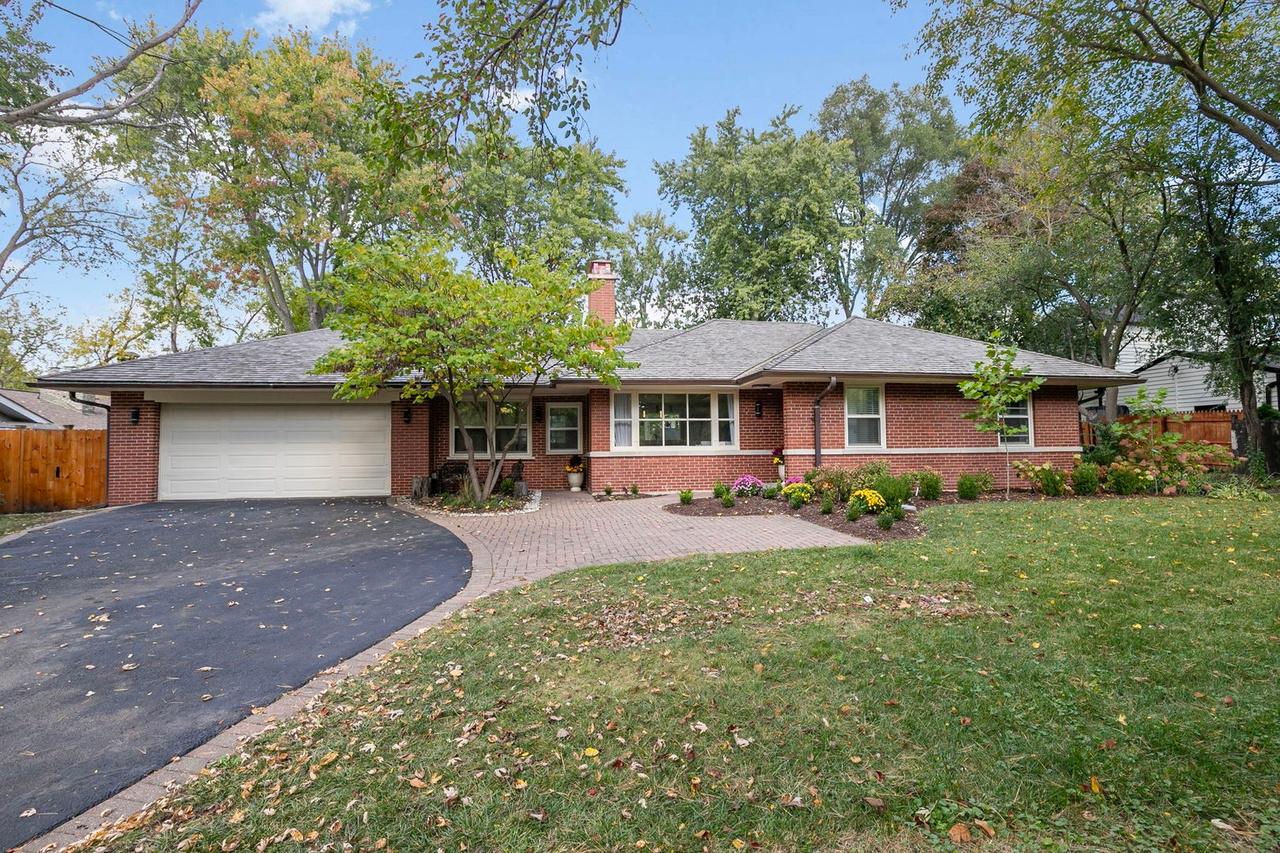
You pull into the driveway after work and notice three things at once. The trim looks chalky, the bed by the entry feels sparse, and the roof color still fights the siding every time the light hits it. That first impression affects resale, but it also affects how the house feels to live in.
Exterior renovation decisions get expensive fast because the visible parts are tied to function. Paint can freshen a house, but it will not solve failed siding. A new door can sharpen the whole front elevation, but it can also make worn steps, dated lights, and tired trim stand out more. Good planning means sorting projects by return on investment, budget, and climate fit before you spend on materials or labor.
That climate filter matters more than homeowners expect. Plant choices that thrive in one region struggle in another. The same goes for siding, roofing colors, drainage details, and even lighting placement if your home deals with heavy rain, intense sun, freeze-thaw cycles, or coastal moisture. A smart exterior plan has to look right and hold up.
This guide is organized around that real-world decision process. The ideas ahead are grouped to help you weigh what pays back fastest, what makes sense on a modest budget, and what suits the conditions your house faces.
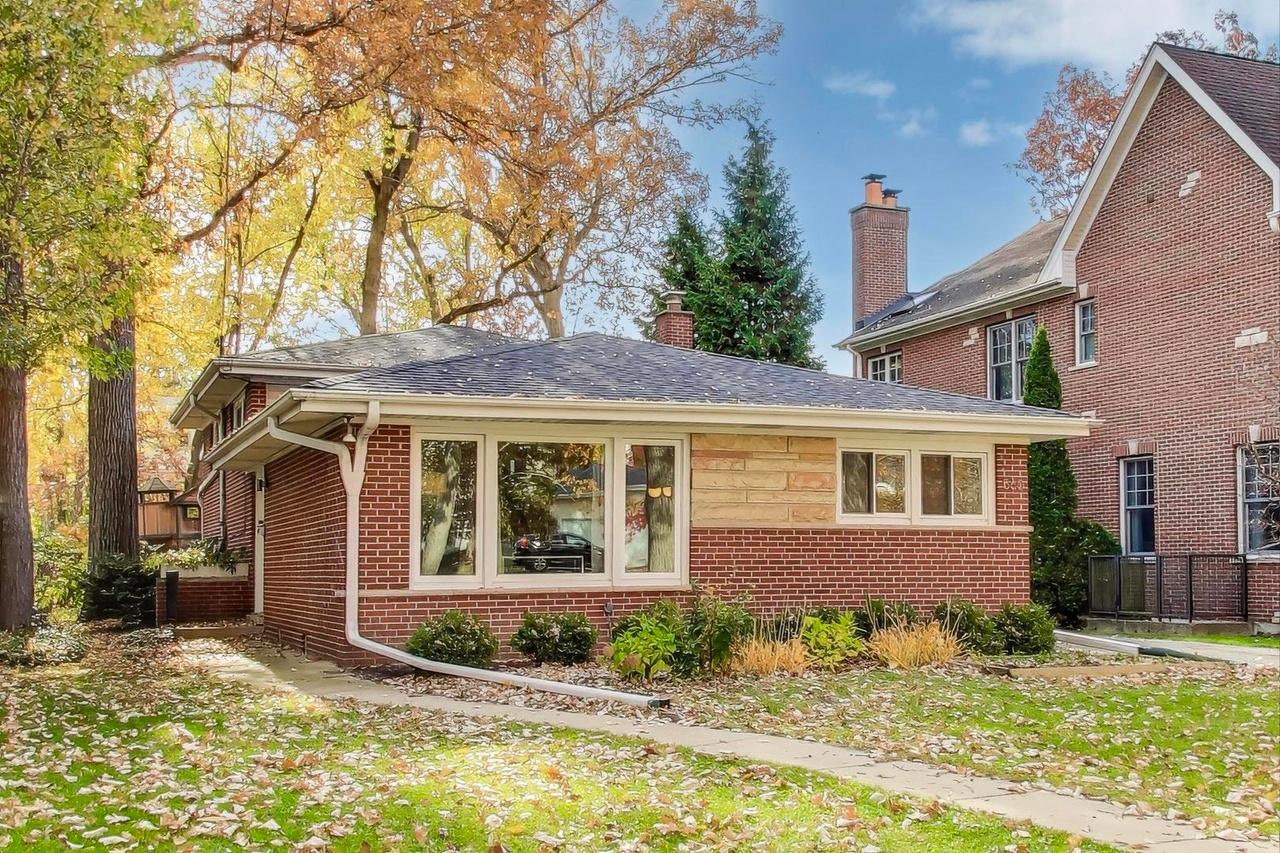
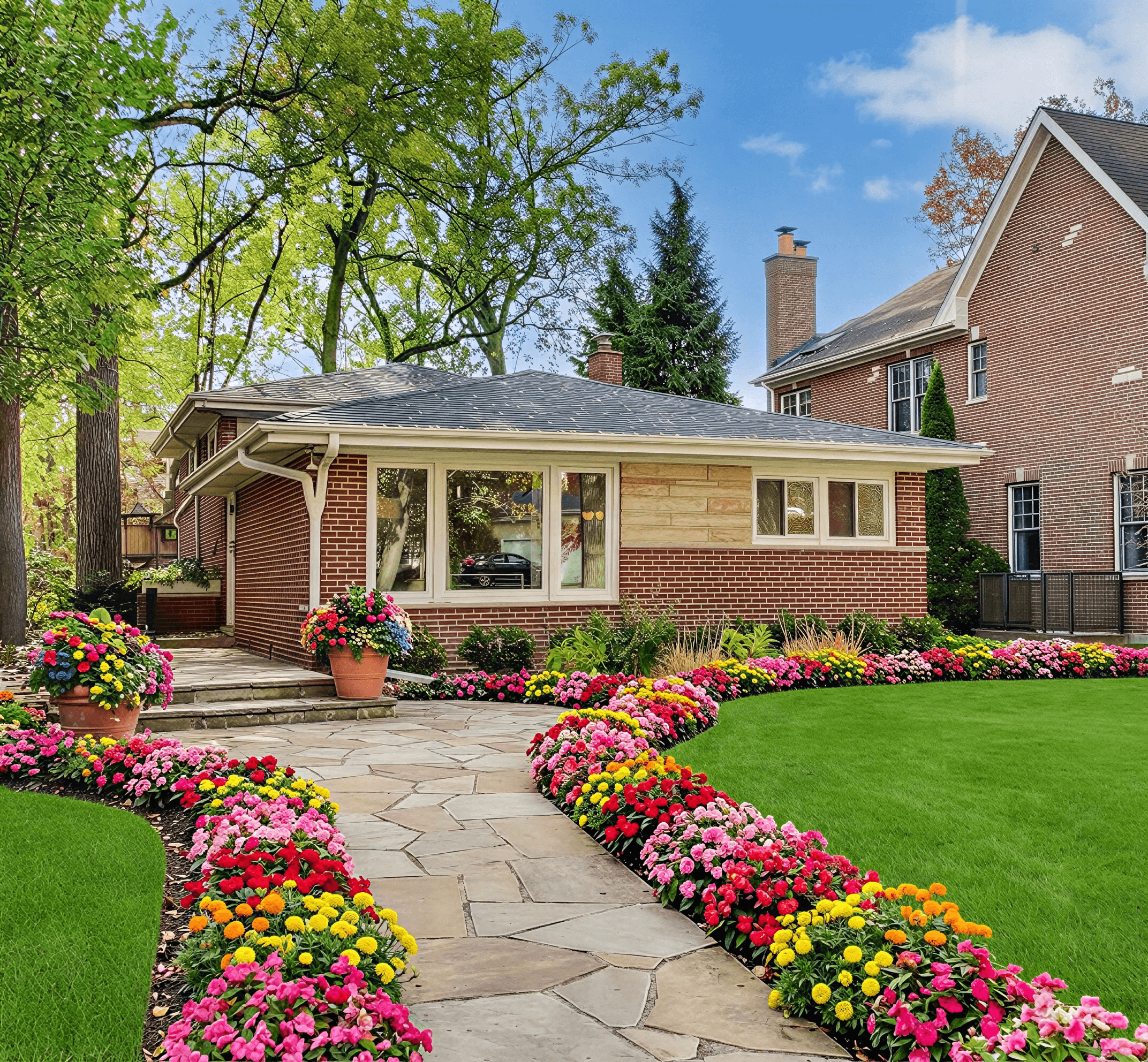
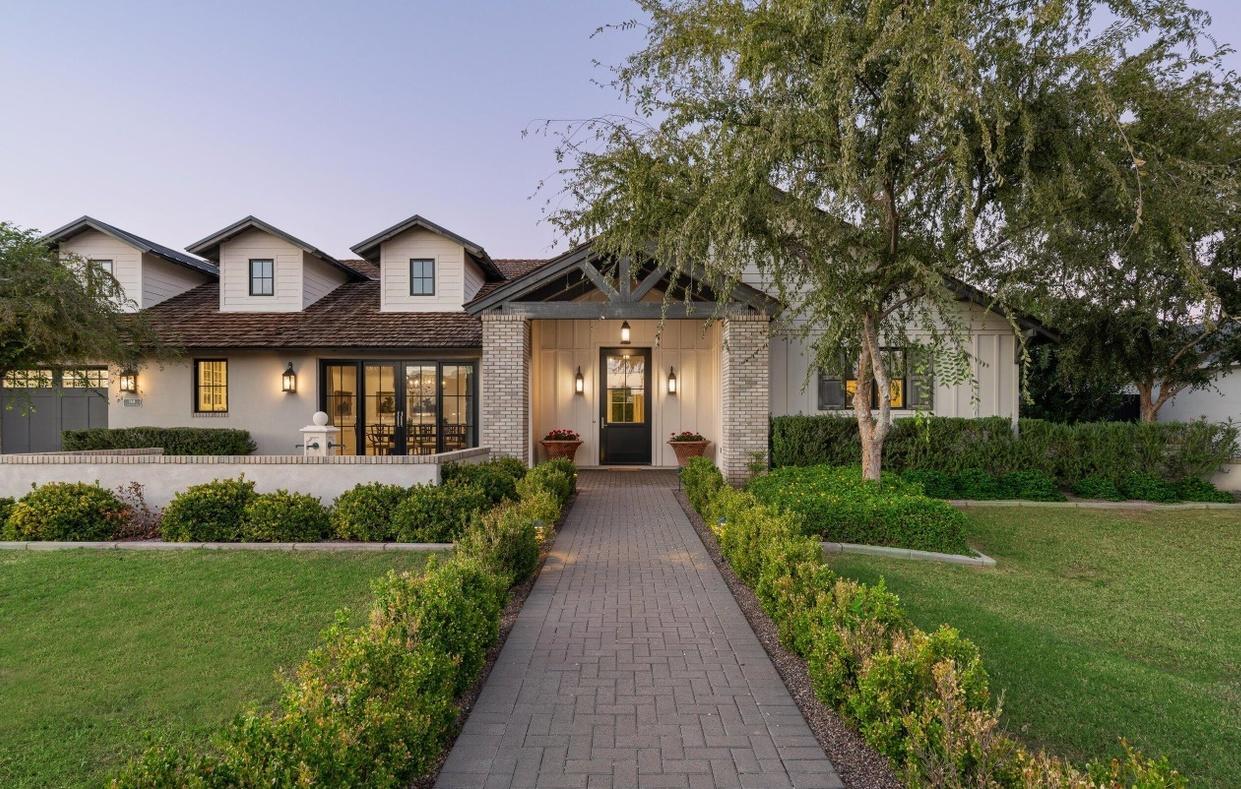
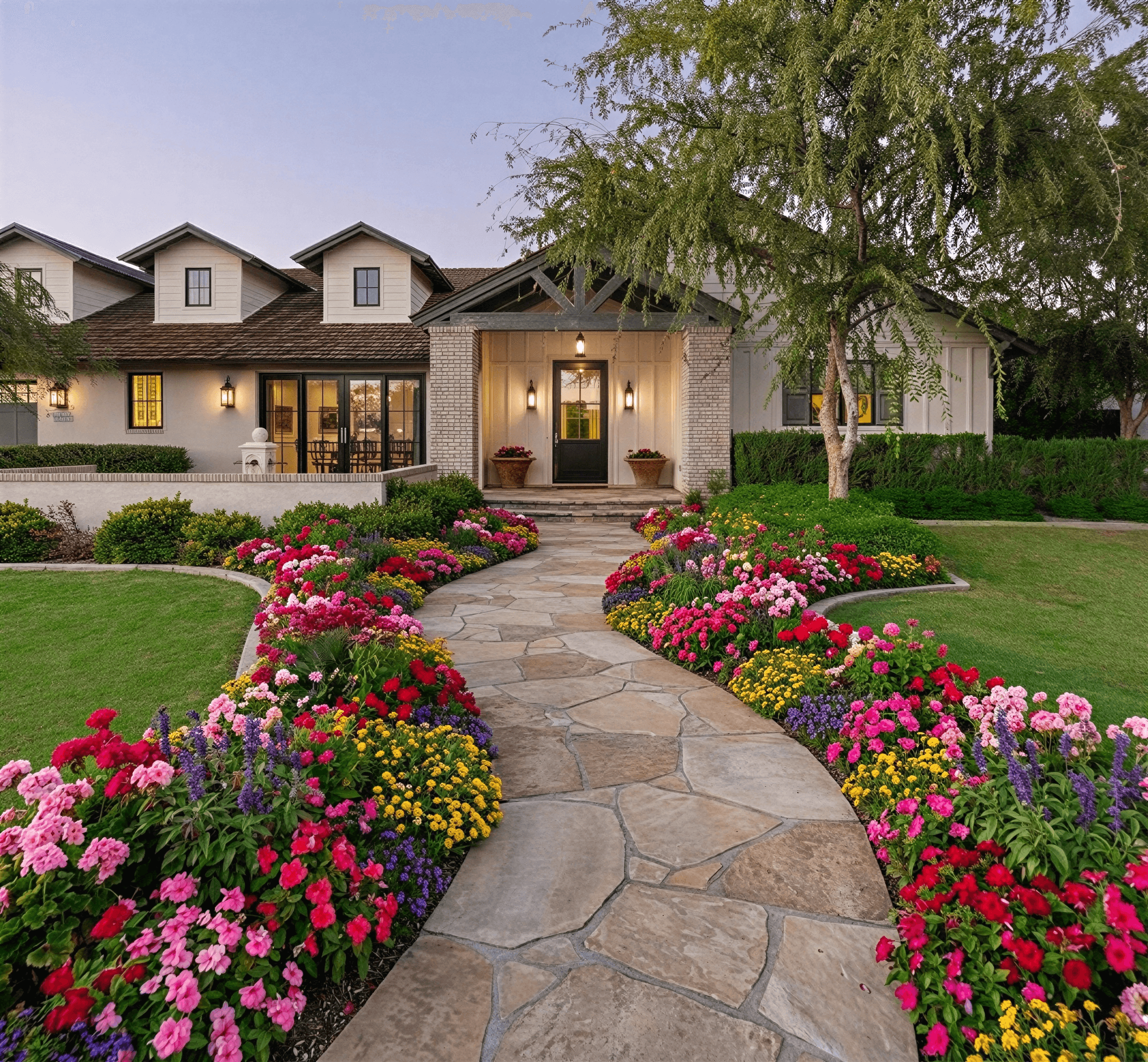
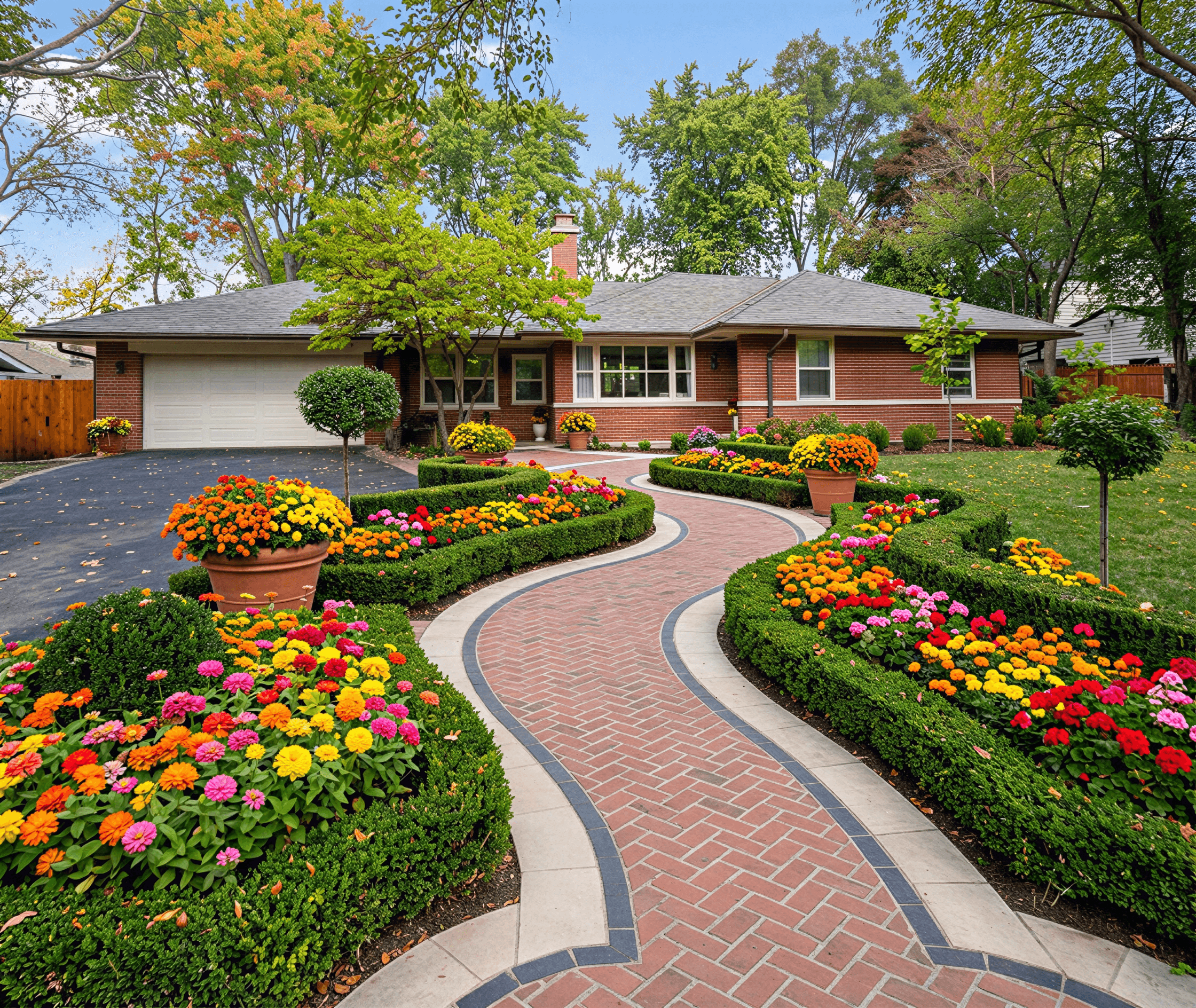
Curb Appeal AI fits into that workflow at the point where inspiration usually turns into second-guessing. Upload a photo of your home, test combinations such as doors, siding, planting beds, lighting, or hardscape, and compare them before you order materials. That kind of visual planning helps you catch mismatched colors, proportions, and scope gaps early, which is often the difference between a clean upgrade and a costly do-over.
1. Front Door Replacement and Entry Upgrade
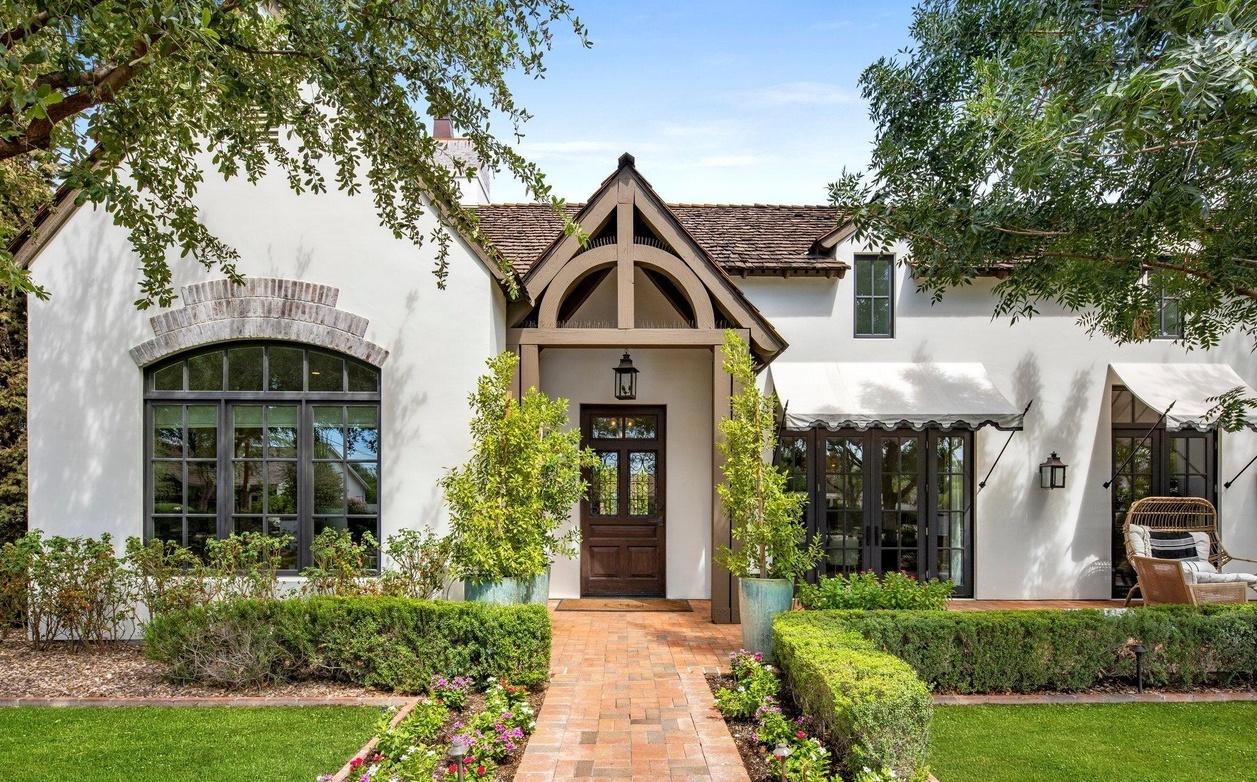
You pull into the driveway after work, and the first thing you see is not the siding or the roof. It is the entry. If the front door looks faded, undersized, or out of place, the whole house reads as dated even when the rest of the exterior is in decent shape. A door swap is often one of the cleanest curb appeal upgrades because the scope is controlled, the timeline is short, and the visual change is immediate.
It also tends to hold resale value better than many cosmetic projects. Remodeling return data from the 2024 Cost vs. Value report from Zonda consistently places entry door replacement among the more practical exterior upgrades, especially when the old unit is worn, drafty, or stylistically off.
A door replacement pays off most when the whole entry is handled as one small system. The slab matters, but so do the casing, paint line, threshold, lockset, porch light, house numbers, and the condition of the stoop. I have seen plenty of new doors make an entry look worse because the fresh finish throws every nearby problem into sharper focus.

Choose the door by ROI, exposure, and style
Start with exposure before you choose color or panel profile. A protected porch can handle more material options. A door that gets full afternoon sun, wind-driven rain, or freeze-thaw cycles needs a tougher skin and a stable core.
- Fiberglass for broad climate flexibility: Fiberglass performs well in heat, cold, and wet conditions, and it can mimic painted or stained wood without the same maintenance burden.
- Steel for budget control and security: Steel usually gives strong value for the price, but dents can be harder to hide and the look does not suit every house.
- Wood for character: Wood still has the best natural warmth on traditional and historic homes, but it asks for regular finishing and better weather protection.
House style still matters. Traditional homes usually benefit from panel detail, divided-lite glass, and hardware with some visual weight. Modern homes look better with flatter slabs, simpler trim, and restrained hardware. The wrong door does more than look off. It can throw off the scale of the front elevation and make the facade feel pieced together.
Budget is where homeowners either make a smart package decision or overspend on the slab alone. If funds are tight, put money into the door unit, quality installation, weathersealing, and one or two supporting upgrades such as a light fixture or new numbers. If the budget is larger, add sidelights, wider trim, a painted surround, or a more substantial stoop finish. Those details usually improve the result more than buying the most expensive door in the showroom.
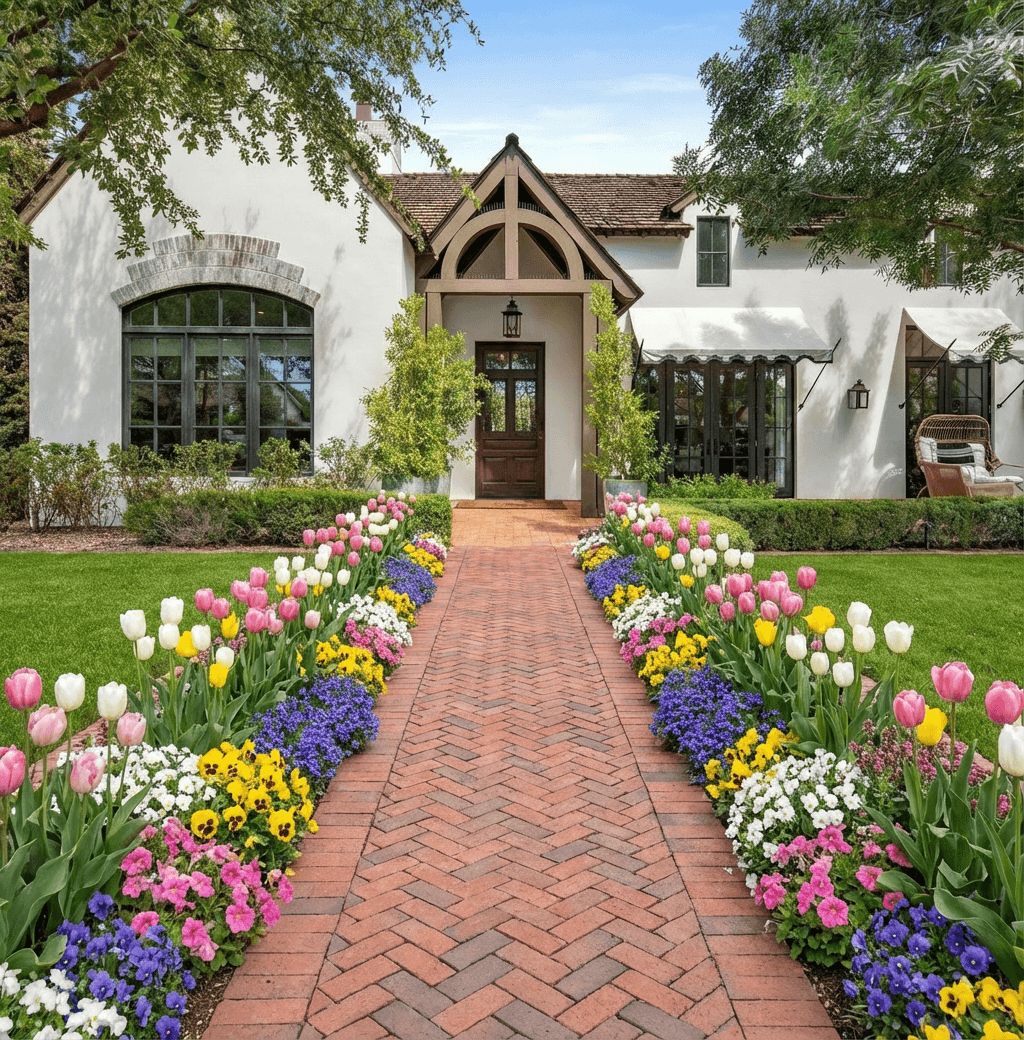
Use Curb Appeal AI before ordering. Upload a front photo, test door colors against the siding and trim, then compare whether the entry needs darker contrast, warmer tones, or a simpler frame treatment. If you also plan to refresh beds near the porch, reviewing a few front yard and entry landscaping concepts helps you avoid designing the door in isolation.
A good front door upgrade should solve three problems at once. It should improve appearance, tighten up weather performance, and make the entry feel intentional from the street to the threshold.
2. Landscaping and Garden Design Transformation
A front yard can make a house look settled and cared for, or unfinished and harder to sell. Well-planned planting, grading, and bed design usually improve curb appeal faster than many bigger-ticket projects because they change how the whole property reads from the street. Zillow notes that strong curb appeal can influence value, and this summary of Zillow findings on curb appeal and resale is a better reference point than trend-roundup articles if you want the market case.
The expensive mistake is buying plants first and solving site problems later. I see the same pattern over and over. Shrubs go into heavy shade that needs sun-tolerant material. Beds get installed in low spots that hold water. Fast-growing foundation plants are set too close to siding, then hacked back for years.
Start with the conditions on your lot. Sun exposure, drainage, deer pressure, soil type, and winter lows should narrow the options before you pick colors or flower timing. That approach gives you better survival rates, lower maintenance, and fewer replacements in year three.
Climate changes the math.
A dry Western yard often performs better with gravel accents, drought-tolerant plantings, and fewer thirsty lawn areas. Humid Southern and Mid-Atlantic properties need airflow, wider spacing, and material that can handle fungus pressure. In northern climates, the bed has to carry the house through bare-branch months, so evergreen structure and branch form matter more than summer bloom alone.
For early concept work, review garden design inspiration for front yards and curb appeal, then test those ideas against your region instead of copying them outright. Curb Appeal AI helps at this stage because you can upload a photo, compare fuller versus cleaner bed lines, and see whether the house needs more symmetry, larger anchor plantings, or a simpler layout. If you are planning siding work later, it also helps to review how planting scale interacts with facade materials like the best siding for curb appeal, since the wrong bed size can make even a good exterior update feel out of proportion.
A practical layout usually works in three layers:
- Canopy or anchor elements first: Small trees, upright evergreens, or major focal plants should frame the home without crowding windows, walks, or rooflines.
- Mid-height structure next: Shrubs carry most of the year-round visual weight and should be sized for their mature width, not their nursery pot.
- Low plantings last: Perennials, grasses, and groundcovers add seasonal interest, but they should support the composition, not compensate for weak structure.
Hard edges matter too. Defined bed lines, fresh mulch, and a walkway that drains properly often improve the result as much as the plant list itself. If water stands near the foundation or the front walk pitches toward the house, fix that before installing anything decorative.
The highest-ROI yard updates are usually the least flashy. Clean up overgrown beds, remove plants that block windows, add one or two well-placed anchors, and make the layout look intentional. A smaller, well-spaced plan nearly always outperforms an overcrowded one that looks good for one season and becomes a maintenance problem after that.
3. Siding Replacement and Exterior Cladding Updates
You usually know siding has moved from cosmetic issue to replacement job when the same wall keeps needing paint, caulk, or patchwork and still looks tired. Once moisture gets behind failed joints or soft trim, another surface-level fix rarely holds for long. Siding covers too much of the house to treat as a minor detail. It sets the style, affects maintenance, and changes how every other exterior choice reads from the street.
From a resale standpoint, siding replacement tends to hold value well compared with many exterior projects, especially when the existing cladding is visibly worn. The Remodeling 2024 Cost vs. Value Report from Zonda places manufactured stone veneer, garage door replacement, and fiber-cement siding among the stronger exterior returns, which is a useful benchmark if you are ranking projects by ROI rather than by appearance alone.

Material trade-offs that matter in real life
Fiber cement is often the safest middle-ground choice for homeowners who want a painted-wood look without wood-level upkeep. It handles weather well, resists pests, and usually looks more substantial than basic vinyl once installed with proper trim details and reveal spacing. The trade-off is weight, labor, and cut-edge management. A good product installed poorly still looks rough.
Vinyl makes sense on tighter budgets, but it has a narrow margin for error. Cheap panels, weak color selection, and sloppy outside corners are what give vinyl its bad reputation, not the category itself. On simple homes in moderate climates, a higher-grade insulated vinyl product can be a practical choice. On older homes with deep trim profiles or uneven walls, it can flatten the facade fast.
Engineered wood gives you warmer texture and cleaner shadow lines than many budget products. It also tends to go up faster than fiber cement. In my experience, it works best for homeowners who want a more custom look without paying for full cedar or composite systems. Manufacturer guidance from LP notes that engineered wood products are designed to reduce common maintenance problems tied to moisture and impact, but they still depend on correct flashing, clearance, and paint maintenance over time.
Metal panels and mixed cladding can look excellent on modern or mountain-style homes. They are not universal solutions. On a traditional suburban elevation, too much metal can make the front look cold or out of place, especially if the roof, windows, and entry details still read as conventional. Climate matters here too. In wet regions, rainscreen details and drainage gaps matter more than the showroom sample. In high-fire areas, product ratings and ignition-resistant assemblies carry more weight than style alone.
If you're comparing options, this guide to the best siding for curb appeal is a useful style reference.
A practical way to choose is to narrow the field by budget first, then by climate, then by architecture. That order saves time. If the budget only supports selective replacement, spend the money where failure is concentrated and make sure the repair lines will not be obvious. If full replacement is on the table, check adjacent costs early, including trim, housewrap repairs, soffits, gutters, and even how much roof replacement costs if the roof edge or flashing details are also near the end of their life.
Before you commit, run two or three complete exterior versions in Curb Appeal AI, not just siding color swaps. Test the body color, trim color, accent material, and roof tone together, then compare them against your climate and budget priorities. That workflow is what turns a long list of home exterior renovation ideas into a usable plan. It helps you spot when the expensive option is only a small visual improvement, and when a better material mix will carry more curb appeal for the money.
4. Roof Replacement and Architectural Shingle Upgrades
You notice the roof before you mean to. Pull into the driveway after updating the siding or cleaning up the planting beds, and an aging roof can make the rest of the work look unfinished. Because it covers so much of the facade, a roof change has outsized impact on curb appeal, resale perception, and weather protection at the same time.
This upgrade also needs to be sorted by ROI, budget, and climate, not just by color sample. If the existing roof is failing, replacement moves from cosmetic wish list item to priority repair. If the roof still has service life left, the better move may be to coordinate its future color and material with other exterior work now so you do not create conflicts later.
Where architectural shingles win on value
Architectural shingles are the default choice on many homes for a reason. They cost less than metal, look better than basic three-tab shingles, and fit a wide range of house styles without forcing other design changes. On colonials, ranch homes, and a lot of suburban two-stories, they usually give the best balance of appearance and cost.
They also hide minor waviness and age better visually than cheaper shingle profiles.
Metal roofing earns its keep in the right conditions. It performs well in snow country, sheds water fast, and can last a long time. It also costs more up front, can be noisier depending on the assembly, and does not suit every facade. I have seen homeowners choose standing seam because they liked it on a modern farmhouse photo, then realize it looked out of place on a conventional brick-front house with standard trim and proportions.
A few decisions matter more than the logo on the bundle:
- Attic ventilation: Poor intake and exhaust ventilation shortens roof life and can trap heat and moisture.
- Roof color: Lighter colors make more sense in hot, sunny climates. Darker roofs can look sharper on some homes but absorb more heat.
- Flashing and edge details: Valleys, chimney flashing, drip edge, and step flashing decide whether the roof stays dry.
- Material weight and profile: Heavier or more distinctive products can improve appearance, but they also raise labor and accessory costs.
Budget discipline matters here because roof projects expand fast. Deck repairs, flashing replacement, gutter removal and reset, and plywood replacement can all show up once tear-off starts. If you need a baseline before calling contractors, this breakdown of how much roof replacement costs helps set realistic expectations.
For visualization, Curb Appeal AI works best if you test the roof as part of the full exterior, not as an isolated swap. Run one version with architectural shingles in a mid-tone blend, one with a darker roof, and one with a metal profile if your architecture can support it. Then compare those versions against your climate, your budget cap, and the other upgrades already planned. That process usually makes the right answer clearer.
5. Outdoor Lighting and Garden Lighting Design
You pull into the driveway after sunset, and the front of the house reads as a dark mass with one overbright porch light. The walkway fades out, the entry loses definition, and any money spent on siding, paint, or planting gets wasted for half the day. Good exterior lighting fixes that. It extends usability, improves safety, and gives the house a finished look at night.
It can also trim waste if the system is planned well. LED fixtures, timers, photocells, and motion sensors usually cut unnecessary runtime compared with older halogen setups or fixtures left on all night. The savings depend on fixture count, controls, and how the house is used, so I treat efficiency as a bonus rather than the main reason to do the project.

Build the plan in layers and match it to budget and climate
The strongest lighting plans do three jobs at once. They guide people safely to the door, highlight a few architectural features, and avoid glare from the street or front windows. More fixtures do not always produce a better result. In practice, too much light makes a house look flat and pushes up installation cost, maintenance, and power use.
A balanced setup often includes:
- Entry fixtures: These define the front door and help guests read the entry clearly.
- Path lighting: These improve footing and give the approach a steady visual rhythm.
- Accent lighting: These draw attention to masonry texture, columns, a mature tree, or a focal planting bed.
- Controls: Timers, dimmers, photocells, and motion sensors keep the system useful without running everything all night.
Warm color temperatures usually suit residential exteriors better than cold, bluish light. Fixture spacing matters too. I usually get better results from fewer, better-placed fixtures than from a crowded row of cheap path lights.
Budget and climate should drive the fixture choices. Coastal areas need corrosion-resistant materials. Snowy regions need fixture placement that stays clear of plows and shoveled snow. Hot, dry climates often benefit from simpler systems with easy bulb and transformer access because sun exposure shortens the life of lower-grade components. If the front walk is part of the lighting plan, it helps to review a few front-yard stone walkway design ideas at the same time so the lighting and hard surfaces work together.
Curb Appeal AI is useful here because lighting is hard to judge from product photos alone. Run one version with a stronger entry focus, one with path lights only, and one with selective accent lighting on key features. Then compare those mockups against your budget cap, your climate, and the maintenance level you are willing to live with. That workflow makes it easier to spend money where nighttime curb appeal changes the house the most.
6. Driveway and Hardscape Renovation
A cracked driveway and a narrow, awkward walkway can make a good house feel neglected. Hardscape reads as permanence. If it's broken, stained, poorly drained, or patched in mismatched sections, people assume other maintenance has been deferred too.
This upgrade is partly aesthetic and partly practical. Water management matters more than pattern or finish. If runoff already pools near the garage, foundation, or walk, replacing the surface without correcting pitch and drainage just resets the clock on the same problem.
Choose the surface based on weather and use
Concrete is common because it's durable and relatively straightforward. Asphalt can still be the right call in some regions, but it needs periodic care. Pavers and stone create the best visual interest, especially when you want the front yard to feel more custom, but they demand a good base and proper edge restraint.
Permeable materials deserve attention in wet climates or on lots with runoff issues. They can help reduce stormwater problems while softening the look of a large paved area. And if you're redesigning the approach to the front door, it helps to think of the driveway and walkway as one visual system, not separate jobs.
For front-yard path inspiration, this roundup of stone walkway design ideas for the front yard is useful when you're trying to connect the driveway, entry, and planting beds.
A few practical mistakes show up over and over:
- Ignoring slope: Water always wins. Get the grading right before worrying about decorative finishes.
- Going too narrow: A cramped drive or walk feels cheap and frustrating to use.
- Skipping edge detail: Borders, lighting, and planting edges are what make hardscape feel designed instead of poured.
Use Curb Appeal AI to test whether the driveway should visually blend into the house palette or contrast with it. On some homes, a softer neutral drive lets the landscaping lead. On others, a stronger paver pattern helps anchor a wide facade.
7. Porch and Entryway Addition or Expansion
A front entry can make a house feel finished or unresolved the moment you pull up. I see this a lot on homes with a shallow stoop, undersized landing, or an exposed front door that takes the full hit from rain and sun. A porch addition fixes more than appearance. It improves daily use, protects materials at the entry, and gives the facade a clear focal point.
Porch work also has a wider range of budgets than homeowners expect. A modest covered entry can deliver a strong visual return without the cost of a full-width front porch. The right scope depends on what the house lacks. Some facades need shelter and scale. Others need a better stair layout, stronger columns, or a landing that feels safe and generous instead of cramped.
Build the porch to fit the house and the climate
A porch should look original to the structure. That usually comes down to roof pitch, column thickness, trim details, and how the new foundation meets the old one. If those proportions are off, the addition looks pasted on. If they are right, the whole front elevation settles down and reads as one design.
Climate matters here more than style boards suggest. In hot, wet, or buggy regions, a screened porch can add real use value, especially if the front yard has shade and privacy. In cold climates, many owners get more practical benefit from a smaller covered entry with good lighting, durable steps, and a dry place to manage deliveries, boots, and guests. Open porches tend to make the most sense when curb appeal is the main goal and sitting space is secondary.
Before final plans, sort out these decisions:
- Roof tie-in: Match the existing roof form and drainage plan so water does not collect where the new porch meets the house.
- Footings and structure: Porch loads, frost depth, and stair support need to be engineered for your region, not guessed at in the field.
- Flooring material: Wood looks great but needs upkeep. Composite lowers maintenance but can look flat if the color and board width are poorly chosen.
- Stair and railing layout: Comfortable rise and run matter every day. So does code compliance.
- Column scale: Skinny posts on a wide facade look cheap fast.
I usually tell homeowners to spend extra on proportions before decorative details. Better massing and a correct roof connection do more for resale and curb appeal than fancier railings or trim packages.
Curb Appeal AI is useful at this stage because porch additions are hard to judge from a floor plan alone. Use it in a simple workflow. Start with two or three scope options, such as a deeper covered entry, a medium porch with stairs and railings, or a full front porch. Then compare them by budget, likely ROI, and climate fit. The renderings make it easier to spot common mistakes early, especially an oversized porch on a small house or a canopy that is too shallow to provide real protection.
8. Fence and Privacy Screen Installation or Renovation
Fencing is often treated like a property-line job. It shouldn't be. A fence shapes outdoor rooms, controls views, directs movement, and changes how the yard feels from both inside and outside the house. If it ignores the architecture, it becomes background clutter. If it fits the house, it makes the whole exterior feel more finished.
This is also where material honesty matters. A style that looks great online may age badly in your climate or demand more upkeep than you're willing to give it. Wood has warmth and flexibility. Vinyl offers lower maintenance. Metal can look sharp and modern but can also feel severe if there isn't enough planting to soften it.
Use the fence to support the landscape
The best fences don't work alone. They pair with shrubs, ornamental grasses, climbing vines, or layered foundation plantings so the boundary doesn't read like a hard line dropped across the lot. Horizontal wood slats can look excellent on contemporary homes. Pickets still make sense on cottages and traditional homes. Composite works when you want cleaner lines with less upkeep.
Before installation, verify where the line sits. Too many fence jobs turn into expensive neighbor conversations because someone assumed an old post or hedge marked the property edge. Think through gate placement too. A beautiful fence with awkward access is irritating every day.
Common success factors are simple:
- Match the house style: Modern fence, modern house. Traditional fence, traditional house.
- Plan for maintenance: Painted wood looks great when maintained. Neglected wood doesn't.
- Soften the long runs: Planting beds and trees keep long fence lines from feeling harsh.
If privacy is the main goal, a mixed strategy often looks better than a tall uninterrupted wall. Use Curb Appeal AI to preview both hard fencing and softer screening so you can decide how much enclosure the yard really needs.
9. Exterior Paint, Trim, and Color Scheme Refresh
Paint is still one of the most accessible ways to change a house dramatically without a full material replacement. It doesn't solve rot, failed flashing, or bad siding, but if the surfaces are sound, a smart paint refresh can carry an exterior much farther than homeowners expect.
Color choices require more discipline than is typically applied. Tiny swatches lie. What looked warm on a card can look muddy on a north-facing wall. What seemed modern online can look harsh against your roof, masonry, or landscaping.
The right palette fixes more than the wrong trim ever could
If the house has too many competing details, simplify the palette. If the architecture is flat, use contrast to pull out trim, shutters, or gables. Traditional homes often benefit from proven combinations such as light body colors with darker accents. Contemporary exteriors can handle moodier palettes, but they still need enough variation to avoid looking monolithic.
Low-VOC paints are becoming more common in renovation work. In the broader home renovation market, low-VOC paints meeting EPA standards of less than 50 g/L VOCs are noted in this market analysis. That matters if you're comparing products for environmental reasons or looking for coatings suited to moisture-prone conditions.
A paint project succeeds or fails on prep:
- Wash first: Dirt and chalking ruin adhesion.
- Scrape and sand: Loose paint telegraphs through the new finish.
- Prime bare areas: Especially wood, patched sections, and stain-prone surfaces.
- Test large samples: Morning and late-day light can make the same color feel completely different.
Use Curb Appeal AI to test full schemes, not isolated colors. Body, trim, shutters, door, masonry, and roof all need to be seen together. That's the difference between a house that looks freshly painted and one that looks thoughtfully updated.
10. Outdoor Living Spaces Patios Decks and Pergolas
A backyard usually becomes a priority after the front-facing work is done. The siding looks right, the paint is fresh, and then the weak spot becomes obvious. There is nowhere comfortable to sit, eat, or host people outside. A well-planned patio, deck, or pergola fixes that by adding usable living space, not just curb appeal.
These projects can pay off well, but only when the layout matches the lot, the climate, and how the household uses the yard. I tell clients to start with function before materials. Do you need a place for a grill and dining table? A shaded sitting area? A transition space off the back door that does not turn into mud after rain? Those answers usually point you toward the right structure faster than style boards do.
A video walkthrough can help if you're comparing layout options before you build:
Choose the structure that fits the site, not the trend
Patios usually make the most sense on flat lots, in warmer climates, and for owners who want lower long-term maintenance. Decks solve grade changes well and create an easy step-out connection when the main floor sits above the yard. Pergolas add shape and partial shade, but they work best as a layer over a seating or dining zone, not as a stand-alone feature dropped into the lawn.
Material choice is where the long-term trade-offs show up. Pressure-treated wood costs less upfront, but it needs cleaning, sealing, and periodic board replacement. Composite costs more at installation, yet many homeowners accept that premium to cut down on staining, splinters, and seasonal upkeep. In hot, sunny climates, check heat retention before choosing a darker composite board. Some products look great in samples and feel miserable under bare feet in July.
For planning smaller projects, these ideas for outdoor living space design on a budget can help you phase the work instead of forcing the whole build into one season.
A few decisions have an outsized effect on whether the space gets used:
- Keep the path direct: If people have to squeeze through a utility area or step awkwardly down from the door, the space will feel disconnected.
- Size it for real furniture: A patio that fits a table and circulation space works. One that barely fits chairs becomes wasted hardscape.
- Handle sun and water early: Shade, drainage, and runoff matter more than decorative details.
- Match the house architecture: A rustic pergola on a crisp contemporary exterior usually looks tacked on.
Use Curb Appeal AI in a simple workflow before you call contractors. Start with one photo of the rear exterior. Test a patio, then a deck, then a pergola over the same image. Compare each option by budget, maintenance, and climate fit, not looks alone. That helps narrow the project to something you can build and maintain, instead of something that only looked good in inspiration photos.
Top 10 Home Exterior Renovation Comparison
| Project | 🔄 Implementation complexity | ⚡ Resource requirements | 📊 Expected outcomes | 💡 Ideal use cases | ⭐ Key advantages |
|---|---|---|---|---|---|
| Front Door Replacement and Entry Upgrade | Moderate; quick install (1–3 days), may need frame mods | $1,500–$5,000+; pro install, durable materials, smart locks | 70–80% ROI; immediate curb-appeal, better security & insulation | Homes needing a focal update or quick curb-appeal boost | High ROI, immediate visual impact, improved security & efficiency |
| Landscaping and Garden Design Transformation | Medium–high; design, phased planting, long establishment time | $2,000–$10,000+; plants, irrigation, ongoing maintenance | 5–10% value gain; enhanced curb-appeal, ecosystem & low-maintenance options | Larger yards, climate-focused redesigns, ecological projects | Sustainable aesthetics, biodiversity benefits, flexible scale |
| Siding Replacement and Exterior Cladding Updates | High; whole-wall renovation, weeks to months, structural considerations | $15,000–$40,000+; material-dependent, skilled contractors, disposal | 75–80% ROI; long-term protection (20–40+ yrs), major aesthetic change | Homes with failing siding or full exterior refresh goals | Durable protection, large visual transformation, energy gains |
| Roof Replacement and Architectural Shingle Upgrades | High; disruptive, complex rooflines, professional roofing required | $8,000–$25,000+; material choice impacts cost, waste disposal | 60–65% ROI; protects home, longevity, possible energy savings | Aging roofs, leaks, selling soon, hot climates seeking cool roofs | Protects structure, improves curb appeal, long-term durability |
| Outdoor Lighting and Landscape Lighting Design | Low–moderate; design-critical, wiring/trenching if wired | $1,500–$5,000; LED fixtures, smart controls, possible pro install | Strong nighttime curb-appeal; safety & security; low energy use | Highlighting architecture/landscape, evening use, safety upgrades | High visual impact for modest cost; energy-efficient & controllable |
| Driveway and Hardscape Renovation | Moderate–high; grading, drainage, seasonal installation limits | $3,000–$15,000+; materials (pavers, concrete), contractor expertise | 5–10% value increase; major first-impression improvement, durable | Worn driveways, drainage issues, desire for upgraded entrance | Strong curb appeal, functional durability, permeable sustainable options |
| Porch and Entryway Addition or Expansion | High; structural work, permits, integration with rooflines | $5,000–$30,000+; framing, finishes, permits, possible engineering | 70–80% ROI; added outdoor living, shelter, strong curb presence | Homes lacking sheltered entry or seeking welcoming outdoor space | Adds usable space, high ROI, protects entry and enhances welcome |
| Fence and Privacy Screen Installation or Renovation | Low–moderate; property-line checks, potential permits | $1,500–$8,000+; material-dependent, post-install maintenance | 5–10% value lift; increased privacy, security, and noise reduction | Need for privacy, pet containment, property delineation | Privacy/security, clear boundary definition, customizable looks |
| Exterior Paint, Trim, and Color Scheme Refresh | Low; quick (1–2 weeks) but requires proper surface prep | $1,500–$5,000; paint, labor, primer, weather-dependent timing | 50–75% ROI; immediate visual refresh, reversible changes | Budget-conscious updates, pre-sale staging, quick transformations | Most cost-effective, fast impact, easy to revise if needed |
| Outdoor Living Spaces: Patios, Decks, and Pergolas | Moderate–high; permits, structural work, drainage planning | $3,000–$20,000+; decking/pavers, structural supports, lighting/heating | 50–80% ROI; significant usable space, lifestyle & curb-appeal boost | Entertainers, families wanting extended outdoor living | Extends living area, high lifestyle value, flexible design options |
From Vision to Reality Your Next Steps
A strong exterior renovation plan starts with honesty. Don't begin with trends, and don't begin with what your neighbor just installed. Begin with your house as it stands today. Look for the issues that affect function first, then the improvements that change appearance and value in the most meaningful way.
For some homes, that means fixing the roofline, drainage, and siding before thinking about paint colors or decorative lighting. For others, the shell is solid and the right answer is a focused curb appeal package: a front door upgrade, smarter landscaping, a new paint scheme, and lighting that makes the house feel finished at night. The right sequence matters because exterior projects overlap. If you install plantings before heavy siding work or repaint before correcting water issues, you often pay twice.
Budget also matters, but not in the way many homeowners think. The cheapest project isn't always the best value, and the largest project isn't always the smartest first move. A moderate investment in the entry, planting beds, and lighting can completely reset a house that already has good bones. On the other hand, if your cladding is failing or the driveway drainage is causing water problems, small decorative updates won't solve the issue.
Climate fit should sit beside budget and style in every decision. That's true for plant selection, but it's also true for materials. Fiber cement, pressure-treated wood, metal roofing, paint formulas, and hardscape surfaces all perform differently depending on moisture, sun exposure, freeze-thaw cycles, and maintenance habits. Homeowners often regret projects not because the idea was bad, but because the material wasn't right for the location.
There's also a practical reason to narrow your choices visually before spending money. Exterior work is hard to picture from samples alone. A roof shingle looks different on a small board than it does across a full elevation. A black door might sharpen one facade and overpower another. A paver, fence line, or pergola that sounded good in theory can feel too busy once it's placed in context. That's why the visualization step is worth treating as part of the renovation process, not as an optional extra.
Uploading a current photo of your home and testing changes in a tool like Curb Appeal AI can make planning much clearer. It lets you compare ideas against your actual architecture, not a generic model home. That matters when you're deciding between siding colors, garden styles, lighting layouts, or whether a porch addition will balance the facade. It also gives contractors, painters, and groundskeeping teams something more concrete to react to, which usually leads to better conversations and fewer assumptions.
If you're deciding where to start, pick one project from each category. One protection project, one curb appeal project, and one lifestyle project. For example, that might be siding repair, front entry improvement, and a modest patio refresh. Or it could be roof replacement, landscaping, and lighting. That mix keeps your renovation grounded in function while still delivering the desired visual payoff.
The best home exterior renovation ideas aren't the flashiest ones. They're the ones that fit your house, your climate, and the way you live. Make the decisions in that order, and the finished result usually looks better for longer.
If you're ready to test ideas before hiring contractors or buying materials, Curb Appeal AI gives you a practical way to visualize exterior changes on your actual home. Upload a photo, explore styles, compare landscaping, siding, paint, lighting, and entry upgrades, then use those renders to plan your next move with more confidence.