Top 10 Landscape Plant Ideas to Elevate Your Curb Appeal in 2026
Choosing the right plants is the single most impactful decision in landscape design, capable of transforming a forgettable yard into a stunning, cohesive extension of your home. Yet, with endless options available at every nursery, the process can feel overwhelming. Where do you even begin when faced with a sea of green?
This guide simplifies that process by presenting actionable landscape plant ideas organized by style, function, and environment. We move beyond generic advice to provide specific plant recommendations and design strategies for popular aesthetics like Modern, Cottage, and Mediterranean.
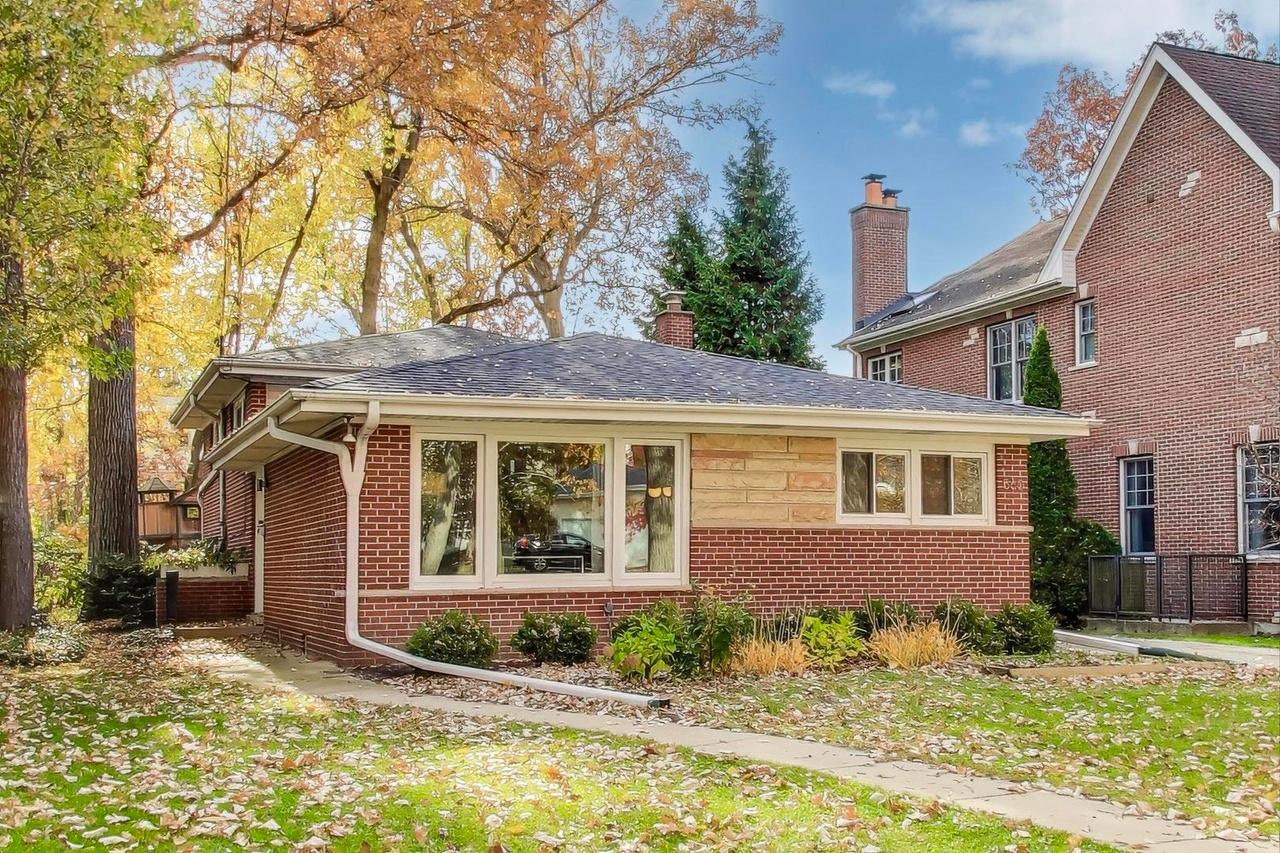
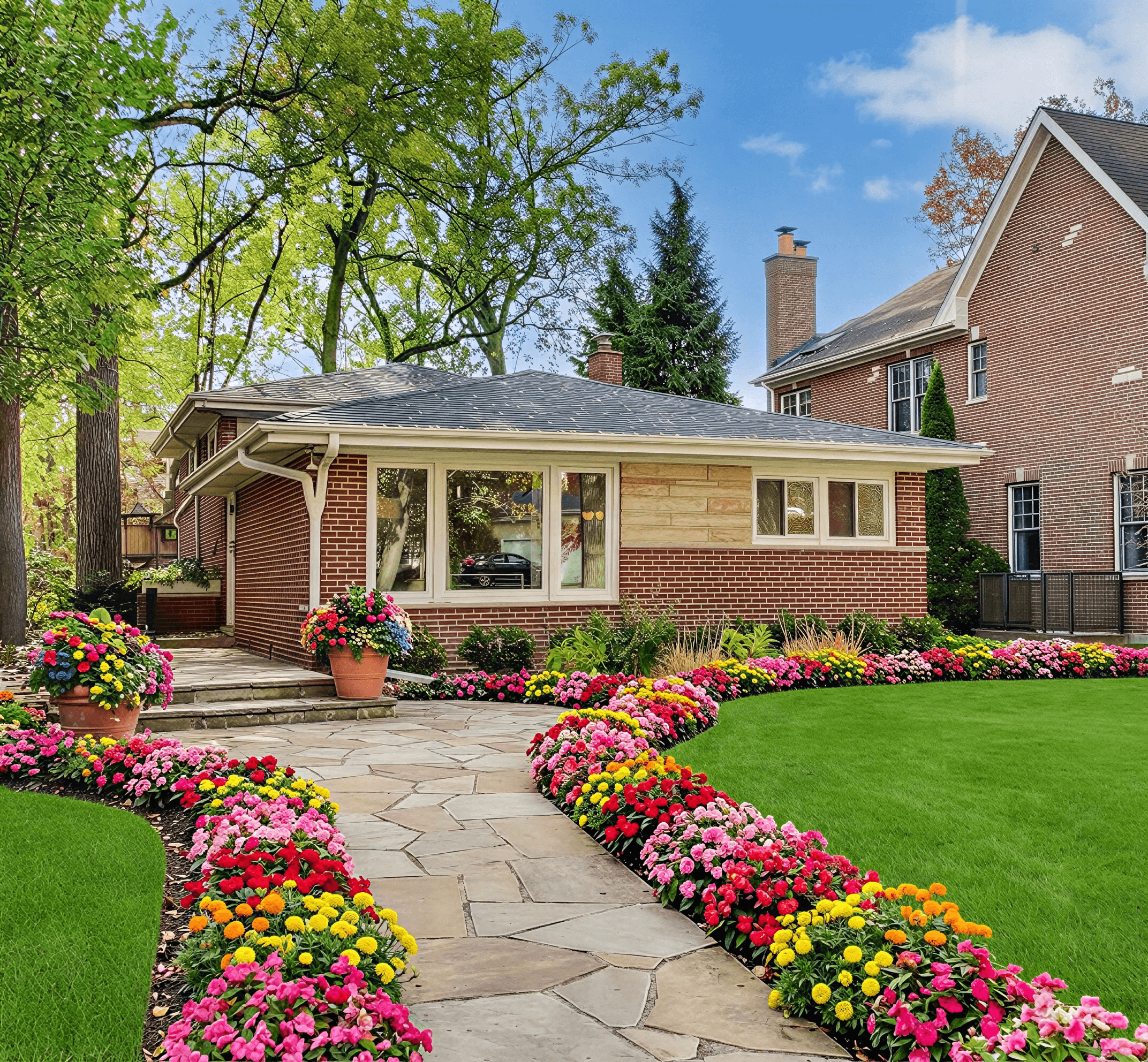
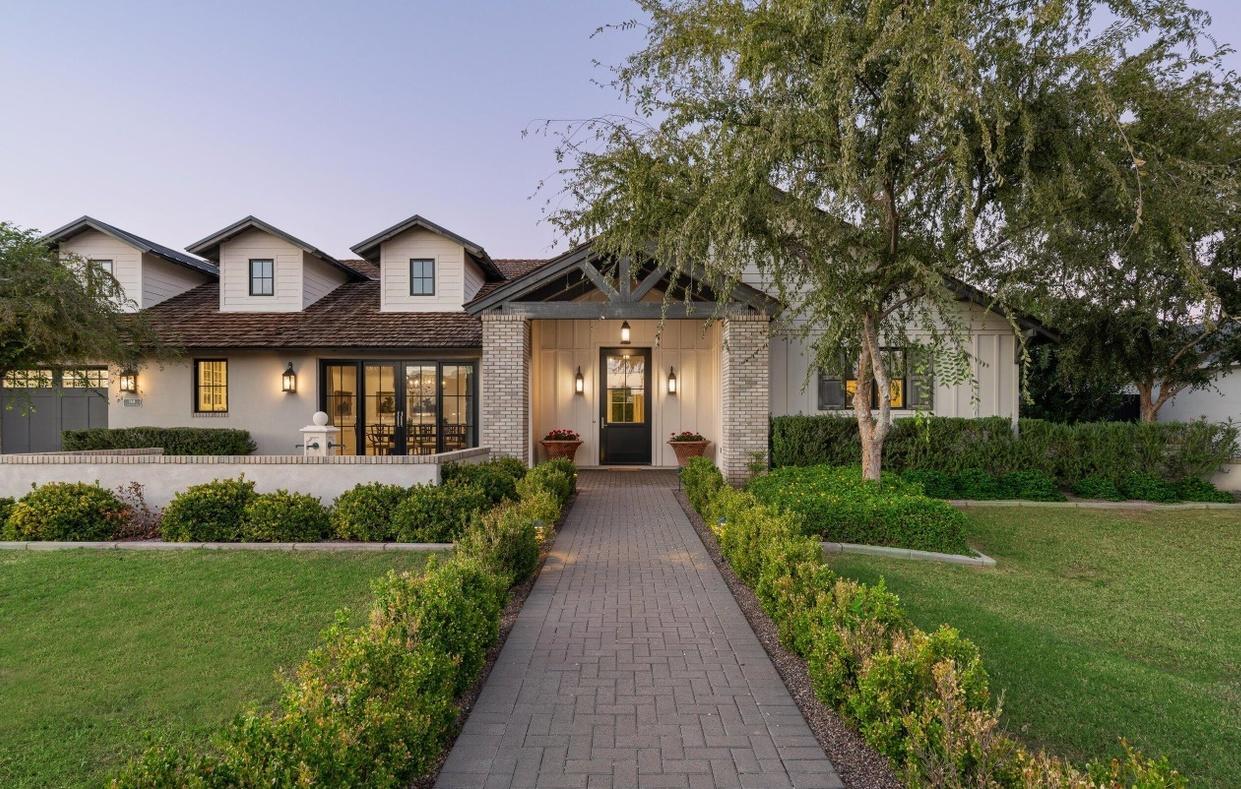
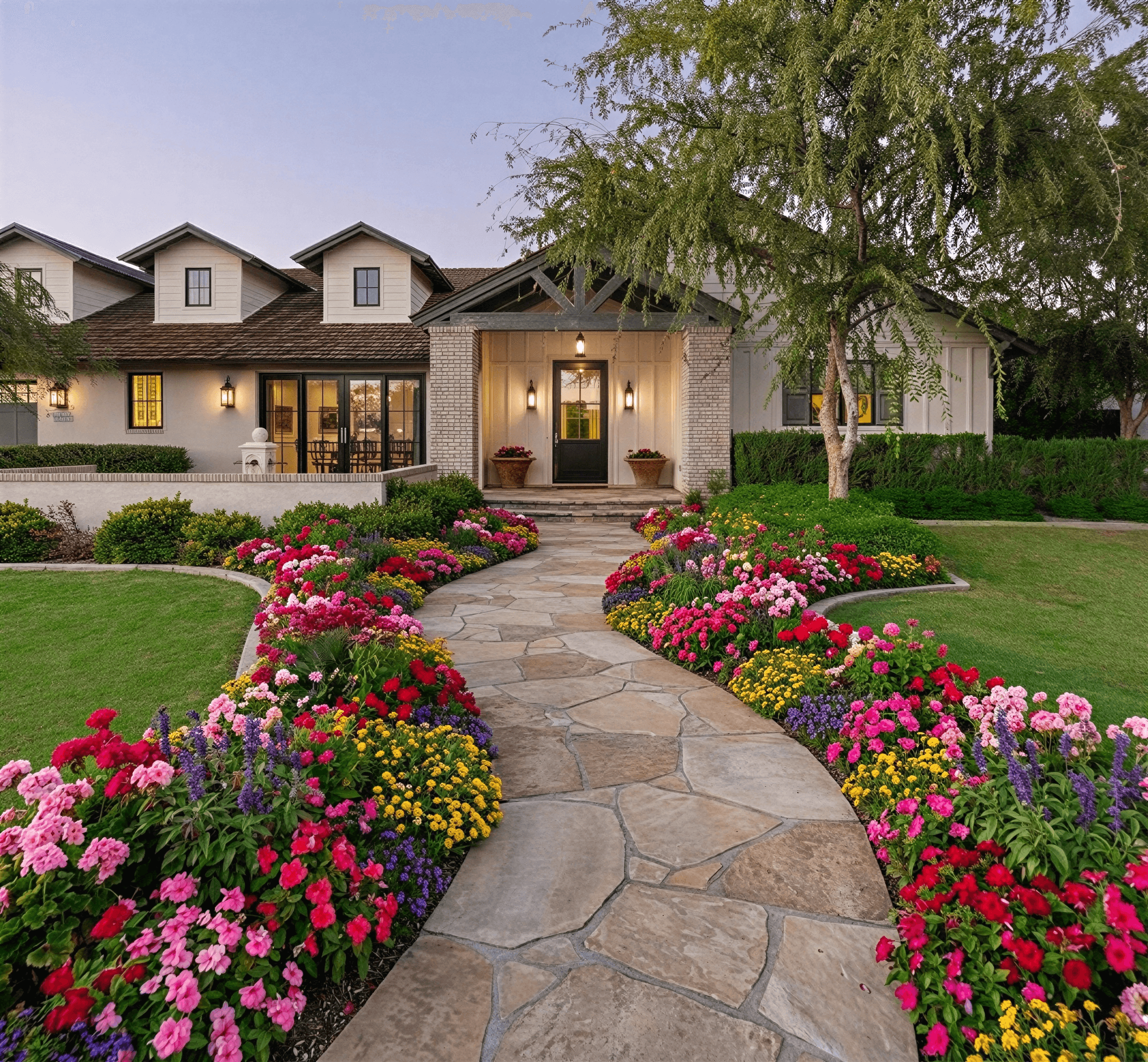
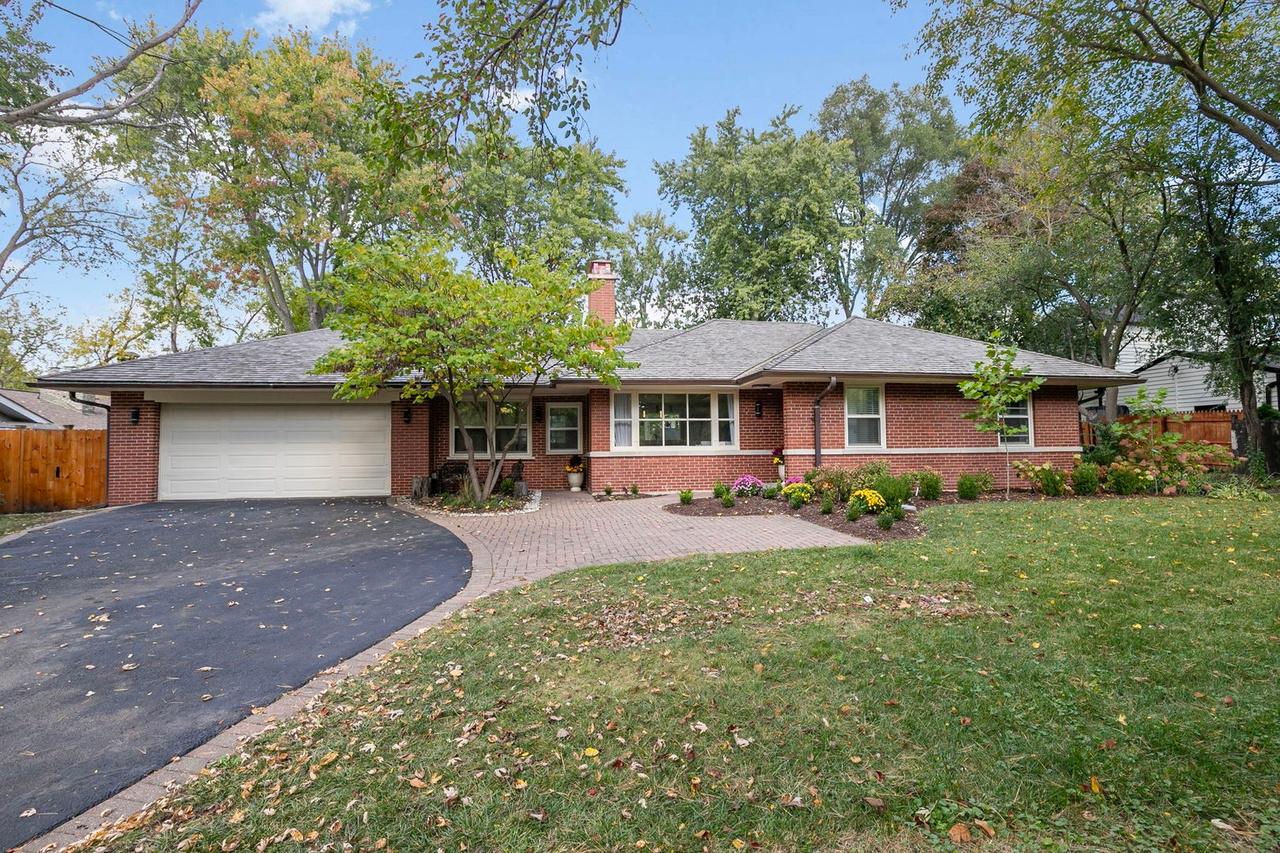
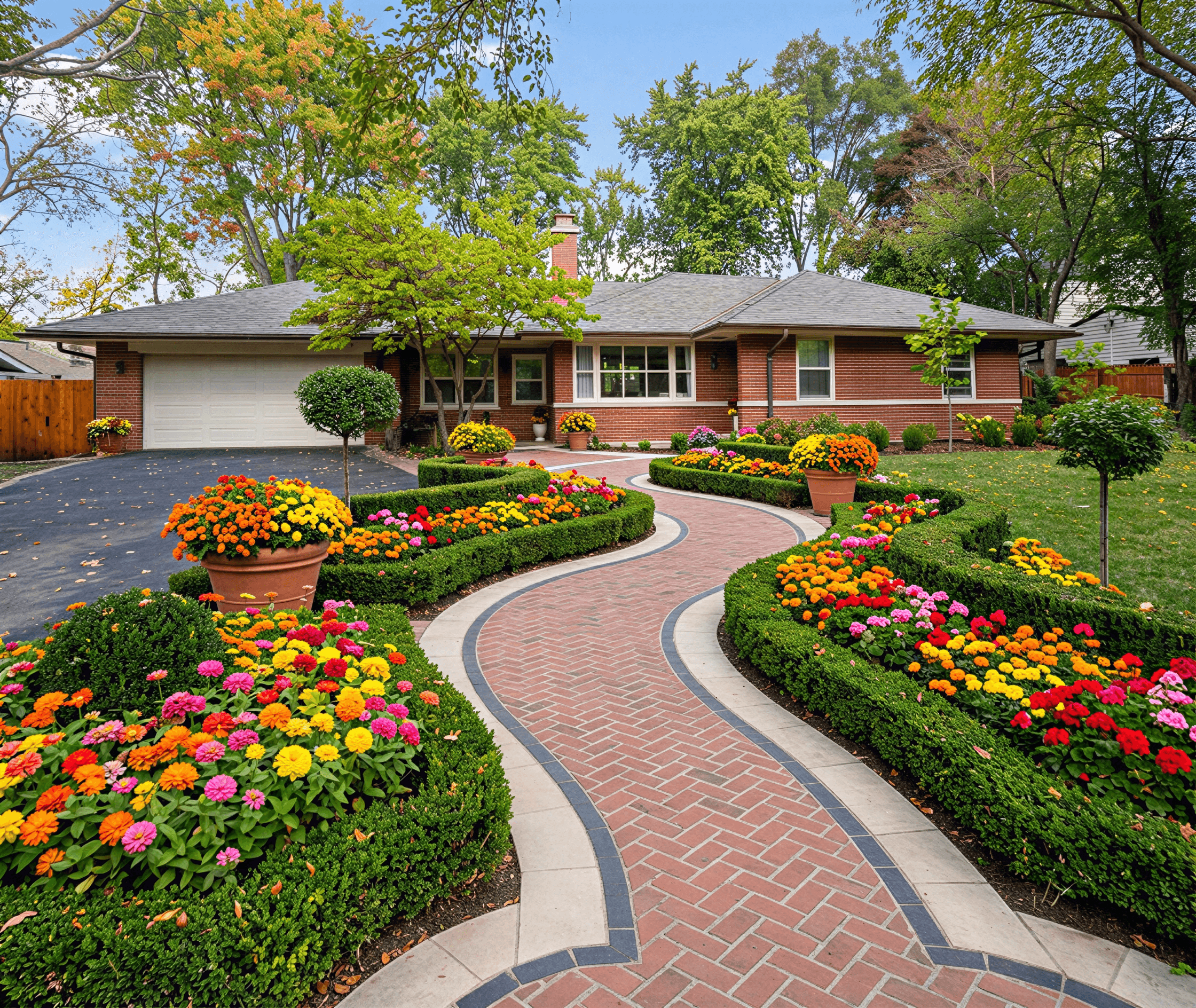
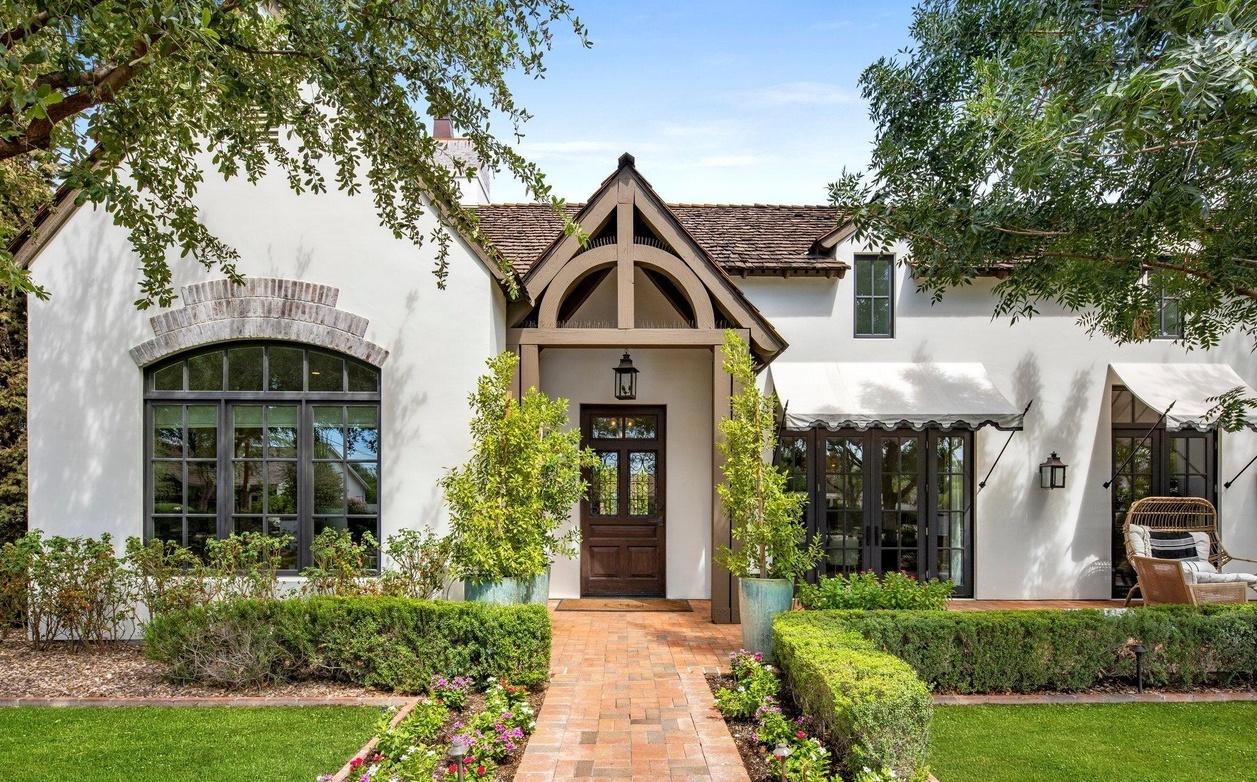
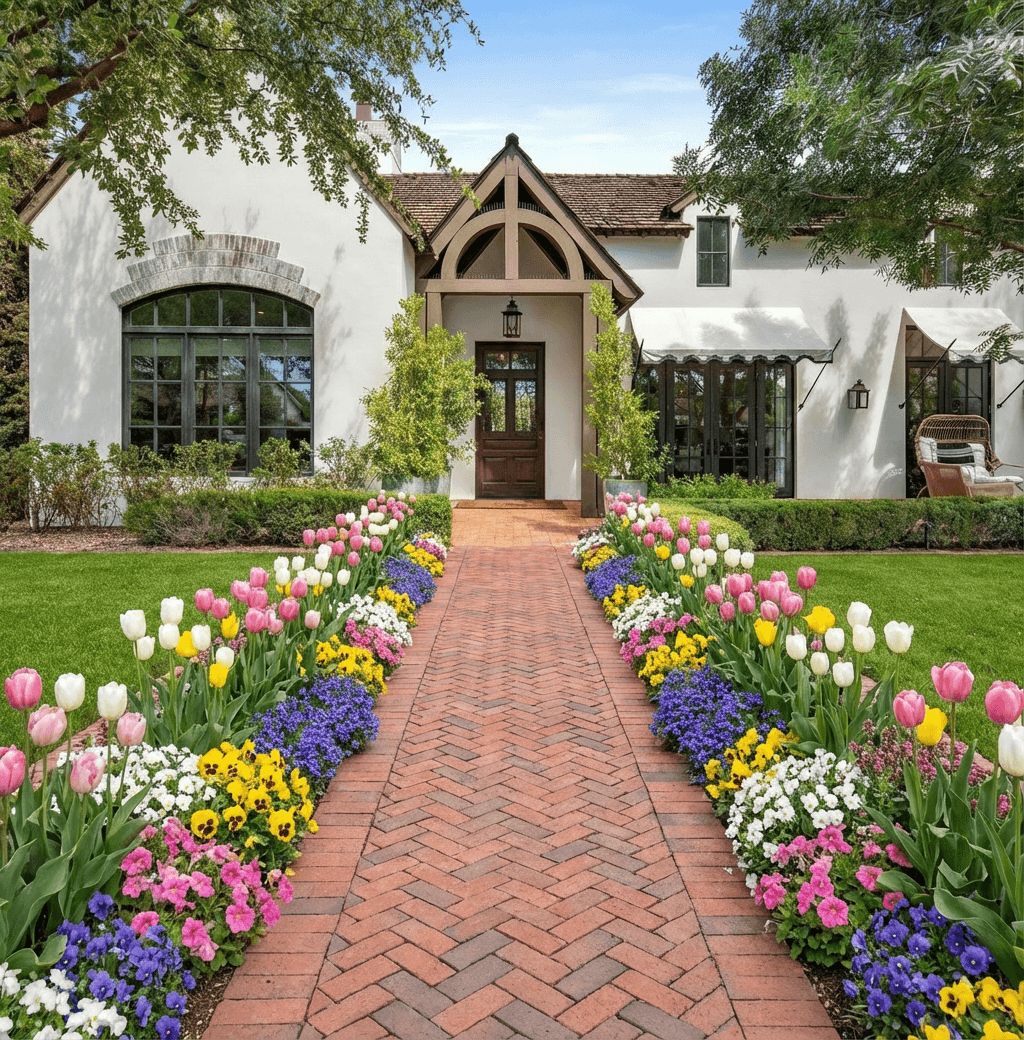
Whether you're aiming for a low-water xeriscape that conserves resources, a vibrant pollinator haven buzzing with life, or a lush tropical retreat, you'll find the practical insights needed. We will explore how to select plants that provide structure, color, and texture, ensuring your garden offers year-round interest and boosts your home’s curb appeal. For homeowners who want to see these concepts on their own property before committing, design visualization tools can generate photorealistic renderings, bridging the gap between imagination and reality. Let’s dig in and cultivate a landscape that thrives and brings you joy for years to come.
1. Native Plant Landscaping
Native plant landscaping is an approach centered on using plant species that have evolved within your specific region. These plants are perfectly adapted to the local climate, soil conditions, and rainfall patterns, meaning they thrive with minimal human intervention. This method is one of the most sustainable and resource-efficient landscape plant ideas available, as it reduces the need for supplemental irrigation, fertilizers, and chemical pesticides.
The primary benefit is creating a resilient, low-maintenance garden that functions as a self-sustaining ecosystem. By choosing natives, you provide essential food and shelter for local wildlife, including birds, butterflies, and beneficial insects. This approach, championed by conservationists like Doug Tallamy, strengthens local biodiversity and creates a landscape with authentic regional character. For instance, a Midwest pollinator garden might feature a vibrant mix of coneflowers, black-eyed Susans, and milkweed, while a Southwest xeriscape could showcase the stark beauty of desert marigold and penstemon.
Getting Started with Native Plants
- Find Your Plants: Use online tools like the National Wildlife Federation's Native Plant Finder or consult local university extension offices to identify species native to your specific zip code.
- Group by Needs: Arrange plants with similar water requirements together, a practice known as hydrozoning. This ensures efficient watering and prevents over- or under-watering certain plants.
- Planting and Patience: The best time to plant is typically in the fall or spring when soil moisture and temperatures are optimal for root establishment. Native plantings often take one to two years to fully establish their root systems, so patience is key.
Pro Tip: Visualize your design before you commit. You can use a tool like Curb Appeal AI to experiment with different native plant combinations and arrangements to see how they will look in your actual yard.
This approach not only saves you time and money on maintenance but also connects your home landscape to the greater ecological web around it. For a deeper dive into specific species, you can find detailed native plant landscaping ideas by state to guide your selections.
2. Xeriscaping (Desert & Drought-Tolerant Landscaping)
Xeriscaping is a landscape plant idea centered on water conservation through the use of drought-tolerant plants, efficient irrigation, and smart design. The term combines 'xero' (dry) with 'landscaping' to describe an approach vital for arid regions and increasingly practical everywhere as water becomes a more precious resource. Far from being barren rock gardens, modern xeriscapes are lush, vibrant, and full of texture and color.

The core benefit is a dramatic reduction in water use, which lowers utility bills and conserves a critical natural resource. These landscapes are also exceptionally low-maintenance once established, requiring less mowing, fertilizing, and pruning than traditional turf-heavy yards. A well-designed xeriscape can be stunningly beautiful, using a palette of plants with silvery foliage, bold architectural forms, and brilliant blooms. For example, a Phoenix-area home might feature a palo verde tree, barrel cactus, and desert marigold, while a Colorado design could mix ornamental grasses with yucca and vibrant sedums.
Getting Started with Xeriscaping
- Plan Your Zones: Group plants with similar water needs together (hydrozoning) to optimize irrigation. Layer hardscape elements like gravel, pavers, and rock to define planting areas and reduce soil moisture evaporation.
- Improve the Soil: While many xeriscape plants tolerate poor soil, amending it with compost can improve water retention and drainage, helping plants establish strong root systems more quickly.
- Mulch and Irrigate Wisely: Apply a 2-4 inch layer of organic or inorganic mulch to retain soil moisture and suppress weeds. Install a drip irrigation system on a timer, as it delivers water directly to the plant roots with minimal waste compared to spray systems.
Pro Tip: Visualize your water-wise design before digging. You can use a tool like Curb Appeal AI and select the Desert/Xeriscaping style to preview how different drought-tolerant plants and hardscape materials will look in your yard.
This approach creates a resilient and resource-efficient landscape that is both beautiful and environmentally responsible. For a more detailed look at specific plant choices, you can find many great drought-resistant landscaping ideas to inspire your project.
3. Pollinator-Friendly Plantings (Native Wildflowers & Host Plants)
Pollinator-friendly landscapes are designed to specifically attract and sustain crucial wildlife like bees, butterflies, hummingbirds, and other beneficial insects. This planting style goes beyond just adding flowers; it involves a thoughtful selection of plants that provide nectar and pollen for adult pollinators, as well as host plants where they can lay eggs and their larvae (caterpillars) can feed. This approach has gained significant momentum as a direct response to the decline in native pollinator populations, which is largely attributed to habitat loss and widespread pesticide use.

The core benefit of these landscape plant ideas is creating a vibrant, living ecosystem right in your yard. Championed by organizations like Monarch Watch and the National Wildlife Federation, this method directly supports biodiversity and the essential process of pollination that our food systems depend on. A Midwest garden might feature drifts of coneflower, blazing star, and milkweed to support monarch butterflies, while a California yard could use native sages and poppies to attract local bees. Even a small patio with bee balm and parsley in pots can make a difference.
Getting Started with Pollinator Plantings
- Provide Food and Shelter: Plant host plants like milkweed for monarchs or parsley for swallowtails, even if they aren't perfectly ornamental. Leave some leaf litter and dead plant stems over winter to provide shelter for overwintering insects and their eggs.
- Choose the Right Flowers: Select single-petal flowers, as many double-flowered hybrids are bred for appearance and lack accessible pollen or nectar. Grouping flowers of the same species in large drifts of at least three to five plants makes them easier for pollinators to find.
- Create a Safe Habitat: Provide a shallow water source, like a bird bath with stones or a simple dish with pebbles, to give pollinators a safe place to drink. Most importantly, avoid all insecticides, fungicides, and especially neonicotinoid pesticides, which are highly toxic to bees.
Pro Tip: Design pollinator gardens that are both functional and beautiful. You can use a tool like Curb Appeal AI to arrange native wildflowers and host plants, ensuring your eco-friendly garden also boosts your home's curb appeal.
This approach transforms your yard into a vital resource for local wildlife, creating a dynamic and engaging space that contributes positively to the environment. For more information on creating certified habitats, the National Wildlife Federation offers excellent resources and programs.
4. Mediterranean-Style Landscape Design
Mediterranean landscaping is a design approach that channels the warm, sun-drenched aesthetics of regions like Spain, Italy, and Greece. This style blends drought-tolerant plants with warm color palettes and signature hardscape elements like gravel, terracotta, and stone. It is especially well-suited for warm, dry climates (USDA zones 8-11) but can be adapted for cooler areas with careful plant selection and a focus on drainage.
The core benefit of this style is creating a water-wise, visually striking garden that feels like a European coastal villa. It relies on a strong interplay between architectural plants and textured materials to achieve its distinct look. This approach, famously adapted by mid-century California designers like Thomas Church, creates a relaxing, sensory-rich environment perfect for outdoor living. For instance, a California property might feature olive trees and lavender, while a Texas Hill Country home could use native cedar, limestone, and Texas sage to evoke a similar feel with local plants.
Getting Started with Mediterranean Design
- Anchor with Structure: Begin your design with architectural specimen plants. Classic choices include olive trees or Italian cypress, but climate-appropriate alternatives like yuccas or certain junipers can achieve a similar vertical effect.
- Incorporate Fragrant Herbs: Plant drifts of fragrant herbs like lavender, rosemary, and santolina along pathways and seating areas. Their silvery foliage and aromatic qualities are hallmarks of the style.
- Use Warm-Toned Hardscape: Frame your plantings with materials like terracotta pots, decomposed granite pathways, or stone retaining walls. These elements absorb and reflect heat, creating the sun-baked look central to the design.
Pro Tip: Mediterranean plants demand excellent drainage and often resent "wet feet." Amend heavy clay soil with sand or gravel, or build raised beds to ensure roots stay dry, especially during winter.
This design is a fantastic landscape plant idea for homeowners seeking a sophisticated yet low-water garden. You can use a tool like Curb Appeal AI to experiment with its Mediterranean style, visualizing how different plant and hardscape combinations will look in your yard before you start digging.
5. Cottage Garden Style (Informal Perennial Mixed Borders)
Cottage garden style embraces a charming, informal aesthetic characterized by dense, overflowing mixed borders. This approach forgoes rigid structure in favor of a seemingly spontaneous but carefully planned tapestry of perennials, shrubs, and self-seeding annuals. It creates a lush, romantic, and naturalistic feel, celebrating an abundance of color, texture, and form. This style has seen a major resurgence as homeowners look for landscape plant ideas that feel personal and less formal.
The main benefit of a cottage garden is its dynamic, living quality and the creation of a pollinator-friendly habitat. The dense planting style naturally suppresses weeds once established, and the mix of plants ensures seasonal interest from spring through fall. Pioneered by designers like Gertrude Jekyll, this style allows for creative expression. An American cottage garden might mix coneflowers and bee balm, while a Southern version could feature a stunning combination of roses, clematis, and salvia.
Getting Started with Cottage Gardens
- Plan on Paper: Sketch your design first, grouping plants by their mature height. Place taller species like delphiniums and foxgloves at the back, mid-size plants in the middle, and shorter, mounding plants like geraniums at the front.
- Repeat for Cohesion: Repeat key plants or colors in odd-numbered groups (threes, fives) throughout the border. This simple trick creates a sense of rhythm and unity, preventing the design from looking chaotic.
- Encourage Blooms: Deadhead spent flowers regularly to encourage a continuous display of blooms and maintain a tidy appearance. You should also plan to stake taller plants like peonies or hollyhocks early in the season before they have a chance to flop over.
Pro Tip: Use a tool like Curb Appeal AI to experiment with its Cottage style setting. This allows you to preview different plant combinations and densities, helping you visualize the layered, colorful effect in your own yard before planting.
This approach not only results in a beautiful, ever-changing garden but also supports a rich ecosystem of birds and insects. For more inspiration, you can find a wealth of cottage garden landscaping ideas to help you select the perfect plants and combinations.
6. Modern Minimalist Landscape Design
Modern minimalist landscaping strips away ornamentation and complexity in favor of clean lines, geometric forms, a restricted plant palette, and balanced negative space. This design philosophy emphasizes architectural clarity and serene simplicity, often complementing contemporary home styles. It's one of the most structured landscape plant ideas, ideal for those seeking a curated, low-clutter outdoor space where form and function are paramount.

The primary goal is to create a calm, uncluttered environment where every element has a purpose. Inspired by the "less is more" ethos of architects like Ludwig Mies van der Rohe and the functional layouts of landscape architect Thomas Church, this style treats plants as sculptural elements. For instance, a desert minimalist garden might feature a single, striking Agave against a bed of uniform gravel, while a Japanese-inspired design uses carefully placed moss, stone, and a single Japanese Maple to evoke tranquility. The focus is on the interplay between hardscape, plants, and open space.
Getting Started with Modern Minimalist Design
- Establish Strong Hardscaping: Begin with a foundation of well-defined hardscape, such as poured concrete pavers, dark gravel beds, or sleek steel edging. This structure is the backbone of the entire design.
- Select for Structure: Choose plants with strong, year-round architectural forms. Evergreens like boxwood spheres, columnar junipers, and bold foliage plants like phormium or agave are excellent choices.
- Limit Your Palette: Stick to a maximum of three to five plant species to maintain visual clarity. Repetition is key, so arrange these plants in drifts or geometric patterns, often in odd numbers (threes or fives) for a natural rhythm.
Pro Tip: In a minimalist design, every plant is a focal point. Ensure each specimen is healthy and perfectly maintained, as imperfections will stand out. Use an online visualizer with a "Modern" style filter to test clean-lined plant arrangements and hardscape combinations.
This approach creates a powerful, sophisticated aesthetic that is surprisingly low-maintenance once established. It connects the home's architecture directly to the landscape, creating a seamless indoor-outdoor experience.
7. Tropical & Subtropical Landscape Design
Tropical landscaping brings a lush, vibrant, and exotic aesthetic to gardens, primarily in warm climates like USDA zones 10-11 and protected microclimates in zone 9. This style emphasizes abundant foliage, bold textures, dramatic colors, and layered canopy structures to create the sensory richness of a tropical environment. It’s one of the most immersive landscape plant ideas, capable of turning a yard into a resort-like escape.
The main advantage is the creation of a dense, visually stunning garden filled with dramatic forms and year-round interest. While traditionally limited to true tropical regions like Florida or Hawaii, designers now adapt these principles for subtropical zones by using cold-hardy alternatives. The goal is to layer tall palms or shade trees over understory plants like hibiscus and gingers, with groundcovers like ferns filling in below. This method, popularized by resort designers and botanical gardens, creates a private, cooling oasis with a distinct vacation feel.
Getting Started with Tropical Design
- Create a Canopy: Layer your plantings to mimic a rainforest structure. Start with tall palms or shade trees, add medium-sized shrubs and small trees for the understory, and finish with low-growing groundcovers and flowers.
- Focus on Foliage: Use plants with large, dramatic leaves like elephant ears (Alocasia, Colocasia), bird of paradise (Strelitzia), and philodendrons to create a bold structural backbone for your garden.
- Inject Bold Color: Weave in flowering trees, shrubs, and perennials for continuous color. Bougainvillea, hibiscus, orchids, and bromeliads are classic choices that provide vibrant, successive blooms.
Pro Tip: In subtropical zones (8b-9b), use cold-hardy alternatives to get the tropical look without the risk of frost damage. Hardy palms (Trachycarpus fortunei), hardy hibiscus, and crepe myrtles can mimic the feel of a true tropical garden.
This design style is ideal for creating a private retreat that feels cool and sheltered. Before planting, you can use a tool like Curb Appeal AI to visualize different tropical plant combinations and see how the lush, layered look will transform your space. To ensure a healthy garden, always check local extension services to avoid invasive tropical species.
8. Japanese-Inspired Garden Design (Zen & Stroll Gardens)
A Japanese-inspired garden is a refined aesthetic focused on creating a serene, highly symbolic representation of nature. This approach values harmony, asymmetry, seasonality, and the art of suggestion, encouraging a meditative and tranquil experience. The principles are adaptable to many spaces, from expansive stroll gardens that reveal new vistas at every turn to minimalist karesansui (dry rock gardens) perfect for small, contemporary courtyards.
The main benefit of this landscape plant idea is its ability to create a profound sense of peace and order in an outdoor space. By carefully selecting plants for their form, texture, and seasonal interest, you craft a living work of art that evolves throughout the year. The aesthetic is celebrated in renowned spaces like the Portland Japanese Garden and Shofuso in Philadelphia, but it is just as effective in a residential setting, lending a sophisticated and calming presence to the home.
Getting Started with Japanese-Inspired Design
- Study the Principles: Before planting, immerse yourself in core concepts like shakkei (borrowed scenery), wabi-sabi (finding beauty in imperfection), and the importance of negative space. This foundational knowledge is crucial for authenticity.
- Limit Your Palette: Choose a curated selection of plants with strong architectural forms. Think Japanese maples, cloud-pruned pines, moss, bamboo, and azaleas. The goal is intentionality, not variety.
- Use Stone and Pathways: Rocks, gravel, and stepping stones are integral elements, representing mountains, islands, and water. Pathways should guide movement deliberately, encouraging viewers to pause and observe carefully composed scenes.
Pro Tip: Use technology to refine your vision. With a tool like Curb Appeal AI, you can visualize how minimalist Japanese-inspired designs and specific plant forms will look in your actual yard, helping you perfect the balance and asymmetry before you start digging.
This design approach is more than a collection of plants; it is a thoughtful composition that connects the viewer to nature's quiet beauty and creates a restorative sanctuary. For authentic implementation, you can consult Japanese garden design resources or professionals to guide your material and plant selections.
9. Sustainable Hardscape Materials & Design Integration
Sustainable hardscaping is a design philosophy that integrates environmentally responsible materials and strategies into your landscape. Rather than just focusing on aesthetics, this approach prioritizes minimizing environmental impact by managing stormwater, reducing waste, and creating functional, eco-friendly outdoor living spaces. It’s a key component of modern landscape plant ideas, connecting plantings with the non-living elements of your yard in a cohesive, green system.
This method supports your plant choices by creating a healthier micro-environment. Permeable surfaces allow rainwater to soak into the ground, replenishing groundwater and reducing runoff that can carry pollutants into local waterways. Using recycled materials or locally sourced stone reduces the carbon footprint associated with transportation and manufacturing. This approach, championed by organizations like the EPA and the American Society of Landscape Architects, turns patios, walkways, and driveways into active parts of a sustainable ecosystem. For example, a driveway made of permeable pavers prevents flooding while a path of salvaged brick adds character and diverts materials from a landfill.
Getting Started with Sustainable Hardscaping
- Choose Permeable Surfaces: Opt for permeable pavers, gravel, or decomposed granite for walkways and patios instead of traditional concrete. This allows rainwater to penetrate the soil, watering nearby plant roots directly.
- Source Materials Locally: Reduce your project's carbon footprint by sourcing stone, wood, and mulch from local suppliers. This not only supports local businesses but also ensures the materials are well-suited to your regional aesthetic.
- Incorporate Rain Gardens: Design depressions in your landscape, known as rain gardens, to collect and filter runoff from roofs and other impervious surfaces. Plant these areas with water-loving native species to create a beautiful and functional feature.
Pro Tip: Your hardscape and plant design should work together. Use a tool like Curb Appeal AI to visualize how permeable pavers or a new gravel patio will look next to your garden beds and foundation plantings before you begin construction.
By thoughtfully selecting materials and design techniques, your hardscape can actively contribute to a resilient and beautiful landscape, reducing maintenance needs and enhancing the local environment.
10. Foliage-Forward Garden Design (Structural & Textural Plantings)
A foliage-forward garden design prioritizes plant leaves, focusing on their texture, color, and form over fleeting flowers. This approach creates a sophisticated landscape with year-round interest and often requires less maintenance than flower-centric gardens. By using ornamental grasses, hostas, ferns, and architectural shrubs, this design builds visual rhythm and depth through contrasting and complementary foliage. It is an excellent strategy for shaded areas where flowers struggle and serves as a durable alternative to high-maintenance perennial borders.
The primary benefit of this landscape plant idea is its enduring structure and multi-season appeal. While flowers come and go, a well-designed foliage garden remains visually compelling from spring through winter. This method, influenced by designers like Piet Oudolf and Wolfgang Oehme, uses plants as structural elements. A woodland shade garden might feature bold, paddle-like hosta leaves next to the lacy fronds of a Japanese painted fern, while a sunnier border could contrast the fine, upright blades of feather reed grass with the deep burgundy foliage of a 'Diabolo' ninebark shrub.
Getting Started with Foliage-Forward Design
- Combine Diverse Textures: Mix plants with different leaf textures to create visual interest. Pair fine-textured plants (grasses, ferns) with bold-leaved specimens (hostas, ligularia), and include plants with lacy, strappy, or glossy foliage.
- Layer for Depth: Arrange plants by height, placing taller structural plants in the back and layering medium and low-growing foliage in front. This creates a lush, three-dimensional effect.
- Use Color Wisely: Incorporate plants with colored foliage in shades of chartreuse, blue, silver, and burgundy to provide subtle, season-long color that doesn't depend on blooms. Heuchera, Japanese maples, and blue fescue are excellent choices.
- Plan for Winter: Include evergreen foliage plants like boxwood, hellebores, or evergreen sedges to maintain structure and interest after deciduous plants have dropped their leaves.
Pro Tip: Don't completely abandon flowers. Weave in plants with subtle, early-spring blooms like hellebores or trillium, or those with interesting seed heads, like coneflowers and sedum. This adds a delicate layer of seasonal change without overpowering the foliage.
This design philosophy creates a garden that is as much about composition and form as it is about horticulture. For more inspiration, exploring Japanese garden principles or the work of contemporary perennial designers can provide a wealth of ideas for building a beautiful, textural landscape.
10 Landscape Planting Styles Comparison
| Style | 🔄 Implementation Complexity | ⚡ Resources & Maintenance | ⭐📊 Expected Outcomes | Ideal Use Cases | Key Advantages + 💡 Tip |
|---|---|---|---|---|---|
| Native Plant Landscaping | Moderate — site- and region-specific planning; 1–2 season establishment | Low ongoing water/fertilizer/pesticide; moderate initial sourcing effort | ⭐ High ecological value; substantial water savings and wildlife support | Eco-conscious homeowners; water-restricted regions; habitat creation | Native-adapted, low operating cost; Tip: group by water needs and plant in fall/spring |
| Xeriscaping (Desert & Drought-Tolerant) | Moderate — design needed to avoid monotony; hardscape integration | Low water use; possible higher upfront hardscape cost; efficient irrigation required | ⭐ High water savings (50–75%); durable, low-maintenance landscapes 📊 | Arid climates; drought-impacted properties; low-maintenance yards | Dramatic water reductions and curb appeal; Tip: use drip irrigation + mulch |
| Pollinator-Friendly Plantings | Moderate — requires species selection by region and bloom succession | Low–moderate water; minimal pesticide use; some ongoing seed management | ⭐ Strong biodiversity and pollinator support; colorful seasonal displays 📊 | Pollinator habitat restoration; edible gardens; eco-minded yards | Boosts pollinators and nearby crop yields; Tip: include host plants and avoid insecticides |
| Mediterranean-Style Design | Moderate–High — climate considerations and hardscape elements | Moderate water once established (drought-tolerant plants); higher hardscape costs | ⭐ High aesthetic/resale impact; photogenic and drought-adaptable 📊 | Warm, dry climates (zones 8–11); staging and upscale homes | Sophisticated, fragrant plantings; Tip: ensure good drainage and specimen trees |
| Cottage Garden Style | Moderate–High — careful planning for rhythm and density | Higher initial plant investment; regular maintenance (deadheading, staking) | ⭐ Highly attractive and lush; strong seasonal interest and pollinator support 📊 | Traditional homes; informal suburban lots; buyers seeking charm | Abundant, forgiving aesthetic; Tip: repeat key plants and plan heights on paper |
| Modern Minimalist Design | High — precise execution; strong hardscape foundation | Low maintenance once installed; potentially high upfront hardscape cost | ⭐ High visual clarity and low upkeep; immediate curb impact 📊 | Contemporary architecture; small urban yards; busy professionals | Clean, low-maintenance look; Tip: limit palette to 3–5 species and repeat forms |
| Tropical & Subtropical Design | High — plant selection limited by frost risk and microclimates | High water and maintenance in many areas; pest/disease vigilance needed | ⭐ Very high visual drama and privacy; year-round lushness in suitable climates 📊 | True tropical/subtropical zones (10–11) and protected microclimates | Resort-like aesthetic and density; Tip: avoid invasive species and plan layered canopy |
| Japanese-Inspired Garden | High — requires deep aesthetic knowledge and precision | Low–moderate plant material but high installation/skill costs | ⭐ Highly meditative and refined; strong small-space suitability 📊 | Small courtyards, minimalist architecture, contemplative spaces | Timeless, sophisticated design; Tip: study principles and use intentional rock placement |
| Sustainable Hardscape Integration | Moderate — technical installation (permeable systems) and design | Variable upfront cost; requires skilled contractors and maintenance approach | ⭐ Strong environmental impact: stormwater reduction and certification potential 📊 | Urban sites, projects targeting green certifications, flood-prone areas | Reduces runoff and urban heat; Tip: specify permeable paving and local materials |
| Foliage-Forward Garden Design | Moderate — demands plant texture and layering expertise | Low–moderate maintenance; suitable for shade; slower plant maturation | ⭐ Year-round structure and low flower-dependence; refined aesthetic 📊 | Shaded properties, urban courtyards, low-maintenance desires | Sophisticated, year-round interest; Tip: combine diverse leaf textures and layer heights |
Bringing Your Vision to Life: From Ideas to Implementation
You are now equipped with a rich and varied palette of landscape plant ideas, journeying through the sustainable beauty of native plantings, the water-wise intelligence of xeriscaping, and the ordered tranquility of Japanese-inspired gardens. This exploration has covered everything from the romantic, overflowing borders of a cottage garden to the clean, architectural lines of modern minimalist design. The path to a truly stunning and personal landscape is not about rigidly adopting one style, but about understanding the principles behind them and thoughtfully combining elements that speak to you, your home's character, and your region's climate.
A successful garden is a direct reflection of its owner and its environment. The most memorable and functional outdoor spaces are rarely dogmatic. Instead, they are masterful integrations of form and function, blending different concepts to create a cohesive whole.
Key Takeaway: The best landscape designs often borrow from multiple styles. Don't be afraid to mix the drought-tolerant backbone of a xeriscape with the soft, colorful perennials of a cottage garden, or to use the structural plants of a modern design to create a habitat for local pollinators.
Charting Your Course: Actionable Next Steps
With a wealth of ideas at your fingertips, the next phase is turning inspiration into a concrete plan. Moving from a general concept to a detailed, executable design is the most critical step in the entire process. Before a single shovel hits the dirt, a clear vision will save you time, money, and frustration.
-
Site Assessment Revisited: Go back outside with a notepad and a fresh perspective. After reviewing these landscape plant ideas, look at your space again. Where does the sun fall throughout the day? Are there soggy spots or areas that are always dry? Acknowledge your specific microclimate, soil type, and existing architecture. These factors are not limitations; they are the parameters that will guide you to the most successful plant choices.
-
Function First, Form Second: Define what you need your landscape to do. Are you creating a private retreat with hedges and screening plants? Do you need a durable, kid-friendly play area? Or is your primary goal to support local wildlife with a pollinator-friendly garden? Your functional goals will help narrow down the plant list and inform the layout.
-
The Power of Visualization: Sketching your ideas on paper is a good start, but truly seeing them in context is a game-changer. The gap between imagination and reality can be vast. A plant combination that sounds perfect in theory might look unbalanced against your home's facade. This is where modern tools can remove the guesswork. Using a program to generate photorealistic mockups of different styles on a picture of your actual property is invaluable. It lets you experiment with a Mediterranean entryway, test a foliage-forward border, or compare a cottage garden with a minimalist design-all without any financial or physical commitment. This confident planning prevents costly mistakes and ensures the final result matches your vision.
The Lasting Impact of a Well-Designed Landscape
Mastering these concepts and taking a methodical approach to implementation does more than just create a pretty yard. It builds a lasting asset. A well-designed landscape extends your living space, provides a sanctuary for relaxation, and creates a welcoming first impression. It can significantly boost your property's value by creating undeniable curb appeal.
Once your new landscape is planted and begins to mature, its visual power becomes a key feature of your home's exterior. Knowing how to capture this is vital, whether for personal enjoyment or for marketing a property. Learn more about Mastering Curb Appeal Photography to ensure photos do justice to your hard work. A thoughtfully planned garden, composed of the right landscape plant ideas for your specific needs, is a gift that provides returns for years to come-in beauty, function, and value.
Ready to stop guessing and start seeing your landscape plant ideas come to life? Use Curb Appeal AI to upload a photo of your home and instantly visualize different garden styles, plant combinations, and hardscape materials. Turn your inspiration into a confident, actionable plan by trying Curb Appeal AI today.