Your Guide to Landscape Design Services in 2026
So, what exactly are landscape design services? In short, it’s when you hire a professional to map out a complete vision for your outdoor space. Think of them as an architect, but for your yard. Their job is to blend aesthetics, practicality, and your personal taste into a cohesive plan that actually works.
What Are Landscape Design Services Really?
A lot of people think landscaping is just about picking pretty plants at the local nursery. But professional design goes so much deeper. It’s about treating your yard as a genuine extension of your home, transforming a mishmash of grass and shrubs into a functional and beautiful living area.
The process is all about creating a master plan where every single element has a purpose. It's both an art and a science—organizing your outdoor space not just to look good, but to solve real-world problems like poor drainage, a lack of privacy, or an awkward slope.
The Architect for Your Outdoors
A landscape designer is the creative director and strategist for your entire project. They aren't just choosing flowers; they are designing the experience of being in your yard.
The real goal is to get beyond a random collection of plants and create a purposeful environment. A designer's plan makes sure the patio, planting beds, and functional zones all flow together to fit your family's lifestyle and boost your home's value.
For instance, a designer might sketch out a flagstone patio that leads naturally from your back door. They’ll surround it with a garden bed filled with plants specifically chosen for their color, texture, and ability to thrive in your yard's unique conditions. This kind of thoughtful planning helps you avoid expensive mistakes and ensures you get a result that looks and feels right for years.
Core Components of a Design Service
So, what are you actually paying for? A professional design service offers creative solutions and expert know-how to build incredible outdoor spaces. For a little inspiration, you can check out some professional landscaping ideas to see what's possible.
The main services usually include:
- Site Analysis: A deep dive into your property’s specific conditions. This means looking at sun exposure, soil type, drainage patterns, and how the yard interacts with your home's architecture. It's the critical first step.
- Conceptual Planning: This is the fun part! You’ll see initial sketches and mood boards that bring your ideas to life. It’s a collaborative stage where you and the designer nail down the overall style and layout.
- Hardscape Design: This is the blueprint for all the non-living structures—the "bones" of your landscape. We're talking about patios, walkways, retaining walls, decks, pergolas, and outdoor kitchens.
- Planting Plans: A detailed strategy for all the greenery, or "softscape." Designers select plants based on their look, growth patterns, and suitability for your climate, ensuring your garden has year-round interest with manageable maintenance.
- Lighting and Irrigation Plans: These are the essential systems that are easy to forget but make a huge difference. Good lighting adds safety and ambiance, while a smart irrigation system saves water and keeps your plants happy.
Ultimately, investing in landscape design is about getting the most out of your property. A well-designed yard can seriously improve curb appeal, increase your property value by up to 15%, and give you a personal retreat you'll love spending time in.
The Landscape Design Process Step by Step
Turning a lackluster yard into a stunning outdoor oasis doesn't just happen. Professional landscape design services follow a structured, multi-stage process that systematically turns your initial vision into a functional, beautiful reality. Think of it as a detailed roadmap that guides your project from a simple idea to a fully realized space, preventing costly wrong turns along the way.
This methodical approach is a big reason why the landscape design industry is flourishing. The U.S. market is on track to hit $9.7 billion by 2026, fueled by homeowners who recognize the value of professional planning. With nearly 50,000 businesses out there, a clear and reliable process is what truly sets the best apart. For a deeper dive into the numbers, you can explore the full market analysis from IBISWorld.
At its core, the professional's workflow can be broken down into a few key phases.

This visual really simplifies the journey: first, a deep analysis of the property and your goals; next, the development of a detailed plan; and finally, the creation of your new outdoor space.
Stage 1: Initial Consultation and Site Analysis
Every great landscape project starts with a conversation. During the initial consultation, you'll sit down with the designer to talk through your goals, lifestyle, budget, and personal style. This is your time to share inspiration photos and really explain what you want from your yard—is it a play area for the kids, a quiet reading nook, or an entertainer's paradise?
Right after that meeting, the designer gets to work on a comprehensive site analysis. This is a critical data-gathering phase where they become an expert on your property's unique conditions.
- Measurements and Layout: They’ll take precise measurements of the entire yard, noting the location of existing structures, mature trees, and important utility lines.
- Environmental Factors: They'll map out sun and shade patterns, identify the soil type, and look for potential drainage issues or opportunities.
- Architectural Context: The designer will also take your home's architectural style into account, ensuring the new landscape feels like a natural extension of it.
This deep dive ensures the final design isn't just beautiful, but also practical and sustainable for your specific piece of land.
Stage 2: Conceptual Design and Visioning
With a solid understanding of your goals and the site itself, the designer moves into the creative phase. This is where your vision starts to take shape visually. Think of it as the brainstorming stage, where big ideas are explored without getting bogged down in the tiny details just yet.
This stage is all about alignment. The designer presents a high-level vision to make sure everyone is on the same page before investing time in detailed technical drawings. It’s the best opportunity to make major changes.
You can expect to see a few key things during this phase:
- Mood Boards: Curated collections of images, color palettes, and material textures that establish the overall feeling and aesthetic of the landscape.
- Bubble Diagrams: Simple, free-flowing layouts that show the general location and relationship between different functional zones, like the "patio zone" or "planting area."
- Initial Sketches: Rough, often hand-drawn, perspectives that give you a first glimpse of what the finished space might actually look like.
This is a very collaborative back-and-forth. You'll provide feedback, and the designer will tweak the concepts until they perfectly capture the yard you’ve been dreaming of.
Stage 3: Design Development and Material Selection
Once the conceptual plan gets your seal of approval, it’s time to add the detail. During the design development stage, those broad ideas become concrete specifications. This is where you'll make key decisions on the exact materials, plants, and features that will form the backbone of your new landscape.
For instance, the "patio zone" from the bubble diagram now gets defined with exact dimensions and material choices. Will it be bluestone, pavers, or poured concrete? The "planting area" transforms into a list of specific plant species chosen for their look, color, and ability to thrive in your climate. For a closer look at this part of the process, our guide on how to design a landscape from scratch is a great resource.
Stage 4: Final Plans and Construction Documents
With all the decisions locked in, the designer creates the final set of plans. These are the official blueprints that a landscape contractor will use to build your project. They are incredibly detailed and leave absolutely no room for guesswork.
These construction documents typically include:
- The Master Plan: A polished, to-scale overhead view of the entire design, showing where every single element goes.
- The Hardscape Plan: Detailed drawings for patios, walkways, walls, and other built structures, complete with construction notes.
- The Planting Plan: A layout identifying the exact location, quantity, and species of every plant, shrub, and tree.
- Lighting and Irrigation Plans: Technical schematics for any outdoor lighting or sprinkler systems.
These comprehensive plans are the key to getting accurate bids from contractors and, most importantly, ensuring the final installed landscape perfectly matches the vision you fell in love with.
So, you’re standing in your backyard, picturing a beautiful new patio or a garden bursting with color. The vision is there. But then the big question hits: should you tackle this project yourself or is it time to call in a professional?
This isn't just about money. It's a classic tug-of-war between your desire for creative control, the time you have, your budget, and the sheer scale of your dream. Let's break down which path might be right for you.
Rolling Up Your Sleeves: The DIY Approach
Going it alone gives you complete and total freedom. Every decision is yours, from the exact curve of a garden bed to the specific shade of stone for a walkway. For smaller, more contained projects—like reviving a tired flowerbed or planting a simple privacy hedge—the DIY route can be incredibly rewarding.
The appeal is obvious. You get the satisfaction of creating something with your own hands and, of course, you save on professional design fees.
But be warned: the DIY path can be a minefield. It’s easy to get excited and choose plants that look beautiful at the nursery but can’t handle your climate, leading to a garden that fizzles out by mid-summer. Even worse, poor planning can lead to drainage nightmares, turning your yard into a swamp or, in a worst-case scenario, causing water damage to your home’s foundation.
A DIY project is a great fit if it's small in scope, your budget is tight, and you feel confident in your basic gardening and construction skills.
The main benefits are:
- You control the cost: You sidestep professional design fees, which typically run between 5% to 15% of the total project cost. Your only expenses are materials and your own sweat equity.
- Total creative freedom: Your vision rules. This is your chance to build a space that is 100% you, down to the last detail.
- Work on your own schedule: You can chip away at the project over weekends or as your budget allows, without being locked into a contractor's timeline.
Bringing in the Experts: When a Pro Makes Sense
For anything complex, a professional designer isn't a luxury—it's an essential investment. If your plans involve a multi-level patio, an outdoor kitchen with plumbing and electricity, major earth-moving, or a sophisticated lighting and irrigation system, a designer's expertise will save you from costly headaches.
A professional landscape designer does more than just draw pretty pictures. They are project strategists who anticipate problems, manage complex logistics, and ensure the final result is not only beautiful but also safe, functional, and built to last.
Their deep knowledge of horticulture means they'll select plants that will actually thrive, not just survive. They also come with a network of vetted contractors and suppliers, which protects you from shoddy work and saves you the time of hunting for reliable help.
Ultimately, a professionally designed landscape is a cohesive, well-executed plan that flows beautifully and can seriously increase your property value. It's an investment that pays for itself.
The Best of Both Worlds? AI-Powered Planning
What if you want the visual guidance of a professional without the full-service price tag? This is where new technology is creating a fantastic middle ground.
AI-powered visualization tools like Curb Appeal AI bridge the gap between pure DIY and hiring a full-service firm. You can upload a photo of your own yard and instantly see dozens of photorealistic design concepts.
For the dedicated DIYer, this is a game-changer. You get to visualize a clear, professional-looking plan before you buy a single plant, helping you avoid common design blunders. And if you decide to hire a pro after all, you can walk into that first meeting with a set of powerful visuals. It ensures you and your designer are on the same page from day one, making the entire process faster and more focused.
To help you decide, here’s a straightforward comparison between the two traditional approaches.
DIY Landscape Planning vs. Professional Design Services
Deciding whether to go it alone or hire a professional depends on your project's complexity, your budget, and how much time you're willing to invest. This table breaks down the key differences to help you make the right call.
| Factor | DIY Approach | Professional Service |
|---|---|---|
| Cost | Lower upfront cost (materials & tool rental) | Higher initial investment (design fees + materials) |
| Complexity | Best for simple, small-scale projects | Essential for complex, large-scale projects |
| Time Investment | Very high personal time commitment required | Saves you a significant amount of time and effort |
| Expertise | Relies entirely on your own research & skill | Access to horticultural, design, & construction expertise |
| Outcome | Rewarding, but with a higher risk of design flaws | Polished, cohesive result that increases property value |
Ultimately, whether you're working with a blank slate or just sprucing up an existing space, understanding these options helps you invest your time and money wisely to create an outdoor area you'll love for years to come.
How AI Is Changing Landscape Design
The world of landscape planning is getting a much-needed modern upgrade. For decades, visualizing a new front yard or patio meant you either had to have a fantastic imagination or be ready to pay a professional for initial sketches. Today, artificial intelligence is leveling the playing field, making it possible for anyone to see high-quality design ideas.
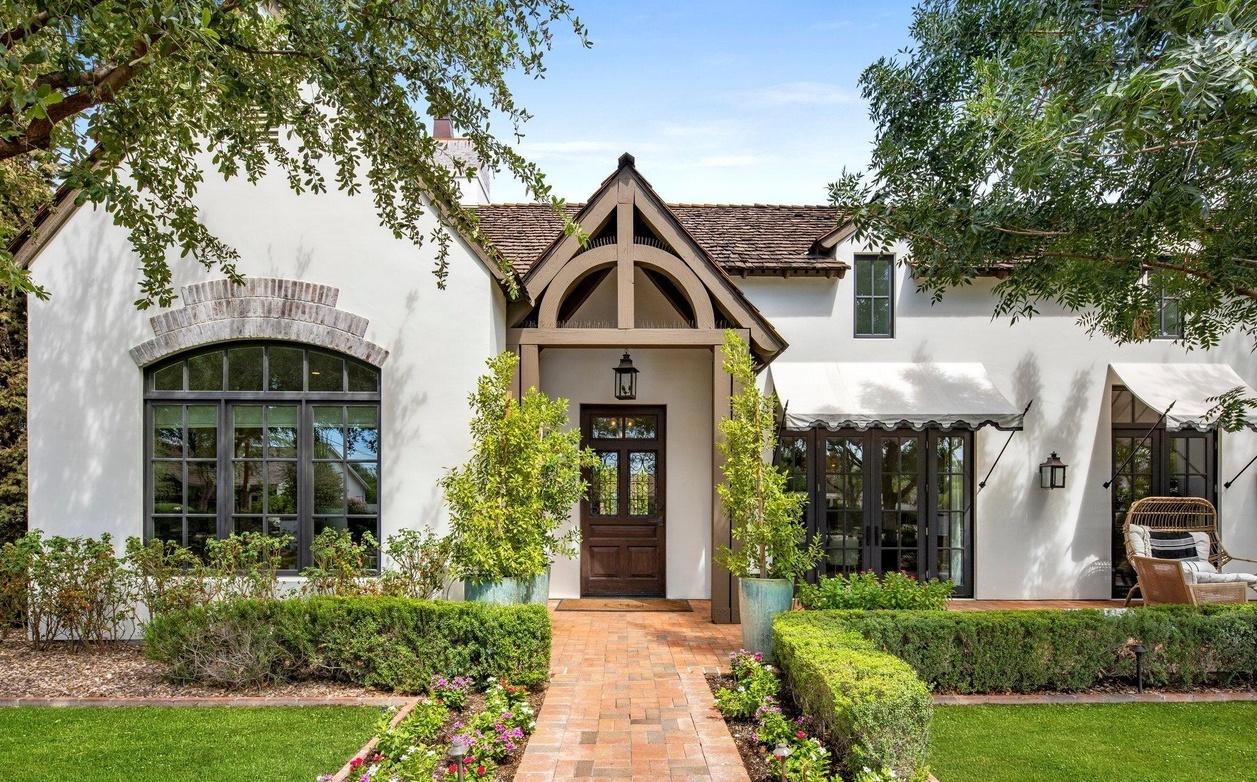
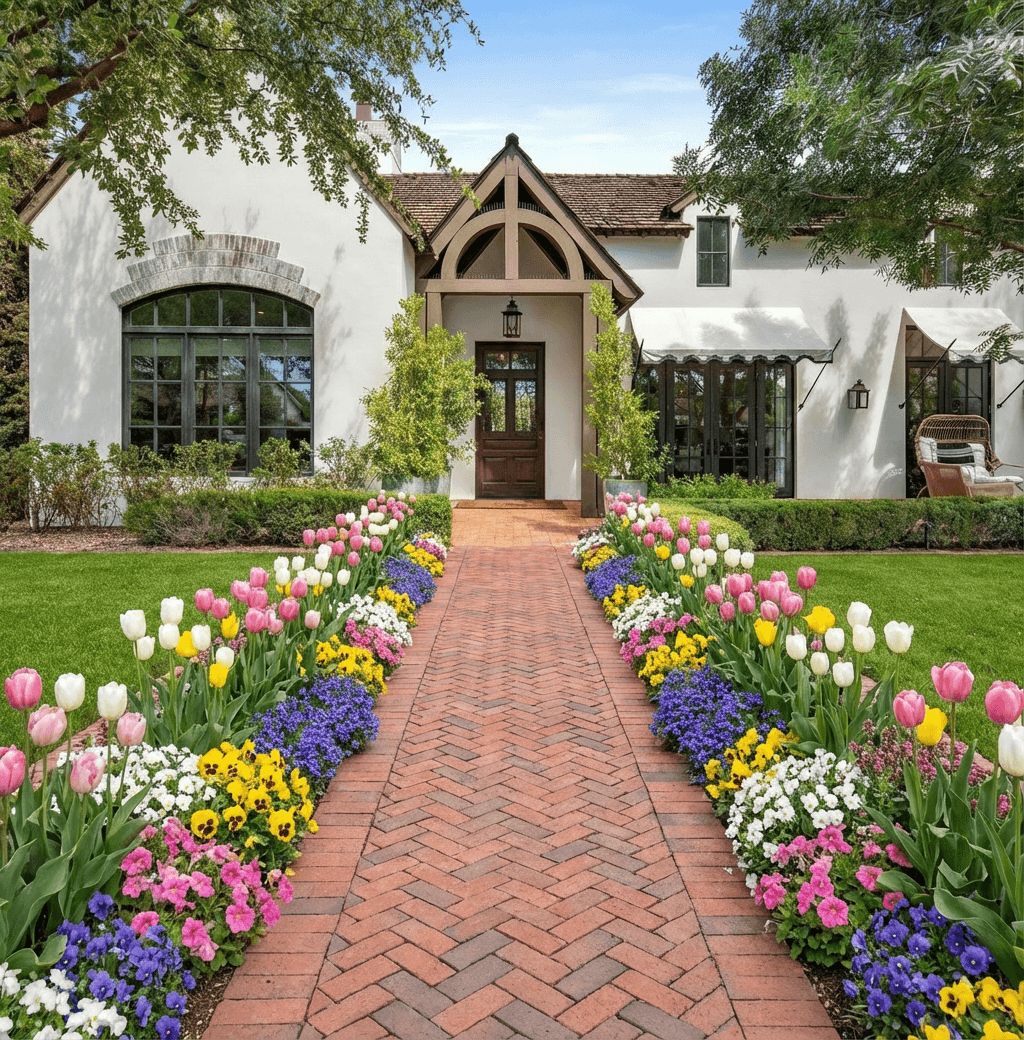
Gone are the days of long waits and hefty fees just to get a basic concept. New AI-powered tools let homeowners and pros skip the guesswork. You can now upload a simple photo of your yard and, within moments, get dozens of realistic design concepts back. The AI can explore a whole spectrum of styles, from a sleek Modern layout to a cozy Cottage garden.
Closing the Imagination Gap Instantly
One of the toughest parts of any landscape project has always been trying to translate an idea into something you can actually see. What does "more seasonal color" really look like against your brick? How would a new stone pathway change the whole feel of your backyard? AI tools are designed to answer these questions on the spot, acting as a creative partner.
This ability to see different options almost instantly is a huge deal. For homeowners, it takes away the anxiety of committing to a costly design you might not love. For professionals, it's a massive time-saver in the proposal stage, letting them show clients beautiful, photorealistic options in a fraction of the time. The technology bridges the "imagination gap" between a client's wish and a buildable plan.
Artificial intelligence is making good design more accessible. It gives you the power to see a finished, professional-looking landscape before a single shovel hits the ground, making sure the final result is exactly what you had in mind.
For example, maybe you're curious about a water-wise xeriscape design but just can't picture how succulents and gravel would look with your home’s siding. An AI tool can take your photo and instantly mock it up, showing you appropriate plants and hardscaping that fit your home's architecture.
This instant feedback lets you tweak and refine your ideas quickly, which is essential for creating a space you'll be happy with for years. You can see just how powerful this is in our complete guide on using AI for landscape design.
Intelligent Features That Power Better Designs
Modern AI design tools do more than just slap a filter on a photo. They use smart data to create better, more sustainable recommendations that improve the quality of landscape design services.
- Climate-Zone Intelligence: One of the most common mistakes people make is choosing plants that can't survive in their local climate. Good AI platforms use hardiness zone data to suggest plants, trees, and shrubs that will actually thrive where you live, saving you from failed plantings and wasted money.
- Computer Vision Analysis: The AI doesn't just guess; it analyzes your property's existing features. It recognizes your home’s architectural style, sees where windows and doors are, and notes existing paths or patios. This allows it to generate designs that feel connected and thoughtfully planned.
- Style Versatility: Whether you love the lush, layered look of a Tropical garden or the clean lines of a Minimalist design, AI can create multiple versions. This lets you compare different aesthetics side-by-side and maybe even discover a style you hadn't considered.
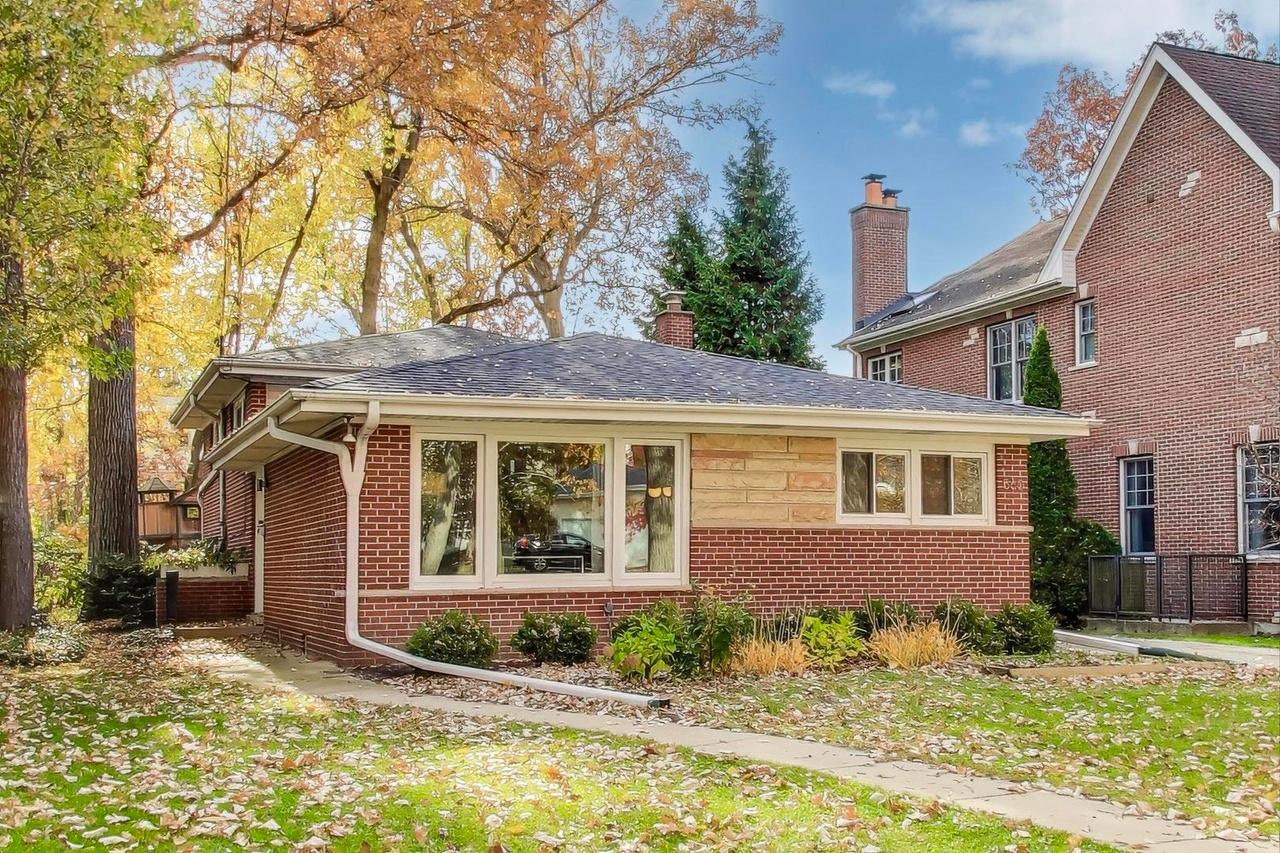
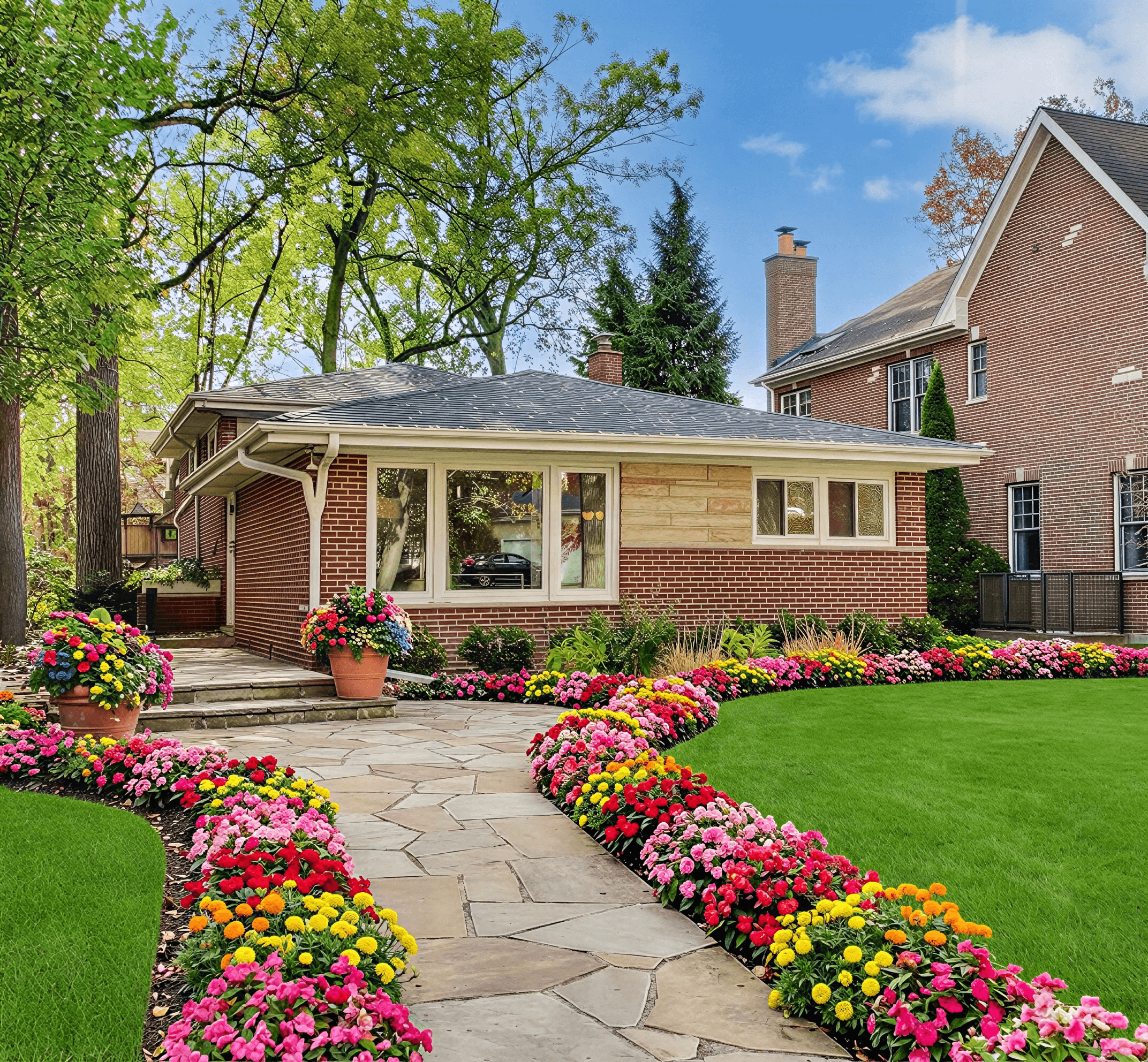
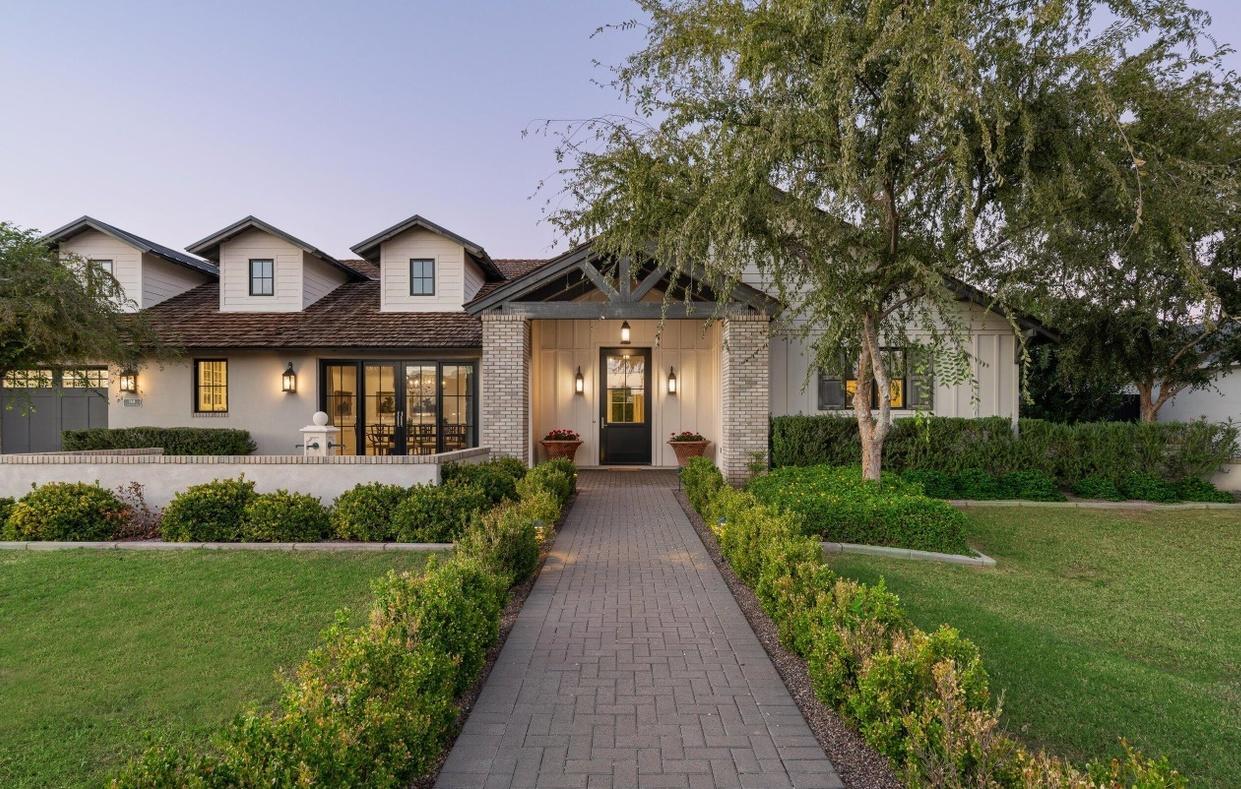
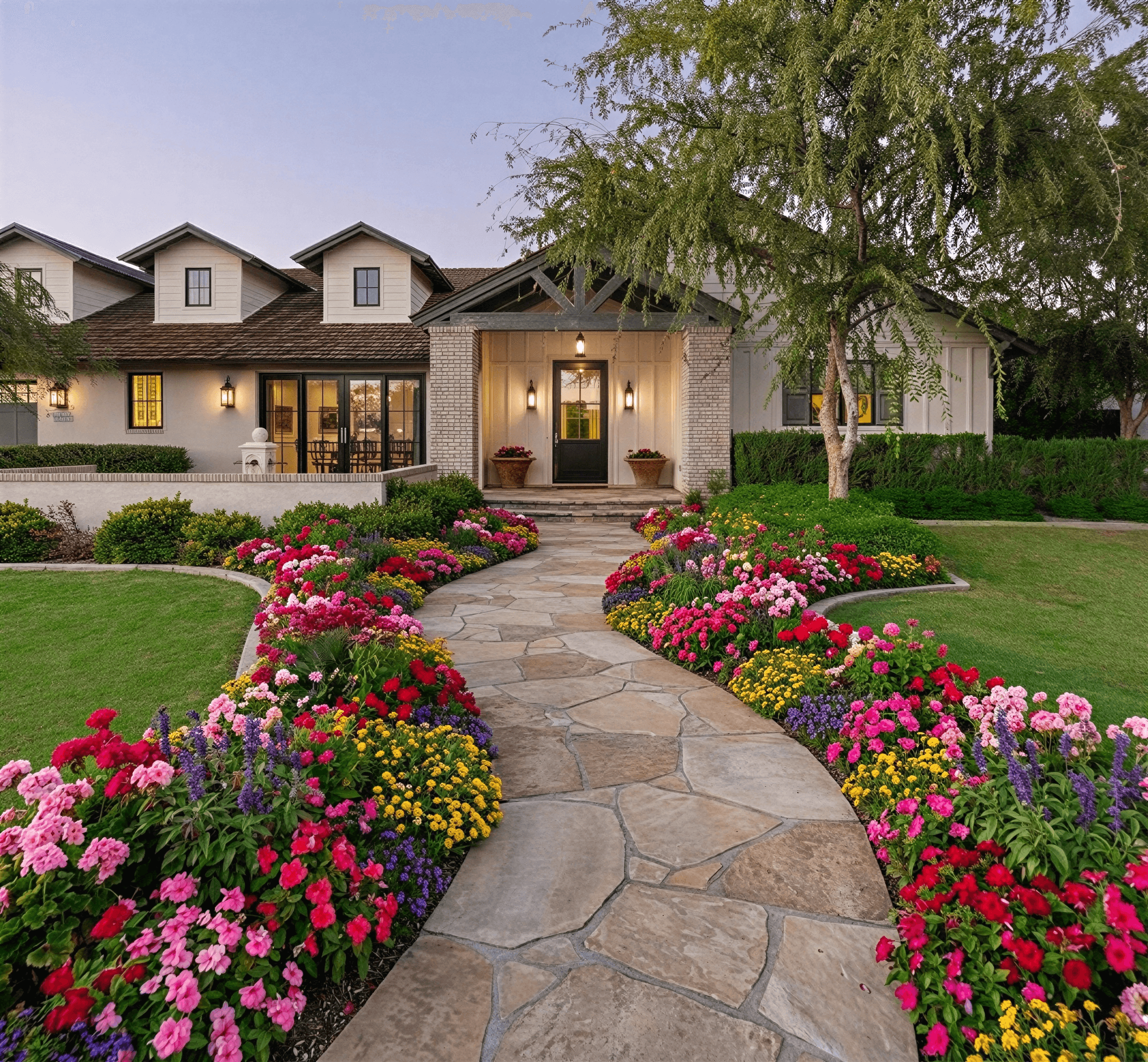
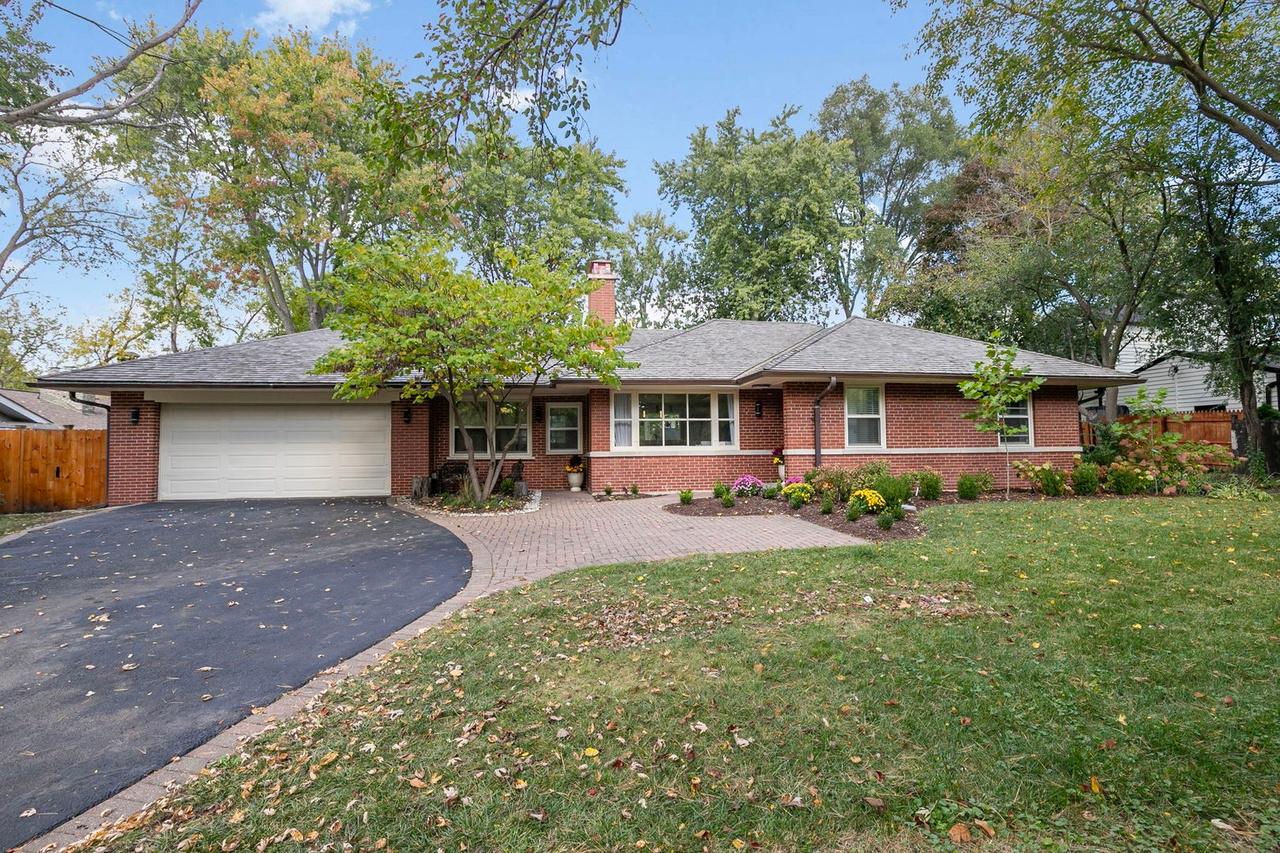
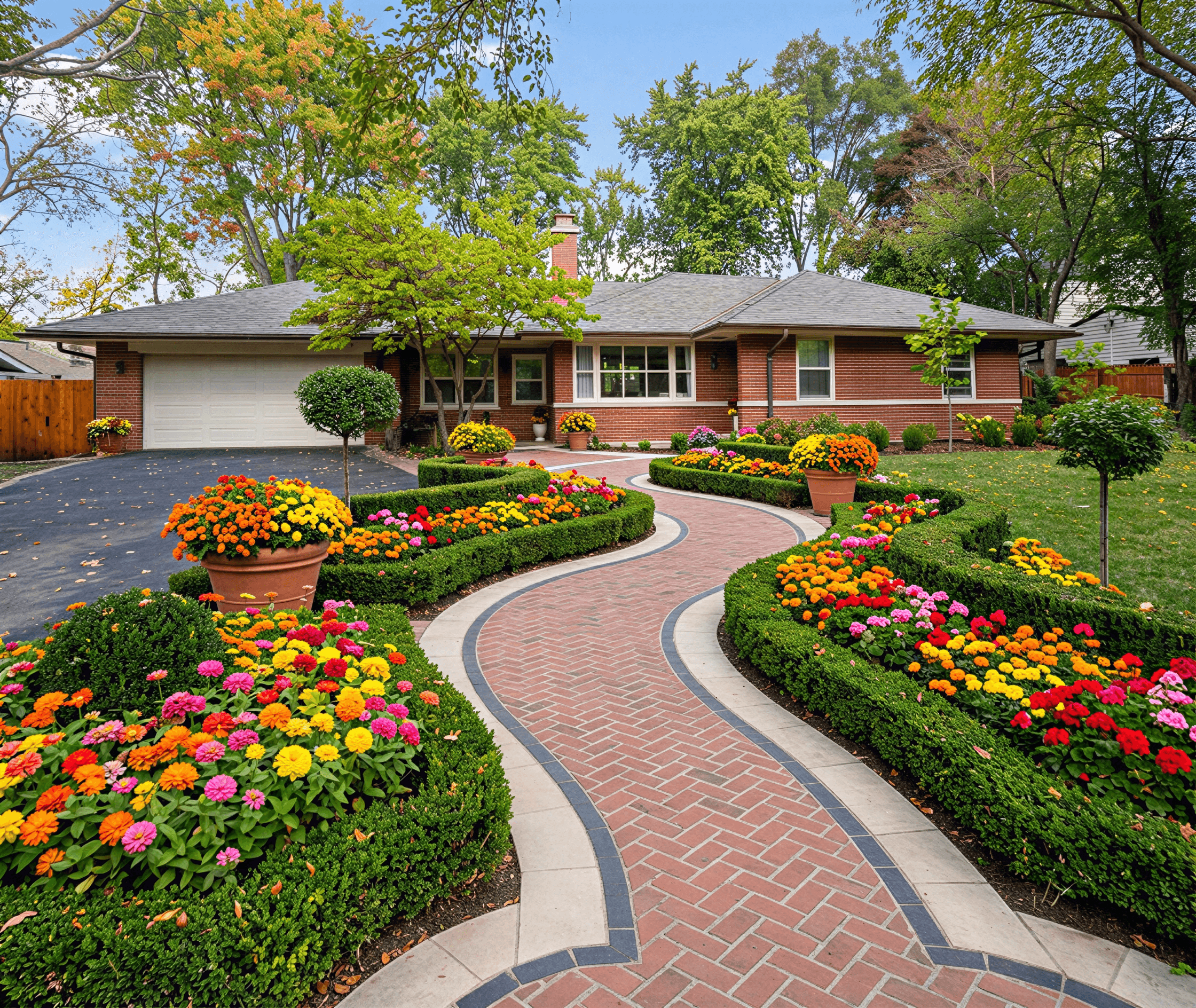
Here’s a great example of how AI can take a simple photo of a house and generate a completely new, fully realized design concept.

As you can see, the AI didn't just add new plants. It completely redesigned the walkway and other hardscape elements to create a polished and cohesive new look.
A Bridge Between DIY and Professional Services
The rise of AI isn’t about replacing professional designers—it’s about making the whole process better for everyone. For the dedicated DIYer, it provides the visual confidence needed to start a project with a clear, professional-looking plan. For those hiring a contractor, it serves as a powerful communication tool, giving everyone a concrete visual to ensure you're all working toward the same goal.
This shift is happening right as the market for outdoor living is booming. The garden design and construction industry is expected to see strong growth, with a projected 7.4% CAGR from 2025 to 2030. In North America alone—which makes up 34.6% of the global $88.64 billion landscaping products market in 2024—homeowners are investing more than ever in high-quality outdoor projects that add value and improve their lifestyle. AI tools are perfectly positioned to support this growth by making the design phase more efficient and accessible than ever before.
Understanding Landscape Design Costs and Timelines
Alright, let's get down to brass tacks: money and time. These are the two biggest hurdles for any homeowner dreaming of a new outdoor space. Budgeting for professional landscape design services can feel like you're trying to hit a moving target, but once you understand how the industry prices projects and how long they really take, it all becomes much more manageable.
Every project is different, so there's no single price tag. The final cost really hinges on your vision, the quirks of your property, and the type of relationship you have with your designer. Most pros stick to one of three common pricing models.
How Landscape Designers Charge
Getting a handle on these fee structures is the first step in finding a pro who fits your budget. Each method has its own pros and cons, and the best one for you will depend on how big and complex your project is.
- Flat-Fee for Design: This is probably the most straightforward and popular option. You and the designer agree on a fixed price for a complete set of plans right from the start. It’s perfect if you want cost certainty and a clear end product, like a master plan for your entire property.
- Hourly Rate: Some designers bill by the hour, which is great for smaller consultations, quick advice, or having them check in on a project as it's being built. Depending on their experience and where they're located, expect rates anywhere from $75 to $250+ per hour.
- Percentage of Project Cost: For big, complex jobs where the designer is also managing the installation, they might charge a percentage of the total construction cost. This is typically between 10% and 20%. This approach keeps the designer fully invested in seeing the project through from the first sketch to the final planting.
No matter the model, insist on a detailed proposal that spells out exactly what's included. This simple document is your best defense against "scope creep"—that slow expansion of a project that can blow your budget.
Knowing the pricing models is one thing, but you still need a ballpark figure. To dive deeper, check out our complete guide on how much landscape design really costs.
Budget Ranges and Cost Factors
So, what should you really be setting aside? While material choices and site-specific challenges can move these numbers, most projects fall into one of three general budget buckets.
- Small Projects ($3,000 - $8,000): This is for a focused upgrade. Think a front yard refresh with new garden beds and mulch, or a simple flagstone path. The design fee alone would likely be in the $500 to $1,500 range.
- Medium Projects ($10,000 - $30,000): Now we're talking about a more substantial change. This budget could get you a brand-new paver patio, some well-designed garden areas, and maybe a basic irrigation system to keep it all green. Expect design fees to run between $1,500 and $4,000.
- Large Projects ($40,000+): This is the budget for a complete outdoor transformation. We’re talking about projects with outdoor kitchens, retaining walls to create new usable space, sophisticated lighting, and a total planting overhaul. For this level of work, design fees will start at $5,000 and go up from there.
What drives these costs? The biggest factors are design complexity (intricate stonework costs more in labor) and your material choices. Natural bluestone, for instance, is a world apart from concrete pavers in terms of price.
Typical Project Timelines
Time is just as valuable as money, and good landscape design doesn't happen overnight. From initial design to final installation, a professional project has many moving parts. Being patient is part of the process.
The table below gives you a realistic idea of how long different-sized projects typically take.
Estimated Timelines for a Landscape Design Project
| Project Phase | Small Project (e.g., Front Yard Planting) | Medium Project (e.g., Patio & Garden) | Large Project (e.g., Full Property Redesign) |
|---|---|---|---|
| Design & Planning | 1 - 3 Weeks | 3 - 6 Weeks | 6 - 12+ Weeks |
| Contractor Bidding | 1 - 2 Weeks | 2 - 3 Weeks | 3 - 4 Weeks |
| Material Sourcing | 1 Week | 1 - 2 Weeks | 2 - 4+ Weeks |
| Installation | 1 - 2 Weeks | 2 - 5 Weeks | 5 - 10+ Weeks |
| Total Estimated Time | 4 - 8 Weeks | 8 - 16 Weeks | 16 - 30+ Weeks |
As you can see, even a "small" job can easily take a couple of months from start to finish. A full backyard renovation can stretch across an entire season or more. Knowing this upfront helps you set realistic expectations and makes the experience of working with landscape design services far less stressful.
Why Sustainable Design Is the Future
Good landscape design services have always been about creating a beautiful yard. But the best designs today do so much more—they turn your property into a hard-working, eco-friendly space that’s as smart as it is stunning. That’s the goal of sustainable design.
This isn’t just some feel-good movement; it’s being written into the industry’s DNA. Major professional organizations are setting serious goals for reducing greenhouse gases and boosting biodiversity. These goals are shaping everything from backyard makeovers to public parks, positioning design as a powerful tool in the face of climate change. You can get a glimpse of where things are headed by checking out these 2026 landscape trends.

Working With Nature, Not Against It
The whole philosophy boils down to one simple idea: work with your local environment, not against it. It’s about creating a landscape that thrives with less intervention from you, cutting down on watering, fertilizing, and constant weekend chores.
Instead of fighting to keep thirsty, non-native plants alive, a sustainable designer will choose plants that belong in your area. They’ll design clever ways to manage rainwater and even use trees and shrubs to help cool your home naturally. It's a shift from high-maintenance to high-performance.
Popular Climate-Smart Strategies
So, what does this actually look like on the ground? A sustainable landscape weaves together specific strategies that are both beautiful and functional. A good designer will blend these elements into a cohesive plan that feels completely natural.
Here are a few of the most popular and effective approaches:
- Xeriscaping for Water Conservation: This is all about designing a landscape that needs minimal, if any, extra watering. It’s not about rocks and cactus (unless you live in the desert!). It's a smart technique using beautiful, drought-tolerant native plants and moisture-retaining mulch to create a lush garden that sips, rather than guzzles, water.
- Native Plants to Support Wildlife: This is one of the single most impactful choices you can make. Native plants have co-evolved with your region's birds, bees, and butterflies, providing the exact food and shelter they need to thrive. Because they’re already adapted to your climate, they're also much easier to care for.
- Rain Gardens for Stormwater Management: A rain garden is a specially designed, shallow garden bed that collects rainwater runoff from your roof or driveway. It holds the water temporarily, allowing it to slowly soak into the ground, which prevents pollution from washing into local waterways and helps replenish groundwater.
Sustainable design is a long-term investment in your property and community. It creates a landscape that not only looks good on day one but also grows more valuable over time as it matures and contributes to the local ecosystem.
With these methods, your yard stops being just ornamental. It becomes an active part of the local environment.
Making Sustainable Choices Easier
For most people, the biggest challenge is the learning curve. How do you know which native plants are right for your yard? What would a rain garden actually look like next to your patio? This is where technology is stepping in to help.
AI-powered visualization tools like Curb Appeal AI build climate intelligence right into the platform. By analyzing your property’s specific location and climate hardiness zone, the tool can suggest plants that are naturally suited to your area. This takes the guesswork out of going green, helping ensure your sustainable choices are also successful ones.
Common Questions About Landscape Design
When you first start exploring professional landscape design, a few questions always come up. Let's get you some straight answers so you can move forward confidently.
How Much Does a Landscape Design Plan Cost?
This is usually the first thing people ask, and the answer really depends on the scope of your project. For a simple planting refresh, you might spend a few hundred dollars. For a complete overhaul of your entire property, it could be several thousand.
A good rule of thumb is that the design fee itself often lands between 5-15% of the total installation budget. Many designers charge a flat fee for the design, which is great because you know the cost upfront before any ground is broken.
Do I Still Need a Designer if I’ve Already Found a Contractor?
Absolutely. It's a common misconception, but their jobs are very different. A designer focuses on the "what" and the "why"—they craft the vision, map out the flow of the space, and select the right plants for the right places. The contractor is the "how." They're the expert who brings that vision to life.
Think of it this way: a designer is the architect of your outdoor space, while the contractor is the builder. You need both to ensure the final result is exactly what you dreamed of and doesn't lead to expensive fixes down the road.
What Is the Difference Between a Landscape Designer and a Landscape Architect?
The lines can seem blurry, but the distinction is pretty important. A landscape architect is state-licensed and has the training to engineer complex structural projects, like large retaining walls, drainage systems, or big public parks.
A landscape designer, on the other hand, typically specializes in the aesthetic and horticultural side of residential projects. They’re masters of creating beautiful, functional gardens and outdoor living spaces. For most homeowners, a talented landscape designer is the perfect partner.
Ready to see what’s possible for your property? Visualize dozens of styles instantly with Curb Appeal AI. It’s the perfect first step for planning your next project. Explore your home’s potential at https://www.curbappealai.co.