Find a Landscape Designer Near Me With This 2026 Guide
Before you even think about searching for a “landscape designer near me,” let’s talk about the single most important thing you can do to save yourself time, money, and a whole lot of headaches. It’s all about turning those fuzzy ideas in your head into a solid, visual concept before you ever pick up the phone. This one move puts you in the driver's seat.
Your Smart First Step Before You Hire a Designer
Hiring a landscape designer without a clear vision is a recipe for frustration. It’s like telling an architect you want a “nice house” and hoping for the best. You’ll burn through hours (and your budget) on consultations, sketches, and endless revisions, all while trying to figure out what you actually want.
It's a common mistake, especially in a market that’s booming. With the U.S. landscape design industry projected to hit a market size of $9.7 billion in 2026, you’ll have plenty of local pros to choose from. The real challenge isn’t finding a designer; it’s finding the right one who can bring your specific dream to life without starting from zero.
Get Clear on Your Vision First
The best projects start with a little homework. And I don't just mean a vague Pinterest board. Think about what you truly want your yard to feel like. Are you picturing the clean, minimalist lines of a modern garden? Maybe the lush, informal charm of a cottage garden is more your speed, or perhaps you need the low-water, low-maintenance appeal of xeriscaping.
Getting a handle on the basics will make your first conversation with a designer infinitely more productive. If you're new to this, a great resource like this Homeowner's Guide to Landscaping Design can help you learn the language and understand the fundamentals. It’s a small time investment that pays off big.
A clear visual concept does more than just guide the designer; it sets the budget, timeline, and expectations for the entire project. It’s the difference between saying, “Show me some ideas,” and “Can you help me build this?”
Go From Vague Idea to Photorealistic Concept
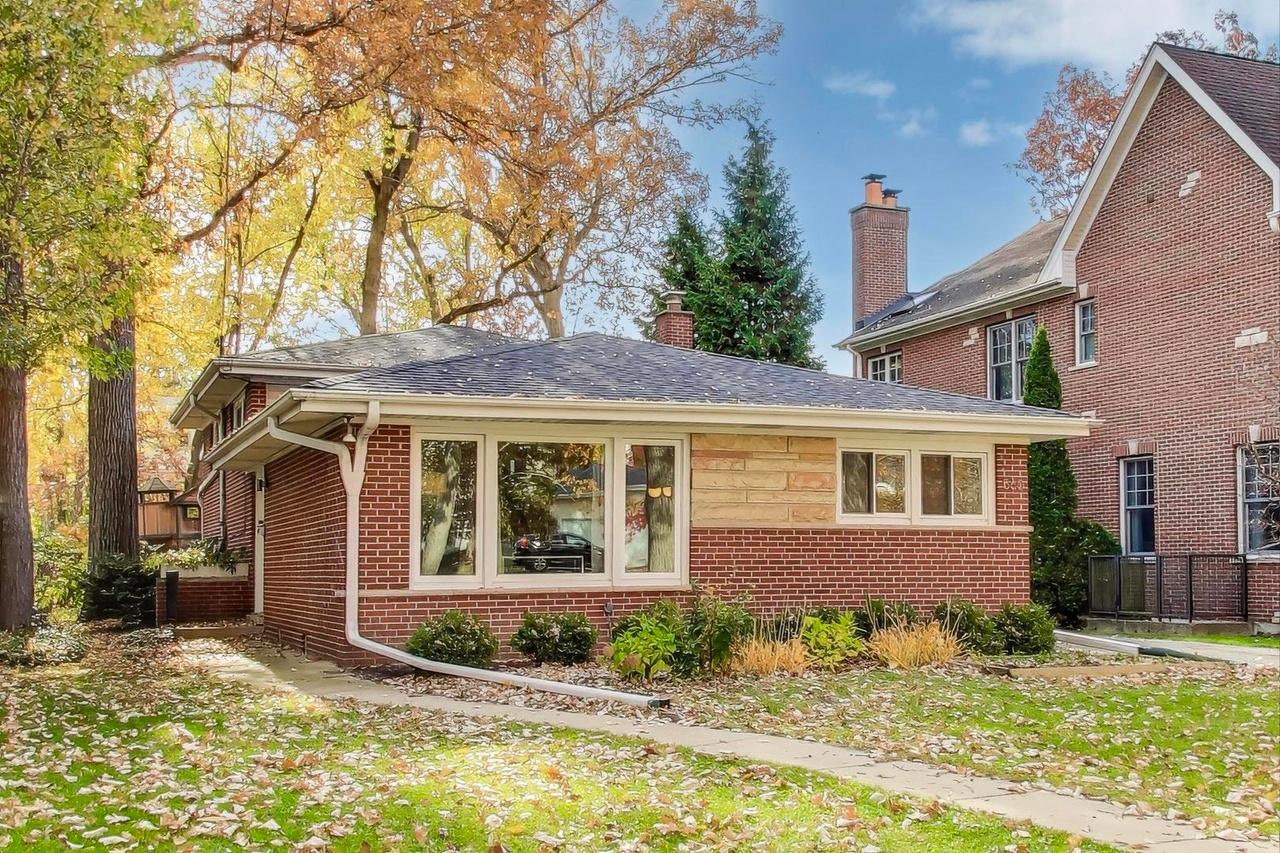
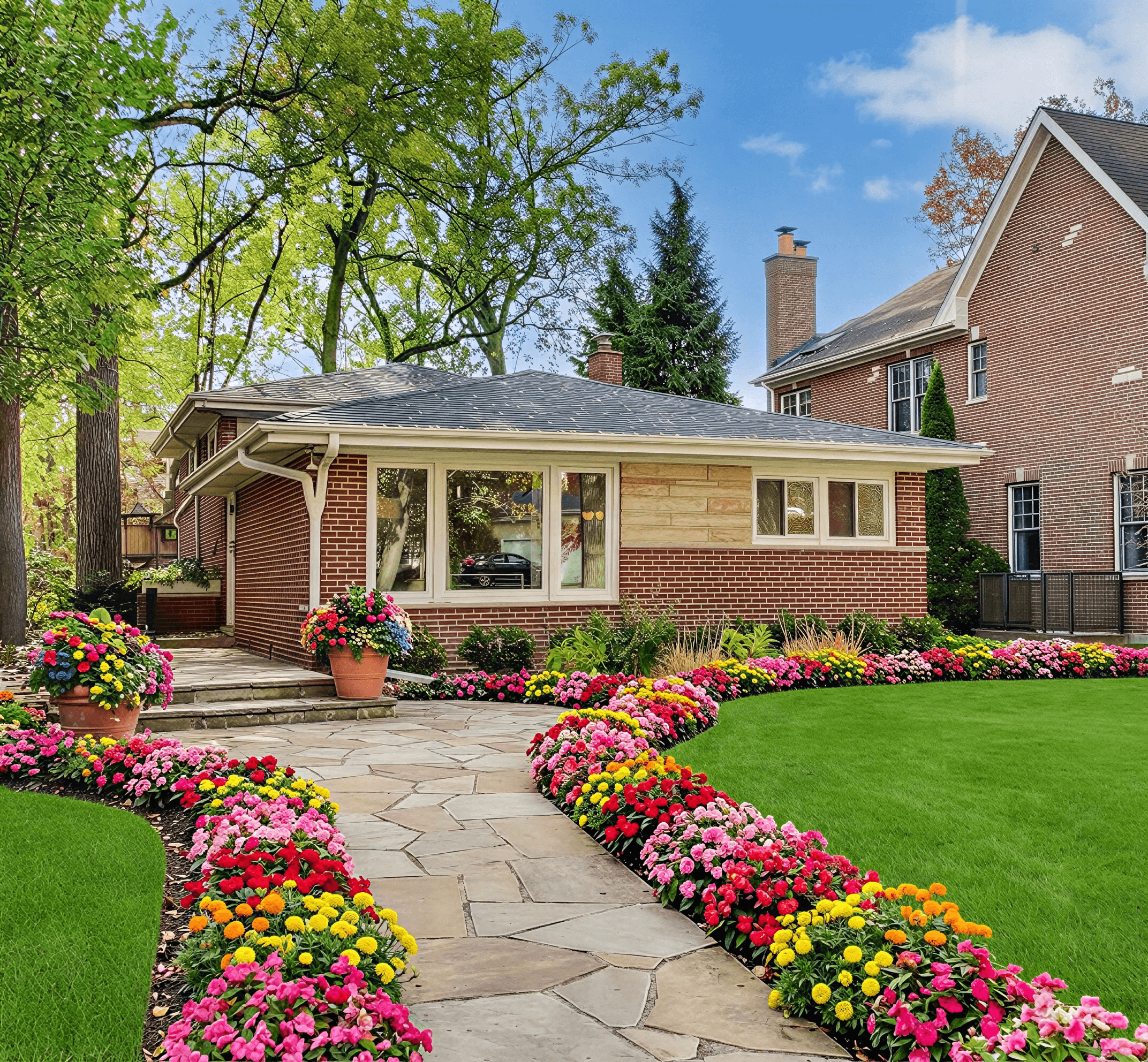
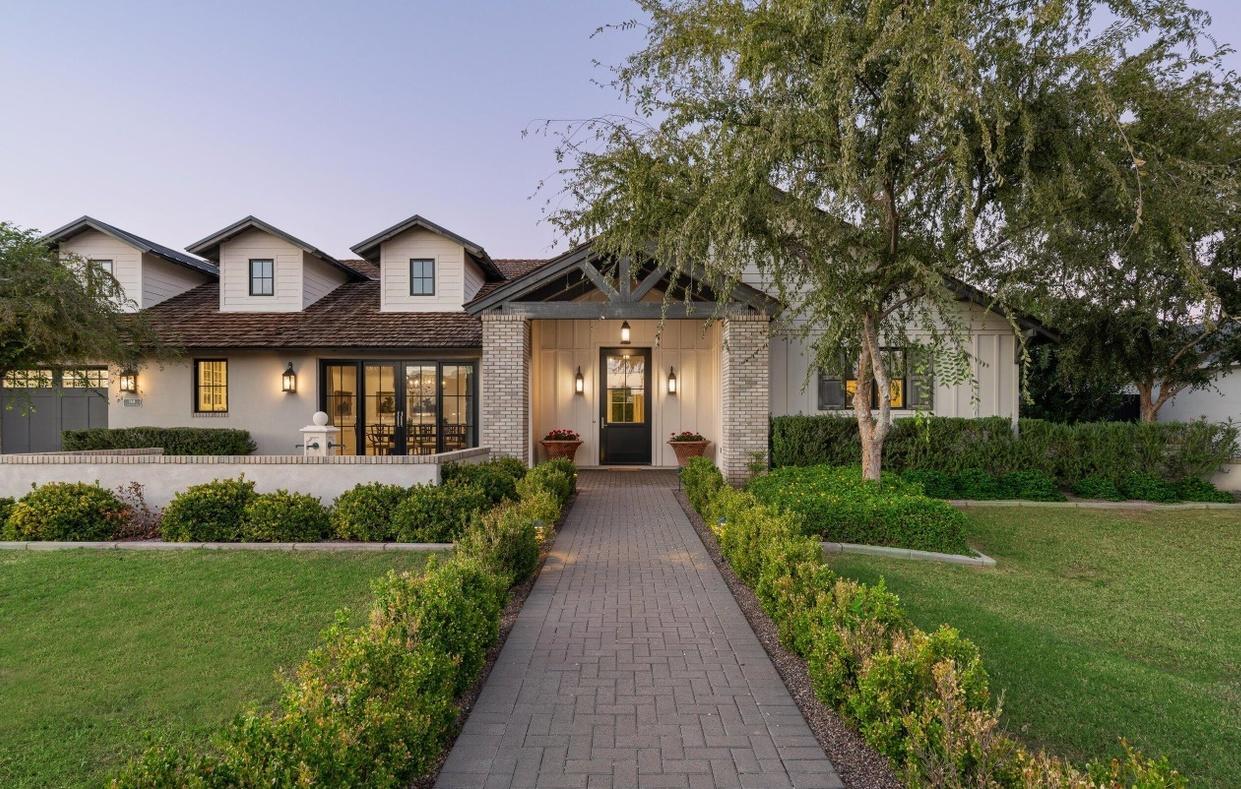
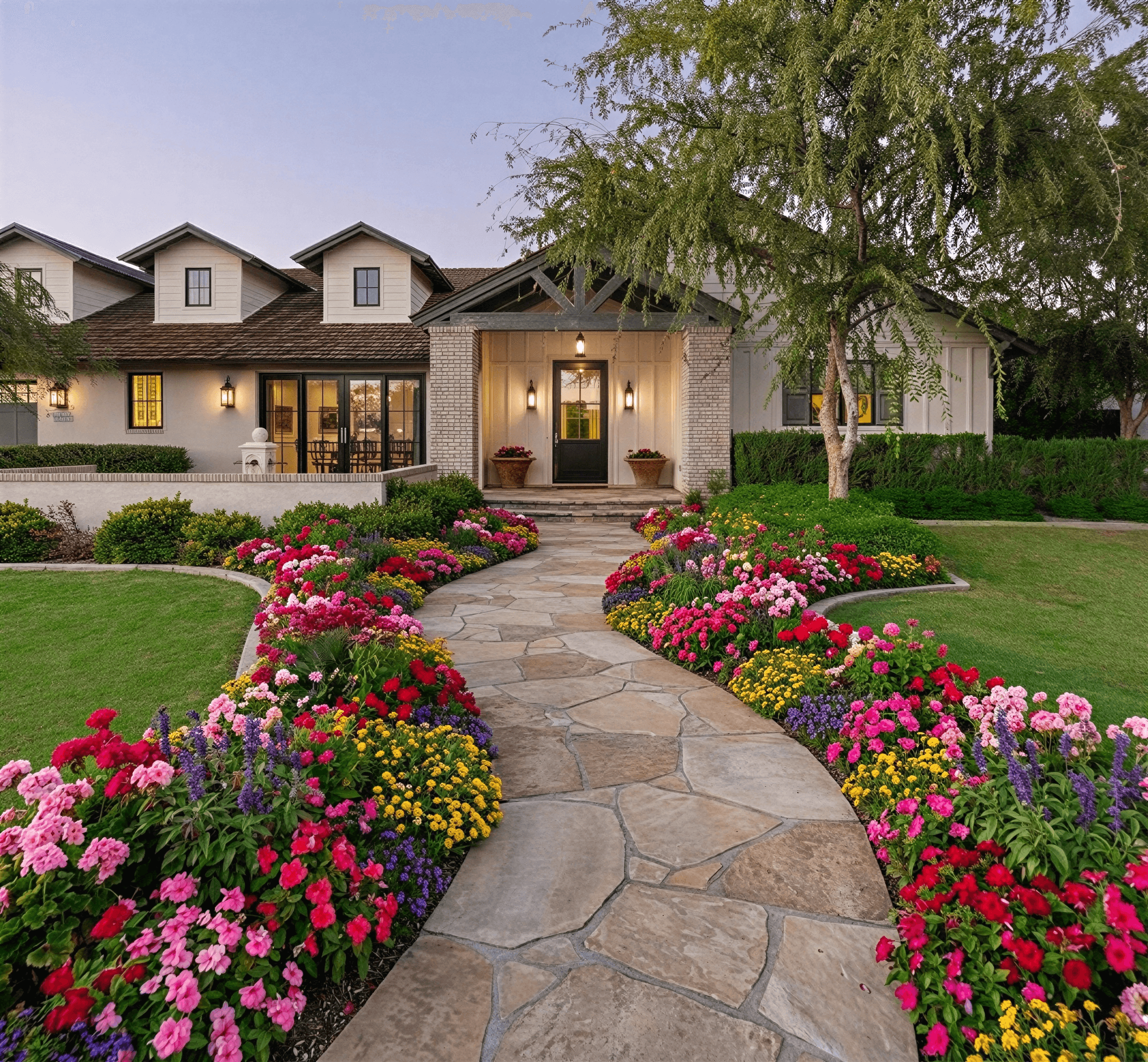
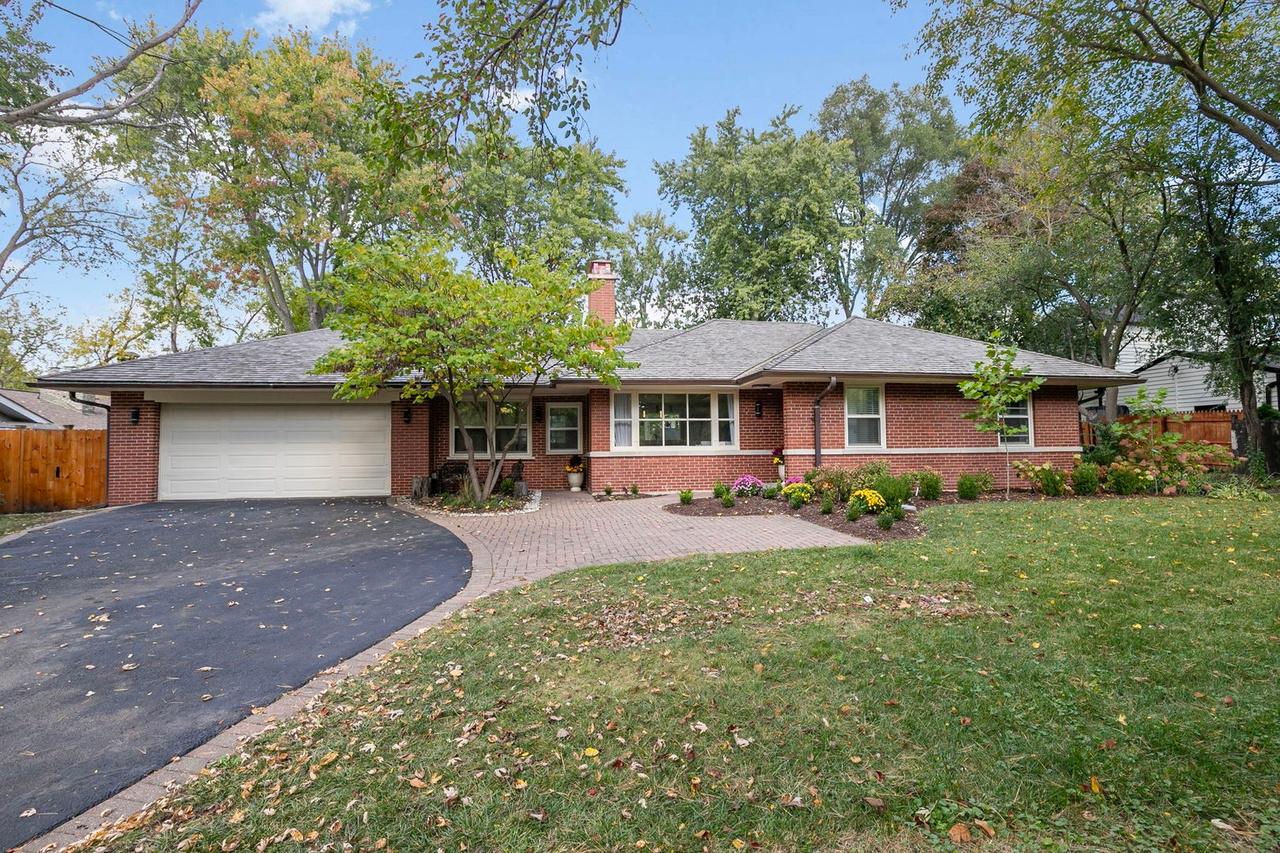
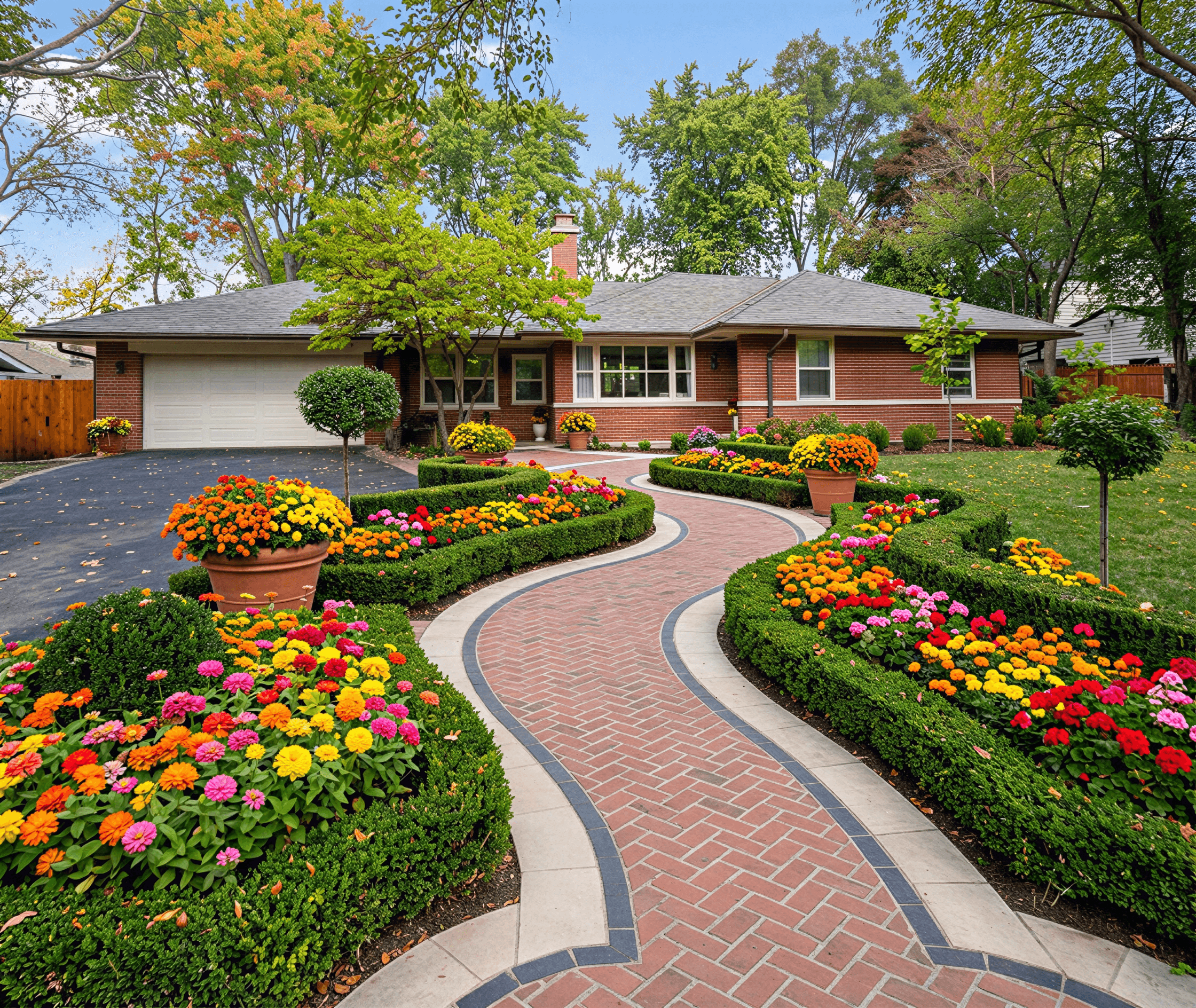
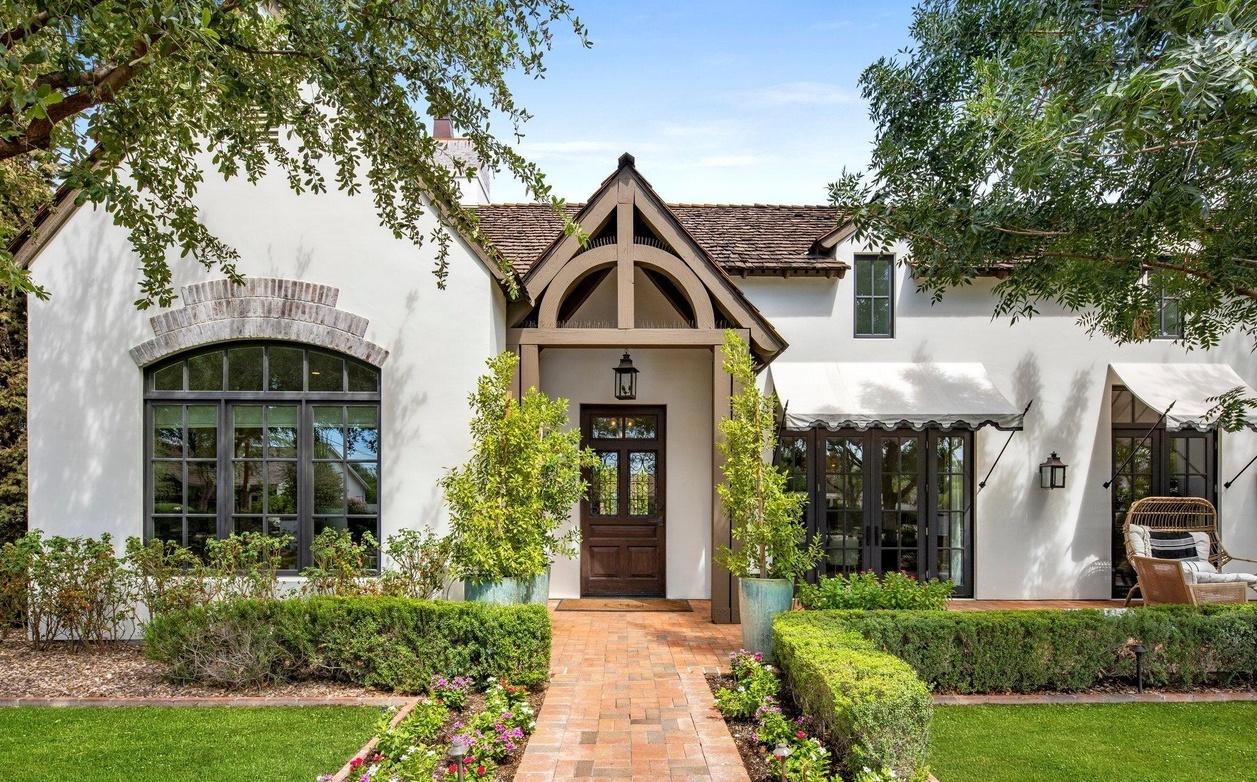
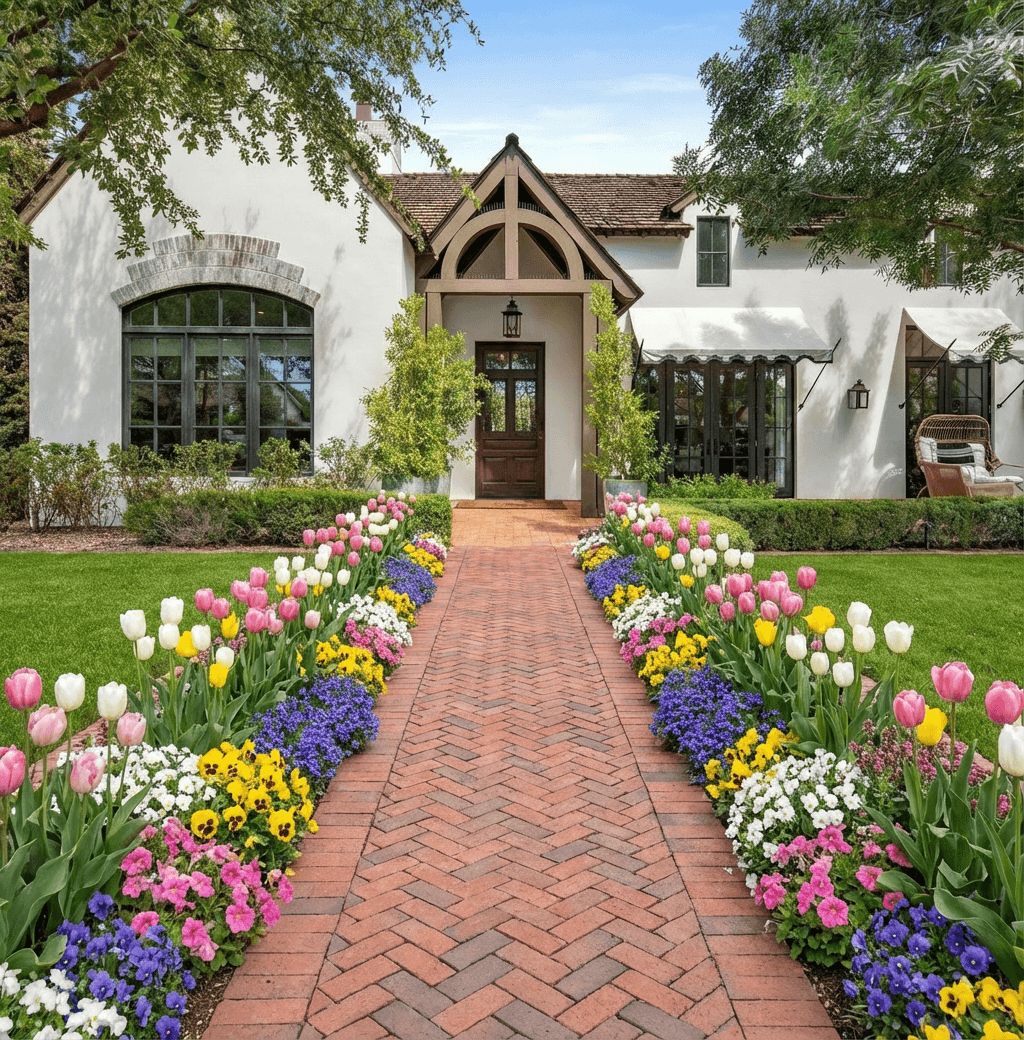
This is where you can take back control of the creative process. Instead of paying a designer’s hourly rate for initial brainstorming, you can use a tool like Curb Appeal AI to generate dozens of realistic concepts yourself. All you have to do is upload a photo of your own yard and start experimenting with different styles.
Thinking about it, the old way of finding a designer feels worlds apart from a more modern, prepared approach.
Traditional Designer Search vs. AI-Powered Planning
Here’s a quick look at how preparing with an AI tool changes the entire dynamic of working with a professional.
| Phase | Traditional Method | AI-Powered Preparation (Curb Appeal AI) |
|---|---|---|
| Ideation | Paying a designer for initial brainstorming and mood boards. | Generating dozens of photorealistic concepts on your own time, for free. |
| First Meeting | A vague conversation: "I want a low-maintenance yard with some color." | A focused discussion: "I love these three concepts. Can we merge them?" |
| Design Revisions | Multiple rounds of costly 2D sketches and feedback. | Starting with a clear visual direction, minimizing major changes. |
| Budgeting | Budgeting is based on abstract ideas, leading to potential surprises. | Budgeting is based on a tangible visual, allowing for more accurate quotes. |
See the difference? Coming to the table with a visual plan doesn't replace the designer—it empowers them to do their best work.
This modern approach gives you a huge advantage:
- You save money by skipping the expensive, open-ended ideation phase.
- You find your style by seeing dozens of options applied to your actual home.
- You communicate clearly by showing, not just telling, what you want.
- You speed up the project because your designer can jump right into the technical plans.
When you’re ready to bring in a pro, exploring different types of landscape design software for homeowners beforehand is a game-changer. It transforms the search for a "landscape designer near me" from a guessing game into a focused mission to find the perfect expert to execute your vision.
Where to Find and How to Shortlist Local Talent
So, you’ve used a tool like Curb Appeal AI and now have a solid visual of what you want. Fantastic. This is a game-changer. Instead of starting from scratch with a designer, you’re walking in with a clear, defined vision. You’re not just looking for any landscape designer; you’re looking for the right professional to bring that specific vision to life.
This prep work lets you skip the expensive, time-consuming "what if" phase and get straight to finding an expert for the job.

Starting with a clear visual blueprint puts you and your future designer on the same page from day one. There's no guesswork, just a shared goal.
Look Beyond the Obvious Search Results
Your best bet for finding a top-tier local designer often isn’t Google. It’s the people who are already knee-deep in your local horticulture scene.
Start by visiting your favorite local plant nurseries—I’m talking about the high-quality independent ones, not the big-box chains. The staff there are an untapped resource. They see which designers are buying the healthiest plants and know who truly understands the microclimates in your area.
Strike up a conversation and ask some targeted questions:
- "Which designers do you see sourcing native plants that actually do well around here?"
- "I'm aiming for a modern, clean-lined style. Do you know anyone who specializes in that look?"
- "If this were your yard, who would you trust to design it?"
This kind of insider knowledge is gold. You’re getting recommendations based on real-world experience and reputation, not just slick marketing.
Another great avenue is professional organizations. Groups like the Association of Professional Landscape Designers (APLD) have directories of certified members. This is a good way to find pros who've met specific standards for experience and education, adding a layer of credibility right from the start.
Vet Potential Candidates Before the First Call
Once you have a handful of names, it’s time to do some homework. A little pre-screening now will save you from wasting hours on consultations with designers who just aren't the right fit for your project.
First, go through each designer's website and social media. Their portfolio is everything. Don't just flip through pretty pictures; critically compare their work to the AI-generated visuals you created. Does their style align with yours? If you’re dreaming of a lush English cottage garden, a portfolio packed with minimalist desertscapes is a clear sign of a mismatch.
Your goal isn't just to find a good designer. It's to find your designer. Their portfolio is the best predictor of whether they can deliver your specific vision.
Next, take your research hyper-local. Pop the designer's company name into the search bar of your neighborhood Facebook groups or on Nextdoor. This is where you’ll find the unfiltered truth. Neighbors often share candid reviews, progress photos, and real-life experiences—good and bad.
Your mission here is to whittle your list down to 3-5 highly qualified candidates. These should be designers whose work genuinely excites you and who have a solid reputation right in your community. By putting in this effort upfront, you ensure that every call you make is to a pro who is already a strong contender, making the whole hiring process that much smoother.
How to Evaluate Portfolios and Verify Credentials
A designer's portfolio is their visual resume, and learning to read between the lines is probably the most critical part of your vetting process. It's easy to get swept away by gorgeous photos, but you're looking for more than just pretty flowers. You're searching for proof that they can solve real-world problems, understand your local environment, and build landscapes that actually last.
Start by looking for a consistent style, but don't discount the importance of range. A portfolio filled exclusively with stark, modern designs tells you they're a specialist—which is fantastic if that's exactly what you want. But if you see a variety of successful projects, from lush cottage gardens to structured formal layouts, that’s a great sign. It signals a versatile expert who listens to their clients rather than pushing their own pre-set vision.

Look for Local Expertise and Sustainable Practices
This is what separates the good designers from the truly great ones. A top-tier local designer will have a deep understanding of your specific climate, hardiness zone, and soil type. Their portfolio should be a testament to that knowledge.
Are they using plants that will thrive in your area, or are they defaulting to generic big-box store choices that might look good for a season before struggling? A portfolio for a project in Arizona, for instance, should be full of beautiful, drought-tolerant plants like Palo Verde and Agave, not water-guzzling species better suited for the Pacific Northwest. You can get more details on what to look for in our guide on how a landscape designer can help you: https://www.curbappealai.co/blog/landscape-designer.
Pay close attention to sustainable practices, too. Forward-thinking design is green design. In fact, sustainability is set to dominate landscape trends, with experts predicting that by 2026, 80% of new projects will incorporate native plants. This isn't just about looking good—it's about boosting ecological health and slashing maintenance costs by as much as 50%. Any designer you consider should be fluent in these modern, eco-friendly approaches.
A portfolio that shows a mastery of native plants and smart water management isn't just a bonus. It’s a clear signal of a designer who prioritizes your long-term success and lower maintenance costs.
Analyze Project Details and Material Use
Now it's time to zoom in past the wide-angle shots and get into the nitty-gritty. True quality and craftsmanship are revealed in the execution of the hardscaping, the choice of materials, and the way the space flows.
- Hardscape Quality: Scrutinize the patios, walkways, and retaining walls. Are the lines clean and the joints even? Do the materials feel like a natural extension of the home's architecture?
- Material Selection: Do they demonstrate skill with a variety of materials? A strong portfolio might show expertise in using timber cladding for a modern look on one project and intricate custom stonework on another.
- Before-and-After Photos: These are gold. They show you the designer’s raw ability to solve problems—whether it’s taming an unruly slope, creating much-needed privacy, or transforming a barren patch of dirt into a vibrant oasis.
A great portfolio tells a story of transformation. It should leave you feeling confident that the designer can see a project like yours through from start to finish.
Verify Licenses and Insurance
This part is completely non-negotiable. Think of it as the safety net that protects you, your property, and your investment. Any true professional will have their credentials ready and will be more than happy to provide them for you.
Here's a simple verification checklist:
- Business License: First, confirm they are legally registered to operate in your city or state. This is the absolute baseline for any legitimate business.
- Liability Insurance: This is what protects your property from accidental damage during the project. Ask for their "Certificate of Insurance" and don't hesitate to call the insurance company to verify the policy is active.
- Workers' Compensation: If the designer has a team or uses subcontractors, this is crucial. It covers any on-the-job injuries, so you aren't held liable.
Don't be tempted to skip this step. Working with an uninsured or unlicensed individual opens you up to huge financial and legal risks. A pro gets it—they understand why these protections matter and will be transparent, making it easy for you to hire with complete confidence.
Asking the Right Questions During the Consultation
Alright, this is where the rubber meets the road. Your search for a "landscape designer near me" has led you here, to a real-life conversation. Think of this initial meeting as less of a sales pitch and more of a first date—you're both trying to see if there's a good fit.
This is your moment to interview a potential partner for your home. The quality of your questions will absolutely shape the final outcome. You’re looking for more than a price quote; you need to find someone with a compatible vision, solid expertise, and the right temperament to handle the inevitable hiccups that come with any big project.

Discussing the Design Process and Your Vision
This is where all your prep work with tools like Curb Appeal AI pays off big time. You’ve already visualized the dream; now you just need to find the person who can build it.
Instead of a vague, open-ended question like, "So, what are your ideas for my yard?" you can take charge. You get to set the tone and direction from the start.
Try this approach:
"I’ve put together a few photorealistic concepts that really nail the look and feel we're going for. Based on these, how would you approach building a technical plan to make this a reality? And what’s a ballpark budget to get it done right?"
That one shift changes the entire dynamic. It immediately signals that you're a serious, well-prepared client. It also lets you see how they react. A great designer will get excited by your clarity and start brainstorming specifics—the right plants for your soil, material options for the patio, or how to handle that tricky drainage spot.
Here are a few more must-ask questions to understand their workflow:
- How do you bridge the gap between the final design and the actual installation? Do you have a crew you always work with, or will I be responsible for hiring a contractor separately?
- What kind of plans will I get? Are we talking 2D blueprints, 3D renderings, or a combination of both? What software do you use?
- How many design revisions are included in your fee? And what’s the cost if we need to make more changes down the line?
- From your experience, what’s a realistic timeline from signing the contract to the final plant going in the ground?
Getting clarity on their process now prevents so many headaches and mismatched expectations later.
Evaluating Communication and Problem-Solving Skills
Let’s be honest: no project is perfect. A shipment of pavers will get delayed, a specific variety of tree won't be available, or an unexpected patch of bedrock will turn up during excavation. It happens.
How a designer reacts to these challenges is what separates the pros from the amateurs. You need someone who can think on their feet and communicate clearly when things don't go according to plan. Don't be shy about asking some direct, "what-if" questions.
Test-Driving Their Crisis Management
| Topic | Question to Ask | What to Listen For in a Good Answer |
|---|---|---|
| Material Delays | "Imagine the specific stone we chose for the patio is backordered for 3 months. What’s your Plan B?" | A great designer will talk about their network of suppliers and immediately suggest a few pre-vetted alternatives that fit the style and budget. |
| Plant Health | "What happens if a few of the new shrubs or trees die within the first year? Do you offer a plant guarantee, and what does it cover?" | You're looking for a clear, confident policy. Most top-tier professionals offer a one-year guarantee on trees and shrubs, assuming proper care. |
| Budget Creep | "How do you keep the project from going over budget? And if we hit something unexpected, like a buried pipe, how is that handled?" | A solid answer involves upfront communication, formal change orders requiring your signature, and total transparency in billing. No surprises. |
The answers to these questions are often more telling than the initial price tag. A cheaper designer who panics or ghosts you when problems pop up will ultimately cost you far more in stress, time, and money.
Red Flags to Watch For During the Consultation
While you’re looking for all the right signs, you have to keep an eye out for the wrong ones, too. Be ready to walk away if a designer:
- Dismisses your ideas. A true partner will see your AI-generated concepts as a fantastic starting point, not an insult to their creativity.
- Gives you vague, hand-wavy answers. If they can't clearly explain their process or how they solve problems, they probably don't have one.
- Hesitates to provide references. A designer who's proud of their work will be eager for you to speak with their happy clients.
- Pushes you to sign a contract immediately. Any true professional will encourage you to take time to review their proposal and feel 100% comfortable.
In the end, trust your gut. This consultation is your best chance to see if the chemistry is right. Finding the perfect landscape designer is about building a relationship founded on trust, communication, and a shared goal of creating a space you’ll love for years to come.
Getting the Paperwork Right: Contracts, Costs, and Timelines
Okay, so you’ve met a few designers and finally found one you click with. The initial chats were great, and you're starting to get excited. But now comes the part that makes most homeowners a little nervous: talking money and signing contracts.
This is the moment where getting the details right is crucial. A solid contract isn’t just a formality; it's your project’s roadmap and your best protection against misunderstandings that can lead to blown budgets and frustrating delays.
Let's break down the financial side of hiring a pro so you can move forward with confidence and a clear plan.
How Designers Charge for Their Work
Before you can even judge if a quote is fair, you need to understand how designers structure their fees. Most will use one of three common models, and the right one for you really depends on your project.
- Flat Fee: A fixed price for the entire design. This is perfect for budgeting because you know the exact cost from day one. It works best for straightforward projects where the scope is clearly defined and isn't likely to change.
- Hourly Rate: You pay for the actual time the designer invests. This model is common for smaller consultations or for more open-ended projects that might evolve. It offers great flexibility, but I always advise clients to agree on a "not-to-exceed" number to keep costs in check.
- Percentage of Project Cost: The designer’s fee is calculated as a percentage of the total installation budget, often somewhere between 10-20%. This is standard for large, complex jobs where the designer also manages the build-out. It aligns their success with the project's success.
Remember that good design isn't an expense—it's an investment that adds real value to your home. To get a better handle on the numbers, check out our detailed guide on how much you should expect landscape design to cost.
What a Solid Contract Looks Like
A professional contract is much more than a handshake agreement on a single page. It’s the blueprint for your entire working relationship, and a vague one is just asking for trouble down the road.
A strong contract protects both you and the designer. It ensures everyone is on the same page regarding deliverables, timelines, and payment, which is the foundation of a successful project.
The landscape design industry is booming, with 48,721 U.S. businesses all vying for projects. Some of this growth, as noted by researchers at MarketResearch.com, is driven by a desire for more sustainable planning.
However, a big bottleneck has always been the slow process of manual sketching and back-and-forth revisions. When you use a tool like Curb Appeal AI to create a visual starting point, you give your designer a much clearer picture. This translates directly into a more specific, accurate, and ironclad contract from the get-go.
Your Contract Review Checklist
Never feel pressured to sign a contract on the spot. A true professional will encourage you to take it home and review it. Make sure it ticks all of these boxes. If anything's missing, ask them to add it in writing.
- A Detailed Scope of Work: The contract needs to spell out every single deliverable. Look for specifics like final master plans, 3D renderings, planting schedules, and material lists. It should also state how many rounds of revisions are included. Vague language like "garden design" is a major red flag.
- A Clear Payment Schedule: The total cost should be broken down into installments tied to specific milestones. A common structure is 30% to begin, 40% upon approval of the final design, and the final 30% when the design phase is complete.
- A Realistic Project Timeline: Look for estimated start and completion dates for the design work. The contract should also address how potential delays—from bad weather to supply chain issues—will be communicated and managed.
- A Plant Guarantee: Any reputable designer or installer they recommend will stand by their work. A one-year guarantee on plants is standard, provided you follow the watering and care instructions they give you. Get this in writing.
- A Change Order Process: It’s almost inevitable that you’ll want to change something along the way. The contract must define exactly how this happens. The process should require a formal "change order" document that you sign off on, detailing the new work and any associated costs.
Once you have a comprehensive contract in hand, you're ready for the fun part to begin. By taking the time to get this step right, you’re setting your project up for success and can finally sit back and watch your vision come to life.
Common Questions When Hiring a Landscape Designer
Even after you've done all your homework, a few last-minute questions always seem to pop up before you sign a contract. That's completely normal. This is a big investment in your home, and you should feel 100% confident before moving forward.
Let's walk through some of the most common questions homeowners ask at this stage, so you can get the clarity you need.
What’s the Difference Between a Landscape Designer and a Landscape Architect?
This is easily one of the most common points of confusion, but the distinction is crucial for getting the right pro for your job. While the titles sound similar, their qualifications and the projects they tackle are quite different.
A landscape architect is state-licensed and usually holds a formal degree. Think of them as the structural engineers of the outdoor world. They handle complex projects involving grading, drainage, large retaining walls, and anything else that might require official permits or stamped plans. If your project involves serious earth-moving or major construction, an architect is often legally required.
A landscape designer, on the other hand, typically focuses on the horticultural and aesthetic side of things. They are the experts in plant selection, layout, color theory, and creating beautiful, functional living spaces. For most typical home projects—a front yard makeover, a new patio and garden, or a planting plan—a great landscape designer is exactly who you need.
How Much Should I Actually Budget for This?
This is the million-dollar question, isn't it? While costs swing wildly depending on your location and the scope of work, a good rule of thumb is to set aside 5% to 15% of your home’s value for a full landscape renovation. That figure is meant to cover everything: design, materials, and labor.
The design plan itself is a separate piece of the puzzle. You can expect to pay anywhere from $1,500 to over $10,000 for a professional design. A simple planting schematic for your garden beds will fall on the low end, while a comprehensive master plan with hardscaping, lighting, and irrigation details will be on the high end.
Good design isn't an expense; it's an investment. A smart, well-executed landscape adds real value to your property and, more importantly, to your daily life.
Always, always get at least three quotes. It’s the only way to get a true feel for the market rate in your area and find a designer who offers the right balance of cost and value for your vision.
Can I Give My AI-Generated Designs to a Contractor?
Absolutely. This is where preparing with a tool like Curb Appeal AI really pays off. Those photorealistic images you created aren't just for fun; they are a powerful communication tool that every professional in this industry understands instantly.
Here’s how you can use them:
- Bring them to your landscape designer. They can use your AI concepts as a crystal-clear starting point, which lets them jump straight to refining the idea and creating technical blueprints. It saves them time on guesswork and saves you money on initial concepting.
- Take them directly to a landscape contractor. For simpler projects, you can often go right to a "design-build" firm. These companies have both designers and installers in-house and can work directly from a strong visual to bid and build the project.
These images close the gap between what's in your head and what the crew will build, ensuring everyone is on the same page from day one.
What Happens If I Don’t Like the First Design They Create?
This is a huge fear for many homeowners, but it’s completely manageable if you're proactive. Your first line of defense is the contract. Before you sign anything, read the fine print about revisions.
Most designers include a set number of revisions in their fee—two rounds of changes is pretty standard. Your contract should spell this out clearly, along with the cost for any additional changes you might request beyond that.
Honestly, though, the best way to prevent a design miss is to give them a clear target in the first place. When you walk into that first meeting with your own AI-generated concepts, you’re not asking the designer to read your mind. You’re asking them to apply their expertise to a vision you already know you love. This simple step dramatically reduces the chance of a major disconnect.
Ready to create a clear vision for your landscape project? With Curb Appeal AI, you can generate dozens of photorealistic design concepts for your home in seconds. Stop guessing and start visualizing. Try it today and walk into your first designer meeting with confidence.