8 Unbeatable Plants Low Maintenance Garden Designs for 2026
A stunning garden doesn't have to mean endless weekends of weeding, watering, and worry. The secret to a landscape that flourishes without constant intervention is strategic plant selection. By choosing resilient, beautiful, and largely self-sufficient performers, you can achieve maximum curb appeal with minimal effort. This guide is designed to move you beyond generic advice, providing a curated roundup of powerhouse plants low maintenance garden enthusiasts rely on, organized for straightforward planning and implementation.
This is more than just a list; it’s a practical blueprint for creating a garden that works for you, not the other way around. We will dive deep into specific, high-impact varieties, detailing their surprisingly simple care routines and providing actionable design pairings that deliver a polished, professionally designed look season after season. Forget the demanding upkeep associated with high-maintenance landscapes.
Inside, you will discover:
- Specific Plant Profiles: Detailed looks at top performers like Ornamental Grasses, Lavender, Sedums, Coneflowers, Shrub Roses, and more.
- Actionable Care Checklists: Precise instructions on watering, soil, and sunlight needs to ensure your plants thrive.
- Smart Design Pairings: Guidance on which plants to group together for a cohesive, visually appealing front yard or entryway.
- Seasonal Maintenance Schedules: A simple year-round plan to keep your garden looking its best with just a few timely tasks.
We’ll even show you how to use modern tools to visualize these plants in your own yard before you ever pick up a shovel, guaranteeing a perfect result from the very start. It’s time to build a beautiful, effortless garden that enhances your home’s value and gives you back your weekends.
1. Ornamental Grasses (Miscanthus, Fountain Grass, Blue Fescue)
Ornamental grasses are the workhorses of a plants low maintenance garden, offering architectural structure, captivating movement, and year-round visual interest with minimal intervention. These versatile plants thrive in a wide range of soil types, are generally drought-tolerant once established, and their primary maintenance task is a simple annual haircut. Their dynamic textures and forms create a living sculpture in the landscape, softening hardscapes and adding a sensory element as they sway and rustle in the breeze.
Available in heights from under a foot to over eight feet, and in a color palette spanning from icy blue-greens to deep burgundy, ornamental grasses fit seamlessly into nearly any design aesthetic. Their adaptability makes them a cornerstone of modern, low-effort landscaping.
Successful Implementation Examples
- Modern Zen: Giant Miscanthus (Miscanthus x giganteus) creates a towering, minimalist screen that defines spaces and adds a vertical element without the upkeep of a traditional hedge.
- Mediterranean Xeriscape: The graceful, arching plumes of Fountain Grass (Pennisetum setaceum) bring soft texture to drought-tolerant gardens, pairing beautifully with succulents and gravel mulch.
- Contemporary Edging: Clumps of Blue Fescue (Festuca glauca) provide a striking, cool-toned border along walkways or patios, offering consistent color and form with almost no care.
- Low-Maintenance Borders: Studies on popular varieties like 'Karl Foerster' Feather Reed Grass show they can reduce garden maintenance time by up to 40% compared to more demanding perennials, making them an efficient choice for layered plantings.
Actionable Tips for Planting and Care
To maximize the low-maintenance benefits of ornamental grasses, follow these targeted strategies:
- Planting Window: Plant in early spring or fall to allow root systems to establish during cooler, moister weather.
- Proper Spacing: Give grasses room to grow. Space them according to their mature width, not their size at planting, to prevent overcrowding and ensure good air circulation.
- Annual Cutback: The most crucial task is cutting them back to a few inches above the ground in late winter or very early spring (February-March). This removes old growth and makes way for the vibrant new shoots.
- Climate-Smart Selection: Use a tool like Curb Appeal AI's hardiness zone matching to select varieties that are proven to thrive in your specific climate, eliminating the guesswork and preventing plant loss. This is a key step in creating sustainable, low maintenance landscaping.
2. Lavender (English, Spanish, French Varieties)
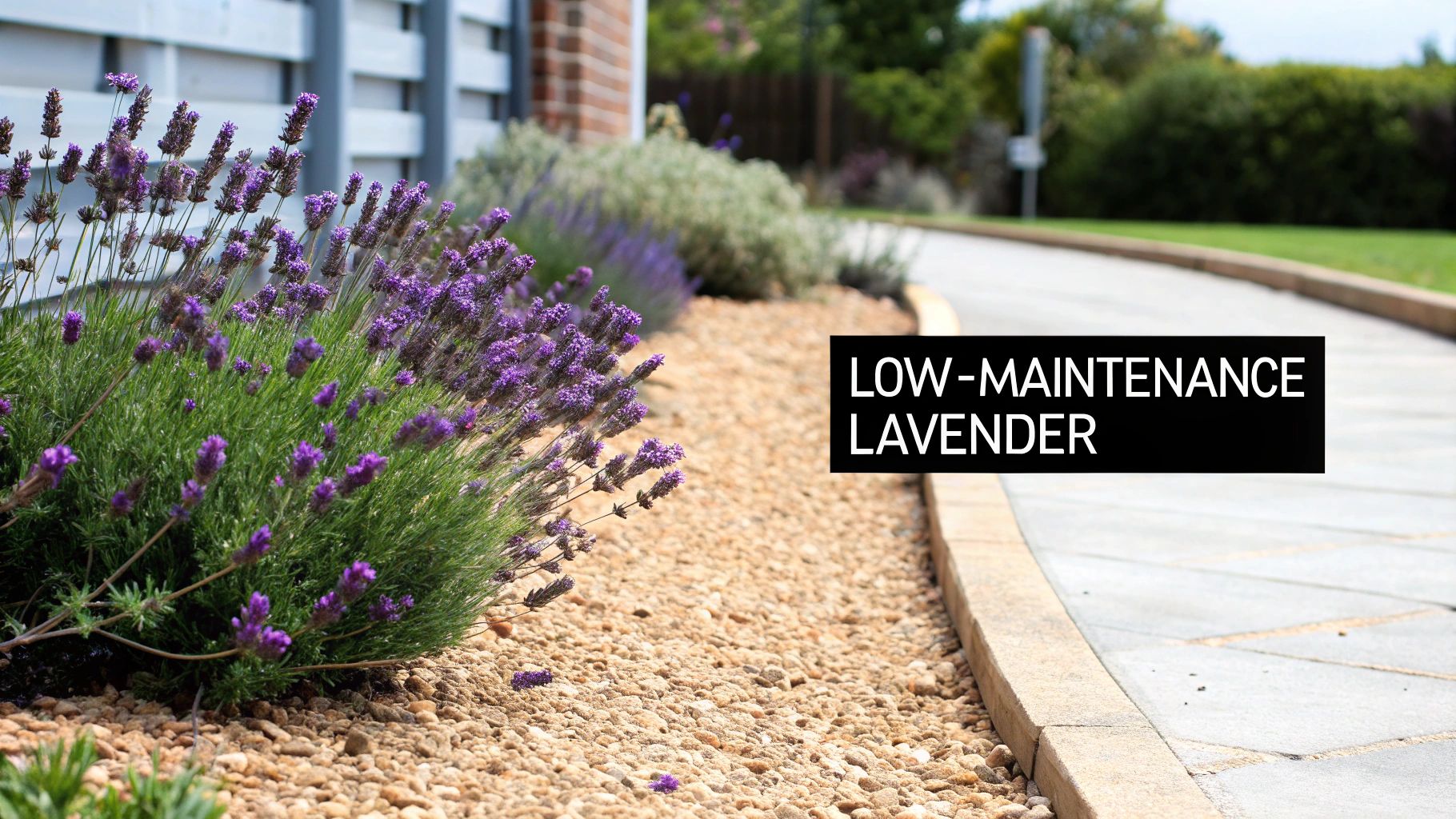
Lavender is a fragrant, drought-tolerant perennial that epitomizes the ideal plants low maintenance garden choice, offering year-round sensory appeal with minimal effort. Celebrated for its iconic purple, pink, or white flowering spikes and silvery-green foliage, lavender thrives in well-draining soil and full sun. It is naturally pest-resistant, attracts crucial pollinators like bees and butterflies, and returns reliably each year in a wide range of climates.
Its resilience and aromatic qualities make it a versatile favorite for homeowners seeking both beauty and practicality. Lavender’s structure and color provide a Mediterranean feel, requiring little more than an annual trim to maintain its neat, mounded shape.
Successful Implementation Examples
- Coastal California Borders: English lavender (Lavandula angustifolia) is used extensively to create stunning, low-water borders along walkways and driveways, providing color and fragrance with very little irrigation.
- Mediterranean Entries: In hot, dry climates (zones 8-11), the distinctive "bunny ear" flowers of Spanish lavender (Lavandula stoechas) create a dramatic and welcoming entrance that thrives in the heat.
- Water-Wise Western Gardens: Residential projects in arid states like Colorado and Utah successfully use lavender as a primary landscape plant, where it flourishes with only annual rainfall once established.
- Efficient Hedging: Studies show that informal mixed lavender hedges can reduce garden maintenance time by up to 70% compared to traditional sheared boxwood hedges, eliminating the need for constant trimming and pest control.
Actionable Tips for Planting and Care
To ensure your lavender thrives with the least amount of intervention, follow these key strategies:
- Improve Drainage: Before planting in heavy clay, amend the soil with sand or compost. Excellent drainage is the single most important factor for lavender's success.
- Planting Season: Plant in spring or fall. This timing allows the root system to establish during cooler, wetter periods, reducing transplant shock.
- Strategic Pruning: Prune plants back by about one-third after their main flowering period. This prevents the plant from becoming woody and encourages a compact, tidy shape for the following year.
- Avoid Over-Fertilizing: Lavender prefers lean soil. High-nitrogen fertilizers promote leggy foliage growth at the expense of flowers, so it's best to avoid them entirely. For more ideas on plants that flourish in sunny, lean conditions, explore these full sun landscaping ideas.
3. Sedums & Succulents (Stonecrop, Autumn Joy, Dragon's Blood)
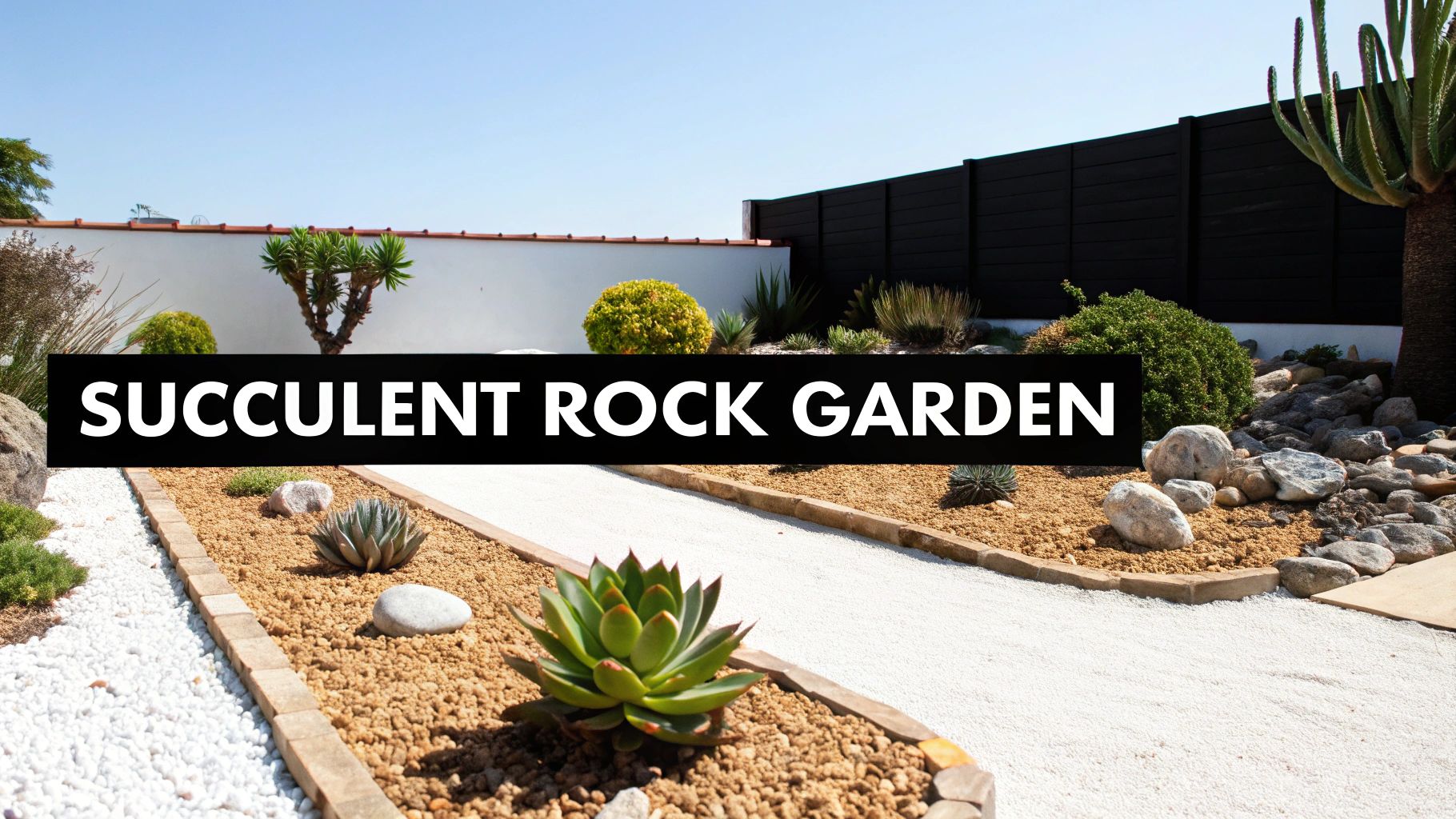
Sedums and succulents are the epitome of a plants low maintenance garden, featuring fleshy, water-storing leaves that make them incredibly resilient and self-sufficient. Thriving in poor, rocky soil and requiring minimal irrigation, these plants offer stunning architectural forms and a rich color palette, from jade green and deep burgundy to fiery red. Their ability to flourish with little intervention makes them a top choice for xeriscaping, modern rock gardens, and container plantings.
Available in both upright and creeping forms, succulents provide year-round structure and texture. Their compact growth habits and sculptural beauty allow homeowners to create visually compelling landscapes that demand very little time or resources to maintain.
Successful Implementation Examples
- Seasonal Border Transition: Upright varieties like 'Autumn Joy' Sedum are perfect for mixed borders, where their flower heads transition from green to pink to a deep coppery-rust, providing color well into the winter.
- Living Groundcover: Creeping varieties like 'Dragon's Blood' Sedum form a dense, colorful mat that suppresses weeds and adds vibrant texture to rock walls or between pavers, thriving in zones 3-9.
- Water-Wise Patchworks: Residential projects in arid climates like Phoenix and San Diego use succulent patchwork designs to create stunning visual interest while requiring less than 50% of the irrigation needed for traditional turf landscapes.
- High-Altitude Rock Gardens: In places like Colorado, homeowners create beautiful front-yard rock gardens filled with hardy succulents that thrive on natural rainfall alone, showcasing extreme drought tolerance. You can explore more concepts with these drought-tolerant landscaping ideas to see how they can transform a yard.
Actionable Tips for Planting and Care
To ensure your succulents thrive with minimal effort, apply these focused strategies:
- Prioritize Drainage: This is non-negotiable. Amend heavy clay soil with coarse sand, perlite, or gravel to create the sharp drainage succulents need to prevent root rot.
- Planting Season: Plant in spring or early fall. This allows the root systems to establish before the stress of summer heat or winter cold.
- Space for Growth: Give plants room to reach their mature size. While they may fill in slowly, proper spacing prevents overcrowding and promotes healthy air circulation.
- Minimal Cleanup: The primary maintenance task is simply removing any dead leaves from the base of the plants once a year to keep them looking tidy and prevent potential disease.
- Visualize First: Use Curb Appeal AI’s Desert/Xeriscape style to visualize how different succulent combinations will look in your space. This planning step helps create a cohesive, professional-looking design for your low maintenance landscaping project.
4. Japanese Anemones (Windflower, Anemone x hybrida)
Japanese Anemones are the elegant solution for a plants low maintenance garden, delivering graceful, daisy-like flowers on tall, swaying stems from late summer into the fall. These perennials bring a touch of refined beauty to partially shaded areas where other plants might struggle. They spread politely via rhizomes, gradually forming lush, beautiful drifts that require virtually no intervention once established, making them a set-it-and-forget-it favorite.
Their ability to thrive without staking, constant watering, or frequent division makes them an invaluable asset for adding late-season color. The delicate blooms, available in shades of pure white and soft pink, seem to float above the handsome dark green foliage, adding light and movement to quieter corners of the garden.
Successful Implementation Examples
- Shade Garden Drifts: Under the canopies of mature trees, Japanese Anemones naturalize beautifully, creating a classic cottage-style look in areas with dappled sunlight.
- Elegant Entryways: Varieties like the pure white 'Honorine Jobert' or the silvery-pink 'September Charm' are perfect for shaded front entry plantings where sun-loving perennials fail, reducing the need for costly annual replanting.
- Woodland Border Softening: In established gardens, a 10-year-old stand of anemones can require 50% less maintenance than fussier perennials, filling in borders with reliable fall blooms.
- Low-Effort Companions: They pair exceptionally well with spring-blooming shade lovers like Hellebores and Bleeding Hearts, ensuring a continuous display of interest from spring through fall in the same low-care bed.
Actionable Tips for Planting and Care
To ensure your Japanese Anemones establish successfully and deliver their low-maintenance promise, follow these specific guidelines:
- Planting Window: Plant in spring or early fall. This gives the root system ample time to establish before the stress of summer heat or winter cold.
- Soil Preparation: Enrich the soil with compost to improve drainage and fertility, but avoid applying heavy, high-nitrogen fertilizers which can lead to weak, floppy stems.
- Watering Strategy: Water regularly during the first year. Once established, they are quite drought-tolerant and only need supplemental water during prolonged dry spells.
- Patience is Key: Don't be concerned if growth seems slow in the first year. Anemones focus on root development initially; vigorous growth and flowering will follow in the second and third seasons.
- Visualize the Impact: Use a tool like Curb Appeal AI to see how the vertical form and late-season color of Japanese Anemones can transform a shaded entryway or foundation planting, ensuring your design achieves its full potential for effortless beauty.
5. Coneflowers (Echinacea purpurea, E. pallida)
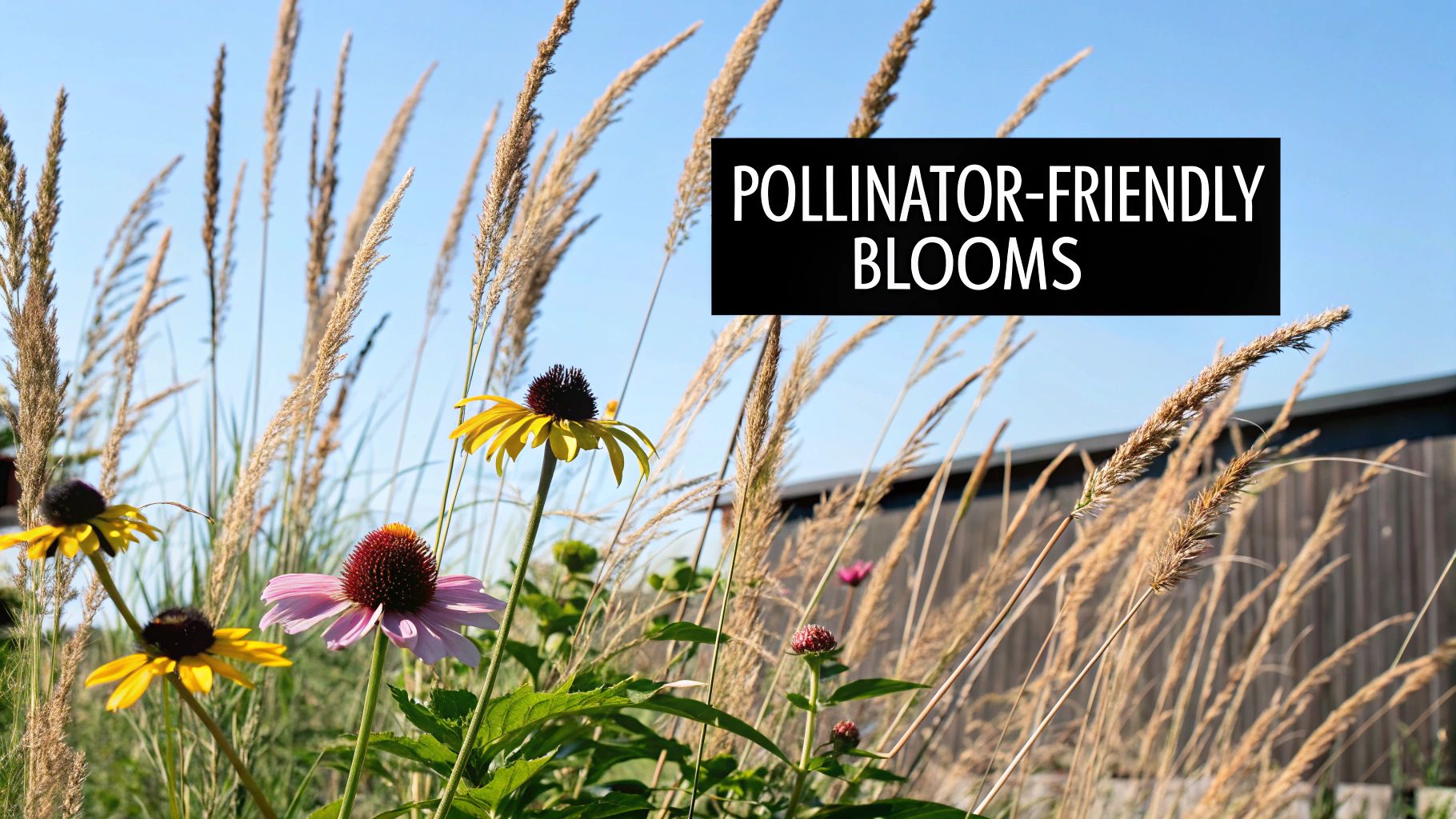
Coneflowers are iconic, tough-as-nails perennials and a cornerstone of any plants low maintenance garden. These North American natives are celebrated for their distinctive daisy-like flowers, which feature prominent, spiky central cones surrounded by vibrant petals. Blooming profusely from early summer through the first frost, they provide a long season of color with almost no human intervention. Their resilience makes them a top choice for gardeners seeking beauty without the burden.
Once established, Echinacea are exceptionally drought-tolerant, thriving in full sun and a variety of soil conditions. Their ability to self-seed and naturalize means they will gradually fill in spaces, creating effortless, prairie-style drifts that support pollinators and add architectural interest long after the petals have faded.
Successful Implementation Examples
- Native Prairie Meadows: Midwest residential gardens have replaced high-maintenance lawns with native coneflower meadows, reducing mowing needs by up to 80% and creating a haven for local wildlife.
- Urban Perennial Borders: In cities like Chicago and Minneapolis, mass plantings of classic Purple Coneflower (Echinacea purpurea) form stunning, resilient borders that require only a single annual cleanup in early spring.
- Modern Garden Accents: Cultivars like the fiery 'Hot Papaya' or 'Orange Meadowbrite' are used in contemporary designs to inject bold, long-lasting color that pairs perfectly with ornamental grasses and dark foliage plants.
- Cottage-Style Drifts: Naturalized clumps of coneflowers in Michigan cottage gardens thrive entirely on rainfall, demonstrating their self-sufficiency and adding a charming, informal look.
Actionable Tips for Planting and Care
To get the most out of your coneflowers with the least amount of effort, follow these specific strategies:
- Planting Window: Plant in early spring or fall. Spring planting is often preferred as it gives the root system a full growing season to establish before winter.
- Strategic Deadheading: The choice is yours. Deadhead spent blooms to encourage more flowers and create a tidier look, or leave them standing to provide seeds for birds and allow for natural self-sowing.
- Spring Cleanup: The only essential maintenance is to cut back the dead stems and foliage to the ground in early spring (late March to early April), just as new basal growth begins to emerge.
- Design with Natives: Use a tool like Curb Appeal AI's Native Plant or Meadow style feature to visualize how coneflowers can be integrated into your landscape. This helps create a cohesive, climate-appropriate, and truly low maintenance landscaping plan.
6. Shrub Roses (Knock Out Roses, David Austin Types)
Modern shrub roses have shattered the myth that roses are high-maintenance divas, making them a superb addition to any plants low maintenance garden. Varieties like the famed Knock Out series and many David Austin types offer the classic beauty of roses without the demanding care routine, combining robust disease resistance with prolific, season-long blooming and forgiving pruning needs. These resilient shrubs provide stunning color and form with minimal fuss.
Available in a wide array of colors from vibrant reds to soft apricots, these roses fit into diverse design schemes. Their bushy, compact growth habit and natural resilience to issues like black spot make them a cornerstone for gardeners who desire the romance of roses without the traditional labor-intensive upkeep.
Successful Implementation Examples
- Effortless Borders: 'Pink Double Knock Out' roses create a stunning, continuously blooming border in a zone 6 garden, requiring only a simple shaping prune in early spring to thrive.
- Fragrant Cottage Gardens: A David Austin 'Lady of Shalott' combines intoxicating fragrance with impressive disease resistance, weaving seamlessly into traditional cottage garden designs alongside perennials.
- Modern Foundation Planting: A combination of 'Sunny Knock Out' and 'Pink Knock Out' roses provides vibrant, reliable color in modern front yards from Phoenix to Atlanta, offering a structured yet soft look.
- Commercial Landscaping Efficiency: Professional landscape installations using Knock Out roses have been shown to reduce seasonal maintenance visits by as much as 60% compared to traditional hybrid tea roses, highlighting their value in large-scale, low-effort designs.
Actionable Tips for Planting and Care
To ensure your shrub roses are as carefree as possible, implement these targeted strategies:
- Optimal Planting Time: Plant in early spring or fall. This timing allows the root system to establish during periods of cooler temperatures and more consistent moisture.
- Give Them Space: Proper spacing is crucial. Plant them according to their mature width, typically 3 to 4 feet apart, to promote healthy air circulation and prevent competition.
- Strategic Pruning: The main pruning task is a simple one-third cutback in early spring (late March to early April) to maintain a desirable shape and encourage vigorous new growth.
- Optional Deadheading: While deadheading (removing spent blooms) can encourage faster reblooming, it is not necessary for the plant's health or its ability to flower continuously.
- Visualize Before Planting: Use a tool like Curb Appeal AI to compare how different Knock Out rose color combinations will look in your front yard. This helps you perfect your color palette and create a truly cohesive low maintenance landscaping plan.
7. Catmint (Nepeta x faassenii, Nepeta racemosa)
Catmint is a cornerstone perennial for any plants low maintenance garden, prized for its long blooming season, exceptional toughness, and minimal care requirements. With its aromatic, gray-green foliage and clouds of lavender-blue flowers that bloom from spring through fall, this plant offers incredible visual impact for very little effort. It is extremely drought-tolerant once established, deer-resistant, and largely untroubled by pests or diseases, making it a reliable and beautiful performer.
The soft, mounding habit of catmint is perfect for softening hard edges, filling gaps, and creating a sense of movement in the landscape. Its ability to thrive in full sun and less-than-ideal soil makes it a problem-solver for challenging garden spots, delivering months of color where other plants might struggle.
Successful Implementation Examples
- Drought-Tolerant Drifts: In modern perennial gardens, mass plantings of catmint can create stunning waves of color that significantly reduce water needs. Studies have shown these plantings can lower watering requirements by up to 65% compared to traditional annual beds.
- Xeriscaping Harmony: In arid climates like Denver and Salt Lake City, mixed borders of catmint, coneflower, and lavender are designed to thrive on natural rainfall alone once established, showcasing a beautiful and sustainable planting strategy.
- Commercial Landscaping: Large-scale commercial plantings often use robust varieties like 'Six Hills Giant' to cover extensive areas with color, effectively reducing landscape maintenance hours and associated costs.
- Erosion Control: On sunny slopes, catmint can be used as a sprawling groundcover. Its dense root system helps prevent soil erosion, and its spreading habit covers ground efficiently without the need for mowing.
Actionable Tips for Planting and Care
To get the most from this low-maintenance star, implement these targeted strategies:
- Planting Window: Set out plants in spring or fall to give them time to establish strong root systems before the stress of summer heat.
- Proper Spacing: Space plants 18 to 24 inches apart, depending on the mature size of the variety. This ensures good air circulation and allows them to grow into a seamless, unified drift.
- The "Chelsea Chop": After the first major flush of flowers in early to mid-summer, shear the entire plant back by about one-third. This encourages a fresh flush of foliage and a second, robust wave of blooms that will last until frost.
- Optional Tidying: While deadheading is not necessary for reblooming, a light trim can keep the plant looking neater. Many gardeners find the faded flower spikes attractive and leave them for winter interest.
- Companion Planting: Pair catmint with Russian Sage (Perovskia atriplicifolia) for a complementary color palette and texture with identical sun and water needs. Use a tool like Curb Appeal AI to visualize these combinations and perfect your border design.
8. Butterfly Bush (Buddleia davidii, Non-invasive Sterile Varieties)
The Butterfly Bush is a powerhouse for any plants low maintenance garden, offering rapid growth, spectacular summer-long blooms, and an irresistible attraction for pollinators. Known for its graceful, arching branches and long, conical flower spikes, this shrub delivers major visual impact with surprisingly little effort. Modern sterile cultivars have eliminated the invasive tendencies of older varieties, making them a responsible and beautiful choice for homeowners seeking fast results.
These vigorous shrubs are extremely drought-tolerant once established and thrive on neglect, often performing poorly in overly rich soil or with excess water. Their ability to grow several feet in a single season makes them a go-to option for quickly filling empty spaces, creating privacy screens, or adding a burst of color from summer through fall in shades of purple, pink, white, and even yellow.
Successful Implementation Examples
- Pollinator Paradise: In Midwest and Mid-Atlantic landscapes, sterile cultivars from series like 'Proven Winners' Lo & Behold® or Pugster® serve as the central hub of butterfly gardens, attracting swallowtails, monarchs, and bees without the risk of spreading.
- Rapid Privacy Screen: Larger varieties like 'Black Knight' or 'Pink Delight' can create a dense, 8-foot-tall flowering screen in a single season, offering a fast and beautiful alternative to slow-growing evergreens.
- Cottage Garden Backbone: The vibrant blooms and relaxed form of a butterfly bush can anchor a cottage-style front yard, providing a continuous source of color that ties together perennials like coneflowers and black-eyed Susans.
- Focal Point Shrub: A single, well-placed butterfly bush can act as a stunning focal point in a garden bed or against a house, drawing the eye with its profuse flowers and lively pollinator activity.
Actionable Tips for Planting and Care
To ensure your Butterfly Bush thrives with minimal input, adopt these strategic practices:
- Choose Sterile Cultivars: This is the most critical step. Insist on non-invasive, sterile varieties. Avoid heirloom, seed-producing types that can escape your garden and disrupt local ecosystems.
- Sun and Soil: Plant in a location that receives at least six hours of direct sunlight daily. Butterfly bushes are not picky about soil but demand good drainage.
- Hard Pruning: In early spring (March), cut the entire shrub back hard to about 12-18 inches from the ground. This severe-looking haircut encourages vigorous new growth and abundant flowers on the new wood.
- Water Wisely: Water weekly during the first growing season to establish a deep root system. Afterward, it will only need water during prolonged periods of drought.
- Skip the Fertilizer: Adding fertilizer often promotes weak, leafy growth at the expense of flowers. This is a key feature of its low maintenance landscaping profile.
8 Low-Maintenance Garden Plants Comparison
| Item | 🔄 Implementation Complexity | ⚡ Resource Requirements | 📊⭐ Expected Outcomes | 💡 Ideal Use Cases | ⭐ Key Advantages |
|---|---|---|---|---|---|
| Ornamental Grasses (Miscanthus, Fountain Grass, Blue Fescue) | Low 🔄 — plant, annual late‑winter cutback | Low water ⚡ once established; tolerates poor soil; needs full sun | High visual interest year‑round; seasonal color; low maintenance ⭐⭐⭐⭐ | Mass planting, modern/zen, borders, erosion control | Texture & movement; wide hardiness; cost‑effective; pollinator support |
| Lavender (English, Spanish, French) | Low–Medium 🔄 — needs soil prep and light pruning after bloom | Very low water ⚡; requires excellent drainage; low fertilizer | Strong fragrance and long summer bloom; long‑lived (15–20+ yrs) ⭐⭐⭐⭐ | Mediterranean, cottage borders, containers, dry climates | Fragrant, attracts pollinators, long lifespan, drought‑smart |
| Sedums & Succulents (Stonecrop, Autumn Joy, Dragon's Blood) | Low 🔄 — simple planting; divide occasionally | Minimal water ⚡; thrives in rocky/sandy soils; low nutrients | Year‑round foliage interest; very drought tolerant; slow to fill ⭐⭐⭐⭐ | Xeriscape, rock gardens, containers, green roofs | Lowest irrigation needs; easy propagation; erosion control |
| Japanese Anemones (Anemone x hybrida) | Medium 🔄 — slow to establish; occasional division | Moderate water; prefers consistently moist, fertile soil; tolerates shade | Late‑season bloom (Aug–Oct); naturalizes in shade; increases with age ⭐⭐⭐ | Shaded entries, cottage gardens, under trees | Exceptional shade performer; late‑season color; good cut flowers |
| Coneflowers (Echinacea spp.) | Low 🔄 — easy to establish; self‑seeds readily | Low water ⚡ once established; tolerates poor soil; prefers sun | Long bloom period (12+ weeks); naturalizes; attracts pollinators & birds ⭐⭐⭐⭐ | Meadows, native gardens, pollinator borders | Native resiliency; long bloom; self‑seeding reduces replanting |
| Shrub Roses (Knock Out, David Austin types) | Medium 🔄 — simple annual shaping; higher initial cost | Moderate water; adaptable soil; low pesticide need due to disease resistance | Continuous/repeat blooms through frost; strong curb appeal ⭐⭐⭐⭐ | Cottage, traditional beds, mixed borders, specimen plantings | Disease resistance, reliable repeat flowering, low‑specialist care |
| Catmint (Nepeta spp.) | Low 🔄 — easy care; one midsummer shear boosts rebloom | Very low water ⚡; tolerates poor soil; hardy | Prolific summer flowers; long bloom window; pollinator‑friendly ⭐⭐⭐⭐ | Borders, mass drifts, slopes, low‑cost groundcover | Inexpensive lavender alternative; long bloom; easy propagation |
| Butterfly Bush (Buddleia, sterile cultivars) | Low–Medium 🔄 — fast growth; requires annual hard prune | Low water ⚡ once established; tolerates poor soil; full sun required | Rapid visual impact; abundant summer blooms; attracts butterflies ⭐⭐⭐⭐ | Quick screens, pollinator gardens, cottage focal points | Fast fill and bloom; prolific pollinator magnet; sterile cultivars reduce invasiveness |
Bringing Your Low-Maintenance Vision to Life
You now have a curated palette of robust, beautiful, and forgiving plants capable of transforming your landscape into a sanctuary of relaxation rather than a source of constant chores. We've explored the foundational elements of a truly successful plants low maintenance garden, moving beyond just a list of names to understand the "why" behind each choice. From the year-round structure of ornamental grasses like Miscanthus to the pollinator-attracting power of Coneflowers and Catmint, each plant offers a specific solution to common garden challenges.
The journey from a bare patch of soil to a thriving, self-sustaining ecosystem is built on strategic choices, not just hard labor. The real takeaway is that a low-maintenance garden is not a "no-maintenance" garden; it's an intelligently designed one. It’s about selecting plants that are naturally suited to your climate, soil, and lifestyle, thereby minimizing the need for constant intervention.
Core Principles for Sustainable Success
Remember the key threads that connect all these plant selections. Mastering these concepts is what separates a garden that merely survives from one that truly thrives with minimal input from you.
- Right Plant, Right Place: This is the golden rule of gardening. Placing a shade-loving Japanese Anemone in scorching sun or a drought-tolerant Sedum in a soggy, water-logged bed is a recipe for failure. Honoring a plant’s inherent needs for sun, water, and soil is the single most effective way to reduce your workload.
- Layering for Impact and Weed Control: Your garden design should mimic nature's efficiency. Use taller shrubs like Butterfly Bush or Shrub Roses as a backdrop, mid-level perennials like Coneflowers and Lavender for color and texture, and low-growing groundcovers like 'Dragon's Blood' Sedum to suppress weeds and retain soil moisture. This layered approach creates visual depth and a functional, self-regulating system.
- Embrace the Four-Season Garden: A truly low-maintenance landscape offers visual interest throughout the year. The architectural seed heads of Fountain Grass and Sedum 'Autumn Joy' provide stunning winter structure long after the flowers have faded. Choosing plants with varied bloom times and persistent forms ensures your garden never looks completely dormant.
Your Actionable Path Forward
The knowledge you've gained is the first critical step. Now, it's time to transition from planning to action. The most common pitfall for aspiring gardeners is the "analysis paralysis" that comes from uncertainty. You might wonder, "How will those Blue Fescue grasses actually look next to my modern concrete walkway?" or "Will that vibrant Knock Out Rose clash with my home's brick exterior?" This is where visualization becomes your most powerful tool.
Before you spend a single dollar at the nursery or lift a shovel, you need confidence in your design. Seeing is believing. The ability to visualize the final outcome removes the guesswork and financial risk associated with landscaping projects. It empowers you to experiment with combinations, placements, and styles, ensuring the plan you commit to is the one you will love for years. This is no longer a luxury reserved for professional designers; technology has made it accessible to everyone. By bridging the gap between imagination and reality, you can build your ideal plants low maintenance garden with precision and a clear vision, ensuring your investment of time and money yields a beautiful, enduring result.
Ready to see how these low-maintenance plants will look in your actual yard? Stop guessing and start visualizing. Upload a photo of your property to Curb Appeal AI and instantly generate photorealistic designs featuring these exact plant combinations. See your dream garden come to life before you ever break ground by visiting Curb Appeal AI.