10 Full Sun Landscaping Ideas to Maximize Curb Appeal in 2026
A yard bathed in full, unrelenting sun presents a unique challenge and an incredible opportunity. Instead of struggling with scorched lawns and wilted plants, you can create a vibrant, resilient landscape that thrives in the heat and sun exposure. The key is choosing the right design philosophy and plant palette from the start.
This guide explores 10 proven full sun landscaping ideas, moving beyond generic advice to offer specific, actionable strategies for everything from water-wise xeriscapes to lush cottage gardens. Whether you are a homeowner planning a front yard renovation, a contractor staging a property for sale, or a DIY gardener seeking climate-appropriate plants, these concepts will help you maximize curb appeal and create a sustainable, beautiful entryway. We provide detailed plant recommendations by hardiness zone, layout sketches, and hardscape pairing suggestions to turn your vision into a practical plan.
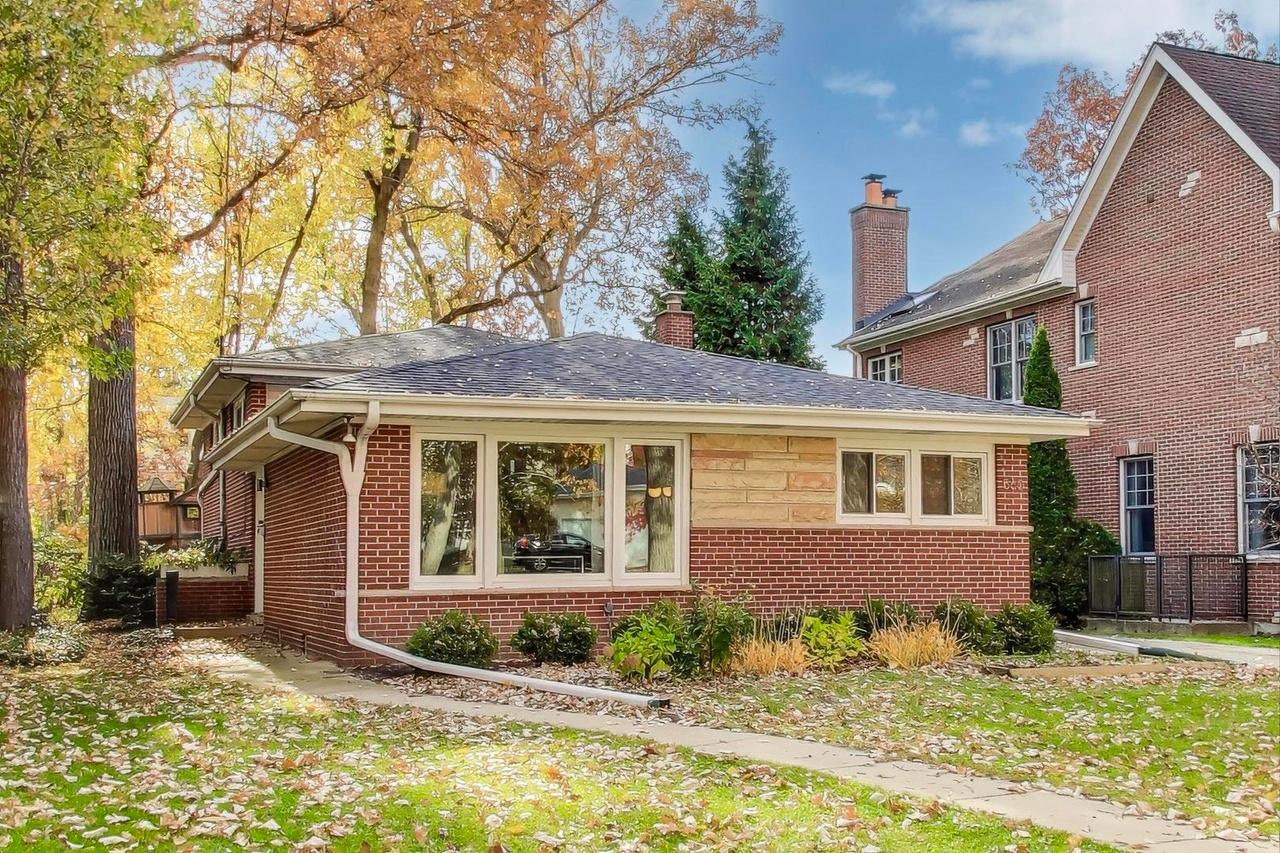
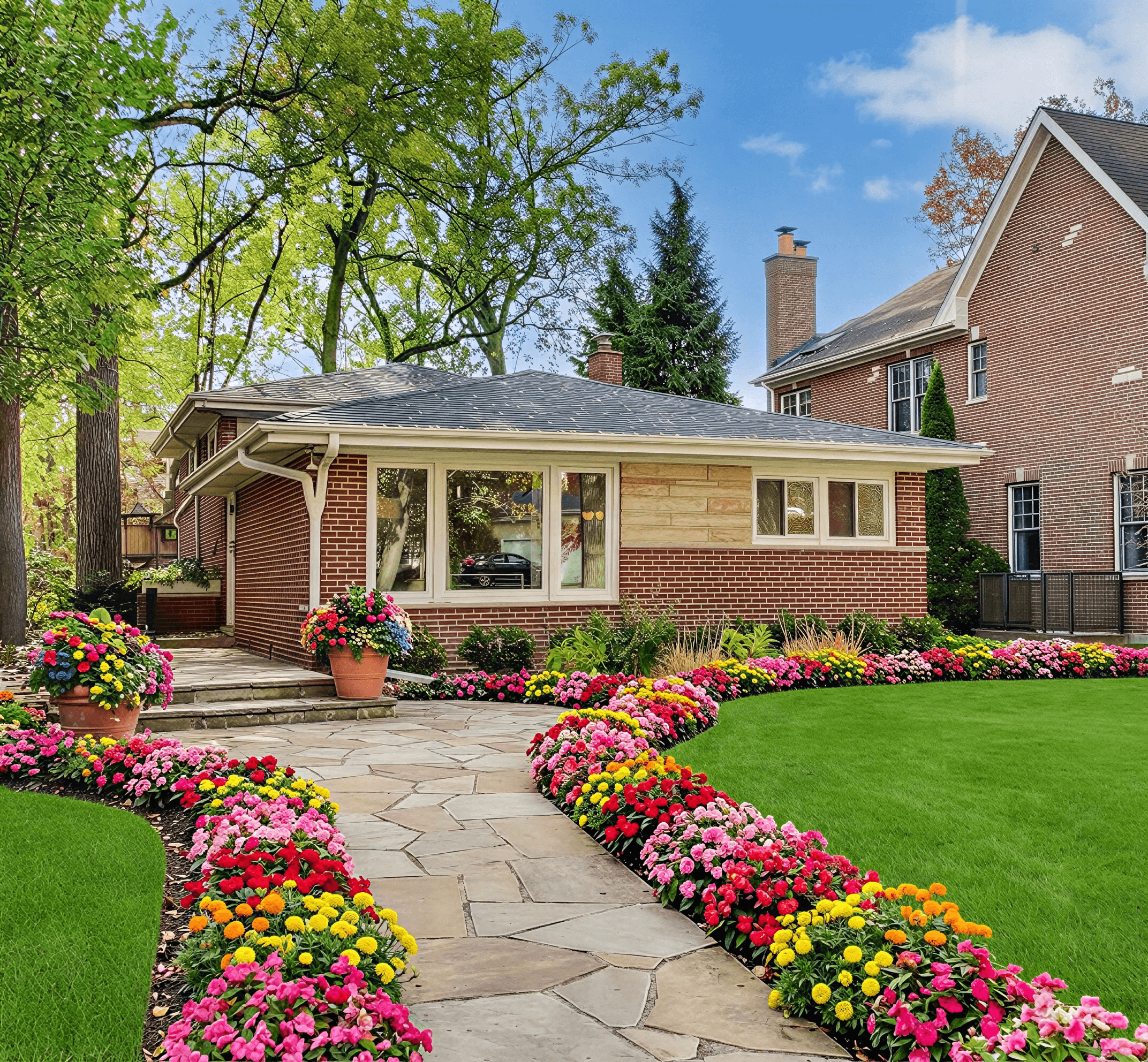
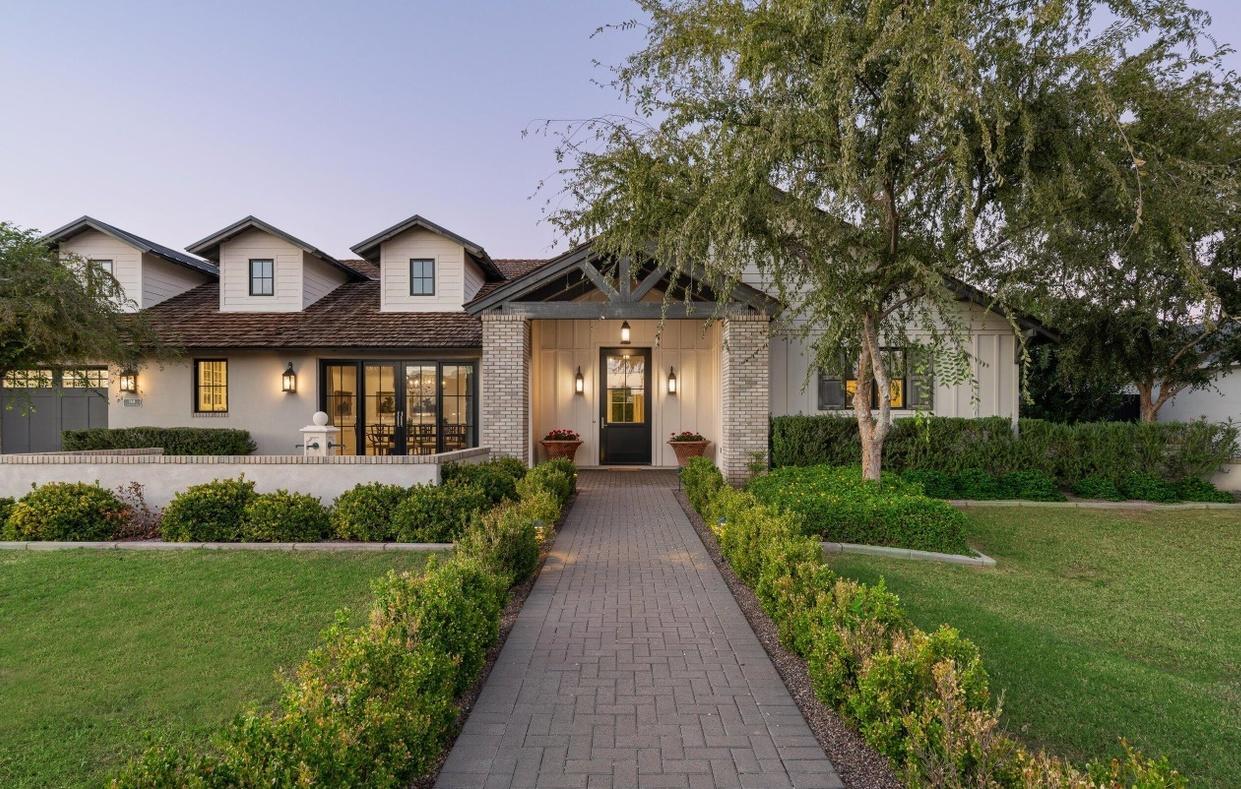
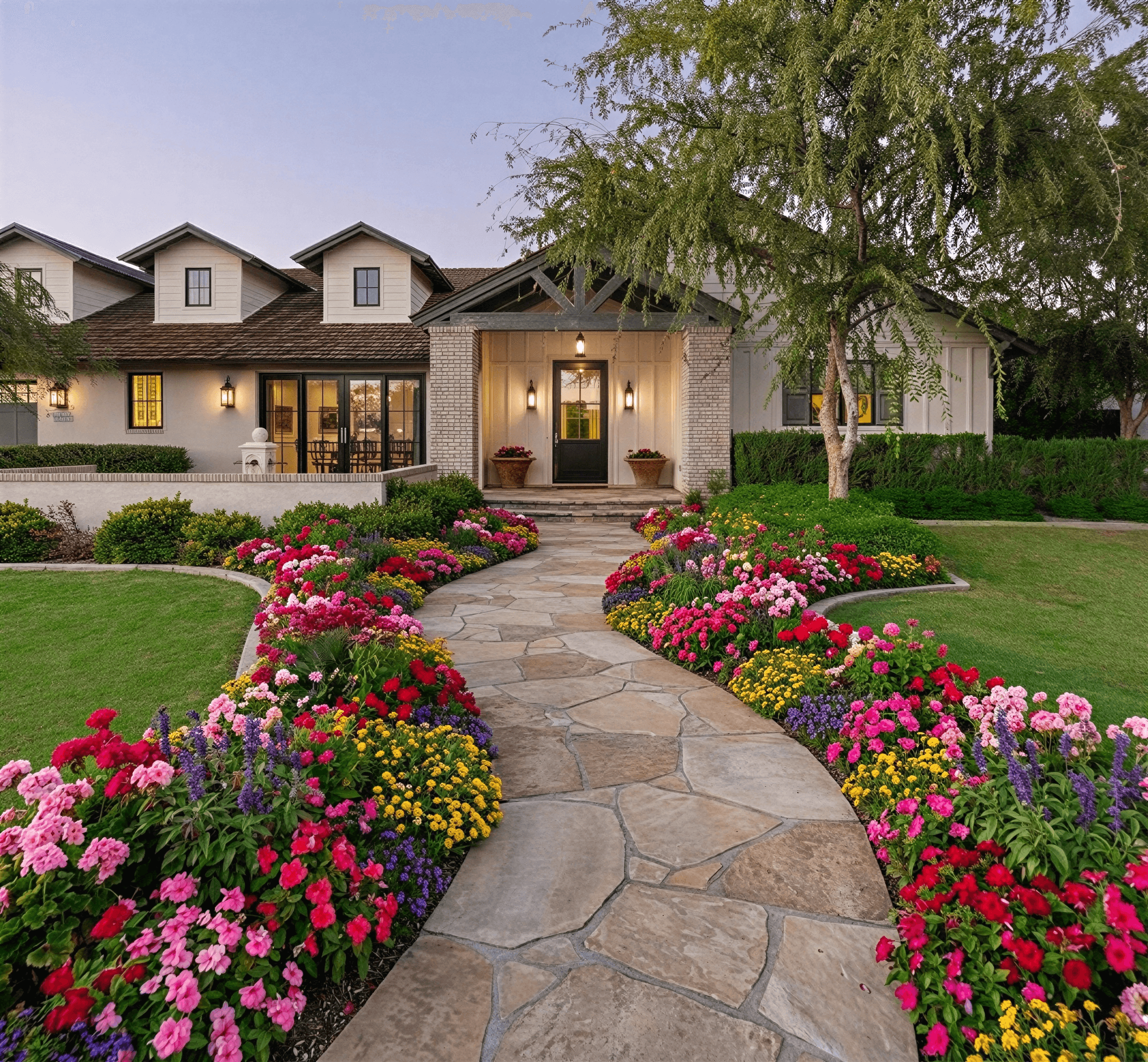
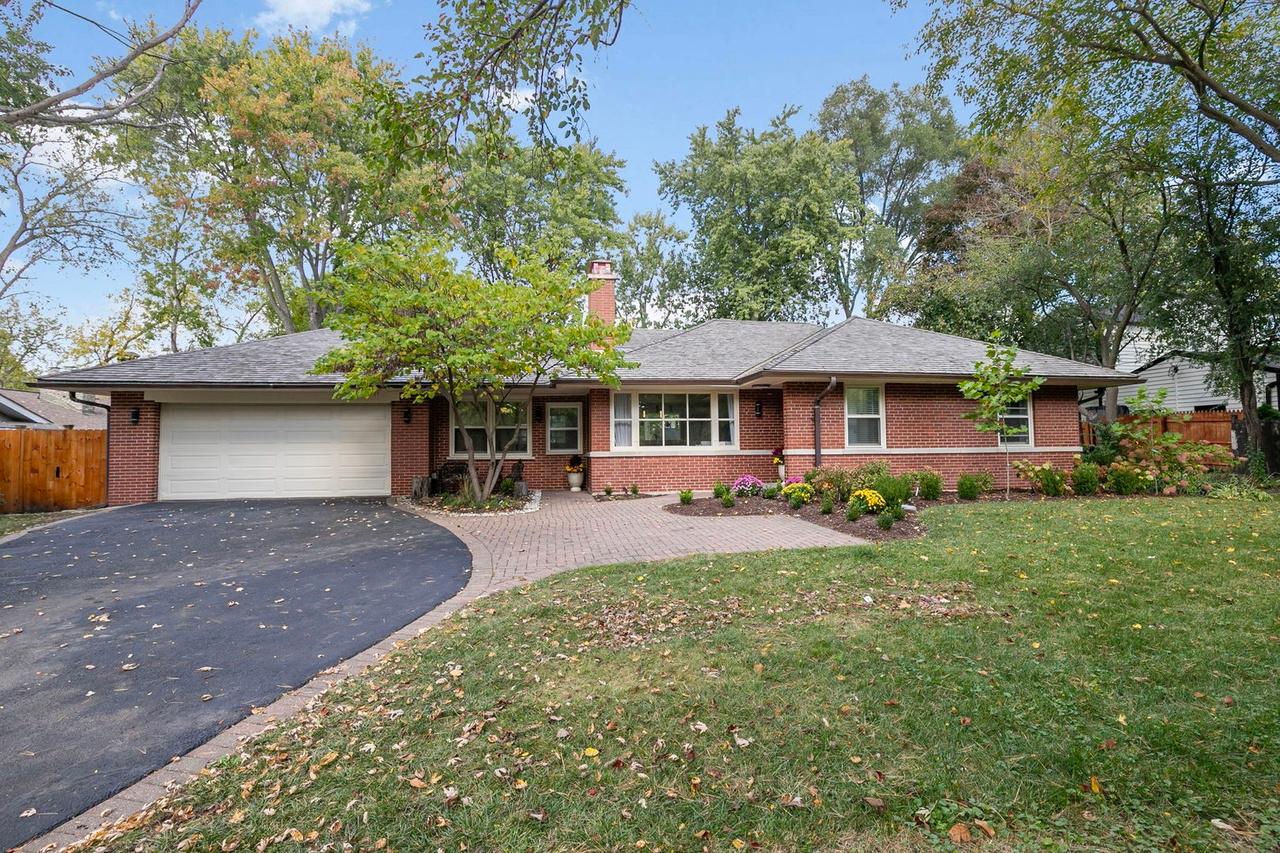
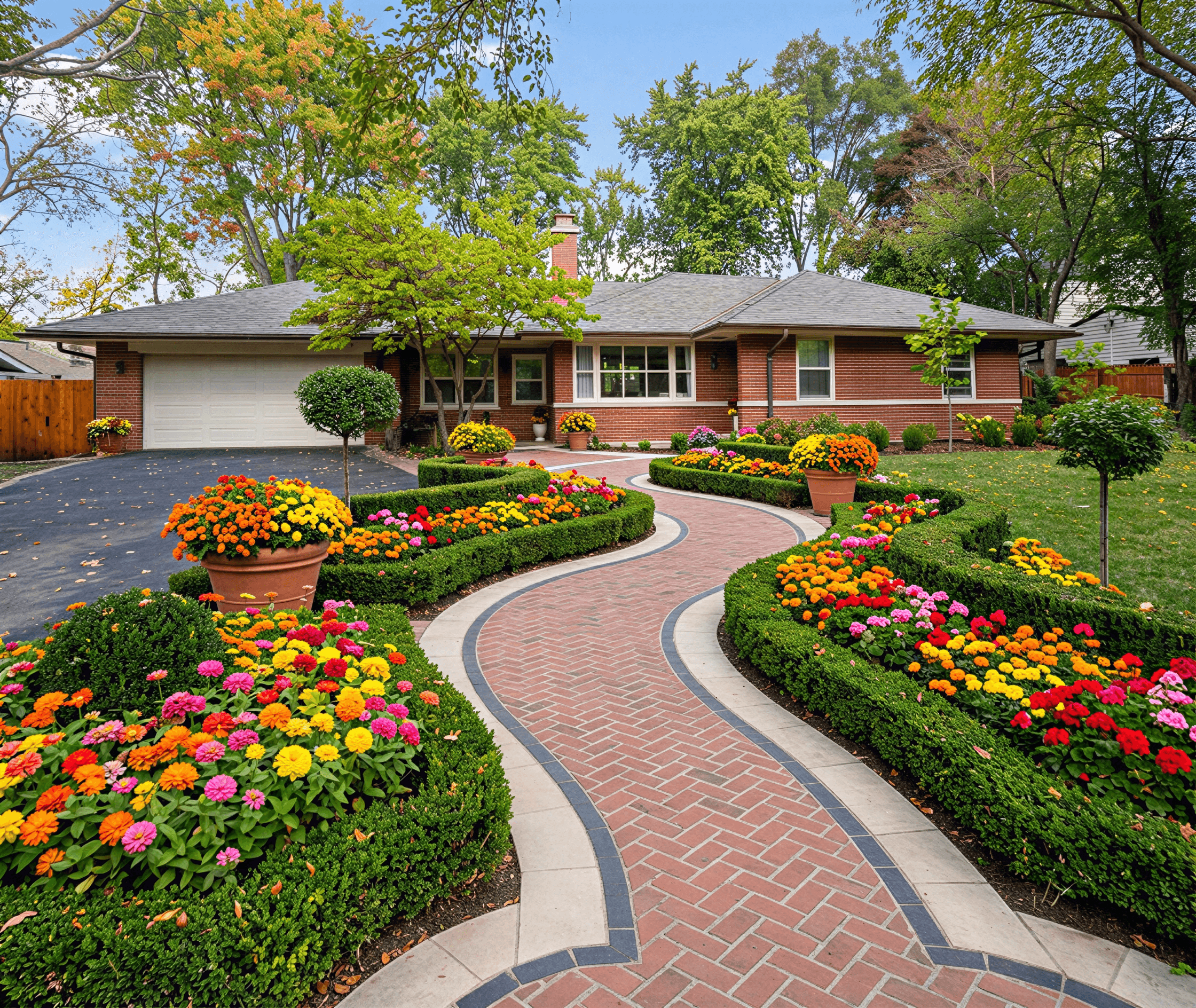
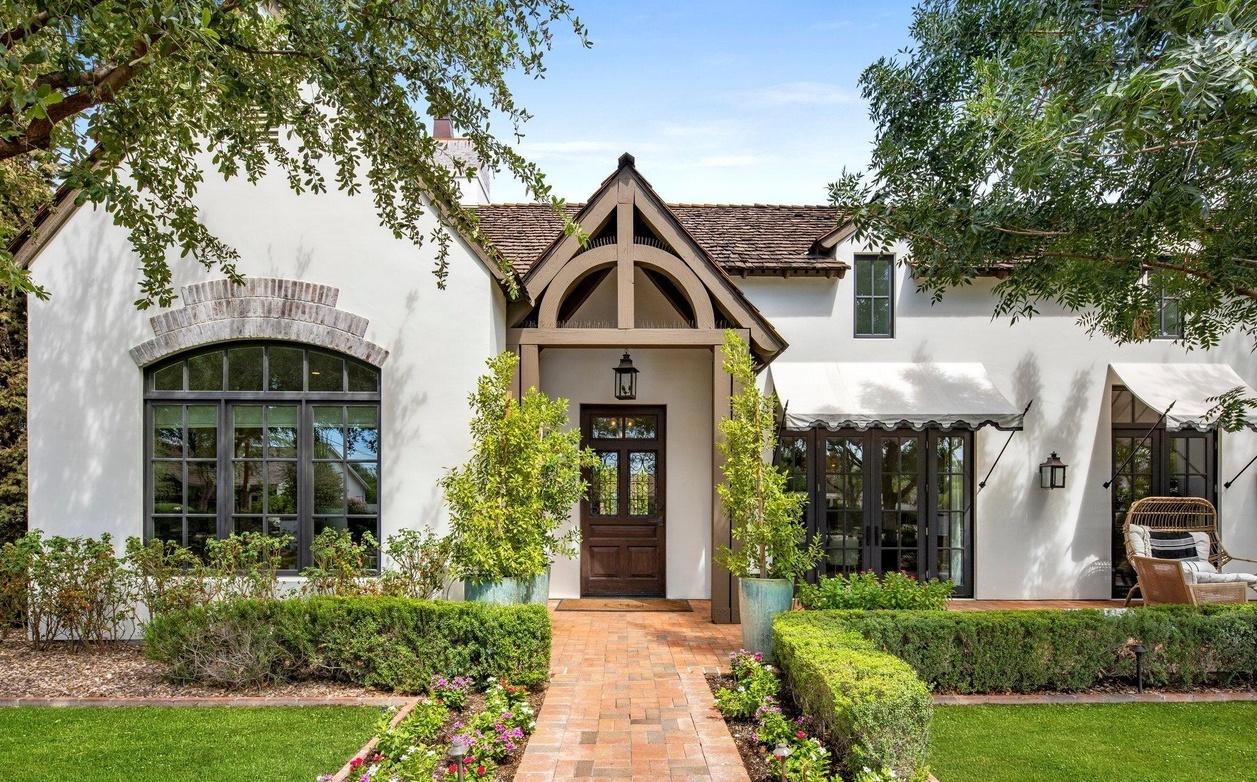
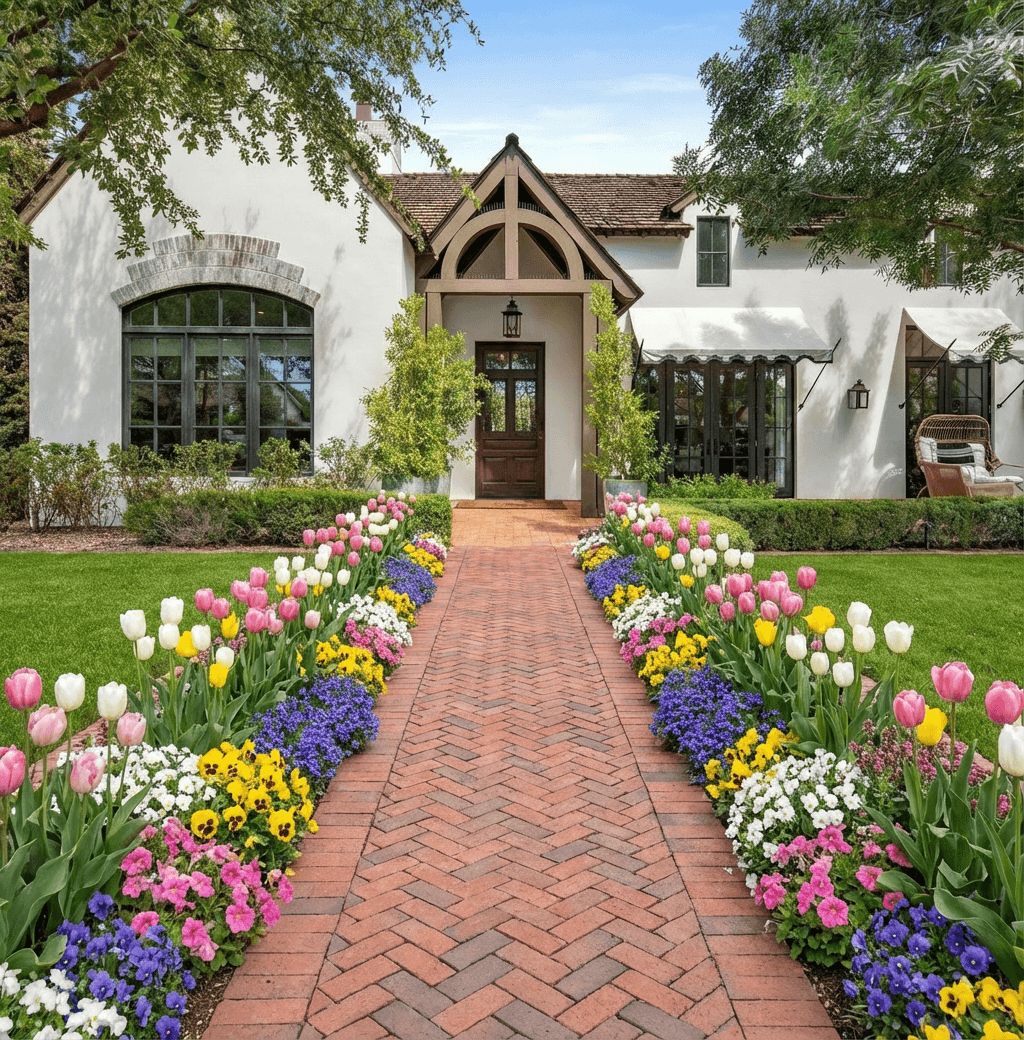
For anyone who wants to visualize these concepts on their own property before breaking ground, tools like Curb Appeal AI can generate photorealistic renders in seconds. This ensures your final design perfectly complements your home’s unique architecture and local environment, removing the guesswork from your landscaping project.
1. Xeriscape Design with Native Drought-Tolerant Plants
Xeriscape is a brilliant, water-efficient landscaping approach ideal for areas drenched in sunlight. This method, pioneered by Colorado State University, can reduce water consumption by over 50% compared to traditional turf lawns by utilizing native, drought-tolerant plants. It's a smart and sustainable choice for homeowners in arid climates, Mediterranean zones, and any region facing water restrictions.
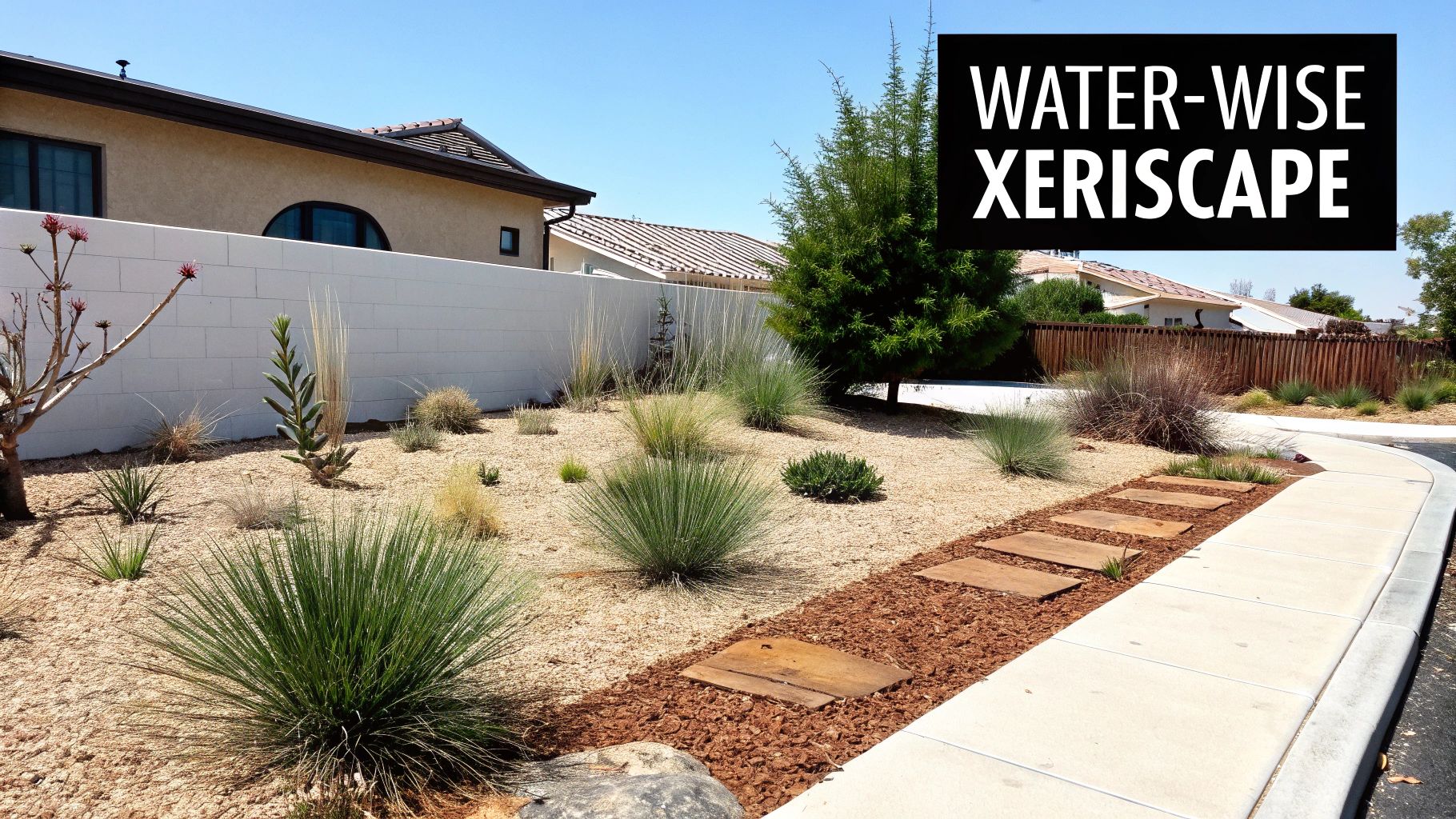
The core principle involves grouping plants by their water needs (a practice called hydrozoning), using mulch to retain soil moisture, and minimizing or eliminating thirsty grass. This creates a visually stunning landscape that thrives, rather than just survives, in full sun conditions. You'll see this design in action across the western U.S., from California yards with vibrant poppies and sage to Arizona landscapes showcasing sculptural palo verde trees and agave.
Implementation Tips
To successfully execute this full sun landscaping idea, focus on smart planning and plant selection.
- Group Strategically: Arrange plants in hydrozones. Place species with similar water requirements together to make irrigation highly efficient.
- Mulch Generously: Apply a 2-4 inch layer of organic or inorganic mulch. This conserves moisture, suppresses weeds, and regulates soil temperature.
- Start with Anchors: Select 3-5 key "anchor" plants like ornamental grasses or native shrubs to define the structure, then fill in with smaller perennials and groundcovers.
- Embrace Hardscape: Integrate gravel paths, stepping stones, or dry creek beds. These elements reduce lawn area and add functional, low-maintenance visual interest.
For more inspiration, you can find a curated list of stunning drought-tolerant landscaping ideas that work beautifully in sun-exposed yards.
2. Mediterranean Landscape Design with Heat-Loving Plants
A Mediterranean landscape evokes the sun-drenched coasts of Italy and Greece, combining elegant, heat-loving plants with warm earth tones. This style is exceptionally well-suited for full sun landscaping ideas, as it thrives in hot, dry conditions. It relies on a palette of silvery foliage, aromatic herbs, and sculptural plants like olive trees to create a sophisticated, resort-like atmosphere.
The design philosophy balances soft, textured plantings with structured hardscape elements like gravel paths and stone walls. This approach is not only beautiful but also water-wise, making it a popular choice in regions like coastal California, Texas, and Florida. It perfectly complements modern, classical, or Spanish-style architecture, creating an inviting and timeless entryway.
Implementation Tips
To capture the essence of a Mediterranean garden, focus on a curated plant palette and the right structural elements.
- Select Signature Plants: Choose 3-4 key plants to define the style. Olive trees, Italian Cypress, lavender, and rosemary are classic choices that provide structure and fragrance.
- Embrace Gravel & Stone: Use decomposed granite or light-colored gravel for pathways and as a mulch. This conserves moisture, reflects heat, and provides a clean, authentic look.
- Layer for Depth: Arrange plants in layers. Place taller structural plants like cypress in the back, mid-level shrubs like rosemary in the middle, and low-growing groundcovers or herbs like thyme in the front.
- Utilize Terracotta: Incorporate terracotta pots and planters. They add a warm, earthy accent and are perfect for showcasing seasonal flowers or citrus trees that can be moved as needed.
3. Ornamental Grass and Perennial Combination Gardens
Pairing ornamental grasses with sun-loving perennials creates a dynamic, textural landscape that thrives in full sun with minimal upkeep. This design approach, popularized by landscape visionaries like Piet Oudolf, uses the vertical structure and gentle movement of grasses as a backdrop for the seasonal color of perennials. It offers a stunning, prairie-inspired aesthetic that is both sustainable and visually striking.
This style replaces thirsty turf with a layered, four-season garden that provides constant interest. From the urban landscapes of Chicago’s Millennium Park to contemporary German gardens, this combination is celebrated for its ecological benefits and naturalistic beauty. The grasses provide winter structure long after perennials have faded, making it a resilient and captivating full sun landscaping idea.
Implementation Tips
To create a cohesive and low-maintenance grass and perennial garden, focus on plant selection and strategic placement.
- Design for Succession: Plan for continuous visual interest by layering plants with different bloom times: spring bulbs, summer-blooming perennials like coneflower, and fall-coloring grasses.
- Create a Foundation: Select 3-5 grass varieties to use as repeating elements. This provides a consistent textural backbone throughout the design.
- Mind the Spacing: Plant according to mature size to prevent overcrowding. This allows for proper air circulation and ensures each plant has room to flourish.
- Plan for Winter: Leave grasses standing through winter for visual structure and to provide habitat for wildlife. Cut them back to a few inches above the ground in late winter or early spring before new growth begins.
4. Desert Modernism with Structured Hardscape and Specimen Plants
Desert Modernism is a powerful landscaping philosophy that treats the yard as a canvas for sculptural art. This style merges clean, geometric hardscaping with a few strategically placed specimen plants, such as columnar cacti or architectural succulents, to create a high-impact, contemporary look. It prioritizes negative space and the dramatic forms of individual plants over dense plantings, making it one of the most striking full sun landscaping ideas.
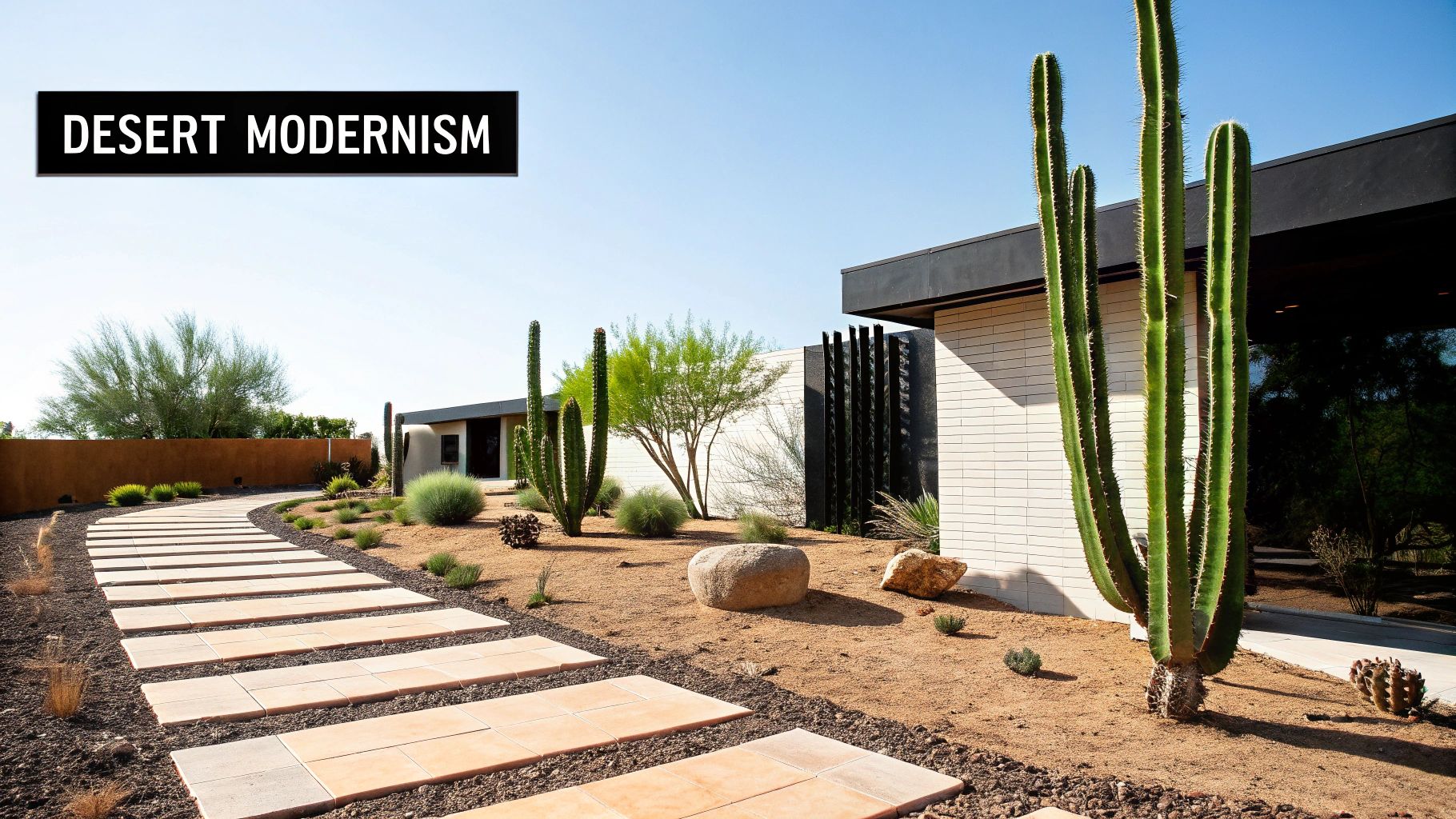
The design is synonymous with the iconic mid-century modern properties of Palm Springs and the luxurious contemporary estates in Scottsdale, Arizona. By emphasizing structure and form, Desert Modernism creates a sophisticated landscape that is naturally water-wise and thrives in intense sun. The result is a bold, minimalist aesthetic that complements modern architecture perfectly.
Implementation Tips
To achieve a polished Desert Modernist landscape, focus on precision and the "less is more" principle.
- Select Anchors: Choose 3-5 dramatic specimen plants to serve as the focal points. A tall saguaro, a multi-branched ocotillo, or a large agave can define the entire space.
- Use Clean Groundcover: Apply a 3-4 inch layer of decomposed granite or fine gravel for a uniform, contemporary base that suppresses weeds and highlights plant forms.
- Group for Impact: Arrange smaller plants in odd-numbered groups (3s or 5s) around your focal points to create a sense of natural balance and visual interest.
- Light it Up: Install accent lighting to uplight sculptural plants. This technique transforms the landscape into a dramatic display at night, emphasizing texture and form.
5. Cottage Garden with Abundant Flowering Plants and Informal Layering
A cottage garden is a charming and exuberant style perfect for full sun landscaping ideas, prioritizing abundant blossoms, informal layering, and a dense, romantic feel. This approach swaps rigid structure for a seemingly effortless mix of flowering perennials, fragrant herbs, and self-seeding annuals. It creates a lush, naturalistic tapestry of color and texture that thrives in sun-drenched yards.
The beauty of the cottage style lies in its controlled chaos, where plants spill over pathways and intermingle freely. While rooted in English tradition, this design is highly adaptable, seen in New England gardens with hardy peonies and native perennials, and even in California using drought-tolerant bloomers like lavender and yarrow. The goal is a garden that feels both personal and alive, with continuous blooms from spring to fall.
Implementation Tips
To create a thriving cottage garden in a full sun location, focus on plant selection and layering techniques.
- Establish a Backbone: Start with a core of 15-20 hardy, sun-loving perennials like coneflowers, black-eyed Susans, and phlox. Repeat these throughout the beds to create unity.
- Layer in Drifts: Arrange plants in dense, overlapping groups of 3, 5, or 7. Place taller varieties like delphiniums in the back, mid-height plants in the middle, and low-growing groundcovers at the front.
- Embrace Self-Seeders: Allow annuals such as cosmos, poppies, and bachelor's buttons to self-seed. This fills gaps naturally and gives the garden an organic, evolving character each year.
- Maintain for More Blooms: Deadhead spent flowers regularly to encourage continuous blooming. Stake tall plants early in the season to prevent them from flopping over in the summer heat.
Explore more ways to incorporate these elements by viewing a variety of garden landscaping examples that suit sunny spots.
6. Succulent and Cactus Arrangements with Focal Rock Features
This design creates a living sculpture garden by pairing the diverse forms and colors of succulents with the rugged texture of large rocks or boulders. It's a powerful full sun landscaping idea that delivers high visual impact with minimal water and maintenance requirements. The result is a dynamic, textural landscape that feels both natural and intentionally designed.
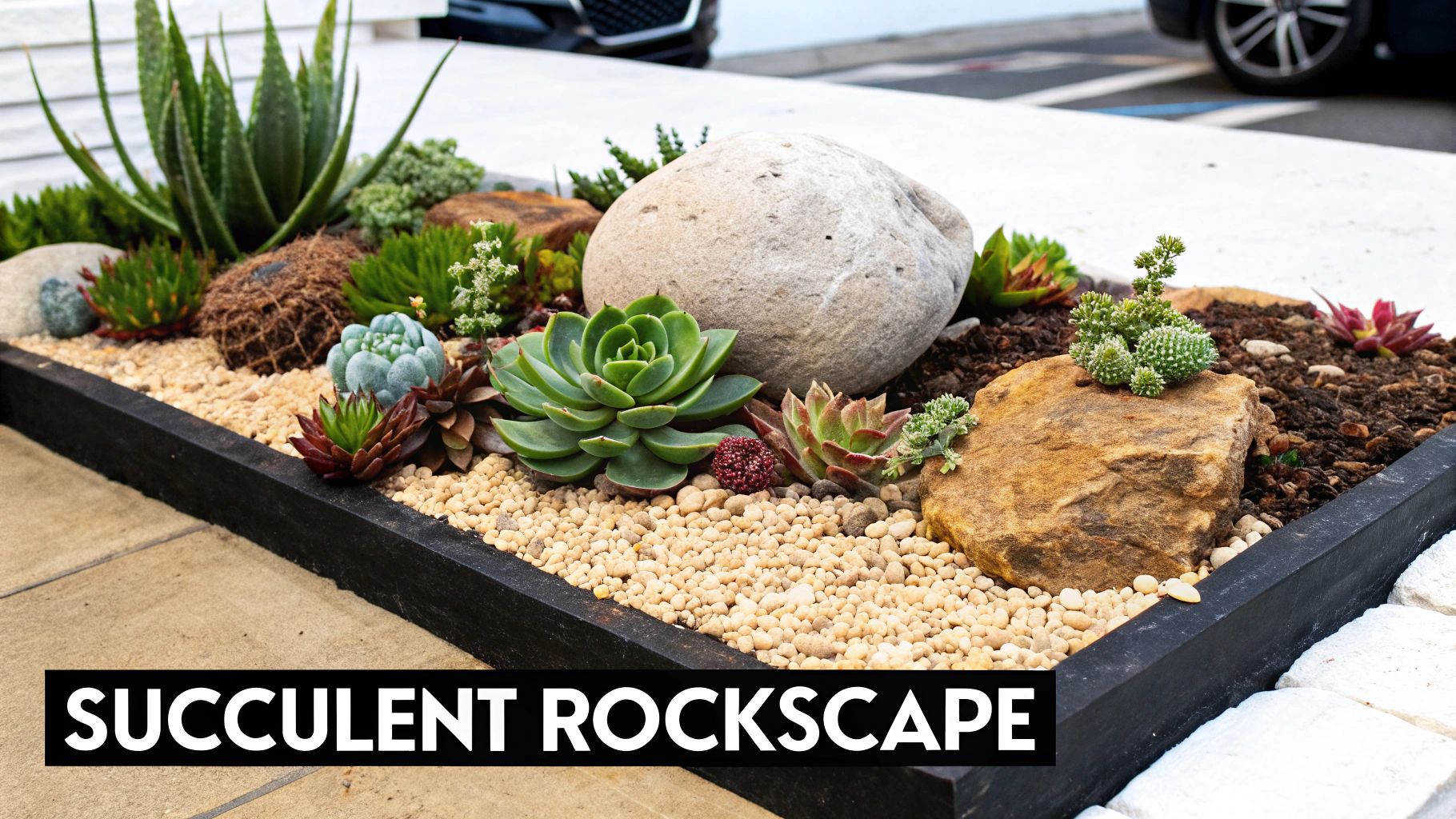
The success of this approach lies in the interplay between softscape and hardscape. Succulents like echeveria, agave, and sedum offer a vast palette of shapes and hues that can change with the seasons, while a prominent focal rock provides a permanent anchor and sense of scale. This style is incredibly versatile, fitting perfectly in modern Southwestern designs, California coastal gardens, and contemporary Mediterranean properties where sun exposure is intense.
Implementation Tips
To create a thriving succulent rock garden, prioritize structure, drainage, and plant selection.
- Set the Anchor: Place your largest focal boulder or rock feature first. This establishes the garden's visual center, and all other elements should be composed around it.
- Elevate for Drainage: Build raised planting areas or berms, elevating the soil 6-12 inches. Succulents and cacti demand excellent drainage to prevent root rot.
- Vary Your Plants: Select 5-7 different succulent and cactus varieties to create interest. Mix tall, spiky forms (like Snake Plant) with low, mounding types (like Hens and Chicks) and cascading groundcovers (like String of Pearls).
- Mulch with Gravel: Use a 2-3 inch layer of coarse gravel or decomposed granite as mulch. This complements the rocks, suppresses weeds, and keeps the plant crowns dry.
For more in-depth guidance on integrating stone elements, explore our detailed guide to landscaping with rocks.
7. Pollinator Gardens with Native Wildflower Plantings
A pollinator garden is a dynamic, living landscape designed to attract and sustain beneficial insects like bees, butterflies, and hummingbirds. This ecological approach uses a dense planting of native wildflowers and host plants that flourish in full sun, creating a vibrant, ever-changing display of color and life. It's an excellent way to support local biodiversity while enjoying a beautiful, low-maintenance garden.
The key to this idea is regional adaptation. A Texas front yard might feature a stunning meadow of bluebonnets and Indian blanket, while a Midwest garden would showcase waves of coneflowers and prairie blazing star. By choosing plants native to your specific area, you create a self-sustaining ecosystem that thrives in your local climate, a concept championed by ecologists like Doug Tallamy.
Implementation Tips
To create a successful pollinator haven, focus on diversity and season-long support.
- Plant in Drifts: Instead of single plants, group 3-5 of the same species together in "drifts." This creates a larger visual target, making it easier for pollinators to find them.
- Plan for Succession: Select plants with staggered bloom times to provide nectar and pollen from early spring to late fall. Think spring ephemerals, summer coneflowers, and fall asters.
- Layer Heights: Create a multi-level habitat by layering plants. Use low-growing groundcovers, mid-height perennials like black-eyed Susans, and tall anchor plants like Joe Pye weed.
- Eliminate Pesticides: A crucial step for any pollinator-focused landscape is to avoid all pesticides, which can harm the very insects you're trying to attract. Embrace natural pest control instead.
For a comprehensive guide to native plants in your area, consult resources from organizations like the Xerces Society or your local native plant society.
8. Shade-Tolerant Border and Transition Plantings for Partial Sun Areas
Even the sunniest properties have areas that receive partial or afternoon shade. A sophisticated approach to full sun landscaping ideas involves creating seamless transitions from bright, open spaces to these shadier microclimates, such as areas beneath tree canopies or along the north-facing side of a home. This strategy uses shade-tolerant plants to ensure visual continuity and a lush, cohesive feel across the entire yard.
The core principle is to avoid an abrupt stop where the sun ends and the shade begins. By thoughtfully selecting plants like hostas, ferns, coral bells, and Japanese forest grass, you can create a gentle, layered fade. This technique is essential for properties with mature trees or for woodland edge plantings, ensuring no part of the landscape looks neglected. It transforms challenging shady spots into deliberate, beautiful garden features.
Implementation Tips
To successfully integrate shade-tolerant transitions, focus on mapping your yard’s light and choosing plants for texture and foliage.
- Map Sun Patterns: Observe your yard throughout the day to accurately identify areas of full sun, partial shade, and full shade. This map is crucial for plant placement.
- Focus on Foliage: In lower light, foliage is king. Select plants with interesting textures, shapes, and colors, like variegated hostas or deep-purple heuchera, to add visual interest without relying on blooms.
- Layer for Depth: Create a natural woodland feel by layering taller shrubs at the back, mid-level perennials like bleeding hearts in the middle, and a groundcover of ferns or astilbe in the front.
- Ensure Airflow: Shady areas can be prone to fungal issues. Space plants appropriately to allow for good air circulation, especially in humid climates.
9. Seasonal Color Succession Planning for Year-Round Curb Appeal
Seasonal color succession is a sophisticated landscaping strategy that ensures your sun-drenched yard remains visually vibrant throughout the year. Instead of a single burst of color, this approach layers plants with different bloom times and foliage interest to create a continuous, evolving display. It's a hallmark of thoughtful garden design, preventing bare spots and maintaining curb appeal from the first crocuses of spring to the last asters of fall.
The concept, famously championed by garden designer Gertrude Jekyll, involves a carefully choreographed sequence. Spring bulbs like daffodils give way to summer perennials such as coneflowers and salvia, which then pass the baton to fall-blooming sedums and ornamental grasses. This method is perfect for homeowners who want their property to look consistently beautiful and for real estate agents staging homes for long-term listings. It’s one of the most effective full sun landscaping ideas for creating lasting impact.
Implementation Tips
Achieving a seamless transition of color requires meticulous planning and a deep understanding of your plant palette.
- Map Bloom Times: Create a detailed planting calendar that charts the bloom periods for each species. Select 4-5 key plants for spring, summer, and fall to ensure there are no gaps in color.
- Layer for Longevity: Think in terms of early, mid, and late-season bloomers within each category. For example, plant early-season tulips, mid-season alliums, and late-season peonies.
- Focus on Foliage: Integrate plants with interesting foliage, like the silvery leaves of artemisia or the deep purples of heuchera. This provides consistent color even when flowers are not in bloom.
- Plan for Winter: Don't forget the fourth season. Incorporate evergreens, red-twig dogwoods, and structural ornamental grasses that provide visual interest against the snow.
10. Low-Growing Groundcover and Turf Alternative Solutions for Full Sun
Replacing a traditional, thirsty lawn with low-growing groundcover is an innovative and sustainable strategy for sun-drenched yards. These turf alternatives offer a lush, green aesthetic without the constant mowing, fertilizing, and heavy watering that conventional grass requires. This approach is perfect for eco-conscious homeowners and those seeking a beautiful, yet low-effort, landscape.
The core idea is to use hardy, spreading plants that form a dense mat, effectively smothering weeds and creating a uniform, walkable surface. Unlike grass, many of these alternatives are highly drought-tolerant once established and support local pollinators. You'll see this concept applied in modern landscape designs using creeping thyme between pavers, or in expansive yards where microclover creates a resilient, nitrogen-fixing lawn that stays green with minimal input.
Implementation Tips
To successfully transition from turf to groundcover, focus on site preparation and selecting the right species for your sun exposure and foot traffic levels.
- Prepare the Soil: Remove existing turf and weeds completely. Amend the soil with compost to improve drainage and provide a healthy start for new plants.
- Choose Wisely: Select groundcovers suited to your climate and needs. For walkable areas, consider creeping thyme or dwarf mondo grass. For less-trafficked zones, sedum or ice plant offers vibrant color and texture.
- Plant Densely: Space plants close enough so they will grow together and form a solid mat within one or two seasons. This outcompetes weeds from the start.
- Mulch Between Plugs: Apply a light layer of mulch between new plants to retain moisture and suppress weeds while the groundcover establishes itself.
10-Design Comparison: Full-Sun Landscaping
| Design Option | Implementation Complexity 🔄 (Process) | Resource Requirements ⚡ (Time / Cost / Water) | Expected Outcomes ⭐ (Effectiveness / Quality) | Ideal Use Cases 📊 (Where it fits best) | Key Advantages & Tips 💡 |
|---|---|---|---|---|---|
| Xeriscape Design with Native Drought-Tolerant Plants | 🔄 Moderate — planning hydrozones & plant research; 1–2 yr establishment | ⚡ Low water; moderate upfront for soil/amendments and plants; low ongoing maintenance | ⭐⭐⭐⭐ Reduced water use (~50%); durable, attractive landscape | 📊 Drought-prone regions, western states, homeowners with water restrictions | 💡 Group by water needs; mulch 2–4"; choose natives by hardiness zone |
| Mediterranean Landscape Design with Heat-Loving Plants | 🔄 Moderate — soil drainage and architectural hardscape considerations | ⚡ Low water once established; medium cost for trees/pots; needs well-draining soil | ⭐⭐⭐⭐ Elegant, fragrant, pollinator-friendly; strong year‑round interest | 📊 Warm, dry climates (zones 8–11); coastal/modern homes | 💡 Use 3–4 signature plants; gravel mulch; terracotta accents |
| Ornamental Grass and Perennial Combination Gardens | 🔄 Low–Moderate — spacing and seasonal management (annual cutback) | ⚡ Low water; low maintenance; cost‑effective for large areas | ⭐⭐⭐⭐ Year‑round structure, seasonal color, wildlife value | 📊 Large open areas; contemporary or ecological landscapes | 💡 Select 3–5 grass varieties; plan succession; divide every 3–4 years |
| Desert Modernism with Structured Hardscape and Specimen Plants | 🔄 High — heavy hardscape construction and specimen sourcing | ⚡ Very low water long‑term; high upfront capital for hardscape & specimen plants | ⭐⭐⭐⭐⭐ High visual impact; minimal plant material; long lifespan | 📊 Desert climates; modern architecture; real estate staging | 💡 Choose 3–5 focal specimens; use odd‑number groupings; plan for mature size |
| Cottage Garden with Abundant Flowering Plants and Informal Layering | 🔄 Moderate–High — dense planting layout and ongoing grooming | ⚡ Medium water during establishment; higher ongoing labor for deadheading and staking | ⭐⭐⭐ Abundant seasonal color and fragrance; pollinator‑friendly | 📊 Traditional homes, romantic aesthetics, gardeners seeking color | 💡 Repeat backbone perennials; deadhead regularly; layer in groups of 3–5 |
| Succulent and Cactus Arrangements with Focal Rock Features | 🔄 Low — composition and drainage planning; frost protection in cold zones | ⚡ Very low water; low maintenance; moderate cost for boulders/specimens | ⭐⭐⭐⭐ Sculptural, fast visual fill; highly drought‑tolerant | 📊 Dry climates, containers, slopes, modern properties | 💡 Place boulder first; group by water needs; elevate beds for drainage |
| Pollinator Gardens with Native Wildflower Plantings | 🔄 Moderate — species selection and bloom‑sequence planning | ⚡ Low water once established; low cost if seeded; may need site prep | ⭐⭐⭐⭐ Strong biodiversity support; continuous blooms; educational value | 📊 Ecological homeowners, community gardens, habitat projects | 💡 Use 15–20 native species; avoid pesticides; provide shallow water sources |
| Shade‑Tolerant Border and Transition Plantings for Partial Sun Areas | 🔄 Moderate — requires mapping microclimates and layering | ⚡ Moderate water consistency in shade; low maintenance once established | ⭐⭐⭐ Foliage‑focused year‑round interest; ensures design continuity | 📊 Homes with mature trees, woodland edges, shaded transitions | 💡 Map sun exposure; favor foliage interest; space plants wider in shade |
| Seasonal Color Succession Planning for Year‑Round Curb Appeal | 🔄 High — detailed scheduling and diverse plant coordination | ⚡ Medium water & maintenance; higher plant diversity increases care | ⭐⭐⭐⭐ Continuous visual interest across seasons; strong curb appeal | 📊 Real estate staging, homeowners wanting four‑season displays | 💡 Create bloom calendar; select 4–5 plants per season; plant bulbs for spring kick |
| Low‑Growing Groundcover and Turf Alternative Solutions for Full Sun | 🔄 Moderate — intensive site prep and initial weed control | ⚡ Low water long‑term; intensive initial labor/cost; 1–2 yr establishment | ⭐⭐⭐ Reduced mowing & water; ecological benefits; limited playability | 📊 Eco‑conscious yards, low‑maintenance front yards, slopes | 💡 Prepare site thoroughly; expect 1–2 yr establishment; verify HOA rules |
Bringing Your Vision to Life with Confidence
Transforming a sun-drenched, high-exposure front yard from a challenge into a stunning feature is entirely achievable with the right strategy. Throughout this guide, we've explored ten distinct full sun landscaping ideas, each offering a unique blueprint for creating a vibrant, resilient, and beautiful entryway. From the water-wise elegance of Xeriscaping and the structured beauty of Desert Modernism to the romantic, layered abundance of a Cottage Garden, the possibilities are as vast as the open sky.
The central takeaway is that successful full sun landscaping hinges on a few core principles: thoughtful plant selection, strategic layout, and a clear understanding of your climate. It’s not about fighting the sun; it’s about embracing it. By choosing drought-tolerant natives, heat-loving Mediterranean species, or robust ornamental grasses, you create a landscape that is inherently sustainable and requires less intervention. Similarly, concepts like seasonal color succession and integrating pollinator-friendly wildflowers ensure your garden offers visual interest and ecological value all year long.
Key Principles for Success
To move from inspiration to implementation, remember these critical action points:
- Prioritize Climate-Appropriate Plants: Your USDA Hardiness Zone is your most important guide. Selecting plants that naturally thrive in your local conditions is the single most effective way to guarantee long-term success and reduce maintenance.
- Balance Hardscape and Softscape: Hard elements like gravel paths, stone retaining walls, and modern pavers provide structure and contrast. They anchor your design and reduce the amount of living material you need to maintain, which is a key advantage in full sun environments.
- Think in Layers: Create visual depth by layering plants according to their mature height. Place taller grasses or shrubs at the back, mid-size perennials in the middle, and low-growing groundcovers or succulents at the front. This technique makes a space feel more lush and intentionally designed.
- Plan for Maturity: Always consider the final size of your plants. A small shrub today could overwhelm a walkway in a few years. Proper spacing prevents overcrowding, promotes healthy air circulation, and ensures your design looks as good in five years as it does on day one.
Ultimately, mastering these full sun landscaping ideas empowers you to create an outdoor space that enhances your home’s value, reflects your personal style, and contributes positively to the local ecosystem. The first step is visualizing the potential. Instead of guessing how a Mediterranean theme might look with your home’s architecture, you can see it. Instead of wondering if succulents will complement your existing driveway, you can confirm it. Having a clear, photorealistic vision removes uncertainty, prevents costly mistakes, and gives you the confidence to bring your dream landscape to life.
Ready to see these ideas on your own property? Stop guessing and start visualizing with Curb Appeal AI. Upload a photo of your home and instantly generate stunning, photorealistic designs to find the perfect look for your front yard. Try it for free today at Curb Appeal AI.