10 Drought Tolerant Landscaping Ideas to Transform Your Curb Appeal in 2026
Rising water costs and unpredictable climates are making the traditional, water-guzzling American lawn an unsustainable choice. For homeowners, real estate professionals, and DIY renovators seeking beauty, resilience, and lower maintenance, the solution lies in intelligent, water-wise design. This guide is your definitive resource, presenting 10 practical and inspiring drought tolerant landscaping ideas that prove you don't have to sacrifice style to conserve water.
We move beyond generic advice to provide a comprehensive roadmap for transforming your property. From the vibrant ecosystems of native plant xeriscaping to the clean lines of modern hardscapes, each concept is detailed with actionable steps. You will discover specific plant recommendations suitable for various hardiness zones, suggested materials for patios and pathways, and smart irrigation strategies to maximize every drop. We also provide insights into budget considerations and maintenance expectations for each approach.
This article is designed to be a practical toolkit. It helps you visualize and implement a stunning, climate-appropriate front yard that not only enhances curb appeal but also thrives with minimal water. Forget the guesswork; these proven strategies will help you create a gorgeous, low-water landscape that is both environmentally responsible and uniquely yours.
1. Xeriscaping with Native Plants
Xeriscaping is a landscaping philosophy centered on water conservation, and using native plants is its most powerful application. This approach involves selecting plants that have naturally evolved to thrive in your local climate, soil, and precipitation levels. By choosing species indigenous to your region, you create a self-sustaining ecosystem that requires minimal supplemental irrigation once established, making it one of the most effective drought tolerant landscaping ideas available.
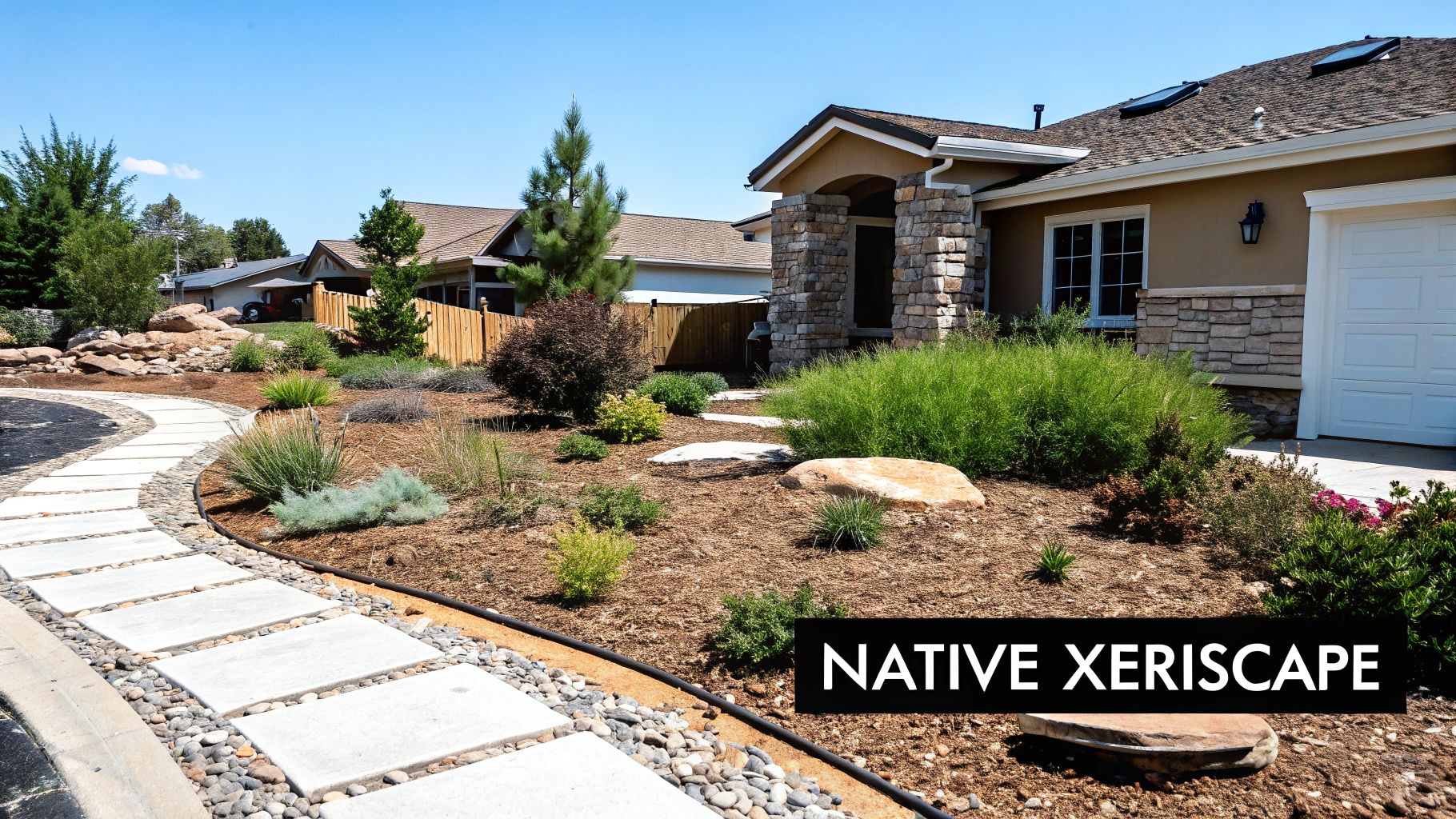
This method goes beyond just saving water; it also supports local pollinators like bees and butterflies, reduces the need for fertilizers and pesticides, and cuts down on maintenance time. A well-designed native landscape is not a barren rock garden but a vibrant, textured, and colorful space that reflects the region's natural beauty.
Implementation and Plant Selection
Successful native xeriscaping depends on smart plant choices and placement. Instead of fighting your environment, you work with it.
- Southwest US: Combine the sculptural forms of Palo Verde trees with the bright yellows of Desert Marigold and the fragrant foliage of Creosote Bush.
- California: Create a classic look with drifts of golden California Poppies, aromatic sages like Salvia clevelandii, and the smooth, reddish bark of Manzanita.
- Midwest Prairies: Use a mix of native grasses like Little Bluestem alongside colorful perennials such as Purple Coneflower and Black-Eyed Susans for a meadow-like effect.
- Texas Hill Country: Feature the silvery foliage of Texas Sage (Leucophyllum frutescens) with native yuccas and hardy Cedar Elms.
For best results, group plants with similar water needs together (a practice known as hydrozoning) to make any necessary watering highly efficient. Planting in the fall or early spring also allows root systems to establish before the stress of summer heat.
2. Succulent Gardens and Rock Gardens
Combining the architectural beauty of succulents with the rugged texture of natural stone creates a visually dynamic, low-water landscape. Succulents are plants that store water in their fleshy leaves, stems, or roots, making them naturally resilient to dry conditions. When paired with rocks, gravel, and boulders, they form a striking garden that mimics arid landscapes and requires minimal irrigation once established, offering one of the most sculptural drought tolerant landscaping ideas.
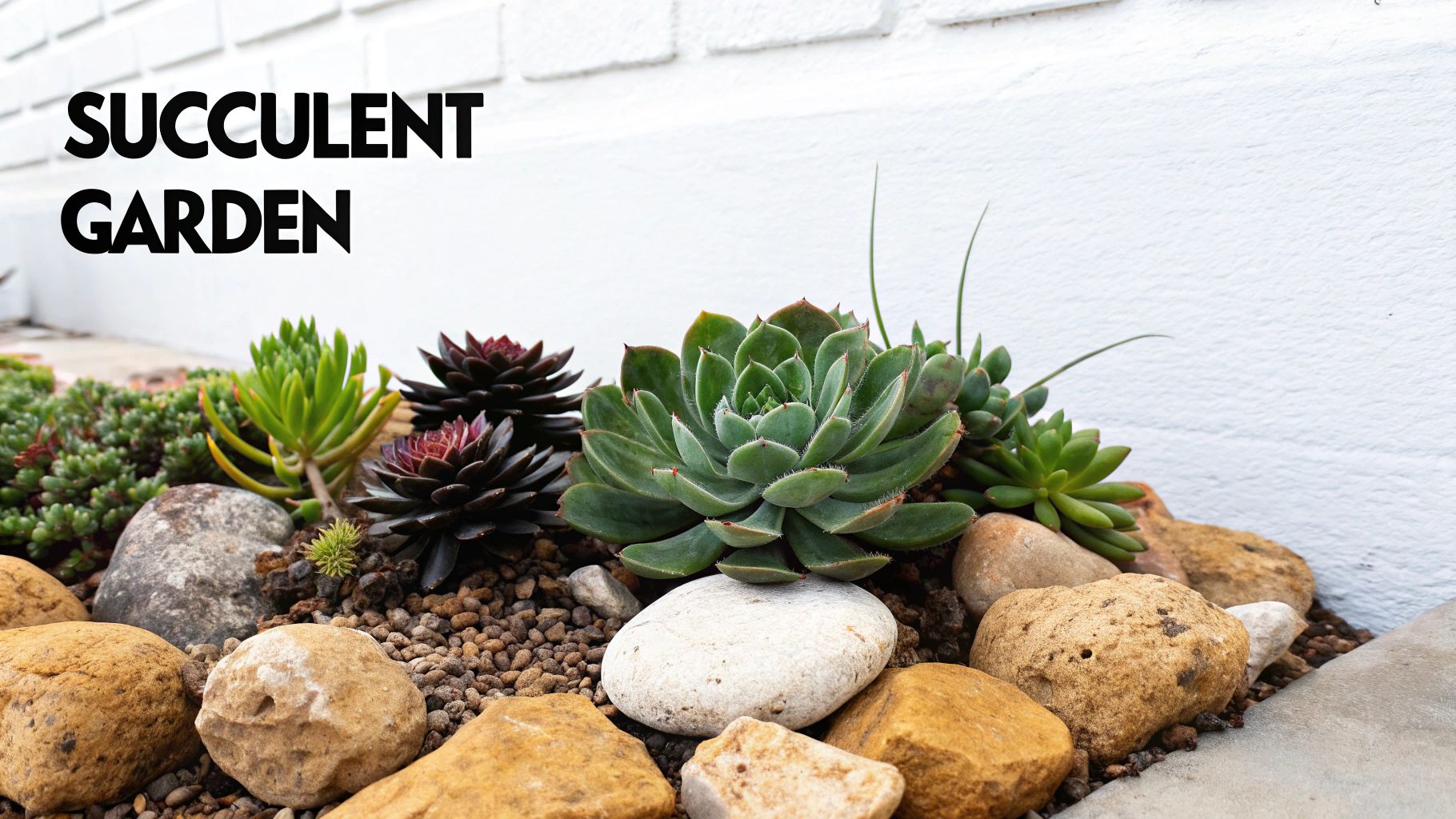
This approach is perfect for creating high-impact designs in small spaces, sunny spots, or areas with poor soil. The combination of plant forms and hardscape materials provides year-round interest, reduces weed growth, and eliminates the need for a traditional lawn. A well-executed succulent and rock garden is a living sculpture that evolves through the seasons. For more inspiration on integrating hardscapes, explore different ideas for landscaping with rocks.
Implementation and Plant Selection
Success lies in creating excellent drainage and choosing plants suited to your climate's temperature extremes, not just its rainfall.
- Sonoran Desert Climates (AZ, CA): Pair bold Agaves and columnar cacti with the trailing stems of Senecio and the bright blooms of Aloes.
- Mediterranean Climates (Coastal CA): Use a mix of Echeverias, Aeoniums, and Dudleya, which thrive in mild, dry summers and cool, moist winters.
- Cold Winter Regions (CO, UT): Focus on hardy varieties like Hens and Chicks (Sempervivum), Ice Plant (Delosperma), and a wide array of stonecrops (Sedum).
- Contemporary Urban Spaces: Create minimalist designs with repeating clusters of a single succulent type, like Blue Chalksticks (Senecio mandraliscae), set against dark gravel.
For optimal growth, plant succulents in raised beds or mounds amended with at least 50% drainage material like perlite or coarse sand. Top-dress the soil with gravel mulch to keep foliage dry, suppress weeds, and regulate soil temperature.
3. Gravel and Hardscape-Heavy Design
One of the most effective drought tolerant landscaping ideas involves reducing or eliminating thirsty turfgrass in favor of permeable materials like gravel, pavers, and decorative stones. This hardscape-heavy approach creates a visually striking, low-water landscape that minimizes maintenance while maximizing clean lines and modern appeal. It shifts the focus from dense plantings to texture, form, and structure, offering immense design flexibility.
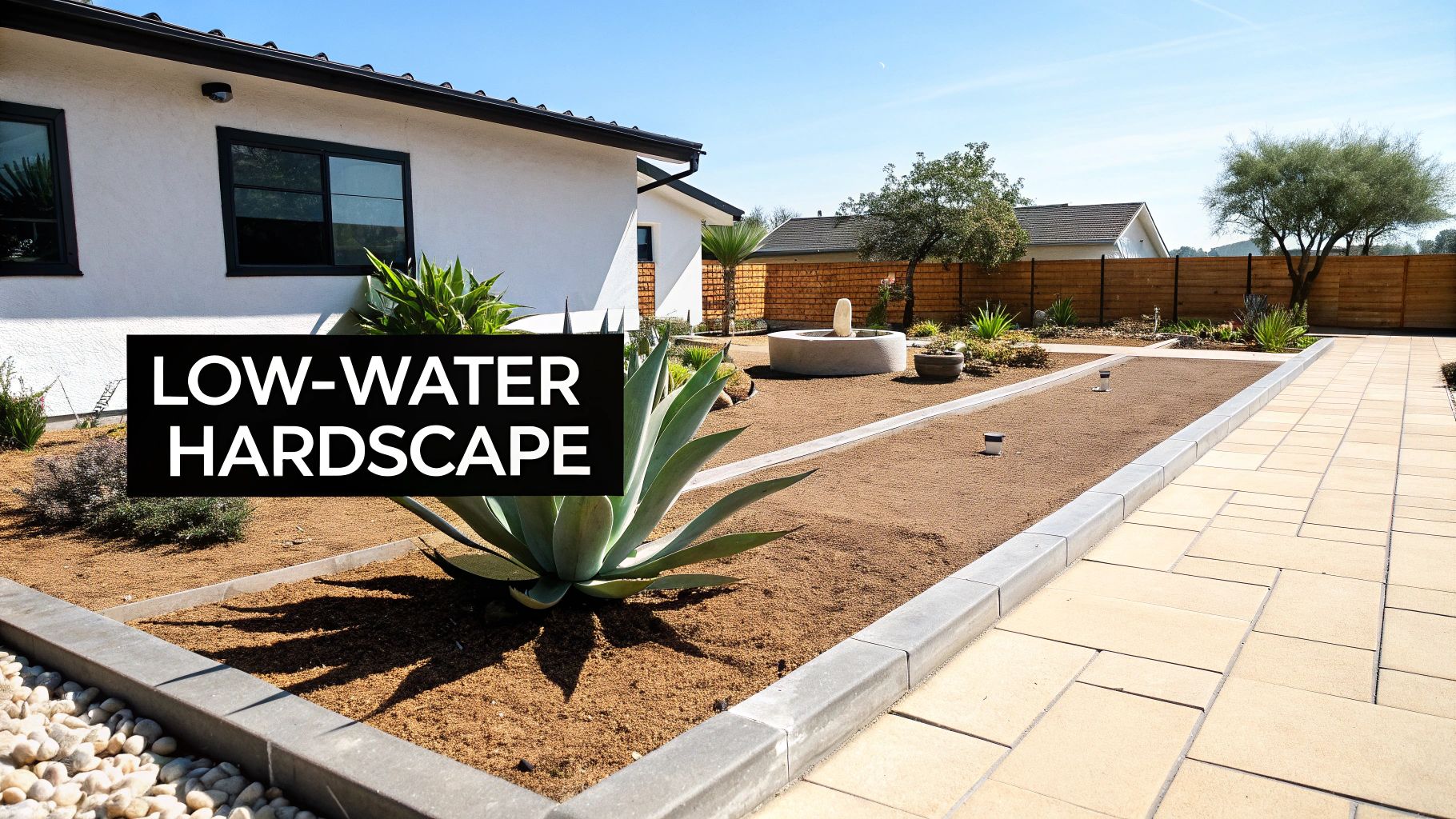
This method is not about creating a barren space; instead, it uses hardscape as the primary design element, punctuated by carefully chosen specimen plants. The result is a landscape that feels intentional, architectural, and inherently water-wise. Because it requires so little upkeep, it’s a perfect fit for a low-maintenance landscaping strategy.
Implementation and Material Selection
Success with a hardscape-focused design relies on choosing the right materials and using them thoughtfully to create visual interest.
- Modern Desert: Pair large, smooth concrete pavers with dark grey or black gravel and place sculptural agaves or yuccas as focal points.
- Japanese-Inspired: Use fine, raked gravel or decomposed granite to represent water, placing a few carefully selected boulders and a dwarf Japanese maple for a serene, minimalist look.
- Mediterranean Courtyard: Combine warm-toned travertine or flagstone pavers with beds of pea gravel and surround the area with olive trees or rosemary in containers.
- Minimalist California: Create broad pathways of decomposed granite, using steel or Corten steel edging for clean, sharp lines, and add a single, striking Palo Verde tree.
For best results, install a high-quality landscape fabric beneath gravel to suppress weeds effectively. Always use proper edging to keep materials contained and ensure your design looks crisp and professional for years to come.
4. Ornamental Grasses, Perennials, and Layered Planting
Combining ornamental grasses and perennials creates a dynamic, textured landscape that offers year-round visual interest with minimal water. This approach uses layered planting, a technique that arranges plants by height and form, to create a lush, naturalistic garden. By selecting drought-tolerant species, you can achieve a soft, meadow-like aesthetic that moves with the breeze, supports pollinators, and requires far less irrigation than a traditional lawn.
This method is one of the most versatile drought tolerant landscaping ideas, adaptable from English-style borders to naturalistic prairie gardens popularized by designers like Piet Oudolf. The key is mixing feathery textures from grasses with the bold colors and shapes of flowering perennials, creating a resilient ecosystem that thrives in dry conditions.
Implementation and Plant Selection
Success lies in choosing plants adapted to your climate and arranging them for maximum visual impact and resource efficiency. The goal is a garden that looks intentional yet wild.
- Midwest Prairies: Pair native grasses like Switchgrass (Panicum virgatum) and Little Bluestem with pollinator magnets like Purple Coneflower (Echinacea purpurea) and Black-Eyed Susans.
- California/West Coast: Use California fescue (Festuca californica) or Deer Grass (Muhlenbergia rigens) as a base for vibrant sages (Salvia), yarrow (Achillea), and California Fuchsia.
- Southwest: Combine the airy seed heads of Apache Plume (Fallugia paradoxa) with tough perennials like Penstemon and the striking forms of Red Yucca (Hesperaloe parviflora).
- Mountain West/Denver: Layer Blue Avena Grass (Helictotrichon sempervirens) with Catmint (Nepeta), Russian Sage (Perovskia atriplicifolia), and Agastache for season-long color.
When planting, use odd-numbered groupings (3, 5, 7) for a more natural look and repeat key plants throughout the design to create a sense of rhythm and continuity. Arrange plants in layers, with taller grasses and shrubs in the back and shorter groundcovers and perennials in the front.
5. Smart Irrigation Systems and Mulching
Even the most drought-tolerant plants need water to get established, and efficient delivery is key to conservation. Combining smart irrigation technology with the timeless practice of mulching creates a powerful system that minimizes water waste. This two-pronged approach delivers water directly to plant roots where it's needed most and then locks that moisture into the soil, preventing it from evaporating under the sun.
This strategy is one of the most impactful drought tolerant landscaping ideas because it directly addresses the two biggest sources of water loss: runoff and evaporation. Smart irrigation controllers use real-time weather data to adjust watering schedules automatically, while a thick layer of mulch insulates the soil, suppresses weeds, and improves soil health as it decomposes. This combination ensures every drop of water is used effectively.
Implementation and Best Practices
Success with this method hinges on proper installation and consistent maintenance. Integrating these systems from the beginning of a landscape project is most effective.
- Drip Lines and Soaker Hoses: Install a network of drip emitters or soaker hoses that snake through garden beds, delivering water slowly and directly to the base of each plant. This is far more efficient than traditional spray heads.
- Smart Controllers: Replace your old irrigation timer with a weather-based smart controller from brands like Hunter or Rain Bird. These EPA WaterSense-certified devices can reduce outdoor water use by 20-30% by preventing unnecessary watering.
- Organic Mulch Application: Apply a 2-4 inch layer of organic mulch, such as shredded hardwood, bark chips, or compost, over your garden beds. Be sure to keep mulch a few inches away from plant stems to prevent rot and pest issues.
- System Maintenance: Annually inspect your drip system for clogs, leaks, or damage. Ensure your smart controller’s rain sensor is working correctly to automatically skip watering cycles during and after precipitation.
6. Mediterranean and Desert Garden Aesthetics
Embracing Mediterranean and desert-inspired aesthetics means celebrating the natural beauty of arid climates rather than fighting them. This approach uses plants and materials that thrive in hot, dry conditions, creating a landscape that feels authentic, dramatic, and deeply connected to its environment. The result is a stunning, low-water garden that leverages texture, form, and sun-baked color palettes.
These styles are not about creating a barren landscape. Instead, they focus on strong architectural plants, gravel pathways, and warm-toned hardscaping to craft a space that is both resilient and inviting. This method is one of the most effective drought tolerant landscaping ideas for regions with intense sun and minimal rainfall, as it turns those challenges into design strengths.
Implementation and Plant Selection
Success with this style comes from layering textures and choosing plants with bold, sculptural forms. The goal is to create visual interest through contrast and repetition.
- California Coastal: Combine the silvery foliage of olive trees with fragrant drifts of lavender and rosemary. Use terracotta pots and pea gravel paths to complete the Mediterranean look.
- Arizona & New Mexico: Create a classic desert scene with iconic plants like the sculptural Ocotillo, the feathery Palo Verde tree, and dramatic agaves. Use decomposed granite for groundcover.
- Texas Hill Country: Blend native limestone for retaining walls and pathways with silvery Texas Sage, upright yuccas, and tough native cedars for a rugged, regional feel.
- Modern Desert: Focus on minimalism with a few large specimen plants, such as a multi-trunked yucca or a large agave, set in a clean bed of dark gray gravel or basalt.
For a cohesive design, limit your color palette to a few key colors found in the natural landscape, such as terracotta, sand, and blue-gray. Use a specimen plant like a columnar cypress or a large barrel cactus as a strong focal point.
7. Hardscape-Integrated Raised Beds and Container Gardens
Raised beds and container gardens offer complete control over soil, drainage, and irrigation, making them a powerful tool for water-wise landscaping. This approach concentrates your gardening efforts into defined spaces, preventing water from running off and allowing you to create the perfect soil mix for drought-tolerant plants. By integrating these elements with your hardscape, you can create a structured, modern, and highly efficient garden design.
This method is exceptionally versatile, working in small urban yards or large suburban lots. It allows you to showcase architectural plants like agaves or feature a mix of colorful succulents and perennials without amending your entire yard's soil. The elevation also adds visual interest and dimension to an otherwise flat landscape.
Implementation and Material Selection
Success with this drought tolerant landscaping idea hinges on proper construction and a custom soil blend that promotes deep root growth while retaining just enough moisture.
- Materials: Use long-lasting materials like composite lumber, stone, or corten steel for raised beds that complement your home's exterior. For containers, select large pots (18+ inches) made from materials like concrete or thick ceramic that insulate roots from heat.
- Soil Blend: Create a fast-draining mix. A good starting point is 40% topsoil, 30% compost, and 30% perlite or coarse sand.
- Irrigation: Install a dedicated drip irrigation line inside each raised bed or large container to deliver water directly to the root zone, eliminating overspray and evaporation.
- Placement: Group containers and beds with similar sun exposure and plant water needs to simplify maintenance and create cohesive vignettes. Build beds 12-18 inches deep to provide ample room for root systems.
8. Living Roofs and Green Walls
Living roofs and green walls transform unused vertical or horizontal surfaces into vibrant, plant-covered spaces. This innovative approach integrates vegetation directly onto a building's structure, offering excellent insulation, stormwater management, and a stunning aesthetic. By using drought-tolerant plants, these installations become low-maintenance systems that provide significant environmental benefits without demanding excessive water, making them a forward-thinking choice among drought tolerant landscaping ideas.
These "living architecture" features are more than just visually appealing; they cool the surrounding air, reduce energy costs, and create habitats for pollinators in dense urban areas. A green wall can turn a bleak entryway into a piece of living art, while a green roof provides a hidden oasis that works hard behind the scenes to make a home more sustainable.
Implementation and Plant Selection
Success with these systems requires careful planning, especially regarding structural support and plant choice. It is crucial to work with professionals to ensure your home can handle the added weight.
- Hot, Dry Climates (e.g., California): Use heat-loving succulents like various Sedum species (Sedum spurium, Sedum album) and Sempervivum (Hens and Chicks) that store water in their leaves.
- Cold Climates (e.g., Pacific Northwest, Toronto): Hardy sedums like Sedum kamtschaticum and Sedum floriferum 'Weihenstephaner Gold' are excellent choices as they can withstand frost.
- Green Walls: For vertical applications, consider trailing plants like Ice Plant (Delosperma) or various ornamental grasses that have low water needs once established.
Before beginning, always hire a structural engineer to assess the roof's load-bearing capacity. Use professionally designed modular systems and a specialized lightweight growing medium with a proper drainage layer to prevent waterlogging and ensure long-term plant health.
9. Shade Structures and Strategic Tree Placement
Reducing sunlight and heat is a powerful strategy for water conservation, and using shade is one of the most effective drought tolerant landscaping ideas. By strategically placing trees and man-made structures like pergolas or shade sails, you significantly lower soil and ambient air temperatures. This reduction in heat drastically decreases water evaporation from the soil, lessening the irrigation needs of the plants underneath and creating more comfortable outdoor living areas.
This approach creates microclimates in your yard, allowing you to grow a wider variety of plants that might otherwise struggle in constant sun. Deciduous trees offer the dual benefit of providing dense shade in the summer while allowing warming sunlight to reach your home and garden during the winter after their leaves have fallen. It’s a passive cooling and water-saving technique that works with nature.
Implementation and Plant Selection
Success comes from thoughtful placement of both plants and structures to maximize cooling effects and support a healthy landscape.
- Tree Placement: Position large deciduous trees to shade the south and west-facing walls of your home to reduce indoor cooling costs. Good choices include the Desert Museum Palo Verde in the Southwest, the native Live Oak in Texas, or the Valley Oak in California.
- Structural Shade: Install a pergola, arbor, or shade sail over patios or sensitive plant groupings for immediate relief while waiting for trees to mature. This creates a defined outdoor room and protects plants from harsh afternoon sun.
- Shade-Tolerant Plants: Under the canopy of trees or structures, plant an understory of low-water, shade-loving plants. Options include Hellebores, certain varieties of Coral Bells (Heuchera), and native groundcovers that thrive in lower light.
For best results, choose native or regionally-adapted trees that are naturally suited to your climate’s rainfall. To explore more ideas for designing these cooler, protected spaces, you can find inspiration for shade landscaping that works in harmony with your environment.
10. Soil Amendment and Water Retention Strategies
One of the most impactful drought tolerant landscaping ideas starts below the surface: improving your soil. Healthy soil acts like a sponge, absorbing and holding moisture for plant roots to access between waterings. Amending your soil with organic matter like compost is a foundational strategy for creating a resilient, water-wise garden that requires far less irrigation over its lifetime.
This approach focuses on enhancing the soil’s structure, whether you have fast-draining sand or dense clay. Adding amendments like compost, biochar, or aged manure increases its water-holding capacity, improves aeration, and provides a slow release of essential nutrients. This reduces plant stress during dry periods and fosters a robust root system capable of seeking out deep moisture.
Implementation and Key Techniques
Building healthy soil is an investment that pays dividends in water savings and plant vitality. The goal is to create a living soil ecosystem that supports your landscape from the ground up.
- Compost Application: Before planting, amend entire planting beds by working 3 to 6 inches of high-quality compost into the top 8 to 12 inches of soil. This is especially effective in California gardens for establishing native plants.
- Biochar for Sandy or Clay Soils: Incorporate biochar at about 15-20% by volume. In sandy Southwest soils, its porous structure holds water and nutrients, while in dense clay, it improves drainage and aeration.
- Hydrogels and Wetting Agents: Use water-absorbing polymers (hydrogels) primarily during the critical first-year establishment phase for new plantings, especially in container gardens or very dry climates.
- Annual Mulching: Apply a 2 to 4-inch layer of organic mulch annually. As it breaks down, it continuously replenishes the soil's organic matter, mimicking a natural forest floor.
For the best results, conduct a simple soil test before you begin. Understanding your soil's baseline pH, texture, and nutrient content allows you to choose the most effective amendments for your specific conditions.
10-Point Comparison: Drought-Tolerant Landscaping
| Approach | 🔄 Implementation Complexity | ⚡ Resource & Cost | 📊 Expected Outcomes | ⭐ Ideal Use Cases | 💡 Key Tips |
|---|---|---|---|---|---|
| Xeriscaping with Native Plants | Moderate — plant selection & soil prep | Moderate upfront, low ongoing maintenance | High water savings (50–75%), increased biodiversity | Drought-prone regions, eco-minded homeowners | Group by water needs; use hardiness-zone recommendations; plant in fall |
| Succulent Gardens and Rock Gardens | Low–moderate — simple layout but drainage-critical | Low materials, minimal irrigation; rock costs vary | Very low water use, very low maintenance, strong texture/aesthetic | Arid climates, containers, modern minimalist yards | Ensure excellent drainage; select cold-hardy varieties where needed |
| Gravel and Hardscape-Heavy Design | Moderate–high — material selection & installation | High upfront material/labor, low ongoing costs | Very low water use, durable, maximizes usable space | Minimalist/modern architecture, high-traffic or low-maintenance yards | Use landscape fabric and edging; layer stone sizes for interest |
| Ornamental Grasses & Layered Planting | Moderate — design skill for balance and layers | Moderate initial plant density, low long-term inputs | Good water efficiency after establishment, seasonal interest, pollinator support | Naturalistic gardens, pollinator-friendly landscapes | Plant in fall; delay cutback until new growth; repeat plant groups |
| Smart Irrigation Systems & Mulch | Moderate — technical setup and hydrozoning | Moderate–high install cost, saves water/utility long-term | Significant water savings (30–50%), automation, reduced disease | Retrofits, new installs, water-restricted communities | Install drip at planting, use weather-based controllers, 2–4" mulch |
| Mediterranean & Desert Aesthetics | Moderate — needs accurate climate matching | Moderate–high for premium materials, low water long-term | Low water needs once established, high aesthetic/value impact | Warm/dry climates, coastal Mediterranean, upscale designs | Limit palette to 3–4 colors; use silvery foliage and specimen plants |
| Hardscape-Integrated Raised Beds & Containers | Low–moderate — build and soil selection | Moderate materials and quality soil; containers need more water | Controlled drainage, flexible placement, improved accessibility | Urban gardens, poor-soil sites, accessible plantings | Build 12–18" beds, use composite materials, install drip irrigation |
| Living Roofs & Green Walls | High — structural assessment and specialist install | High installation and maintenance costs | Insulation and stormwater benefits, habitat creation, high curb appeal | Urban/limited-space sites, sustainability-focused projects | Hire structural engineer; use modular FLL-certified systems; choose hardy sedums |
| Shade Structures & Strategic Tree Placement | Moderate — long-term planning, placement matters | Low–moderate cost, long-term investment (years to mature) | Large reduction in evaporation, cooling, privacy and energy savings | Larger lots, homes seeking passive cooling and privacy | Plant deciduous trees for seasonal shade; site for south/west exposure; use pergolas for immediate shade |
| Soil Amendment & Water Retention Strategies | Moderate — labor-intensive incorporation & testing | Low–moderate material cost, labor for amendment | Reduced watering frequency (30–50%), improved soil health over years | New beds, sandy or clay soils, regenerative landscaping | Amend 3–6" compost; add biochar to sandy soils; use hydrogels during establishment |
Your Action Plan for a Beautiful, Water-Smart Landscape
Embracing a water-wise approach to landscaping is no longer a niche trend; it is a smart, sustainable investment in your property's future. Throughout this guide, we have explored a diverse range of drought tolerant landscaping ideas, from the structured beauty of Mediterranean-inspired gardens to the organic flow of native plant xeriscaping. The journey from a thirsty lawn to a resilient, stunning entryway is not about sacrifice, but about smart, strategic design.
The key takeaway is that a low-water landscape can be anything you want it to be: lush, minimalist, colorful, or architectural. The concepts we've covered, such as integrating hardscapes like gravel paths, utilizing smart irrigation, and layering ornamental grasses, are not isolated tactics but interconnected components of a holistic system. A successful project begins with understanding your unique environment: your soil composition, your specific hardiness zone, and the amount of sunlight your yard receives. This foundational knowledge empowers you to select the right plants and materials that will thrive, not just survive.
Your Path Forward: From Idea to Implementation
To transform these ideas into reality, your next steps should be deliberate and planned. Instead of feeling overwhelmed by the possibilities, focus on a structured approach to bring your vision to life.
Here is a simple action plan to get started:
- Assess and Analyze: Begin by performing a simple audit of your property. Test your soil's pH and drainage, map out sun and shade patterns throughout the day, and take accurate measurements of your front yard or entryway. This data is crucial for making informed decisions.
- Define Your Aesthetic: Review the styles we've discussed. Are you drawn to the clean lines of a rock garden, the soft textures of layered perennials, or the functional beauty of raised beds? Choose one or two core aesthetics that align with your home’s architecture and your personal taste.
- Create a Plant Palette: Based on your climate and chosen style, develop a list of potential plants. Focus on variety in height, texture, and seasonal interest. Remember to prioritize native species, as they are already adapted to your local conditions and support local ecosystems.
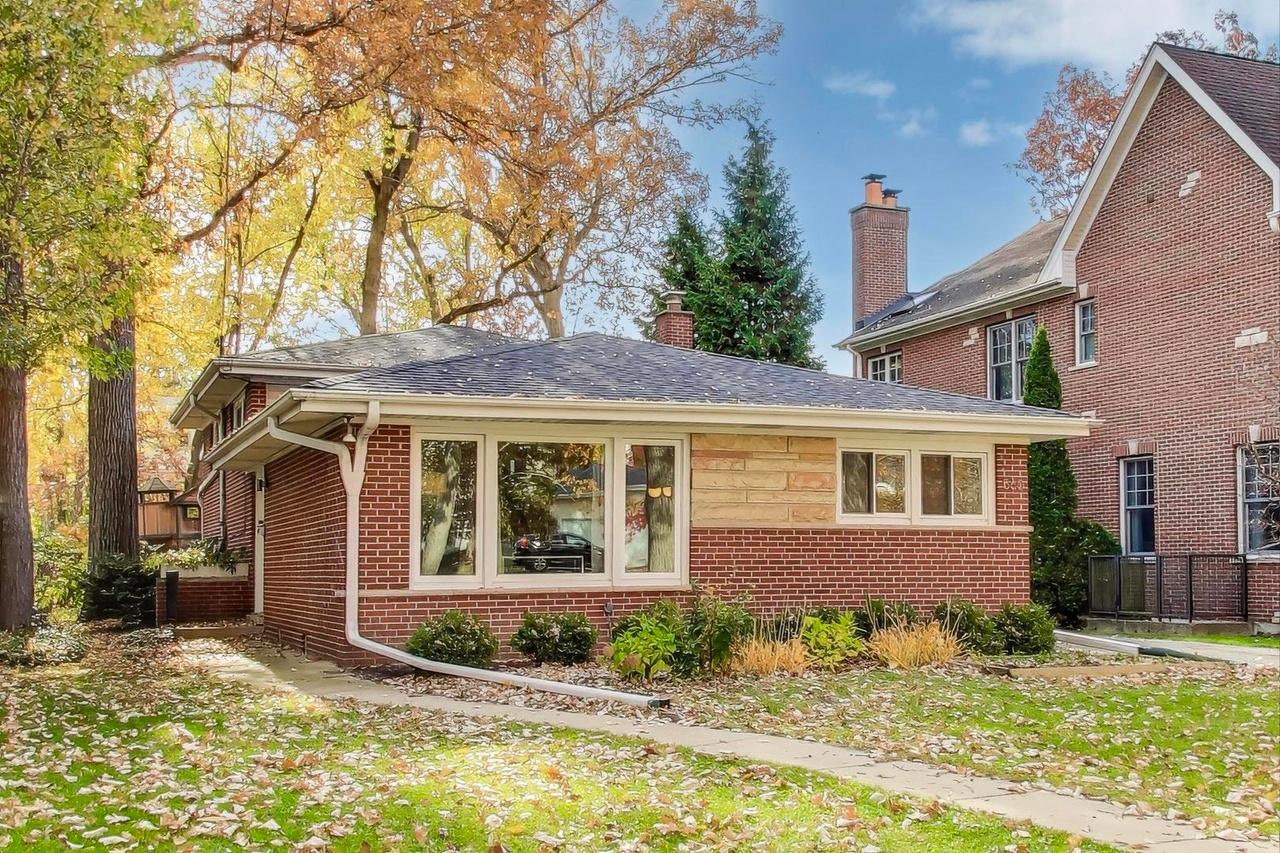
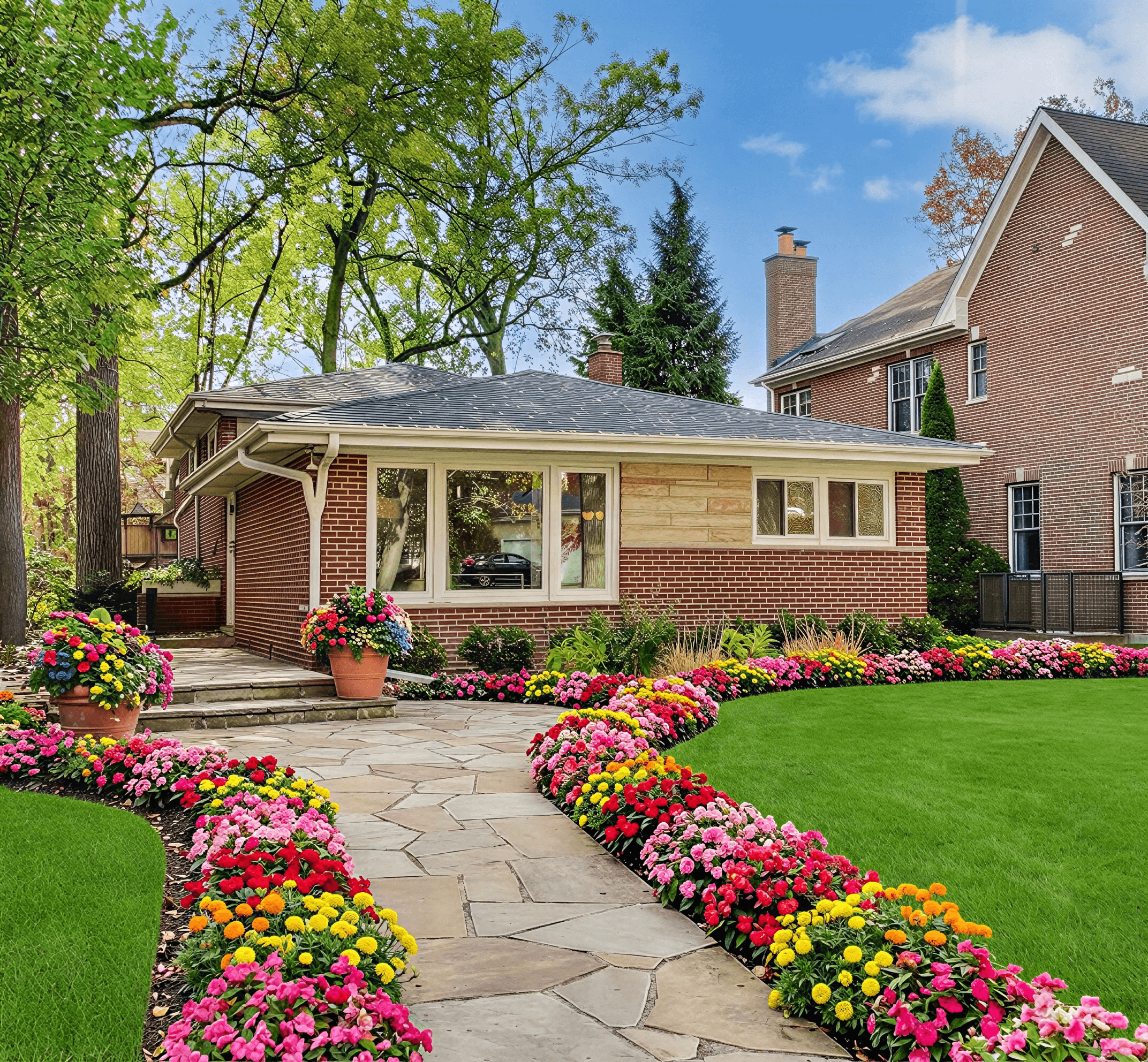
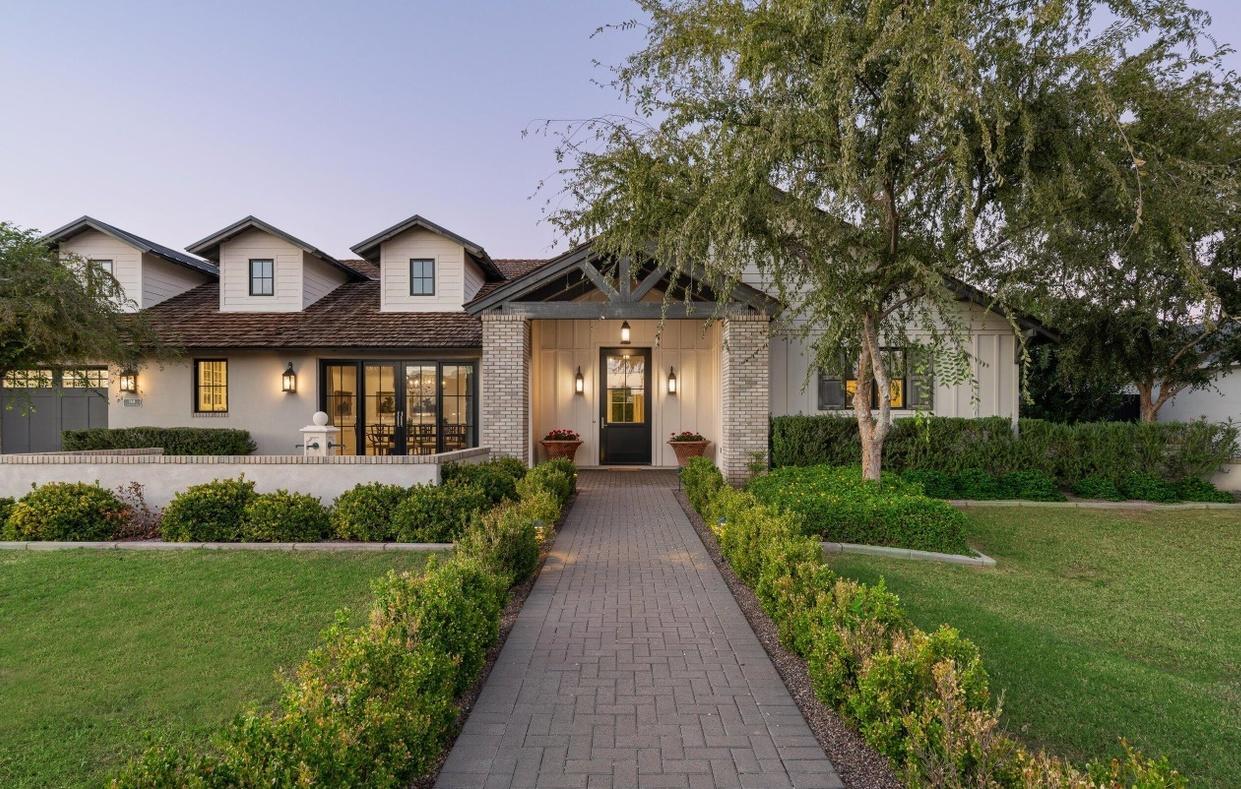
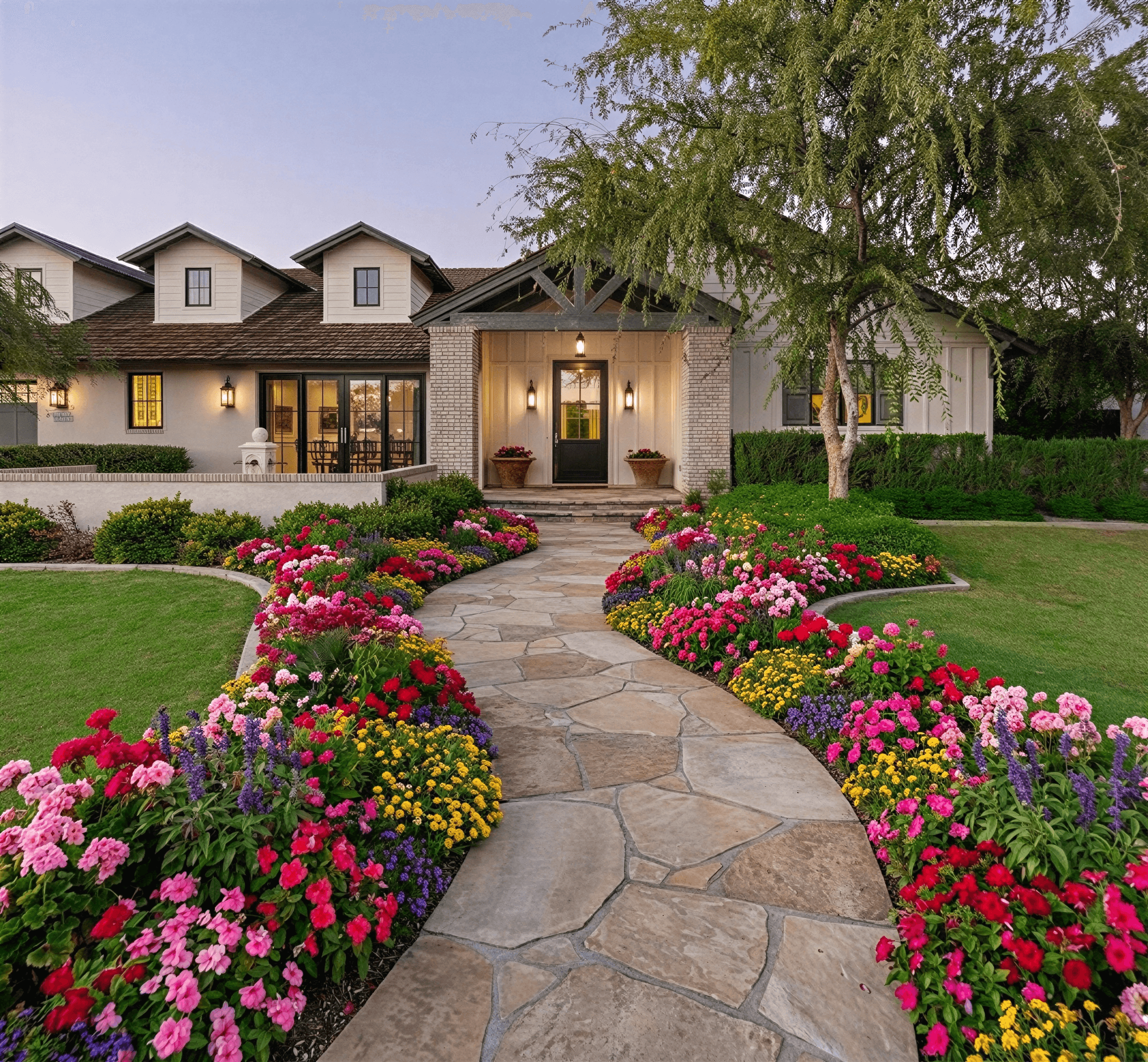
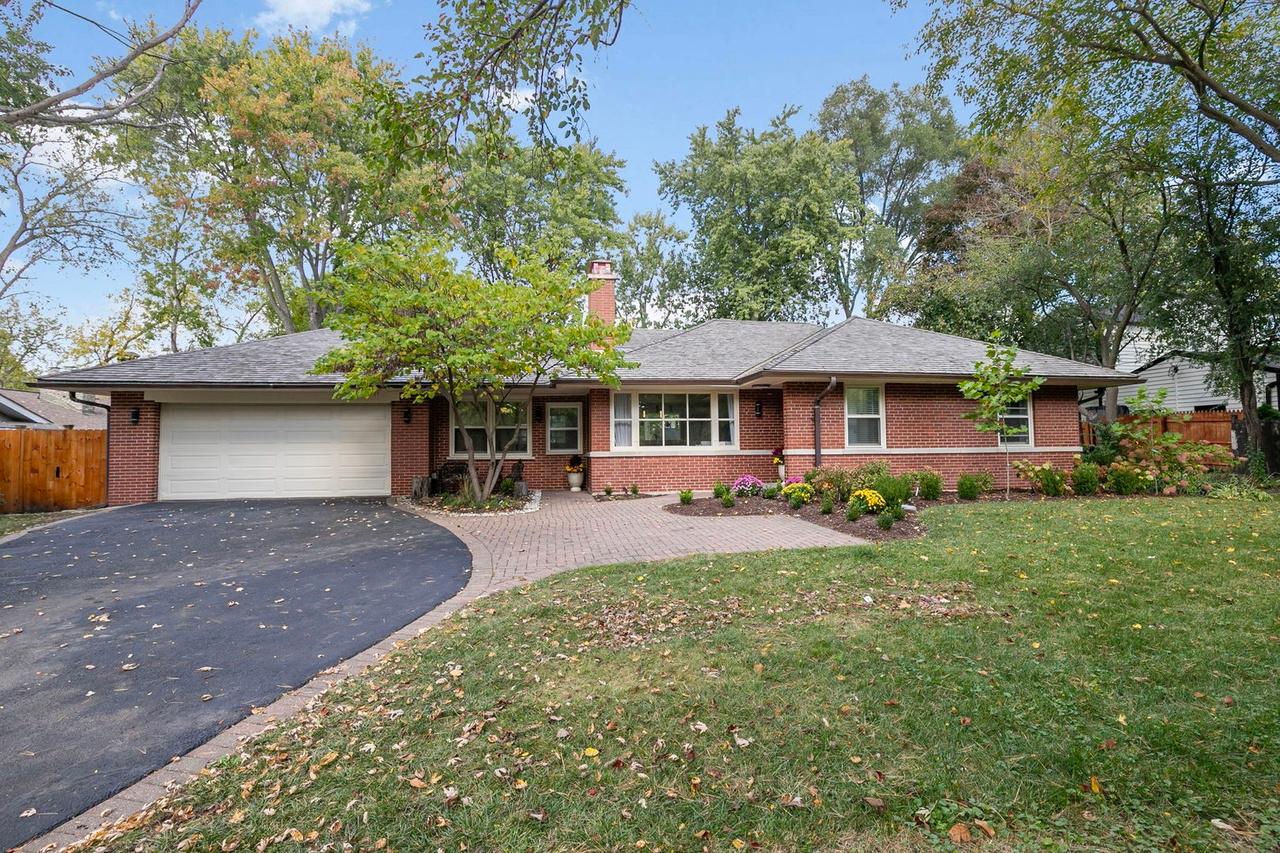
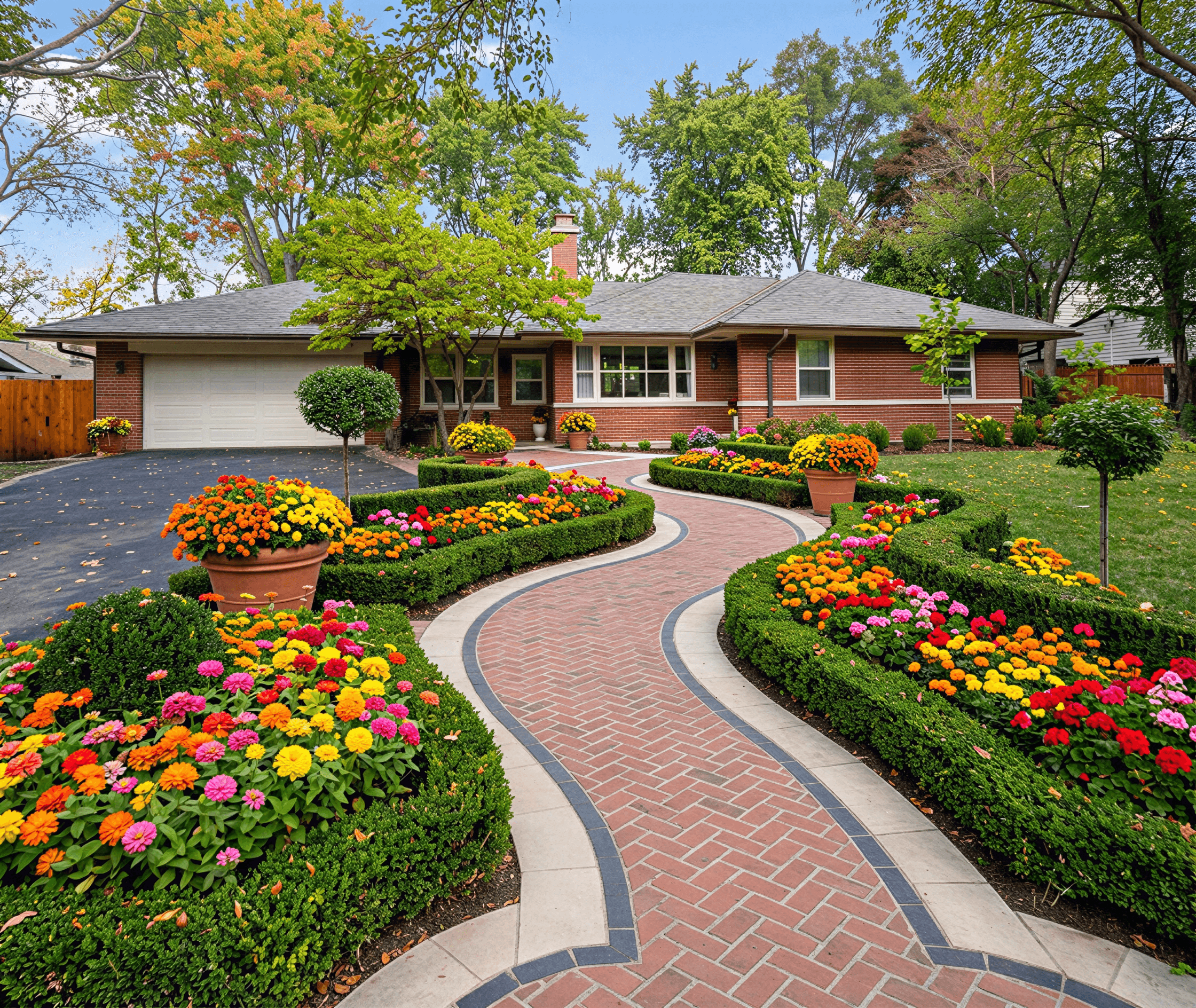
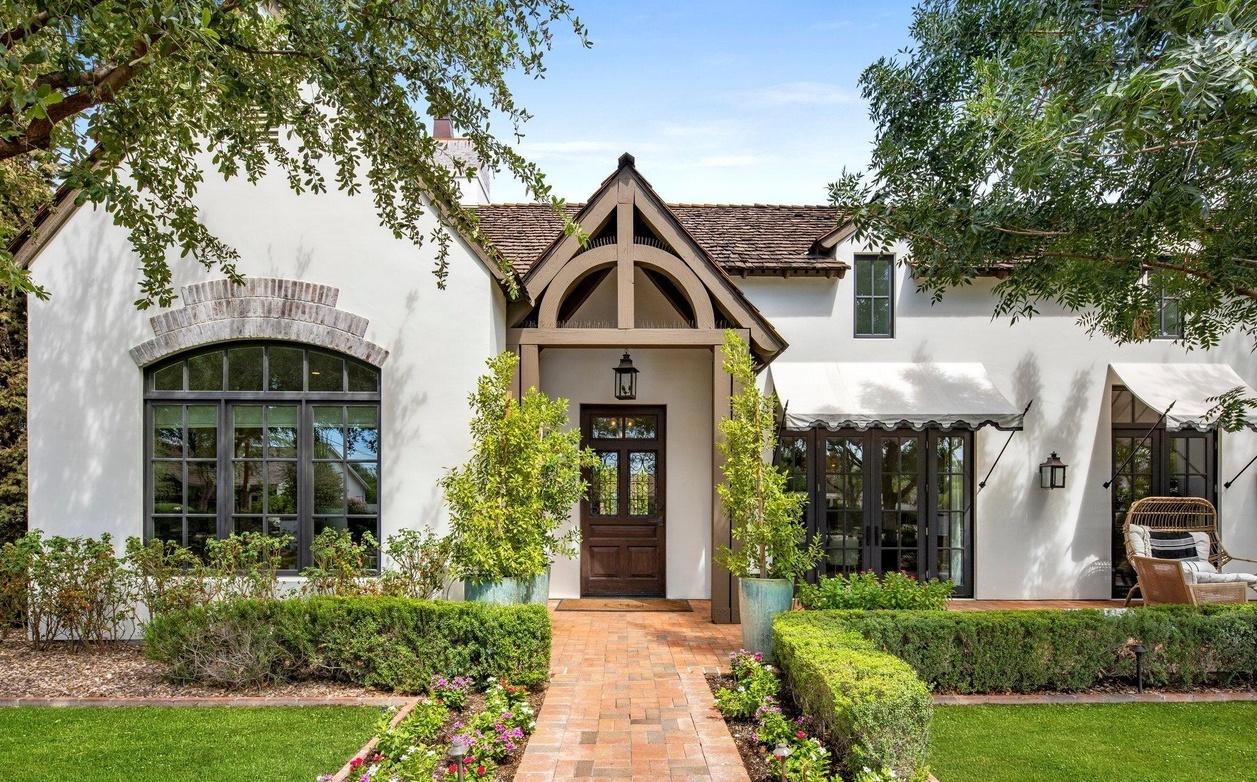
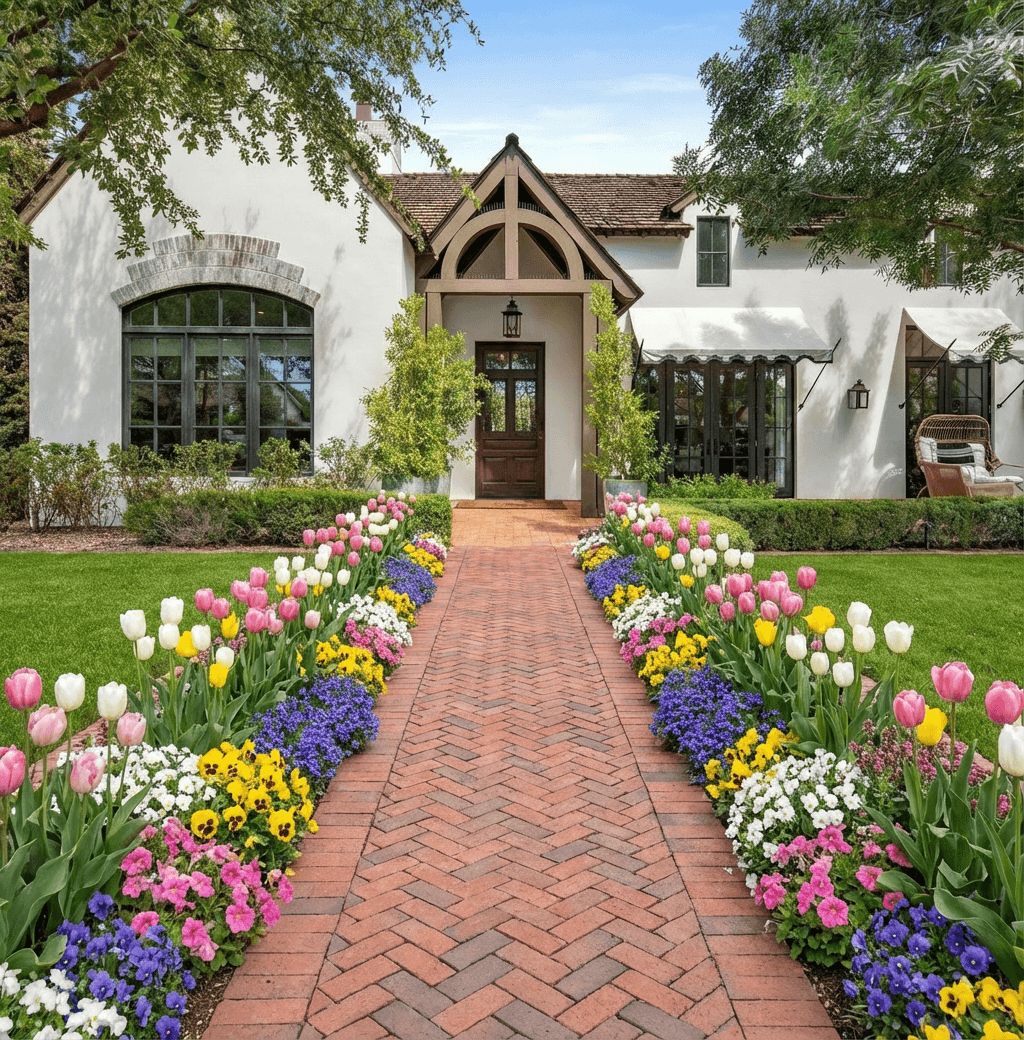
- Visualize Before You Build: This is the most critical step to avoid costly mistakes. Before purchasing a single plant or stone, use modern tools to create a visual representation of your design. Seeing how different elements work together ensures the final result matches your expectations and prevents expensive do-overs.
By shifting your mindset from high-maintenance lawns to dynamic, resilient gardens, you are not only conserving a precious resource but also enhancing your home's curb appeal and long-term value. The most beautiful landscapes are those that exist in harmony with their environment, creating a lasting legacy of beauty and responsibility.
Ready to see exactly how these drought tolerant landscaping ideas could transform your home? Skip the guesswork and visualize your project with photorealistic accuracy using Curb Appeal AI. Upload a photo of your property and let our advanced AI generate stunning, customized design concepts in seconds, helping you move forward with confidence. Curb Appeal AI