Easy Backyard Landscaping Ideas: Transform easy backyard landscaping ideas
Dreaming of a beautiful backyard but feel overwhelmed by the complexity and cost? The good news is that a stunning outdoor space doesn't require a professional crew or a massive budget. Many of the most impactful upgrades are simple, affordable, and perfectly suited for a weekend DIY project. These easy backyard landscaping ideas focus on smart, high-impact changes, from defining garden beds with mulch to adding strategic lighting, that deliver professional-looking results without the professional price tag.
Whether you're working with a small patio or a sprawling lawn, the key is to choose projects that offer the biggest visual return for your effort. This guide breaks down ten proven landscaping concepts, organized to help you find the perfect fit for your style, budget, and desired maintenance level. For each idea, we'll provide a quick how-to, plant recommendations for your climate, and a realistic cost estimate. To take the guesswork out of plant care, consider implementing an outdoor automatic watering system to keep your new garden thriving with minimal effort.
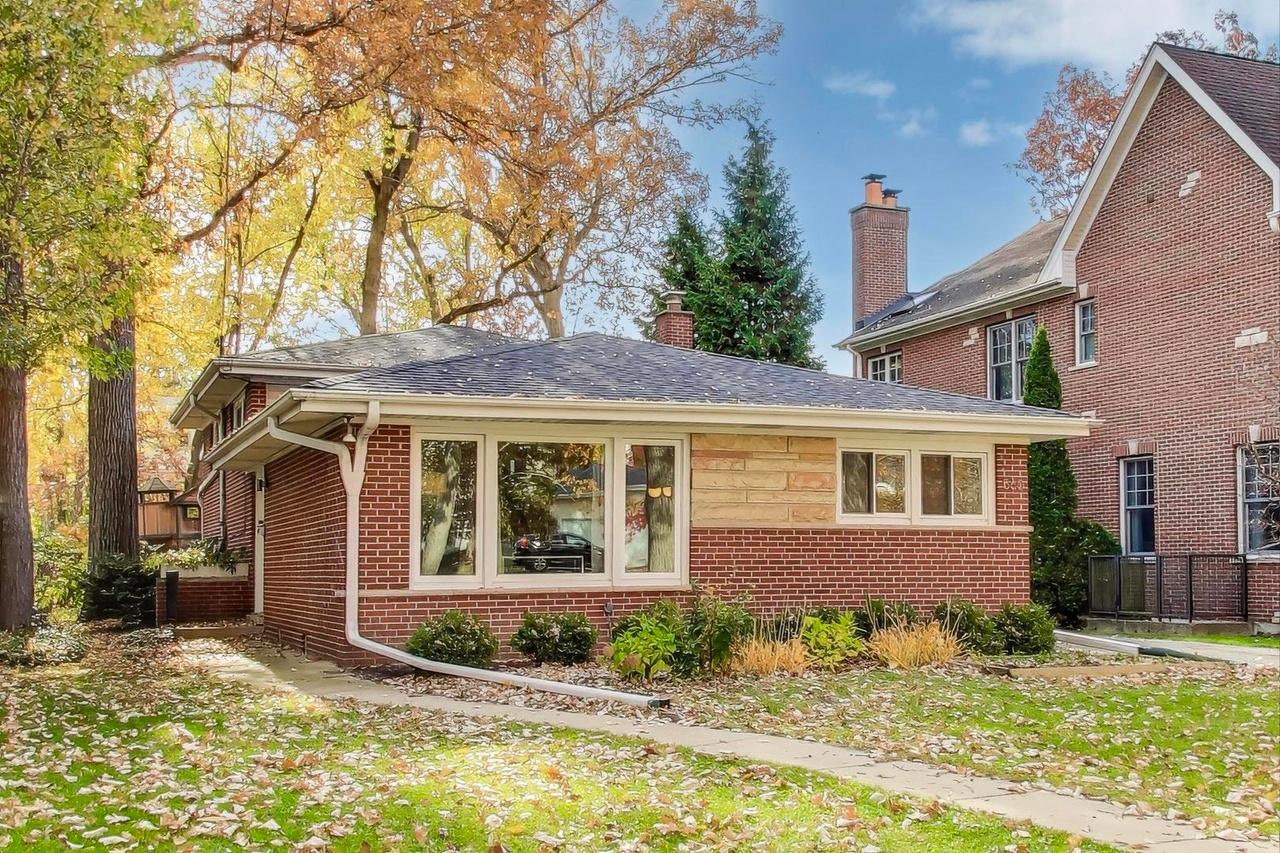
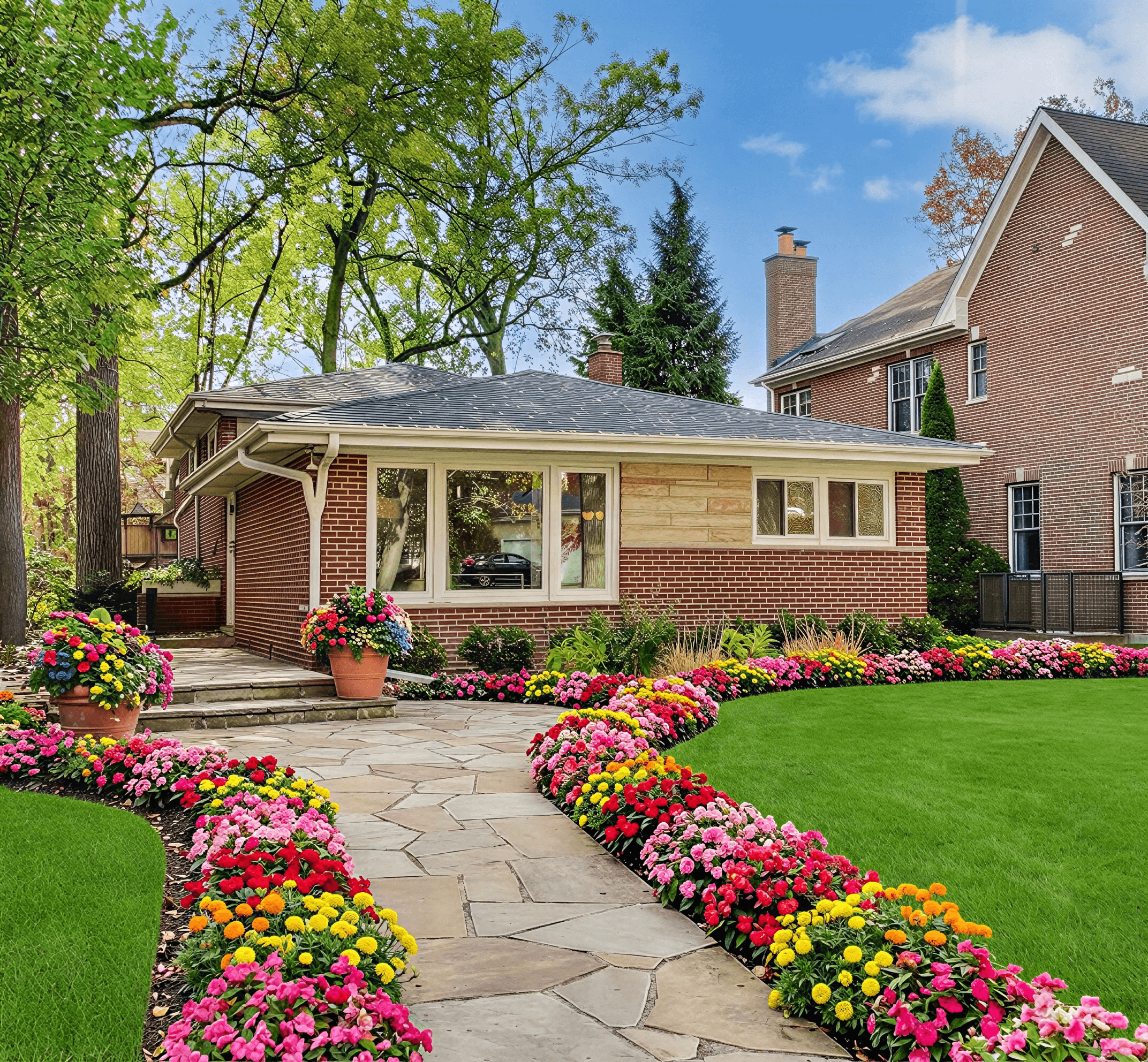
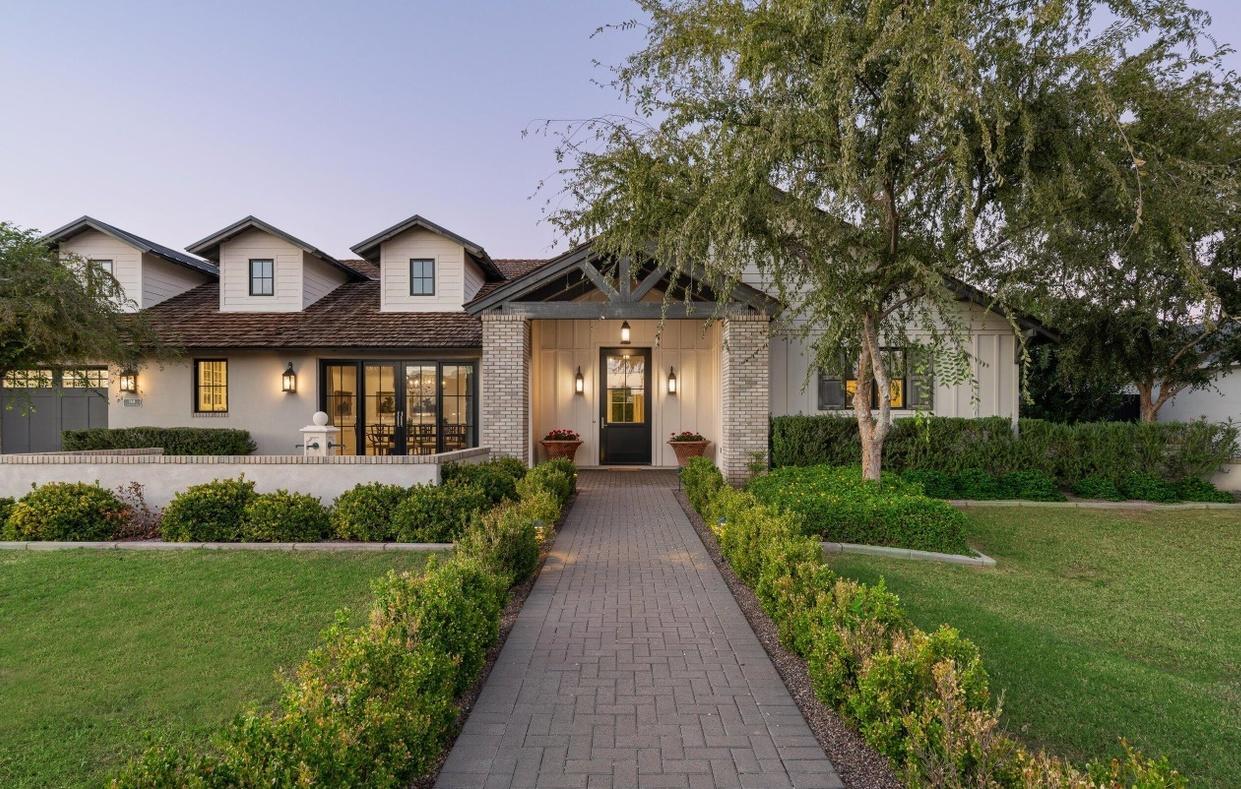
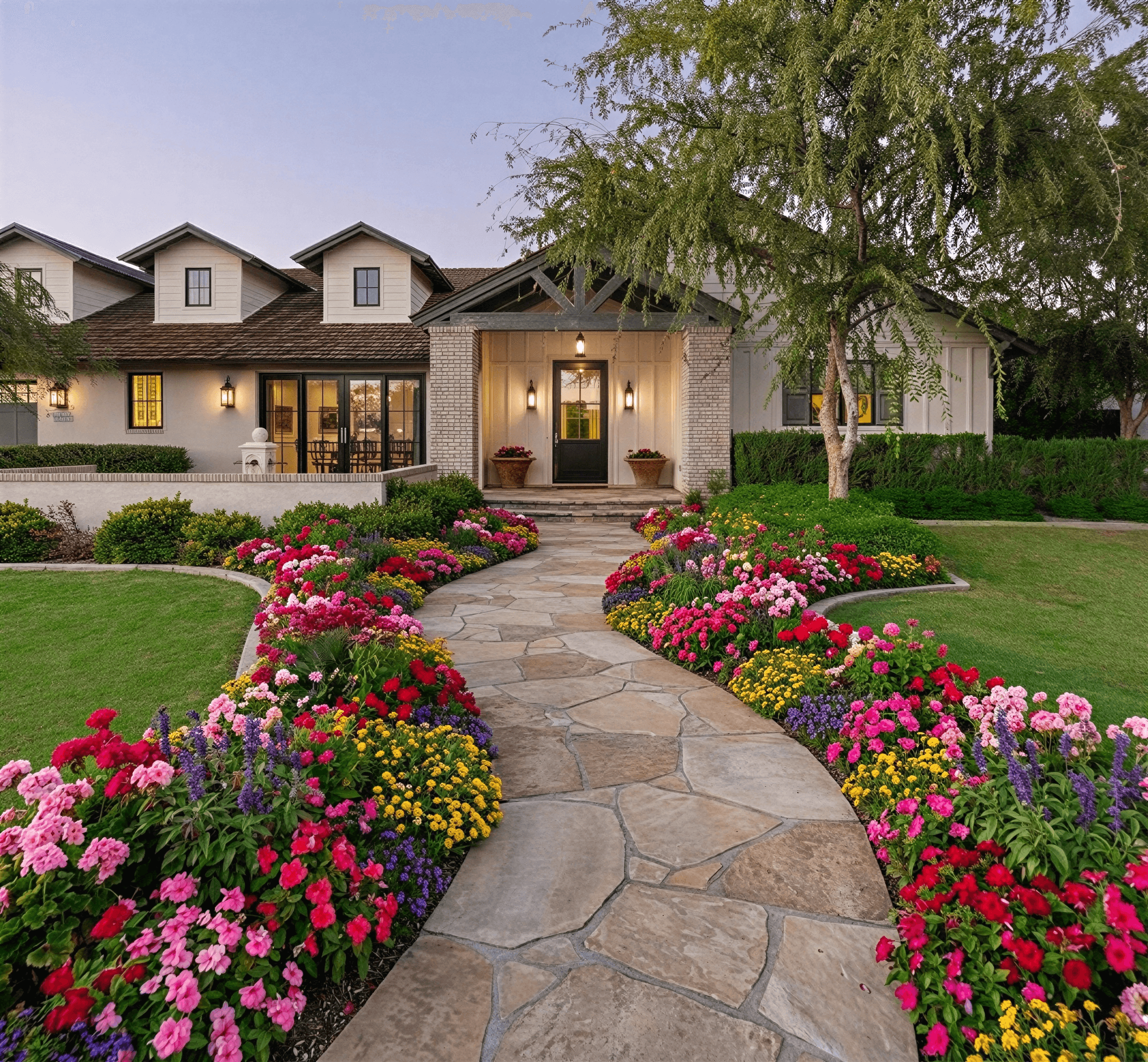
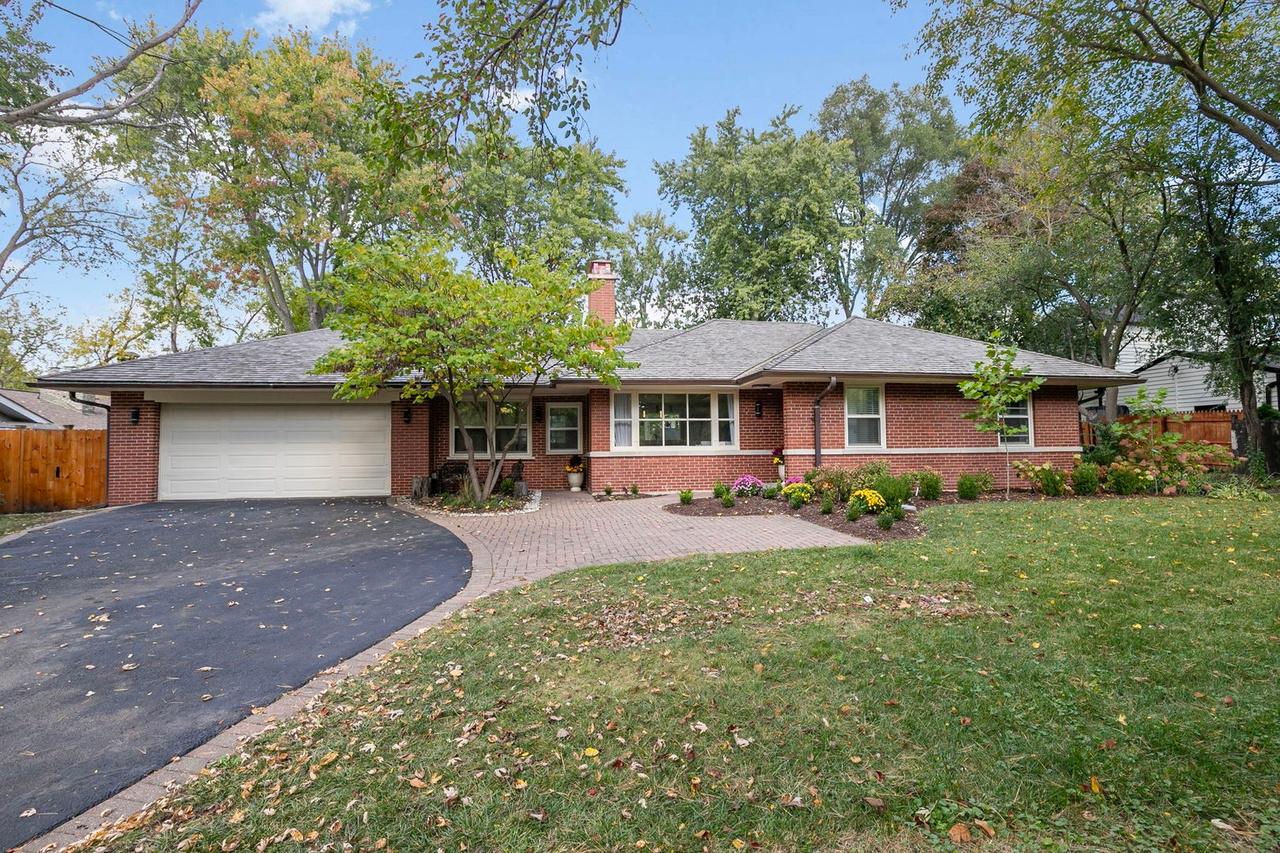
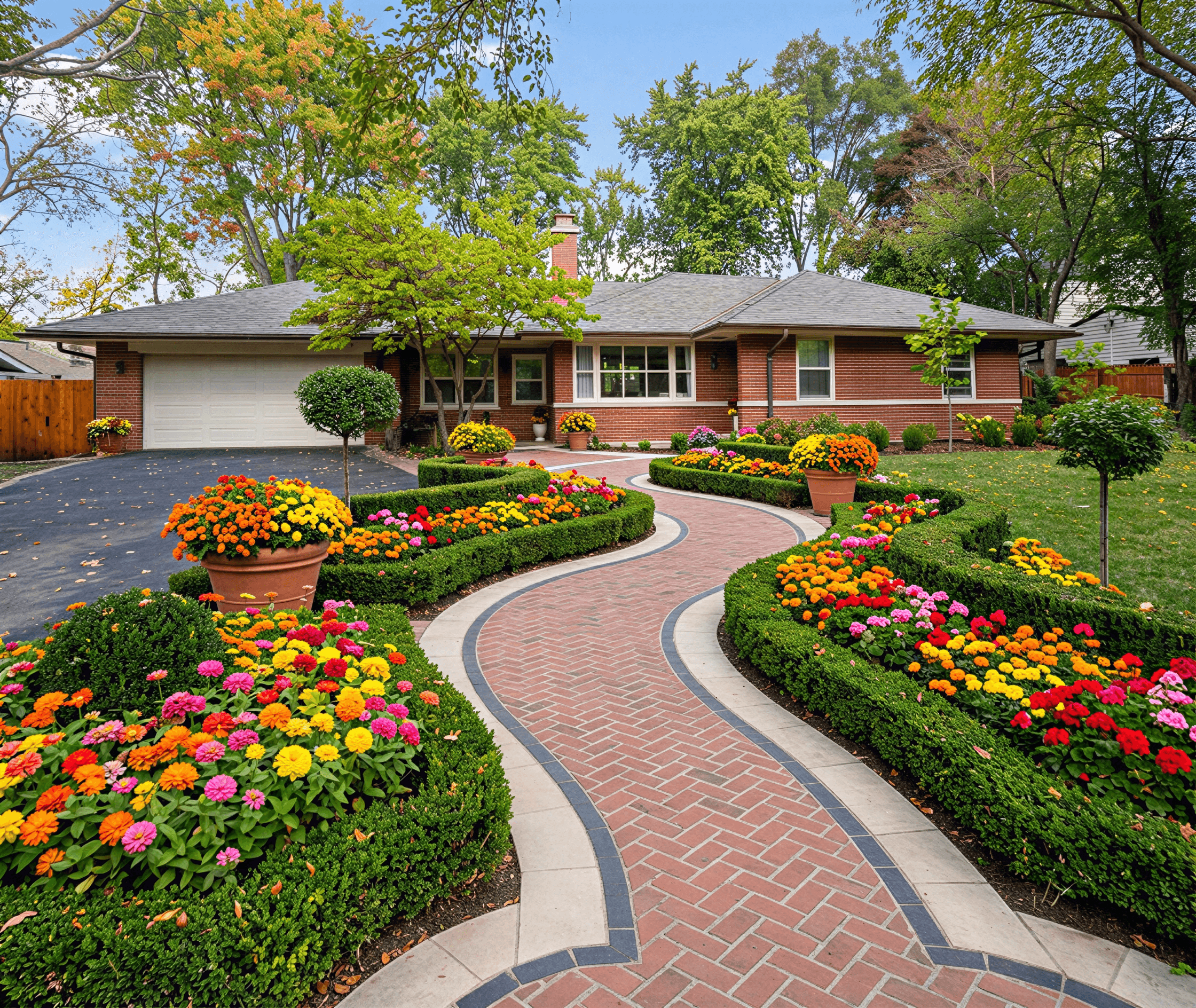
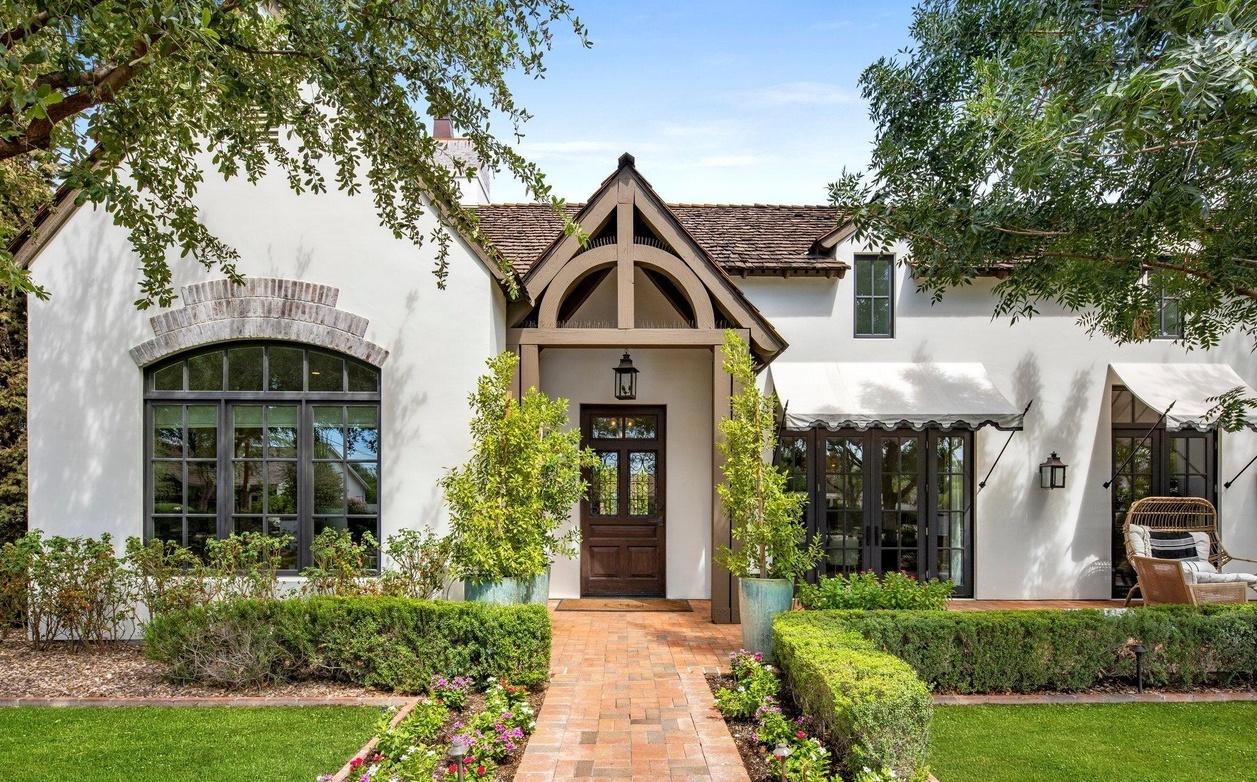
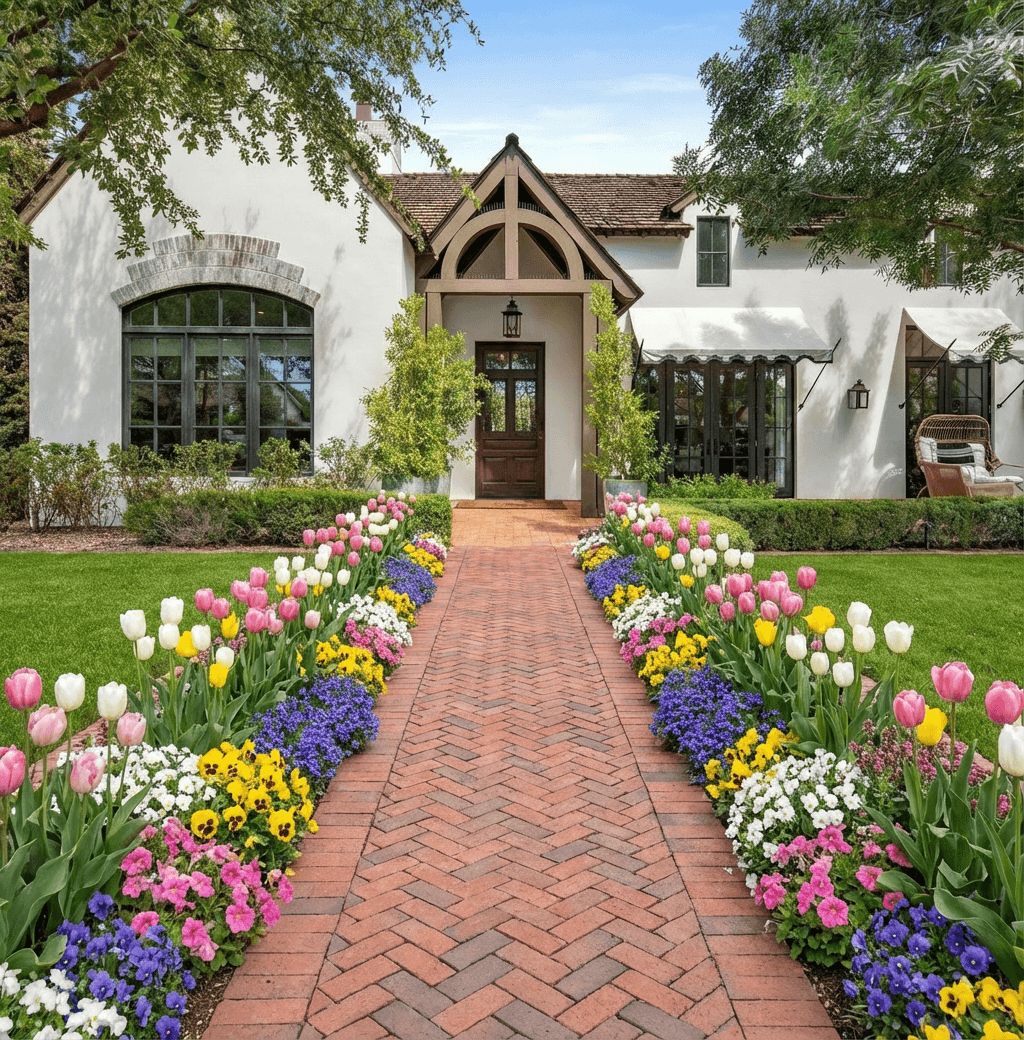
Before you start digging, it's wise to visualize the final result. You can use a tool like Curb Appeal AI to upload a photo of your current yard and see photorealistic mockups of these ideas in seconds. This ensures you choose a design that perfectly complements your home’s architecture and local climate. Let's get started on creating an outdoor space you'll love.
1. Mulch Beds and Ground Cover
Creating defined mulch beds is one of the most effective and straightforward backyard landscaping ideas for adding instant structure and polish. By outlining planting areas with fresh mulch, you create a clean frame that makes flowers, shrubs, and trees pop. This approach goes beyond aesthetics; a proper layer of mulch suppresses persistent weeds, helps the soil retain crucial moisture, and regulates ground temperature, protecting plant roots from extreme heat and cold.

Pairing mulch with low-maintenance ground covers takes this concept a step further. Hardy plants like creeping juniper (Zones 3-9), hardy ice plant (Zones 5-9), or various sedums (Zones 3-9) can fill large areas with lush texture and color, reducing the amount of mulch needed over time. These plants are excellent for difficult spots, such as slopes where grass struggles to grow. For a deeper dive into lawn replacements, you can explore various ground cover alternatives to grass.
How to Implement It
- Define Your Edges: Use a spade to cut a clean, sharp edge around your desired bed shape. For long-term definition, install metal or durable plastic edging to prevent grass from creeping in and mulch from spilling out.
- Apply Mulch: Spread a layer of quality mulch (like double-shredded hardwood or cedar) 2-3 inches deep across the entire bed. Be sure to keep mulch a few inches away from tree trunks and the base of shrubs to prevent moisture-related rot.
- Add Ground Cover: Plant your chosen ground cover plants according to their spacing requirements. They will spread and fill in the space over one or two seasons.
Pro Tip: Refresh your mulch with a fresh 1-inch layer each spring. This keeps the color vibrant, replenishes decomposed material, and maintains its weed-blocking and moisture-retaining benefits.
2. Container Gardens and Planters
Container gardens offer one of the most versatile and easy backyard landscaping ideas, providing pops of color, texture, and height exactly where you need them. Strategically placing planters on patios, along pathways, or near entryways creates instant focal points without the commitment of in-ground planting. This flexibility allows you to easily refresh your design with seasonal plants, experiment with different styles, and bring life to hardscape areas like decks and concrete patios.
This approach is perfect for any climate zone, as you can choose plants suited to your specific conditions or even move sensitive plants indoors during harsh weather. From a pair of elegant topiaries flanking a door to a vibrant grouping of ornamental grasses and annual flowers, containers add a polished, intentional look to any space. They are also ideal for growing herbs near a kitchen door or creating a small-space vegetable garden.
How to Implement It
- Choose Your Containers: Select pots that complement your home's style. For a balanced look, group containers in odd numbers (like three or five) and vary their heights and shapes. Ensure every pot has drainage holes.
- Select Quality Soil: Fill containers with a high-quality potting mix, not heavy garden soil. Potting mix is lighter, drains better, and is formulated to help container plants thrive.
- Arrange Your Plants: Use the "thriller, filler, spiller" design principle. Place a tall, dramatic plant (thriller) in the center, surround it with mounding plants (filler), and add cascading plants (spiller) around the edges.
Pro Tip: Place empty plastic bottles or packing peanuts at the bottom of very large containers before adding soil. This reduces the amount of soil needed, makes the pot lighter, and improves drainage without harming the plants.
3. Hardscape Pathways and Walkways
A well-defined pathway does more than just get you from one place to another; it guides the eye and adds a strong structural element to your yard. Hardscape walkways made from pavers, stepping stones, or gravel are one of the most practical easy backyard landscaping ideas, instantly improving navigation and creating visual flow. They establish clear routes from a patio to a garden bed or a gate, preventing worn-out patches in the lawn and adding a polished, intentional feel to the space.

This approach is highly adaptable to any style, from a charming cottage garden with a winding gravel path to a modern landscape featuring clean, geometric stepping stones. Materials like decomposed granite or pea gravel are inexpensive and simple for a DIYer to install without heavy equipment. For more design inspiration, you can find a variety of ideas for walkway landscaping that fit different home aesthetics.
How to Implement It
- Prepare the Base: Mark your path's route, then excavate the area to a depth of about 4-6 inches. Ensure the base is compacted and slopes slightly (a 2% grade) away from your home for proper drainage.
- Add a Weed Barrier: Lay down a quality landscape fabric over the excavated area. This step is crucial for minimizing weed growth through gravel or between pavers.
- Install Your Material: Add and compact a layer of paver base or crushed stone. Then, set your pavers or stepping stones in place or spread your gravel or mulch to a depth of 2-3 inches.
Pro Tip: Use metal or durable plastic edging along the sides of your pathway. This creates a crisp, defined border and is essential for containing loose materials like gravel or wood chips, keeping your landscape looking neat.
4. Native Plant Landscaping
Choosing plants native to your region is one of the most sustainable and rewarding easy backyard landscaping ideas. These plants are perfectly adapted to your local climate, soil, and rainfall patterns, meaning they require far less water, fertilizer, and pest control than non-native species. By incorporating them, you create a self-sufficient ecosystem that supports local pollinators like bees and butterflies while reducing yard maintenance. This approach works in any setting, from a Midwest prairie garden with coneflowers and black-eyed Susans to a Pacific Northwest yard featuring sword ferns and serviceberry.
This eco-conscious strategy moves away from manicured, resource-intensive lawns toward a more natural and resilient aesthetic. Organizations like the Audubon Society and the Lady Bird Johnson Wildflower Center provide excellent resources for finding plants suited to your specific area. A well-planned native garden not only looks beautiful but also contributes positively to the local environment.
How to Implement It
- Identify Local Plants: Contact a local native plant society or your county's extension office for a list of plants that thrive in your region. They can provide recommendations for your specific soil and light conditions.
- Group Plants by Need: Arrange plants with similar water and sunlight requirements together. This "right plant, right place" strategy minimizes work and ensures all your plants flourish.
- Plant in Drifts: For the most natural and visually appealing look, plant native perennials and grasses in clusters or "drifts" of 3, 5, or 7, rather than spacing them out individually.
Pro Tip: Start by replacing a small section of your lawn with a native plant bed. This allows you to learn about the plants and their growth habits without feeling overwhelmed, and you can gradually expand the area over time.
5. Lawn Edging and Border Definition
One of the most impactful yet simple backyard landscaping ideas is creating clean, defined borders between your lawn and planting beds. Installing lawn edging instantly organizes your landscape, providing sharp, clean lines that make the entire yard look intentional and professionally manicured. This simple addition draws the eye, highlights your garden beds, and prevents grass from invading your mulched areas, which significantly reduces maintenance. The result is a crisp, tidy appearance that dramatically elevates your backyard's overall aesthetic.
The material you choose can complement your home's style. For instance, sleek steel or aluminum edging offers a modern, minimalist look perfect for contemporary designs. In contrast, rustic stone or brick pavers create a charming, classic border ideal for cottage or traditional gardens. Regardless of the material, a well-defined edge is a fundamental element of great landscape design that provides structure and polish with minimal cost and effort.
How to Implement It
- Choose Your Material: Select an edging material that fits your backyard’s style and your budget. Common options include flexible plastic, rigid metal (steel or aluminum), stone pavers, or treated wood timbers.
- Prepare the Area: Mark your desired border with a garden hose or spray paint. Use a flat-head spade or a half-moon edger to cut a trench along this line, about 4-6 inches deep, depending on your edging material.
- Install the Edging: Place your edging material into the trench, ensuring it is level. Backfill the trench with soil, tamping it down firmly to hold the edging securely in place. The top of the edging should sit just slightly above the ground to make mowing easier.
Pro Tip: Before installing your edging, lay a strip of landscape fabric at the bottom of the trench. This creates an extra barrier to prevent stubborn weeds and grass roots from sneaking under the border into your garden beds.
6. Foundation Plantings and Screening
Strategic planting around your home's foundation is a classic landscaping technique that softens architectural lines, masks unsightly utility boxes, and frames entryways to create a welcoming first impression. These plantings bridge the gap between your house and the yard, using a layered mix of shrubs, perennials, and small trees to add dimension, texture, and year-round interest. A well-designed foundation bed anchors the house to the landscape, creating a polished and cohesive look.
This is one of the most impactful easy backyard landscaping ideas because it directly enhances curb appeal. For screening, taller evergreens like arborvitae (Zones 3-7) or Hicks yew (Zones 4-7) can be used to create a living wall that hides AC units or provides privacy. In the front, a tiered approach with low-growing perennials, mid-sized deciduous shrubs, and taller evergreens creates a rich, textured look that evolves with the seasons.
How to Implement It
- Plan for Mature Size: Choose plants based on their size at maturity (typically 3-5 years) to avoid future overcrowding. This prevents issues like blocked windows or walkways.
- Create Layers: Place taller, evergreen plants in the back (closest to the house), medium-sized shrubs in the middle, and shorter perennials or annuals at the front edge for a layered, professional look.
- Space Appropriately: Leave adequate space between plants and the foundation itself. This allows for air circulation, preventing moisture damage to your home's siding, and gives you room for maintenance.
Pro Tip: Incorporate a mix of plant types for continuous visual appeal. Combine evergreens for winter structure, flowering shrubs for spring and summer color, and ornamental grasses for fall texture and movement.
7. Outdoor Lighting and Uplighting
Strategic landscape lighting transforms a backyard from an uninviting dark space into a magical evening retreat. By highlighting key features, you extend the usability and beauty of your yard well past sunset. Path lights improve safety, uplighting adds drama to mature trees, and spotlights create stunning focal points, all contributing to a sophisticated atmosphere. Modern LED and solar options make this one of the most accessible and energy-efficient easy backyard landscaping ideas.

The right lighting plan can accentuate architectural details, showcase prized plants, or illuminate a patio for entertaining. For instance, uplighting a Japanese maple reveals its delicate branch structure, while soft lighting around a water feature creates a tranquil, shimmering effect. You can enhance the beauty and safety of your outdoor spaces with creative top outdoor landscape lighting ideas that suit any style, from subtle and elegant to bold and dramatic.
How to Implement It
- Choose Your Fixtures: Select a mix of fixtures for different tasks: path lights for walkways, spotlights for focal points like statues or unique trees, and well lights to uplight from the ground up.
- Position for Effect: Place uplights at the base of trees or stone walls to graze them with light, creating dramatic texture and shadows. Space path lights about every 6-8 feet to provide a gentle, continuous guide without looking like a runway.
- Select the Right Bulb: Use warm-toned LED bulbs (2700K-3000K) to create a welcoming, natural glow. LEDs are long-lasting and consume significantly less energy than traditional halogen bulbs.
Pro Tip: For a simple, wire-free installation, consider high-quality solar-powered lights. They are perfect for illuminating garden beds, paths, and smaller features without the need for trenching or an electrician. Place them in areas that receive at least six hours of direct sunlight for a reliable charge.
8. Color and Seasonal Plant Combinations
Planning your garden with color and seasonal interest in mind is a fantastic way to ensure your backyard looks vibrant and intentional all year long. This easy backyard landscaping idea involves layering plants with complementary colors, varying textures, and sequential bloom times to prevent the landscape from looking dull during off-seasons. By thinking in terms of a full calendar, you create a dynamic space that continuously offers something new to admire.
This strategy moves beyond just planting flowers; it’s about creating thoughtful compositions. A warm color scheme might feature red maples, orange coneflowers, and yellow black-eyed Susans for a fiery summer and fall display. A cool palette could combine the silvery foliage of artemisia with the deep purples of Russian sage (Zones 4-9) and blues of delphiniums (Zones 3-7) for a calming, sophisticated look. The goal is to always have a focal point, whether it's spring daffodils, summer hydrangeas, autumn mums, or the stark red berries of a winterberry holly (Zones 3-9).
How to Implement It
- Choose a Color Scheme: Use a color wheel to select complementary (opposites, like purple and yellow) or analogous (neighbors, like blue and purple) colors. A monochromatic scheme, using different shades of one color, can also be very effective.
- Plan for All Four Seasons: Select plants that offer interest in each season. Include spring-blooming bulbs, summer-flowering perennials, shrubs with brilliant fall foliage, and evergreens or plants with interesting bark for winter structure.
- Layer and Group: Place taller plants in the back and shorter ones in the front. Group plants with the same color in clusters of three, five, or seven for a more impactful visual statement than dotting them around individually.
Pro Tip: Don't forget foliage! The leaves of plants like hostas, coral bells, and Japanese maples offer season-long color and texture that can be just as impactful as flowers. They serve as the perfect backdrop for your blooming perennials.
9. Low-Maintenance Xeriscaping and Drought-Tolerant Design
Xeriscaping is a smart landscaping approach that uses drought-tolerant plants, minimal turf, and efficient irrigation to create a stunning yard with very low water needs. This method is perfect for arid climates or for any homeowner looking to conserve water, reduce utility bills, and minimize maintenance. By combining hardy plants like succulents and ornamental grasses with elements like gravel and decomposed granite, you can achieve a sophisticated look that thrives in dry conditions.
This style embraces regional beauty, often featuring plants like lavender (Zones 5-9), agave (Zones 8-11), and Russian sage (Zones 5-9). The goal is to create a self-sufficient ecosystem that looks intentional and polished without constant watering or care. Exploring various drought-tolerant landscaping ideas can provide inspiration for replacing a thirsty lawn with a water-wise oasis.
How to Implement It
- Plan Your Zones: Group plants with similar water requirements together. This "hydrozoning" prevents overwatering some plants while underwatering others, making irrigation far more efficient.
- Reduce Lawn Areas: Replace large sections of grass with permeable hardscapes like gravel paths, stone patios, or planted beds filled with drought-resistant species.
- Use Efficient Irrigation: Install a drip irrigation system or soaker hoses that deliver water directly to plant roots, minimizing evaporation. Water deeply but infrequently to encourage deep root growth.
- Mulch Generously: Apply a 2-3 inch layer of inorganic mulch like pea gravel or decomposed granite to suppress weeds and lock in soil moisture.
Pro Tip: Select native plants whenever possible. Species that are indigenous to your region are naturally adapted to the local climate and soil conditions, making them the hardiest and most low-maintenance options for your xeriscape garden.
10. Small Trees and Specimen Plants as Focal Points
Strategically placing an eye-catching specimen plant or a small ornamental tree is one of the most impactful yet easy backyard landscaping ideas for creating a professional-looking design. A single, striking plant acts as a focal point, anchoring a garden bed, drawing attention to a patio, or adding necessary height and structure to a flat yard. These plants are chosen for their unique character, providing year-round interest through their form, foliage color, seasonal flowers, or bark texture.
The key is selecting a plant that stands out from the surrounding greenery. A vibrant Japanese maple (Zones 5-8) offers sculptural branches and brilliant color, while a paperbark maple (Zones 4-8) provides fantastic winter interest with its peeling, cinnamon-colored bark. For vertical emphasis in tight spaces, a columnar evergreen like an Italian cypress (Zones 7-10) or 'Sky Pencil' holly (Zones 5-9) works perfectly. These specimen plants command attention and give the entire landscape a sense of purpose and hierarchy.
How to Implement It
- Choose the Right Spot: Position your focal point where it can be seen from key viewpoints, like a kitchen window or a seating area. Use it to frame an entryway or soften the corner of a house.
- Consider Mature Size: Always plan for the plant's mature height and spread. Ensure it won't overwhelm the space, block pathways, or grow into power lines in the future.
- Prepare the Planting Site: Dig a hole that is two to three times wider than the root ball but only as deep. Amending the backfill soil with compost gives the plant a strong start.
Pro Tip: Under-plant your specimen tree with low-growing, complementary plants. Hostas or ferns in shady spots or creeping thyme in sunny areas can create a finished, multi-layered look that highlights your focal point even more.
10 Easy Backyard Landscaping Ideas Compared
| Upgrade | Implementation Complexity 🔄 | Resource Requirements & Cost ⚡ | Expected Outcomes ⭐📊 | Ideal Use Cases 💡 | Key Advantages ⭐ |
|---|---|---|---|---|---|
| Mulch Beds and Ground Cover | Low–Medium 🔄 — simple install, some initial soil prep | Low materials; $200–$800 (500 sq ft); annual mulch top‑up ⚡ | Fast visual structure; reduced weeds & watering; immediate curb appeal 📊 | Quick front‑yard makeovers, framing beds, budget upgrades | Affordable, DIY‑friendly, weed suppression |
| Container Gardens and Planters | Low 🔄 — no digging, easy placement | Moderate — pots, quality potting mix; $100–$500; more frequent watering ⚡ | Instant polished look; seasonal flexibility; eye‑level interest ⭐📊 | Renters, patios, entryways, small or paved spaces | Portable, changeable seasonally, low commitment |
| Hardscape Pathways and Walkways | Low–Medium 🔄 — base prep and edging needed | Moderate; $300–$1,200 for typical path; materials: pavers/gravel/edging ⚡ | Improved circulation, reduced lawn wear, clearer flow 📊 | Entry routes, guiding visitors, sloped yards | Functional + aesthetic, DIY viable |
| Native Plant Landscaping | Medium 🔄 — research and planned groupings | Low–Moderate; reduced long‑term inputs (water/fertilizer) ⚡ | Long‑term low maintenance; supports pollinators; climate‑adapted growth ⭐📊 | Eco‑conscious homeowners, sustainable yards, regionally appropriate designs | Sustainable, low upkeep, biodiversity benefits |
| Lawn Edging and Border Definition | Low 🔄 — quick installation | Very low; $0.50–$2/ft depending on material; minimal tools ⚡ | Cleaner lines; prevents grass encroachment; manicured appearance 📊 | Any yard needing polish; mowing‑friendly landscapes | Extremely affordable, immediate visual upgrade |
| Foundation Plantings and Screening | Medium 🔄 — design for mature size and balance | Moderate; plant cost + planting and pruning; ongoing maintenance ⚡ | Softens architecture; frames entry; hides utilities; scaled depth ⭐📊 | Homes needing softened edges, utility screening, architectural framing | High visual impact, enhances perceived value |
| Outdoor Lighting and Uplighting | Medium–High 🔄 — wiring or solar planning required | Moderate–High; $300–$1,500 for front‑yard schemes; fixtures/installation ⚡ | Extends curb appeal into evening; improves safety and wayfinding 📊 | Highlighting architecture/trees, evening ambiance, security | Dramatic night‑time transformation; LED efficiency |
| Color & Seasonal Plant Combinations | Medium 🔄 — requires knowledge of bloom times | Moderate; diverse plant palette and seasonal replacements ⚡ | Year‑round interest; sequential blooms; sophisticated palettes ⭐📊 | Owners seeking dynamic seasonal displays or high‑design looks | Prevents off‑season dullness; elevates style |
| Xeriscaping & Drought‑Tolerant Design | Medium 🔄 — deliberate design and grouping | Moderate initial; lower long‑term water/irrigation costs; may need drip systems ⚡ | Significant water reduction; low maintenance; modern drought aesthetic 📊 | Arid climates, water‑restricted areas, low‑maintenance goals | 30–60% outdoor water savings; long‑term cost efficiency |
| Small Trees & Specimen Plants (Focal Points) | Low–Medium 🔄 — selection and correct siting important | Moderate; specimen cost varies; long‑term staking/pruning possible ⚡ | Strong focal point; adds height/structure; year‑round interest ⭐📊 | Properties needing visual anchors, scale correction, focal accents | High impact from single element; defines design theme |
Bringing Your Vision to Life with Confidence
Creating a beautiful and functional backyard doesn't require a complete overhaul or a professional crew. As we've explored, a series of deliberate, manageable projects can collectively build a stunning outdoor retreat. The key takeaway from these easy backyard landscaping ideas is that strategic enhancements yield the biggest results. You don’t need to do everything at once; instead, focus on high-impact elements that build upon each other.
The most successful landscape transformations begin not with a shovel, but with a clear, well-defined plan. By focusing on foundational principles like establishing clean lawn edging, creating structured mulch beds, and designing logical hardscape pathways, you build the "bones" of your backyard. From there, layering in native plants for sustainability, container gardens for flexibility, and outdoor lighting for ambiance becomes a more straightforward process. Each idea, from adding a single specimen tree to implementing a full xeriscape design, is a building block toward a cohesive and inviting environment.
From Inspiration to Implementation
The true value of these approaches lies in their accessibility. You can tackle one project this weekend and another next month, seeing tangible progress without feeling overwhelmed. Think of your backyard as a canvas where each element plays a specific role:
- Structure and Definition: Mulch, edging, and hardscapes create order and guide the eye.
- Color and Texture: Container gardens, seasonal combinations, and foundation plantings add visual interest and life.
- Function and Sustainability: Native plants and xeriscaping reduce maintenance while supporting local ecosystems.
- Atmosphere and Drama: Outdoor lighting and well-placed focal points create mood and a professional finish.
Mastering these concepts empowers you to see your property not just as it is, but for what it can become. This shift in perspective is the first step toward building an outdoor space that extends your living area, reflects your personal style, and increases your home’s value. The journey from a plain patch of grass to a personalized oasis is paved with these simple, effective, and easy backyard landscaping ideas. The most important tool you have is your vision, and now you have the blueprint to bring it to life with confidence.
Ready to stop guessing and start visualizing? Curb Appeal AI can take the uncertainty out of your project by generating photorealistic mockups of your actual backyard with any of these landscaping ideas applied. See exactly how new pathways, plants, and lighting will look before you commit your time and money by visiting Curb Appeal AI.