What Does a Landscape Designer Actually Do in 2026
A landscape designer is your creative partner for the outside of your home. They’re the ones who see the potential in a patchy lawn or an awkward slope, blending artistic vision with horticultural smarts to create a space that’s both beautiful and truly livable. Their work solves real-world headaches like poor drainage or a lack of privacy, all while giving your home’s curb appeal a serious boost.
What Exactly Is a Landscape Designer?

It’s best to think of a landscape designer as a hybrid of an artist, an architect, and a botanist, all focused on your yard. Their job goes far beyond just picking out pretty flowers. They are master planners who look at your property as a whole, figuring out how to connect your house to the land around it in a way that makes sense.
A good designer starts by getting to know your property inside and out—where the sun hits, what the soil is like, and how the design can complement your home's architecture. They turn a blank canvas of grass and dirt into a purposeful outdoor environment, whether you're dreaming of a quiet garden escape, a vibrant space for entertaining, or a welcoming front entrance.
The Art and Science of Outdoor Spaces
Designing a great landscape is a delicate balance of art and science. On one hand, it requires an eye for design—understanding color, texture, balance, and scale. On the other, it demands a deep knowledge of plants, soil, and local ecology.
This unique skill set is what allows a designer to tackle tough challenges with elegant solutions, like using specific plantings to solve an erosion problem or designing a patio that feels like a natural extension of your living room. They know which plants will actually thrive—not just survive—in your yard, saving you from costly mistakes and endless maintenance down the line.
Ultimately, a professionally designed landscape is a smart investment. It creates a stunning first impression that can significantly increase your property's value. In fact, according to IBISWorld, the landscape design industry is on track to become a $9.7 billion market by 2026, fueled by homeowners who recognize the value of creating sustainable and inviting outdoor spaces.
Modern Tools Shaping the Future
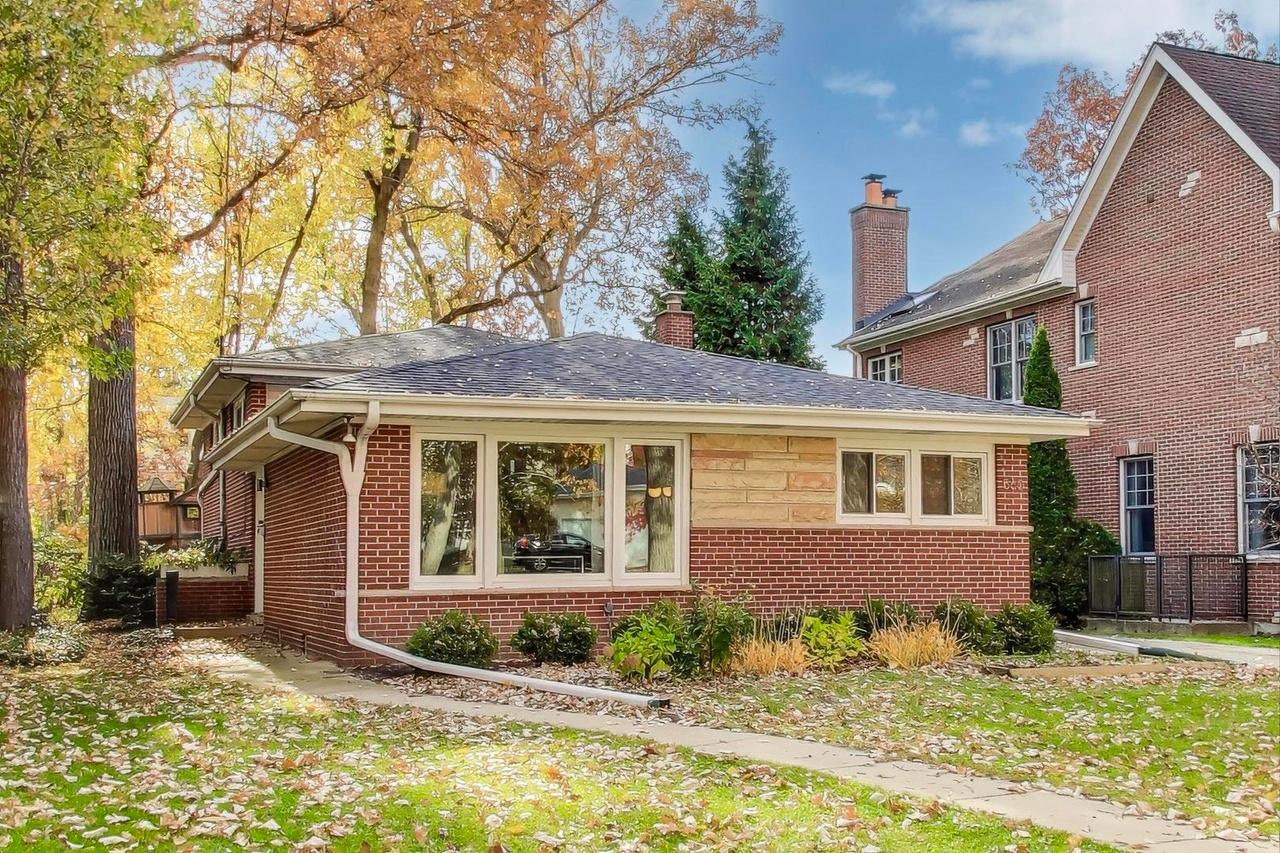
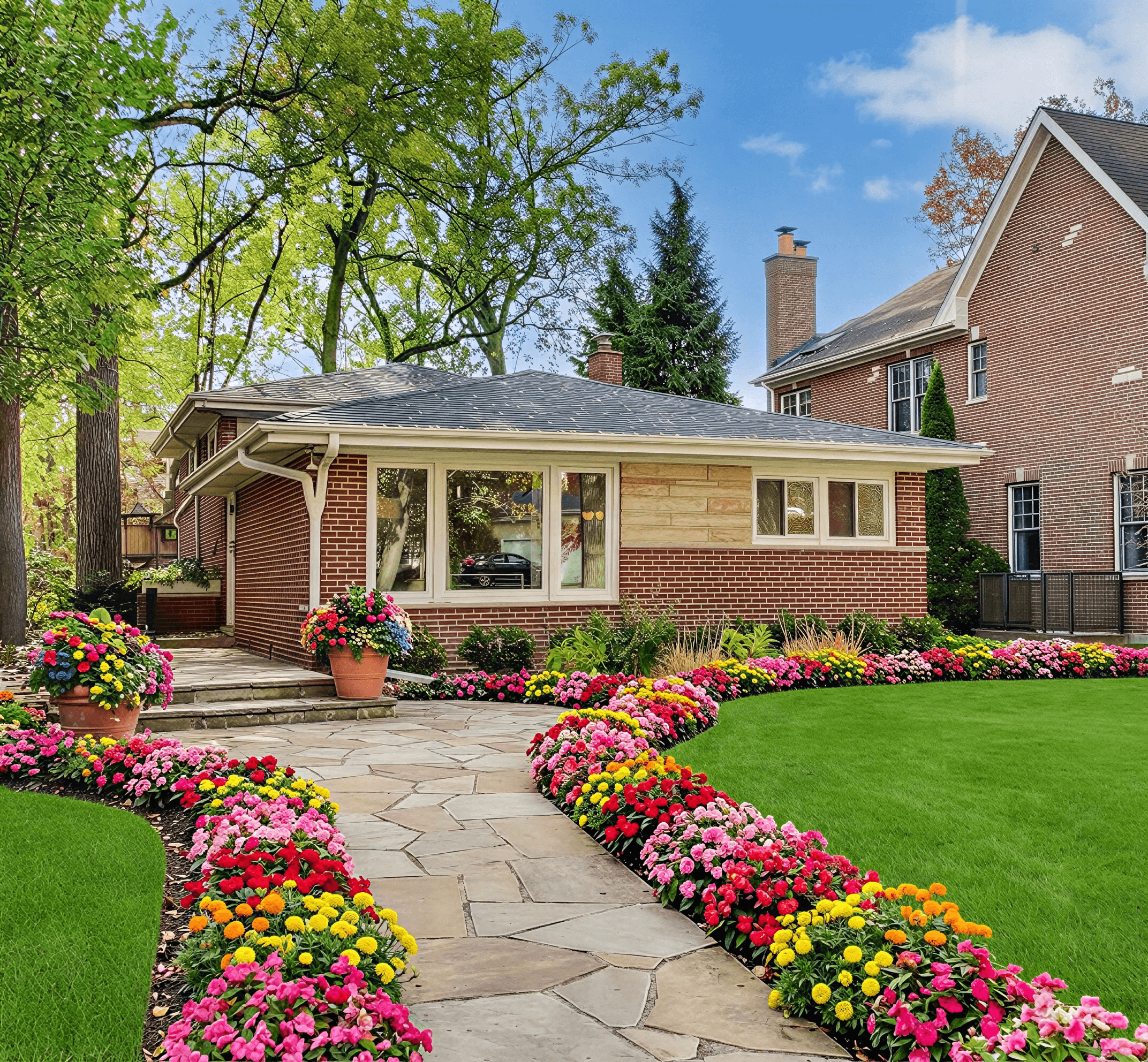
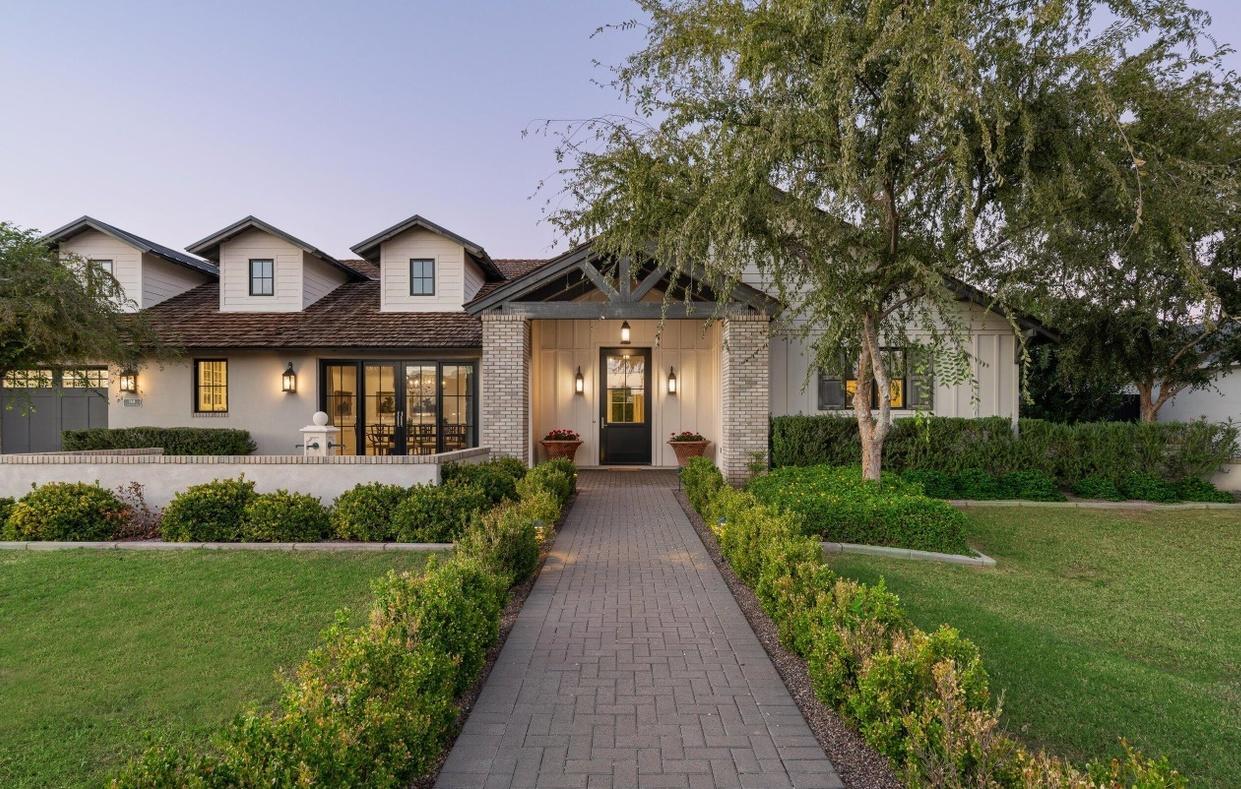
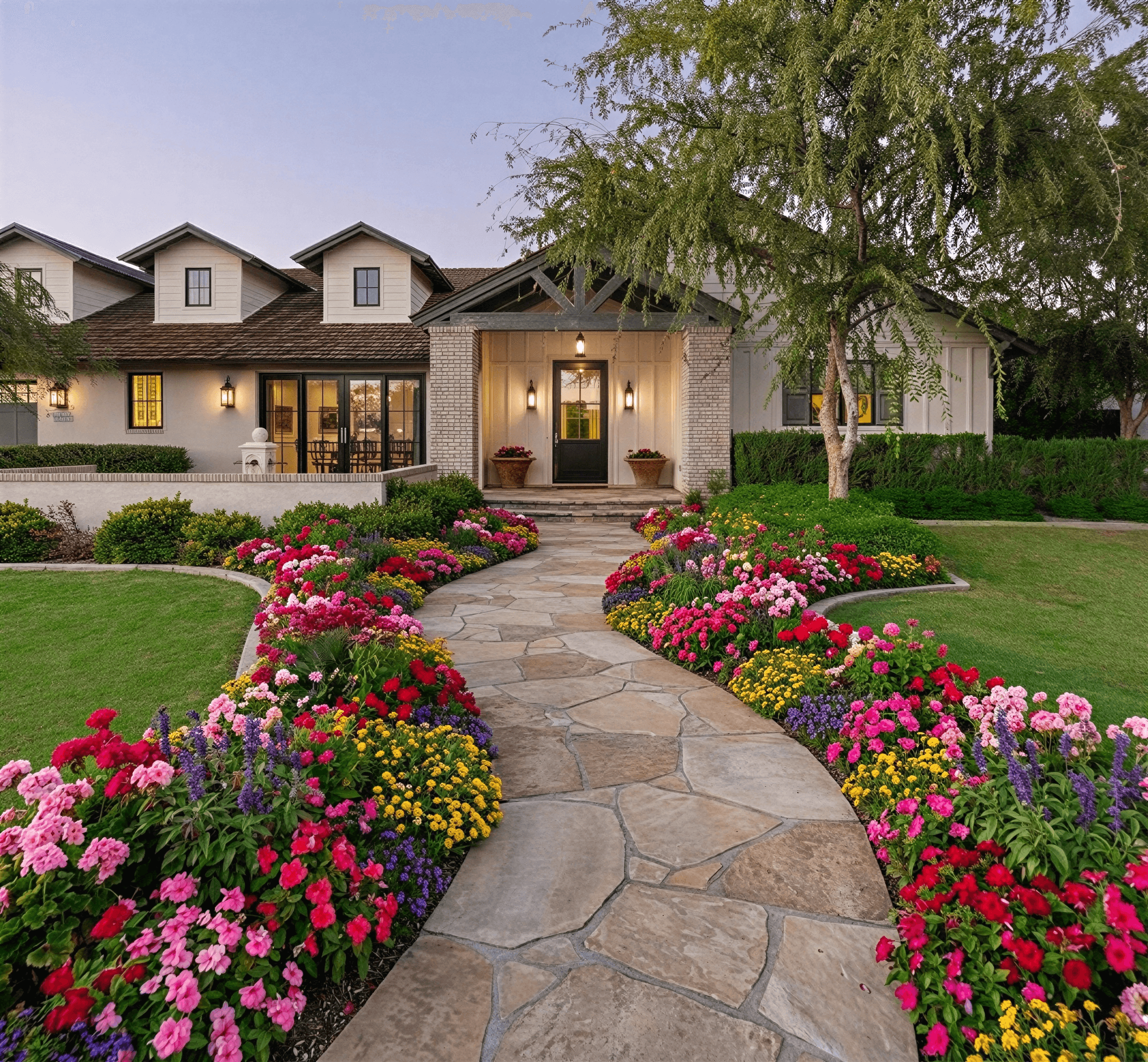
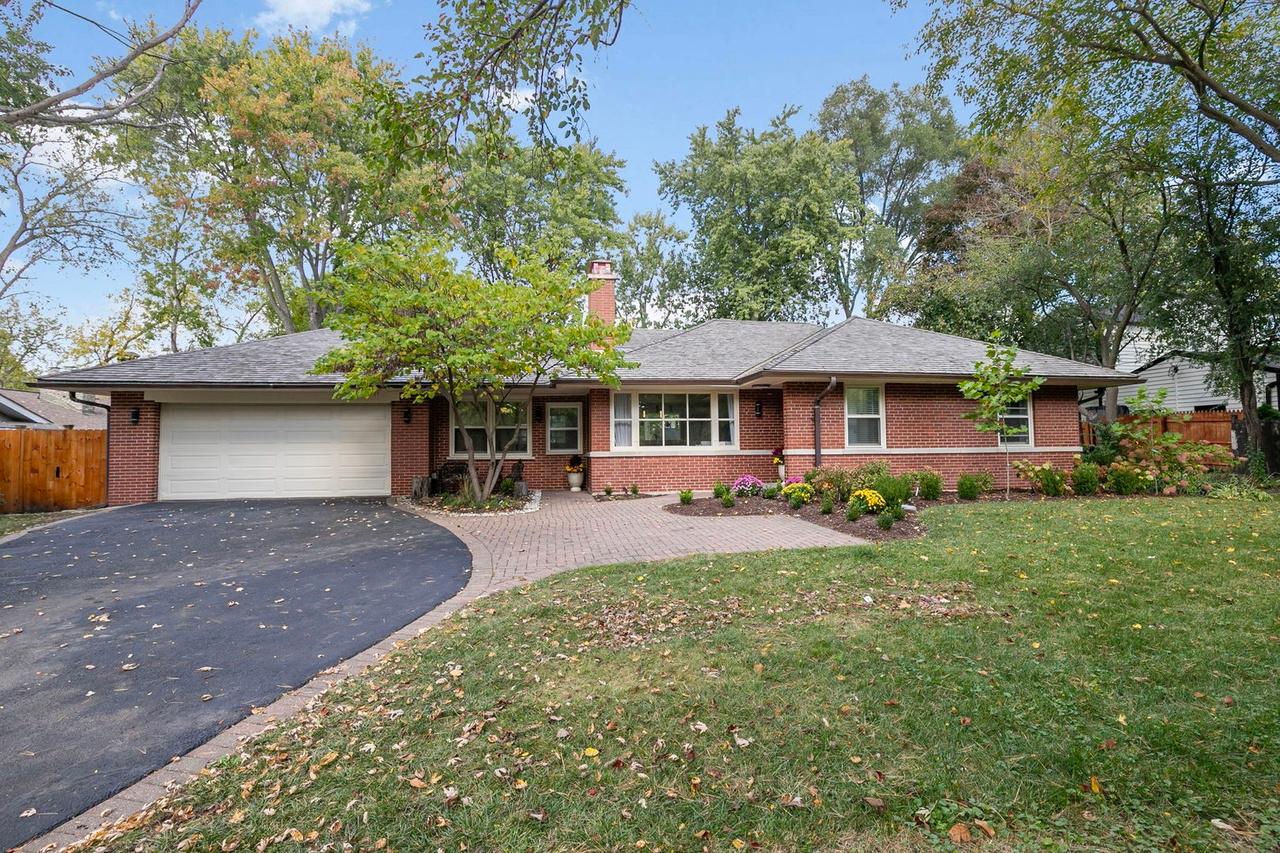
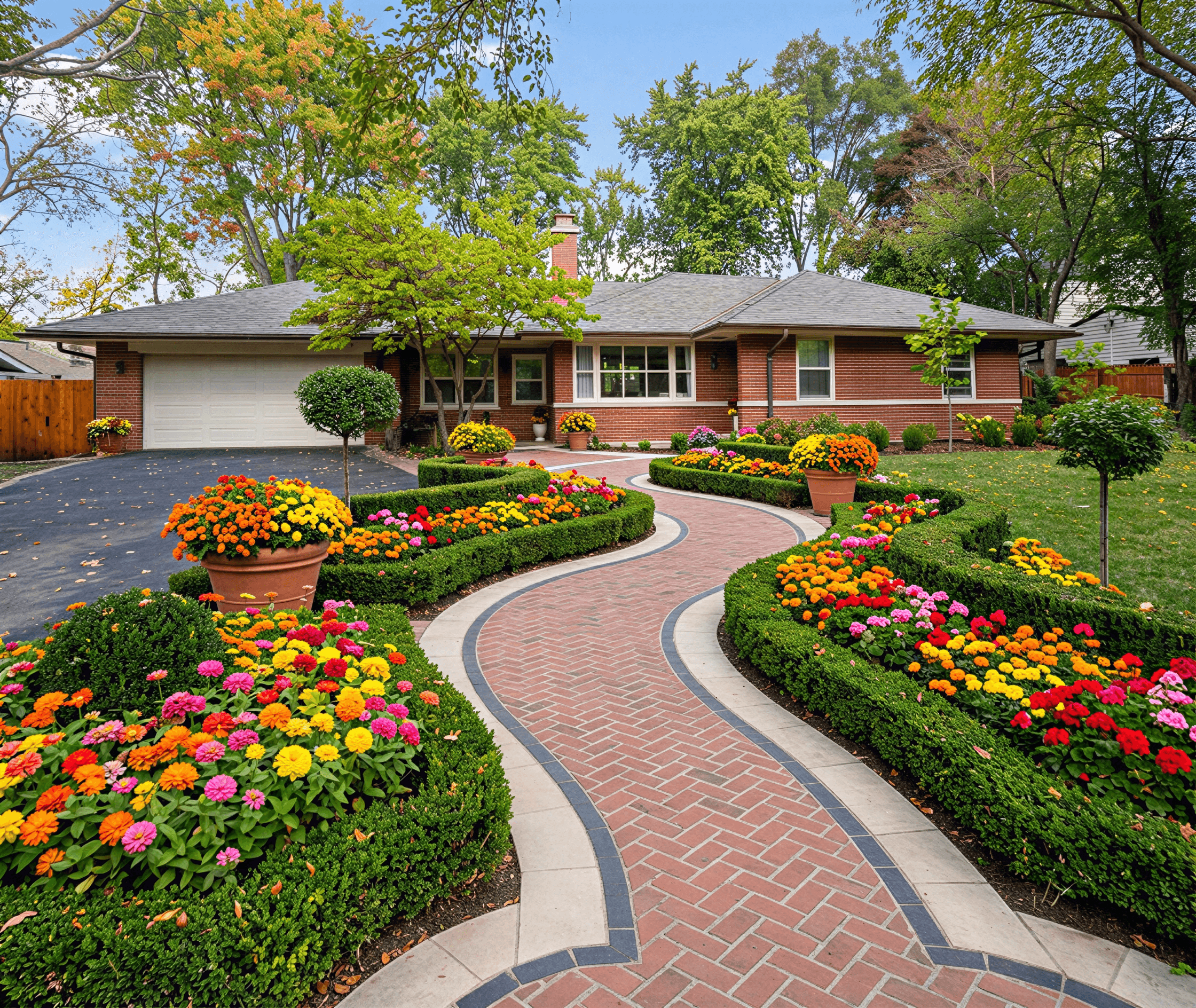
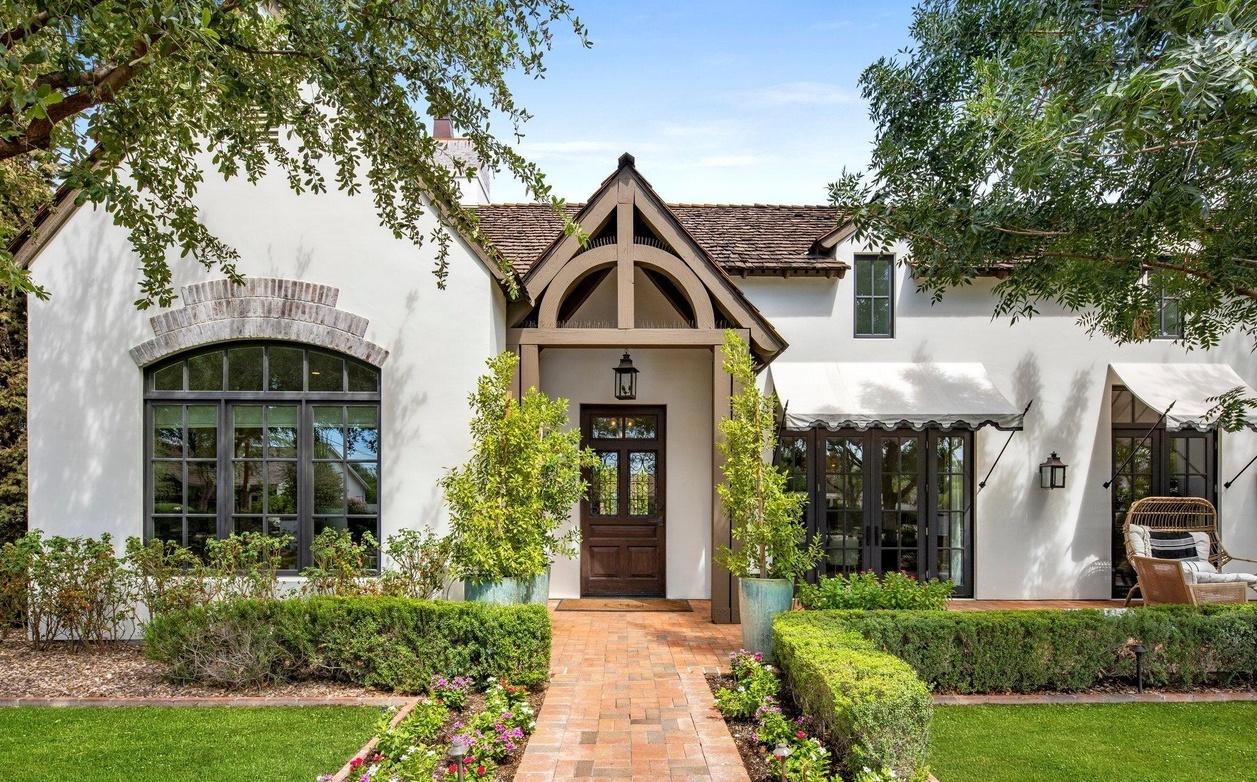
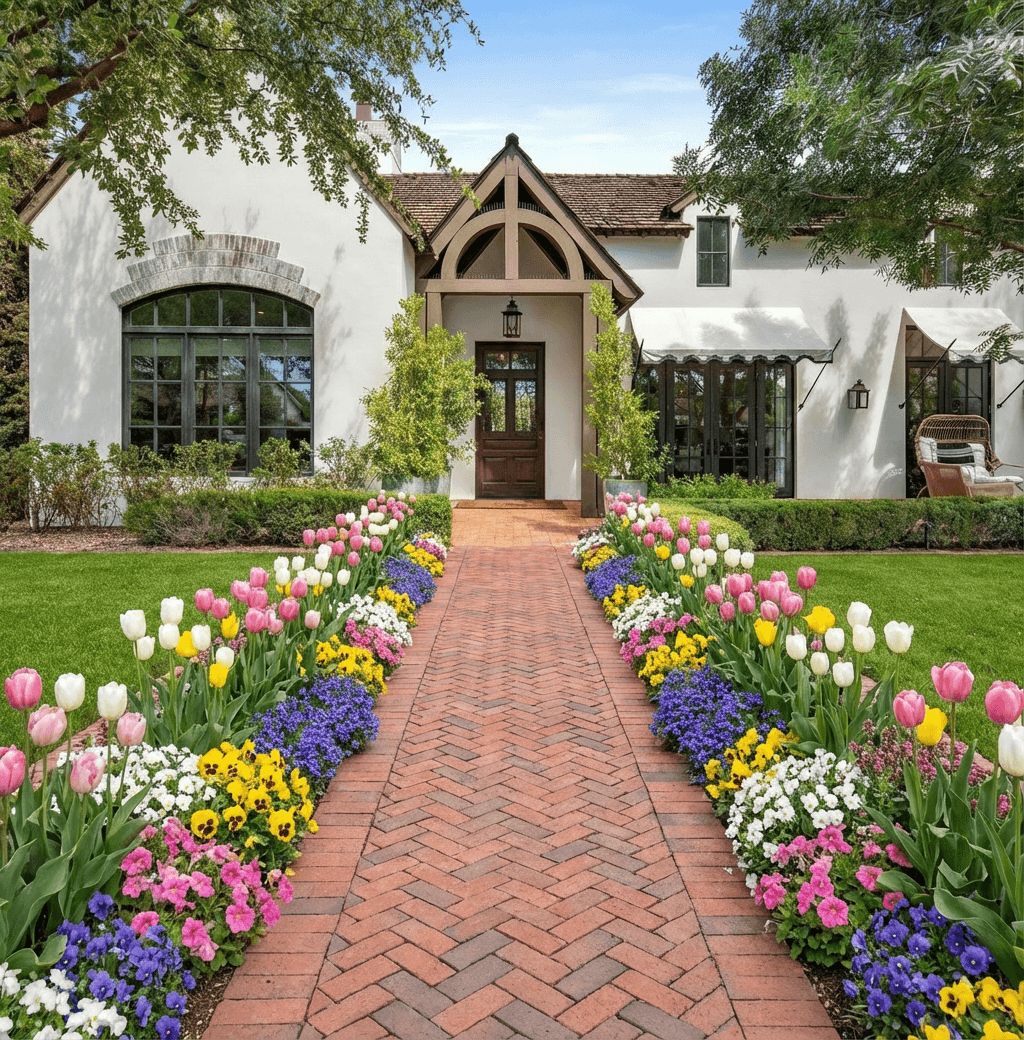
New technology is making it easier than ever to get started. Before you even hire a professional, AI tools like Curb Appeal AI can help you visualize what's possible. These platforms let you instantly see dozens of different design styles applied directly to a photo of your own property.
By generating photorealistic mockups before the first conversation, you can walk into a meeting with a designer armed with a clear vision. This helps bridge the gap between your ideas and their expertise, ensuring the final plan truly reflects what you want.
This simple first step makes the entire design process smoother. When you can show, not just tell, a designer what you’re imagining, you eliminate guesswork and start the project on the right foot. You can learn more about how a comprehensive landscape design elevates your property, making the collaboration with a professional far more efficient and effective.
Designer vs. Architect vs. Contractor: What You Need to Know
When you decide to tackle an outdoor project, you're suddenly faced with a bunch of titles that sound confusingly similar. Landscape designer, landscape architect, landscape contractor—who does what? Getting this wrong can lead to headaches and costly mistakes down the line.
Think of it this way: each one is a specialist with a distinct role. You wouldn't hire a plumber to frame your house, and the same logic applies here. Figuring out who you need to call, and when, is the first step toward getting the job done right.
The Landscape Designer: The Creative Visionary
The landscape designer is the artist of the group. Their world revolves around the beauty, feel, and function of your space, with a deep focus on the living elements—the softscaping. They’re experts in plants, trees, soil, and how to arrange them alongside patios, walkways, and garden beds to create a cohesive, beautiful yard. Most of their work is in the residential world, turning backyards into personal retreats.
A great designer spends time getting to know you. They want to understand your lifestyle, your taste, and what you actually want to do in your yard. They’re masters of horticulture, knowing which plants will look great and, more importantly, which ones will actually survive in your garden’s specific conditions.
A landscape designer is like an interior designer for your yard. They focus on creating a beautiful and functional living space through the strategic use of plants, materials, color, and texture, ensuring the final result feels personal and inviting.
They take all those ideas and create a tangible plan. These aren't just rough sketches; they're detailed layout drawings and planting guides that serve as the project's blueprint. If you dream of a lush English cottage garden but don't have time for constant upkeep, a designer will know the exact mix of perennials and shrubs to give you that look without the demanding workload.
The Landscape Architect: The Big-Picture Engineer
So, where does a landscape architect fit in? While a designer focuses on the aesthetic and horticultural side, an architect deals with projects on a much larger, more structural scale. These professionals are state-licensed, a key distinction that allows them to work on public spaces like parks and plazas or complex residential jobs involving major site changes.
They're the ones you call when your project involves serious technical hurdles. Their licensed expertise is critical for:
- Grading and Drainage: Reshaping the land itself to manage water, prevent erosion, or fix a soggy backyard.
- Structural Elements: Designing large retaining walls, complex decks, or other built features that have to meet strict building codes for safety.
- Permitting and Regulations: Handling the maze of local zoning laws and environmental rules that come with any significant construction.
If your dream yard requires moving a lot of earth or building something that needs an official stamp of approval for safety and compliance, a landscape architect is essential. They ensure the project is not only beautiful but also structurally sound and legally built.
The Landscape Contractor: The Hands-On Builder
After all the planning and designing is done, someone has to actually build it. That's the landscape contractor. They are the skilled builders who take the blueprints from a designer or architect and make them a reality. With their team and equipment, they handle the entire construction process, from demolition to the final planting.
Contractors are the boots on the ground. They source the materials, run the machinery, and physically construct every element of the new landscape. Their work involves:
- Installing patios, walkways, and retaining walls.
- Planting every tree, shrub, and flower exactly where the plan specifies.
- Setting up irrigation, drainage, and outdoor lighting systems.
A clear, detailed plan is a contractor’s best friend. It’s their roadmap, telling them precisely what to build, where to plant, and which materials to use, which prevents guesswork and expensive do-overs. This is where a clear visual concept, like one generated with a tool like Curb Appeal AI, becomes incredibly valuable. It gives the contractor a photorealistic guide, ensuring the final result is a perfect match for the vision everyone agreed on.
To make it even clearer, let's break down how these roles compare side-by-side. Each professional has a specific focus, set of qualifications, and type of project they're best suited for.
Key Differences Between Outdoor Professionals
| Profession | Primary Focus | Typical Projects | Qualifications & Licensing |
|---|---|---|---|
| Landscape Designer | Aesthetics, horticulture, and spatial layout (softscape & hardscape). | Residential gardens, planting plans, patios, walkways, outdoor living areas. | Typically certified or hold degrees in horticulture/design. No state license required. |
| Landscape Architect | Large-scale planning, structural engineering, grading, drainage, and public spaces. | Public parks, commercial properties, complex residential projects with retaining walls or significant site changes. | Must hold a bachelor's or master's degree and pass a state licensing exam (L.A.R.E.). |
| Landscape Contractor | Physical construction and installation of landscape plans. | Building patios, installing plants and irrigation, grading, masonry, lighting. | Must hold a state contractor's license; may have various certifications in irrigation, pesticides, etc. |
Ultimately, understanding these roles helps you assemble the right team. For many residential projects, a designer and a contractor are all you need. For more complex jobs, an architect is a non-negotiable part of the process.
The Landscape Design Process: From Concept to Reality
Taking on a landscape project can feel like a huge undertaking. Where do you even start? A good landscape designer knows how to break it down, turning your big ideas into a clear, step-by-step plan. It’s a creative partnership, really, and it all begins with a simple conversation.
The whole point of having a process is to eliminate guesswork and costly surprises. Every stage, from the first sketch to the final shrub, builds on the last. This keeps you, your designer, and your contractor all on the same page. Let's look at how a professional brings your vision to life.
Step 1: The Initial Consultation and Site Analysis
The first meeting is all about discovery. Your designer will come to your home, walk the property with you, and—most importantly—listen. This is your chance to share what you’re dreaming of, what frustrates you about the current space, how you plan to use it, and what your budget looks like.
While they’re listening to you, they're also "reading" your property. They’ll conduct a site analysis, which is a fancy way of saying they’re gathering all the critical details:
- Taking measurements and noting existing features like mature trees, slopes, or that old patio you want to replace.
- Assessing the conditions—where the sun hits throughout the day, what kind of soil you have, and how water drains.
- Spotting opportunities and challenges, like a great view that should be framed or a noisy road that needs screening.
This first step is about getting on the same page. The designer’s job is to soak up every bit of information so the concepts they create are a perfect fit for you and your land.
Step 2: Developing Concepts and Exploring Visually
Now for the fun part. With all that information in hand, the designer starts sketching out the big picture. They’ll play with different layouts, think about how people will move through the space, and explore a few different styles. Usually, they'll come back to you with one or more preliminary concepts to get your gut reaction.
This is where technology has really changed the game. Instead of waiting for a few hand-drawn sketches, you can now get a head start on the visual part yourself.
Tools like Curb Appeal AI are a game-changer here. You can upload a photo of your yard and instantly generate dozens of photorealistic concepts in different styles, whether you like Modern, Cottage, or even Xeriscape designs. It’s a fantastic way to figure out what you love before you even meet a designer.
When you bring these AI-generated images to your designer, it gives them a crystal-clear idea of your taste. It’s like a visual shortcut, helping them understand your aesthetic right away and move into refining the design much faster.
Step 3: Refining the Design and Selecting Materials
Once you've landed on a concept you're excited about, it's time to zoom in on the details. The designer will refine the layout, creating more precise drawings that nail down the exact shapes and sizes of patios, walkways, and garden beds.
This is also when you'll get hands-on with hardscaping (the non-living elements) and softscaping (the plants).
- Hardscape Materials: You’ll look at samples for things like the stone for a new patio, pavers for a walkway, or the type of wood for a pergola.
- Plant Palette: The designer will create a specific list of plants chosen for their color, texture, and ability to thrive in your garden. They’ll explain the role each plant plays in the overall design.
This is a back-and-forth conversation. Your feedback is what guides the designer as they tweak the plan to make sure every single element works for your style and stays within your budget.
This chart shows how the project typically flows from the designer's creative work to the architect's structural plans (if needed), and finally to the contractor who builds it.

You can see how each professional's role logically follows the next, making for a smooth project from start to finish.
Step 4: The Final Master Plan and Construction Documents
With all the decisions made, the designer pulls everything together into the master plan. This is the official blueprint for your project. It’s a complete set of documents that includes the final layout, a detailed planting plan with a plant schedule, construction details for hardscape features, and plans for lighting or irrigation if they’re part of the scope.
This master plan is the key that you hand over to a landscape contractor. It gives them everything they need to build the designer’s vision exactly as intended, leaving no room for misinterpretation or expensive mistakes. By following this time-tested process, your designer turns a dream into a buildable plan—and a beautiful outdoor space you’ll enjoy for years to come.
What Does a Landscape Designer Cost? A Realistic Breakdown
Hiring a professional landscape designer is one of the best investments you can make for your home, but let's be honest—figuring out the cost can feel like a bit of a mystery. The truth is, there’s no single price tag. A designer's fee is shaped by the size of your project, their years of experience, and how they structure their pricing.
It helps to think of it like bringing on an architect or an interior designer. You're not just paying for someone's time; you're investing in their creative vision, their technical know-how, and their ability to help you avoid expensive mistakes down the road. A great design is an asset that pays you back in curb appeal, property value, and years of outdoor enjoyment.
How Designers Charge for Their Work
When you start getting quotes, you’ll find that most designers use one of three common pricing models. Understanding them will help you compare your options and find a pro that fits your budget.
-
Hourly Rates: This is a popular model for consultations or smaller, well-defined tasks. You simply pay for the time the designer spends on your project, whether it's for site analysis, initial sketches, or sourcing plants. Expect rates anywhere from $75 to over $300 per hour, based on the designer’s reputation and your location.
-
Flat-Fee or Fixed-Price: For a complete design package, many pros will charge a single flat fee. This is great for homeowners because you get a clear, upfront cost for a specific set of services, like a full master plan with planting lists and construction drawings. There are no surprises.
-
Percentage of Project Cost: On larger, more complex projects that involve a lot of construction and installation management, some designers charge a percentage of the total build cost. This fee typically falls between 10% and 20% of the final budget.
No matter the model, you should always get a detailed contract that spells out exactly what’s included. To create those fixed-price proposals, designers rely on accurate estimates. They often use specialized tools like Exayard landscape takeoff software to measure plans precisely and ensure the budget matches the vision.
Using AI to Kickstart Your Design and Save Money
The demand for beautiful, functional outdoor spaces is booming. In fact, the landscaping services market is projected to grow from $668.97 billion in 2025 to $741.53 billion in 2026. A big part of that is creating cohesive designs where everything works together. This is where a little upfront planning can save you a lot of headaches—and money. Mismatched materials or the wrong plants for your climate can plague 30-40% of projects, but new tools are changing the game.
Hiring a designer just to brainstorm ideas can easily run you hundreds in consultation fees. AI design tools completely flip that. You can generate dozens of photorealistic concepts for a tiny fraction of the cost.
This approach lets you explore your style without the financial commitment. You can play with different layouts, color schemes, and plant types, and figure out what you truly want before you ever speak to a professional.
When you finally do meet with a designer, you can show them exactly what you’re imagining. This saves them billable hours trying to guess what's in your head and makes that first meeting incredibly productive. To get a better sense of real-world figures, you can dive deeper into how much landscape design costs in our detailed guide.
How to Hire the Right Landscape Designer
Finding the right landscape designer is probably the most critical part of getting the outdoor space you've been dreaming of. This isn't just about hiring a contractor; you’re looking for a creative partner who gets your vision, can translate it into a workable plan, and will guide you through the entire process. The right fit makes all the difference between a project that’s a headache and one that’s genuinely exciting.
Think of it this way: you need someone you can trust with both your money and your dream. That means your interviews should go beyond just asking "How much?" and "How long?" You need to get a feel for their design style, how they work with clients, and whether you two just plain click.
Before You Even Make the First Call
Do a little homework before you start reaching out to designers. The clearer you are on what you want, the better those first conversations will be. Start by gathering ideas. A Pinterest board is perfect for this, but even just a folder of images you’ve saved of landscapes you love will work wonders. You should also have a realistic budget range in mind and a short list of your absolute must-haves, like a fire pit area or a privacy screen of trees.
This is also a great time to lean on some modern tools to bring your ideas to life. After all, a picture is worth a thousand words.
You can use an AI-powered tool like Curb Appeal AI to generate realistic images of what your own property could look like with different designs. Walking into a meeting with these visuals is a game-changer. It gives a designer an immediate sense of your taste, skipping a ton of back-and-forth and getting you both on the same page from day one.
Imagine handing them a picture and asking, "Can you help me create something like this?" Their reaction and the questions they ask next will tell you a whole lot about how they work and if they're the right person to execute your vision.
Key Questions to Ask a Landscape Designer
Once you’re sitting down with a designer, you want to get a sense of three things: their past work, their process, and their local expertise. Here are the kinds of questions that will get you the answers you need.
-
Portfolio and Past Projects:
- Can you walk me through a few projects that are similar in style or scope to what I'm looking for?
- What was the biggest curveball on that project, and how did you handle it?
- Would it be possible to speak with a couple of your past clients?
-
The Design Process and How You'll Work Together:
- How do you like to involve your clients? How often can I expect us to connect?
- What exactly do I get at the end of the design phase? (e.g., a master plan, planting lists, 3D models?)
- How do you keep the project on budget? What happens if I want to make changes along the way?
-
Local Know-How and Plant Knowledge:
- How well do you know the soil, climate, and building codes right here in our area?
- What’s your approach to using native or drought-tolerant plants?
- Based on my goals, what are some low-maintenance plants you'd recommend?
The way they answer should leave you feeling confident, not just in their design chops, but in their ability to manage the whole process smoothly. You're searching for a partner who really listens, gives you straight answers, and is clearly passionate about creating a space that won't just look good but will actually thrive where you live.
Sustainable Design and Smart Technology in 2026

The idea of a perfect yard is changing. For years, it was all about lush, green lawns, no matter the cost or effort. Now, in 2026, the most sought-after landscapes are those that look great while working with the local environment, not against it. It's a shift from high-maintenance to high-performance, creating outdoor spaces that are both beautiful and genuinely sustainable.
This green-first approach is now central to how professional landscape designers think and work. It's no longer a niche specialty. In fact, 100% of leading professional bodies now require their members to meet measurable climate-positive targets. This consumer demand for smarter, more resilient yards is a major force behind the US landscape services market, which is on track to hit $188.8 billion in 2025. It’s a clear sign that eco-conscious design is shaping the future, with a growing focus on sustainable landscaping trends like xeriscaping.
Core Principles of Sustainable Landscaping
So, what does a sustainable yard actually involve? It boils down to a few core ideas that a good landscape designer will weave into their plans. These aren't just for eco-warriors; they're practical choices that lead to less work and a healthier yard.
- Xeriscaping: This is all about smart water use. Forget the old image of just rocks and cactus. Modern xeriscaping uses stunning, drought-tolerant plants that thrive in your climate with minimal watering.
- Native Planting: Using plants that are native to your region is a game-changer. They're already adapted to your soil and weather, which means they need less help from you. They also provide vital food and shelter for local birds and pollinators.
- Water-Wise Irrigation: Old-school sprinklers waste a ton of water. Modern systems use drip lines and smart controllers to deliver water right where it's needed—at the roots. A properly designed system can slash your outdoor water consumption by 50-70%.
The beauty of these practices is that they create a self-sufficient landscape. You’ll spend less time and money on watering, fertilizing, and general upkeep, and more time simply enjoying the space.
Technology Making Green Design Accessible
What’s really making sustainable design take off is technology. It takes the guesswork out of the equation and puts powerful planning tools into the hands of homeowners and pros alike. For instance, AI is revolutionizing one of the trickiest parts of landscaping: choosing the right plants.
This marriage of smart technology and green principles is where the future of landscaping is headed. It helps solve a huge, costly problem: a staggering 50% of non-zone-appropriate plants die within a year. That's a massive waste of money, time, and natural resources.
Tools like Curb Appeal AI are designed to prevent that kind of failure right from the start. They use hardiness zone intelligence to recommend plants that are practically guaranteed to thrive in your specific area. You can upload a photo of your house, experiment with sustainable styles like Desert or Mediterranean, and get a tailored plant list that fits your climate. To see how it works, check out our guide on using a modern AI landscape design tool. This approach lets you plan with confidence, ensuring your investment grows into a vibrant, long-lasting landscape.
Frequently Asked Questions About Landscape Design
Stepping into the world of landscape design can feel a little overwhelming, and it's natural to have questions. Whether you're dreaming of a small garden refresh or a total backyard transformation, getting clear answers is the first step. Let's walk through some of the most common questions we hear from homeowners.
How Long Does the Landscape Design Process Take?
This is a classic "it depends" question, but the answer really comes down to the scope of your project. A simple planting plan for your front yard might be wrapped up in just a few weeks.
On the other hand, if you're looking for a complete master plan for your entire property—think patios, walkways, lighting, and detailed construction drawings—you could be looking at a timeline of several months. The designer’s own schedule, the complexity of your site, and how quickly you can give feedback all play a part. A good professional will always lay out a realistic schedule right from the start.
Do I Need a Full Design for a Small Project?
That's a common misconception, but no, you don't. You don't always need a comprehensive blueprint if you're just making a targeted update. Most designers offer a menu of services that can be scaled to fit your needs.
For smaller jobs, you could look into options like:
- A one-time consultation to get an expert's eye on a problem area or brainstorm ideas.
- A simple planting plan that focuses on just one part of your yard, like a flower bed or foundation plantings.
This is a fantastic way to get professional guidance without committing to a large-scale project. It’s all about making smart, impactful changes where they matter most.
Can a Landscape Designer Help Me Stay Within My Budget?
Yes, and this is one of their most valuable roles. A designer isn't there to push you to spend more; they’re there to make your budget work harder. They are masters at creating a stunning vision that respects your financial boundaries.
A designer helps you manage costs by:
- Recommending beautiful plants and materials that are more cost-effective.
- Phasing the installation over multiple seasons to spread out the expense.
- Guiding you on where to invest for the biggest "wow" factor first.
Ultimately, they act as your advocate, preventing expensive missteps and ensuring the final plan is as practical as it is beautiful. They bridge the gap between your dream yard and what you can realistically spend.
Pro Tip: To get the most out of your first meeting, do a little homework. Pull together photos of what you like, settle on a rough budget, and make a list of your must-haves. Showing a designer what you love—and what you can spend—makes the whole process smoother for everyone.
What Should I Prepare for My First Meeting?
Coming prepared to that initial consultation can make a world of difference. Try to gather pictures of landscapes and gardens that you find inspiring; a Pinterest board is perfect for this. It’s also incredibly helpful to have a solid idea of your total budget and a wish list of features, whether it's a patio for summer dinners, a safe play area for the kids, or that rose garden you've always wanted.
Ready to skip the guesswork and see what your home could look like? With Curb Appeal AI, you can generate dozens of photorealistic design concepts for your property in seconds. Explore styles, find plants that thrive in your climate, and show your designer exactly what you envision. Start exploring your home's potential today at https://www.curbappealai.co.