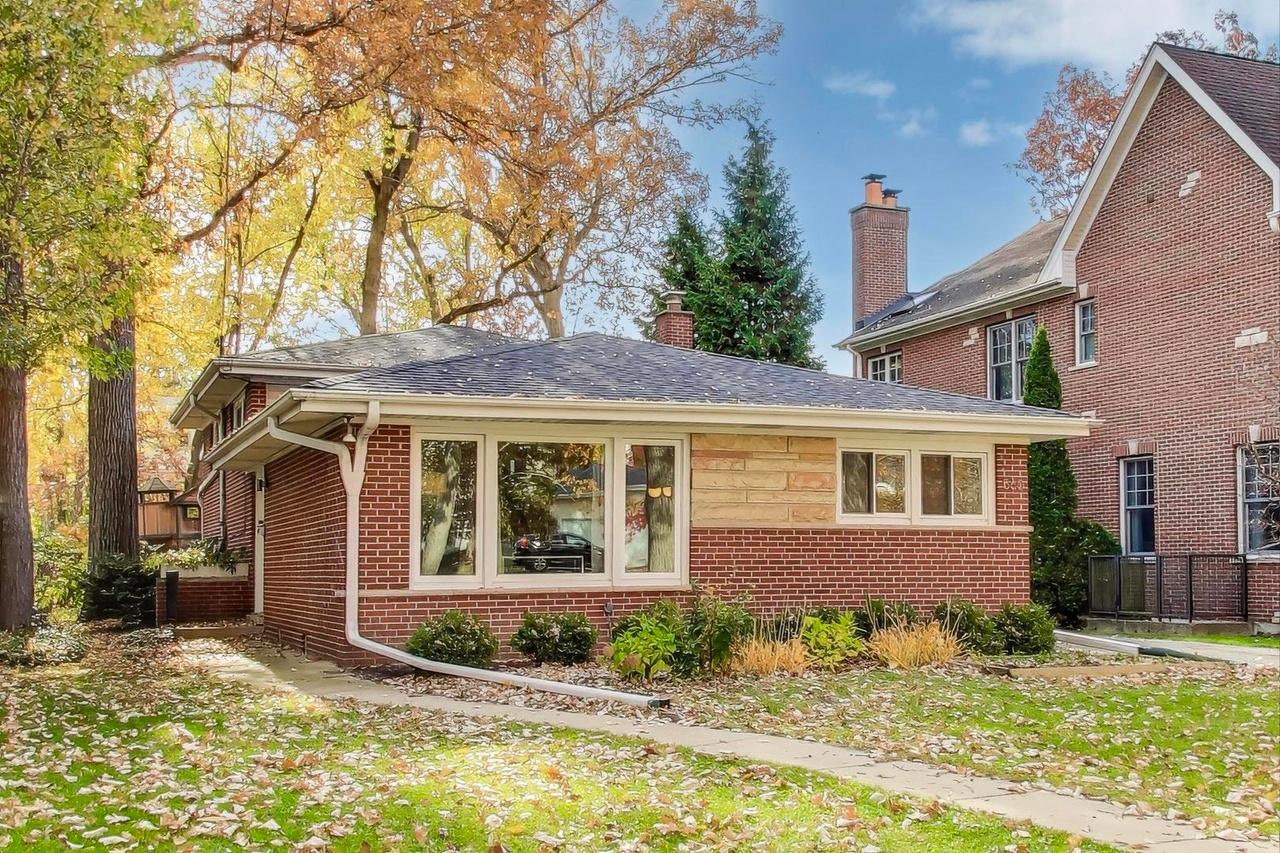
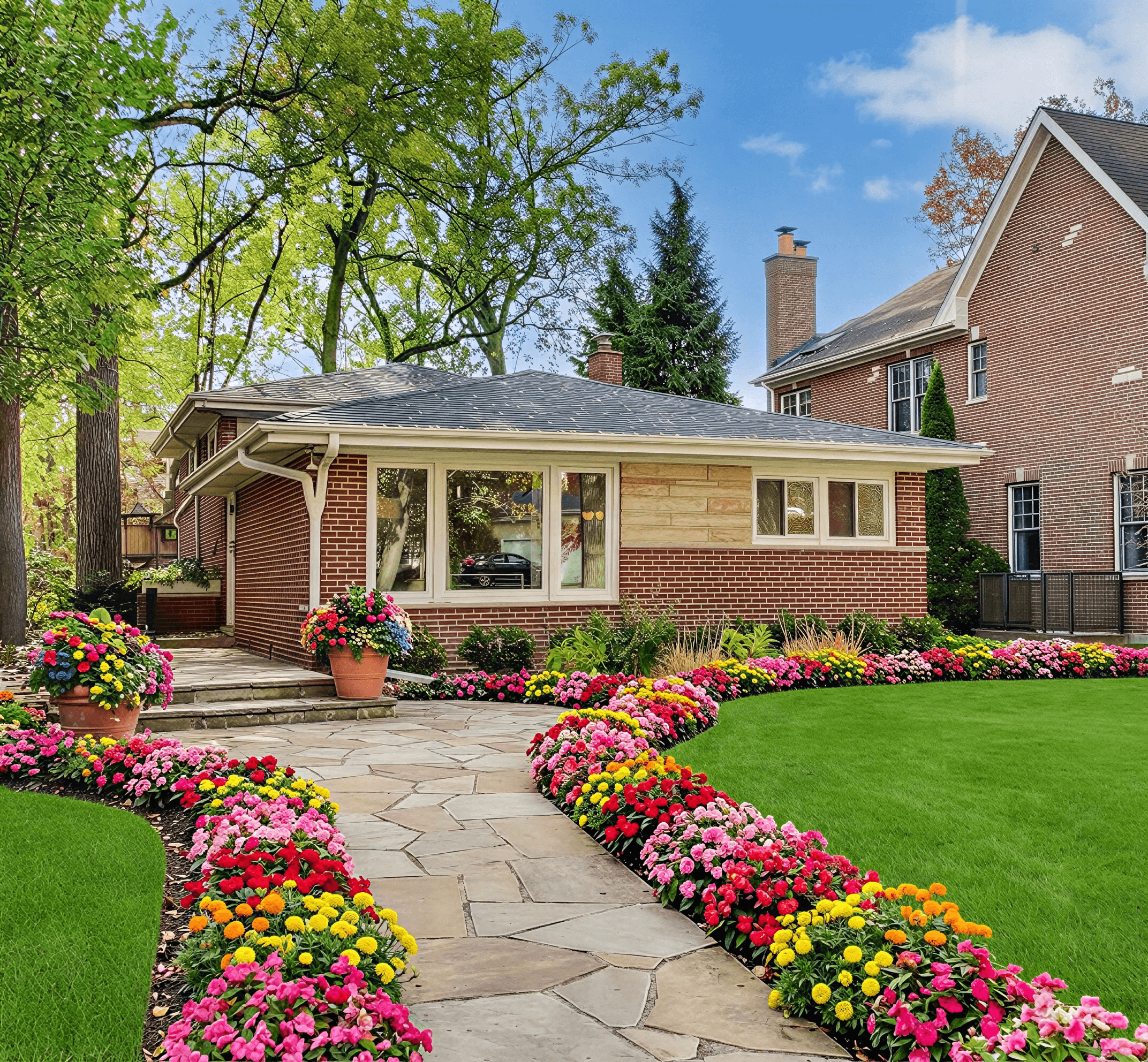
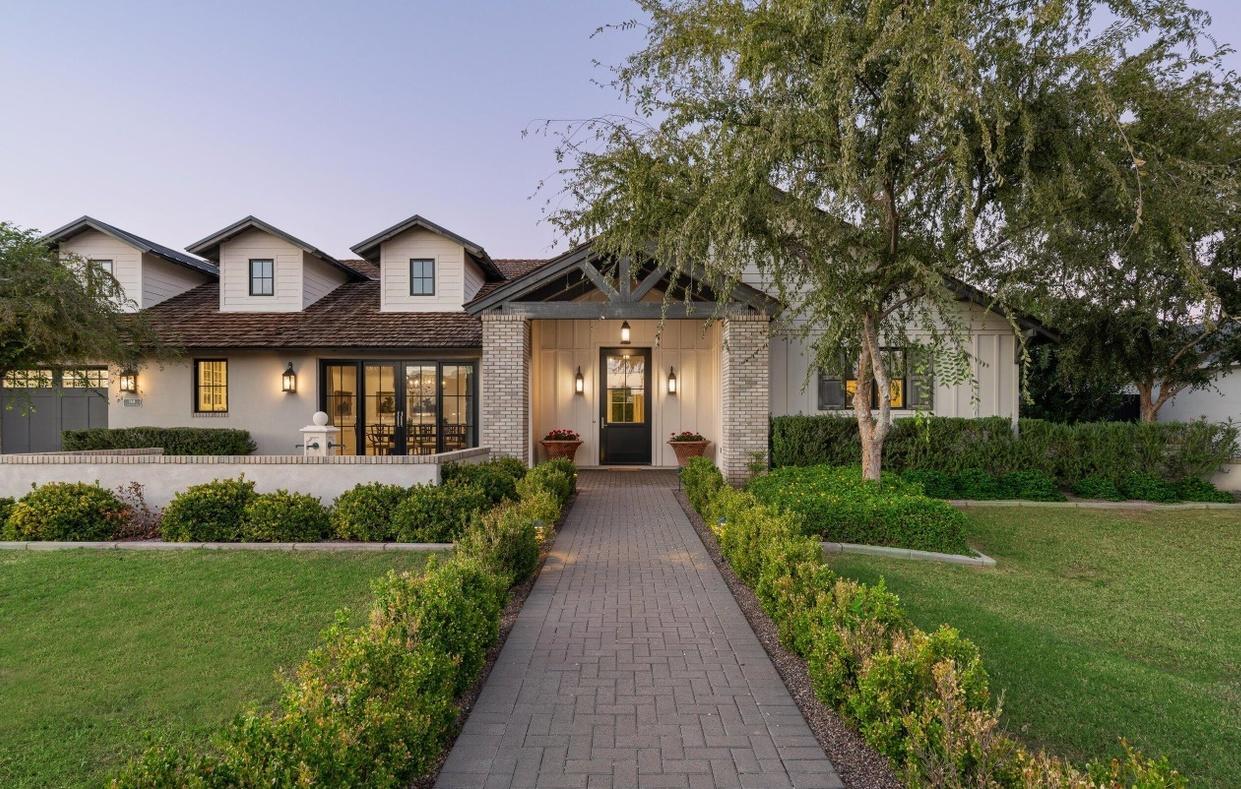
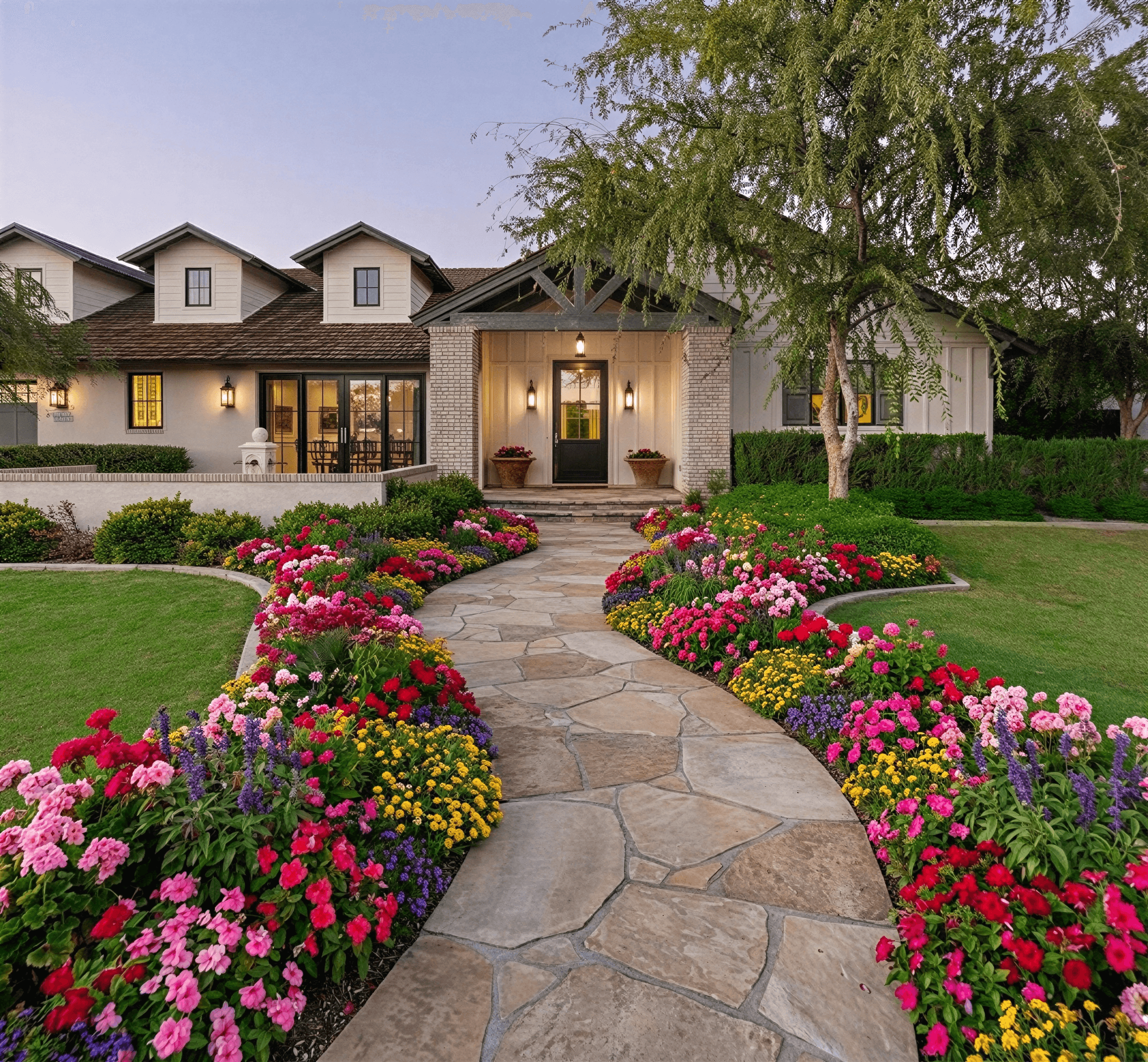
Top 10 Cottage Garden Landscaping Ideas for Timeless Charm in 2026
The cottage garden is more than just a planting style; it's a romantic, living tapestry that weaves together color, fragrance, and texture with an air of effortless grace. This seemingly spontaneous abundance, however, is born from thoughtful planning and a deep appreciation for nature's rhythms. The goal is to create a space that feels personal, established, and bursting with life. Unlike formal gardens with rigid lines and controlled palettes, the cottage garden celebrates imperfection, self-seeding volunteers, and flowers spilling over meandering pathways.
This style embraces both beauty and utility, where heirloom roses might grow alongside kitchen herbs and cutting flowers. It’s an approach that prioritizes a lush, full look, creating a sense of immersive sanctuary right outside your door. The key is combining structural elements with a relaxed planting scheme to achieve that iconic, charming aesthetic.
In this comprehensive guide, we'll explore foundational cottage garden landscaping ideas to help you transform your yard into a picturesque retreat. We will move beyond simple plant lists to provide actionable strategies for creating lasting charm and function. You will learn how to:
- Structure your space with mixed perennial borders and rustic hardscapes like stone walls and picket fences.
- Create sensory experiences by layering fragrant plants and designing informal, inviting pathways.
- Ensure year-round interest with mixed shrub borders and heirloom plant selections.
- Integrate practical elements like cutting gardens and cozy seating areas.
Each idea provides a practical roadmap, complete with specific plant suggestions and design tips. We will also demonstrate how modern tools like Curb Appeal AI can help you visualize these classic designs on your own home, removing the guesswork and ensuring your vision comes to life exactly as you imagined, perfectly suited to your climate and architecture. Let's begin crafting your dream garden.
1. Mixed Perennial Borders
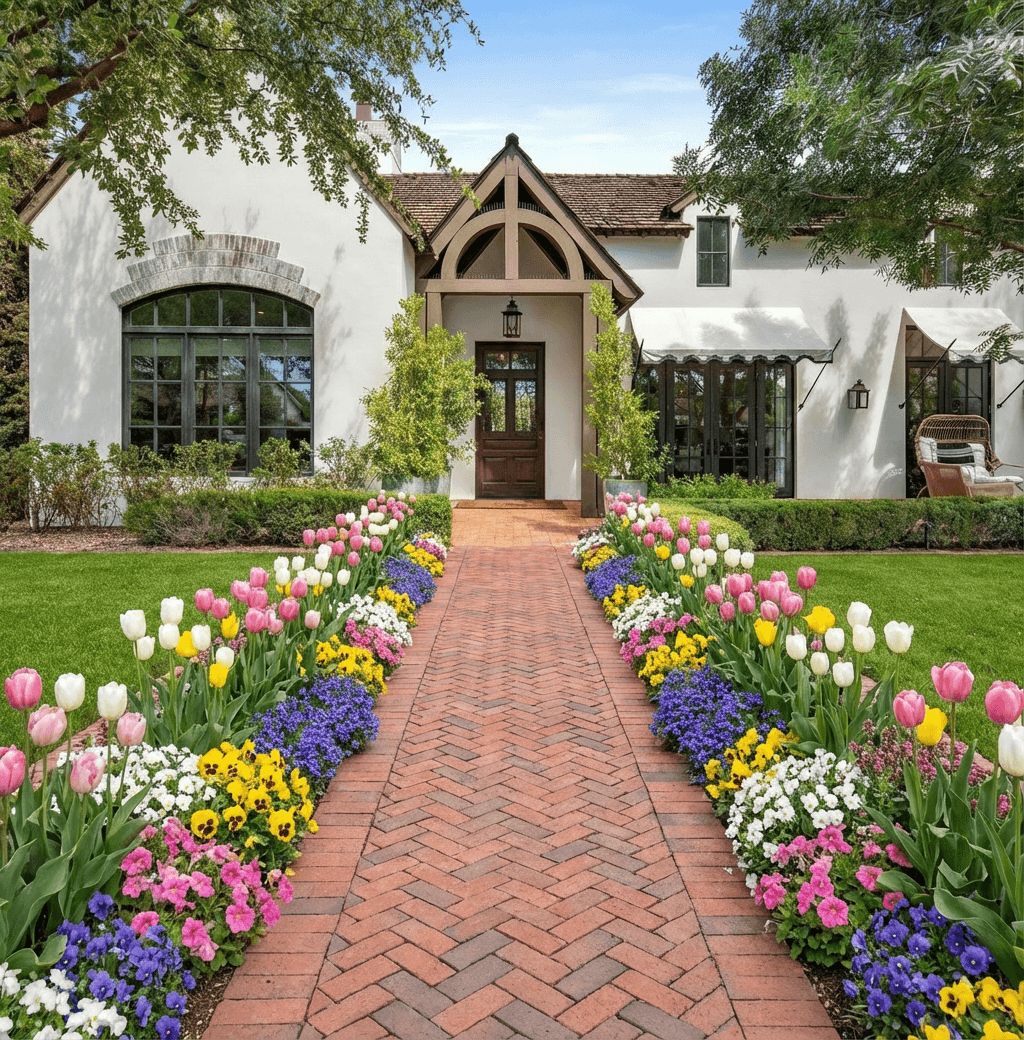
The mixed perennial border is the quintessential heart of cottage garden landscaping ideas. It moves away from rigid, formal lines, embracing a lush, layered tapestry of flowers and foliage that evolves throughout the seasons. This design principle, championed by horticultural legends like Gertrude Jekyll, involves densely planting a variety of perennials with different heights, textures, and bloom times to create a continuous and abundant display.
Instead of single, isolated plants, perennials are massed together in organic drifts, allowing colors and forms to intermingle naturally. This creates a sense of depth and informal charm that is central to the cottage aesthetic. The goal is to achieve a garden that looks effortlessly beautiful, even though it's built on a well-planned foundation of succession planting and color theory.
Implementation and Key Considerations
To successfully create a mixed border, think in layers from back to front. Place taller plants like delphiniums, foxgloves, or hollyhocks at the rear of the bed. Mid-height plants such as peonies, Shasta daisies, and phlox can fill the middle ground, while low-growing varieties like catmint, hardy geraniums, and lady's mantle soften the edges.
Pro Tip: Plant in odd-numbered groups (3, 5, or 7 of the same plant) to create natural-looking clumps rather than stiff, uniform rows. This simple technique is key to achieving that signature cottage garden feel.
Actionable Tips for a Thriving Border
- Plan for All Seasons: Select a mix of early, mid, and late-season bloomers to ensure your border is never without color. For example, combine early spring tulips with summer-blooming coneflowers and autumn-flowering asters.
- Leverage Technology: Use a tool like Curb Appeal AI to visualize different plant combinations. Its hardiness zone intelligence helps you select perennials guaranteed to thrive in your specific climate, taking the guesswork out of plant selection.
- Mulch Generously: Apply a 3-4 inch layer of organic mulch in the first year. This suppresses weeds while your new perennials establish their root systems, reducing maintenance significantly.
- Encourage Reblooming: Deadhead spent flowers regularly on plants like salvias and coreopsis to encourage a second or even third flush of blooms.
- Manage Sunlight: Many classic cottage perennials thrive in bright conditions. For beds that receive intense sun, choosing the right plants is crucial. Discover more options with these full sun landscaping ideas.
2. Flowering Arbors and Archways
Flowering arbors and archways are romantic, structural elements that provide vertical interest and a sense of enchantment, making them iconic cottage garden landscaping ideas. These features serve as beautiful gateways, framing views or transitioning between different garden "rooms." By clothing a simple structure in climbing vines like roses, clematis, or honeysuckle, you create a living focal point that adds height, fragrance, and a profusion of color.
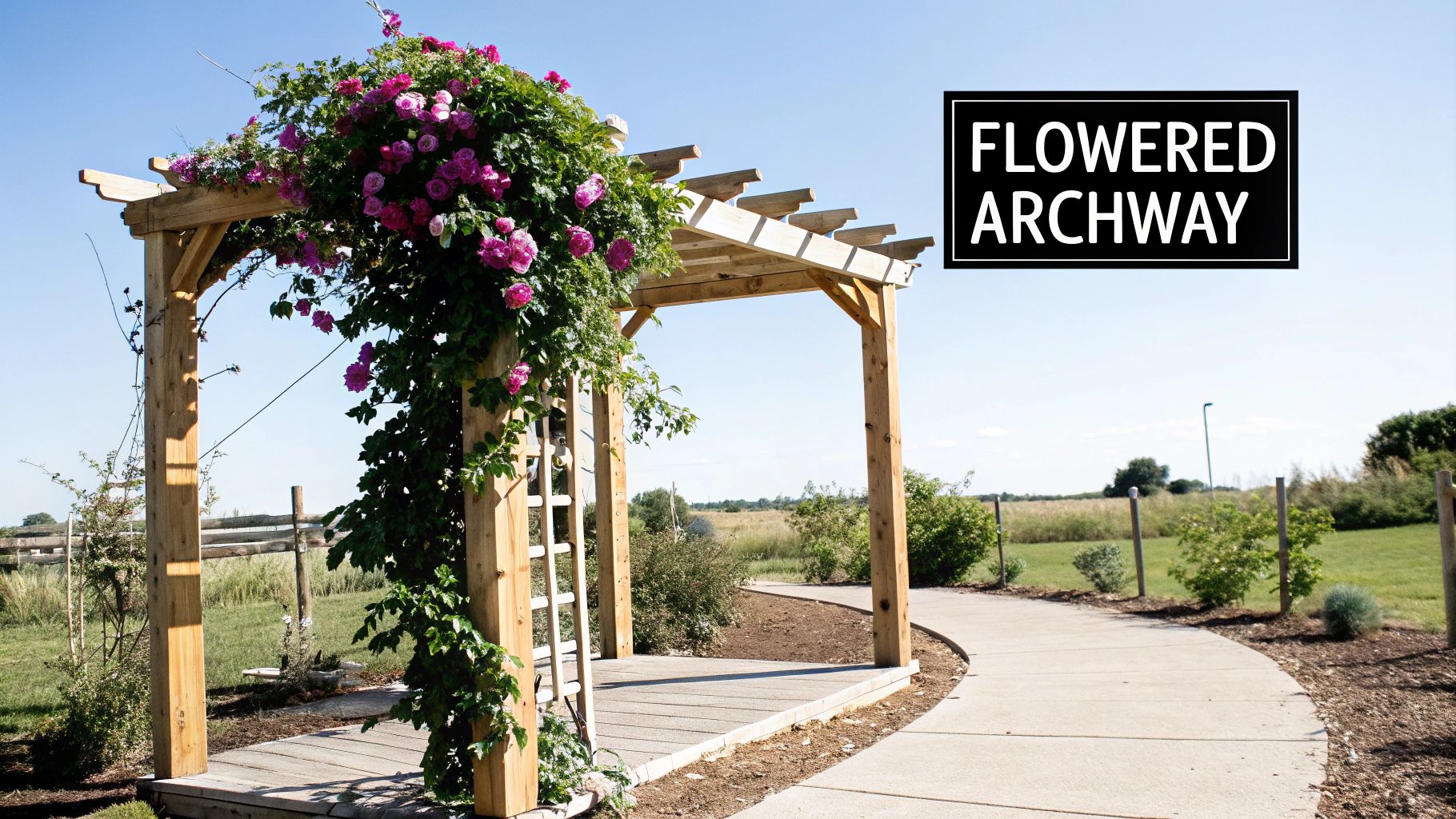
Inspired by historic English estates like Hidcote Manor Garden and Monet's famous rose-covered tunnels at Giverny, arbors invite you into the garden. They transform a simple path into a captivating journey, offering a hint of the lush beauty that lies beyond. This technique is especially effective in smaller spaces, drawing the eye upward to create an illusion of a larger, more dynamic garden.
Implementation and Key Considerations
The success of a flowering archway depends on a sturdy structure and the right plant choices. Always install the arbor before planting to avoid damaging the root systems of your climbers. Position the structure to frame a doorway, a special specimen plant, or a garden bench. When planting, place your climbing vines at the base of the arbor's legs, not directly in the middle of the path.
Pro Tip: Train your climbing vines to grow horizontally along the structure's supports first, rather than letting them shoot straight up. Use soft ties to gently guide the main stems. This encourages lateral growth, resulting in much fuller, more even coverage and a greater abundance of flowers.
Actionable Tips for a Thriving Archway
- Choose Repeat Bloomers: Select cultivars of climbing roses or clematis known for reblooming. This ensures a continuous display of flowers from late spring through fall, rather than one brief flush.
- Visualize the Final Look: Before you build, use a tool like Curb Appeal AI to create a render of the arbor with mature, flowering vines. This helps you preview the dramatic impact and choose the best placement and plant colors.
- Pair Your Plants: Combine two different climbers for a longer bloom season and more complex look. A classic pairing is a climbing rose with a large-flowered clematis, where the clematis can elegantly weave through the rose's thorny structure.
- Ensure Proper Airflow: While you want dense coverage, don't allow the foliage to become so thick that it restricts air circulation. Prune selectively each year to maintain plant health and prevent fungal diseases like black spot or powdery mildew.
3. Fragrant Plant Layering
A truly immersive cottage garden engages more than just the eyes; it captivates the sense of smell. Fragrant plant layering is a core principle in cottage garden landscaping ideas, focusing on the strategic placement of scented plants to create an evolving aromatic experience. This design technique weaves fragrance throughout the garden at different heights and locations, ensuring a pleasant scent greets you at every turn.
The goal is to create a multi-sensory journey, not just a beautiful view. By layering plants with different bloom times and scent profiles, from the spicy aroma of dianthus near a path to the sweet perfume of a climbing rose on a trellis, the garden becomes a living, breathing space. This approach, championed by designers like Vita Sackville-West at Sissinghurst, elevates the garden from a visual display to a deeply personal sanctuary.
Implementation and Key Considerations
To effectively layer fragrance, consider the garden's layout and how you use the space. Place highly aromatic plants along walkways, near windows and doors, and around seating areas where their scents can be most appreciated. Taller fragrant shrubs like lilac or viburnum can form the scented backdrop, while mid-height perennials such as phlox and lavender fill the middle. Low-growing, fragrant groundcovers like creeping thyme can release their aroma when stepped on.
Pro Tip: Plant night-scented varieties like evening primrose, moonflower, or nicotiana near patios and decks. Their fragrance intensifies after dusk, creating a magical atmosphere for evening relaxation.
Actionable Tips for a Scented Haven
- Plan for Scent Succession: Choose plants that bloom sequentially to ensure a continuous fragrance from spring through fall. Start with hyacinths and daffodils, move to peonies and roses in summer, and finish with sweet autumn clematis.
- Visualize Scent Zones: Use a tool like Curb Appeal AI to map out where your fragrant plants will go. You can visualize how a climbing jasmine will look on a pergola or how a drift of lavender will frame a seating area, ensuring you place them for maximum sensory impact.
- Don't Overwhelm the Senses: Be mindful of combining too many strong, competing scents in one small area. Group plants with complementary aromas, such as the classic pairing of rose and lavender, to create a harmonious blend.
- Consider Scented Foliage: Incorporate plants with aromatic leaves, like rosemary, scented geraniums, and mint. Brushing against them as you walk by releases their essential oils, adding another layer of fragrance.
- Harness the Wind: Position fragrant plants upwind of your most-used outdoor spaces. The breeze will naturally carry their scent across the yard, extending the aromatic experience.
4. Informal Pathways with Edge Plantings
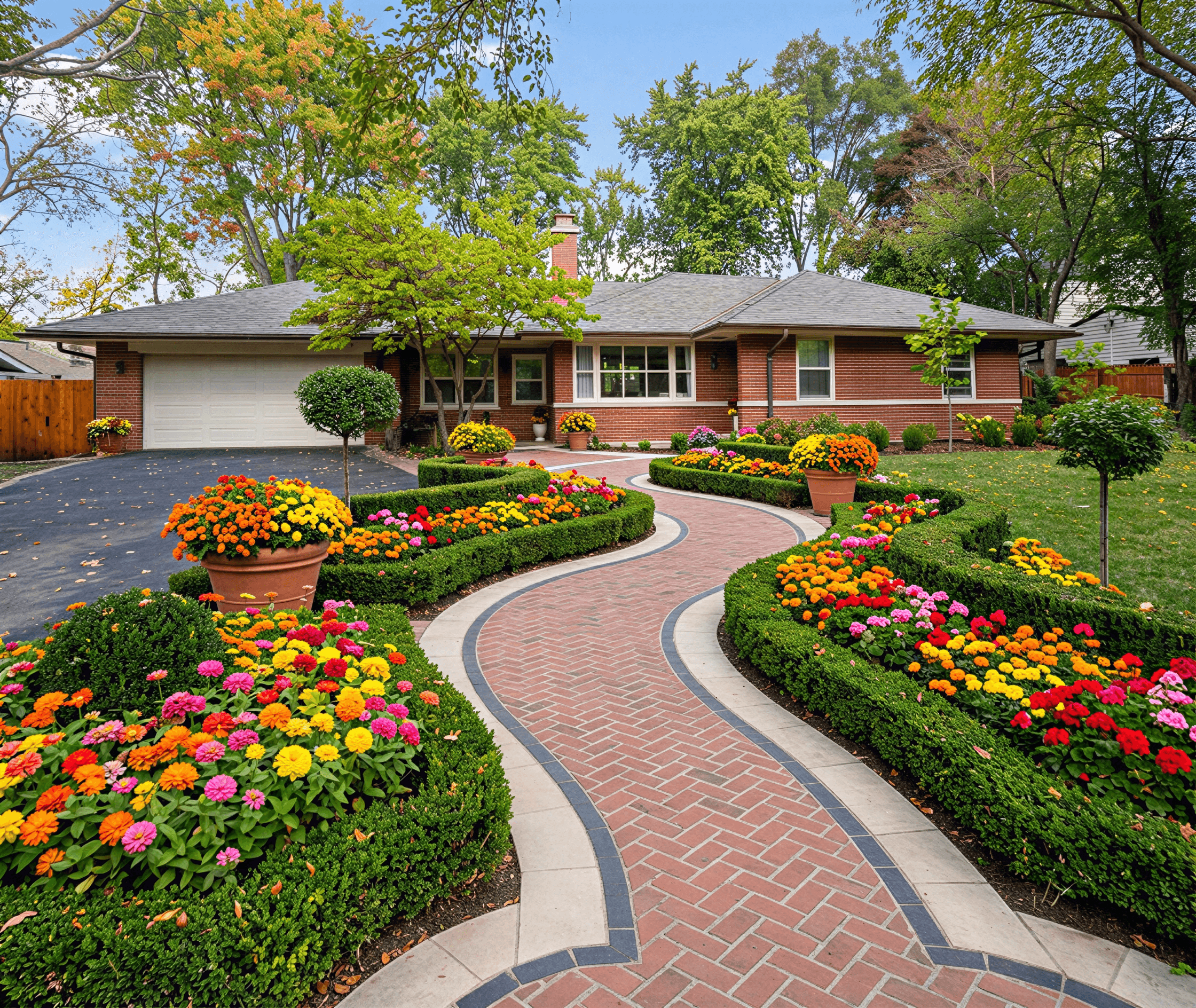
Informal pathways are the gentle guides through the enchanting chaos of a cottage garden, replacing rigid, straight lines with soft, meandering curves. This approach to cottage garden landscaping ideas is about creating a journey rather than just a route. The path itself becomes part of the tapestry, with edges softened by a riot of self-seeding flowers and cascading plants spilling over onto the walkway.
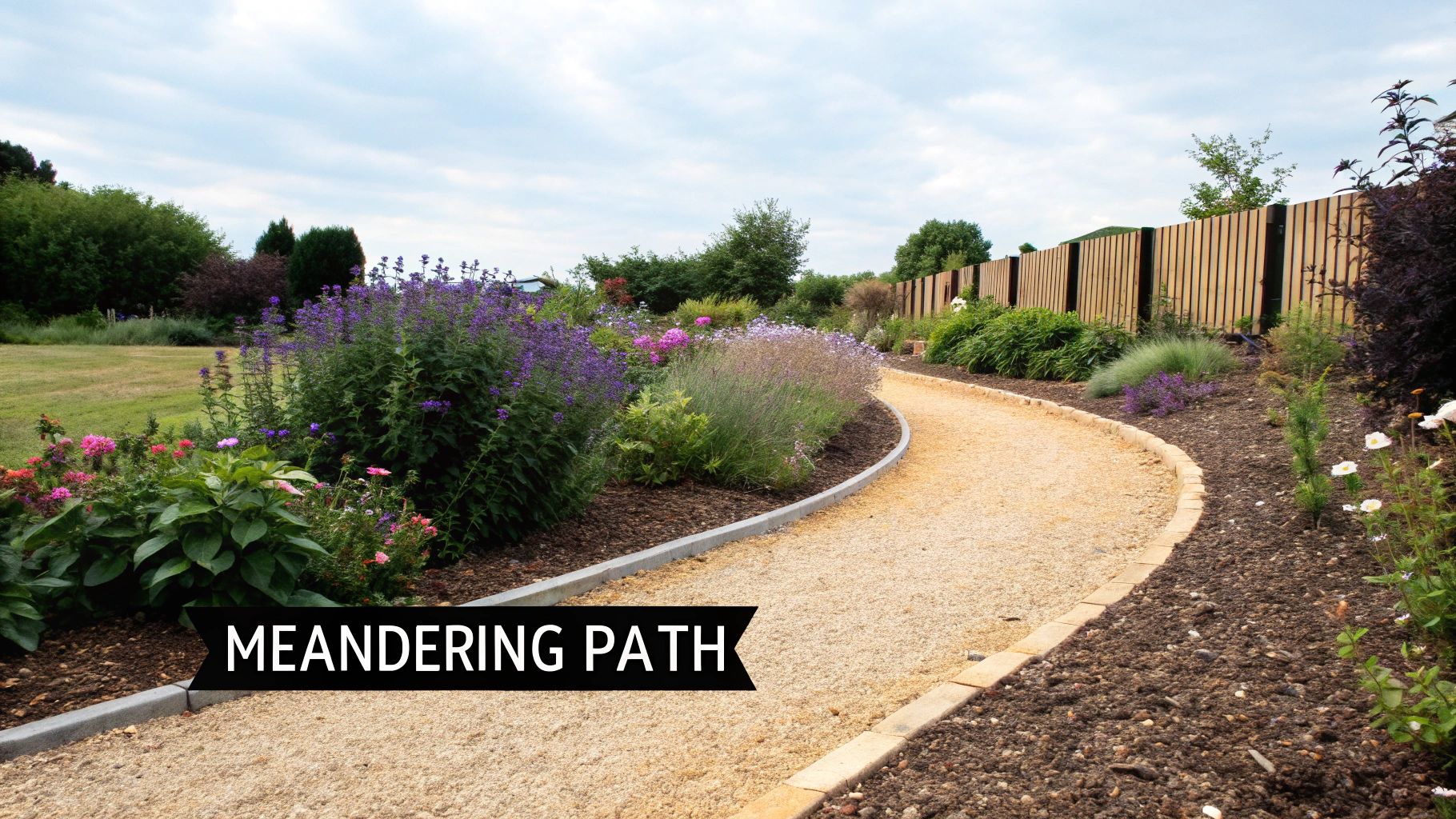
This design, popularized by luminaries like Gertrude Jekyll, emphasizes a romantic, lived-in feel. Materials like gravel, old brick, or irregular stepping stones are chosen for their rustic charm, often becoming partially obscured by the abundant growth around them. The result is a pathway that feels like it has evolved naturally with the garden over time, inviting exploration and discovery.
Implementation and Key Considerations
The key to a successful informal path is to allow plants to be the star. Design gentle, sweeping curves that lead the eye through the garden and create hidden vignettes. Frame the pathway with a lush collection of low-growing, spreading plants that can tolerate some foot traffic and will happily soften hard edges.
Pro Tip: When laying out your path, use a garden hose to experiment with different curves before you start digging. This allows you to visualize the flow and ensure it feels natural and unforced within your space.
Actionable Tips for a Charming Pathway
- Maintain a Clear Passage: While you want plants to spill over, ensure the path remains at least three feet wide for comfortable walking. Trim back over-enthusiastic growth as needed to keep the walkway functional.
- Visualize the Edges: Before planting, use a tool like Curb Appeal AI to test different combinations of edge plantings. You can see how various textures and colors will look alongside your chosen path material, ensuring a cohesive design.
- Choose Hardy Self-Seeders: Select plants that will naturally fill in the gaps along your path edges. Good choices for this include sweet alyssum, creeping thyme, erigeron (Mexican fleabane), and forget-me-nots.
- Embrace Imperfection: Part of the charm is the slightly untamed look. Allow moss to grow between stones or let a few resilient seedlings pop up in the gravel. This contributes to the aged, authentic cottage aesthetic.
- Mix Your Materials: For added texture and interest, combine materials. A primary gravel path can be interspersed with larger, flat stepping stones to create a more dynamic and rustic walkway.
5. Heirloom and Heritage Plant Selection
Choosing heirloom and heritage plants is one of the most authentic cottage garden landscaping ideas, connecting your space to a rich horticultural history. These are classic, open-pollinated cultivars passed down through generations, valued for their unique fragrance, form, and historical significance rather than modern breeding for uniformity or disease resistance. They are the living soul of a traditional cottage garden.
Embracing these varieties moves a garden beyond simple aesthetics into the realm of preservation. Planting a 'Grandma's Slip' hollyhock or a 'Cherokee Purple' tomato creates a narrative and supports biodiversity by keeping these genetic treasures in circulation. This approach gives the garden a sense of permanence and timeless charm that newly developed hybrids often lack.
Implementation and Key Considerations
Incorporating heirloom plants means focusing on authenticity and story. Seek out varieties known for their cottage garden suitability, like the fragrant 'Mme. Isaac Pereire' climbing rose or the delicate blooms of love-in-a-mist (Nigella damascena). Organizations like the Seed Savers Exchange and Baker Creek Heirloom Seeds are excellent resources for sourcing these historical seeds and plants.
Pro Tip: Document the stories behind your chosen heirloom varieties. Knowing a plant was grown in Thomas Jefferson’s gardens at Monticello adds a layer of depth and interest that becomes a wonderful conversation piece for garden visitors.
Actionable Tips for a Thriving Heritage Garden
- Research Local Heirlooms: Investigate which heritage varieties have a documented history of thriving in your specific region. These plants are already adapted to your local climate and soil conditions, increasing their chances of success.
- Practice Seed Saving: Allow some of your best-performing heirloom annuals, like poppies or cosmos, to set seed at the end of the season. Collecting and saving these seeds for next year is a cost-effective, traditional practice that is central to the heirloom movement.
- Visualize Mature Sizes: Heirloom plants can have less predictable growth habits than modern cultivars. Use a tool like Curb Appeal AI to visualize how these unique varieties will look at full maturity, ensuring your layered design remains balanced and doesn't become overcrowded.
- Group by Era or Story: Create a small themed bed dedicated to plants from a specific historical period or a particular gardener’s collection. This creates a cohesive and meaningful focal point within your larger cottage garden design.
6. Cottage-Style Hardscape Features (Stone Walls, Picket Fences)
Traditional hardscape elements are the sturdy bones that give a cottage garden its enduring structure and sense of place. These features, like low-slung stone walls, charming picket fences, and rustic gates, anchor the exuberant plantings and define garden spaces. The key to successful cottage garden landscaping ideas is choosing materials that feel organic and harmoniously integrated, rather than pristine or modern.
Unlike formal gardens where hardscape dominates, cottage-style structures are meant to complement the plantings. A slightly crooked dry-stack wall or a weathered picket fence supports climbing roses and provides a backdrop for overflowing perennial borders. The aesthetic prioritizes aged, natural materials that suggest history and a gentle, handmade quality, creating a garden that feels both welcoming and timeless.
Implementation and Key Considerations
The goal is to choose hardscape that looks as if it has always been there. For walls, consider using local stone to reflect the region's vernacular, like the beautiful Cotswold stone walls found throughout England. Picket fences should complement the home's architecture in scale and style, providing a soft boundary rather than an imposing barrier. Gates and pathways should meander in gentle curves, inviting exploration rather than directing traffic in a straight line.
Pro Tip: Embrace imperfection. Leave intentional gaps and crevices in stone walls when building them. These small pockets are perfect for tucking in resilient, trailing plants like creeping thyme, sedum, or rock cress, which will soften the stone and blur the lines between hardscape and garden.
Actionable Tips for Authentic Hardscape
- Source Locally: Whenever possible, use stone quarried nearby or reclaimed brick from local sources. This ensures the materials are visually consistent with your home's natural surroundings.
- Choose Soft Colors: Paint picket fences in classic, soft colors like white, cream, or a muted sage green. Avoid bold, primary colors that can disrupt the garden's tranquil atmosphere.
- Visualize Before Building: Use a tool like Curb Appeal AI to experiment with different hardscape options. You can test various fence styles, wall materials, and paint colors against your home's exterior to see what looks best before committing to construction.
- Prioritize Quality Construction: While the look should be rustic, the construction must be solid. A well-built wall or fence is a long-term investment that provides the necessary framework for your entire garden design.
- Age New Materials: If using new wood for a fence or gate, consider applying a weathering stain to give it an instantly aged appearance that blends more seamlessly into the cottage aesthetic.
7. Mixed Shrub Borders with Seasonal Interest
A mixed shrub border elevates traditional cottage garden landscaping ideas by incorporating woody plants for year-round structure and visual appeal. While perennial borders are stunning in bloom, they can look bare in winter. This approach combines evergreen and deciduous shrubs with herbaceous perennials to create a garden that has "bones" and interest through every season.
This method provides a layered, architectural framework that supports the ephemeral beauty of flowers. Evergreen shrubs offer a constant green backdrop, while deciduous varieties contribute with spring blossoms, vibrant autumn foliage, interesting bark, or colorful winter berries. This creates a dynamic, four-season tapestry that feels both established and full of life.
Implementation and Key Considerations
To build a successful mixed border, focus on providing a strong foundation with shrubs. Dedicate roughly 30-40% of the space to evergreen varieties like boxwood, yew, or dwarf conifers to ensure the garden has structure during dormant months. Intersperse these with deciduous shrubs that offer unique seasonal features, such as the vibrant red stems of a dogwood in winter or the fragrant flowers of a viburnum in spring.
Pro Tip: When planting, always account for the shrub's mature size, not just its size at the nursery. A common mistake is planting too close together, leading to an overcrowded and unhealthy border within a few years.
Actionable Tips for a Thriving Border
- Plan for Winter Interest: Select shrubs with compelling winter features. Red-twig dogwoods, paperbark maples, and berrying hollies or winterberries provide critical color and texture against a snowy or gray landscape.
- Layer for Depth: Position taller shrubs at the back, medium-sized ones in the middle, and underplant them with shade-tolerant perennials like hellebores, pulmonaria, and astilbe to create lush, multi-level plantings.
- Visualize Seasonal Changes: Use a tool like Curb Appeal AI to simulate how your mixed border will look in spring, summer, fall, and winter. This helps ensure your design provides continuous interest and avoids seasonal gaps.
- Prune for Natural Form: Avoid shearing shrubs into rigid geometric shapes. Instead, practice selective pruning to enhance their natural, graceful forms, which aligns better with the informal cottage garden aesthetic.
- Embrace Scale: Mixed borders are particularly effective in larger spaces where they can create significant impact. If you're working with a bigger area, explore these large front yard landscaping ideas for more inspiration on scale and composition.
8. Self-Seeding Flowers and Cutting Garden Integration
A core tenet of cottage garden landscaping ideas is embracing a bit of beautiful chaos. This is achieved through self-seeding flowers, which drop their seeds and reappear in unexpected, charming combinations the following year. This method creates a dynamic, ever-evolving garden that fills in gaps naturally, fostering a sense of authentic, untamed abundance.
Integrating a dedicated cutting garden complements this approach. It provides a practical, utilitarian space for growing long-stemmed varieties specifically for indoor arrangements without disturbing the ornamental displays in your main garden beds. This dual strategy marries the romantic, self-sustaining aesthetic with the joy of bringing fresh, homegrown bouquets indoors.
Implementation and Key Considerations
The beauty of self-seeding is its hands-off nature, but a little guidance ensures it doesn't become unruly. Start with reliable self-seeders like foxgloves, nigella (love-in-a-mist), and larkspur. For the cutting garden, site it in a sunny, less visible area, like a side yard, and plant in rows or raised beds for easy access and harvesting.
Pro Tip: When you weed in the spring, learn to identify the seedlings of your desired self-sowing plants. This allows you to selectively remove unwanted volunteers while leaving the serendipitous placements that define the cottage garden's charm.
Actionable Tips for a Thriving Garden
- Encourage Naturalization: Allow the flower heads of your self-seeders to dry on the plant into late summer or early autumn. Once the seeds are ripe, you can either let them fall naturally or collect and scatter them in areas where you'd like new drifts to appear.
- Visualize the Progression: The charm of a self-seeding garden unfolds over several years. Use a tool like Curb Appeal AI to create a visual plan for the first year, then use its features to imagine how those plant drifts might mature and spread in a "year three" render, helping you guide the natural process.
- Choose for Cutting: Select long-stemmed varieties for your cutting patch that perform well in arrangements. Good choices include zinnias, cosmos, dahlias, and sweet peas. Remember to include foliage plants like eucalyptus or salal to act as fillers.
- Harvest and Maintain: Regularly harvest flowers from your cutting garden to encourage continuous blooming. Cut stems in the cool of the morning and immediately place them in a bucket of cool water to prolong their vase life.
9. Seating Areas and Garden Rooms
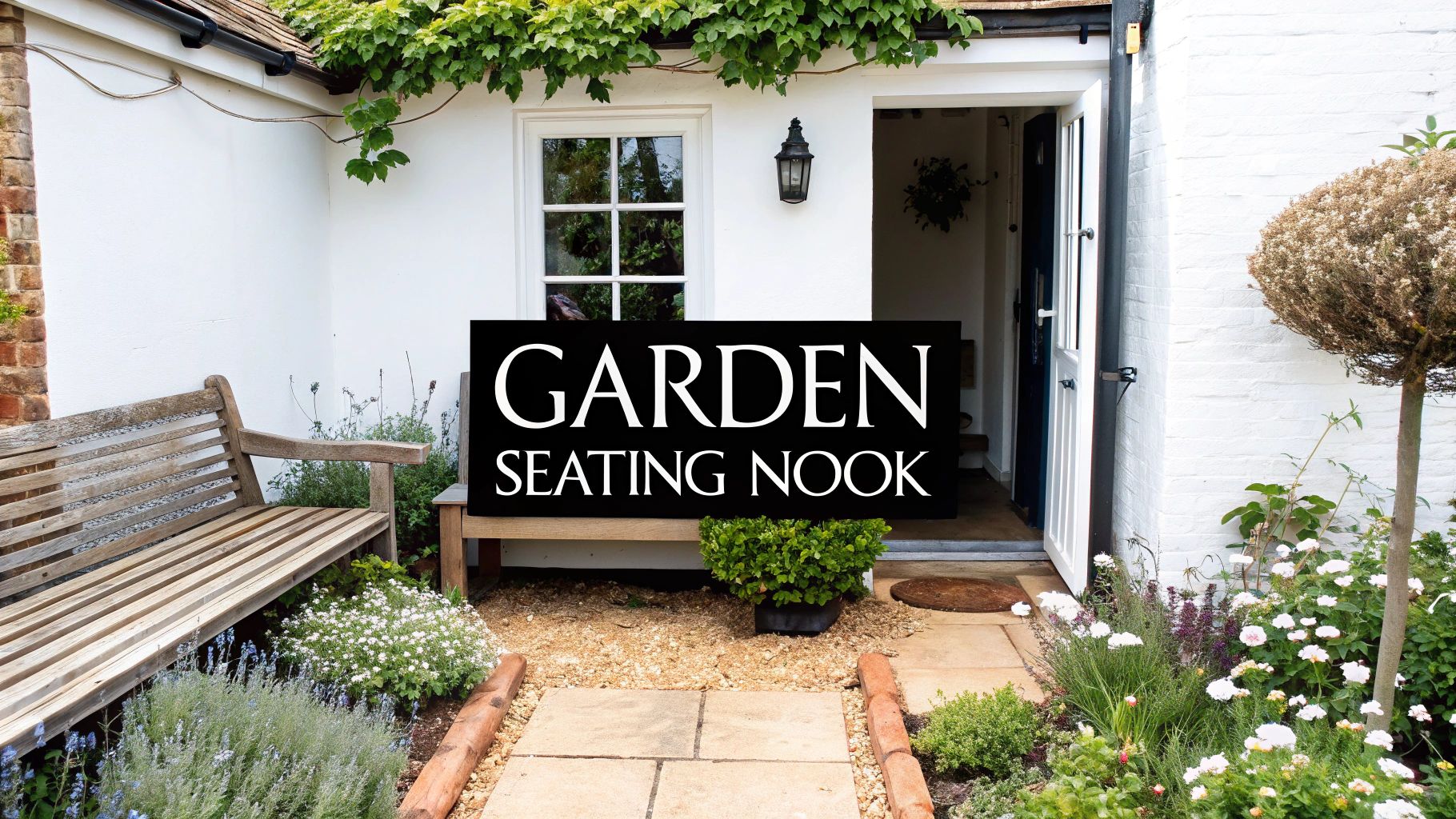
Cottage gardens are meant to be lived in, not just admired from afar. This philosophy is perfectly captured by creating intimate seating areas and distinct garden 'rooms'. This concept, popularized by Arts and Crafts-era gardens like Hidcote Manor, involves using hedges, low fences, or dense plantings to carve out secluded nooks, transforming a single yard into a series of enchanting destinations.
This approach makes a garden feel larger and more mysterious, inviting exploration and providing private spaces for relaxation. Instead of one large patio, a cottage garden might have several smaller seating spots, each offering a unique perspective or mood. This is a core element of cottage garden landscaping ideas, emphasizing personal experience over grand, formal vistas.
Implementation and Key Considerations
To create a garden room, use natural boundaries to define the space. A weeping cherry tree, a tall stand of ornamental grasses, or an archway draped in climbing roses can all serve as a 'doorway'. Within this defined area, place a simple bench, a small bistro set, or a pair of classic Adirondack chairs. The goal is to create a sense of enclosure and intimacy without completely blocking the view.
Pro Tip: Position your seating to frame a specific highlight. A bench placed to view a birdbath at dawn, a chair angled towards a fragrant rose bush, or a small table overlooking a pond creates a curated experience that elevates the entire garden.
Actionable Tips for Creating Your Nook
- Establish Multiple Zones: Aim for at least two distinct seating areas. One could be a sunny spot for morning coffee, while another might be a shaded retreat under a tree for hot afternoons.
- Use Plants for Privacy: Plant tall, airy perennials like Verbena bonariensis or medium-sized shrubs around your seating area to create a soft screen that provides privacy without feeling claustrophobic.
- Visualize the Placement: Before committing, use a tool like Curb Appeal AI to virtually place benches and tables in your design. This helps you check sight lines and see how the furnished area will look from the house and other parts of the garden.
- Choose Appropriate Furnishings: Select furniture that complements your home’s architecture. A rustic wooden bench suits a traditional cottage, while classic wrought iron might fit a stone-clad home.
- Enhance Property Value: Well-designed outdoor living spaces are highly desirable. Mentioning "multiple garden seating areas" or a "private garden room" in a property listing can significantly increase perceived value and livability.
10. Shade-Tolerant Plantings and Woodland Edges
Many cottage gardens are blessed with mature trees, creating pockets of shade that can be transformed into enchanting woodland retreats. Instead of viewing shade as a limitation, this cottage garden landscaping idea embraces it by creating lush, textured plantings that mimic a natural woodland edge. This approach adds depth and a sense of quiet magic to the landscape, turning challenging areas into captivating garden rooms.
By selecting plants that thrive in lower light conditions, you can cultivate a rich tapestry of foliage, form, and subtle color. This design style leans into the natural environment, creating a garden that feels established, serene, and perfectly integrated with its surroundings. It's a method that values texture and form as much as flowers, resulting in year-round interest.
Implementation and Key Considerations
To design a successful shade garden, think in layers just as you would in a sunny border. Use small understory trees or large shrubs like Japanese maples or hydrangeas for height. Mid-level perennials such as hostas, hellebores, and ferns provide the lush body of the planting, while groundcovers like sweet woodruff or wild ginger create a verdant carpet at the base.
Pro Tip: Focus on contrasting foliage to create visual impact in low light. Pair the broad, chartreuse leaves of a 'Sum and Substance' hosta with the delicate, silvery fronds of a Japanese painted fern for a dynamic and elegant combination.
Actionable Tips for a Thriving Shade Garden
- Amend the Soil: Shade areas, especially under mature trees, often have poor, dry soil. Generously amend the top 6-8 inches with compost and leaf mold before planting to provide essential nutrients and improve moisture retention.
- Embrace Early Bloomers: Plant spring ephemerals like bleeding hearts, trillium, and Lenten roses (hellebores). These plants take advantage of the sunlight that reaches the forest floor before deciduous trees fully leaf out.
- Visualize with Technology: Use a tool like Curb Appeal AI to experiment with different shade-loving plant combinations under your existing trees. This helps you see how textures and colors will work together before you commit.
- Layer for Success: Combine tall, medium, and low-growing plants to create a multi-dimensional, naturalistic look. This layering also helps to suppress weeds once the plants are established.
- Choose the Right Plants: Understand the difference between dappled shade and deep shade and select species accordingly. For more inspiration, explore these specialized shade garden landscaping ideas.
10 Cottage Garden Landscaping Ideas Compared
| Design Element | Implementation 🔄 | Resources ⚡ | Expected Outcomes 📊 | Ideal Use Cases 💡 | Key Advantages ⭐ |
|---|---|---|---|---|---|
| Mixed Perennial Borders | 🔄 Moderate — requires sequencing, layout and periodic division | ⚡ Moderate plant purchase, mulch; 1–3 yrs to establish | 📊 Continuous seasonal blooms; high visual appeal; pollinator-friendly | 💡 Front borders, large beds, buyers wanting romantic aesthetic | ⭐ Lush, sustainable, photogenic once mature |
| Flowering Arbors and Archways | 🔄 Low–Moderate — structure install + 2–3 yr vine establishment | ⚡ Low–Moderate cost for structure; ongoing pruning/training | 📊 Very high focal impact and curb appeal; fragrant feature | 💡 Entryways, gateways, vertical interest in small yards | ⭐ Dramatic vertical focal point; high visual ROI |
| Fragrant Plant Layering | 🔄 Low — selection and placement focused; bloom succession planning | ⚡ Low plant cost; strategic placement near seating; seasonal maintenance | 📊 Strong sensory memory; enhances showings and lingering | 💡 Small spaces, seating areas, pathways, evening gardens | ⭐ High emotional impact; inexpensive; attracts pollinators |
| Informal Pathways w/ Edge Plantings | 🔄 Moderate — path geometry and maintenance to keep walkways clear | ⚡ Moderate materials (gravel/stone) and regular edging labor | 📊 Encourages exploration; softens landscape; increases perceived size | 💡 Meandering layouts, irregular lots, discovery-focused designs | ⭐ Creates sense of discovery; conceals imperfections; flexible |
| Heirloom & Heritage Plant Selection | 🔄 Moderate — sourcing and planning for historical authenticity | ⚡ Higher sourcing cost; possible extra care; seed-saving reduces cost | 📊 Authentic historic aesthetic; unique selling narrative | 💡 Historic homes, buyers valuing provenance and tradition | ⭐ Distinctive color/fragrance; supports biodiversity and seed saving |
| Cottage-Style Hardscape Features | 🔄 High — skilled construction and careful material selection | ⚡ High upfront cost (stone, labor); low long-term maintenance if quality-built | 📊 Immediate, durable curb impact; defines property character | 💡 Properties needing structure, boundary definition, traditional homes | ⭐ Timeless framework; strong first-impression value |
| Mixed Shrub Borders with Seasonal Interest | 🔄 Moderate–High — multi-season planning; 3–5 yrs to mature | ⚡ Moderate plant cost; pruning and space for mature size | 📊 Year‑round structure; winter interest; wildlife habitat | 💡 Sites needing winter appeal or partial shade solutions | ⭐ Provides architecture in all seasons; lower seasonal gaps |
| Self‑Seeding Flowers & Cutting Garden | 🔄 Low — permissive approach but needs monitoring and ID skills | ⚡ Low seed cost; labor for cutting/management; dedicated cutting area space | 📊 Cost‑effective abundance; variable, naturalized displays | 💡 Homegrown cut-flower users, sustainable gardeners, informal plots | ⭐ Low-cost, self-sustaining, continuous cut-flower supply |
| Seating Areas & Garden Rooms | 🔄 Moderate — layout, screening and furniture selection; may take years | ⚡ Moderate (furniture, soft/hardscape); ongoing upkeep | 📊 Boosts livability and perceived outdoor space; encourages lingering | 💡 Entertaining spots, private nooks, properties emphasizing outdoor living | ⭐ Enhances usability and emotional connection; marketable feature |
| Shade‑Tolerant Plantings & Woodland Edges | 🔄 Moderate — soil amendment and species matching to light levels | ⚡ Moderate (compost, specialized plants); slower establishment | 📊 Activates shady areas; preserves mature trees; textured foliage interest | 💡 Properties with mature trees or woodland boundaries | ⭐ Makes difficult spaces productive; low heat stress, layered depth |
Bringing Your Vision to Life with Confidence
Creating a quintessential cottage garden is a journey of artistry and patience, blending structured design with the beautiful chaos of nature. Throughout this guide, we've explored a tapestry of cottage garden landscaping ideas, each serving as a vital thread in crafting your dream outdoor space. From the foundational charm of mixed perennial borders spilling over with color to the romantic allure of flowering arbors, you now have the essential building blocks for an enchanting landscape.
The beauty of the cottage style lies in its layered, personal approach. It’s not about rigid rules but about embracing a feeling of abundance, nostalgia, and connection to the seasons. By weaving together elements like fragrant plant layering, meandering informal pathways, and carefully selected heirloom varieties, you create a garden that engages all the senses and tells a unique story.
Core Principles for a Thriving Cottage Garden
As you move from inspiration to implementation, remember these core takeaways that underpin the most successful cottage garden designs:
- Embrace Imperfection: The cottage aesthetic celebrates informality. Let self-seeding flowers like poppies and cosmos find their own homes, and allow groundcovers to soften the edges of stone walls and pathways. This "planned spontaneity" is what gives these gardens their soulful, lived-in character.
- Structure is Your Anchor: While the planting is loose and abundant, the underlying structure is crucial. Picket fences, stone walls, arbors, and clearly defined (though informal) pathways provide the necessary "bones." This framework prevents the garden from looking messy and guides the eye through the lush plantings.
- Plant for All Seasons: A truly captivating cottage garden offers year-round interest. Think beyond the summer explosion of roses and lavender. Integrate mixed shrub borders with varied foliage, spring-flowering bulbs, autumn-blooming asters, and evergreen textures to ensure your garden has a captivating presence even in the depths of winter.
- Create Usable Spaces: Your garden should be an extension of your home. The inclusion of intimate seating areas, hidden benches, or a "garden room" transforms the landscape from something to be admired into a space to be lived in. These nooks invite you to pause, relax, and fully experience the sanctuary you've created.
Your Actionable Path Forward
The transition from a collection of ideas to a cohesive, tangible plan can feel like the most challenging step. But this is where modern technology can bridge the gap between imagination and reality, eliminating guesswork and costly revisions down the line. The key is to visualize the final result before the first shovel ever breaks ground.
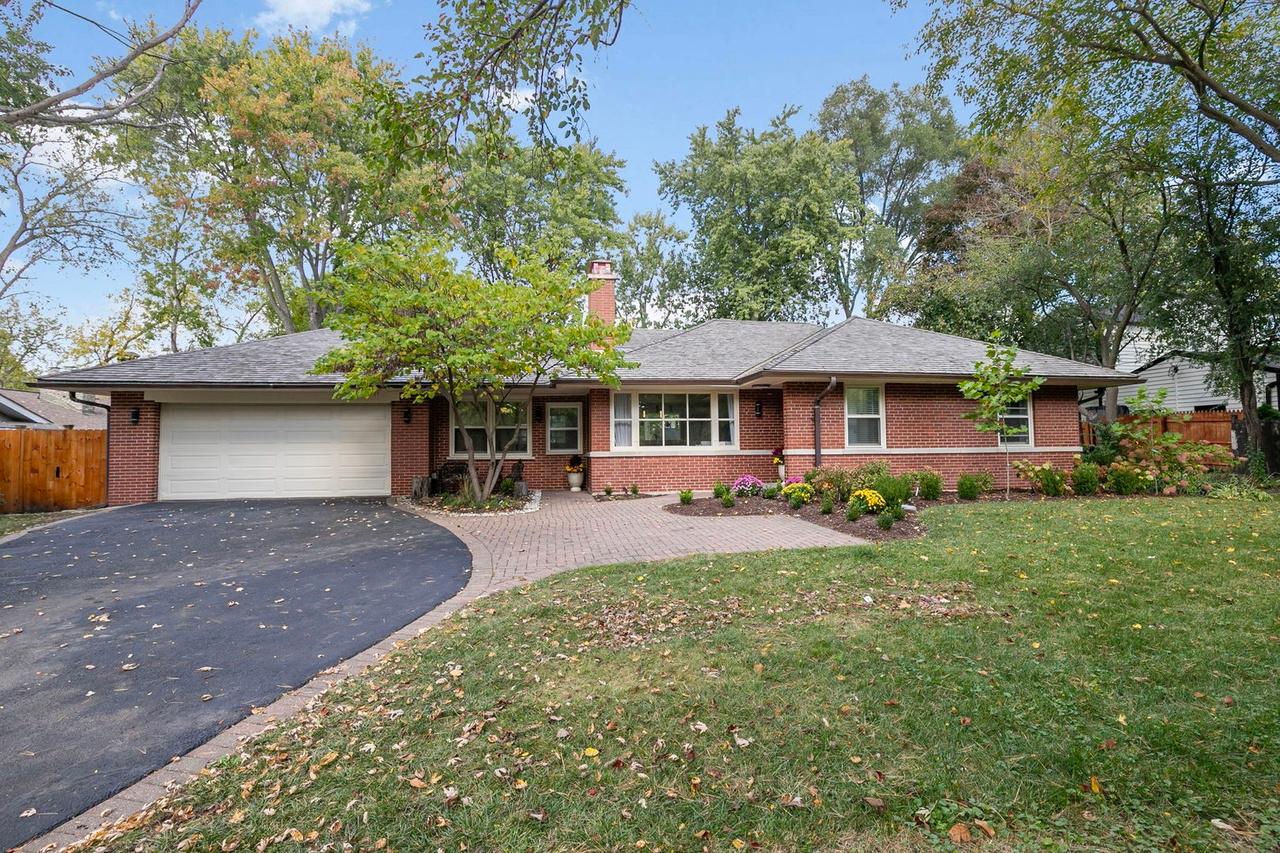
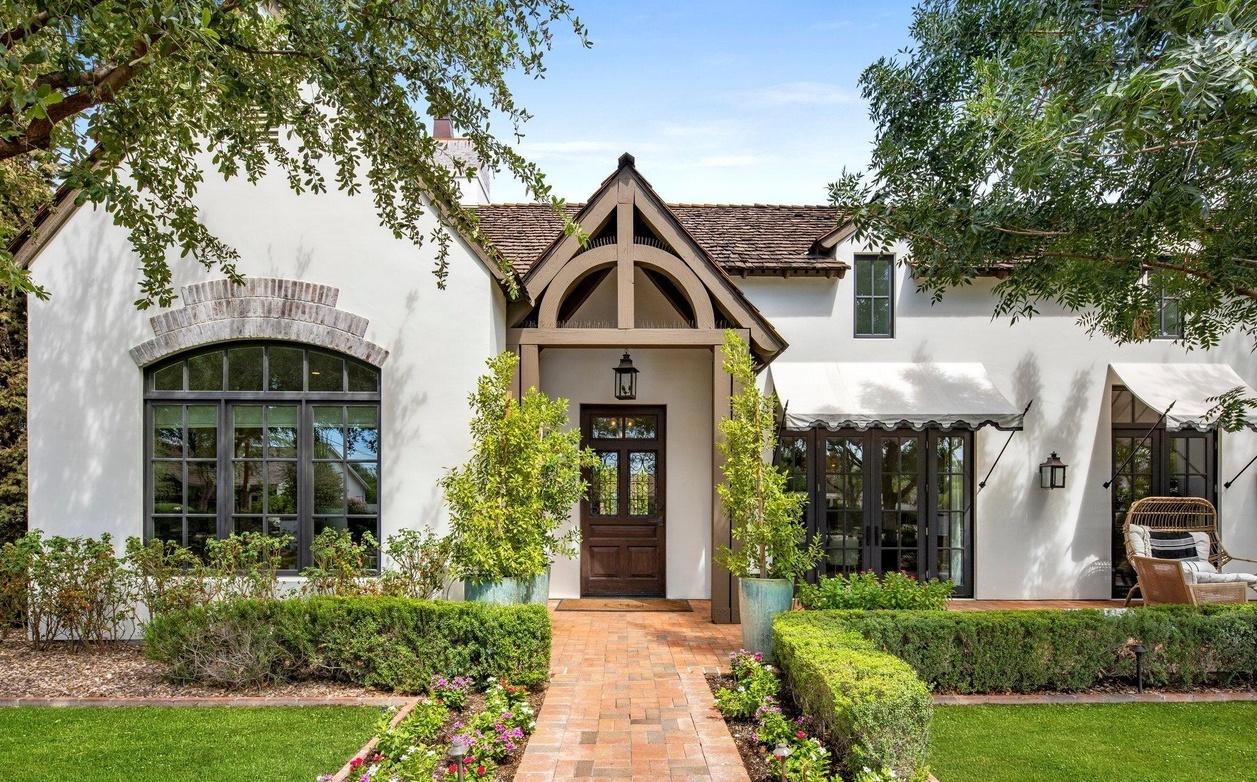
By leveraging a powerful landscape design tool, you can test how these cottage garden landscaping ideas will specifically look on your property. Imagine being able to see exactly how a climbing rose will look on a new arbor next to your front door or how different pathway materials contrast with your home's exterior. This visualization process empowers you to make confident decisions, whether you're tackling the project yourself or collaborating with a professional landscaper. It provides a clear, photorealistic blueprint that ensures the garden you plant today will mature into the enchanting retreat you've always envisioned.
Ready to see how these cottage garden landscaping ideas will transform your own home? Stop guessing and start visualizing with Curb Appeal AI. Upload a photo of your property and let our advanced AI generate stunning, photorealistic designs in the cottage style, giving you a clear and beautiful blueprint for your project. Curb Appeal AI