Your Guide to Landscape Design Services Inc in 2026
Bringing in a professional landscape design services inc does more than just pretty up your yard—it fundamentally transforms that patch of grass into a valuable, functional extension of your home. It’s an investment that pays you back, not just in curb appeal, but in your daily quality of life.
Why Investing in a Landscape Pro Pays Off

It’s easy to think of professional landscape design as a luxury, but I’ve found that’s a narrow view. Hiring an expert is one of the smartest moves a homeowner can make, creating real value you can see, feel, and even measure. This is about so much more than just a nice lawn; it's about building an environment that truly works for you and your family.
A thoughtfully designed landscape delivers a serious return on investment. In fact, good strategic planning can increase a home's resale value by as much as 15%. A pro knows how to create that "wow" factor with curb appeal while designing functional outdoor living areas that buyers see as a direct expansion of the home’s usable square footage.
More Than Just Pretty Plants
A professionally designed space is built around your real-world needs. Think about a family that wants to spend more time outside. A designer can weave together a cohesive plan that might include:
- A spacious dining patio perfect for summer cookouts.
- A cozy fire pit area for winding down in the evenings.
- Clearly defined, safe play zones for the kids.
- Subtle, effective lighting that makes the space usable long after the sun goes down.
This kind of intentional design turns a neglected backyard into the family's favorite "room." You can see just how dramatic these changes can be by looking at some inspiring before-and-after curb appeal transformations.
Professional landscape design is really the art of solving spatial problems beautifully. It's about tackling tricky issues like poor drainage, a lack of privacy, or an unusable slope and turning those liabilities into unique features that add genuine character and value.
Creating Sustainable and Resilient Spaces
Today’s best landscape firms are focused on creating spaces that are both beautiful and responsible. They're on the front lines of designing sustainable, climate-resilient yards that are meant to thrive in your local environment. A good designer will recommend native plants that need less water, install smart irrigation to cut down on waste, and use materials that help manage stormwater.
This isn't just about being green; it’s incredibly practical. A sustainable landscape means less work for you, lower water bills, and a healthier yard that can withstand changing weather. The growing demand for these services is clear, with the U.S. landscape design industry projected to hit a market size of $9.7 billion by 2026. This trend is fueled by a combination of the strong housing market and homeowners' increasing desire for sustainable, functional outdoor spaces. You can find more industry insights on the growth of the landscape design sector.
Ultimately, hiring a pro from a reputable landscape design services inc isn't an expense—it’s a long-term investment in your property’s value and your own well-being.
Before You Call a Pro, Get Clear on Your Vision

Before you even think about searching for "landscape design services inc," the most important work happens right at your kitchen table. Showing up to a consultation without a clear idea of what you want is a bit like going to the grocery store hungry and without a list. You'll end up with a lot of interesting ideas, a much higher bill, and a design that might not actually fit your life.
A little prep work goes a long way. It helps you articulate what you’re looking for, which means you’ll have far more productive conversations and get quotes that are actually on target.
Start With Your Must-Haves
The easiest way to begin is by creating a simple "needs vs. wants" list. This isn't just about pretty pictures; it’s about getting real about what you need your yard to do for you. The goal here is to separate the absolute essentials from the "would be nice" features.
Think about how you truly want to live in the space. Is it a quiet spot for your morning coffee or the future hub for summer barbecues with friends?
- Needs (The Non-Negotiables): These are the functional requirements. Things like, "We need a secure fence to keep the dog safe," or "The kids must have a flat, grassy patch for playing." These are the deal-breakers.
- Wants (The Dream List): These are the features you'd love to have if the budget and space allow. Maybe it's that gorgeous stone fire pit you saw online, a soothing water feature, or a dedicated vegetable garden.
This list becomes your roadmap. When you sit down with a designer, you can steer the conversation toward your priorities from the get-go, making sure their first drafts are grounded in what matters most.
Gather Inspiration with a Purpose
Now for the fun part: gathering ideas. But instead of just pinning random images you like, try to create a focused collection that points to a specific feeling or style. A designer can get a much clearer picture if you show them a board that screams Modern minimalism, a lush and wild Cottage garden, or a water-conscious Xeriscaping layout.
Your vision has to be about more than just looks—it’s about lifestyle. A stunning patio is pointless if it’s too small for your outdoor dining table, and a high-maintenance garden becomes a chore if you don’t have time for upkeep.
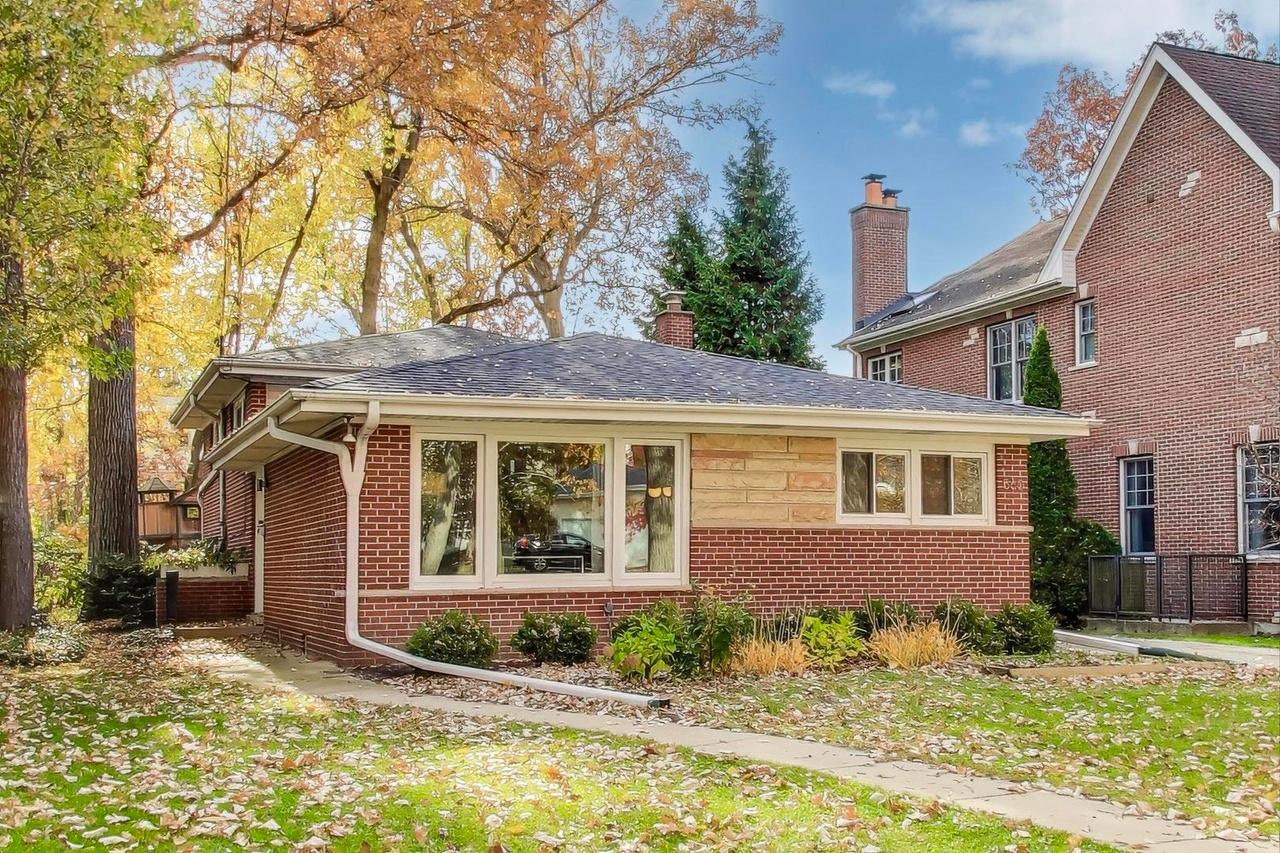
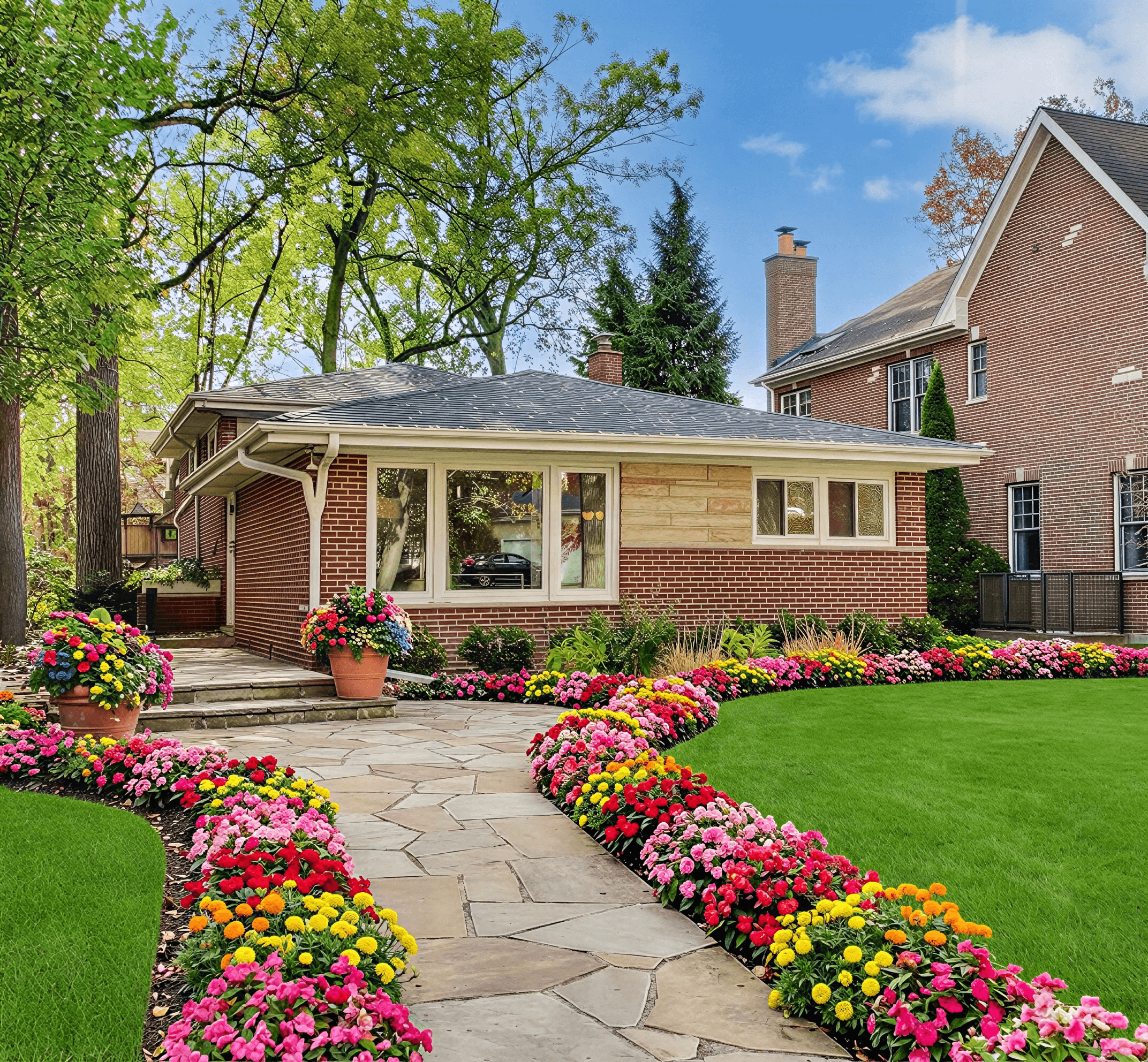
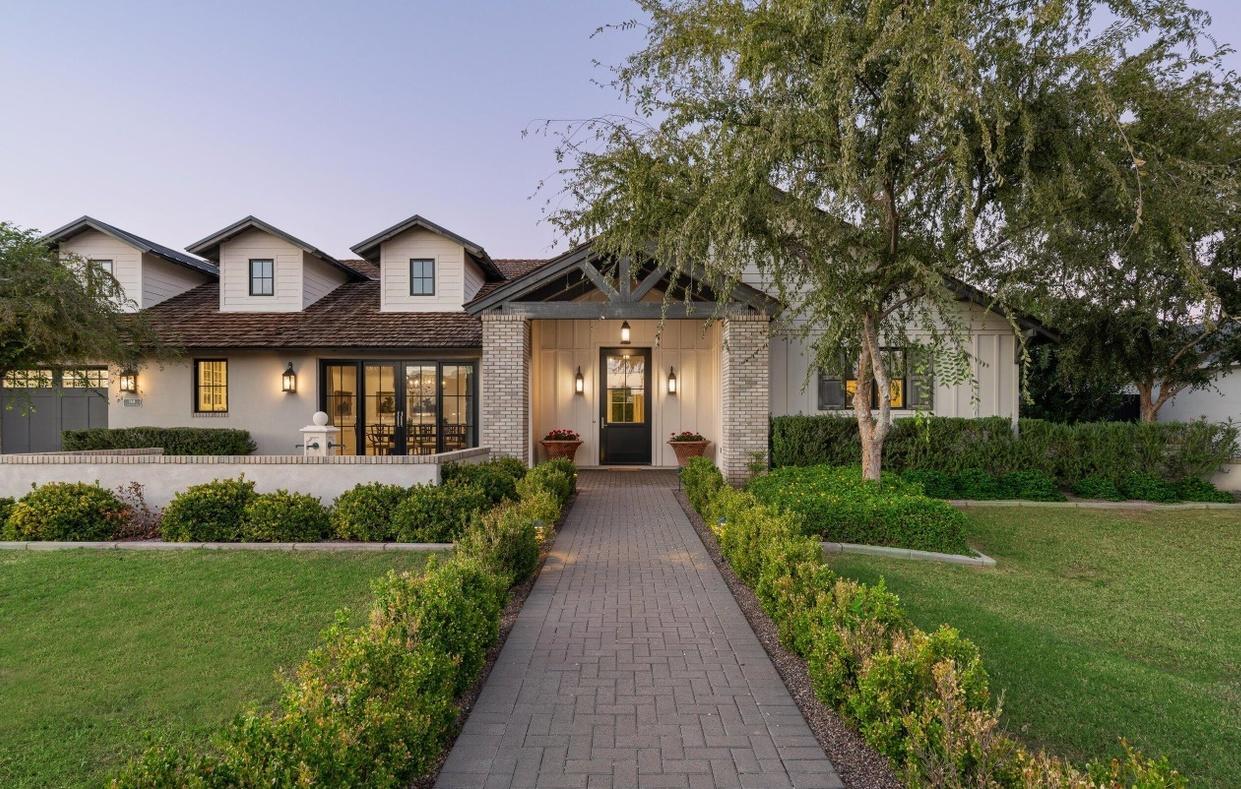
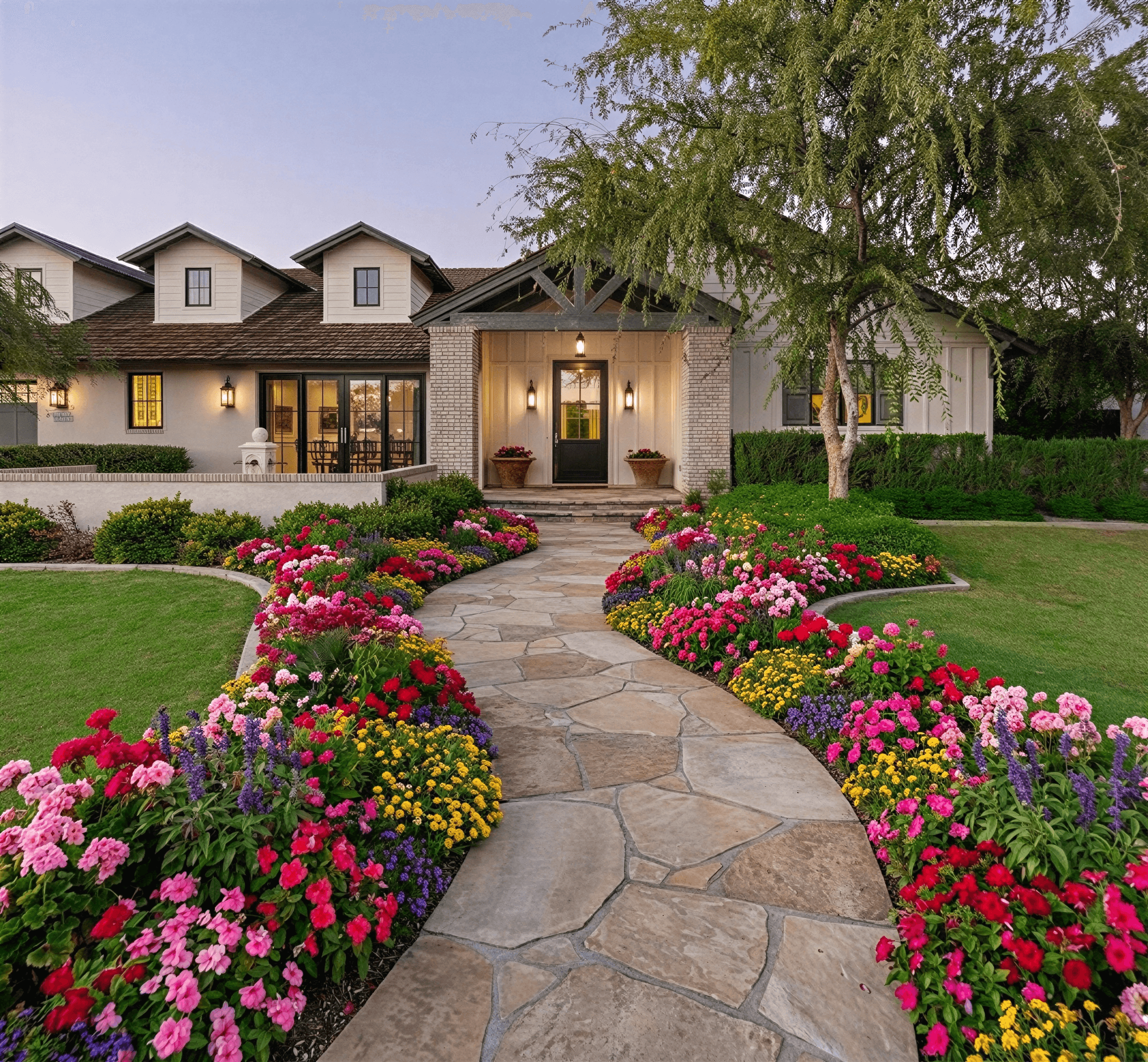
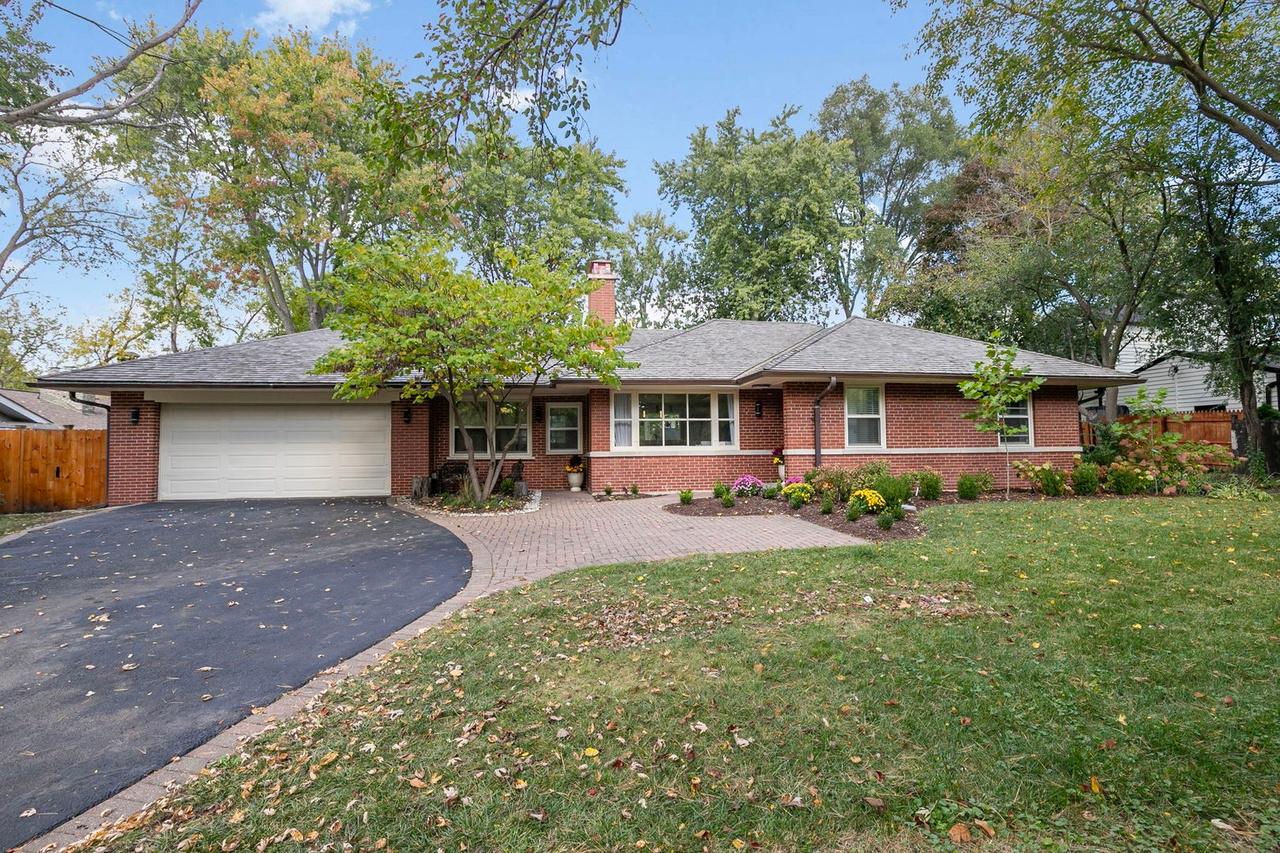
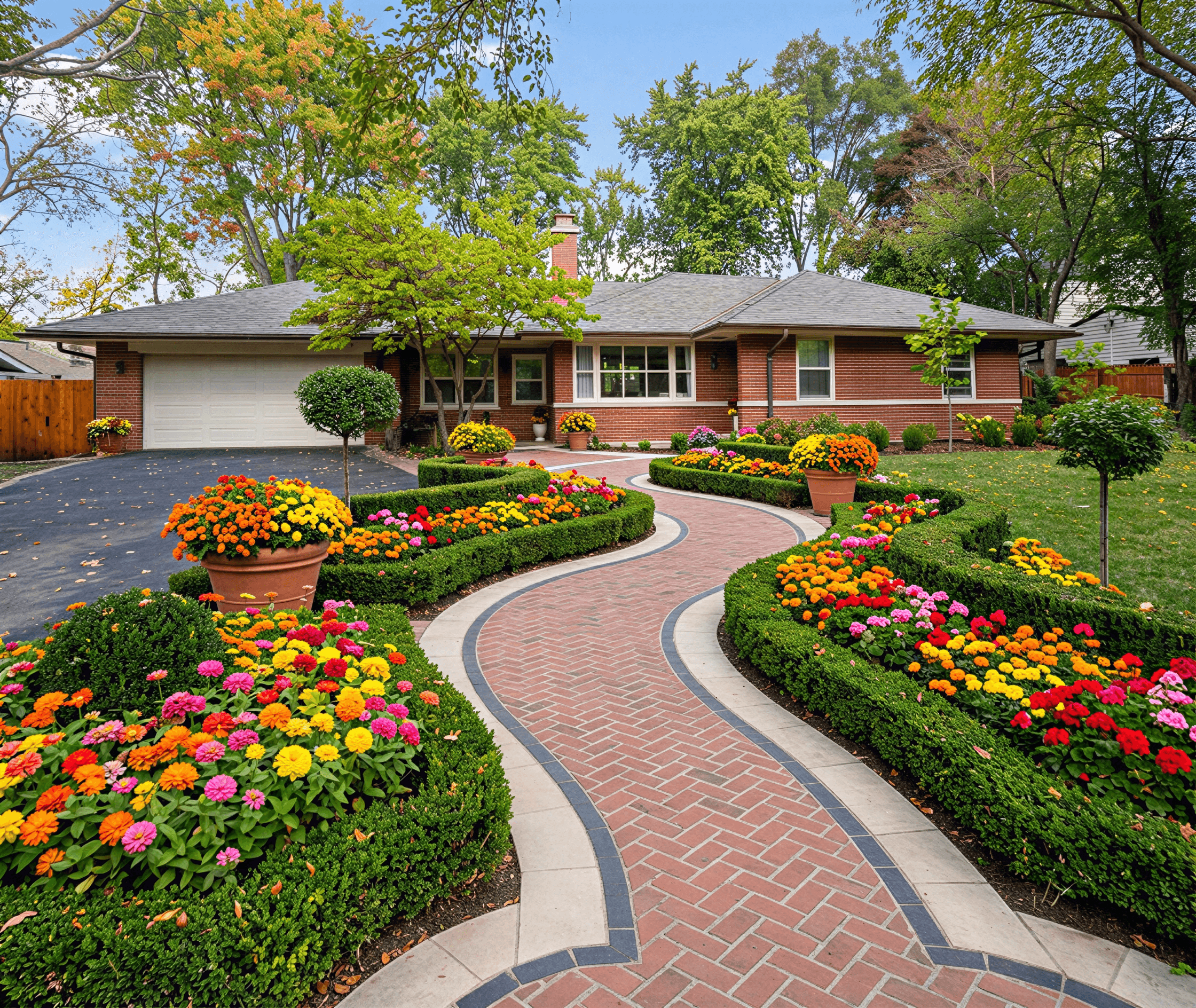
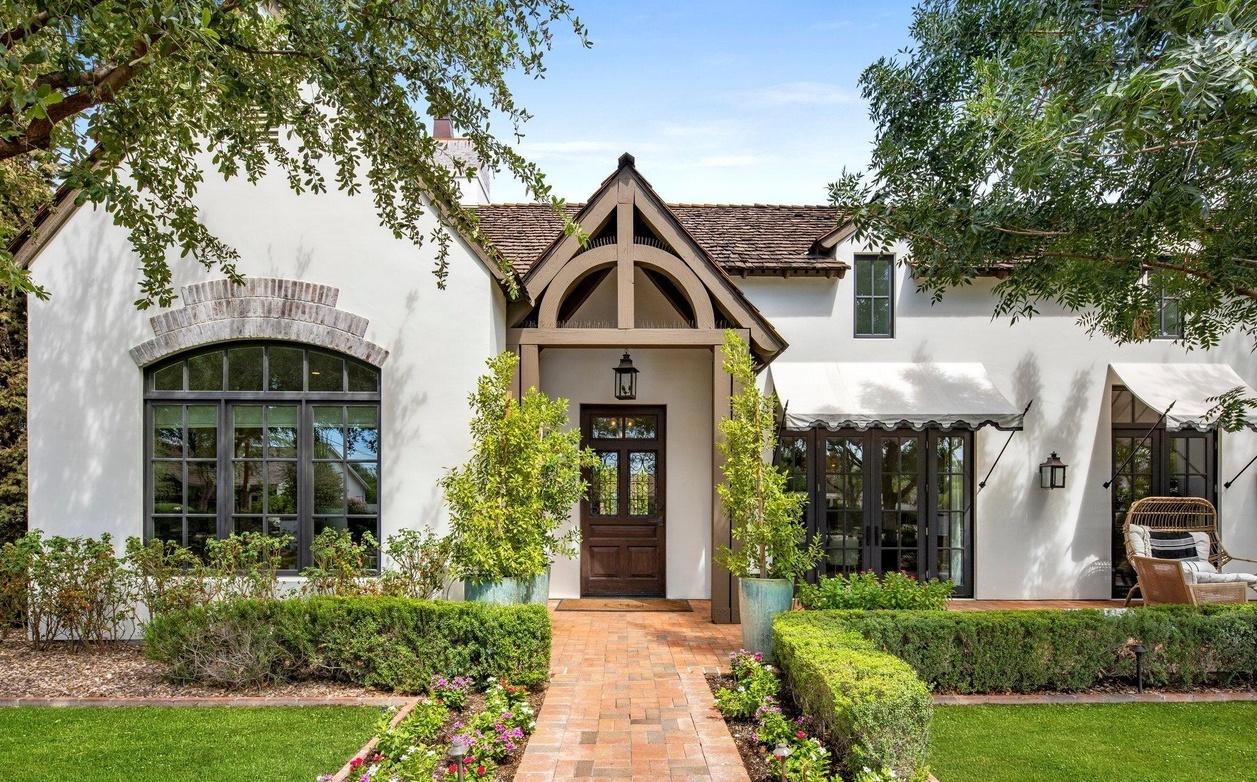
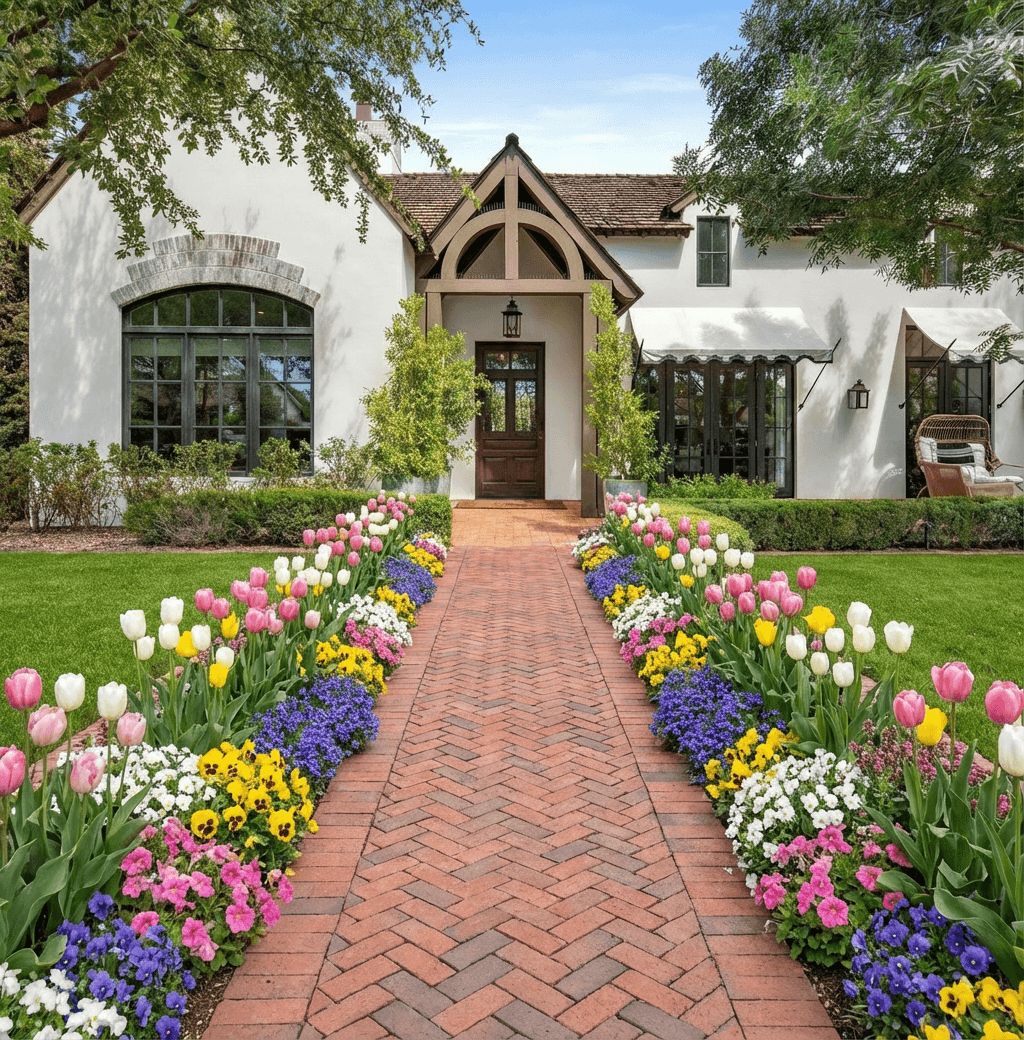
This is where you can use some modern tools to your advantage. Instead of just guessing, platforms like Curb Appeal AI let you test-drive ideas on a photo of your own home. You can swap out plants, try different paver styles, and see a realistic preview of what it could look like—all before spending a dime.
For instance, you can take a vague idea for a new front yard and turn it into a concrete visual.
Walking into a meeting with these kinds of visuals is a game-changer. It’s so much more powerful than trying to describe your ideas with words alone. You’re not just saving time; you’re giving your designer a massive head start and ensuring you’re both speaking the same language from day one.
How to Find and Vet Your Ideal Landscape Firm
Alright, you’ve got your dream yard in your head. Now comes the exciting—and sometimes tricky—part: finding the right professional to bring it all to life. The goal here isn't just to hire someone who can install plants; it's to find a true partner who gets your vision.
Your best bet often starts close to home. Have a neighbor with a yard you absolutely love? Ask them who they worked with. Word-of-mouth referrals are pure gold. Your favorite local nursery is another fantastic resource—they know who the good, reliable designers are because they work with them all the time.
Expanding Your Search Online
Once you've exhausted your local network, it's time to head online. Think of sites like Houzz or even Pinterest as visual search engines for your home. You can filter by your specific area and instantly browse portfolios, which is a great way to quickly gauge a firm’s style and the typical size of their projects.
I also recommend checking out professional organizations. The American Society of Landscape Architects (ASLA) has directories of licensed members. This is especially important if your project is complex and might involve major grading, drainage, or structural work.
The point isn't to find every designer in a fifty-mile radius. You're just trying to build a shortlist of 3-5 promising firms whose work genuinely clicks with you. This gives you enough variety to compare without getting completely overwhelmed.
Vetting Your Shortlist Like a Pro
With a handful of names, it's time to do some real homework. This is where you dig deeper than the pretty portfolio pictures and figure out who is a legitimate, professional operation.
Before you even think about picking up the phone, check for these absolute non-negotiables:
- Proper Licensing: Verify that they hold the required licenses for your state and city. A licensed pro is accountable to a higher standard, and it's a basic mark of professionalism.
- Comprehensive Insurance: They must have both liability insurance and worker's compensation. This is what protects you, your home, and your wallet if an accident happens on your property.
- A Relevant Portfolio: Look past the "wow" factor and search for projects that are similar to yours. A designer with a stunning portfolio of tropical gardens won't do you much good if you live in the high desert. You need to see proof they can execute your style in your climate.
This initial screening is your first line of defense against unqualified or risky choices. For a deeper dive into this process, our guide on finding a great landscape designer near you has even more detailed tips.
The All-Important Interview
Now for the interviews. Think of this less as a formal interview and more as a conversation to see if you click. You're looking for expertise, a good communication style, and someone you'll actually enjoy working with.
Come prepared with a few smart questions. Instead of a generic question like, "What's your process?", try something much more revealing: "Could you walk me through a recent project you did that's a lot like mine? I'd love to hear about it from the initial phone call all the way to the final walkthrough."
This kind of question encourages a story, not a sales pitch, and it will tell you everything you need to know about how they solve problems and work with clients. Asking pointed, specific questions is how you gain the confidence that you’re hiring the right partner.
Understanding the Design Process and What It Costs
Once you've found the right designer and signed on the dotted line, the creative journey really begins. A professional landscape design process isn't just about making pretty sketches; it's a structured path to turn your vision into a practical, buildable plan. It ensures every detail, from the soil under your feet to the afternoon sun, is accounted for.
It all starts with an initial consultation and a deep dive into site analysis. Your designer will walk the property with you, listening closely to what you want to achieve. They’ll be taking detailed measurements, snapping photos, and assessing everything—sun exposure, soil conditions, drainage issues, and any existing plants you want to keep.
This is the perfect time to pull out your visuals from a tool like Curb Appeal AI. Showing them a photorealistic render of your ideas gives them an incredible head start and can seriously speed up the whole concept phase.
From Concept to Detailed Plans
After that first meeting, the designer heads back to the drawing board for the conceptual design phase. This is where your ideas start to take shape on paper. You can expect to see things like rough sketches, diagrams showing how different areas of the yard will be used, and mood boards to nail down the style.
This stage is all about collaboration. It’s your chance to give feedback and make sure the design is heading in a direction you love.
Once you’ve settled on a concept, the work gets much more detailed as they create the master plan. This is the comprehensive blueprint for your entire project. The deliverables here are the critical documents your contractor will use to build everything.
They typically include:
- Hardscape Plans: These are precise layouts for patios, walkways, retaining walls, and any other built features.
- Planting Plans: Much more than a plant list, this is a detailed map showing the exact species, size, and location for every single plant.
- Lighting and Irrigation Plans: The technical schematics for how your landscape will be lit at night and watered efficiently.
- 3D Renderings: Many firms now offer incredibly realistic 3D visuals, which are fantastic for helping you truly see what the final space will feel like before a single shovel hits the ground.
The initial process of finding a firm is the gateway to this creative partnership.

Following this simple Research, Vet, and Interview approach helps you find a qualified pro who can confidently guide you through the detailed design work ahead.
Demystifying the Costs
Alright, let's talk money. How much should you budget for these design services? Pricing structures can vary, but most firms use one of a few common models.
A flat fee is very common for the design plan itself. You pay one fixed price and receive the complete set of documents. For smaller consultations or ongoing help during the construction phase, an hourly rate is more typical.
For large-scale projects where the firm also manages the installation (a "design-build" project), you might see a fee based on a percentage of the total installation cost. This usually falls in the 10% to 20% range.
Below is a table outlining what you can generally expect to see for different types of landscape design services.
Typical Landscape Design Service Costs (2026 Estimates)
| Service / Deliverable | Common Pricing Model | Estimated Cost Range (USD) |
|---|---|---|
| Initial Consultation | Hourly or Flat Fee | $250 – $750 |
| Simple Planting Plan (e.g., front yard) | Flat Fee | $1,500 – $4,000 |
| Comprehensive Master Plan (full property) | Flat Fee or % of Construction | $5,000 – $15,000+ |
| 3D Renderings & Walkthroughs | Add-on or Included in Master Plan | $1,000 – $5,000 |
| Project Administration / Management | Hourly or % of Construction | $125 – $250/hr |
These figures are, of course, estimates. Costs will always depend on your location, the complexity of your project, and the designer's experience and reputation.
A critical piece of the puzzle is the contract. Having clear professional service agreements is non-negotiable. This document protects both you and the designer by outlining all deliverables, timelines, and payment schedules, preventing costly misunderstandings later.
For a basic front yard plan, you might spend around $1,500, while a complex, full-property overhaul could easily exceed $10,000 for the design alone. To get a more detailed look at the numbers, you can explore our full guide on how much landscape design costs.
By understanding these phases and pricing models, you can go into the process with confidence, ready to build a great partnership with your landscape designer.
Collaborating for a Future-Proof Design

Getting that master plan in your hands feels like the finish line, but in my experience, it’s really where the most important work begins. The success of your project truly hinges on how well you and your designer work together. A great relationship is just as critical as the plants you choose.
So, right from the start, get on the same page about communication. Do you want a weekly summary email, or are you someone who prefers quick texts as things happen? Agreeing on a rhythm upfront prevents a lot of headaches and makes you feel like part of the process, not just a bystander. This turns revisions into a creative conversation instead of a frustrating back-and-forth.
Building a Resilient Landscape
Beyond the day-to-day check-ins, your collaboration should really dig into future-proofing the design. This isn't just a buzzword for being "green"—it's a smart, practical way to create a landscape that’s easier to maintain and can handle whatever Mother Nature throws at it. A good landscape design services inc professional should be leading this conversation, but don't be afraid to bring it up yourself.
Future-proofing your landscape means making smart choices today that will save you time, money, and headaches tomorrow. It's about designing a space that gets better with age, not one that demands constant intervention to survive.
Talk to your designer about building resilience from the ground up. This means thinking of your yard as a living system that works with nature instead of fighting it.
Here are a few key strategies to discuss:
- Prioritize Native Plants: These are your local champions. They’ve evolved in your climate and soil, which means they naturally need less water, fertilizer, and fuss to thrive.
- Install Smart Irrigation: Modern sprinkler and drip systems are game-changers. They use weather data and soil sensors to water only when necessary, which can cut your water waste by up to 50%.
- Choose Permeable Materials: Think about swapping solid concrete for permeable pavers or gravel. This lets rainwater soak back into the earth, which helps recharge groundwater and prevents runoff and erosion.
Embracing Sustainable Industry Shifts
This whole mindset is becoming central to the landscape design industry. The best firms are committing to practices that create more sustainable and resilient outdoor spaces because they know it’s the right thing to do.
For instance, the American Society of Landscape Architects' (ASLA) Climate and Biodiversity Action Plan has set some big goals. It challenges U.S. firms to help slash greenhouse gases and boost biodiversity by 2040. This top-down push means designers are increasingly focused on eco-friendly materials and methods. You can get a sense of where things are headed by looking into how these 2026 landscape trends are shaping the industry.
By actively working with your designer on these forward-thinking strategies, you're doing more than just building a pretty yard. You’re making a wise investment that will pay off in value and enjoyment for years to come.
Common Questions About Landscape Design Services
Even after doing your homework, it’s natural to have a few questions before you commit to hiring a landscape designer. Getting these sorted out upfront is key to feeling confident in your decision. Let's walk through some of the most common things homeowners ask.
What Is the Difference Between a Landscape Designer and a Landscape Architect?
This one trips up a lot of people, but the distinction is pretty important.
A landscape architect is state-licensed and usually holds a formal degree. They’re the pros you call for the big, complex stuff—projects involving major structural work, significant changes to your property's grade, or complicated drainage systems. Think large-scale commercial jobs or residential projects that require engineering-level planning.
A landscape designer, on the other hand, typically shines when it comes to the aesthetics and horticultural side of things. Their magic is in plant selection, creating beautiful compositions, and bringing a cohesive style to your yard. For most home projects, like a front yard refresh or a new backyard patio, a great designer is exactly who you need. They're often more cost-effective for this kind of work, too.
The bottom line? Match the pro to the project's complexity. If you're moving a lot of dirt, building retaining walls, or dealing with serious water issues, you need an architect. If your focus is on plants, beauty, and creating incredible outdoor living spaces, a designer is your best bet.
How Can I Save Money on Landscape Design?
Everyone wants to be smart with their budget, and thankfully, there are plenty of ways to keep costs in check without cutting corners on quality.
Honestly, the biggest money-saver is walking into your first meeting with a clear vision. When you use a tool like Curb Appeal AI to create realistic visuals of what you want, you can slash the time a designer spends trying to guess your style. That directly translates to savings, especially if they bill by the hour.
A few other practical tips:
- Phase your project. You don’t have to do it all at once. Build the hardscape—the patio, deck, or walkways—this year. You can always come back and do the planting and irrigation next season. This spreads the cost out nicely.
- Go for younger plants. Smaller, less mature plants are significantly cheaper than full-grown ones. Plus, they often establish stronger roots and grow more vigorously once they're in the ground.
- Be upfront about your budget. This is crucial. A good designer will respect your number and use their expertise to give you the most bang for your buck, rather than designing something you can't afford to build.
How Long Does the Landscape Design Process Take?
The timeline really depends on the scale of your project. It can vary quite a bit.
For a simple planting plan in a small front yard, the design phase might only take 2 to 4 weeks.
But if you're looking at a complete backyard transformation—with a new patio, outdoor kitchen, lighting, and irrigation—the design process alone could easily stretch to 2 to 3 months. And that's before a single shovel hits the ground. The installation phase will add several more weeks or months, depending on your contractor's schedule and the project's complexity. Always get a clear timeline estimate during your initial conversations.
Can I Use My Curb Appeal AI Designs with a Professional?
Yes, you absolutely should! In fact, it’s one of the smartest things you can do.
Bringing AI-generated visuals to your designer is like giving them a direct look inside your head. It immediately closes the gap between the vague idea you have and the technical plan they need to create.
It provides a photorealistic starting point that shows them your preferred style, materials, and features. This cuts out hours of guesswork and back-and-forth, making the whole process more efficient. It ensures you’re both on the same page from day one and allows your designer to focus their expertise on refining and perfecting a concept you already know you love.
Ready to bring your vision to life? With Curb Appeal AI, you can create stunning, photorealistic designs for your home's exterior in seconds. See your home in dozens of styles and get a clear visual brief to share with a professional. Try Curb Appeal AI for free and start designing today.