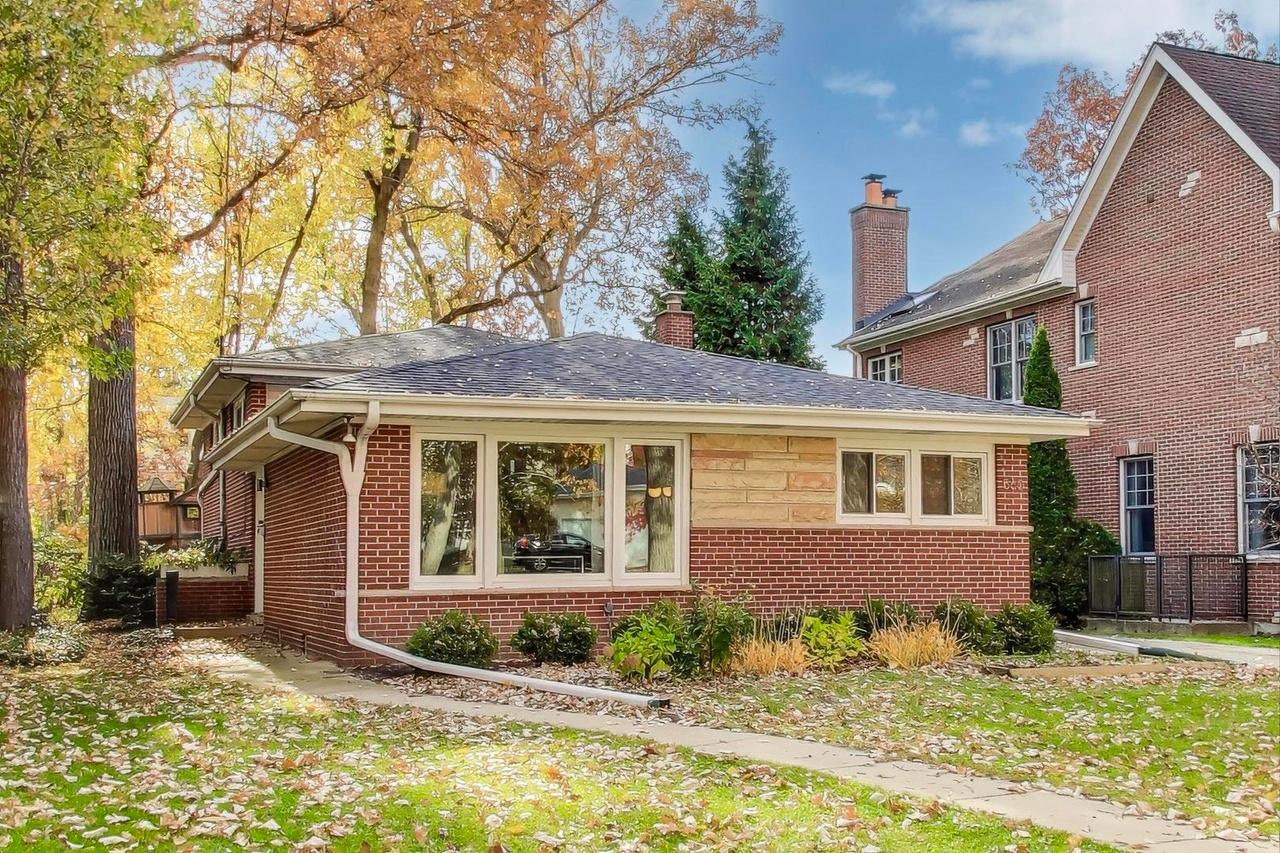
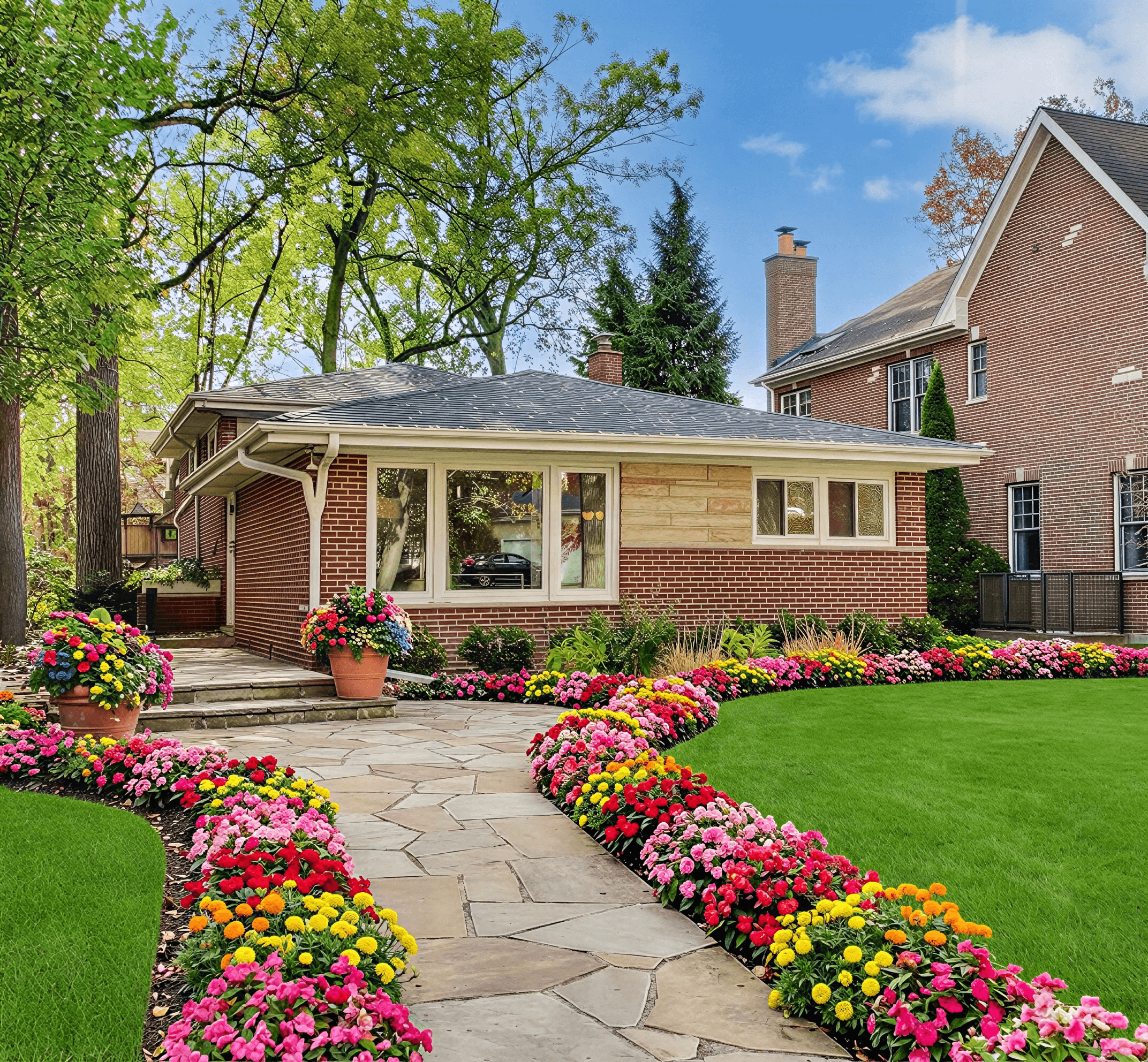
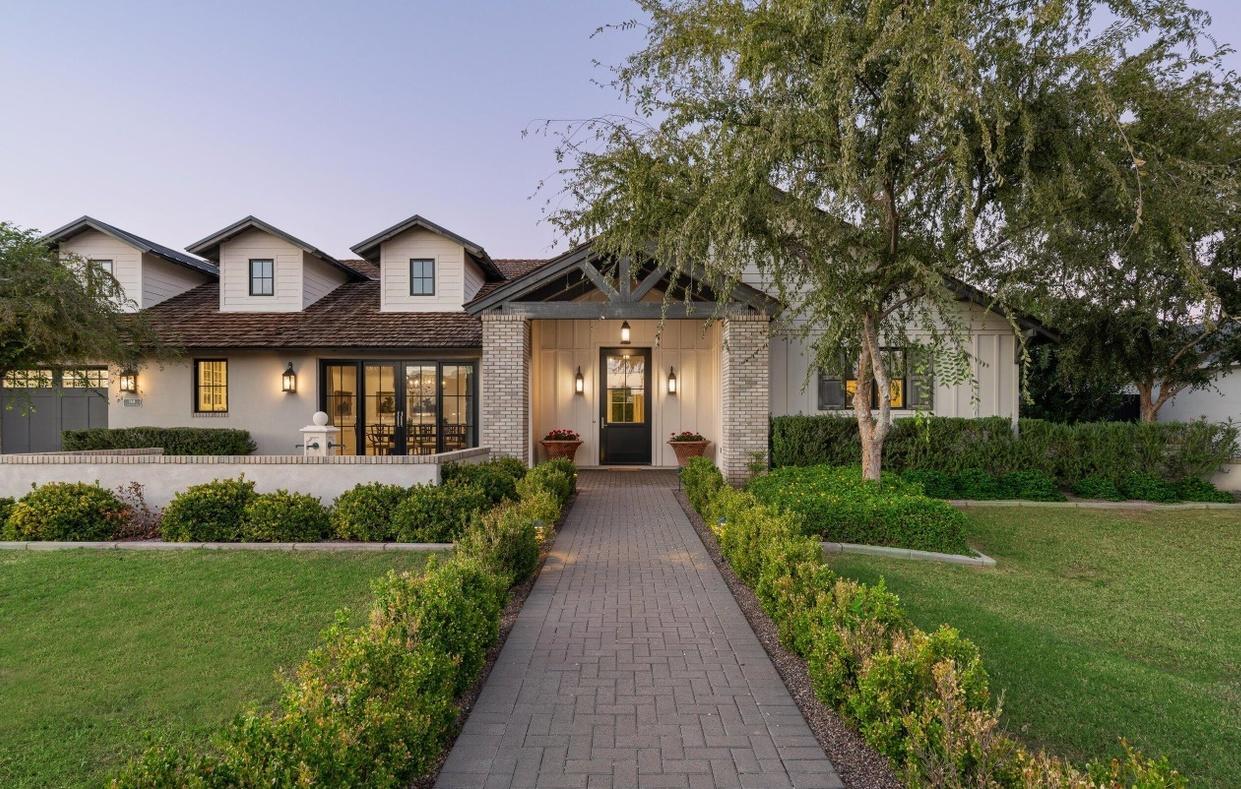
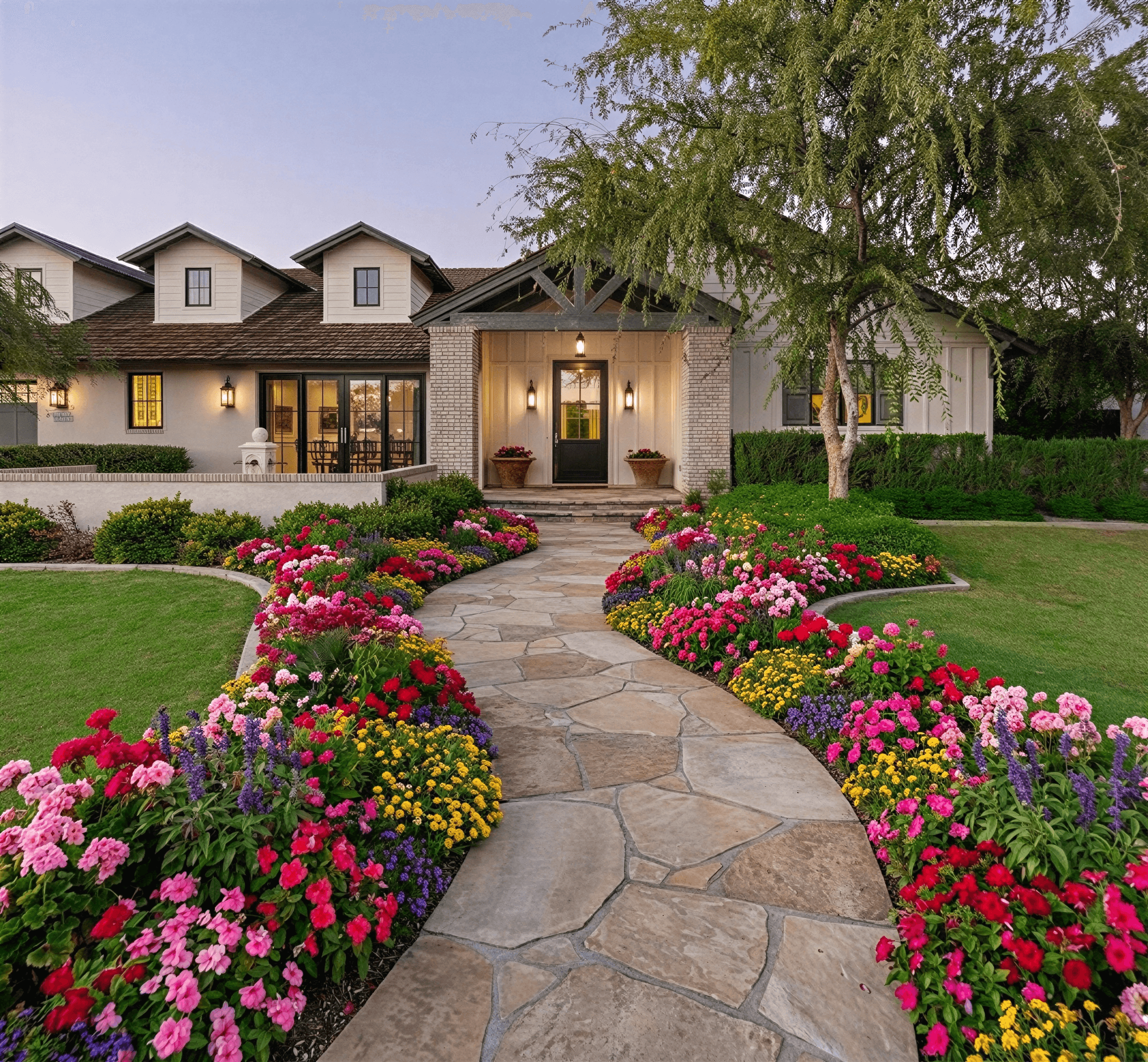
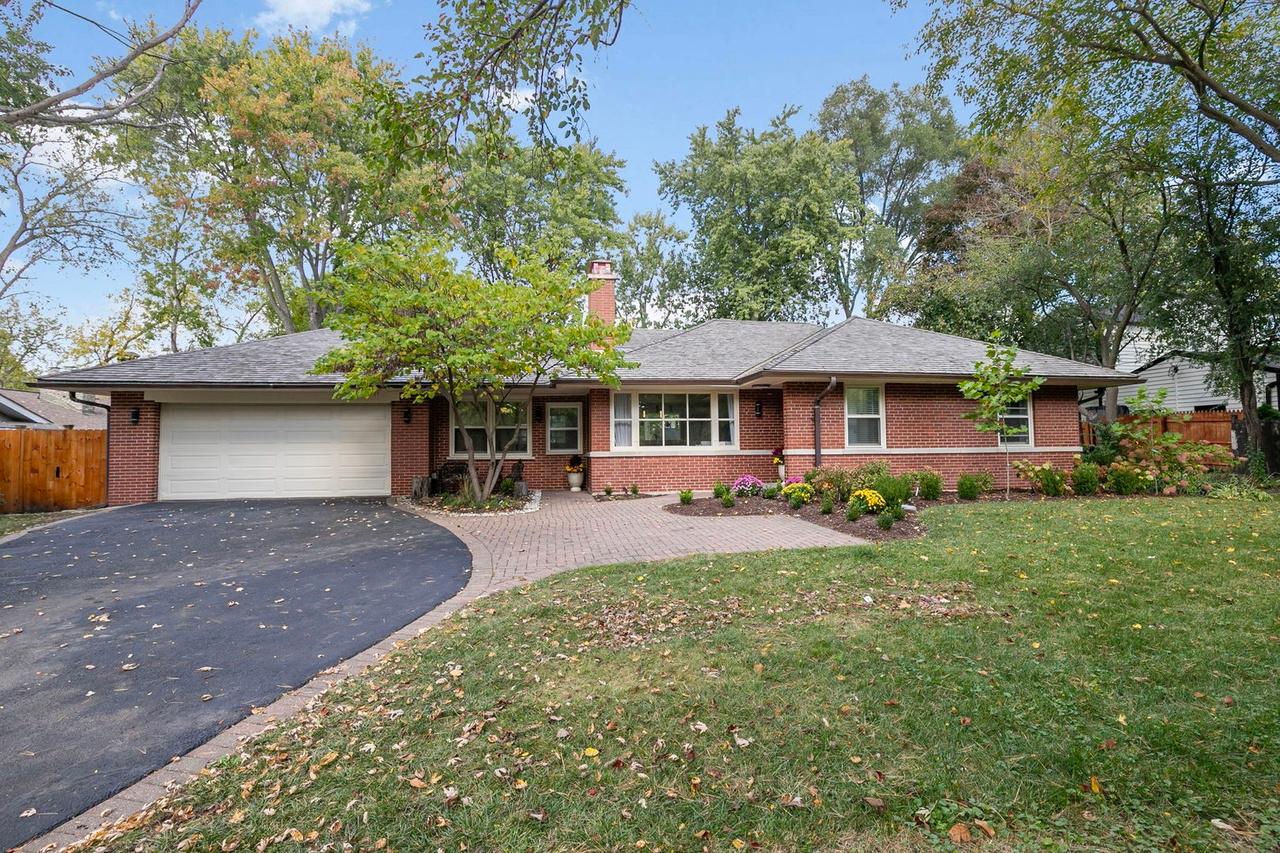
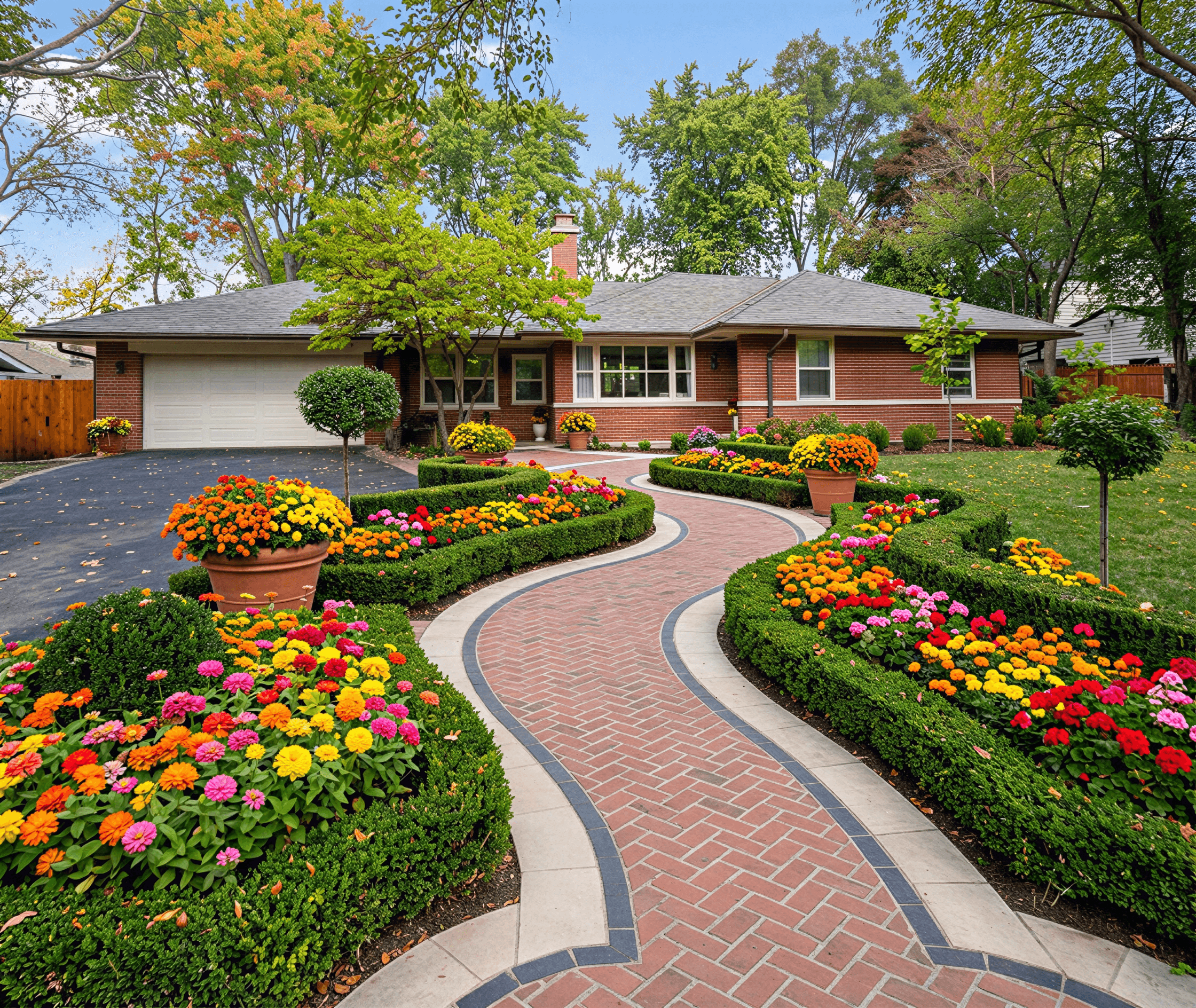
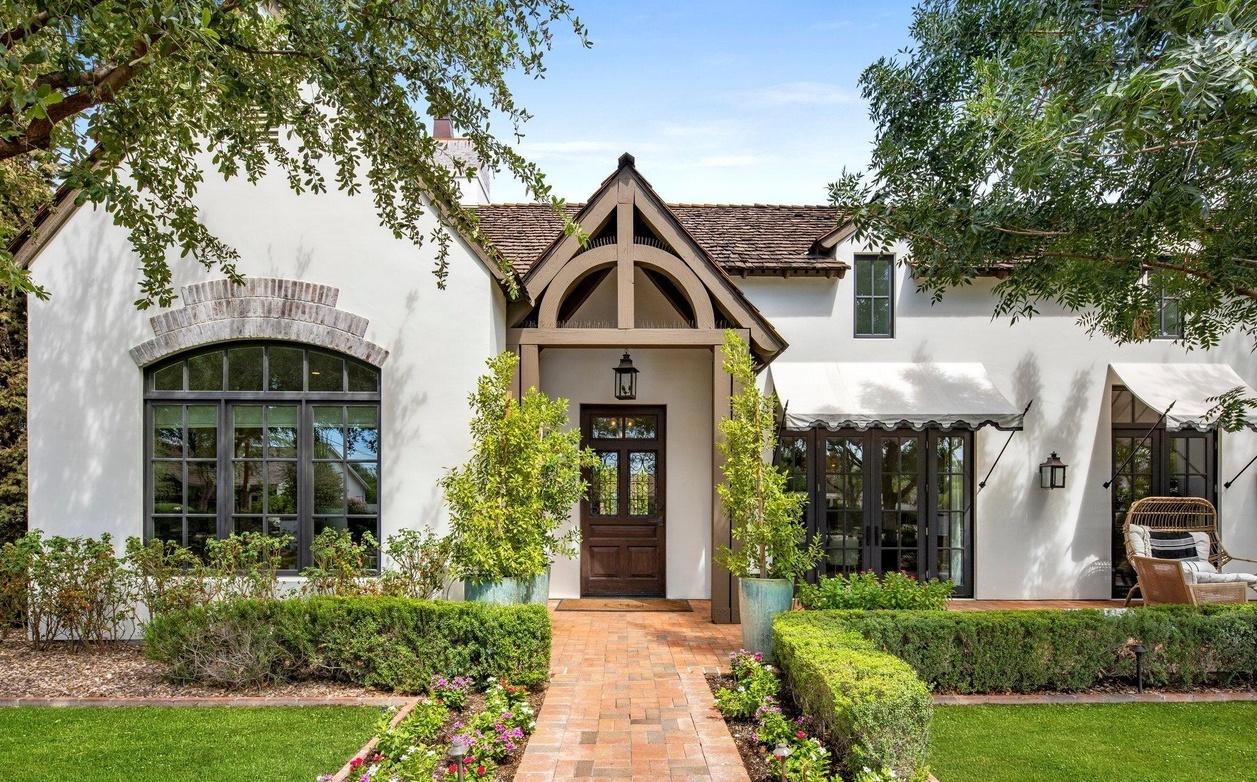
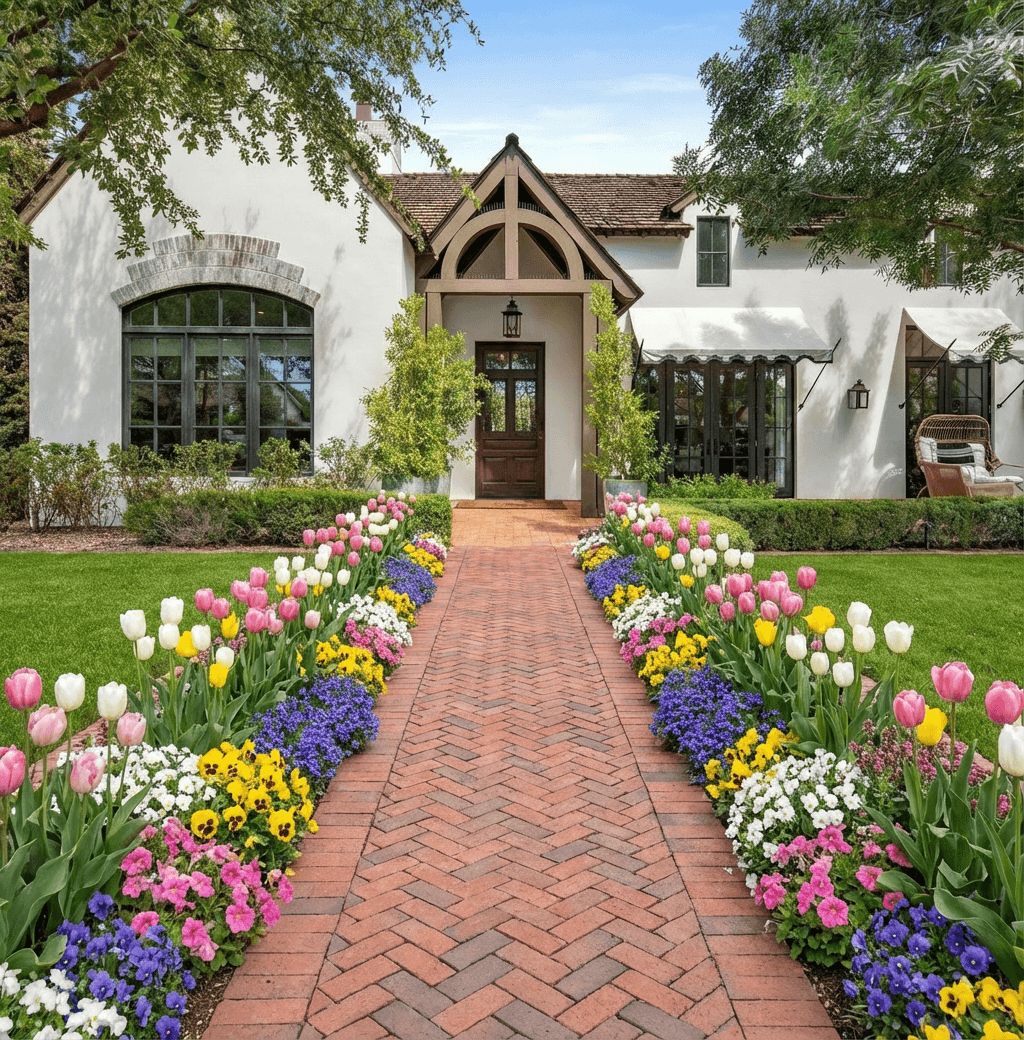
8 Stunning Before and After Curb Appeal Transformations for 2026
A home's first impression is a powerful statement, shaping how visitors, potential buyers, and even you feel about the property. Yet, many homeowners feel stuck with a lackluster exterior, unsure which upgrades will deliver real value. The right changes can dramatically boost not only a home's market value but also your daily enjoyment. But which projects offer the biggest bang for your buck, and how can you be sure the final result will be worth the investment?
This guide moves beyond generic advice to deliver a tactical playbook. We are showcasing a series of inspiring before and after curb appeal transformations, breaking down the exact strategies, estimated costs, and potential return on investment for each project. From simple paint and siding refreshes to complete landscape redesigns involving hardscapes and climate-appropriate gardens, you will find actionable steps and expert insights. To truly achieve a high-impact exterior makeover, consider how to transform your home's curb appeal from every angle, including roofing and windows which are foundational to any great design.
Our goal is to eliminate the guesswork. We provide a detailed look at everything from porch and entryway makeovers to driveway upgrades and landscape lighting design. By analyzing these real-world and AI-rendered examples, you'll gain the confidence and knowledge needed to plan your own project. Get ready to see how strategic, well-planned improvements can turn any home into the standout on the block.
1. Front Porch and Entryway Transformation
Your home's entryway is its first impression, acting as the focal point that draws the eye and welcomes visitors. A well-executed front porch and entryway transformation can dramatically improve a home's perceived value and character. This project goes beyond a simple coat of paint; it involves a coordinated redesign of the door, lighting, hardware, house numbers, and surrounding plantings to create a cohesive and inviting scene.

This type of focused upgrade is a favorite among real estate professionals for a reason. Shows like HGTV's Curb Appeal consistently demonstrate how an updated entrance can completely change a property's presence from the street. The strategy is to create a clear, attractive, and functional path to the front door that feels both stylish and secure.
Strategic Breakdown
- Focal Point Creation: A bold, contrasting door color immediately captures attention. Black, deep navy, or even a vibrant red can serve as a powerful anchor against neutral siding.
- Symmetry and Balance: Symmetrical elements, like matching planters or light fixtures on either side of the door, create a sense of order and classic appeal that is universally attractive.
- Layered Lighting: Combining ambient lighting (from overhead or wall sconces) with accent lighting (like path lights) adds depth, safety, and a warm, welcoming glow after dark.
Key Insight: The primary goal of an entryway makeover is to eliminate any visual friction. Buyers or guests should feel instinctively drawn toward the entrance without any clutter, confusion, or feelings of neglect blocking their path.
Replicate This Look
- Select a Cohesive Palette: Choose a door color that complements your home's siding and trim. Use a color wheel to find a contrasting yet harmonious shade.
- Upgrade Hardware and Lighting: Swap out dated hardware, house numbers, and light fixtures for a modern, unified style (e.g., all matte black or brushed nickel).
- Frame with Greenery: Add container plants that fit the scale of your porch. For a classic look, use evergreen topiaries. For seasonal color, opt for flowering annuals that match your hardiness zone.
2. Landscape Beds, Foundation Plantings and Hardscape Restoration
Well-designed landscape beds and foundation plantings frame your house, connecting it to the surrounding property and softening its architectural lines. This process involves more than just planting shrubs; it's about creating structured, layered garden beds and restoring hardscape elements like pathways and edging to define spaces and guide the eye. A thoughtful restoration provides a polished, professional look that significantly boosts curb appeal.
This foundational improvement is a cornerstone of professional landscape design and a frequent focus of home and garden publications. The goal is to correct common issues like overgrown, sparse, or poorly arranged plants that detract from the home's facade. By establishing clean lines with hardscape and layering plants by height and texture, you create a look that is lush, intentional, and balanced.
Strategic Breakdown
- Architectural Framing: Foundation plantings should complement, not hide, your home's architecture. Use taller, upright plants to soften corners and lower, mounding plants under windows.
- Creating Depth and Layers: Arrange plants with the tallest in the back (closest to the house), medium-sized in the middle, and the shortest along the front edge. This layering technique adds visual depth and richness.
- Defined Edges: Crisp, clean edges created with stone, brick, or metal edging provide a sharp border between lawn and garden beds. This small detail makes the entire landscape look tidy and well-maintained.
Key Insight: The most effective landscape beds work in harmony with the home's scale and style. The plantings should be proportional, preventing the house from looking either overwhelmed by greenery or starkly exposed.
Replicate This Look
- Plan Your Layers: Sketch out your beds, marking zones for tall, medium, and short plants. Consider mature plant sizes to avoid future overcrowding. For more inspiration, explore these foundation planting ideas.
- Select Climate-Appropriate Plants: Choose a mix of evergreens for year-round structure, perennials for seasonal color, and grasses for texture. Select species native to your hardiness zone for better resilience and lower maintenance.
- Install Permanent Edging: Dig a clean trench around your beds and install a durable hardscape border. Backfill with soil and finish with a 2-3 inch layer of high-quality mulch to retain moisture and suppress weeds.
3. Driveway and Walkway Upgrades
The driveway and walkways are the largest hardscape elements of your front yard, essentially serving as the red carpet to your home. Upgrading these surfaces from cracked concrete or faded asphalt to modern materials like pavers or stamped concrete creates clean, guiding lines that significantly boost a property's visual appeal. This investment addresses both aesthetics and functionality, resolving safety hazards while establishing a high-end, finished look.

This kind of extensive hardscape overhaul is a cornerstone of many reality TV home makeovers and a key strategy for property flippers. The reason is simple: a pristine driveway communicates quality and diligent maintenance from the moment someone pulls up. It frames the entire property, directing attention toward the home itself and complementing the surrounding landscaping.
Strategic Breakdown
- Material Selection: The choice of material defines the home's character. Stamped concrete offers a modern, seamless look, while stone pavers can create a classic, rustic, or Mediterranean feel, depending on their color and texture.
- Defining Edges: Adding a border or edging with a contrasting paver color or material cleanly defines the driveway's shape. This small detail prevents a "bleeding" effect into the lawn and adds a professional, polished finish.
- Climate Consideration: Smart material choices account for local weather. Permeable pavers are excellent for rainy climates as they help manage water runoff, while light-colored materials reflect heat in sunny regions, keeping surfaces cooler.
Key Insight: A driveway is more than just a place to park; it's a critical design element that guides the eye. A crumbling or stained surface detracts from even the most beautiful home, while a new one elevates the entire property.
Replicate This Look
- Assess Your Style and Climate: Choose materials that complement your home's architectural style and are durable enough for your local weather patterns.
- Plan for Drainage: Ensure the installation plan includes a proper slope and drainage system to prevent water from pooling near your foundation or creating icy patches in winter.
- Incorporate Design Details: Consider adding decorative borders, a central medallion, or combining different paver sizes and colors for a custom look. For more inspiration on pathways, explore these stone walkway design ideas for your front yard.
4. Landscape Lighting Design and Installation
Strategic outdoor lighting does more than just illuminate your home after dark; it completely redefines its nighttime presence. A professional lighting design uses a variety of fixtures like uplights, path lights, and accent lights to highlight architectural features, showcase landscaping, and create a warm, secure ambiance. This "after dark" curb appeal is a powerful tool, especially for real estate listings where evening photos can make a property stand out.
The concept has been popularized by high-end landscape designers and smart home technology companies like Philips Hue, which make sophisticated control accessible. A well-lit home not only looks more luxurious and inviting but also adds a crucial layer of safety and security. It's a key element in many dramatic before and after curb appeal stories, turning a dark, uninviting facade into a stunning nighttime feature.
Strategic Breakdown
- Architectural Highlighting: Uplighting is used to cast gentle light up the facade, emphasizing textures like stone or brick and drawing attention to key features like columns or gables.
- Depth Creation: Placing lights at different distances and heights within the landscape creates layers of light and shadow, making the property feel larger and more dynamic than a flat, floodlit yard.
- Guided Experience: Path lights are not just for safety; they create a visual journey, subtly directing the eye and foot traffic toward the front door or other focal points.
Key Insight: The goal of landscape lighting isn't just brightness, but artistry. Effective design uses shadow and light to tell a story, creating an atmosphere that flat, harsh security lighting cannot achieve.
Replicate This Look
- Layer Your Lighting: Combine three types of lighting: ambient (overall illumination), task (for pathways and stairs), and accent (to highlight trees or architectural details).
- Choose a Warm Temperature: Select LED bulbs with a warm color temperature around 2700K. This creates a cozy, welcoming glow that is far more inviting than cool, blue-toned light.
- Position Lights Thoughtfully: Place uplights to graze surfaces rather than hitting them head-on to avoid harsh "hot spots." Ensure path lights illuminate the walking surface without creating glare.
- Consider Smart Controls: Install a system with timers, dimmers, or smart-phone controls. This allows you to schedule lighting for dusk and dawn, saving energy and adjusting brightness for any occasion.
5. Exterior Paint and Siding Refresh
Nothing changes a home's character faster or more completely than a full exterior paint job or siding replacement. This high-impact upgrade erases decades of stylistic trends, corrects fading and wear, and provides a clean canvas to redefine your home's entire aesthetic. It's a foundational element of curb appeal that influences how every other exterior feature, from landscaping to lighting, is perceived.

This level of exterior renovation is a cornerstone of popular home makeover shows, where dated ranch homes are often updated with modern gray and white palettes, or traditional homes get a classic navy and cream combination. The strategy involves selecting a color scheme that not only looks great but also complements the home's architectural style and protects the structure from the elements.
Strategic Breakdown
- Color Psychology: The choice of color directly impacts a home's perceived size and style. Lighter colors like whites and beiges can make a home appear larger and more open, while darker shades like charcoal or navy can add drama and sophistication.
- Architectural Harmony: A successful paint job respects the home's original design. A modern farmhouse benefits from a classic white siding with black trim, whereas a mid-century modern home might call for an earthy, nature-inspired palette.
- Material and Finish: The type of paint or siding affects both durability and visual texture. A matte finish can hide imperfections, while a satin finish offers a slight sheen and easier cleaning. To achieve a truly refreshed look, consider exploring innovative and 10 transformative outside siding ideas that can dramatically change your home's appearance.
Key Insight: An exterior refresh is about more than just color. It's about creating a cohesive visual package where the main body, trim, shutters, and front door all work together to tell a single, compelling story.
Replicate This Look
- Test Your Colors: Always test paint samples on different sides of your house to see how they look in morning, afternoon, and evening light before committing.
- Create a Cohesive Palette: Select a main color, a trim color, and one or two accent colors. A common rule is the 60-30-10 principle: 60% main color, 30% trim, and 10% for accents like the front door.
- Invest in Quality: Use high-quality exterior paint and primer designed for your specific climate. Proper preparation, including cleaning and scraping, is just as important as the paint itself for a long-lasting finish.
6. Fence, Gate, and Boundary Enhancement
A well-chosen fence does more than just mark property lines; it frames your home, enhances its architectural style, and provides a sense of security and privacy. Upgrading or installing a fence and gate offers one of the most significant before and after curb appeal transformations, creating a polished, cohesive look from the sidewalk to the front door. This project is about defining your space with purpose and style.
From the classic charm of a white picket fence to the sleek lines of a modern horizontal-board design, the right boundary is critical. Real estate stagers and landscape designers often prioritize fencing because it presents a property as well-maintained and complete. The goal is to select a style and material that complements the home's exterior, turning a simple boundary into a key design feature.
Strategic Breakdown
- Architectural Harmony: The fence style should match the home's character. For example, traditional picket fences suit cottage and farmhouse properties, while ornamental metal is ideal for formal or Mediterranean homes.
- Visual Framing: A fence acts like a picture frame for your house and landscaping. A dark-stained fence can make greenery pop, while a white fence creates a bright, welcoming boundary.
- Defined Entry Point: An attractive gate and pathway clearly mark the entrance, guiding visitors and creating a sense of arrival. This removes ambiguity and improves the overall flow of the front yard.
Key Insight: A fence shouldn't just be an afterthought; it is a fundamental part of your home's exterior palette. Its color, material, and style should be deliberately chosen to coordinate with your siding, trim, and landscaping for a unified appearance.
Replicate This Look
- Check Local Regulations: Before starting, verify local zoning laws and any HOA requirements regarding fence height, materials, and placement.
- Choose Climate-Appropriate Materials: Select materials suited to your environment. Vinyl and composite are low-maintenance options, while woods like cedar are naturally resistant to rot and insects in many climates.
- Coordinate with Your Home's Palette: Paint or stain your fence in a color that complements your home's exterior. A good starting point is to match the trim or front door color.
- Invest in Professional Installation: Proper installation is crucial for a fence's longevity and appearance. Ensure posts are set correctly in concrete to prevent sagging and ensure a level, professional finish.
7. Xeriscaping and Climate-Appropriate Garden Transformation
Xeriscaping is a smart landscaping approach that reduces or eliminates the need for supplemental irrigation. It involves converting water-intensive lawns and gardens into sustainable landscapes using drought-resistant, native, and climate-appropriate plants. This transformation not only conserves water but also creates a modern, architectural aesthetic that complements many home styles, particularly in arid or water-restricted regions.
This type of "before and after curb appeal" project is gaining immense popularity, championed by sustainable design advocates and landscape architects in the Southwest. The goal is to design a garden that thrives in its natural environment with minimal human intervention. The result is a visually striking yard that is both beautiful and environmentally responsible, reducing maintenance costs and effort over time.
Strategic Breakdown
- Lawn Replacement: The most significant change is often the removal of a traditional turf lawn, which is typically the most water-demanding element in a yard.
- Textural Contrast: A successful xeriscape uses a mix of textures. The soft foliage of ornamental grasses contrasts beautifully with the hard surfaces of gravel, boulders, and permeable pavers.
- Layered Planting: Plants are strategically layered by height and form. Taller, structural plants like agaves or yuccas act as focal points, while lower-growing succulents and groundcovers fill in the space, creating depth.
Key Insight: A common misconception is that xeriscaping is just rocks and cacti. A well-designed xeriscape is a lush, vibrant, and multi-seasonal garden that celebrates the beauty of its regional ecosystem.
Replicate This Look
- Research Native Plants: Identify plants native to your specific region. These are genetically adapted to your climate, soil, and rainfall levels, ensuring a higher success rate.
- Incorporate Hardscaping: Use gravel, decomposed granite, or permeable pavers to create walkways and define garden beds. These materials reduce water runoff and suppress weeds.
- Plan for Four Seasons: Choose a variety of plants that offer visual interest throughout the year. Consider plants with interesting foliage, bark, or seed heads for winter appeal. For more inspiration, explore these drought-tolerant landscaping ideas.
8. Deck, Patio, and Outdoor Living Space Construction
A well-designed deck or patio extends your home’s living space into the outdoors, creating valuable areas for relaxation and entertainment. This addition is more than just a functional platform; it's a structural feature that adds dimension, visual interest, and a clear signal of an enjoyable lifestyle to potential buyers. From a curb appeal perspective, a thoughtfully placed deck or patio can balance a home's proportions and create an inviting transition between the interior and the yard.
Popularized by outdoor living designers and shows that focus on maximizing a property's potential, adding a deck or patio is a proven way to improve both aesthetics and usability. The key is to design a space that looks like an intentional extension of the home, not an afterthought. This involves coordinating materials, colors, and scale with the existing architecture.
Strategic Breakdown
- Extend Living Space: Decks and patios create defined "rooms" outdoors. Designing zones for dining, lounging, and cooking makes the home feel larger and more accommodating.
- Architectural Balance: A multi-level deck can break up a tall, flat exterior wall, while a sprawling patio can ground a large home, improving its proportions from the street.
- Material Cohesion: Choosing materials that complement the home’s exterior, such as matching the stain of a wood deck to the front door or using pavers that echo the stone accents on the facade, creates a unified look.
Key Insight: The most successful outdoor living spaces are visible from the street and designed with clear purpose. They promise a lifestyle of relaxation and entertaining, which is a powerful selling point that directly impacts curb appeal.
Replicate This Look
- Consider Sightlines: Before building, stand on the street and visualize how the structure will look. Ensure its placement and scale enhance the home's appearance rather than overwhelm it.
- Match Materials: Select decking, railings, and pavers that align with your home’s architectural style. For a modern home, consider composite decking with cable railings. For a rustic home, natural wood or flagstone might be more appropriate.
- Define Zones with Furnishings: Use outdoor rugs, furniture groupings, and large planters to create distinct areas for dining and lounging. This organization makes the space feel more intentional and inviting.
Before & After Curb Appeal: 8-Point Comparison
| Project | 🔄 Implementation Complexity | ⚡ Resource & Cost (time & money) | 📊 Expected Outcomes & Impact | 💡 Ideal Use Cases | ⭐ Key Advantages |
|---|---|---|---|---|---|
| Front Porch and Entryway Transformation | 🔄 Low–Moderate — simple repaint/trim or door swap; pro needed for structural door work | ⚡ Low–Moderate — relatively affordable; quick turnaround; door replacement can raise cost | 📊 3–5% value increase; strongest first-impression; immediate photo impact | 💡 Quick listing upgrades; boost curb appeal on a budget; photo/virtual-tour focus | ⭐ High ROI; fast visible results; easy staging impact |
| Landscape Beds, Foundation Plantings & Hardscape Restoration | 🔄 Moderate — phased planting and edging; region-specific design knowledge | ⚡ Low–Moderate upfront; ongoing maintenance (weeding, pruning); can be phased seasonally | 📊 Improves structure, proportion, year‑round interest; long-term curb enhancement | 💡 Soften architecture, screen utilities, add depth and texture | ⭐ Adds structure & seasonal interest; adaptable to budget and scale |
| Driveway and Walkway Upgrades | 🔄 Moderate–High — demolition, grading, drainage and pro installation often required | ⚡ High upfront ($3,000–$15,000+); disruptive during install; very durable long-term | 📊 5–10% value increase; high visual impact; improves safety and accessibility | 💡 High-visibility properties, damaged surfaces, premium listings | ⭐ Durable, high-impact upgrade that signals well-maintained home |
| Landscape Lighting Design & Installation | 🔄 Low–Moderate — layout and minor electrical work; full systems require licensed electrician | ⚡ Moderate ($1,500–$5,000+); energy‑efficient LEDs reduce operating cost | 📊 Dramatic nighttime curb appeal; improved security; enhances photography and showings | 💡 Evening showings, highlighting architecture/landscape, safety upgrades | ⭐ Big visual change for moderate cost; energy-efficient and programmable |
| Exterior Paint & Siding Refresh | 🔄 Moderate — surface prep essential; siding replacement increases complexity | ⚡ Moderate ($2,000–$10,000 for paint); siding replacement higher cost and time | 📊 Dramatic before/after impact; protects structure; strong perceived value increase | 💡 Modernizing dated exteriors; affordable visual overhaul before listing | ⭐ Fully customizable look; protects home and yields strong ROI |
| Fence, Gate & Boundary Enhancement | 🔄 Moderate–High — length, terrain and permitting add complexity | ⚡ High ($3,000–$15,000+ depending on scope); ongoing maintenance for some materials | 📊 Defines property, increases privacy and perceived security; polished appearance | 💡 Privacy/security needs, finished property look, coordinated entryways | ⭐ Functional + aesthetic upgrade; clarifies boundaries and boosts curb appeal |
| Xeriscaping & Climate-Appropriate Garden Transformation | 🔄 Moderate — requires native-plant expertise and thoughtful design | ⚡ Low–Moderate upfront; low ongoing water/maintenance costs; may require irrigation retrofit | 📊 50–75% irrigation water reduction; appeals to sustainability-minded buyers; modern aesthetic | 💡 Arid or water-restricted regions; low-maintenance yard priorities | ⭐ Major water and maintenance savings; supports native ecosystems; contemporary look |
| Deck, Patio & Outdoor Living Space Construction | 🔄 High — structural design, permits, and professional installation required | ⚡ High ($5,000–$25,000+); long build time; ongoing upkeep (staining, repairs) | 📊 50–80% ROI (often recouping 60–70%); extends living space; strong lifestyle appeal | 💡 Properties for entertaining, family outdoor living, high-end listings | ⭐ Large functional & visual impact; creates aspirational outdoor living areas |
Turning Inspiration Into Your Reality
The stunning transformations showcased throughout this article demonstrate a powerful truth: a home's first impression is not set in stone. From simple paint updates and strategic foundation plantings to complete landscape overhauls, every project reinforces the idea that thoughtful design creates significant value. These "before and after curb appeal" examples are more than just inspiring pictures; they are a practical roadmap for what is possible for your own property.
The most successful projects share a common foundation: a clear, well-defined plan. They don't just add new elements; they create a cohesive story that connects the house to its surroundings. This is where many homeowners get stuck, struggling to picture how different colors, materials, and plants will come together.
Key Strategies for Your Own Transformation
Reviewing these projects reveals several core principles that you can apply directly to your home:
- Focus on the Entryway: The path to your front door is the focal point. Upgrading lighting, hardware, paint, and nearby plantings offers one of the highest returns on investment.
- Create Cohesion Through Repetition: Successful designs repeat colors, textures, or materials to create a unified look. Notice how fence colors might match window trim, or walkway pavers complement the home's stone accents.
- Balance Hardscape and Softscape: The most inviting exteriors strike a balance between structural elements like walkways and patios (hardscape) and living elements like plants and grass (softscape). One should complement the other, not dominate it.
- Work with Your Architecture: The best curb appeal upgrades respect the home's existing style. A modern landscape design might clash with a traditional colonial home, so choose updates that feel authentic to the structure.
Ultimately, mastering your home’s exterior presentation is about making smart, informed choices that reflect your personal style while adding tangible value. It’s about converting the potential you see in your property into a reality that welcomes you home every day and captivates any visitor or potential buyer. The difference between a forgotten front yard and a show-stopping entrance is often just a well-executed plan. By studying these successful "before and after curb appeal" projects, you've already taken the first step. The next is to start visualizing the unique potential waiting right outside your own front door.
Ready to stop guessing and start visualizing your home's potential? With Curb Appeal AI, you can upload a photo of your property and generate photorealistic designs in seconds, making it easy to see exactly how your "before and after curb appeal" project will look. Plan your perfect exterior with confidence by visiting Curb Appeal AI today.