Mastering Landscape Design Front Yard
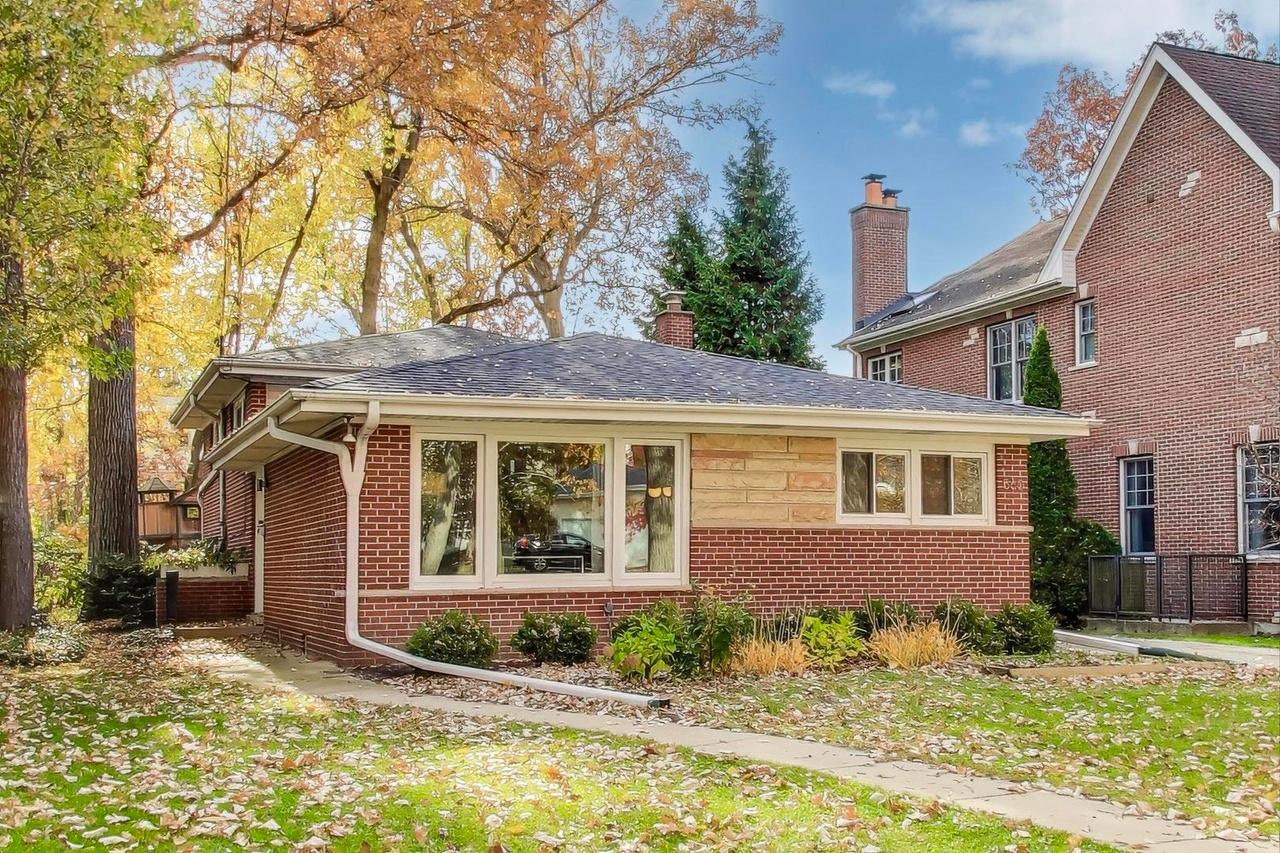
You’re probably standing at the window, looking at a front yard that doesn’t feel finished. Maybe the lawn is patchy. Maybe the foundation beds are a jumble of old shrubs, bare mulch, and plants that never looked right together. Maybe the space isn’t ugly, exactly. It just doesn’t say anything good about the house.
That’s where most front yard projects begin. Not with a grand vision, but with a low-grade annoyance that turns into, “We need a plan before we waste money on the wrong things.”
A good front yard design project isn’t about picking a few pretty plants and hoping they work. It’s a process. It starts with what the site can support, then moves through layout, hardscape, planting, budgeting, and maintenance. The homeowners who get the best results usually aren’t the ones with the biggest budgets. They’re the ones who stop guessing and start designing.
Front yards have carried weight for a long time. During the postwar suburban boom, homeowners invested heavily in welcoming, manicured front yards, and that investment still matters today because curb appeal can boost property prices by up to 10 to 20% according to this history of landscaping and front yard design. If you're thinking about the exterior as a whole, this guide on how to boost your home's curb appeal is a useful companion because it ties the outdoor design to the entry, façade, and garage.
Your Front Yard Has a Story to Tell
A front yard tells visitors what kind of house they’re approaching before they ever knock on the door. It can say cared for, calm, current, and welcoming. It can also say neglected, confused, or high-maintenance in the worst way.
That’s why random upgrades so often disappoint. New flowers in front of tired concrete won’t fix a poor layout. Fresh mulch won’t solve a bad plant palette. A stylish light fixture won’t rescue an entry path that doesn’t guide people to the door.
A strong front yard doesn’t happen in one lucky weekend. It comes from a series of correct decisions made in the right order.
Most homeowners don’t need more inspiration photos. They need a reliable way to move from “I know this looks off” to “I know exactly what goes where and why.” That shift matters because front yards are public spaces. You see them every day, your neighbors see them every day, and buyers notice them immediately if you ever sell.
The good news is that the process is learnable. Designers don’t begin with magic. They begin with observation. They study the house, the grade, the light, the views, the circulation, and the maintenance reality. Then they build a concept that fits the property instead of fighting it.
If you approach your front yard design project that way, the work gets clearer. You stop asking, “What should I buy?” and start asking better questions. Where should the eye go first? What deserves to stay? What needs structure? Which plants will still look right in three years?
That’s the difference between decorating a yard and designing one.
Laying the Groundwork with Site and Style
The biggest front yard mistakes happen before any plant goes in the ground. They happen when people skip the site read and jump straight to shopping.
The University of Florida IFAS Extension outlines a five-phase design methodology that begins with site inventory and analysis, and that professional approach can reduce common implementation failures by up to 40% by letting soil, sun, and drainage drive the design from the start, as explained in their front yard planning guidance.

Start with the site, not the wish list
Before choosing a style, walk the yard and take notes at different times of day. Morning shade and afternoon heat create very different planting conditions. Areas near the foundation often dry out differently than open lawn. One side yard may stay damp while another bakes.
Look at these conditions first:
- Sun exposure. Track where you get full sun, mixed light, and long shade.
- Drainage. Watch where water sits after rain and where it moves quickly.
- Soil behavior. Notice whether the ground stays sticky, drains fast, compacts easily, or cracks when dry.
- Existing assets. Mature trees, established shrubs, stone edging, and good grading can save money if they fit the plan.
- Architecture. Rooflines, window proportions, porch depth, siding color, and entry placement should influence the outdoor design.
A simple base sketch helps more than people expect. Draw the house footprint, driveway, walkway, porch, utilities, trees, and property edges. It doesn’t need to be pretty. It needs to be usable.
Read the house before you choose the garden
A front yard should feel related to the home, not pasted onto it. Modern homes usually want cleaner lines, restrained plant masses, and stronger hardscape geometry. Cottage-style homes can handle softer edges, denser planting, and a more layered look. Traditional houses often benefit from balance and repetition rather than strict symmetry.
Here’s a simple way to think about style fit:
| Home character | Landscape response that usually works | Often looks wrong |
|---|---|---|
| Modern | Simplified plant palette, crisp bed lines, gravel or large-format paving | Fussy mixed borders with too many flower colors |
| Cottage | Curved beds, layered perennials, softer transitions | Sparse planting with overly rigid geometry |
| Traditional | Repetition, orderly foundation beds, clear entry emphasis | Trend-driven materials that ignore the house proportions |
| Dry climate or low-water goal | Gravel mulch, structured shrubs, selective lawn reduction | Water-hungry plants chosen only for bloom |
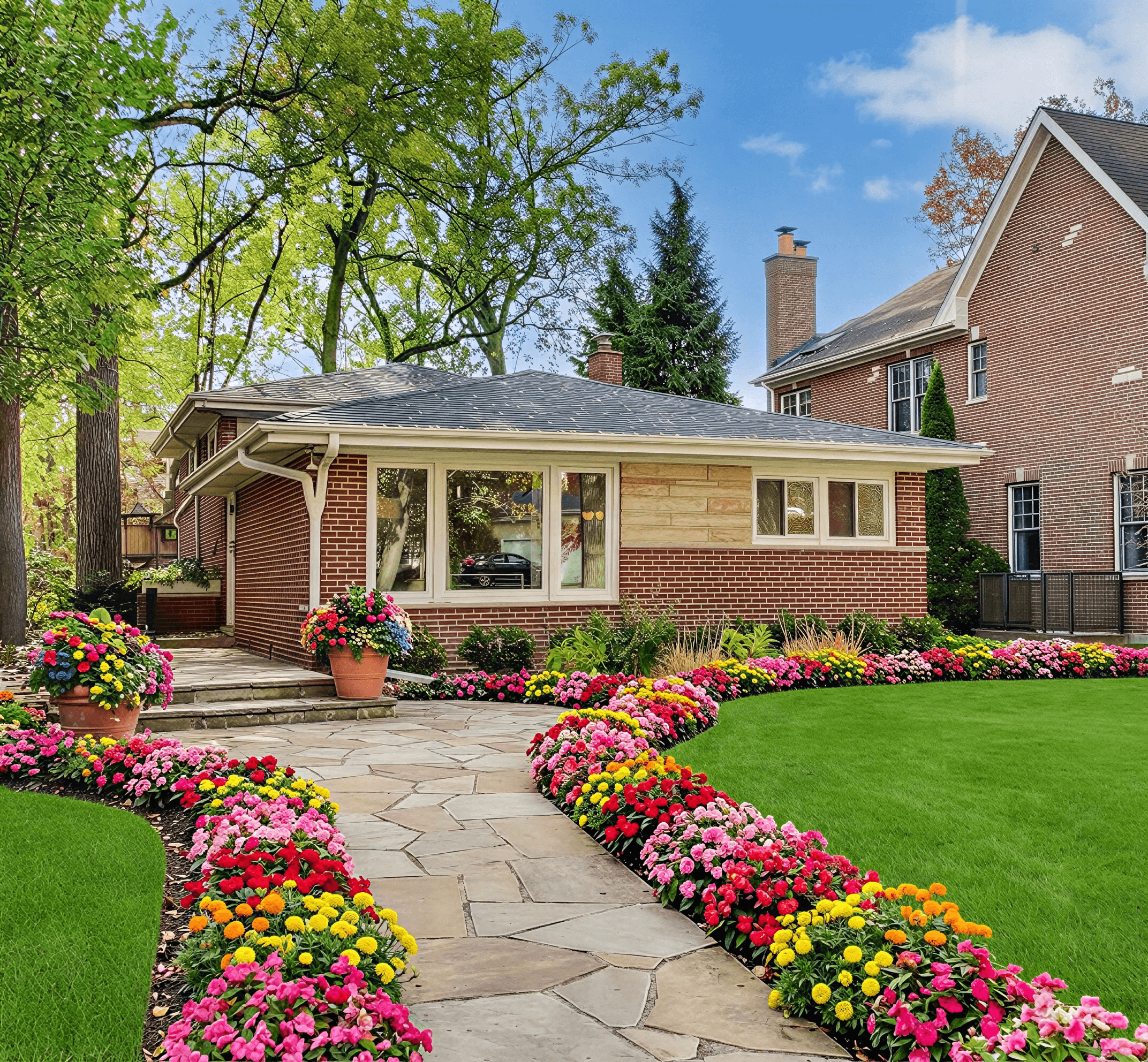
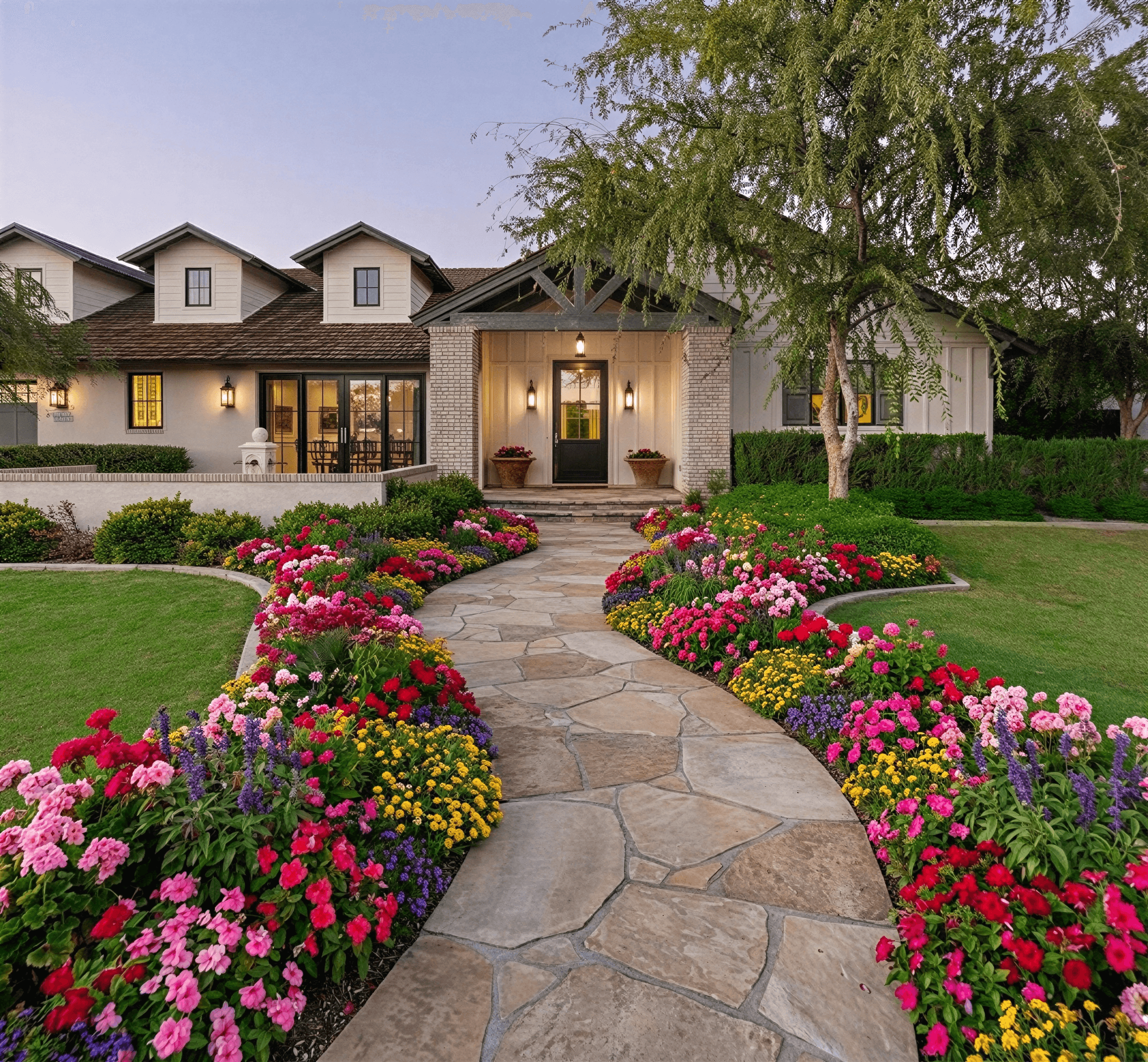
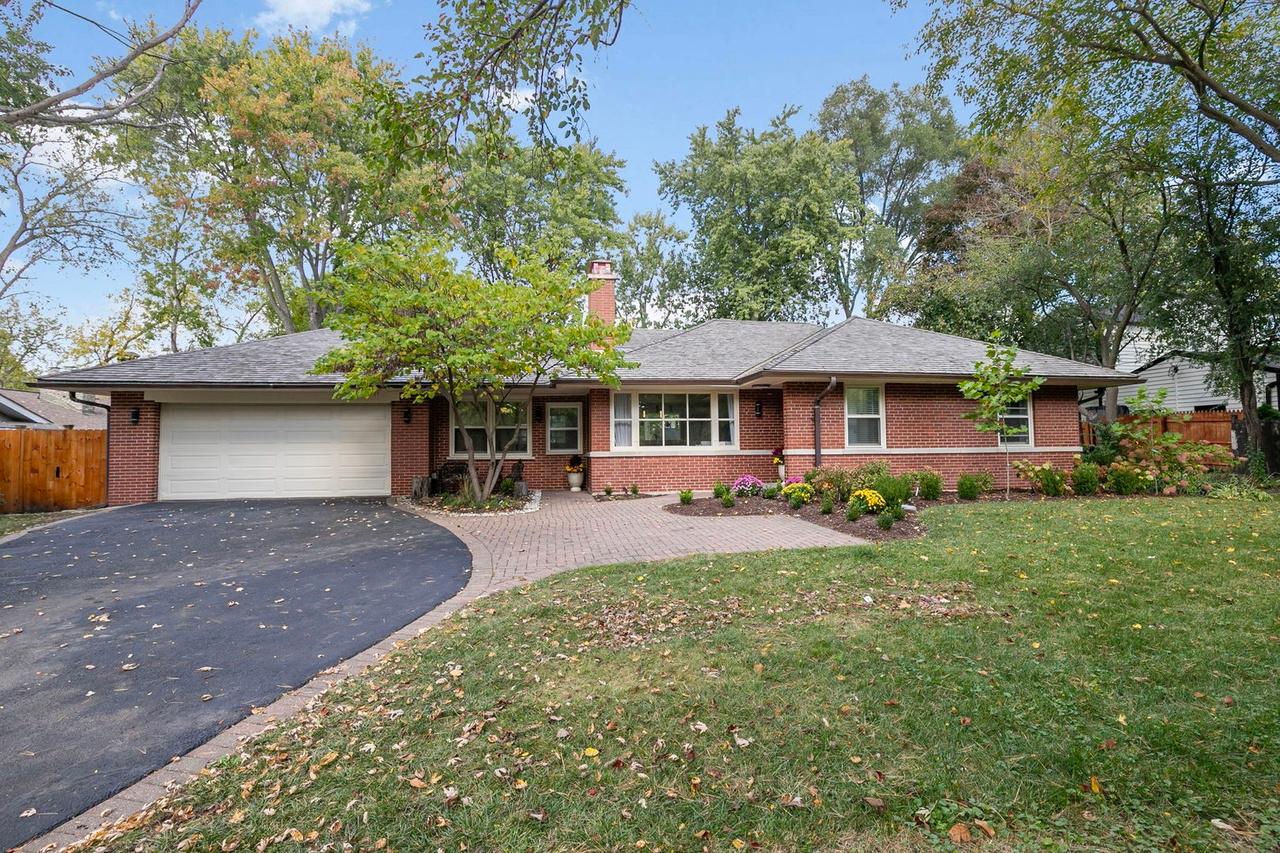
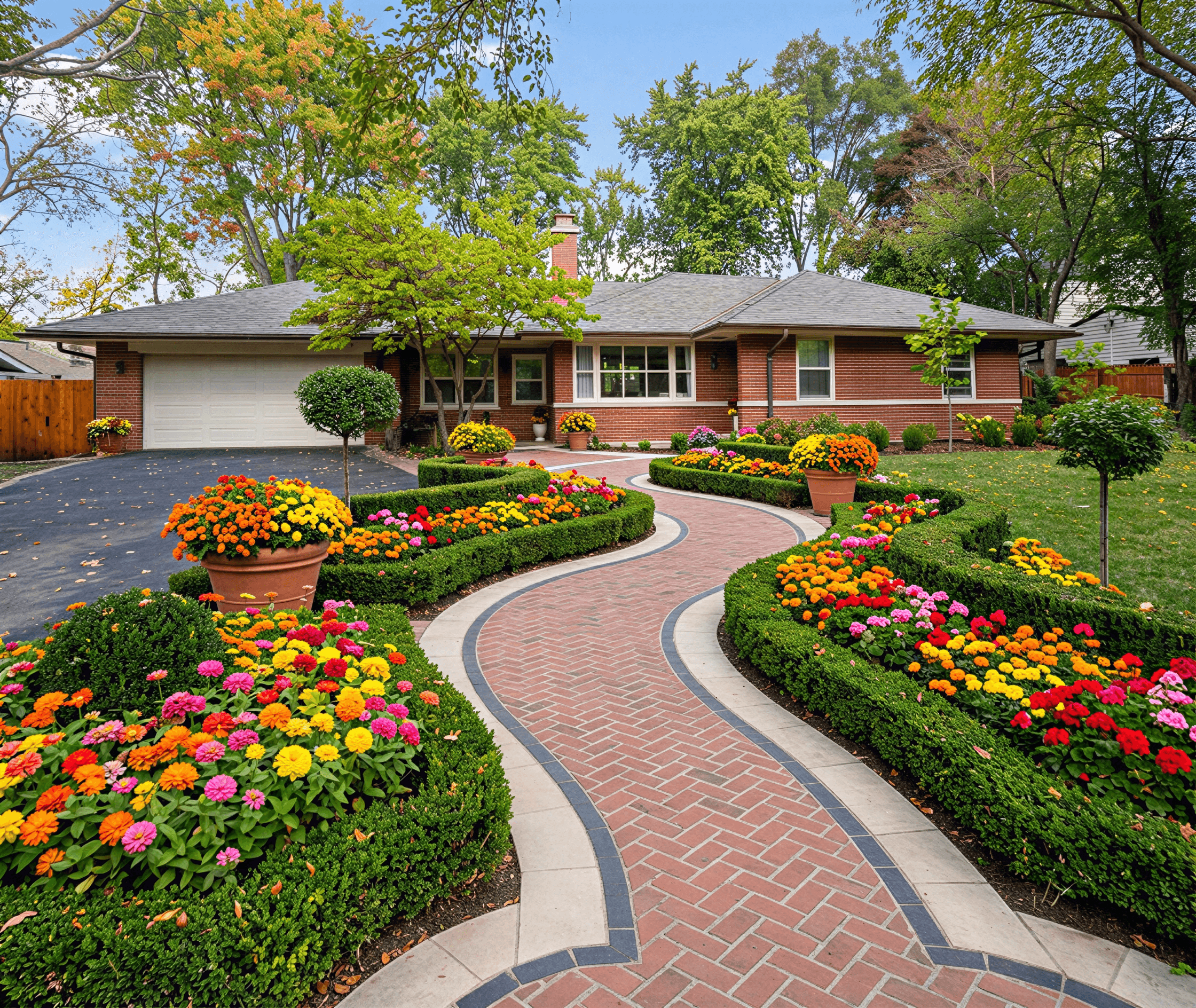
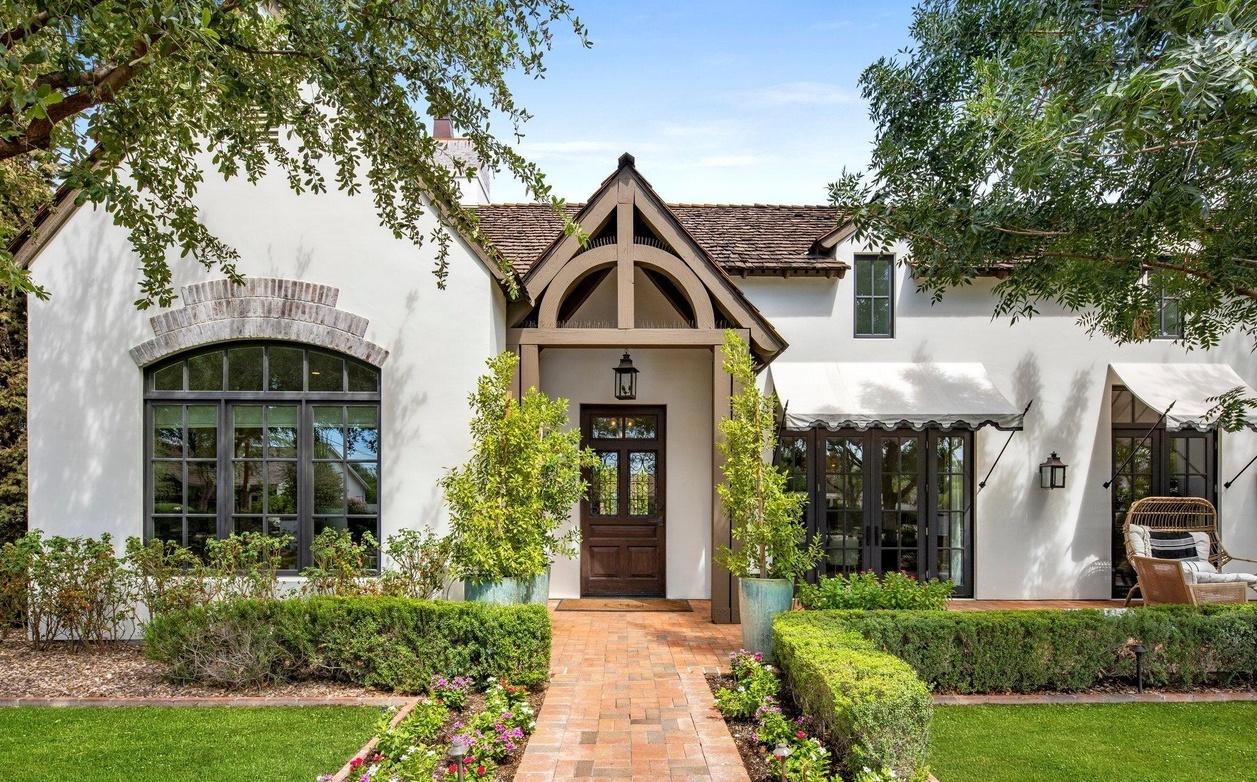
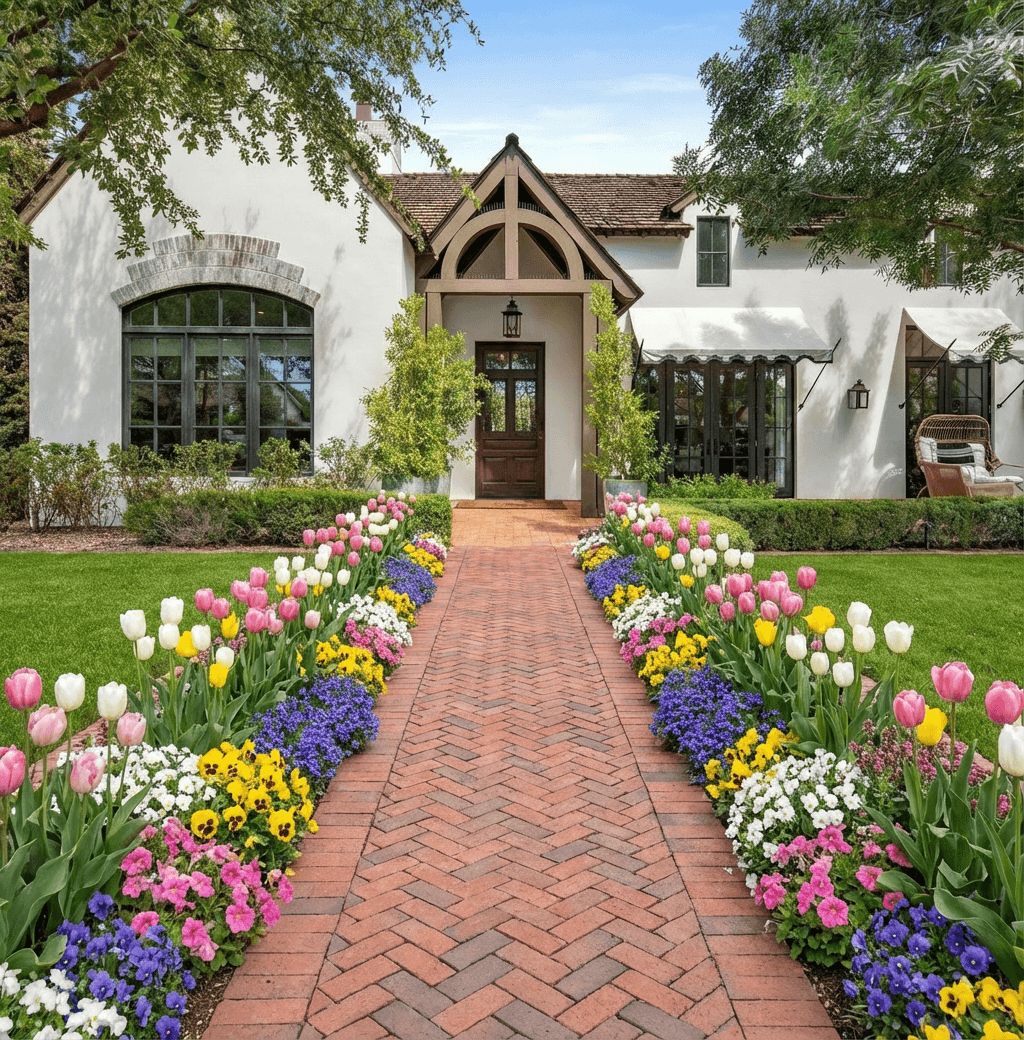
This is also where digital concepting earns its keep. Tools that let you test styles on a photo of your own home can keep you from making a category error, like forcing a Mediterranean planting scheme onto a house that reads better as Colonial or Contemporary. If you want to explore style options visually, Curb Appeal AI lets you upload a street-view photo, preview multiple front yard styles, and generate photorealistic concepts tied to architecture and local climate.
Decide what the yard must do
A front yard isn’t only visual. It has jobs.
Some need to make the front entry more obvious. Some need easier access from driveway to porch. Some need lower maintenance because nobody wants to spend every Saturday trimming boxwood. Some need to soften a tall foundation. Some need to create a little privacy without making the house look defensive.
Practical rule: If you can’t name the job of a planting bed, that bed will usually become clutter.
Write down your priorities in plain language. For example:
- Make the front door easier to find
- Reduce lawn area that struggles
- Keep windows clear from overgrown shrubs
- Create a cleaner look that fits the house
- Choose plants we can realistically maintain
That list becomes your filter. It helps you say no to ideas that are attractive in isolation but wrong for the property.
What homeowners often miss
They overestimate how much style can fix a site problem. It can’t. If drainage is poor, no amount of design language will make the planting succeed. If the entry path is awkward, the prettiest hydrangeas in the neighborhood won’t improve circulation.
The groundwork phase isn’t glamorous, but it saves the most regret. It gives the project direction, and it makes every later choice sharper.
Creating Your Layout and Directing the Eye
Once you understand the site, the next job is arrangement. During this stage, the yard stops being a list of parts and starts behaving like a composition.
Most successful front yards have one thing in common. They tell your eye where to go first. Usually that’s the front door, but sometimes it’s a porch, a centered walkway, or a major tree that frames the house.

Establish a focal point that deserves the attention
If the eye lands on the garage door first, or on a random shrub mass, the design is working against the architecture. A focal point doesn’t need to be dramatic. It needs to be intentional.
Use layout elements to support that focus:
- Walkways should lead naturally to the entry instead of drifting without purpose.
- Plant masses should frame the destination, not block it.
- Bed lines should reinforce movement and create order.
- Repeating shapes should connect separate parts of the yard into one visual system.
Formal layouts work well when the house itself is orderly and symmetrical. Informal layouts feel more natural and forgiving, especially on asymmetrical homes or irregular lots. Neither is better by default. The right answer is the one that makes the house look more coherent.
Plan the views from more than one place
This is the step many homeowners skip, and they feel the mistake later. A layout can look fine in a sketch and still fail in real life because nobody checked the actual sightlines.
A 2025 Houzz Outdoor Trends Report found that 70% of homeowners report intrusive views even after a redesign because plans often ignore lines of sight from the street or nearby windows. It also found that planning for multiple perspectives can improve perceived privacy by 50% without bulky hedges, as summarized in this article on front yard privacy without fences.
That means you need to test the yard from several positions:
- From the street. What do visitors and passersby notice first?
- From the driveway. Does the approach feel clear or confused?
- From key interior windows. What do you see from the living room or kitchen?
- From a neighbor’s angle. Where do direct sightlines create exposure?
A front yard with good privacy rarely relies on one solid wall of green. It uses offset planting, layered heights, small trees, and selective screening. The goal is often soft obstruction, not total concealment.
Stand where people actually stand. The best layout decisions happen at eye level, not just on paper.
For more ideas on arranging spaces before you plant, this guide on how to plan a garden layout is worth reviewing because it helps translate rough ideas into usable zones.
Use structure to control attention
Not every part of the yard needs equal emphasis. In fact, they shouldn’t all compete.
A few design moves work almost every time:
| Design move | What it does |
|---|---|
| Widening the path near the entry | Makes the arrival feel more deliberate |
| Massing one plant variety instead of mixing many | Creates calm and visual confidence |
| Keeping lower plants near walks and windows | Preserves visibility and reduces crowding |
| Using a specimen shrub or small tree off-center | Adds depth without forcing rigid symmetry |
| Repeating one material or edging detail | Ties the whole yard together |
The usual failure mode is over-detailing. Too many curves. Too many accent plants. Too many disconnected bed islands. A clean layout often looks more expensive than a busy one because it feels resolved.
If you’re unsure whether the balance is right, reduce before you add. In front yard work, subtraction is often what makes the design believable.
Selecting Plants That Thrive Not Just Survive
Plant choice is where many front yard projects go off the rails. People buy by color, impulse, or nursery availability, then spend the next two seasons replacing failures and pruning back things that never belonged there in the first place.
The rule that matters most is simple. Right plant, right place. Not the prettiest plant. Not the trendiest plant. The one that can live well in that exact spot.

A 2024 National Gardening Association survey found that 60% of U.S. homeowners in variable climate zones replant failed plantings within two years due to mismatched plant selections, and that redo costs average $500 to $2000 per attempt, according to this summary of front yard landscaping guidance. That’s what generic advice costs. It sounds helpful until your yard becomes the experiment.
Start with climate and hardiness, not with bloom color
If you only remember one plant-selection rule, make it this one: a beautiful plant that struggles in your conditions is a bad plant for your front yard.
Your selection should account for:
- Hardiness zone
- Heat exposure
- Humidity or dryness
- Wind exposure
- Soil drainage
- Mature size
- Maintenance tolerance
Many online idea galleries fail homeowners by showing what looks good for the photo, not what will hold up where you live. The better approach is to narrow the plant list to what can thrive, then choose the best aesthetic option from that smaller pool.
Use layers, but don’t stack chaos
A professional-looking planting plan usually has depth. That doesn’t mean cramming the bed full. It means placing plant forms so the composition reads clearly from the street and still functions close up.
A simple front bed often works best with three layers:
- Backdrop plants that anchor the house or frame corners
- Mid-height shrubs or perennials that build the main body of the bed
- Lower edging plants or groundcovers that finish the foreground cleanly
Repetition matters as much as layering. If every plant is different, the bed looks accidental. Repeating a few dependable plants creates rhythm and helps the eye relax.
Most amateur planting plans fail from variety, not from lack of variety.
Texture does a lot of heavy lifting here. Broad leaves, fine foliage, upright shapes, and mounded forms can create interest even when the bed isn’t in bloom. That matters because a front yard has to look respectable for more than one season.
A useful next read is this guide to best plants for front yard, especially if you’re trying to match plant form and upkeep expectations to the style of the house.
Match the plant to the job
Every plant in the front yard should earn its square footage.
Here are common plant jobs that make sense:
- Foundation softening with shrubs that visually connect the home to the ground
- Entry framing with plants that mark the route without blocking it
- Seasonal color in contained areas where bloom cycles can shine
- Groundcover where lawn is fussy or impractical
- Screening with layered plantings that filter views instead of closing the yard off
- Accent planting used sparingly to create a memorable moment
Watch this example-focused walkthrough if you want a quick visual reset on combining structure, layering, and bloom.
What usually doesn’t work
Certain habits almost always create problems later:
| Common move | Why it backfires |
|---|---|
| Planting large shrubs too close to windows | They outgrow the space and force constant pruning |
| Mixing one each of many plants | The bed looks scattered and hard to maintain |
| Choosing by flower alone | The yard looks flat outside bloom season |
| Ignoring mature width | Plants collide, crowd paths, and lose form |
| Using high-care plants in a low-care household | The design declines fast |
This is why climate-smart planning matters so much in a front yard design project. Plant failure is expensive, but it’s also discouraging. Homeowners start doubting the whole plan when the actual issue was plant mismatch from day one.
Good plant design feels calm. It belongs to the house, suits the climate, and still looks intentional when nothing is flowering. That’s the standard worth aiming for.
Building the Bones with Hardscape Paths and Lighting
If plants are the clothing, hardscape is the skeleton. It carries the design, defines circulation, and determines whether the yard feels stable or makeshift.
That’s why experienced designers often think in terms of bones first. The entry walk, steps, edging, retaining elements, and landing areas should make sense before the planting plan gets too detailed.

According to Texas A&M benchmarks, a hardscape-first method achieves 90% longevity compared to 55% for plant-led designs, and proper installation of the structural elements first helps avoid erosion and settling that can account for 40% of project costs, based on this breakdown of front yard landscaping design and hardscape planning.
Why the bones come first
Hardscape decisions lock in movement, grade transitions, and bed geometry. If you install plantings first and then realize the path needs to shift, you pay twice. If you skip proper base preparation under paving, you’ll see the mistake later in settling, puddling, or uneven edges.
A hardscape-first sequence usually makes sense when the yard needs:
- A new entry path
- Retaining or grade correction
- A widened landing
- Defined bed edges
- Drainage control tied to built features
This doesn’t mean hardscape should dominate the yard. It means the structure should be correct before the softer elements refine it.
Compare materials by fit, not by showroom appeal
Homeowners often choose paving by isolated sample. That’s risky. A material can look great in a hand-sized piece and still feel wrong against the house.
Here’s a practical comparison:
| Material | Best use | Trade-off |
|---|---|---|
| Concrete pavers | Clean, versatile paths and entry areas | Can feel too uniform on rustic homes |
| Natural flagstone | Organic walks and relaxed planting styles | Irregularity requires careful layout |
| Gravel | Informal areas, dry-climate looks, secondary zones | Migrates and needs edge control |
| Poured concrete | Simple modern paths and budget-conscious structure | Surface expression can feel plain if not detailed |
| Brick | Traditional homes and classic entries | Color tone must work with the façade |
Match the hardscape to the architecture first, then to the maintenance level you can tolerate. Gravel may look elegant in photos, but if the front walk sees heavy daily use, a firmer surface may serve the house better.
The path to the front door should feel inevitable. If guests hesitate, the layout is asking too much of them.
Lighting changes how the design performs at night
A front yard that works only in daylight is incomplete. Lighting handles safety, but it also gives the entry emotional clarity. Done well, it makes the home easier to approach and the outdoor area feel intentional after dark.
Use three layers:
- Path lighting for safe walking and visual guidance
- Accent lighting to lift a tree, wall texture, or specimen plant
- Ambient lighting at the porch or entry zone to support arrival
Keep restraint in mind. Too many fixtures create glare and visual clutter. Front yard lighting should reveal form, not perform like a stage set.
If you’re reviewing fixture choices and wiring considerations alongside the outdoor design plan, this home lighting renovation guide is a helpful reference because it connects fixture decisions to the bigger renovation picture. For hardscape inspiration that pairs well with entry circulation, browse these stone walkway design ideas for the front yard.
What holds up over time
The front yard elements that age best usually share a few traits:
- They suit the scale of the house
- They solve a circulation problem
- They use a limited material palette
- They leave room for plants to mature
- They don’t depend on trends to feel current
Homeowners sometimes think the plants will carry the whole yard. In practice, the hardscape does more of the long-term visual work than people realize. When the bones are right, even young planting looks composed. When the bones are weak, mature planting still can’t fully rescue the design.
Budgeting Phasing and Maintaining Your Design
A front yard plan only becomes real when it survives contact with the budget. At this point, a lot of good ideas either get simplified intelligently or turn into expensive confusion.
The most useful budgeting move is separating the project into categories before talking to contractors. Think in buckets: demolition, grading, hardscape, irrigation, lighting, planting, mulch, and labor. Even without exact figures yet, that structure shows you where the money is likely to go and where you have flexibility.
Phase the work without losing the design
Not every front yard has to be installed at once. In many cases, phasing produces better decisions because you protect the design while spreading out the work.
A smart sequence often looks like this:
- Fix grading, drainage, and circulation first
- Build major hardscape and edging
- Install trees and anchor shrubs
- Add secondary planting and seasonal layers
- Finish with lighting, containers, and detail work
That order matters because early phases affect everything that follows. If the layout changes after planting, the rework is frustrating and wasteful. If the structure is in place first, later planting can happen with much less risk.
Budget for maintenance before you buy anything
Maintenance isn’t what happens after design. It’s part of design. A front yard with thirsty plants, fussy hedge lines, and fast-growing shrubs may look good at installation and feel burdensome by the second year.
Ask practical questions now:
- Who will prune this and how often?
- Will this plant outgrow the window line?
- Can the bed look clean without seasonal replacements?
- Is the lawn area worth keeping?
- Will irrigation be simple or finicky?
A low-maintenance yard isn’t a style. It’s the result of choices that reduce future work.
This is also why clear visuals matter when you hire help. Contractors price and build more accurately when they can see the intended layout, materials, and planting character. A photorealistic concept can reduce ambiguity in a way a verbal description never will. It helps everyone talk about the same project instead of three different mental versions of it.
Leave room for the yard to mature
New garden designs always look younger than the final vision. That’s normal. The mistake is trying to force instant fullness with overcrowded planting or too many decorative elements.
Give the design time. Let the trees establish. Let shrub masses connect. Let the hardscape settle visually into the site. A front yard often looks best after it has had a little time to knit together, provided the plan was solid from the start.
Common Front Yard Landscape Design Questions
How much design do I need before hiring a contractor
The effort involved is greater than often realized. A contractor can build efficiently when the plan is clear, but shouldn’t be expected to invent the whole design on the fly. At minimum, you want a layout concept, a material direction, and a plant strategy tied to the site conditions.
Should I prioritize plants or hardscape if the budget is tight
Start with the pieces that are hardest to change later. Paths, grading, edging, drainage, and lighting infrastructure usually come before ornamental planting. You can add softer layers over time, but rebuilding the circulation after the garden is installed is the expensive way to do it.
How long does a front yard project take to look finished
The structure can look finished quickly if the layout and hardscape are strong. Planting takes longer to mature. That’s normal, and it doesn’t mean the design failed. A good plan looks intentional on day one and better each season after.
Is curb appeal really worth the effort if I’m not selling soon
Yes, because you live with the entry every day. Resale matters, but so does the experience of coming home to a place that feels resolved and cared for. Front yard work has an unusual advantage because it improves your daily view while also supporting future marketability.
What’s the biggest mistake homeowners make
They buy too early. Once people start purchasing plants, stone, and lights before the layout is settled, the design starts serving those purchases instead of the property. That’s how budgets get drained and yards end up feeling pieced together.
Can I do some of this myself
Absolutely, if you know which parts are DIY-friendly. Planting, mulching, cleanup, and some bed preparation are often manageable. Grading, retaining work, major paving, drainage correction, and electrical installation usually deserve professional handling.
If you want to test ideas before you commit to plants, stone, or contractor bids, Curb Appeal AI lets you turn a photo of your home into photorealistic front yard concepts with different styles, materials, and climate-aware planting directions. It’s a practical way to refine your front yard design plan before actual spending begins.